Enhancing Circularity, Sustainability, and Innovation
APICLIMPACT
Assessment of the Canary Islands beekeeping sector in the face of climate change: diagnosis and urge
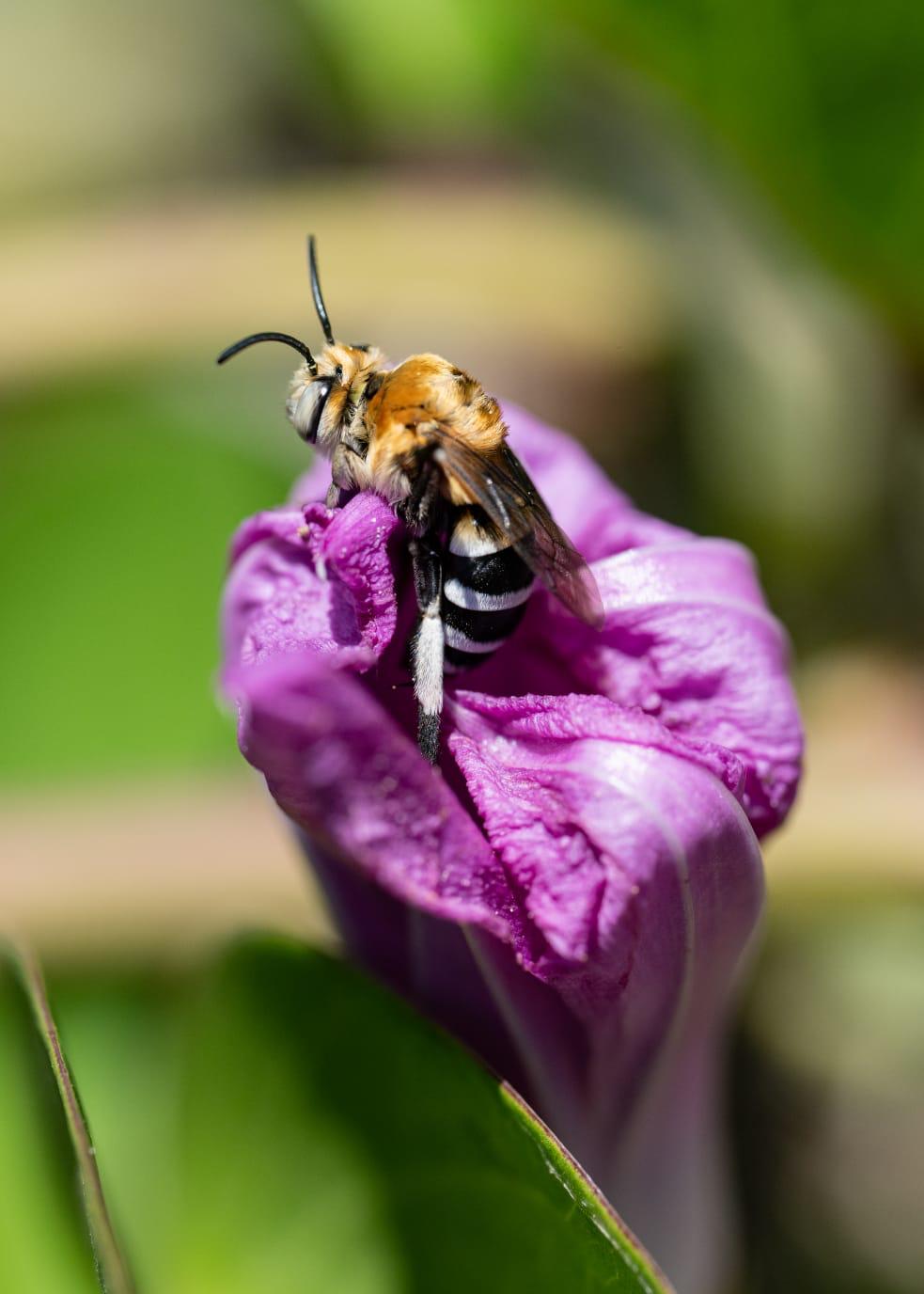
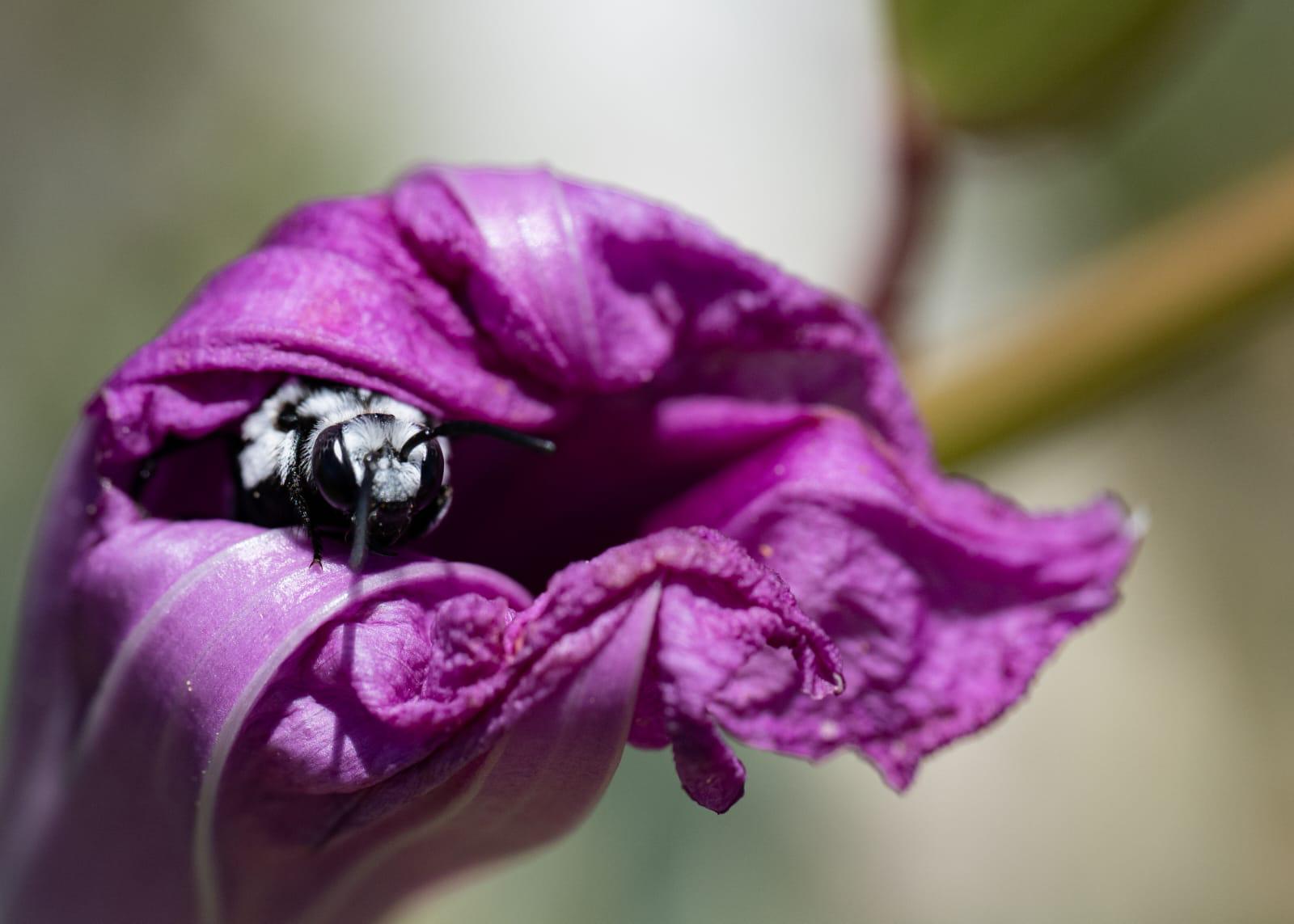
The APICLIMPACT project protects the Canary Islands’ wild pollinators and strengthens beekeeping resilience against climate change and human impacts. Operating across all seven UNESCO Biosphere Reserve islands, it engages urban and peri-urban areas through awareness, biodiversity protection, pollinator-friendly practices, and promotes women’s role in the beekeeping sector.
Spain
Regional
The project was developed on the seven islands of the Canary archipelago declared a Biosphere Reserve by UNESCO: Lanzarote (including La Graciosa), Fuerteventura, Gran Canaria, Tenerife, La Gomera, La Palma and El Hierro, thus covering the entire island territory of the archipelago and generating a coordinated approach at a regional scale.
It addresses urban-rural linkages
It involves other types of transformations (soft investment)
Yes
2026-01-31
Yes
The project was funded (2023–2026) under the NextGenerationEU – Recovery and Resilience Facility (RRF) within the Spanish Recovery and Resilience Plan (PRTR), Policy Lever II “Resilient Infrastructures and Ecosystems”, Component 4 “Conservation and Restoration of Ecosystems and their Biodiversity”, Investment 2 “Conservation of Terrestrial and Marine Biodiversity”.
No
No
Organisation
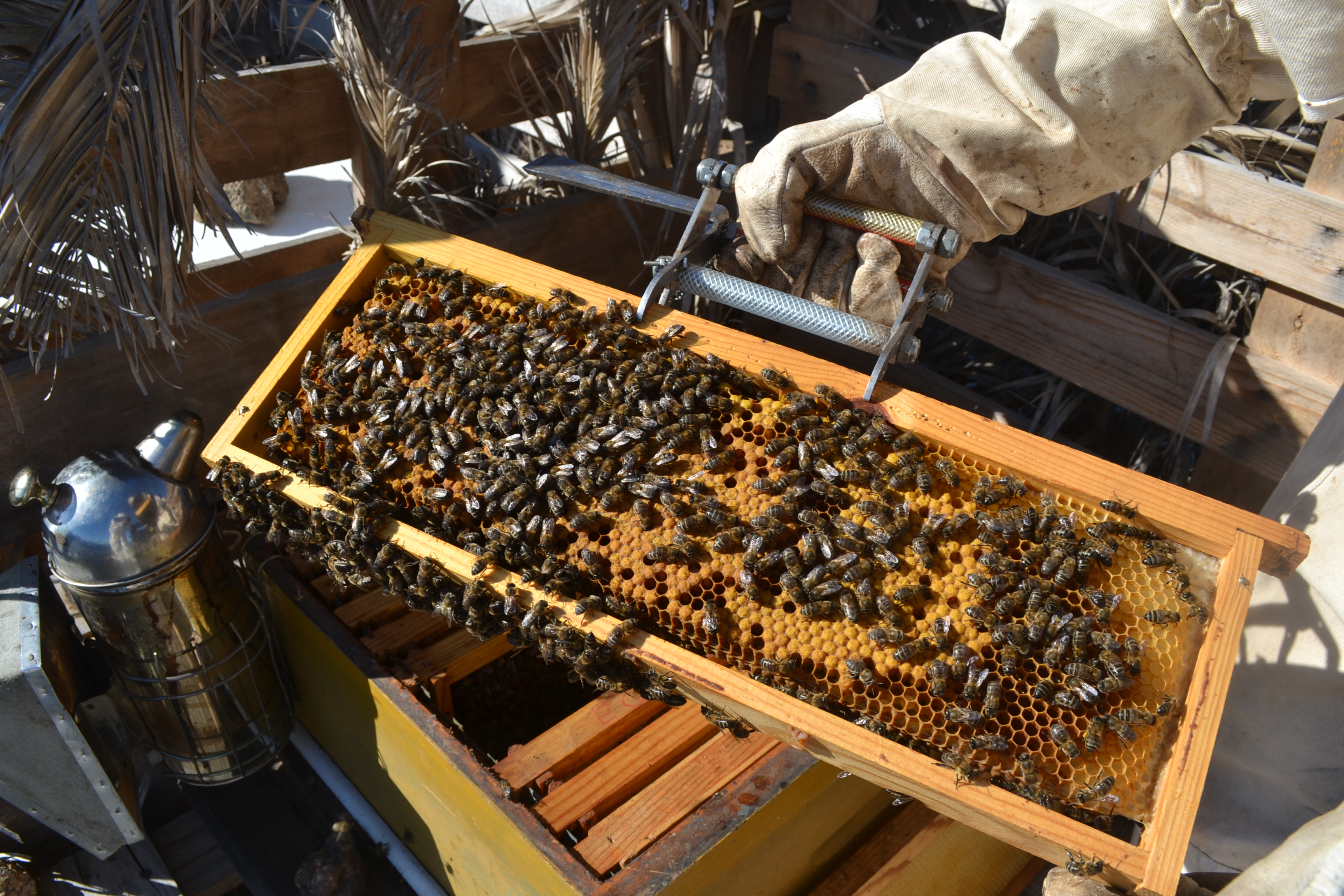
APICLIMPACT focuses on conserving biodiversity in the Canary Islands by protecting wild pollinators and strengthening the beekeeping sector against climate change challenges (droughts, heatwaves, wildfires, invasive species) and human-related threats such as pesticides or genetic alteration of the native black honeybee.
The project has collaborated with municipalities, island councils, the Government of the Canary Islands, beekeeping associations, private companies, citizen groups, and the public universities (ULL and ULPGC), ensuring an inclusive, multi-stakeholder approach.
Key results achieved:
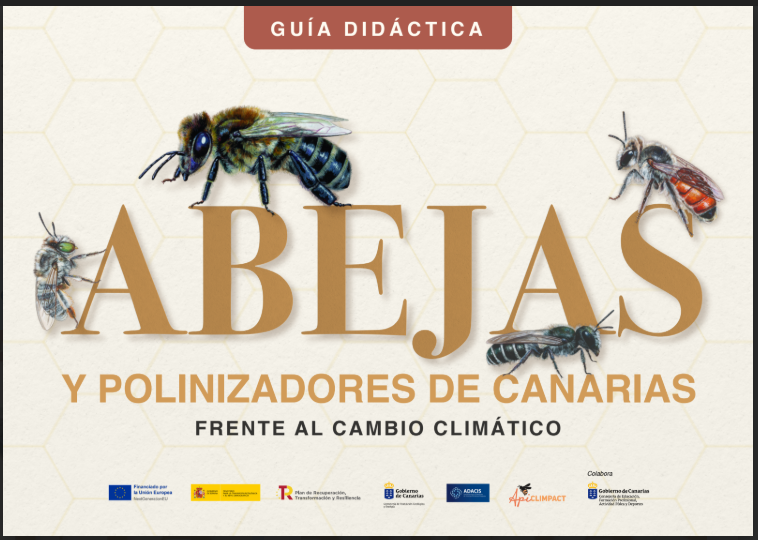
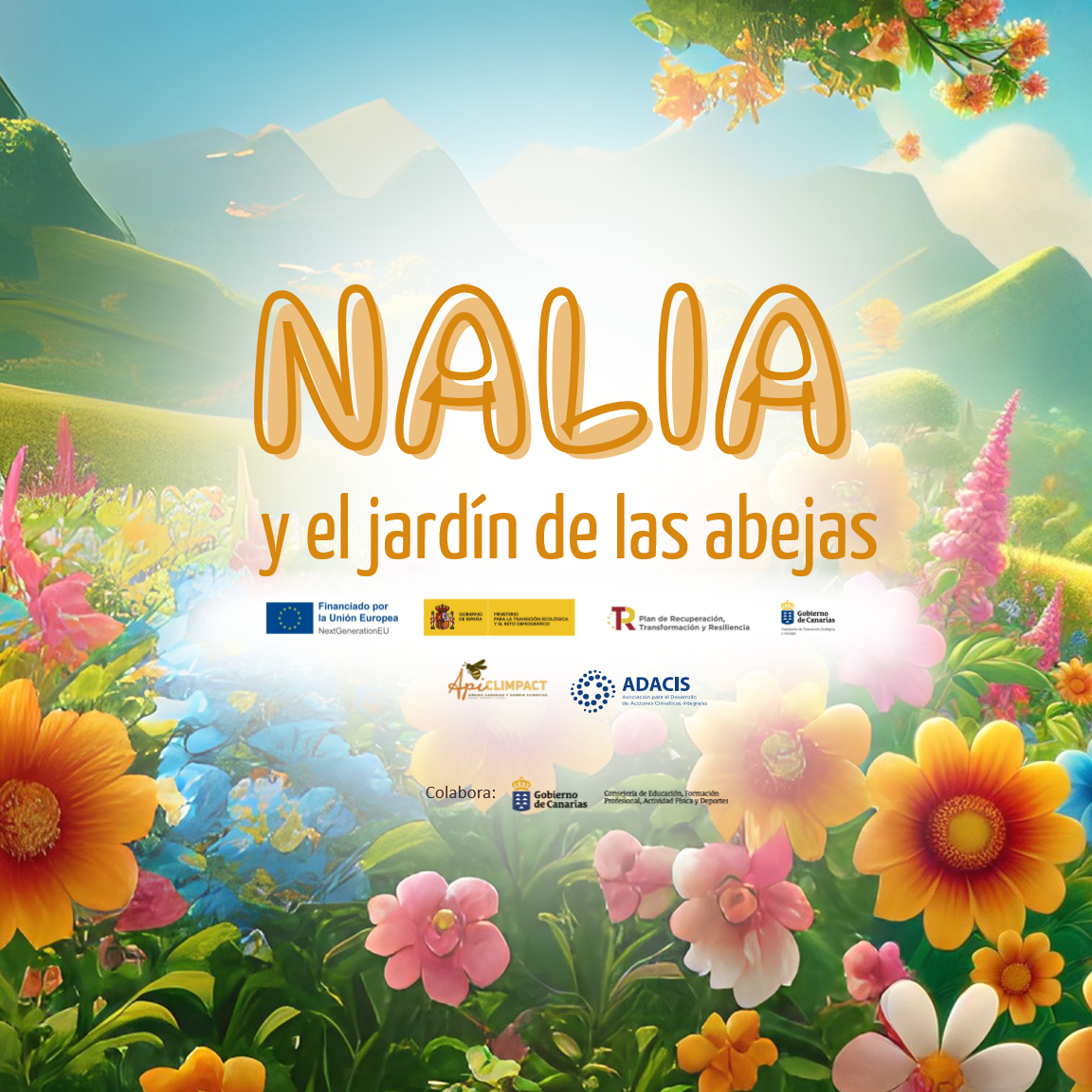
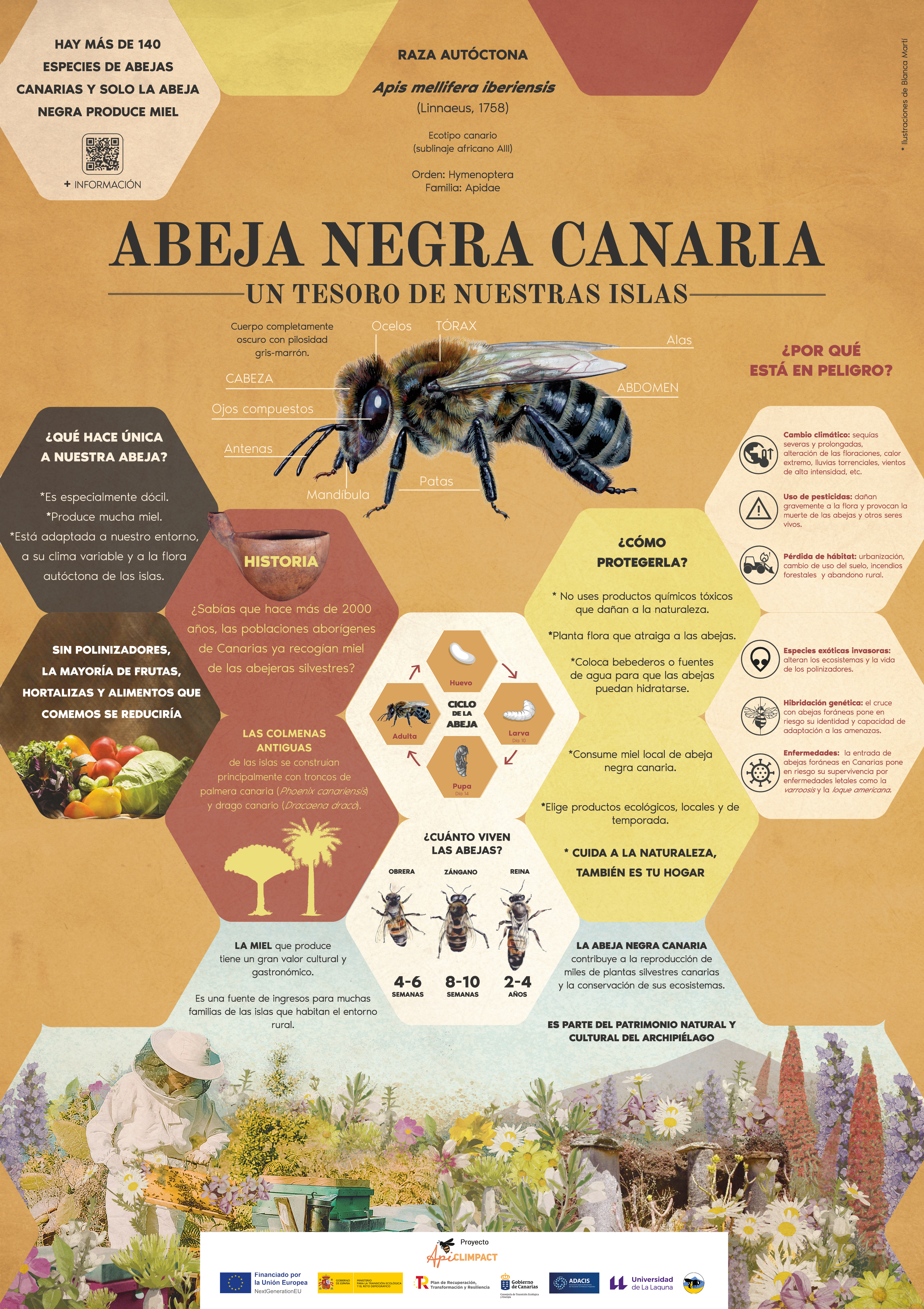
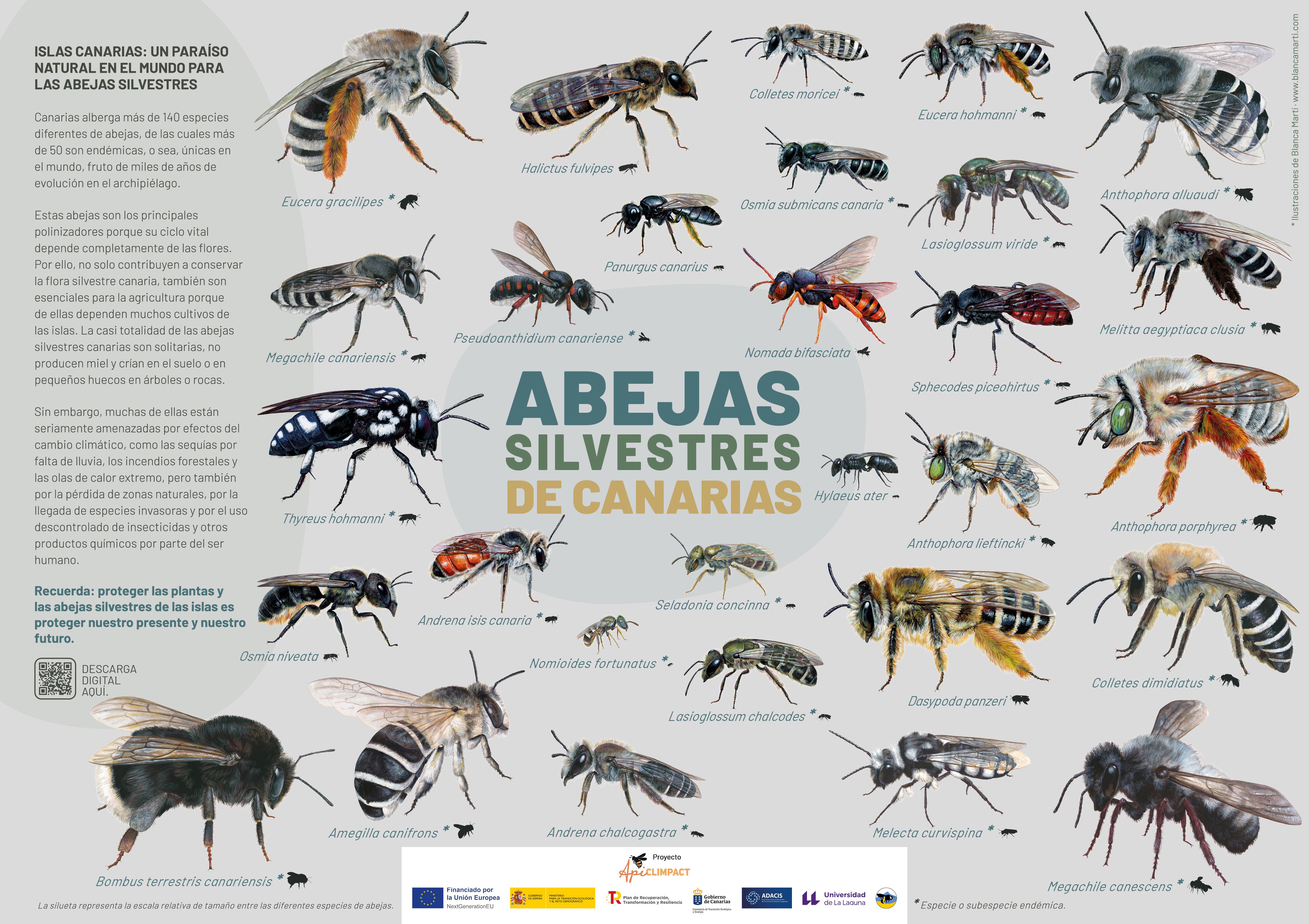
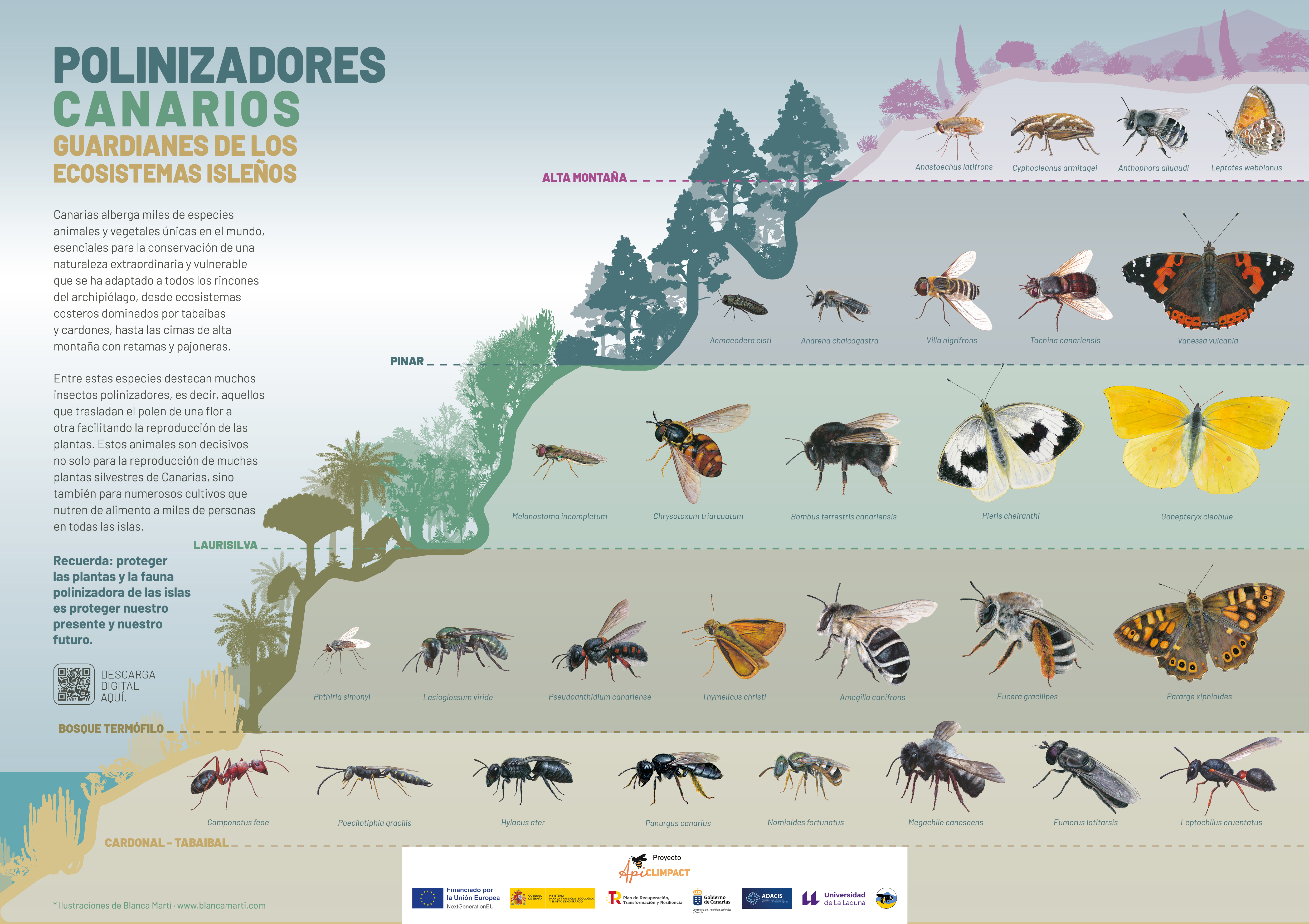
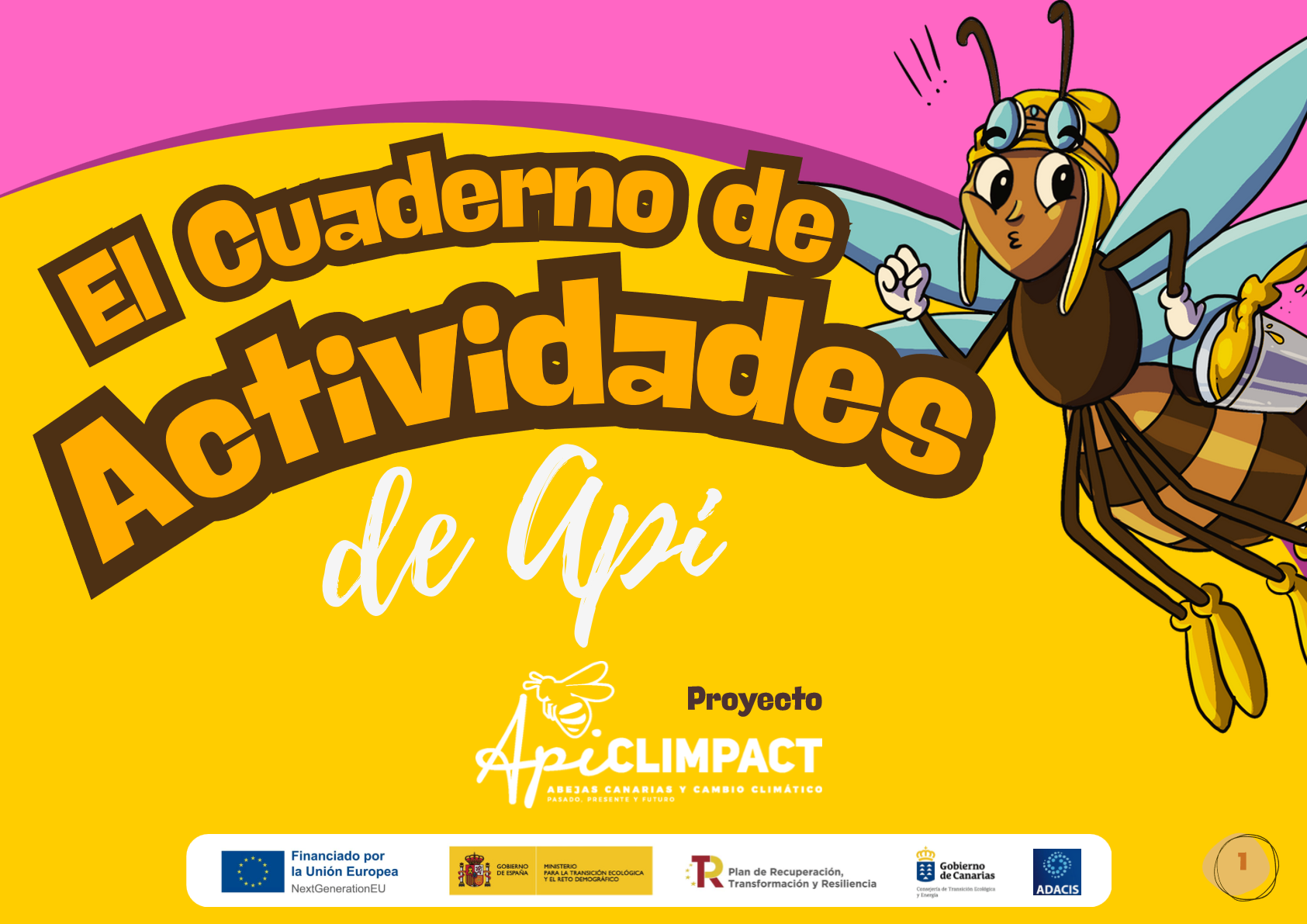
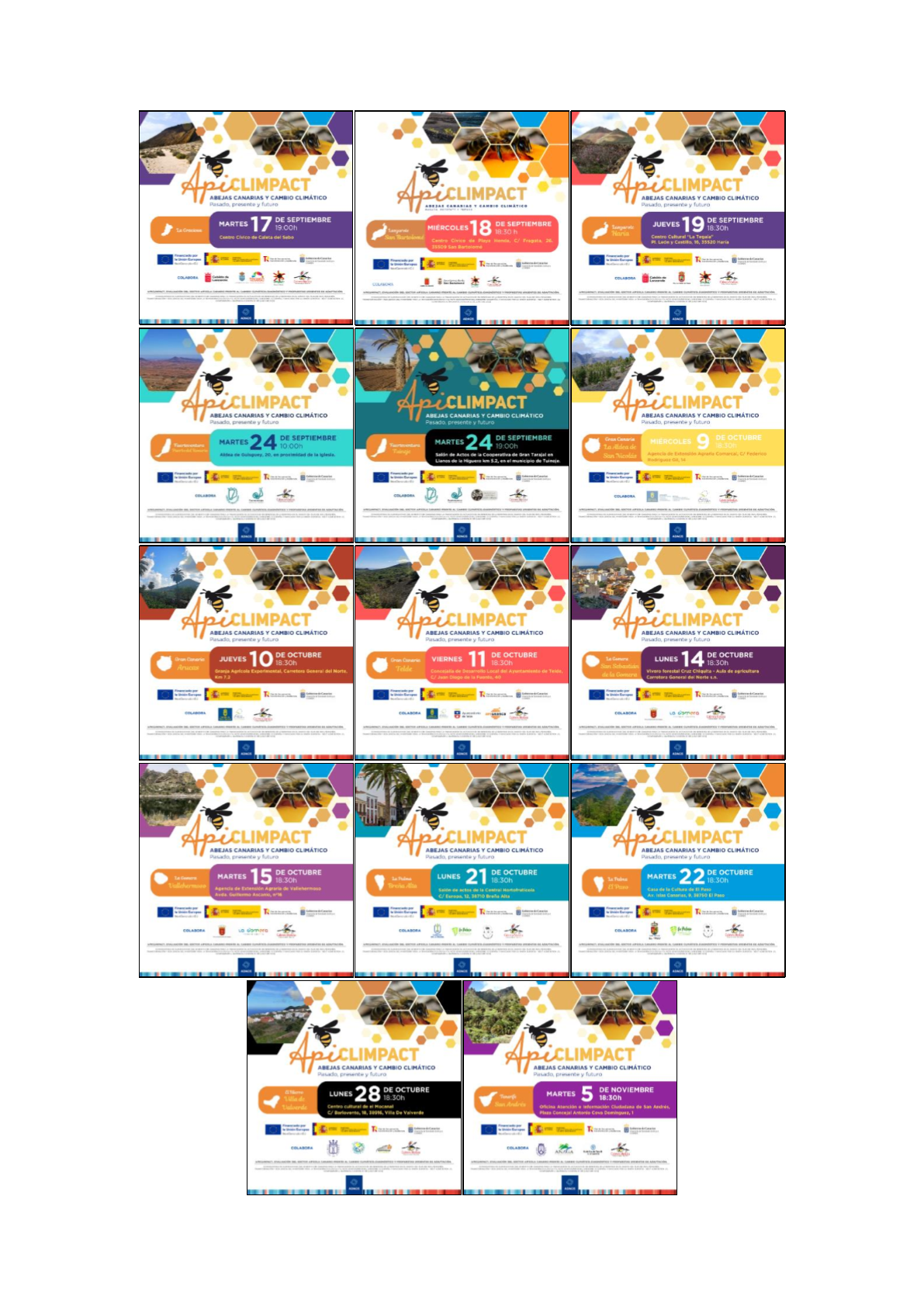
Outreach: educational spot, three posters with ULL, children’s story, teacher activity book, and accessible guide; three publications distributed to 874 schools, reaching 212,000 students.
Administrative: report on apiculture subsidies and inspections to the Canary Islands Government; motion via FECAM to protect health, ecosystems, and pollinators, approved in 12 municipalities.
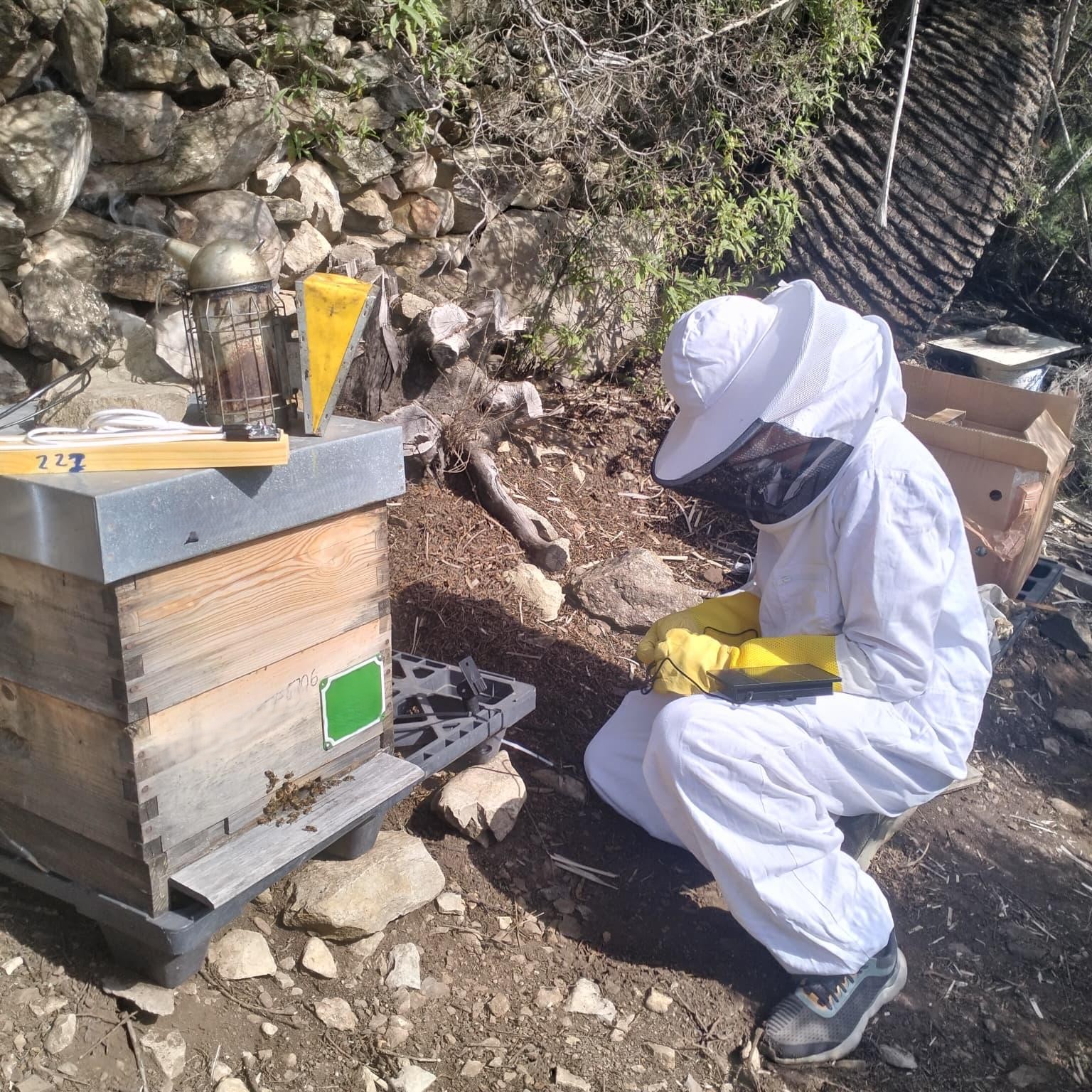
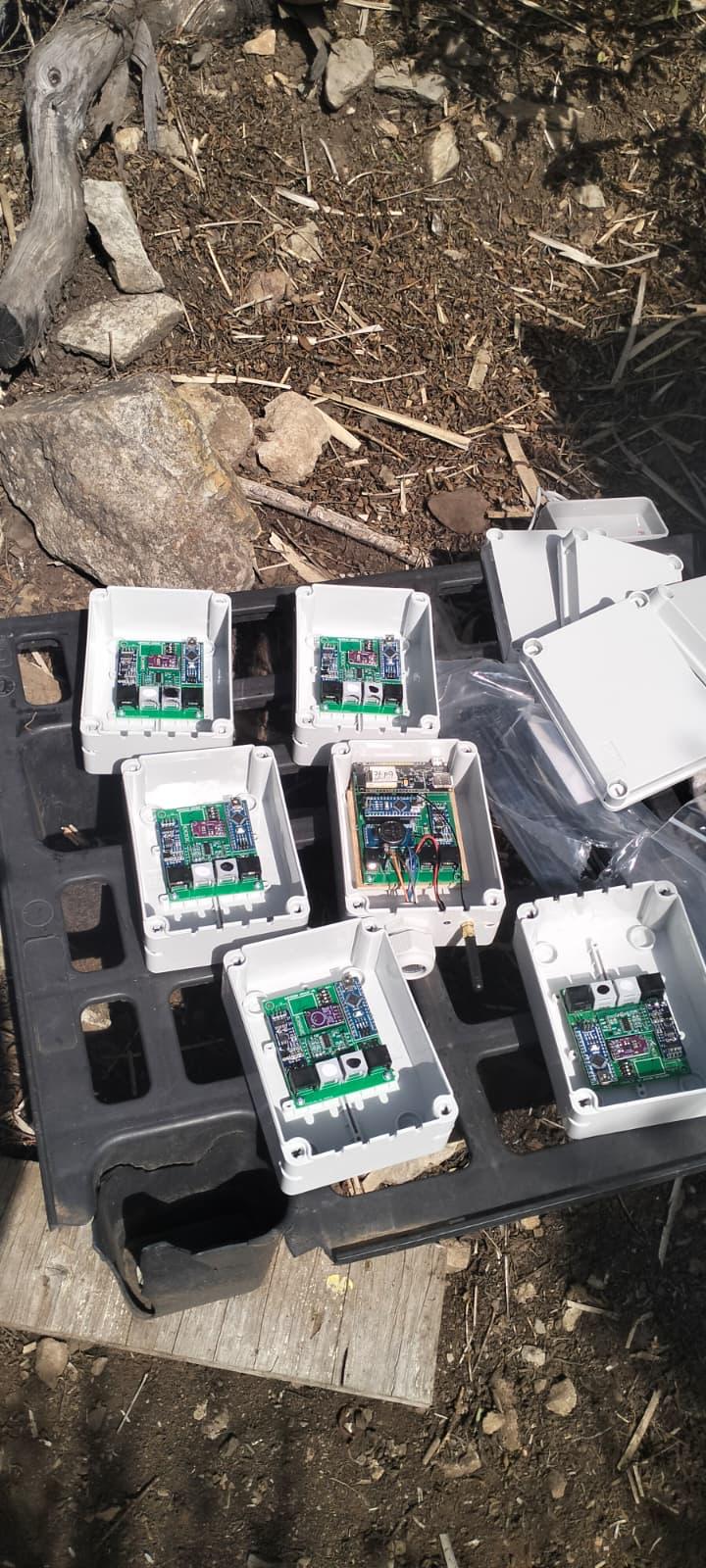
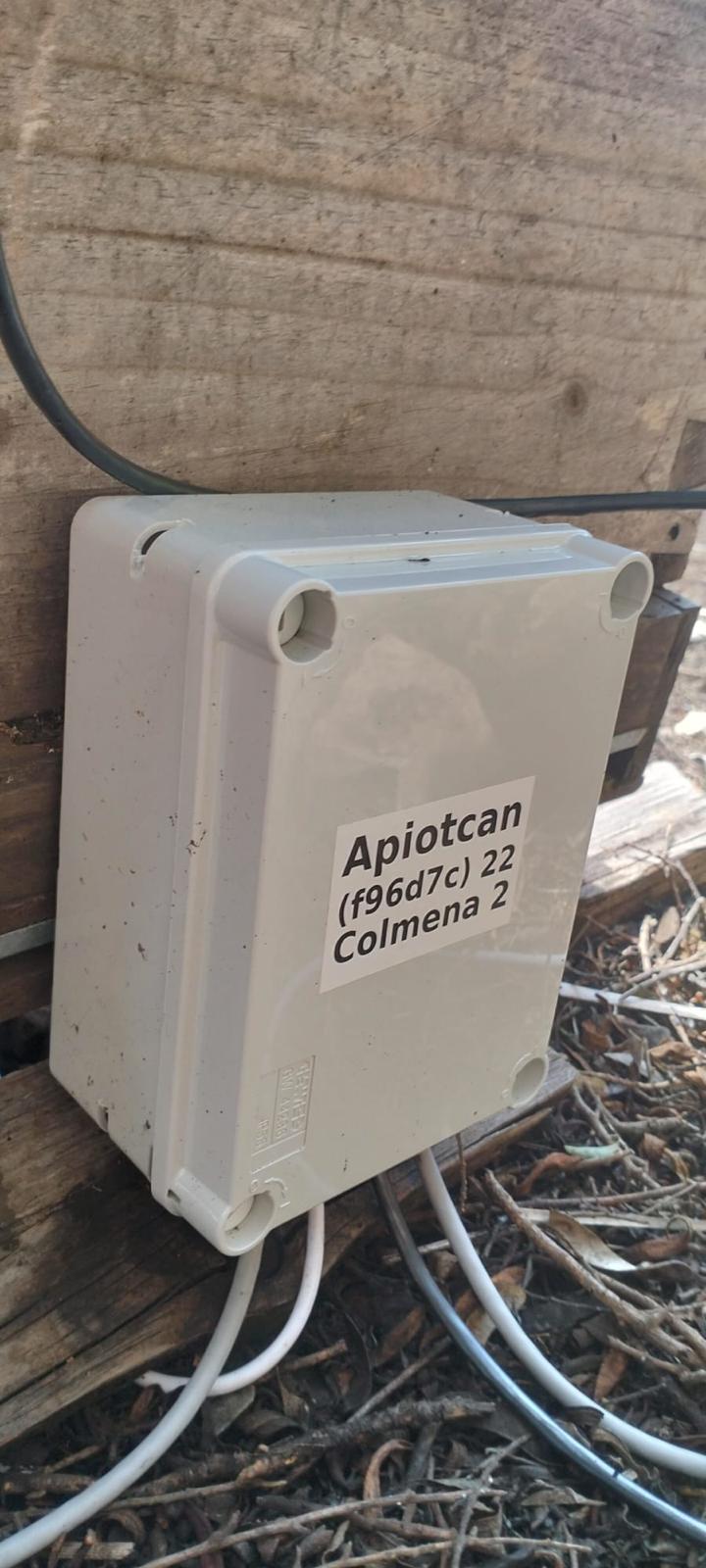
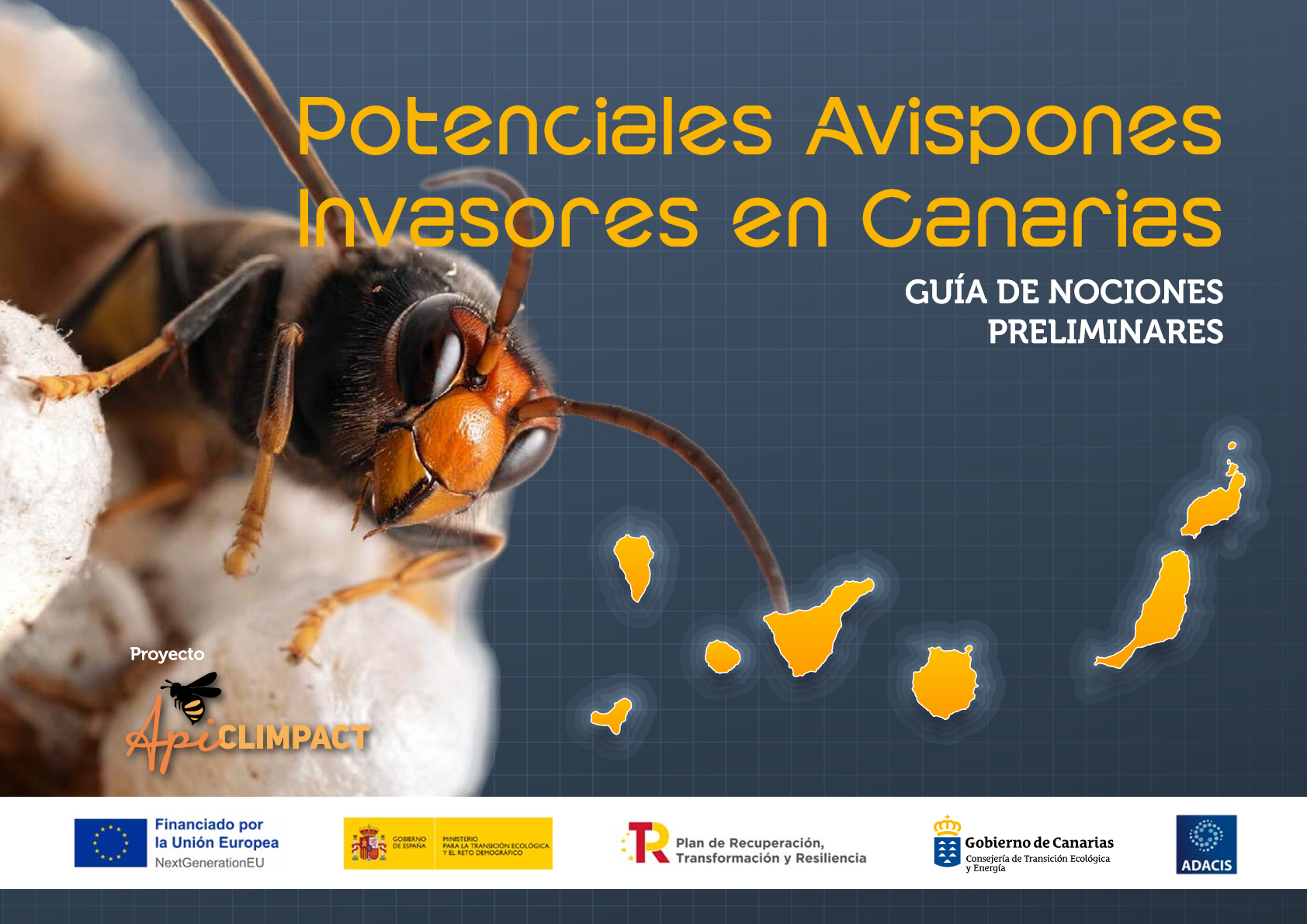
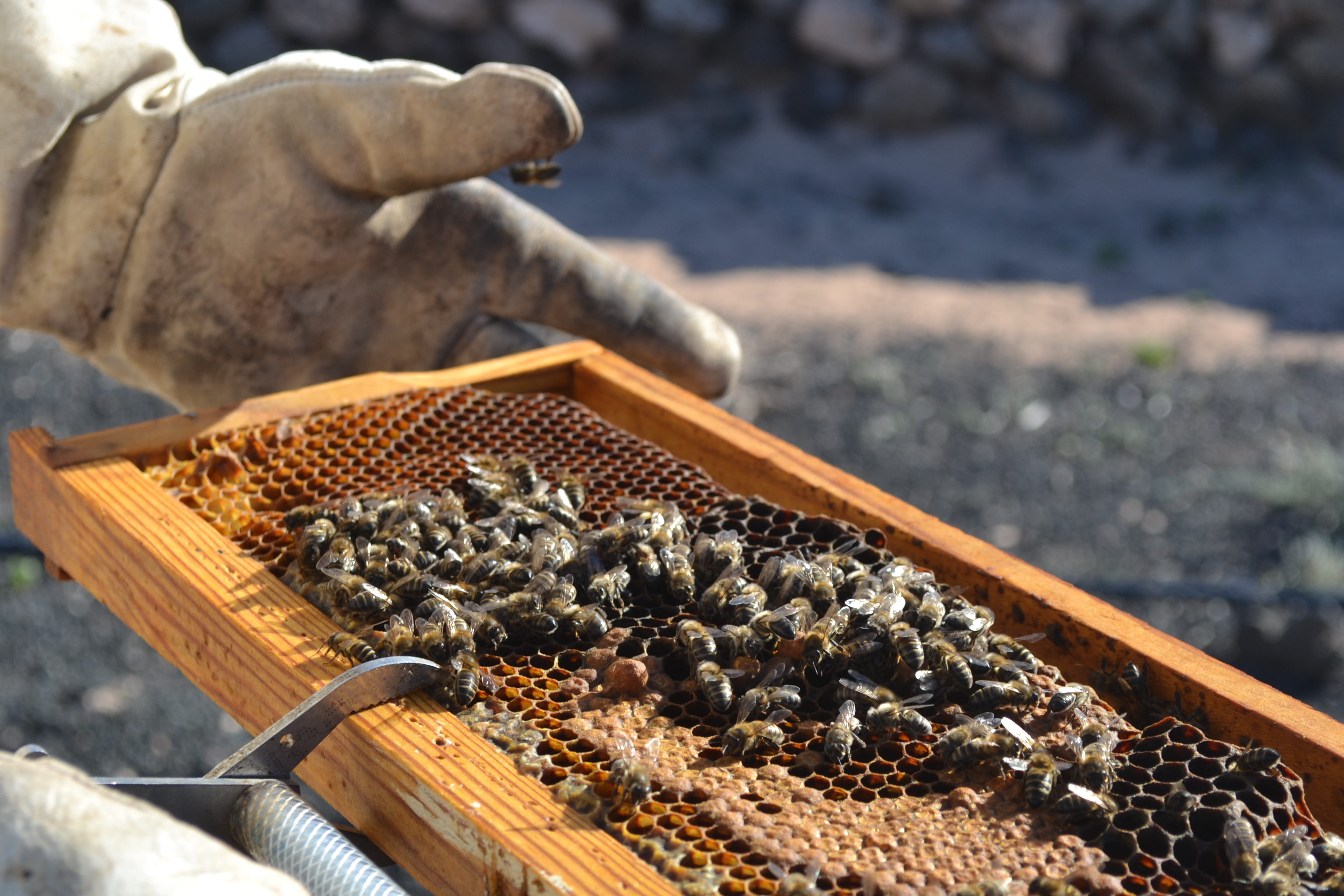
Scientific: installation of 10 APIOTCAN devices to digitize hives and collect meteorological data; genetic, morphometric, and ethological study of the black honeybee (BIOMOL-ULPGC) for inclusion in the National Catalogue of Livestock Breeds; urgent treatment against American foulbrood in Gran Canaria (83 beekeepers, 3,019 hives, 16 outbreaks, 28 asymptomatic hives); first invasive hornet prevention guide.
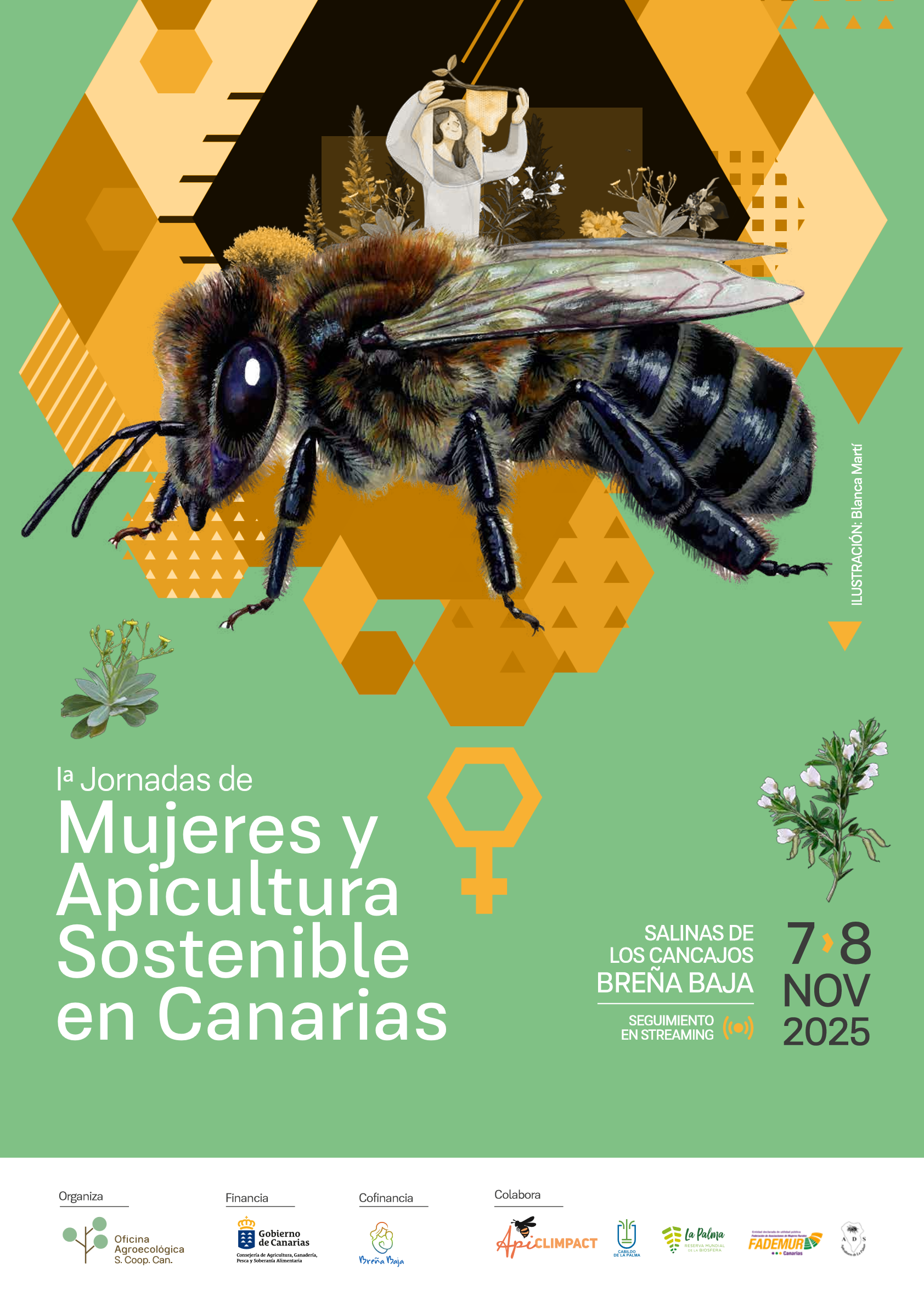
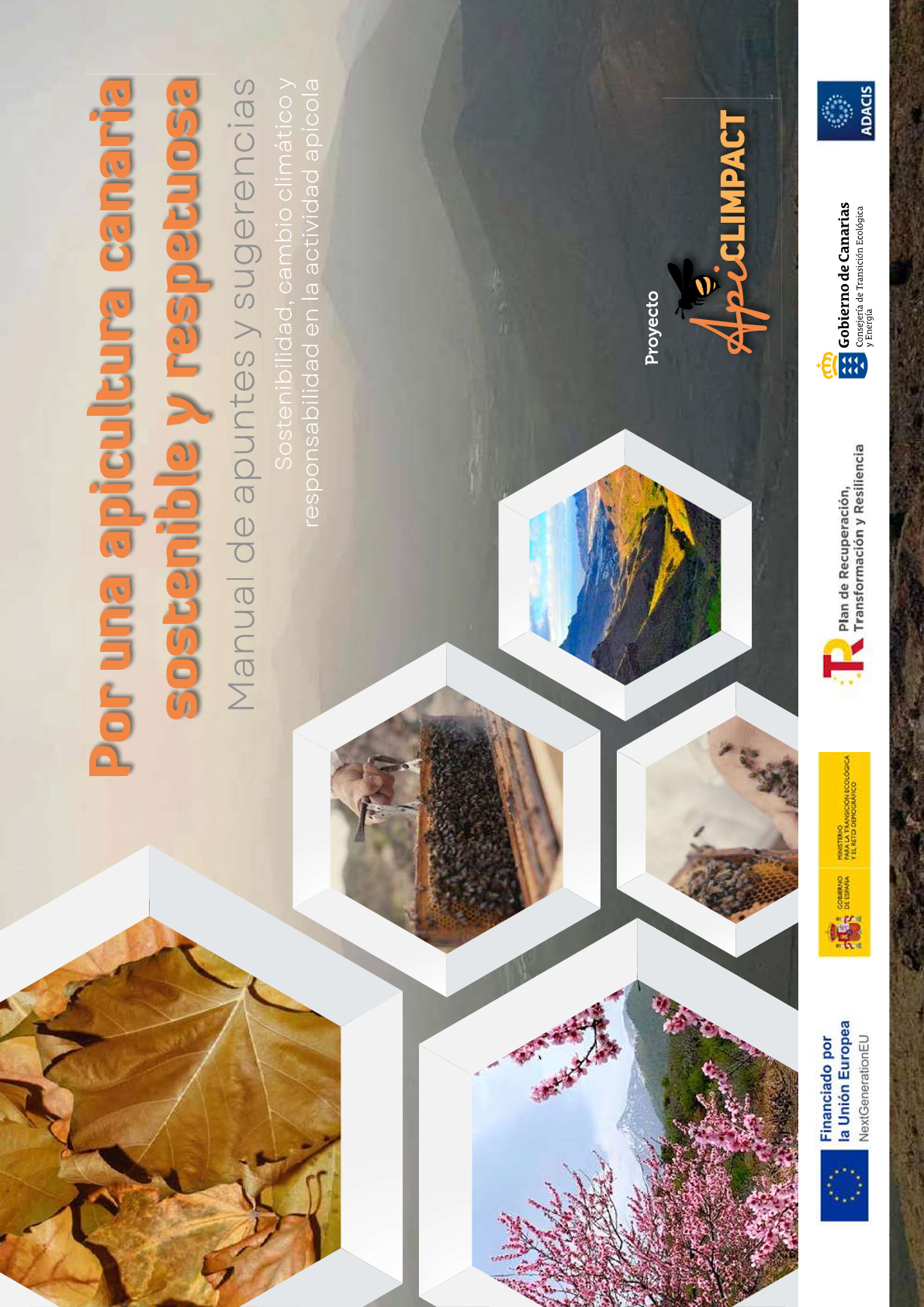
Primary sector: visits to all 8 islands with 200 participants to collect sector needs; promotion of women in beekeeping through the I Women & Sustainable Beekeeping Conference; publication of the guide “For Sustainable and Respectful Beekeeping.”
Food sector: actions against fraudulent honey sales; promotion of 100 % Canarian honey;
Long-term impact: APICLIMPACT strengthens the resilience of the beekeeping sector, protects biodiversity, promotes gender equity, advances hive digitalization, and improves honey traceability. Visit: https://www.adacis.info/results for detailed information.
The APICLIMPACT project began when the ADACIS team, while developing island climate strategies in El Hierro and La Gomera, identified severe impacts of climate change on the primary sector. Local beekeepers reported honey losses of up to 50 % and warned that total production could be lost in a few years. From this, the team recognized that wild pollinators faced similar stressors—food scarcity, dehydration, and environmental pressure—threatening their populations, endemic plants, rural economies, honey production, agriculture, and food sovereignty across the archipelago. The project involved ADACIS, municipalities, island councils, the Government of the Canary Islands, beekeeping associations, citizen groups, private companies, and the public universities (ULL and ULPGC). Decisions and actions were developed collaboratively with these stakeholders.
On the ground, the project followed four main phases:
Research: bibliographic analysis, review of EU and international experiences, field inspections, surveys, and expert consultations.
Co-design: engagement with primary sector organizations, universities, ecological groups, and ~200 participants across the eight islands to identify local needs.
Testing & Implementation: installation of APIOTCAN IoT devices in hives, invasive species monitoring, urgent treatments for American foulbrood, citizen awareness campaigns, administrative improvements, and coordination among governments and public/private actors.
Evaluation: data analysis and structured stakeholder feedback.
Tools and methods included digital monitoring, workshops, field visits, educational and technical materials, and pilot actions in hives and commercial settings.
This participatory approach ensured the project protected pollinators, strengthened apiculture resilience, promoted gender inclusion, improved hive management, and raised public awareness of sustainable honey production, generating long-term benefits for biodiversity and the local economy.
POLLINATOR CONSERVATION
CLIMATE RESILIENCE IN AGRICULTURE
SUSTAINABLE BEEKEEPING
COMMUNITY CO-DESIGN AND PARTICIPATION
BIODIVERSITY AND RURAL ECONOMY
APICLIMPACT promotes sustainability by protecting local pollinators, which are vital for the health and conservation of Canary Islands ecosystems, while enhancing the resilience of the archipelago’s beekeeping sector against climate change, pollution, invasive species, genetic alteration, and disease. Environmentally, it conserves wild pollinator populations and endemic plants, safeguarding ecosystem functions. Socially and culturally, the project fosters inclusion—especially of women in apiculture—and engages communities through awareness campaigns, educational materials, and participatory workshops. Economically, it supports rural livelihoods by securing honey production, improving hive management, promoting 100% Canarian honey, and reinforcing local agriculture, contributing to food sovereignty and the long-term resilience of the islands’ primary sector.
The project is exemplary in sustainability because it integrates scientific research, administrative action, sector engagement, and community outreach. Tools such as APIOTCAN IoT monitoring, invasive species prevention, and participatory co-design link ecological, social, and economic dimensions, delivering measurable, long-term benefits for biodiversity, rural economies, and resilient food systems. Its holistic, multi-island approach provides a model for sustainable, climate-adaptive primary sector initiatives in fragile island environments.
The project is exemplary in sustainability because it integrates scientific research, administrative action, sector engagement, and community outreach. Tools such as APIOTCAN IoT monitoring, invasive species prevention, and participatory co-design link ecological, social, and economic dimensions, delivering measurable, long-term benefits for biodiversity, rural economies, and resilient food systems. Its holistic, multi-island approach provides a model for sustainable, climate-adaptive primary sector initiatives in fragile island environments.
APICLIMPACT contributes to aesthetics by fostering vibrant, biodiverse landscapes that enhance the daily lives of communities across the Canary Islands. By protecting wild pollinators and supporting the health of endemic plants, the project ensures flourishing flora that enriches public and natural spaces—from urban parks and gardens to rural landscapes—improving the visual and sensory quality of people’s surroundings. These actions also reinforce ecosystem services such as flowering cycles and fruit production, which enhance local foodscapes and create a more harmonious connection between humans and nature.
The project strengthens a sense of belonging and care for place through community engagement: participatory workshops, citizen awareness campaigns, educational materials, and school programs involve residents in protecting pollinators, cultivating pride in local biodiversity, and nurturing the islands’ natural and cultural heritage. Initiatives promoting sustainable apiculture and local 100% Canarian honey link people directly to the landscape, connecting daily consumption with conservation. Special attention to gender inclusion and recognition of women in apiculture further fosters social cohesion and shared responsibility for the environment.
APICLIMPACT is exemplary in aesthetics because it integrates ecological health, human experience, and community identity. By combining scientific research, practical interventions, and creative outreach, the project transforms everyday spaces into living demonstrations of sustainable, beautiful, and culturally meaningful environments. It promotes landscapes that are not only productive but also visually and emotionally enriching, leaving a lasting legacy of care, pride, and connection to place for current and future generations.
APICLIMPACT addresses inclusion by ensuring that the benefits of pollinator conservation and sustainable apiculture are accessible to all community members across the Canary Islands, regardless of gender, age, or location. The project actively promotes the participation of women in the beekeeping sector by highlighting their historical and current roles, promoting their participation in decision-making and fostering island-wide participatory activities, including the participation in the “I Women and Sustainable Beekeeping in the Canary Islands.
The project fosters inclusive governance by engaging a wide range of stakeholders—local governments, beekeeping associations, ecological organizations, universities, citizen groups, and private enterprises—in co-design, decision-making, and implementation processes. Workshops, surveys, and consultations ensured that diverse perspectives and local needs shaped project interventions, from hive management and invasive species prevention to citizen awareness campaigns.
APICLIMPACT applies “design for all” principles by providing educational and technical materials in accessible formats for schools, the general public, and professional beekeepers. By linking scientific research, policy recommendations, and community participation, it creates a shared platform for knowledge and action that is open to everyone, fostering social cohesion and a collective sense of responsibility for the environment.
The project is exemplary in inclusion because it demonstrates how environmental and economic initiatives can empower underrepresented groups, promote equitable access to resources and knowledge, and involve citizens directly in shaping sustainable practices. Its holistic, participatory approach ensures that conservation and resilience benefits are shared broadly, creating a more equitable, engaged, and empowered society.
APICLIMPACT adopted a fully participatory approach by engaging citizens, communities, and civil society organizations across all eight Canary Islands. Beekeepers, local governments, ecological groups, private entities and universities were actively involved in co-designing project activities, providing input through workshops, surveys, field visits, and consultations. Their involvement directly influenced project actions, from the installation of APIOTCAN IoT monitoring devices to invasive species prevention, educational campaigns, and governance recommendations. By contributing local knowledge, experiences, and priorities, stakeholders ensured that interventions were context-specific, practical, and widely accepted. This participatory approach strengthened community ownership, enhanced social cohesion, and increased the project’s effectiveness, delivering measurable benefits for pollinator conservation, sustainable beekeeping, rural livelihoods and social health.
A multilevel governance approach was applied, engaging stakeholders at local, regional, and national levels throughout its design and implementation. Locally, municipalities, island councils—particularly through Biosphere Reserve departments—beekeepers, private businesses, ecological organizations, and citizen groups contributed knowledge, participated in workshops, and shaped actions adapted to island-specific needs. Regionally, the Government of the Canary Islands supported the project through departments for primary sectors, education, biodiversity, and climate change, facilitating coordination, policy alignment, and sector support. Technical expertise came from ULL’s Department of Animal Biology, Edaphology, and Geology for awareness campaigns on wild pollinators. Cooperation with ULPGC via BIOMOL and IUSA supported studies for recognizing the Canarian black bee as a distinct species and managing highly infectious bee diseases in Gran Canaria hives. Regional beekeeping organizations (APIGRANCA) addressed sectoral demands, while agricultural cooperatives like COPLACA promoted project materials aligned with sustainable practices. At the national level, leading research institutions and civil society organizations contributed. Pilar de la Rua (University of Murcia) reinforced the need to preserve Canarian black bee genetics. Researchers from the University of Galicia advised on invasive Asian hornets and co-designed a preventive guide for local administrations. The Galician association Mulleres Abelleiras and FADEMUR supported women’s empowerment in beekeeping. At national and European levels, the Spanish Government’s Secretaría General de Fondos Europeos ensured alignment with EU and national policies, while European best practices were incorporated through literature reviews and expert consultations.
This multilevel approach ensured robust, locally supported actions, boosting cooperation, policy alignment, and resilience of biodiversity and rural livelihoods.
This multilevel approach ensured robust, locally supported actions, boosting cooperation, policy alignment, and resilience of biodiversity and rural livelihoods.
APICLIMPACT was transdisciplinary in both design and implementation, integrating environmental sciences, biology, agriculture, digital technologies, social sciences, education, economics, and community engagement. Environmental sciences and biology guided the conservation of wild pollinators, protection of endemic and native plant species, and strategies to prevent invasive species. Agricultural and beekeeping expertise informed sustainable hive management, disease control, and resilient honey production practices. Digital technologies, notably the APIOTCAN IoT monitoring devices, enabled real-time tracking of hive conditions and meteorological data, supporting climate-adapted interventions and evidence-based decision-making. Social sciences and education underpinned participatory co-design, stakeholder engagement, citizen awareness campaigns, school programs, and the promotion of inclusion, particularly empowering women in apiculture. Economics provided insight into sustainable rural livelihoods, the promotion of 100 % Canarian honey, and strategies to enhance local food sovereignty. Community engagement linked all disciplines, ensuring broad participation from beekeepers, local governments, universities, research institutes, ecological organizations, and citizens across all eight islands. This integration allowed APICLIMPACT to deliver holistic solutions addressing ecological, social, and economic challenges simultaneously while fostering sustainability, resilience, inclusion, and a sense of collective responsibility for biodiversity and the local environment. By bridging scientific research, practical interventions, governance, education, and technology, the project exemplifies a transdisciplinary model that can be replicated in other regions facing similar environmental and socio-economic pressures.
APICLIMPACT was implemented by ADACIS with funding from the Next Generation EU program, enabling the full deployment of its core activities. These included actions to enhance wild pollinator conservation, strengthen the resilience of the Canary Islands’ beekeeping sector, and deliver participatory workshops, educational programs, scientific research, awareness campaigns, administrative initiatives, and technological tools. The project brought together a wide range of stakeholders—beekeeping associations, local governments, schools, universities, ecological organizations, private enterprises, and citizens—ensuring coordinated action across all eight islands of the archipelago.
While Next Generation EU funding supported the implementation phase, APICLIMPACT was designed to ensure continuity and long-term impact beyond the project’s duration. Following its completion, many of its actions continue through the ordinary activities of the participating entities. Beekeeping associations continue promoting sustainable honey production and women’s participation in apiculture; public administrations integrate the project’s outcomes into environmental and agricultural management and policies; educational institutions and local organizations incorporate project materials into their curricula; local businesses support citizen awareness, dissemination initiatives, and local production; and scientific research continues through collaborations with universities and research institutes, building on the data, networks, and knowledge generated during the project.
This collaborative, multi-actor model ensures that the project’s environmental, social, and economic impacts—such as pollinator conservation, sector resilience, community engagement, and local food sovereignty—remain active and continue generating long-term value for biodiversity, rural livelihoods, and sustainable development in the Canary Islands.
APICLIMPACT is highly scalable because its methodologies, tools, and approaches are designed to be adaptable to diverse geographic, ecological, and socio-economic contexts. The project’s participatory co-design process—engaging local stakeholders, beekeepers, universities, ecological organizations, and citizen groups—can be replicated in other regions to identify local needs, build ownership, and foster inclusive governance. Its educational and technical materials, such as guides on sustainable apiculture, pollinator protection, and invasive species prevention, can be translated and adapted for different languages, ecosystems, and cultural contexts, enabling broad knowledge transfer. Administrative strategies and awareness campaigns developed to protect pollinators, ensure compliance, and promote local honey production can be applied to strengthen rural economies and biodiversity conservation elsewhere. Furthermore, APICLIMPACT combines scientific research, monitoring, and practical interventions in an integrated approach, allowing other regions to adopt evidence-based solutions. Finally, the APIOTCAN IoT monitoring system provides a replicable, economically affordable technological tool that can be deployed in any apiary worldwide to track hive conditions and local meteorology, supporting climate-resilient beekeeping, early detection of threats, and data-driven decision-making. Together, these elements make APICLIMPACT a model that can be transferred effectively to other islands, territories, or sectors facing similar environmental and socio-economic challenges.