Enablers for New European Bauhaus Transformation
The Kings Island Walled Town IUS
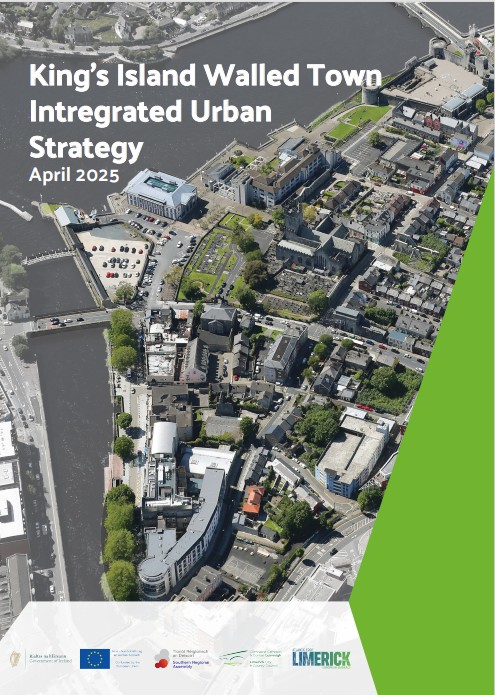
'Our Island Our Visions' The Kings Island Walled Town Integrated Urban Strategy, Limerick, Ireland
This project was the creation of an Integrated Urban Strategy that was created within the community of a unique heritage area of high deprivation. Locals, tourists, youth, community, commerce, minority marginalised and minority groups all gain confidence from the process. Sustainability,accessibility,affordabilty and inclusivity is studied for this unique island of heritage. This Innovative planning tool engaged under represented groups, with a bottom up approach to co design theie vision.
Ireland
Local
Kings Island Walled Town, Limerick City
Mainly urban
It involves other types of transformations (soft investment)
Yes
2025-04-04
Yes
ERDF : European Regional Development Fund
No
No
Organisation
This project was for the creation of an Integrated Urban Strategy that was created together with the community and resulted in a Thrive 6.5M funded capital Medieval Site project for this area of high deprivation. IUS used a grassroots approach to ensure strong community engagement. The purpose of the project was to enable a citizen-centred approach to planning, design and project selection for a unique heritage area within a city island, concentrating on the core values of NEB .
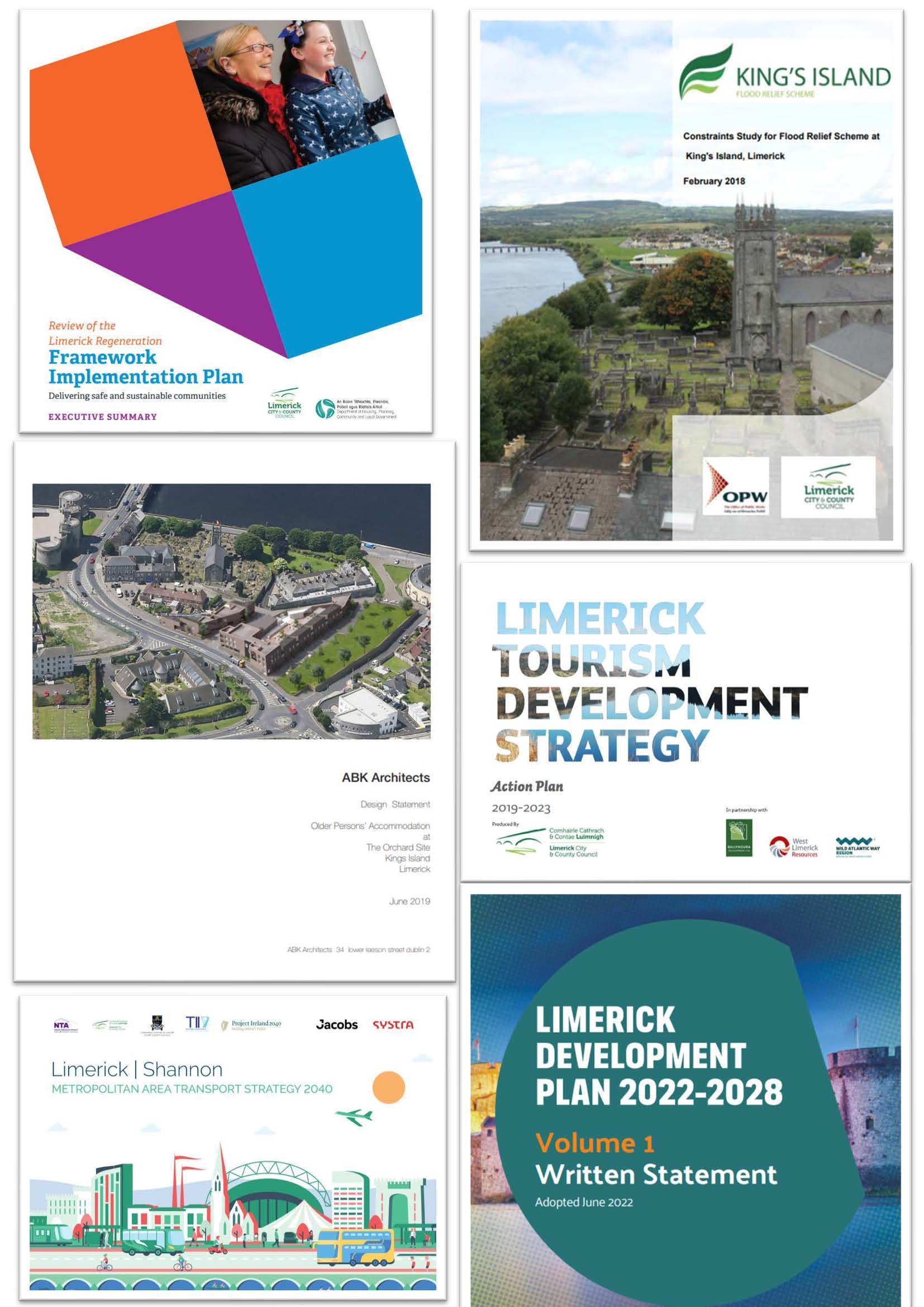
Previous studies, like the King’s Island Walled Town Framework (KIWTF) 2024 and twenty former studies created the foundation of research. However the heritage rich Island suffered from high vacancy, dereliction, a weak economy and lack of funding. A innovative bottom up approach was required. The Island residents are a fiercely proud close knit group with strong historical Island roots, the community felt forgotten and demoralised.
“Nicholas Street used to be such a busy street. Back in the day you could get everything you need on this street.” – of the public on the decline of Nicholas Street
Public engagement was a priority and analysis in various forms. The public contributions co-created the Kings Island Walled Town Integrated Urban Strategy (IUS). ‘Our Island our Visions’.
This Innovative planning tool was to engage participation of and target under represented groups to co-design their locality, have their voices heard, resulting in a document of all inclusive community visions.
Priority projects and end uses were identified as a result of the IUS as key to activating the wider Island area.
Street enhancement and heritage building projects all advanced with input from IUS.
Local residents, visitors, youth, community groups, business owners, minority, marginalised and migrant groups will all benefit and gain confidence from the engagement process that discussed sustainability, beauty, accessibility and affordability possibilities for their unique medieval island.
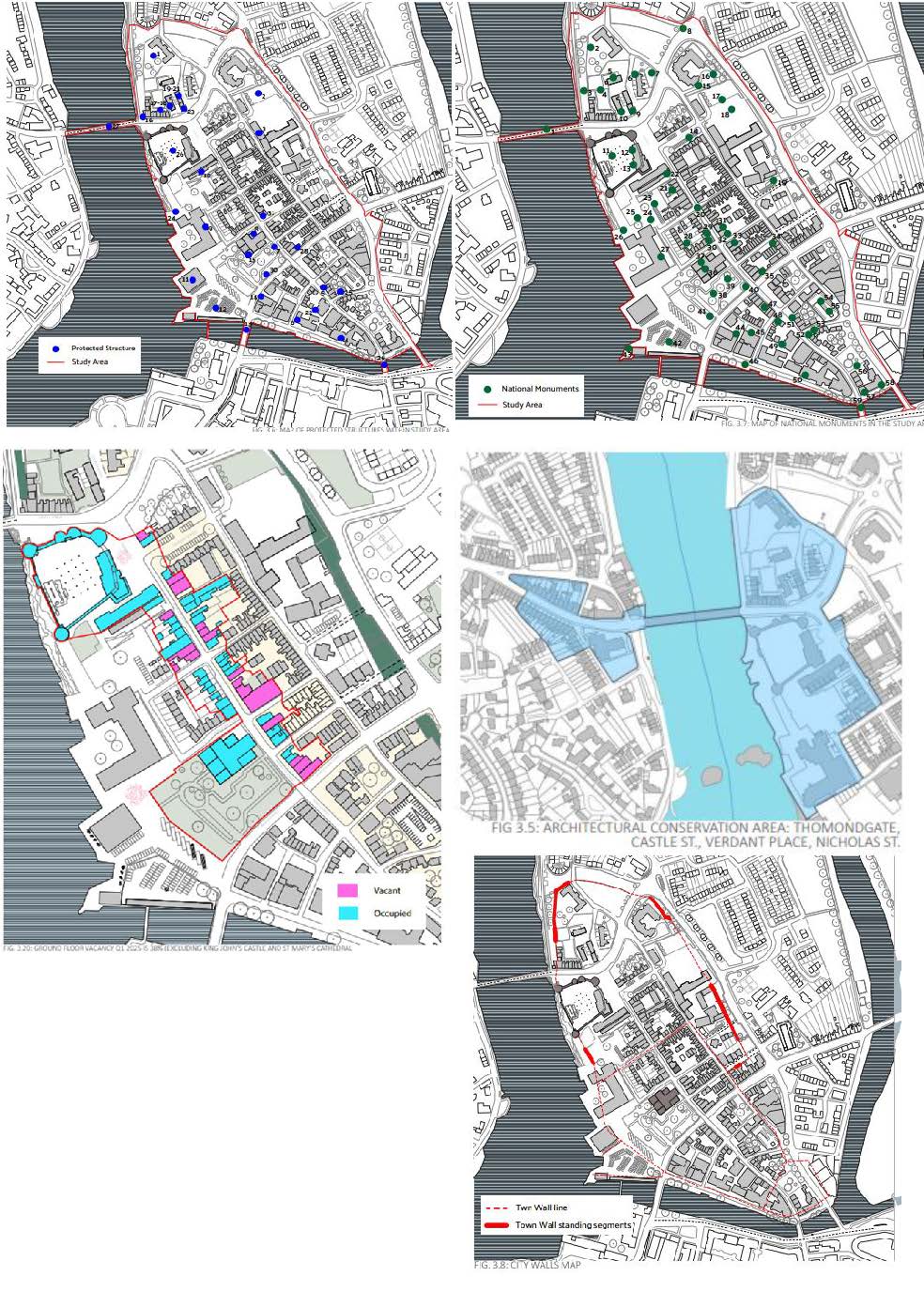
RESEARCH Twenty former reports and studies relate to the area but development never followed. This entire island is a Zone of Archaeological Potential, with a heritage collection of 80 protected structures and recorded monuments. The riverside setting of these heritage buildings, like the Castle and Cathedral, is stunningly beautiful with the Clare hills as background. The area suffers from extreme dereliction and vacancy but a strong community voice. Groups of artists,story tellers beekeepers, business owners already support each other as a coherent community group.
CO-DESIGN. An innovative approach was suggested by Forward Planning to activate voices of all groups, developing an overall Strategy for their vision, a bottom up approach.Workshops fed back in a loop to address their needs.
“Rejuvenating Nicholas Street would be wonderful as it has so much potential” – Lucy O Sullivan resident
EVALUATION 8 no. Workshops of 400 participants, story telling 100, online submissions 161 and HEI 50 students provided the IUS evaluation data.
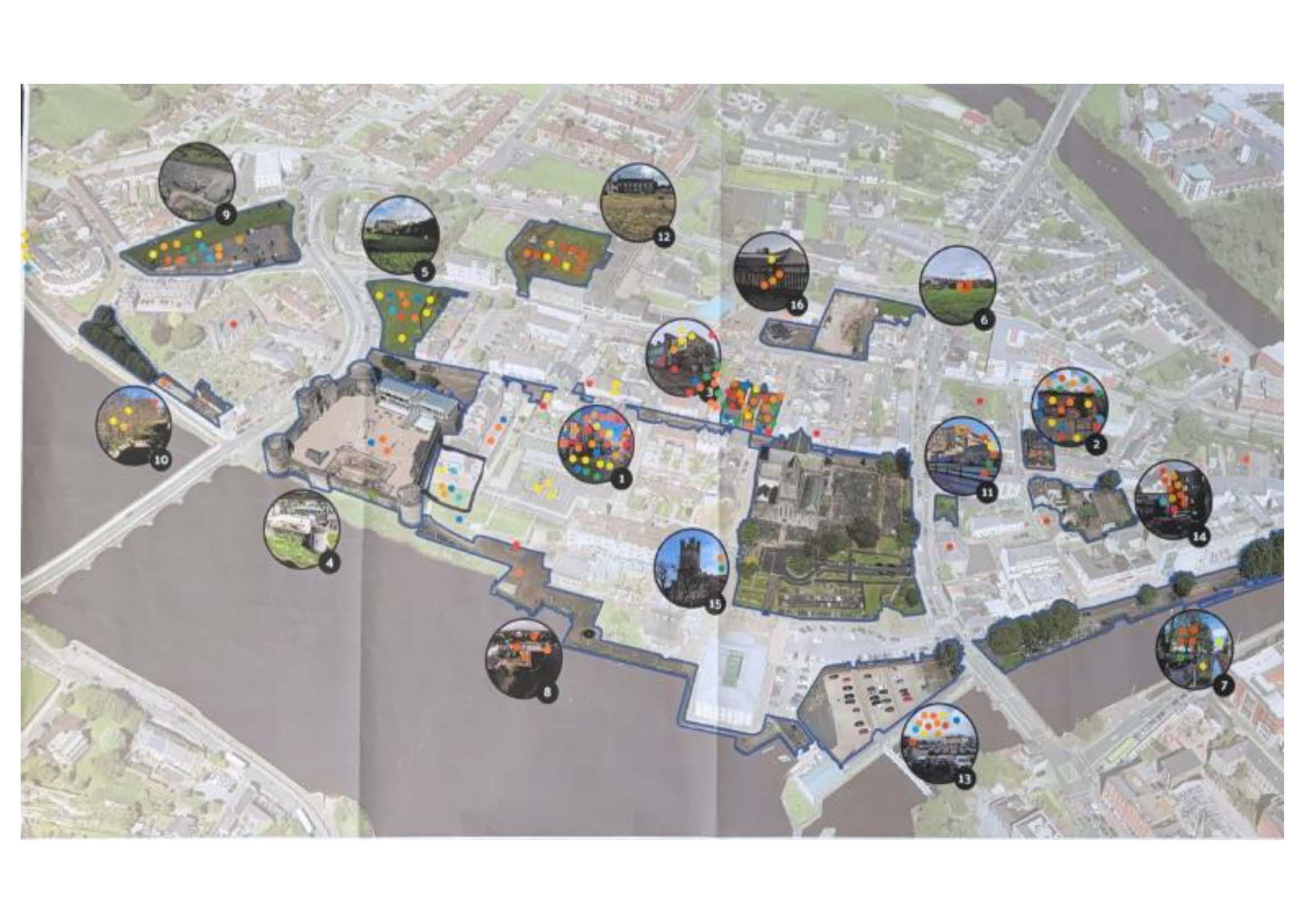
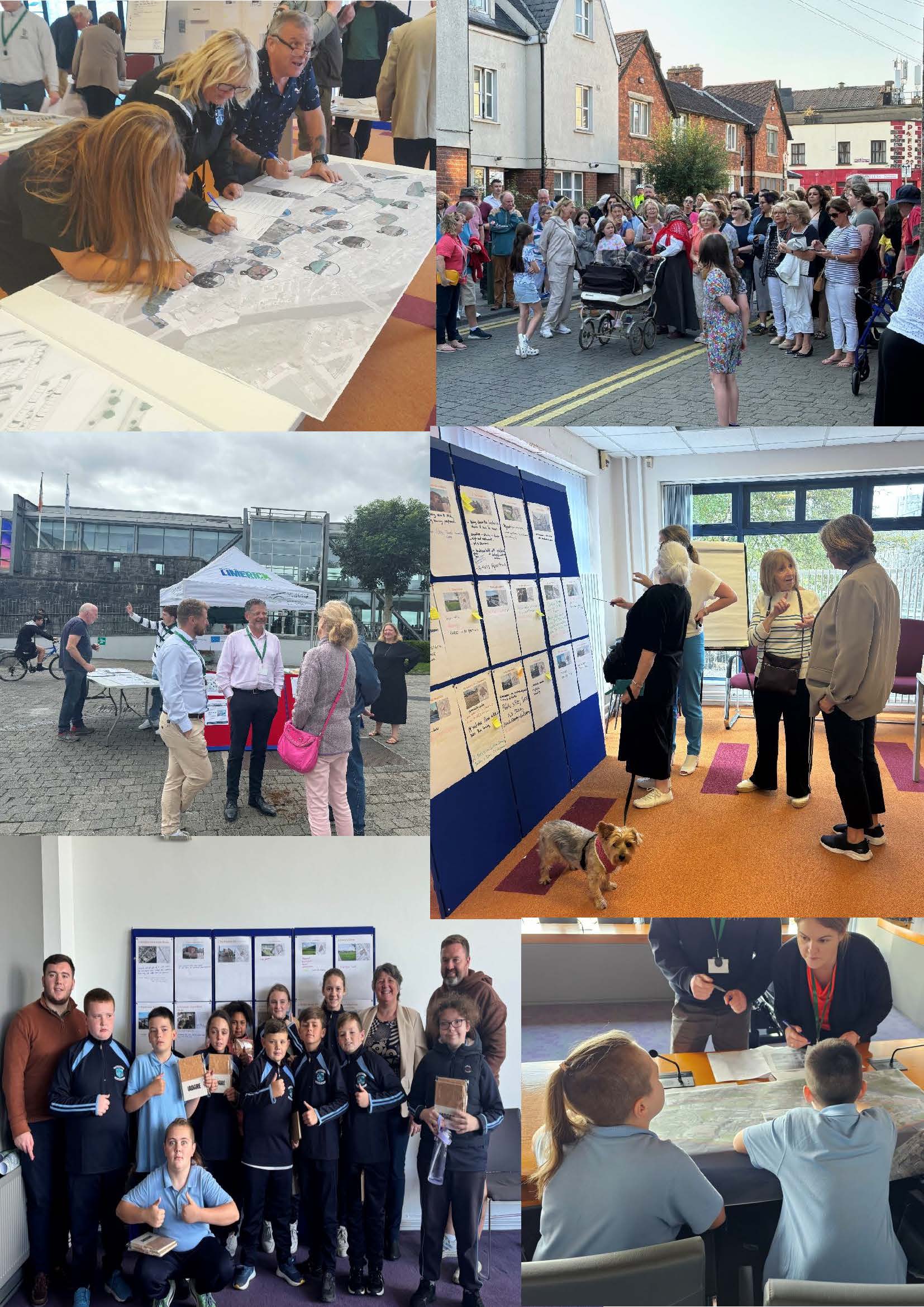
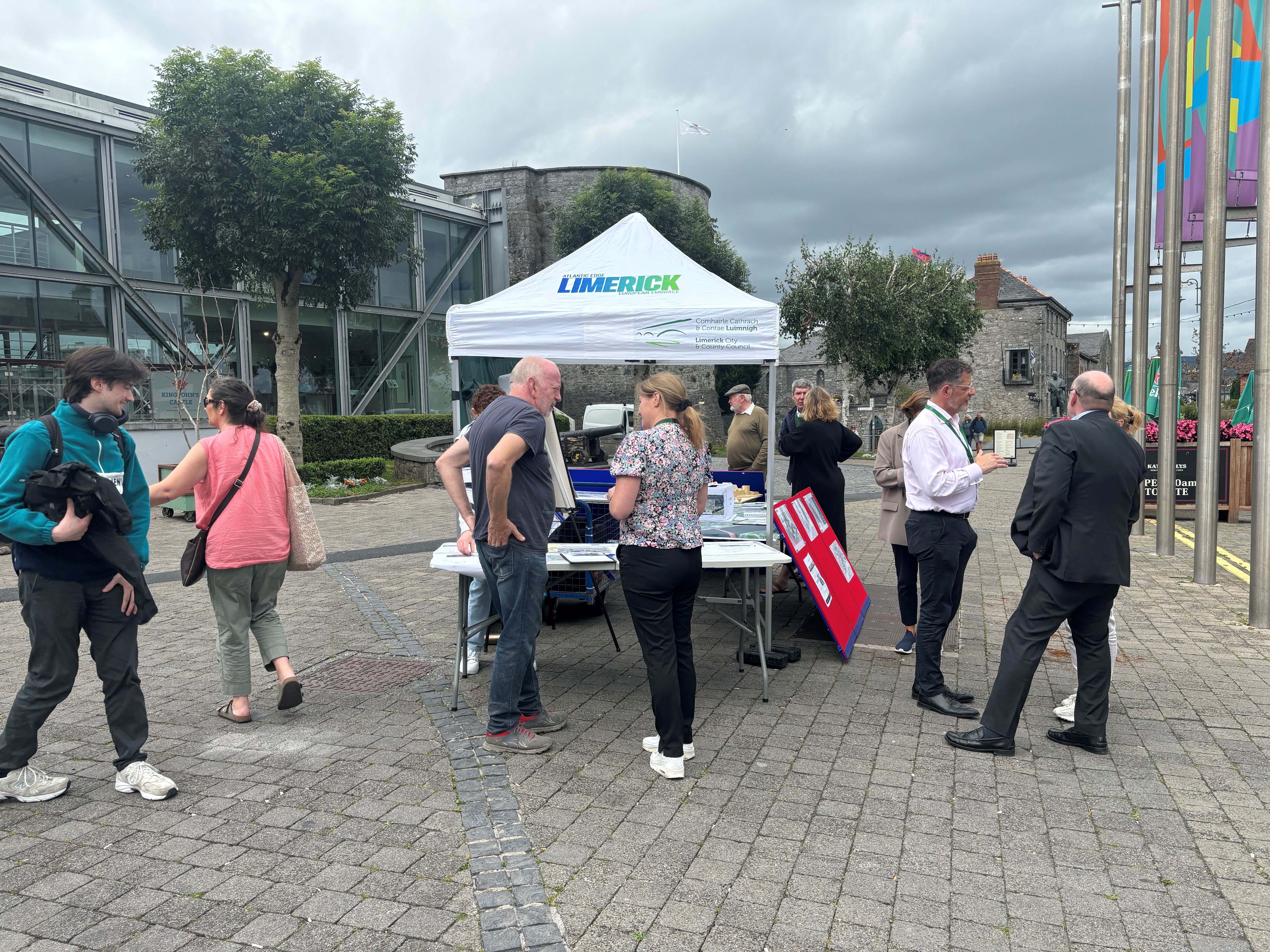
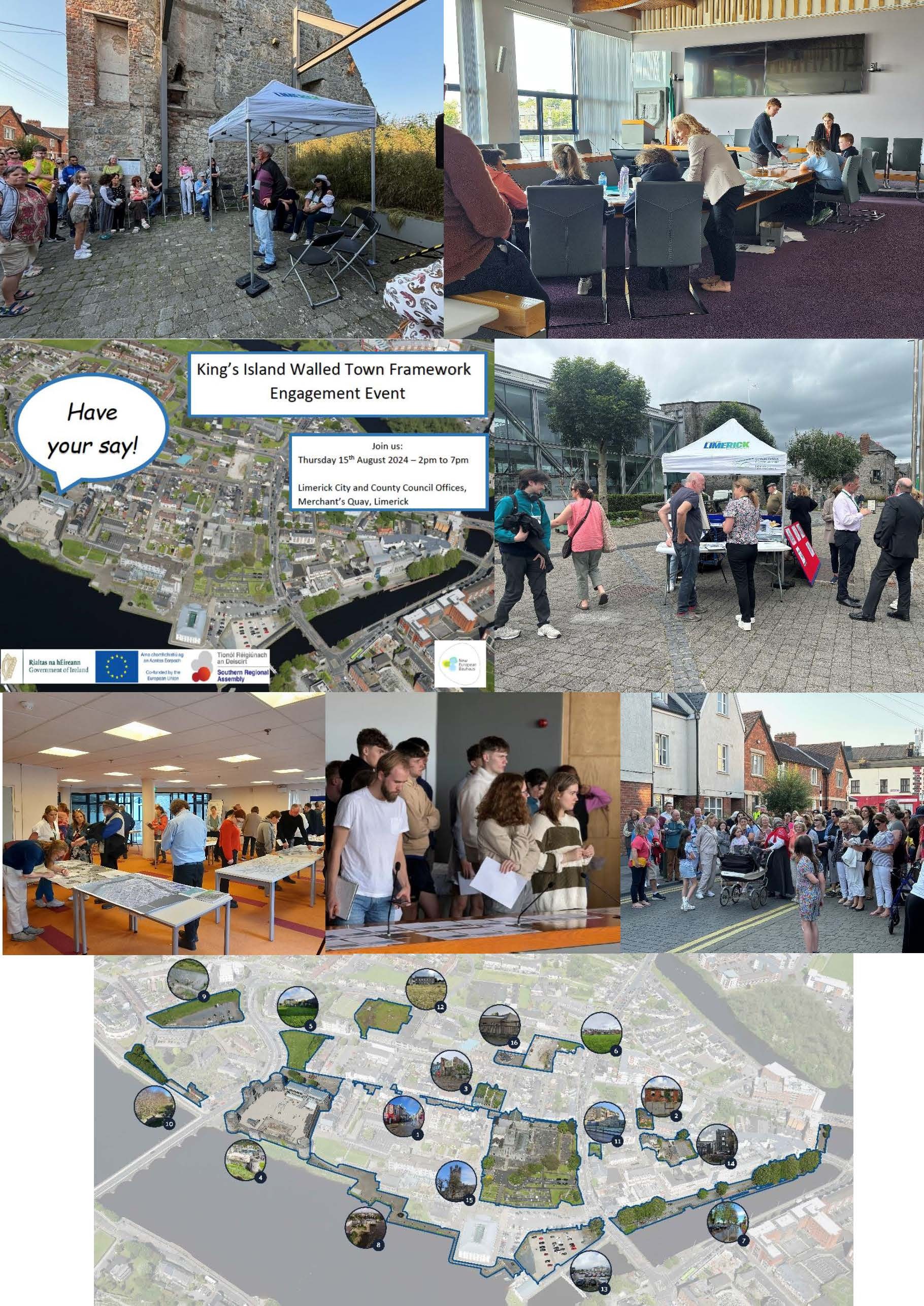
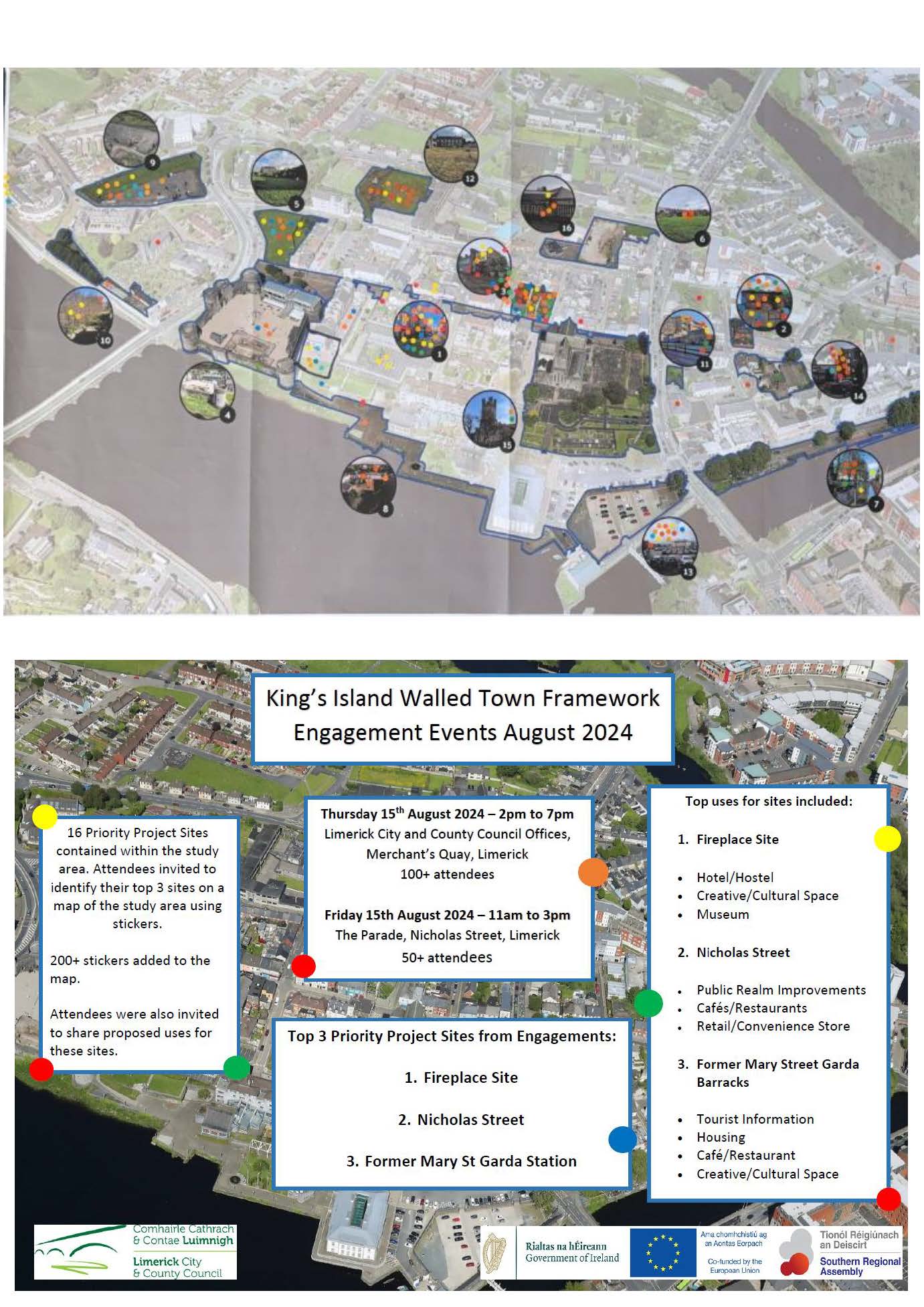
NEB tools of Stakeholder Mapping and Participation Ladder were used. Stakeholders shaped the strategy through an extensive engagement. An inclusive group participated in 8 council led consultation events. These were supported by additional activities, open events at Council offices, pop up sessions, interactive maps, story telling event, workshops with HEI architecture students, creative sessions with school children, and a tourism focus group. These events invited people to place stickers and notes on maps to prioritise project sites, suggest new uses and discuss ideas for cultural, social and economic renewal. Heritage, land use and vacancy surveys, socio economic analysis and public realm studies were also presented and feedback received from participants.
OBJECTIVES The Completed Strategy objective is to provide a pathway the revitalising the area and supporting its long-term regeneration with the end users visions.
social inclusion
community co design
circular ecomomy
aesthetic design
adaptive reuse
GOALS A central element of the Strategy is its commitment to regenerating underutilised and derelict sites aiming to shortlist to 3 sites with end uses proposed. Sustainability recommendations are to reduce vacancy, preserving embodied carbon and limit the environmental impact of new greenfield construction. All potential sites encourage responsible reuse of existing structures and historic materials.Sustainability is strengthened by promoting walking and cycling through improved connectivity and upgraded public realm spaces encouraging active travel. The spine of the Island is Nicholas St, the oldest medieval street in Limerick, stretching from the Castle to the Cathedral, stunning monuments.
IMPLEMENTATION Engagements provided an opportunity for all to participate:
Art and Architecture colleges and the local community informed a cultural brief and vision. Communication was multilingual, indoor in public buildings, outdoor on-street, during summer tourist months, college term, including evening time walkers.
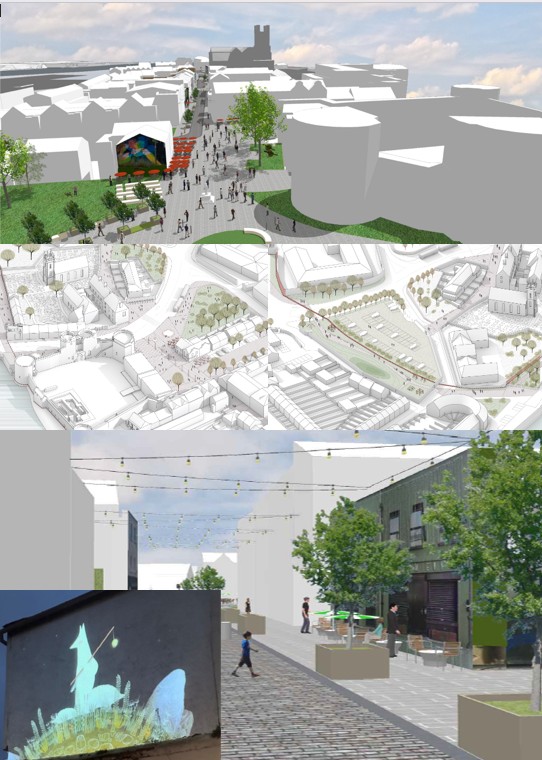
RESULTS Proposals to reuse salvage cobblestones, historic masonry, sustainable transport, greening and biodiversity parklets with sustainable lighting are part of the approved schemes.
The Strategy also proposes concepts such as incorporating SuDS into the Fosse, the Castle moat, to improve surface water management, build climate resilience and create opportunities for blue green infrastructure.
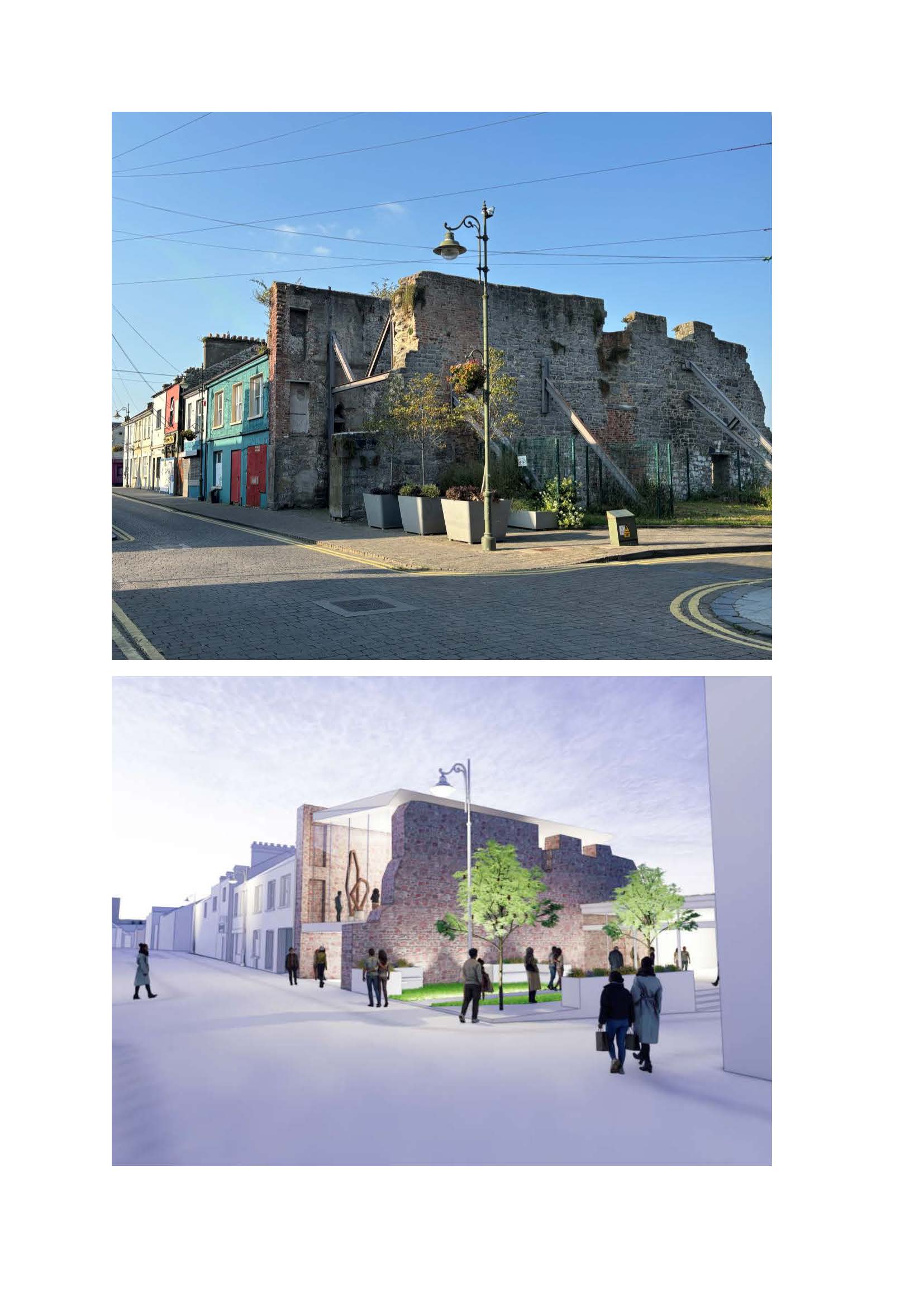
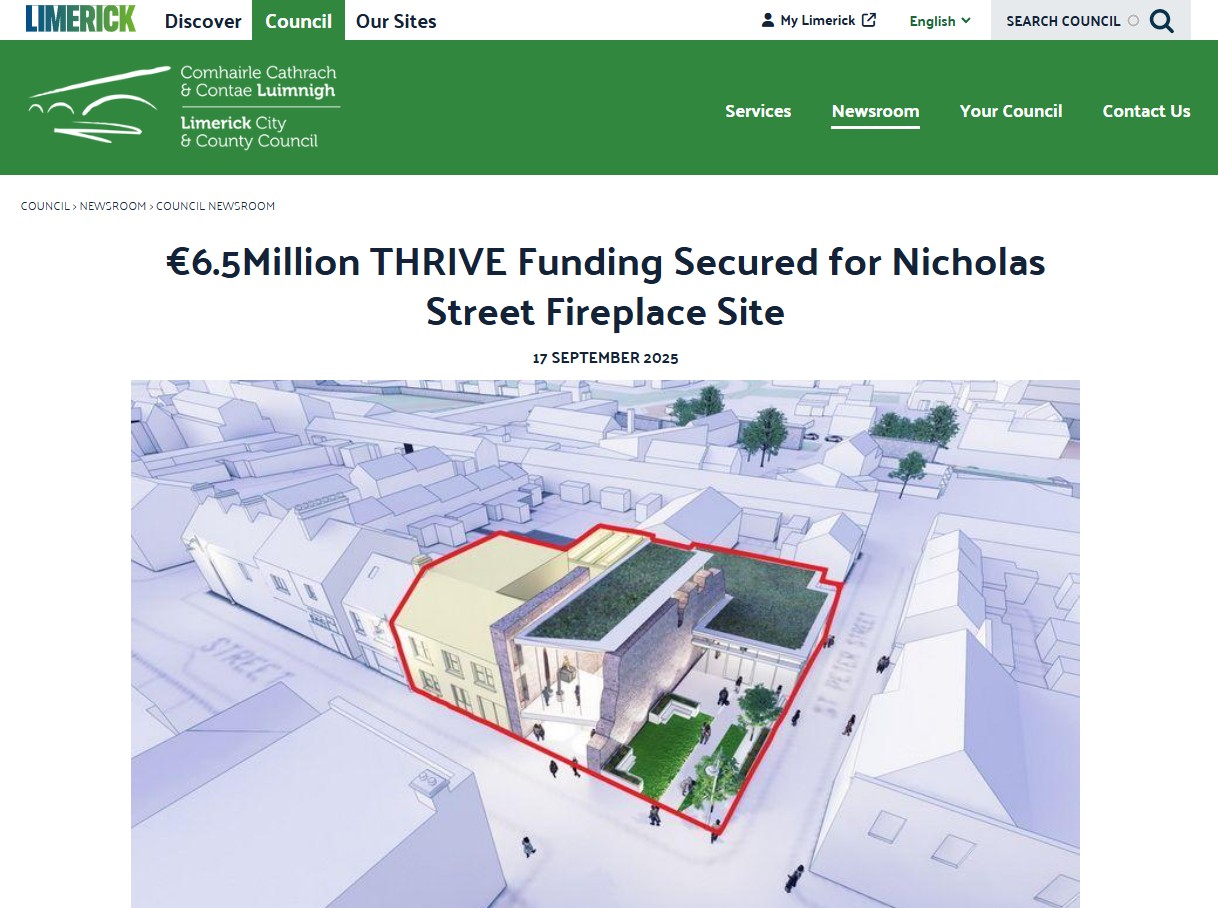
The street public realm plans will revitalise lifestyle and outdoor recreation along the tourist trail.The selected Medieval site that will now be developed as a Design and a Cultural hub with studios exhibition and cafe spaces, on the tourist and community pathway.
EXEMPLARY CHARACTER Public enthusiasm evolved from for 8 no. varied public engagements and open discussions as a transparent tool to form a ground up approach to provide a pathway the revitalising the Island and supporting its long-term regeneration with the end users visions.
OBJECTIVES The Island natural setting is stunning. Public realm improvements, shopfront upgrades and sensitive approaches to built heritage and greening all aim to create a visually appealing and coherent environment. These improvements reflect the NEB principle that places should blend culture, history and beauty with modern needs. The revitalisation of underused sites such as the Medieval Site, strengthens the aesthetic and cultural goals of the Strategy The Strategy's ambition is to reflect the beauty found in the community spirit and create beautiful spaces offering them a new positive way of interacting with their neighbourhood.
IMPLEMENTATION The Strategy includes landscape and civic space upgrades, with the proposal to transform a corner of public realm as a biiodiversity pocket park.
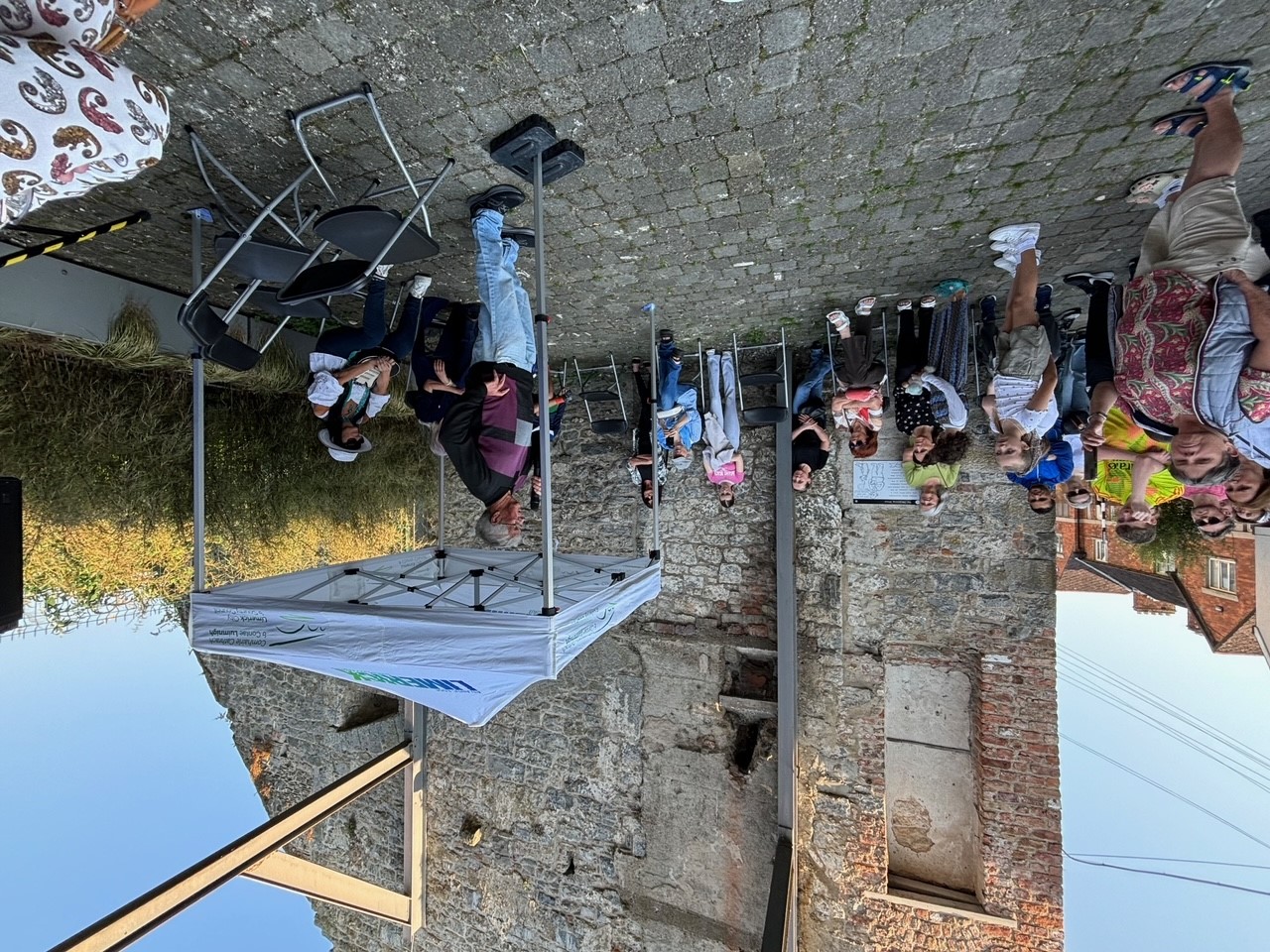
QUALITY OF EXPERIENCE Enthusiasm fun and a fostering of public ideas formed the spirit of the public engagements. The pop up event at the castle,the children engaging with local authority employees in the Council Chamber was fun and interactive.The story telling event that brought smiles while imparting local knowledge.
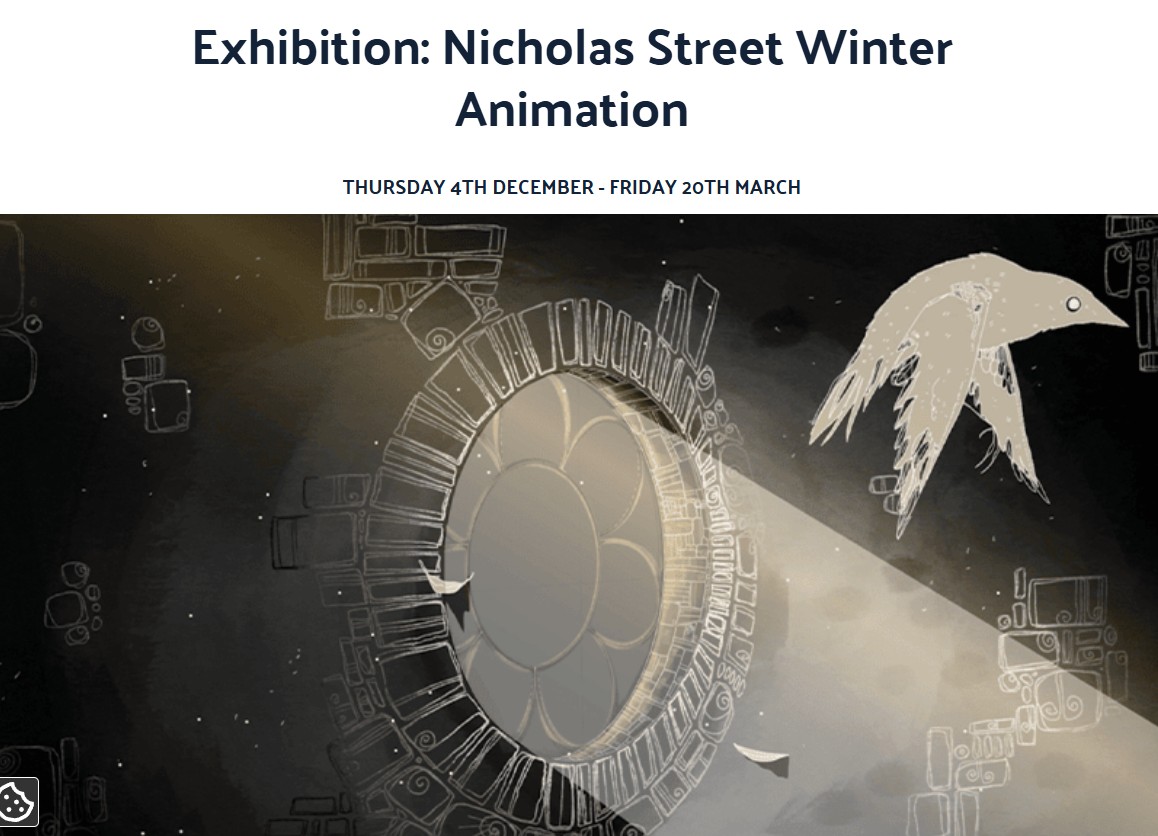
CULTURAL Plans to transform Fireplace Site a long‑vacant medieval plot into a visually striking Design and Innovation Hub. The studios, exhibition/retail areas, retail and café will provide community requested spaces within.The surviving medieval fireplace and historic walls incorporate quality contemporary architecture artistically. The Winter Animation Projections Project to light some regeneration buildings resulted from IUS Art College engagements.
EXEMPLARY CHARACTER The IUS highlights existing medieval features, pairing sustainability, biodiversity gardens with high quality design. The bottom up approach fostered a beautiful place with after decades of deprivation. IUS engaged completely with an all inclusive group to design their vision meaningfully. Both tangible and intangible heritage was heard with feedback loops from story telling events..
INCLUSION Inclusion was a core NEB value in developing the IUS and the engagement process was designed to ensure that all societal groups shaped the final strategy. The IUS engagement plan was fluid to see "who wasn't in the room" at events and to target them. Underrepresented groups could comment any time online.
IMPLEMENTATION Events were held in physically accessible venues at various times, supported with clear visual materials, and promoted by radio, social media, leaflet drops and direct outreach for inclusive engagement.
A wide range of activities ensured inclusive participation of 400 people. Schoolchildren and HEI workshops, pop up events, online surveys and a major Culture Night storytelling event reached underrepresented groups. An online survey allowed participation from home for those with mobility challenges or limited time resulting in 161 submissions.
QUALITY OF EXPERIENCE People were not just consulted but actively empowered. Participants chose their top 3 priority sites using stickers, maps and discussion stations, which encouraged conversation and gave the public a real sense of ownership. These choices directly influenced the final priority projects, demonstrating that community input genuinely shaped the Strategy’s direction.
“Thank you for an excellent afternoon. I learned a lot” – Jim Lawless artist
RESULTS Feedback from all engagements resulted in No.1 priority for the Medieval Fireplace Site for community cultural needs and use. Inclusion continued through co design workshops as requested by community feedback, with HEI Art, Forge Design Factory and Crafts Council of Ireland.
EXEMPLARY CHARACTER The Strategy used a multi level comprehensive public engagement process,spirited and fun for all age groups with real input from 400 attendees and 161 submissions online using innovative story telling methods and interactive mapping.
“It would be great to see something done with the Fireplace Site after all these years” – resident
Participants included residents neighbourhood groups, retirement, tourism and heritage groups, schools, HEI and the wider Limerick community.Tented Pop up events engaged passers by, including tourists and migrants who might not attend formal consultations. The Storytelling Street” event on Culture Night used creative participation to share heritage stories. Media releases highlighted the THRIVE Project five-week online survey which allowed people with mobility challenges, shift workers and carers to participate from home.
STAGES IUS identified 39 selected sites, looped feedback briefings, public realm and site design input, recommendations realised.
HOW Noted discussions, drawings, mapped stickers and sketches formed the final public vote for a cultural art hub on the No.1 Medieval site. The story telling event was a treasured insight into the intangible local history, a fun street event attended by poets, local historians and residents.
INFLUENCE 16 Kings Island sites were prioritised based on a voting system and commentaries, the most favored site Medieval Site was put forward as a successful Thrive 2 candidate with great public pride and support on hearing of its success. The Strategy was shaped from the ground up by those who know King’s Island best.
IMPROVED The participatory approach extended to hands on activities that encouraged people to shape priorities directly. At open events, participants chose their top three preferred project sites by placing stickers on large maps and boards, sparking conversations and engaging in the decision making process.This wide combination of methods produced rich, diverse input that guided the identification of priority sites, preferred uses and opportunities for regeneration. Many sites that the local authority would have progressed were less favoured by the public. The public engagement was very clear in its influence and outcomes, strengthening the cause for continuing its use in Limerick and further afield.
INVOLVED The development of the Strategy adopted a multilevel governance model,shared across different layers of the community, local government, partner organisations and national specialist groups. The engagement plan was intentionally structured to ensure that voices from multiple governance levels could participate, from primary school students, residents’ associations, university partners and national cultural bodies.
Bottom up approach and multi-level engaged was adopted Communities, institutions and technical experts all have distinct but complementary roles. Architects planners archaeologists and engineers trained in New European Bauhaus principles, facilitated sessions sharing knowledge.
HOW Meetings took place with the Residents’ Association and locals requested that Crafts Council of Ireland, Forge Design Factory, Heritage Council and elected members from the Metropolitan District be consulted. Differing groups of authority, community, cultural, design, educational and political and each shaped the Framework in meaningful ways.
“Great work – maybe coordinate with Oral History Archive at Mary Immaculate College” – Maura Cronin, Retired History Dept.
ROLES Presentations to the Strategic Policy Committee, briefings to councillors for planning approval and collaboration with HEI's added further governance layers. Importantly, elected members ultimately approved the planning proposal for the Medieval Site, and street public realm enhancements demonstrating the formal decision making role of local government, but their approval was based on extensive public input and engagement insights.
VALUE The Strategy is a product of shared governance shaping the outcome. King’s Island’s future emerged through aligned efforts among the public, professional bodies, elected members and communities. The public pride was the winning factor, proven by overwhelmingly positive planning submissions, a success for the Kings Island residents and businesses.
INTERACTION Knowledge from design, planning, heritage, culture, tourism, education and community formed part of an integrated process. The IUS intentionally engaged with architects, planners, heritage professionals, designers, tourist groups, community workers, educators, students and residents with feedback loops to evaluation.
HOW Workshops with HEI Architecture students generated ideas on placemaking and sustainable design, while sessions with schoolchildren revealed insights on safety, green space and youth needs. Meanwhile, the Tourism Focus Group brought forward knowledge on visitor experiences, cultural offerings and economic potential. These diverse forms of expertise were treated as equal contributors, each informing the Strategy’s direction. Migrants gained confidence in new surroundings of community spirit.
The Fireplace Site project in particular showcases transdisciplinary collaboration. The Forge Design Factory, a design learning hub, contributed expertise in creative industries and circular design, while the Design and Crafts Council of Ireland advised on what artists and makers need in a functional creative space. Heritage specialists ensured the medieval fabric of the site would be respected, while economic development officers considered viability and end uses. A trans-disciplinary in house Council team trained in New European Bauhaus principles ensured correct facilitation, analysis and interpretation of engagement outcomes.
BENEFITS This blending of expertise ensured the Strategy was developed as a cooperative process that merged technical knowledge, cultural insight and lived experiences. The IUS Strategy is in creativity, heritage, and community values. The transparency of the process to co create the IUS evolved a mutual trust between the local authority and the local community. HEI School of Art, History and The Forge Factory outlined a brief and end use for the Fireplace Design Hub
The business model behind the King’s Island Walled Town Integrated Urban Strategy is grounded in public investment through EU (ERDF) funding. THRIVE Strand 1 funding provided approximately €200,000 to enhance an existing framework and create a list of priority project sites..
While the current strategy itself does not and will not generate direct revenues, planned improvements aim to stimulate tourism, support commercial activity on the street, and increase footfall around key heritage sites such as the Castle and Cathedral. These activities are expected to create future economic opportunities for local businesses, tourism operators, and property owners as upgraded public realms and redeveloped buildings attract investment.
Ongoing costs relate to staffing, future community engagement and design work, and eventual capital construction are largely borne by Limerick City and County Council with help from Government funding and/or EU funding streams, e.g, ERDF. Additional THRIVE Strand 2 capital funding of €6.56 million was secured by Limerick City and County Council for development of one of the priority project sites in the Strategy. Plans are currently underway to transform the derelict Fireplace Medieval Site into a Design and Innovation Hub with exhibition space, retail area and café, bringing employment to the Island. Revenue from Artists Design and Innovative Hub and Cafe will be an outcome.
The strategy is a tool that could be utilised as an innovative or disruptive tool to form decisions and guide rejuvenation of other city areas or towns.
Possibly considered disruptive to gain the visions of a wider selection of groups but much valuable information emerged for the Strategy.
The Arts Council granted €10,000 for a Nicholas St Winter Animation project, four projections of heritage themes onto IUS identified derelict buildings for 6 dark winter months, illuminating the medieval st. as a Cutural Animated Outdoor Gallery
INSPIRATION The King’s Island Walled Town Integrated Urban Strategy can be easily adapted for use in and across Europe to restore historic areas, supported by EU and national funding like THRIVE and ERDF and assist in bringing new life to communities. The creation of priority projects and preparing them for future investment gives a practical model for EU town regeneration planning.
TRANSFERABLE The most transferable parts of the strategy include the identification of projects ready for investment, the involvement of different experts and local residents in decision making, and the use of heritage buildings as assets for local economic growth. These steps are easy to repeat universally because they focus on simple, practical processes, the human involvement. The approach using community workshops, studying public spaces, and selecting vacant buildings for reuse can work well in many towns, especially where historic character is an important feature.
Successful replication requires disruptive collaboration between various partners, local authorities, heritage experts, community groups, and tourism organisations. Other places could need similar teamwork to ensure that local knowledge guides both planning and delivery.
By involving schools, residents, community groups, businesses, and elected members from the beginning, the development of the Strategy built trust and maintained transparency. Early engagement prevented the frustration that can often occur when decisions are revealed without prior engagement.
Some adjustments would be needed to fit local conditions, such as different types of heritage buildings, available funding, or community priorities. While the overall model is flexible and easy to transfer, the specific projects and engagement methods must be tailored to each community’s cultural, social, and economic context. Important adaptations may be climate or social based.The IUS area has a strong collection of local passionate residents.