Enhancing Circularity, Sustainability, and Innovation
LOVR™ Circular Hemp-Based Material
LOVR™: Circular plant-based leather alternative from hemp residues used in real design products
LOVR™ is a circular plant-based material developed in Germany as a sustainable alternative to leather and synthetic leather. Made from hemp residues from European agriculture, it is completely plastic-free and designed for circular product life cycles. The material is already used in products such as Leica watch straps and furniture surfaces, demonstrating how sustainable materials can combine design quality, industrial compatibility, and environmental impact reduction.
Germany
Regional
The project is implemented at a regional European level. LOVR™ is developed in Darmstadt, Germany, and uses hemp fibres sourced from European agriculture. The material is produced and tested with manufacturing partners and implemented in products with European design and industry partners.
It addresses urban-rural linkages
It involves other types of transformations (soft investment)
Yes
2024-08-01
Yes
UP2CIRC (Horizon Europe project) and EFRE-supported regional innovation funding via the State of Hessen.
No
No
Organisation
LOVR™ is a circular, plant-based material developed in Germany as an alternative to conventional leather and synthetic leather. The material is produced from hemp fibres that originate as residues from European industrial hemp cultivation and contains no plastics or fossil-based components. Its production is designed for resource efficiency and compatibility with existing industrial manufacturing processes.
The project demonstrates how circular materials can move from laboratory research into real-world applications. LOVR™ has already been implemented in several design products, including watch straps for Leica watches, seating surfaces for outdoor furniture by Eisenwerk Schmiede and furniture elements developed with the design studio Eudemia. In addition, prototypes and pilot projects have been realised across sectors such as fashion, interiors and automotive.
By transforming agricultural residues into high-quality design materials, the project connects agriculture, materials science, design and industrial production within a regional circular value chain. With a carbon footprint of approximately 2.54 kg CO₂ per m² (cradle-to-gate), LOVR™ significantly reduces the environmental impact associated with conventional leather and synthetic alternatives.
In the long term, the project aims to enable industries such as fashion, furniture and mobility to replace fossil-based or animal-derived materials with scalable circular alternatives, supporting Europe’s transition towards a climate-neutral and resource-efficient material economy.
The project originated from the observation that both animal leather and synthetic leather have significant environmental impacts. Animal leather is associated with high greenhouse-gas emissions and chemical-intensive tanning processes, while synthetic leather relies on fossil-based plastics that are difficult to recycle.
The founders of revoltech began exploring plant-based material concepts during their research and experimentation with natural fibres at TU Darmstadt. Their goal was to develop a truly circular material that could combine sustainability, industrial scalability and high design quality.
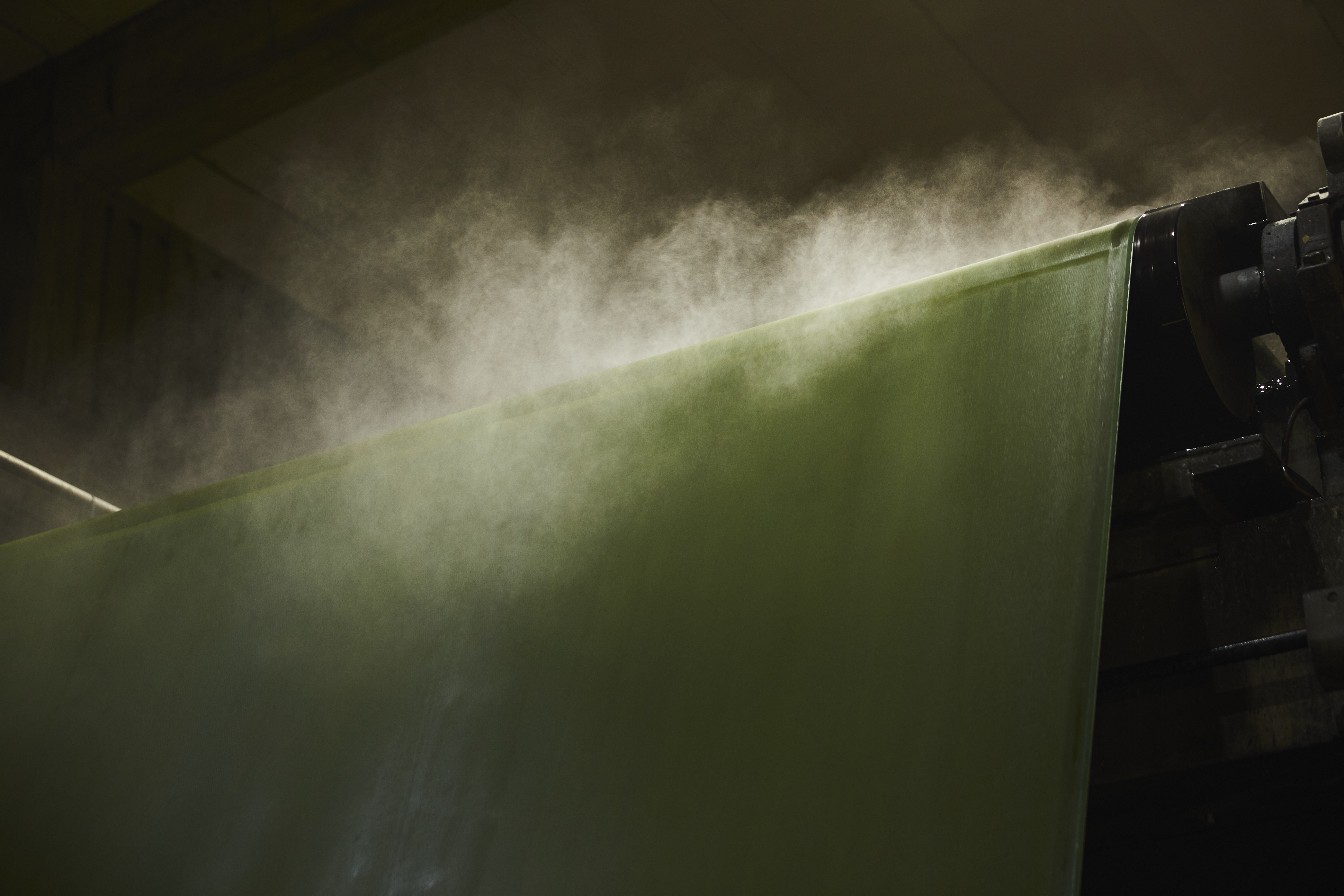
Over several years, the team developed a manufacturing process that allows plant fibres such as hemp to be transformed into flexible and durable material sheets using existing industrial machinery. Hemp was selected because it is widely cultivated in Europe, requires little water and no pesticides, and provides fibres as a by-product of agricultural production.
The development process involved collaboration between materials scientists, engineers, designers and manufacturing partners. After laboratory development and pilot production, the material was implemented in real design applications.
Early product integrations include watch straps for Leica watches produced by Graf Uhrenarmbänder, seating surfaces for outdoor furniture by Eisenwerk Schmiede and furniture prototypes developed together with the design studio Eudemia. Additional prototypes and pilot projects have been developed with partners across sectors including fashion, interiors and automotive.
These collaborations allowed the project to test the material in real use contexts and demonstrate its performance, aesthetic qualities and industrial compatibility.
circular materials
bio-based innovation
sustainable design
regional value chains
industrial scalability
LOVR™ addresses the environmental challenges associated with both animal leather and synthetic leather by providing a circular, plant-based alternative.
The material is produced from hemp fibres that originate as residues from European industrial hemp cultivation. This ensures that no additional agricultural land or resources are required. Hemp cultivation itself requires little water, no pesticides and contributes to soil regeneration.
The production process avoids plastics, fossil-based binders and toxic tanning chemicals commonly used in conventional leather production. As a result, the material is entirely plant-based and designed for circular product life cycles.
According to life-cycle assessment results, LOVR™ generates approximately 2.54 kg CO₂ per m² (cradle-to-gate). This represents a significant reduction compared with conventional leather and many synthetic alternatives.
The project also promotes regional circular value chains by connecting agricultural residues, material development, design and manufacturing within Europe. By transforming agricultural by-products into high-value design materials, the project contributes to reducing resource consumption, lowering emissions and strengthening sustainable material systems.
Through its combination of circular material design, industrial compatibility and real product implementation, LOVR™ demonstrates how sustainable materials can contribute to Europe’s transition toward a climate-neutral and resource-efficient economy.
LOVR™ demonstrates that sustainable materials can combine environmental responsibility with aesthetic quality and sensory experience.
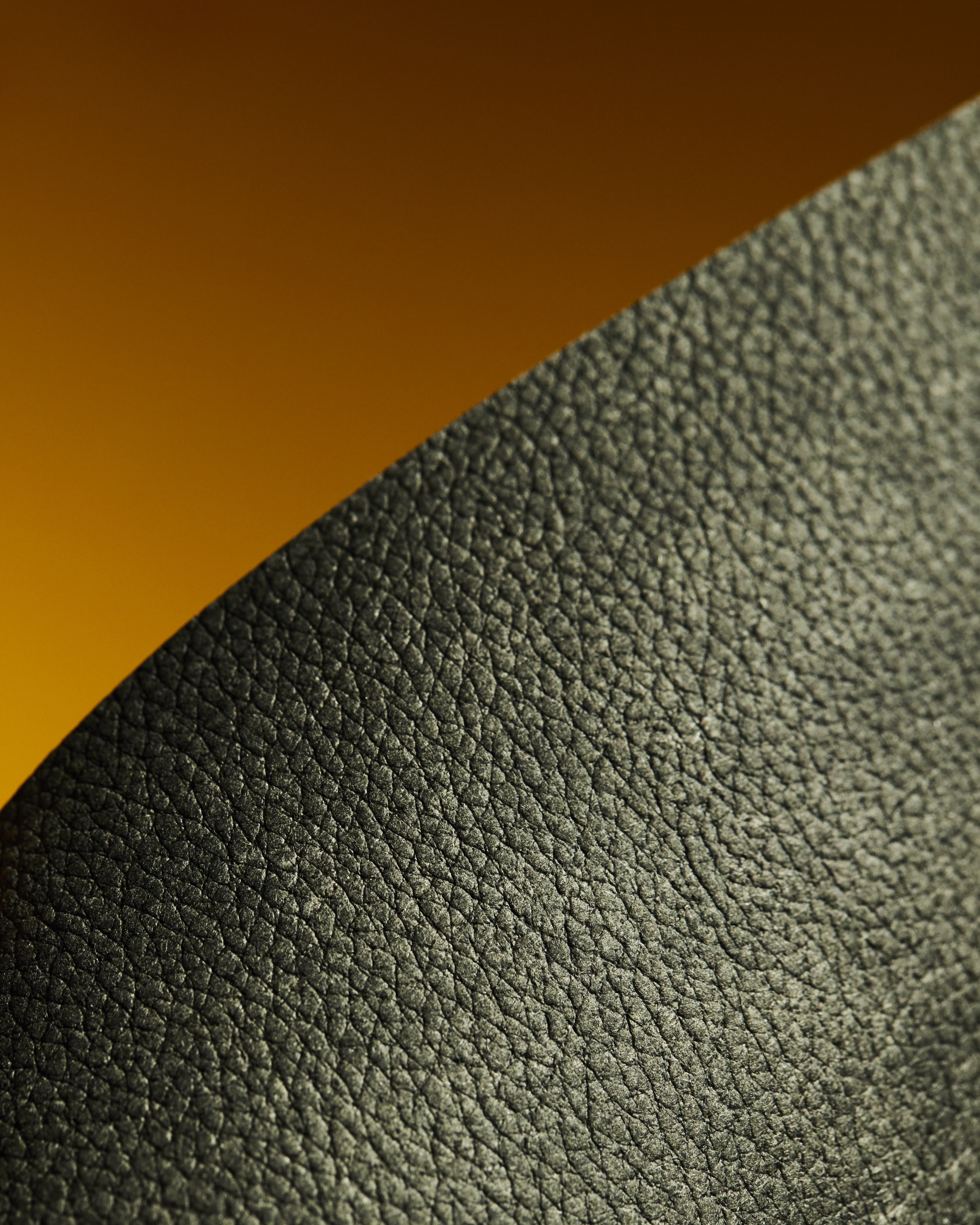
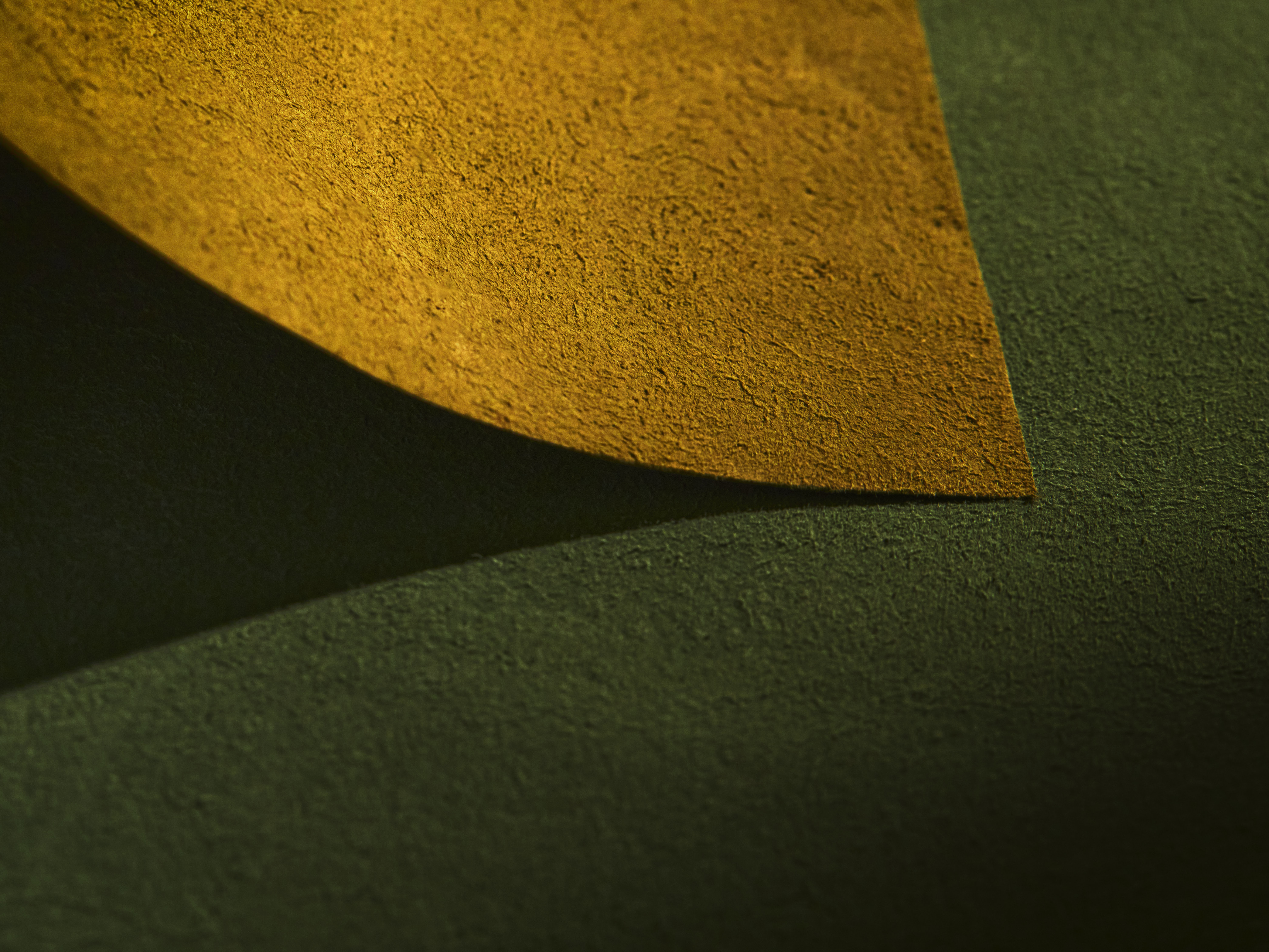
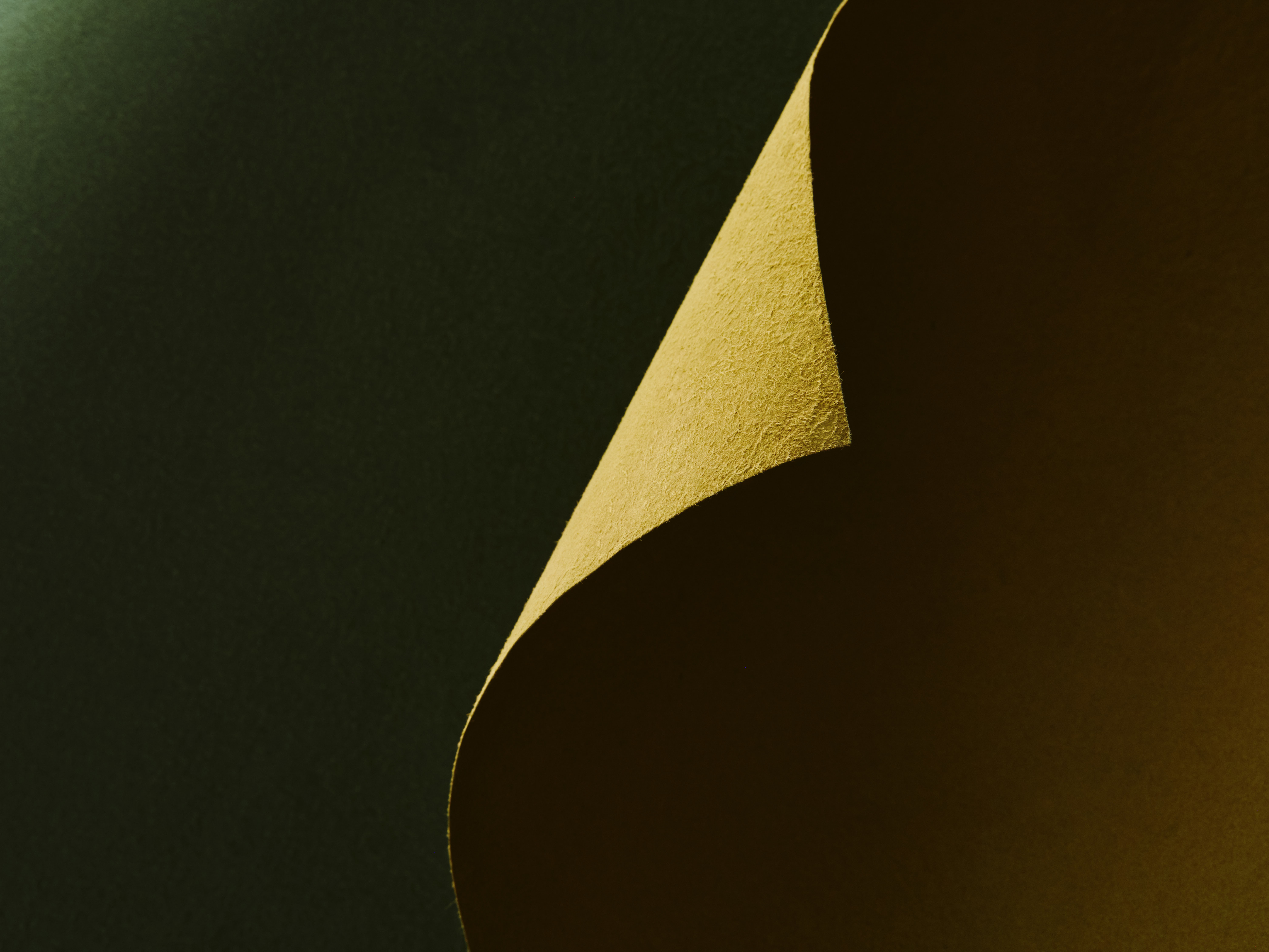
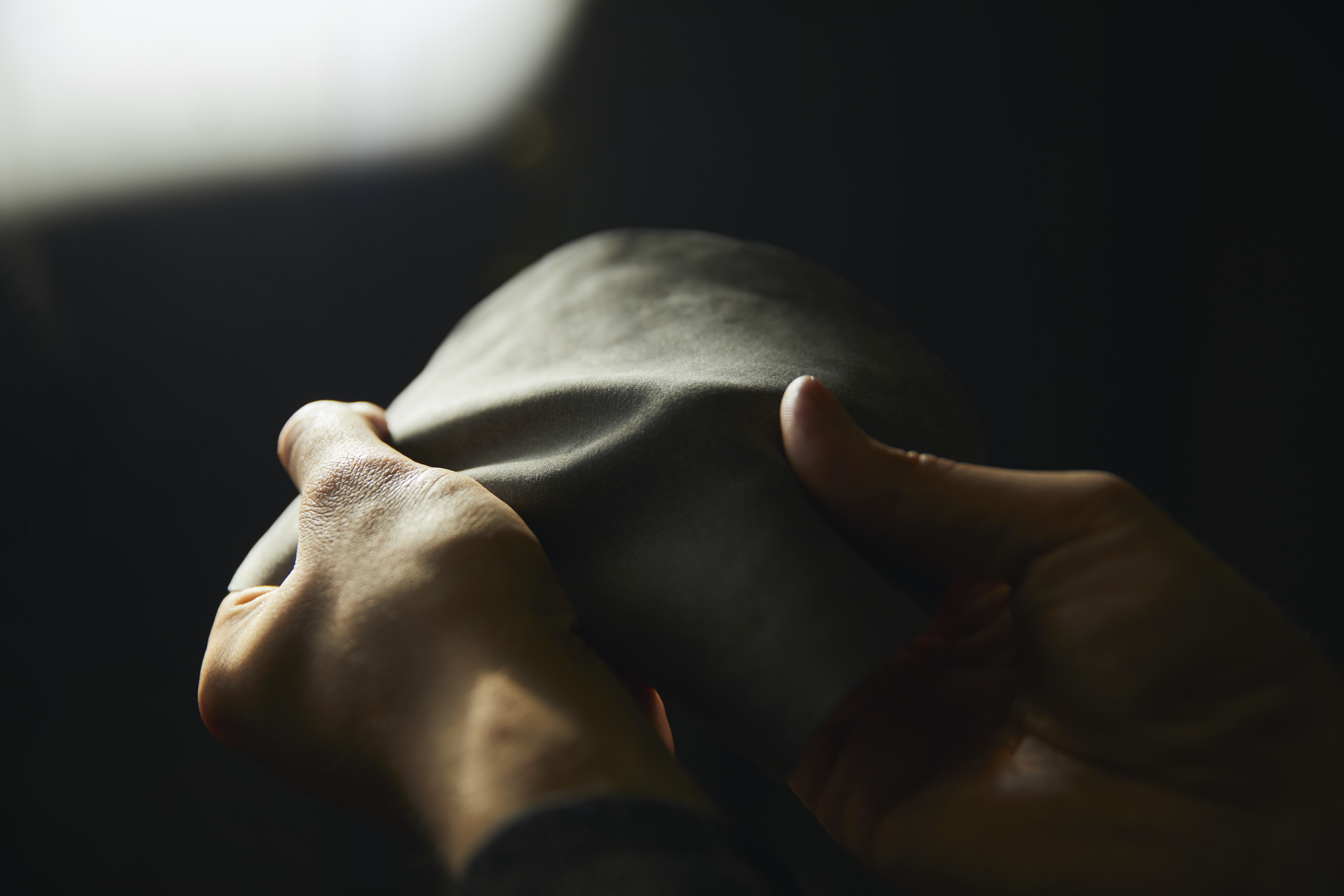
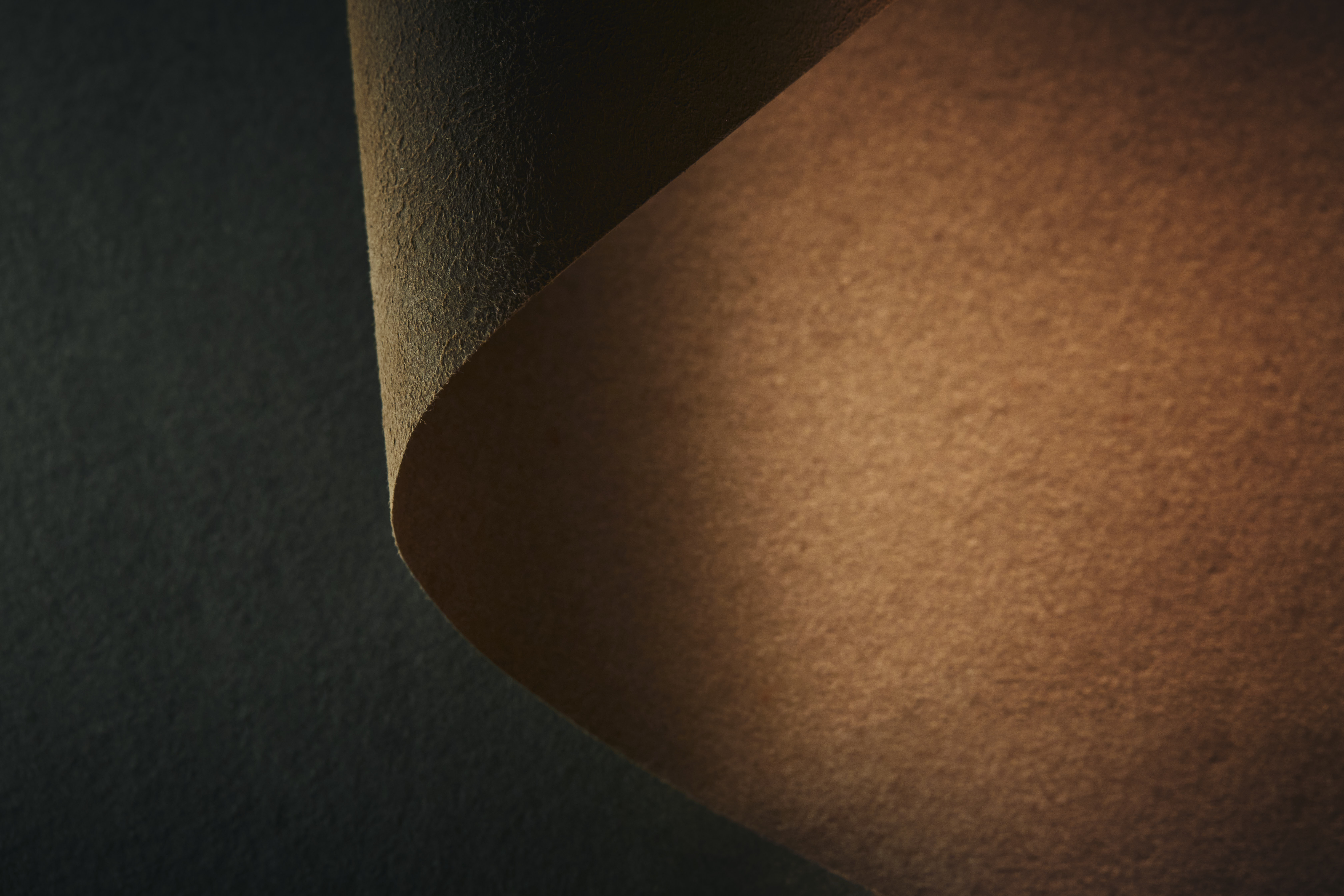
The material has a distinctive suede-like surface and a natural texture that creates a warm, tactile design quality. Its appearance and feel enable designers to create products that are both visually appealing and pleasant to use in everyday life.
Through collaborations with designers and manufacturers, the project explores how circular materials can contribute to meaningful and beautiful objects that people value and keep for longer. Applications such as watch straps, furniture surfaces and interior elements show how sustainable materials can enhance everyday environments while reducing environmental impact.
LOVR™ can be produced in a wide range of colours, textures and embossings, allowing designers to adapt the material to different aesthetic contexts. The natural structure of the plant fibres creates a unique visual character that distinguishes the material from conventional synthetic surfaces.
By demonstrating that circular materials can meet high design expectations, the project helps shift perceptions around sustainability and encourages broader adoption of environmentally responsible materials in design and manufacturing.
The project promotes inclusion by making circular materials more accessible to designers, manufacturers and industries.
Many innovative materials remain limited to small-scale or experimental production, which prevents wider adoption. LOVR™ was intentionally developed to be compatible with existing industrial machinery and manufacturing processes. This enables manufacturers to integrate the material without the need for major technological investments or infrastructure changes.
The project also strengthens regional agricultural and industrial networks by creating new value for agricultural residues such as hemp fibres. By linking farmers, material developers, designers and manufacturers, the project contributes to a more resilient and inclusive circular economy.
Furthermore, the project responds to growing societal demand for ethical and environmentally responsible products. By providing an alternative to both animal-derived leather and fossil-based synthetic materials, it offers consumers and designers more sustainable choices.
Through these approaches, the project supports a more inclusive transition towards circular material systems that benefit both industry and society.
The development and implementation of LOVR™ is based on continuous collaboration with designers, manufacturers, researchers and product developers. Rather than developing the material in isolation, the project actively involves partners across the value chain in testing, evaluation and co-development.
Industrial partners and designers regularly work with material samples to test processing methods, durability and aesthetic qualities in real product contexts. Their feedback directly informs further material optimisation and helps adapt the material to different applications.
Pilot projects and early product integrations provide opportunities for partners to experiment with the material and explore new design possibilities. These collaborations create an iterative development process in which the material evolves through practical use and shared learning.
In addition, companies and designers interested in the material participate through sample testing, product prototyping and collaborative development projects. This ongoing exchange allows the project to respond to the needs of different sectors such as fashion, furniture and mobility.
Through this participatory approach, LOVR™ demonstrates how material innovation can emerge from the interaction between research, design and industry, creating solutions that are both technically viable and relevant for real users.
The project connects actors at multiple levels, ranging from regional agricultural suppliers to European innovation networks and international design partners.
At the regional level, the project collaborates with hemp suppliers and manufacturing partners to establish local circular value chains. These collaborations link agricultural production with material innovation and industrial manufacturing.
At the national level, the project has been supported by innovation programmes and research collaborations in Germany, which helped accelerate the development and testing of the material.
At the European level, the project has participated in initiatives such as the UP2CIRC programme, which promotes circular innovation and collaboration between companies across Europe.
By connecting actors from agriculture, research, design and industry across different governance levels, the project contributes to building an ecosystem that supports the development and adoption of circular materials.
The development and implementation of LOVR™ is inherently transdisciplinary, bringing together expertise from materials science, engineering, agriculture, design and industrial manufacturing.
Materials science and chemical engineering form the foundation of the project by enabling the development of a plant-based material and its production process. Production engineering contributes to translating laboratory results into scalable industrial manufacturing using existing machinery.
Design and product development play a crucial role in shaping how the material is experienced and used in real products. Designers and manufacturers collaborate closely with the development team to explore textures, colours and processing methods, ensuring that the material meets both aesthetic and functional requirements.
Knowledge from agriculture and bio-based material research informs the selection and processing of hemp fibres as the primary raw material. This connects the project with regional agricultural systems and circular value chains.
Through continuous collaboration between scientists, engineers, designers and industry partners, the project creates a shared space where technical innovation and design practice inform each other. This transdisciplinary approach allows the material to evolve through real applications while maintaining strong connections between research, production and design.
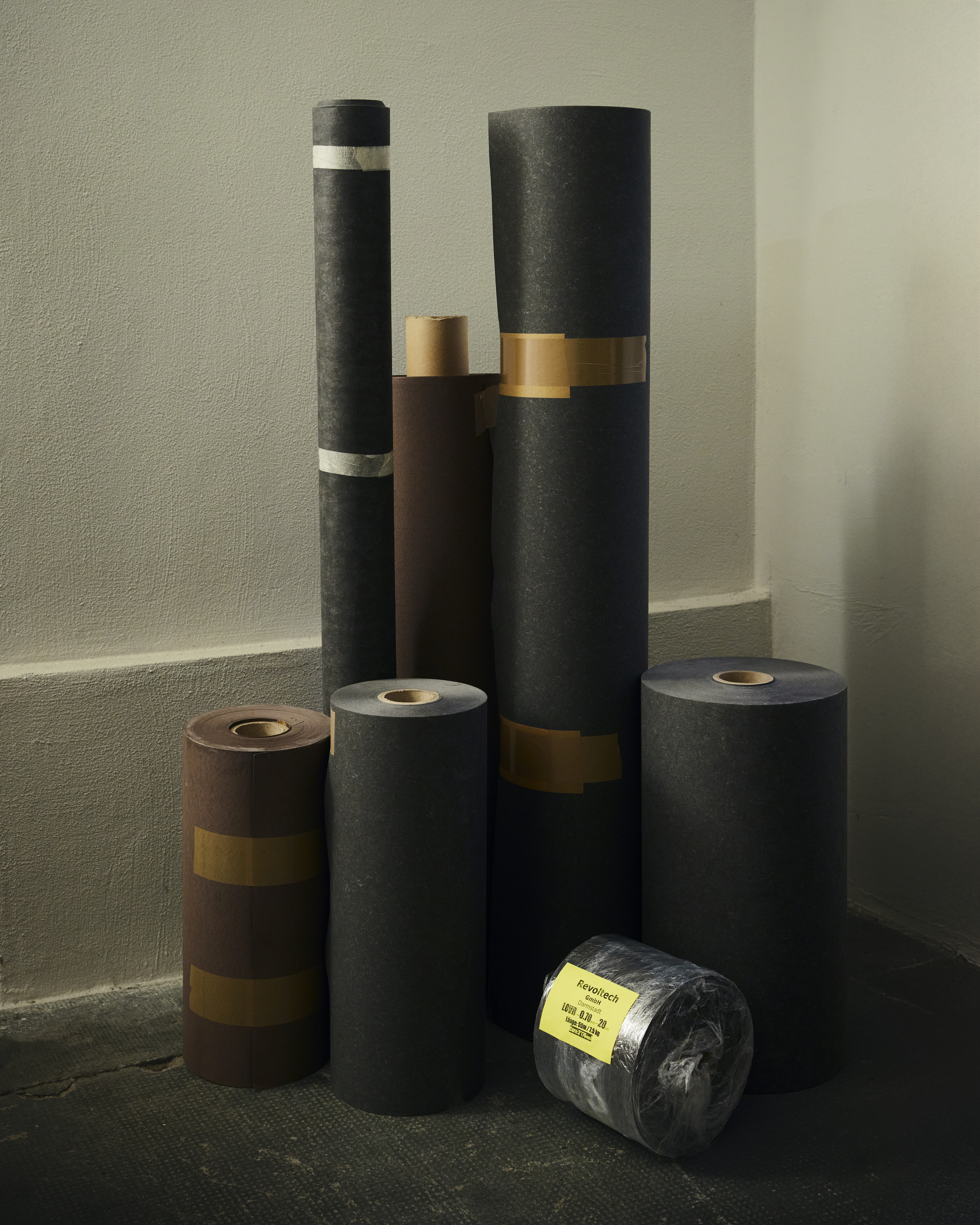
The project is based on a B2B materials innovation model. Revoltech develops and supplies circular plant-based materials that are integrated into products by manufacturers and brands across multiple industries.
Revenue is generated through the sale of material sheets as well as through collaborative development projects with industrial partners. These co-development projects allow companies to test and integrate the material into their products while supporting further material optimisation.
The production process is designed to operate with existing industrial machinery. This allows the material to scale without requiring entirely new infrastructure and enables manufacturers to integrate it into established production processes.
Public innovation funding and European circular-economy programmes supported early development phases, while the long-term financial sustainability of the project relies on industrial adoption and material sales.
Through this model, the project demonstrates how circular material innovation can evolve from research into economically viable industrial production.
The LOVR™ production process is designed as a platform technology that can be applied across multiple sectors and geographic contexts.
Because the material can be produced using widely available industrial equipment, existing manufacturers can integrate the process into their production systems. This significantly lowers the barriers for adoption and facilitates industrial scaling.
The material can be used in diverse product categories including fashion, accessories, furniture, interiors and mobility applications. This cross-sector applicability increases its potential impact and enables circular material substitution across multiple industries.
The methodology of transforming agricultural residues into high-quality design materials can also be replicated using other plant fibres depending on regional availability. This allows the approach to be adapted to different geographic contexts while supporting local circular value chains.
Through its scalable production logic and cross-sector applications, the project demonstrates strong potential for replication and transfer to other regions and industries.