Collaboration center
Establishment of a collaboration center
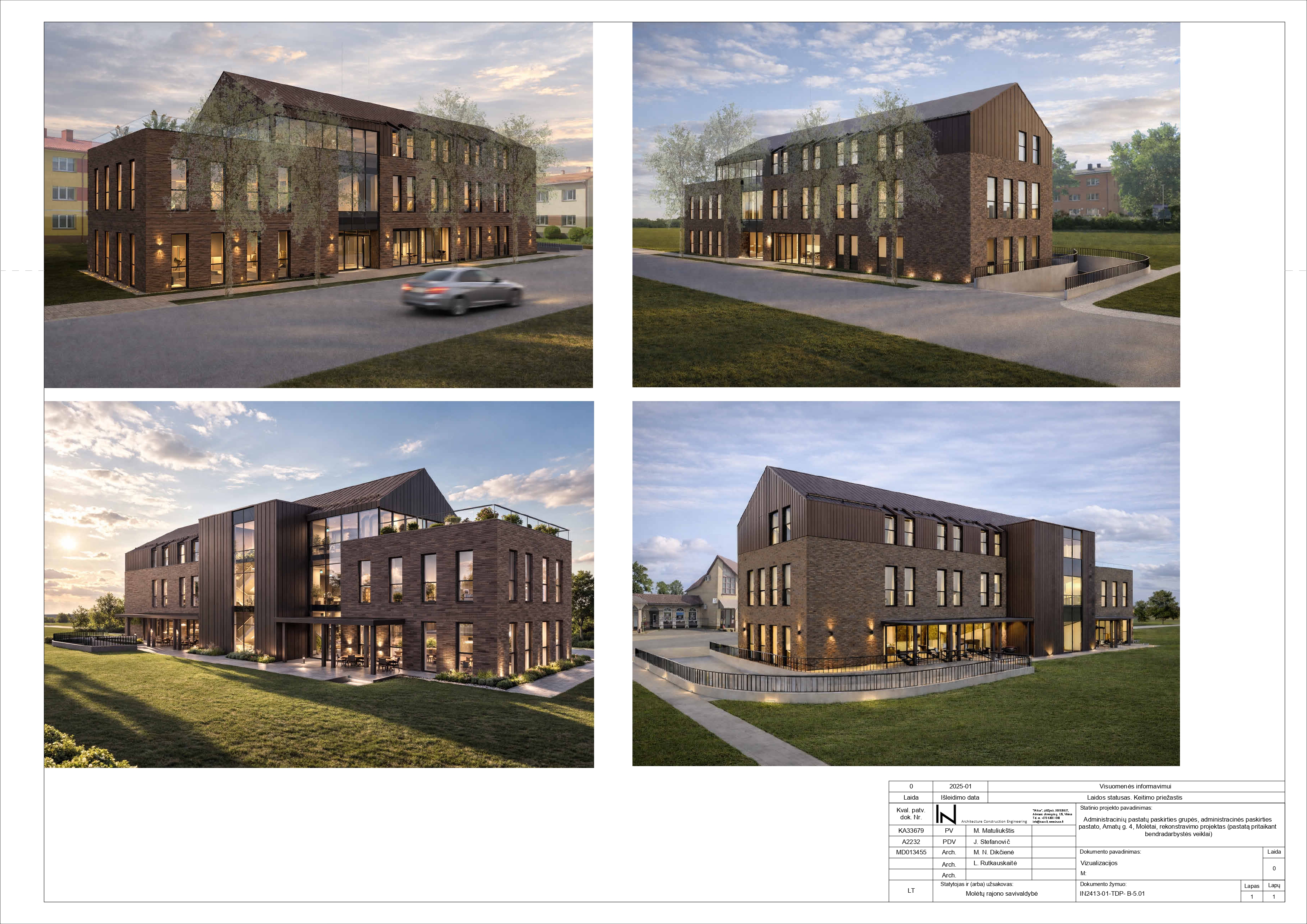
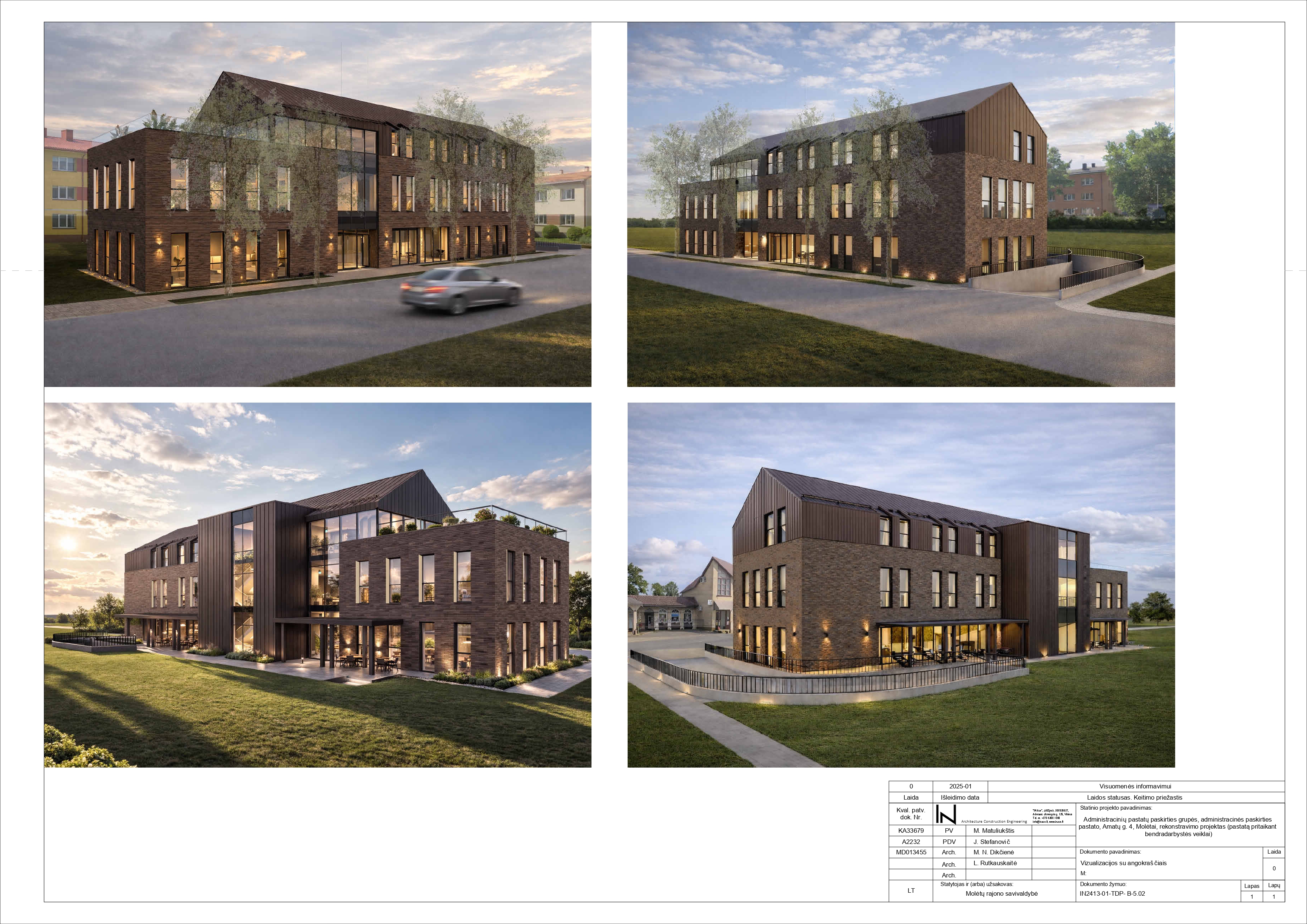
Molėtai is launching a modern coworking center – an environment where traditional crafts, creative industries, and innovative businesses converge. By renovating a historic building, we are creating a versatile facility equipped with a photo studio, culinary education zones, workshops, and meeting halls. This hub serves entrepreneurs and freelancers from the Molėtai, Anykščiai, and Utena districts, fostering collaboration and driving regional economic growth.
Lithuania
Street / Address line 1: Amatų g. 4
City / Town: Molėtai
Country: Lithuania
City / Town: Molėtai
Country: Lithuania
Early initiative
Yes
Yes
Yes
Yes
ERDF : European Regional Development Fund
Improvement of Business Accessibility (Phase II)
No. 29-327-P
No. 29-327-P
No
62: Molėtų rajono savivaldybė (LT)
Essential objective: The main objective of the project “Establishment of a Coworking Center in Molėtai” is to promote the economic and social development of the Utena region (Molėtai, Anykščiai and Utena municipalities) by modernizing public infrastructure. The project aims to address the problem of the lack of professional and accessible workspaces, thereby increasing the competitiveness of the region, promoting entrepreneurship and reducing the GDP gap from the national average.
Target group(s): The initiative is focused on residents, including self-employed specialists, representatives of small and medium-sized enterprises (SMEs), freelancers, young specialists, startup creators, craftsmen and representatives of creative industries.
Specific tasks:
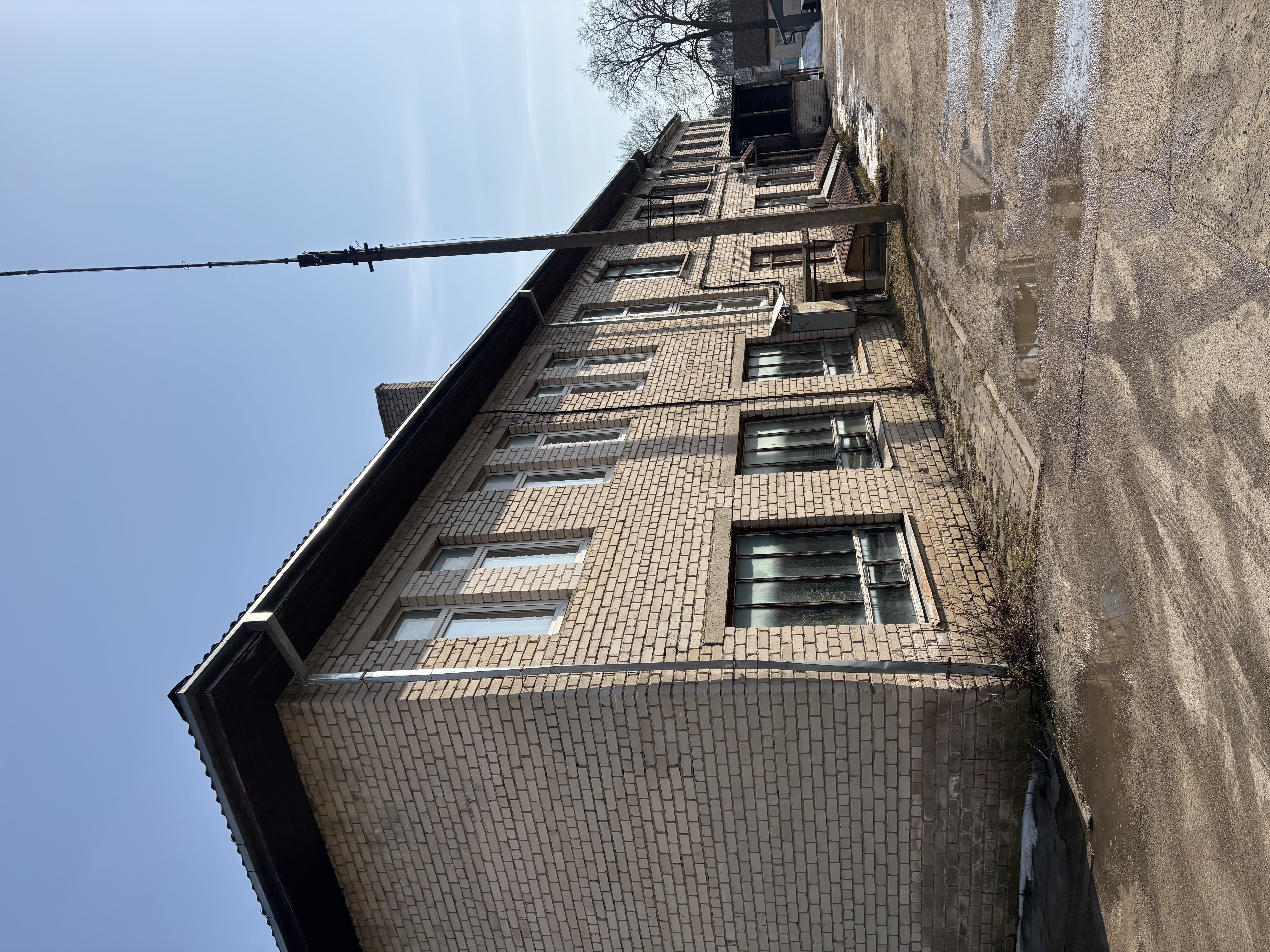
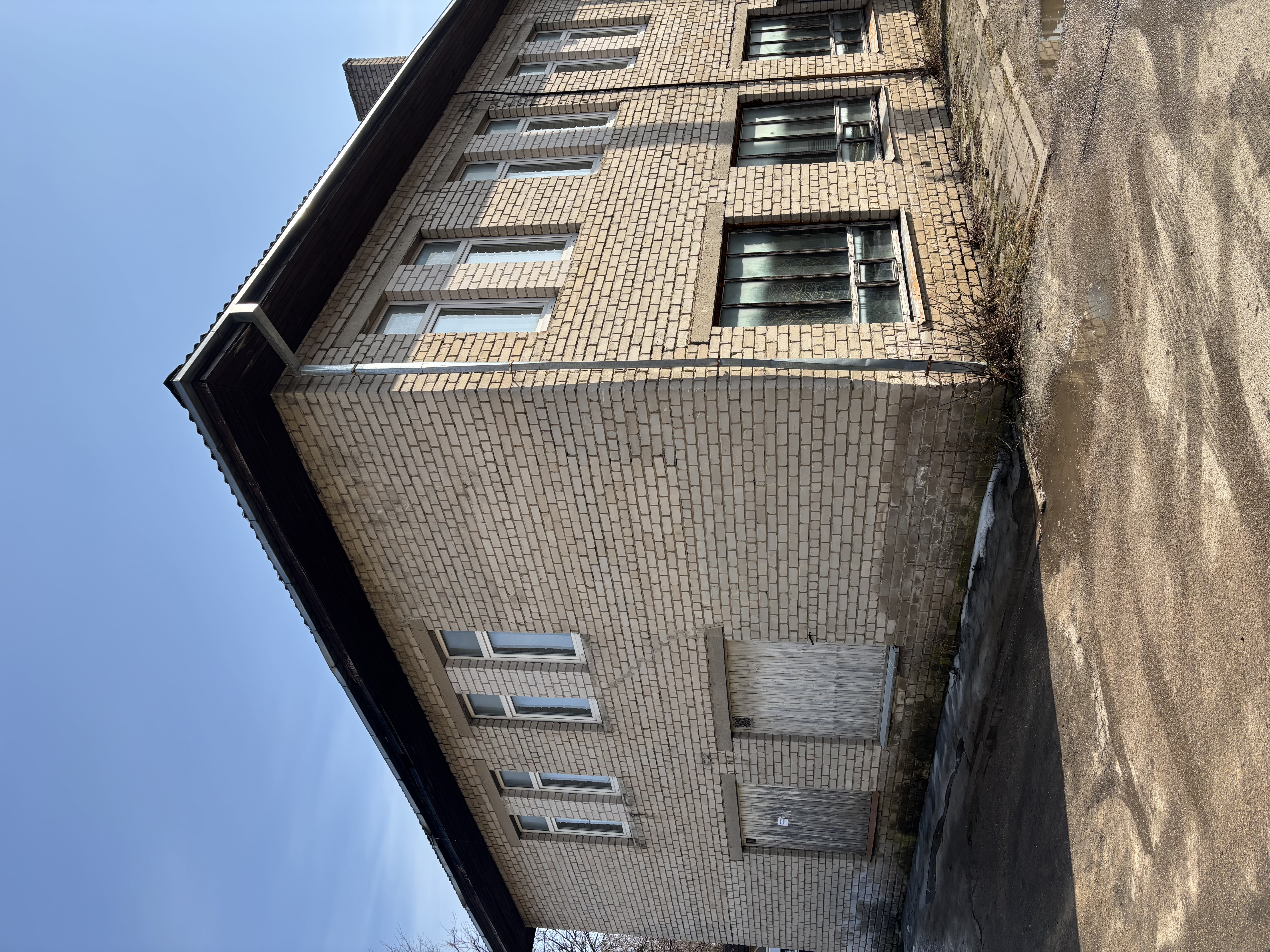
Infrastructure transformation: Reconstruct the administrative building in Molėtai, Amatų g. 4 (1,220.44 sq m), transforming it into a modern, multifunctional coworking center.
Capacity building: To equip specialized spaces, including craft workshops, a dance studio, a photography studio, a food education zone, business simulation rooms, meeting rooms and administrative areas.
Innovation and integration: To implement social and creative economy initiatives, fostering a collaborative ecosystem that would attract business representatives from all over the Utena region.
Expected results:
Economic vitality: Significant increase in local entrepreneurial activity, supported by modern equipment and professional premises.
Improved business environment: Transition from a lack of business-friendly infrastructure to a sustainable, accessible and high-quality environment that attracts regional investments.
Co-creation
Sustainability
Entrepreneurship
Innovation
Revitalization
The project ensures sustainability through a multidimensional approach: economic resilience, social inclusion and environmental responsibility.
Economic resilience
• By transforming an underutilized administrative building of 1,220.44 sq m into a modern business center, the project creates a self-sufficient ecosystem for SMEs and freelancers. The inclusion of specialized spaces (food education, photo studios, craft workshops) ensures the diversification of the local economy beyond traditional sectors, promoting long-term financial stability of the targeted participants.
Social inclusion
• The project complies with the EU Charter of Fundamental Rights. The infrastructure is designed to be universally accessible, ensuring non-discrimination on the basis of gender, disability or social status. Integrating the strategy of the “Lake Lithuania” functional zone, the center promotes mutual cooperation between the municipalities of Molėtai, Anykščiai and Utena, strengthening the social fabric of the entire region.
Molėtai Co-working Center as an exemplary model for regional transformation:
• Multifunctional innovation model: The project goes beyond the boundaries of a conventional office. By integrating production spaces (craft workshops, food education) with high-value-added sectors (photo studio, innovation spaces), a hybrid ecosystem model is created. This serves as an example for other municipalities on how to combine traditional crafts and modern digital business in one facility.
Molėtai Coworking Center: Architecture, Experience and Culture
The project goes beyond simple functionality, focusing on how the physical environment can foster creativity and social cohesion in the regional environment.
Architectural Revival and Aesthetic Modernization
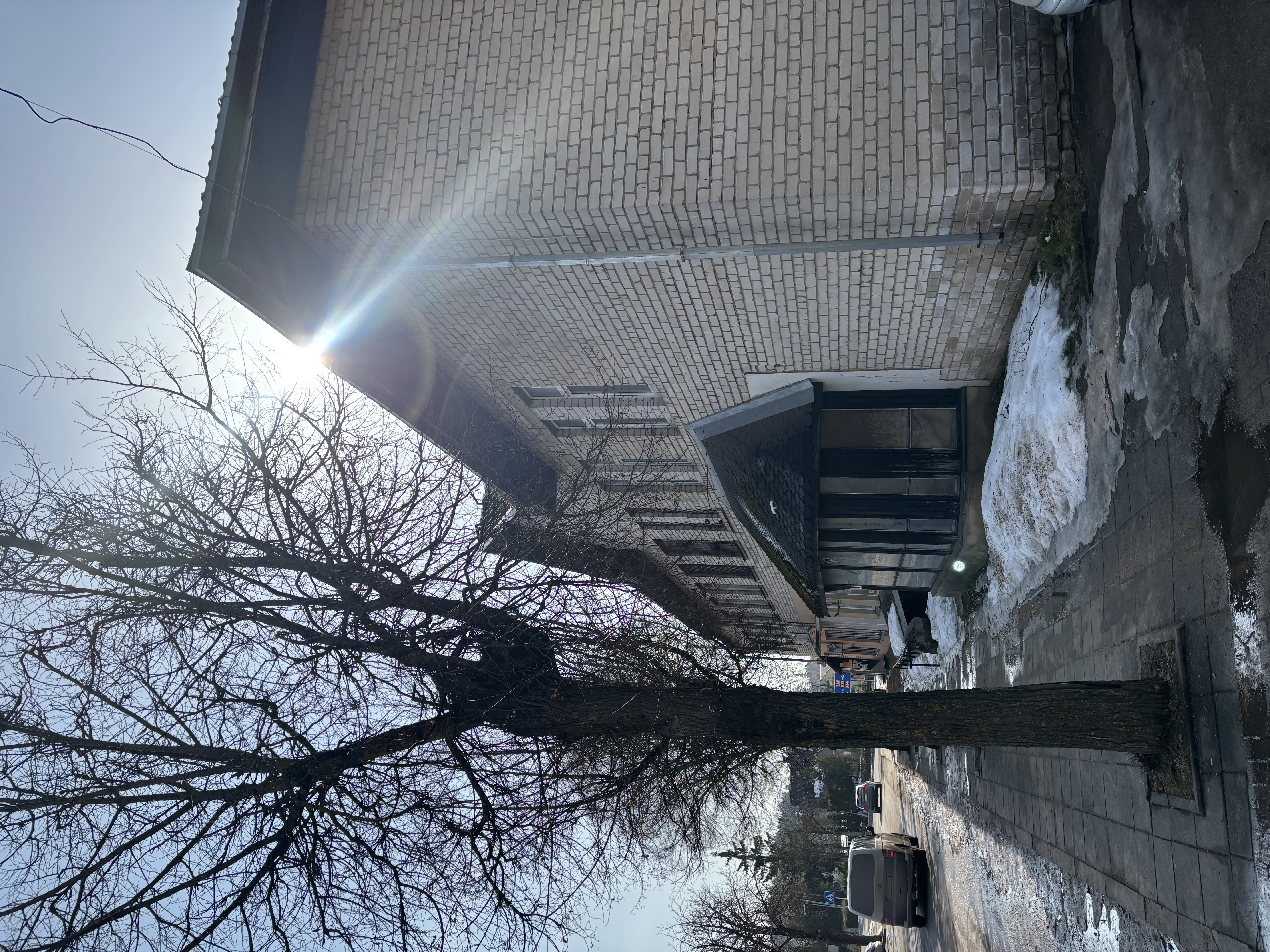
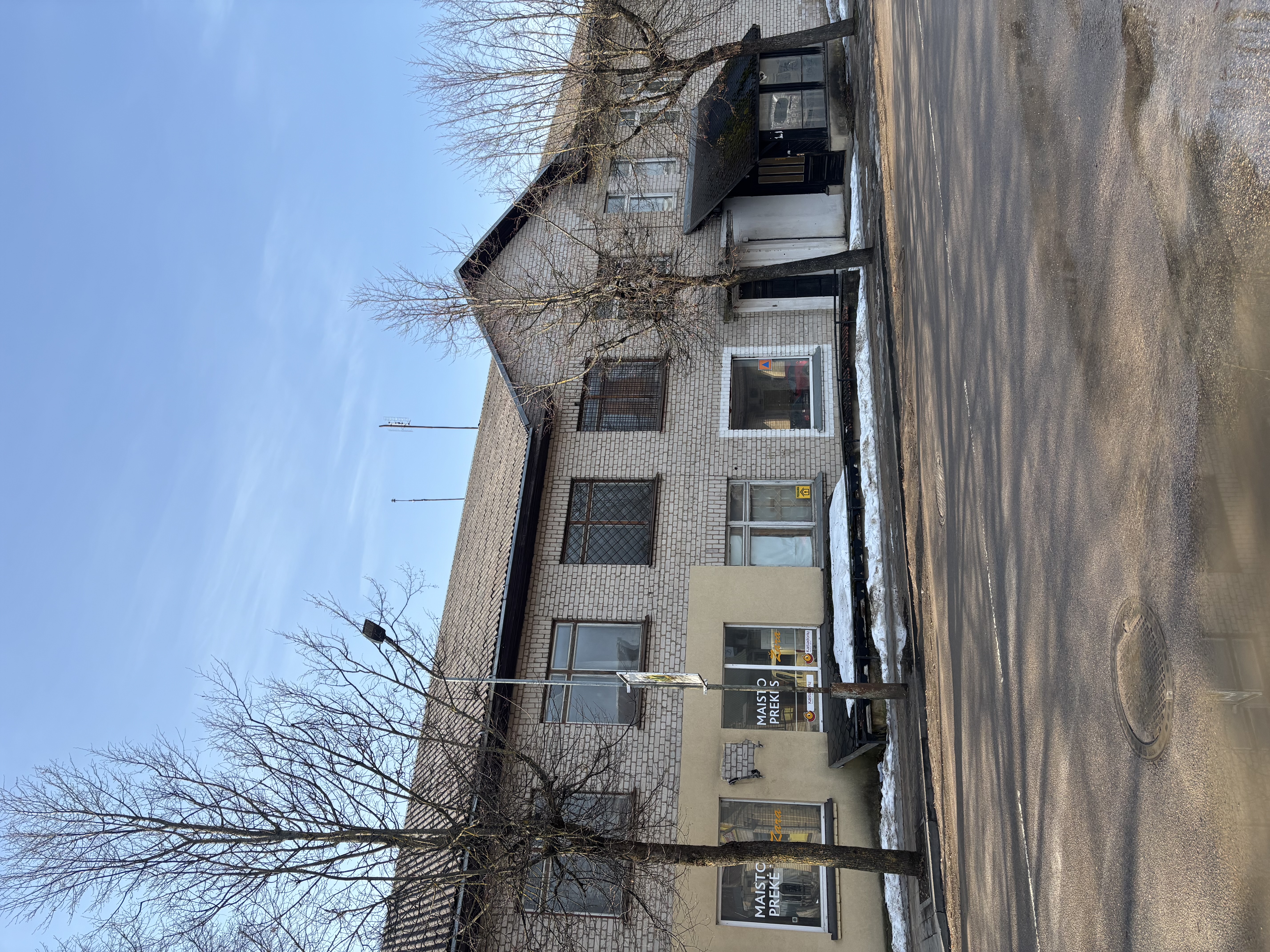
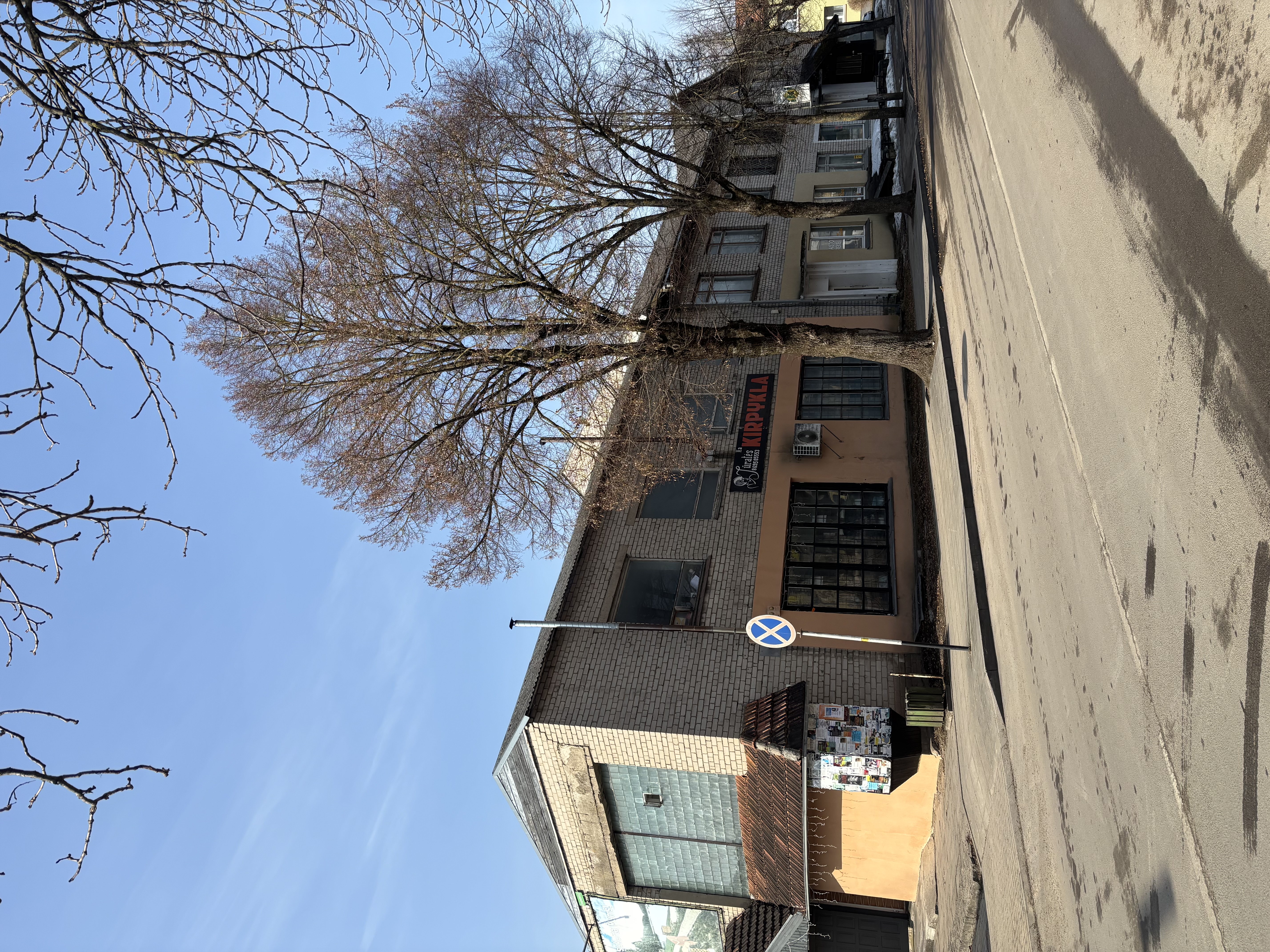
The main goal is to transform a “worn out” administrative building (Amatų g. 4) into a modern urban accent. By reconstructing the 1,220.44 sq. m. building, the sterile atmosphere of the Soviet era is replaced by the aesthetics of a “meeting of business and creativity”. Specialized zones – such as a photo studio, dance space and innovation areas – require specific lighting and acoustics, which turns the building into a modern architectural asset for the city.
Holistic Professional Center: Quality of Experience
The aim is to provide a “premium” work experience that was previously unavailable in the region (the only alternative was limited library space). This experience is based on flexibility and diversity: users do not simply rent a desk – they enter a multi-sensory environment designed for professional growth.
Cultural synergy and local identity
The initiative combines business with local heritage. By bringing together artisans, creative industries and tech freelancers in one space, the center acts as a cultural incubator. It nurtures the traditions of “Lake Lithuania”, providing modern premises for traditional crafts and ensuring that local culture remains alive as a part of the regional economy, not just a museum exhibit.
The “New European Bauhaus” model
The Molėtai Co-working Center serves as a model that combines sustainability, style and community:
The “Third Place” concept: The project proves that high-end design and specialized infrastructure (e.g. translation booths, conference rooms) are not just for capitals – they are essential tools for regional revitalization.
This project is exemplary because it goes beyond merely "renovating a building." It addresses a systemic regional issue—the gap between the region and the national economic average—through the radical opening of infrastructure. It serves as a model where public assets become a direct tool for social inclusion and entrepreneurship, ensuring that no target group—from young specialists to traditional artisans—is left behind.
Economic sustainability: By creating spaces for 718 people, including artisans and SMEs, the project promotes the local “circular” economy. This keeps talent and resources in the Utena region, reducing the need to commute long distances to big cities every day.
In the context of the New European Bauhaus (NEB), aesthetics means the quality of experience and the beauty of functionality:
Design for experience: The center is not a monotonous office; it features diverse spaces such as a photo studio, a dance hall and food education zones. This multi-sensory approach ensures that the work environment inspires and promotes well-being.
Preservation of local identity: By providing space for artisans and creative industries, the project ensures that local traditions and crafts are integrated into a modern architectural environment. This creates a “Sense of Place” that reflects the unique character of “Lake Lithuania”.
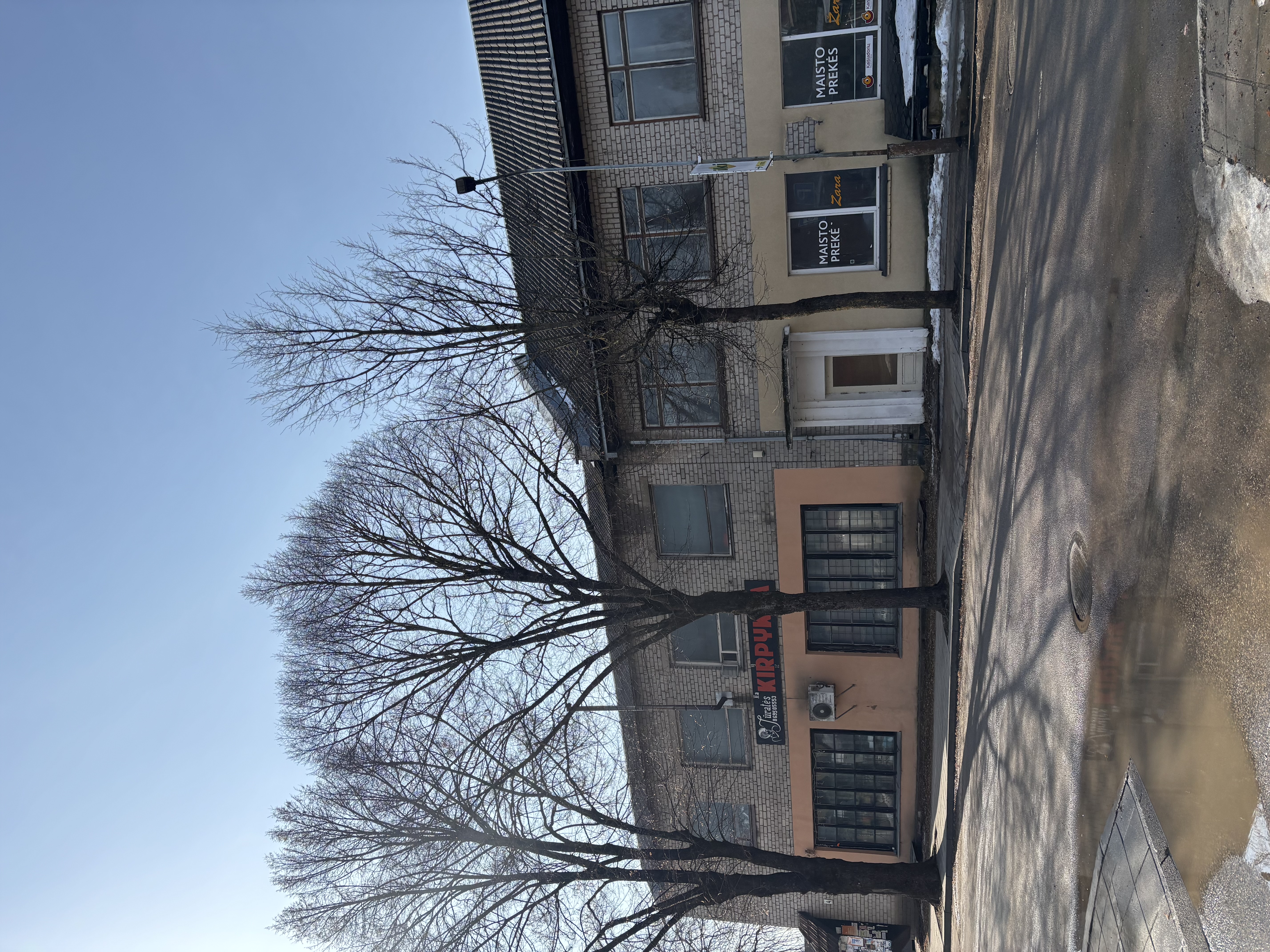
Revitalization of public space: The transformation of an identified dilapidated building into a vibrant hub improves the visual and social landscape of Molėtai, making the city center more attractive to both residents and visitors.
Accessibility and affordability: The region is provided with “city-level” infrastructure (translation booths, conference hall), ensuring that the geographical location does not dictate the limits of possibilities.
Local level (Molėtai district municipality and community)
Subjects: Molėtai district municipality administration, local craftsmen, small business representatives, youth organizations.
Role and participation: The municipality acts as the main project coordinator and infrastructure owner. The local community participated in the needs identification stage, helping to shape the specifics of the center's spaces (e.g., food education, dance studio).
Added value: The local relevance of the project is ensured. The direct involvement of craftsmen and business guarantees that the infrastructure will not be empty, but will become a viable "attraction center" that meets real local demand.
Regional level (Utena county / "Lake Lithuania")
Subjects: Anykščiai and Utena district municipalities, Utena Regional Development Council, regional business associations.
Role and participation: The "Lake Lithuania" functional zone strategy is being implemented. Regional partners are participating in the creation of a common network of services so that the center does not become an isolated island, but acts as an intercity business and cultural hub.
1. Key areas and their synergy
The success of the project is based on close cooperation between the following areas:
Architecture and universal design: transformation of an administrative building into a functional, accessible and sustainable space.
Economy and regional development: analysis of the potential of SMEs and the strategic needs of the “Lake Lithuania” functional zone.
Creative industries and digital innovations: ensuring the technical infrastructure (photo studios) necessary for modern business.
Sociology and community development: empowering the “human factor” by ensuring that spaces meet the real needs of craftsmen, freelancers and youth.
Public administration: harmonization of EU fund requirements, national policies and intercity cooperation (Molėtai, Anykščiai and Utena).
2. Interaction process
These areas do not operate in isolation, they connect in a continuous cycle:
Co-creation workshops: architects meet with craftsmen and youth to align structural functionality with the practical expectations of the community.
Strategic committees: economists and policy experts collaborate with municipal leaders to ensure that the infrastructure meets national and EU development criteria.
Interregional networking: representatives of Anykščiai, Utena and Molėtai synchronize tourism and business promotion strategies so that the center serves the entire region.
3. Added value
The benefits of this process are threefold:
Functional precision: by combining sociological insights with architectural design, we eliminate the risk of creating expensive but underutilized spaces.
Economic resilience: the intersection of the economy and creative industries creates a center where businesses not only start successfully, but also grow.
Management efficiency: by aligning public administration with regional planning, we avoid duplication of efforts.
The Molėtai project is different from typical state initiatives. What is important here is not just the renovated building, but what happens in it and how new opportunities are created.
1. It is not just the premises, but the engine of activity
Most often, municipal projects are limited to painting walls or replacing windows. In Molėtai, everything is different: the building is transformed into a living laboratory. Special spaces have been set up here (cooking areas, dance and photo studios, business rooms), where craftsmen can meet with marketing specialists. This is not just a rental of tables - it is a place where new ideas are constantly born.
2. Cooperation instead of competition
Instead of trying to do everything alone and compete for the same funds, Molėtai joined forces with Anykščiai and Utena. The joint “Lake Lithuania” system created allows for the provision of top-level equipment and spaces that one district simply would not be able to maintain.
3. Real tools for business, not just advice
Typical business support often ends with filling out documents or theoretical consultations. At the Molėtai center, entrepreneurs receive not only knowledge, but also professional tools and technologies. This helps to combine traditional crafts with modern solutions and start real trade or service provision much faster.
Multi-level Governance: The project is implemented not as an isolated object, but as part of the "Ežerų Lietuva" (Lake Lithuania) functional zone, integrating the strategic interests of three municipalities (Molėtai, Anykščiai, and Utena).
The model we created is universal – it can be easily adapted to other districts or communities. Here are 3 key elements worth copying:
Community of neighbors (not competing, but sharing): Instead of each municipality buying everything for itself, districts can share equipment and spaces. This allows you to save money and achieve better results.
Combination of old crafts and new technologies: Both traditional workshops and modern studios are located in one place. This allows craftsmen to learn how to use modern tools faster.
Center of attraction in the regions: By creating comfortable and modern workplaces (with good equipment), talented people do not flee to big cities, but remain to create and work in their own region.
Sustainability: The renovation of the building was not limited to insulation. The spaces are adapted for multiple use (the principle of circularity).
Aesthetics and quality: An environment that inspires has been created. This is not a standard office, but a space where modern design combines with traditional elements of the Molėtai region.
Inclusion: The center will be open to everyone – from young entrepreneurs to local craftsmen, reducing the gap between rural and urban opportunities.
Multidisciplinary: Different fields have been combined – food production, dance, photography, etc.
2. Further development and implementation
The vision for the future is to turn the center into not only a local, but also a regional innovation hub.