Enhancing Circularity, Sustainability, and Innovation
Falchera Water Commons
From Water Saving Camp to a neighbourhood-scale water resilience and belonging model
Falchera Water Commons reimagines a peri-urban social farm as a beautiful, sustainable and inclusive water resilience hub. Building on the Water Saving Camp experience within DESIRE, it blends nature-based solutions, community learning, participation and cultural storytelling to restore citizens’ relationship with water as a shared resource. A local practice grows into a replicable model for climate adaptation, biodiversity and belonging.
Italy
Local
Torino
It addresses urban-rural linkages
It involves a physical transformation of the built environment (hard investment)
Yes
2025-12-31
Yes
Horizon2020 / Horizon Europe
No
Yes
Organisation
Falchera Water Commons grew out of the Water Saving Camp developed at Cascina Falchera within DESIRE and transforms a peri-urban social farm into a living laboratory for water resilience, biodiversity, participation and beauty. The project is based on a simple but powerful idea: water is not only a resource to be saved, but also a common good that can reconnect people, places and ecosystems.
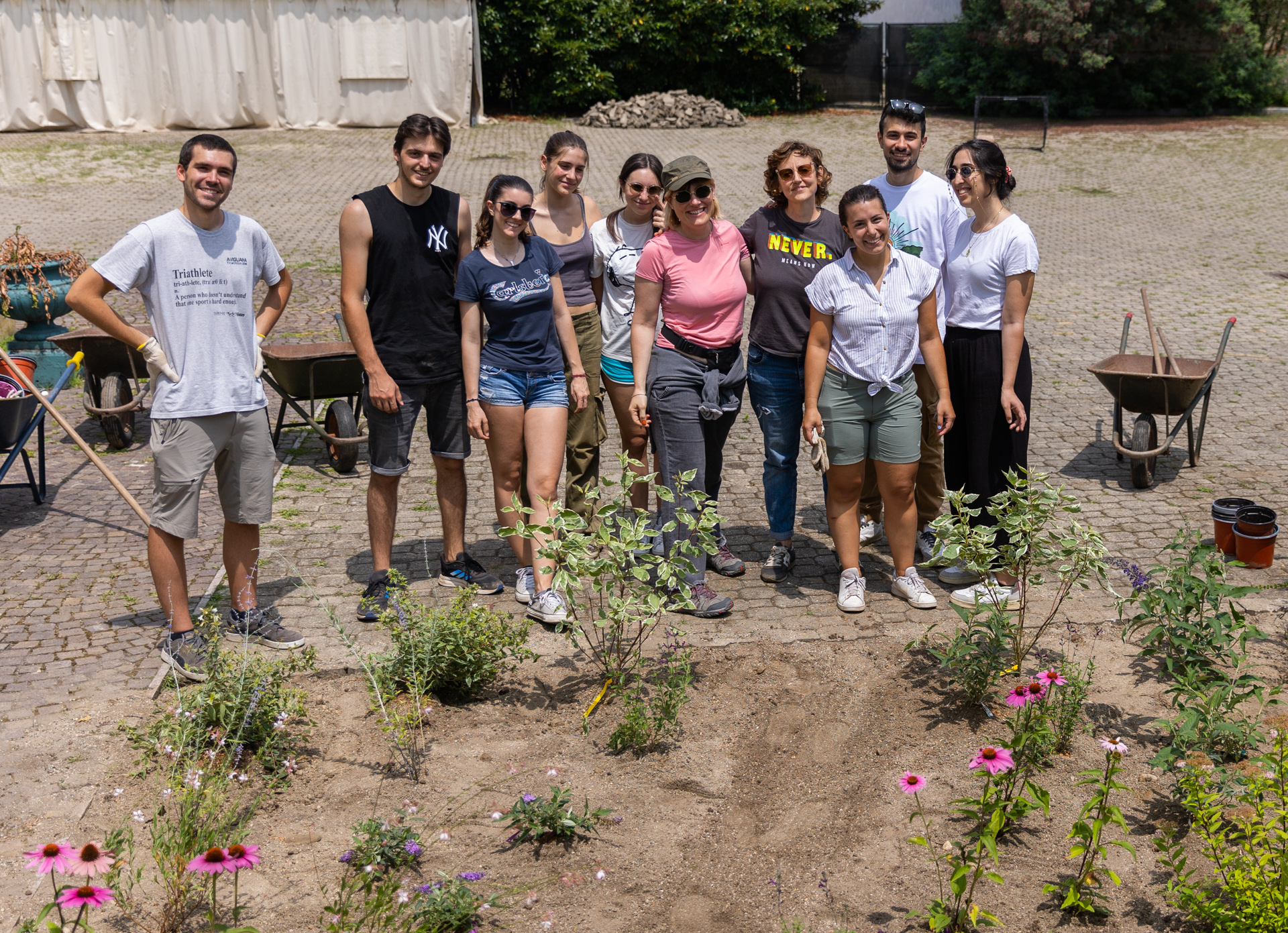
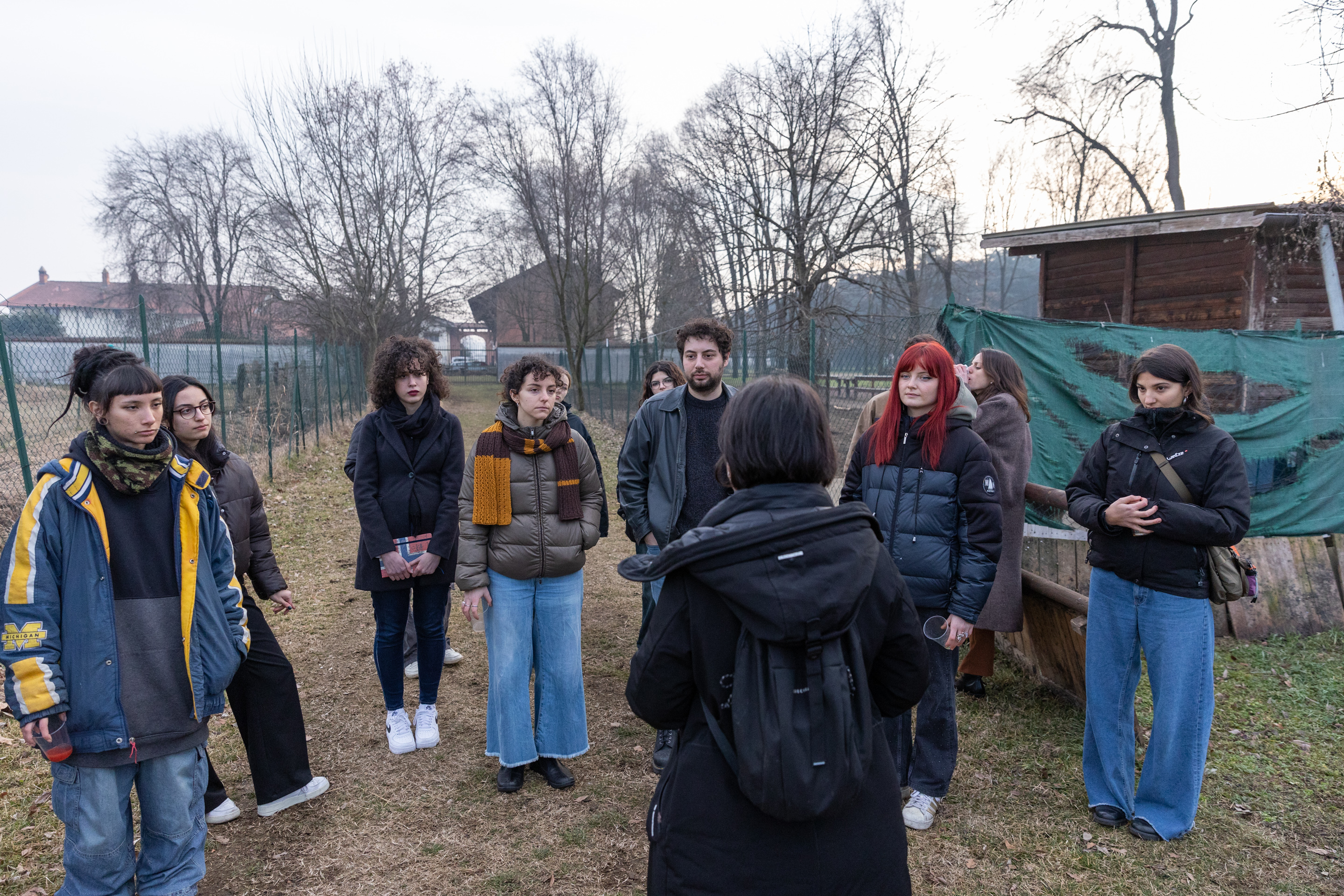
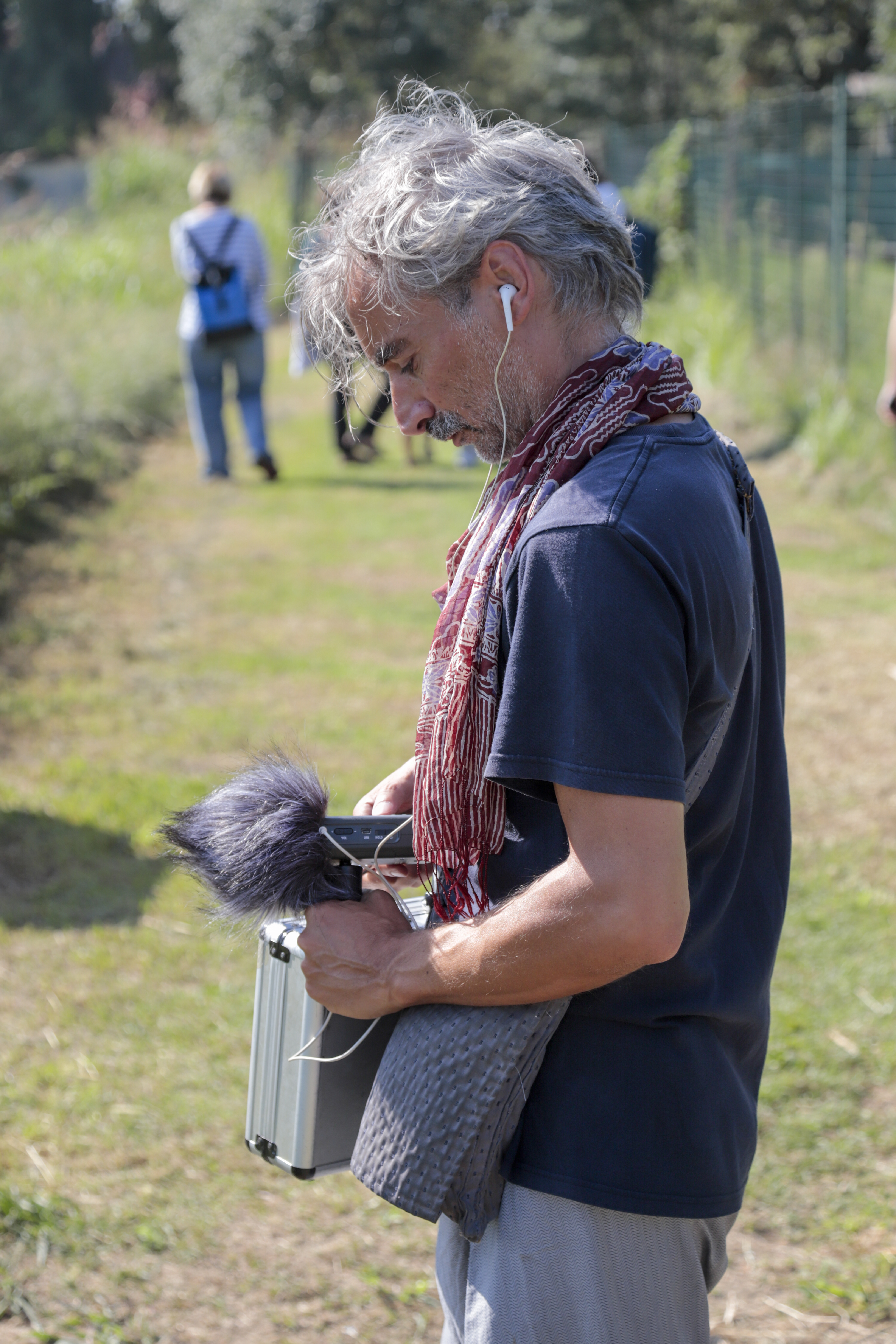
The project has already achieved tangible results. It engaged young people from Turin aged 15 to 29 in a hands-on journey combining community gardening, urban exploration, collective storytelling and sound production. Participants were involved as active co-creators, not as passive beneficiaries. This process helped build a small but meaningful community of young local “water ambassadors”, increasing awareness of water scarcity, climate change and urban biodiversity, while strengthening their sense of belonging to the Falchera neighbourhood.
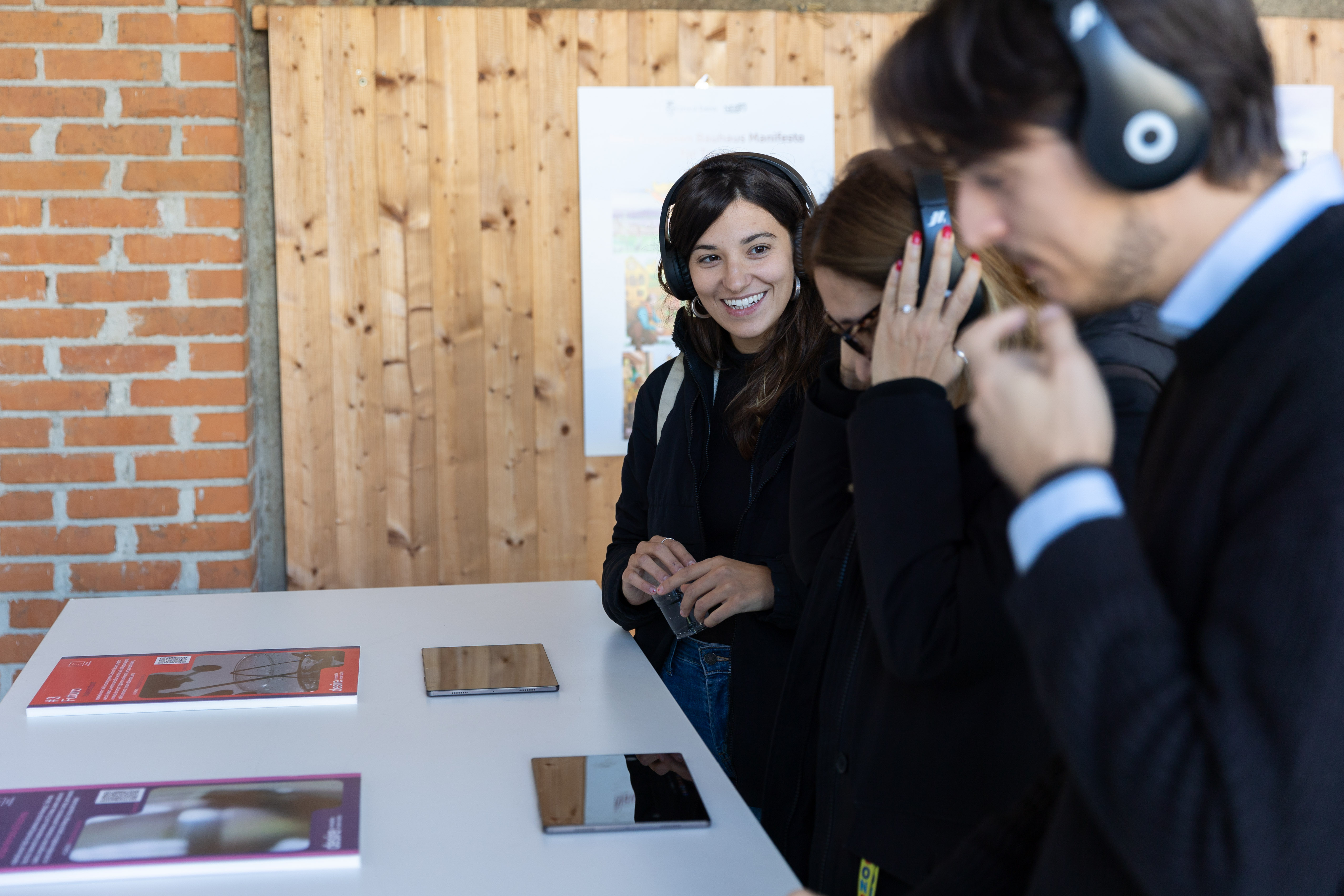
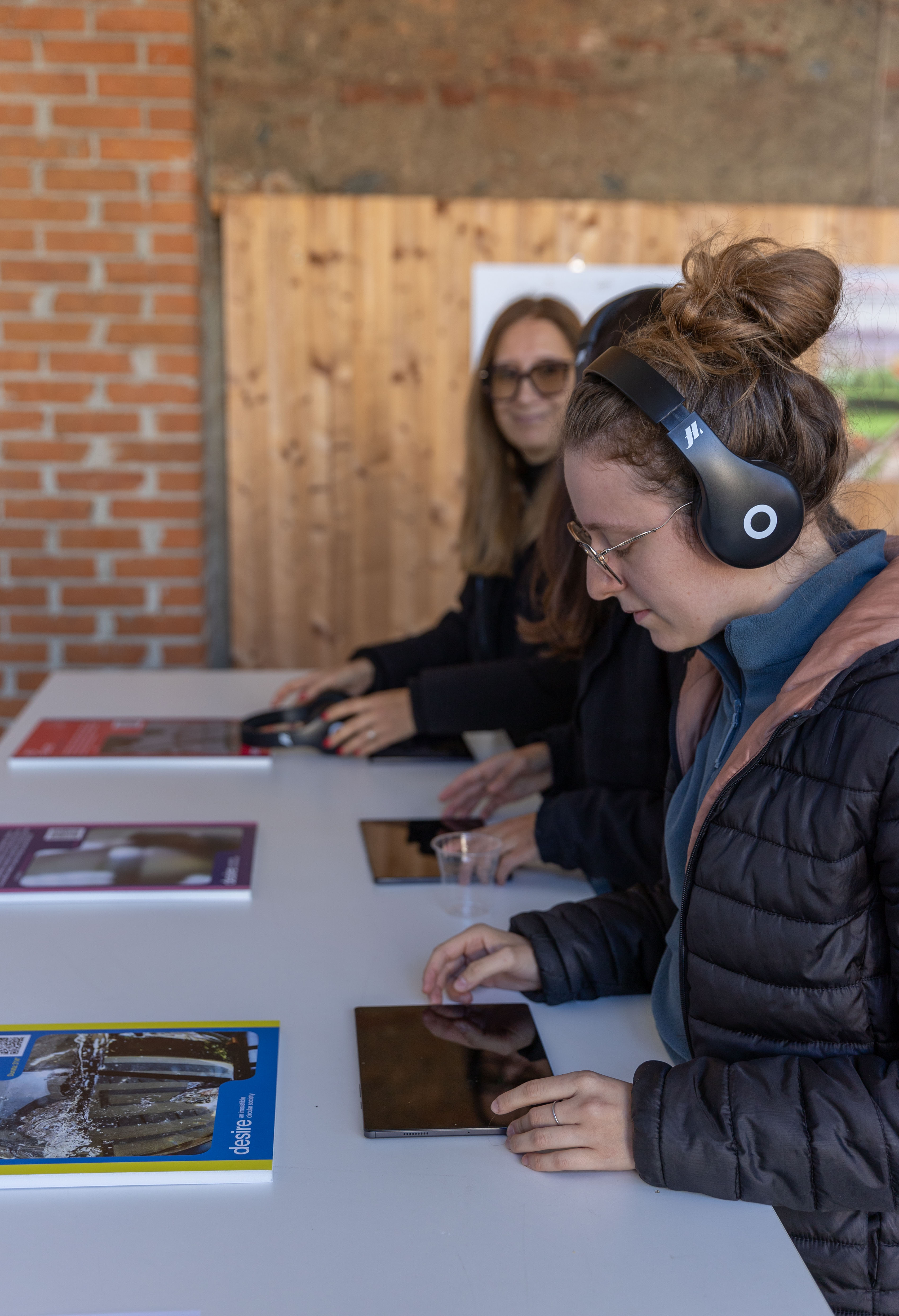
The project also produced concrete cultural outputs that made ecological relationships visible and shareable: a video story, a podcast episode and a collective soundscape dedicated to Falchera’s water heritage. In this way, environmental education became an accessible and emotionally engaging public experience. At the same time, the initiative strengthened collaboration among local actors, including neighbourhood groups, volunteers and the local library, and contributed to a wider public discussion on sustainable urban futures.
Its long-term impact lies in showing that climate resilience can be beautiful, inclusive and rooted in everyday life. Falchera Water Commons offers a replicable model for fragile urban and peri-urban areas, where adapting to water stress also regenerates social ties, ecological awareness and collective stewardship. By linking environmental action with culture, participation and place-based identity, the project turns New European Bauhaus values into a lived, inspiring and transferable practice.
Falchera Water Commons emerged from a simple but urgent question: how can water become the starting point for a more beautiful, sustainable and inclusive urban future? The project was born at Cascina Falchera, a peri-urban social farm and community hub in Turin, where water scarcity, biodiversity and social inclusion are not abstract themes, but everyday realities. Within this context, the Water Saving Camp developed through DESIRE became the seed of a wider transformation.
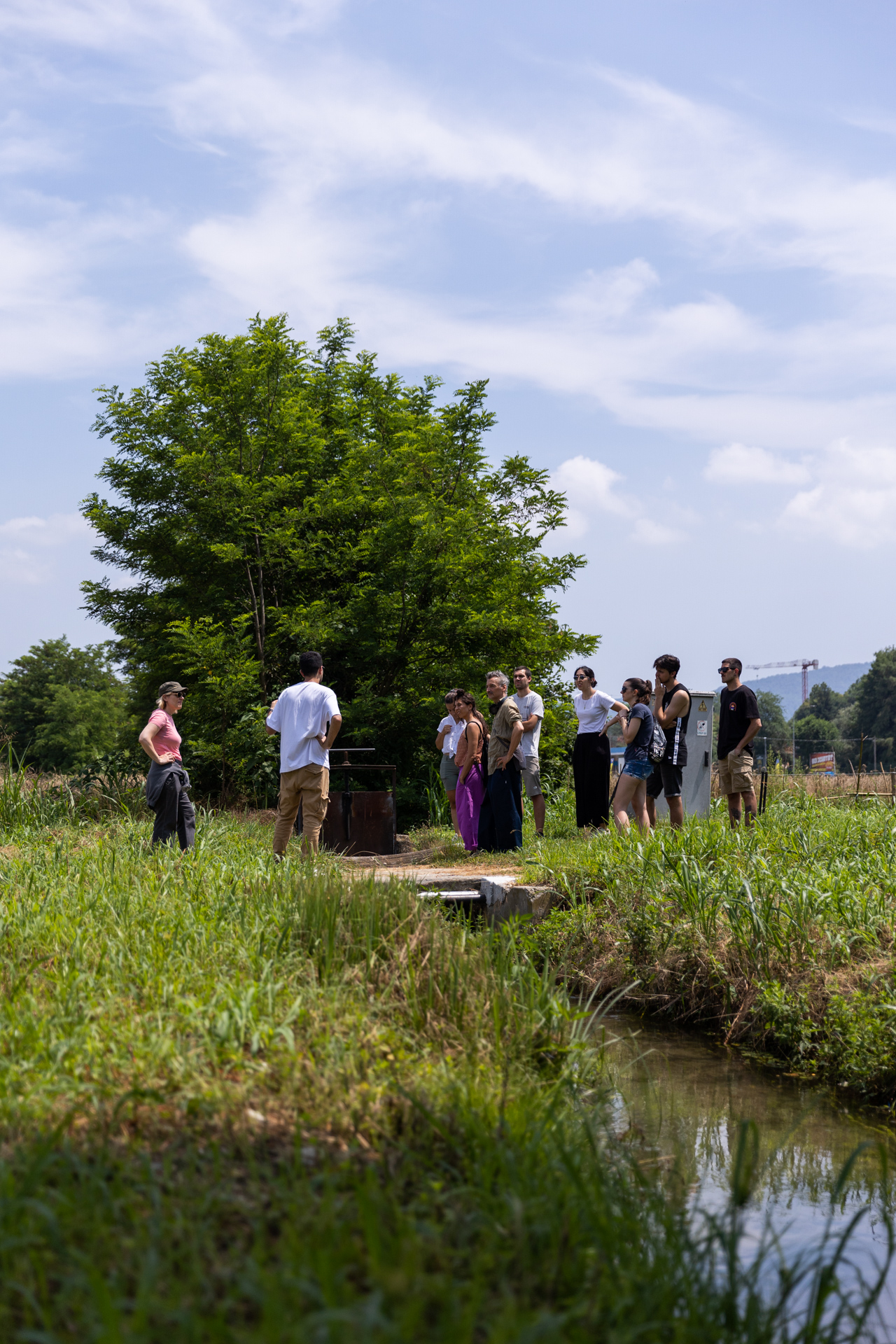
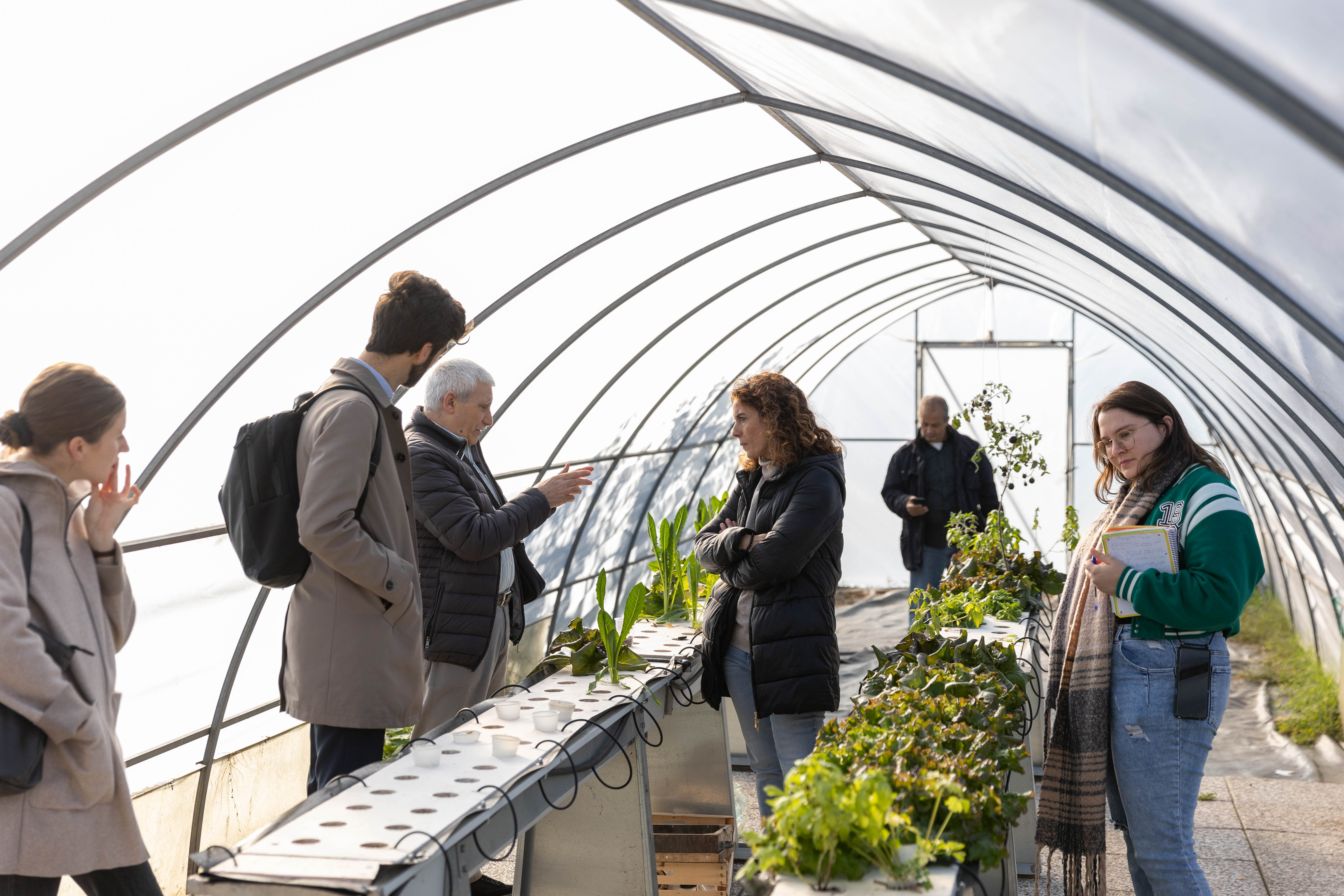
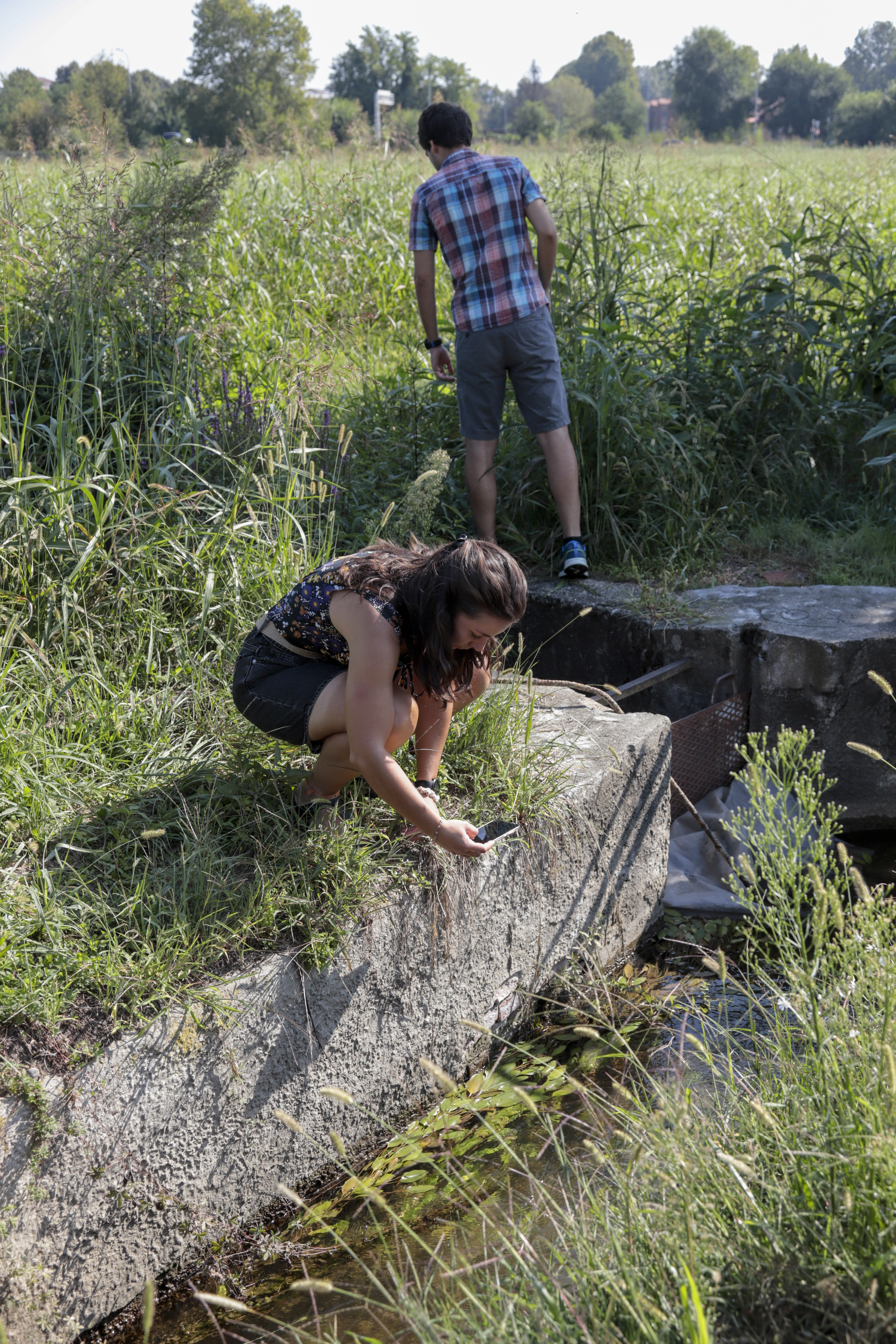
Rather than treating water only as a technical issue, the project framed it as a shared ecological, cultural and civic resource. Its implementation was deeply place-based and participatory. Young people aged 15 to 29, local organisations, volunteers and neighbourhood actors were brought together in a collective process of exploration, care and imagination. Community gardening, urban walks, environmental observation, storytelling workshops and sound production were combined to create a direct relationship with the territory and its water heritage.
This approach turned learning into experience and participation into authorship. Participants were involved not as beneficiaries, but as co-creators of knowledge and change. Through this process, the project generated a small but active community of young “water ambassadors” and produced public cultural outputs, including a video story, a podcast episode and a collective soundscape, making ecological relationships visible, tangible and emotionally engaging.
What began as a local camp evolved into a clear demonstration of how climate adaptation can be rooted in everyday life and translated into collective practice. By connecting biodiversity, social innovation, cultural expression and neighbourhood engagement, the project transformed a marginal urban edge into a living laboratory of resilience and belonging. It shows that environmental transition is most powerful when it is not only effective, but also meaningful, participatory and beautiful.
Water resilience
Belonging
Urban biodiversity
Community participation
Nature-based solutions
Falchera Water Commons is exemplary in terms of sustainability because it approaches water not as an isolated technical issue, but as a lever to connect environmental regeneration, social inclusion and long-term behavioural change. Developed at Cascina Falchera, a peri-urban social farm and community hub, the project addresses water scarcity, biodiversity loss and climate vulnerability through practical, low-threshold and place-based action. Environmentally, the project promotes a more responsible relationship with natural resources by raising awareness of water saving, reconnecting participants with local ecosystems and strengthening understanding of the links between water, soil, food production and biodiversity. Through hands-on activities such as community gardening, environmental observation and exploration of Falchera’s water landscape, sustainability becomes tangible and rooted in everyday life rather than remaining abstract. Socially, the project is sustainable because it invests in people and in local capacities. It engaged young people aged 15 to 29 as active co-creators, building knowledge, responsibility and a sense of stewardship. In doing so, it strengthened local networks and created a small but meaningful community of “water ambassadors” able to influence peers and contribute to a more resilient neighbourhood culture. Culturally, the project broadens the meaning of sustainability by making ecological issues visible, accessible and emotionally engaging. Through storytelling, sound production and public dissemination, it transforms environmental learning into a shared cultural experience, capable of changing perceptions as well as practices. This is crucial for long-term transition: sustainability lasts when communities recognise themselves in it. The project is exemplary because it combines ecological awareness, civic participation and cultural expression in a transferable model.
Falchera Water Commons contributes to aesthetics by making water, biodiversity and care perceptible in everyday life. At Cascina Falchera, aesthetics is not understood as decoration, but as the quality of the relationship between people, place and the living environment. The project transforms an often overlooked peri-urban edge into a space of attention, imagination and shared experience, where ecological transition becomes visible, meaningful and emotionally engaging.
Its aesthetic value lies first in the way it reveals what is usually invisible. Through urban walks, environmental observation, community gardening, storytelling and sound production, participants were invited to rediscover the water heritage of Falchera not only as an environmental issue, but as a source of memory, identity and collective imagination. The project generated public cultural outputs, including a video story, a podcast episode and a collective soundscape, which translated local ecological relationships into accessible and evocative experiences.
In everyday life, this approach makes the neighbourhood more beautiful because it changes how people perceive and inhabit it. Falchera is no longer seen only as a marginal area, but as a living landscape with value, complexity and potential. Beauty emerges through participation, through the renewed capacity to observe, narrate and care. In this sense, the project strengthens belonging by creating opportunities for young people, local actors and residents to recognise themselves as part of a shared place and a shared future.
Its longer-term contribution is the creation of an aesthetic of care: a way of relating to the environment that combines responsibility, emotion and collective stewardship. The project is exemplary because it shows that aesthetics can be inclusive, place-based and transformative. It does not impose beauty from above, but co-creates it from lived experience, ecological awareness and local culture.
Falchera Water Commons is exemplary in terms of inclusion because it makes ecological transition accessible, participatory and meaningful for people who are often excluded from environmental innovation processes. Developed at Cascina Falchera, a peri-urban social farm and community hub in Turin, the project starts from the belief that water resilience should not be a specialist topic for experts only, but a shared civic practice open to all. The project addressed inclusion first through its target group and methods. It actively engaged young people aged 15 to 29 from an urban area where social fragility and limited access to cultural and environmental opportunities are part of everyday life. Participants were involved through practical, low-threshold and experiential activities such as community gardening, urban walks, observation of local ecosystems, storytelling workshops and sound production. This made participation possible regardless of formal educational background, previous knowledge or technical skills. Inclusion was also embedded in the governance approach. The project was not designed as a one-way delivery of information, but as a collective learning process involving young people, local organisations, volunteers, neighbourhood actors and cultural practitioners. Participants were recognised as co-creators of knowledge and change, not as passive beneficiaries. This strengthened local ownership and created a more democratic way of producing environmental awareness and public value. The project also reflects design for all principles in a broad social sense. It combines environmental education, culture and participation in formats that are accessible, engaging and rooted in everyday experience. By using creative and non-formal tools, it opens up climate and water issues to wider audiences and creates multiple entry points for involvement. In this way, accessibility is not only physical or economic, but also cultural and relational.
Falchera Water Commons is strongly participatory because it was built with people, not only for them. From the outset, the project treated participation as a method of transformation rather than a consultation exercise. Developed at Cascina Falchera, a peri-urban social farm and community hub in Turin, it involved young people, local organisations, volunteers, neighbourhood actors and cultural practitioners in a shared process of exploration, learning and production around water, biodiversity and place. Citizens and community actors were not invited merely to attend activities, but to actively shape the project through their experiences, observations and creative contributions. Young people aged 15 to 29 played a central role. They took part in community gardening, urban walks, environmental observation, storytelling workshops and sound production, contributing directly to how the local water heritage was interpreted and communicated. Their role was therefore not passive or symbolic: they acted as co-creators of meaning, content and public outputs. Civil society organisations and local actors contributed by opening spaces, supporting implementation, connecting the project to the neighbourhood and reinforcing its public dimension. This collaborative structure made the project more rooted, more credible and more responsive to local realities. Participation also had a clear impact on the quality and outcomes of the project. It generated a small but active community of young “water ambassadors” who developed greater awareness of water scarcity, climate issues and biodiversity, while also strengthening their sense of belonging and responsibility towards Falchera. The project’s public outputs, including a video story, a podcast episode and a collective soundscape, were not simply communication tools but direct results of this participatory process. Their value lies precisely in the fact that they emerged from lived experience and collective authorship.
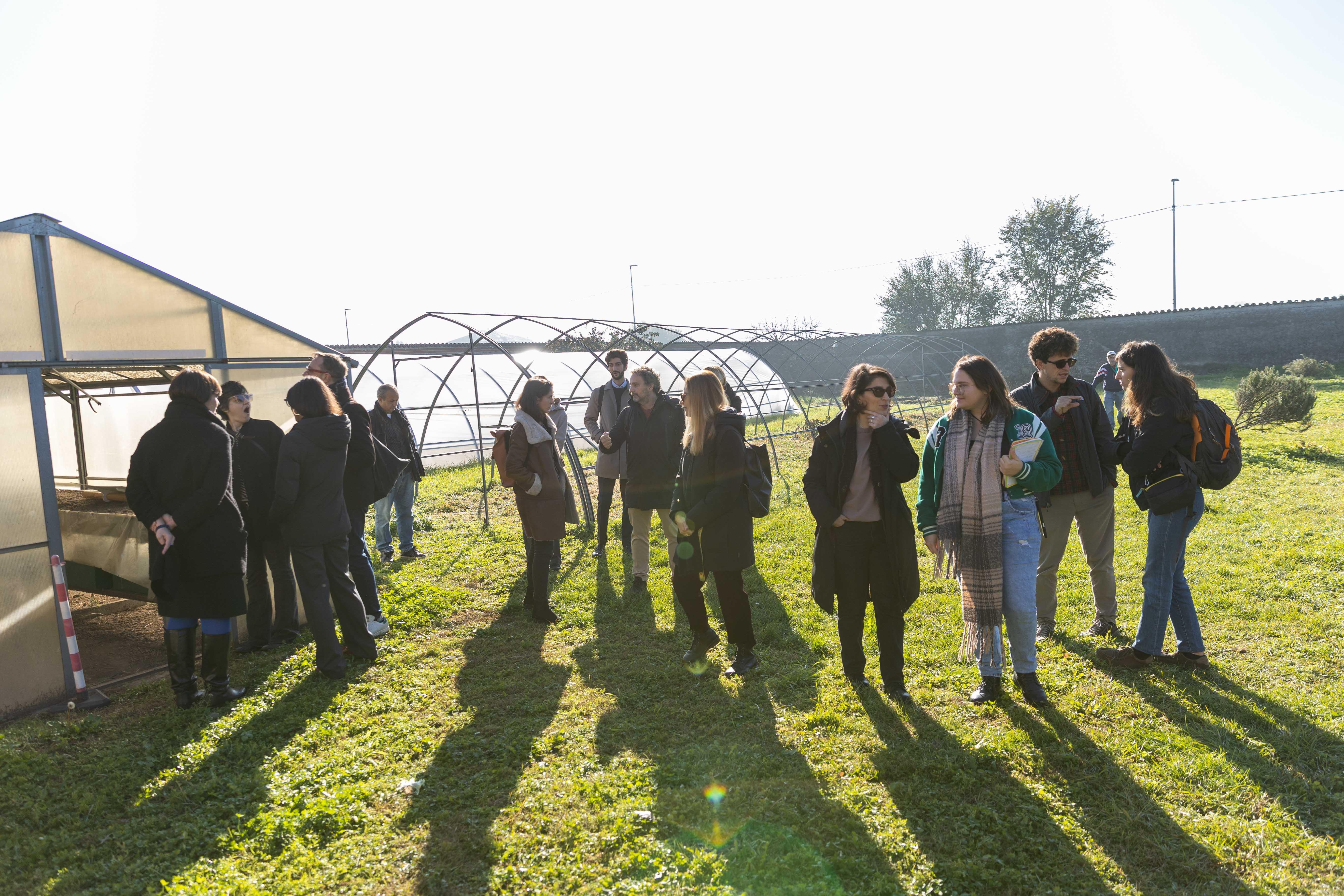
Falchera Water Commons reflects a strong multilevel governance approach because it connects neighbourhood-based action with institutional support, academic engagement and a wider European framework. The project was rooted in Cascina Falchera and in the everyday realities of the Falchera neighbourhood, but it gained strength through the interaction of actors operating at different levels and with different roles. At local level, the project involved young people, neighbourhood organisations, volunteers, the Committee for the Development of Falchera, the Volunteers of the Falchera Lakes and the Don Milani public library, creating a civic ecosystem able to turn water awareness into a shared community practice. The Municipality of Turin played a particularly important role in supporting and legitimising the project. Through collaboration with the City of Turin and its Department for Ecological and Digital Transition, Innovation, Environment, Mobility and Transport, the project gained public visibility and became part of a broader reflection on more sustainable neighbourhoods and urban futures. This institutional support was essential in linking a local initiative to wider urban policies and in recognising Falchera as a relevant site for ecological transition. This municipal engagement also created the conditions to widen the project’s impact. Starting from the Water Saving Camp experience, the initiative opened new connections with the University of Turin and its students, strengthening its educational and knowledge-building dimension. In parallel, it encouraged collaboration with other associations active in Falchera and in the northern area of Turin that work with citizens on urban gardens and everyday environmental practices, particularly to prevent water waste and promote more responsible resource use. In this way, the project evolved from a local camp into a platform for cooperation across civic, institutional and educational levels.
Falchera Water Commons is transdisciplinary by design, because it brings together environmental, social, cultural and educational knowledge to address water resilience as a shared urban challenge. The project did not treat water as a purely technical matter, but as an issue that requires multiple ways of seeing, understanding and acting. This made transdisciplinarity not only a method of implementation, but one of the project’s main qualities. Environmental knowledge was central to the project. Through community gardening, observation of local ecosystems and reflection on water saving, participants explored the connections between water, soil, biodiversity, food production and climate adaptation. At the same time, the project drew strongly on social and educational approaches, using non-formal learning, youth engagement and community-based practice to make these themes accessible and relevant in everyday life. Arts and culture also played a key role. Storytelling, sound production and collective narrative processes were used to transform ecological awareness into shared public experience. The production of a video story, a podcast episode and a collective soundscape made it possible to communicate environmental issues in ways that were not only informative, but also emotional, sensory and inclusive. In this sense, artistic practice was not an addition to the project, but an essential tool for participation and interpretation. The project also reflects knowledge fields linked to urban studies and civic innovation. It was implemented in a peri-urban area where questions of public space, neighbourhood identity, social inclusion and local governance are deeply interconnected. By engaging local actors, community organisations, volunteers, public institutions and students, the project combined practical local knowledge with broader educational and institutional perspectives. Falchera Water Commons is exemplary because it shows that meaningful ecological transition cannot
Falchera Water Commons is financially sustainable because it is not a stand-alone initiative, but part of the wider economic and organisational ecosystem built around Cascina Falchera. Its business model combines public-interest activities, project-based funding, community value generation and the long-term development capacity of the organisations managing the site. This allows the project to remain active over time while continuing to create environmental, social and cultural impact. A key element of sustainability is the ability to attract diversified funding sources. Over time, the organisations behind Cascina Falchera have successfully accessed public calls promoted by the City of Turin as well as grants from banking foundations, including Fondazione Compagnia di San Paolo. These resources have supported not only specific activities, but also the broader development of the site as a place for community engagement, environmental education, urban agriculture and social innovation. An additional strength lies in the agricultural cooperative created within Cascina Falchera. Its presence has made it possible to access further forms of support, including investment-oriented funds and financing instruments connected to social and agricultural development. This has helped consolidate the economic base needed to keep alive the activities of Cascina Falchera, its community gardens and the wider ecosystem of the site. The model is therefore hybrid: it relies on grants and institutional support, but also on the capacity of the Cascina system to generate continuity, partnerships and new opportunities for investment. This is particularly important because Cascina Falchera is a common good of the City of Turin, yet the management model also includes a monthly rent to the municipality. The project has therefore developed within a framework that requires both public value and economic responsibility.
Falchera Water Commons has strong transferability because its core value does not depend on one specific site, but on a method that can be adapted to other places and communities. What can be replicated first is its integrated approach: combining water resilience, biodiversity, environmental education, community engagement and cultural production in one place-based process. This makes the project relevant not only for peri-urban social farms, but also for neighbourhood hubs, community gardens, schools, public parks and other local spaces where ecological transition needs to become visible and shared. A highly transferable element is the methodology used to involve participants. The project combines low-threshold and creative activities such as community gardening, urban walks, environmental observation, storytelling and sound production. This mix can be adapted to different age groups, target groups and territorial conditions, including contexts with limited resources. It is replicable because it does not require complex infrastructure, but rather strong local anchoring and the ability to connect environmental issues with everyday life. Another scalable element is the governance model. Falchera Water Commons shows how local institutions, civic actors, educational organisations, cultural practitioners and citizens can cooperate around a shared ecological challenge. This structure can be transferred to other contexts to strengthen local ownership and connect neighbourhood action with broader public strategies. The project’s outputs are also replicable. Podcasts, videos, soundscapes and community storytelling can be reproduced elsewhere to make ecological relationships more visible and engaging. The key learning is that water resilience works best when treated not only as a technical matter, but as a cultural, social and civic practice.