Arts, Culture, and Heritage as Drivers of Change
A Chapel Built by the Community
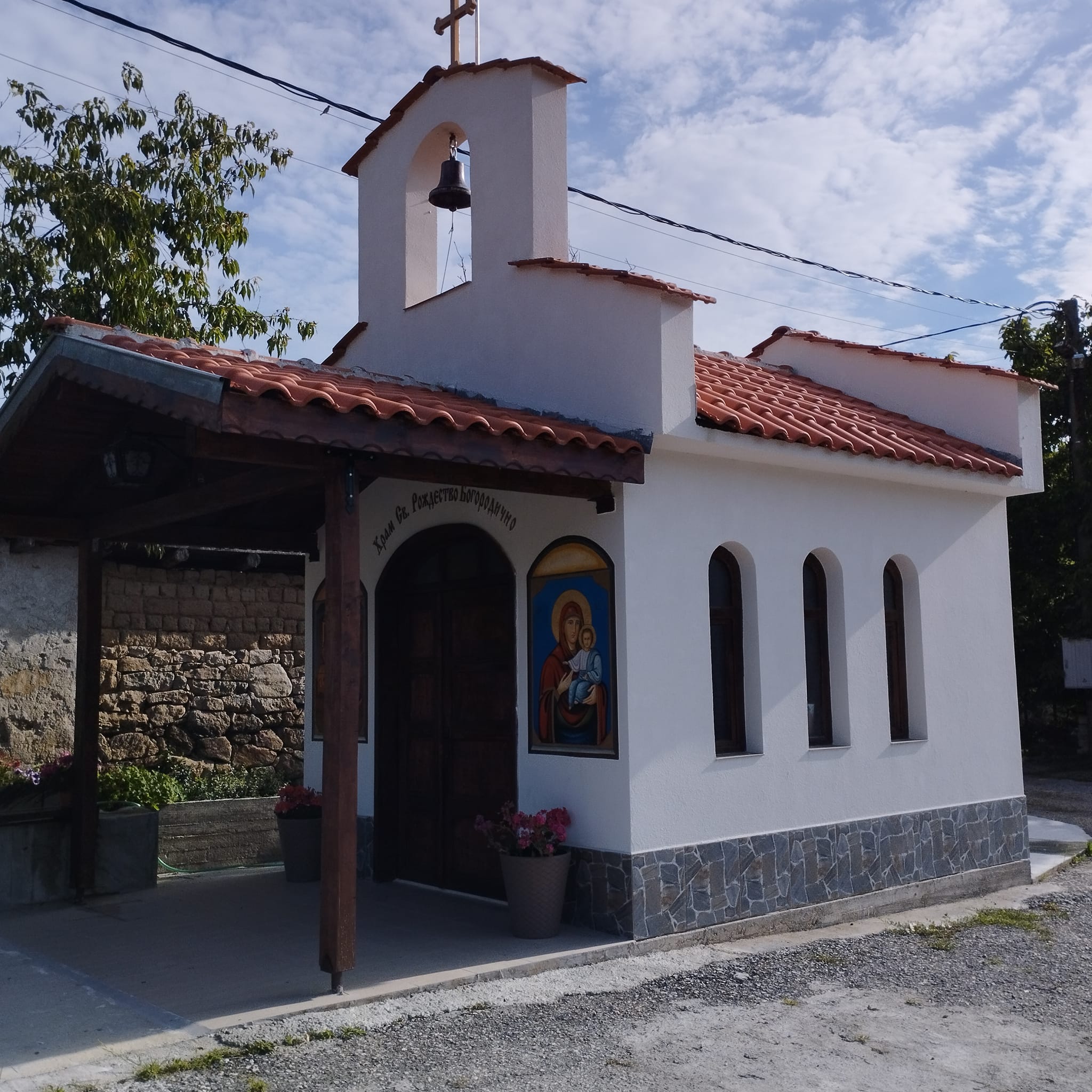
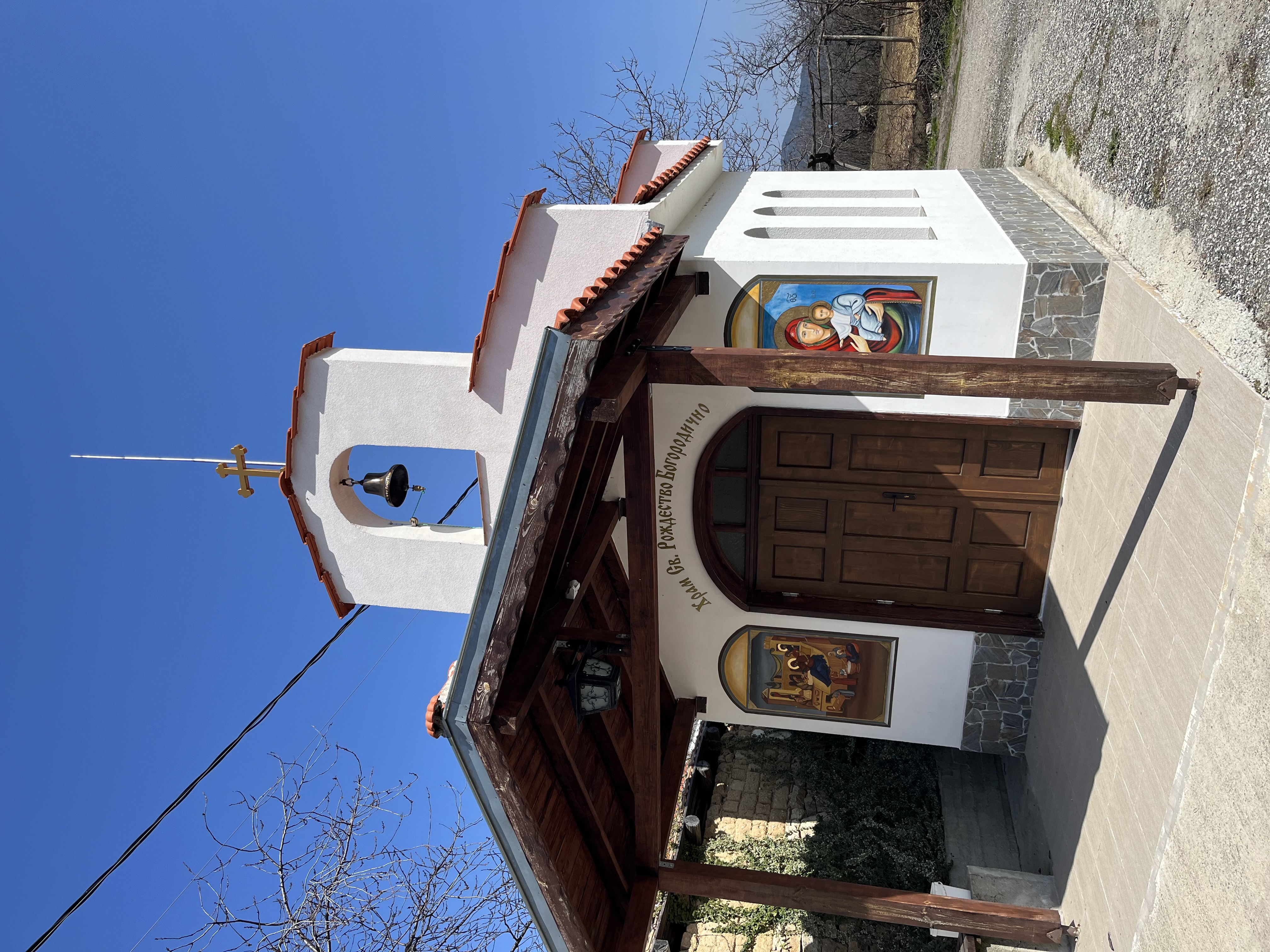
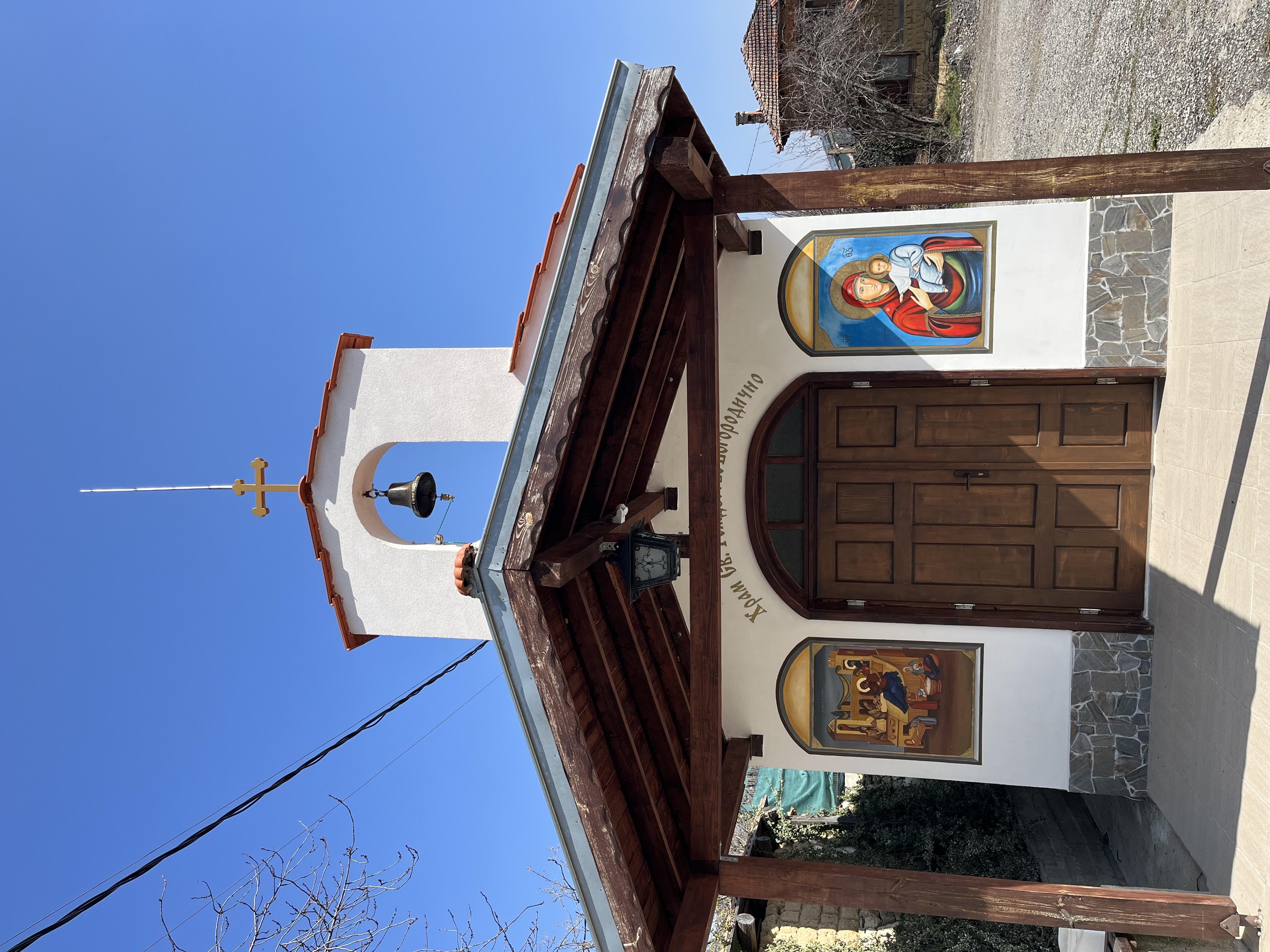
Community-built Orthodox Chapel “Nativity of the Virgin Mary”, Dimovtsi village, Bulgaria
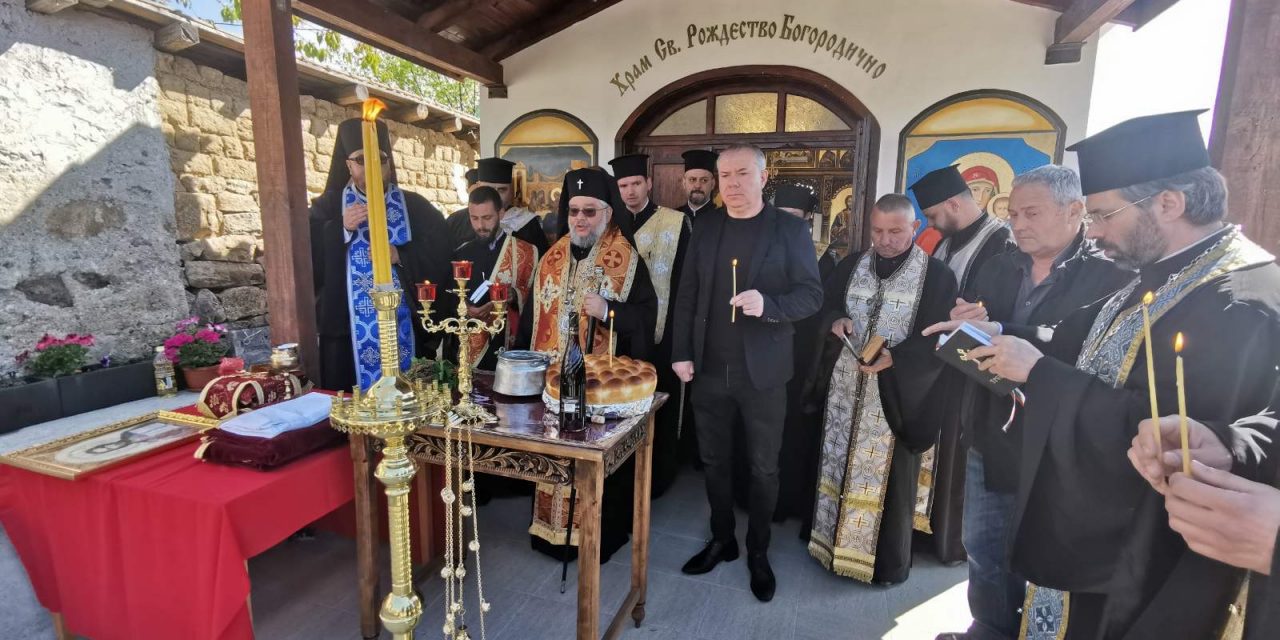
In the small Bulgarian village of Dimovtsi, residents united to build a new Orthodox chapel dedicated to the Nativity of the Virgin Mary. Constructed through voluntary work, donations and community solidarity, the chapel has become a symbol of shared cultural heritage and collective spirit. This grassroots initiative transformed an empty space into a place of faith, beauty and community life, preserving local traditions for future generations.
Bulgaria
Local
Orthodox Chapel “Nativity of the Virgin Mary”, Dimovtsi village, Gurkovo Municipality, Stara Zagora Region, Bulgaria
Mainly rural
It involves a physical transformation of the built environment (hard investment)
Yes
2023-09-08
No
No
No
Individual
The Orthodox chapel “Nativity of the Virgin Mary” in Dimovtsi village, Gurkovo Municipality, Bulgaria, is a community-driven initiative created to preserve cultural heritage and strengthen social cohesion in a small rural settlement.
The project emerged from the desire of local residents and supporters to build a spiritual and cultural space that would serve the community and revive traditional values. The chapel was constructed through voluntary work, donations, and the collective efforts of people from the village and nearby towns. Materials, labour, and financial support were provided by individuals who shared the vision of creating a meaningful place for prayer, reflection, and community gatherings.
The construction of the chapel transformed an empty space into a place of beauty and cultural significance. Its architecture follows traditional Orthodox design principles while incorporating elements that reflect local identity and craftsmanship.
Beyond its physical form, the chapel has become a symbol of solidarity and cooperation. It strengthens the sense of belonging among residents and reconnects people with their cultural and spiritual heritage. The project demonstrates how collective action can create spaces that enrich rural life and preserve traditions for future generations.
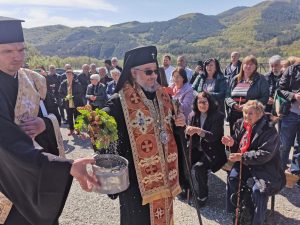
Today, the chapel functions as a living community space where religious celebrations, gatherings, and cultural traditions bring people together and strengthen the social fabric of the village.
In the future, the community aims to further develop the surrounding area into a welcoming cultural and public space. Planned improvements include small landscape elements, seating areas, and informational boards presenting the history of Dimovtsi village, its cultural heritage, and the story behind the creation of the chapel. These elements will help visitors and younger generations better understand the local traditions and identity.
The idea for building the Orthodox chapel in Dimovtsi village was born from the desire of local residents to create a spiritual and communal place in their village. For many years the community lacked a dedicated religious space where people could gather for prayer and important celebrations.
In 2021 the initiative began with the support of residents, donors, and volunteers who believed that such a place would strengthen the social fabric of the village. With the assistance of architects and the blessing of the church authorities, the project moved from idea to reality.
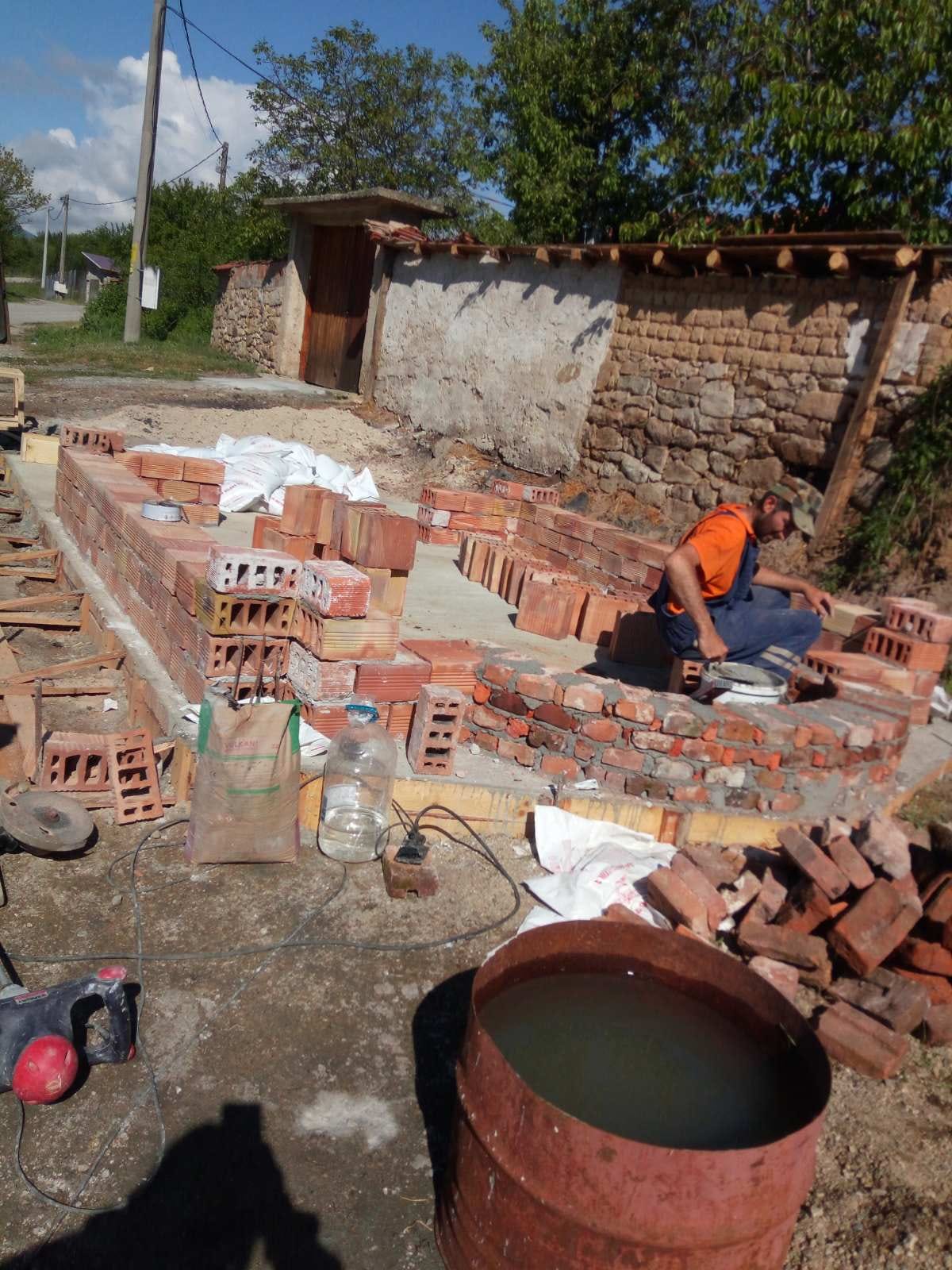
Construction started through voluntary work and generous donations. People contributed building materials, craftsmanship, and financial support. Each stage of the project was achieved through cooperation and shared commitment.
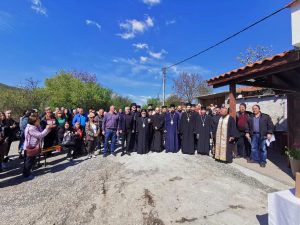
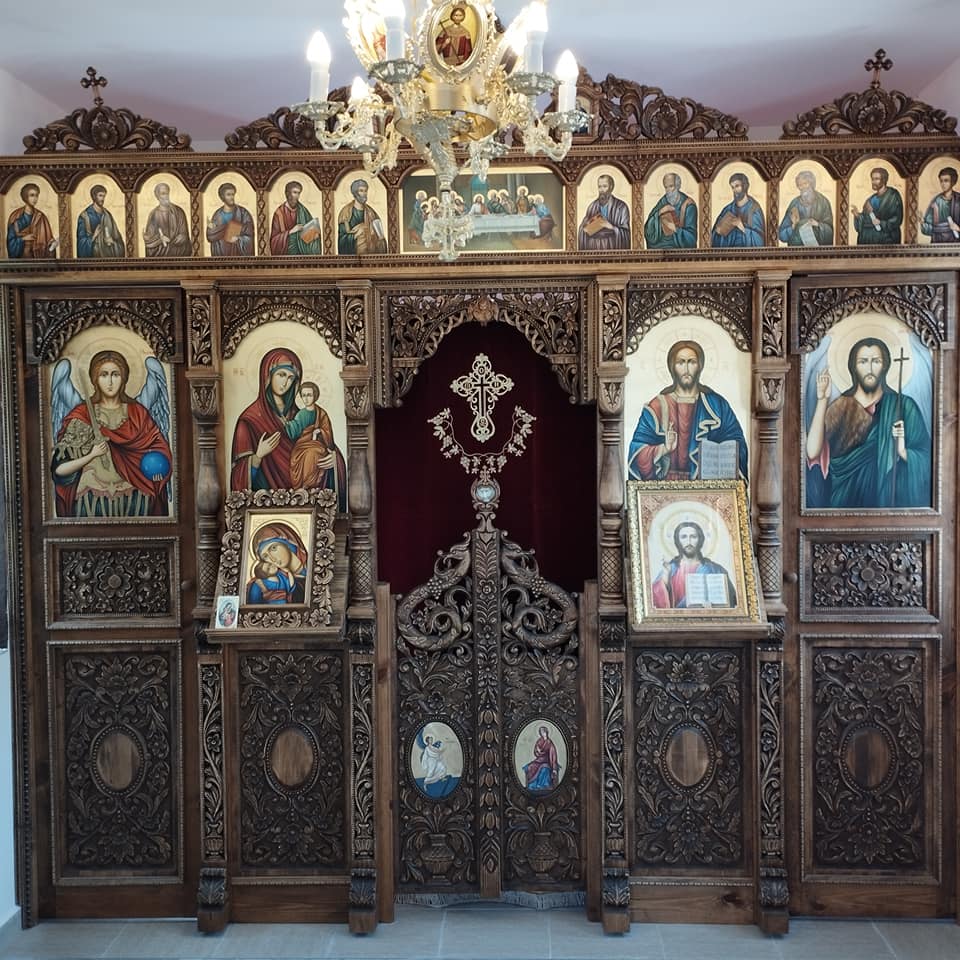
Step by step, the chapel was built by the community itself. Local residents, supporters from nearby towns, and benefactors helped complete the building, donate the bell, and contribute to the interior decoration.This hands-on involvement ensured that the project was not only built for the community but truly built by the community.
The completion of the chapel marked more than the end of a construction project. It became a symbol of unity, faith, and cultural continuity. Today the chapel stands as a testament to what a small community can achieve when people work together for a common purpose.
Community participation
Cultural heritage
Rural development
Social cohesion
Sacred architecture
The project contributes to sustainability through environmental, social, and cultural dimensions that strengthen the resilience of a small rural community.
From an environmental perspective, the chapel was built using locally sourced materials and traditional construction techniques whenever possible. This approach reduced transportation impacts, supported local craftsmanship, and respected the architectural character of the region. The project also revitalised an unused space in the village, transforming it into a well-maintained and meaningful place for reflection and community gathering.
Social sustainability is a central element of the initiative. The chapel was created through voluntary work, donations, and the collective effort of residents, supporters, and benefactors. This participatory process strengthened community bonds, encouraged cooperation between generations, and empowered local people to actively shape their environment.
The project also supports cultural sustainability by preserving Orthodox traditions and local identity. The chapel functions as a place where religious celebrations, community gatherings, and cultural practices continue to bring people together.
As a result, the initiative demonstrates how small-scale, community-driven projects can provide sustainable solutions for rural areas. By combining local knowledge, voluntary participation, and respect for cultural heritage, the project offers an example of how communities can create lasting social and cultural value with limited resources.
The chapel contributes to the beauty and identity of Dimovtsi village by creating a meaningful architectural landmark that reflects traditional Orthodox design and local cultural heritage.
The building was carefully designed to harmonise with the surrounding rural landscape while maintaining the aesthetic principles of sacred architecture. Its proportions, materials, and architectural details create a peaceful and welcoming atmosphere for both residents and visitors.
An important aspect of the project’s beauty lies in the fact that the chapel was created through the collective effort of the local community. The voluntary work, donations, and dedication of residents added a human and emotional dimension to the architectural space.
Beyond its physical appearance, the chapel enhances the emotional and cultural landscape of the village. It provides a place where people can experience beauty through spirituality, architecture, and shared traditions.
The project demonstrates that beauty is not only about visual design but also about the emotional connection people feel towards a place. By transforming an empty area into a dignified and carefully crafted space, the chapel has strengthened the identity of the village and created a sense of pride and belonging among the local community.
The chapel project in Dimovtsi village is deeply rooted in community participation and inclusiveness. From the very beginning, the initiative was open to everyone who wished to contribute, regardless of age, profession, or background. Residents of the village, people originally from Dimovtsi who now live in other cities, and supporters from nearby towns all took part in the creation of the chapel.
The project was realised through collective effort, voluntary work, and donations, which made it financially accessible and achievable for a small rural community. By relying on shared resources and voluntary participation, the project demonstrated that meaningful public spaces can be created without large financial barriers.
The initiative also represents a form of inclusive community governance. Decisions about the construction, design, and development of the chapel were discussed and supported by members of the local community, ensuring that the project reflected shared values and needs.
Today the chapel serves as an open and welcoming gathering place for people of all generations. It provides a space where residents can come together for religious celebrations, cultural traditions, and community events, strengthening social connections and fostering a sense of belonging.
By empowering residents to actively shape their environment, the project demonstrates how inclusive participation can create meaningful public spaces. It offers an example of how small rural communities can develop new societal models based on cooperation, solidarity, and shared responsibility.
The chapel project in Dimovtsi village is a strong example of participatory community action. From the initial idea to the completion of the building, local residents, supporters, and donors played an active role in shaping and implementing the project.
Citizens were involved at every stage of the process. Community members participated in discussions about the idea, helped organise the initiative, and contributed directly to the construction. Their roles included voluntary labour on the building site, financial donations, and the provision of construction materials and equipment. Many people originally from Dimovtsi who now live in other cities also supported the initiative, demonstrating a strong connection to their place of origin.
The impact of this participation was significant. It created a strong sense of ownership and pride among residents and strengthened social ties within the community. The collaborative process encouraged cooperation between different generations and reinforced traditions of mutual support in rural areas.
As a result, the chapel is not only a religious building but also a symbol of civic engagement and collective effort. The community also plans to enhance the surrounding area with informational boards presenting the history and traditions of Dimovtsi village, as well as interactive educational games for children. These elements will make the space more engaging and accessible for younger generations while strengthening the role of the chapel as a place for learning, gathering, and community life.
The implementation of the chapel project involved cooperation between stakeholders at different levels.
At the local level, residents of Dimovtsi village played a central role through voluntary work, financial donations, and the provision of construction materials. Their active participation shaped the project and ensured that it reflected the needs and values of the local community.
At the professional and institutional level, architects and church authorities were involved in guiding the design and construction process. Their role was to provide technical expertise and ensure that the chapel respected traditional Orthodox architectural principles and religious requirements.
Support also came from people originally from Dimovtsi who now live in other cities and regions of Bulgaria. Their contributions and engagement helped mobilise additional resources and strengthened the connection between the village and its wider community network.
This cooperation between community members, religious institutions, and professionals created a balanced governance structure that allowed the project to progress effectively. The added value of this multilevel collaboration lies in the combination of local knowledge, professional expertise, and community solidarity. Together, these elements ensured that the project was both technically sound and deeply rooted in the cultural and social life of the village.
The chapel project brought together knowledge and expertise from several disciplines, creating a transdisciplinary approach to community development.
Architecture and construction played a central role in the design and implementation of the building. Architects provided technical guidance and ensured that the chapel followed traditional Orthodox architectural principles, while local craftsmen and builders contributed their practical construction skills.
The project also reflects knowledge from cultural heritage preservation, arts, and social participation. Traditional craftsmanship, religious symbolism, and aesthetic considerations were integrated into the design of the chapel, strengthening the cultural identity of the village.
In addition, the initiative involved elements of social sciences and community development, as residents and volunteers actively participated in organising the project, contributing labour, materials, and local knowledge.
Educational aspects are also present through plans to install informational boards about the history and traditions of Dimovtsi village, as well as interactive elements and small educational games for children that will help younger generations learn about their cultural heritage.
By bringing together architecture, craftsmanship, cultural heritage, social participation, education, and spiritual traditions, the project demonstrates how collaboration across different fields of knowledge can create meaningful spaces that support cultural identity, social cohesion, and community well-being.
The chapel project is based on a community-driven and donation-based model that ensures its long-term sustainability. The construction of the chapel was made possible through voluntary work, private donations, and contributions from supporters who believed in the importance of preserving cultural and spiritual heritage in the village.
This collaborative model minimised financial barriers and allowed the project to be realised through collective effort rather than large institutional funding. Community members, donors, and benefactors contributed materials, labour, and financial resources during the construction phase.
After completion, the chapel continues to function through the support of the local community and the church. Maintenance and small improvements are supported by voluntary contributions, donations, and the engagement of residents who take responsibility for the care of the space.
Future developments around the chapel, such as informational boards presenting the history and traditions of Dimovtsi village and small interactive educational games for children, will also be realised through community support, small donations, and volunteer initiatives. These elements will enrich the space while remaining financially accessible and easy to maintain.
This model demonstrates how small-scale community initiatives can remain financially sustainable through shared responsibility, local support networks, and the collective commitment of citizens who value cultural heritage and community life.
The chapel project demonstrates a model that can be replicated in many small rural communities facing similar challenges related to depopulation, loss of cultural identity, and limited public resources.
The key element of the project is the strong participation of the local community combined with professional expertise from architects and craftsmen. This approach allows communities to create meaningful cultural or public spaces even with limited financial resources.
The methodology used in Dimovtsi village – community mobilisation, voluntary participation, fundraising through donations, and collaboration with local institutions – can easily be adapted to other villages and rural regions.
In addition to the construction of the chapel, complementary elements such as informational boards about local history and interactive educational activities for children can also be implemented, helping to strengthen cultural awareness and community engagement.
Such initiatives can support the revitalisation of rural areas by strengthening social cohesion, preserving cultural heritage, and encouraging citizens to actively participate in shaping their local environment.
The project therefore offers a transferable and scalable model for community-led development that can inspire similar initiatives across rural communities in Europe.