Arts, Culture, and Heritage as Drivers of Change
Sexy Silver
Sexy Silver: Intimacy and Sexuality in Czech Care Homes
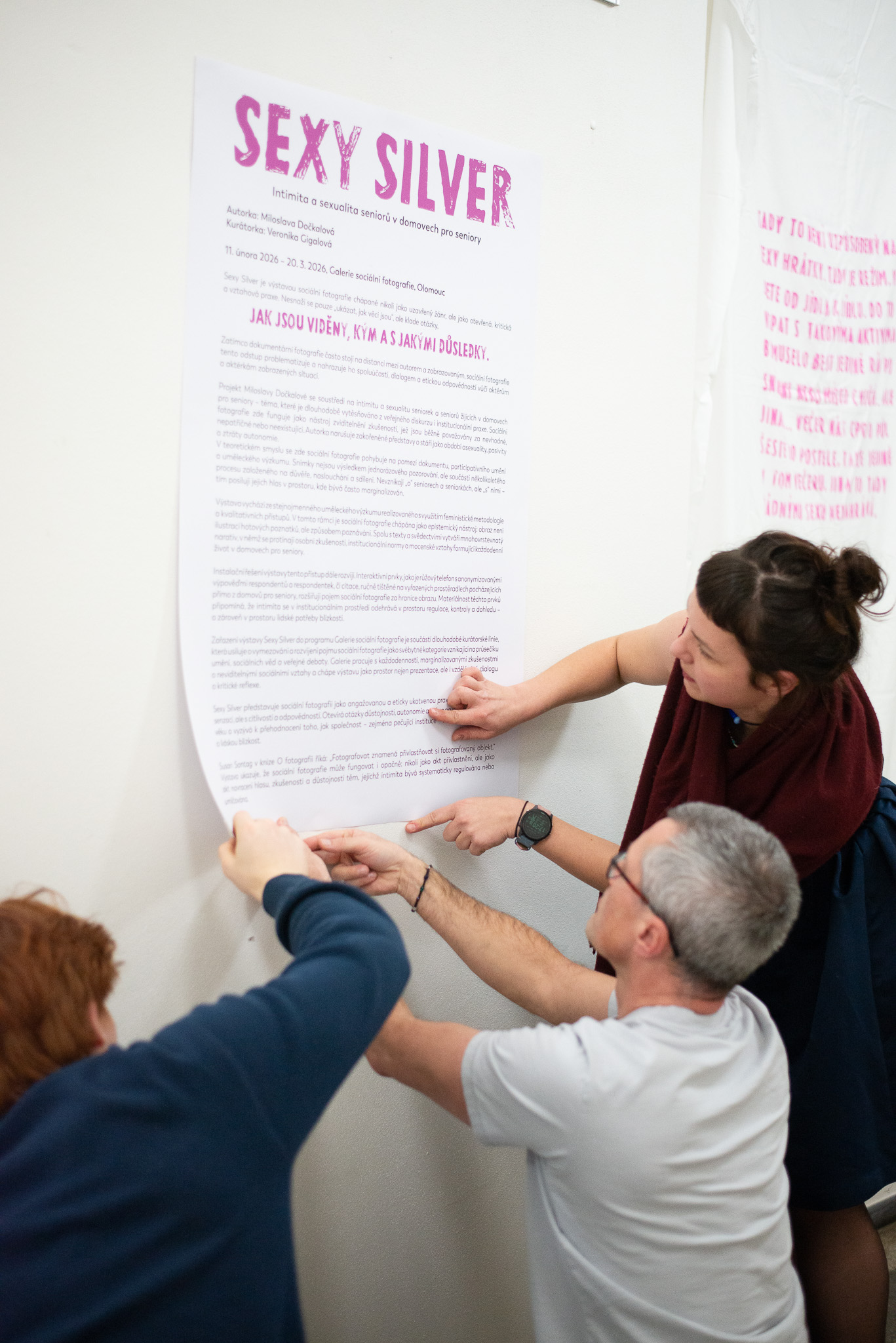
Sexy Silver is an interactive exhibition exploring intimacy and sexuality among older adults living in care homes in the Czech Republic. Based on ethnographic and art-based research, the project brings visitors into the hidden world of institutional life through photographs, recorded testimonies and participatory elements. By giving voice to residents, the exhibition challenges stereotypes about ageing and opens a public discussion about dignity, intimacy and emotional life in later years.
Czechia
Regional
South Moravian Region
Mainly urban
It involves other types of transformations (soft investment)
Yes
2026-02-11
No
No
No
Individual
Sexy Silver is an interactive exhibition exploring intimacy and sexuality among older adults in Czech care homes. Based on art-based, feminist and ethnographic research, including in-depth interviews, the project reveals a largely invisible aspect of institutional life. Led by a millennial researcher in dialogue with the oldest generation, it challenges stereotypes portraying older people as asexual and encourages reflection on dignity, emotional well-being and bodily autonomy. The thesis on which the project is based received the Dean’s Award of the Faculty of Multimedia Communications at Tomas Bata University in 2025.
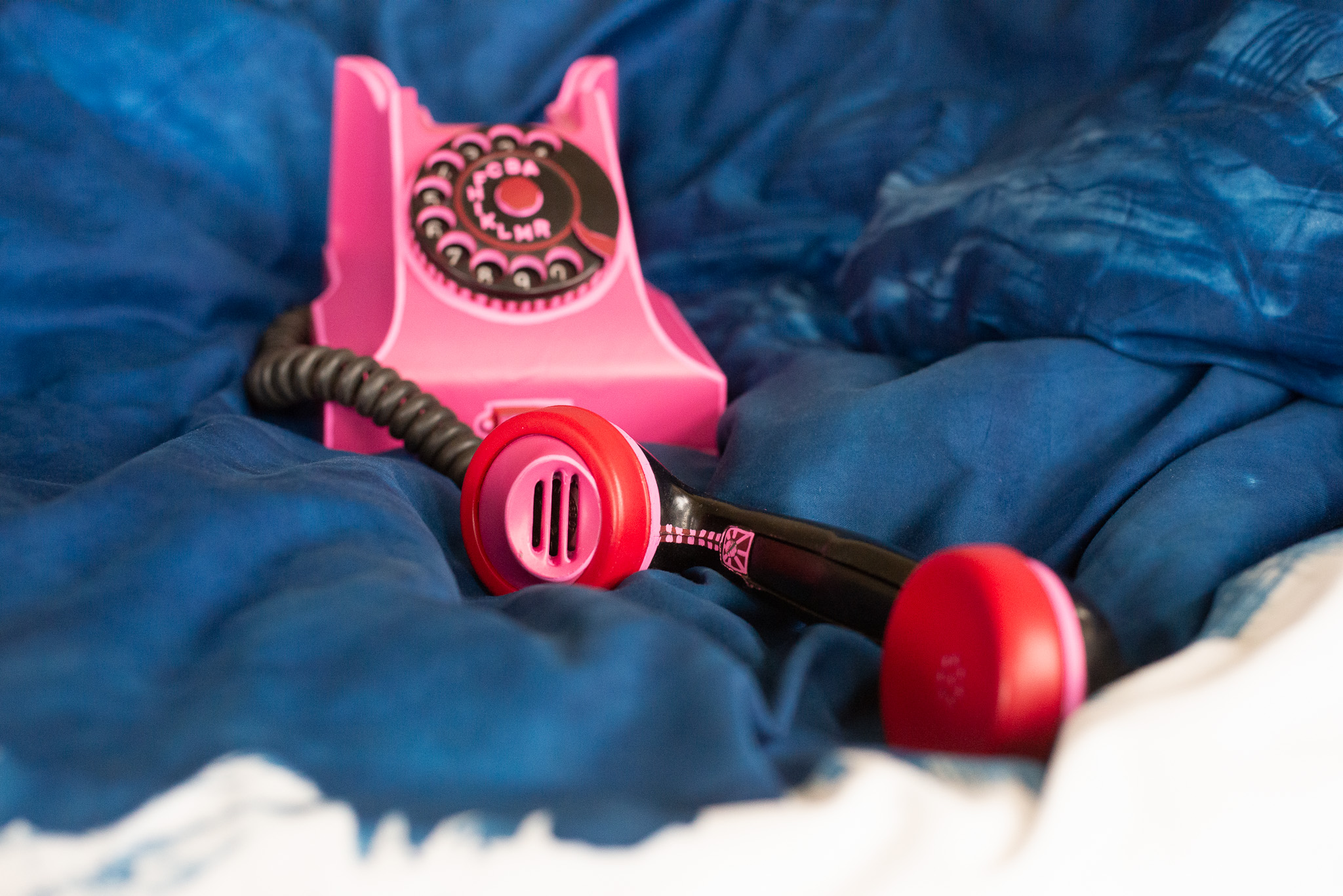
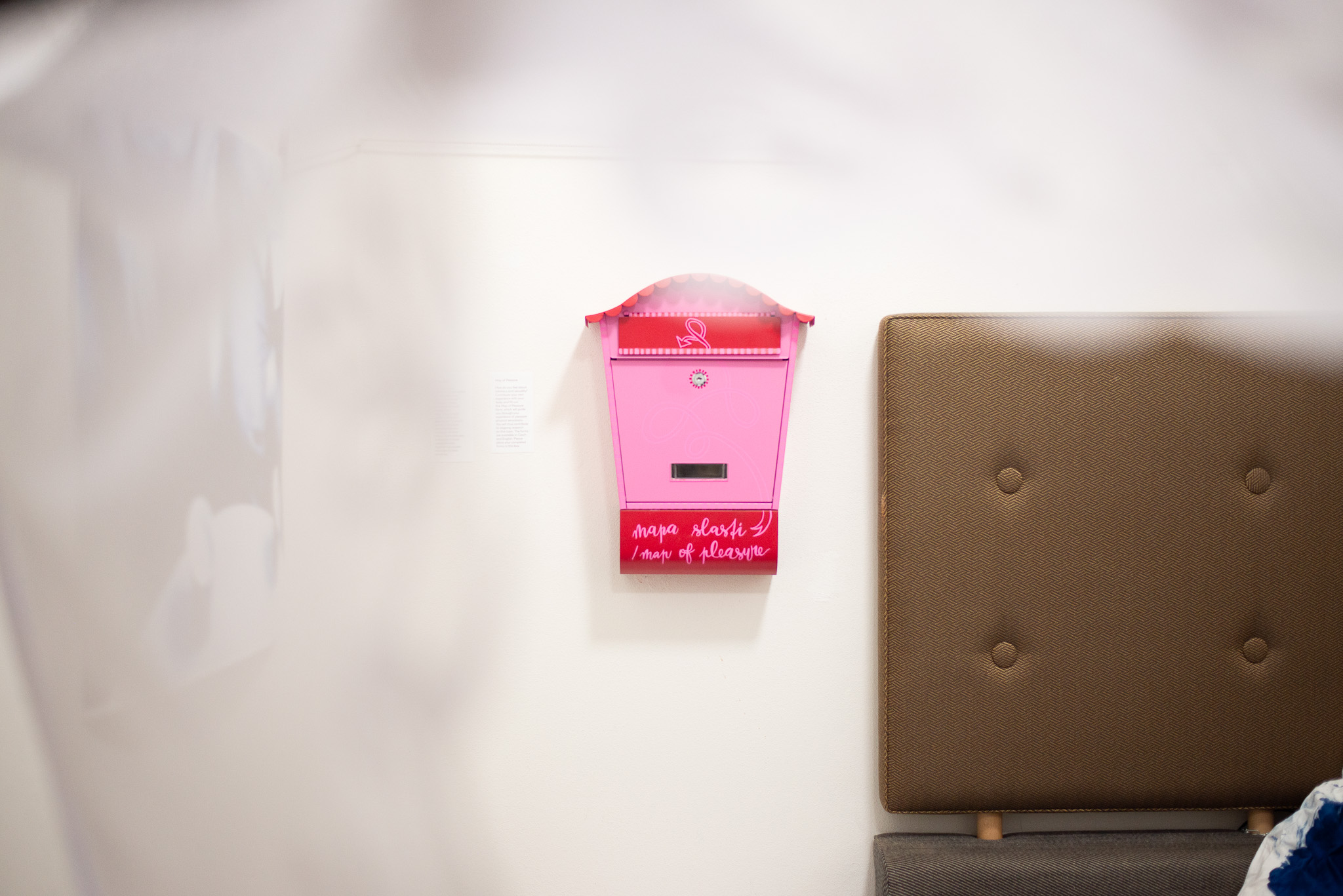
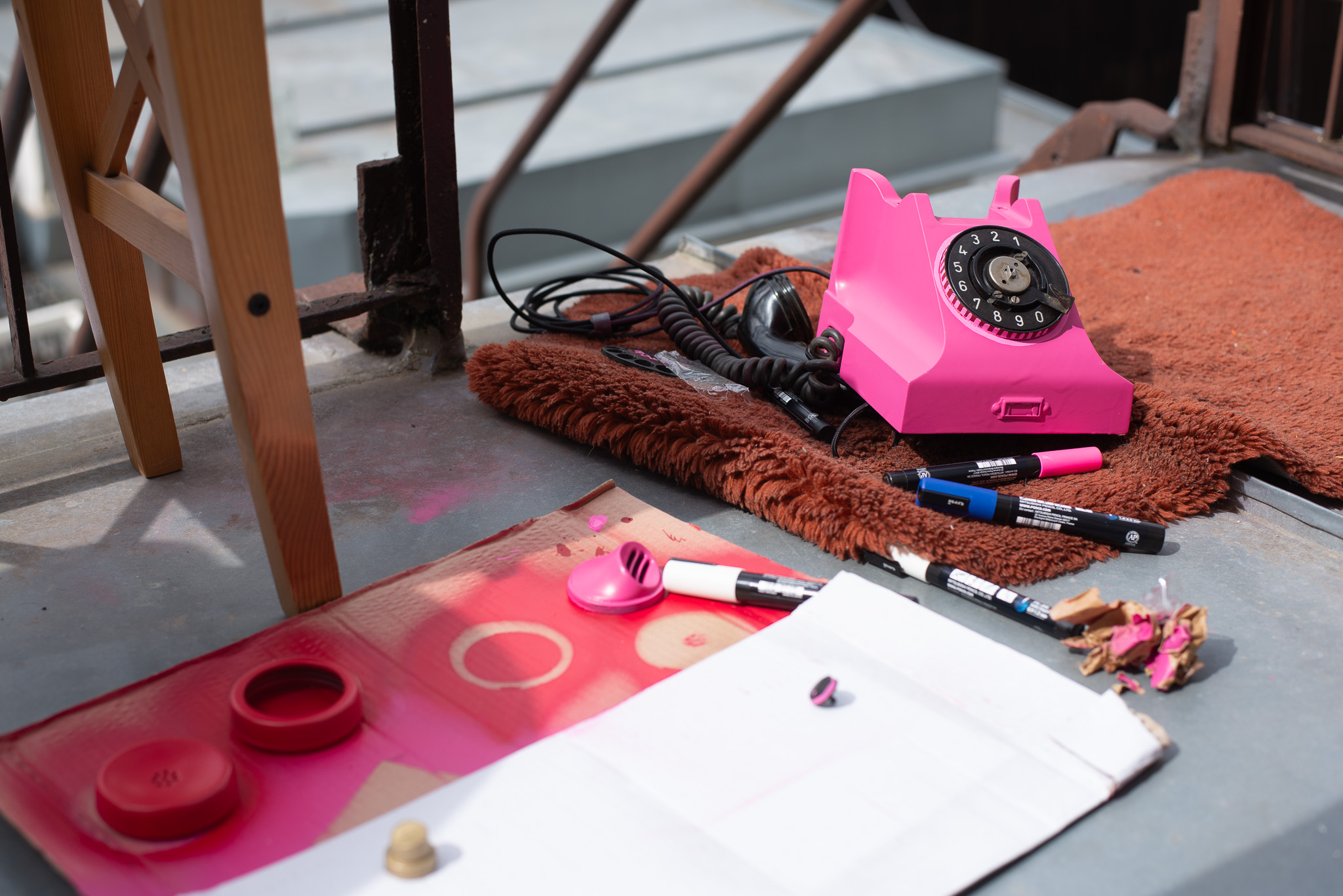
The exhibition creates a symbolic environment using upcycled materials. Interview quotations are screen-printed on discarded bed sheets, while photographs are printed on leftover dibond panels. To protect privacy, images were anonymised through artefacts provided to all residents, such as identical water glasses. Recorded testimonies are played through a repainted second-hand telephone using voices of older actors. A reused pink mailbox collects visitors’ interactive “pleasure maps,” inviting them to engage with the topic and reflecting tensions between institutional control and personal autonomy.
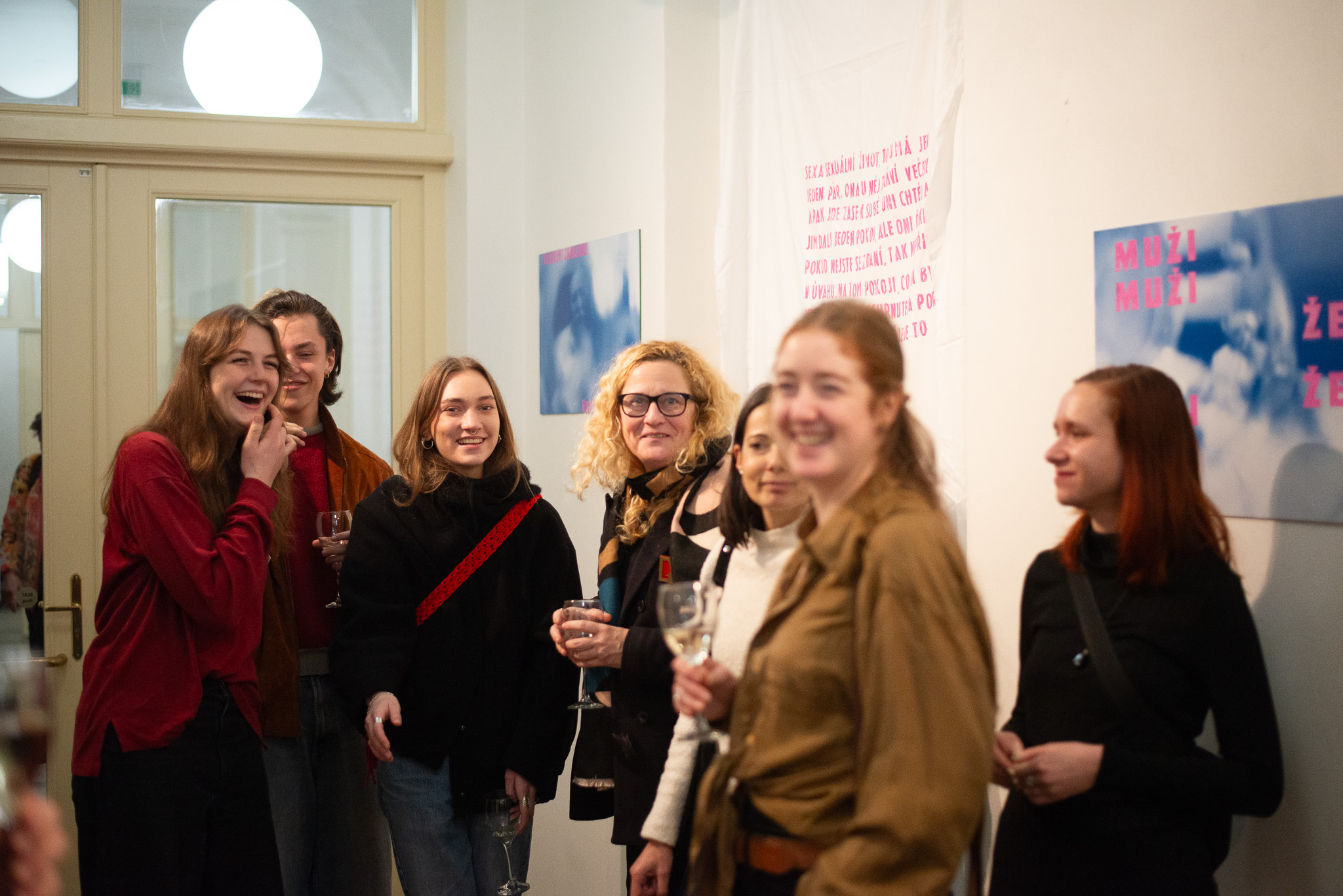
Currently exhibited at the Gallery of Social Photography in Olomouc, Sexy Silver will expand to Prague and Brno and may develop into a theatre adaptation. By combining research and artistic practice, the project opens dialogue about ageing, intimacy and dignity, making invisible experiences visible and encouraging institutions to reconsider residents’ emotional and intimate well-being.
Sexy Silver explores intimacy and sexuality among older adults in Czech care homes. Developed as a master’s thesis under the auspices of Tomas Bata University over more than two years, the project faced challenges as care home directors acted as gatekeepers; of 70 homes approached, only a few participated. In many institutions, sexuality is rarely addressed, so research was possible only with directors’ consent. The study is based on anonymized in-depth interviews, and all materials were authorized by participants. A substantial part of the work involves developing methodological approaches for studying sensitive topics with a vulnerable population, with relevance beyond the Czech context.
The collected stories inspired an interactive exhibition that communicates across generations. Interview quotations are screen-printed on discarded bed sheets, photographs on leftover dibond panels, and a repainted second-hand telephone plays the testimonies, performed by older actors. A reused pink mailbox invites visitors to contribute interactive “pleasure maps,” a drawing-based method immersing them in the topic and informing ongoing research. Screen-printed words from historical prohibition signs highlight tension between institutional control and personal autonomy.
First presented at the Gallery of Social Photography in Olomouc, the exhibition will expand to Prague (Gallery of Creative Prague) and Brno, and explores adaptation into a theatrical performance. By combining research and creative practice, Sexy Silver makes invisible experiences visible, fosters dialogue, and inspires reflection on emotional and intimate well-being in later life.
connecting generations
older adults' intimacy
participatory art
upcycled design
social inclusion
Sexy Silver exemplifies sustainability in multiple dimensions. Environmentally, the exhibition is built almost entirely from upcycled and reused materials: discarded bed sheets from care homes, leftover dibond panels from printers, and a repainted second-hand telephone. Even screen-printed texts draw from historical signage, minimizing the need for new resources. By repurposing these materials, the project reduces waste, models circular design principles, and highlights the potential of creative reuse in the cultural sector.
Socially and culturally, the project addresses the invisibility and marginalization of older adults in care homes, particularly regarding intimacy and sexuality. By creating an interactive, participatory environment, Sexy Silver empowers residents, staff, and visitors to engage in dialogue, challenge stereotypes, and reflect on the emotional well-being of a vulnerable population. This participatory model fosters social sustainability by building awareness, empathy, and inclusion, demonstrating that cultural projects can produce lasting societal benefits.
Economically, the project demonstrates that impactful cultural interventions do not require large budgets or new materials; through creativity and resourcefulness, it delivers meaningful experiences while minimizing costs and environmental impact.
Through these approaches, Sexy Silver exemplifies sustainability not only as environmental responsibility, but as an integrated principle linking ecological, social, and cultural dimensions. The project illustrates how art and research can drive sustainable change, making visible experiences often overlooked while encouraging more conscious, inclusive, and resource-efficient practices in cultural and social spaces.
Sexy Silver contributes to aesthetics by transforming everyday and discarded objects into a meaningful, immersive, and visually compelling environment. Upcycled bed sheets, leftover dibond panels, and a repainted second-hand telephone are integrated into an exhibition that blends form, texture, and narrative, creating a space that is both poetic and thought-provoking. Screen-printed quotations and historical signage juxtaposed with photographs craft a layered visual language that communicates stories, emotions, and reflections, inviting visitors to slow down, engage, and observe details they might otherwise overlook.
The exhibition’s aesthetic approach is participatory: the drawing-based “pleasure maps” invite visitors to co-create, making the visual and spatial experience dynamic and personally meaningful. By involving audiences in the construction of the exhibition’s narrative, Sexy Silver fosters a sense of belonging, empathy, and shared authorship, strengthening emotional connections to the space and its themes. It also conveys that love, intimacy, and emotional connection enrich life at any age, reminding visitors that these experiences make the world a more beautiful place, and that, with a bit of luck, we will all grow old one day—making this topic potentially relevant for everyone.
Through its combination of sustainability, creativity, and interactive storytelling, Sexy Silver demonstrates how art can make life more beautiful by highlighting the often invisible emotional and intimate lives of older adults. The exhibition turns ordinary or discarded materials into objects of reflection and beauty, showing that aesthetics is not limited to luxury or novelty, but emerges through engagement, care, and attentiveness to human experience. In the longer term, it models how inclusive, participatory, and thoughtful design can create meaningful cultural spaces that inspire empathy, community awareness, and a renewed sense of care for both people and place.
Sexy Silver promotes inclusion by highlighting the often invisible emotional and intimate lives of older adults in care homes. The project offers participatory experiences for residents, staff, students, and the public. All materials were authorized by participants, ensuring sensitive topics are handled respectfully. The exhibition is currently at the Gallery of Social Photography on Palacký University campus in Olomouc, engaging young audiences in reflecting on and contributing to social change. Visitors are guided solely by photographs and quotes on bed sheets, while recorded interview testimonies can be listened to directly through a vintage telephone in the exhibition or at home via QR codes linked to SoundCloud.
Design-for-all principles are implemented through interactive elements: drawing-based “pleasure maps” allow everyone to participate regardless of skill or mobility. These features make the exhibition inclusive, welcoming, and meaningful for diverse audiences.
By fostering dialogue across generations and creating spaces where older adults’ voices are heard, Sexy Silver encourages empathy, social cohesion, and awareness of shared human experiences. It demonstrates an innovative societal model where art and research empower vulnerable groups, challenge stereotypes, and provide opportunities for participation. Inclusion is expressed not only as accessibility and affordability, but as a broader principle of social, cultural, and emotional engagement for all.
Sexy Silver is built on a participatory approach through its interactive exhibition elements. The project was based on in-depth, anonymized interviews with older adults, conducted with care home authorization and participant consent. These interviews provided the primary material for the exhibition, shaping its content through quotes and insights.
In developing the project, I consulted a wide range of experts, including local researchers from Masaryk University, Faculty of Social Studies, and international specialists in senior intimacy and sexuality. These consultations informed methodology and exhibition design, ensuring rigor and relevance. Care home staff facilitated access and supported the process, ensuring it was respectful and safe. The exhibition has also received feedback from professionals, such as architects interested in social care facilities.
Visitors engage interactively through drawing-based “pleasure maps,” adding their own reflections and interpretations. By creating this space for public engagement, Sexy Silver encourages dialogue, reflection on societal norms, and shared ownership of the exhibition experience. The project demonstrates how art and research can be a platform for inclusion, social cohesion, and collective engagement, exemplifying participatory principles and inspiring similar projects locally and internationally.
Sexy Silver was primarily implemented at a local level, within care homes in the South Moravian region, but its design and methodology were informed by stakeholders across multiple levels. Locally, care home staff facilitated access and provided practical guidance on working respectfully with residents, helping to ensure ethical and safe research conditions.
Regionally and nationally, I consulted with researchers from Masaryk University, Faculty of Social Studies, and with the Czech organization Freya, which focuses on senior intimacy. At the European level, I connected through the Taboo Group research network with a Belgian scholar studying sexuality of older adults in care homes, exchanging knowledge on best practices and methodological approaches.
A largely invisible but crucial component of the project is its methodological framework, which integrates principles of art-based research, feminist research, empathic interviewing, and ethnographic methods. This framework illustrates, on a practical example, the challenges and limitations of working with such a sensitive topic and vulnerable population.
The involvement of these stakeholders and the robust methodology added value by grounding the project in evidence-based research, ensuring ethical rigor, and enhancing the cultural and societal relevance of the exhibition. Their input supported the development of methods and exhibition design that are adaptable for other contexts, potentially inspiring similar initiatives nationally and internationally.
Sexy Silver integrates multiple disciplines and knowledge fields in both research and exhibition design. The project is an experimental study conducted within an art-based research approach, combining principles of feminist research, empathic interviewing, and ethnographic methods to explore intimacy and sexuality among older adults in care homes. The research draws on social sciences, including psychology and gerontology, to ensure a rigorous and ethically sound approach.
I hold a degree in psychology and completed Arts Management studies, and the project was developed as my graduate thesis, which meant I also produced and curated the exhibition myself. In the exhibition, visual arts and design play a central role: photography, upcycled materials, and hand-printed quotes create an immersive experience communicating complex social and emotional realities. Interactive drawing-based “pleasure maps” engage audiences, while the audiovisual element—a vintage telephone with recorded testimonies—adds a performative and technological layer.
The project intersects with education and public engagement, as it is currently exhibited in the Gallery of Social Photography at Palacký University in Olomouc, providing students and visitors with opportunities to reflect on societal norms and ethical research practices.
By integrating arts, social sciences, design, and educational practices, Sexy Silver exemplifies a transdisciplinary approach, showing how research, art, and public engagement can intersect to address sensitive social issues. The methodological framework developed through the project can inform future research and exhibitions addressing similar topics, locally and internationally.
Sexy Silver is a research- and art-based project developed as a graduate thesis and is not intended as a commercial venture. All costs were covered personally, and the project relied entirely on time and resources invested by the creator. Its sustainability comes from the low-cost nature of its materials—upcycled and recycled elements—and from leveraging existing academic and institutional support.
Developed under the auspices of Tomas Bata University, the project benefits from access to exhibition venues, guidance from supervisors, and institutional recognition, which reduces financial and logistical risk. The project also establishes partnerships with organizations interested in senior well-being, social innovation, and art-based research, which can facilitate future exhibitions, educational activities, or workshops.
While the project does not generate direct revenue, it is financially sustainable through its lean production model, strategic collaborations, and adaptability for multiple locations. By using low-cost materials and an academically supported framework, Sexy Silver can continue to be exhibited, scaled, and adapted without relying on commercial funding, while maintaining its ethical and research-based integrity.
Sexy Silver has high potential for transferability and replicability due to both its methodological framework and exhibition format. The project is based on an experimental art-based research approach that combines feminist research perspectives, empathic interviewing and ethnographic methods. This methodological combination can be applied to other sensitive social topics or vulnerable groups in different cultural and geographical contexts.
The research process also highlights practical and ethical considerations when working with older adults in institutional environments. The project demonstrates that such research requires a strong ethical awareness and integrity on the part of the researcher, particularly regarding consent, anonymisation and respectful representation of participants. These insights can inform future interdisciplinary research projects addressing intimacy, ageing and institutional life.
The exhibition format itself is easily adaptable and can be transferred to other locations such as galleries, universities, community centres or care institutions. Its components – photographic documentation, screen-printed quotations, audio testimonies and participatory drawing-based methods such as the “pleasure map” – provide tools that can be replicated in other projects exploring social themes through artistic practice.
Another transferable aspect is the use of low-cost and upcycled materials, including discarded textiles and reused objects. This approach enables the exhibition to be reproduced with minimal resources while maintaining a strong conceptual and aesthetic identity.
Together, the methodological insights, ethical framework and adaptable exhibition design make Sexy Silver scalable for educational programmes, cultural institutions and research initiatives in different countries and social contexts.