Arts, Culture, and Heritage as Drivers of Change
Points of Intersection
{Empty}
“Points of Intersection” is an art-based research initiative that brings together emerging artists and local communities across Serbia. Through field visits to different regions and collaboration with civil society organisations, participants engage directly with multiple local contexts, exploring social and environmental issues through artistic research. The project fosters decentralised cultural practice, knowledge exchange, and closer connections between art and diverse social realities.
Serbia
National
It addresses urban-rural linkages
It refers to other types of transformations (soft investment)
Prototype level
No
No
No
Organisation
“Points of Intersection” is an art-based research concept that connects young artists with local communities across Serbia, through a series of study visits and co-creation processes, addressing socially relevant issues. The concept responds to the need for more inclusive, decentralized, and community-driven cultural practices, particularly in regions outside major urban centres, engaging both emerging artists and diverse local communities as its primary target groups.
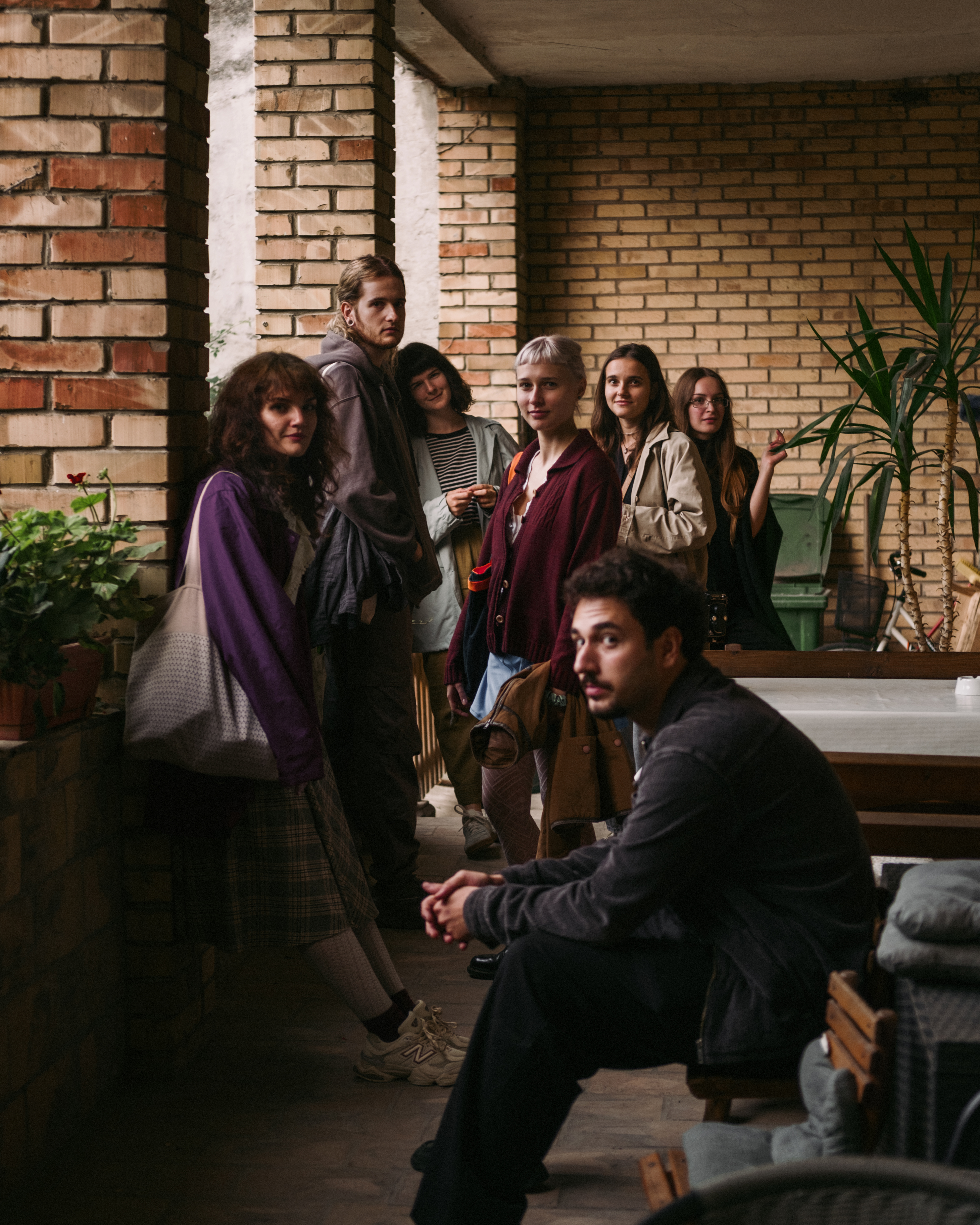
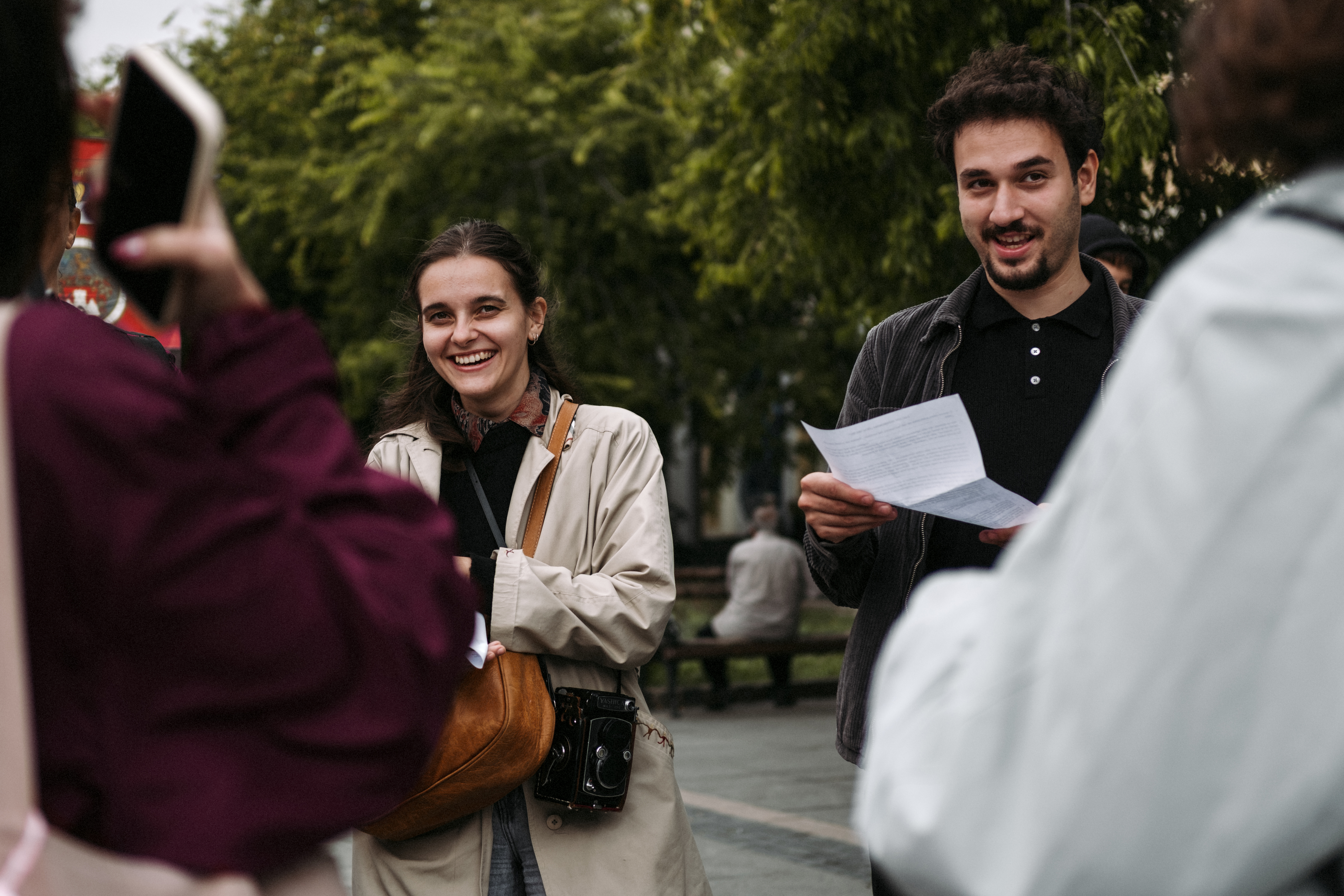
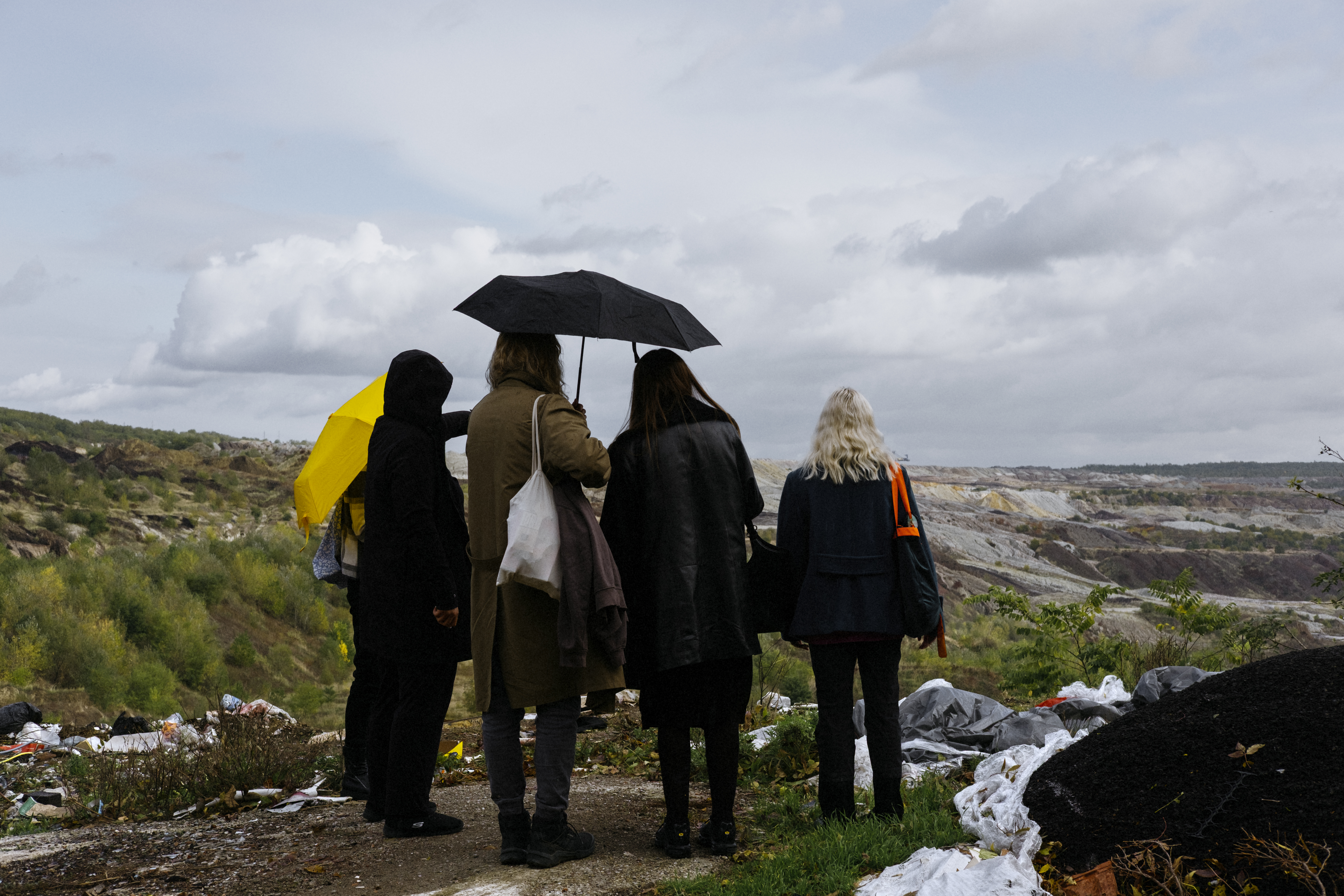
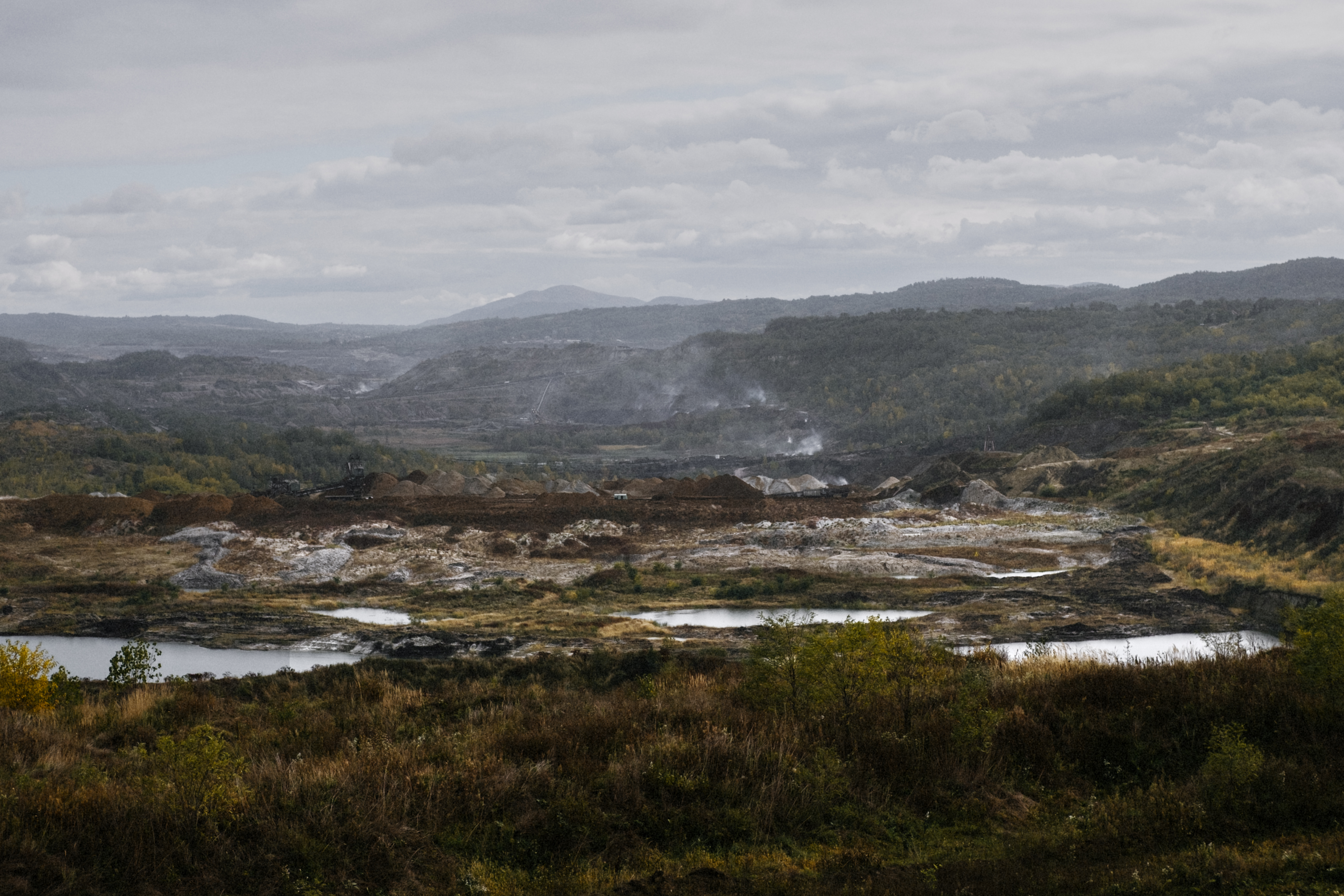
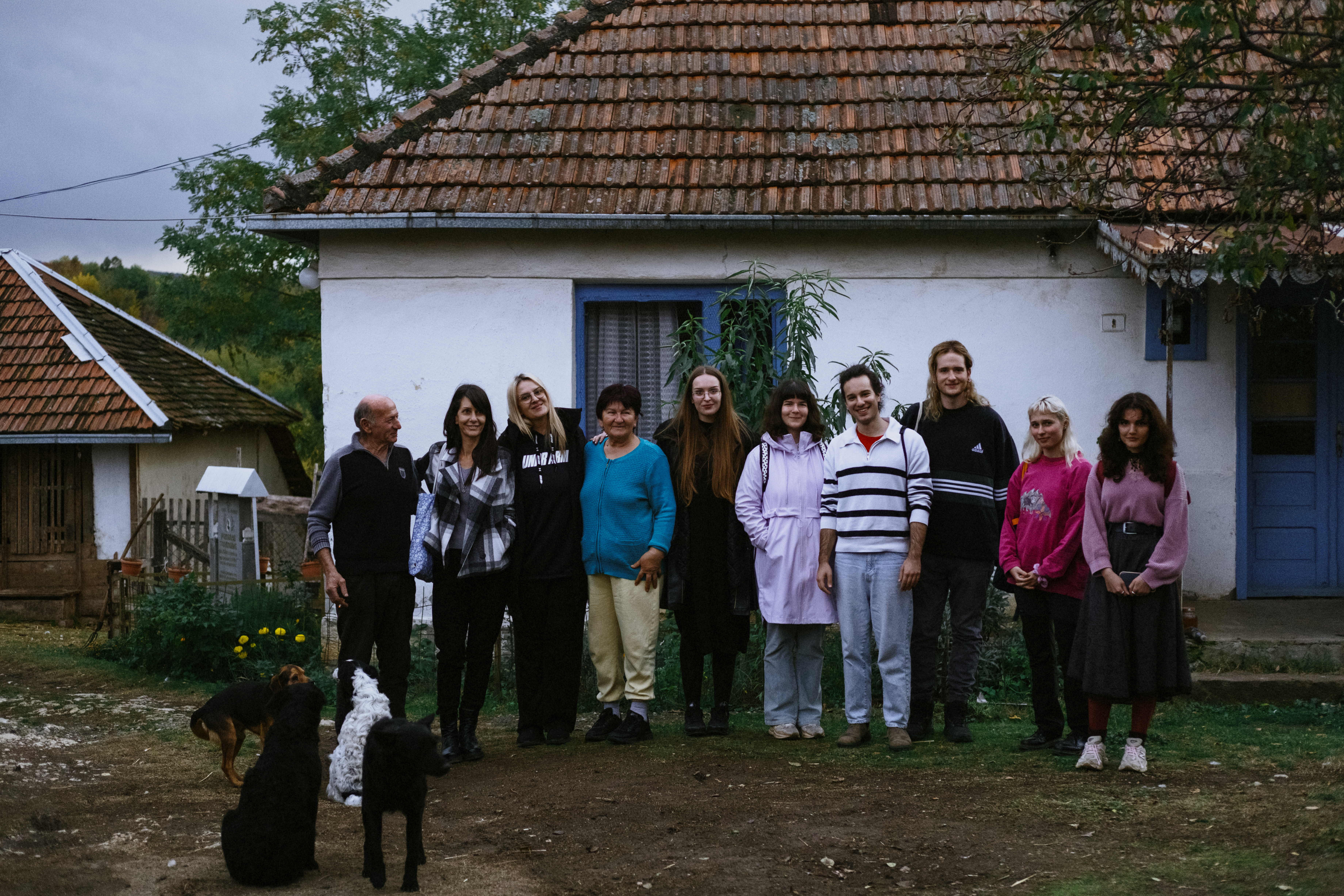
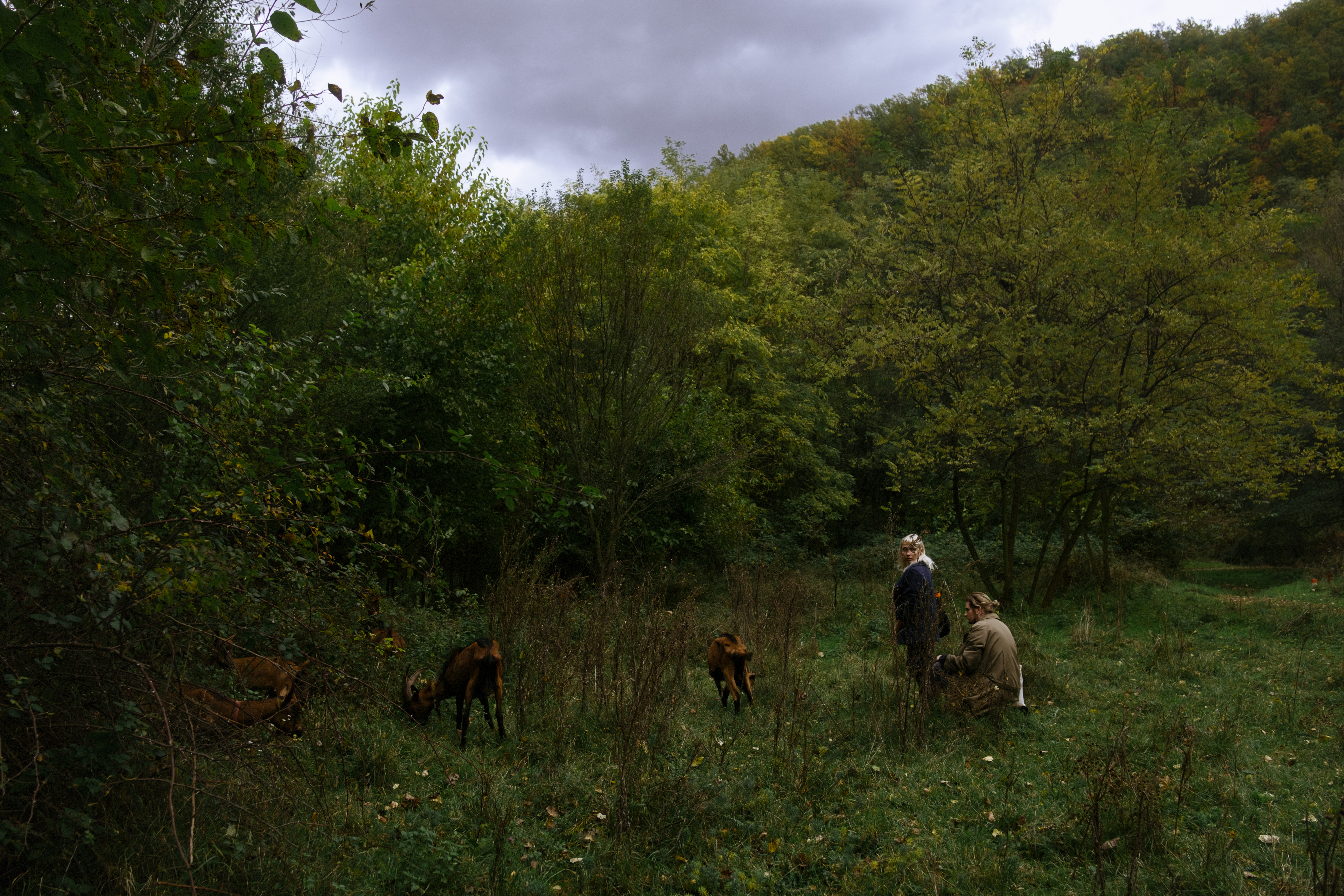
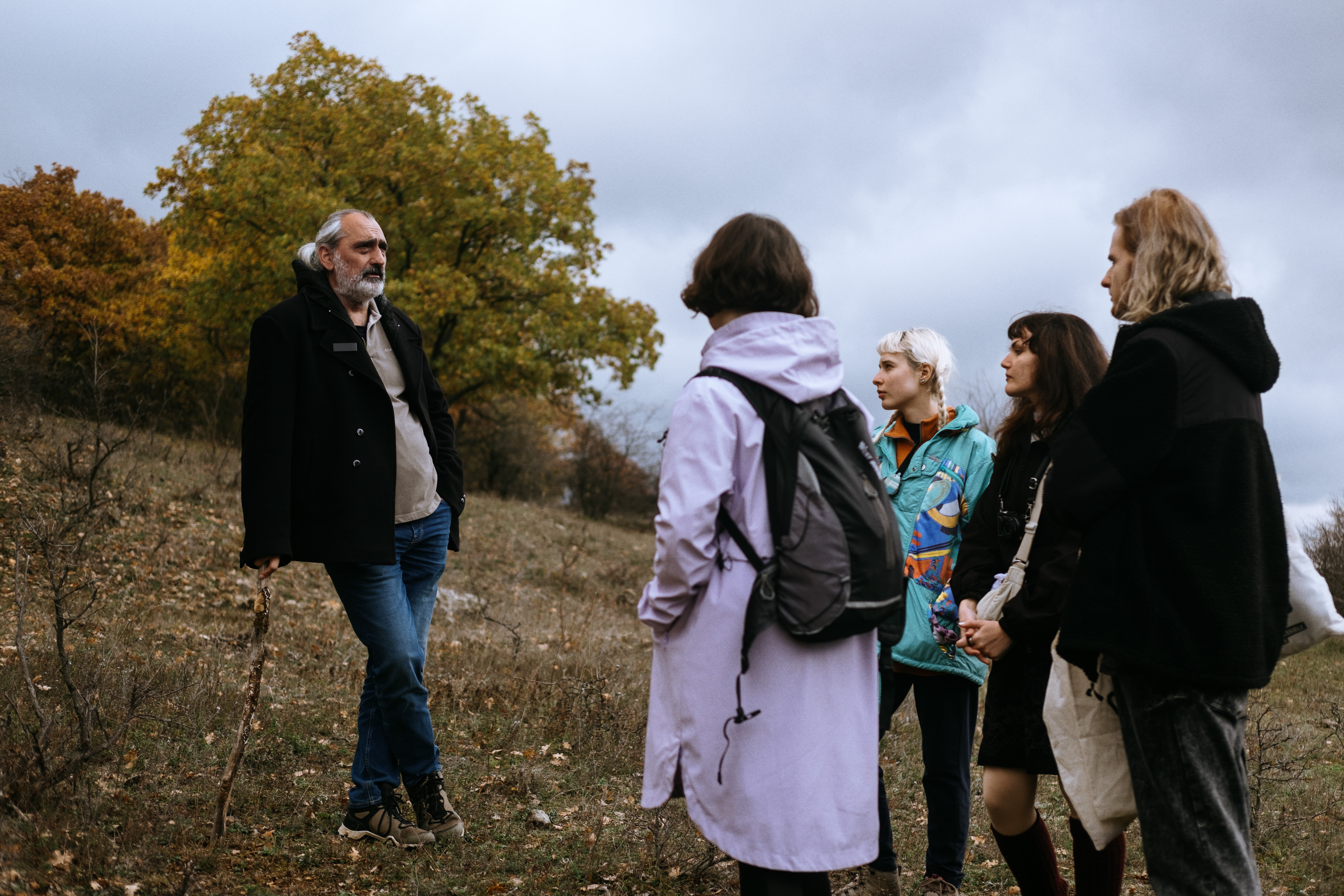
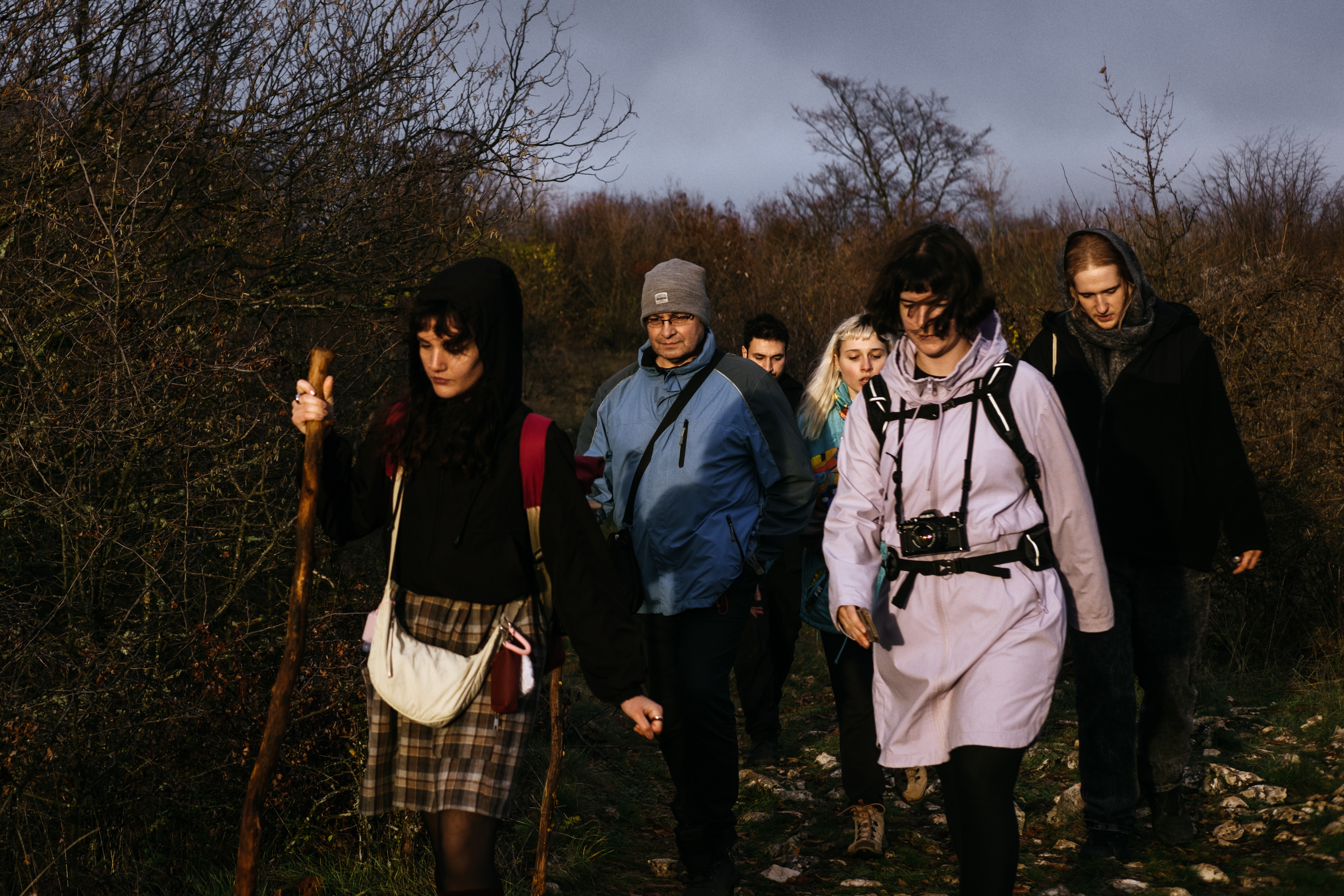
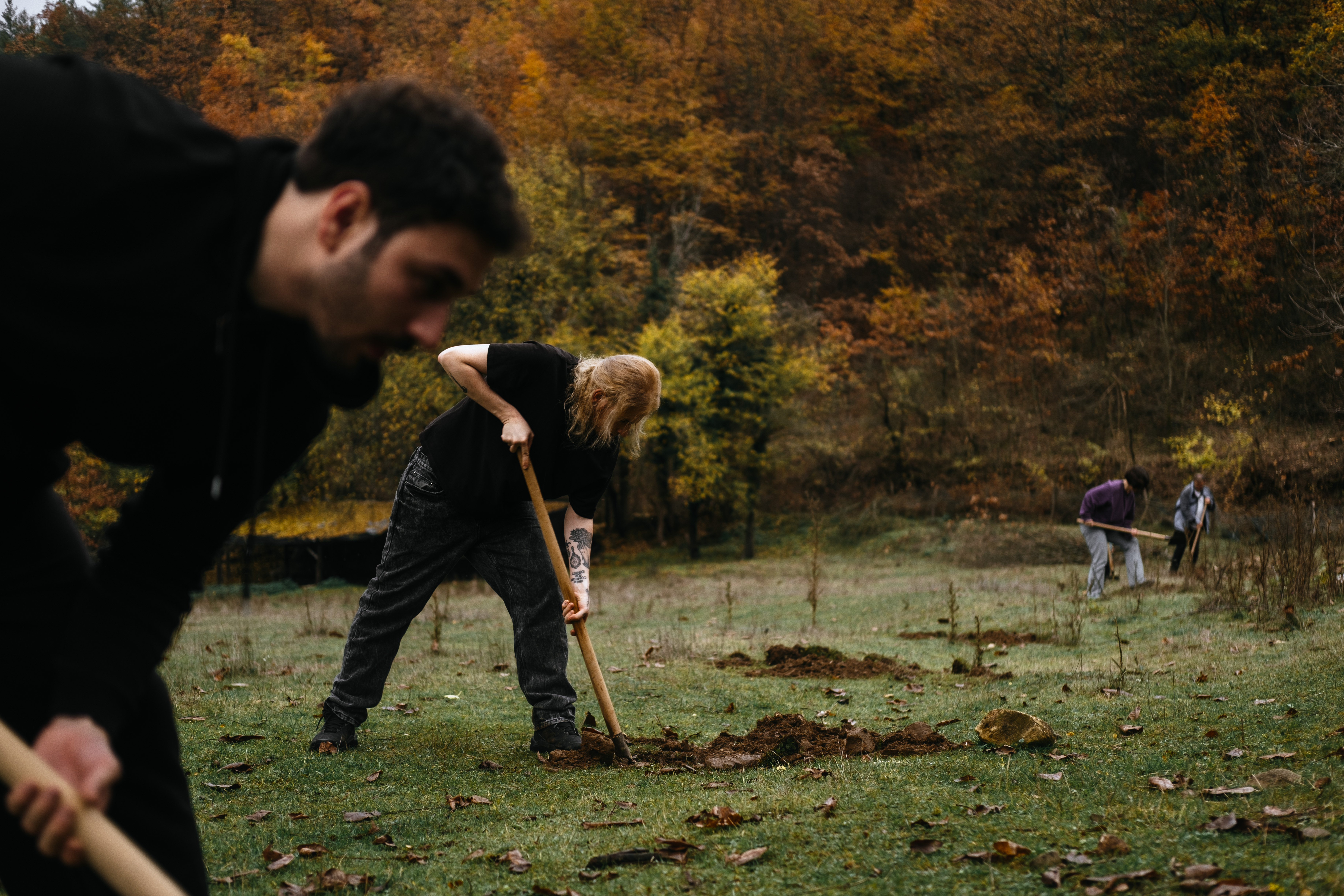
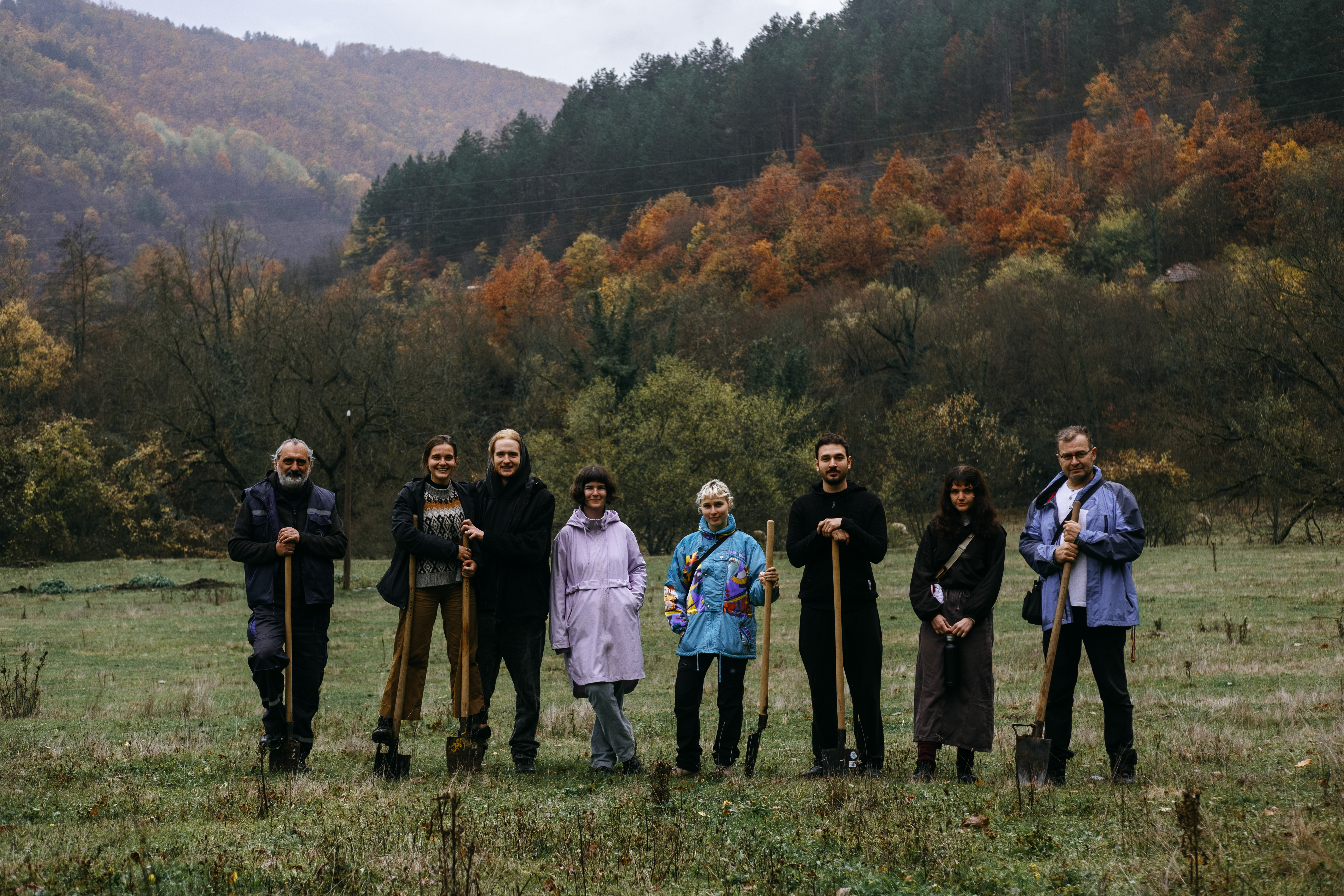
The project has so far been implemented through an open call and the selection of five emerging artists, followed by three study visits in Sombor, Kolubara region, and Stara Planina mountain. Through collaboration with local civil society organisations and direct engagement with residents, participants explored topics such as rural depopulation, gender equality, environmental protection, and the relationship between communities and cultural heritage. The process combined artistic research, collective exercises, and site-specific exploration, resulting in a substantial body of field material and the development of individual artistic projects grounded in real-life contexts. This approach strengthened participants’ artistic capacities while fostering exchange, visibility, and new forms of collaboration with local communities.
In its current phase, the concept is being translated into a final exhibition and a publication, conceived as a mobile format that will circulate beyond the initial presentation. This ensures that the knowledge and narratives generated through the project return to the communities that inspired them, supporting continued dialogue and engagement.
“Points of Intersection” demonstrates how art can serve as a tool for social connection, critical reflection, and the empowerment of local communities. Its methodology is adaptable and replicable in other contexts, offering a sustainable and forward-looking model for linking artistic practice with community engagement.
“Points of Intersection” emerged from reflection on our previous work with young artists and the broader socio-political context in Serbia. While our earlier projects focused mostly on artistic production and final outputs, participant feedback and the influence of recent student-led movements led us to shift towards a more process-based approach, grounded in decentralisation, collective action, and stronger connections with local communities.
This shift was reflected in our decision to initiate collaboration with civil society organisations across Serbia. Partners were selected to ensure both geographical diversity (north, west, and south) and a diversity of thematic focuses, including youth issues, women’s rights, and environmental protection, allowing participants to encounter a wide range of social realities.
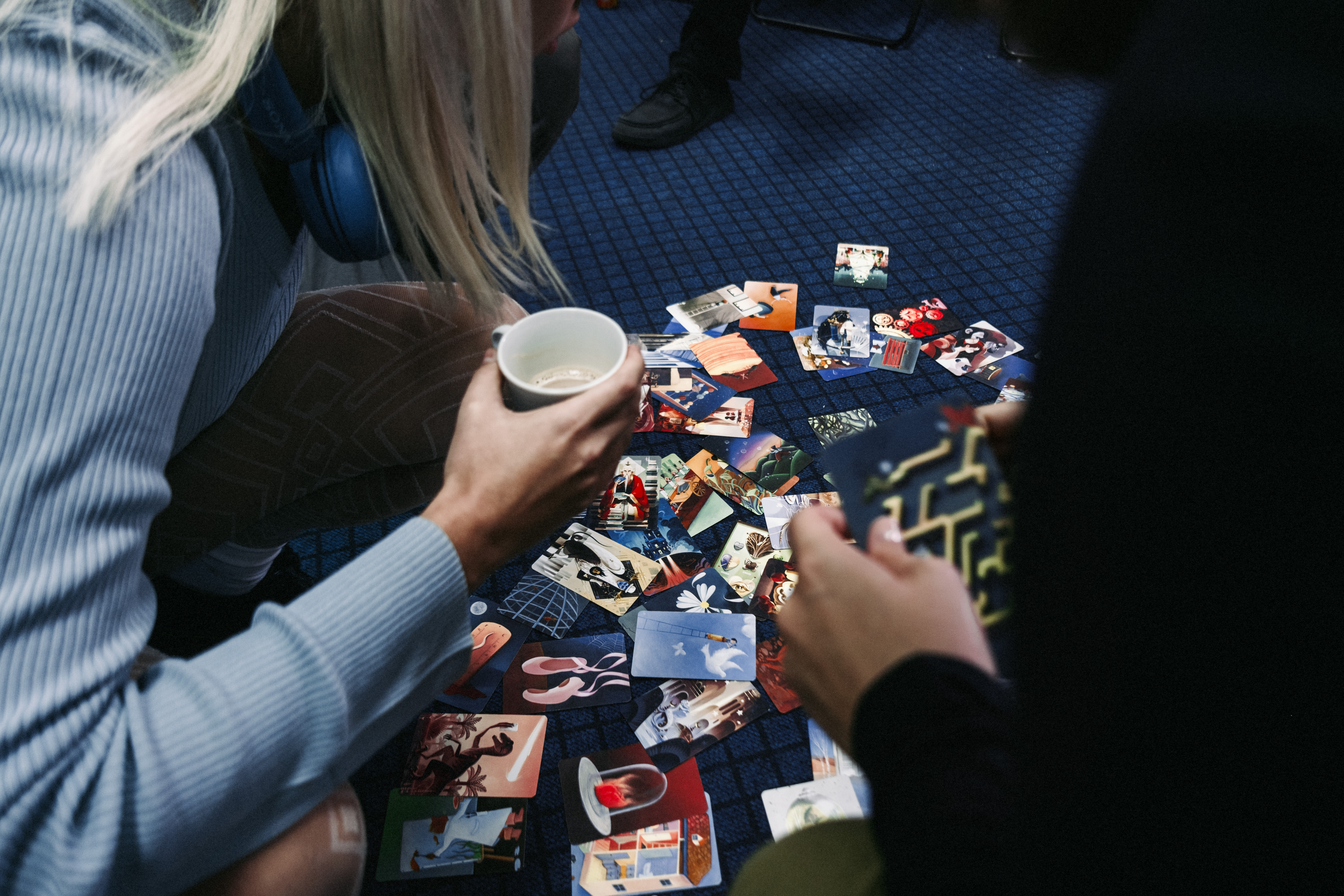
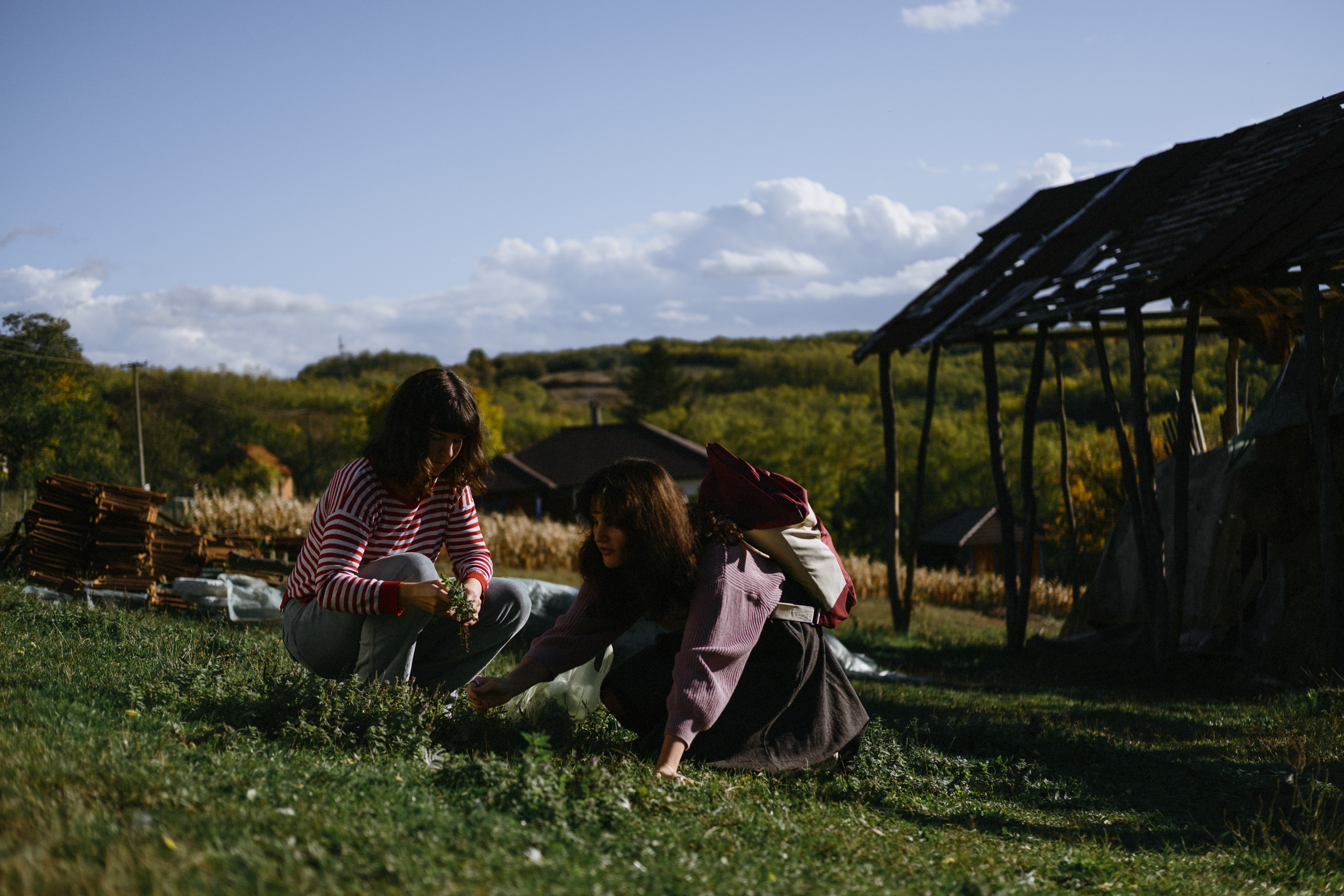
The concept was implemented through an open call, followed by a series of research visits. During fieldwork, participants engaged with local communities through dialogue and site-specific exploration, supported by artistic exercises such as personal mapping, writing, collecting natural materials and found objects, and developing observational and questioning methods. These tools enabled them to translate lived experiences into art-based research and build their own approaches.
A key strategy throughout was reciprocity: not only learning from communities, but also amplifying their voices. Stories and issues encountered are being embedded in a final publication, designed to circulate widely and remain accessible. Conceived as a mobile format and a tool for future discussions and workshops, the concept offers a flexible and scalable model that can be further developed in regional and international contexts.
community engagement
art-based research
participatory approach
decentralised cultural practices
local realities
“Points of Intersection” approaches sustainability as an interconnected cultural, social, and environmental practice, rooted in long-term engagement rather than short-term production.
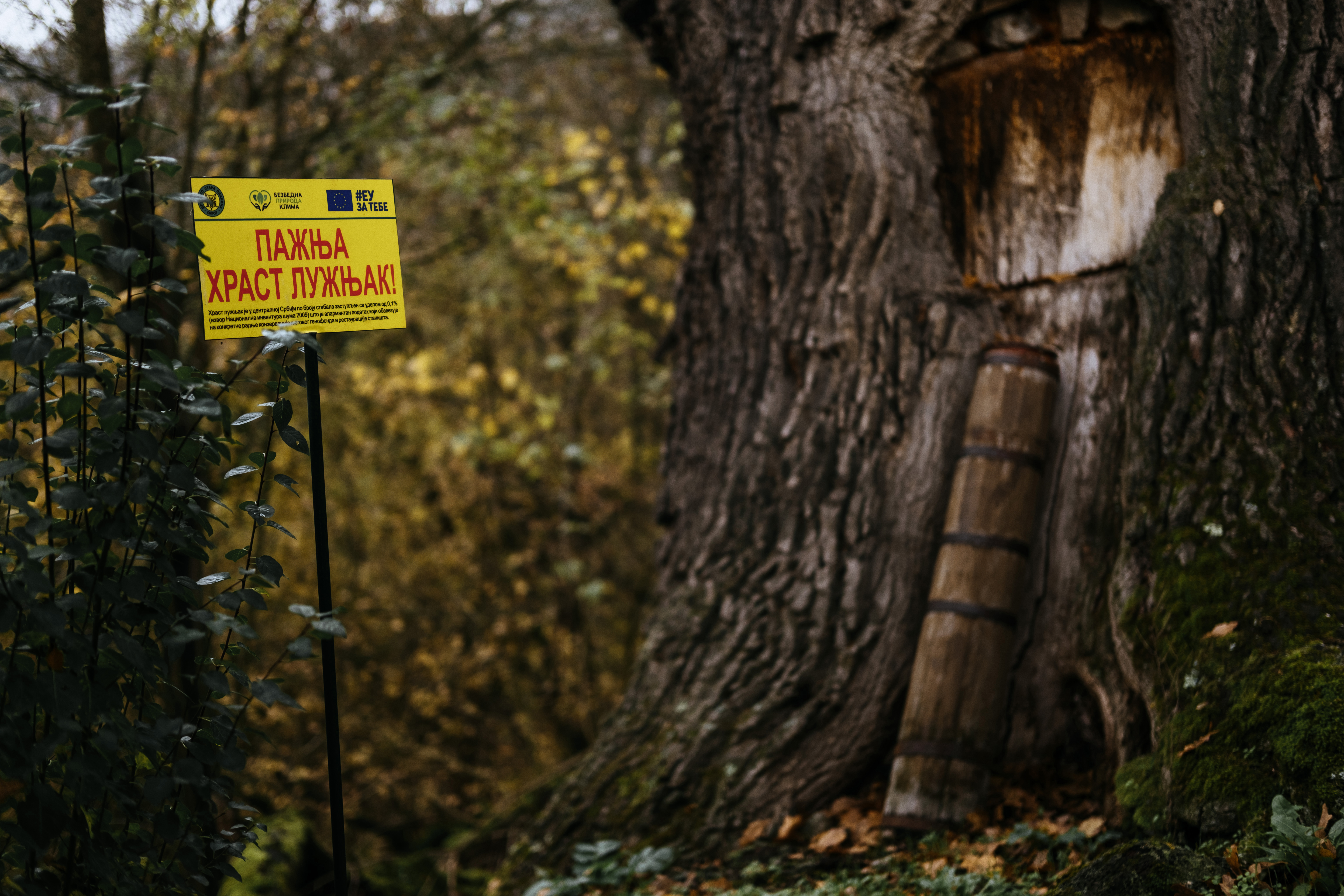
Environmentally, the concept engages directly with local ecological issues through collaboration with organisations and communities working on environmental protection. Participants explored topics such as the impact of extractive industries and threats to biodiversity, translating these insights into artistic research. By working with found and natural materials, as well as site-specific methods, the project promotes low-impact, resource-aware artistic practices, resulting in artworks grounded in local ecological contexts.
Social sustainability is addressed through the creation of meaningful, long-term connections between artists and local communities. The concept fosters dialogue, mutual learning and the inclusion of diverse perspectives, particularly from underrepresented or rural contexts. This process has strengthened participants’ understanding of local challenges while contributing to increased visibility of community-based knowledge and experiences.
Cultural sustainability is embedded in the process-based approach, which prioritises knowledge-sharing, collective reflection and the development of practices that can evolve over time. The final publication is conceived as a mobile and lasting format, allowing the project to extend beyond its initial timeframe and return to the communities that shaped it.
The concept is exemplary in its sustainability through its adaptability and potential for replication. Rather than being tied to a single location or outcome, it offers a flexible model that can be applied in different contexts, supporting continuous exchange between artistic practice and diverse social realities. In this way, it contributes to building sustainable cultural ecosystems grounded in collaboration, care and shared responsibility.
This project approaches aesthetics as a lived, relational and process-based experience, rather than a purely visual outcome. It focuses on creating meaningful encounters between people, places and artistic practices, where beauty emerges from attention, care and shared experience.
Through site-specific exploration and direct engagement with local communities, participants develop a heightened sensitivity to their surroundings – observing landscapes, everyday environments and social dynamics that are often overlooked. Artistic exercises such as mapping, collecting materials and storytelling encourage participants to reframe these spaces, revealing new layers of meaning and value, while deepening their sensory and emotional connection to place.
The concept contributes to making life more beautiful by fostering moments of connection, dialogue and recognition. By engaging with local narratives and lived experiences, it creates space for communities to see their realities reflected, acknowledged and reinterpreted through artistic work. This process strengthens a sense of belonging and encourages a more attentive and caring relationship towards place, contributing to everyday well-being.
The final outcomes – artistic works, an exhibition, and a publication – extend this aesthetic experience beyond the immediate process. The publication, in particular, acts as a mobile and accessible format that carries these stories back into the communities, allowing for continued reflection and dialogue.
The project is exemplary in its understanding of aesthetics as a collective and evolving process. Rather than imposing external artistic visions, it builds from within local contexts, emphasizing co-creation, sensitivity and responsiveness. In this way, it contributes to shaping more inclusive and meaningful cultural environments, where aesthetics is directly connected to everyday life and shared experience.
“Points of Intersection” project approaches inclusion by actively bridging gaps between young artists and diverse local communities, ensuring that multiple perspectives are represented and heard throughout the artistic process. By collaborating with civil society organisations across Serbia, the project connects participants with groups that are often underrepresented in cultural and artistic contexts, including youth and women from smaller towns and rural areas, as well as grassroots initiatives working on environmental and social issues. This multi-layered collaboration creates opportunities for mutual learning and co-creation, breaking down barriers between professional artists and local participants, and fostering an environment of shared agency and decision-making.
Inclusion is further reinforced through the project’s outputs: the publication and public presentations are designed to be widely accessible, both physically and digitally, and free or donation-based, allowing communities to engage with the material on their own terms. The mobile nature of the publication ensures that the voices and stories of these communities reach beyond the immediate context, resulting in increased visibility of local perspectives and continued opportunities for reflection and participation.
The approach is exemplary in promoting inclusive practices because it treats accessibility, representation, and co-creation as integral to the artistic process, rather than as afterthoughts. It demonstrates a model where art becomes a platform for civic engagement, empowering both artists and communities to contribute, learn, and influence social and cultural environments in a meaningful way.
The project embraces the participatory principle by involving both young artists and local communities as active contributors to the artistic research process. Artists were selected through an open call, ensuring transparency and openness within the eligible group, while engagement with communities was facilitated through field visits, workshops, dialogue sessions, and site-specific exercises. Civil society organisations served as mediators and collaborators, connecting participants with groups whose experiences and perspectives might otherwise remain underrepresented in cultural contexts.
Through participatory methods such as personal mapping, writing, collecting materials, and collaborative observation exercises, participants translated lived experiences into their own art-based research. Communities were not only sources of insight but co-creators in shaping the focus of artistic projects, sharing stories, challenges, and practices that informed both process and outcomes. This exchange encouraged reciprocal learning: artists gained a deeper understanding of social and environmental realities, while communities saw their voices amplified through creative outputs.
The impact of this participatory approach is twofold. For artists, it fosters process-based practices grounded in social awareness, decentralisation, and collective reflection. For communities, it increases visibility for local challenges and encourages dialogue with broader audiences through a planned exhibition, a publication, and a public presentation.
By embedding participation into every stage – from conception and fieldwork to mentoring and dissemination – the project demonstrates how artistic practice can meaningfully integrate multiple stakeholders, creating a model that is adaptable for regional and international contexts.
The project has so far operated at the national level, involving the Association of Artists “Project EXP” and its curatorial team, alongside civil society organisations across Serbia, including Community Development Center LINK, Women’s Association of Kolubara District, and Environment Protection Association Stara Planina. These organisations act as collaborative partners, contributing expertise in areas such as youth engagement, women’s rights, and environmental protection, and enabling direct engagement with local communities.
Each stakeholder contributes specific knowledge and experience, enriching the artistic research process and ensuring that the concept is grounded in different social and regional contexts. In return, participating organisations benefit from increased visibility, exchange of practices, and engagement with artistic methodologies that can support their work.
While the project has so far been developed within a national framework, its methodology is designed to be adaptable and transferable. Future collaborations may extend to regional partners across the Western Balkans and, potentially, to European-level cultural networks and programmes interested in participatory and community-based approaches.
The project integrates multiple disciplines and knowledge fields to enrich participants’ artistic research. While the core is visual and multimedia arts, engagement with civil society partners and local experts brought in perspectives from activism, human rights (focusing on youth issues and women’s rights), architecture and cultural heritage, environmental protection, biodiversity conservation, and ecology.
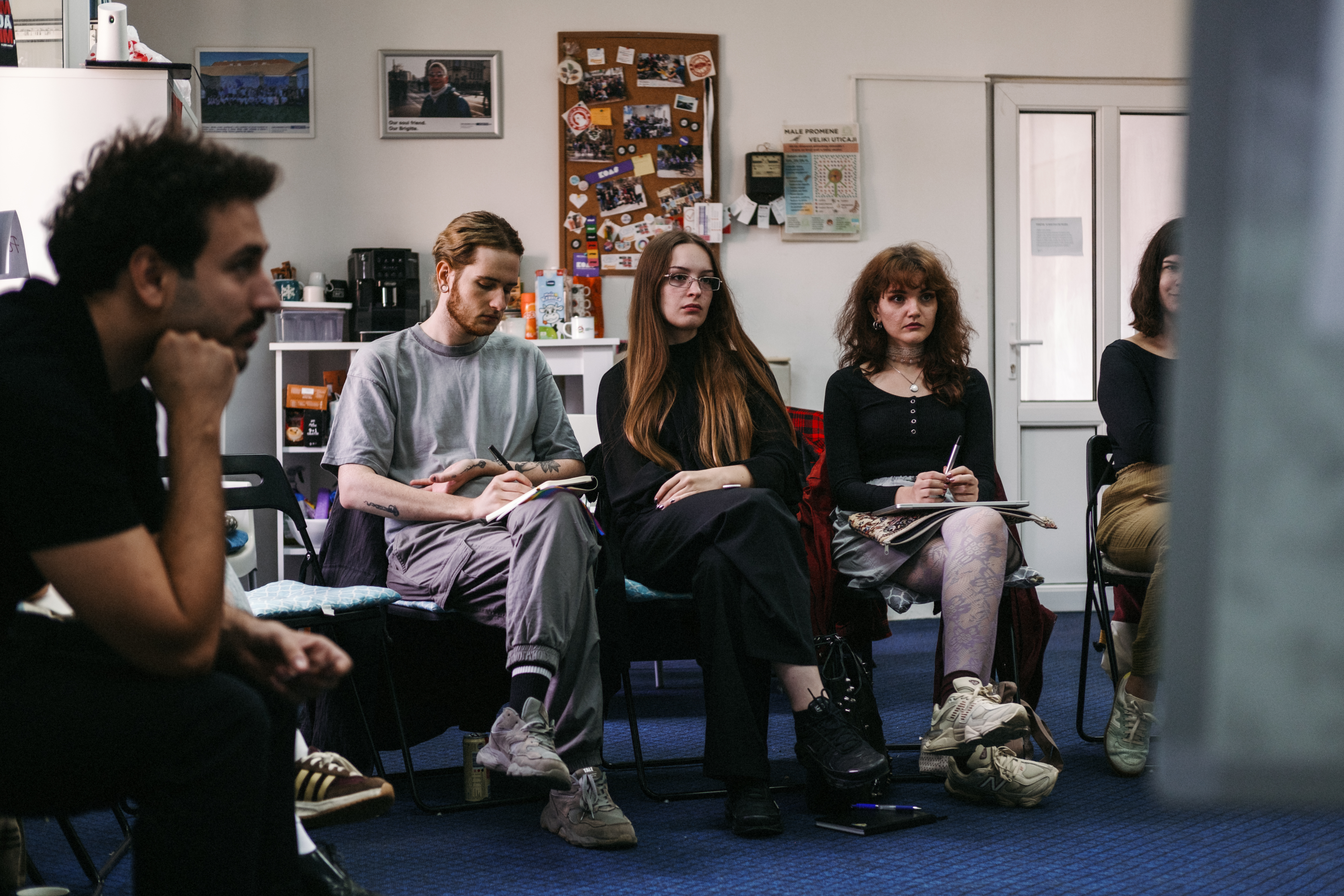
During research visits, collaboration was organised through direct encounters, guided site-specific exchanges, and informal knowledge-sharing sessions with specialists from different fields. These interactions allowed participants to ask questions, receive contextual information, and engage in discussions that connected practical expertise with artistic inquiry. Different perspectives were combined through iterative research processes, where insights from experts, local actors, and participants informed each stage of development, from observation and documentation to interpretation and artistic production.
This transdisciplinary approach enabled participants to combine artistic practice with social, environmental, and scientific insights, producing work that reflects both lived experience and specialized knowledge. By merging artistic creation with expertise from multiple fields, the project fosters holistic understanding, encourages cross-disciplinary thinking, and demonstrates how art can engage with complex societal and ecological challenges.
The project is currently supported and funded by the Heartefact Foundation through their Culture for Democracy program, financed by the Swiss Government. To ensure further financial sustainability, the concept envisions a mixed model combining public funding, donations, small-scale sales, and in-kind collaborations. Future development of the project will rely in part on applications to cultural and youth-oriented funding programmes at local, national, and international levels.
Key costs associated with the implementation include travel and accommodation for research visits, production of artistic works, mentoring and coordination, as well as the design, printing, and distribution of the publication. These costs are currently covered through project funding.
The publication resulting from the project will be offered on a donation basis, alongside limited editions of participants’ works, such as photographs, texts, or small artistic interventions, also available for donation, generating modest revenues that can support parts of the production and dissemination costs.
For future editions and further development of the concept, an alternative model of in-kind exchange is planned through a network of partner organisations that could host individual or small groups of artists for periods of field-based research and creative work. While these residencies would not generate direct revenue, they reduce operational costs, expand the reach and impact of the project, and strengthen relationships with communities and organisations across Serbia.
By combining public funding, donations for the publication and participants’ works, and collaborative support through a network of host organisations, the concept establishes a sustainable framework that aligns with its artistic and social objectives, while remaining flexible and scalable for future regional or international implementations.
The methodology developed in this project – combining art-based research with fieldwork, community engagement, and interdisciplinary mentoring – is highly transferable to other geographies and sectors. Key elements such as the open call for participants, collaborative partnerships with civil society organisations, and structured exercises (personal mapping, observational practices, collecting found materials, and dialogue-based methods) can be adapted to different communities and thematic focuses.
The concept’s emphasis on reciprocity (both learning from and amplifying community voices) can be applied in a variety of social, cultural, and environmental contexts, providing a framework for participatory artistic research beyond the current setting. Implementation in other contexts would typically require collaboration with local partner organisations, as well as facilitation and coordination capacities to support interdisciplinary and community-based processes. The mobile publication serves as a replicable tool to document, share, and extend the impact of local experiences, offering a template for future projects aiming to combine artistic practice with social engagement.
Additionally, the flexible structure of short-term research visits, mentoring, and iterative artistic development can be scaled for different numbers of participants or integrated into educational and cultural programs in other regions. By maintaining the core principles of process-based practice, interdisciplinary collaboration, and community-centred engagement, this model can be adapted for regional, international, or sector-specific initiatives, enabling new groups of artists and communities to explore locally relevant issues while fostering broader dialogue and knowledge exchange.
The phase supported by the Heartefact Foundation will conclude with the public presentation of the publication in April 2026, presenting the project outcomes to participants, partners, and a broader professional audience.
After the presentation, the focus will shift to the further dissemination of the publication through partner organisations, cultural institutions, academic contexts such as the Academy of Arts in Novi Sad, as well as media channels and mailing lists. Additional presentations and promotional activities will be organised where opportunities arise to ensure broader visibility and accessibility of the results.
In parallel, preparations will be made for the next phase planned for autumn 2026. This phase will return to the three regions previously involved (Sombor area, Kolubara district, and Stara Planina region) to organise community-based activities in collaboration with local partner organisations. Small groups of 5–10 participants will include members of local communities, such as youth and women from rural areas, engaged through partner networks.
The sessions will be facilitated by the curatorial team of Project EXP with support from local partners in outreach, logistics, and engagement. Activities will be structured around topics from the publication, including depopulation, rural gender roles, and environmental issues, enabling participants to share personal experiences, respond to the publication, and contribute additional narratives and materials.
The contributions from the autumn community activities will be documented and compiled into a supplementary publication, building on the first publication developed through art-based research. Planned for early 2027, this output will consolidate community input and further extend the participatory approach, ensuring the continuation of the concept beyond the initial funded phase.