Enablers for New European Bauhaus Transformation
Documenting the NEB and looking ahead!
Documenting the NEB, archiving important NEB history milestones and paving the way to the future!
Documenting the NEB and looking ahead! is a visionary project aiming at collecting documents and building up an archive on the NEB history to enable researchers, scholars, students now and in the future to get access to all NEB information. Knowing one’s history enables building one’s future.
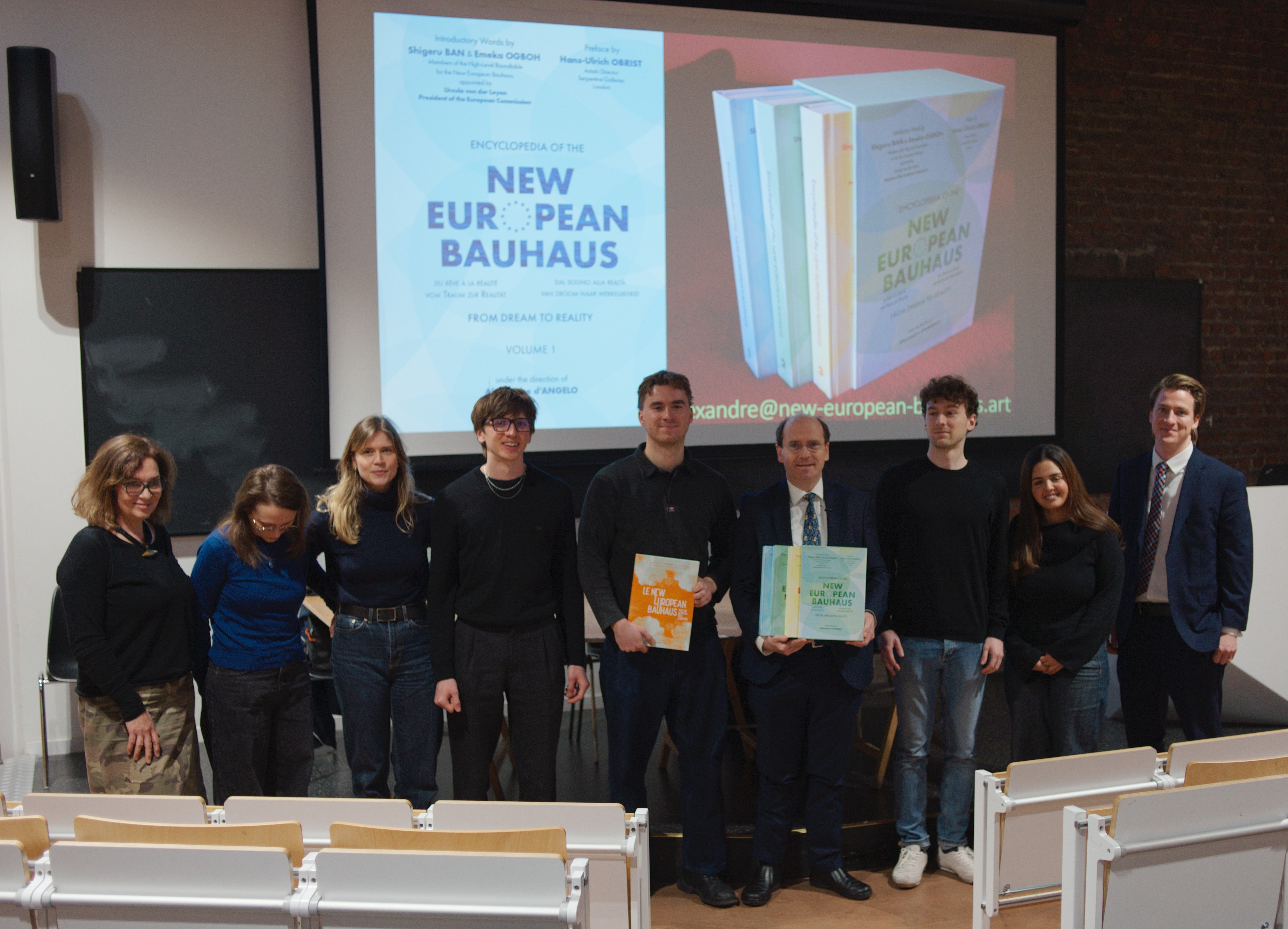
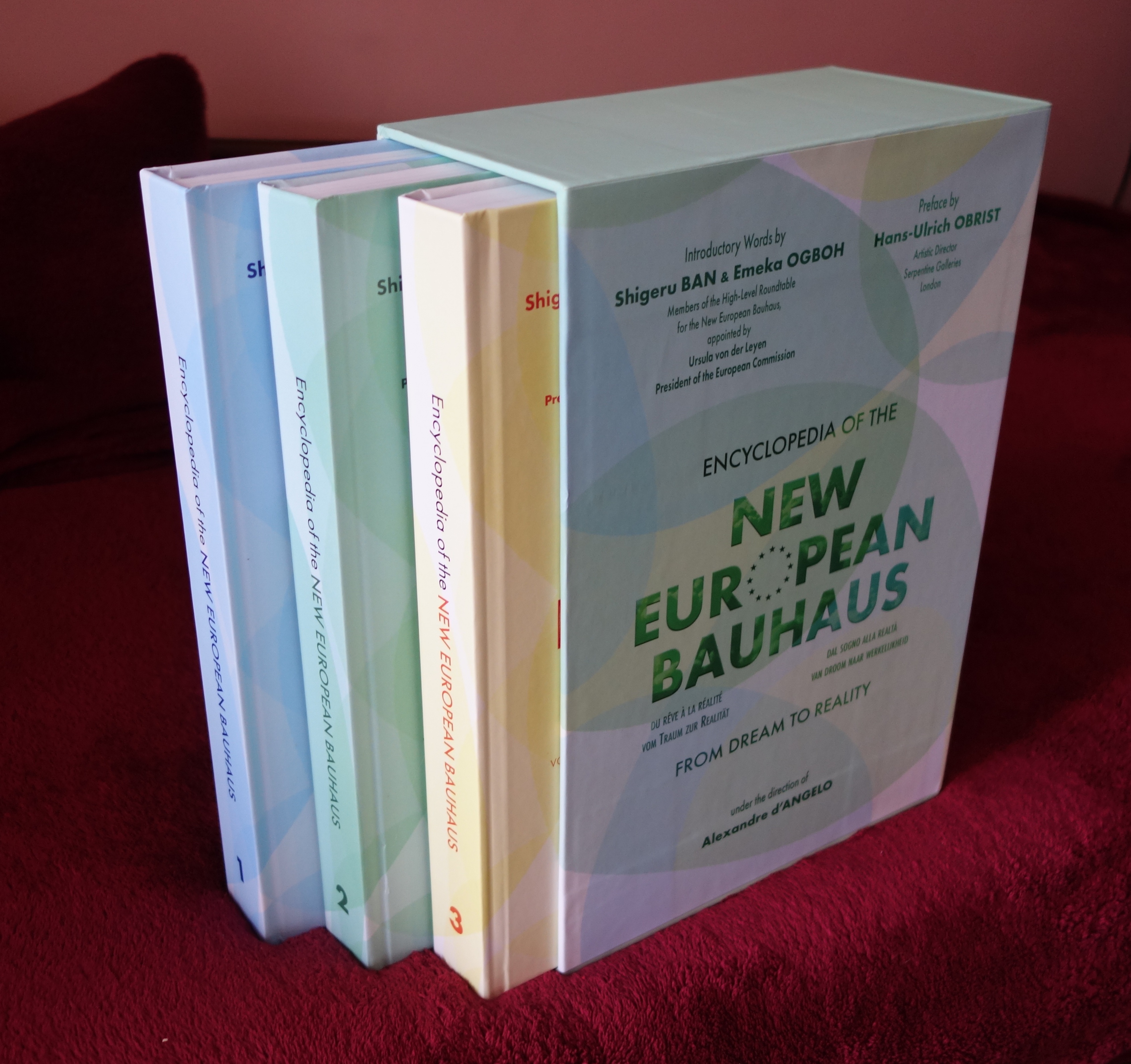
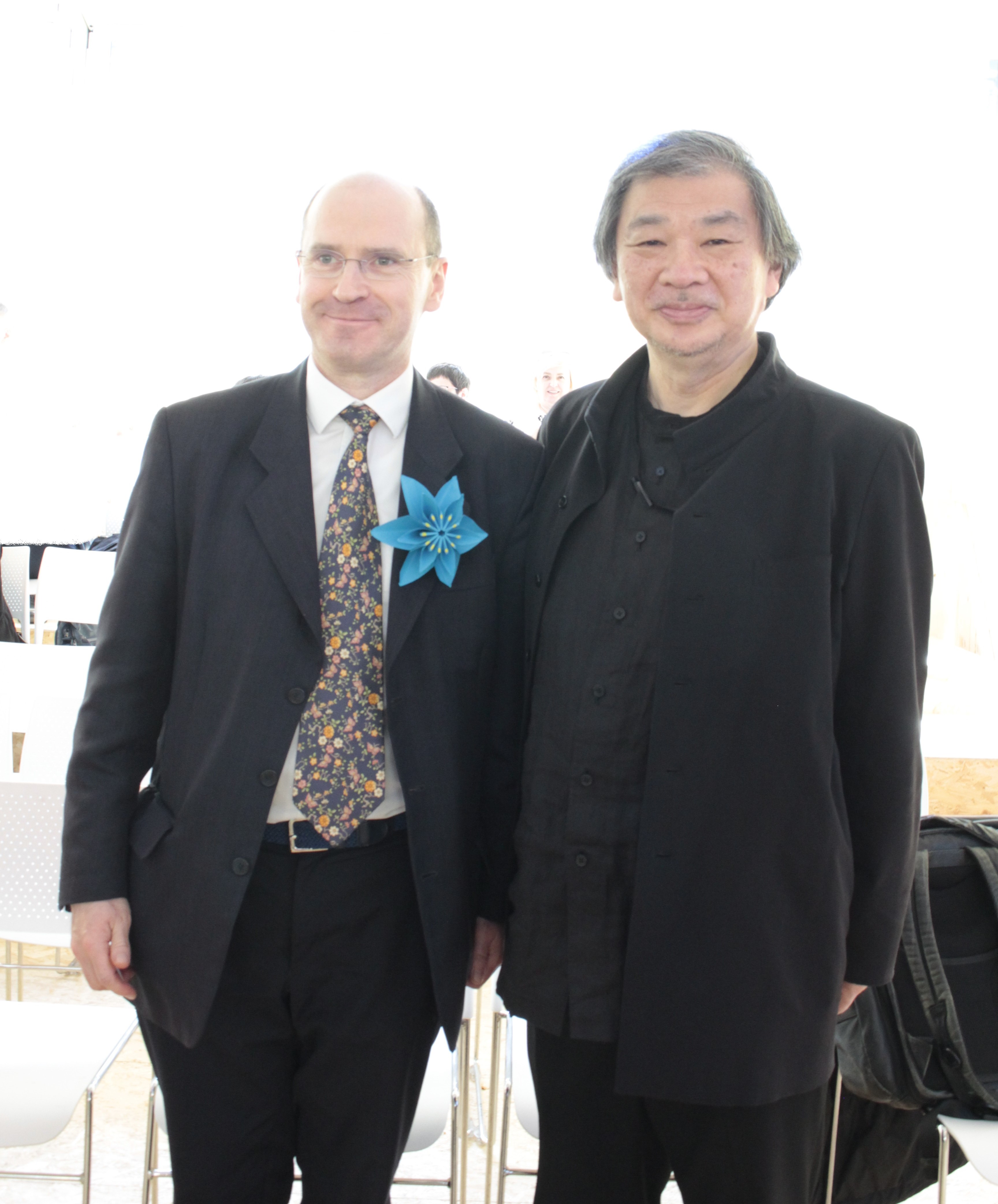
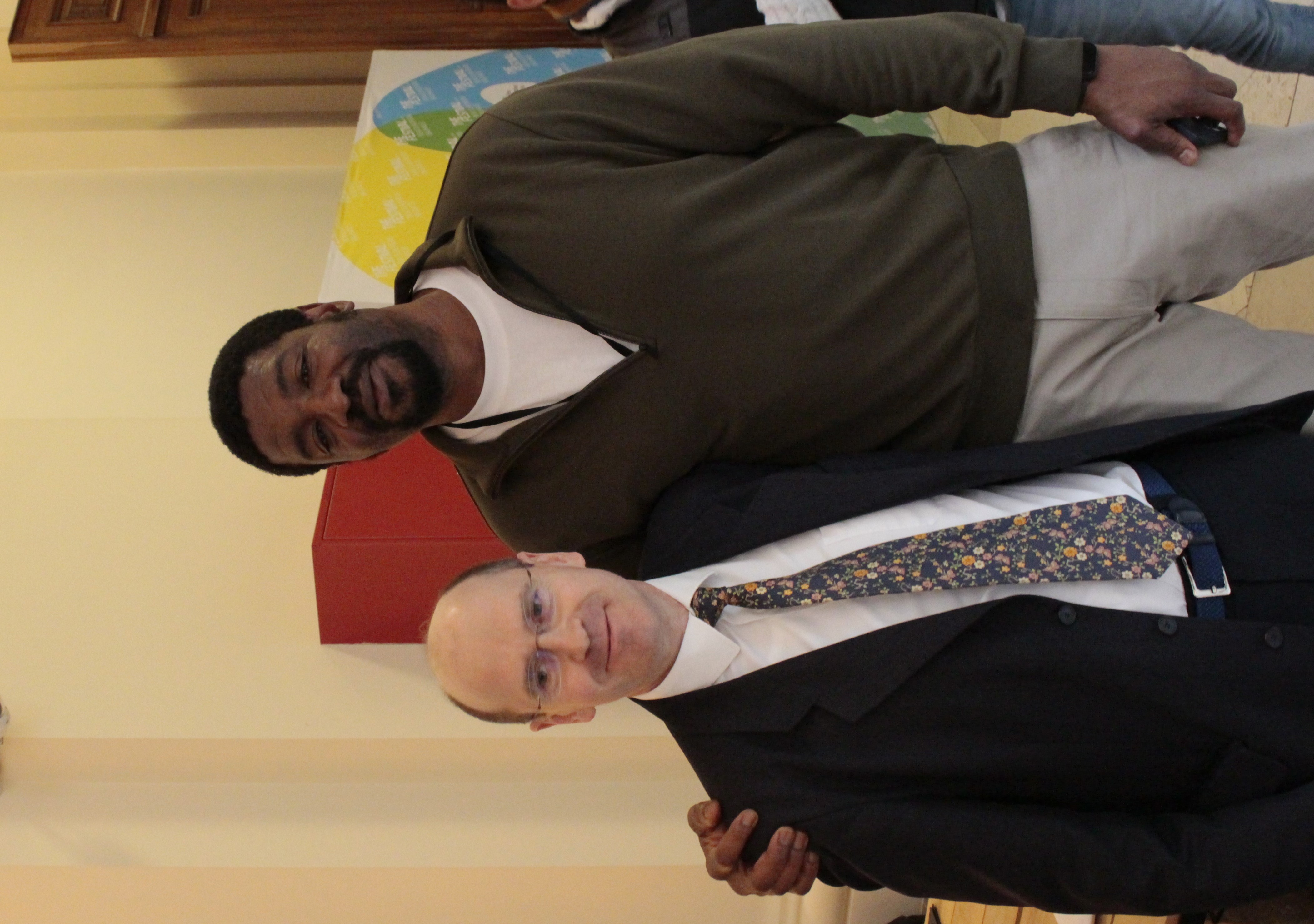
One key deliverable is the Encyclopedia of the New European Bauhaus published in 2025 (3 volumes, more than 1500 pages) with introduction by Shigeru Ban and Emeka Ogboh and preface by Hans-Ulrich Obrist.
One key deliverable is the Encyclopedia of the New European Bauhaus published in 2025 (3 volumes, more than 1500 pages) with introduction by Shigeru Ban and Emeka Ogboh and preface by Hans-Ulrich Obrist.
Belgium
National
It addresses urban-rural linkages
It involves other types of transformations (soft investment)
Yes
2025-08-08
No
No
No
Organisation
“Documenting the NEB and looking ahead!” is a visionary project aiming at collecting documents and building up an ensemble of memories about the New European Bauhaus to enable researchers, scholars, students now and in the future to get access to all the elements about the NEB and its history.
Knowing one’s history enables building one’s future.
The objective is to give access to all available information on the NEB, hence supporting quality education, free thinking, freedom of expression and democracy.
This project also enables to have vivid and constructive debate taking place on the NEB and hence letting emerge a strong vision on the next steps in a short, medium term and long-term future for the NEB.
A team of more than 100 people (lot of them young professionals or nearly graduate students) are actively taking part in organizing conferences, debates and publishing books.
Amongst the publications are two highlights:
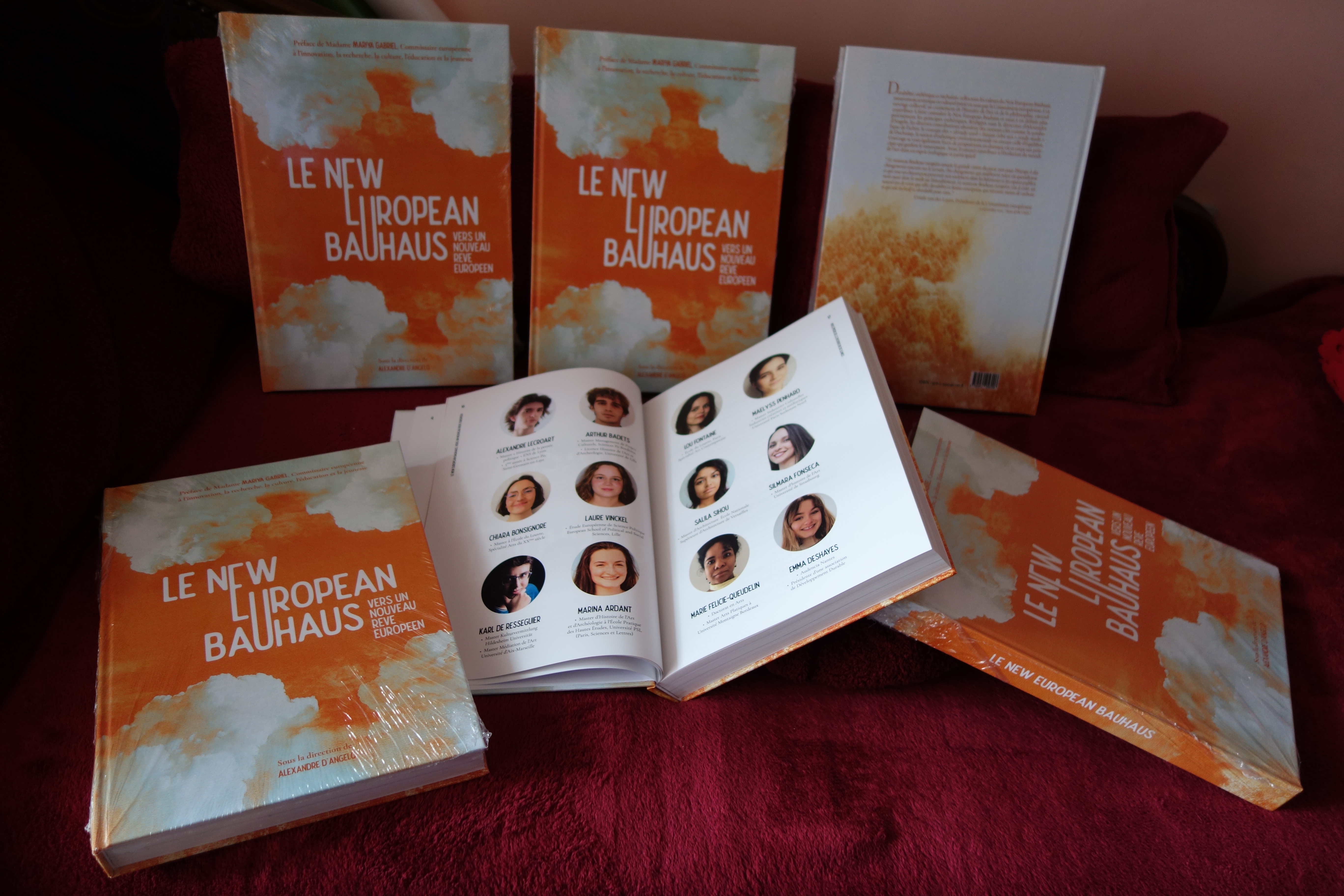
- The book “Le NEW EUROPEAN BAUHAUS, vers un nouveau rêve européen” (474 pages in A4 format) published in 2022-2023 with foreword by European Commissioner Mariya Gabriel (in charge at the beginning of the New European Bauhaus) who states: “This book is a precious object. Unique in that it is the first publication worldwide devoted to the New European Bauhaus...”
- The “Encyclopedia of the New European Bauhaus” (in 3 volumes with more than 1500 pages) published in 2025 with introductory words by architect Shigeru Ban (awarded Pritzker Prize) and artist Emeka Ogboh (both Members of the High-Level Roundtable of the New European Bauhaus, appointed by European Commission President Ursula von der Leyen), with preface by Hans-Ulrich Obrist.
In a nutshell, the project aims at raising awareness on the NEB to the general public, trigger debate and propose a vision for the future for the NEB. The aim of the project is to inform, educate and strongly support freedom of expression and democracy thanks to the NEB.
Since the President of the European Commission, Ursula von der Leyen, first introduced the NEB movement as a “new cultural project for Europe” on September 16th, 2020, in her State of the Union address, the NEB has been expending steadily with plenty of initiatives, projects, events... notably: a co-design phase for the elaboration of the NEB with contributions solicited from citizens and stakeholders in a broad bottom-up approach, the set-up of a High-Level Roundtable, the first high-level conference on the New European Bauhaus organised by the European Commission (22-23 April 2021), the Concept Paper of the High-Level Roundtable (30 June 2021), the Communication of the European Commission (15 September 2021), six NEB Lighthouse Projects, dozens of calls either directly dedicated to the NEB or contributing to it, NEB Labs, the NEB Academy, the NEB Manifesto, the NEB Facility (2025-2027) which is a funding tool for the NEB, and the NEB Facility Expert Group.
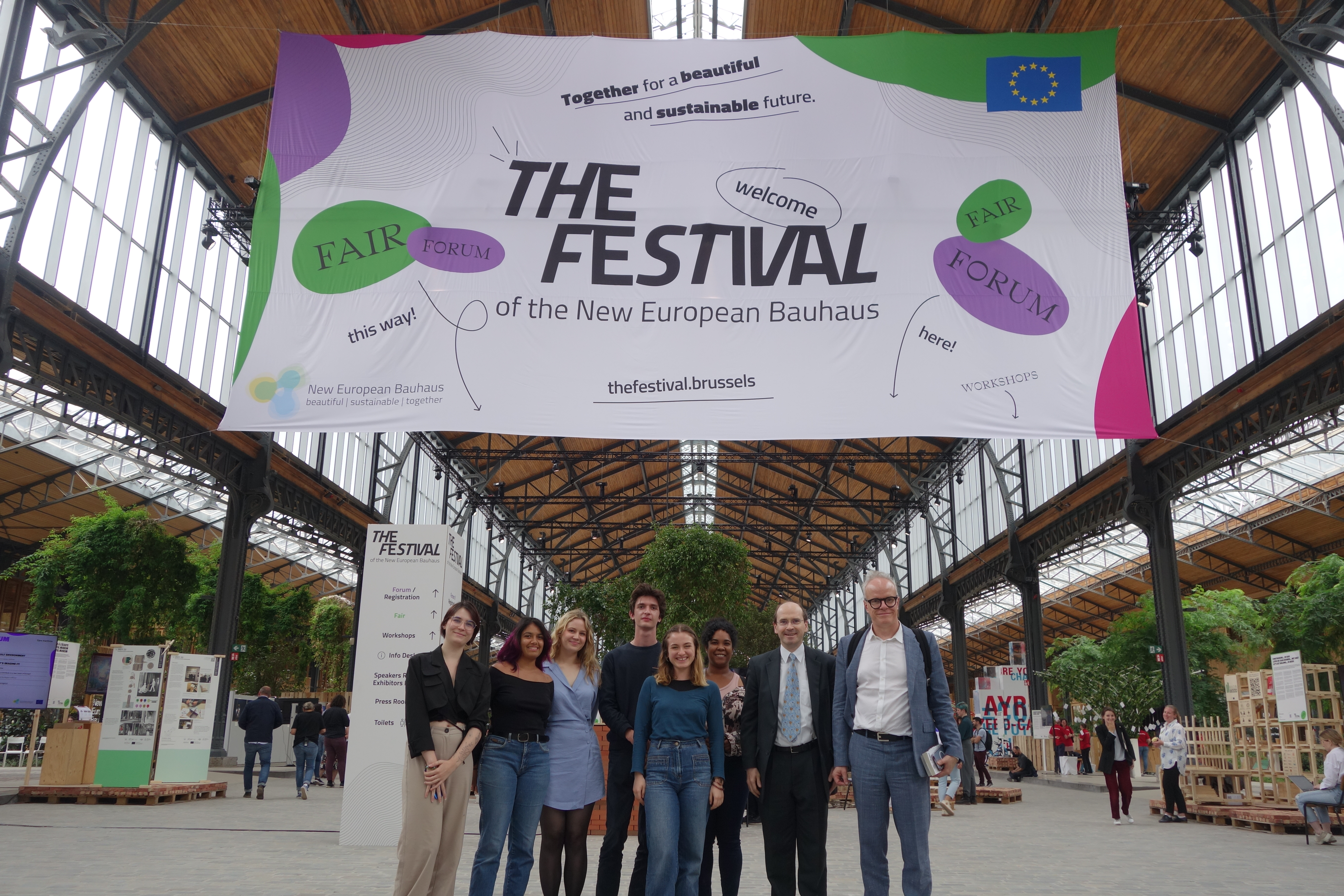
The movement has also been a source of celebration, with two editions of the New European Bauhaus Festival (2022 & 2024), a collateral event at the 18th International Architecture Exhibition of La Biennale di Venezia (on May 25th & 26th, 2023), and the annual NEB Prizes (since 2021) which have attracted thousands of applicants, with hundreds selected as finalists and many awarded as winners.
Since its beginning, the NEB movement is growing very fast hence collecting documents and building the memories of the NEB appeared as an important mission to keep track of the rich history of the NEB, in particular its builders and contributors. This would also enable to set the basis and pave the way to look ahead and contribute building the future of the NEB. This is how the story of this project “Documenting the NEB and looking ahead!” began: to carry out the mission of building up a collection of documents about the NEB to enable keeping the memory of the NEB and offering food for thoughts for building its future.
Encyclopedia of the New European Bauhaus
Quality Education
Democracy
Regaining a sense of belonging around the NEB
Co-creation with trans-disciplinarity, cross-fertilization and social-inclusion
All the core values and key working principles of the NEB are at the center of the project “Documenting the NEB and looking ahead!” (notably all the conferences, debates and publications) in order to pass them on to our audience for further implementation. As an illustration, volume 3 of the Encyclopedia of the NEB presents all the projects shortlisted and awarded at the NEB Prizes. All of these projects are examples that present and make very tangible and concrete the core values of the NEB: aesthetics, sustainability and inclusion; all of them bring to life the NEB key working principles: participatory, multilevel governance and transdisciplinary. In addition, they bring to life key dimensions of the NEB like “Reconnecting with nature”, “Regaining a sense of belonging”, “Prioritizing the places and people that need it the most”, “The need for long-term, life cycle thinking in the industrial ecosystem”.
The essence of the project “Documenting the NEB and looking ahead!” is raising awareness of the core values and key working priorities of the NEB, hence bringing the NEB into life to the citizens discovering the NEB and further nurturing the citizens well acquainted with the NEB.
Our publications highlight concerns about more sustainability and the planet's future to draw attention to the need of better management and avoiding waste of natural resources (such as land and water waste, marine litter, excessive energy consumption, biodiversity loss, etc.) by promoting circular economy, energy efficiency, local production and consumption, developing nature-based solutions.
We also make sure our publications to truly embed the “sustainable” dimension, this is why we promote the electronic version (versus the paper one). Furthermore, the paper version is printed on eco-certified paper by an eco-labelled printing company, which carries out ecological management before, during and after production, for better protection of forests.
Promoting beauty and aesthetics is central to the project.
In all our events (conferences, debates, workshops…) artworks are presented with reference to art history, artists and aesthetic creations.
For example, as illustration, the Encyclopedia of the New European Bauhaus presents major actors of the cultural and art scene very much involved in the aesthetics dimension, notably volume 1 features:
Christophe Slagmuylder (CEO and artistic Director of the Centre for fine Arts in Brussels), Paola Antonelli (Chief Curator of the MoMA New York), Julie Narbey (General Director of the Centre Pompidou in Paris), Manuel Cirauqui (Curator at the Guggenheim Museum Bilbao), Katerina Gregos (Director-General and Artistic Director of the National Museum of Contemporary Art Athens), Andreja Hribernik (Artistic Director of Kunsthaus Graz), Jannet de Goede (Artistic Director of the Kröller-Müller Museum), Angelika Nollert (Artistic Director of Die Neue Sammlung - The Design Museum), Arūnas Gelūnas (CEO of the Lithuanian National Museum of Art), Zsuzsanna Fehér (Senior Curator at the Ludwig Museum - Museum of Contemporary Art in Budapest), Marina Šafarić (Artistic Director at Lauba – House for People and Art in Zagreb - Croatia)…
Major artists and artworks from GAGOSIAN Gallery, from GALLERIA CONTINUA, PACE Gallery, MENNOUR Gallery, like Kiki Smith, Giuseppe Penone, Cai Guo-Qiang, Antony Gormley, Carsten Höller, Ai Weiwei, Michelangelo Pistoletto, JR, Jonathas de Andrade, Loris Cecchini, Eva Jospin, Yoan Capote, Hans Op de Beeck, Leandro Erlich. All of them are carrying the values of the NEB particularly the aesthetics!
We also hope that our publications are also “beautiful”. In this sense, as an example, a team of 20 designers have been working on the design of the Encyclopedia of the NEB (cover pages, layout, colors, shapes…)
“Documenting the NEB and looking ahead!” promotes a participatory, collaborative and transdisciplinary approach based on inclusive methods and processes involving many people with particular attention to young people from diverse social backgrounds to better envision the future.
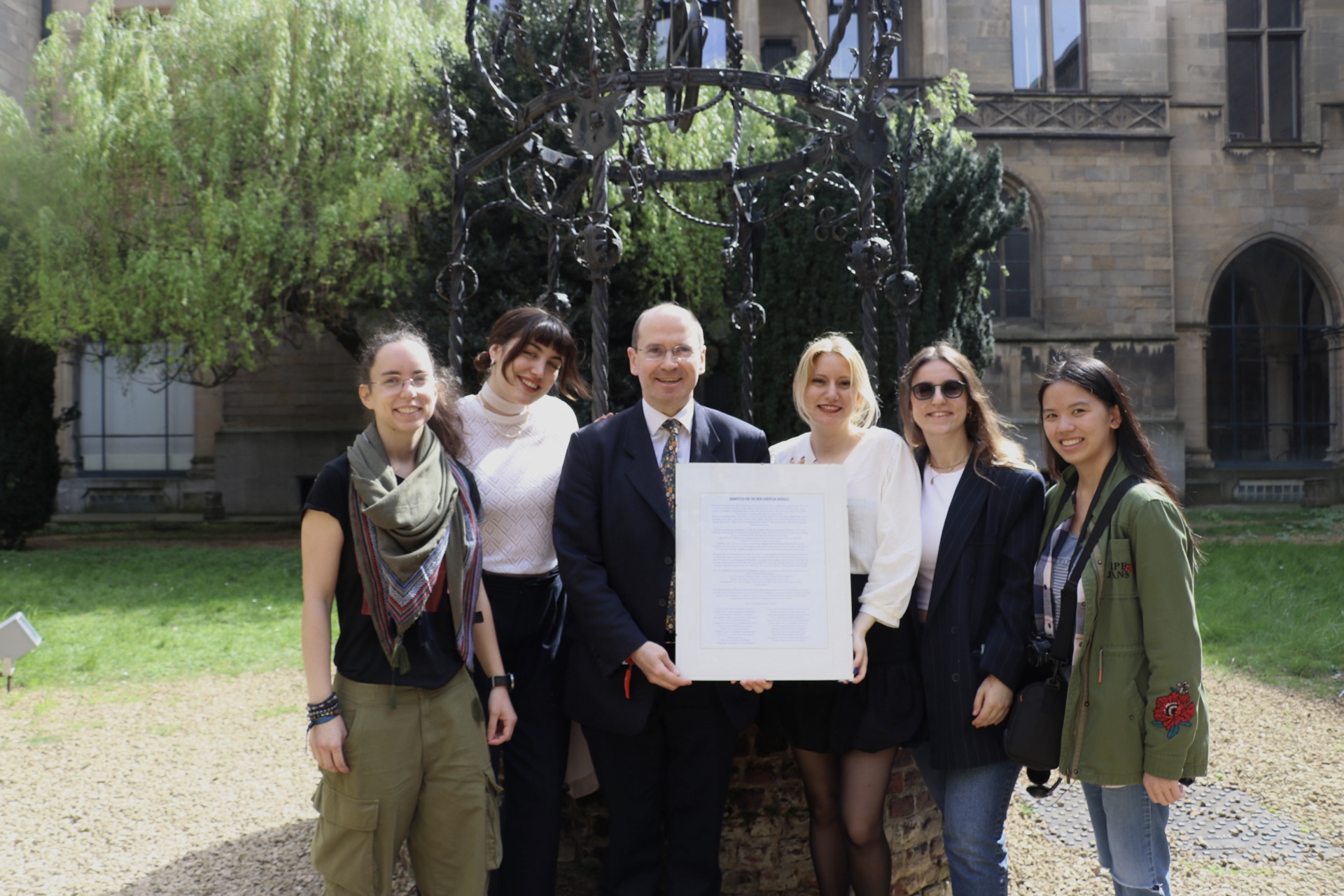
To be noted, all our events are organised by a team, for instance, the first book published on the NEB was written together by 13 people, amongst them: Salila Sihou (Master’s in architecture), Alexandre Lécroart (Master’s in philosophy), Arthur Badets and Laure Vinckel (Master’s in science politics), Emma Deshayes (Master’s in sustainability), Maëlyss Penhard (Master’s in design), Marie Felice-Queudelin (Doctor in arts), Chiara Bonsignore (Master’s at the École du Louvre, with speciality in arts of the 20th century), Lou Fontaine (Master’s at the École du Louvre, with speciality in contemporary arts), Marina Ardant and Silmara Fonseca (Master’s in art history), Karl de Rességuier (Master’s in art curating).
The Encyclopedia of the NEB was written together by 44 people where transdisciplinary, inclusive and cross-discipliary dimension in their backgrounds is key.
“Documenting the NEB and looking ahead!” is carried out with people from various backgrounds united in the idea of openness, inclusiveness, freedom of expression and democracy. The more the project is growing the more it promotes research to discover new realities always curious and open to integrate as broadly the richness of diversity.
All the core values and key working principles of the NEB are at the centre of the project “Documenting the NEB and looking ahead!” (notably all the conferences, debates and publications) in order to pass them on to our audience for further implementation.
The Participatory dimension is very important in the project “Documenting the NEB and looking ahead!”. Indeed, the WHOLE NEB Community is concerned when it comes to document the NEB, set up an archive on the NEB history and write the next chapters of the NEB.
The Encyclopedia of the New European Bauhaus has invited the WHOLE NEB Community to contribute to it, notably through the NEB newsletter of the NEB team at the European Commission, in its edition of 6 January 2025 mentioning “For some months, a team of 40 people has been preparing an Encyclopedia of the New European Bauhaus. The Encyclopedia is about to be finalized, and you can contribute to it too! The latest Table of Contents can be found at the following link. Please feel free to contact Odile and Alexandre before 16 January 2025 with any comments, subjects and/or possible contributions for consideration and review by the editorial team.”
A very broad participation of contributors have enabled to lead to the publications.
Also to highlight that all the events and publications are designed and open to all. The workshops enable participants to get ownership of the values of the New European Bauhaus and hence become actors in a participatory way.
All the NEB principles mentioned (multilevel engagement, transdisciplinary approach, participatory process) are central in the project “Documenting the New European Bauhaus” as precisely, these are the values and principles which are presented in the project through conferences, debates, workshops, publications…
As regards “multilevel engagement”, the project is, on the one hand, supported by top level actors like * architect Shigeru Ban (awarded Pritzker Prize) and artist Emeka Ogboh, both Members of the High level Roundtable of the New European Bauhaus, appointed by European Commission President Ursula von der Leyen, * world acclaimed exhibition curator Hans-Ulrich Obrist (participating in the 1st edition of the NEB Festival / Wikipedia recalls that Hans-Ulrich Obrist is "classé à deux reprises, en 2009 et en 2016, numéro 1 mondial des personnalités les plus influentes de l'art contemporain selon la revue ArtReview") and, on the other hand, open to all to contribute to the publications and to benefit from them.
Actors at EUROPEAN level have contributed to the success of the project “Documenting the New European Bauhaus” like for instance European Commissioner Mariya Gabriel (in charge at the beginning of the New European Bauhaus) who states in her foreword of the book “Le NEW EUROPEAN BAUHAUS, vers un nouveau rêve européen” published in 2022-2023: “Ce livre est un objet précieux. Inédit en ce qu'il est le premier ouvrage consacré au Nouveau Bauhaus européen...” (which can be translated by “This book is a precious object. Unique in that it is the first publication devoted to the New European Bauhaus...” This book has 474 pages in A4 format.
At EUROPEAN level, Member of the European Parliament Marco Ros Sempere offered an interview in the Encyclopedia of the NEB, see in volume 1 pages 116 to 123.
At local, regional and national level, the publications are now joining important public libraries and public mediatheques to spread the information on the NEB.
As regards the “transdisciplinary approach”, it is important to highlight that all disciplines are of course present in the project “Documenting the NEB and looking ahead!”, like art, architecture, fashion, design etc… As illustration, the Encyclopedia of the New European Bauhaus presents creations of major artists from GAGOSIAN Gallery, from GALLERIA CONTINUA, PACE Gallery, MENNOUR Gallery, like Kiki Smith, Giuseppe Penone, Carsten Höller, Ai Weiwei, Michelangelo Pistoletto, JR... ; it presents fashion designers who exhibited their creations at the catwalk of the 2024 edition of the New European Bauhaus Festival ; it presents architects like Carlos Moreno (15 minutes city), Wael Al Awar (representing the Emirates at the Venice Biennale in 2023), Ippolito Pestellini Laparelli, Bjarke Ingels (Member of the High-Level Roundtable appointed by European Commission President Ursula von der Leyen)… and many more.
The transdisciplinary dimension is also key in the first book published on the NEB which was written together by a trans-discipliary team of 13 people with disciplines ranging from architecture, to art, together with philosophy, science policy, sustainability… more precisely with the following participants: Salila Sihou (Master’s in architecture), Alexandre Lécroart (Master’s in philosophy), Arthur Badets and Laure Vinckel (Master’s in science politics), Emma Deshayes (Master’s in sustainability), Maëlyss Penhard (Master’s in design), Marie Felice-Queudelin (Doctor in arts), Chiara Bonsignore (Master’s at the École du Louvre, in arts of the 20th century), Lou Fontaine (Master’s at the École du Louvre, with speciality in contemporary arts), Marina Ardant and Silmara Fonseca (Master’s in art history), Karl de Rességuier (Master’s in art curating).
“Documenting the NEB and looking ahead!” is carried out by people from various backgrounds united in the idea of openness, inclusiveness, co-creation, transdisciplinary, freedom of expression and democracy.
The model of the project “Documenting the NEB and looking ahead!” is fully viable. Indeed, the sales of the publications (Encyclopedia of the NEB etc...) and the organization of events (conferences, workshops...) enables, on the one hand, to promote the NEB, and, on the other hand, to make the project at the same time economically viable.
“Documenting the NEB and looking ahead!” is a growing project, as more and more documentation and material is available on the New European Bauhaus, hence also reflecting the richness of the blooming movement of the NEB. “Documenting the NEB and looking ahead!” is further developing and involving more and more people from different places, backgrounds, interests, experiences and histories to share. “Documenting the NEB and looking ahead!” is now in the preparation of the next edition of the Encyclopedia of the New European Bauhaus plus several other books (proceedings of conferences). Everyone is welcome to contribute to it!
Welcome to NEB!
Many thanks for your attention in reading the application of “Documenting the NEB and looking ahead!” and we sincerely hope that you will also contribute to this project by offering documents on the NEB, writing a page of the NEB history and further looking ahead to build the NEB. Many thanks again!