Le Terre del Benessere
Regenerating Contursi Terme: Historic Buildings as Commons for Water, Culture and Community
A former prison becomes the "House of Waters" and "Public Local Water Heritage Archive". A historic palace becomes a craft, culture and community hub. In Contursi Terme - a thermal village of 3,000 inhabitants in Southern Italy - two abandoned public buildings are being reborn through a participatory process that puts citizens at the centre, not as beneficiaries, but as co-authors of the transformation. A grassroots model of heritage reuse, circular economy and inclusive governance.
Italy
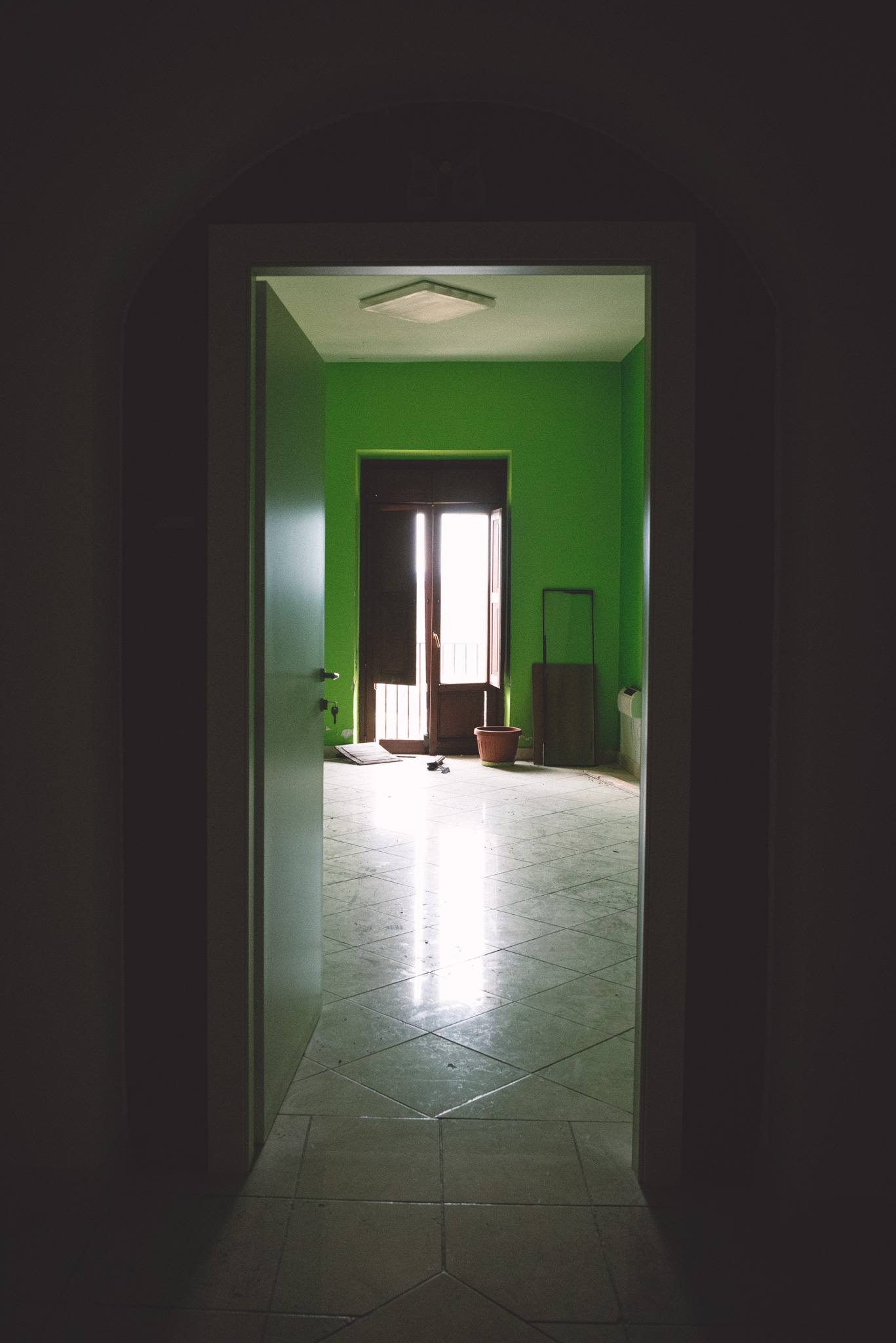
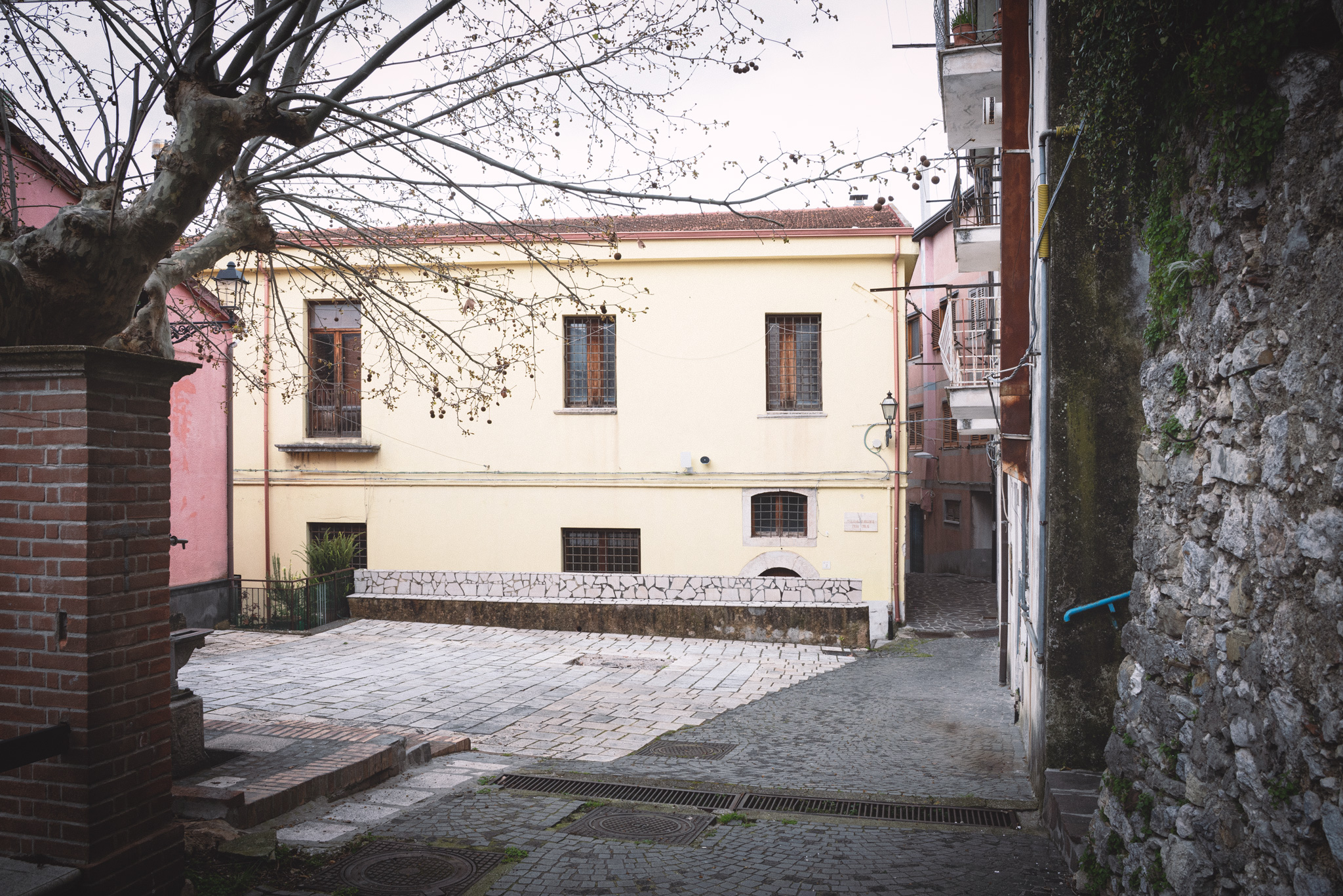
Ex Carcere - Contursi Terme (SA), Campania, Italy
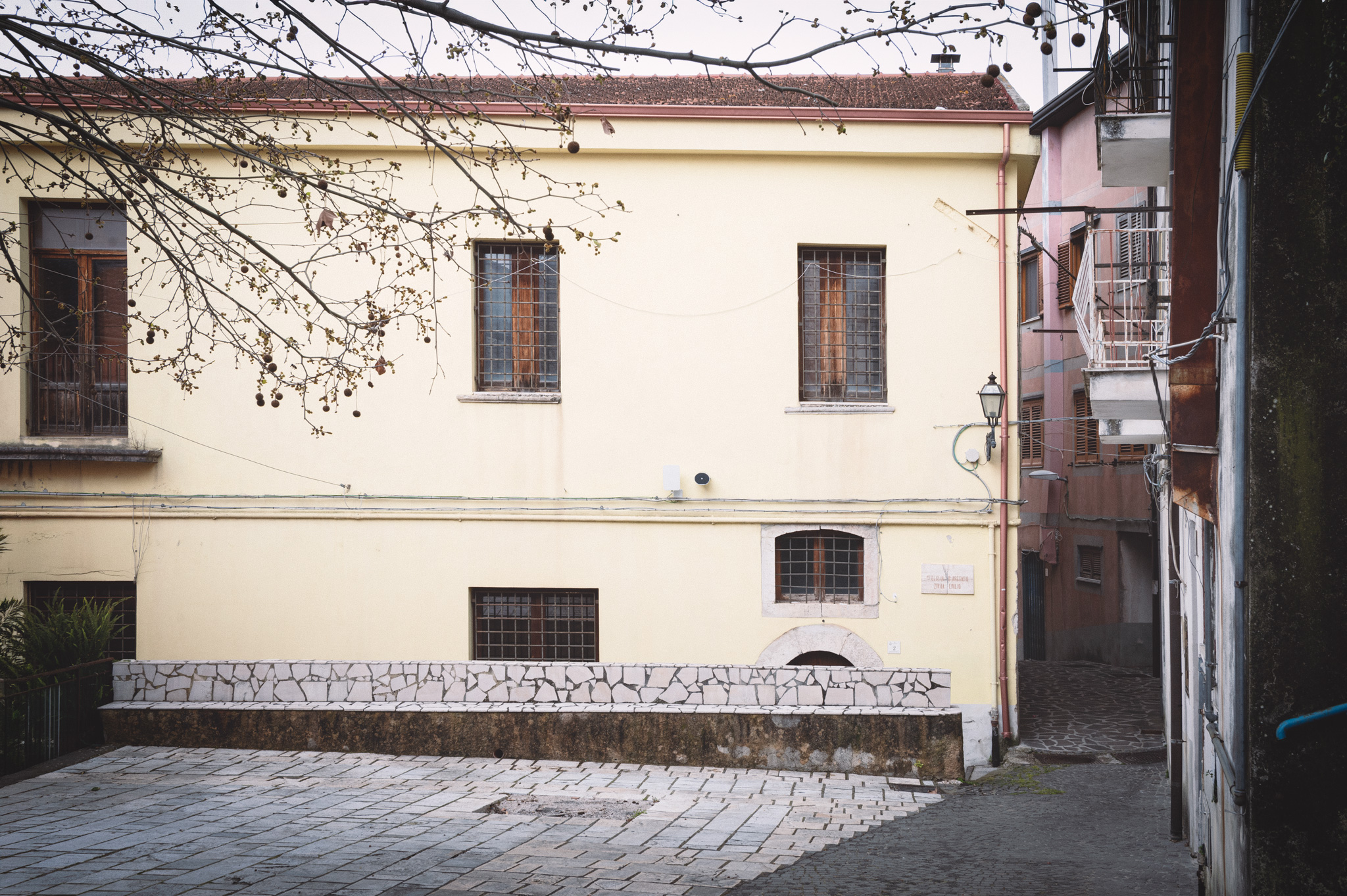
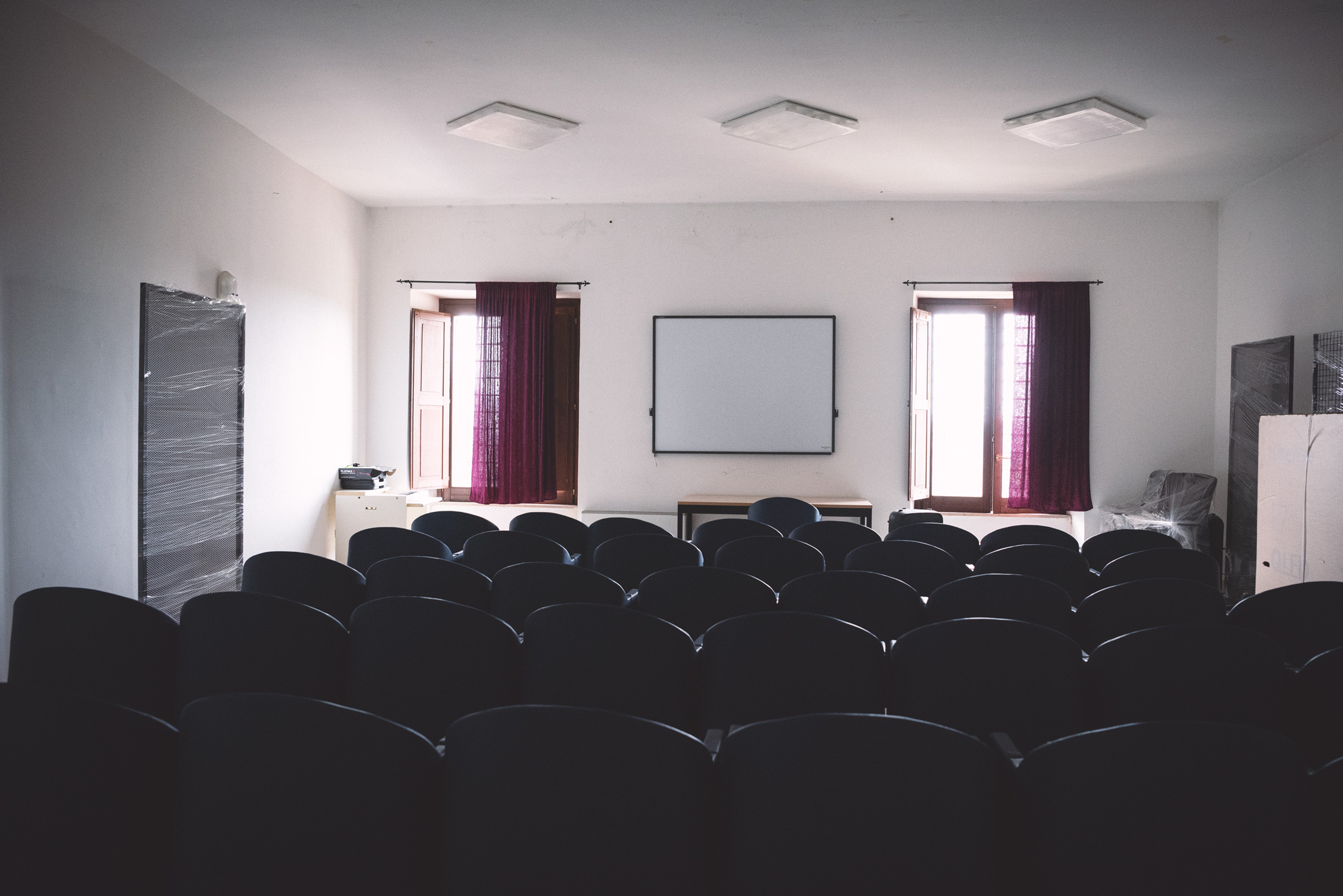
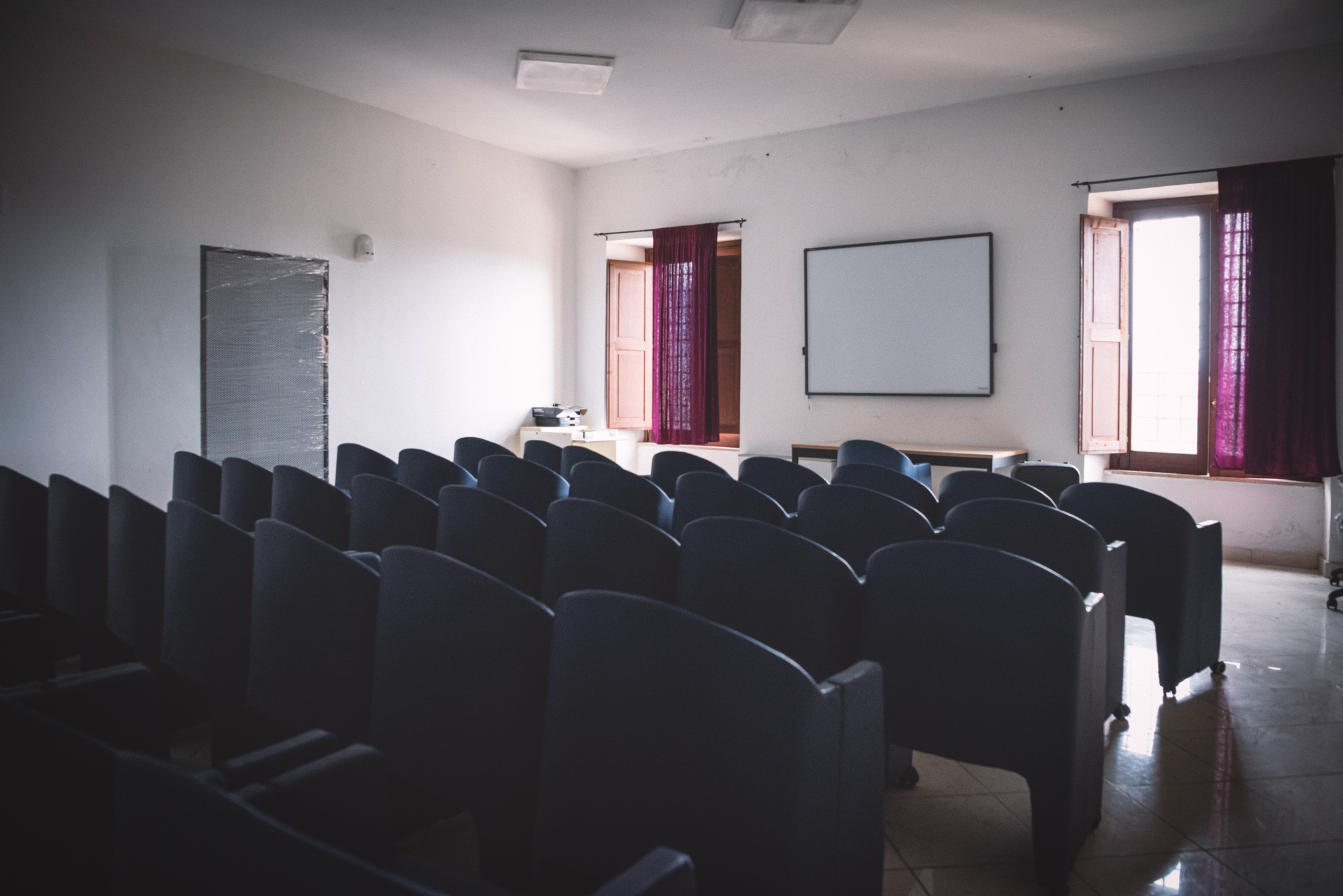
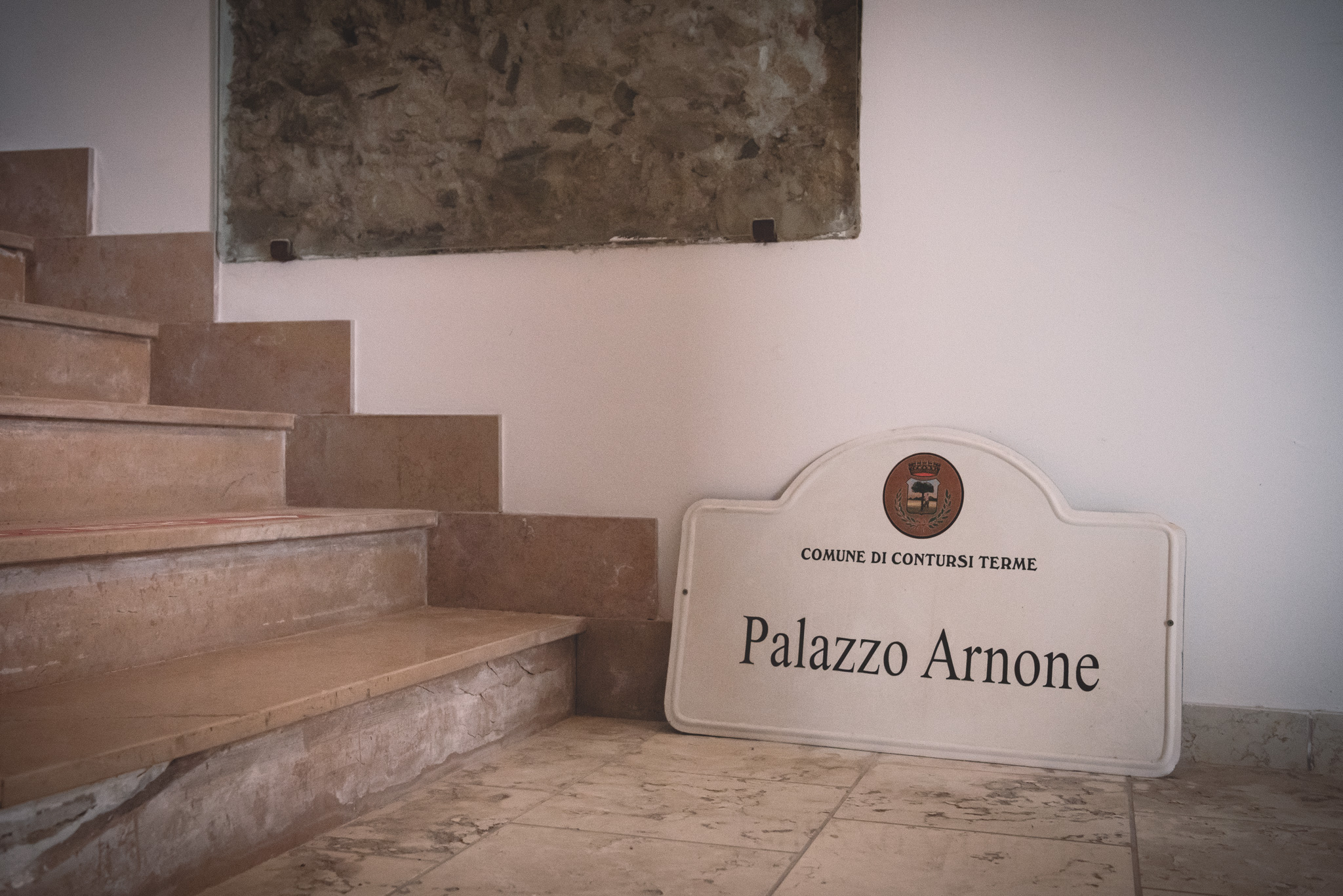
Palazzo Arnone - Contursi Terme (SA), Campania, Italy
Palazzo Arnone - Contursi Terme (SA), Campania, Italy
Prototype level
Yes
Yes
Yes
Yes
PNRR M1C3 - "Attrattività dei Borghi Storici" - Ministero della Cultura - CUP F64H22000130004 - Decision 2022 -
Total grant EUR 2,080,000
No
65046: Contursi Terme (IT)
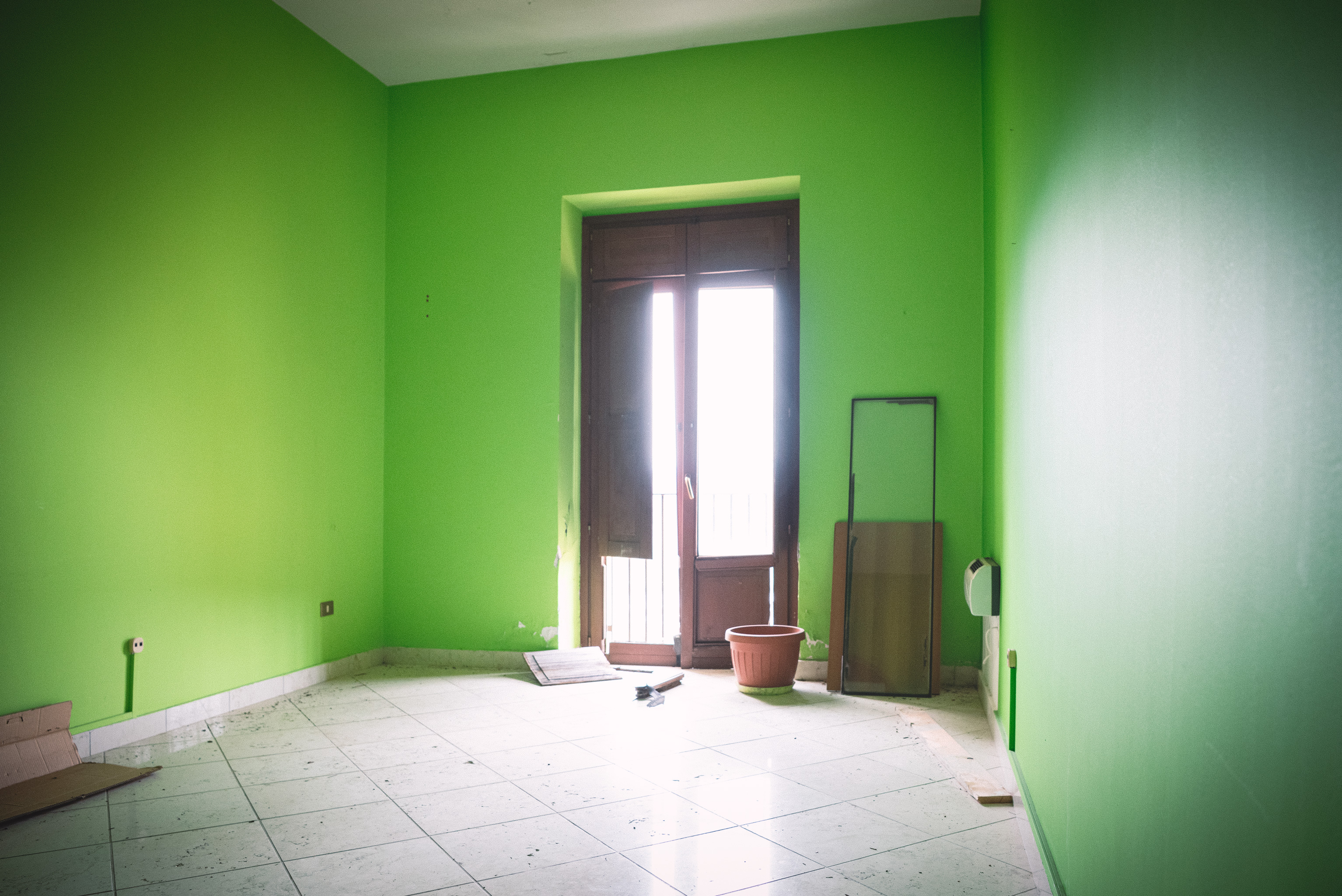
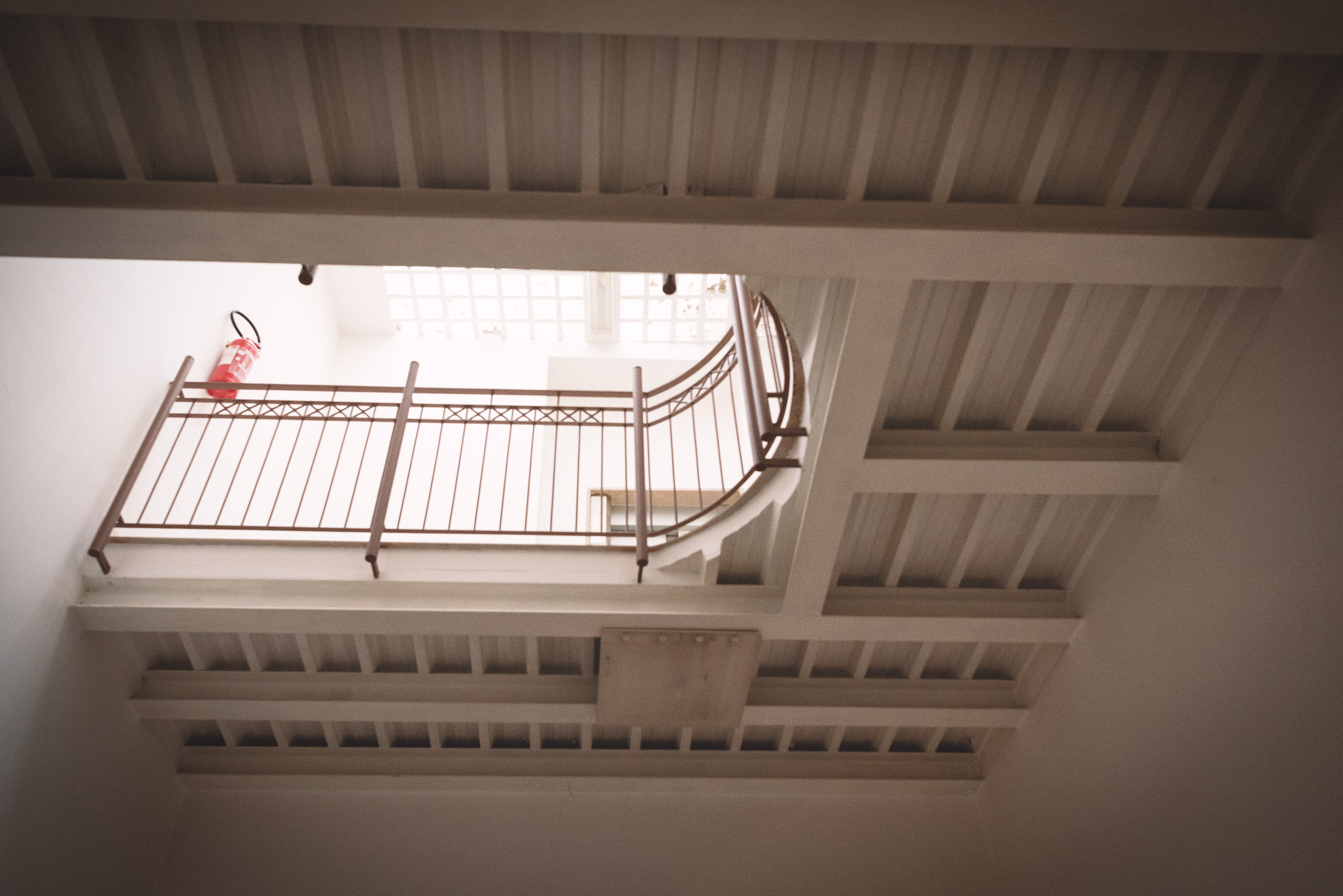
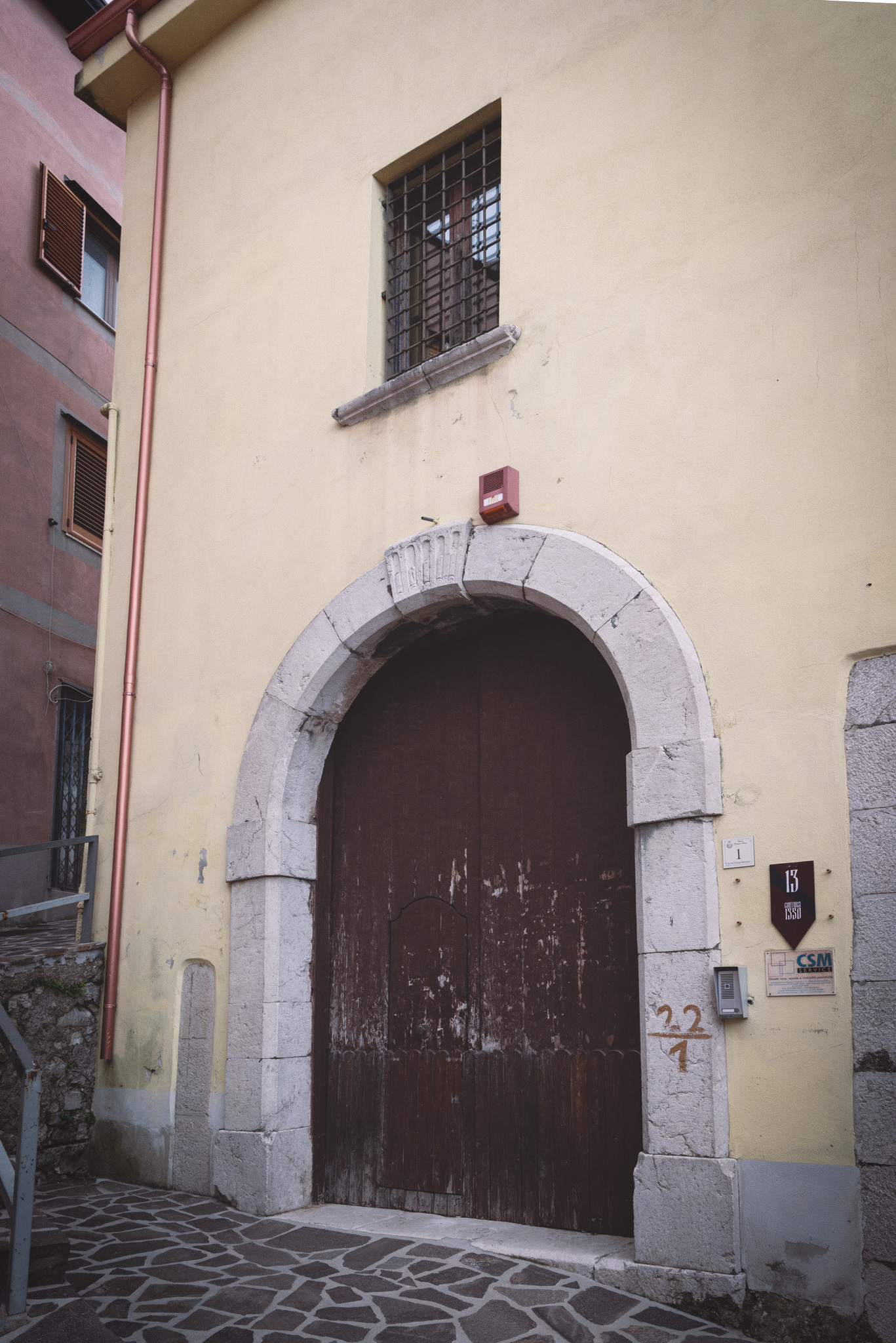
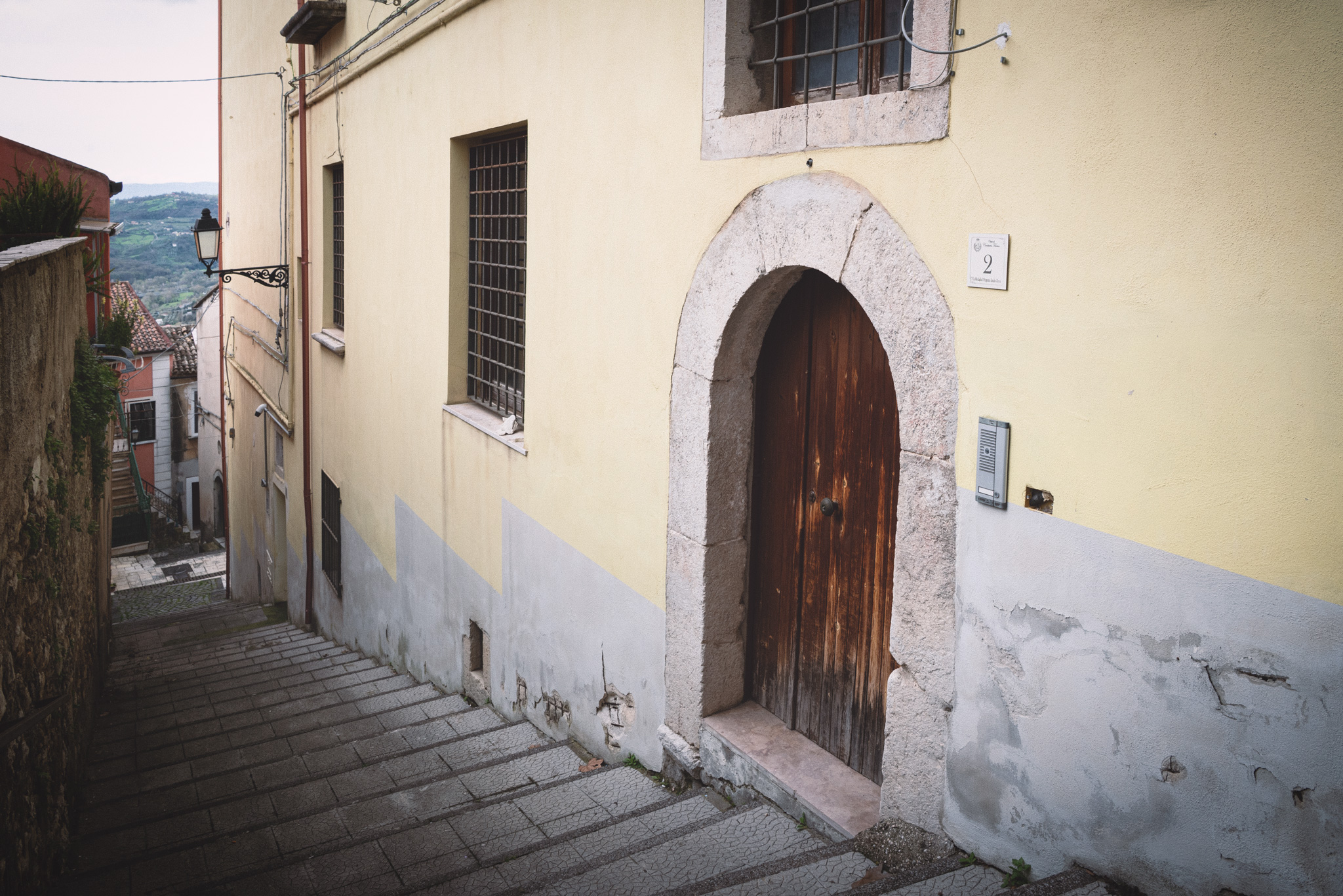
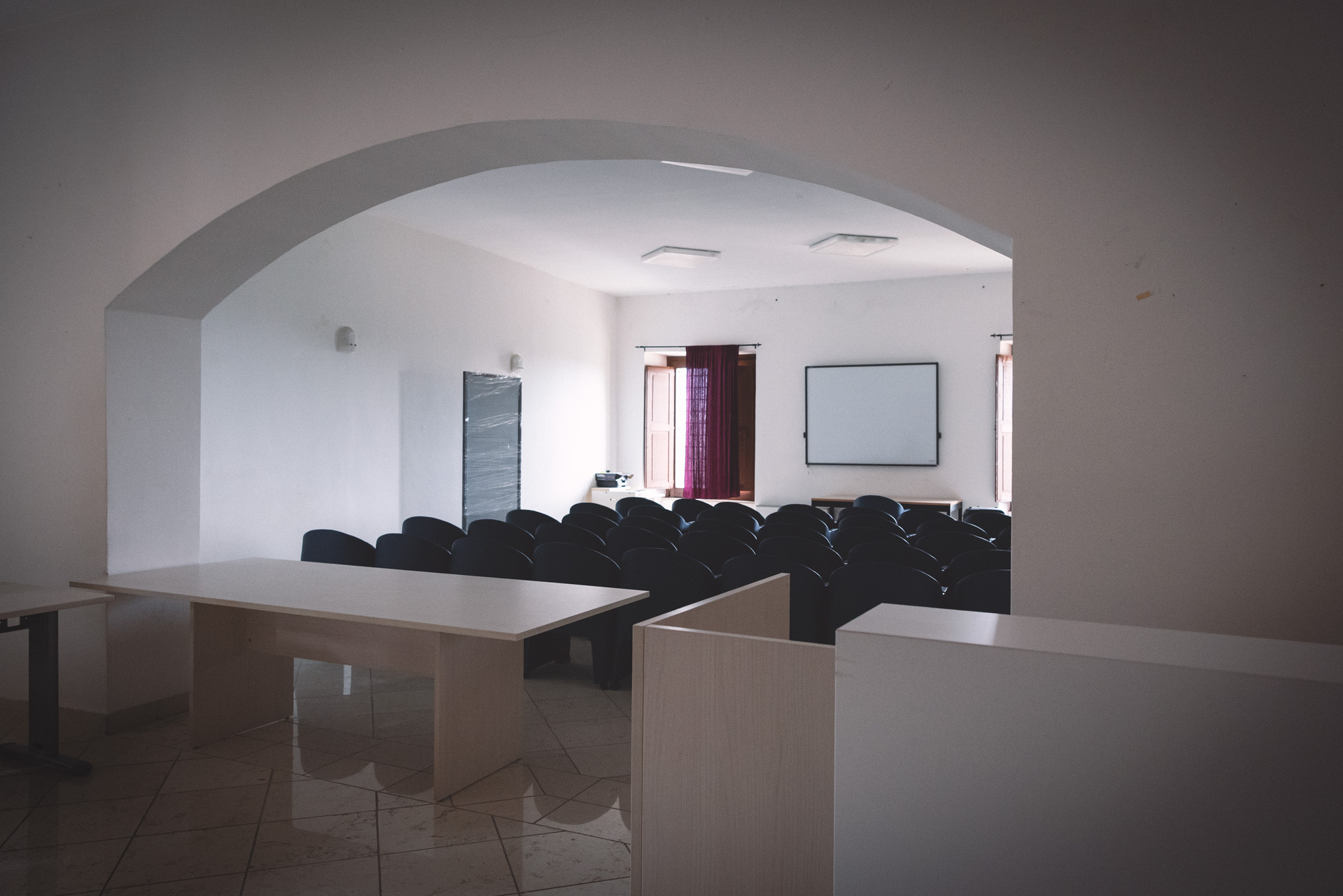
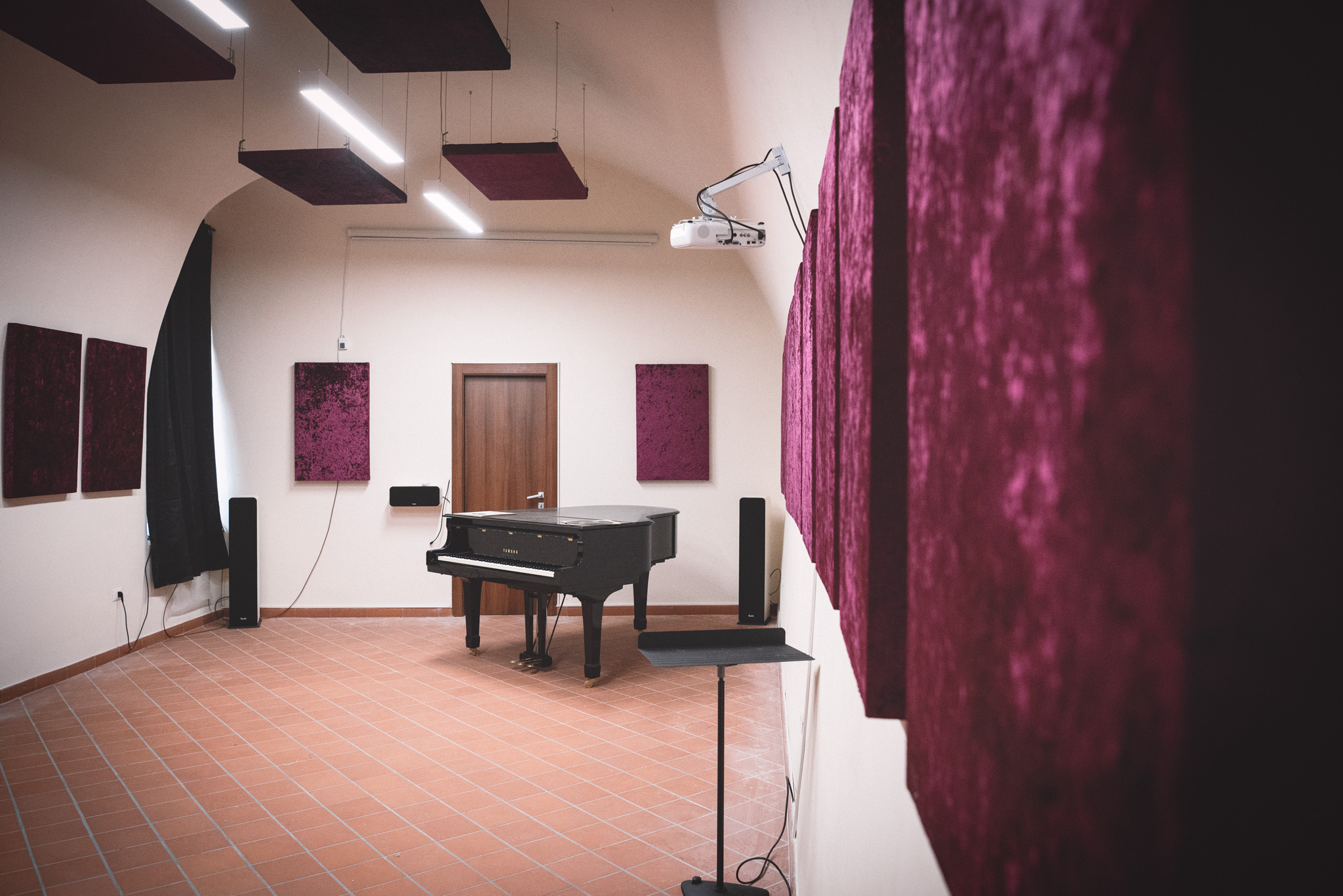
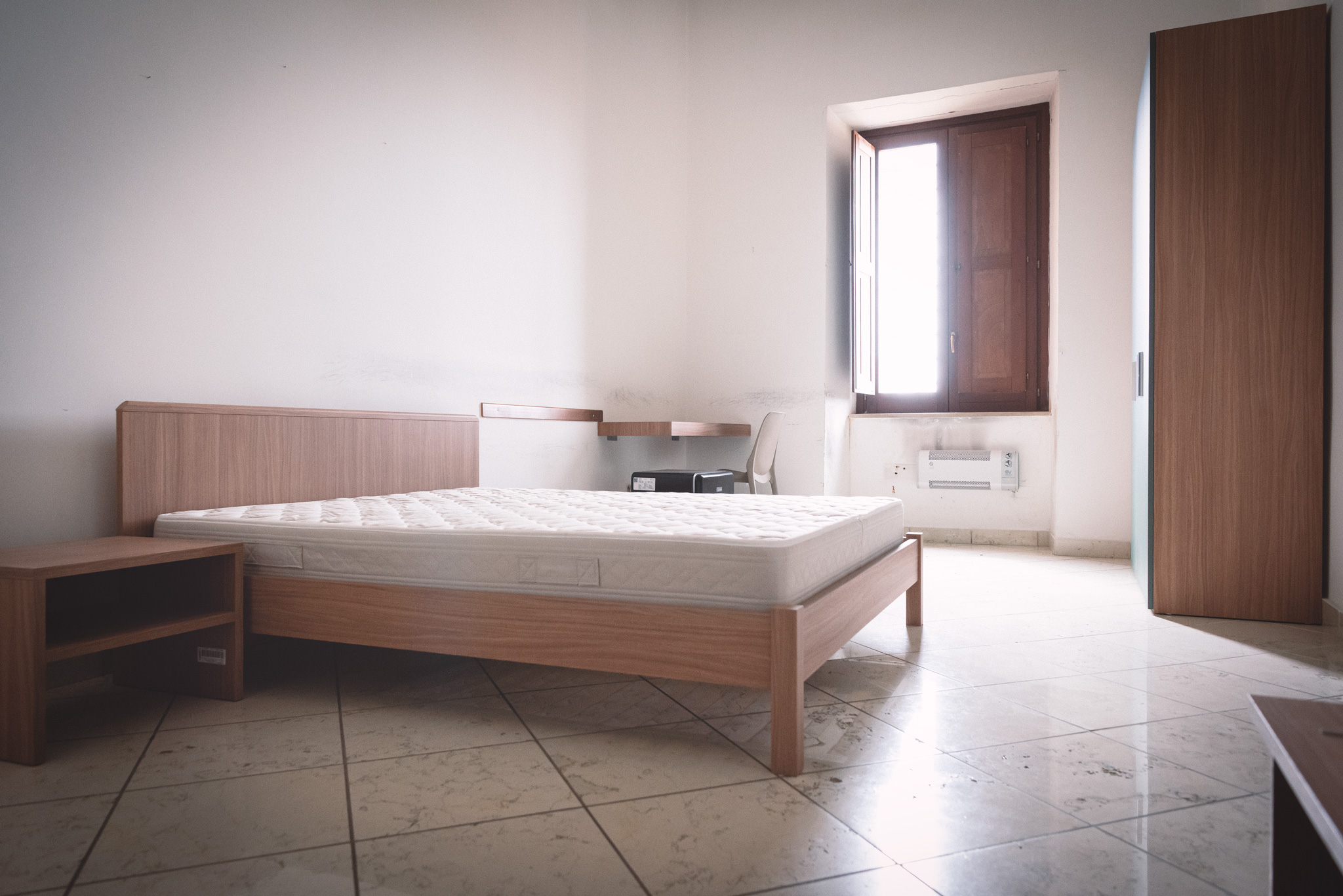
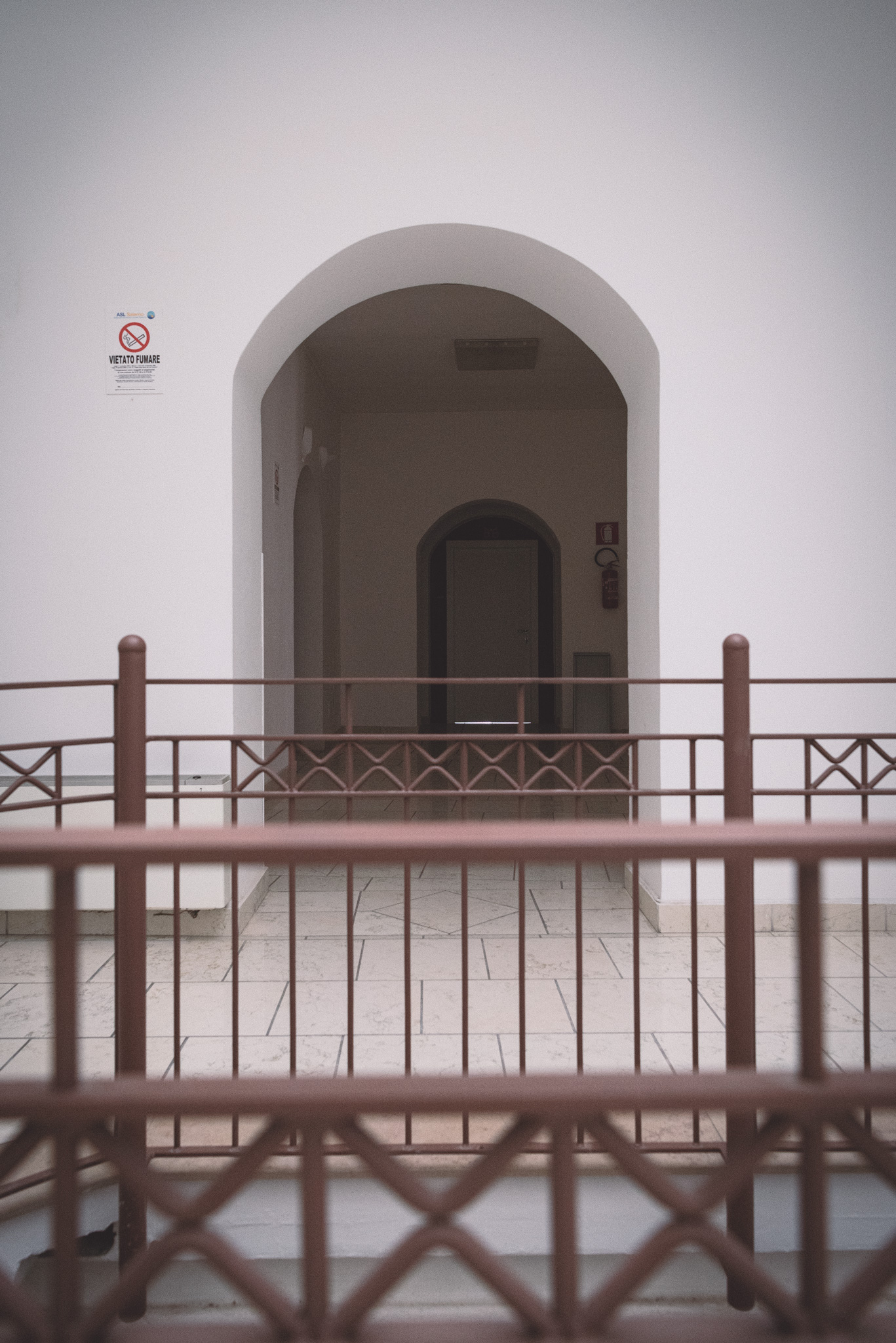
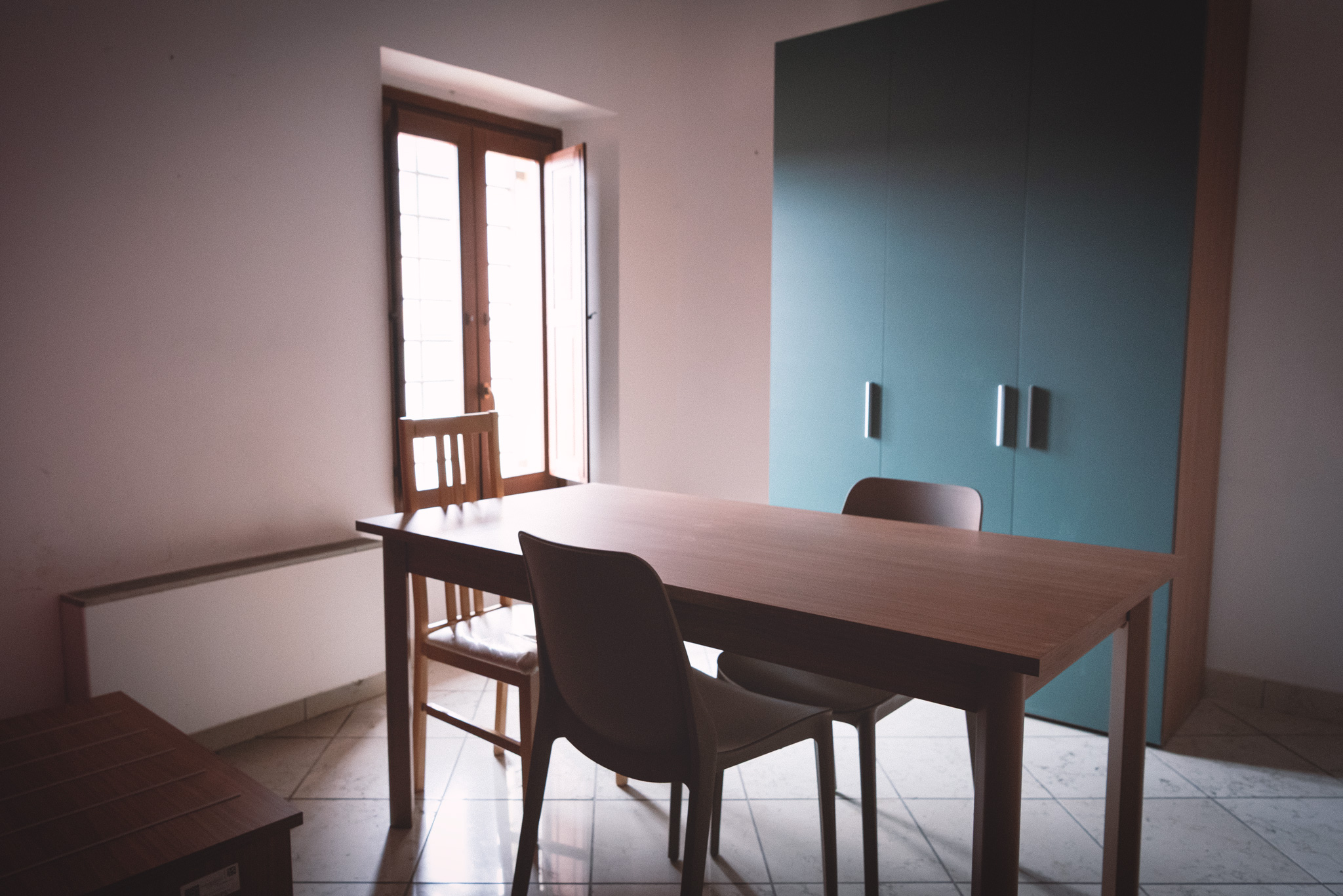
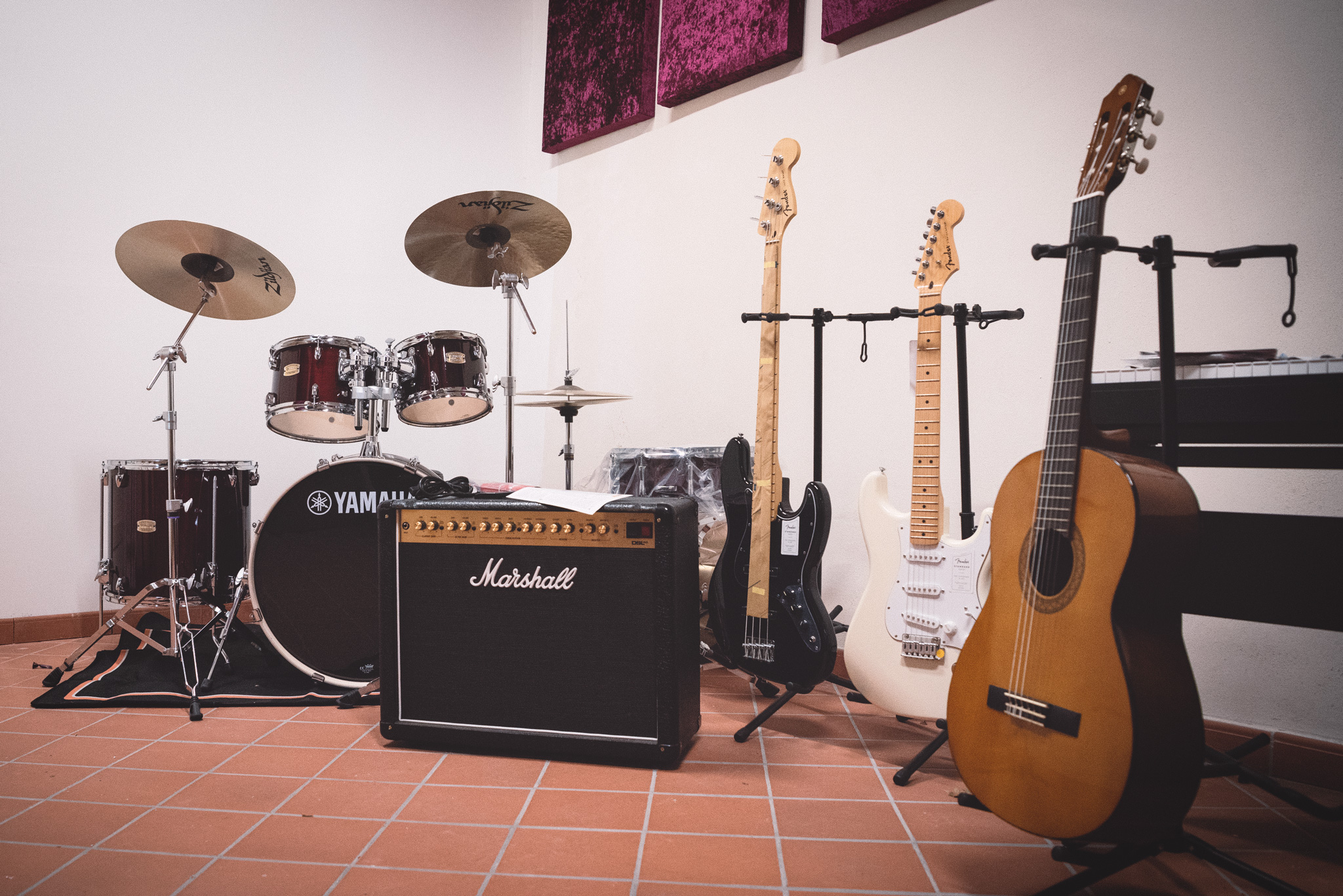
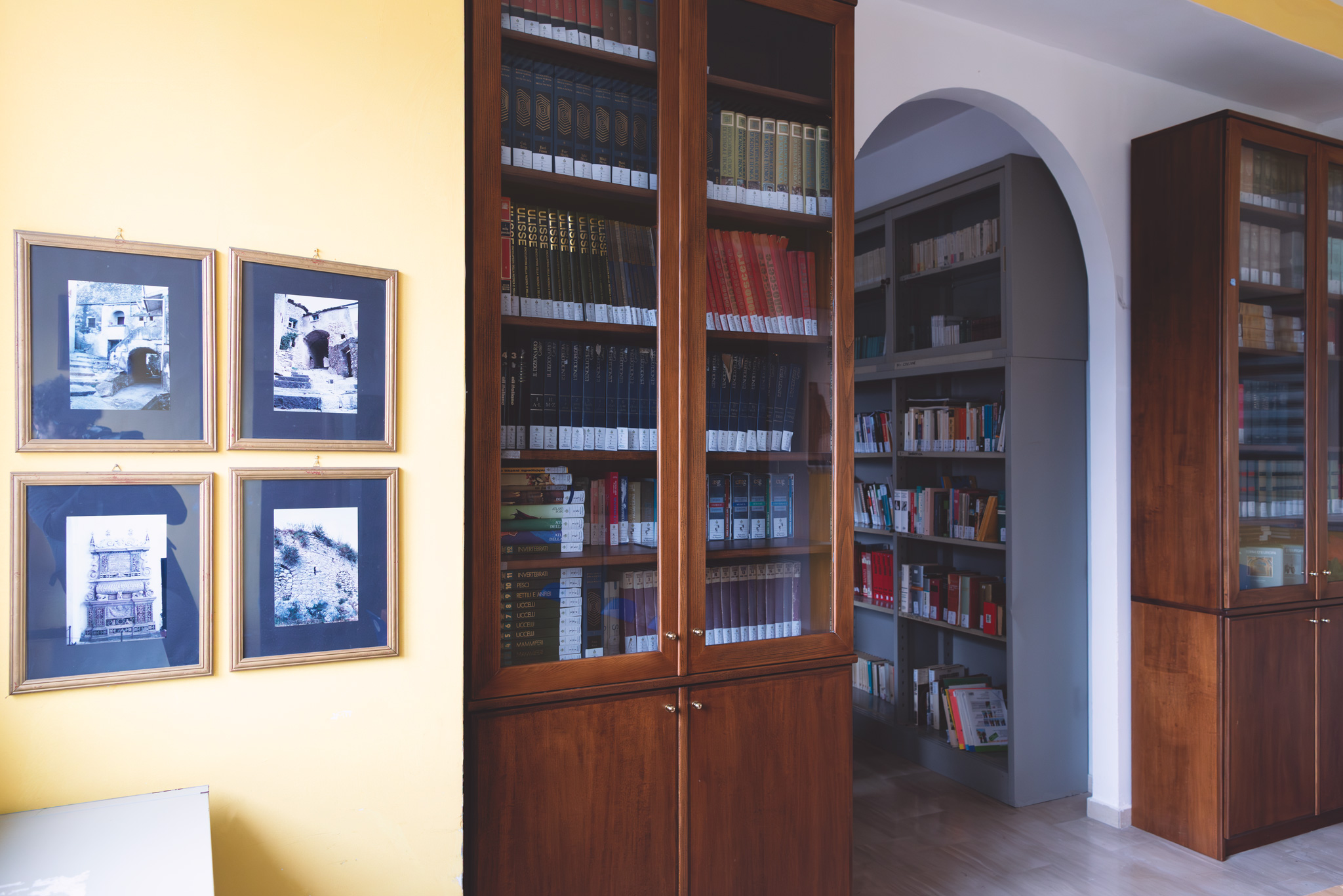
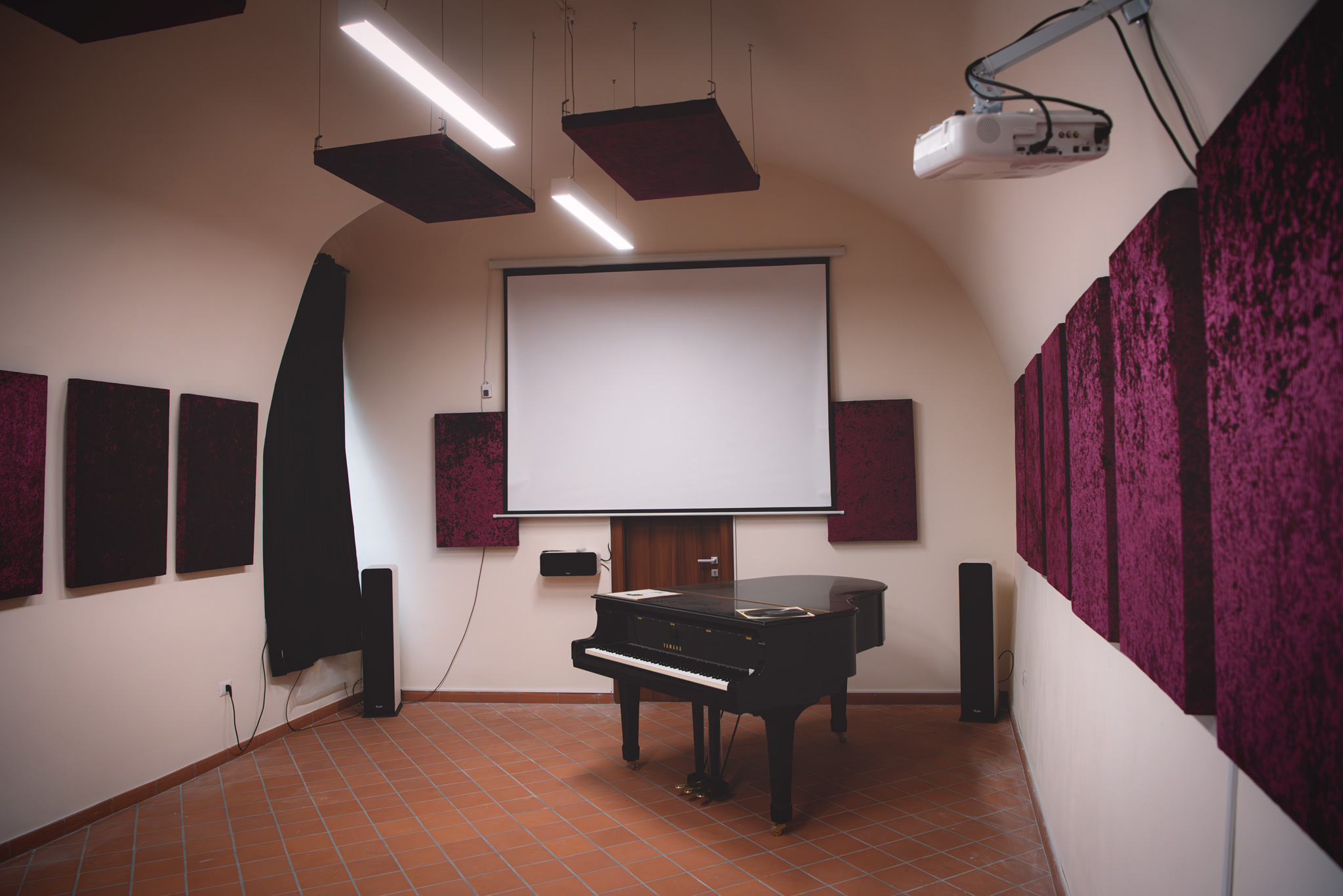
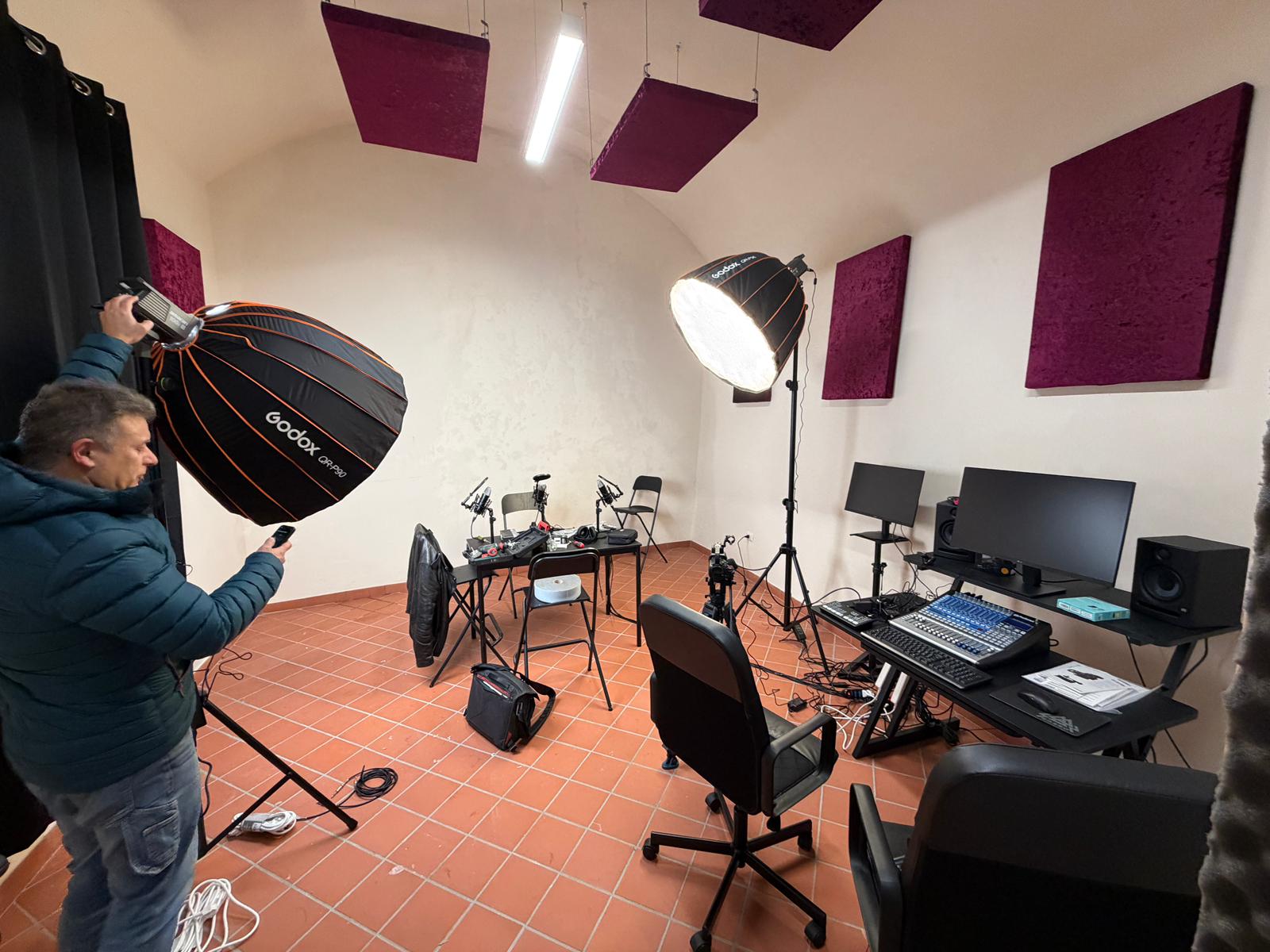
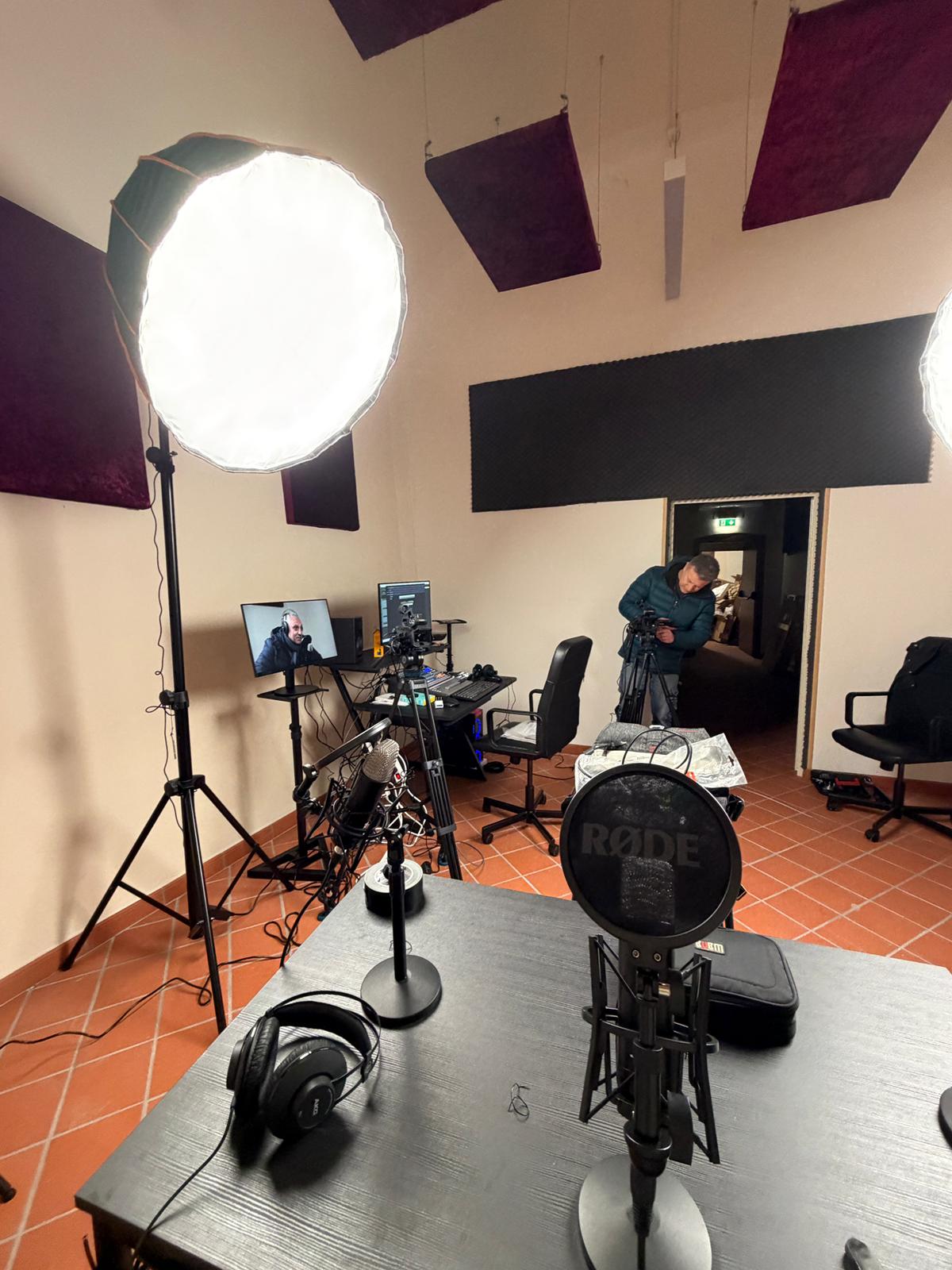
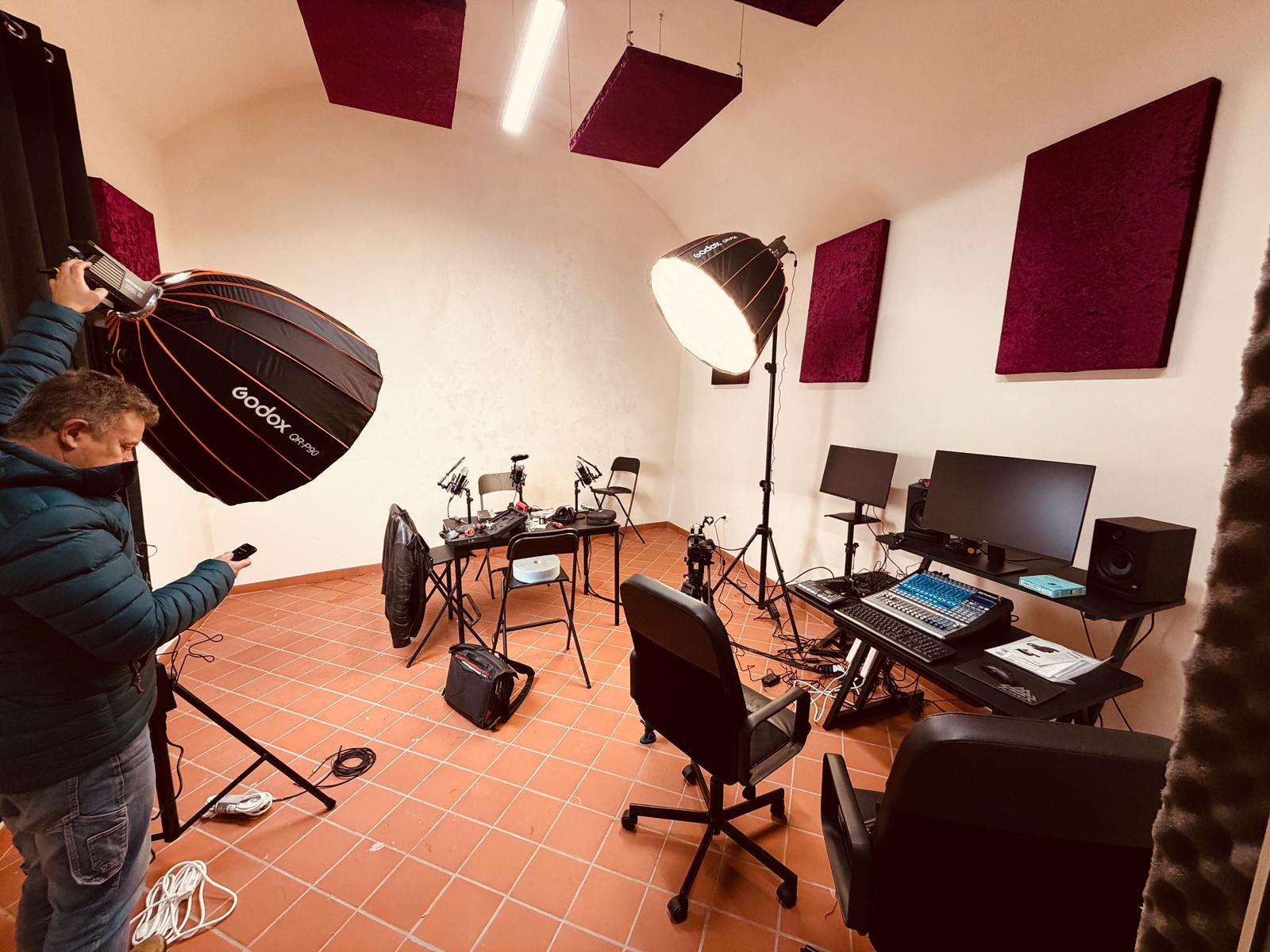
Contursi Terme is a historic thermal village of ~3,000 inhabitants in the Sele Valley, Campania (Southern Italy), within a Regional Nature Reserve and recognised as a European Destination of Excellence (EDEN) for water tourism. Like many small Southern European villages, it faces depopulation, youth unemployment, and the progressive abandonment of its historic centre. The initiative "Le Terre del Benessere" (Lands of Wellbeing) transforms two historic public buildings, the former municipal prison and Arnone Palace, into living civic infrastructure through adaptive reuse, community co-governance and cultural regeneration. The former prison becomes the "House of Waters": a visitor centre and immersive cultural lab that reclaims the thermal water heritage, today exploited exclusively by private operators, as a shared public asset. Arnone Palace becomes a multi-use hub hosting a craft lab (MANINART), an educational lab (Edulab), a coworking space, a community library, a hostel and an artistic residency.
Two institutional innovations underpin the project: a Fondazione di Partecipazione (Participatory Foundation) and a Cooperativa di Comunità (Community Cooperative), both established in 2022. These ensure that citizens are not passive beneficiaries, but co-managers of their own heritage beyond the project's funding cycle. Target groups: young people and women (employment, entrepreneurship), elderly residents (community garden, knowledge transmission), local artisans (craft revival), students (Edulab with IS Corbino school), and new temporary residents (hostel, artistic residency). The initiative is supported by PNRR M1C3 funding (EUR 2,080,000, CUP F64H22000130004), with works partially underway and a full completion planned by 2026.
Two institutional innovations underpin the project: a Fondazione di Partecipazione (Participatory Foundation) and a Cooperativa di Comunità (Community Cooperative), both established in 2022. These ensure that citizens are not passive beneficiaries, but co-managers of their own heritage beyond the project's funding cycle. Target groups: young people and women (employment, entrepreneurship), elderly residents (community garden, knowledge transmission), local artisans (craft revival), students (Edulab with IS Corbino school), and new temporary residents (hostel, artistic residency). The initiative is supported by PNRR M1C3 funding (EUR 2,080,000, CUP F64H22000130004), with works partially underway and a full completion planned by 2026.
heritage reuse
thermal water commons
community cooperative
rural regeneration
participatory governance
The project's primary sustainability strategy is adaptive reuse recovering two existing historic buildings instead of building new eliminates soil consumption and significantly reduces embodied carbon, a direct application of circular economy principles endorsed by NEB. Thermal water, Contursi Terme's most significant natural asset, is currently conceded exclusively to private operators. The project reclaims this resource as a shared cultural and economic commons through a visitor centre, community labs and a documentation archive, making it accessible to all and building a new local economy around it. Water analysis workshops (with ASL Salerno) and youth-led educational activities deepen community awareness of this natural heritage. Sustainable mobility is integrated throughout: a ciclo-pedestrian route, e-bike sharing and electric shuttles connect the hillside village, the thermal springs and local producers, reducing private car dependency and reconnecting two parts of the community that decades of car-oriented development had separated. The craft hub at Arnone Palace promotes circular manufacturing. Local artisans revive traditional techniques using locally sourced materials, creating a short-chain production model rooted in territorial identity. The project complies with the DNSH (Do No Significant Harm) principle, assessed during the PNRR M1C3 application, with specific attention to sustainable water use and biodiversity within the Regional Nature Reserve "Foce Sele-Tanagro". This approach demonstrates that small municipalities with limited resources can achieve meaningful environmental sustainability by working with, rather than replacing, their existing built and natural heritage.
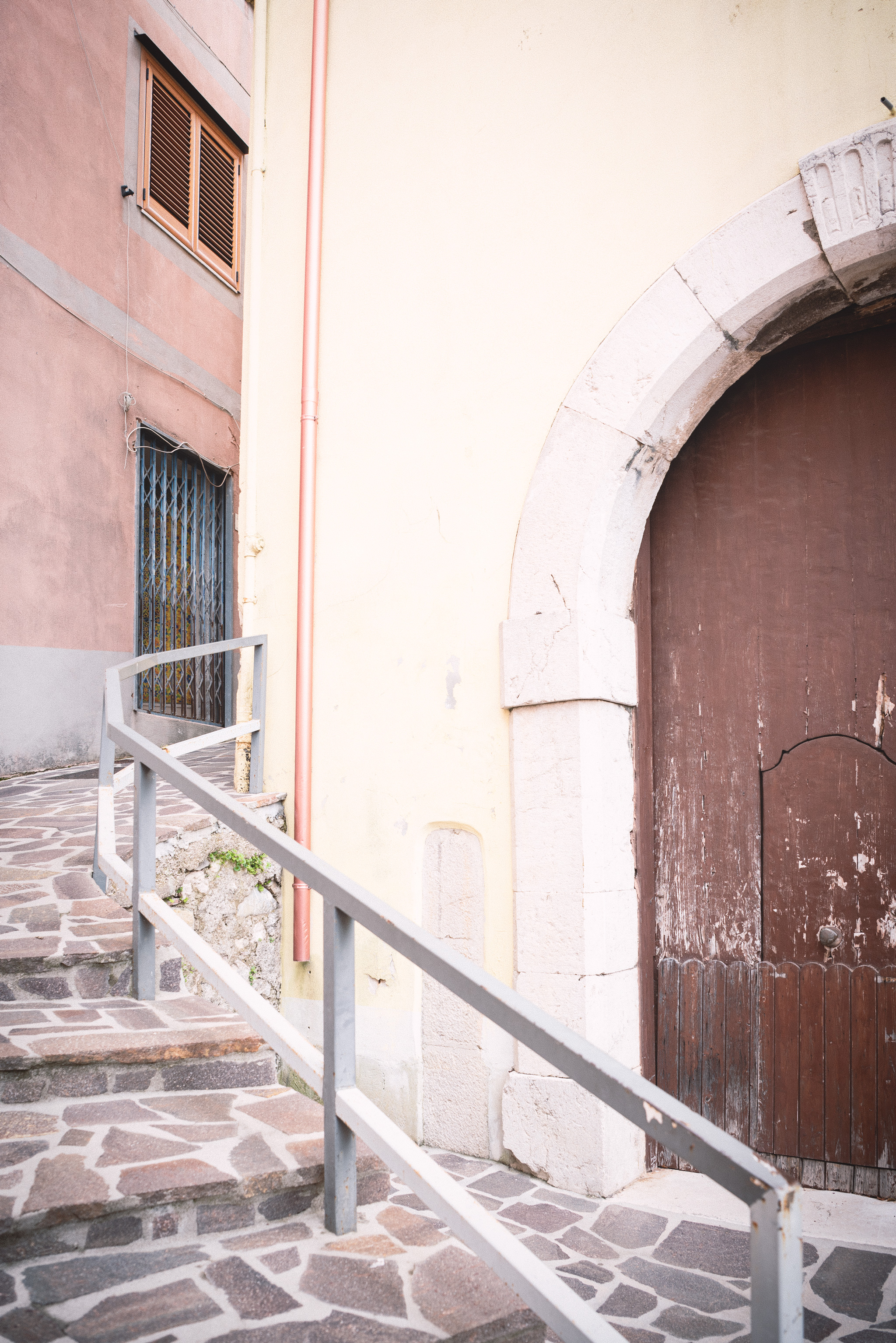
Contursi Terme's historic centre bears the scars of post-earthquake reconstruction (Italian law 219/1981) that erased much of the original medieval fabric. The project reclaims beauty as an act of cultural resistance against this erasure. The adaptive reuse of the former prison and Arnone Palace restores the visual and spatial quality of the historic core, working with the original proportions, materials and typologies of the Sele Valley vernacular tradition, the same tradition that was flattened by post-earthquake standardised construction. The symbolic transformation is equally powerful with a building whose function embodied exclusion and punishment becomes the "House of Waters", an open civic space celebrating the thermal heritage of the valley. This inversion, from confinement to belonging, is the aesthetic and narrative heart of the initiative. The immersive cultural lab offers visitors a new form of cultural experience with community-produced digital storytelling about the territory's history, geology and identity, combining physical and digital layers of heritage interpretation. Content is co-produced with residents, making the experience authentic rather than curated from the outside. Arnone Palace's craft hub celebrates the aesthetics of making. Local artisans produce objects rooted in territorial traditions, visible and purchasable in the three ground-floor workshops. The artistic residency brings external creative perspectives into dialogue with local identity.The ciclo-pedestrian route reconnects village and valley through a designed landscape journey, restoring a human-scale territorial experience that was lost when the historic connection between the hillside borough and the thermal springs below was severed by modern infrastructure.
Inclusion is structural to the project and two governance instruments ensure it from the outset:
1) "Fondazione di Partecipazione" (Local Participatory Foundation) gives citizens, associations and private partners legal co-ownership of the project's governance;
2) "Cooperativa di Comunità" (Local Community Cooperative) makes residents the daily operators of the regenerated spaces, from ticketing to maintenance, ensuring long-term community agency over shared heritage.
Specific inclusion targets are embedded in each component:
- Youth and women: business incubator, coworking, digital skills training, craft apprenticeships. The project explicitly supports female and youth entrepreneurship in a territory with high unemployment in both groups;
- Elderly residents: "Storie dall'Orto" (Stories from the Garden) recognises older community members as active knowledge-holders, not passive beneficiaries, through a community garden project connecting generations;
- Students: Edulab, co-developed with "IS Corbino" secondary school, embeds the regeneration process into formal education;
- New temporary residents: a diffuse hostel and artistic residency welcome people who bring new perspectives while connecting to local identity;
- All citizens: free or affordable access to all cultural services, consistent with the Cooperative's non-profit operating model.
The project also addresses spatial inclusion. For decades, the valley's thermal economy concentrated activity at the bottom of the hill (private SPAs), while the historic village on the hilltop depopulated. The ciclo-pedestrian route, the under construction digital platform and the reactivated public buildings physically reconnect these two parts of the same community, closing a spatial and social gap that has widened for fifty years.
1) "Fondazione di Partecipazione" (Local Participatory Foundation) gives citizens, associations and private partners legal co-ownership of the project's governance;
2) "Cooperativa di Comunità" (Local Community Cooperative) makes residents the daily operators of the regenerated spaces, from ticketing to maintenance, ensuring long-term community agency over shared heritage.
Specific inclusion targets are embedded in each component:
- Youth and women: business incubator, coworking, digital skills training, craft apprenticeships. The project explicitly supports female and youth entrepreneurship in a territory with high unemployment in both groups;
- Elderly residents: "Storie dall'Orto" (Stories from the Garden) recognises older community members as active knowledge-holders, not passive beneficiaries, through a community garden project connecting generations;
- Students: Edulab, co-developed with "IS Corbino" secondary school, embeds the regeneration process into formal education;
- New temporary residents: a diffuse hostel and artistic residency welcome people who bring new perspectives while connecting to local identity;
- All citizens: free or affordable access to all cultural services, consistent with the Cooperative's non-profit operating model.
The project also addresses spatial inclusion. For decades, the valley's thermal economy concentrated activity at the bottom of the hill (private SPAs), while the historic village on the hilltop depopulated. The ciclo-pedestrian route, the under construction digital platform and the reactivated public buildings physically reconnect these two parts of the same community, closing a spatial and social gap that has widened for fifty years.
1) CO-DIAGNOSIS (2021–ongoing): the participatory process predates the project. Before the 2021 municipal elections, the current Administration convened community assemblies and multi-stakeholder working tables to collectively build its governing programme. Residents, associations, businesses and young people identified depopulation drivers and proposed strategic priorities, including reclaiming thermal water as a public commons and choosing the former prison as the symbolic starting point. A rare case of an Administration that built its mandate through co-design and kept those processes active. In February 2026, a public Call for Collaboration formally opened management of regenerated spaces to citizens and local enterprises.
2) CO-GOVERNANCE (2022–ongoing): citizens are founding members of the Participatory Foundation, with the same formal standing as the Municipality, not advisors but decision-makers. This directly influenced budget priorities ìand the choice of functions for each building.
3) CO-MANAGEMENT (operational): the Community Cooperative makes residents the daily operators of all regenerated spaces, ticketing, maintenance, guided tours, craft workshops, becoming economically empowered actors, not passive recipients.
SPECIFIC GROUPS:
a) Young people: digital content co-producers; future craft entrepreneurs; experiential tourism guides;
b) Elderly residents: active knowledge-holders transmitting territorial memory into the documentation archive;
c) Students (IS Corbino): co-designers of lab activities, connecting formal education to regeneration;
d) Local artisans: co-designers of craft hub typologies.
IMPACT: community ownership transformed the project from a municipal investment into a shared civic act, creating conditions for sustainability beyond any funding cycle.
2) CO-GOVERNANCE (2022–ongoing): citizens are founding members of the Participatory Foundation, with the same formal standing as the Municipality, not advisors but decision-makers. This directly influenced budget priorities ìand the choice of functions for each building.
3) CO-MANAGEMENT (operational): the Community Cooperative makes residents the daily operators of all regenerated spaces, ticketing, maintenance, guided tours, craft workshops, becoming economically empowered actors, not passive recipients.
SPECIFIC GROUPS:
a) Young people: digital content co-producers; future craft entrepreneurs; experiential tourism guides;
b) Elderly residents: active knowledge-holders transmitting territorial memory into the documentation archive;
c) Students (IS Corbino): co-designers of lab activities, connecting formal education to regeneration;
d) Local artisans: co-designers of craft hub typologies.
IMPACT: community ownership transformed the project from a municipal investment into a shared civic act, creating conditions for sustainability beyond any funding cycle.
The initiative connects stakeholders vertically (across institutional levels) and horizontally (across sectors).
VERTICAL CONNECTIONS:
- Soprintendenza ABAP Salerno-Avellino: conservation guidance for listed buildings; co-partner in Storyliving;
- ASL Salerno: partner in water documentation and educational labs, bringing scientific expertise into cultural heritage;
- IS Corbino (state secondary school): Edulab co-developer;
- Ministero della Cultura: PNRR M1C3 funded.
HORIZONTAL CONNECTIONS:
- Municipality of Valva: formal partner; Villa d'Ayala extends the strategy across two communities;
- Territorial Pact Sele-Tanagro: EUR 40M, 80 businesses, 300 jobs, broader valley-wide economic strategy;
- I Sentieri del Buon Vivere: Leader+ rural strategy;
- River Contract Sele-Tanagro-Calore: participatory river governance within the Regional Nature Reserve.
PRIVATE AND CIVIC SECTOR: Coop Cultura (digital platform), InCIBUM Lab (incubator), Artes (experiential tourism), Illumina Group (e-mobility), Sinergie (wi-fi), Bandiera Bianca APS (local ONG), GRUV (civic participation and social innovation).
CIVIC PARTICIPATION FRAMEWORK: New Oikos (annual Forum on Social Economy) provides a permanent public Third Sector dialogue platform. The Ne(e)tworking project activated structured youth participation that generated youth-led proposals, demonstrating that the project's participatory
logic produces autonomous civic outcomes. The Municipal Regulation for Shared Administration (Regolamento per l'Amministrazione Condivisa) gives permanent legal grounding to the co-governance model beyond any single project or funding cycle.
EUROPEAN: EDEN network connects the initiative to EU heritage-based sustainable tourism destinations.
VERTICAL CONNECTIONS:
- Soprintendenza ABAP Salerno-Avellino: conservation guidance for listed buildings; co-partner in Storyliving;
- ASL Salerno: partner in water documentation and educational labs, bringing scientific expertise into cultural heritage;
- IS Corbino (state secondary school): Edulab co-developer;
- Ministero della Cultura: PNRR M1C3 funded.
HORIZONTAL CONNECTIONS:
- Municipality of Valva: formal partner; Villa d'Ayala extends the strategy across two communities;
- Territorial Pact Sele-Tanagro: EUR 40M, 80 businesses, 300 jobs, broader valley-wide economic strategy;
- I Sentieri del Buon Vivere: Leader+ rural strategy;
- River Contract Sele-Tanagro-Calore: participatory river governance within the Regional Nature Reserve.
PRIVATE AND CIVIC SECTOR: Coop Cultura (digital platform), InCIBUM Lab (incubator), Artes (experiential tourism), Illumina Group (e-mobility), Sinergie (wi-fi), Bandiera Bianca APS (local ONG), GRUV (civic participation and social innovation).
CIVIC PARTICIPATION FRAMEWORK: New Oikos (annual Forum on Social Economy) provides a permanent public Third Sector dialogue platform. The Ne(e)tworking project activated structured youth participation that generated youth-led proposals, demonstrating that the project's participatory
logic produces autonomous civic outcomes. The Municipal Regulation for Shared Administration (Regolamento per l'Amministrazione Condivisa) gives permanent legal grounding to the co-governance model beyond any single project or funding cycle.
EUROPEAN: EDEN network connects the initiative to EU heritage-based sustainable tourism destinations.
The initiative brings together disciplines that rarely converge in small municipal projects and produces outcomes that none could achieve independently.
DISCIPLINES INVOLVED:
1) Architecture and historic restoration: adaptive reuse design of listed buildings, in dialogue with Soprintendenza (heritage authority);
2) Environmental and chemical sciences: ASL Salerno partners on water analysis labs; young chemistry graduates are trained as community educators on thermal water;
3) Digital technology and UX design: developing the immersive platform and APP, translating community narratives into interactive experiences;
4) Education science: IS Corbino co-designs Edulab, embedding the regeneration process into formal secondary education curricula;
5) Social economy and business innovation: InCIBUM Lab designs the business incubator methodology for craft and tourism micro-enterprises;
6) Culinary arts and food systems: cooking school at Villa d'Ayala connects gastronomic traditions to the wellness identity of the territory;
7) Visual art and craft: bridge contemporary artistic practice with local artisan traditions;
8) Territorial marketing: territorial branding and communication strategy;
9) Sociology and social science: aim civic participation, social innovation and culture-based regeneration processes.
HOW THEY INTERACT: the key innovation produced by this disciplinary convergence is the concept of thermal water as simultaneously a natural heritage asset, a scientific subject, a cultural narrative and a circular economic resource. This framing, which underpins the entire project, emerged from dialogue between historians, chemists, architects, community members and tourism experts. No single discipline could have produced it. The Scientific and Technical Committee (academics, researchers, businesses) provides the permanent structure for ongoing cross-disciplinary exchange throughout the implementation and operational phases.
DISCIPLINES INVOLVED:
1) Architecture and historic restoration: adaptive reuse design of listed buildings, in dialogue with Soprintendenza (heritage authority);
2) Environmental and chemical sciences: ASL Salerno partners on water analysis labs; young chemistry graduates are trained as community educators on thermal water;
3) Digital technology and UX design: developing the immersive platform and APP, translating community narratives into interactive experiences;
4) Education science: IS Corbino co-designs Edulab, embedding the regeneration process into formal secondary education curricula;
5) Social economy and business innovation: InCIBUM Lab designs the business incubator methodology for craft and tourism micro-enterprises;
6) Culinary arts and food systems: cooking school at Villa d'Ayala connects gastronomic traditions to the wellness identity of the territory;
7) Visual art and craft: bridge contemporary artistic practice with local artisan traditions;
8) Territorial marketing: territorial branding and communication strategy;
9) Sociology and social science: aim civic participation, social innovation and culture-based regeneration processes.
HOW THEY INTERACT: the key innovation produced by this disciplinary convergence is the concept of thermal water as simultaneously a natural heritage asset, a scientific subject, a cultural narrative and a circular economic resource. This framing, which underpins the entire project, emerged from dialogue between historians, chemists, architects, community members and tourism experts. No single discipline could have produced it. The Scientific and Technical Committee (academics, researchers, businesses) provides the permanent structure for ongoing cross-disciplinary exchange throughout the implementation and operational phases.
Three levels of innovation distinguish this initiative from mainstream heritage recovery in small European municipalities. Together, these innovations represent a new paradigm for small municipalities to act as agents of heritage democracy.
1. SYMBOLIC INNOVATION: transforming a former prison into the civic heart of the village is a community act of reconciliation. In a territory where post-earthquake reconstruction erased architectural identity, reclaiming the most stigmatized public building as the "House of Waters" - open, welcoming, celebrating the territory's greatest natural gift - is a powerful statement that public heritage belongs to everyone.
2. INSTITUTIONAL INNOVATION: for a municipality of 3,000 inhabitants to establish a "Participatory Foundation" and a "Community Cooperative" as permanent governance instruments for heritage management is unusual in Southern European small municipality practice. This hybrid public-private-civic model ensures financial sustainability beyond project funding, prevents the abandonment of EU-funded spaces after closure, and gives citizens durable agency over their built environment. It is directly replicable.
3. RESOURCE DEMOCRATIZATION: thermal water, Contursi Terme's most economically significant natural resource, is currently exploited exclusively by private spa operators, generating no direct benefit for the majority of residents. The project reclaims this resource as a public cultural asset with visitor centre, educational labs, community documentation archive and digital platform make water heritage accessible to all. This is a transferable model for communities across Europe where a natural or historical resource has been captured by private interests and disconnected from public benefit.
1. SYMBOLIC INNOVATION: transforming a former prison into the civic heart of the village is a community act of reconciliation. In a territory where post-earthquake reconstruction erased architectural identity, reclaiming the most stigmatized public building as the "House of Waters" - open, welcoming, celebrating the territory's greatest natural gift - is a powerful statement that public heritage belongs to everyone.
2. INSTITUTIONAL INNOVATION: for a municipality of 3,000 inhabitants to establish a "Participatory Foundation" and a "Community Cooperative" as permanent governance instruments for heritage management is unusual in Southern European small municipality practice. This hybrid public-private-civic model ensures financial sustainability beyond project funding, prevents the abandonment of EU-funded spaces after closure, and gives citizens durable agency over their built environment. It is directly replicable.
3. RESOURCE DEMOCRATIZATION: thermal water, Contursi Terme's most economically significant natural resource, is currently exploited exclusively by private spa operators, generating no direct benefit for the majority of residents. The project reclaims this resource as a public cultural asset with visitor centre, educational labs, community documentation archive and digital platform make water heritage accessible to all. This is a transferable model for communities across Europe where a natural or historical resource has been captured by private interests and disconnected from public benefit.
The initiative follows a three-stage methodology that integrates physical, institutional and cultural dimensions.
STAGE 1- COMMUNITY DIAGNOSIS AND CO-DESIGN: the project began not with an architectural brief, but with a community conversation. Residents, associations, businesses and institutions were engaged to identify the real drivers of depopulation and the most authentic local resources. This produced a shared strategy owned by the community, the "Integral Ecological Regeneration" model, rather than a standard urban renewal plan. In parallel, two governance instruments were established: Participatory Foundation (for strategic co-governance) and Community Cooperative (for operational co-management). Both were designed before construction began, ensuring management continuity was built into the project from the start.
STAGE 2 - ADAPTIVE REUSE AND ECOSYSTEM BUILDING: architectural interventions on the former prison and Arnone Palace are guided by principles of minimal intervention on historic fabric, functional flexibility for multi-use activation, and spatial design that encourages social encounter. Simultaneously, partnerships with schools, health authorities, craft associations and digital operators activate the "soft" ecosystem that gives the buildings meaning beyond their walls.
STAGE 3 - PROGRESSIVE HANDOVER TO COMMUNITY: as spaces open, management is progressively transferred to the Community Cooperative. To formalise this commitment, the Municipality issued a public Call for Collaboration in February 2026, inviting citizens, associations and local enterprises to take on operational roles. Young people trained in digital skills, craft and tourism become the workforce. The Foundation ensures long term governance and financial sustainability through a mixed-income model (public grants, ticket revenues, craft sales, residency fees, sponsorships).
STAGE 1- COMMUNITY DIAGNOSIS AND CO-DESIGN: the project began not with an architectural brief, but with a community conversation. Residents, associations, businesses and institutions were engaged to identify the real drivers of depopulation and the most authentic local resources. This produced a shared strategy owned by the community, the "Integral Ecological Regeneration" model, rather than a standard urban renewal plan. In parallel, two governance instruments were established: Participatory Foundation (for strategic co-governance) and Community Cooperative (for operational co-management). Both were designed before construction began, ensuring management continuity was built into the project from the start.
STAGE 2 - ADAPTIVE REUSE AND ECOSYSTEM BUILDING: architectural interventions on the former prison and Arnone Palace are guided by principles of minimal intervention on historic fabric, functional flexibility for multi-use activation, and spatial design that encourages social encounter. Simultaneously, partnerships with schools, health authorities, craft associations and digital operators activate the "soft" ecosystem that gives the buildings meaning beyond their walls.
STAGE 3 - PROGRESSIVE HANDOVER TO COMMUNITY: as spaces open, management is progressively transferred to the Community Cooperative. To formalise this commitment, the Municipality issued a public Call for Collaboration in February 2026, inviting citizens, associations and local enterprises to take on operational roles. Young people trained in digital skills, craft and tourism become the workforce. The Foundation ensures long term governance and financial sustainability through a mixed-income model (public grants, ticket revenues, craft sales, residency fees, sponsorships).
The Contursi Terme's model was explicitly designed for transfer. Each core component addresses a challenge common to hundreds of small European municipalities:
GOVERNANCE MODEL: the "Foundation + Cooperative" framework provides a tested template for municipalities that lack the administrative capacity to manage cultural heritage independently. Any small municipality with a historic public building and a willing community can adapt this model, regardless of country or funding context.
ADAPTIVE REUSE METHODOLOGY: the approach of identifying historically significant but underused public buildings (prisons, courthouses, schools, barracks, civic halls) as catalysts for social and economic regeneration is applicable wherever such buildings exist, which is virtually every historic European village.
NATURAL RESOURCE AS COMMONS: the model of transforming a privatised or under-valued natural resource (thermal water, but also forests, rivers, quarries, agricultural landscapes) into a shared cultural and economic asset transfers to many communities across Southern and Eastern Europe where natural heritage has been disconnected from public benefit.
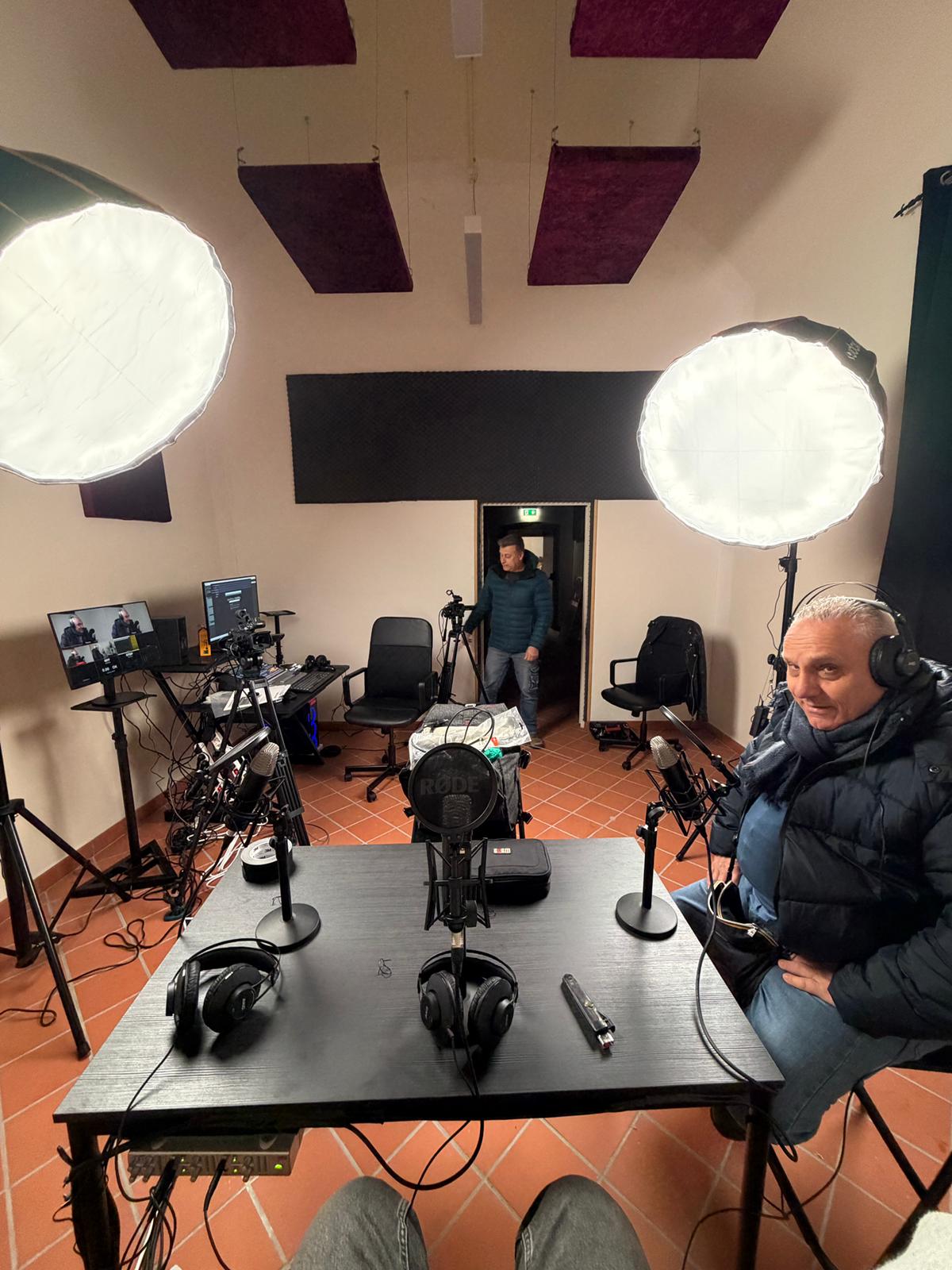
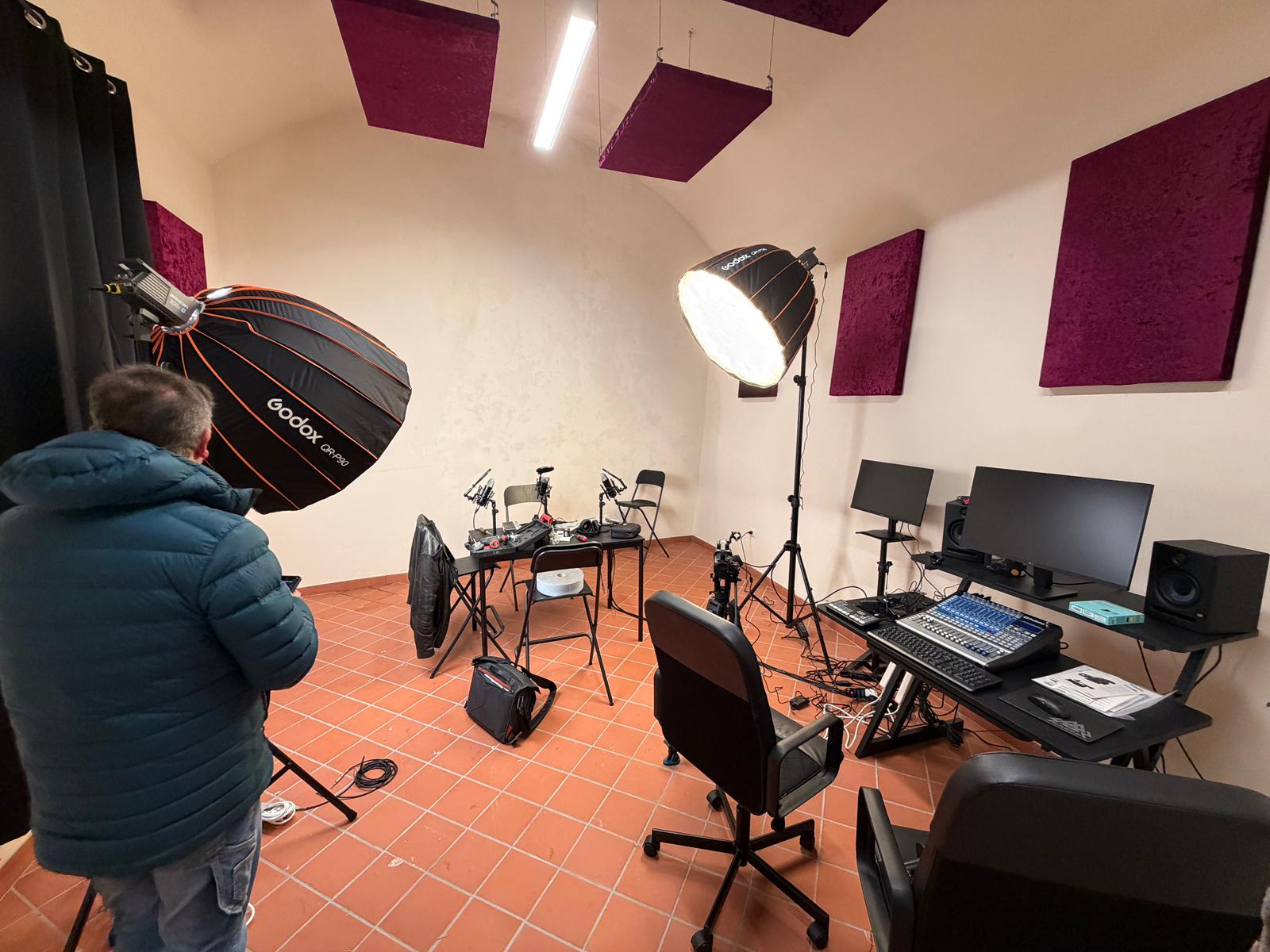
COMMUNITY DIGITAL CO-PRODUCTION: the immersive platform model, where residents are content creators, not just consumers, is scalable and replicable for places without dedicated museum infrastructure. It requires modest technology investment but yields high cultural impact and community ownership.
YOUTH ANTI-DEPOPULATION TOOLKIT: the combination of business incubator, co-working, artistic residency, digital training and craft revival addresses youth out-migration comprehensively. This toolkit is applicable across rural and semi-urban EU contexts, particularly in regions where cultural tourism and local food systems offer realistic economic alternatives to emigration.
GOVERNANCE MODEL: the "Foundation + Cooperative" framework provides a tested template for municipalities that lack the administrative capacity to manage cultural heritage independently. Any small municipality with a historic public building and a willing community can adapt this model, regardless of country or funding context.
ADAPTIVE REUSE METHODOLOGY: the approach of identifying historically significant but underused public buildings (prisons, courthouses, schools, barracks, civic halls) as catalysts for social and economic regeneration is applicable wherever such buildings exist, which is virtually every historic European village.
NATURAL RESOURCE AS COMMONS: the model of transforming a privatised or under-valued natural resource (thermal water, but also forests, rivers, quarries, agricultural landscapes) into a shared cultural and economic asset transfers to many communities across Southern and Eastern Europe where natural heritage has been disconnected from public benefit.
COMMUNITY DIGITAL CO-PRODUCTION: the immersive platform model, where residents are content creators, not just consumers, is scalable and replicable for places without dedicated museum infrastructure. It requires modest technology investment but yields high cultural impact and community ownership.
YOUTH ANTI-DEPOPULATION TOOLKIT: the combination of business incubator, co-working, artistic residency, digital training and craft revival addresses youth out-migration comprehensively. This toolkit is applicable across rural and semi-urban EU contexts, particularly in regions where cultural tourism and local food systems offer realistic economic alternatives to emigration.
FINANCIAL COMMITMENT: the PNRR M1C3 funding of EUR 2,080,000 was approved in 2022 (CUP F64H22000130004). Budget allocation is confirmed and construction works are partially underway. The project is still in the "prototype" stage, but final implementation will be completed by 2026.
NEB VALUES IN IMPLEMENTATION
1) Beautiful: architectural design of both buildings respects original materials and proportions; ciclo-pedestrian route design integrates landscape quality;
2) Sustainable: adaptive reuse confirmed as primary construction strategy; e-mobility infrastructure planned and procured
3) Together: the Foundation and Cooperative have been established and operational since 2022; the shared community planning process is an iterative and ongoing activity.
KEY NEXT STEPS (2026):
1. Completion of the building's interior design and furnishing (former "Casa dell'Acqua" ex-prison and Arnone Palace Cultural Center);
2. Full launch of phygital immersive experience;
3. Opening of craft workshops and community library;
4. Launch of ciclo-pedestrian route "Terre del Benessere";
5. Full handover of operations to Cooperative;
6. Launch of local business incubator for youth craft and tourism startups;
7. First edition of "Rassegna Terre del Benessere" cultural festival;
8. Full activation of immersive digital platform and territorial APP.
LONG-TERM SUSTAINABILITY
The Cooperative will sustain operations through a mixed-income model sourced from ticket revenues, craft workshop sales, hostel income, artistic residency fees and event revenues, reducing dependency on public funding over time. The Foundation provides governance continuity and the capacity to attract additional sponsors and partners beyond the initial PNRR funding cycle. A NEB Boost recognition would provide crucial visibility and motivation to the community and the network of partners who have built this project together.
NEB VALUES IN IMPLEMENTATION
1) Beautiful: architectural design of both buildings respects original materials and proportions; ciclo-pedestrian route design integrates landscape quality;
2) Sustainable: adaptive reuse confirmed as primary construction strategy; e-mobility infrastructure planned and procured
3) Together: the Foundation and Cooperative have been established and operational since 2022; the shared community planning process is an iterative and ongoing activity.
KEY NEXT STEPS (2026):
1. Completion of the building's interior design and furnishing (former "Casa dell'Acqua" ex-prison and Arnone Palace Cultural Center);
2. Full launch of phygital immersive experience;
3. Opening of craft workshops and community library;
4. Launch of ciclo-pedestrian route "Terre del Benessere";
5. Full handover of operations to Cooperative;
6. Launch of local business incubator for youth craft and tourism startups;
7. First edition of "Rassegna Terre del Benessere" cultural festival;
8. Full activation of immersive digital platform and territorial APP.
LONG-TERM SUSTAINABILITY
The Cooperative will sustain operations through a mixed-income model sourced from ticket revenues, craft workshop sales, hostel income, artistic residency fees and event revenues, reducing dependency on public funding over time. The Foundation provides governance continuity and the capacity to attract additional sponsors and partners beyond the initial PNRR funding cycle. A NEB Boost recognition would provide crucial visibility and motivation to the community and the network of partners who have built this project together.