Reimagining the Convent
Reimagining the Convent - transforming cloistered religious space into vibrant, communal environment
Reimagining the Convent involves transforming traditional, cloistered religious space into vibrant, sustainable, and communal environment, providing safe space for local communities. The renovated convent will become a sustainability hub providing communal space and embracing heritage.
Czechia
Plzeňská 166, 332 14 Chotěšov - Klášter Chotěšov
Prototype level
Yes
Yes
Yes
Yes
ERDF : European Regional Development Fund
Funding period: 2021-2027
Region: Plzeňský kraj
Evropean fond: ERDF
Registration number: CZ.06.04.04/00/22_052/0003682
Region: Plzeňský kraj
Evropean fond: ERDF
Registration number: CZ.06.04.04/00/22_052/0003682
No
557838: Chotěšov (CZ)
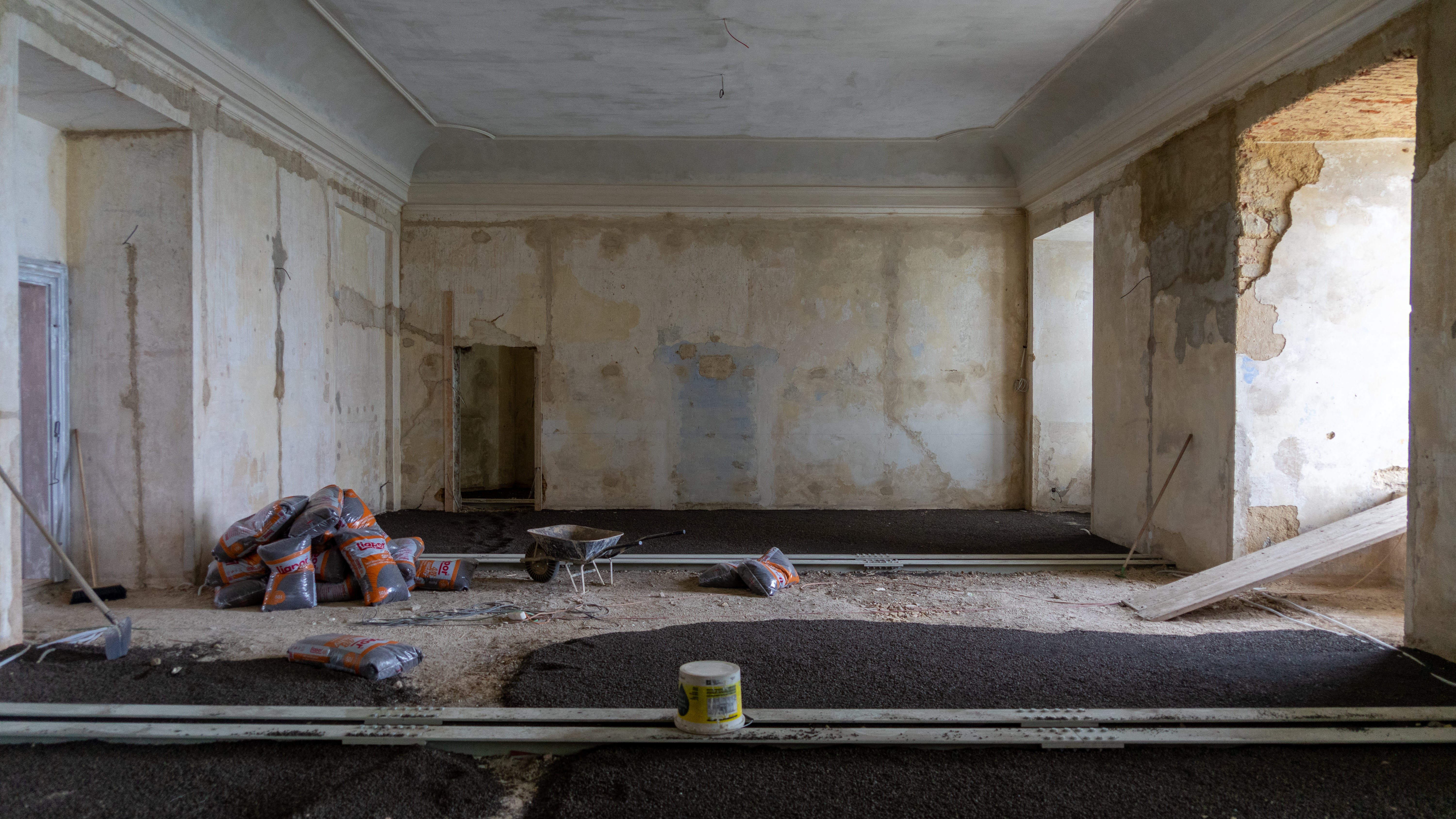
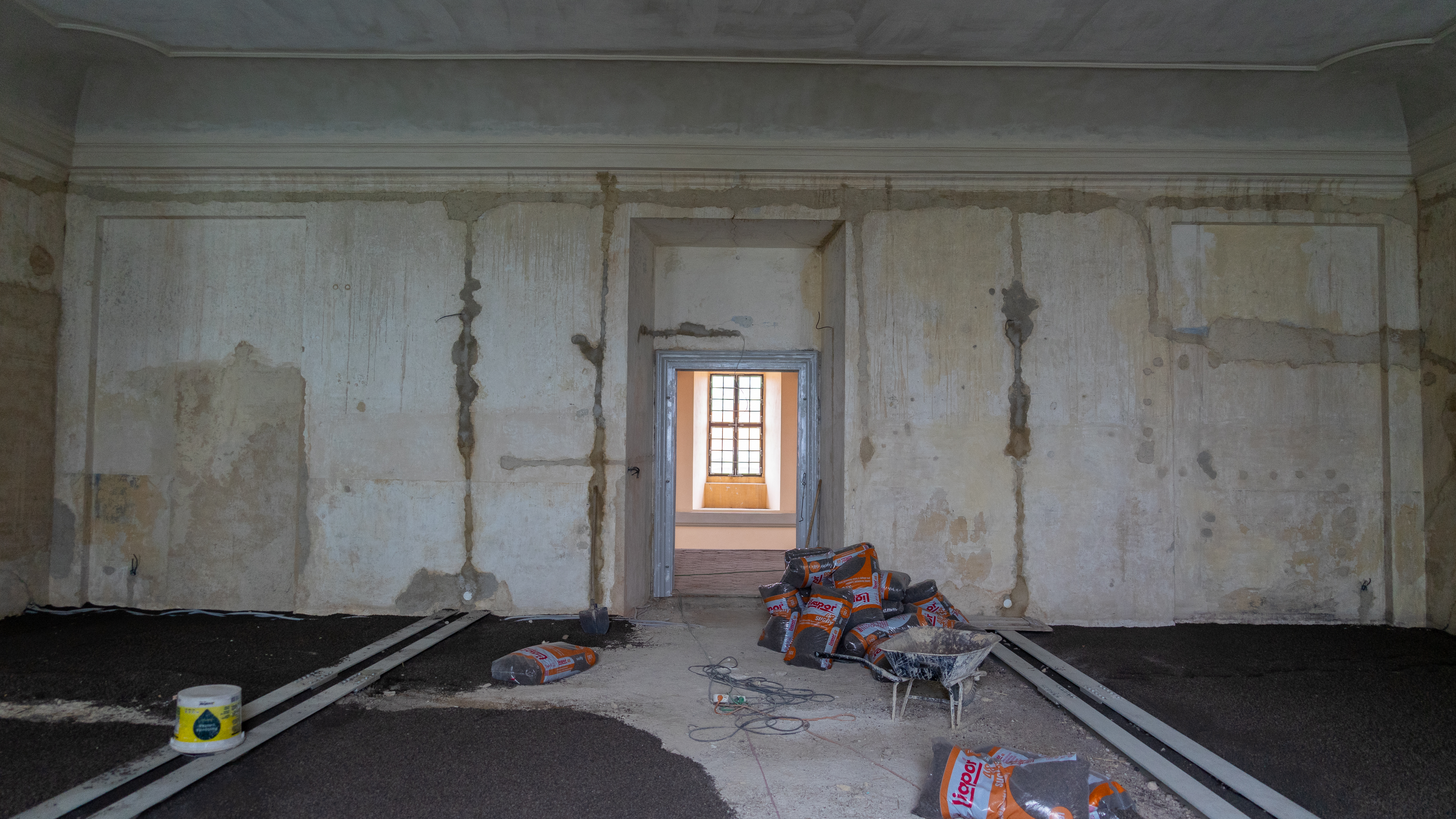
The convent is a Baroque structure that was inhabited by the sisters of the Order of the Visitation of Holy Mary until 1950. For centuries, the convent served the local community by providing education for girls and spiritual guidance. When the order was prohibited by the socialist regime, the convent became uninhabited and gradually lost its essential role within the community. As a result, the municipality lost an important cultural and educational center.
Today, the building is the subject of an innovative regeneration project focused on sustainability, inclusivity, and community participation. The project, Reimagining the Convent, seeks to reconnect this historic building with contemporary life by using art and architecture as its main tools. The convent has always been a place where knowledge and art flourished, and today it has the potential to become a place where sustainability can flourish as well.
The initiative was started by the local community and is being developed and realized by students of art and architecture.
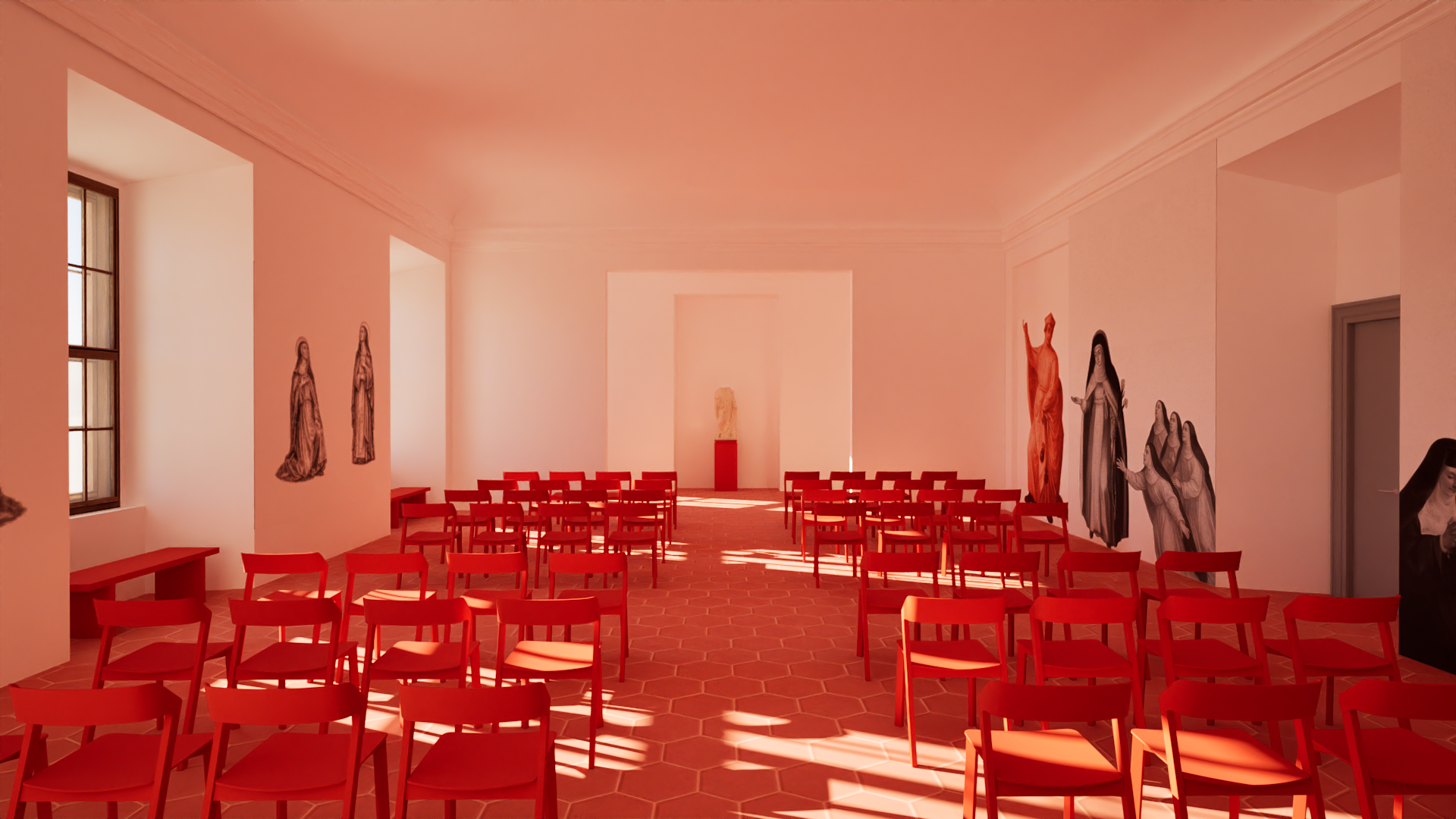
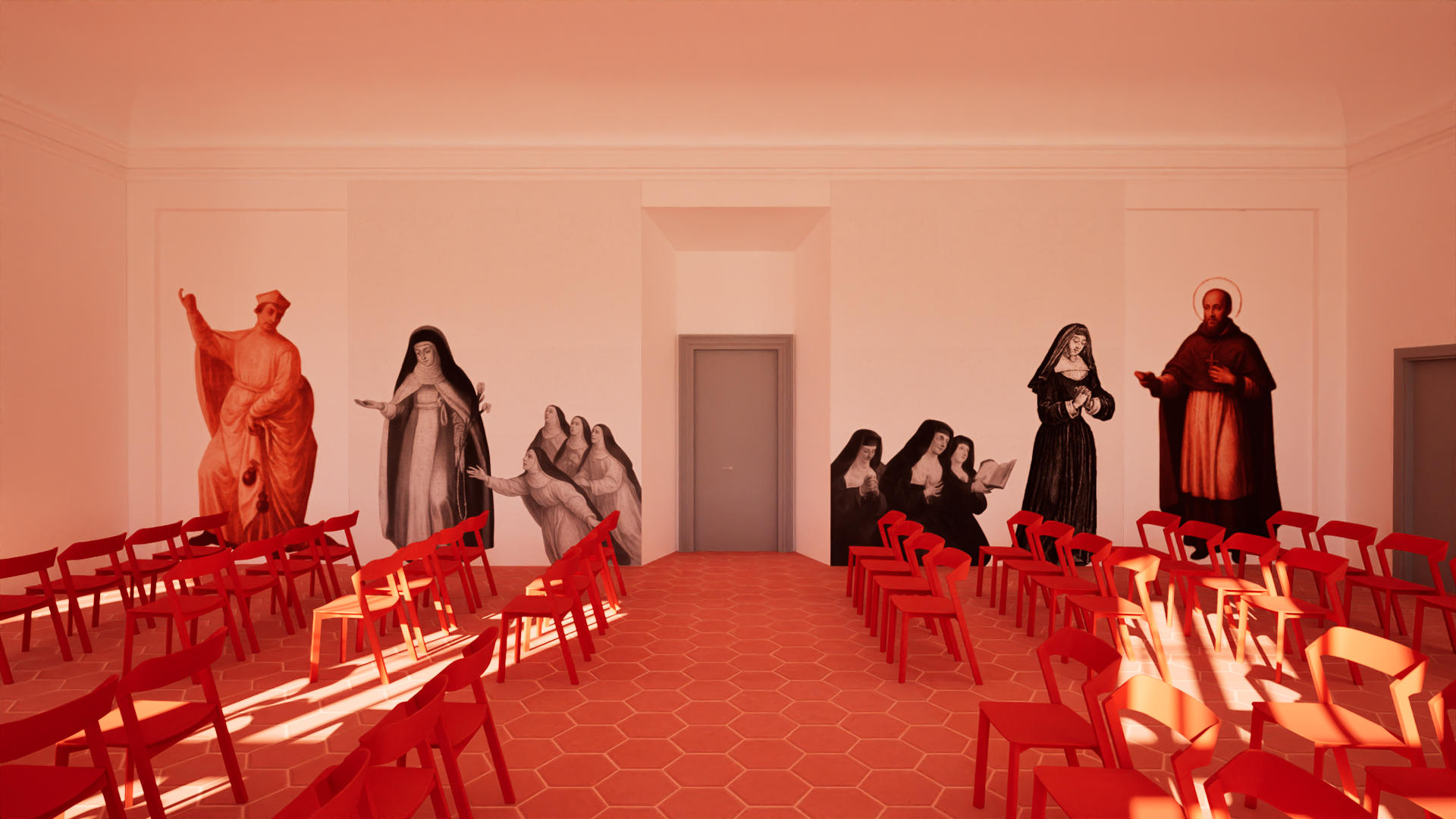
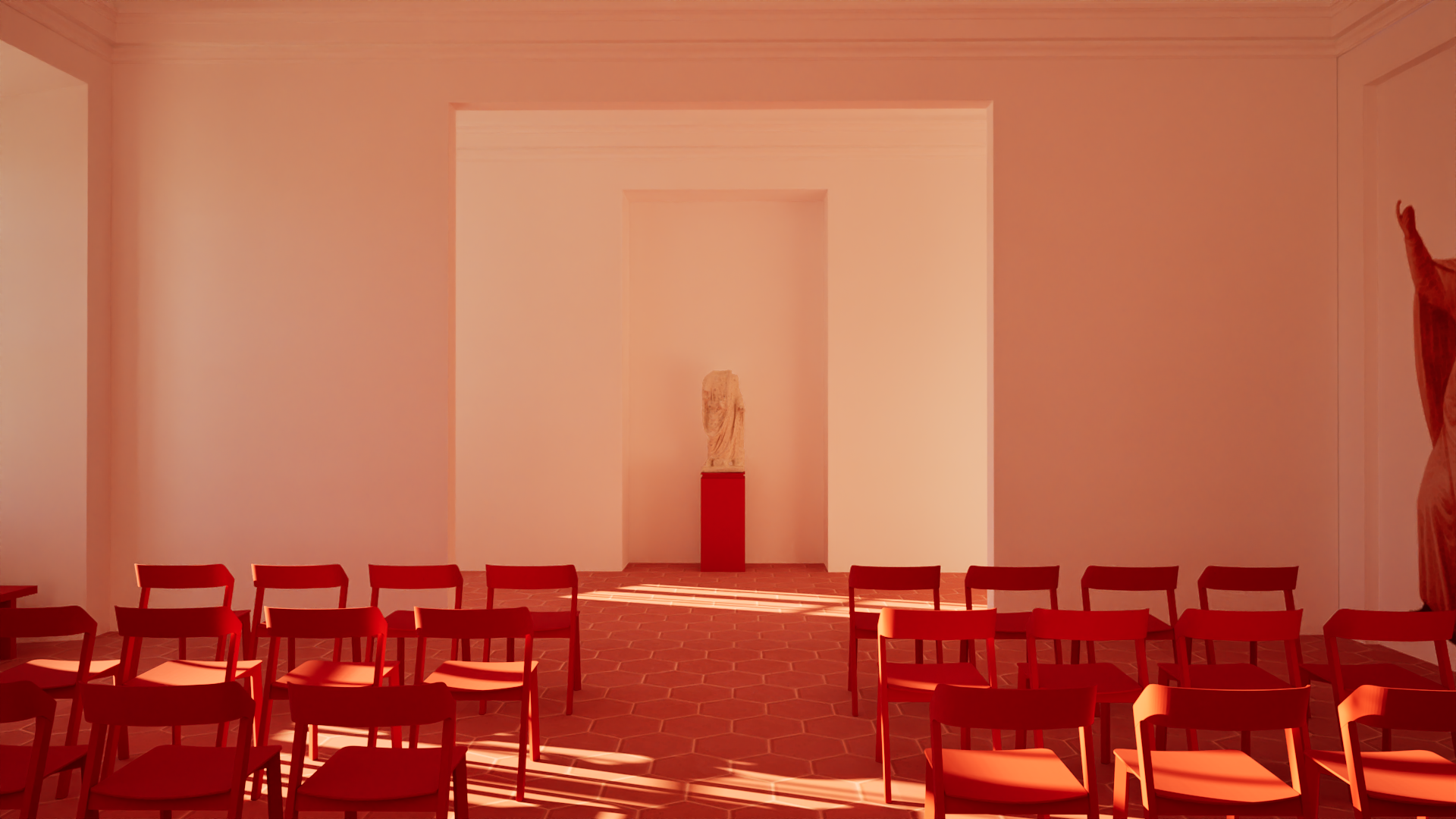
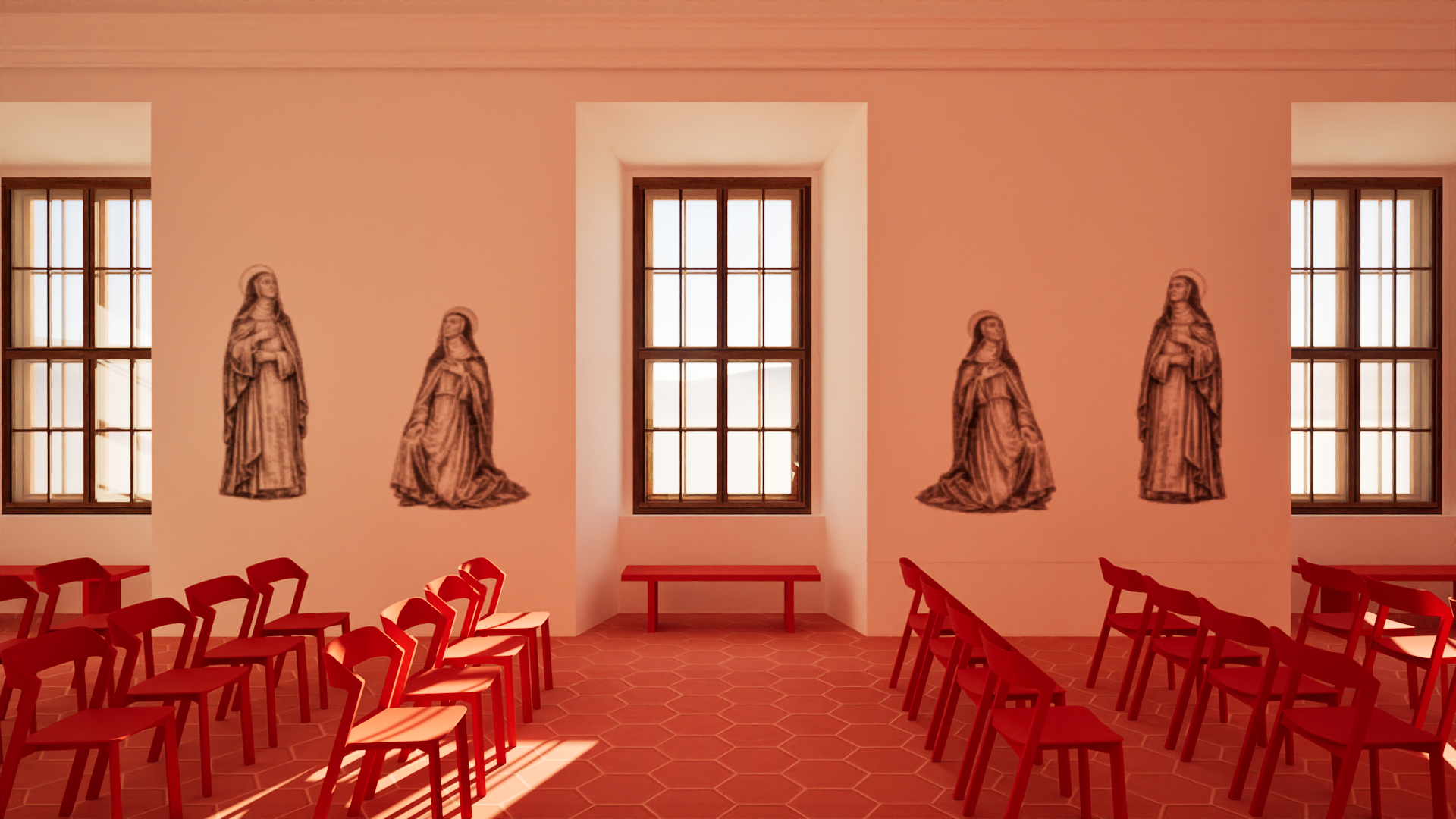
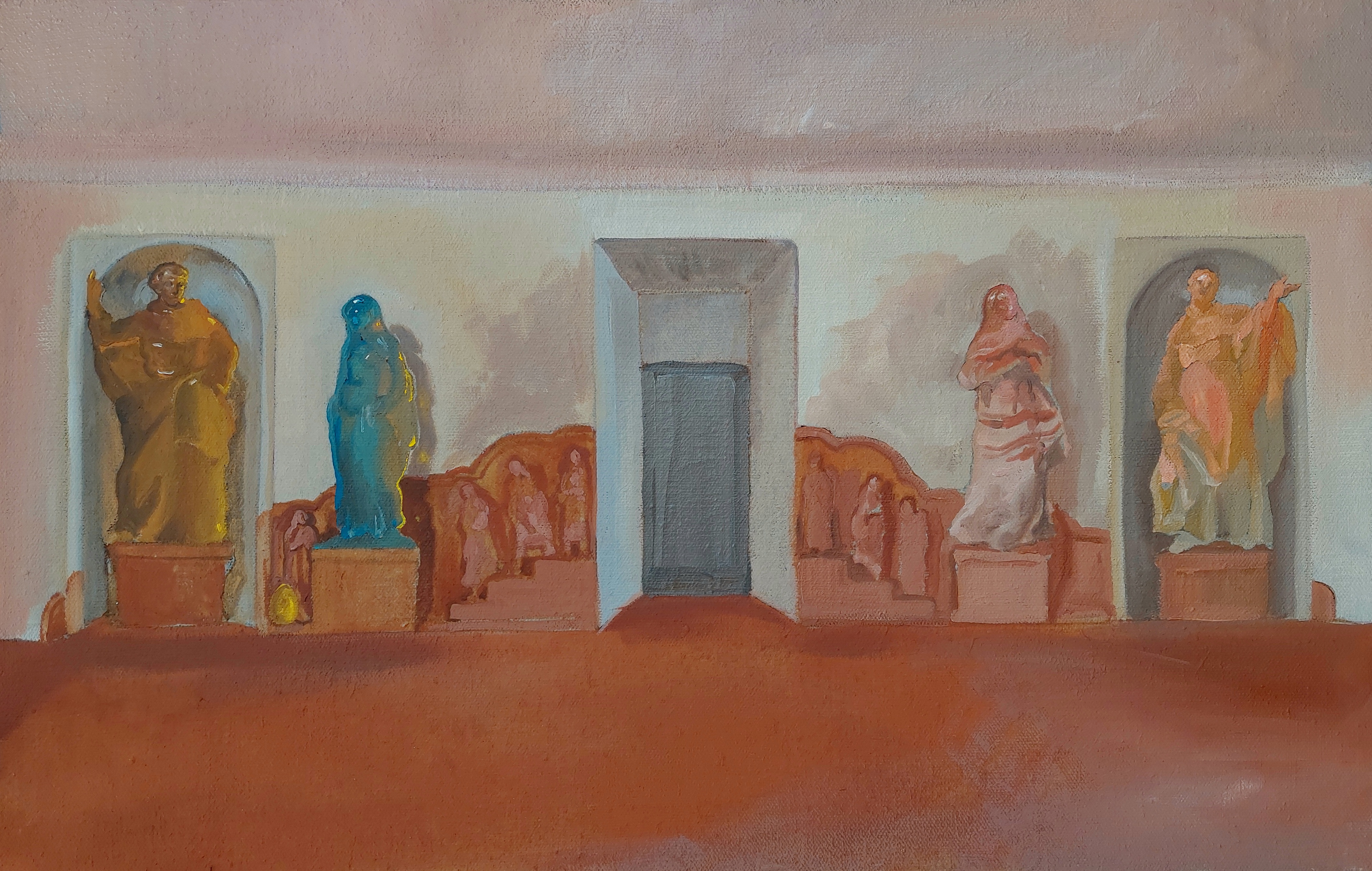
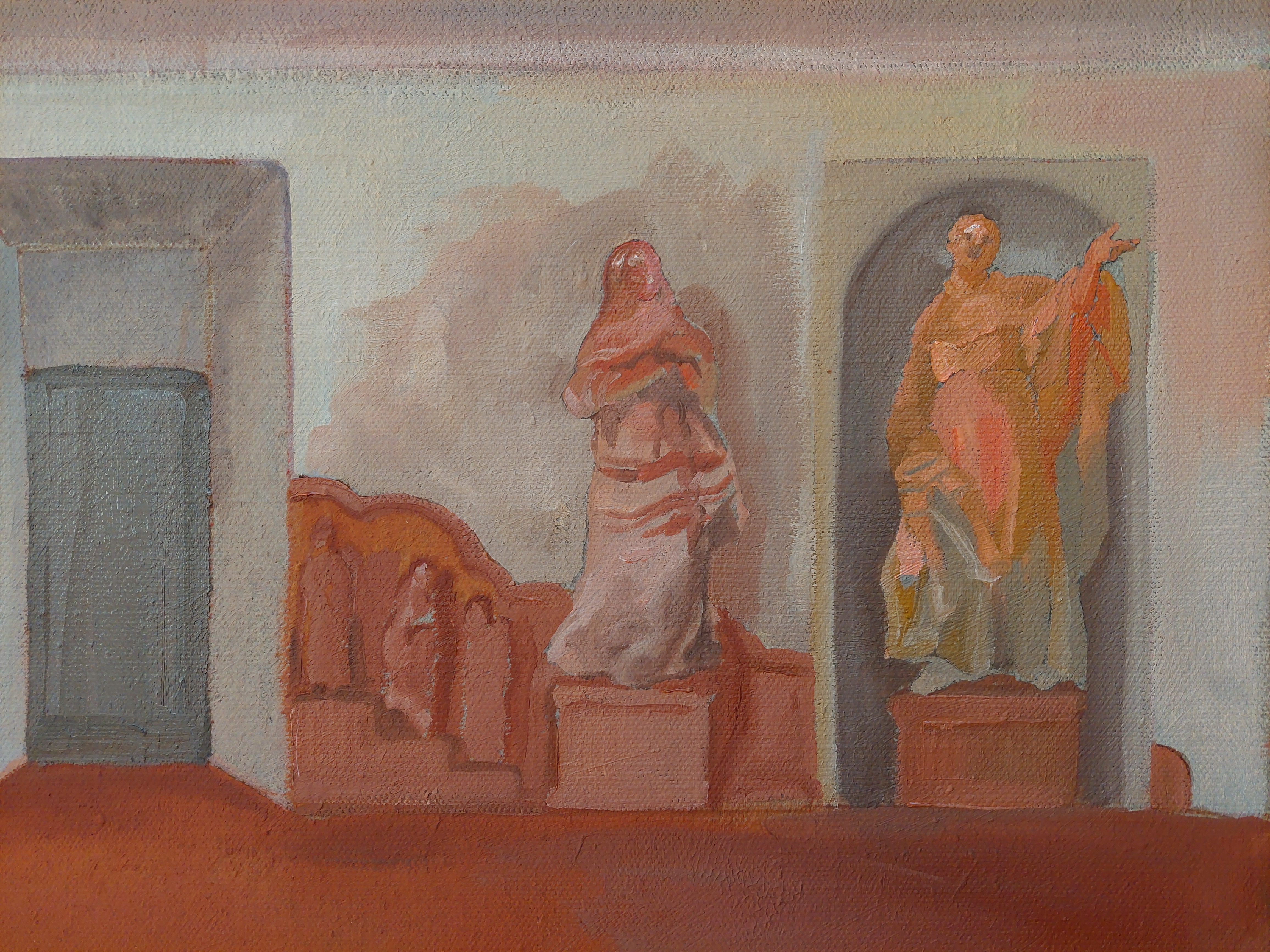
The main focus of the project lies in the interiors of a new educational center. The interior design incorporates traditional Czech-made furniture and a large mural painting that reflects local history while addressing environmental awareness. The unifying color of the interior is red, inspired by the soil surrounding the monastery. This very soil provided the materials from which the convent was originally built — bricks, tiles, and roof tiles.
For centuries, the local community was nourished by this soil. Today, it will be used again, this time as a natural pigment for the mural painting that celebrates the rich history of the place. The soil symbolizes life and the interconnectedness of people, place, and nature. Through this theme, the project also aims to raise awareness about soil pollution and the importance of protecting the environment.
Heritage regeneration
Community participation
Sustainability
Cultural education
Rural revitalization
The project Reimagining the Convent reflects the core values of the New European Bauhaus - sustainability, aesthetics, and inclusion - through the regeneration of the historic Chotěšov Monastery and the creation of a cultural and educational space for the local community.
A key objective of the project is sustainability through adaptive reuse. Instead of constructing new infrastructure, the initiative focuses on activating an existing historic building that had been abandoned for decades. By bringing new functions into the partially restored convent, the project extends the life cycle of the building while preserving its historical value and reducing the environmental impact associated with new construction.
Sustainability is also addressed through the use of natural and locally sourced materials. The interior design incorporates traditional Czech-made furniture and artistic elements using pigments derived from soil collected from the surrounding landscape. The soil, which historically provided the materials used to build the convent, becomes a natural pigment for the mural painting inside the educational center. This approach minimizes the use of synthetic materials while symbolically reconnecting the building with its environment.
The project also contributes to social sustainability by creating a cultural and educational hub in a municipality where young people often need to travel to larger cities for cultural and social opportunities. The renewed space will host workshops, gatherings, and educational activities, strengthening local community life.
The initiative is exemplary because it demonstrates how heritage regeneration, community participation, and sustainable design can work together to transform abandoned historic buildings into meaningful and accessible spaces for contemporary society.
The project Reimagining the Convent aims to create an inspiring cultural space by combining heritage preservation, contemporary design, and artistic expression. The initiative focuses on improving the quality of experience for visitors and local residents by transforming a previously abandoned historic building into a welcoming environment for learning, cultural exchange, and community gatherings.
A key objective is to respect the architectural character of the Baroque convent while introducing sensitive interior interventions. The design works with the existing spatial qualities of the building, allowing the historic architecture to remain the central aesthetic element.
The project also emphasizes the integration of art within architecture. The new educational center includes a mural painting developed by students of art and architecture, reflecting the local history and the relationship between the convent and its surrounding landscape. The dominant interior color - red - is inspired by the soil surrounding the monastery, from which the original building materials were produced.
This same soil is used as a natural pigment for the mural, creating an environmentally friendly artistic intervention that directly connects the artwork with the place itself. The interior also incorporates traditional Czech-made furniture, supporting local craftsmanship while creating a warm and functional space.
The initiative is exemplary because it shows how heritage architecture, art, and natural materials can be combined to create culturally meaningful spaces that strengthen local identity and enrich the experience of the community.
Reimagining the Convent aims to transform the historic Chotěšov Monastery into an open and inclusive space that serves the whole community. A key objective is to make the partially restored convent accessible, welcoming, and relevant for people of different ages, backgrounds, and abilities.
The initiative follows a participatory and community-driven approach. The regeneration of the monastery is based on collaboration between the municipality of Chotěšov, the civic association Spolek Klášter Chotěšov, local residents, monastery workers, and students of art and architecture. Local citizens have long contributed to the repair and maintenance of the building, while students participated in designing the new interior spaces. This cooperation ensures that the future use of the convent reflects the real needs of the community.
Inclusion is also addressed through the creation of flexible spaces for cultural and educational activities such as workshops, exhibitions, and community gatherings. These spaces encourage social interaction and knowledge sharing.
The initiative also responds to the challenge of limited cultural opportunities in smaller municipalities, where young people often travel to larger cities to socialize. By creating a local cultural and educational hub, the project supports stronger community life.
This approach is exemplary because it shows how community participation and heritage regeneration can create inclusive public spaces that strengthen local identity and engagement.
Reimagining the Convent follows the New European Bauhaus working principles of participation, transdisciplinarity, and multi-level engagement. The initiative is strongly rooted in community collaboration and demonstrates how citizens, local organizations, and academic actors can jointly shape the future of a historic site.
Local citizens have played a central role in the regeneration of the Chotěšov Monastery. For many years, volunteers and members of the civic association Spolek Klášter Chotěšov have actively contributed to the maintenance and gradual repair of the abandoned monastery complex. Their efforts helped preserve the building and reopen parts of it for cultural and community activities. This long-term engagement created a strong sense of local ownership and responsibility for the future of the site.
The municipality of Chotěšov supports this bottom-up initiative by coordinating reconstruction efforts and enabling the building to be gradually reactivated as a public cultural space. The project Reimagining the Convent builds on this community-driven foundation by introducing new uses for the restored spaces, particularly through the creation of an educational and cultural hub.
Students of art and architecture are actively involved in the design process, using the project as an educational platform that connects academic research with real local needs. Through site visits, discussions with stakeholders, and design development, students contribute creative ideas while learning about heritage preservation, sustainable materials, and community-based design.
The involvement of citizens, civic organizations, municipal authorities, and academic institutions creates a transdisciplinary collaboration that strengthens the initiative. This participatory process ensures that the regenerated spaces reflect the identity, needs, and aspirations of the community.
Reimagining the Convent is based on cooperation between stakeholders at several levels, creating a collaborative process that combines local knowledge, institutional support, and academic involvement.
At the local level, the municipality of Chotěšov plays a key role as the owner of the monastery and coordinator of its gradual reconstruction. Local citizens and volunteers, particularly members of the civic association Spolek Klášter Chotěšov, have been actively involved for many years. Their engagement also ensures that the future use of the space reflects the real needs of local residents.
At the community level, local stakeholders and residents participate through discussions, cultural events, and volunteer activities taking place in the monastery. Their involvement strengthens local ownership of the project and supports the transformation of the convent into a shared cultural and educational space.
At the academic level, students of art and architecture contribute to the project through the development of interior design proposals. Their participation connects academic research with real-world practice and introduces innovative ideas in sustainable design and heritage regeneration.
At the national level, the project is carried out in consultation with the Národní památkový ústav (National Heritage Institute), which reviews the technical documentation and ensures that the regeneration respects heritage protection principles.
At the European level, the project participates in the New European Bauhaus Boost for Small Municipalities initiative, which supports innovative projects in smaller towns. This engagement helps initiate a broader European discussion on sustainable heritage regeneration and rural revitalization.
Our project reflects a multidisciplinary approach that combines several fields of knowledge, including architecture, heritage conservation, art, environmental awareness, and community development. The initiative brings together local knowledge, academic expertise, and practical experience in the regeneration of the historic Chotěšov Monastery.
Architecture and interior design play a key role through the involvement of students of art and architecture, who developed proposals for the interior spaces of the new educational and cultural center. Their work introduces contemporary design while respecting the historical character of the Baroque building.
The project also involves heritage conservation, as the regeneration is carried out in consultation with the Národní památkový ústav, ensuring that the proposals respect the architectural and cultural value of the monument.
Art is represented through the mural painting that forms part of the interior concept, reflecting local history and environmental themes. The mural uses pigments derived from local soil, connecting the artwork with the surrounding landscape.
Sustainability is addressed through the use of natural and locally sourced materials, such as soil and wood, highlighting the relationship between architecture and the local environment.
These fields interact through collaboration between municipal representatives, local volunteers, the civic association Spolek Klášter Chotěšov, and students. This cooperation combines practical local knowledge with creative and academic perspectives, creating a regeneration process that is both culturally meaningful and sustainable.
Reimagining the Convent introduces several innovative approaches compared to typical heritage renovation practices. While many restoration projects focus primarily on preserving the physical structure of historic buildings, this initiative combines heritage regeneration, community participation, and environmentally conscious design to create a living cultural space.
Unlike traditional restoration projects led solely by professional institutions, this initiative was conceived and developed by students of art and architecture in close dialogue with the local community. Through workshops, site visits, and collaborative design sessions, students explored how the convent could once again serve as a meaningful place for gathering, learning, and creative exchange. This participatory process allowed the design to respond not only to the architectural qualities of the building but also to the social and cultural aspirations of the community.
One of the most distinctive innovative aspects of the project is the use of local soil as a central material and conceptual element. The soil surrounding the monastery historically provided the materials used to build the convent itself, including bricks and roof tiles. In the project, this same soil is reused as a natural pigment for a mural painting in the new educational center. Different shades of soil collected from the surrounding landscape create a palette of environmentally friendly colors without the need for synthetic paints.
This approach connects architecture, art, and the natural environment, transforming soil into both a symbolic and practical material while also raising awareness about soil pollution and the importance of protecting natural resources.
Through the combination of student-led design, natural materials, and community collaboration, the initiative presents an alternative approach to heritage regeneration that connects cultural identity, sustainability, and environmental awareness.
The development of Reimagining the Convent follows a collaborative and community-oriented methodology. Due to the historical importance of the Chotěšov Monastery and its long period of abandonment, the process began with researching the site, its history, and its relationship with the local community. The municipality of Chotěšov, together with members of Spolek Klášter Chotěšov, monastery workers, and local residents, initiated discussions about the future use of the building and its potential role in the life of the town.
Because Chotěšov is a relatively small municipality, the project relied on direct dialogue with local stakeholders. Meetings, informal discussions, and site visits allowed residents, volunteers, and community members to share their ideas and expectations for the renewed space. This close communication helped shape the vision of the convent as an open cultural and educational hub for both citizens and visitors.
Students of art and architecture were invited to participate as part of their educational work. Through research, workshops, and on-site observations, they explored the architectural qualities of the historic building and proposed design solutions for the new interior spaces. This approach combined academic knowledge with the practical experience of local stakeholders who have been caring for the monastery for many years.
Throughout the process, continuous dialogue took place between students, the municipality, members of Spolek Klášter Chotěšov, and other local actors. This collaboration ensured that the design proposals remained sensitive to the historical character of the building while addressing community needs.
Finally, the project documentation and technical proposals were submitted to the Národní památkový ústav (National Heritage Institute) for approval, ensuring that the regeneration respects heritage conservation principles while enabling a sustainable future use of the convent.
Reimagining the Convent demonstrates several elements that can be transferred and replicated in other municipalities facing similar challenges, such as abandoned heritage buildings, rural depopulation, and limited cultural infrastructure.
One of the most transferable aspects of the initiative is the methodology based on collaboration between local communities, municipalities, and universities. The project shows how students of art and architecture can actively participate in real heritage regeneration projects, using them as educational platforms while contributing creative and innovative design solutions. This model can easily be replicated in other towns where historic buildings could serve as spaces for academic collaboration, experimentation, and community engagement.
Another important element is the use of natural and locally sourced materials, particularly the innovative use of soil from the surrounding landscape as a natural pigment for mural painting. This approach demonstrates how environmentally friendly materials can replace synthetic alternatives while strengthening the connection between architecture, art, and the local environment. Similar strategies could be applied in other regions by using locally available natural resources, reinforcing local identity and sustainability.
The project also provides a replicable example of community-driven heritage regeneration. The involvement of volunteers, local associations such as Spolek Klášter Chotěšov, and residents in maintaining and reactivating the monastery creates a strong sense of local ownership that can inspire similar initiatives elsewhere.
The regeneration of the Chotěšov Monastery is an ongoing process demonstrating strong commitment from the municipality, local citizens, and the civic association Spolek Klášter Chotěšov. Over the past years, volunteers and local stakeholders have actively helped maintain and gradually repair parts of the monastery complex, preserving a historically significant building that had remained abandoned for decades.
The project Reimagining the Convent represents the next phase of this long-term effort. Its main goal is to sensitively activate the partially restored spaces by introducing a cultural and educational center designed by students of art and architecture. The initiative reflects the key New European Bauhaus (NEB) values of sustainability, aesthetics, and inclusion.
Sustainability is addressed through the adaptive reuse of the historic building and the use of natural, locally sourced materials, including soil used as a pigment for mural painting. Aesthetics are expressed through the integration of art, architecture, and traditional Czech-made furniture, while inclusion is ensured through the participatory involvement of residents, volunteers, municipal representatives, and students in shaping the future use of the space.
The next steps focus on implementing the interior concept within the restored areas of the monastery, including the realization of the educational facilities and the mural created with natural soil pigments. At the same time, the project aims to strengthen collaboration with universities, allowing the convent to serve as a platform for educational activities and research related to heritage regeneration.
Through continued cooperation between the municipality, community organizations, academic partners, and heritage authorities, the project aims to fully reactivate the convent as a vibrant place for learning, cultural exchange, and community gatherings.