Strengthening Local Democracy and Inclusion
Canabrava Neighbourhood Plan
Canabrava Neighbourhood Plan
Created in collaboration with the community, the Canabrava Neighborhood Plan transforms a territory marked by vulnerabilities into a more sustainable, inclusive, and beautiful place in Salvador. It combines housing improvements, green spaces, environmental restoration and social inclusion, creating shared spaces that foster the economy, well-being and belonging. It includes a socio-environmental park and some implemented actions, such as upgrading over 500 homes and slope stabilisation works.
Brazil
Local
The Canabrava neighborhood and it surroundings, in Salvador, Bahia, Brazil.
Mainly urban
It involves a physical transformation of the built environment (hard investment)
Yes
2026-01-20
Yes
City Climate Finance Gap Fund, with implementation support from GIZ, provides technical assistance in 2024.
No
No
Organisation
Canabrava Neighbourhood Plan is a community-driven urban planning initiative developed to guide the sustainable transformation of Canabrava, a neighbourhood in Salvador, Brazil with around 16,000 residents historically shaped by socio-environmental vulnerabilities, including the memoir of a former municipal landfill.
Developed through a participatory process, the plan provides an integrated roadmap for improving urban quality of life while addressing environmental restoration, social inclusion and spatial inequality. It articulates strategies for housing improvement, public space enhancement, mobility, green infrastructure, sanitation and risk mitigation, aligning urban development with ecological recovery and community needs.
A key topic of the plan is the creation of a socio-environmental park and a network of green and public spaces, transforming degraded or underused areas into places for leisure and environmental regeneration. The park’s development is supported by international technical assistance through the City Climate Finance Gap Fund, with implementation support from GIZ, reinforcing climate-responsive solutions.
The Plan was developed through collaboration between the Municipality of Salvador, the Mario Leal Ferreira Foundation and local residents. This process ensured that technical planning was combined with lived experience and local priorities.
The plan also proposes housing solutions and urban upgrading measures for vulnerable areas, improving accessibility, connectivity and the relationship between residents and their territory. In parallel, concrete actions have already been delivered in Canabrava, including the upgrading of over 500 homes through the Morar Melhor programme, improving housing conditions and dignity, as well as slope stabilisation works benefiting about 100 families, increasing safety and reducing environmental risks. These results demonstrate the plan’s ability to translate strategy into tangible improvements in daily life.
Canabrava Neighbourhood Plan emerged from a collective demand by local residents seeking a structured vision for the future of their neighbourhood. Historically shaped by social vulnerability and by environmental impacts of a former municipal landfill, Canabrava has long faced challenges related to infrastructure, environmental degradation and spatial inequality. A significant proportion of families headed by women have low levels of education, reaching 53.09%. These structural inequalities affects access to wellness, employment and basic services in a predominantly black territory.
Community leaders and local organisations played a key role in initiating the process by advocating for the development of a neighbourhood plan capable of guiding inclusive and sustainable urban improvements. Building on previous community initiatives, the Municipality, through the Mario Leal Ferreira Foundation and in mediation with the City Climate Finance Gap Fund, led the development of the plan in collaboration with residents, including the structuring of a socio-environmental park proposal.
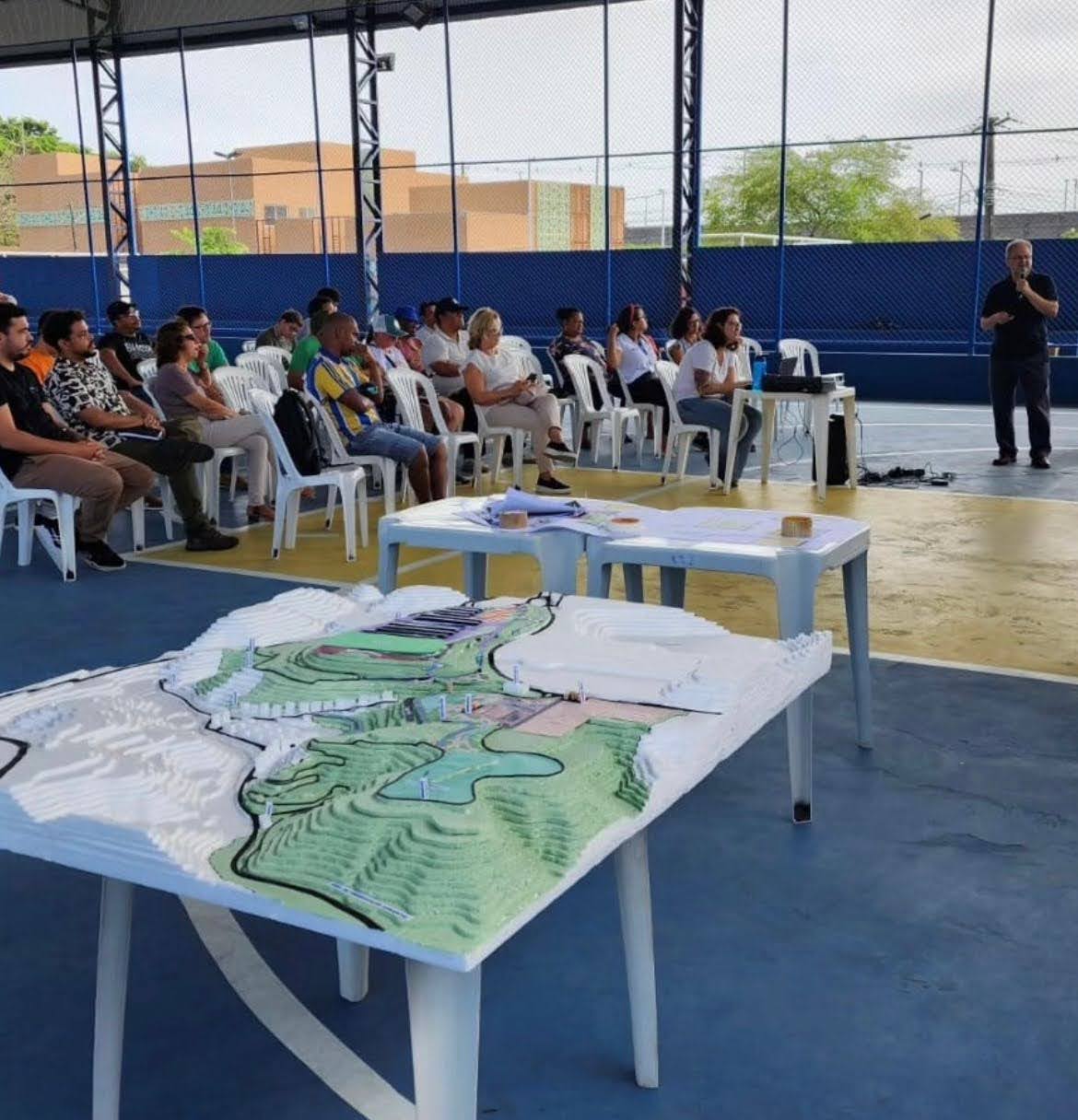
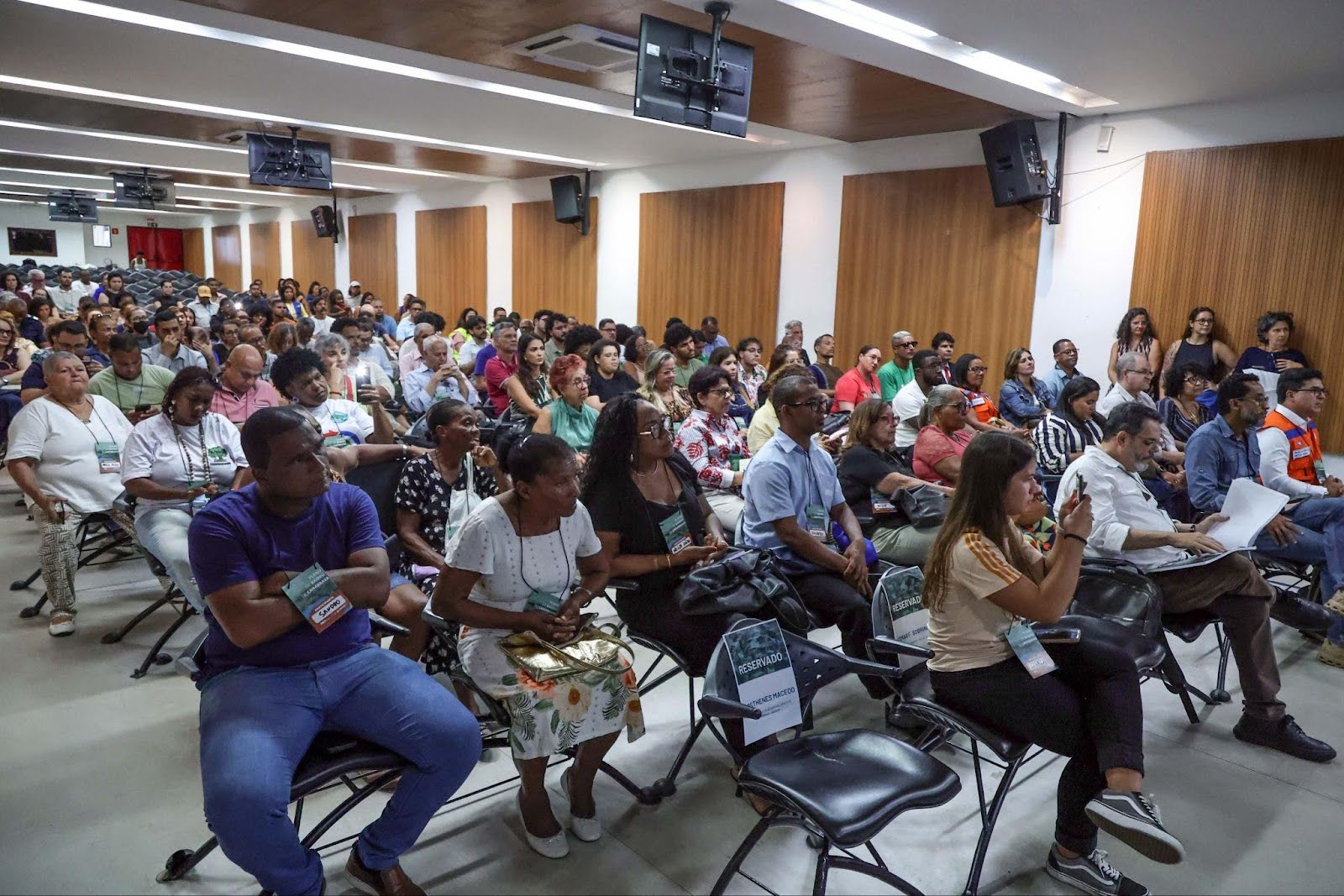
On the ground, the project combined urban planning with an intensive participatory approach. Technical visits enabled the collection of detailed demographic data and supported the cartographic updating of the neighbourhood, ensuring a more accurate territorial diagnosis. Workshops, meetings and territorial assessments allowed residents to identify priorities and directly contribute to the proposals.
Crucially, the continuous presence of technical teams in the territory fostered trust-based relationships with the community. This closer engagement provided deeper insight into local dynamics, including ways of living, cultural and economic practices, as well as football-related activities linked to the nearby stadium.
Through this participatory process, the plan defined strategies for improving housing conditions, expanding green infrastructure, facing ambiental risks and bracing accessibility.
Participatory urban planning
Community-led development
Social inclusion
Neighbourhood regeneration
Environmental restoration
The project tackles environmental degradation and socio-economic vulnerability by transforming a former landfill into a multifunctional socio-environmental system that integrates ecological restoration, circular economy practices and community-based infrastructure. The plan responds to a territory historically affected by environmental degradation and urban vulnerability, by proposing solutions that combine ecological restoration with improvements in living conditions for local residents.
A central element of the plan is the creation of a 54-hectare socio-environmental park, structuring the spatial transformation of the area through a network of green and public spaces designed to recover degraded areas, enhance biodiversity and provide accessible spaces for recreation and community life. The park integrates key facilities such as a solar energy plant, an ecopoint, a community garden, a composting station, and the requalification of local infrastructures, including a car wash and a football field.
The project also incorporates cultural elements, such as a Waste Picker’s Memorial, preserving the history of the community that helped shape the territory. Together, these interventions reconfigure a former degraded area into an active public, expanding everyday uses, supporting local livelihoods and promoting longevity to community life.
Furthermore, it proposes concrete actions to improve drainage, expand sanitation and mitigate environmental risks such as flooding and unstable terrain. These interventions respond directly to local conditions and aim to make the neighbourhood safer and more functional over time. Rather than isolated solutions, the plan brings these elements together into a long-term approach that connects environmental recovery with how people live and use the territory.
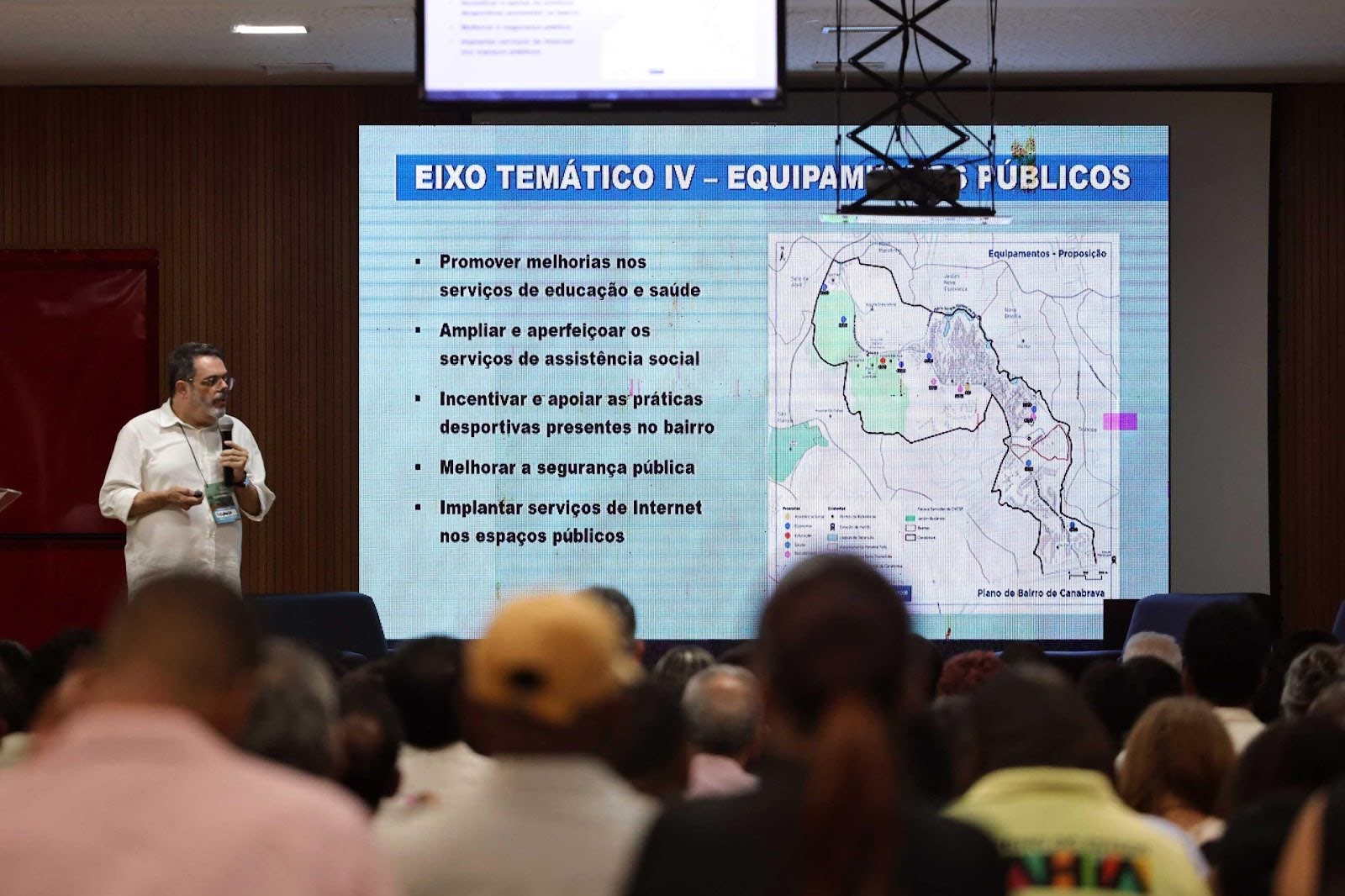
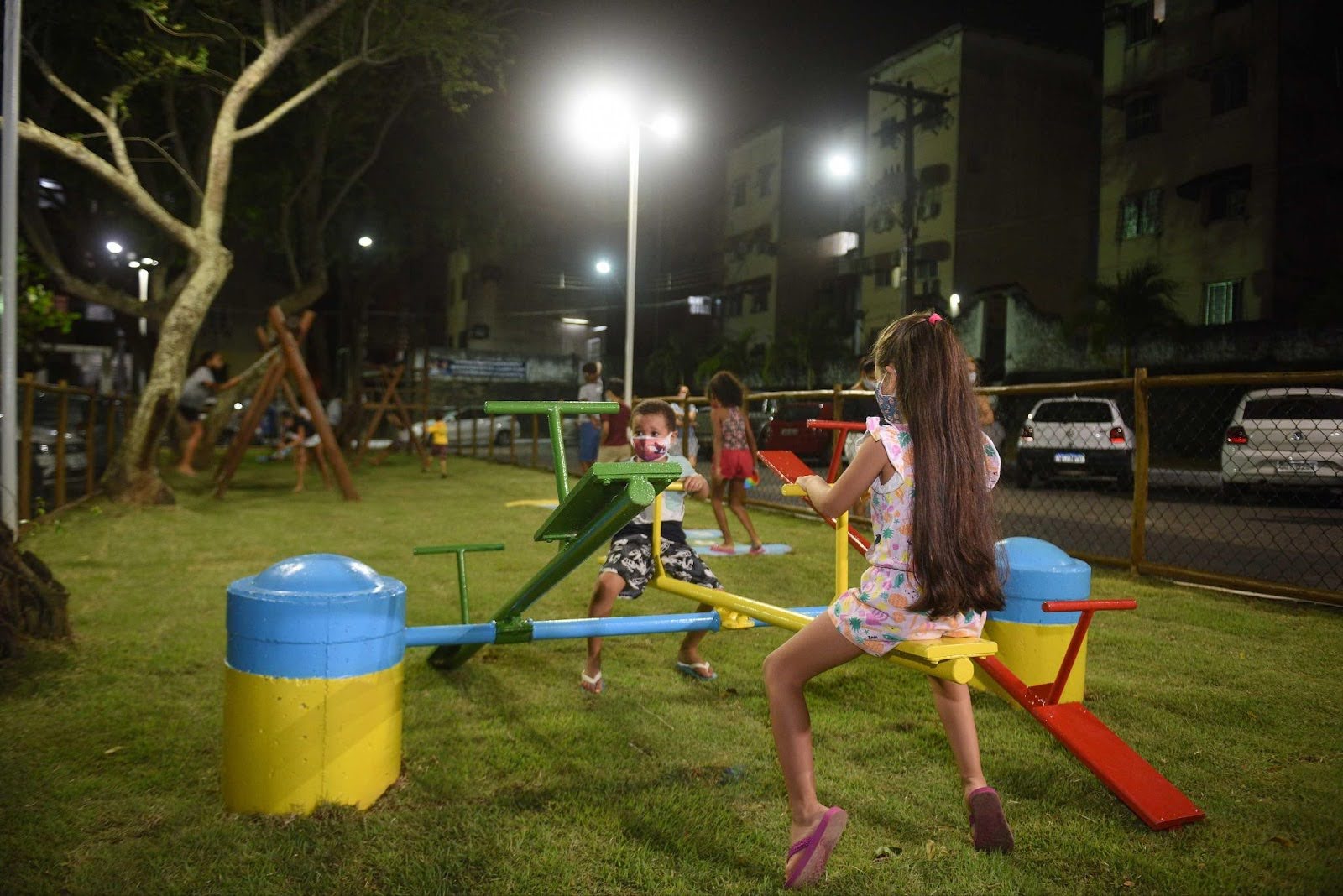
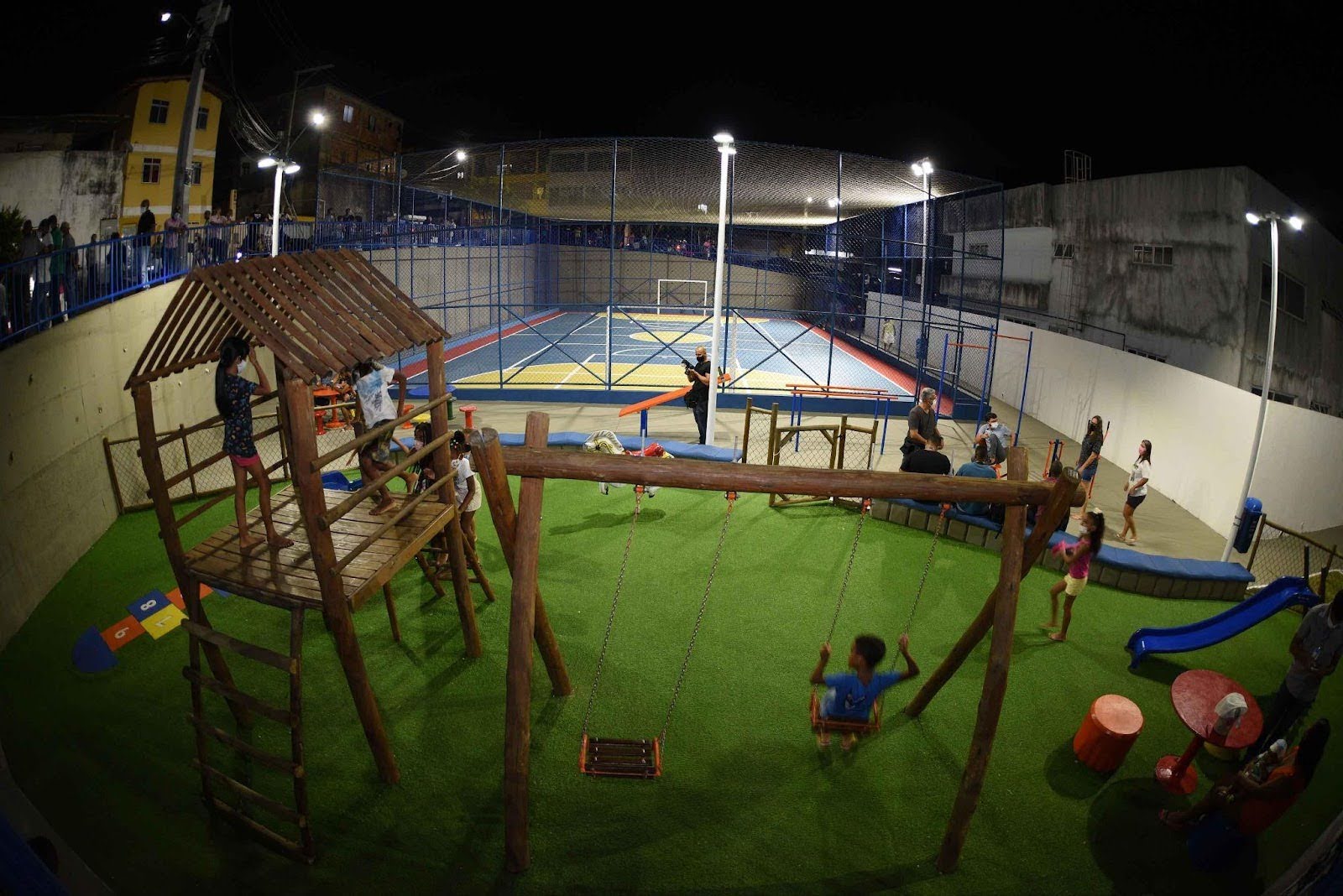
Historically marked by environmental degradation and limited access to quality public spaces, Canabrava lacked areas designed for collective life, leisure and interaction. As such, the plan broached this challenge proposing a network of public spaces, green areas and community facilities designed to improve the urban landscape and enhance daily experiences within the neighbourhood.
One of the key proposals was the creation of a social-environmental park and new green corridors that reconnect residents with nature while transforming previously underused spaces into vibrant places for recreation, social interaction and environmental awareness. These spaces are designed not only as environmental assets but also as shared community environments that promote well-being and a stronger sense of place.
The plan also proposes improvements to streets, public squares and pedestrian routes, creating more welcoming and accessible urban spaces. These interventions prioritise human-scale design, making the neighbourhood more comfortable and intuitive to navigate, while encouraging informal social interactions throughout daily life.
The urban transformation is also perceived in the housing conditions within the neighborhood, where residents transitioned from precarious "pau-a-pique" housing (traditional structures made of wood and earth) to dignified formal housing complexes. This change improves living standards, while strengthening stability, permanence and sense of belonging within the community.
Beyond physical transformation, the project values local identity and collective memory, including recognition of the history of the territory and the social groups that have shaped it. In this aspect, Canabrava’s Neighbourhood Plan demonstrates how inclusive urban planning can contribute to creating places that are not only functional, but also meaningful for the communities who inhabit them.
The Canabrava Neighbourhood Plan is grounded in the principles of Special Zones of Social Interest (ZEIS), which aim to ensure that low-income communities have access to land, housing and essential urban services. In Canabrava, this means placing residents’ needs at the centre of how the neighbourhood is planned and improved.
From this starting point, the plan focuses on expanding access to decent housing, basic services and everyday opportunities. It supports local livelihoods through initiatives connected to recycling, renewable energy and community-based food production, helping to strengthen both income generation and food security within the neighbourhood.
Inclusion is also built through participation. An open-access collaborative map allowed residents to share their concerns, suggest ideas and highlight local strengths, making it possible for different voices to shape the plan in a direct and visible way.
Education is another key priority. The plan includes the expansion and improvement of public schools, more childcare facilities and the introduction of full-time education. It also responds to a long-standing community demand for access to secondary education within the neighbourhood, opening new possibilities for young people and families.
As such, it responds to daily needs while creating new opportunities, supporting a more inclusive neighbourhood where residents can live, learn and work with greater dignity and stability. So, Canabrava Neighbourhood Plan demonstrates in practice how neighbourhood planning can become a powerful tool for advancing inclusive urban development.
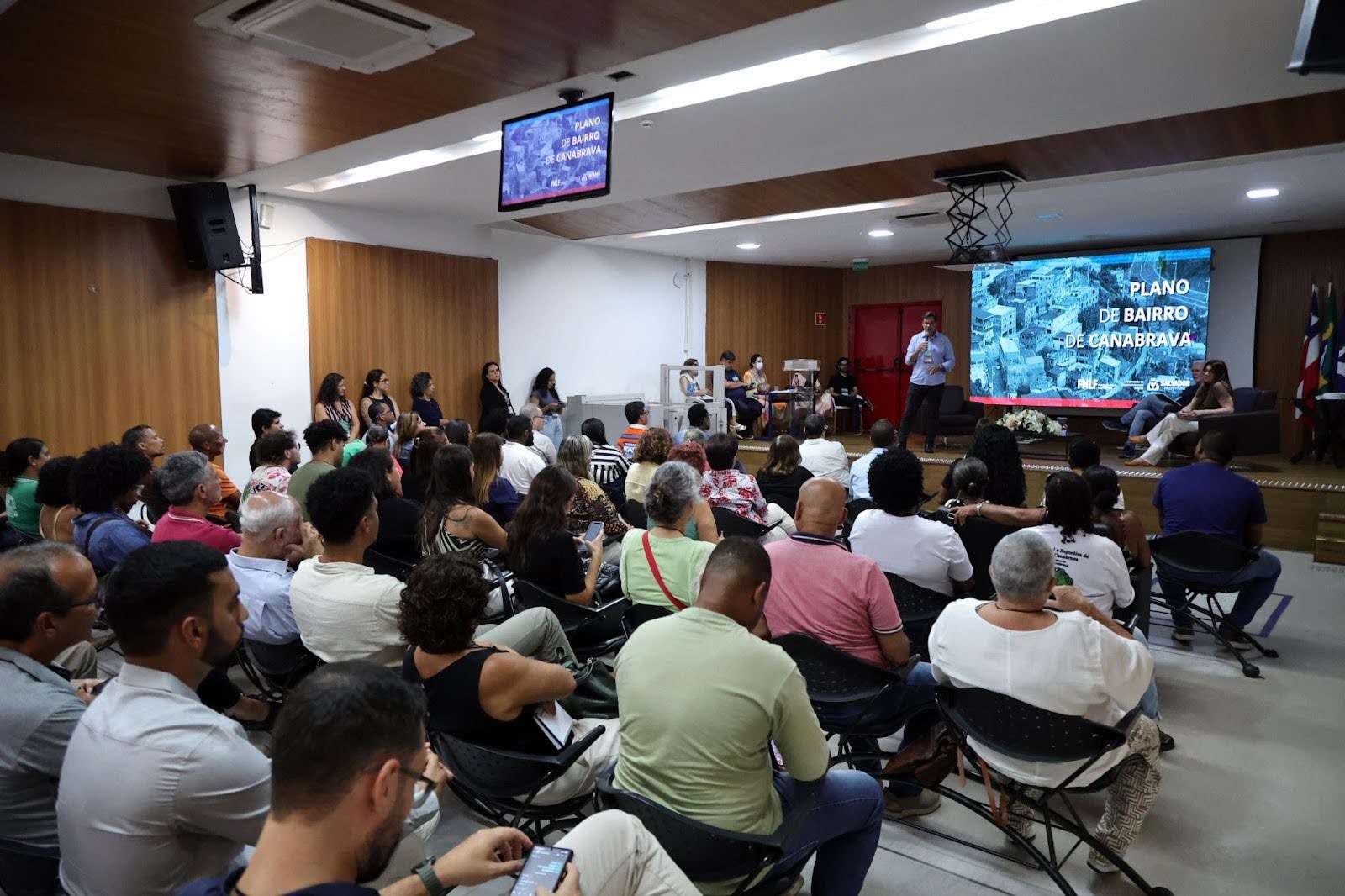
Citizen participation was embedded from the outset as a structuring component of the Canabrava Neighbourhood Plan, involving residents, community leaders and local organisations directly affected by the project. The process was initiated in response to demands from local actors, who played a key role in triggering the development of the plan and remained actively engaged throughout its formulation.
Participation took place across multiple stages, including diagnosis, design and validation. Through workshops, meetings and territorial assessments, residents contributed to the “community reading” of the territory, sharing knowledge on everyday dynamics, environmental risks, economic activities and social practices. Field visits and continuous engagement enabled technical teams to build trust-based relationships, ensuring more inclusive and representative participation.
Local actors were not only consulted but actively influenced decision-making. Their inputs directly informed priorities such as the creation of the socio-environmental park, the integration of circular economy solutions (ecopoint, composting, community garden), and the inclusion of cultural elements like the Waste Pickers’ Memorial. This demonstrates a shift from consultation to co-creation, where community knowledge shaped concrete spatial and practical solutions.
The impact of this participatory approach is reflected in the quality, relevance and legitimacy of the plan. It strengthened local ownership, aligned interventions with real needs and increased the feasibility of implementation. By incorporating community contributions into an official planning instrument, the process ensured that participation continues to guide future investments and actions, establishing a more democratic and responsive model of urban transformation.
The Canabrava Neighbourhood Plan was developed through coordinated action across local, municipal and international levels, ensuring that different types of knowledge and capacities informed both design and implementation.
At the local level, residents, community leaders and grassroots organisations were directly involved in the diagnostic and design phases. They contributed with detailed knowledge of the territory, local dynamics and priorities, influencing key decisions and helping define interventions that respond to everyday realities.
At the municipal level, the Municipality of Salvador, through the Mario Leal Ferreira Foundation, led the process and ensured its institutional grounding. Different municipal secretariats were engaged throughout the development of the plan, contributing technical expertise in areas such as housing, sanitation, mobility, environment and social development. This internal coordination allowed the plan to move beyond isolated actions and connect complementary departments within a single territorial strategy.
At the international level, technical support from the City Climate Financie Gap Fund provided targeted technical assistance focused on the structuring of the socio-environmental park. This included the development of a business and governance model, as well as detailed feasibility studies for key components such as the composting unit, municipal plant nursery and solar energy farm. These contributions strengthened the financial and operational viability of the project and aligned it with the city’s climate agenda.
The interaction between these levels created a complementary dynamic: local actors ensured relevance and legitimacy, municipal institutions provided continuity and policy alignment, and international partners added technical depth and implementation readiness. This articulation significantly increased the robustness of the plan and its capacity to move from planning to execution.
Throughout the process, the technical team reflects diversity, involving professionals from urban planning, architecture, engineering, environmental studies and social fields. Each of these areas contributed to understanding the territory from different perspectives, including spatial organisation, infrastructure conditions, environmental risks and social dynamics.
In this context, the process was structured to promote dialogue between these fields rather than separating them. As a result, solutions related to housing, public space, mobility, environmental recovery and social conditions were developed in an integrated way, responding to the complexity of the neighbourhood.
As well as local cooperatives, especially those linked to recycling and waste management, also played a relevant role. Their practical knowledge of material flows, local economies and daily operations contributed directly to proposals related to circular economy, environmental management and income generation. In this way, technical knowledge was complemented by practices already rooted in the territory. Residents further enriched this process by sharing how spaces are used, where challenges are most present and what changes are most needed.
This approach is not limited to academic interdisciplinarity. It represents a form of transdisciplinarity rooted in the territory, where technical expertise, community knowledge and local practices combine to shape concrete and applicable solutions. As a result, the plan moves beyond a purely technical document and becomes a shared framework that connects technician knowledge and community experience in the transformation of the neighbourhood.
The Canabrava Neighbourhood Plan is not structured as a single project with a fixed budget, but as a platform that organises and enables continuous investments over time. Its financial sustainability relies on aligning public funding, technical assistance and revenue-generating components within a coherent territorial strategy.
A key element of the model is the structuring of the Canabrava Socio-environmental Park as an operational system. With support from the City Climate Finance Gap Fund for the development/construction, the project includes a business and governance model, alongside feasibility studies for components such as the composting unit, municipal plant nursery and energy systems, as a solar farm. These introduce potential revenue streams, including the commercialisation of organic compost, the supply of native seedlings and reduced operational costs through local energy generation.
The model also connects to an evolving local economic ecosystem, driven by private actors. For nowadays examples, the presence and ongoing expansion plans of private investment in the “Barradão” stadium complex and its surroundings have historically stimulated local commerce and informal economies, generating income opportunities linked to game days and urban activity. This dynamic reinforces the potential for complementary investments, partnerships and serviced-based revenues in the area.
Rather than relying on a single funding source, the plan created a pipeline of investable interventions, combining public investment, climate finance, technical assistance and locally anchored economic activity.
The Canabrava Neighbourhood Plan offers a replicable approach to neighbourhood-scale transformation, particularly in contexts marked by social vulnerability and environmental pressure. Its main transferable strength lies in the methodology used to build the plan, combining technical planning with structured community participation. In practice, this process allows local knowledge to directly shape priorities, solutions and implementation strategies, while remaining adaptable to different territorial conditions.
A key aspect is the integration of multiple sectors within a single framework. In this case, housing, environment, mobility, public space and social development are addressed in a coordinated way, which helps avoid fragmented interventions and supports more consistent outcomes over time.
In parallel, the involvement of local actors, including community organisations and cooperatives, further strengthens this approach. Their participation connects planning with daily practices, particularly in areas such as circular economy and local livelihoods, making proposed solutions more applicable in real contexts. Besides, the incorporation of international technical assistance demonstrates how local initiatives can be strengthened through external expertise, especially in climate adaptation and project structuring.
Taken together, these elements form a flexible and transferable framework that can inform similar initiatives in other cities, especially in the Global South, where integrated and context-based approaches are essential to address complex urban challenges.