Strobl zukunftsfit mit dem NEB
The community of Strobl gets fit for the future with the NEB
The municipality of Strobl is developing a strategy for future-proof development, taking into account NEB criteria. Topics include needs-based (new) forms of housing, the promotion of social and community activities, and soft mobility. Preparations are being made in the form of surveys, questionnaires, and activities with broad participation - the results will be implemented in a new built project near the center and a concept for the transformation of the public places and streets.
Austria
Community Strobl
Early initiative
Yes
Yes
Yes
No
No
50336: Strobl (AT)
The municipality of Strobl has applied to become a model municipality for NEB in a rural context and is part of the national programme ‘Technologies and Innovations for the Climate-Neutral City 2025’ https://projekte.ffg.at/projekt/5142928. The municipality of Strobl does not receive any funding from this programme, but it does receive expert support and facilitation of the process from the SIR Salzburg Institute for Spatial Planning & Housing and sociologist Sarah Untner.
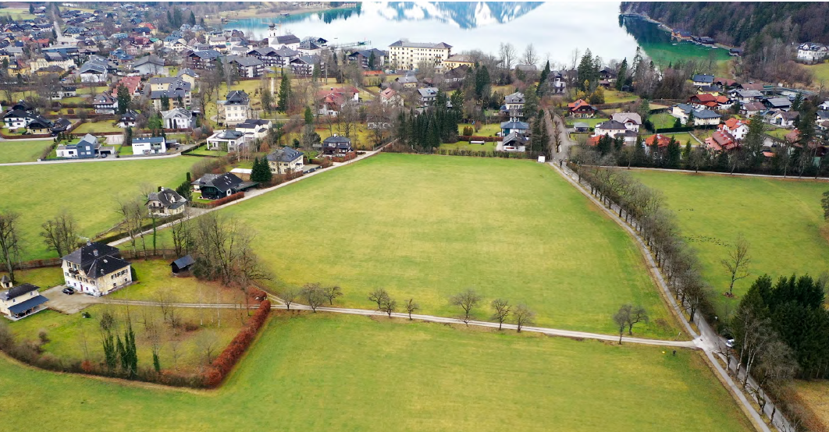
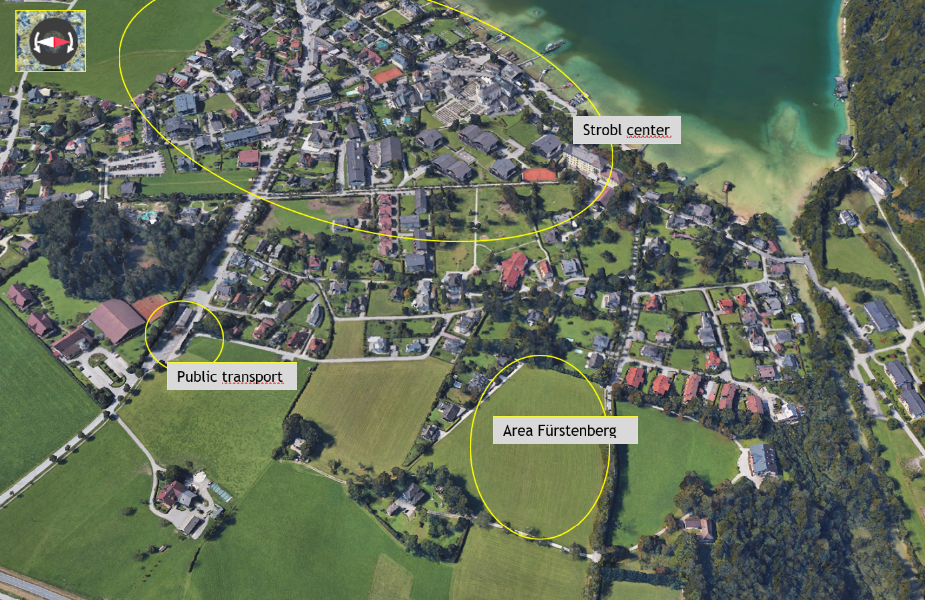
In Strobl, for example, there are plans to develop the ‘Fürstenberg – living together’ neighbourhood and the town centre in an exemplary manner in line with NEB standards.
Smaller communities in rural areas are confronted with outdated single-family home structures, a lack of infrastructure facilities and an age pyramid that is skewed towards the older end of the spectrum. Strobl is set to become an NEB model community in Austria.
The objectives are:
To contribute to social inclusion and combat loneliness through needs-based local services, participation and community building.
To reduce land consumption through space-saving building designs – the creation of needs-based housing types will trigger a rotation of existing housing stock.
The NEB objectives of aesthetics, social inclusion and sustainability were incorporated from the outset.
Strobl has developed a precise basis for needs-based planning of the ‘Fürstenberg – Living Together’ neighbourhood in the municipality of Strobl (including vision, goals, strategies, concrete measures, financing and schedule) through accurate inventory surveys (social space analysis, housing needs survey).
The ‘Fit for the future with NEB in Strobl’ project:
1. Awareness raising and needs assessment
2. Planning of the ‘Fürstenberg – living together’ neighbourhood and a footpath and cycle path concept for the centre of Strobl.
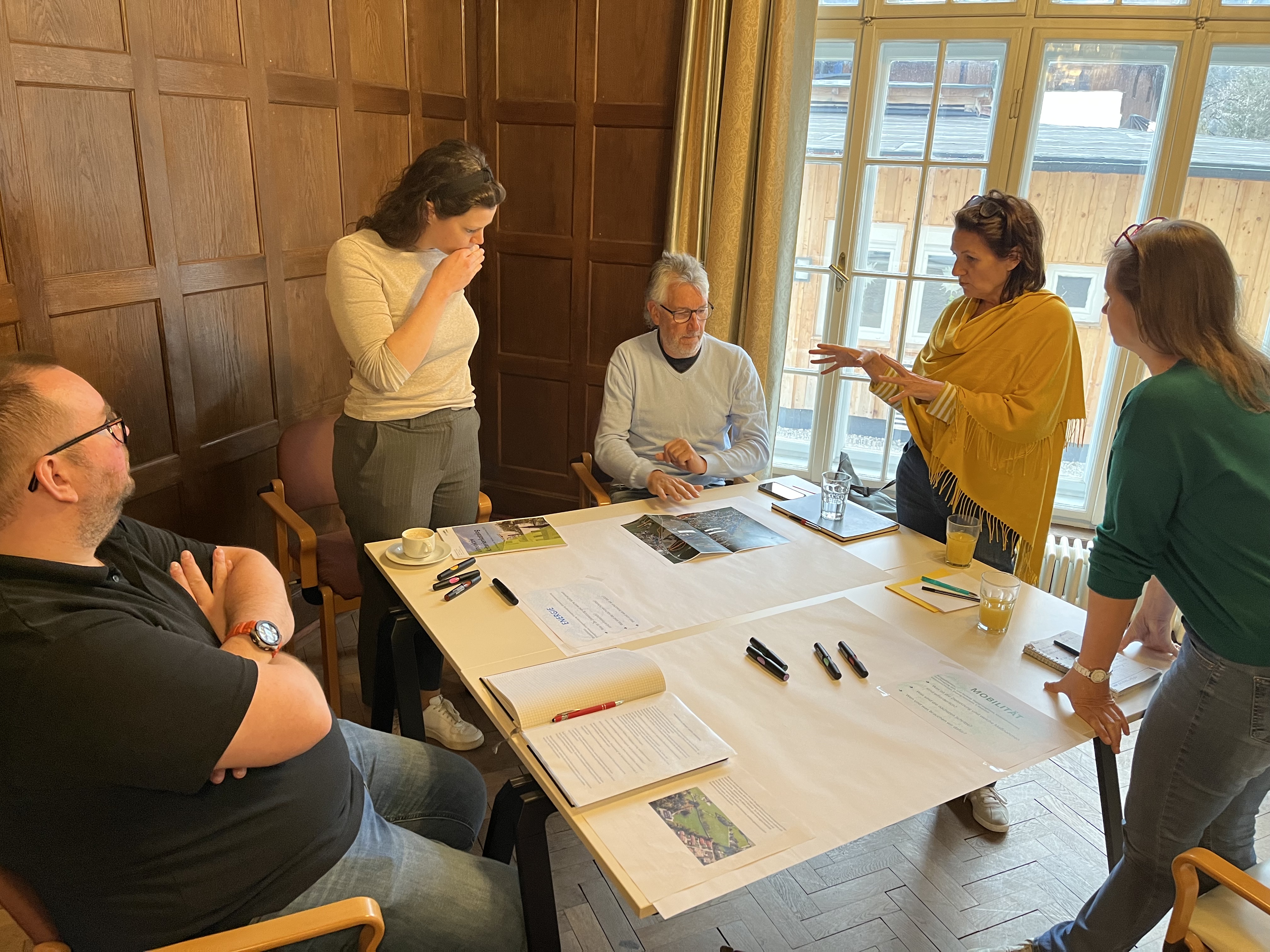
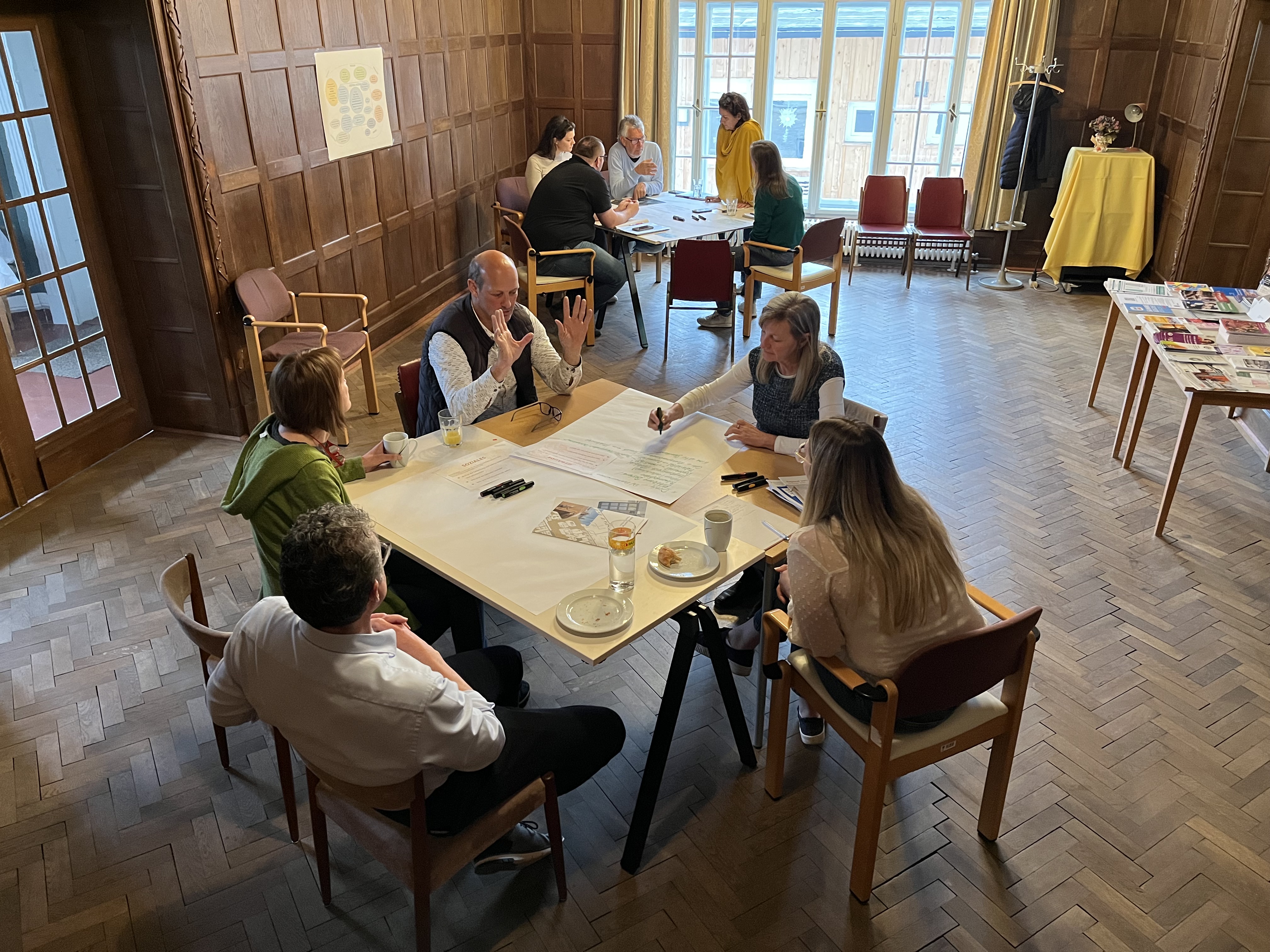
3. Broad participation of the population (survey, future day, participation formats, working groups)
building culture
new ways of living
rooms and structures for social interaction
participatory planning
sustainable and healthy mobility
Through this initiative, the municipality of Strobl aims to raise broad awareness of sustainability among the population. By identifying specific housing needs, further urban sprawl can be halted and targeted forms of housing created. This is planned especially for older people and (younger) singles.
The new development will be space-saving and sustainable in accordance with the Austrian klima aktiv standard. The focus will be on the use of regional building materials and timber construction.
The energy supply will be CO2 neutral – using waste heat (waste water and exhaust air) and ambient heat, and generating solar power on site. The location is ideal for generating solar power. By establishing an energy community, this electricity can be used locally by many citizens.
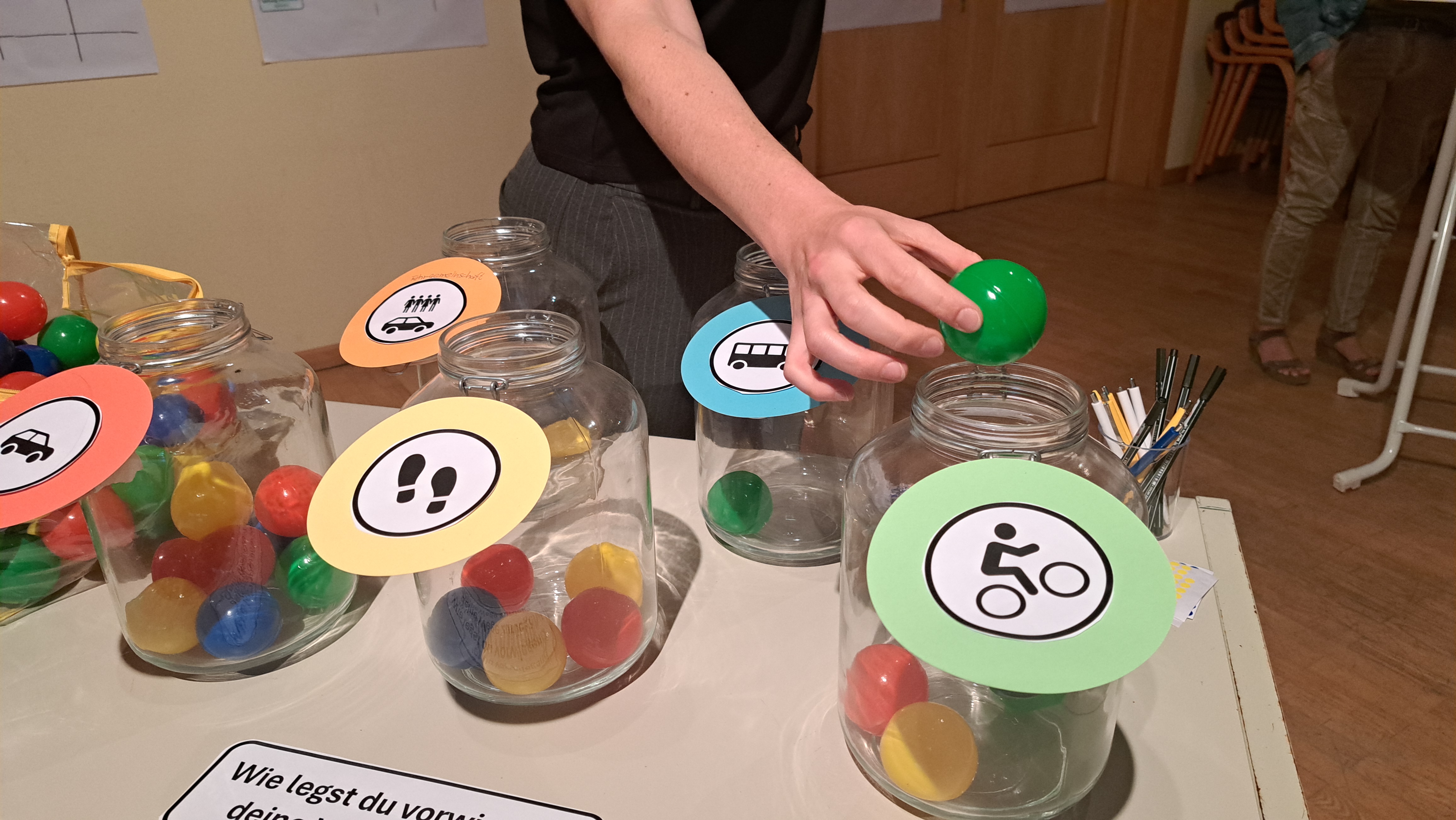
A footpath and cycle path concept is to be developed for the town centre and the new development in order to promote environmentally friendly and healthy mobility. Cycling and walking will be made more attractive through the design of public spaces and attractive areas and infrastructure – ground-level bicycle parking facilities, bicycle service points in public spaces, etc.
Many smaller, rural communities have problems with elderly people living alone in large houses and car-focused urban planning.
Strobl can serve as an example of broad community involvement and project development that addresses the following sustainability aspects:
- Space-saving construction through target group-specific offerings
- Sustainable, energy-efficient construction using regional building materials
- CO2-free energy supply and local energy generation
- Environmentally friendly mobility to reduce car travel
Building culture and aesthetics are important aspects in the further development of the municipality of Strobl.
These are important topics in the development and planning of the ‘Fürstenberg – living together’ neighbourhood and public spaces (footpath and cycle path concept for the centre of Strobl). An extensive call for tenders for a planning competition is currently being prepared. This is to be held in the summer of 2026. One focus (in addition to sustainable, space-saving construction) is on the aesthetic development of regional architecture (‘Salzkammergut architecture’).
Representatives of the local architects' association are supporting the municipality in preparing and advertising the competition and in the jury.
The use of regional building materials is an important issue. The project also aims to build a municipal nursery and a multifunctional room for the community. Construction using wood or hybrid methods is expressly desired.
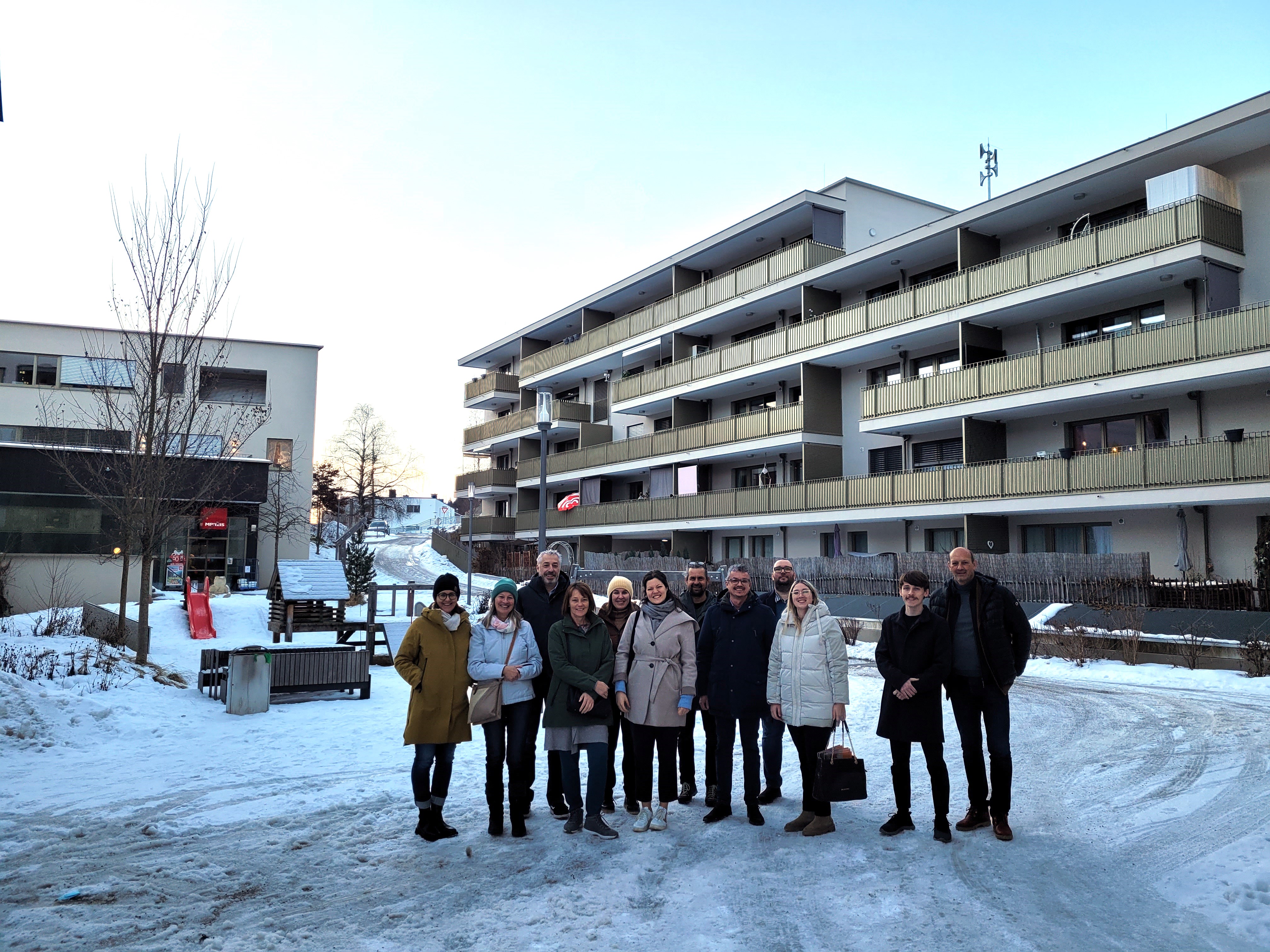
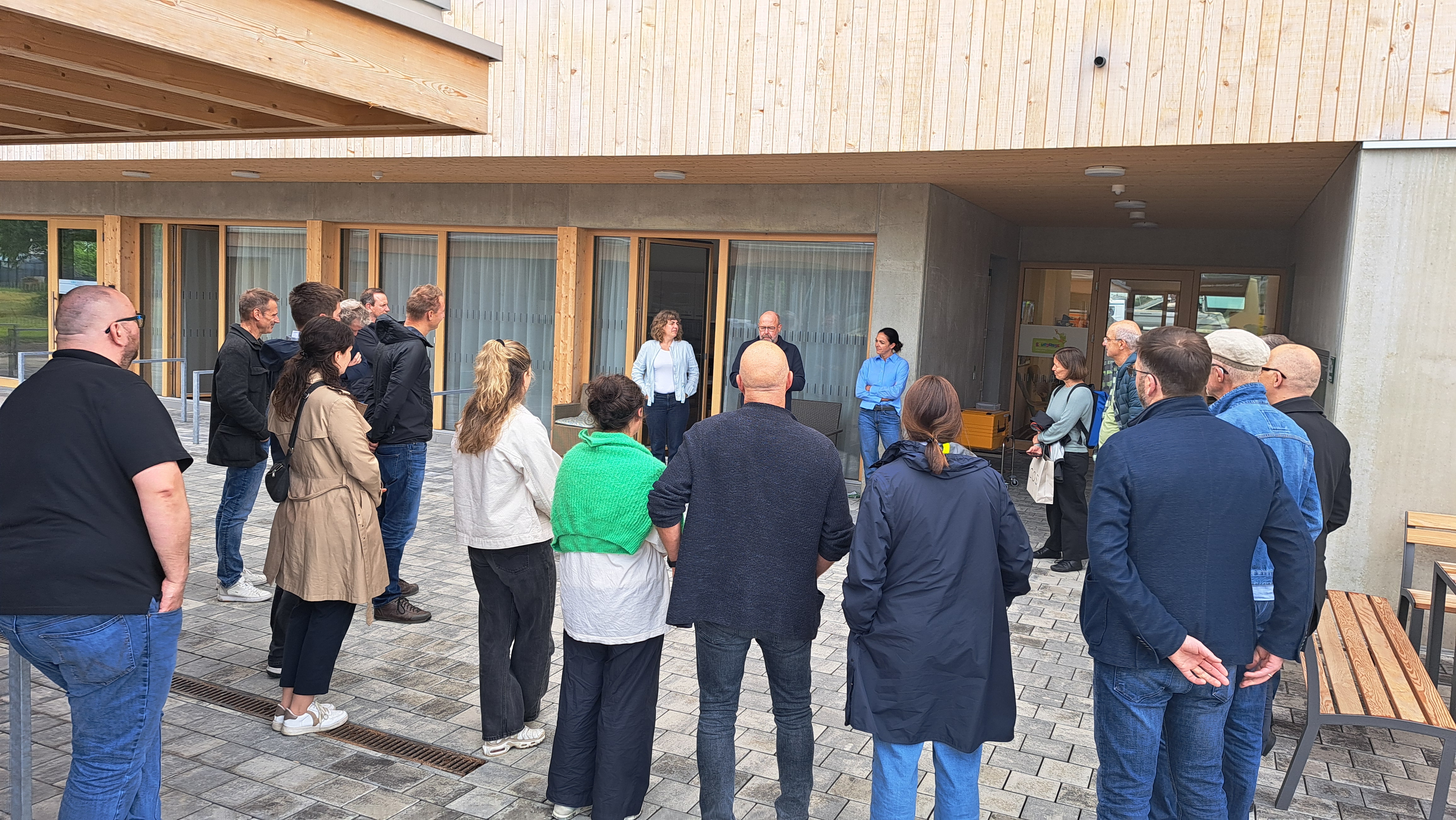
In spring 2025, representatives of the steering group took part in a field trip to Vorarlberg on the subject of timber construction, where they were able to view examples of buildings, exchange experiences and establish contacts.
The project kicked off in 2024 with a workshop to raise awareness.
A steering group was formed, made up of political representatives and local government staff, with external facilitation provided by the Salzburg Institute for Spatial Planning and Housing (www.sir.at) and the involvement of a sociologist (www.raumsinn.at). This committee agreed on the objectives of broad sustainable development in accordance with the NEB principles and organised an excursion to sustainable housing projects and an exchange with other municipalities.
A detailed analysis with statistical surveys, a social space analysis and a survey of the population to assess housing needs provide a solid basis for the further development and participation process.
The ‘Fürstenberg – living together’ neighbourhood is intended to offer opportunities for social interaction through new, needs-based housing options (assisted living, housing for older people, single apartments, etc.) in combination with new infrastructure offerings (multifunctional room, community garden, etc.).
Social management and moderation is an important aspect that is to be developed in the course of the project with the participation of committed citizens. A positive example can be found in Zell am See, where a housing coordination group in a larger housing estate has initiated a gardening group, a hobby workshop association and a youth band, and uses the community room for kindergarten parties, public viewing, parent counselling, but also private birthday parties and weddings.
Broad public participation began in 2025 with information provided by the municipality, a survey on housing needs and a ‘Future Day’ in the summer of 2025. Participation formats are also offered to citizens on the topics of youth and mobility.
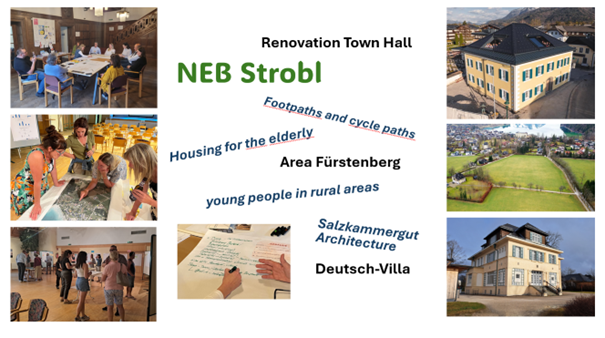
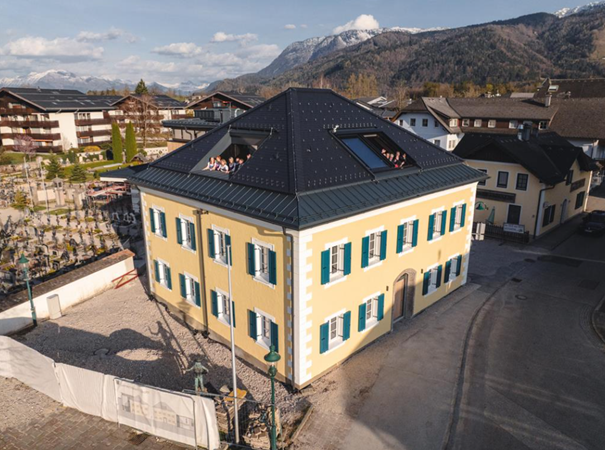
The NEB Strobl initiative has had a major impact on the citizens of Strobl. The renovation of the municipal office building, with special attention paid to the historical structure and aesthetics of the ‘Salzkammergut’ architecture in the centre of Strobl, is an important signal. At the same time, this community centre is a contact point for all citizens and also hosts meetings and gatherings. The building has been comprehensively redesigned to be barrier-free.
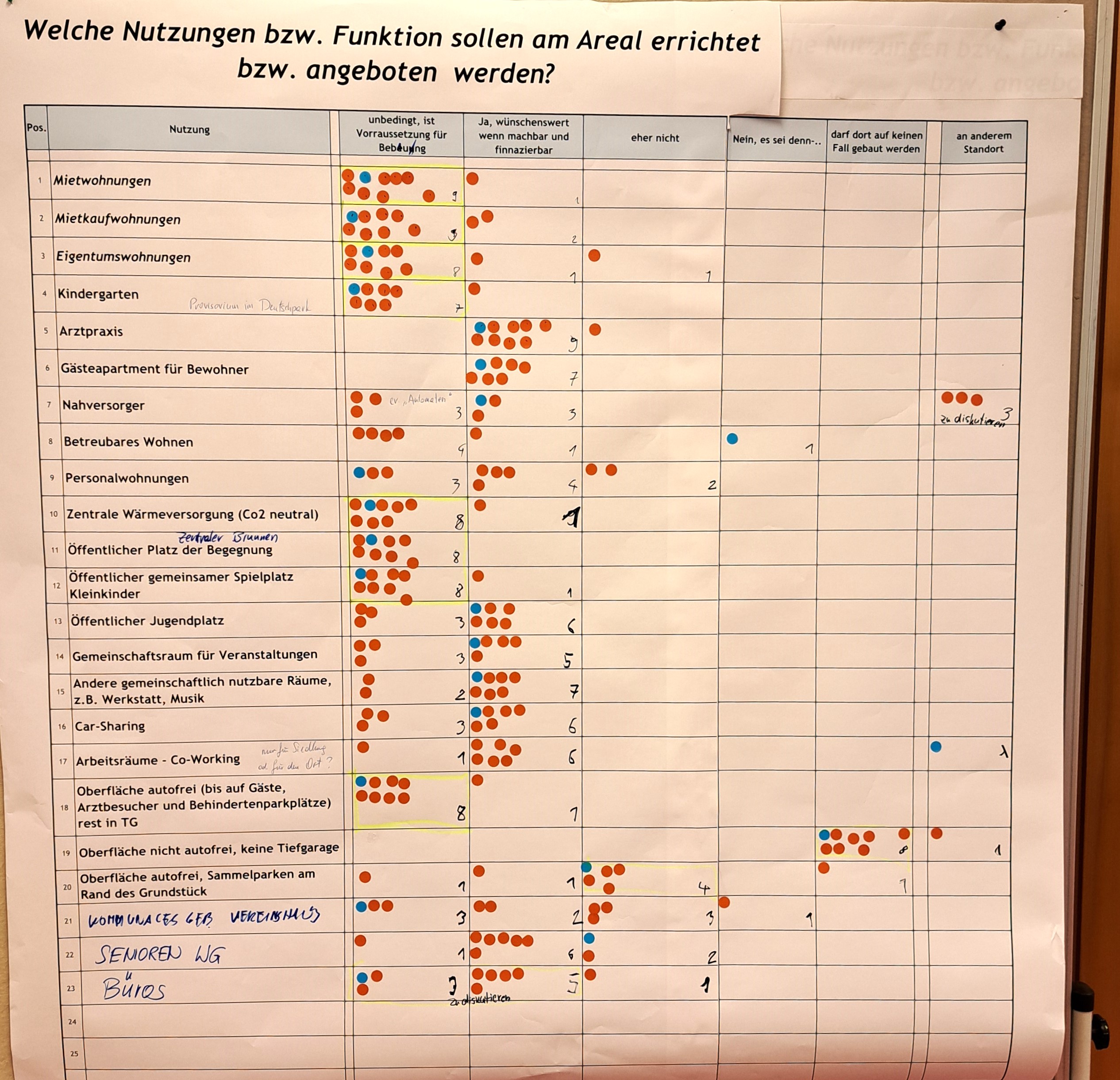
In spring 2025, the housing needs and wishes of the population regarding changes in living space were surveyed. Participation in this survey was very high at around 25%. The results show that young singles and older people in particular are looking for new living space, with affordable rental accommodation and owner-occupied flats being desired.
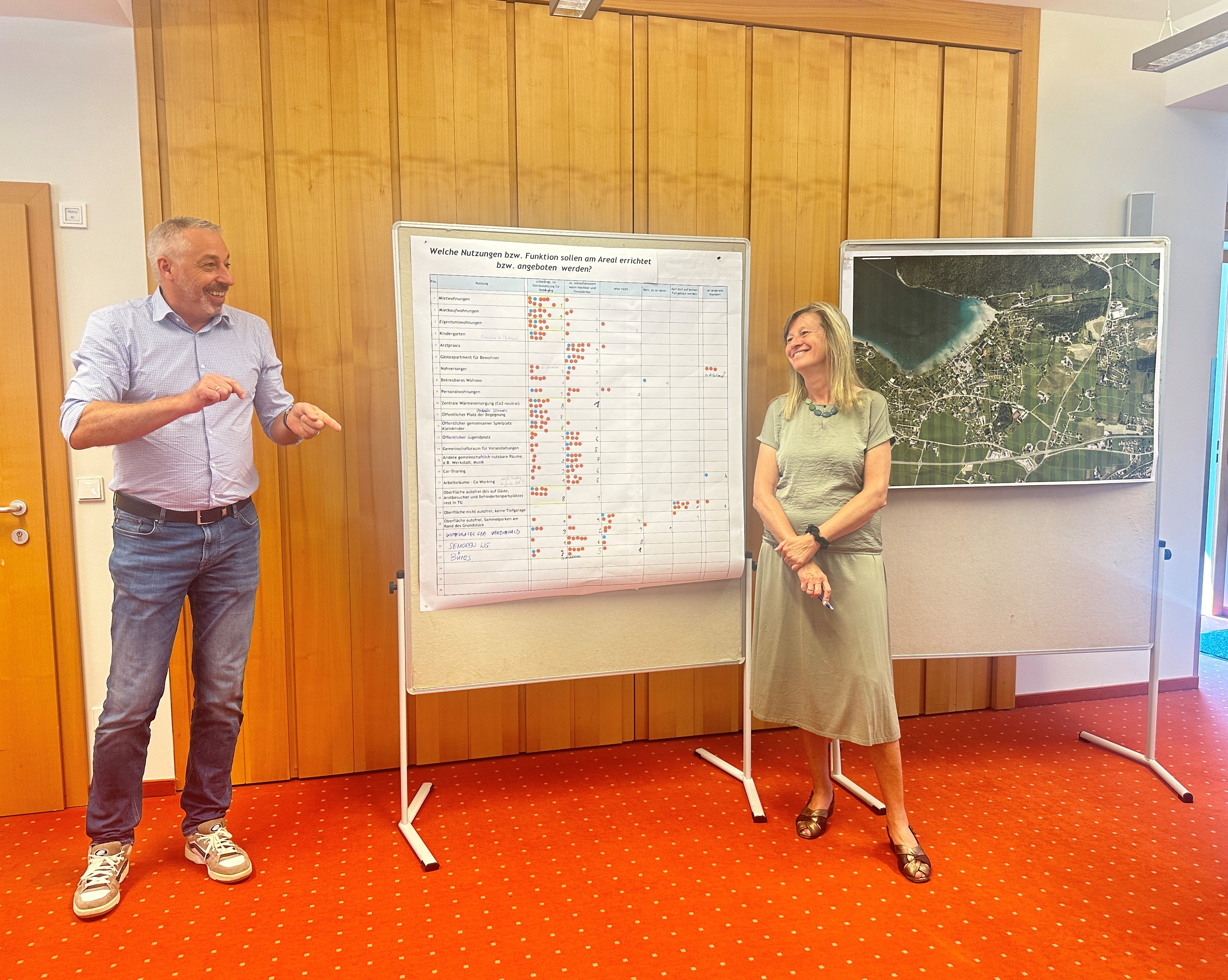
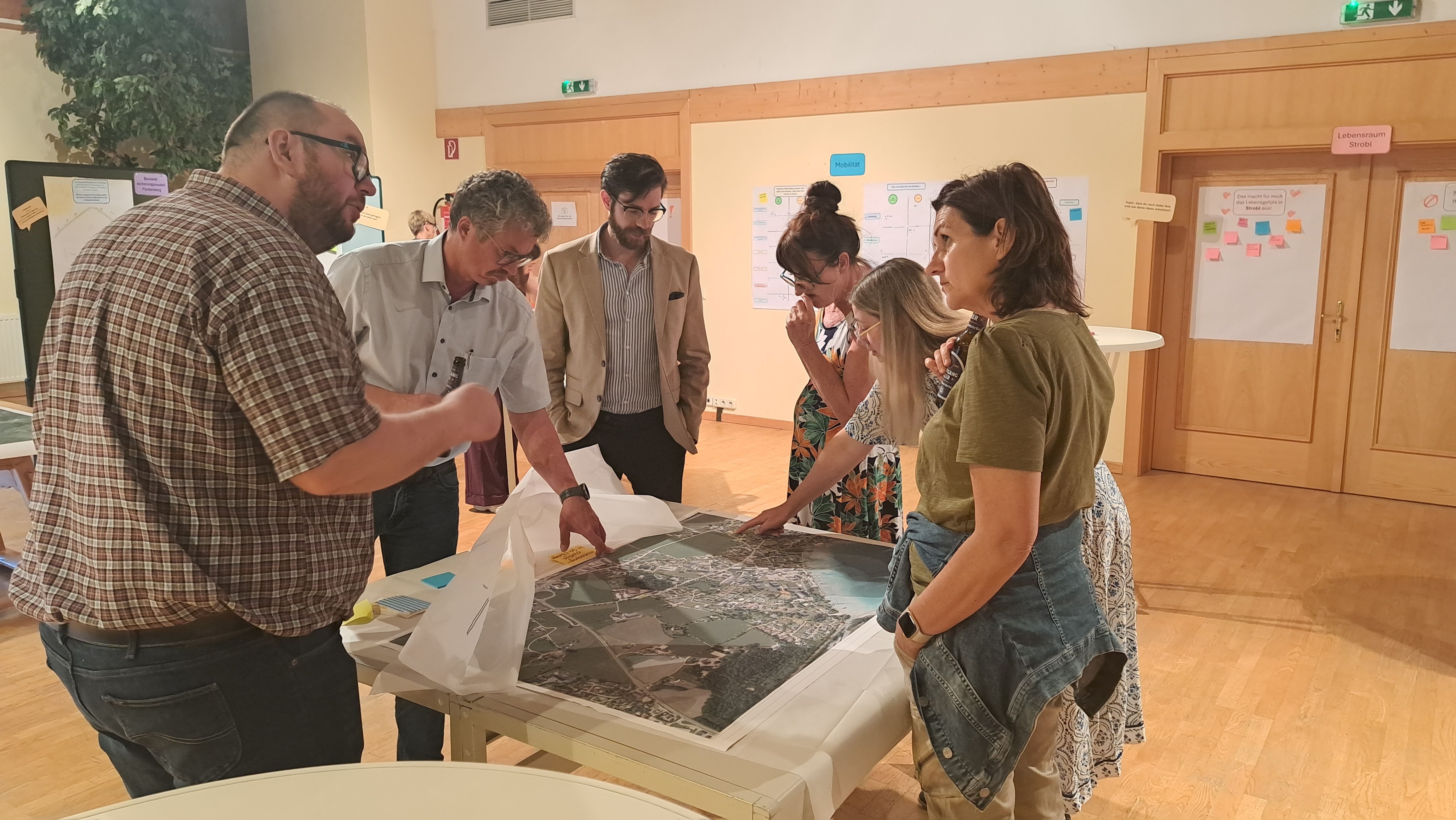
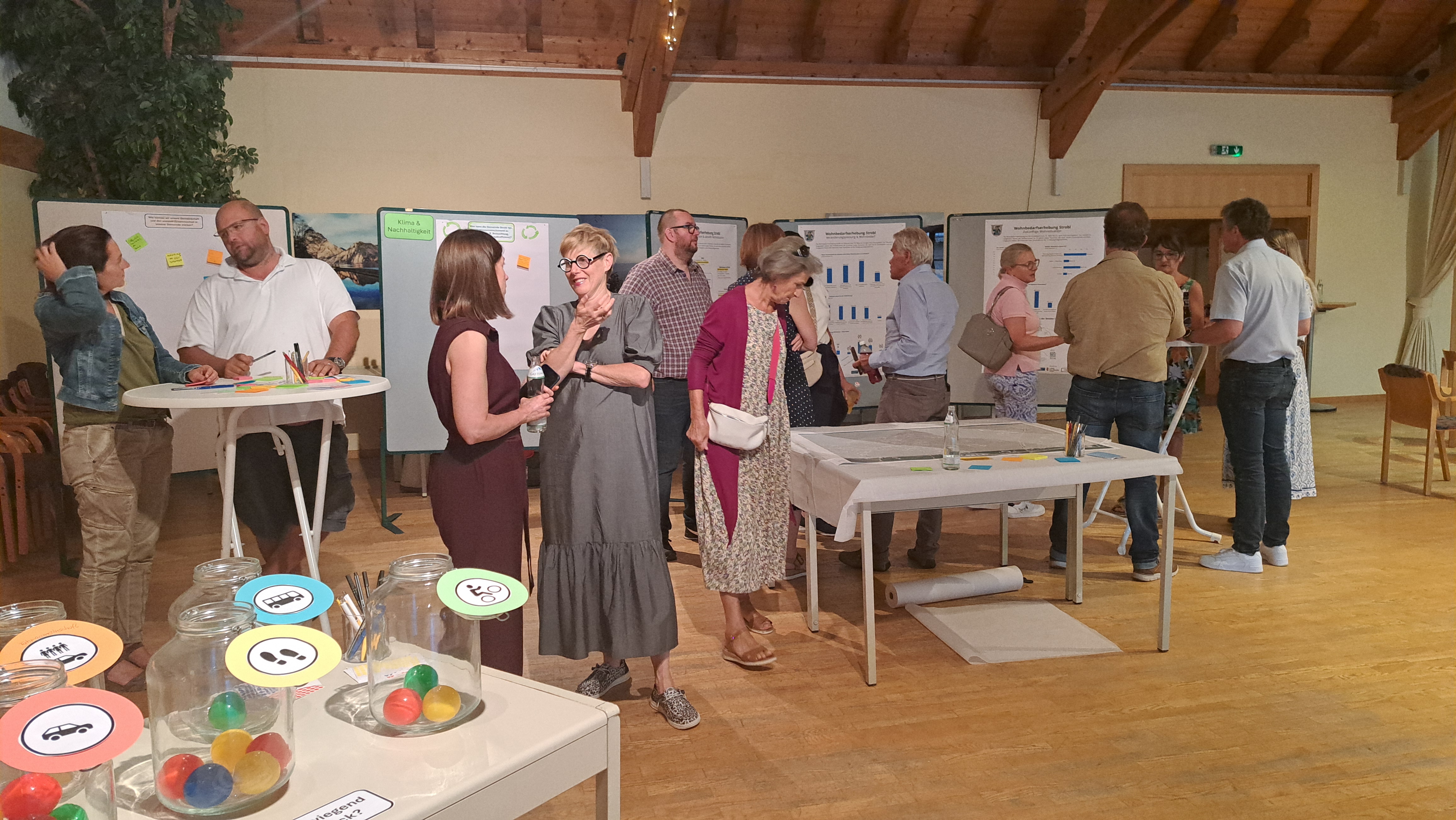
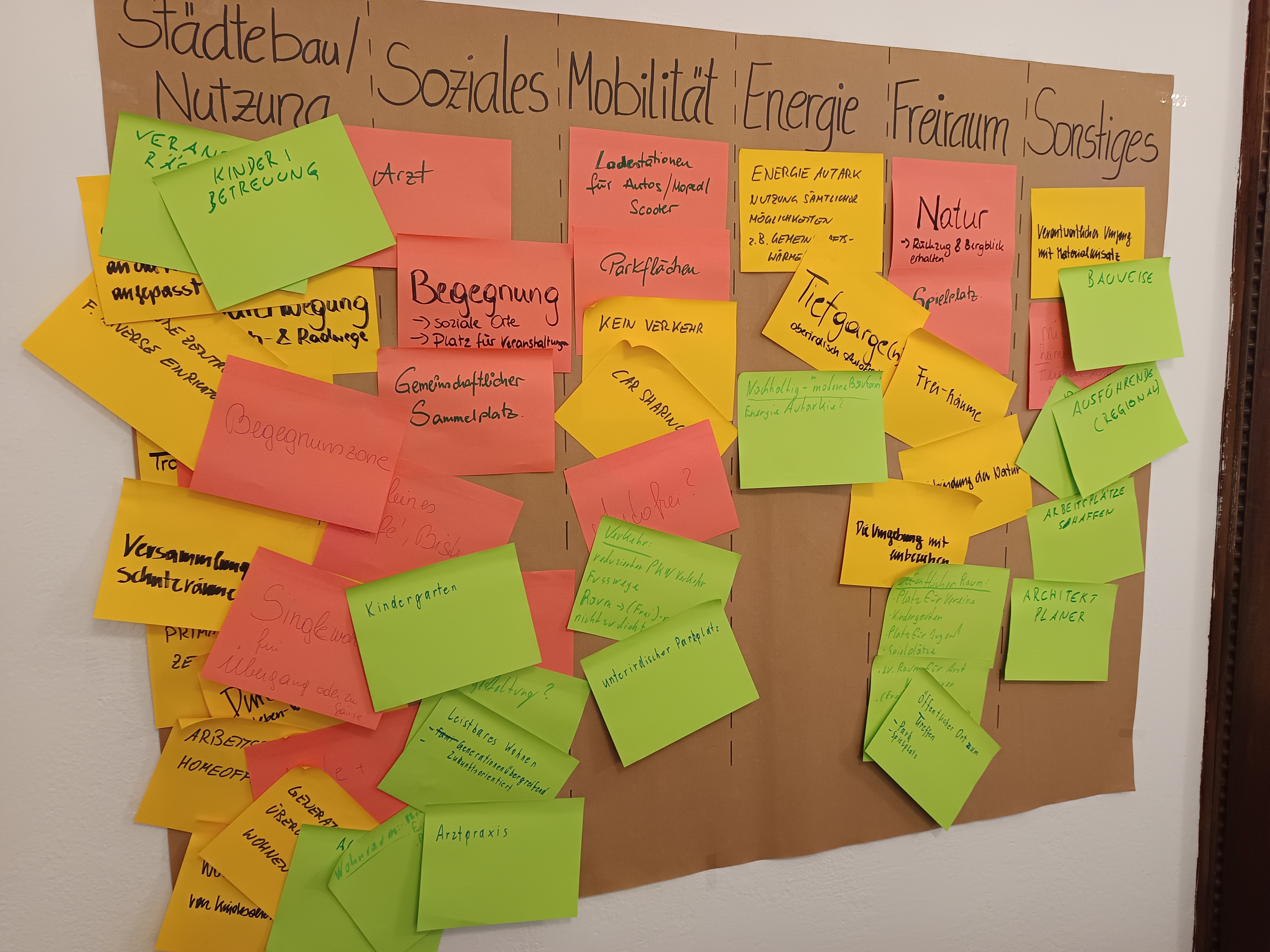
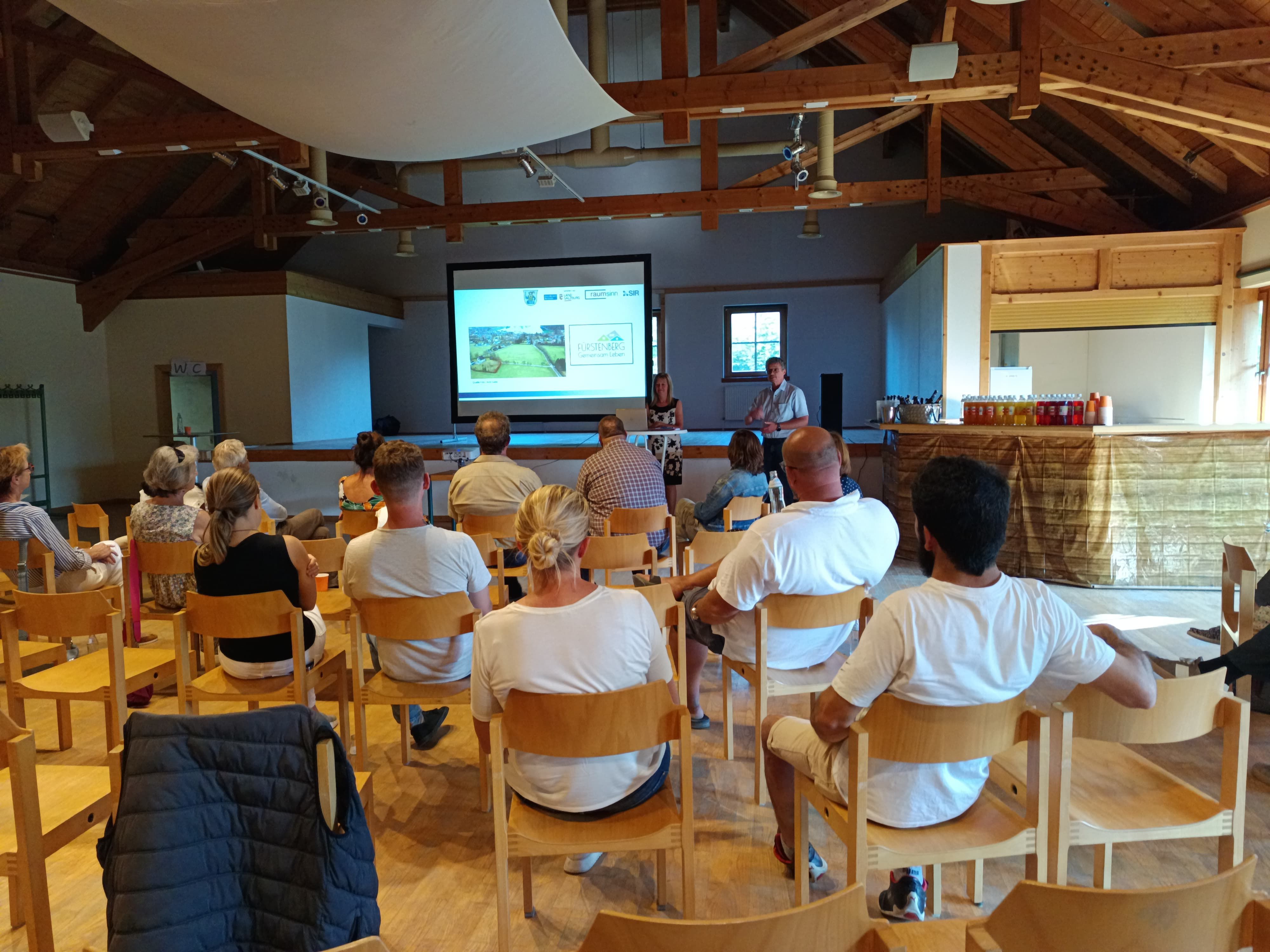
At a ‘Future Day’ in June 2025, the results and ideas were presented at the Fürstenberg site and discussed with citizens. Numerous stations provided opportunities to contribute ideas and wishes.
Based on this, the steering group is developing the foundations for the planning area and the architectural competition.
At the beginning of 2026, Strobl will start evaluating public spaces and mobility with the aim of developing a footpath and cycle path concept. Active participation by the population is desired. An expert (Harald Frey) will be involved in to provide the municipality with specialist support.
At the same time, workshops will be launched with young people, in which the specific needs of this target group will be surveyed and young people will contribute ideas for the further development of the town. These can be incorporated directly into the design of the residential buildings, the use of the multifunctional room and the redesign of public spaces.
A member of staff has been appointed as contact person for all citizens in the municipality. In autumn 2026, there will be a NEB festival in Strobl to present the results of the architectural competition.
Local: The activities within the framework of the NEB initiative in Strobl are initiated and supported by the municipality. A steering group with members from all political factions and administrative staff was formed in autumn 2024. This steering group is moderated by an external expert from the Salzburg Institute for Spatial Planning and Housing. Sociologist Sarah Untner is working as an expert. Important milestones and decisions are then discussed in the municipal council. In November 2025, the activities relating to the Fürstenberg project, the youth project and the cooperation within the framework of the objectives of the New European Bauhaus were discussed and the budget for this was unanimously approved.
Regional: Strobl is representative of many small communities in rural areas in terms of its starting position, the problems it faces and the projects it undertakes. The community is well connected within municipal associations, where there is a lively exchange of experiences.
National: The NEB Strobl project in the national context will enable further external moderation and expertise for Strobl until spring 2027. In the course of this, the experiences and findings from the process in Strobl will be disseminated nationally. The five NEB projects in Austria are to exchange ideas and learn from each other. In this project, the Salzburg Institute for Spatial Planning & Housing is creating an evaluation scheme for NEB municipalities – based on the expert work of Robert Temel: NEBKrit – Quality criteria for buildings and neighbourhoods on the basis of the New European Bauhaus
https://klimaneutralestadt.at/en/projects/tiks/nebkrit-quality-criteria-for-buildings-and-neighbourhoods-on-the-basis-of-the-new-european-bauhaus.php
In future, this tool will enable an assessment of potential and levelling, and will also serve as an accompanying quality assurance measure.
The current areas of work in the project are the development of the Fürstenberg site, youth work and public spaces with regard to a footpath and cycle path concept.
Thematic objectives have already been formulated in the steering group for the development of the Fürstenberg site (quality agreement). There is a person responsible for the content of each thematic area in the steering group. External experts are also involved:
NEB and quality assurance – Inge Strassl from the Salzburg Institute for Spatial Planning and Housing
Housing needs and new forms of living – Julia Armstorfer from the Salzburg Institute for Spatial Planning and Housing
Energy – Petra Brandscheid (coordination of the e5 municipalities)
Social issues: Sociologist Sarah Untner (Büro Raumsinn) – citizen participation
Architecture and building culture: Architect Michael Zaic (competition tender)
Mobility – Harald Frey (footpath and cycle path concept)
Project development – Thomas Smogavetz (Landinvest)
The steering group discusses the requirements of the individual topics and projects and presents the results. This allows the experts to be involved in a targeted manner.
And, of course, the citizens are the greatest experts on their living environment and are involved in numerous formats – surveys, Future Day, workshops, village festivals, working groups, etc.
One innovation is, that the municipality of Strobl really starts to a vision for a future-fit development with a wide approach: they want to focus on the different themes of sustainability – economy and mobility. They a willing to put the people in the center of the vision and want to participate in an open way. The aspects of good architecture and astetics is not only important because of tourism.
The structure of NEB meets perfect the vision and ideas of the municipality.
An innovation in the field of sustainablity is the target to reach a plus-energy-area in Fürstenberg, by using energy efficient buildings, use of waste energ from waste-water and earth-energy and optimse local solar production by PV and distribute by founding an energy community.
So the process was structured with the steering group to take up what already run (Deutsch Villa, renovation town hall) and take the lessons and the spirit to go further.
Another innovation is, that the municipality of Strobl wants to develop the area “Fürstenberg” themselves. Normally the community finds a builder or investor and they plan and realize. In Strobl the steering group wen for a study tour to see examples, thea worked in workshops on the themes and vision for the area. All these results are written down in the quality agreement, that was signed by all members.
This is now the base for the architect competition and after this there is a call for tender for investors.
The involvement of the people living in Strobl is innovative in this manner: to start with a overall survey for housing, information in the municipal office, the community-newsletter, workshops and “Zukunftstag” – show a large engagement.
Housing needs survey
For this survey, a detailed digital questionnaire was developed to ask about the current housing situation and desired changes (including timing). The survey asked what type of home people were looking for, whether they wanted to buy or rent, and what quality criteria were important to them. The survey was conducted online, but could also be supplemented with analogue questionnaires. The survey was advertised locally in the community newspaper, WhatsApp groups and at important meeting places. A total of 383 responses were received, which corresponds to approximately 25% of households.
Steering group
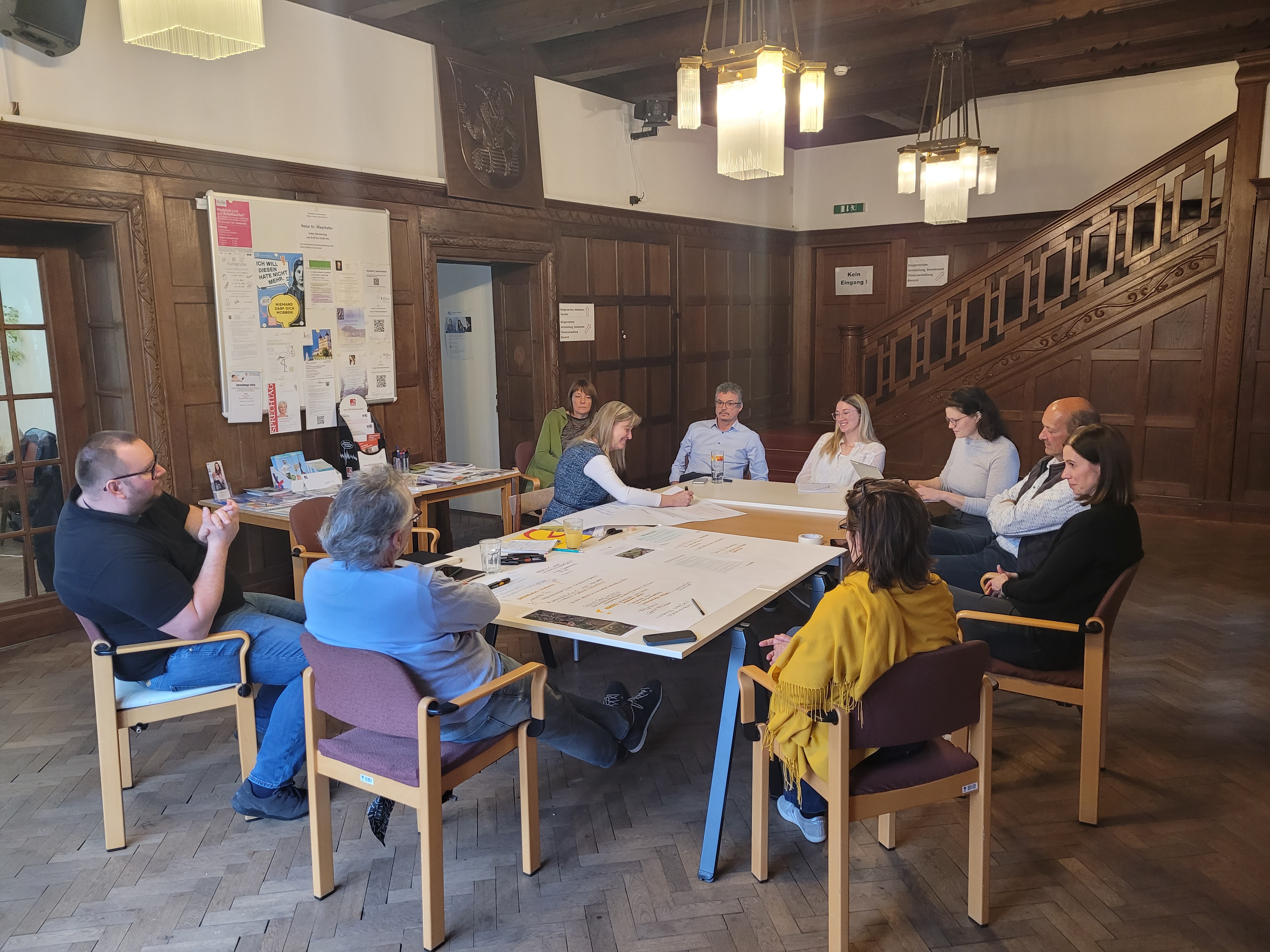
Participants from all political parties meet once a month. This ensures that all information is distributed evenly and decisions are made jointly. Joint findings or results are recorded – as in the quality agreement. This is a summary of the group's vision and objectives and serves as the basis for the architectural competition.
Future Day
On Future Day in summer 2025, the results of the housing needs survey were presented and the ‘Fürstenberg – living together’ project was introduced. At numerous stations, visitors were able to make statements about desired changes in the town, but also to note which places they particularly appreciate, where there are dangerous paths or crossings, and which issues are particularly important to them in the future.
Many rural communities in Europe face the same challenges:
Demographic change
Climate change and the need for climate-adapted construction (prevention of overheating, heavy rainfall events)
Rapidly changing family situations and the need to adapt living arrangements
Traditional forms of housing provision (building a single-family home) are no longer economically viable or sustainable
Working patterns are changing, and with them the need for greater flexibility on the part of individuals
For many years, mobility was only considered in terms of car transport – other forms of mobility are usually better for the environment and health
The holistic project approach in Strobl addresses many of these issues and allows both the substantive results (footpath and cycle path concept, sustainable energy supply, housing for the elderly, etc.) and the experiences gained during the process to be passed on.
Local authorities are very important players, as they are at the interface between citizens and the public sector and experience needs and requirements very directly. Local authorities have many opportunities to plan ahead, initiate participation processes and set important courses.
However, smaller municipalities often lack the economic and technical resources to actively plan and lay the groundwork themselves. Investors deliver projects and municipalities are reduced to their role as building authorities.
This project and the insights gained from it are intended to motivate municipalities to plan more actively, encourage their citizens to get involved in the community and consciously shape their living space and social interaction.
The New European Bauhaus, with its broad perspective and synthesis of sustainability, aesthetics and building culture, and social inclusion, provides an opportunity to structure broad goals and visions and bring them together in a common approach. Its strength lies in effective cooperation between various experts and the bringing together of different, equally important topics.
In our project, this approach is important in order to coordinate the various planned initiatives (development of the Fürstenberg site, youth participation, public space and mobility concept) and turn them into a broad, structured community initiative.
The application of the NEB criteria https://klimaneutralestadt.at/en/projects/tiks/nebkrit-quality-criteria-for-buildings-and-neighbourhoods-on-the-basis-of-the-new-european-bauhaus.php enables clear goal formulation, planning and quality assurance in implementation.