Arts, Culture, and Heritage as Drivers of Change
CultSEN
CultSEN: Culture for Isolated Seniors
CultSEN reconnects institutionalised seniors with the cultural life of Iași, Romania, transforming care centres into spaces of creativity and belonging. Through theatre visits, museum trips, cinema screenings and participatory art workshops, older adults become active contributors to cultural life. By combining mobility, creative ageing and intergenerational dialogue, the project reduces isolation and restores dignity, wellbeing and community connection for elderly people.
Romania
Local
Iasi, Romania
Mainly urban
It involves other types of transformations (soft investment)
Yes
2026-03-06
No
No
No
Organisation
CultSEN – Access to Culture for Seniors is a community-based cultural inclusion project implemented in Iași, Romania by EuroEd Foundation. The initiative addresses a growing but often invisible challenge: the social and cultural isolation of elderly people living in residential care institutions.
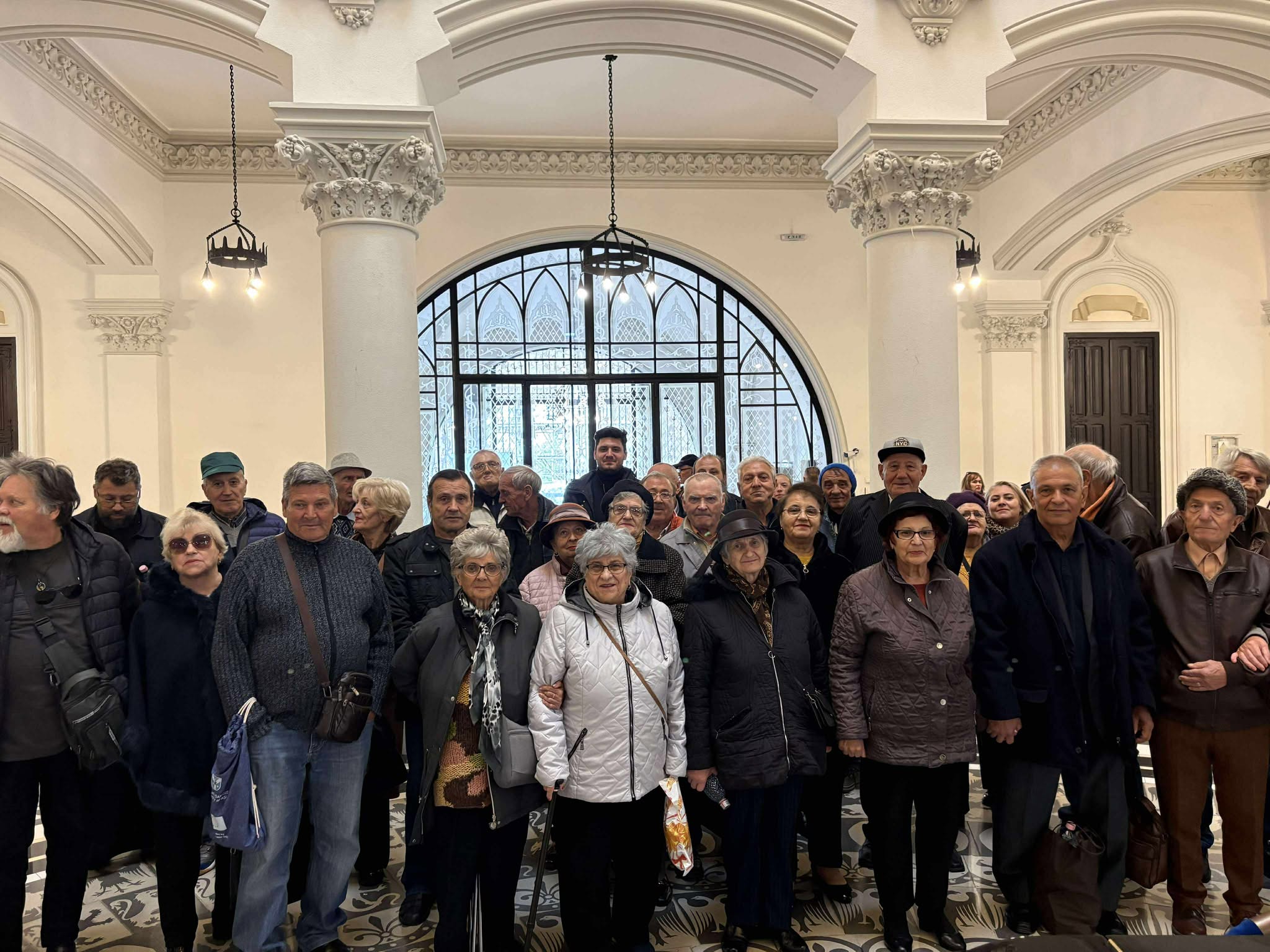
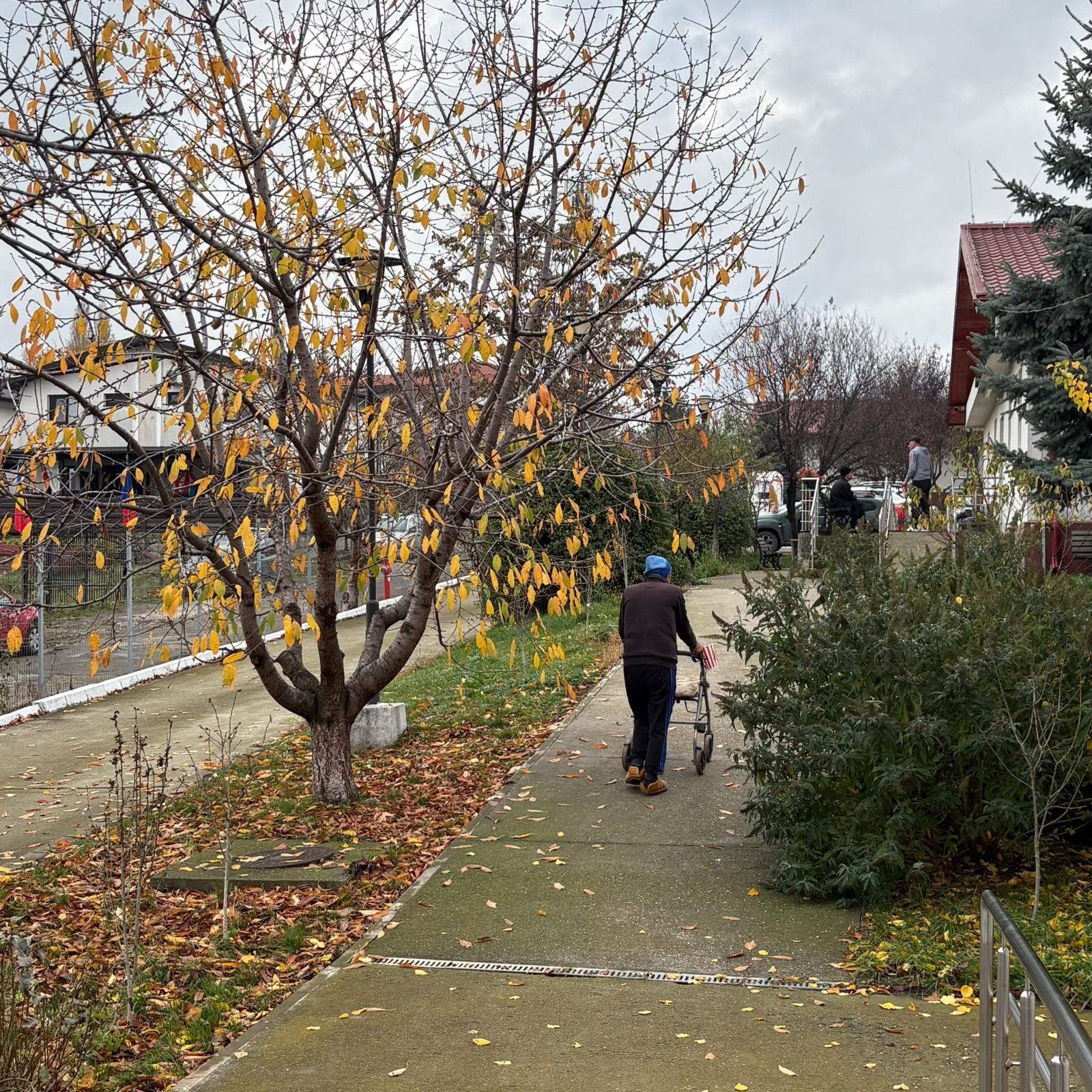
The project works directly with residents of two care centres in Iași – “Sfinții Constantin și Elena” Nursing Home and “Sfânta Cuvioasă Parascheva” Pensioners’ Home – creating opportunities for them to reconnect with the cultural life of the city. Many residents face barriers such as limited mobility, lack of access to cultural institutions and reduced social interaction.
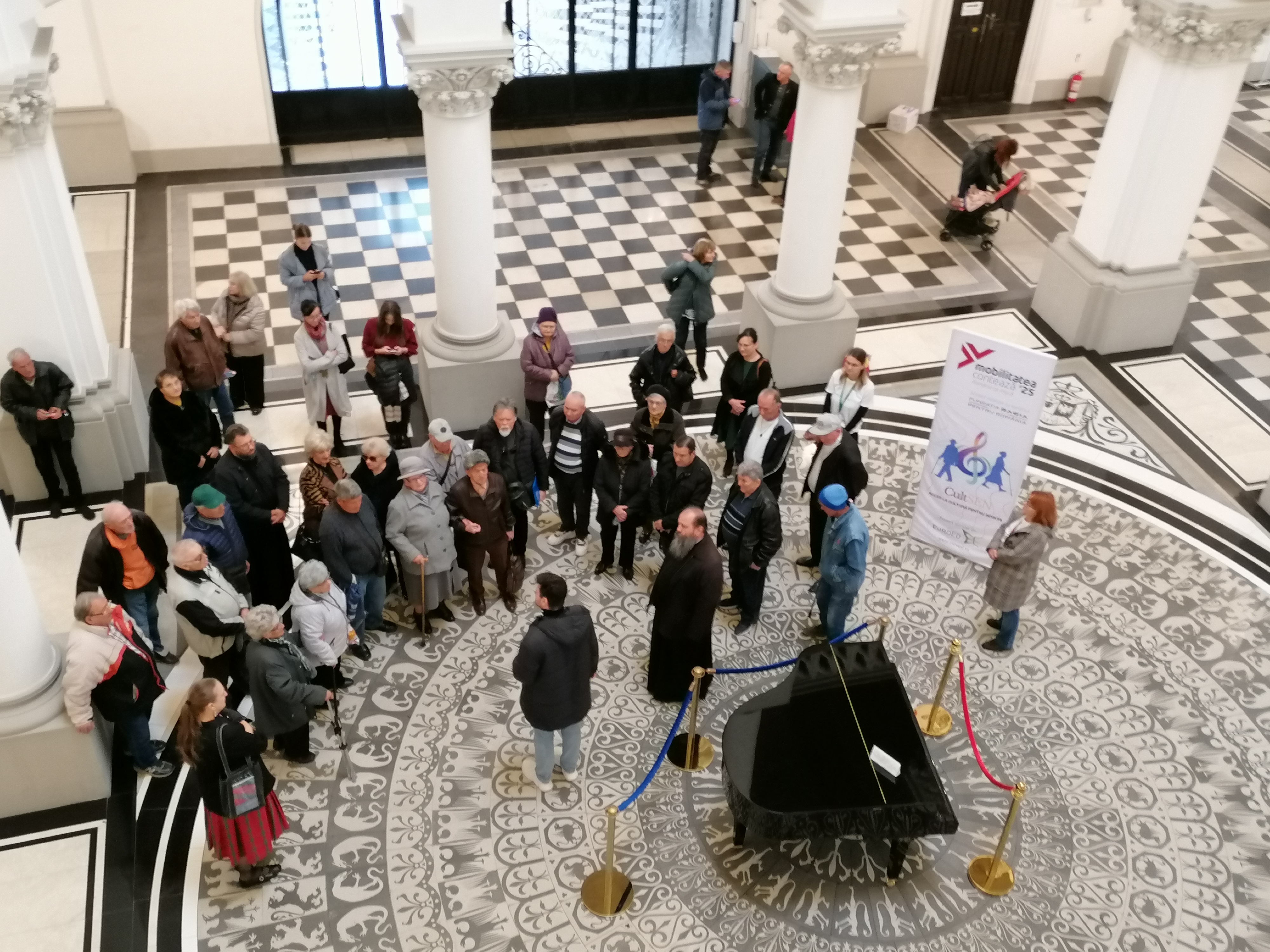
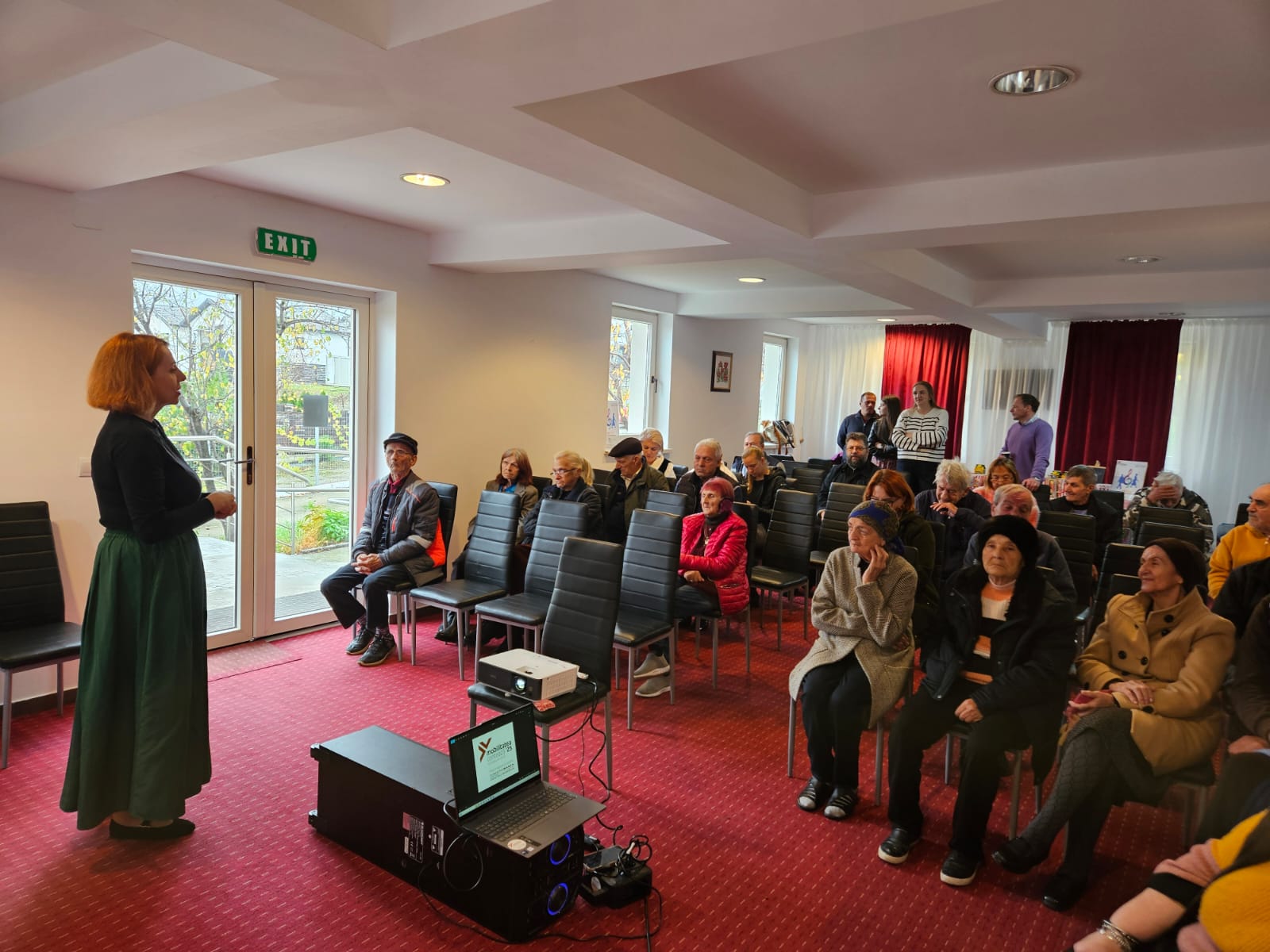
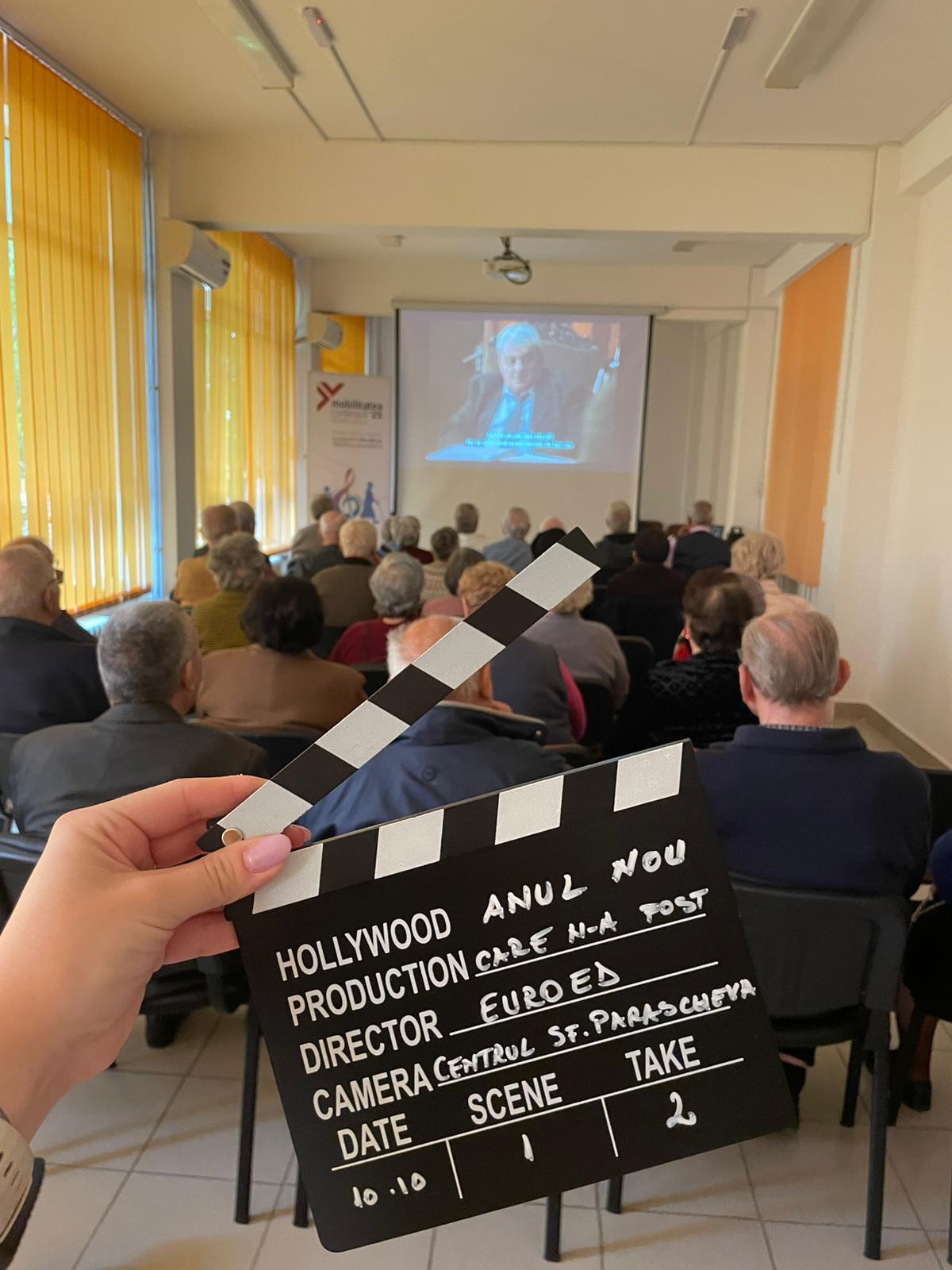
CultSEN responds through a combination of cultural mobility and participatory artistic activities. The project organizes cultural outings to key institutions in Iași, including the National Theatre, museums and cinema spaces, allowing seniors to experience the cultural heritage of their city. At the same time, culture is brought directly into the residential centres through mobile cinema screenings and creative workshops such as painting, storytelling and theatre-based expression.
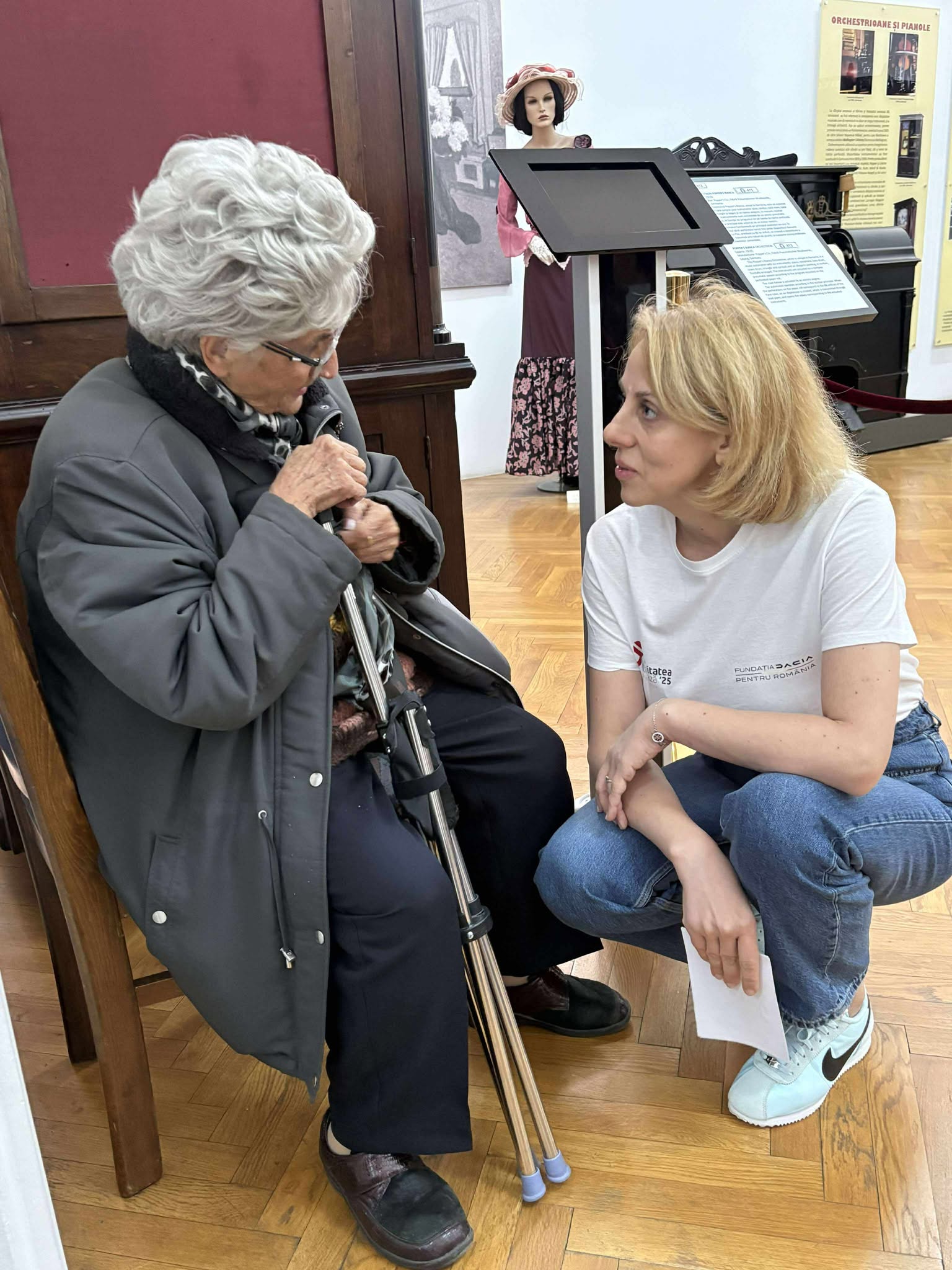
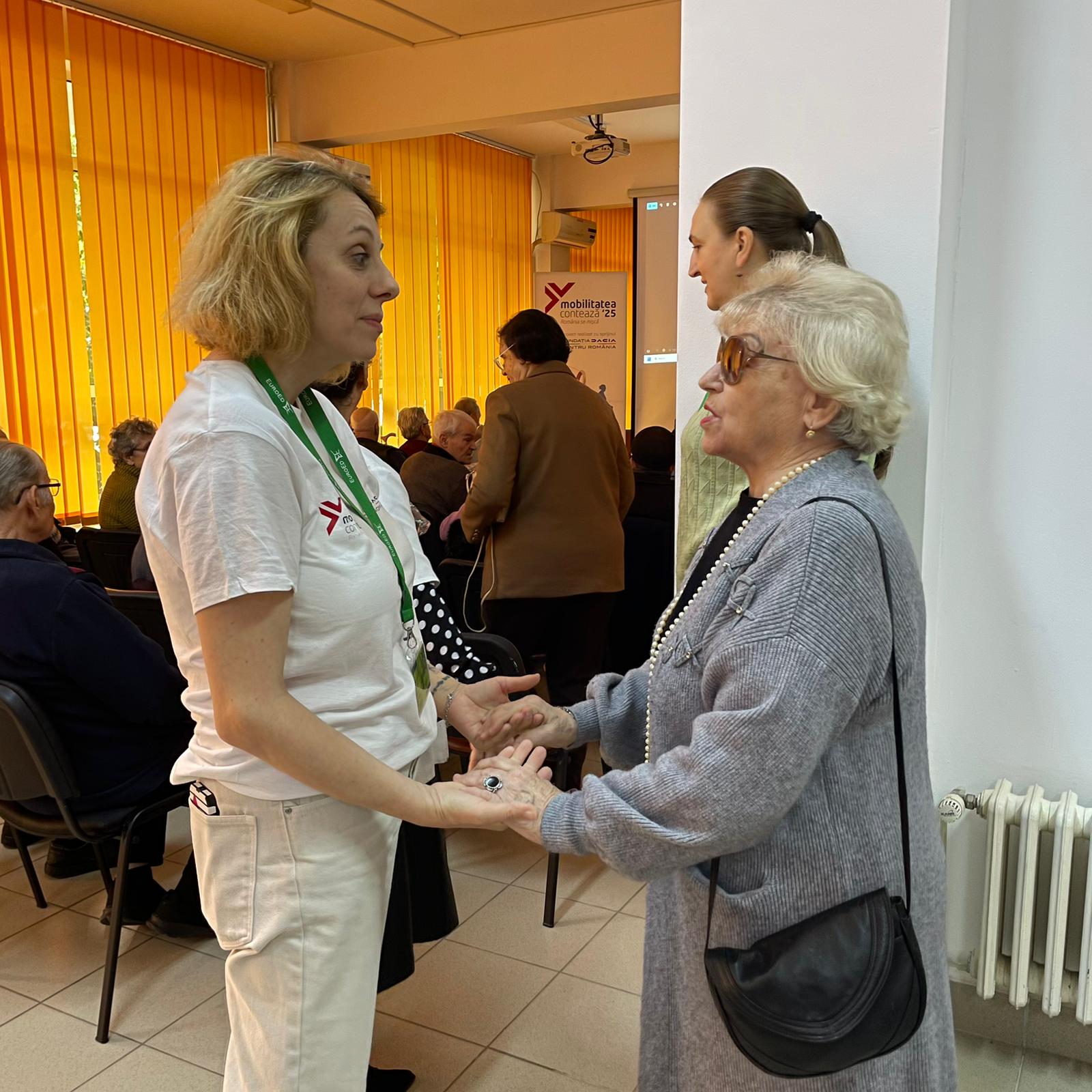
More than 40 seniors participate in the activities, supported by artists, facilitators and volunteers. These encounters encourage dialogue, memory stimulation, creativity and social interaction. Importantly, the project promotes intergenerational exchange, involving young artists and volunteers who collaborate with the elderly participants.
The results go beyond cultural participation. Participants report improved emotional wellbeing, renewed self-confidence and a stronger sense of belonging to the community. Creative outputs produced during the workshops will be presented in a public exhibition, offering seniors visibility and recognition as cultural contributors rather than passive beneficiaries.
In the long term,CultSEN aims to demonstrate that access to culture can play a key role in active and dignified ageing
CultSEN was born from a simple observation: many elderly people living in residential care centres rarely have the opportunity to participate in the cultural life of their own city. Although Iași is one of Romania’s most important cultural centres, with theatres, museums and vibrant artistic communities, many institutionalised seniors remain physically and socially disconnected from these spaces.
During visits and discussions with care centre staff and residents, the EuroEd Foundation team realised that isolation was not only physical but also emotional and cultural. Many seniors expressed a strong desire to attend cultural events again, to see a play, watch a film or simply feel part of the cultural rhythm of the city.
From this need, CultSEN was designed as a bridge between residential care centres and the cultural ecosystem of Iași. The project was implemented in collaboration with two residential centres – “Sfinții Constantin și Elena” and “Sfânta Cuvioasă Parascheva” – and involved cultural institutions, artists and volunteers.
The implementation combined two complementary approaches. First, seniors were supported to leave the centres and participate in cultural outings to theatres, museums and cinema spaces across the city. These visits were carefully organised with volunteer support and accessible transport to ensure safety and comfort.
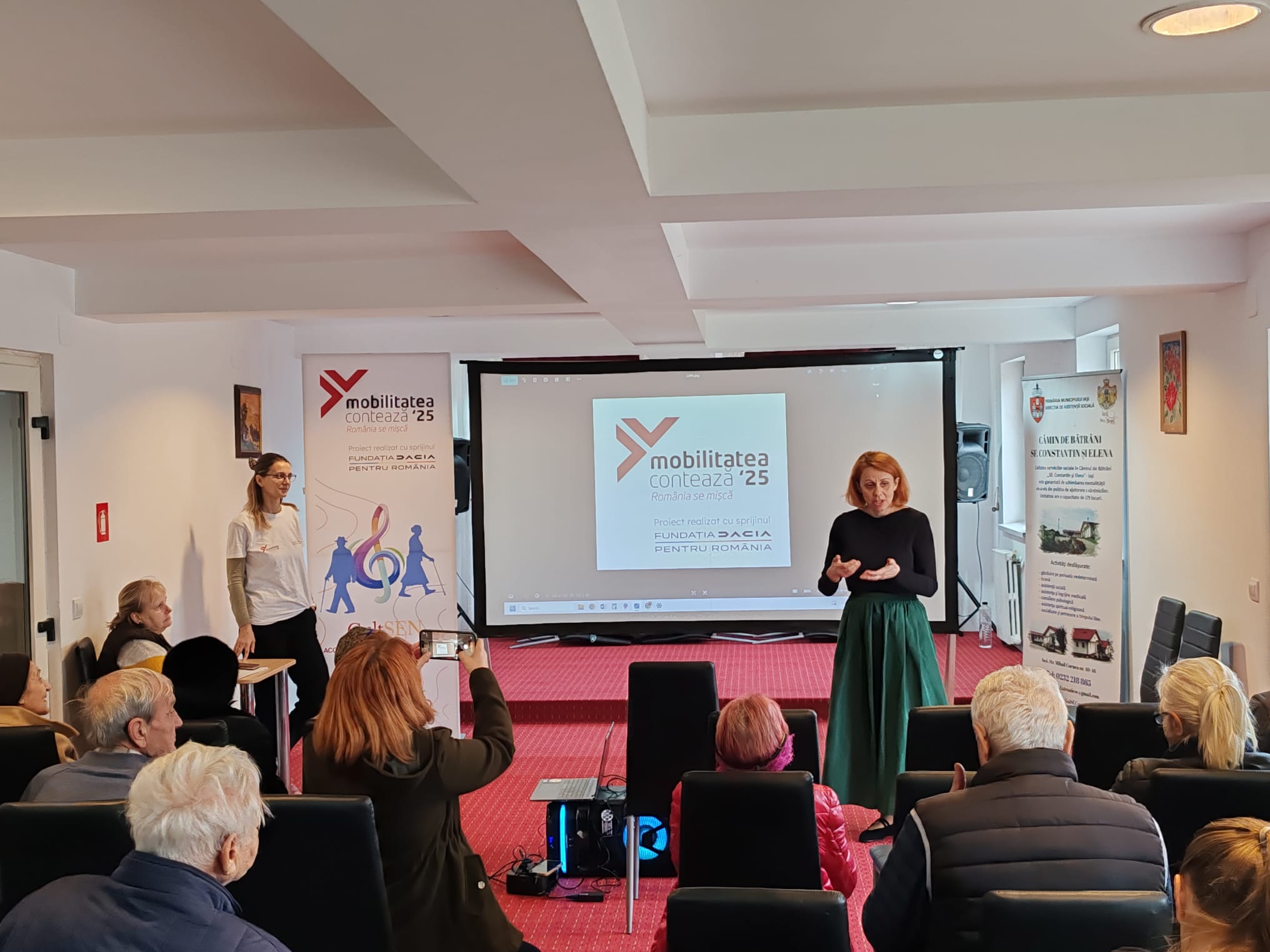
Second, the project brought culture directly into the residential centres through mobile cinema screenings and creative workshops in painting, storytelling and theatre expression. These activities encouraged participants to share memories, create together and reconnect with their own creativity.
Through these interactions, the centres gradually transformed from passive care environments into spaces of cultural participation and dialogue. The project also fostered intergenerational encounters, as young artists and volunteers collaborated with the elderly participants.
Social inclusion
Active ageing
Cultural participation
Intergenerational dialogue
Community wellbeing
CultSEN addresses sustainability primarily through long-term social and cultural impact. The project tackles the growing challenge of social isolation among elderly people living in residential care institutions, a demographic group that is often excluded from public and cultural life. By reconnecting seniors with the cultural ecosystem of Iași, CultSEN contributes to more inclusive and resilient communities.
The initiative promotes sustainable social wellbeing by enabling elderly residents to remain active participants in cultural life. Cultural mobility activities, such as visits to theatres, museums and cinemas, are combined with participatory creative workshops organised directly inside residential centres. These experiences stimulate cognitive engagement, emotional wellbeing and social interaction, which are essential elements of healthy and dignified ageing.
CultSEN is also sustainable because it builds long-term partnerships between residential care centres, cultural institutions, artists and volunteers. These collaborations create a network that can continue providing cultural opportunities for seniors beyond the duration of the project.
From a resource perspective, the project uses lightweight and reusable solutions, such as mobile cinema equipment and adaptable creative materials, which allow activities to be replicated easily in other centres without significant infrastructure investment. This makes the model scalable and accessible for other communities.
By demonstrating that culture can act as a sustainable tool for social inclusion and wellbeing, CultSEN provides a replicable approach for integrating institutionalised seniors into the cultural life of cities. The project shows that sustainable communities are not only environmentally responsible, but also socially connected and inclusive across generations.
CultSEN contributes to the aesthetic value of everyday life by reconnecting elderly residents of care centres with beauty, creativity and cultural expression. Many institutionalised seniors live in environments that are primarily functional, where daily life can become repetitive and disconnected from artistic and cultural experiences. CultSEN reintroduces beauty into these spaces through art, culture and shared creative moments.
The project creates meaningful aesthetic experiences in two ways. First, it enables seniors to access the cultural landmarks of Iași – theatres, museums and cinema spaces – allowing them to once again experience the artistic richness of their city. For many participants, these outings reconnect them with memories, emotions and the cultural identity of the place where they have lived their lives.
Second, CultSEN brings artistic creation directly into the residential centres through painting workshops, storytelling, theatre expression and mobile cinema screenings. These activities transform everyday spaces into places of imagination, dialogue and artistic exploration. Participants become creators themselves, producing artworks that reflect their personal stories, memories and perspectives.
The aesthetic dimension of the project is also visible in the final public exhibition, where the artworks created by seniors are presented to the wider community. This moment highlights the creative potential of older generations and challenges stereotypes about ageing, showing that beauty and artistic expression can emerge at any stage of life.
By turning care environments into spaces of creativity and cultural participation, CultSEN demonstrates that aesthetics is not limited to architecture or design. Beauty can also be found in shared cultural experiences, human connections and the rediscovery of creativity across generations.
CultSEN addresses inclusion by removing the social, physical and cultural barriers that prevent elderly people living in residential care centres from participating in the cultural life of their city. Many institutionalised seniors face multiple forms of exclusion: limited mobility, lack of accessible transport, reduced financial resources and very few opportunities to engage with cultural institutions.
The project responds to these challenges by creating accessible pathways to culture. Cultural outings are organised with logistical support, volunteer assistance and adapted transport, ensuring that seniors who would normally be unable to attend cultural events can safely participate in theatre performances, museum visits and cinema screenings.
At the same time, CultSEN brings cultural activities directly into the residential centres through mobile cinema screenings and creative workshops. This approach ensures that even residents with reduced mobility can take part in artistic experiences and social interaction.
Inclusion is also reinforced through participatory methods. Seniors are not treated as passive recipients of activities but as active contributors who share memories, ideas and creative expressions during workshops and collaborative artistic processes. Their voices and personal stories shape the cultural outputs of the project.
The project further promotes inclusion by fostering intergenerational dialogue. Young artists and volunteers work alongside the elderly participants, creating opportunities for mutual learning and breaking stereotypes about ageing and vulnerability.
By demonstrating that access to culture should not depend on age, mobility or living conditions, CultSEN proposes a more inclusive model of cultural participation. The project shows how cities can reconnect marginalised groups with public cultural life, strengthening social cohesion and a shared sense of belonging within the community.
CultSEN is built on a participatory approach that actively involves the people and organisations connected to the project. From the beginning, the initiative was developed in dialogue with residential care centres, their staff and the elderly residents themselves, in order to understand their needs, interests and cultural preferences.
The residents of the two care centres in Iași – “Sfinții Constantin și Elena” and “Sfânta Cuvioasă Parascheva” – are not only beneficiaries but active participants in shaping the activities. During workshops and discussions, seniors share their memories, artistic interests and personal stories, which influence the themes of the creative sessions and cultural events. Their ideas help guide the design of the activities, ensuring that the project reflects their experiences and aspirations.
Civil society and community actors also play an important role. Local artists and cultural facilitators collaborate in leading creative workshops and artistic sessions, bringing professional artistic expertise while working closely with the participants. Volunteers support the organisation of cultural outings and interact directly with seniors, creating opportunities for meaningful human connections.
Cultural institutions in Iași – theatres, museums and cinema spaces – are engaged as partners by opening their doors to groups of elderly participants who would otherwise rarely access these spaces. Through this collaboration, the project strengthens the relationship between cultural institutions and vulnerable community groups.
This participatory structure transforms the project into a shared community effort. Seniors contribute with life experience and creativity, artists contribute with artistic knowledge, and volunteers contribute with energy and support. Together they create a collaborative environment where culture becomes a common space for dialogue, learning and social connection.
CultSEN is implemented through collaboration between stakeholders at multiple levels, creating a network that connects civil society, local institutions, cultural organisations and community actors.
At the local level, the project is coordinated by the EuroEd Foundation in partnership with two residential care centres in Iași – “Sfinții Constantin și Elena” and “Sfânta Cuvioasă Parascheva”. The management teams and social staff of these centres play an essential role in identifying participants, adapting activities to residents’ needs and ensuring that the project is integrated into the daily life of the centres.
Local cultural institutions such as theatres, museums and cinema spaces contribute by opening their venues to elderly participants and supporting the organisation of cultural visits. Their involvement helps connect residential care environments with the wider cultural ecosystem of the city.
Artists, facilitators and volunteers represent another key layer of collaboration. They support creative workshops, accompany participants during cultural outings and facilitate intergenerational interaction. Their engagement helps transform the project into a community-driven initiative rather than a top-down intervention.
At a broader level, the project reflects European priorities related to active ageing, social inclusion and cultural participation. Through this alignment with European values and frameworks, CultSEN demonstrates how local initiatives can contribute to wider European discussions about inclusive cultural access and community wellbeing.
The added value of this multilevel collaboration lies in the creation of a sustainable network that connects social services, cultural institutions and civil society. This cooperation makes it possible to continue offering cultural opportunities to seniors beyond the duration of the project and provides a replicable model for other cities seeking to reduce social isolation among elderly populations.
CultSEN is designed as a transdisciplinary initiative that brings together expertise from multiple fields in order to address the complex issue of social isolation among elderly people living in residential care institutions.
The project integrates perspectives from social sciences, cultural management, arts education and community development. Social workers and care centre staff contribute their knowledge of the needs, wellbeing and daily realities of elderly residents. Their expertise ensures that the activities are adapted to participants’ physical and emotional conditions.
The artistic dimension of the project is provided by artists and cultural facilitators who lead creative workshops in painting, storytelling and theatre expression. These activities draw on methods from arts education and participatory cultural practices, encouraging self-expression, creativity and memory activation.
The project also incorporates elements of cultural management and heritage engagement by connecting participants with local cultural institutions such as theatres, museums and cinemas in Iași. Through organised cultural visits, the initiative creates bridges between the residential care environment and the broader cultural ecosystem of the city.
In addition, the project includes aspects of community engagement and informal education. Volunteers and young cultural practitioners participate in the activities, supporting intergenerational dialogue and learning processes between younger and older generations.
Digital technology also plays a role through the use of mobile cinema equipment and audiovisual tools that allow cultural experiences to be recreated within the residential centres. These tools make it possible to bring artistic content directly to participants who cannot easily travel.
CultSEN is implemented as a non-profit social innovation project coordinated by the EuroEd Foundation. Its sustainability is based on a mixed funding and partnership model that combines public grants, private sponsorship, institutional partnerships and community engagement.
The current phase of the project is supported through grant funding that enables the development of cultural activities for institutionalised seniors. However, the project has been designed in a way that allows its core activities to continue beyond the initial funding period.
A key element of financial sustainability is the strong network of local partners. Cultural institutions in Iași, such as theatres, museums and cinema spaces, support the initiative by providing access to cultural events or reduced-cost participation for elderly groups. This significantly lowers operational costs while strengthening long-term collaboration between the cultural sector and social services.
The project also relies on community engagement and volunteer support, particularly from young people and emerging artists who facilitate workshops and accompany cultural outings. Their involvement helps maintain the programme with limited financial resources while fostering intergenerational exchange.
Another important component is the use of portable and reusable equipment, such as mobile cinema technology and creative workshop materials. These resources allow the activities to be replicated in other residential centres without significant additional investment.
In the long term, the EuroEd Foundation plans to scale and sustain the initiative through a combination of European programmes, public cultural funding, local partnerships and corporate social responsibility contributions. By demonstrating its social impact and replicable methodology, CultSEN aims to attract future funding and expand its activities to other communities.
CultSEN has strong potential for transferability and replication because its methodology is simple, adaptable and based on widely available community resources. The project does not depend on large infrastructure investments, but rather on partnerships between social services, cultural institutions, artists and volunteers.
The core model of the project can be easily replicated in other cities or regions. It combines three key components: cultural mobility for elderly residents, cultural activities brought directly into residential centres, and participatory creative workshops that encourage expression and social interaction. These elements can be adapted to different cultural contexts while maintaining the same inclusive approach.
The use of mobile and flexible tools also supports scalability. Equipment such as portable cinema systems and simple creative materials allows cultural experiences to be organised in residential centres without requiring complex infrastructure. This makes it possible to implement the model in both urban and rural contexts.
Another transferable element is the partnership structure. Most communities have residential care centres, cultural venues and local artists who can collaborate to create similar initiatives. By building bridges between these actors, the project creates a sustainable local ecosystem that supports cultural participation for older adults.
The methodology developed through CultSEN can also be applied to other groups at risk of social isolation, such as people with disabilities or individuals living in remote communities. This flexibility increases the relevance of the model across different social sectors.
Through documentation, partnerships and public dissemination of results, the project aims to inspire other organisations and municipalities to adopt similar approaches. In this way, CultSEN can contribute to a broader European movement promoting inclusive access to culture and active ageing across communities.
- https://www.facebook.com/fundatiaeuroed/posts/pfbid0kZRvYCYn5onQoYrdg6nGCTAhuHnwSfBgQMzted8yzrNqLcVbn88bf3F21E9Z2aXMl
- https://www.facebook.com/fundatiaeuroed/posts/pfbid0cLBZ7mzkwsZaTub1PAfDQ4p1tc6JC79VNg7W3xAfB7rbn9k6QbmwpqZVfU4wDPHhl
- https://www.facebook.com/fundatiaeuroed/posts/pfbid023vM7zoCqep5yVMZ2nZdZk4zRv2rwsc4Uis2DsdmCv3UH7LDu9wzVniVbD6Rt2Lbzl