Strengthening Local Democracy and Inclusion
Mobile Sauna, What a Hut
A small architectural intervention as a catalyst for community and shared public space.
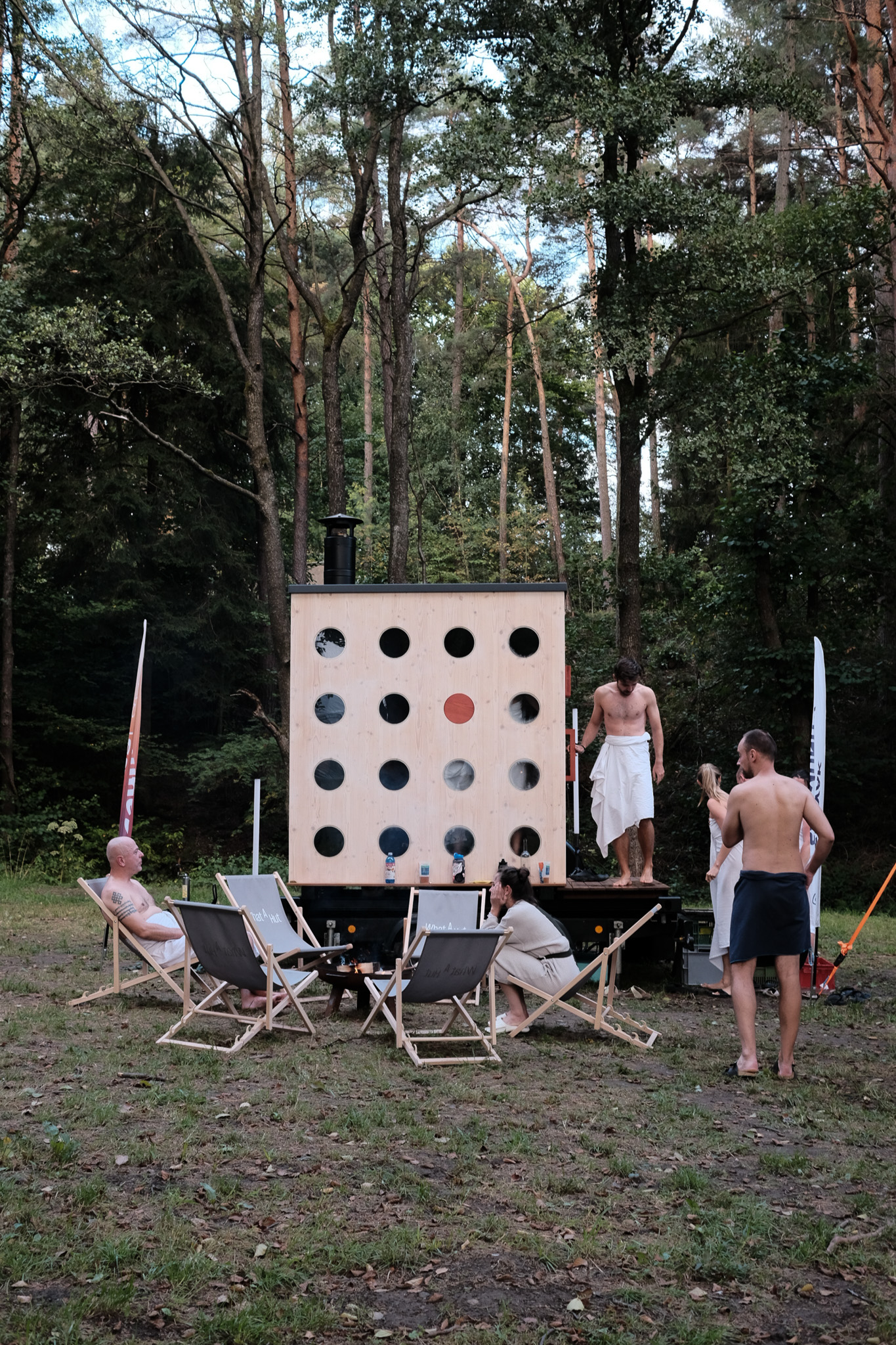
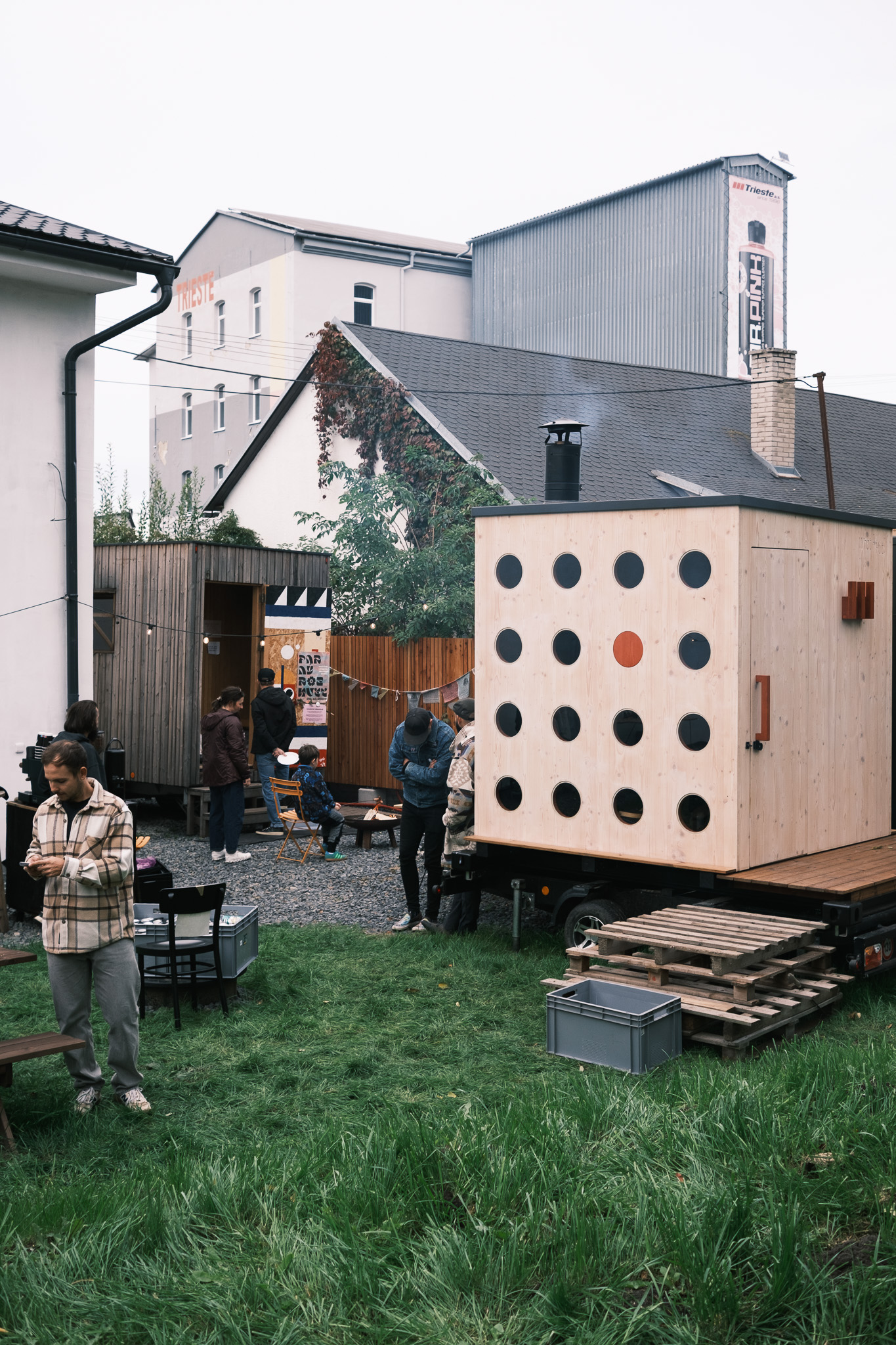
The What a Hut mobile sauna is a small architectural intervention that activates public space and strengthens community life. Built from locally sourced spruce and produced in the Czech Republic, the travelling sauna brings wellbeing and social interaction to towns, villages and various pop-up events. By temporarily placing the sauna in different locations, municipalities and residents can test shared infrastructure before investing in permanent solutions.
Czechia
National
It addresses urban-rural linkages
It involves a physical transformation of the built environment (hard investment)
Yes
2025-06-20
Yes
The Next Generation EU funding was used to support our online communication and website development, not the mobile sauna project itself.
No
No
Organisation
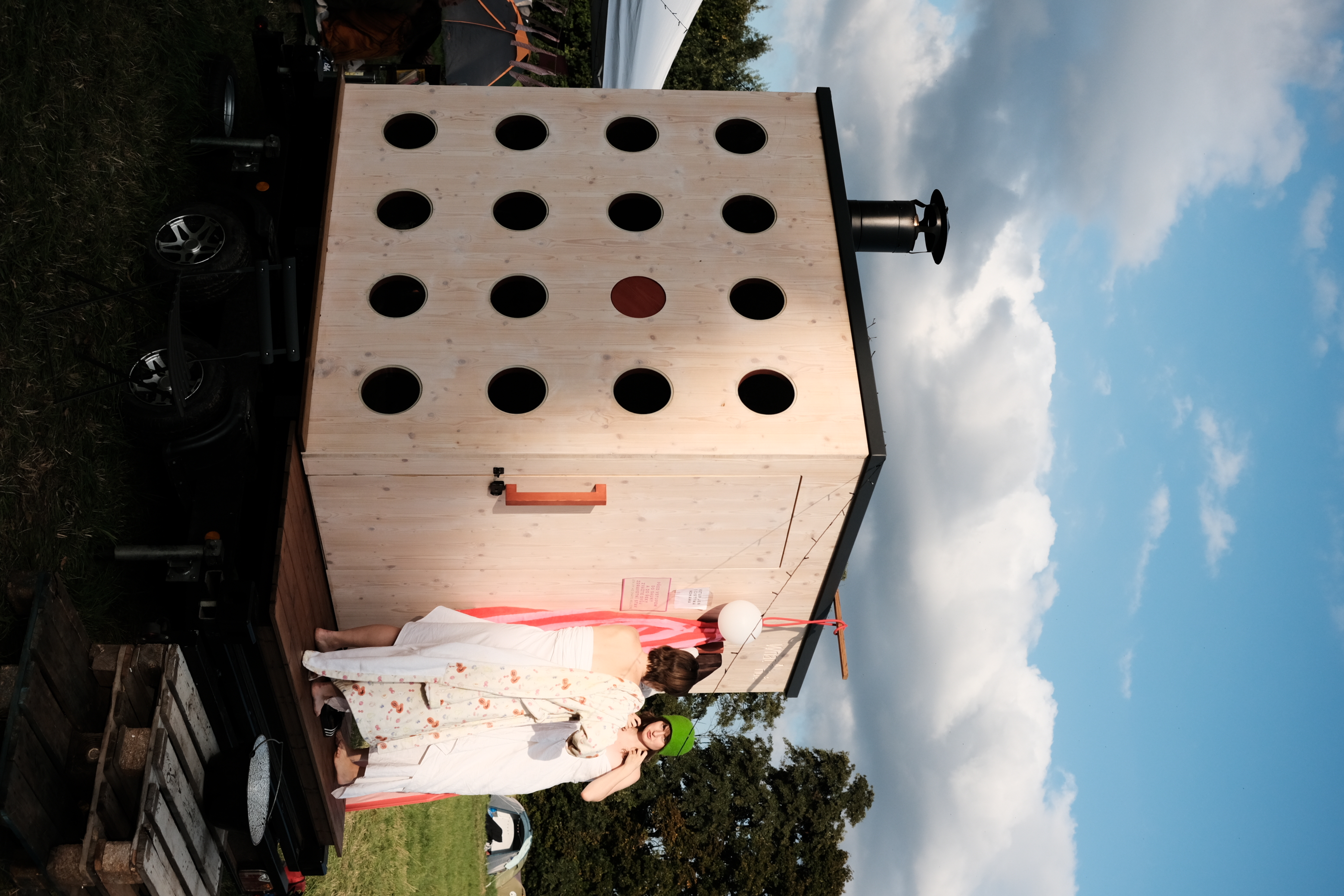
The project introduces a mobile community sauna developed by the Czech studio What a Hut. Since its launch in June 2025, the travelling sauna - nicknamed Too Hot To Handle, Emental or Bubble - has been moving between towns, festivals and community initiatives across the Czech Republic and Slovakia.
The minimalist structure is built from locally sourced solid spruce wood from regions such as the Beskydy mountains, Prostějovsko and the Elbe region. Production takes place entirely in the Czech Republic, supporting regional suppliers and reducing transport emissions. Offcuts from panel production are reused as benches or material samples, minimizing waste and reflecting circular design principles.
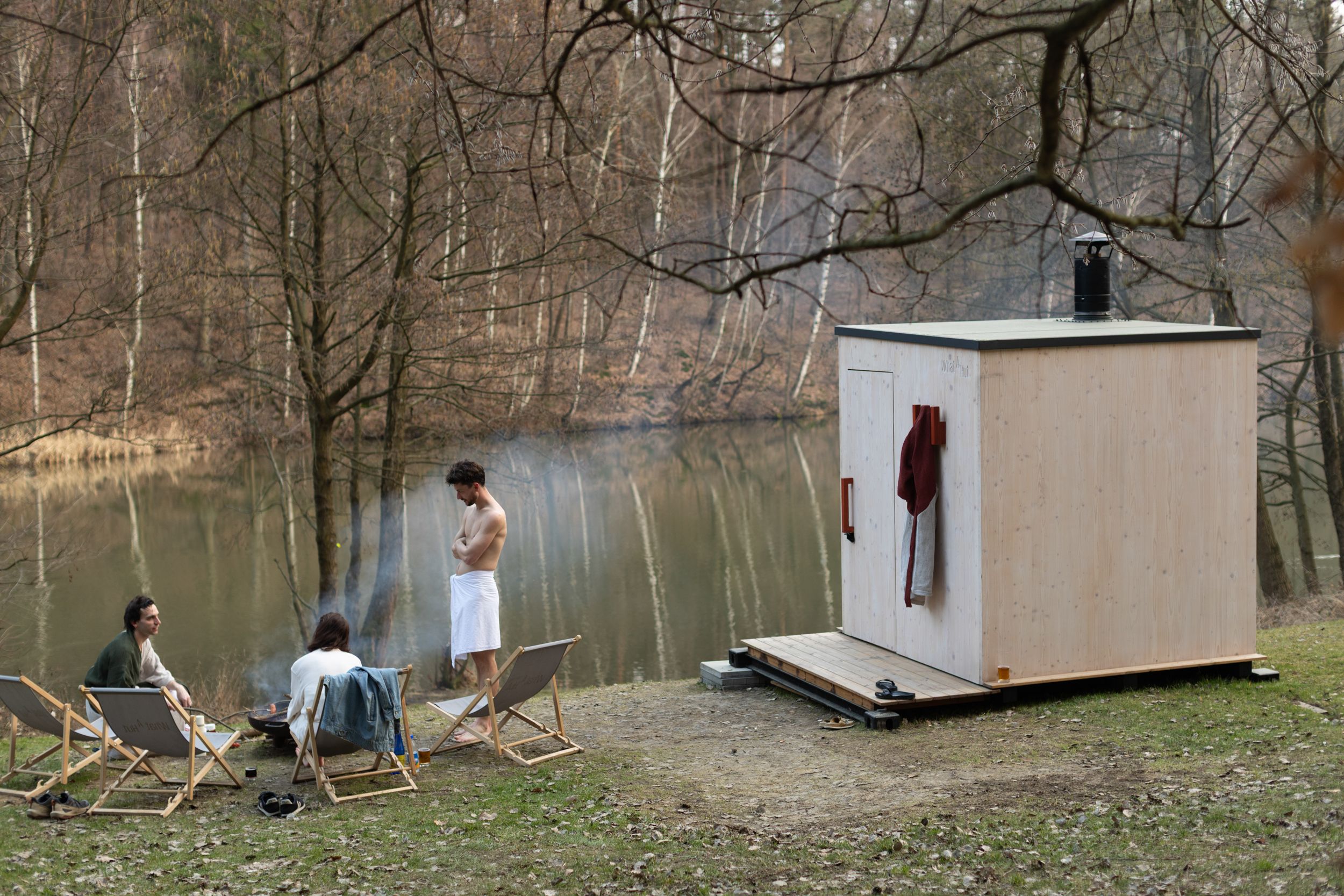
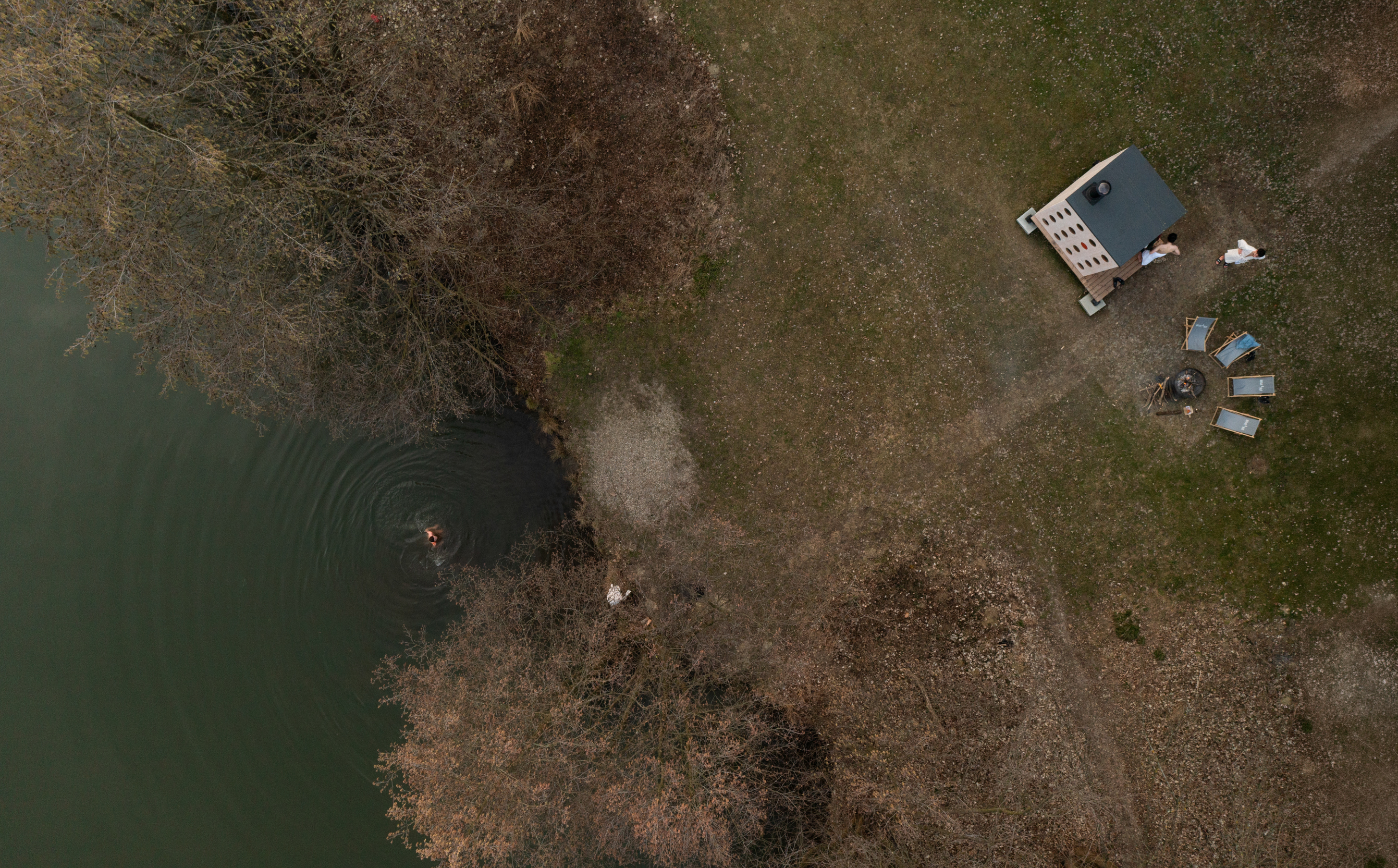
During its first months of operation the sauna appeared at five sauna festivals across the Czech Republic and Slovakia. Its significant impact emerged in smaller communities, as well. In the town of Fryšták, the sauna operated for four months by the local pond Žaba, run by a group of residents. The temporary experiment proved so successful that the municipality decided to include a permanent community sauna in the planned revitalization of the area.
A similar initiative is currently taking place in the nearby village of Provodov, where the sauna is operated through cooperation between the municipality and a local football club.
The project therefore functions as a practical tool for participatory planning. Instead of building costly infrastructure without knowing whether people will use it, municipalities can test community interest in advance. In the long term, the concept can inspire permanent community saunas and new forms of shared wellbeing infrastructure across Central Europe.
What a Hut has been designing and producing saunas since 2023. From the beginning, the team regularly organised community sauna events in their showroom located in a plum orchard near Zlín. These gatherings revealed something important: saunas were not only attractive for private clients but also had strong potential as shared spaces within towns and villages.
In the Czech context it is often said that a proper village needs a church and a good pub. What a Hut believes a third place should be added to that list - a community sauna. As interest in wellbeing and healthy lifestyles grows, municipalities are increasingly looking for new forms of civic infrastructure.
However, many local governments were unsure whether residents would actually use such a facility. The mobile sauna was created as a way to test the concept in real conditions.
After appearing at several sauna pop-ups and festivals, the sauna became part of the community initiative Sauna na Žabě in Fryšták. What began as a one-month trial turned into a four-month experiment that ultimately convinced the municipality to include a permanent sauna in the revitalization of the site.
Today the sauna continues its journey. It is currently operating in the village of Provodov and will later appear at community and sauna events in Prague, Hradec Králové, Bratislava and the High Tatras. Through these travels, the project continuously collects feedback and inspires new communities to explore shared sauna culture.
Community
Mobility
Sustainability
Participation
Wellbeing
The project demonstrates how small-scale architecture can activate public space and create places for regeneration and intergenerational encounters, particularly in towns lacking civic infrastructure.
Socially, the sauna acts as a neutral meeting space where people from different backgrounds interact on equal terms. The example of Fryšták shows how a temporary intervention can evolve into a long-term community initiative.
Economically, the mobile sauna allows municipalities to test shared infrastructure before committing to costly permanent investments. This reduces risk and ensures that long-term projects respond to real community demand.
Environmentally, the sauna is built entirely from locally sourced spruce wood processed in the Czech Republic. Short supply chains reduce transport emissions while supporting regional suppliers. Offcuts are reused during production, minimizing waste.
Mobility itself also contributes to sustainability. Instead of building permanent structures everywhere, one object can serve multiple communities over time.
The project introduces new life to places that might otherwise remain underused. By temporarily placing the sauna in a location, communities can rediscover the potential of their surroundings and gradually transform them into long-term social spaces.
Saunas today are not only about physical health. They are places of conversation, openness and shared experience. Inside the sauna, social differences tend to disappear and people meet on equal ground. In Central Europe, where many social gatherings revolve around alcohol, the sauna offers a healthier and more reflective alternative.
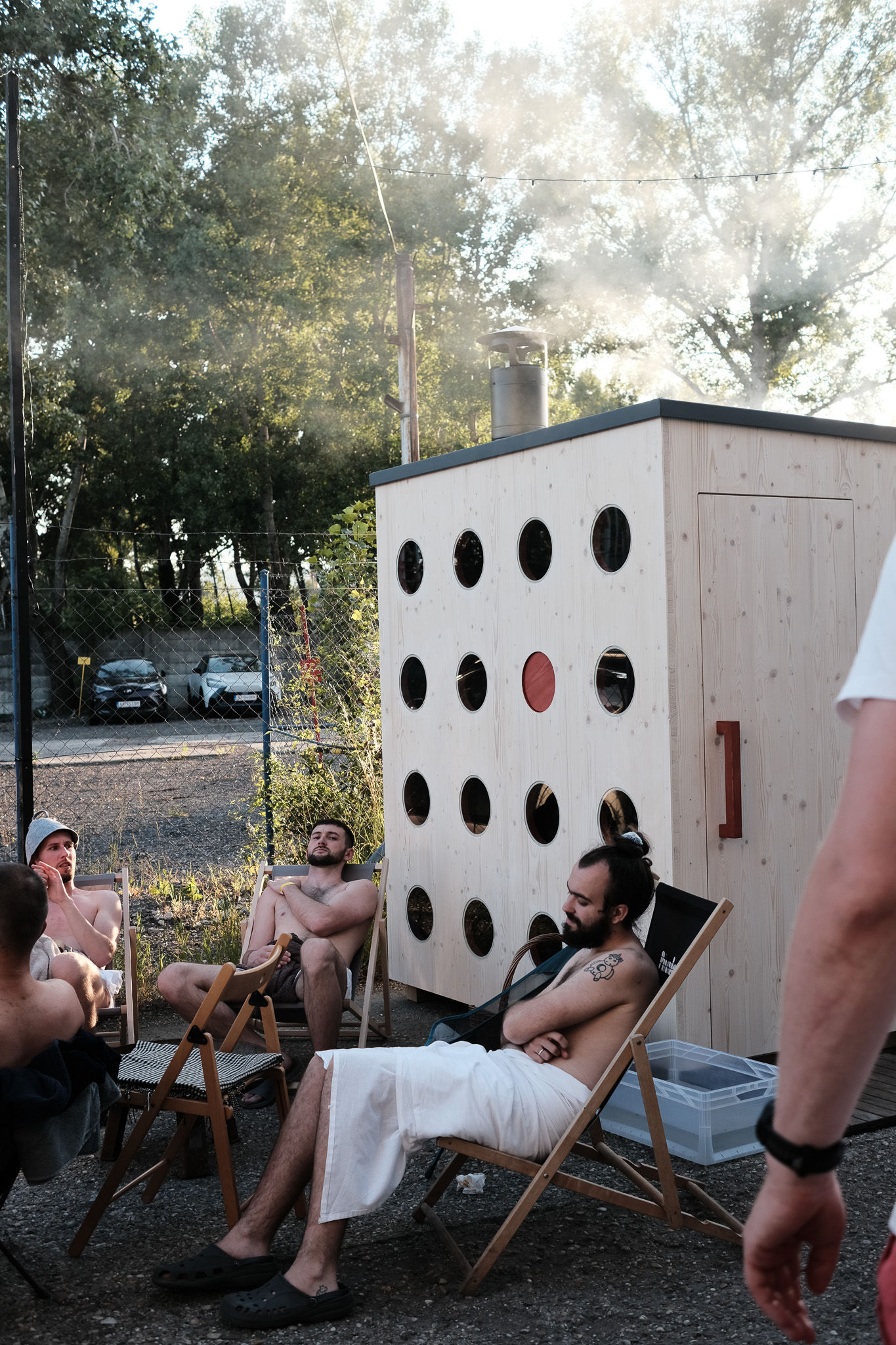
The architecture reflects the philosophy of What a Hut. Designed by Red Dot award laureate Adéla Bačová, the sauna combines minimalist design with the warmth of solid wood. The perforated wooden facade gives the structure a distinctive identity while the interior creates a calm and focused environment for the sauna ritual.
By bringing high-quality design into small towns and villages, the project demonstrates that thoughtful architecture should not be limited to large cities but can enrich everyday life in local communities.
The project returns sauna culture to its original idea: a shared ritual accessible to everyone, not a luxury service limited to wellness resorts.
Because the sauna travels directly to smaller towns and villages or to variate pop-ups, it removes the geographical barrier that often separates people from quality wellness infrastructure. Residents no longer need to travel to large cities to experience sauna culture.
Operationally, the project is designed to remain affordable. In many cases the sauna is run by municipalities, community groups or local clubs, allowing entrance fees to remain low and accessible for a wide range of residents.
The project also introduces a more inclusive model of governance. The mobile sauna allows municipalities to test community infrastructure before committing to permanent construction. Citizens are therefore not only users but often active co-creators of the space.
Through this model, the project demonstrates how small-scale architecture can support shared responsibility, local ownership and inclusive participation in shaping public space.
From the beginning, the project has treated citizens not as passive users but as active participants.
The level of involvement varies. At the most basic level are residents who simply come to sauna sessions. At the next level are community groups who help operate and maintain the sauna. At the highest level are municipalities that allow temporary placement and consider permanent infrastructure based on the results.
The Fryšták project illustrates this process clearly. One of the five local organisers first encountered What a Hut at a community sauna event in Zlín. During conversations, the idea emerged to place the mobile sauna at the Žaba pond, a site previously used mainly by fishermen and winter swimmers.
What was initially planned as a one-month experiment eventually lasted four months. During this period the organisers created social media channels, hosted several public sauna events and allowed private bookings. Around 45 private groups used the sauna during this time.
The strong response convinced the municipality to support the idea of building a permanent sauna. The local community has already prepared initial proposals for the future design and is currently discussing them with the city architect.
A similar process is now taking place in Provodov, where the sauna operates through cooperation between the municipality, local volunteers and a football club.
The What a Hut mobile sauna project is built on the active involvement of stakeholders at multiple levels, which is key to its overall success.
The strongest collaboration takes place at the local level, forming the core of the project’s participatory approach. Citizens and local associations are not merely users but active co-creators of public space. In Fryšták, a group of local enthusiasts initiated and operated a pilot sauna by the Žaba pond. Their engagement provided clear evidence of public interest and ultimately convinced the municipality to include a permanent community sauna in the planned revitalization of the area. In Provodov, the project connects the municipality with a local football club and volunteers, strengthening shared responsibility and trust between residents and local government.
At the regional level, the project relies on collaboration with local suppliers and wood processors. The sauna is built from solid spruce panels sourced from sustainable forests in regions such as the Beskydy mountains, Prostějovsko and the Elbe region. Working with regional partners shortens supply chains and directly supports the local economy.
At the national level, participation in sauna festivals and public events across the Czech Republic and Slovakia has allowed the project to gather valuable feedback from a wider audience. These events serve as testing grounds for new ideas and contribute to the further development of the concept.
International exposure through festivals and cross-border events has demonstrated the broader relevance of the project. It shows that the model of small, mobile and community-driven infrastructure can be successfully transferred and scaled across municipalities in Central Europe.
The project sits at the intersection of architecture, design, engineering, environmental thinking and community development.
Architecturally, the mobile sauna explores the potential of small-scale structures that temporarily activate public space. Its minimalist design uses solid wood to create a calm environment focused on the sauna experience while ensuring durability and mobility.
Engineering and craftsmanship are key to the project’s implementation. The sauna was developed in collaboration with local timber manufacturers, carpenters and technical specialists who ensured structural stability and long-term durability.
Environmental thinking informs the use of locally sourced spruce wood, short supply chains and efficient material use. Production offcuts are reused as benches or material samples, minimizing waste and reinforcing circular design principles.
Equally important is the social dimension. Municipalities, local associations, volunteers and community groups often participate directly in operating the sauna. Drawing on participatory planning and community development, the project uses architecture as a tool for testing new forms of shared public infrastructure.
The project operates without public grants or subsidies. Its financial sustainability is based on the rental of the mobile sauna to municipalities, community groups and event organisers.
The rental fee covers maintenance and wear of the structure while remaining affordable enough for communities to finance operations through modest entrance fees.
Once a municipality confirms long-term interest in the concept, the temporary experiment can evolve into a permanent sauna project. In such cases the cost of the mobile sauna rental can be deducted from the final price of the permanent installation.
This approach allows municipalities to test the concept before making significant investments and ensures that permanent infrastructure is built only where there is genuine demand.
The scalability of the project is one of the greatest strengths of the mobile sauna. The concept can be easily transferred to different towns and regions across Central Europe and beyond. Its core principle - testing shared infrastructure through temporary architecture - allows communities to explore new forms of public space focused on wellbeing and social interaction.
While community sauna culture is well established in Nordic countries, in many parts of Central Europe shared public spaces are rarely associated with health and wellbeing. The mobile sauna introduces a new perspective by demonstrating how a simple communal ritual can strengthen both physical wellbeing and social connections.
Once a local community takes ownership of the idea, successful implementation becomes highly likely. The concept can naturally evolve into a permanent facility, with the What a Hut team also capable of delivering long-term architectural solutions when municipalities decide to build a permanent sauna.
By combining thoughtful architecture, sustainable materials and community-driven place-making, the project demonstrates how a small intervention can meaningfully transform public space.