Strengthening Local Democracy and Inclusion
Jardins do Bombarda
Jardins do Bombarda - Cultural and Community Center
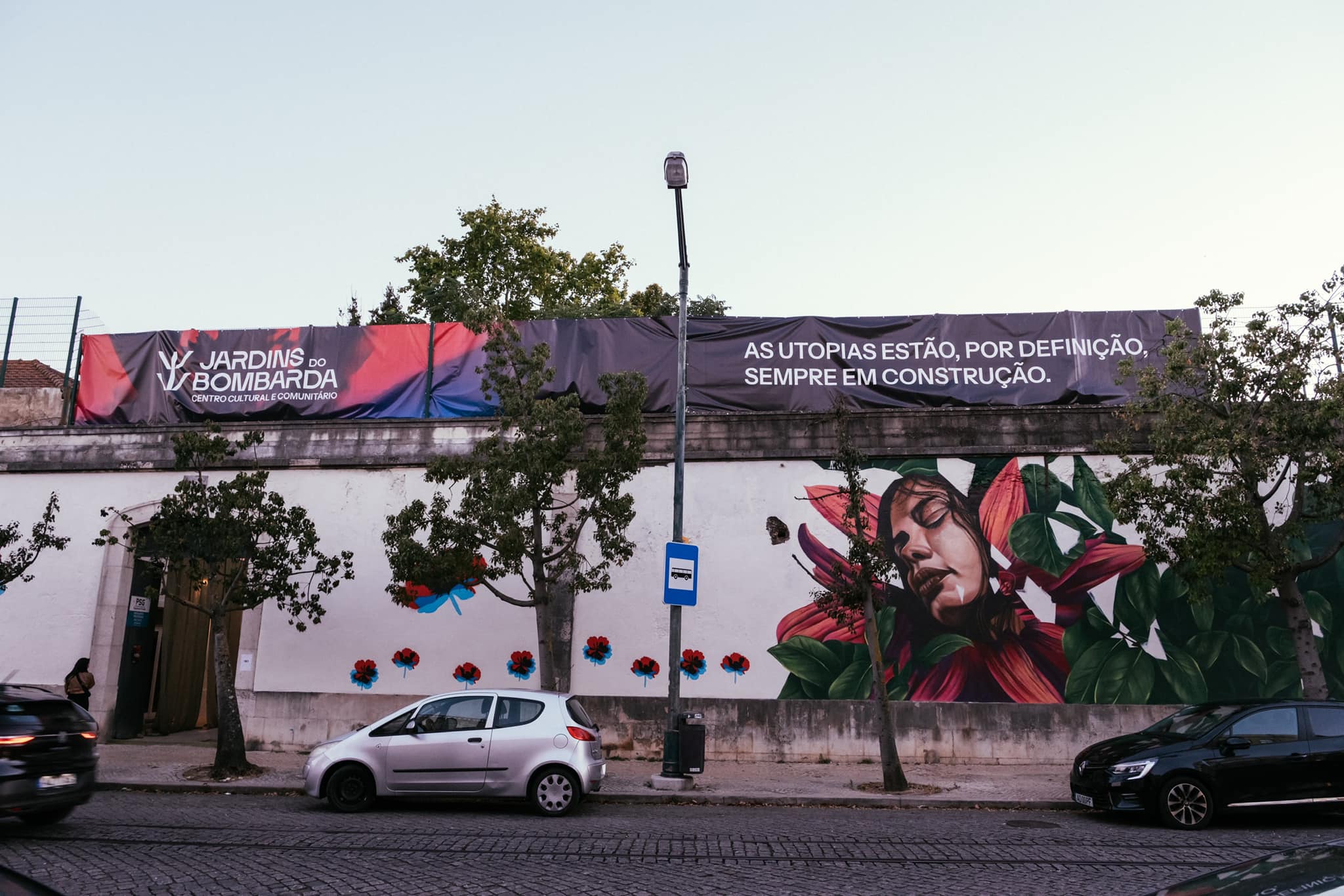
Jardins do Bombarda is a Cultural and Community Center created in 2024 in the space of a former psychiatric hospital in Lisbon, the Miguel Bombarda Hospital. The center was created by Largo cooperative in an outdoor area using placemaking methodology and is based in a sociocratic governance, gathering collective and individual members in an ecosystem that works with the community through cultural and social activities, following a model of economic and environmental sustainability.
Portugal
Local
Lisbon
Mainly urban
It involves other types of transformations (soft investment)
Yes
2025-03-27
No
No
No
Organisation
Sou Largo, CRL (Largo Residências) is a cultural and social responsibility cooperative founded in 2012 in Lisbon. We operate as a Community Cultural Center - JARDINS DO BOMBARDA, an collaborative "Third Place"—a hybrid ecosystem where culture, social innovation, and community engagement intersect to drive urban transformation.
At the heart of our mission is the New European Bauhaus spirit: combining beauty, sustainability, and deep inclusion. We currently manage Jardins do Bombarda, revitalizing the former Miguel Bombarda Hospital through the adaptive reuse of vacant public heritage. This is "city-building" in action, preventing urban degradation while reclaiming the "Right to the City".
Our impact is both broad and profound:
Inclusion: We coordinate 47 resident entities and approximately 150 workers. We don’t just work for vulnerable communities; we work with them. By employing ethnic minorities, refugees, and individuals experiencing homelessness within our core team, we ensure that participation translates into true representation.
Sustainability: We follow a "placemaking" methodology, building infrastructures entirely through upcycling and the reuse of materials. This circular economy approach is central to our ecological and financial sustainability.
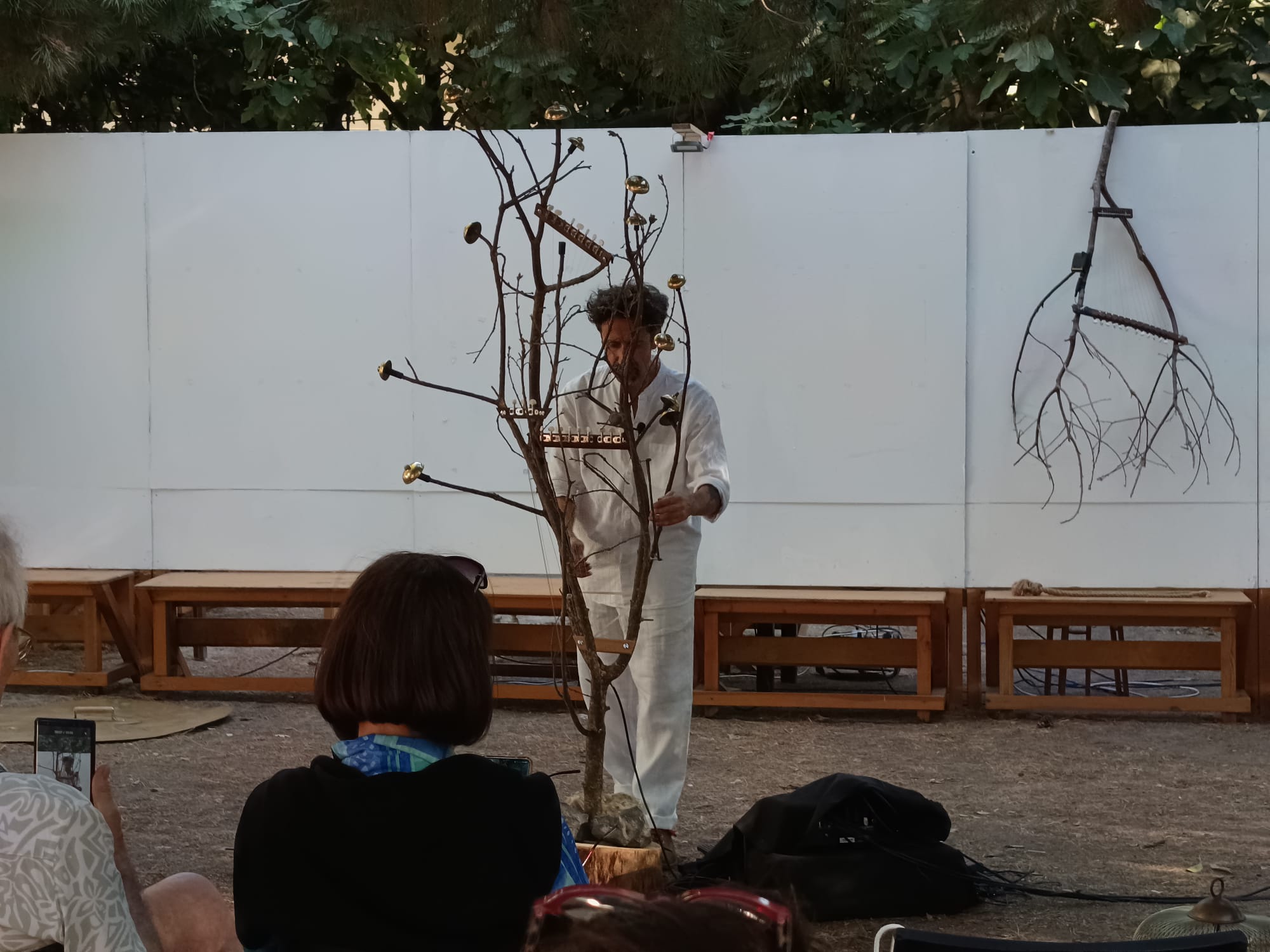
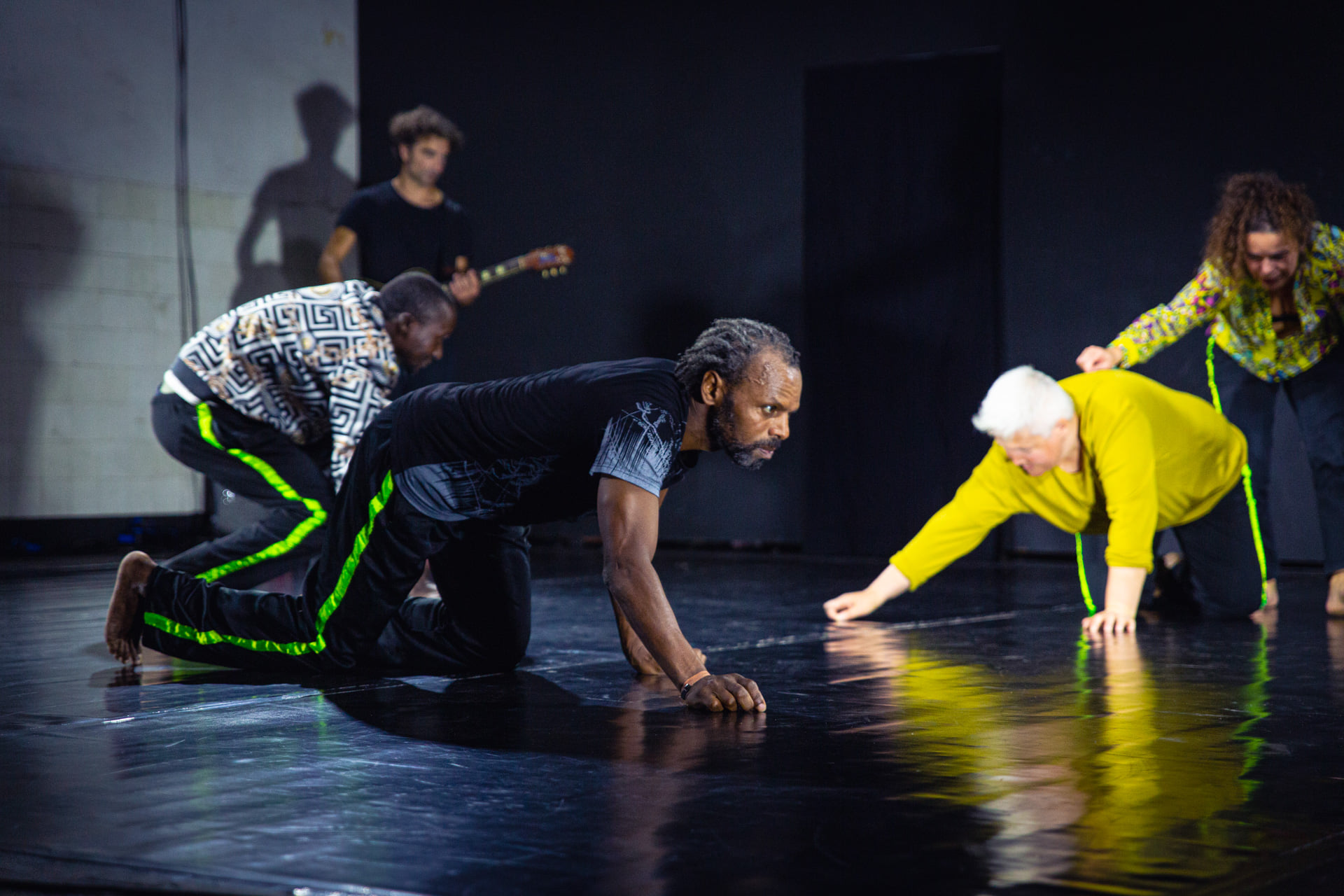
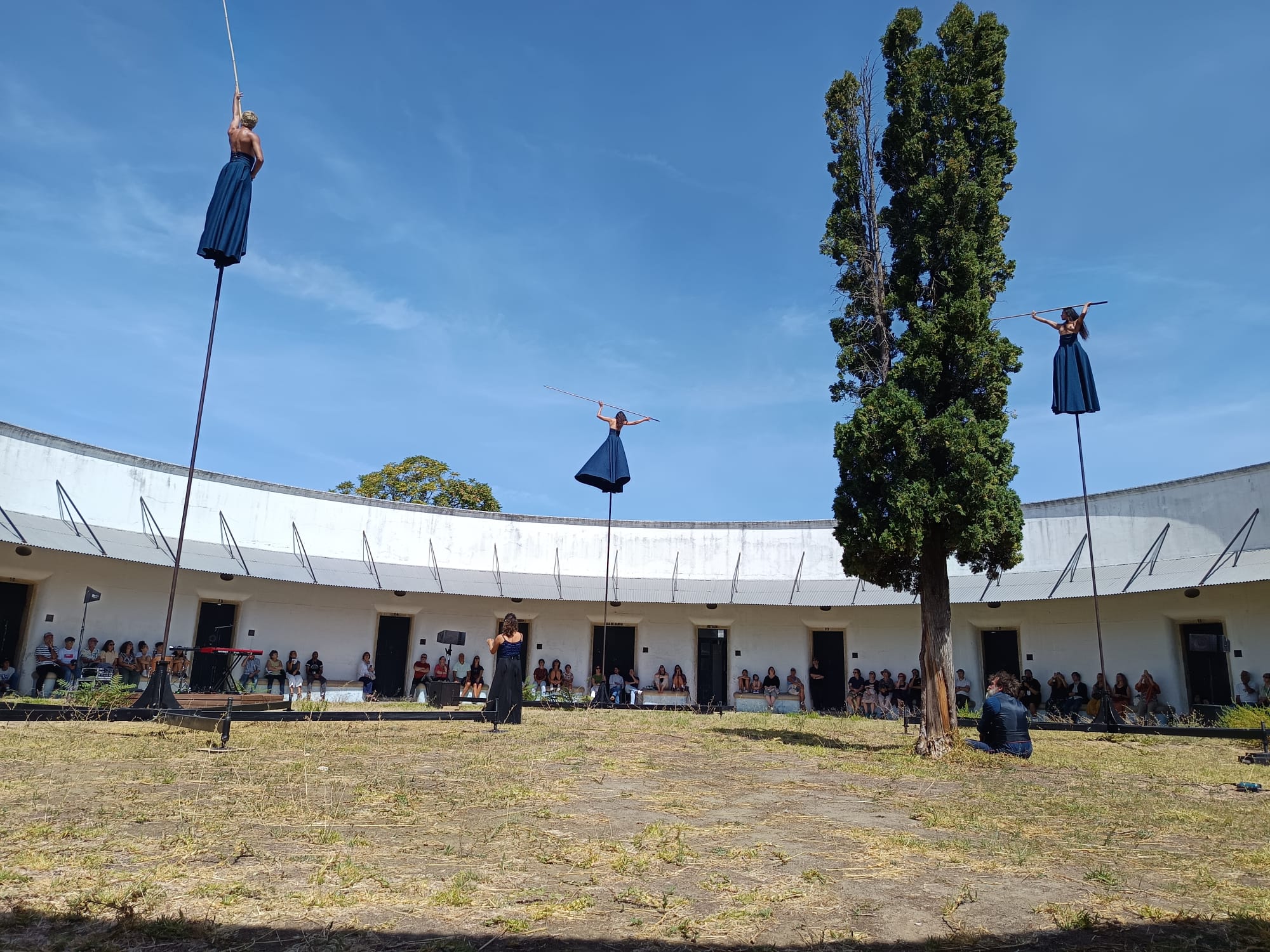
Beauty & Culture: in one year, more than 1,000 activities were held for approximately 43,000 people, involving 1,200 professionals from 49 countries, with more than 3,000 community members participating in participatory projects. Activities like Residências Refúgio integrate migrant artists, proving that socially engaged arts are structural pillars of local development and social cohesion.
We act as agents of territorial mediation, demonstrating that innovative, fair, and collaborative practices are the essential keys to successful urban regeneration.
The SOU LARGO Cooperative, known as Largo Residências, has established itself as a cultural and socially responsible organisation with a distinctive and multifaceted character within the landscape of Lisbon and the country. Its uniqueness lies in the intersection of culture with social and economic solidarity initiatives, demonstrating a remarkable capacity for adaptation and innovation in the face of contemporary urban challenges.
The trajectory of the Largo Residências Cooperative, from its origins as an association (SOU Cultural Association, 2009) to the consolidation of a vast collaborative ecosystem in the Jardins do Bombarda (2025), reflects a continuous and adaptive struggle for the common good and social cohesion in a neighbourhood (Arroios/Intendente) marked by the Troika crisis, gentrification, and growing inequality in access and opportunities, as well as intolerance.
The cooperative was born out of the need to make local community work more economically and socially sustainable, in the face of the crisis and the disconnect between public policy and grassroots initiatives. It is characterised by the inclusion of people in vulnerable situations within its team, transforming the ‘target audience’ into a central actor.
Its journey is a story of advances, setbacks and spatial-temporal reinvention, driven by urban dynamics: from Largo do Intendente (11 years of activity) to a pop-up model in Quartel Cabeço de Bola (an old military base) , and finally to the management of a vast community cultural centre in the former Miguel Bombarda Hospital. This evolution represents an effort to occupy spaces left vacant by the State, preventing their deterioration and promoting a fairer, more inclusive and democratic city, where culture is the driving force behind citizenship and a solidarity-based economy.
CO-CREATE
CONNECT
CHANGE
CITY MAKING
SOCIAL INCLUSION
The sustainability dimension is integrating ecological transition with local socio-economic impact. The cooperative fosters local consumption and sustainable urban mobility, centering its activities within a 2km² area in Lisbon’s Almirante Reis axis. This strategic location allows the team, residents, and partners—who mostly live in the same neighborhood—to access the community centers primarily on foot.
Climate activism is a core pillar, with 24 dedicated activities held across focused on building rehabilitation, energy efficiency, and urban mobility. These efforts are complemented by diverse circular economy events, including upcycling showcases and swap markets. Initiatives like "Art & Craft Refúgio" are an example of social inclusion through art.
Environmental strategy relies on strategic local partnerships with traditional commerce to obtain raw materials like fabrics and cardboard for artistic transformation. It also repurposes natural waste from garden maintenance, used furniture, and public donations into functional art pieces.
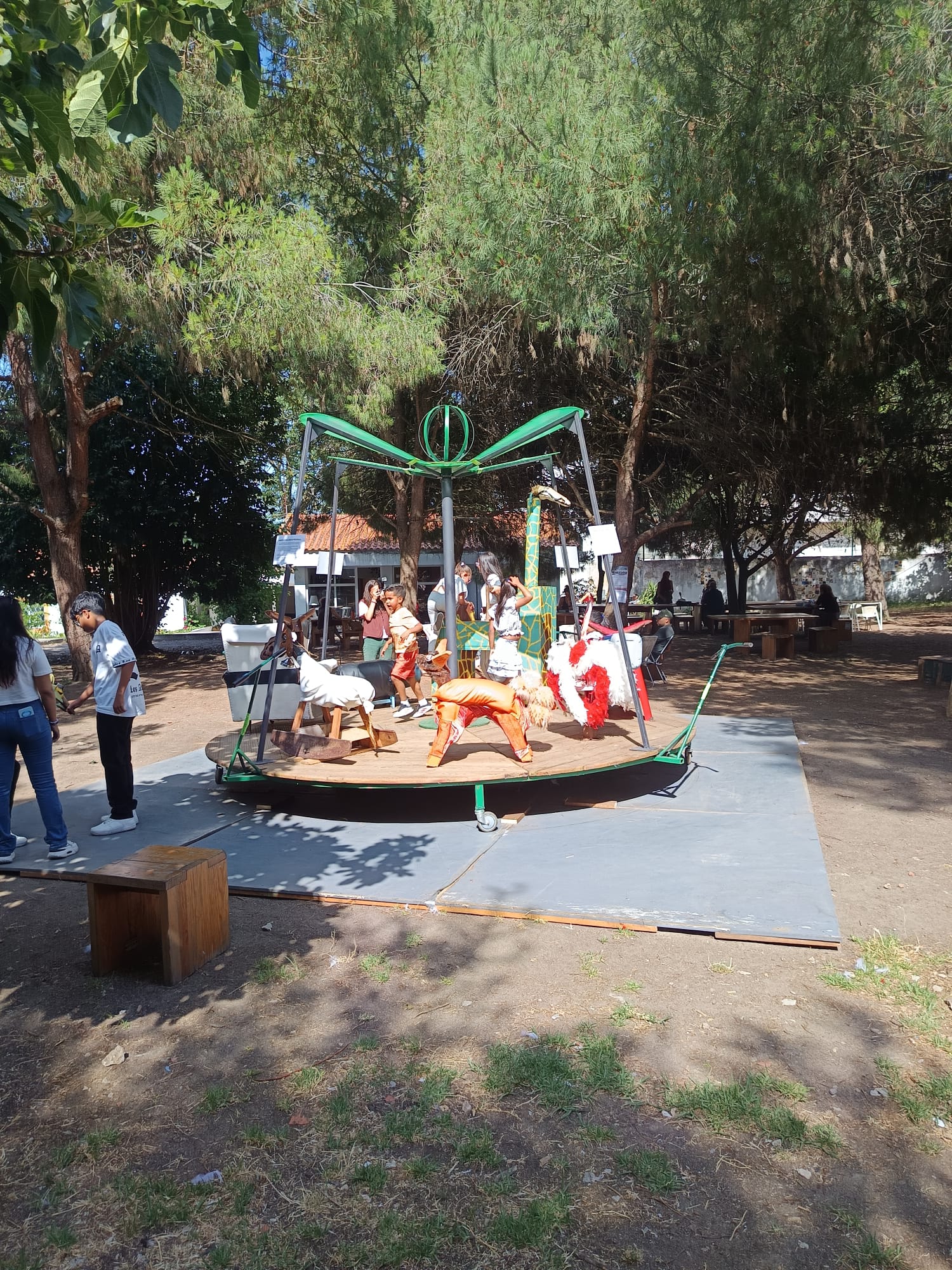
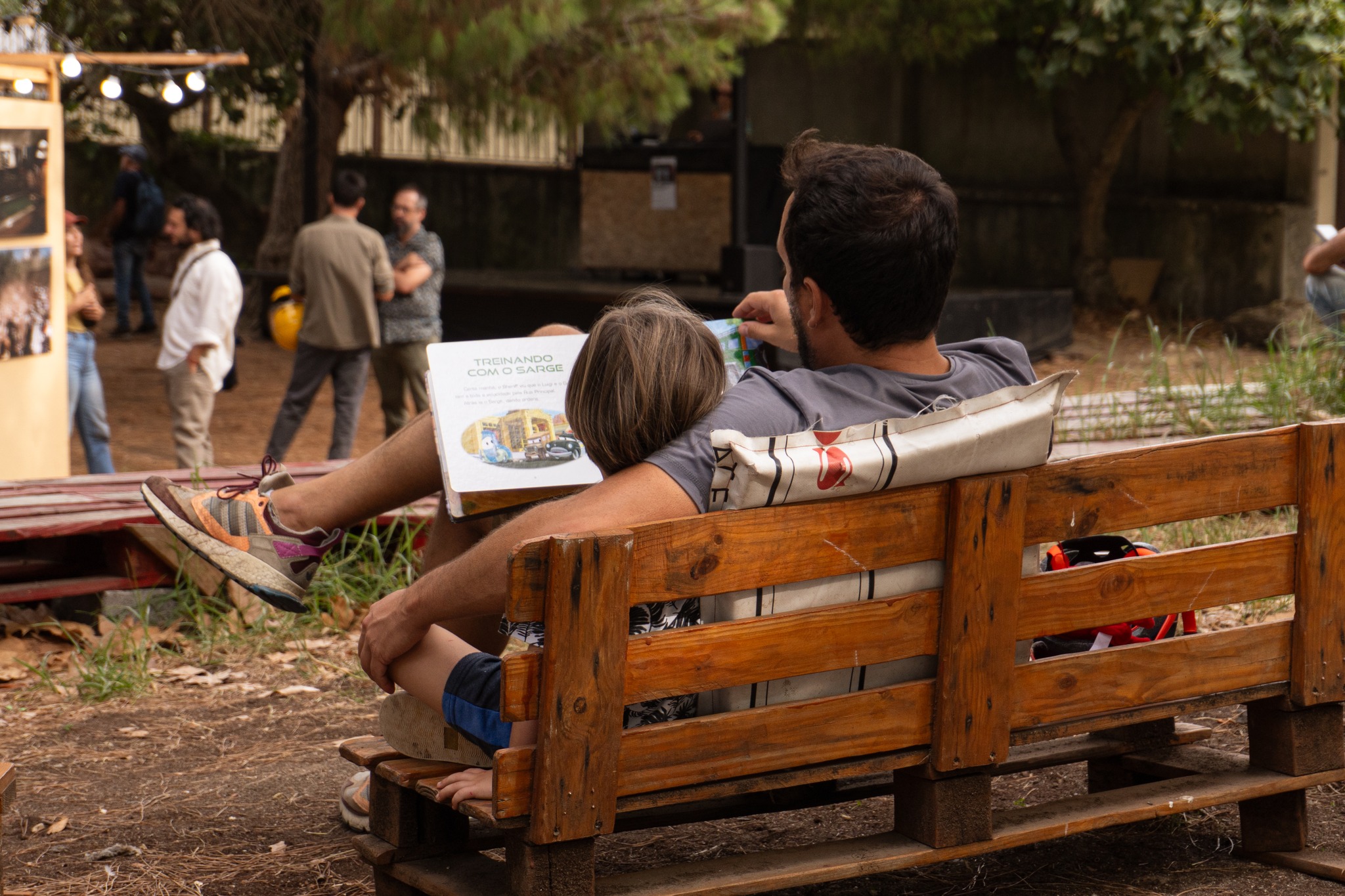
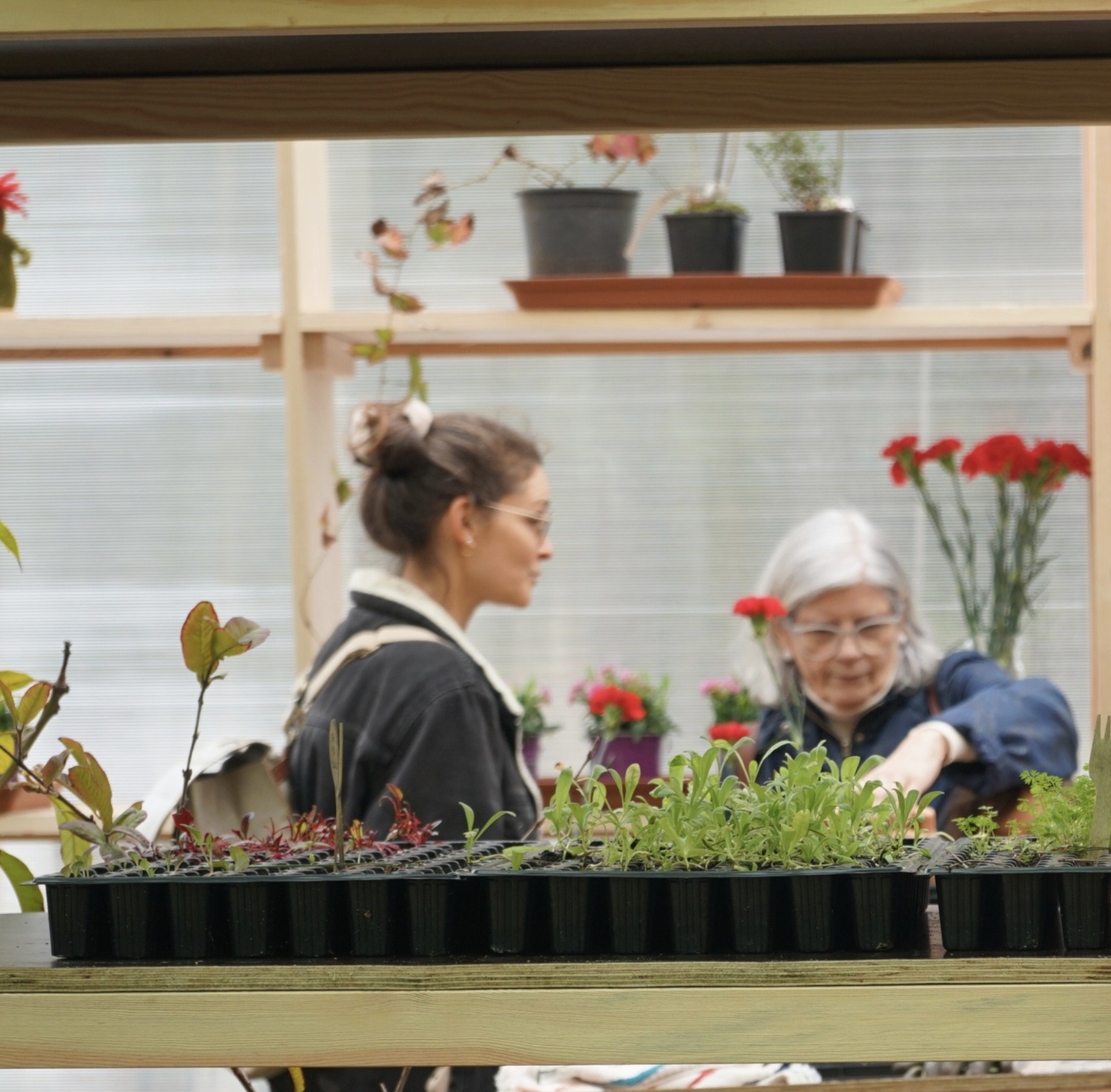
At the Jardins do Bombarda cultural center, sustainability is lived through daily practice. The site features permanent fixtures like the "circular economy space”, a community library, and monthly "Repair Cafés" to fix broken equipment. Finally, we use placemaking methodology to reinvent urban spaces collectively, repurposing materials at the end of their life cycle to create functional, socially connected environments.
The cooperative stands out for the complexity of its management, which involves the day-to-day running of an ecosystem comprising 47 organisations in the sector. It demonstrates a commitment to creating solutions for financial sustainability, notably by attracting social investors and securing, in early 2025, recognition of its Cultural Patronage project by the Ministry of Culture, which is essential for the regeneration and maintenance of the site.
Jardins do Bombarda makes life more beautiful by reclaiming "forgotten" public spaces and imbuing them with contemporary meaning and artistic dignity. Our aesthetics are rooted in participatory design and creative reuse, proving that sustainable materials create high-quality, inspiring environments.
Key interventions include:
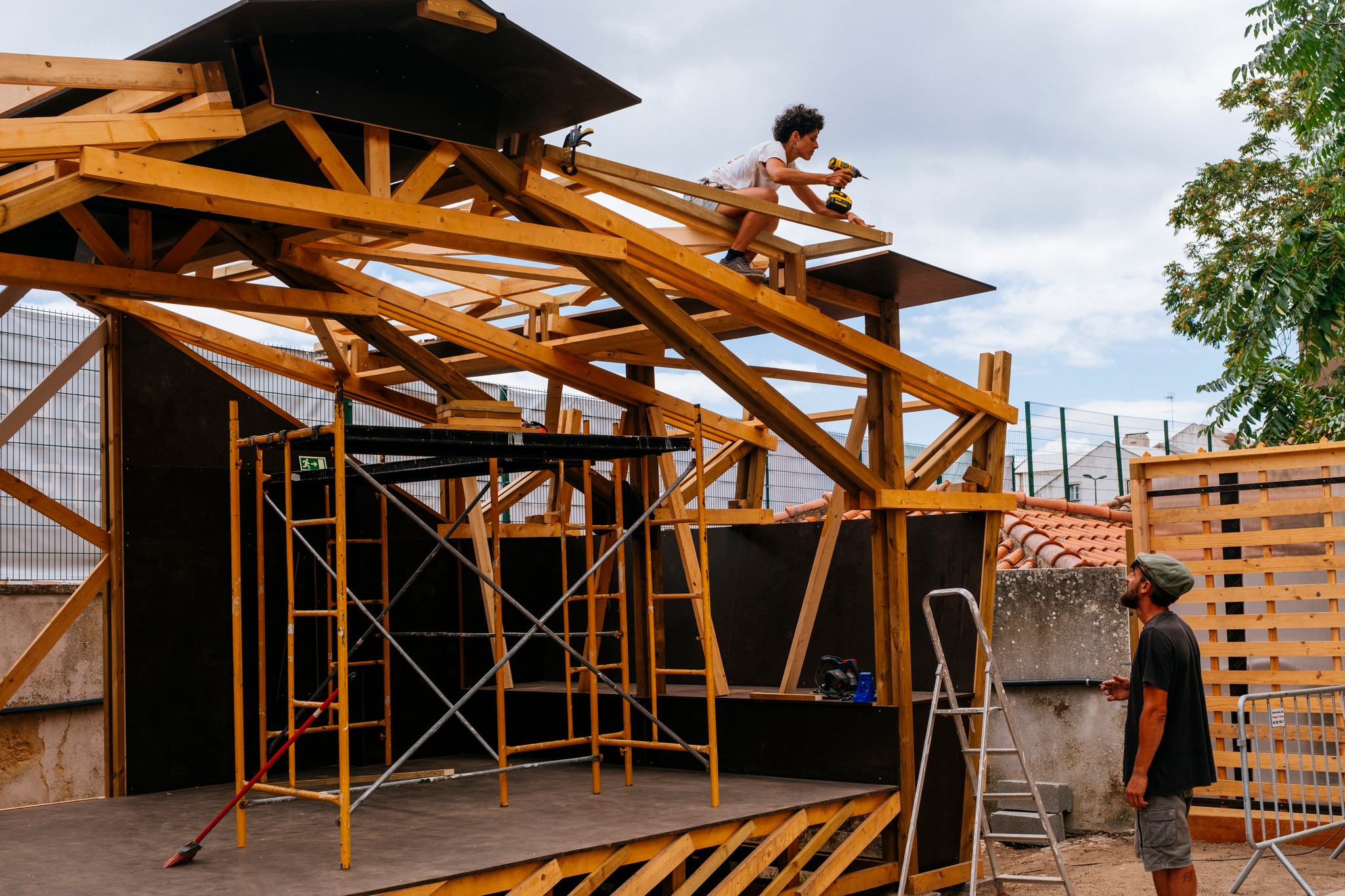
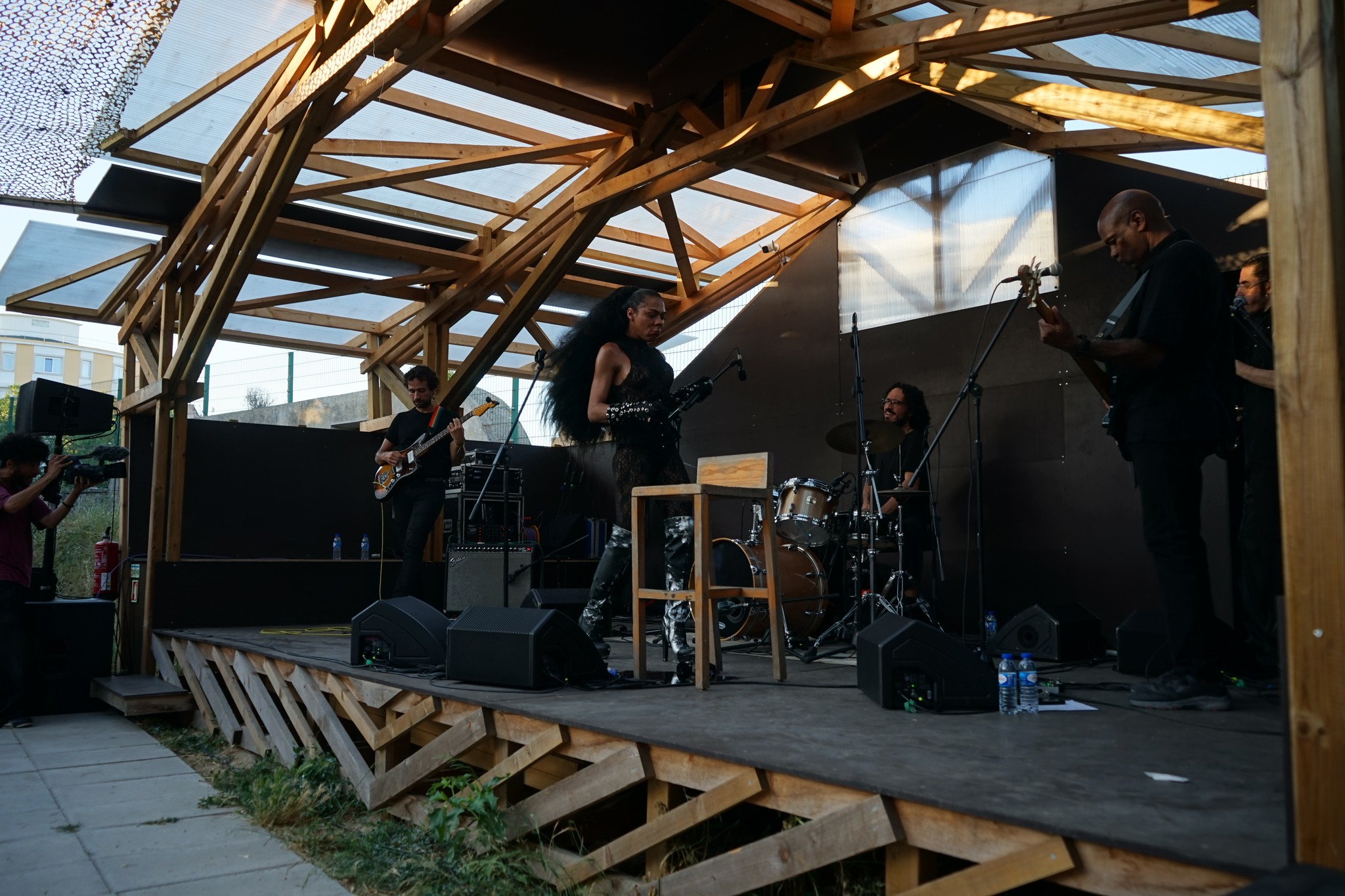
Palco Planalto: An architectural stage designed to facilitate both rehearsals and spontaneous encounters.
Sala de Ensaios: A multipurpose room built entirely with upcycled materials salvaged from our previous demolished space.
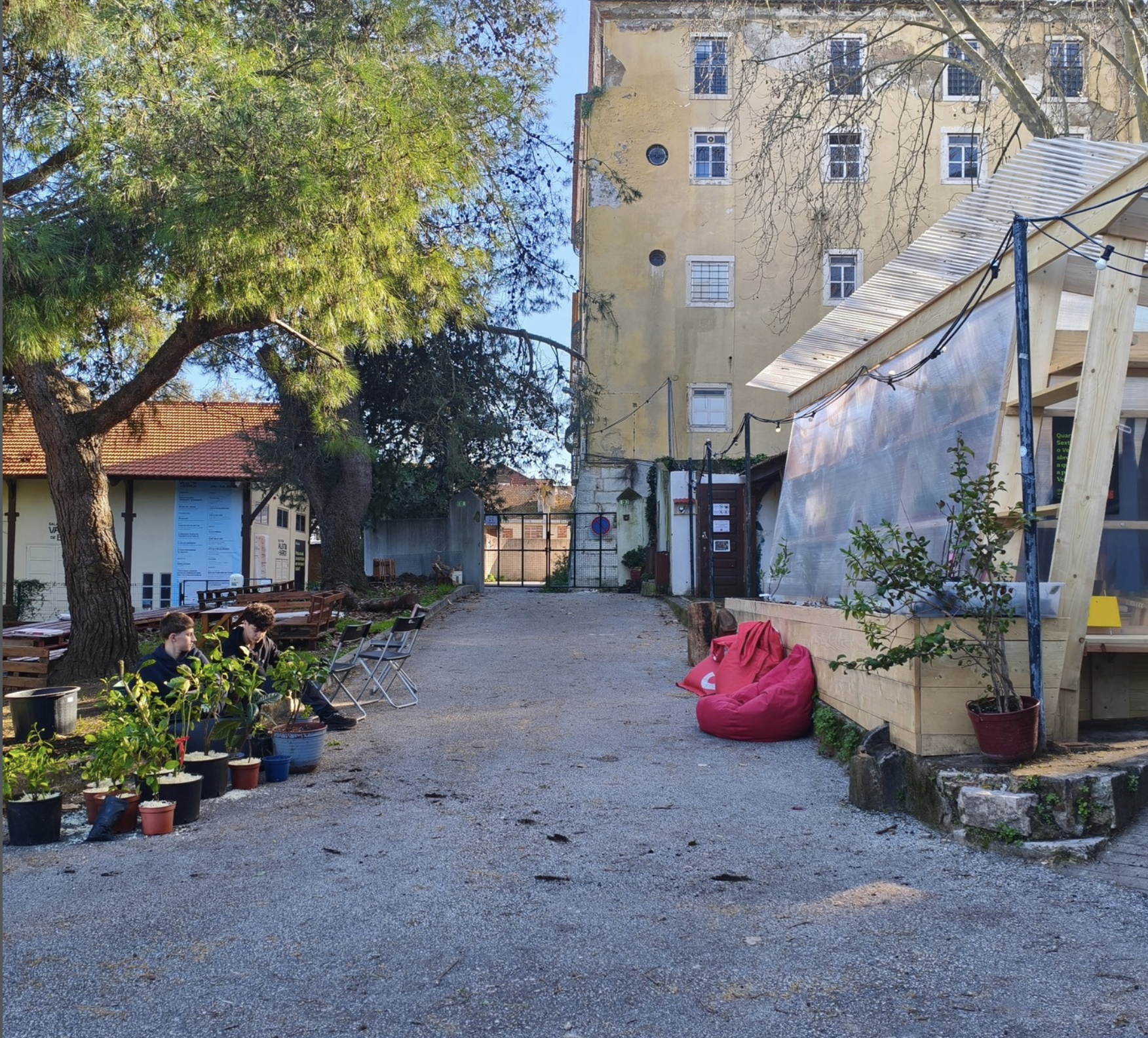
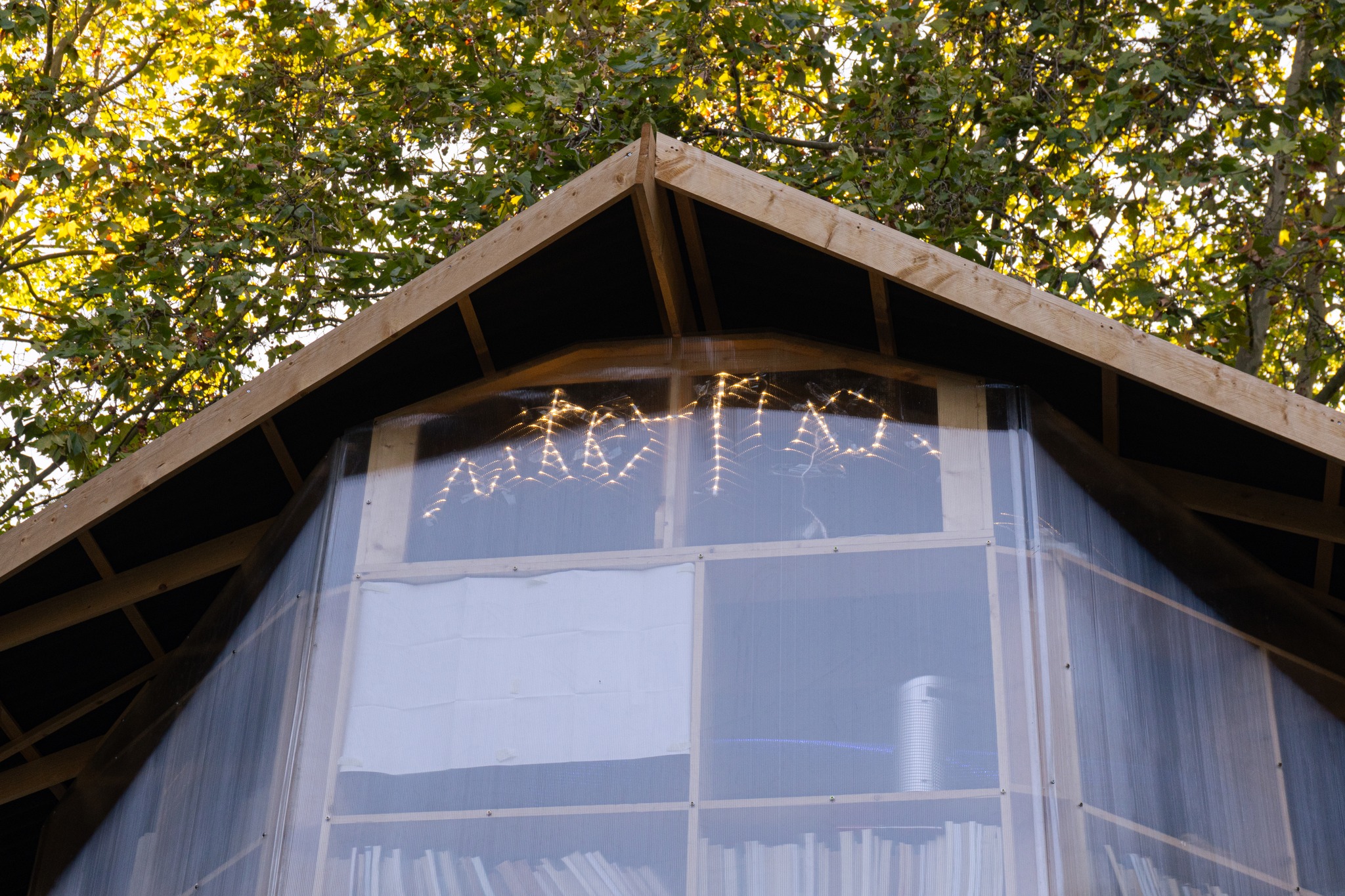
Entrance and Art Shop: A wooden structure featuring a vertical garden for thermal regulation, signaling a welcoming community hub. The adjacent shop sells residents' work and hosts monthly exhibitions, promoting local talent.
By involving artists and citizens in the physical transformation of the former hospital, we foster collective ownership and belonging. Beauty resides in the "serenity" of a society integrating nature, art, and human connection within a dense urban center. Through group debates and manual artistic activities, community stories interweave with individual memories, nurturing a participatory process captured via drawings, texts, and recordings.
A centerpiece of our aesthetic dialogue is the Sala Estúdio Valentim de Barros, a former shed rehabilitated into a high-spec studio hall that respects its architectural surroundings. The foyer serves as a gallery showcasing original works by Valentim de Barros, an international artist imprisoned in this psychiatric hospital for 40 years due to his homosexuality. This space raises awareness for Portugal’s singular "Outsider Art" collection and the complex historical intersection of culture and psychiatry. Every corner of the center remains a living possibility for community encounter and creation.
We aim to create a safe and inclusive socio-cultural ecosystem, where artists and members of the cultural and social network engage with one another and with the wider social and civic context. Our work fosters collaborative practices and constitutes a project of holistic inclusion, centred on providing priority support to socially vulnerable people. We promote their direct employment within our team as a methodology that ensures their active participation and effective representation in decision-making and implementation processes. Our model of inclusion is exemplary because it moves from ‘assistance’ to ‘emancipatory solidarity’. We do not merely work for vulnerable populations; we work with them. This is demonstrated by:
Representative Governance: 66% of our members are women. Our core team includes people who have experienced sex work, homelessness and migration, ensuring that the ‘target audience’ becomes the ‘central actor’.
Refuge Residences: A programme that has integrated hundreds of refugees into the local community through visual arts workshops and public markets.
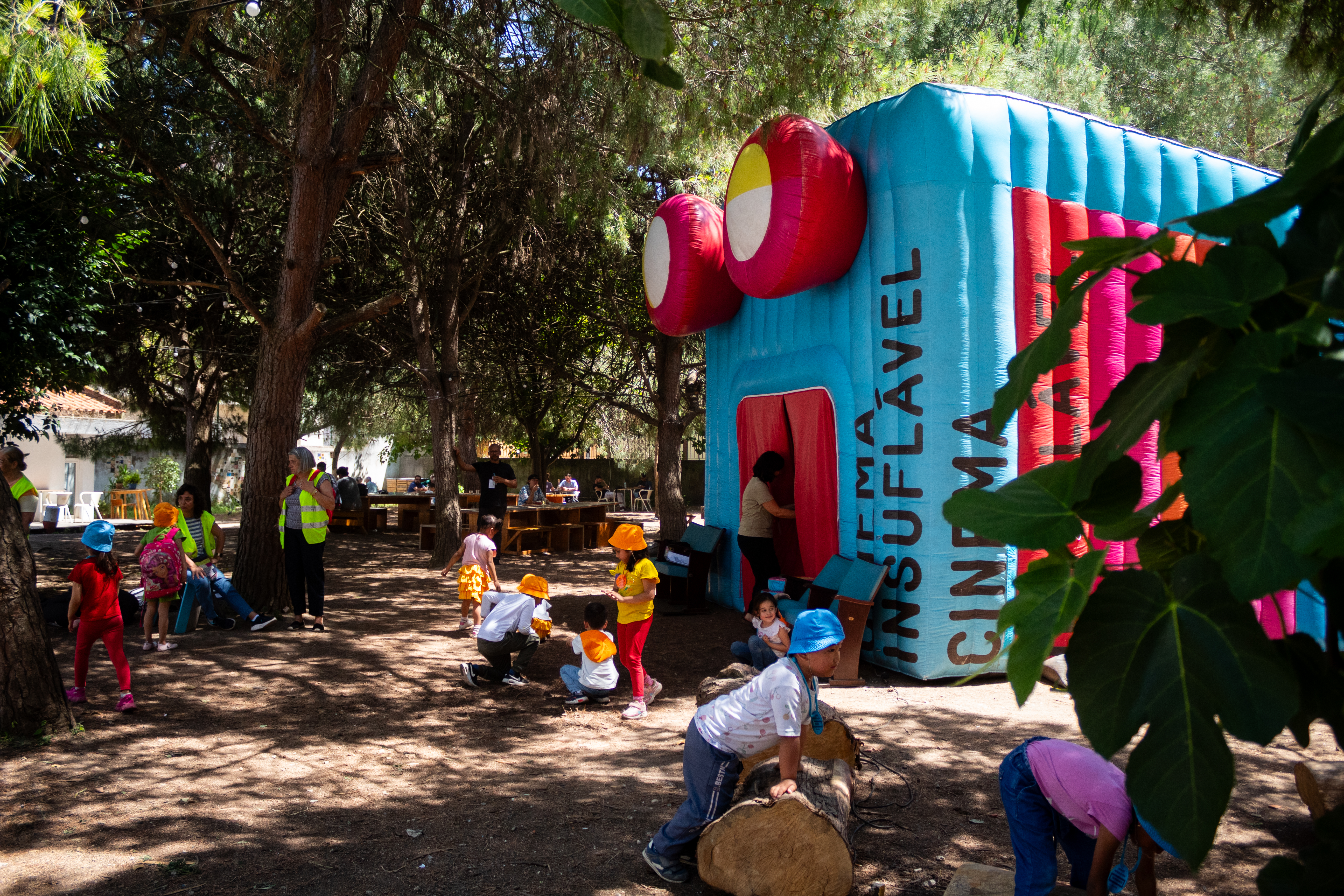
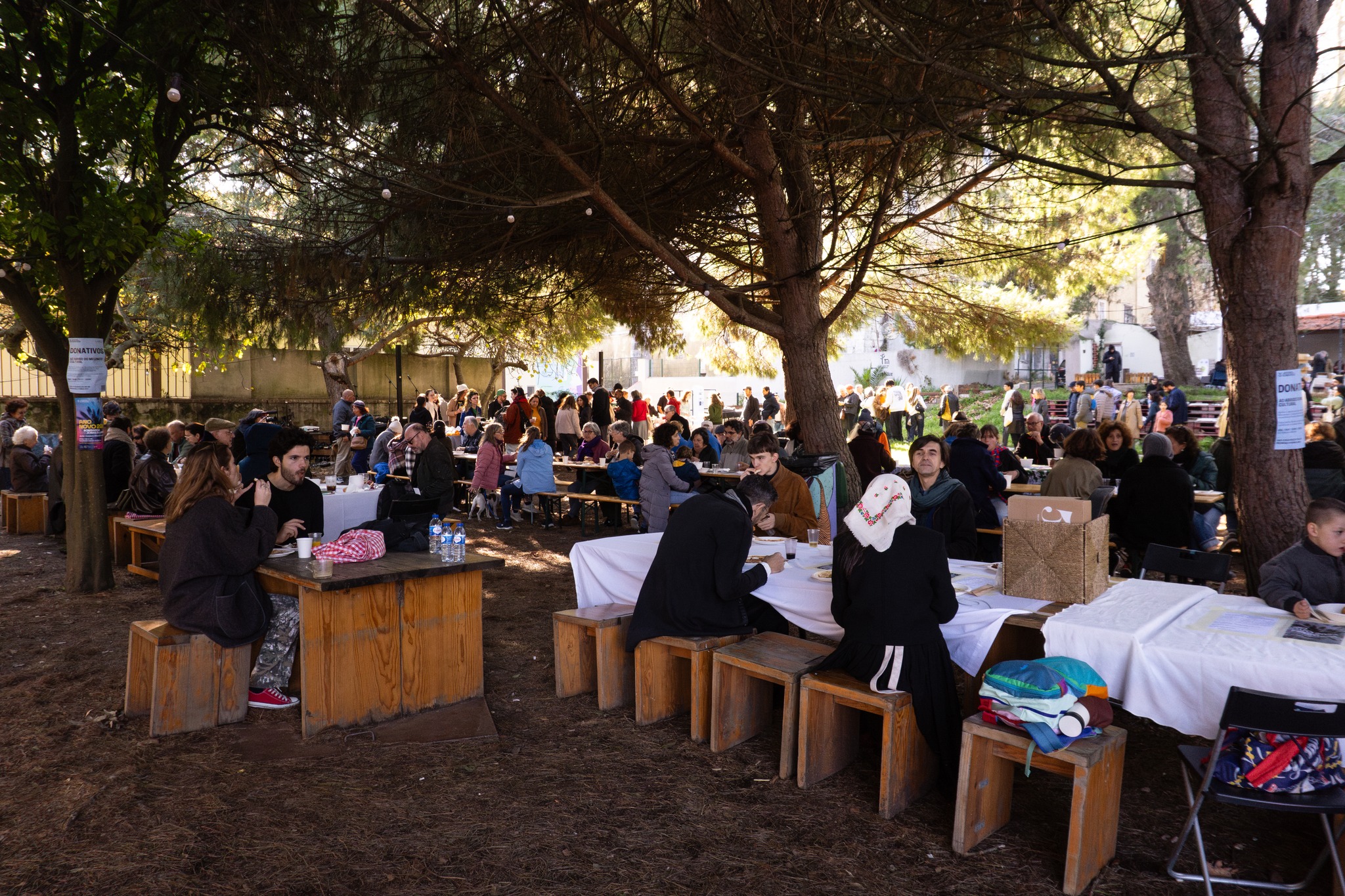
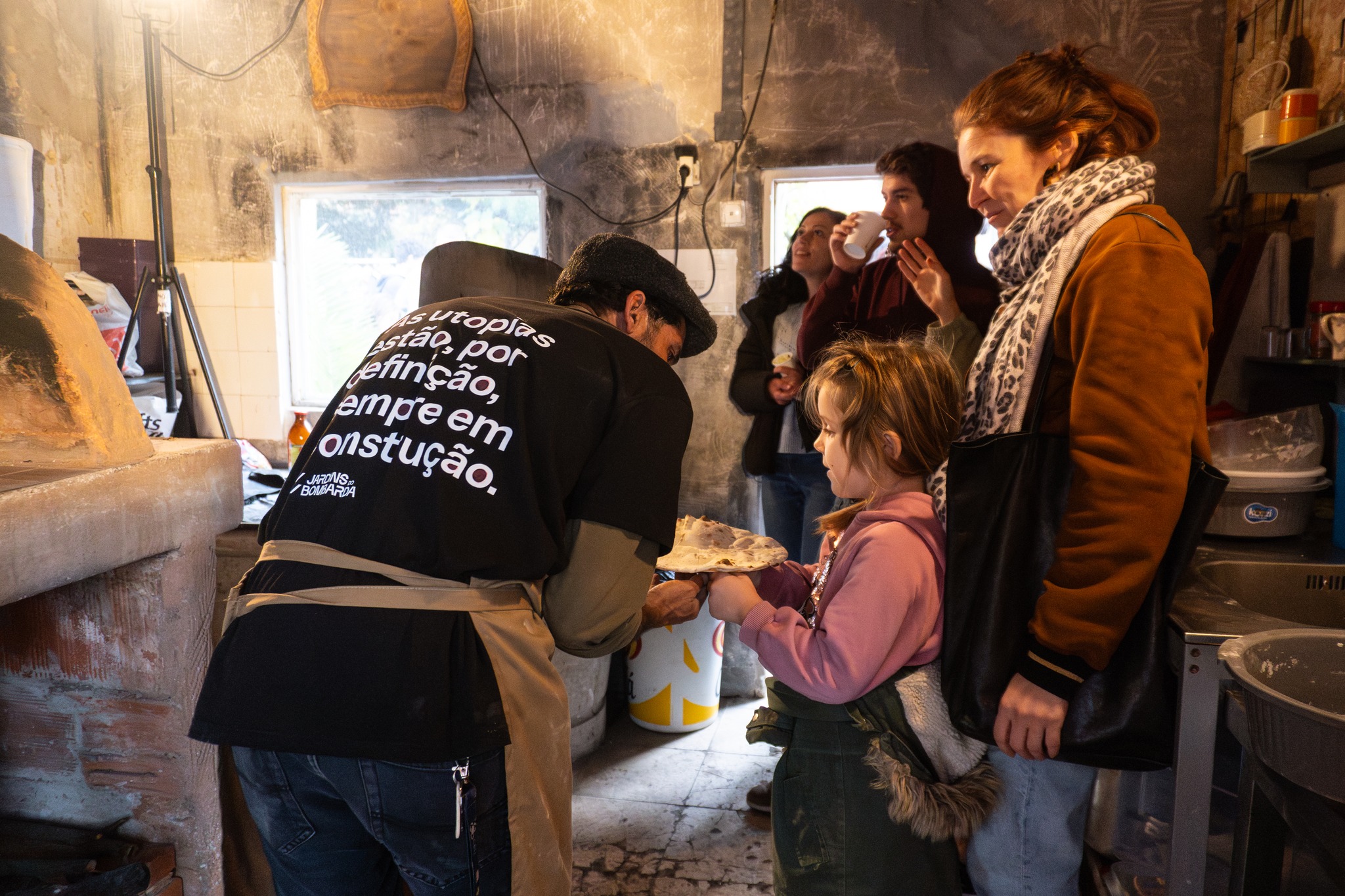
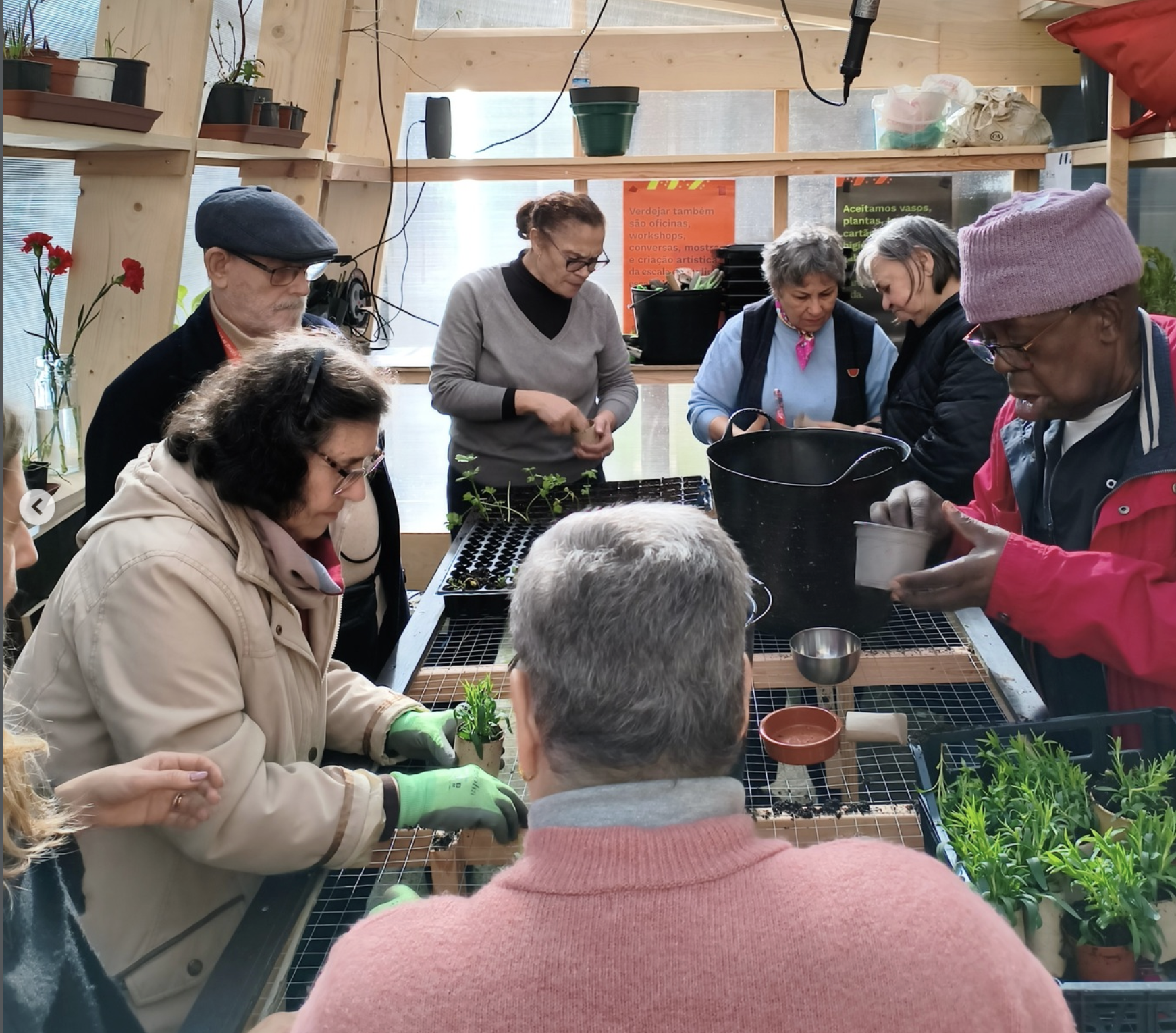
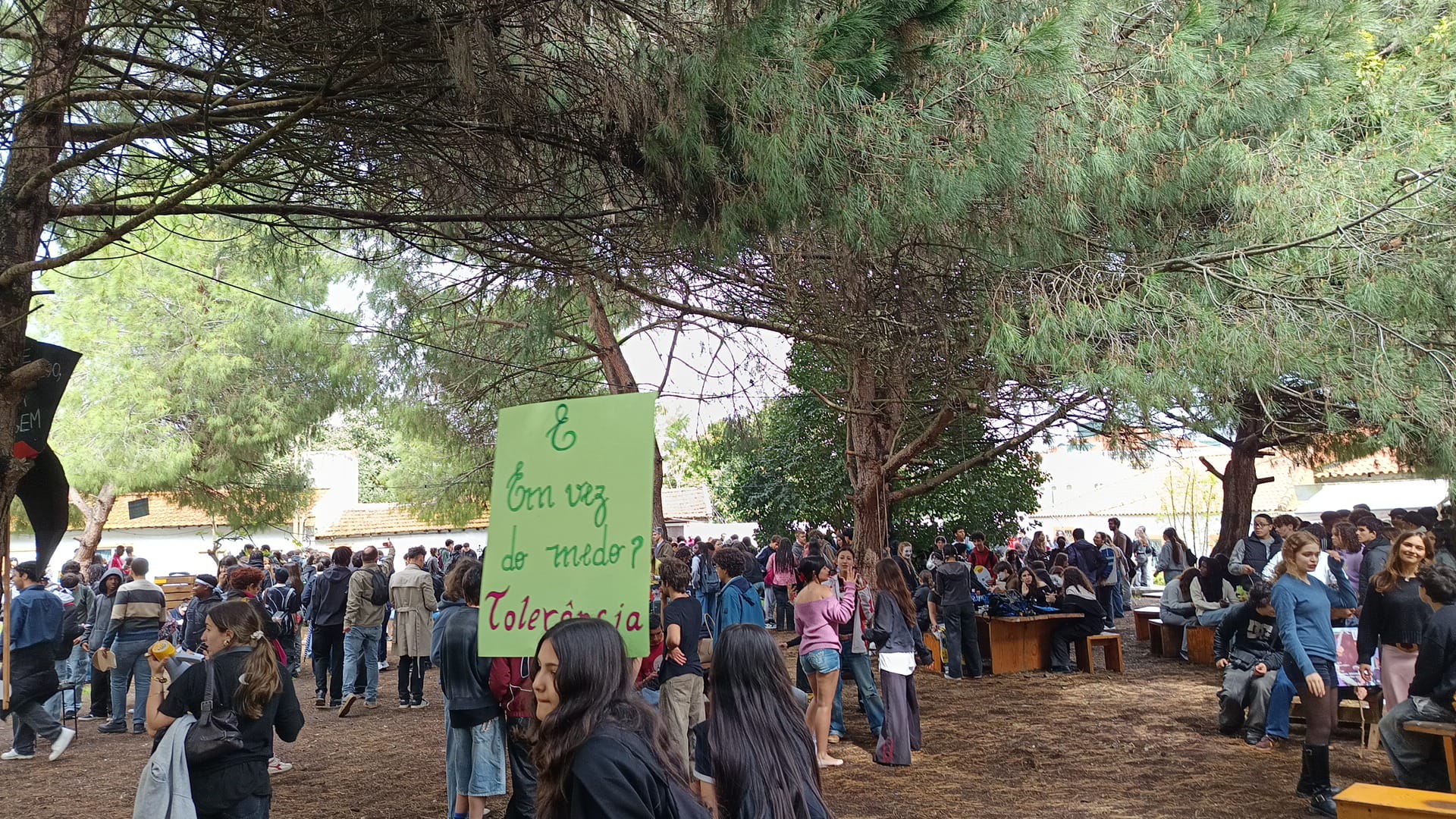
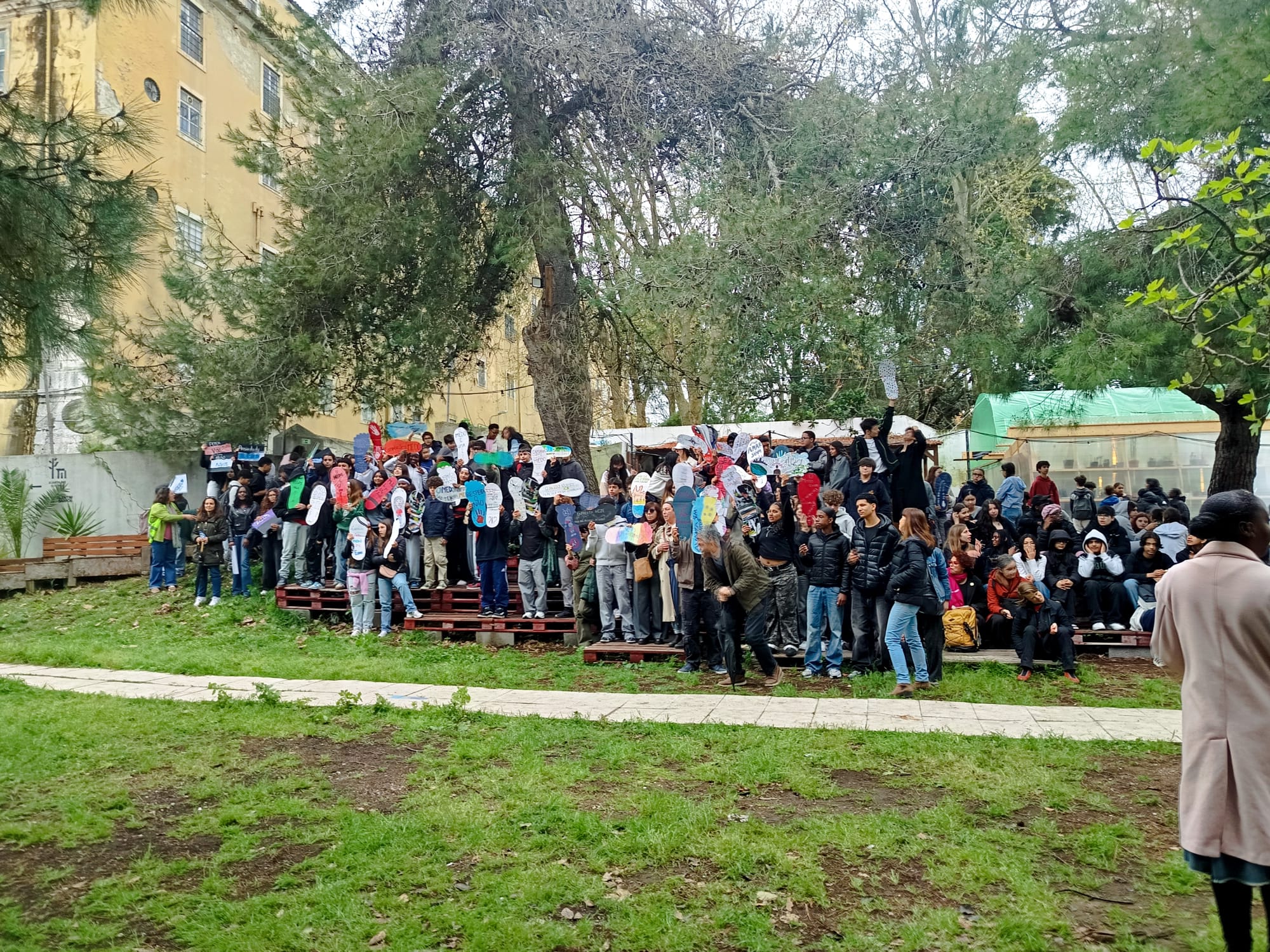
Inclusive Programme: There are numerous partnerships that view this community centre as an extension of their work, opening the gardens and cultural facilities to schools for children and young people, day centres for the elderly, and organisations working with people with mental health conditions. In our community kitchen, as well as baking bread together with neighbours, we cook 80 meals a week for homelessness people.
Inclusive Design: The adaptive reuse of the hospital site ensures that these ‘idle’ public buildings remain accessible to the public, offering free community gardens in a neighbourhood that would otherwise be marked by gentrification.
In terms of affordability, we offer workspaces at below-market rates to socio-cultural organisations, supporting over 100 cultural professionals.
We were awarded the Acesso Cultura prize in the Social Accessibility category (2021)
The project is based on self-management and collective decision-making. We engage our community through:
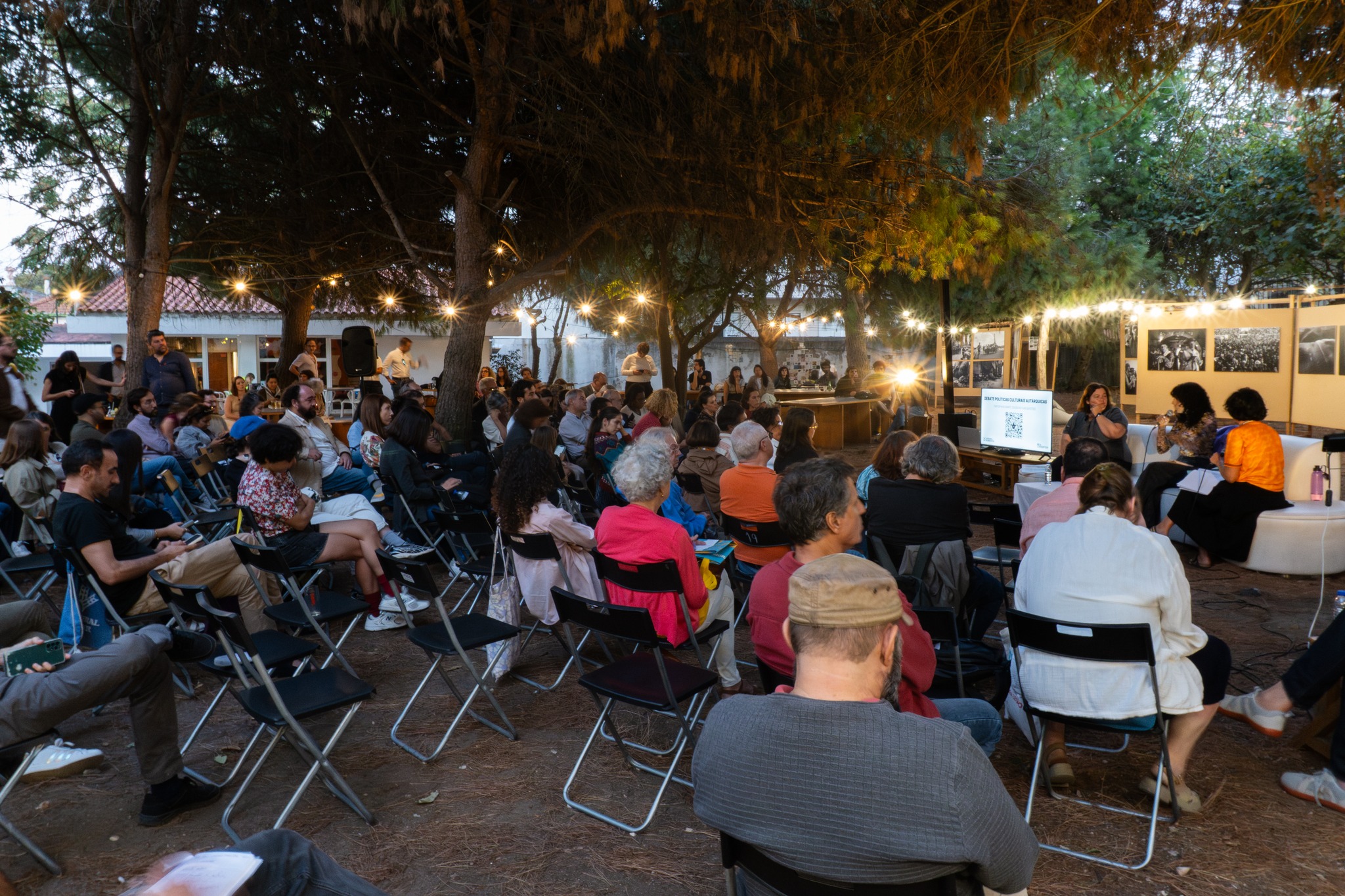
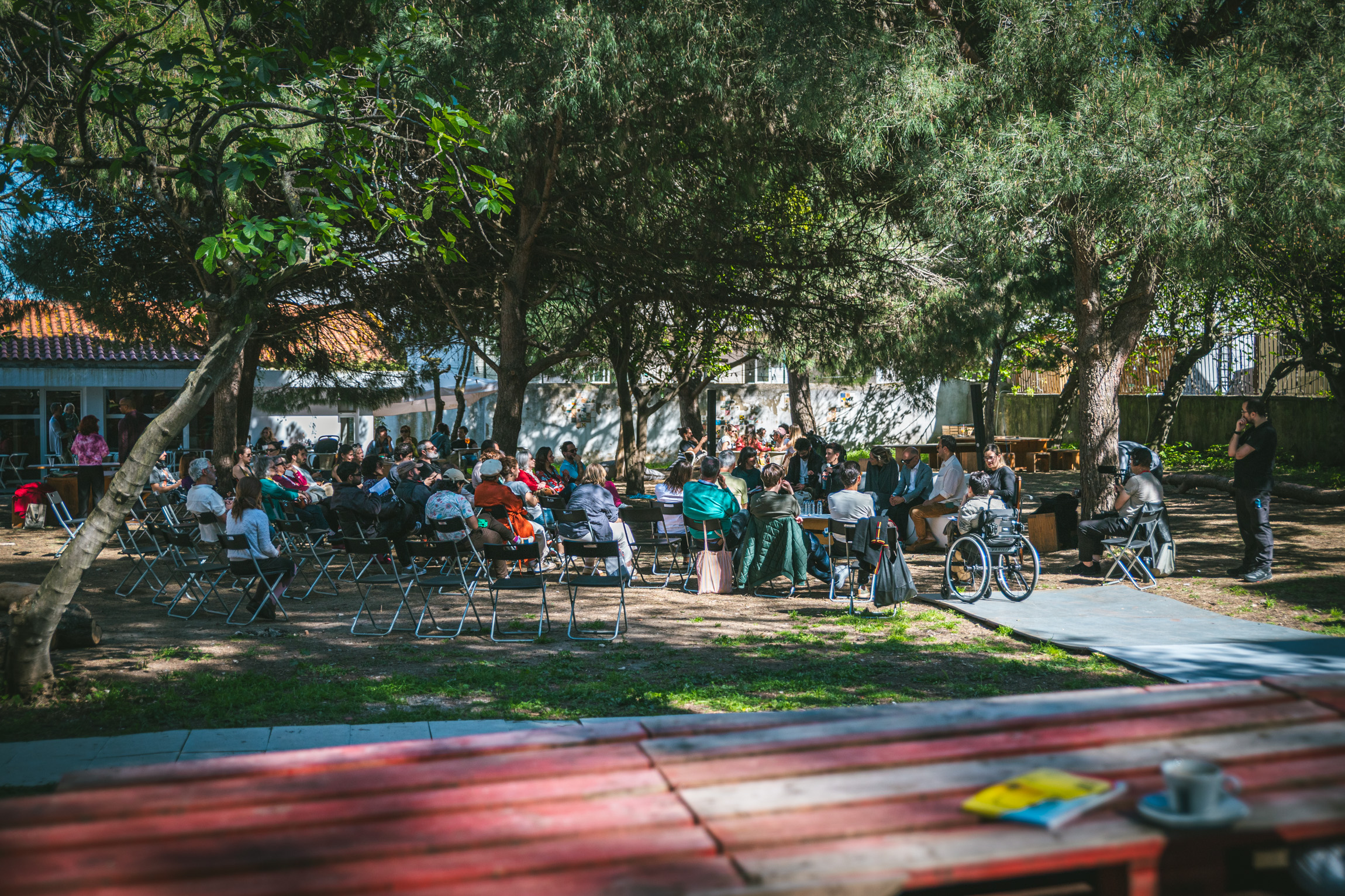
Monthly assemblies: Meetings between our management team, residents’ organisations and the artists to jointly manage day-to-day operations and public programming.
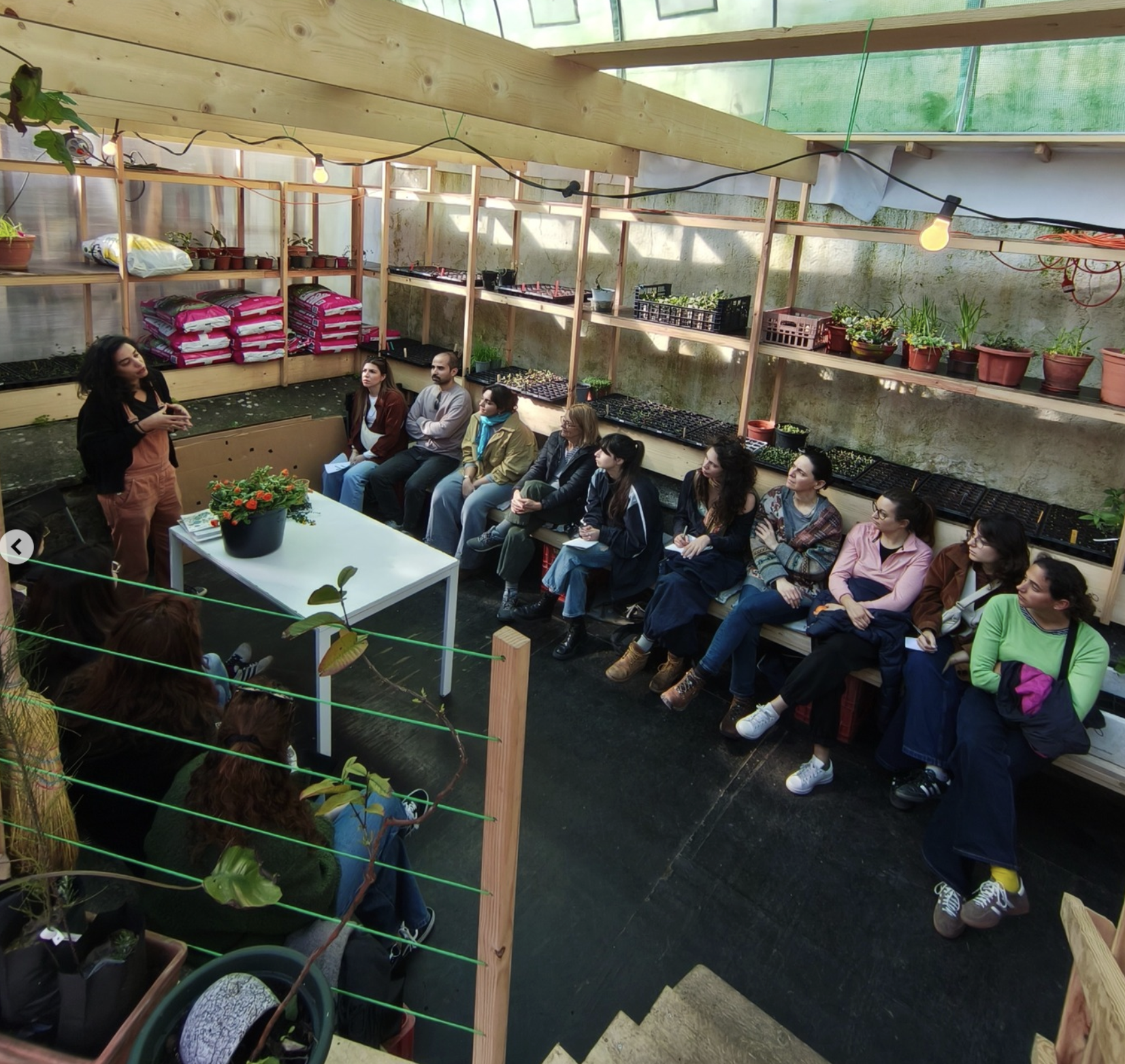
Co-construction: The infrastructure of the Jardins do Bombarda was built over the course of nine artist residencies, during which 15 community members worked directly with the artists to design the stages, the library and the community oven.
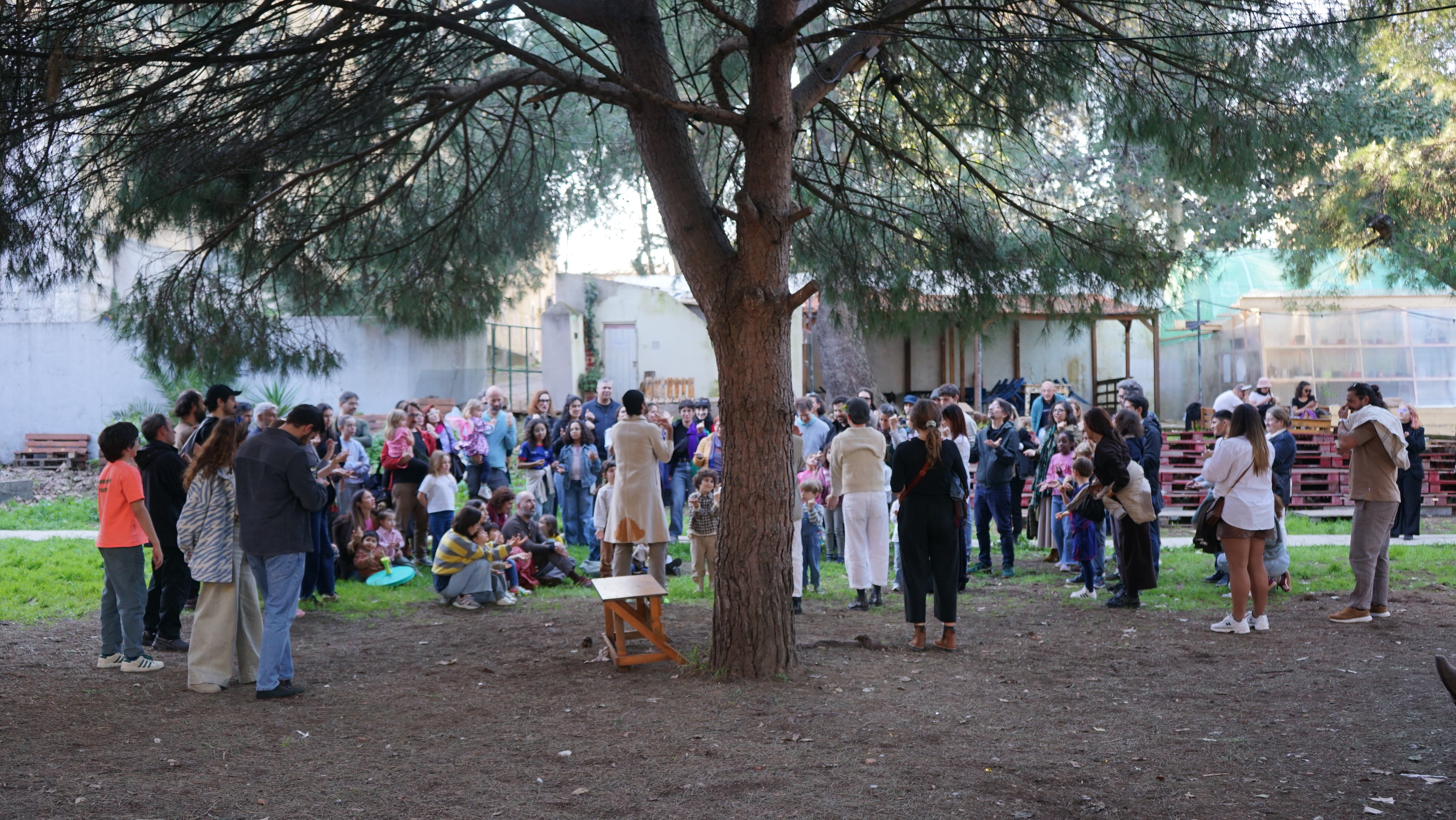
Community groups: We organise regular meetings with neighbours to gather suggestions and ensure that our activities are relevant to residents. From these meetings held during the first year of operation of the Bombarda Gardens, three community groups emerged: the Bombarda Gardens Caretakers’ Group, the Volunteer Group for the community library, the Community Kitchen Group for preparing solidarity meals, and the Community Theatre Group.
In the cooperative’s general activities, in 2025 alone more than 3,000 people from the community were involved in participatory processes.
In addition to these groups, as part of the cooperative’s general activities, more than 3,000 people from the community were involved in participatory processes in 2025 alone.
The impact has been transformative: by involving citizens in the physical construction process, we have fostered a high degree of civic resilience and care for the site, preventing its deterioration and ensuring it remains an ‘Urban Wasteland’ for all.
We therefore hold quarterly public discussions on the past, present and future of the Miguel Bombarda neighbourhood, particularly the relationship between mental health and art, but we will undoubtedly reinforce the importance of strategic and participatory thinking regarding the ‘Futuro’ project, creating a collective narrative and demonstrating that culture is and can be a fundamental lever for city-building, acting as a driving force for community cohesion.
Our project is based on a complex network of stakeholders and participants at various levels:
Internally, regarding the running of the cooperative and its team, it uses models of democracy and holacracy. With regard to the cooperative’s formal proceedings, it operates according to the democratic model of majority voting; however, at the executive team level, we employ holacracy, distributing authority amongst teams (circles) and roles, thereby eliminating the traditional hierarchy. It focuses on agility, transparency and autonomy, with decisions based on collaborative relationships rather than fixed positions. With the 47 resident projects of the Jardins do Bombarda ecosystem, we promote a sociocratic model, with working groups to manage the commons (placemaking, narratives, programming, external relations and capacity building/evaluation)
Local level: Daily partnerships with Lisbon City Council (CML) for the redistribution of resources and with local organisations such as Santa Casa da Misericórdia (private institution of public administrative utility).
National: Direct negotiation with the Government/General Secretariat of the Ministry of Health regarding the occupation of state-owned buildings.
European: Among various European networks, we highlight our participation in Alliance for Socially Engaged Arts, a leadership program backed by 11 European foundations. It unites artistic and social leaders to share expertise and innovate for local and continental impact. Fellows collaborate to drive systemic change, reshape narratives, and advocate for socially engaged arts across Europe. This engagement ensures long-term, meaningful transformation within the European cultural landscape.
The added value lies in a hybrid governance model that combines public support with community autonomy. We act as a ‘mediating agent’, bridging the gap between top-down state policies and bottom-up community needs.
The transdisciplinary nature of our approach lies in its ability to integrate diverse fields of knowledge into a cohesive model for urban and social regeneration. Our approach to Architecture and Design transcends mere aesthetics, employing a placemaking methodology that empowers users to collectively reimagine and reinvent their physical environment. This is evidenced by the transformation of Jardins do Bombarda, where recycled materials and traditional techniques were used to co-create functional community stages, multi-purpose rooms and meeting spaces. This spatial work is deeply intertwined with Environmental Sciences through the rigorous application of circular economy principles and 50 specific climate activism activities by 2025, centred on energy efficiency and urban mobility.
In the field of social sciences, the cooperative uses community mediation to integrate vulnerable populations, ensuring that marginalised groups become active participants in the process of building the city. This commitment to human development is also reflected in our Arts and Education programmes, which, in 2025, provided training to 3,000 participants in various artistic and technical disciplines. Economically, we are pioneers of a ‘Substantial Economy’ model, implementing principles of the Solidarity Economy that prioritise reciprocity over profit. We have served as a model for our management and self-funding approach to various cultural projects in the sector that rely predominantly on public funding.
Our project embraces the Digital Transition, allocating 10% of our Research and Development budget to technical equipment and digital tools to improve operational efficiency. This rigorous approach is supported by strategic partnerships with academic institutions, such as the University of Lisbon and ISCTE, Faculty of Architecture, promoting research into ‘Third Places’ and collaborative governance.
We operate as a holistic laboratory for sustainable urban development.
Our business model is a hybrid, multifaceted economic project that prioritises social impact whilst maintaining financial rigour.
Sources of income: almost two-thirds of our own revenue comes from activities such as: café services, accommodation, shop sales and the hire of spaces for private events, which in turn enables us to support community initiatives free of charge.
Public funding: The remaining third comes from public grants.
Innovation: We do not rely on traditional banks. We raised €300,000 through a Social Mutual Loan from 64 private investors in the community, at an interest rate of 3%, which was essential for the rehabilitation and placemaking project at Jardins do Bombarda, and whose repayment is based on our own revenue model.
We maintain a high rate of reinvestment, investing in tangible assets, supported by both self-financing and external social financing. This combination of market-oriented activities and institutional support creates a resilient financial base that does not rely excessively on a single source.
In 2025, we won the Cases ‘Cooperative of the Year’ award in the category of Excellence in Management and Sustainability. Cases is the cooperative that oversees the management of all cooperatives across all sectors in Portugal, and being recognised and awarded the title of Cooperative of the Year demonstrates the credibility of this plural social economy project.
Our model is highly replicable across other geographies and sectors because it is based on transferable methodologies rather than fixed assets. Replicable elements include:
The "Third Place" Methodology: Reclaiming vacant public heritage for community and cultural use as a strategy for urban regeneration.
Social Mutual Loan Financing: Using community-based micro-investment as a viable alternative to banking for social enterprises.
Placemaking through Upcycling: The process of low-cost, high-impact physical renovation involving community labor and recycled materials.
Impact Measurement Tools: We have developed tools to track participation and psychosocial changes in participants, which we share through our network.
We actively promote these practices through our Terceiros Lugares research project and publications like "Tomando as Ruas," sharing our "investigation-action" with other cooperatives and public policymakers.