Enhancing Circularity, Sustainability, and Innovation
The HuB - Human Bits
The HuB - Human Bits. A venetian City Hub for sustainable, collective innovation
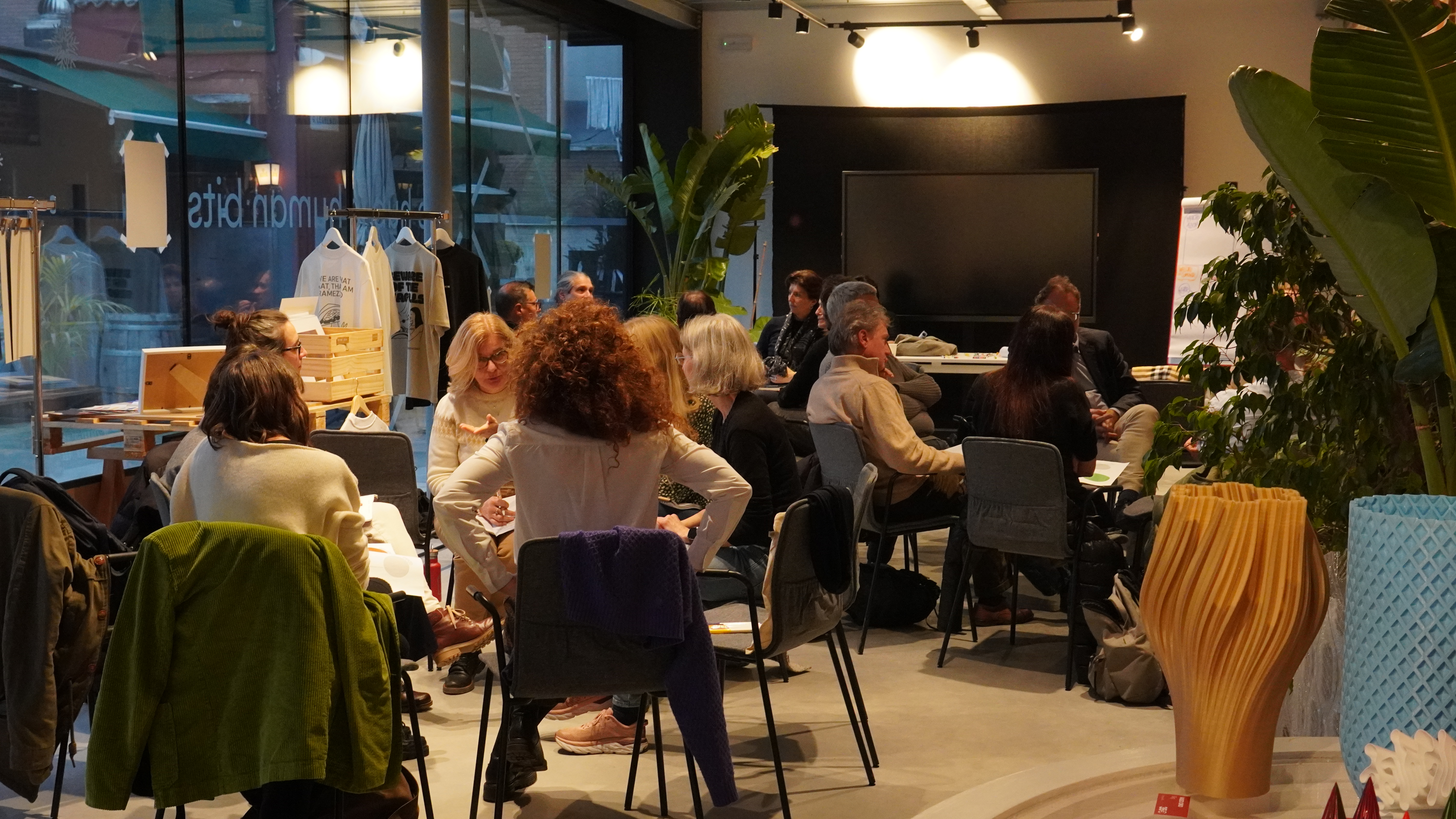
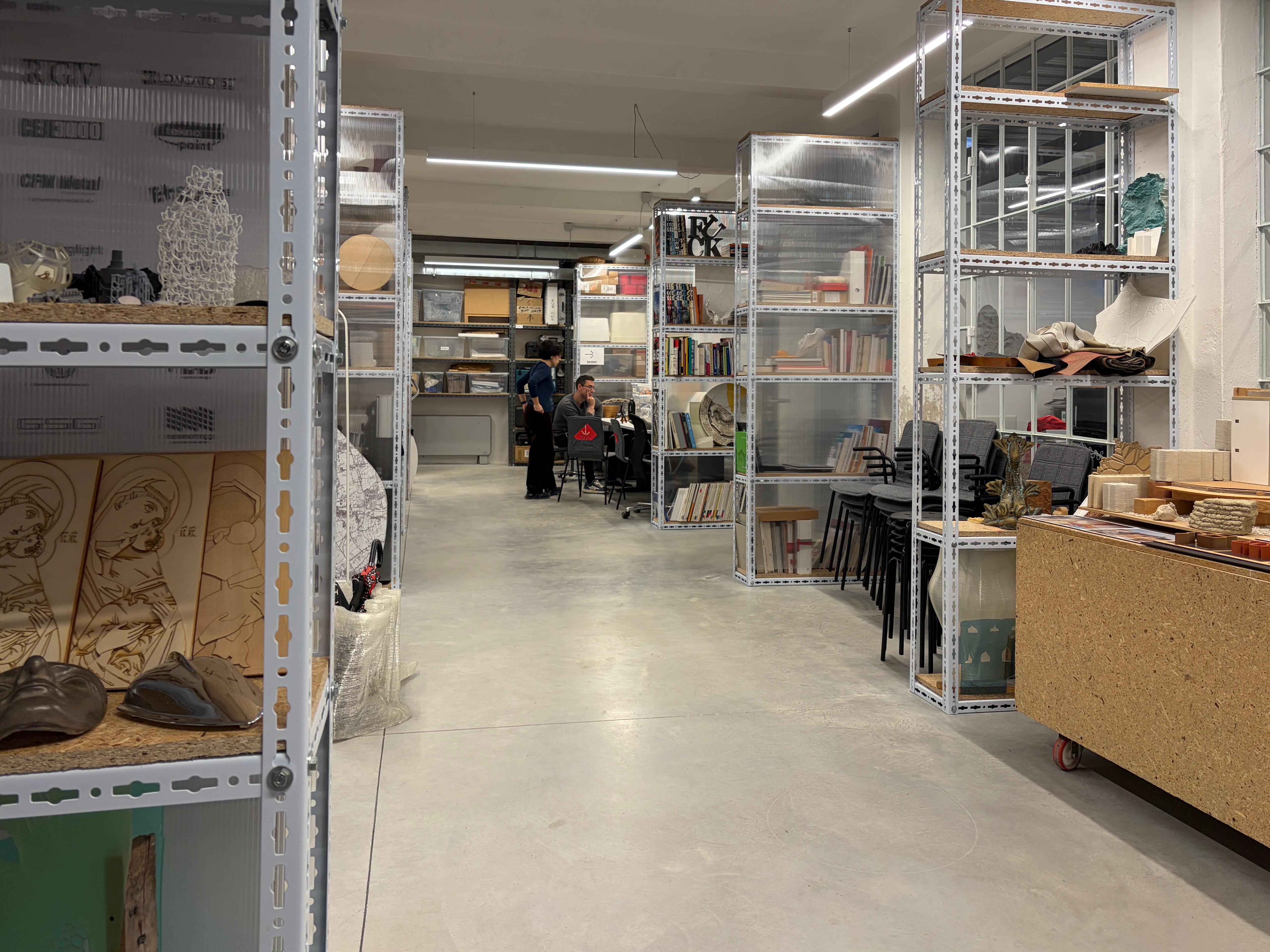
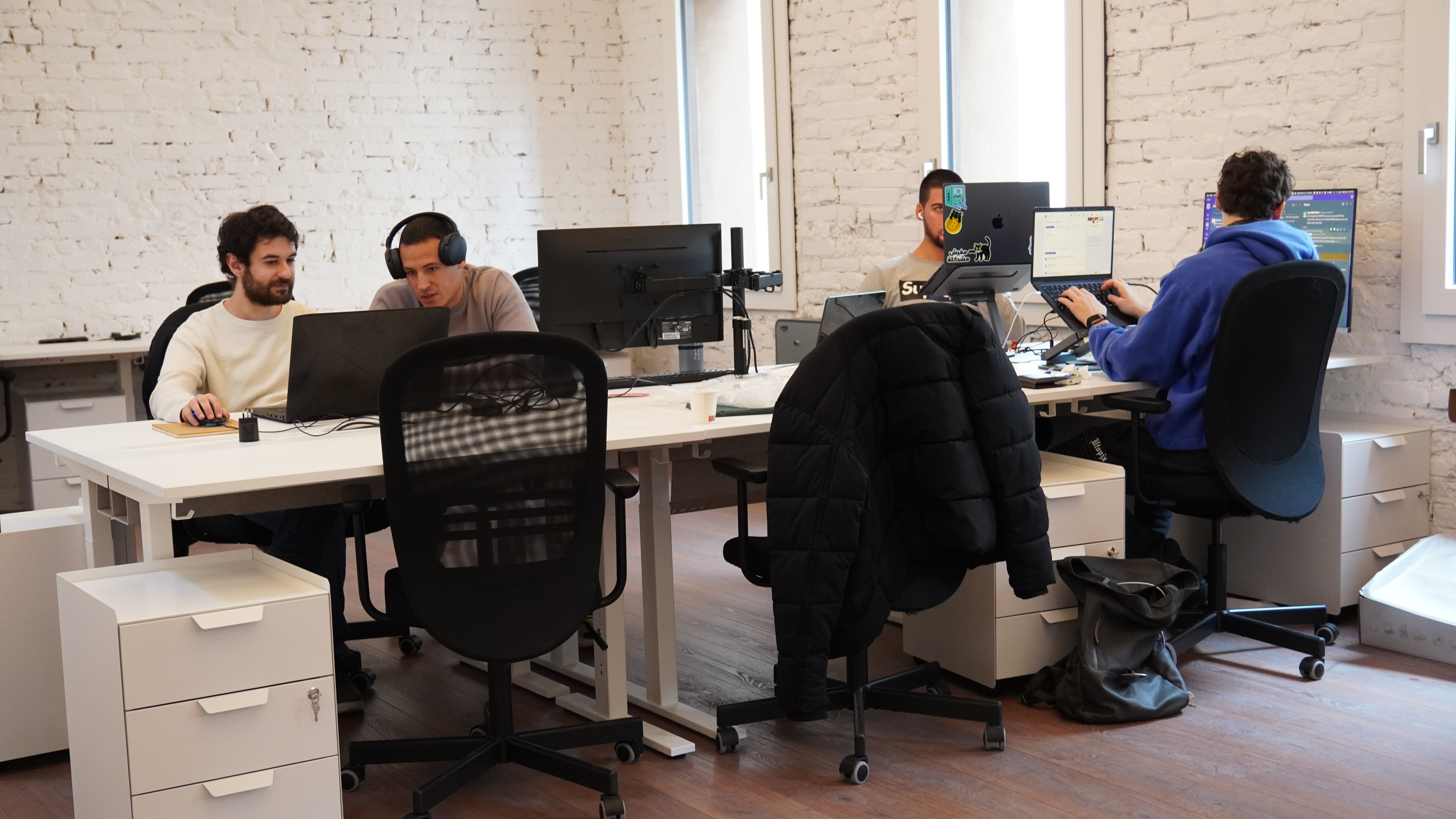
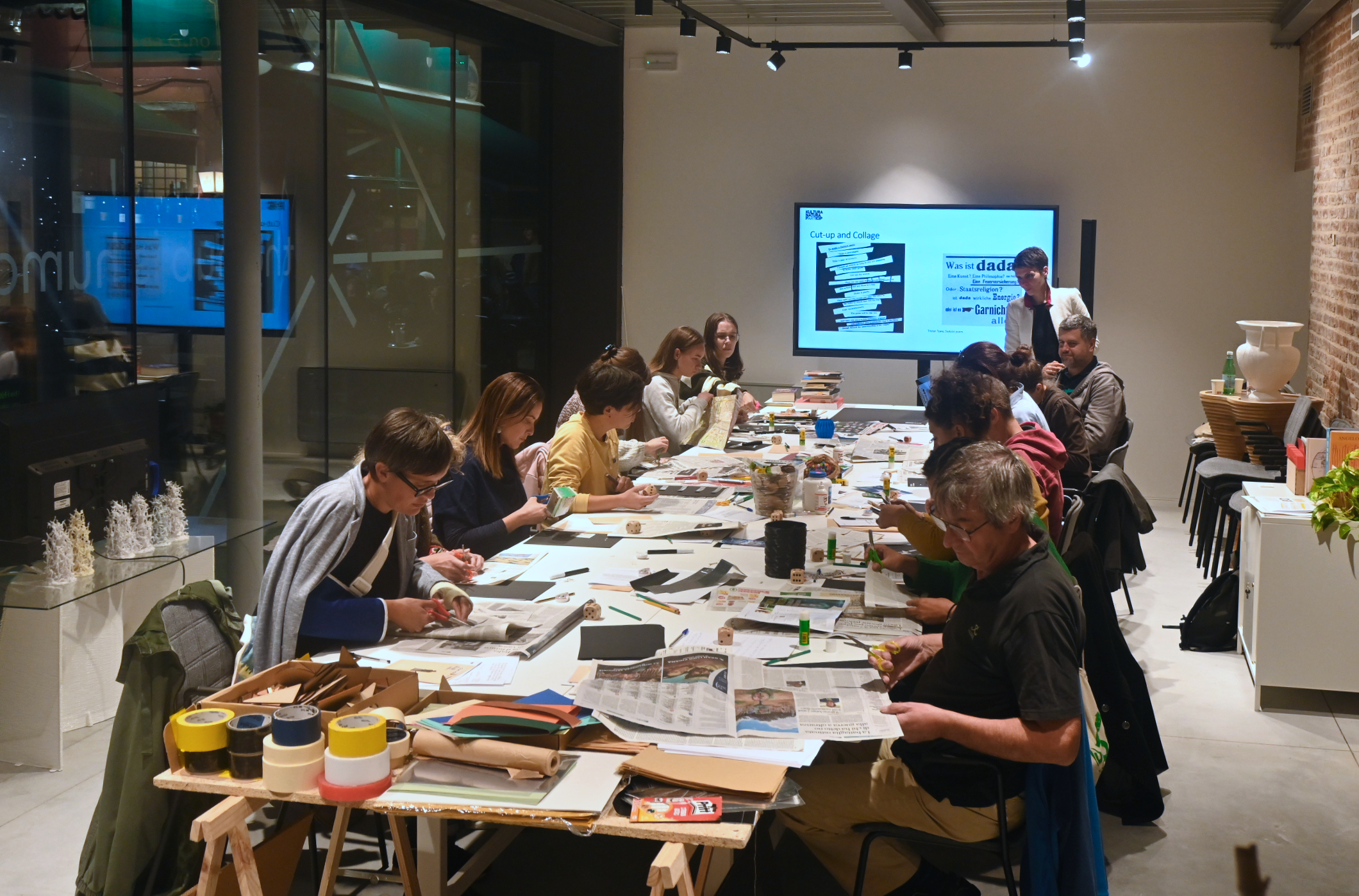
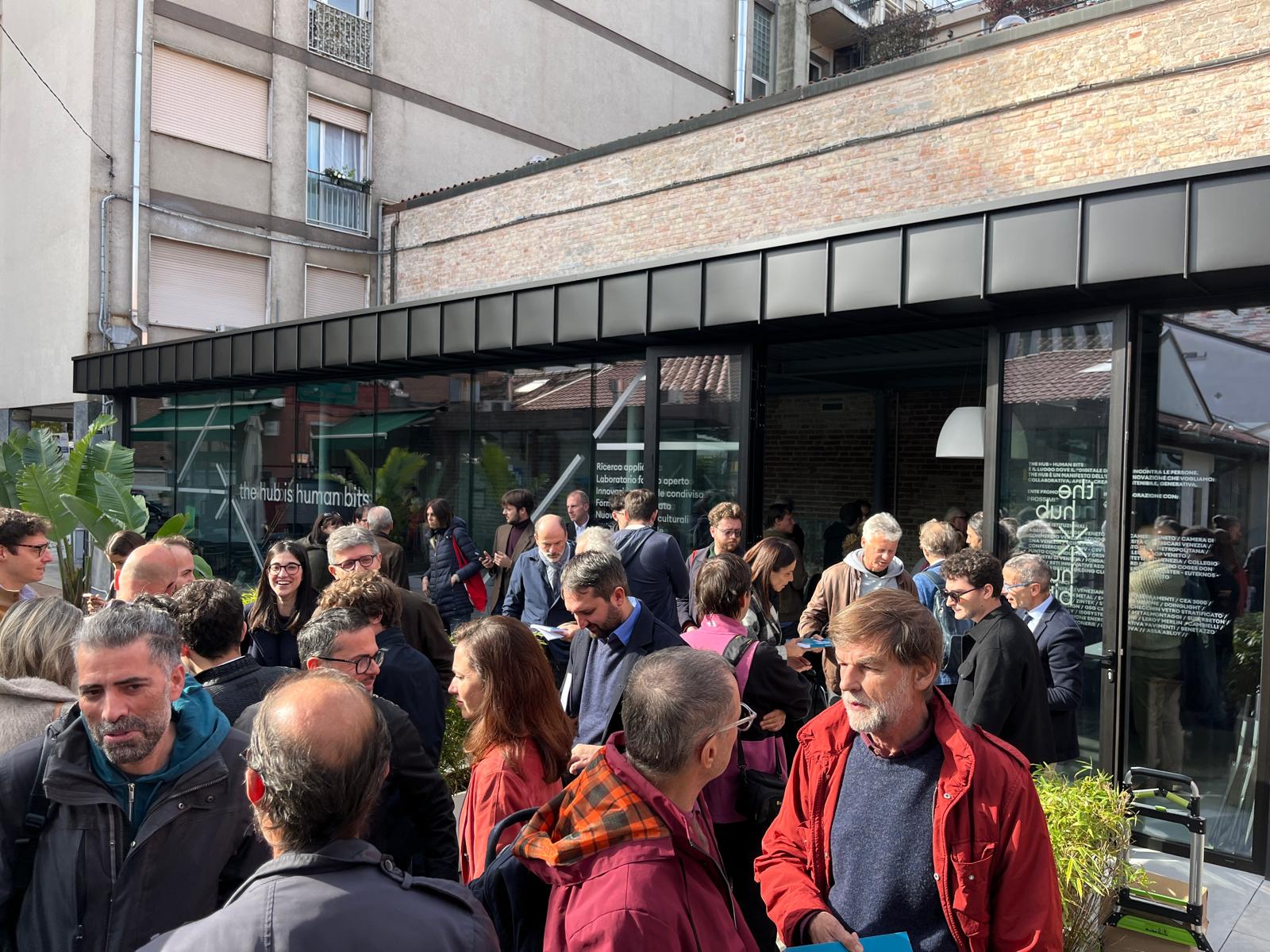
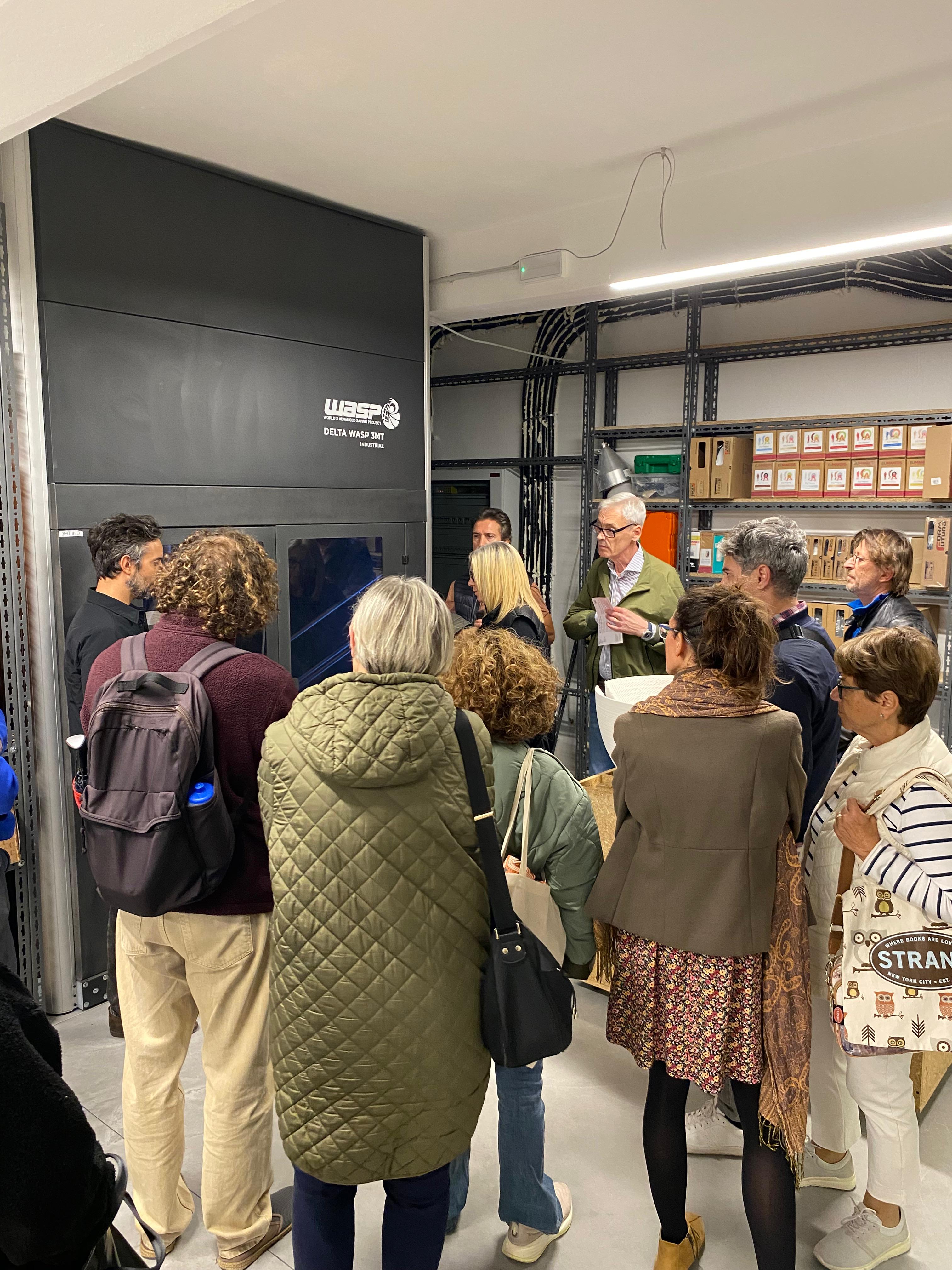
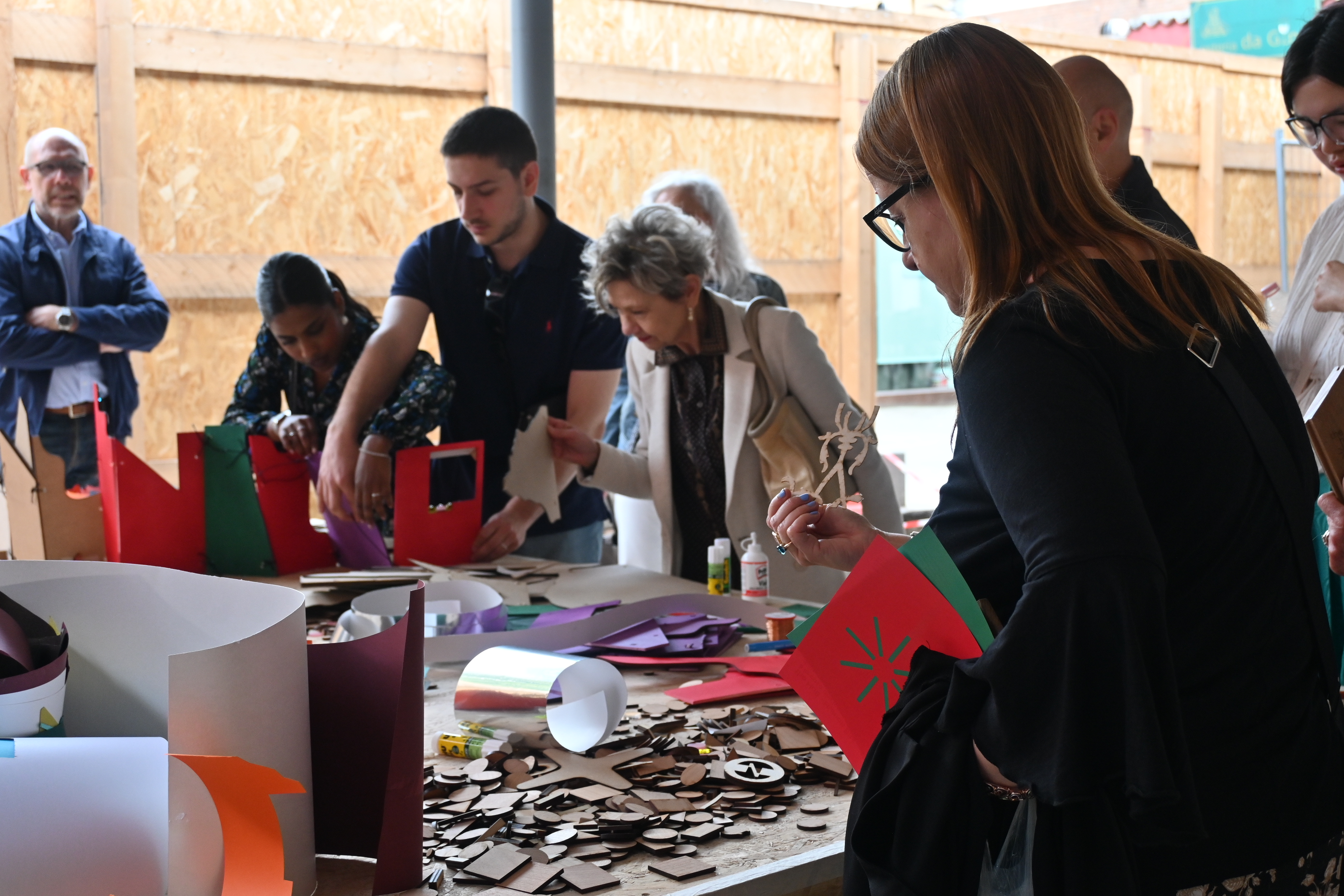
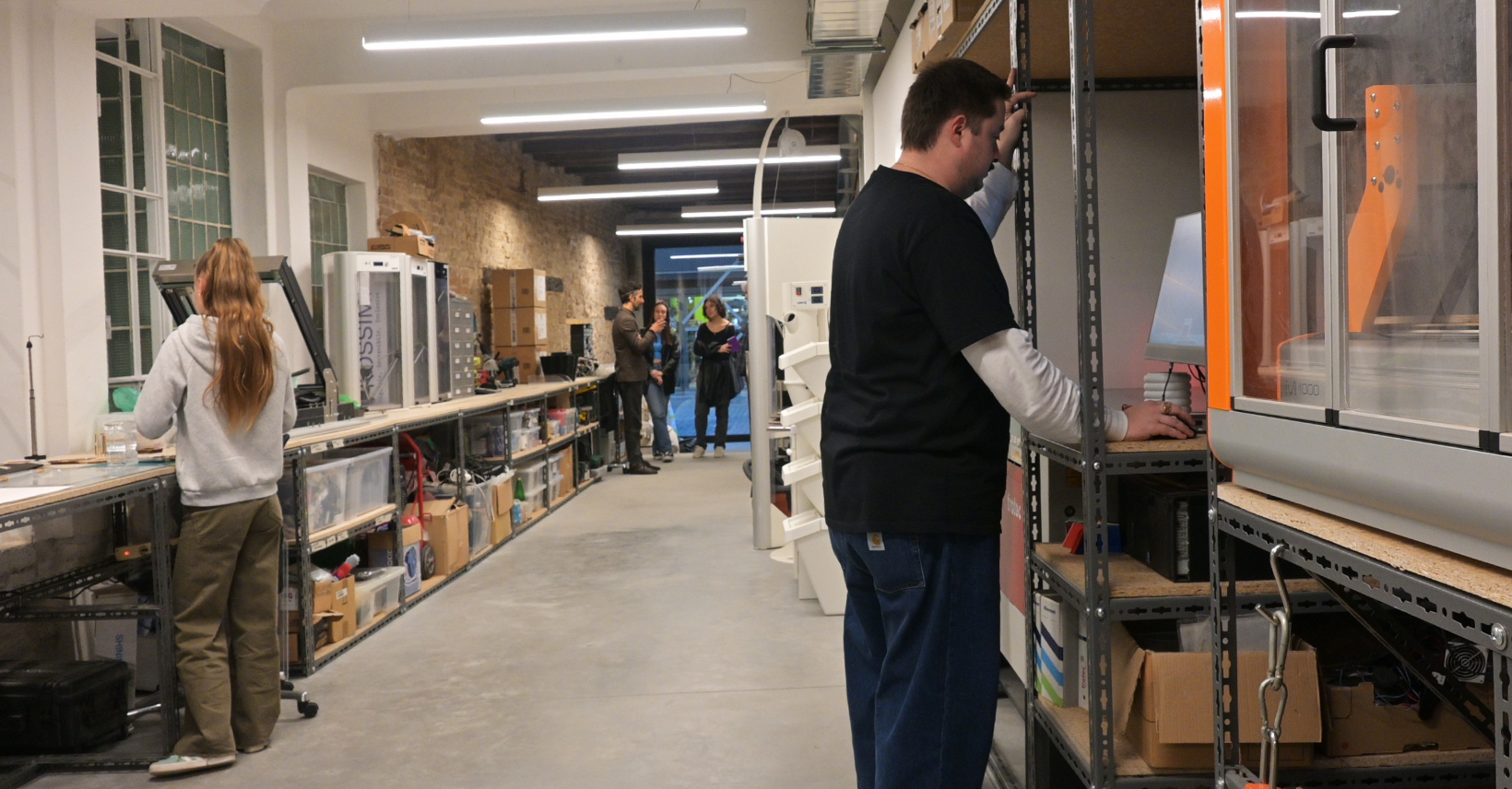
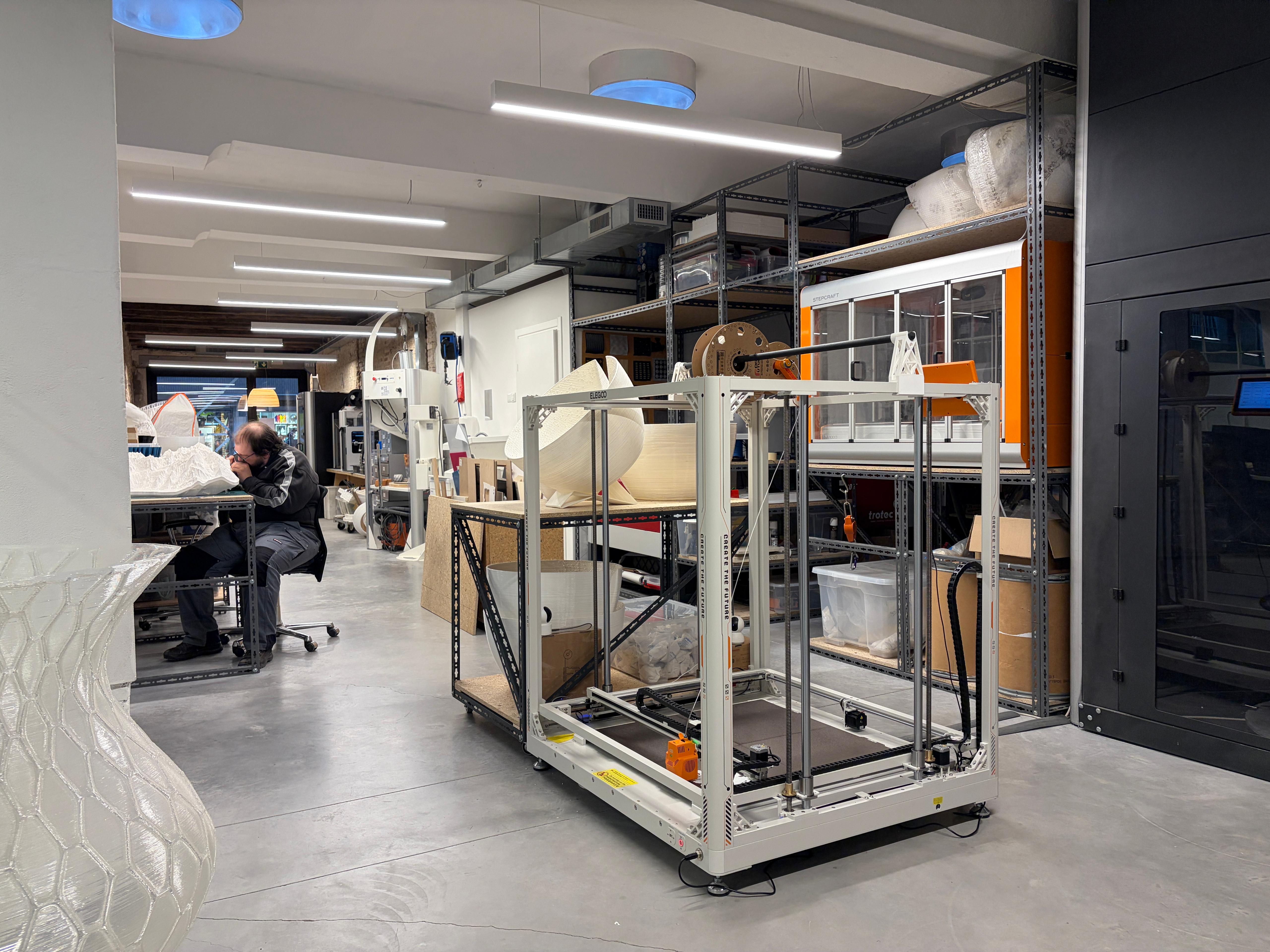
The Hub-Human Bits is where people and digital technologies meet. Based in a 1925 renovated building in the heart of Mestre, The HuB stands as a bottom-up, privately led publicly open, initiative to foster open access to digital and to hybridate culture and innovation. At the HuB you can: learn how to use softwares and tools, participate in creative workshops and cultural initiatives as part of the free public programme, collaborate and work in the co-space, experiment and produce at the fablab.
Italy
Regional
Veneto
Mainly urban
It involves a physical transformation of the built environment (hard investment)
Yes
2025-09-30
No
No
No
Organisation
The HuB - Human Bits is an open innovation centre established in the heart of Mestre (Venice, Italy) by Prossimi ETS, a non-profit dedicated to technology-driven social inclusion, and FabLab Venezia, one of the first digital fabrication labs in Italy, founded over 10 years ago, which Prossimi is a spin-off of. The HuB is privately led but open to the public, shaped around a consistent effort to bring together all the local stakeholders.
The project transforms a formerly disused building into a civic ecosystem where digital fabrication, traditional craftsmanship, community learning and open innovation converge. Its core purpose is to make digital technologies and innovation accessible: not a privilege for large companies, but a shared resource for workers, young people, craftspeople, and vulnerable groups including people with disabilities. Beyond that, it serves also as a catalyst for cultural initiatives and community exchange with creativity labs, cultural presentations and discussions. Target groups include all citizens, with the willingness to build a truly community, intergenerational, transdisciplinary learning hub for the city of tomorrow.
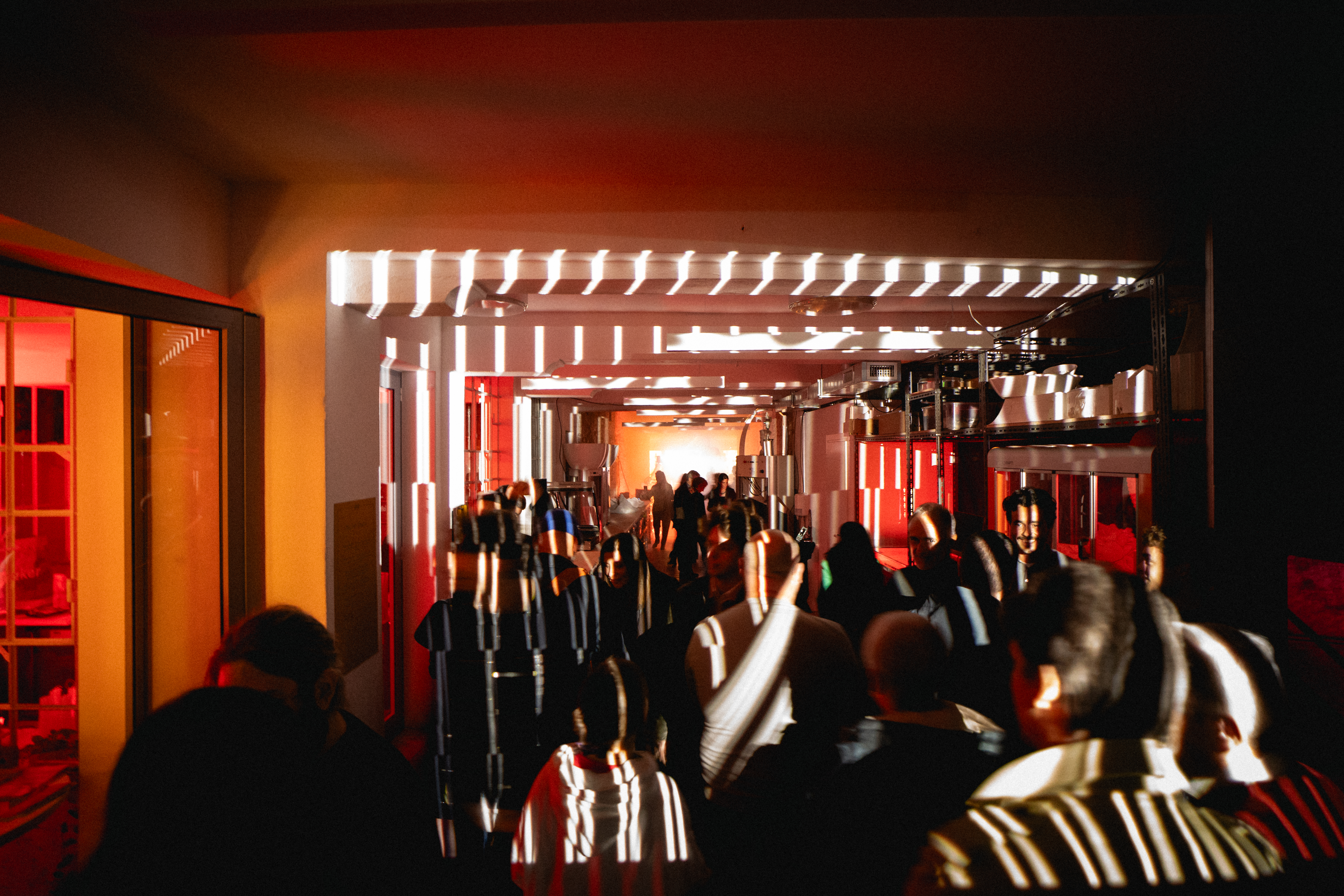
The objective is to provide an inclusive space in the city for digital skills and fabrication services, open innovation and cross-sector collaboration. In the first 5 months, Oct 2025 – Feb 2026, 2,000+ people were reached through events, training and open access, 20+ public events combining innovation, culture and civic engagement, 400 hours of training delivered to workers, young people and fragile groups. The HuB proves that an open, community-anchored makerspace rooted in circular making practices and focused on cooperation among different level of stakeholders can simultaneously regenerate urban space, close digital divides, and build a more inclusive local economy. The core innovation lays in its private/independent but public oriented governance and in the profound belief in social entrepreneurship.
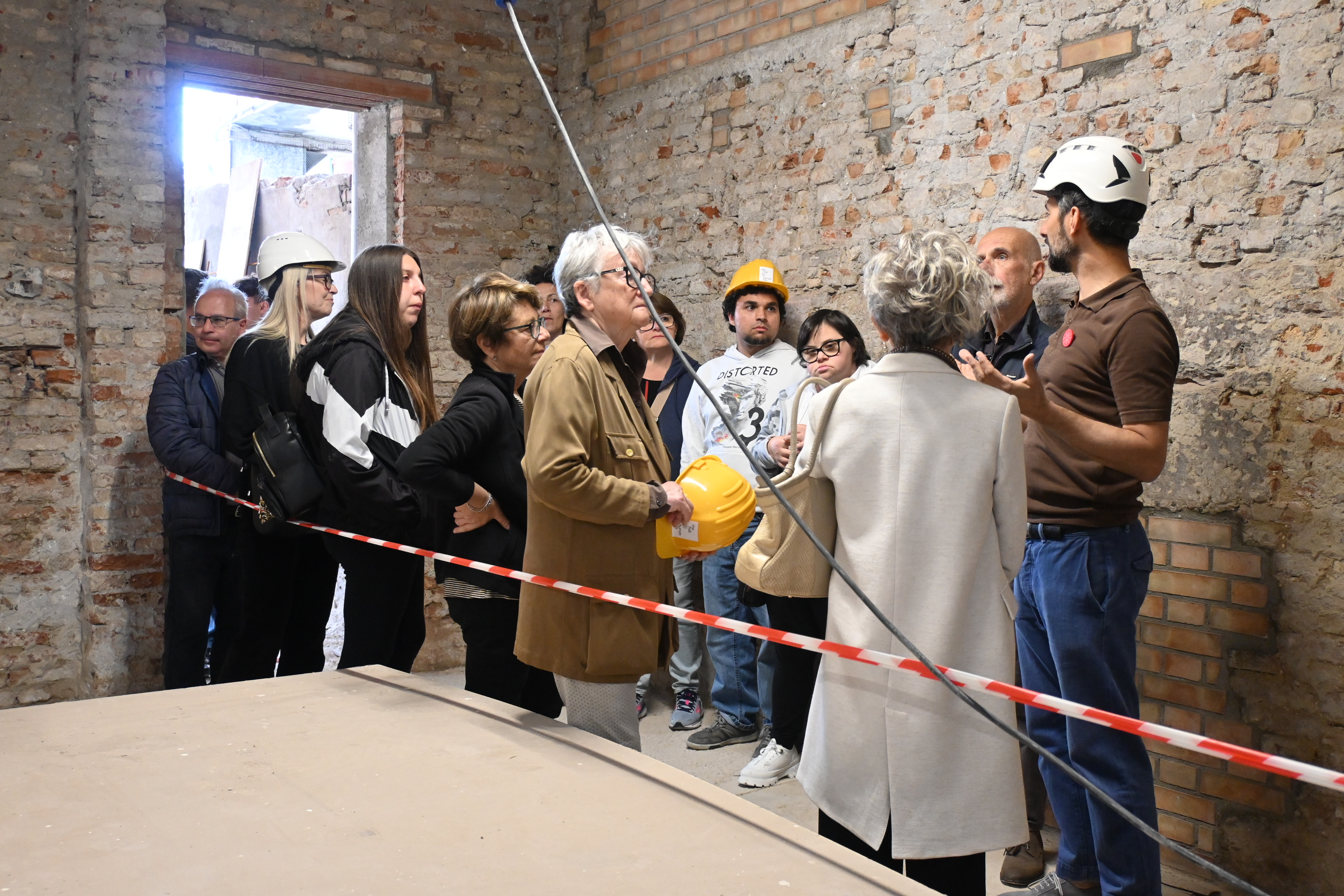
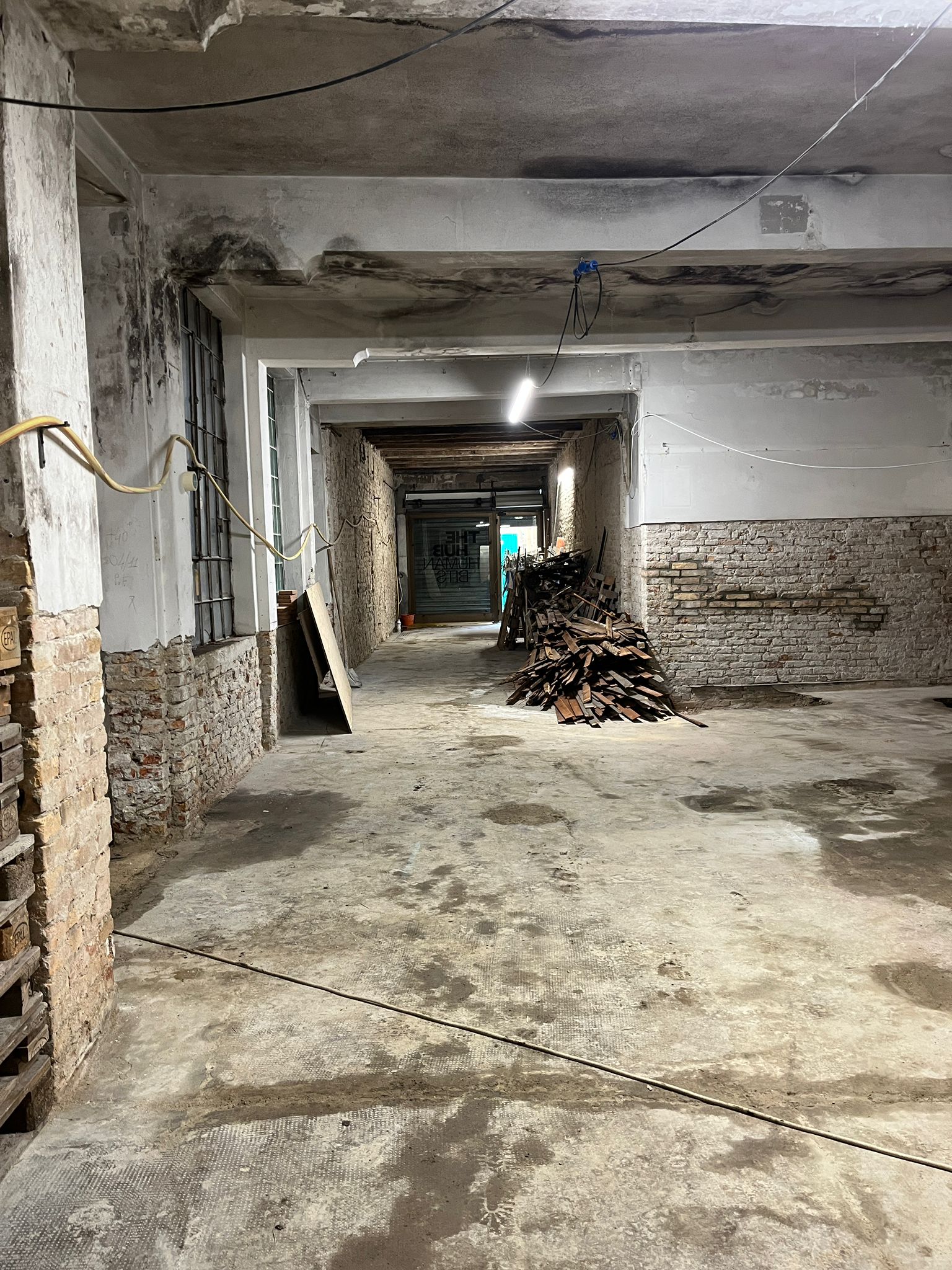
The HuB is the result of over a decade of learning, innovating and community-building. FabLab Venezia was founded more than 12 years ago as Veneto's first digital fabrication lab, a place where makers, designers, researchers and curious citizens could access advanced technologies and put them to work. Over time the work on manufacturing innovation and digital application for prototyping and enterprises shifted towards the conviction that technology is most powerful when it serves collective growth rather than disrupts it. This led, in 2021, to the founding of Prossimi Impresa Sociale ETS, a non-profit spin-off created specifically to translate the opportunities of digital fabrication into social innovation (for workers at risk of exclusion, people with disabilities, young people without clear horizons, and third-sector orgs). The HuB was the next step: a permanent, open space where both organisations could concentrate their energies and invite the city in. A private, disused building was identified and renovated with the meaningful support of local construction firms who contributed not only their expertise but also their resources, in recognition of the project's civic value. The renovation was followed by a series of open days and public events to build community before the full public programme launched, sustained in part through a public crowdfunding campaign. Decisions are made internally by FabLab Venezia and Prossimi, without direct public funding. This results in a more challenging work for economical sustainability but helps preserving independence while remaining deeply connected to the territory also thanks to a Memorandum of Understanding signed by many local institutional stakeholders. This network logic, inspired by what is already working in other European cities, is at the heart of the approach: open innovation not as a method but as a culture, where shared knowledge and honest partnerships are the real infrastructure.
digital inclusion
regeneration
making
proximity
cooperative innovation
The HuB was conceived with the aim of making sustainability tangible at every level: environmental, social and economic. The project began with an act of environmental awareness: rather than building new, a formerly derelict city-centre building was renovated, with attention to thermal insulation, energy efficiency, and the reuse of existing structures. The architectural project has meen very measured, tryong to optimize what was alredy there and what we may need without frills. The energy consumption is controlled through dedicated apps, with the possibility to perform real-time adjustments to avoid energy waste.
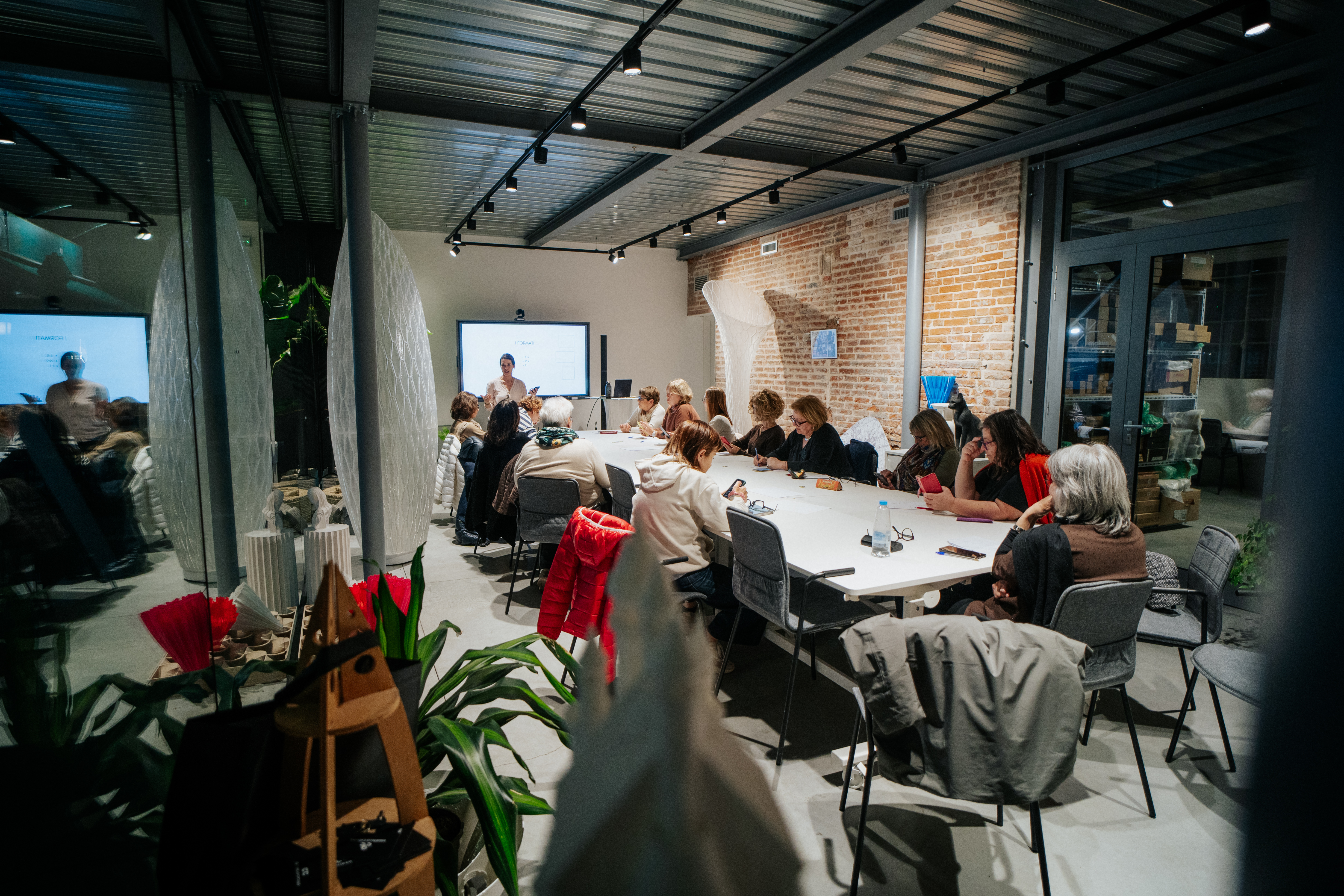
In the fabrication lab, Fablab Venezia's decade-long research into sustainable materials translates into everyday choices: bio-based PLA and regenerated PLA are used as standard for 3D printing, while digital prototyping reduces material waste before anything is physically made.
The social dimension of sustainability is equally central. The 400 hours of training delivered in the first five months are an investment in human capital that stays in the territory: workers, young people and vulnerable groups gaining skills that open new professional horizons locally. Moreover, the operational collaborations that are already in place with local non-profits enhance the commitment to make the city community grow. The Hub's economic model is designed to make this durable: a co-working space hosts creative professionals who become part of a living community; the main room is made available to local associations for training and cultural activities; collaborative research and funded projects are being developed with the Municipality and national and international partners. Sixteen institutional stakeholders have formalised their commitment through a Memorandum of Understanding. The integration among environmental care, social investment, and economic resilience is central to The HuB action model, to build a coherent vision of what a sustainable civic space can be.
Beauty at The HuB emerges from the honest encounter between materials, processes and people. The building itself carries a century of making. Built in 1925 and once home to a typography workshop, it retains its original internal metal windows and industrial character, a material memory of craft and production that feels entirely at home in a digital fabrication lab. The renovation preserved and celebrated this heritage rather than erasing it, adding a large new window that opens directly onto Corte Legrenzi, one of Mestre's most loved public spaces. The result is a place that is at once rooted in history and turned towards the city: visually connected to the neighbourhood, filled with natural light, and consistently described by visitors as beautiful precisely because it is honest: no decoration, just the clarity of materials, structure and purpose. That same sensibility runs through daily life at The HuB. The coexistence of digital machines alongside traditional craft tools creates a richly sensory environment: the sound of a laser cutter, the texture of a 3D-printed object in bio-based PLA, the smell of wood being shaped. Visitors are participants, not observers, and that changes how the space is felt and remembered.
At The HuB beauty is also in the honest meeting of tradition and innovation. An example: the craft residency programme of the Horizon Hephaestus project. Craft makers with no prior experience of digital technologies spend two weeks at the Hub in creative research, guided by our tech mentors. The first edition was so warmly received that several participants expressed a wish to return, a telling measure of the quality of the experience and the strength of the bonds formed. What makes this approach exemplary is the conviction that beauty and utility are not in tension. The HuB is proof that a working fabrication lab can also be a genuinely beautiful civic space that invites people in, makes them feel at home, and gives them reason to return.
At The HuB beauty is also in the honest meeting of tradition and innovation. An example: the craft residency programme of the Horizon Hephaestus project. Craft makers with no prior experience of digital technologies spend two weeks at the Hub in creative research, guided by our tech mentors. The first edition was so warmly received that several participants expressed a wish to return, a telling measure of the quality of the experience and the strength of the bonds formed. What makes this approach exemplary is the conviction that beauty and utility are not in tension. The HuB is proof that a working fabrication lab can also be a genuinely beautiful civic space that invites people in, makes them feel at home, and gives them reason to return.
The HuB was built around the idea that digital innovation should be accessible to everyone, not just those who can already afford it or navigate it independently.
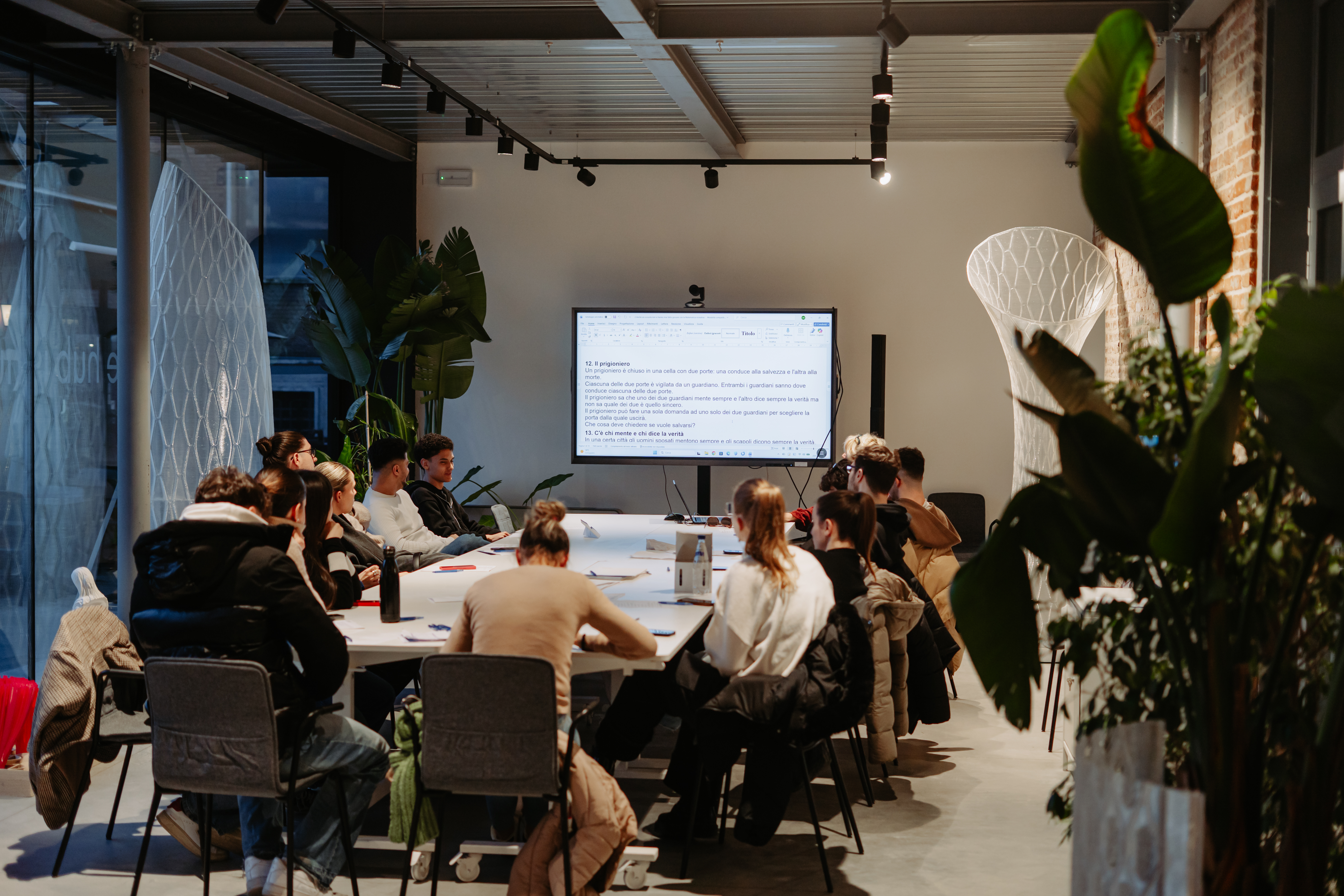
The most immediate expression of this is accessibility: The HuB public programme is entirely free, funded through our own projects and partnerships, ensuring that cost is never a barrier to participation. The programme includes open fablab evenings every Wednesday until late and morning motion/sporty activities. The space itself is open and welcoming by design: a city-centre location reachable on foot, with no membership requirement and no prior knowledge assumed. Anyone can walk in. Prossimi Impresa Sociale ETS has brought its specific expertise in social innovation to design programmes that actively reach those who rarely find themselves in spaces like this. Intergenerational creative activities, funded by the Municipality and led by Prossimi, have already begun, bringing together different generations around shared making experiences. In April, the Hub will host an exhibition on Mestre's Bangladeshi community, organised by Ca' Foscari University, weaving one of the city's most significant yet underrepresented communities into the cultural life of the space. These are early steps, and we name them as such. The HuB has just begun, and our commitment is to deepen diverse participation over time working alongside local organisations that have established trust with specific groups: migrants, unemployed people, young people without direction, communities that mainstream cultural spaces rarely reach. Inclusion here is built through relationships, not programmes alone.
What makes this approach exemplary is its honesty and its architecture: a privately led but genuinely public space, governed through a broad stakeholder network, whose economic model is designed to keep participation free. The HuB shows that innovation and social purpose can come together in the sign of social entrepreneurship.
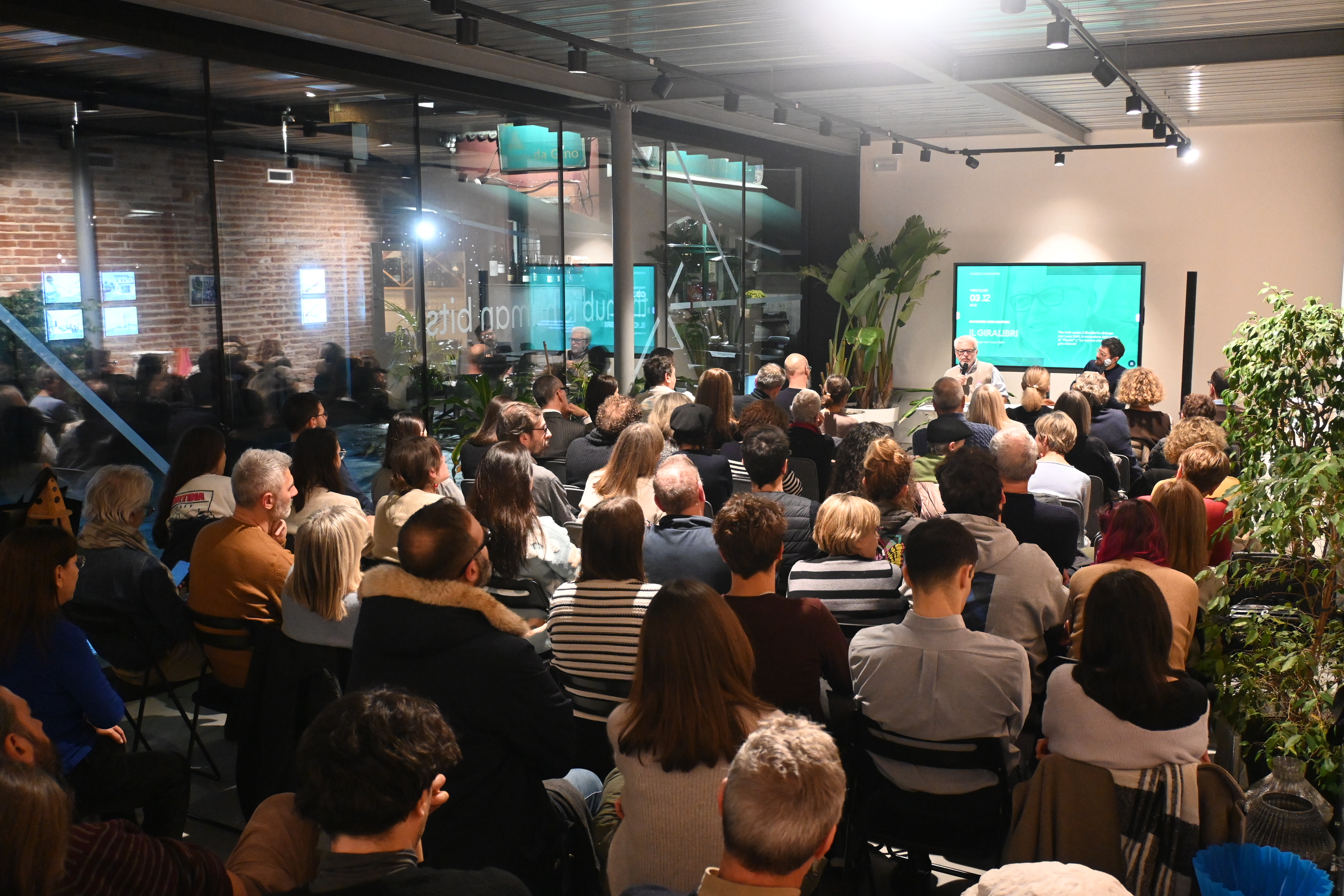
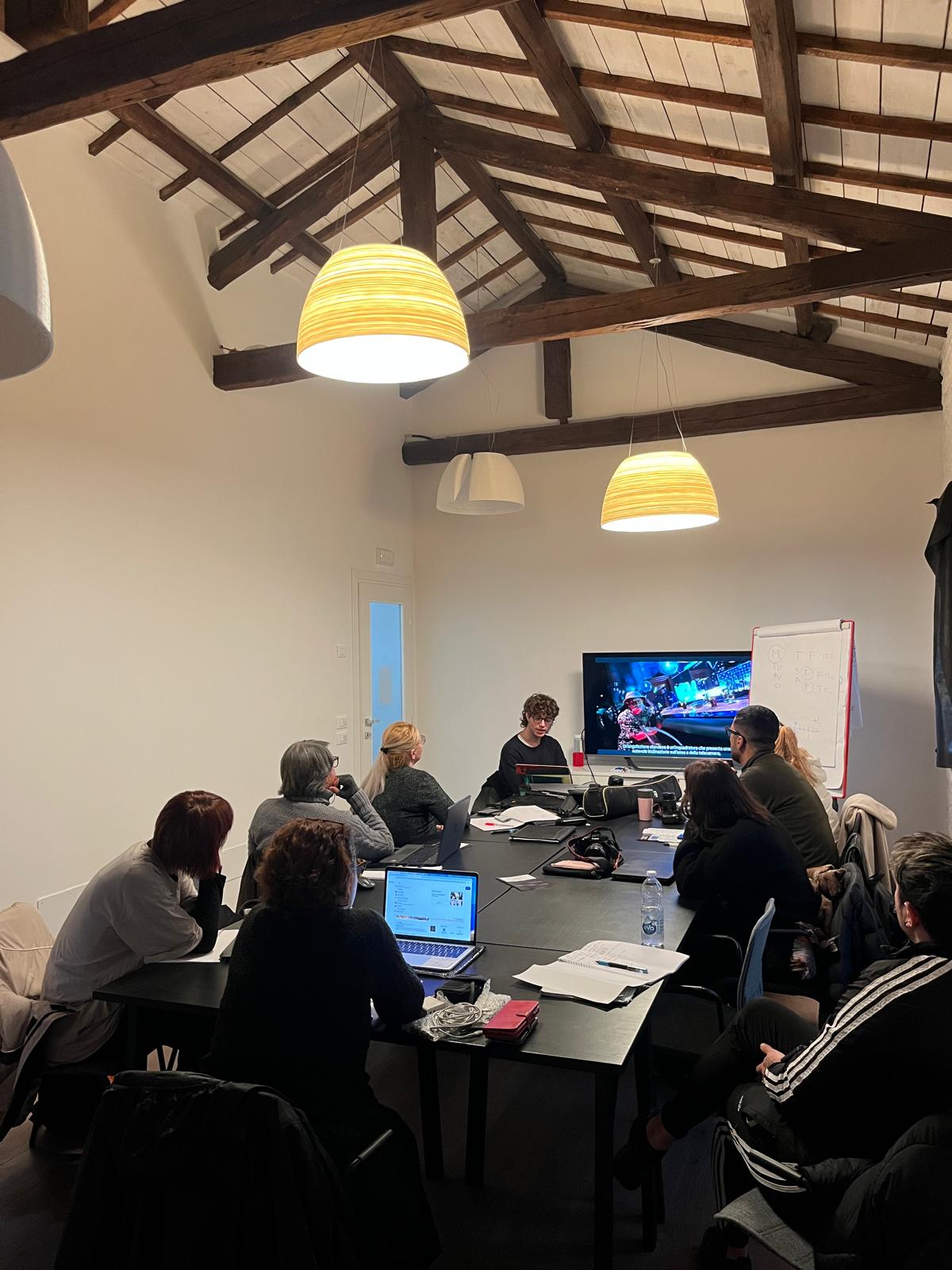
The HuB took years to prepare, and much of that time was spent building relationships before building anything physical. The groundwork was laid through sustained engagement with the local ecosystem: the Chamber of Commerce, trade associations, regional innovation networks, training organisations, and the Municipality were all involved in shaping the vision of the Hub long before its launch. This process led to a Memorandum of Understanding signed by 16 institutional stakeholders, which frames collaboration not as a one-off consultation but as an ongoing commitment to joint programming and shared decision-making on the direction of the space. In practice, participation takes different forms at different levels. Institutions and smaller organisations co-design together with us projects for public and European funding. Younger people are given space and autonomy to organise their own labs and activities at the Hub, bringing their own ideas and communities into the programme. Local associations use the space for their own activities, making it genuinely shared infrastructure rather than a venue for hire. In the last month only we hosted the Seniors' University, civic political debates (Venice mayor elections are approaching), a photography course. In all these occasions, we hint the topic of innovation, and how we want the city of the future to be: digital, bit also sustainable and collective.
On the institutional side, after the Signing of the Memorandum, institutional partners were slower to engage than hoped, the invitation to shape the programme together did not immediately generate the response we had anticipated. But the growing success of the Hub as a common house for innovation is gradually changing that dynamic, and collaboration is deepening as trust is built through doing. The lesson we are drawing is that participation, in a project like this, is not a phase and it requires a constant work to establish as a significant piece of the city.
On the institutional side, after the Signing of the Memorandum, institutional partners were slower to engage than hoped, the invitation to shape the programme together did not immediately generate the response we had anticipated. But the growing success of the Hub as a common house for innovation is gradually changing that dynamic, and collaboration is deepening as trust is built through doing. The lesson we are drawing is that participation, in a project like this, is not a phase and it requires a constant work to establish as a significant piece of the city.
The HuB sits at the intersection of multiple governance scales, and its credibility as a civic project draws directly from that layered network of relationships. At the local level, the Municipality of Venice has been a key interlocutor, co-funding activities led by Prossimi and working with the social enterprise within specific projects for digital accessibility and alphabetization. The broader local ecosystem is formalised through the Memorandum of Understanding with 16 stakeholders, including the Chamber of Commerce of Venice and Rovigo, Confartigianato, CNA, the Order of Architects, CSV (the local third sector support centre), and Legacoop Veneto. These organisations bring legitimacy, sectoral expertise, and direct channels to the communities the Hub aims to serve. At the regional level, Fablab Venezia is an accredited InnoVeneto research and experimentation entity, a member of the Venetian Green Building Cluster, and part of the Euteknos Regional Innovation Network. The Veneto Region's ICT and Digital Agenda Directorate is among the MoU signatories, providing policy alignment and visibility within the regional innovation framework. Unioncamere Veneto strengthens the connection to the wider entrepreneurial fabric of the region. At the national level, FabLab Venezia das participated in the INEST consortium call for projects, through which two PNRR-funded projects (Duplicity and PTP3D) have been developed, connecting the Hub's activities to Italy's national recovery and digital transition agenda. At the European level, FabLab Venezia is involved in the Horizon Europe HEPHAESTUS project and participated in Crea-thriv-EU cascade funding, bringing international research partnerships, peer learning, and co-funding directly into the Hub's programme. This multi-level architecture means The HuB is not reliant on any single institution: it is embedded in a web of relationships that provides resilience, reach and the capacity to scale.
The HuB was designed as a new creative and innovative open space for the city, and the range of disciplines that have found a home in it reflects that openness. The Hub hosts activities that span digital fabrication and innovative sustainable design, craft and material culture, social work, education, mobility research, cultural production and the arts. These share the same physical space, the same tools, and a variegated team of professionals, both Prossimi and Fablab’s own team and external professionals who collaborate on solutions. The development of multisensory solutions for heritage draws on engineering, media arts and design thinking simultaneously. A craft residency under the Hephaestus project places traditional makers in dialogue with parametric design and 3D printing. A ludic lab for children combines digital literacy with creative play and educational psychology. The co-working space seats marketers, developers, social entrepreneurs and designers’ side by side, and the informal exchanges that result are as generative as any structured programme. What holds this together is the conviction that digital fabrication and digital tools are enablers of fairer communities. That thread runs through every discipline represented at The HuB, the question each of them is working on, in their own language and with their own tools, is essentially the same: how can making things together make life better for more people? The added value of this approach is that solutions emerge which no single discipline could have produced alone and that the people involved leave with a broader sense of what their own field can do. This bottom-up exchange also benefits the institutions that engage with the Hub. Public bodies and trade associations gain direct access to emerging practices and grassroots innovation that their own structures rarely generate.
The HuB was established without public funding. The renovation and set-up were financed entirely by Fablab Venezia and Prossimi through a combination of own resources and bank lending. The founders are two already established entities: revenue is being generated through a diversified mix of streams: fabrication and digital production services for museums, enterprises, artists and artisans, training courses, co-working fees from creative professionals based in the space, space rental to local associations and institutions for their own activities; and participation in funded research projects at national and European level. No single stream dominates, which gives the model resilience against the volatility of any one sector. Growth is driven by partnerships. Each new collaboration, whether with a cultural institution, a municipality, a research consortium, a third-sector organisation aims at generating both social impact and economic activity. This virtuous dynamic is already visible and will intensify as the network of relationships matures. Beyond its own sustainability, The HuB represents something with broader relevance for how cities develop. It is a contemporary form of what urban theorists call a third place, neither home nor (only) workplace, but a civic space where different people and different ideas meet. In a city like Mestre, which has struggled with commercial decline and a loss of urban vitality, the Hub demonstrates that cities can still be places of production: not just consumption, sleep and transit, but genuine sites of making, learning and exchange. This model, an open, productive innovation space sustained by a community of users and partners, is precisely what is needed to build more inclusive, creative and resilient cities, and it is directly replicable elsewhere. Its private nature allows more vitality and shows the role that private entrepreneurship and bottom-up activation can have to support city and community growth.
Several cities across Europe have developed civic innovation spaces in recent years, and The HuB has drawn inspiration from that landscape. What it adds to the conversation is a specific combination of elements that, taken together, form a transferable model. The most replicable component is the organisational architecture: an independent social enterprise co-leading the space alongside a technically specialised partner, with a multi-stakeholder governance structure that keeps the project anchored to local needs without making it dependent on any single institution. This model can be adopted by other cities regardless of their size or sector mix, what matters is the principle, not the specific partners. The diversified revenue model is equally transferable: fabrication services, training, co-working, space rental and research funding are streams available to most urban contexts, and their combination provides the resilience that single-source funding cannot. The experience of Fablab Venezia and Prossimi in building this mix over time is knowledge that can be shared openly, in the spirit of the Fab Lab network. The programmatic approach of treating digital fabrication as a social tool rather than a technical one, and designing activities around the needs of fragile and underserved groups is also directly transferable, though it requires genuine commitment from the founding team and established relationships with local third-sector organisations. This is the part that cannot be imported ready-made: it has to be grown locally. What needs adaptation in each context is the cultural and craft heritage dimension: the specific dialogue between digital tools and local traditions that gives each Hub its own identity and sense of place. This is not a weakness of the model but its strength: a framework designed to be rooted, not replicated wholesale.