Strengthening Local Democracy and Inclusion
ECCO
Enhancing Compliance Capacity in public Organizations (ECCO)
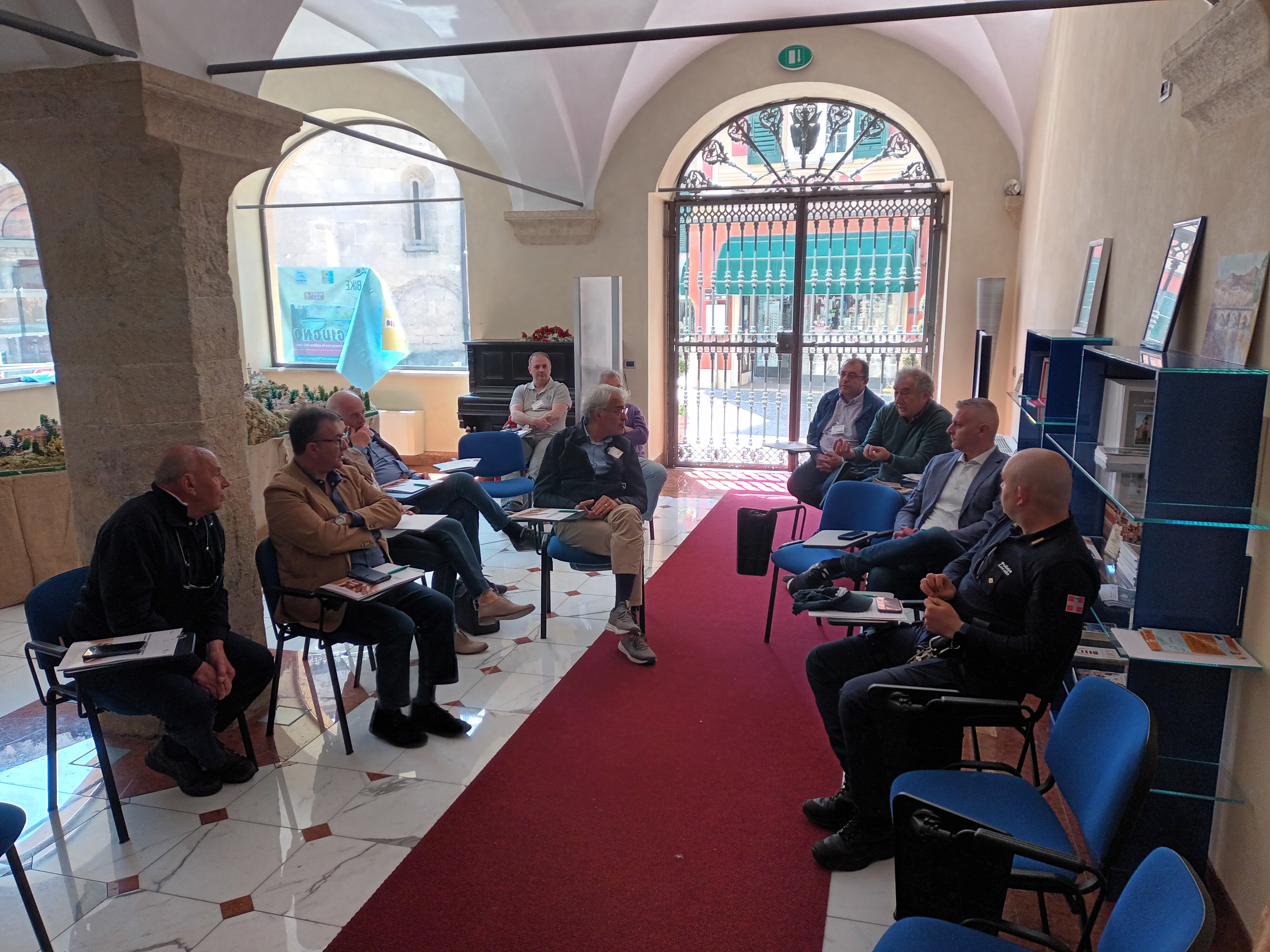
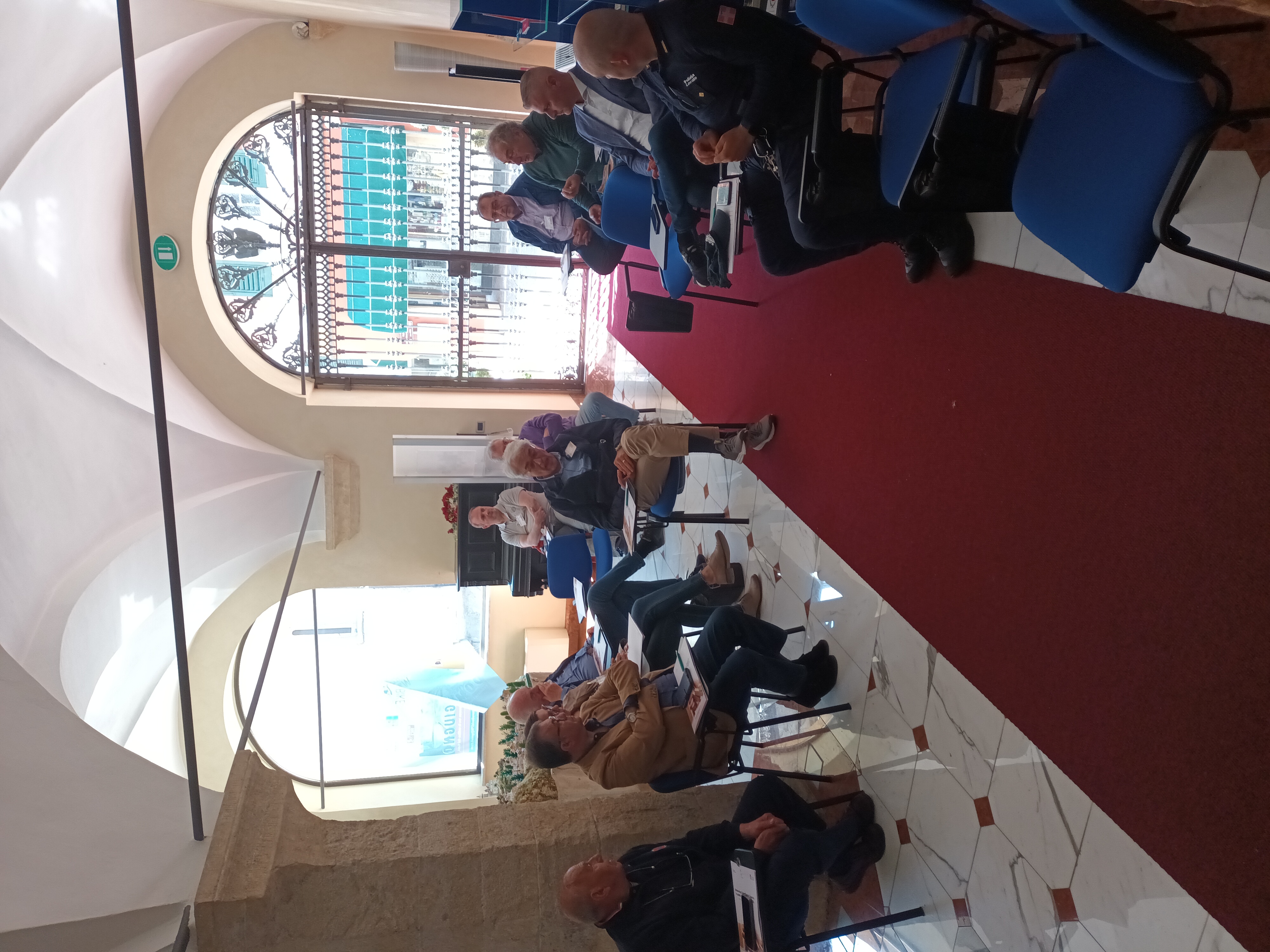
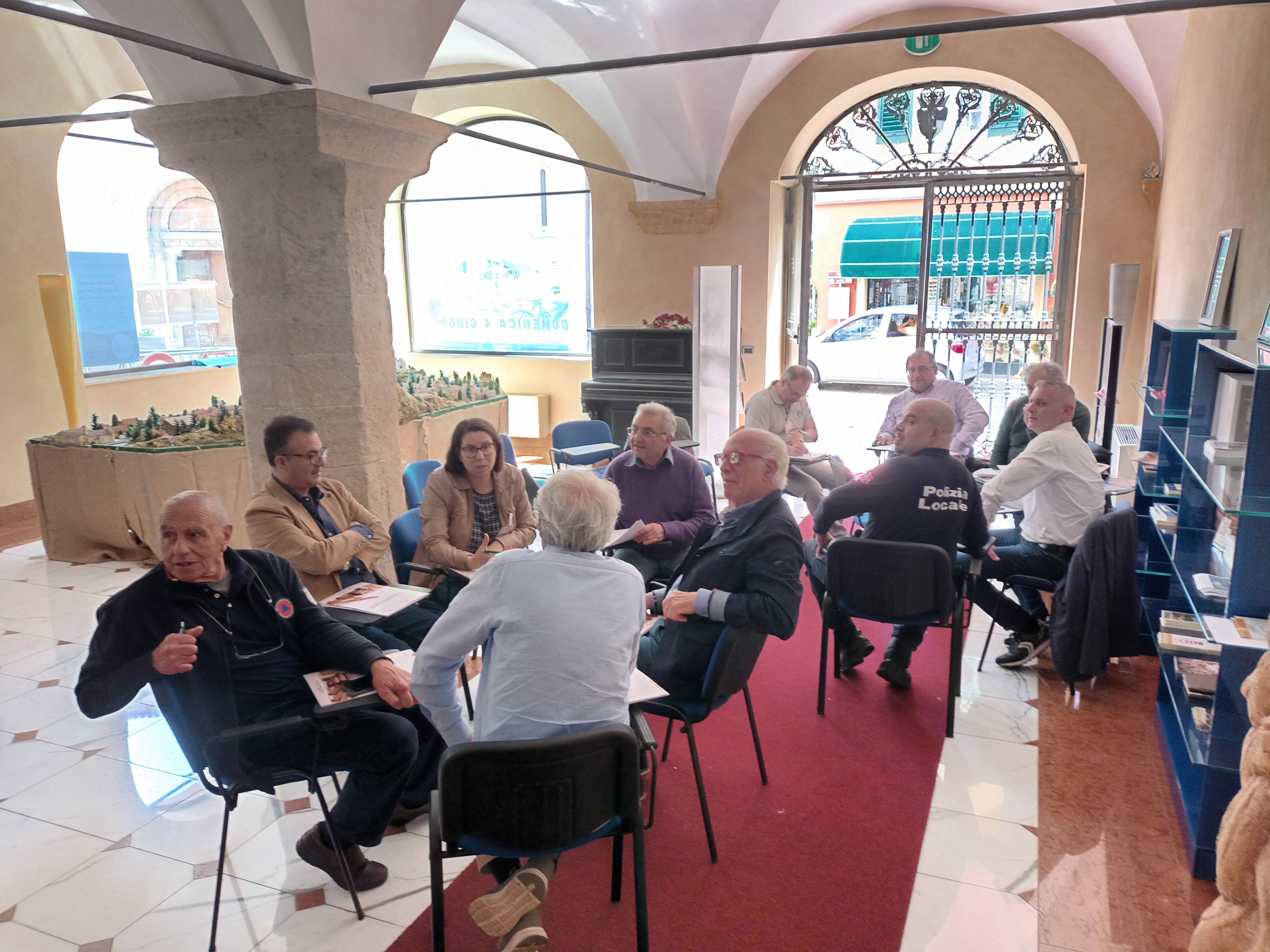
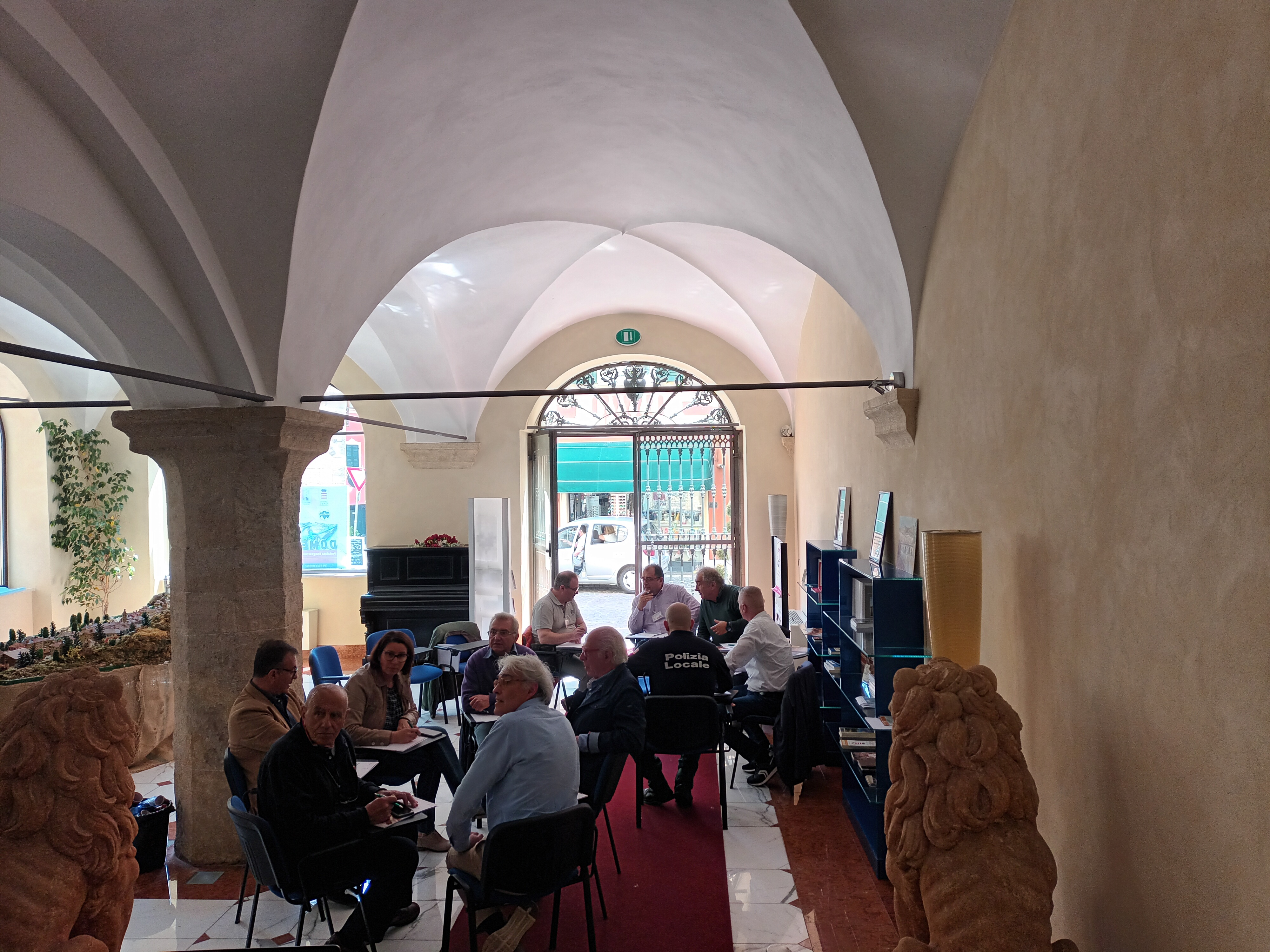
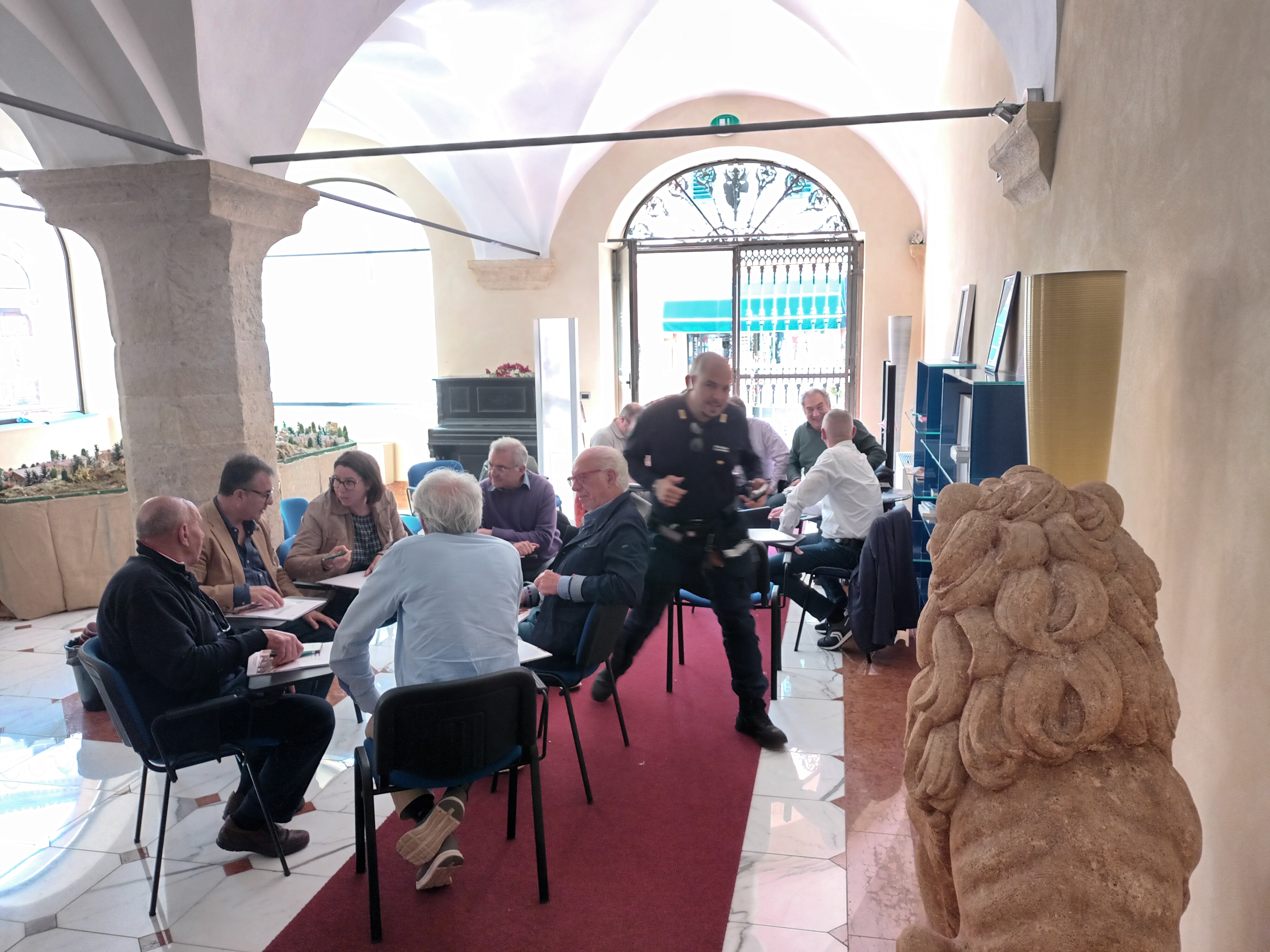
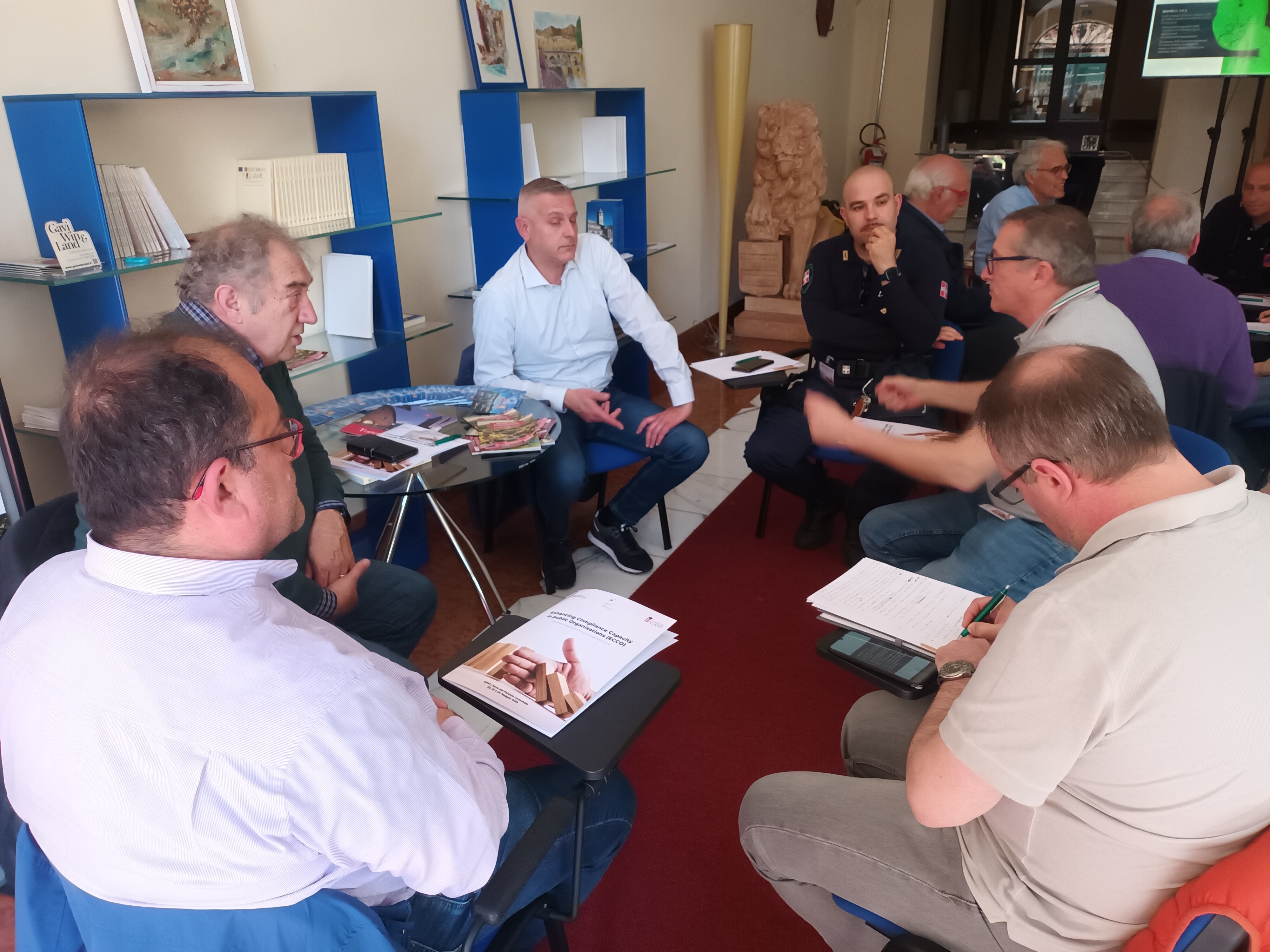
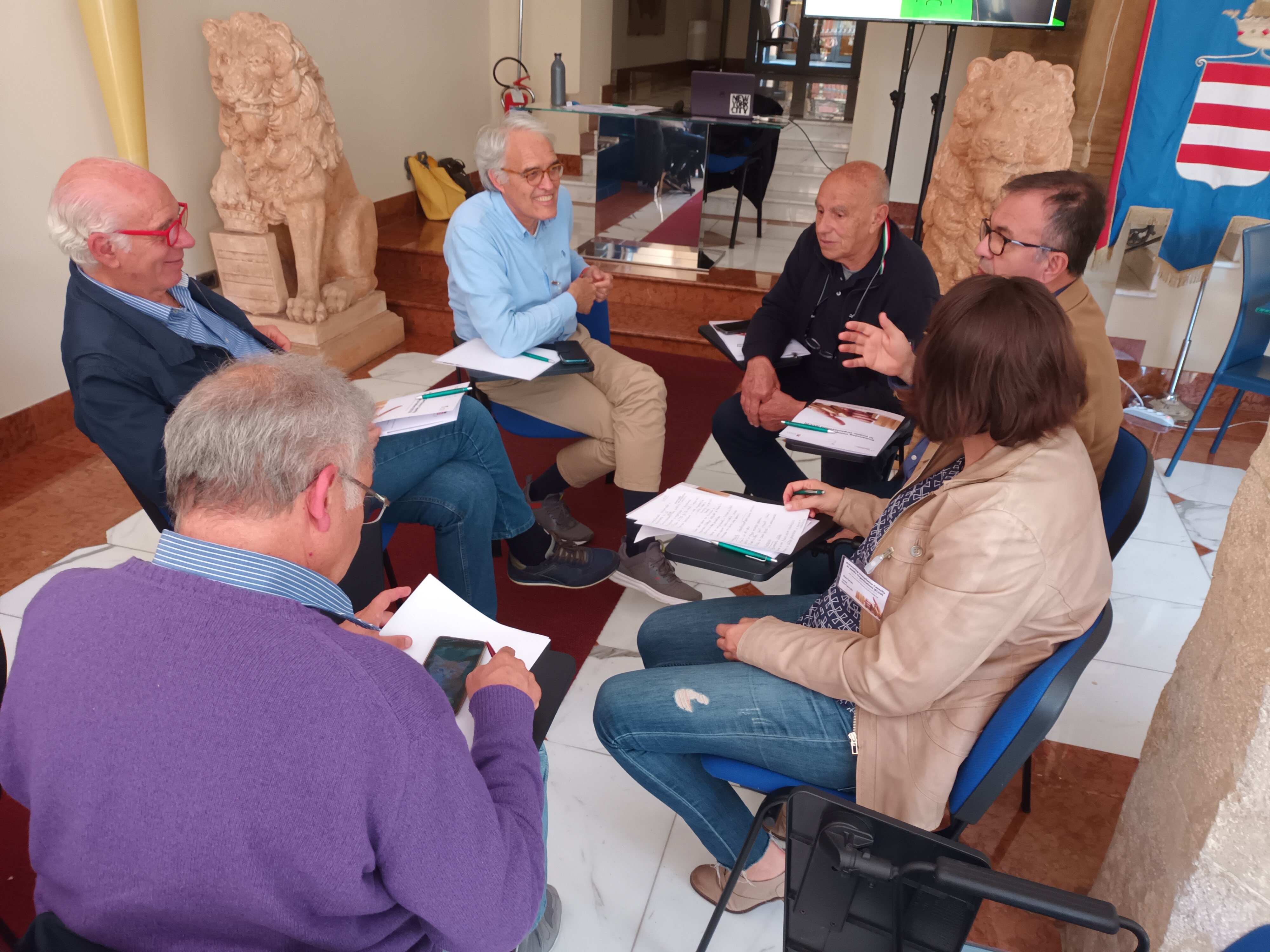
ECCO is a participatory project that brought together schools, local health services, civil protection, municipalities, volunteers and civil society in small towns and rural areas to co-design practical crisis-preparedness routines. Through three sector workshops, participants turned COVID-19 lessons into ready-to-use measures for clearer communication, fair access to services, and better local coordination when the next emergency hits.
Italy
Local
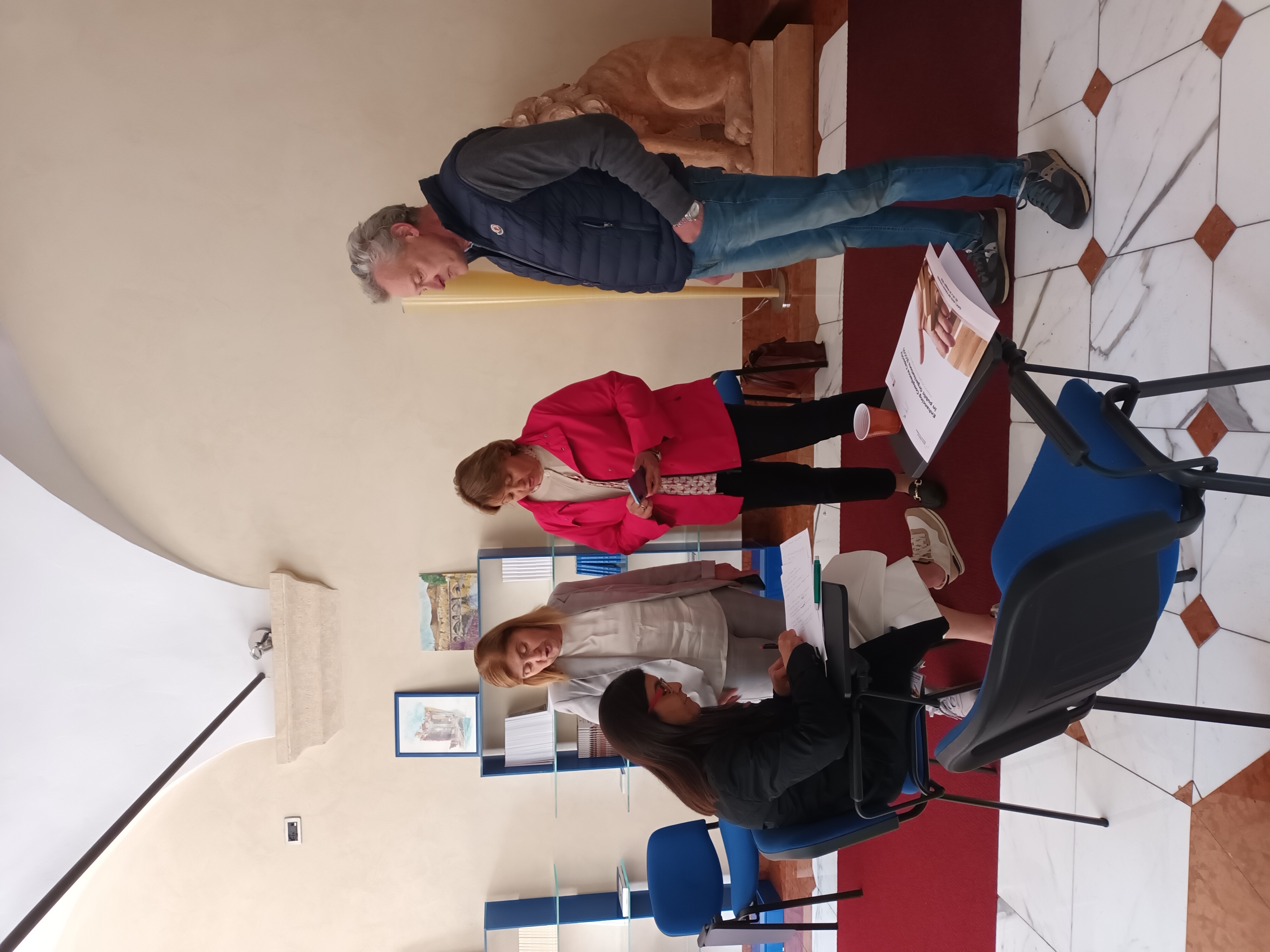
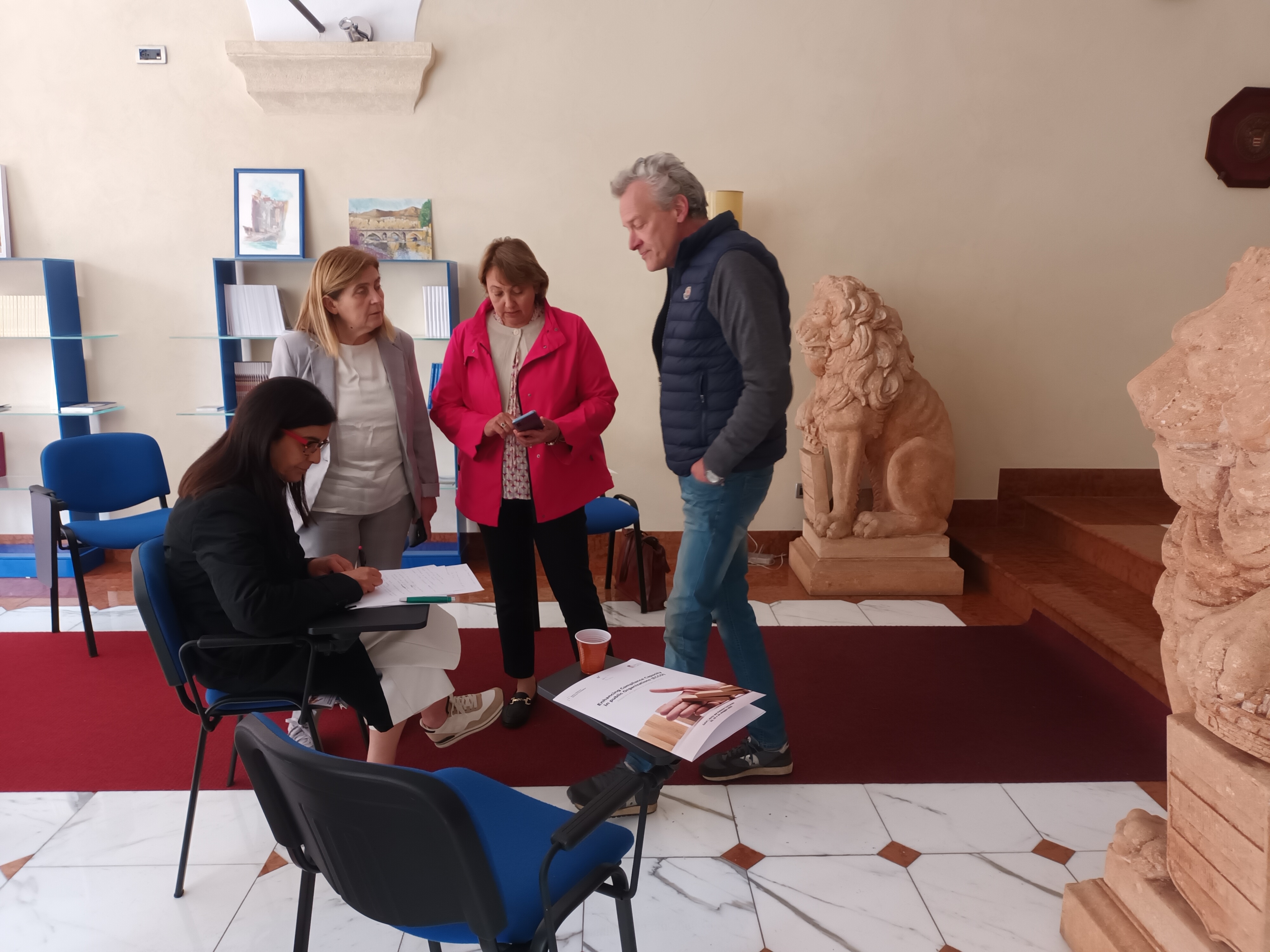
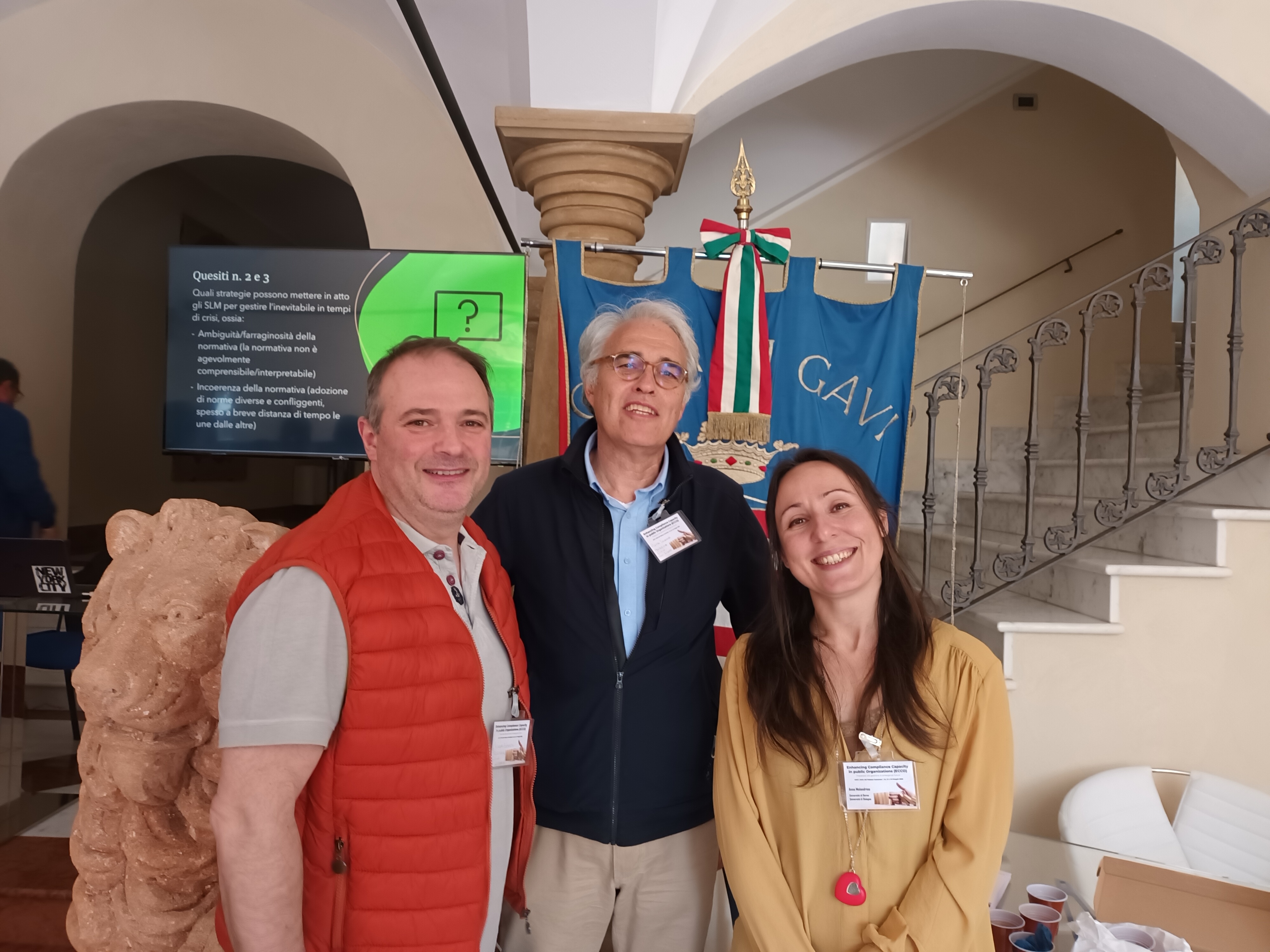
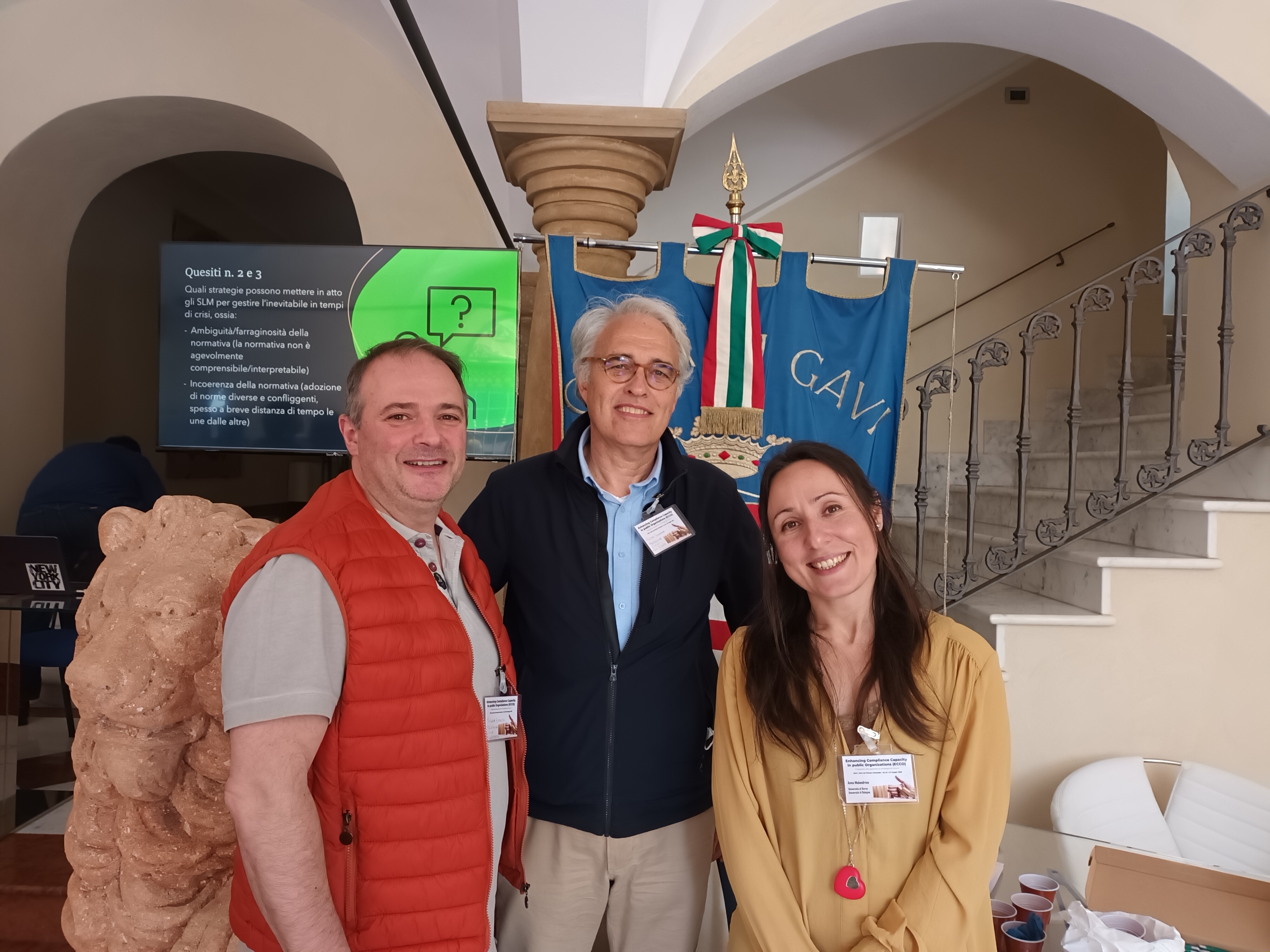
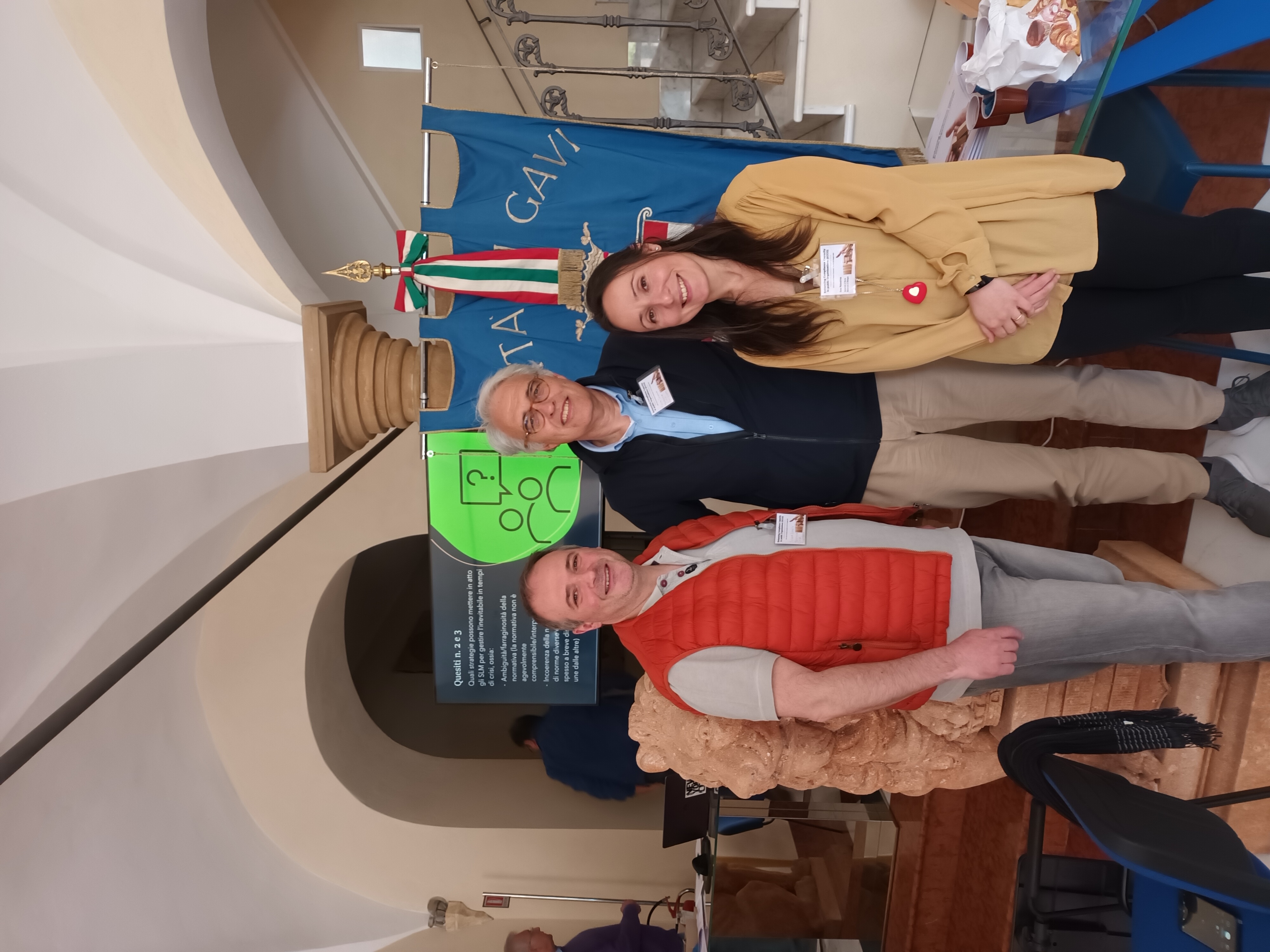
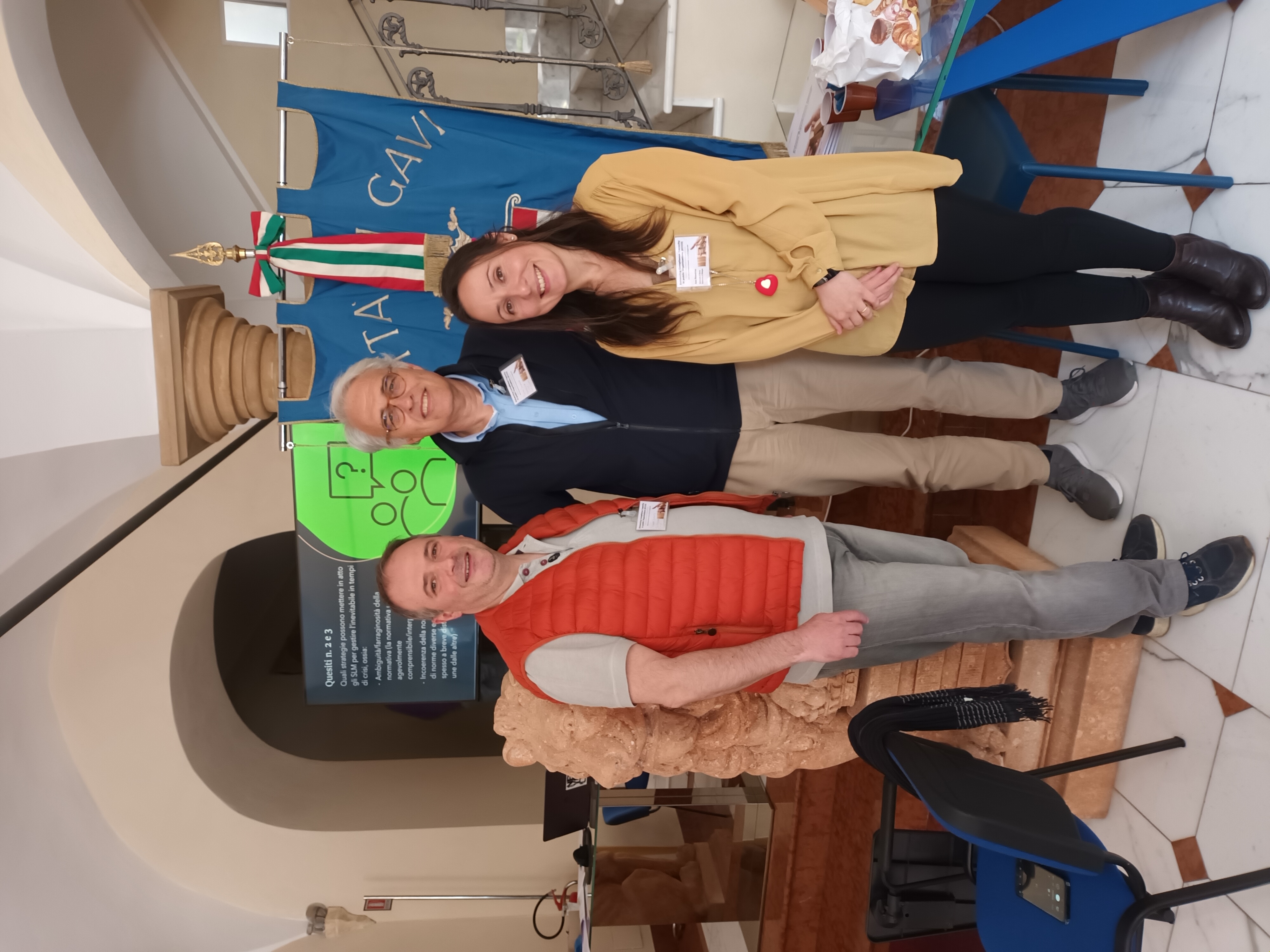
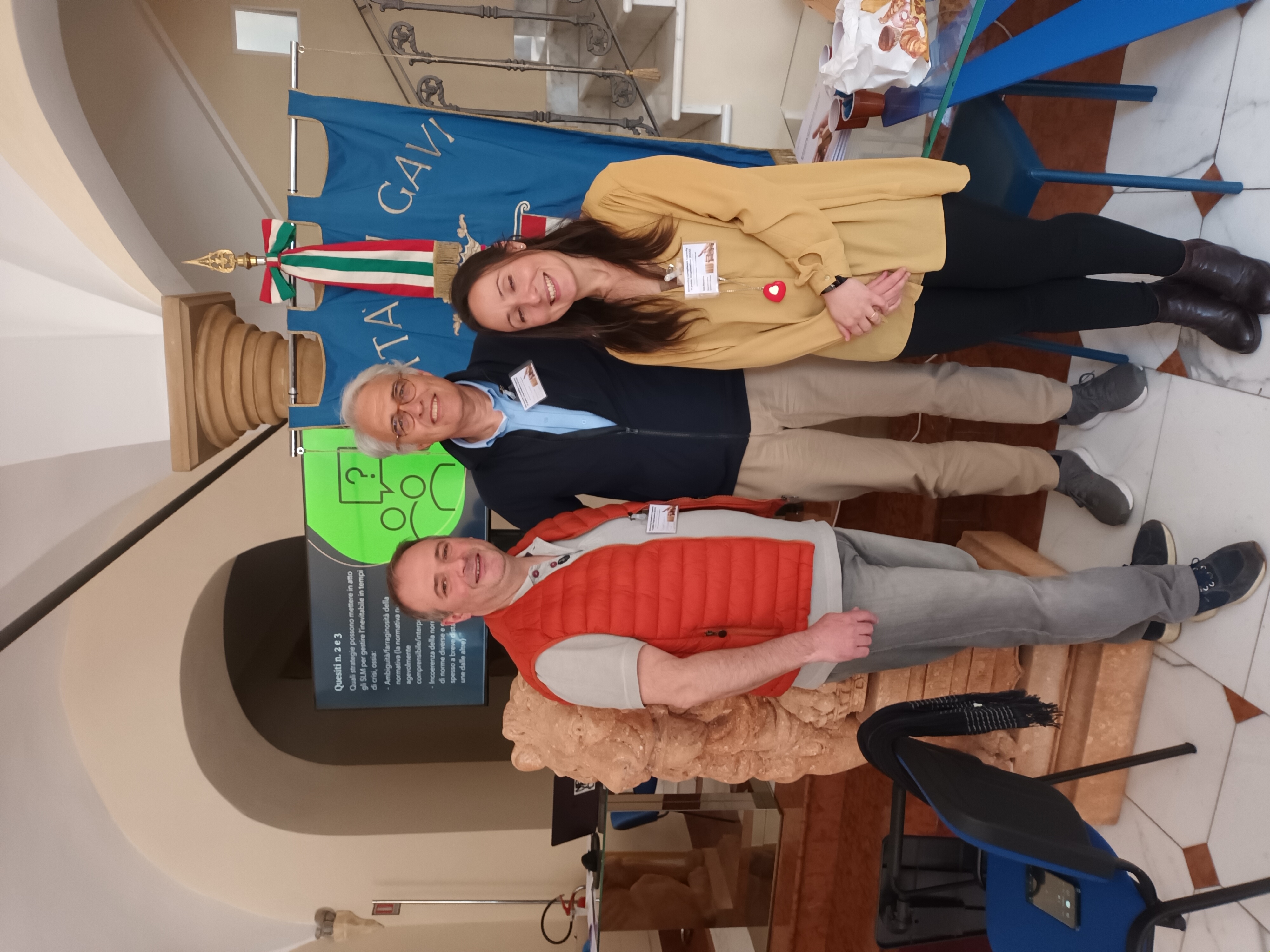
Gavi (AL), a town of less than 5,000 inhabitants, was where the workshops took place. Some of the participants represent authorities or civil society organizations based in this town, as well.
The other towns involved in the workshops were:
- Novi Ligure
- Spinetta Marengo
- Alessandria
- Serravalle Scrivia
- Cumiana
- Verbania
- Basaluzzo
The other towns involved in the workshops were:
- Novi Ligure
- Spinetta Marengo
- Alessandria
- Serravalle Scrivia
- Cumiana
- Verbania
- Basaluzzo
It addresses urban-rural linkages
It involves other types of transformations (soft investment)
Yes
2023-07-31
No
No
No
Individual
Enhancing Compliance Capacity in public Organizations (ECCO), a project completed in northern Italy in 2023, strengthens local democracy by helping communities co-design crisis preparedness. ECCO re-designs the public-service relational spaces where residents meet public services by providing evidence-based prompts that enable actors from rural contexts and small towns to co-design measures, changing the civic, institutional and informational spaces where rules are interpreted, services are offered, and collective action becomes possible.
The aim is to help local systems keep essential services working fairly and inclusively during emergencies, despite ambiguous, fast-changing, and sometimes conflicting rules that ‘produce’ different local spaces of action and inequality unless they are jointly interpreted.
Specific goals:
-transform research into prompts for collective problem-solving
-activate co-design in street-level organizations (SLOs) to find solutions to pressing problems together
-formalize informal COVID-19 practices that proved effective
-strengthen preparedness capacity and improve SLOs-citizens communication.
Beneficiaries: citizens from small towns, rural and inner areas who rely on school, health, and civil protection services, plus frontline professionals and local institutions providing those services.
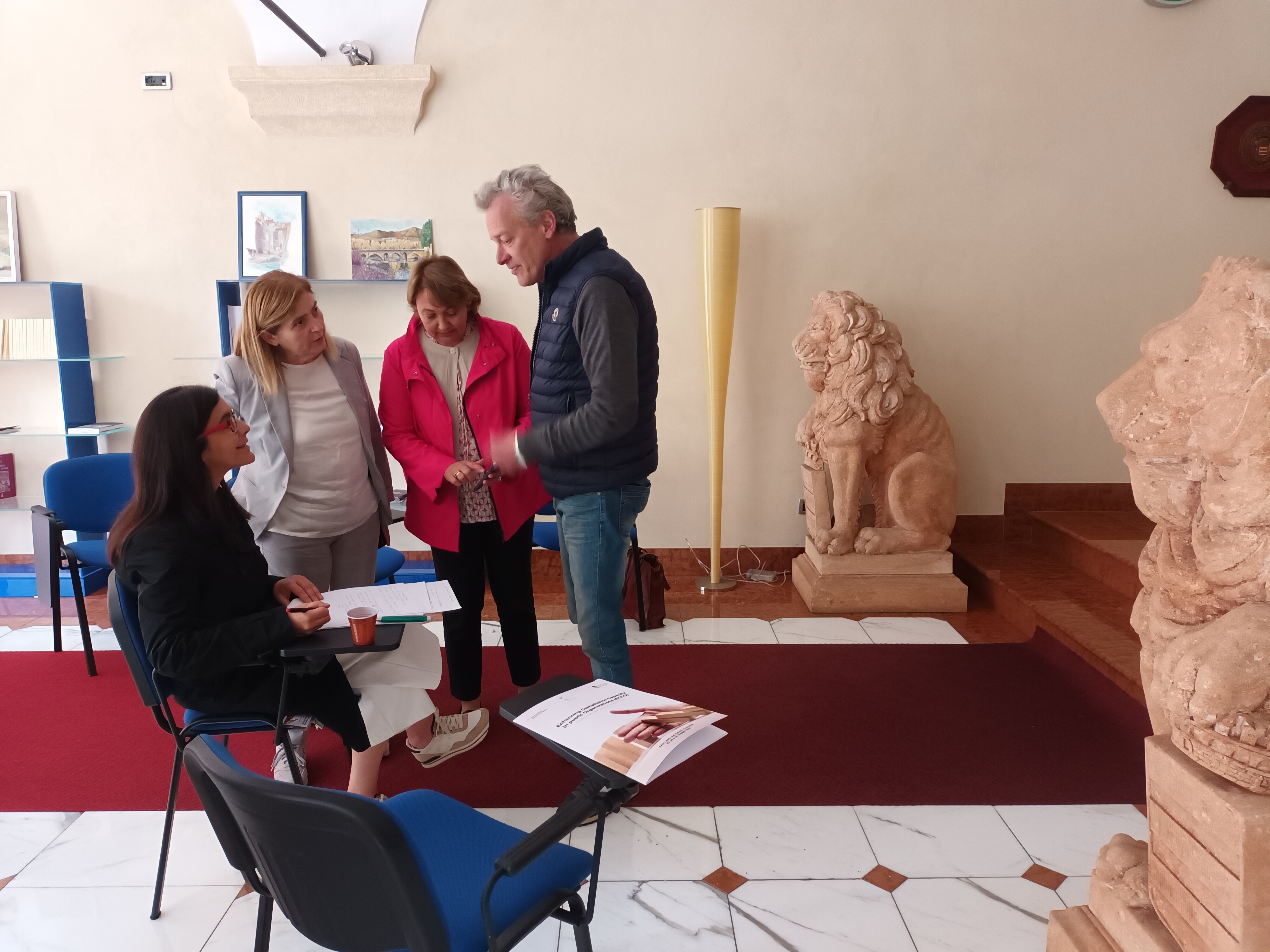
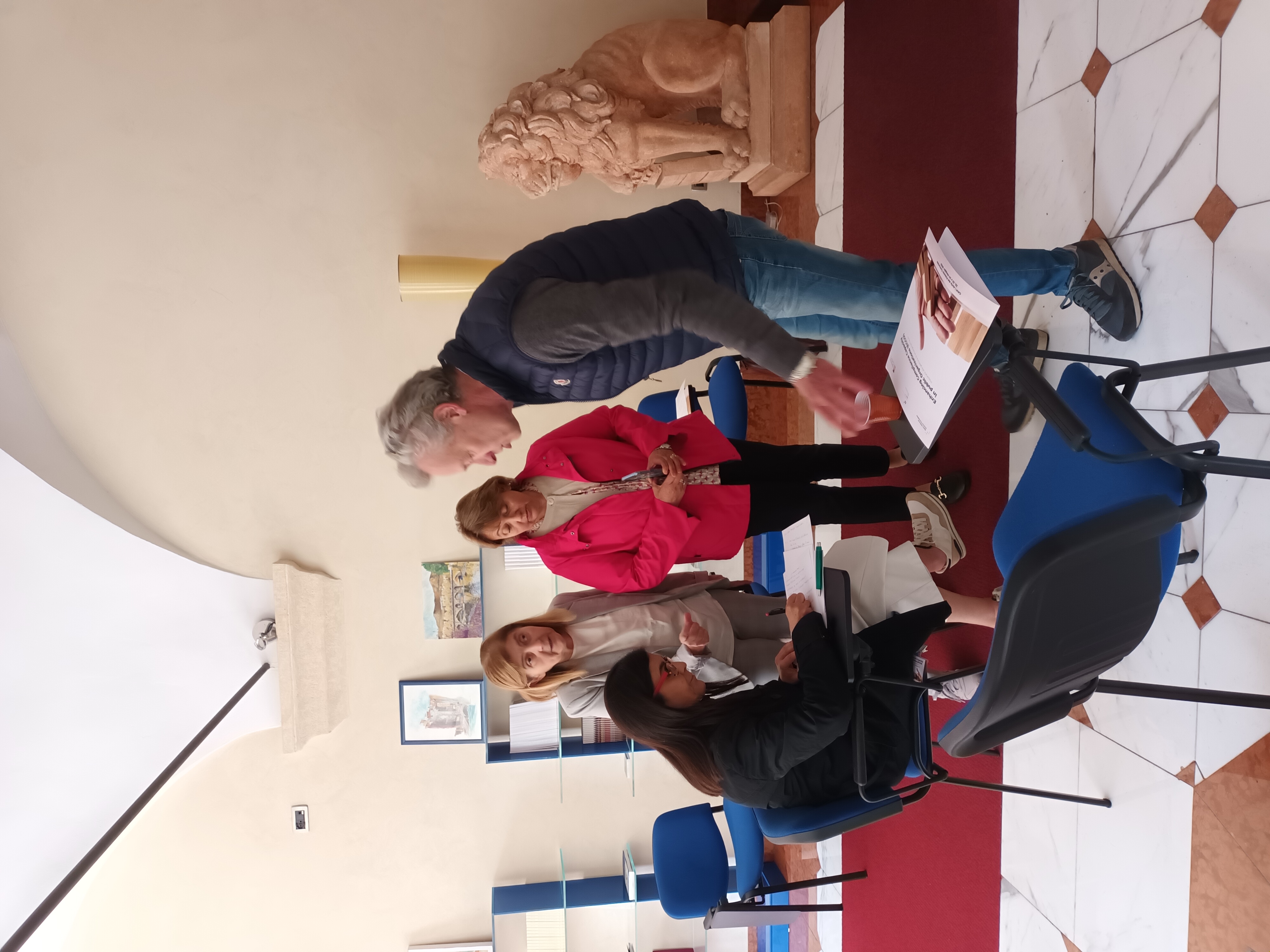
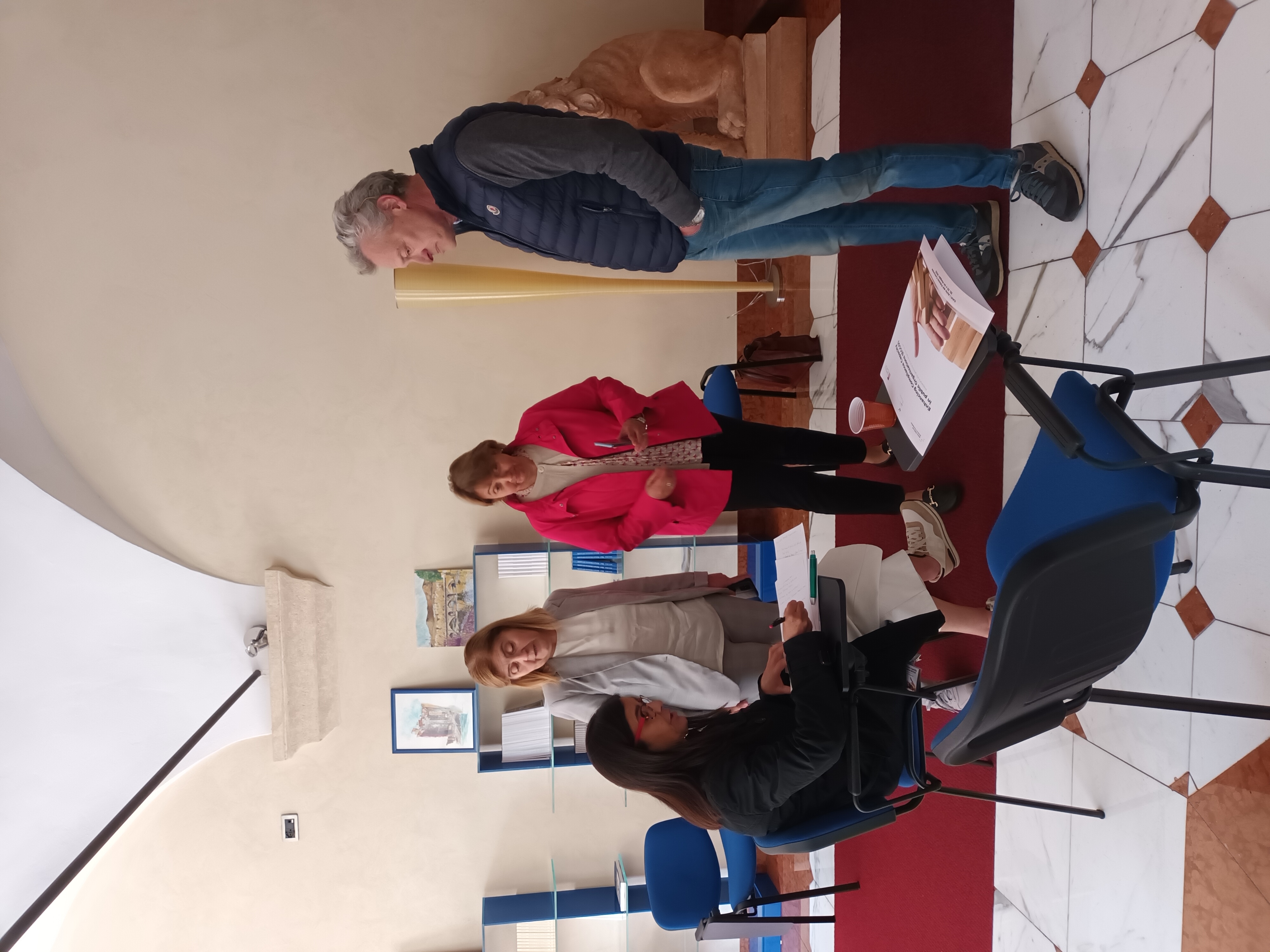
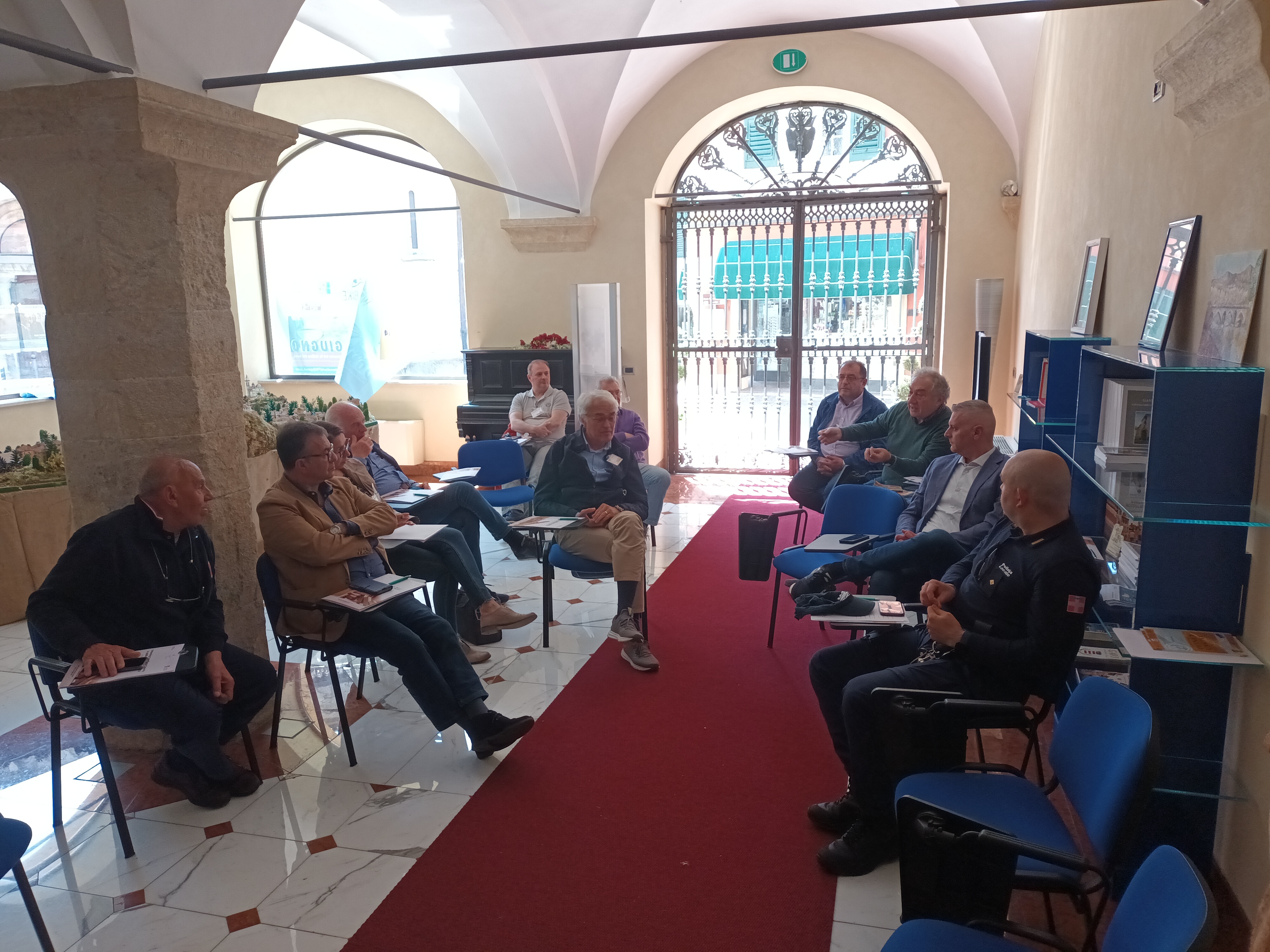
Achieved outcomes: 3 workshops (education, healthcare, civil protection) on 22-23-24 May 2023 with 19 participants, producing 3 sectoral sets of co-designed measures (see annexes) organized around 4 main challenges identified in policy science research on COVID-19 (details below). The workshops also created an invaluable opportunity for participants to network and discuss common challenges together.
In the long-term, ECCO transforms participation into co-owned measures that can be iteratively updated, improves trust and equitable service access, offers a replicable co-design method for other territories, and cements community relationships.
Funded by the Swiss National Science Foundation, ECCO was born from a post-COVID-19 governance gap: local actors were committed to protecting citizens and complying with (sub)national rules aimed at saving lives (face masks, social distancing), yet implementation often failed because these rules were ambiguous/rapidly changing, and due to resource constraints. Research identified these issues; ECCO provided a co-design process to identify solutions. The acronym alludes to the Italian expression “Ecco!”, meaning “There we go!”, often used when finding a solution: ECCO combines different types of knowledge to identify shared crisis-preparedness solutions.
ECCO followed 5 phases:
1. Research-to-practice translation, where evidence on SLOs’ perceived challenges to COVID-19 restrictions compliance was transformed into 4 co-design prompts: (a) How can SLOs continue to serve citizens during crises while adhering to national/subnational rules? (b) What strategies can SLOs implement to address the lack of clarity in rules, and (c) to manage the existence of fast-evolving, conflicting rules in crises? (d) What measures can SLOs take to manage resources sustainably in a crisis?
2. Co-design workshops (education, healthcare, civil protection), with small-group work and plenary amendment to validate solutions;
3. Consolidation into sectoral good practice sets;
4. Check with participants to confirm clarity and feasibility;
5. Sharing of consolidated measures with SLOs as preparedness resources.
Decisions on measure priorities and feasibility were made collectively by workshop participants, facilitated by the project lead, who made decisions on project initiation and workshop organization.
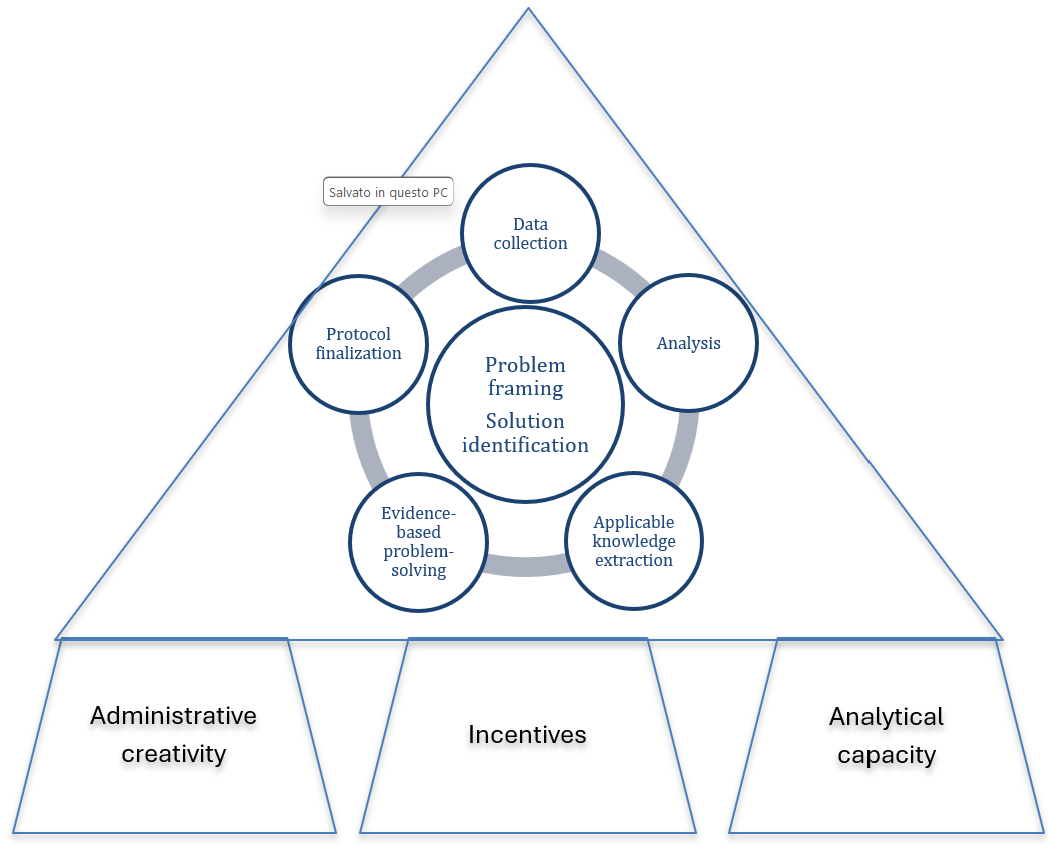
The project approach, combining episteme, techne, and phronesis into a co-design process, valued informal practices that proved effective during COVID-19, while allowing participants to actively co-design future measures to make crisis preparedness more sustainable and inclusive.
(perma)crisis preparedness
community co-design
evidence-based services
social inclusion
street-level governance
ECCO aimed to make local crisis governance more resilient and resource-efficient by shifting from improvisation to co-designed routines shaped by post-crisis learning, especially in small towns and rural areas. Through short (one-day) co-design sessions, ECCO achieved sustainability by offering long-term solutions shaping the governance space.
In 3 sectoral, 1-day workshops, participants co-designed a total of 28 (8 in education, 5 in healthcare, 15 in civil protection) long-term measures, for:
-managing human, financial and material resources under pressure, including periodic resource training and equipment drills, regular inventories, and strengthened coordination with financial/administrative functions;
-shared rule-interpretation and coordinated action, including formally established local or micro-territorial crisis units linking public services with municipalities, third sector and volunteers.
These measures were condensed into shared sectoral protocols designed to be sustainable for all the actors involved as implementers and policy recipients, represented by the same actors that co-designed the measures. Involving local actors with decision-making powers (e.g. school principals, healthcare managers, chiefs of police) made co-design sustainable since they are those who can concretely take coordination action during crises.
Overall, ECCO translated three days of collective work into durable, locally owned preparedness routines, delivering value that outlasts the effort invested.
It is exemplary because it translates resilience and sustainability into everyday governance measures and creates a replicable, evidence-based learning cycle that can be adopted at low cost without major infrastructure.
It is durable because learning from practice is translated into long-term measures rather than relying on improvisation.
All in a compact, sustainable format: three one-day co-design sessions for much more durable change in the way services are delivered.
Beautiful is a quality of experience that supports well-being, dignity and a sense of belonging: ECCO aimed to make everyday crisis governance more human-scale for small communities, so that institutions feel reliable, legible and close to people even under stress.
ECCO complements the existing physical space with the designed experience of civic space: the atmospheres of trust, legibility and care created where people encounter public services and guidance. In civil protection, participants proposed communication protocols that are complete, non-contradictory, timely but non-alarmist, and tailored to different users, and institutional Q&A on social media to reduce anxiety, rumors and exclusion. Healthcare participants proposed embedding a communication expert in the local crisis unit and establishing regular briefings that translate expert advice into understandable guidance. Education participants proposed infrastructures for shared micro-territorial interpretations of guidance so that families receive consistent messages across neighboring communities.
These measures improve comfort and well-being by reducing confusion, fear and cognitive overload during emergencies, making interactions with public services more reassuring. Quality of experience is improved through a calmer sensory and emotional environment in the information space: visually coherent messages and formats (sight), non-alarmist, regular briefings (hearing), and smoother service encounters enabled by clear roles (touch). This is aesthetics as experienced civic space: how public action feels in everyday life.
ECCO strengthens local cultural identity by activating co-production of collectively endorsed routines that residents recognize as theirs, hence the emphasis on the local district as decisional space.
It operationalizes aesthetics as good governance design, integrated with sustainability and inclusion, and packaged as a replicable method for a better public service experience.
ECCO empowered street-level professionals and civil society as co-designers to protect equal access to essential services (schooling, healthcare, safety) during crises, especially in areas where capacity constraints can amplify exclusion. It created a venue for learning from past crisis experience and offered participants an opportunity for networking and joint problem-solving in light of the shared interest in delivering good services to citizens.
ECCO frames inclusion as spatial justice: fair access to services and reliable information across territories, achieved by redesigning the spaces where decisions and communication are produced and by treating residents as co-producers of the spaces they inhabit. It promotes governance inclusion (who co-decides), spatial inclusion (non-metropolitan territories), information inclusion (access to tailored guidance), and service inclusion (continuity and fairness in service delivery).
The project brought together public organizations and civil society actors to co-design routines that prevent unequal treatment and informational exclusion. Inclusion was strengthened not only through the co-design process itself, but also through co-designed measures that embed equity into decision and communication routines (e.g., consistent guidance, coordination to prevent fragmented service provision), including reduced “postcode inequalities” in guidance and treatment through shared micro-territorial interpretation and coordination spaces.
ECCO is innovative because it creates a model where inclusion is treated as an operating rule of preparedness: participation becomes implementation co-ownership, and design "for" and "by" all is operationalized through clear information architectures and coordination structures that can be adopted at low cost by resource-constrained territories.
Taking a moment to reflect together on past experience and find shared, inclusive solutions: a narrative that well summarizes ECCO’s togetherness essence.
ECCO applies the participatory principle by moving beyond consultation towards co-creation and shared ownership of preparedness routines.
Alongside SLOs (represented by school principals, senior pediatricians, pharmacists, healthcare managers, civil protection and local police officers), ECCO involved civil society organizations supporting residents during crises, including Red Cross and civil protection volunteers, bringing community perspectives into the same co-design space as institutions, thus creating a civic space.
Stakeholders were involved at the core stages: problem framing, solution design, feasibility validation. They translated evidence and lessons from COVID-19 into shared dilemmas, then discussed and transformed them into concrete measures during the 3 collective sector workshops.
Participants were recruited by email based on their institutional/civil society roles and participated voluntarily in structured co-design workshops with small-group involvement, followed by plenary comparison; outputs were consolidated by the facilitator and returned to participants to ensure clarity and applicability.
Street-level professionals and civil society are often seen as policy implementers or recipients; in ECCO, they are policy co-designers who design future policy in light of scientific evidence and in view of the public interest. This is part of the innovative value of the project.
Participants had a strong influence on outcomes because they generated the measures, negotiated trade-offs, and decided what was feasible and legitimate in their contexts; the facilitator supported the process, mainly through the 4 problem prompts, but did not predetermine solutions.
This participatory setup embedded local knowledge and citizen-serving concerns into measures, increasing legitimacy and trust through collectively endorsed outputs, and producing measures that are more likely to be adopted as they were co-designed with civil society by those who can enact them.
ECCO operationalized multi-level governance by linking street-level practice to higher-level rules and co-designing cooperation both horizontally (across local actors) and vertically (across governance scales). In ECCO, rules travel across levels but are enacted in local space; the project creates rule translation spaces to align action across territories.
Local: workshops were held in and supported by a small Municipality (Gavi) and engaged other small Municipalities (local police and civil protection officers), schools and local healthcare facilities, together with local Red-Cross and civil-protection figures. Their role was to co-produce measures grounded in local constraints and citizen needs.
Provincial: civil protection officers from Italian Provinces (Alessandria; Verbano-Cusio-Ossola) contributed coordination expertise to co-design; several co-designed measures explicitly rely on constant updating with other authorities and circulating good practices through provincial coordination.
Regional and national: ECCO organized co-design around dilemmas directly involving these levels: how to remain citizen-oriented while complying with ambiguous or conflicting national/regional rules, and how to operate under resource constraints that are often driven by higher-level decisions.
European/international: ECCO was conceived as a project implementing comparative research and international perspectives on knowledge mobilization, street-level action and (perma)crisis management, strengthening the potential for replication in different contexts.
Cooperation was organized through the very co-design process and through specific co-designed solutions (micro-territorial/district/provincial coordination; crisis units linking public bodies and third sector; interfaces between local and organizational crisis units) that improve policy capacity, increase legitimacy, and make solutions scalable. Cooperation also allows different levels (and types) of knowledge to be involved.
COVID-19 research showed that social sciences are often marginal in their contribution to evidence-based policymaking. ECCO deliberately combines policy science and public administration knowledge, rooted in political science, with the sectoral knowledge of participants: education, pedagogy and education management; public health, medical and pharmaceutical sciences; crisis management, architecture, legal and environmental sciences. It does so in the spirit of knowledge integration around common lived problems as opposed to a siloed expertise approach. Additionally, practitioners’ technical and experiential knowledge complemented this epistemic knowledge.
Collaboration between disciplines was organized through the workshops, each of which involved at least four different disciplines. Policy science/public administration research was translated into the shared prompts, then participants jointly co-produced the practical measures by responding to those research-based prompts with their specific disciplinary knowledge and perspectives. For instance, in the healthcare workshop, the healthcare district manager provided management and legal knowledge, the pediatrician offered insights on what had (not) worked in her community work with families during the pandemic, and the “rural” (according to the Italian classification, as he operates in a context of multiple small villages) pharmacist provided insights on the difficulties experienced when dealing with an ageing population, connected to the specific deontology of his profession.
This transdisciplinary process generated multidisciplinary solutions, such as a local crisis unit that explicitly includes legal and administrative experts to aid rule interpretation, a civil protection representative, and a communication expert to translate expert advice into accessible guidance for the public. In the case of healthcare crises, such unit would also include the representatives of the local boards of doctors and pharmacists.
ECCO was financed through research-implementation funding from the Swiss National Science Foundation (SNSF). Total project budget was CHF 18,060.63; key cost items were staff time (facilitator remuneration and social security) and workshop organization (e.g. pens, prints, catering); rooms were provided by the municipality of Gavi with no venue rental costs in light of the project’s public interest value.
ECCO’s modular, scalable toolkit logic (templates, facilitation process, prompt set, consolidation rules) can be hosted in existing civic infrastructures (e.g. municipal venues or schools), activating local spaces and relations rather than building new ones, and adapting to different workshop sizes. This contributes significantly to its replicability.
ECCO was delivered as a public-interest, capacity-building intervention. The model, however, has revenue-generation potential through train-the-facilitator packages commissioned by SLOs and integration into their training and preparedness budgets and programs.
Although SNSF’s funding was generous, in light of the need to design the project logic from scratch, the model can be replicated with a more limited budget. This is feasible because costs are light and predictable: facilitation time, stakeholder convening within a limited territory, materials and communication can be incurred by host institutions that benefit from stronger preparedness and smoother service continuity in crises.
ECCO’s innovation for local development lies in upgrading how local communities govern under stress, reducing coordination failures and compliance frictions. Compared with many co-creation/living lab initiatives, ECCO’s business model is innovative and sustainable because it is conceived as a low-cost, capability-building product that can be mainstreamed into ordinary public-sector training and preparedness cycles. Further application of the model is being evaluated in an urban regeneration project and an ICT-in-public-sector project.
ECCO can serve as a model because it turns crisis lessons into co-produced preparedness routines through a repeatable “evidence - prompts - co-design - consolidation” cycle, making outcomes usable for internal dissemination and future emergencies. It is transferable precisely because it is a "space-making" method: it creates repeatable spaces for joint interpretation, coordination and citizen-oriented communication that other territories can reproduce and adapt.
The most transferable elements are:
-the template of dilemmas that structure deliberation
-the workshop format (small-group production plus plenary amendment)
-the consolidated output format (sectoral practice lists).
Replication requires specific skills and partnerships: a convening partner (e.g., municipality/province, school, healthcare authority) to recruit participants and host the workshops, and a facilitator able to translate evidence into prompts and guide structured co-design and consolidation. The ECCO facilitator was a researcher with experience in teaching professionals from private and public bodies, and with research translation know-how; hence, for project replicability, the facilitator should be competent as a boundary worker connecting the worlds of academia and practice.
The local co-design architecture may be attuned to the specific objectives of the process: not only co-designing crisis preparedness, but also service delivery outside crises, always with a focus on sustainability, inclusion, and the quality of service experience for citizens.
Further subjects of adaptation may be dilemma contents, workshop size, the regulatory context and terminology (according to the specific territory of application), the communication channels used by residents, and–crucially–stakeholder mapping (including who represents vulnerable groups and key local service nodes). These adaptations may also allow ECCO to be deployed in city contexts or to conduct parallel workshops in different territories.