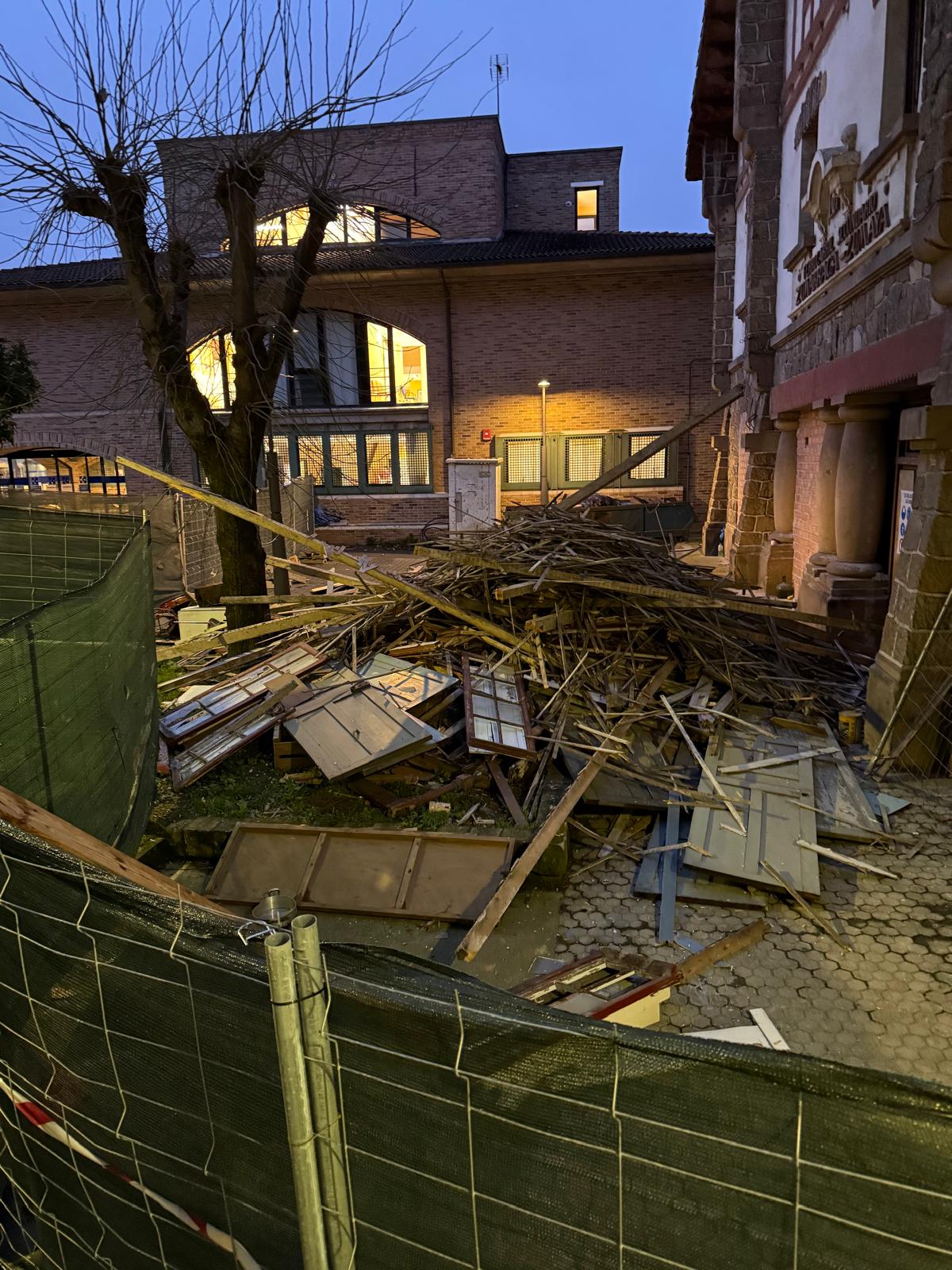
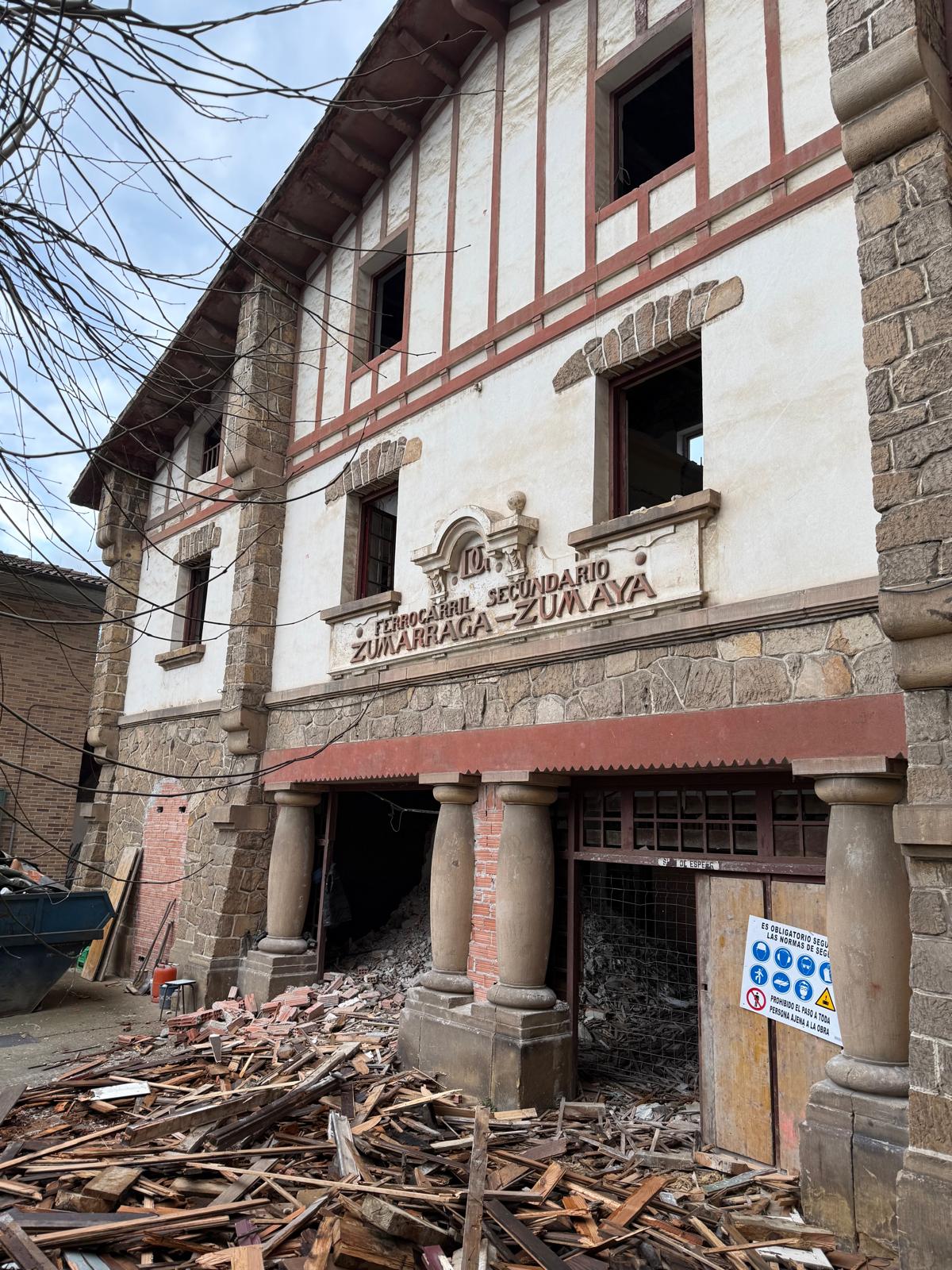
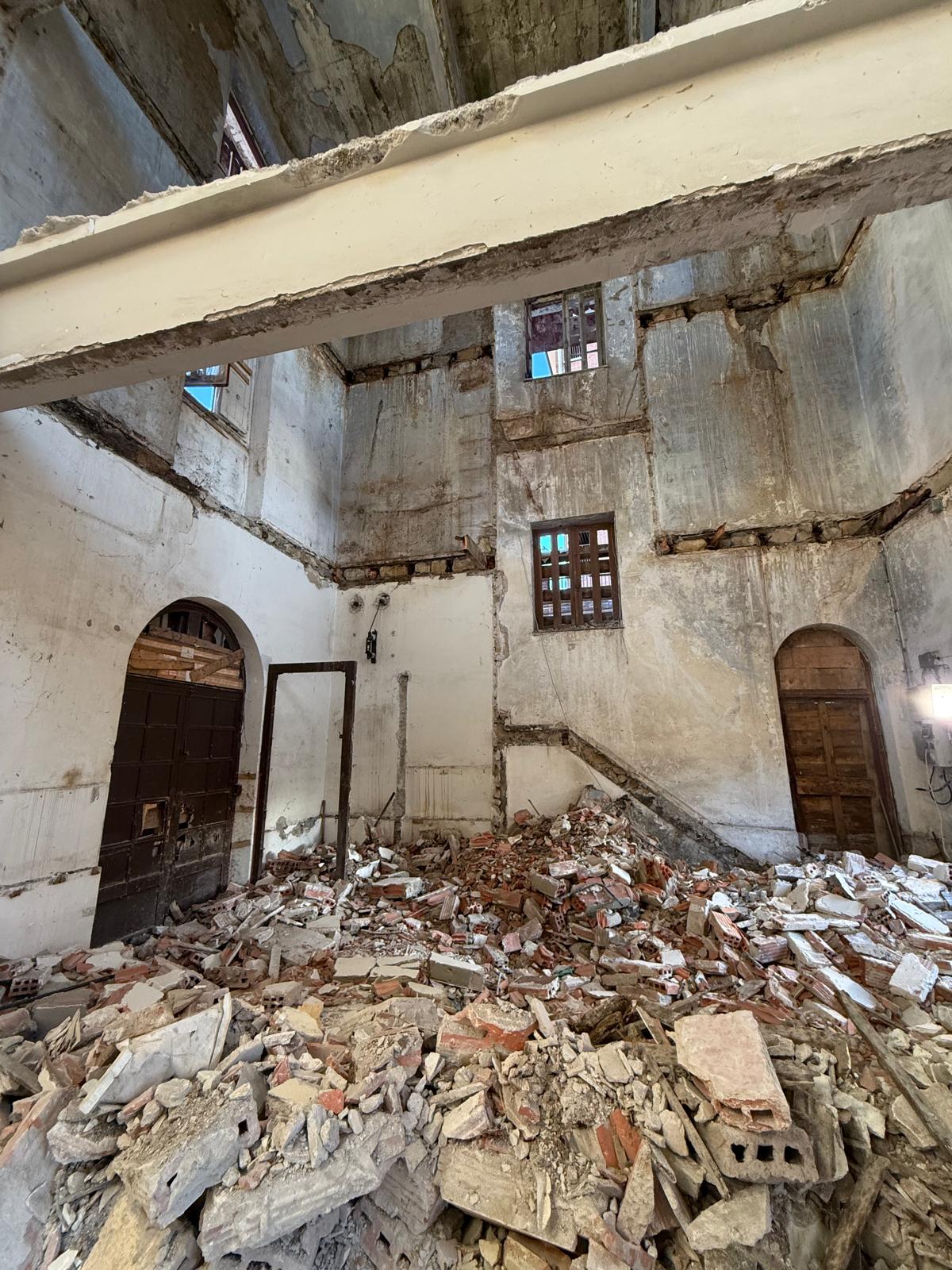
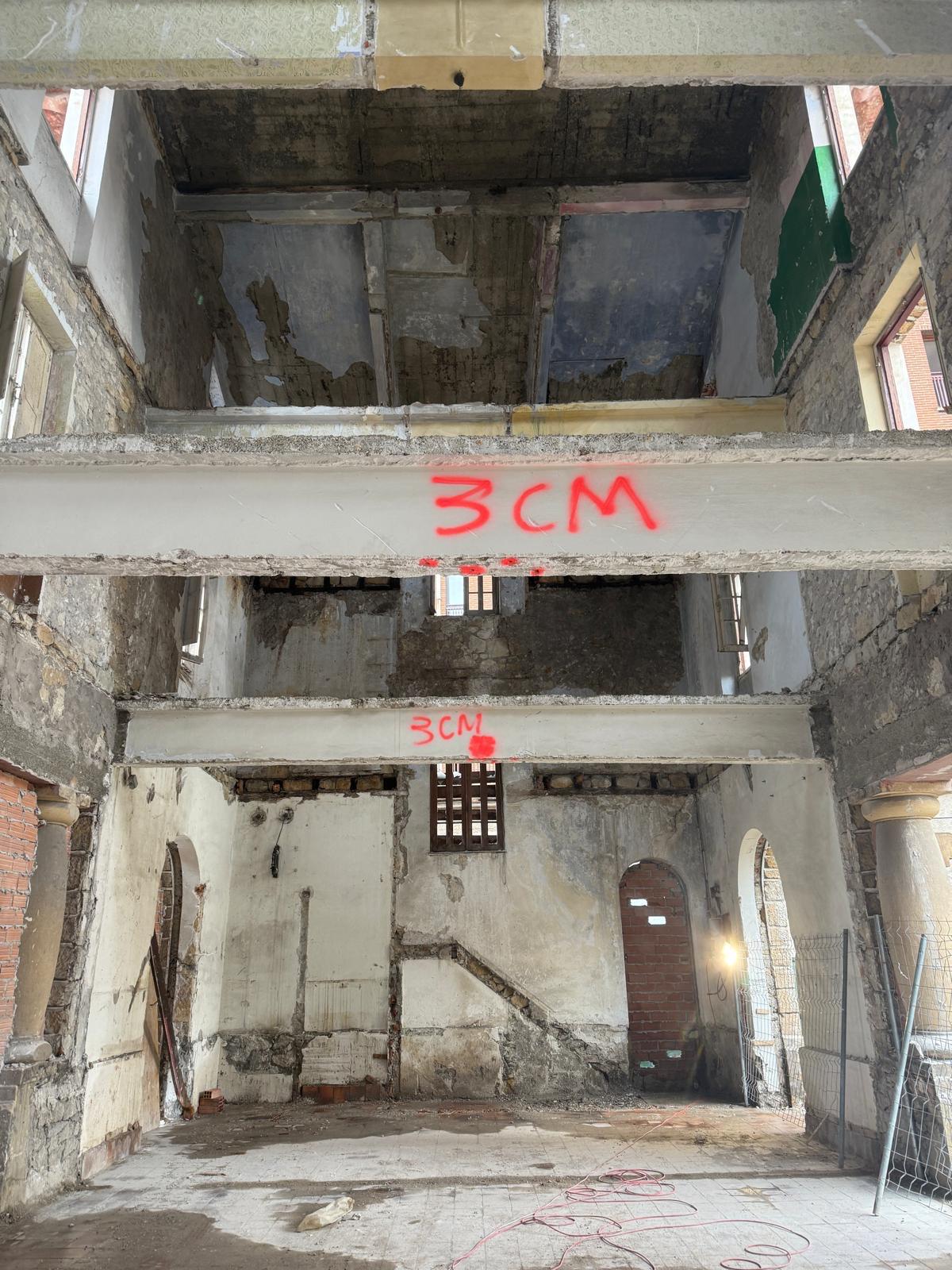
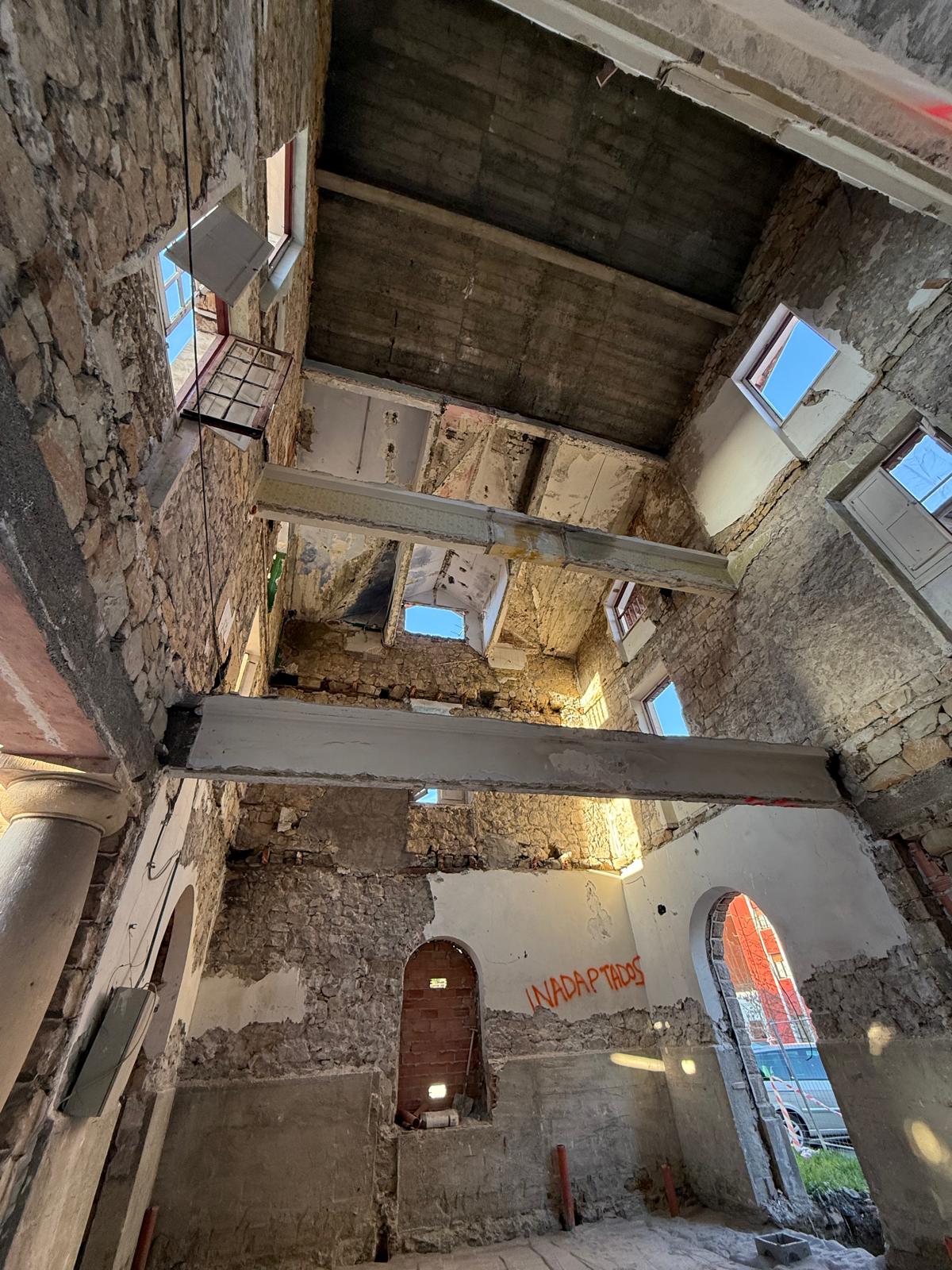
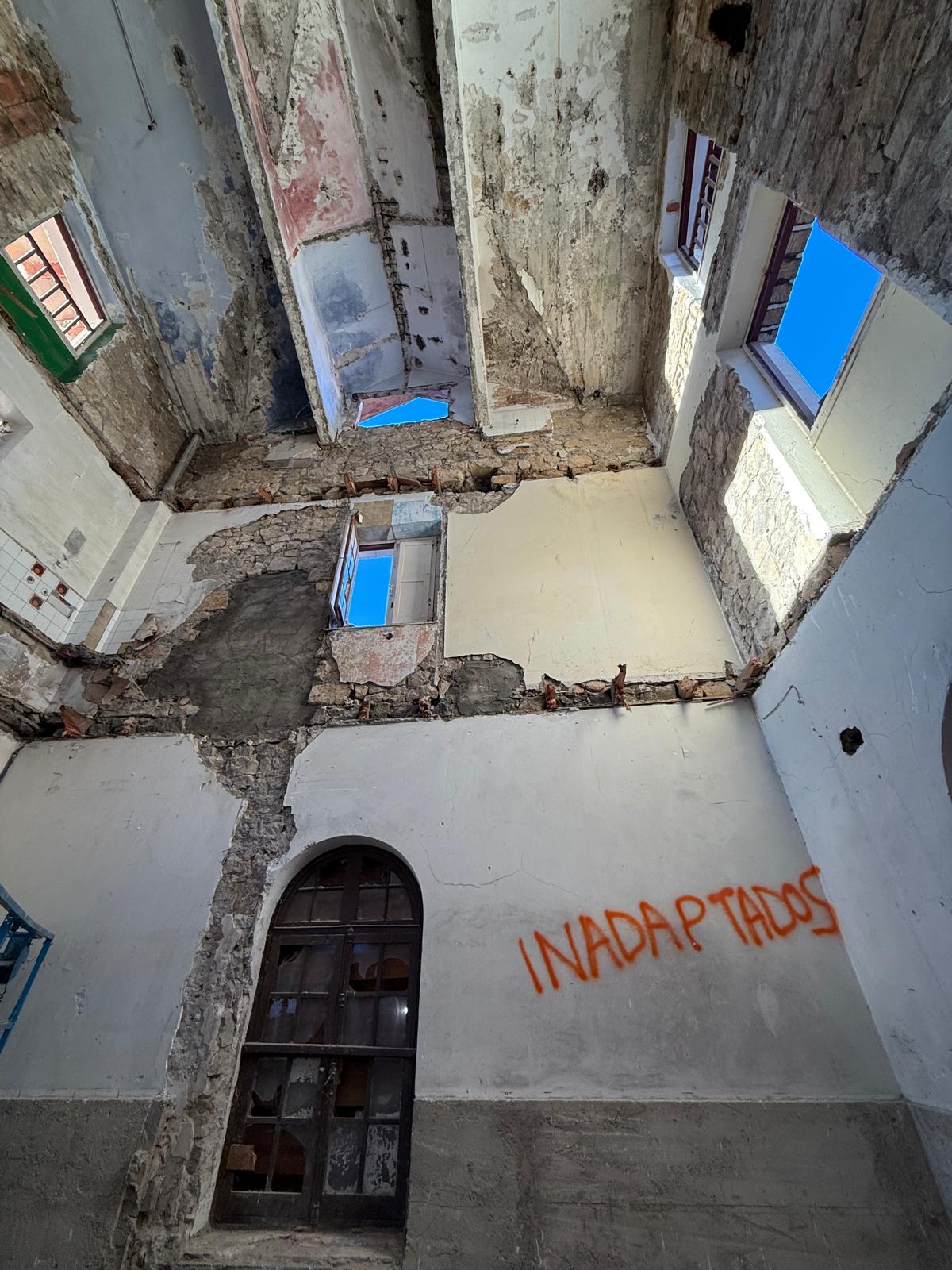
Renovation old railway station building
Urban Regeneration: The former Urola railway station building and its surroundings for community use
The project renovates Zumarraga’s historic Urola railway station, turning it into an accessible and sustainable community hub. The three-storey building will host a Family Meeting Point, a Women’s Centre, offices, a multipurpose hall for local associations, and the ZuMugituz programme promoting physical activity and social wellbeing. It is supported by local institutions and neighbourhood groups.
Spain
Station Square in Zumarraga
Completed
Yes
Yes
Yes
No
No
20080: Zumarraga (ES)
Restoration of the old Urola railway station and its surroundings for community use.
The initiative has a dual aim: to restore a deteriorated heritage building while preserving its architectural identity, and to provide the municipality with a facility that brings together public services required by a changing society. It addresses needs linked to inclusion, equality, sustainable mobility and the overall wellbeing of residents.
The new space will host several services for a wide range of beneficiaries. These include a Family Meeting Point, offering a neutral and professional environment where children can maintain contact with parents or relatives during situations of conflict, divorce or separation, ensuring safe, supervised visits or handovers. It will also house the Women’s Centre, , a space for women to meet, debate and reflect, enabling them to influence policies, programmes and projects that aim to advance real and effective equality between women and men in all areas of life.
Neighbourhood and business associations will benefit from free spaces for social, cultural and economic activities. The centre will additionally incorporate the “ZuMugituz” programme, aimed at older and/or vulnerable people, encouraging physical activity and wellbeing in collaboration with the Basque Government. This service supports individuals referred by public health and social services, helping reduce sedentary lifestyles, loneliness and barriers to social inclusion.
Expected outcomes include the restoration of a historic railway linked building, the strengthening of a key urban space, and the creation of an inclusive, intergenerational civic centre. Overall, it is a project that enhances social cohesion and reflects a participatory process involving the local community.
Urban regeneration
Inclusivity
Sustainability
Heritage
Community wellbeing
The initiative’s sustainability objectives focus on the regeneration of a former railway station using approaches that are environmentally, socially and economically responsible. By rehabilitating the existing building rather than constructing a new one, the project prioritises circularity, resource efficiency and the preservation of cultural heritage. Keeping the original architectural envelope reduces construction waste and energy use while safeguarding a landmark central to Zumarraga’s identity. The project integrates measures that significantly reduce energy demand. An improved thermal envelope, high performance joinery and passive design criteria enhance efficiency. A cascade geothermal system and underfloor heating provide low consumption climate control.The photovoltaic installation, generating 4,859.75 kWh/year, exceeds the renewable energy needed to cover 60% of domestic hot water demand, going beyond regulatory requirements and reinforcing the municipality’s long term commitment to sustainability.
Indoor environmental quality is improved through mechanical ventilation with 94% heat recovery and F5+F7 filtration, ensuring healthier air while lowering energy consumption in line with RITE regulations.
Redevelopment of the surrounding public space strengthens sustainability by improving walkability, universal accessibility and low carbon mobility. Its location next to public transport, healthcare services and cycling routes creates an easily accessible civic hub, while new bicycle repair and cleaning points encourage sustainable mobility.
The initiative shows how heritage restoration can create long term environmental value while generating social impact. By transforming an abandoned asset into a beautiful, inclusive and multifunctional civic centre, the project embodies the New European Bauhaus principles of sustainability, aesthetics and community centred design, demonstrating how historic infrastructure can support a more resilient and equitable future.
The initiative’s main aesthetic goals focus on rehabilitating the historic Urola railway station while preserving its architectural identity. The project retains the beauty and character of the original structure, keeping its emblematic façade and proportions, long recognised as a visual symbol of Zumarraga’s identity.
Inside, the renovation prioritises natural light, warm materials and clear spatial organisation to create welcoming environments tailored to their social purpose. The Family Meeting Point is conceived as a calm, safe and neutral space for children and families, with emphasis on visual openness, privacy and emotional comfort. The Women’s Centre includes inclusive, flexible spaces that support empowerment, creativity and collective participation. The multipurpose rooms on the upper floor are designed as adaptable areas for cultural, social and business activities, strengthening community life.
The project also enhances the public space around the station, improving visual continuity with the urban setting and creating accessible pedestrian routes. Sustainable mobility is promoted, including the integration of a bicycle repair and cleaning point, contributing to a more active, dynamic and healthy public environment.
Culturally, the initiative reconnects the community with an important part of its local heritage, transforming a previously abandoned and deteriorated asset into a place of pride, memory and shared identity. By combining heritage conservation with contemporary social uses, it demonstrates how a historic building can be reinvented as a meaningful, community‑centred and aesthetically valuable space, aligned with the vision of the New European Bauhaus.
The initiative’s key inclusion objectives focus on transforming the former Urola railway station into an accessible, equitable and community‑centred space serving diverse groups. The project applies universal design principles to ensure that people of all ages and abilities can use the building and its surroundings safely and independently. The three‑storey structure incorporates barrier‑free circulation, adapted entrances, a lift and clear spatial layouts, while the redesigned public space provides accessible pedestrian routes, resting areas and smooth connections to public transport and cycling networks.
Inclusion is also embedded in the building’s programme. The Family Meeting Point promotes social inclusion and child protection by ensuring equal access to essential support services. The Women’s Centre fosters real gender equality and active participation. The multipurpose rooms on the upper floor are freely accessible, encouraging civic engagement, social cohesion, cultural activities and intergenerational exchange. The integration of the ZuMugituz initiative reinforces inclusion through health and wellbeing. By offering personalised guidance to individuals referred by public health or social services, it addresses sedentary lifestyles, social isolation and barriers to participation, particularly affecting older people and vulnerable groups.
This initiative is exemplary because it demonstrates how heritage rehabilitation can create new inclusive social models. Through universal accessibility, free public services and participatory community uses, the project transforms an abandoned site into a shared civic space where everyone can feel included and benefit. It fully embodies the New European Bauhaus principles of inclusion, beauty and sustainability.
The initiative places citizen participation at the core of its development, ensuring that those benefiting from or affected by the project played a meaningful role in defining its purpose and uses. A structured participatory process was carried out between May and July 2025, combining qualitative and quantitative methods to guarantee broad, diverse and representative involvement. It included interviews with key local actors—long‑standing residents, business owners and community organisations—two focus groups (one with the neighbourhood festival committee and another open to the public) and an open questionnaire that gathered 294 valid responses, demonstrating strong civic engagement.
Participants highlighted the symbolic value of the former Urola station, its role in neighbourhood identity and its potential as a community hub. Their contributions shaped decisions on future uses, prioritising cultural activities, intergenerational spaces, youth programmes and services for families and women. Residents also stressed the need for universal accessibility, flexible multipurpose rooms and an agile, welcoming management model.
The process identified specific needs: spaces for older adults, areas for young people, rooms for local associations, improved public spaces and safe, accessible surroundings. These inputs directly informed the building’s programme—Family Meeting Point, Women’s House and multipurpose community rooms—as well as the external design, conceived as an inclusive and socially vibrant urban node.
The impact of this participation is substantial: it ensured social legitimacy, strengthened community ownership and aligned the architectural and functional design with real local needs. The result is a governance model rooted in collaboration, transparency and shared decision‑making, making the initiative an exemplary case of community‑driven transformation in line with New European Bauhaus principles.
The initiative is supported by a multilevel governance structure in which local, regional and national stakeholders have contributed to both the design and implementation of the project. At the local level, Zumarraga Town Council has led the initiative, coordinating the rehabilitation of the former Urola station and launching an extensive participatory process. This included interviews with key neighbourhood actors, two focus groups and an open questionnaire that collected 294 valid responses, ensuring that residents, local associations, businesses and community groups actively shaped the proposed uses and priorities for the building. Their involvement ensured social relevance and strengthened community ownership.
At the regional level, the Basque Government contributes in two ways:
1. Financially, providing €1,400,000 in support.
2. Operationally, through its role in the ZuMugituz programme, which will operate within the building and link public health services with local social services to promote physical activity, inclusion and wellbeing.
At the national level, the Spanish state also plays a role in implementation, as the Family Meeting Point requires cooperation between Zumarraga Town Council and the judicial authorities involved in family conflict cases.
At the European level, the initiative aligns with Spain’s urban regeneration frameworks and EU priorities for sustainable, inclusive and heritage based transformation. Although these levels do not intervene operationally, they provide strategic guidance and reinforce the project’s exemplary value within the New European Bauhaus.
This collaborative structure ensures legitimacy, strengthens impact and positions the initiative as a replicable model of community driven transformation.
The initiative brings together a wide range of disciplines whose interaction has been essential to the project’s coherent design and implementation. Architecture, urban planning and heritage conservation underpin the regeneration of the former Urola railway station, preserving its historical value while adapting it to current social needs. Expertise in social work, community development and gender equality has shaped the programme of uses, including the Family Meeting Point, the Women’s Centre and the multipurpose community spaces.
The 2025 participatory process combined qualitative and quantitative research—interviews, focus groups and an open questionnaire with 294 responses—to integrate local knowledge and priorities. It involved residents, businesses, cultural actors and civic organisations, ensuring that sociological, cultural and intergenerational perspectives directly influenced design decisions.
Public health and physical activity specialists contribute through the ZuMugituz programme, linking regional health services with local social policies to promote wellbeing and social inclusion. This embeds the project within broader regional strategies encouraging healthy lifestyles and community care.
Collaboration across disciplines has been continuous: architects worked with social policy teams to translate community needs into inclusive spatial solutions; urban designers coordinated with mobility and accessibility experts to reshape the public realm; and social researchers facilitated structured dialogue between technical teams and citizens.
The multidisciplinary approach adds significant value by producing a project that is technically sound, aesthetically meaningful and socially rooted. It ensures that the renovated station becomes an inclusive, community centred civic hub aligned with the principles of the New European Bauhaus.
The initiative stands out for its innovative character, combining heritage rehabilitation, social policy, public health promotion and community governance within a single integrated project—an approach that goes far beyond conventional urban regeneration, which typically focuses only on architectural or functional improvements. Innovation also lies in the building’s defined programme of uses, bringing together services rarely combined under one roof: a Family Meeting Point, a Women’s Centre, community spaces and the ZuMugituz wellbeing programme. This integration creates a new model of civic infrastructure where social support services, gender‑equality initiatives, intergenerational activities and health promotion coexist and reinforce one another. The services also benefit the wider group of municipalities that form the Urola district.
Transforming a historic railway station into a contemporary social centre introduces a pioneering heritage approach: instead of creating a static cultural facility, the project reactivates the building through everyday community uses, making heritage a living framework for social innovation. This shifts the focus from preservation alone to adaptive, people‑centred reuse.
The initiative is also innovative in terms of governance. By incorporating citizens’ input into design decisions and aligning local needs with regional health policies and municipal strategic planning, the project becomes a model of multilevel cooperation. Its emphasis on universal accessibility, active mobility, gender‑sensitive design and versatile public spaces reflects a forward‑looking interpretation of New European Bauhaus principles.
Overall, the project offers a replicable model of how small municipalities can integrate heritage, inclusion, community participation and improved quality of life into a holistic and transformative urban social strategy.
The initiative is based on a methodology that combines multidisciplinary planning, community co creation and evidence based decision making. Its approach integrates architectural and urban design work with a structured participatory process carried out between May and July 2025. This process used mixed research methods—including interviews with key local actors, two focus groups and an open questionnaire that collected 294 valid responses—to gather diverse perspectives from residents, associations, businesses and civic stakeholders.
The methodology followed a phased structure: preparatory alignment with municipal strategic plans; active listening through interviews; collective reflection in focus groups; broad citizen consultation through an online and in person questionnaire; and validation meetings to ensure a shared interpretation of results. This sequence enabled iterative feedback cycles, in which insights from each phase informed the next, producing a coherent and transparent process.
Technical teams in architecture, social services, gender equality, mobility and public health worked closely with citizens, translating identified needs into concrete design and programming decisions. This multidisciplinary interaction ensured that the rehabilitation of the building—its spatial layout, accessibility criteria, technical systems, sustainable mobility measures and improvements to the surrounding public space—was directly linked to the social functions requested by the community.
The approach emphasises social inclusion and balances heritage conservation with principles of circularity, sustainability and the provision of services adapted to the needs of a diverse society. The result is a project that is socially rooted, culturally meaningful and broadly supported, ensuring that the renovated station becomes a source of pride for the community.
Several elements of the initiative have strong potential for replication in other municipalities and contexts. A key transferable aspect is the structured, multi phase participatory process used between May and July 2025, combining interviews, focus groups and a questionnaire with 294 valid responses. This offers a model of meaningful citizen engagement adaptable to different territories.
The initiative also provides a replicable approach to rehabilitating heritage buildings through contemporary social uses. The adaptive reuse of the former Urola railway station—turning a deteriorated historic structure into a multifunctional civic centre—shows how small and medium sized towns can preserve cultural identity while meeting social needs. This strategy can be applied to other symbolic public buildings in disuse.
Its programme of uses is equally transferable: a Family Meeting Point, a Women’s House, multipurpose community rooms and the ZuMugituz wellbeing initiative form an integrated model of social infrastructure offering accessible, intergenerational and gender sensitive services.
The project’s focus on universal accessibility, active mobility and redesigning public space around transport nodes provides guidance for towns seeking to improve walkability and sustainable mobility.
Multidisciplinary cooperation between architects, social services teams, gender equality specialists, public health professionals and community groups offers a transferable governance model, ensuring decisions are grounded in lived experience and policy expertise.
Finally, the initiative generates transferable knowledge on circularity and energy efficiency. Reusing an existing structure with aerothermal, solar and geothermal systems and passive design strategies shows how heritage buildings can meet modern sustainability standards
The project began in December 2025 and is expected to finish within 14 months, by February 2027. Once construction ends, services will be installed, with full operation planned for early April 2027. The Family Meeting Point will be jointly managed by Zumarraga’s social services and the Basque Department of Justice. The Women’s House will be run by the municipal equality office with women’s and feminist associations, supported by the Provincial Council of Gipuzkoa. The Mugituz programme, already active in the town’s two senior centres, will gain better coordination thanks to the new facilities and their proximity to the local health service.
The regeneration of the site and the services provided reflect the New European Bauhaus values of sustainability, aesthetics and inclusion. Sustainability is addressed socially, economically and environmentally: meeting current needs while protecting future generations, optimising resources, reducing environmental impacts and expanding services that support wellbeing and equal opportunities. Sustainable mobility is encouraged through pedestrian access, parking, bicycle access and a repair and cleaning point, all next to bus and train stations serving the region.
Aesthetics are enhanced through the rehabilitation of a disused building and the renewal of a degraded central urban area, restoring heritage that symbolises Zumarraga’s economic and social progress linked to the arrival of the Urola railway.
Inclusion is ensured by placing this heritage asset at the service of the community and expanding social services benefiting families and children, women, neighbourhood and business associations, older adults and people at risk of exclusion. It is a cross cutting project with impact across all sectors of society.
By integrating NEB principles at every stage, the initiative is set to become a sustainable, beautiful and inclusive civic hub with lasting regional impact.