Râu Sadului Pasture Revival
Community-driven regeneration of mountain pastures in Râu Sadului through nature-based solutions
RePasture Râu Sadului is a community-driven initiative restoring mountain pastures through nature-based solutions and sustainable land stewardship. By revitalizing degraded meadows, the project preserves biodiversity while supporting traditional sheep farming and the local dairy value chain. It helps maintain the cultural landscape, strengthens rural livelihoods, and contributes to preventing depopulation and the loss of mountain traditions.
Romania
{Empty}
Early initiative
Yes
Yes
Yes
Yes
Horizon2020 / Horizon Europe
Programme: Horizon Europe – EU Mission: Adaptation to Climate Change
Call / Topic: HORIZON-MISS-2023-CLIMA-01-06 – Demonstrating solutions to support climate resilience in regions
Year: 2023
Call / Topic: HORIZON-MISS-2023-CLIMA-01-06 – Demonstrating solutions to support climate resilience in regions
Year: 2023
No
145382: Rau Sadului (RO)
RePasture Sibiu Mountains is a community-driven initiative that reimagines and regenerates mountain pastoral landscapes in the communes of Râu Sadului, Gura Râului and Cristian through nature-based solutions, participatory processes and cultural activation.
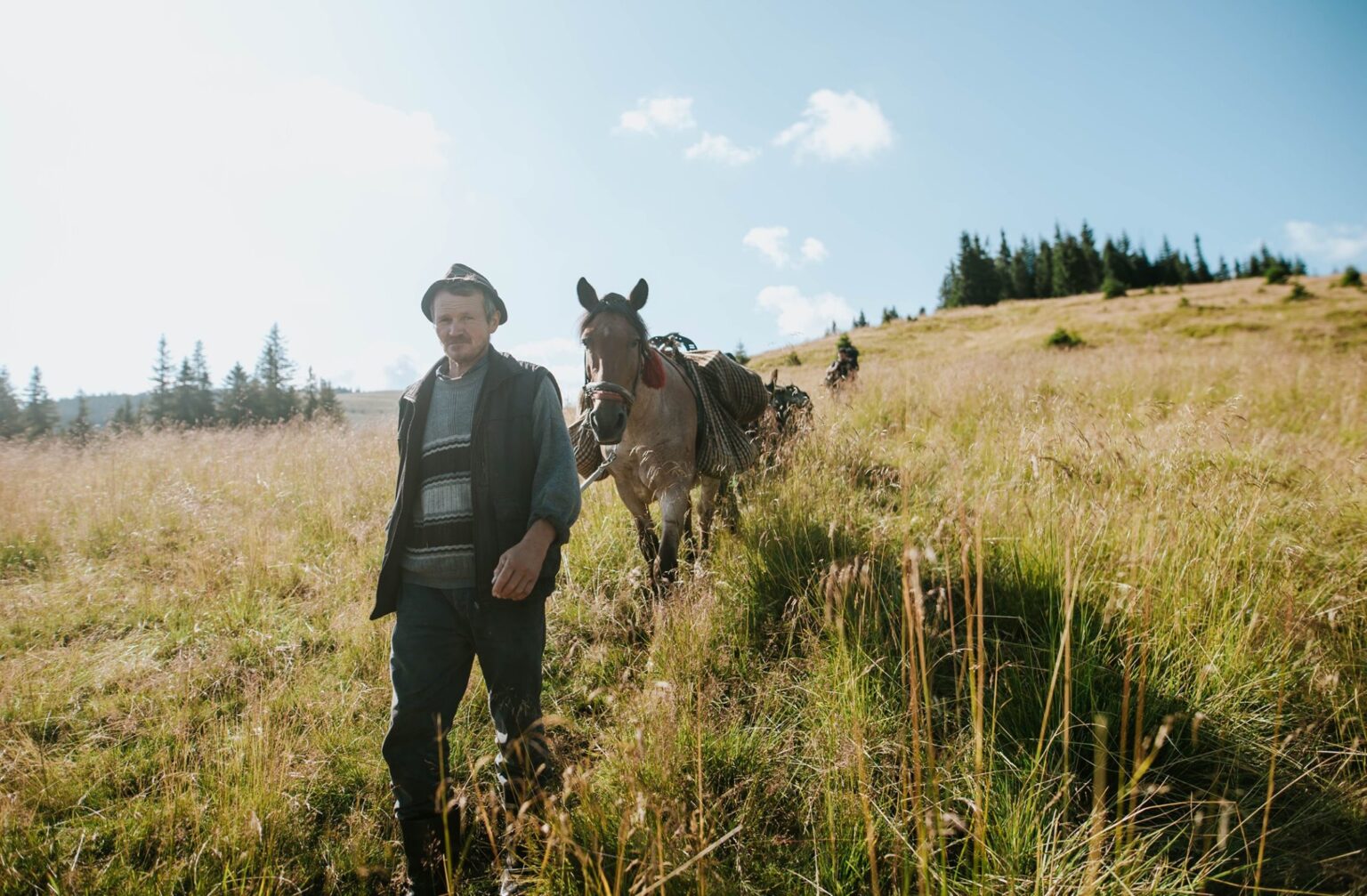
The initiative brings together shepherds, farmers, landowners, local authorities, cultural actors and residents to co-create a shared vision for the future of their landscapes. These mountain pastures are not only productive ecosystems, but also living cultural spaces shaped by generations of pastoral traditions.
The main objectives are to restore degraded pastures, enhance biodiversity and support sustainable grazing, while preserving the cultural identity and aesthetic quality of the mountain landscape. At the same time, the initiative strengthens climate resilience and reconnects communities with their natural and cultural environment.
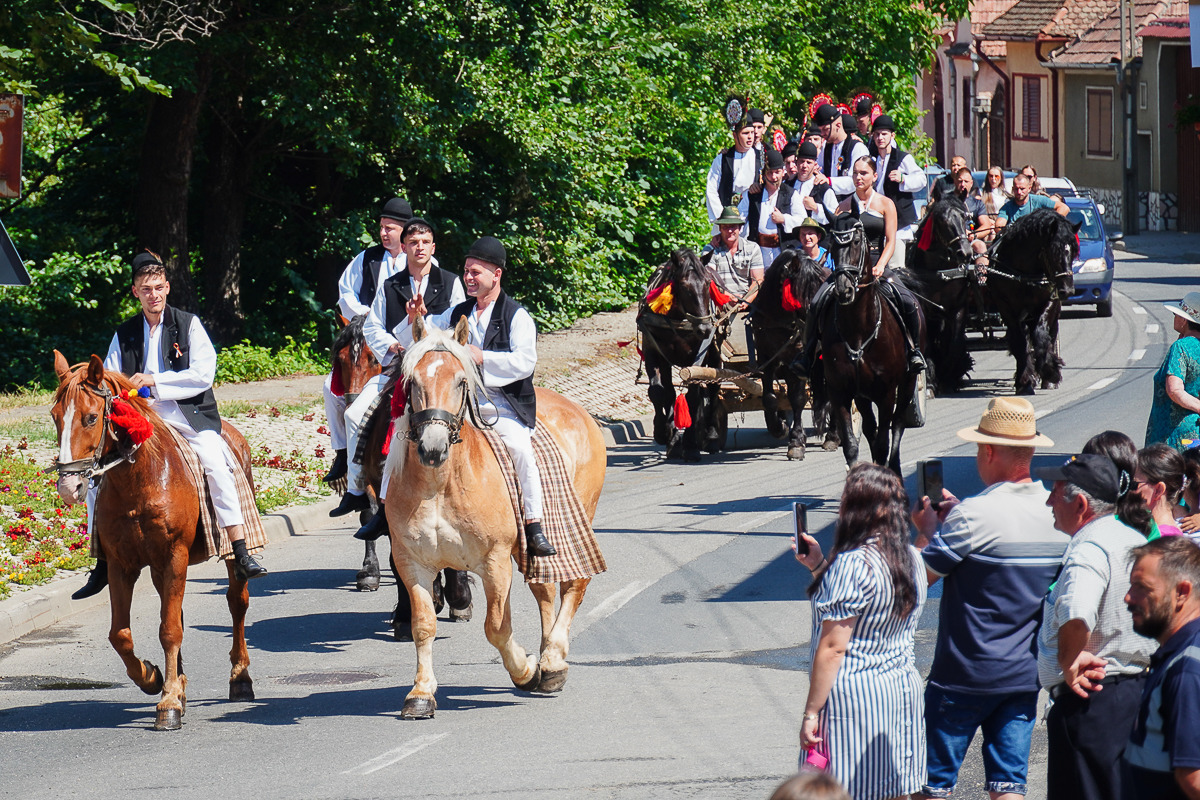
By linking ecological restoration with cultural initiatives—such as local festivals, traditional practices and the revitalisation of rural infrastructure—the project transforms pastures into spaces of shared value, experience and identity.
Expected outcomes include healthier ecosystems, vibrant pastoral landscapes, strengthened local livelihoods and a renewed sense of belonging and stewardship among community members. In the long term, the initiative contributes to preventing rural depopulation, preserving traditions and offering a replicable model for beautiful, sustainable and inclusive rural transformation in Europe.
Nature-based solutions
Pastoral heritage
Climate resilience
Community co-creation
Rural landscape regeneration
The initiative contributes to sustainability by restoring the ecological integrity of mountain pastoral landscapes through nature-based solutions and community-led land stewardship. Its key objectives include improving biodiversity, enhancing soil fertility, increasing water retention capacity and promoting sustainable grazing practices adapted to local ecological conditions. Degraded pastures are regenerated through seasonal restoration actions, combining traditional knowledge with innovative monitoring approaches developed within the MountResilience project. These actions reduce land degradation, support carbon sequestration and strengthen the resilience of mountain ecosystems to climate change. Sustainability is also addressed from a socio-economic perspective. By improving pasture productivity and quality, the initiative supports traditional sheep farming and reinforces the local dairy value chain. This contributes to maintaining rural livelihoods and prevents land abandonment, which is a major driver of ecological decline in mountain areas. The initiative is exemplary in demonstrating how environmental restoration can be integrated with cultural and economic dimensions. Pastoral landscapes are not treated solely as natural assets, but as living systems shaped by human activity, where sustainability depends on the balance between nature, community and local economy.
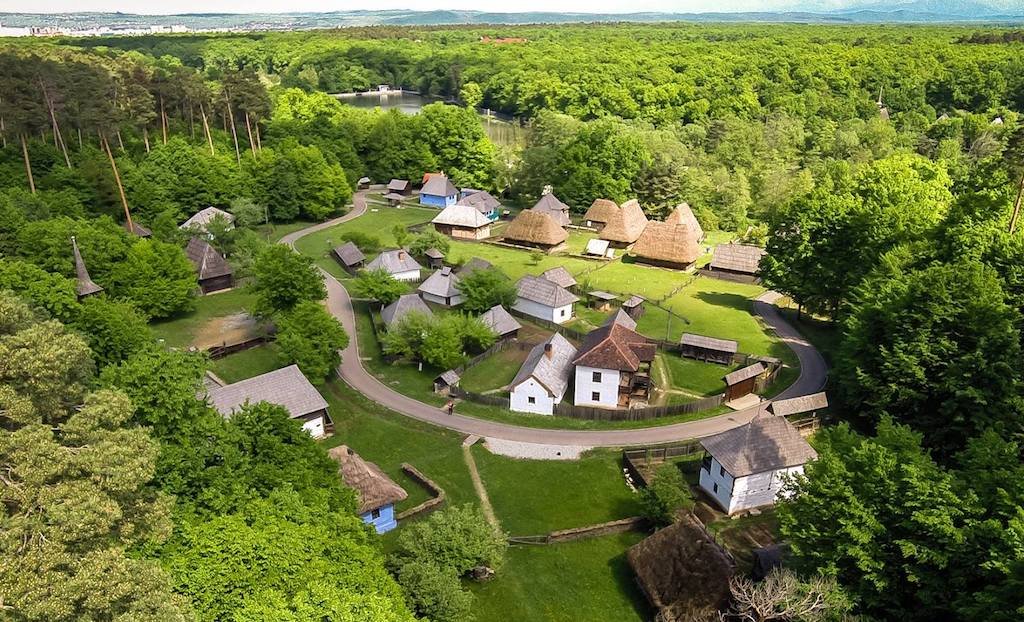
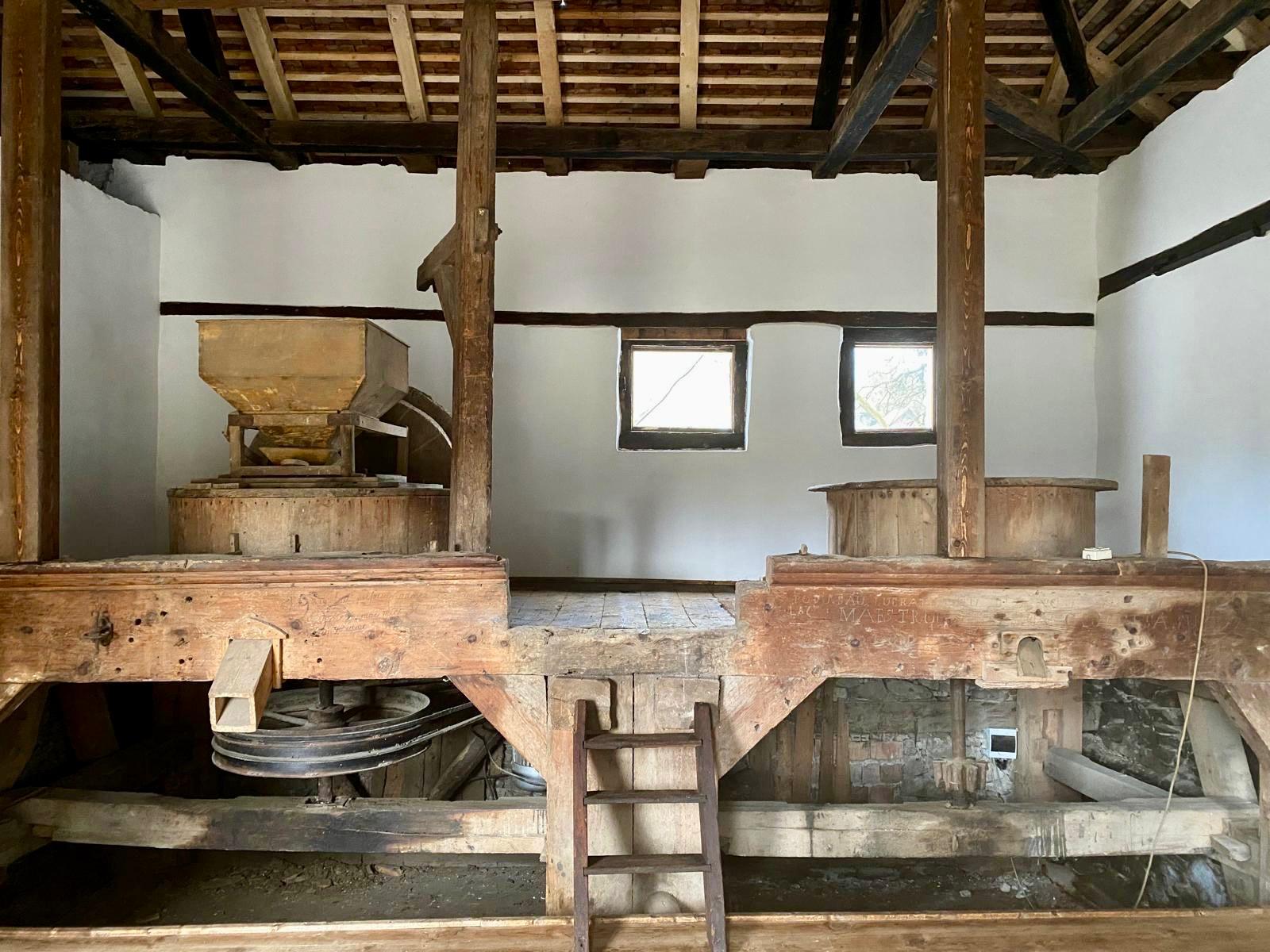
The initiative enhances the aesthetic quality and lived experience of mountain landscapes by restoring and valuing pastoral environments as spaces of beauty, identity and cultural meaning. Mountain pastures in the Sibiu region are not only ecological systems, but also cultural landscapes shaped by centuries of shepherding traditions, seasonal practices and local craftsmanship. A key objective is to preserve and regenerate the visual and spatial coherence of these landscapes by restoring open meadows, maintaining traditional grazing patterns and preventing the encroachment of invasive vegetation. This contributes to the recovery of characteristic views, textures and biodiversity that define the identity of the region. The initiative also strengthens the quality of experience for people by reconnecting communities and visitors with the landscape through cultural activities, local festivals and the revitalisation of traditional infrastructure, such as the wool mill. These elements create opportunities for interaction, learning and shared experiences rooted in place. Design is approached in a sensitive and context-based manner, respecting local materials, practices and landscape features. Rather than introducing external forms, the initiative enhances what already exists, reinforcing authenticity and continuity. The initiative is exemplary in demonstrating how ecological restoration can simultaneously improve the aesthetic value of landscapes and the everyday experience of people. By integrating nature, culture and community life, it creates environments that are not only sustainable, but also meaningful, attractive and deeply connected to local identity.
The initiative promotes inclusion by placing local communities at the centre of decision-making and ensuring that the benefits of landscape regeneration are accessible to a wide range of stakeholders. It brings together shepherds, farmers, landowners, local authorities, cultural actors and residents in a shared process of co-creation and stewardship.
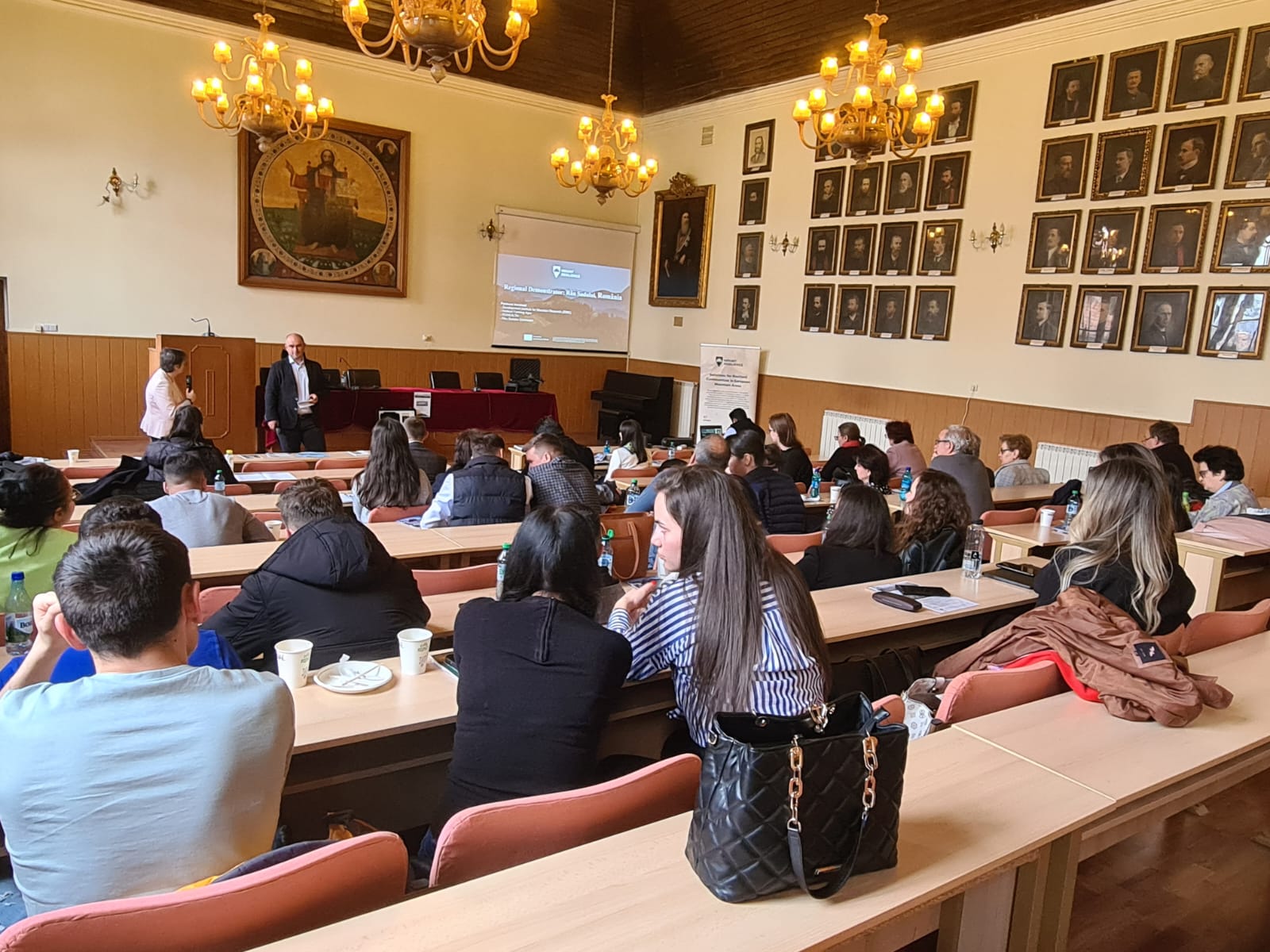
A key objective is to establish inclusive governance mechanisms that enable local actors to actively participate in defining restoration priorities and land management practices. Local Council meetings and community consultations provide platforms for dialogue, where traditional knowledge and local needs are recognised and integrated into decision-making.
The initiative also supports economic inclusion by strengthening traditional pastoral activities and the local dairy value chain, which provide livelihoods for rural populations. By improving pasture productivity and sustainability, it contributes to maintaining accessible income sources and reducing the risk of land abandonment.
Inclusion is further addressed through cultural and community events, such as local festivals and participatory activities, which create open and accessible spaces for interaction, learning and collective experience. These activities foster a sense of belonging and encourage intergenerational exchange of knowledge.
Citizens and civil society are actively involved in the initiative through a structured participatory process that places local knowledge and experience at the core of decision-making. Shepherds, farmers, landowners and residents are directly engaged in the identification of degraded pasture areas, the definition of restoration priorities and the adaptation of land management practices to local ecological conditions.
Their involvement is ensured through regular consultations, Local Council meetings and community-based activities, where stakeholders contribute to co-designing and validating restoration actions. Civil society actors, including cultural organisations and local event organisers, are involved in connecting ecological restoration with cultural initiatives, strengthening the social and cultural dimension of the project.
Local stakeholders play multiple roles: as co-designers of solutions, as implementers of sustainable grazing practices and as long-term stewards of restored landscapes. Their traditional knowledge is essential in ensuring that restoration measures are both effective and locally adapted.The impact of this involvement is reflected in the increased acceptance, relevance and sustainability of the initiative. By actively engaging those directly affected, the project fosters a strong sense of ownership and responsibility towards the landscape. This leads to better adoption of sustainable practices and ensures the continuity of restoration efforts beyond the project timeframe.
Furthermore, participatory processes strengthen social cohesion and encourage collaboration between different groups within the community. The initiative demonstrates how citizen involvement can transform
Citizens and civil society are actively involved in the initiative through a structured participatory process that places local knowledge and experience at the core of decision-making. Shepherds, farmers, landowners and residents are directly engaged in the identification of degraded pasture areas, the definition of restoration priorities and the adaptation of land management practices to local ecological conditions. Their involvement is ensured through regular consultations, Local Council meetings and community-based activities, where stakeholders contribute to co-designing and validating restoration actions. Civil society actors, including cultural organisations and local event organisers, are involved in connecting ecological restoration with cultural initiatives, strengthening the social and cultural dimension of the project. Local stakeholders play multiple roles: as co-designers of solutions, as implementers of sustainable grazing practices and as long-term stewards of restored landscapes. Their traditional knowledge is essential in ensuring that restoration measures are both effective and locally adapted. The impact of this involvement is reflected in the increased acceptance, relevance and sustainability of the initiative. By actively engaging those directly affected, the project fosters a strong sense of ownership and responsibility towards the landscape. This leads to better adoption of sustainable practices and ensures the continuity of restoration efforts beyond the project timeframe.
The initiative integrates multiple disciplines and knowledge fields, reflecting the complex nature of mountain pastoral landscapes as ecological, cultural and socio-economic systems. Key fields involved include ecology, agriculture, climate adaptation, rural development, cultural heritage and digital monitoring technologies. Ecological expertise supports the restoration of degraded pastures, biodiversity enhancement and soil regeneration. Agricultural knowledge, particularly from local shepherds and farmers, guides sustainable grazing practices and the practical management of land. Climate adaptation expertise, developed within the MountResilience project, contributes to understanding risks and increasing the resilience of mountain ecosystems. Cultural and social disciplines are also essential, as the initiative builds on pastoral heritage, local traditions and community practices. Cultural actors and local organisations contribute to linking landscape restoration with events, education and identity-building processes.
In addition, digital and technical knowledge is used for monitoring pasture conditions, supporting data-driven decision-making and improving the efficiency of restoration actions. These different fields interact through a participatory and transdisciplinary approach, where scientific knowledge and local experience are continuously exchanged and integrated. Workshops, consultations and joint activities create spaces where researchers, practitioners, authorities and community members collaborate in designing and implementing solutions. The added value of this process lies in the development of solutions that are both scientifically sound and locally relevant.
In addition, digital and technical knowledge is used for monitoring pasture conditions, supporting data-driven decision-making and improving the efficiency of restoration actions. These different fields interact through a participatory and transdisciplinary approach, where scientific knowledge and local experience are continuously exchanged and integrated. Workshops, consultations and joint activities create spaces where researchers, practitioners, authorities and community members collaborate in designing and implementing solutions. The added value of this process lies in the development of solutions that are both scientifically sound and locally relevant.
The initiative stands out from more conventional approaches by looking at mountain pastures not only as agricultural land, but as living cultural landscapes shaped by people, traditions and nature over time. Instead of focusing only on technical improvements, it combines ecological restoration with cultural and community dimensions. One of the main innovative aspects is the way nature-based solutions are developed together with local stakeholders. Shepherds, farmers and local authorities are directly involved in shaping and adapting restoration measures, ensuring they are practical, locally relevant and more likely to be sustained over time. This contrasts with more top-down approaches, where local knowledge is often not fully integrated. Another important element is the link between restoration and cultural life. Activities such as local festivals, traditional practices and the revitalisation of the wool mill are not treated as separate, but as part of the same process of regenerating the landscape. This creates a stronger connection between people and place and adds social and cultural value to environmental actions. The initiative also brings together traditional knowledge and modern tools, including monitoring approaches developed within the MountResilience project, allowing for more adaptive and informed land management.Finally, the collaboration between the three municipalities creates a broader territorial approach, with potential for replication in other mountain areas.Overall, the initiative proposes a more integrated and people-centred way of working, where nature, culture and community are addressed together.
The initiative follows an integrated and participatory approach that combines ecological restoration, cultural activation and community involvement.
The process starts with the identification of degraded pasture areas and an understanding of local ecological conditions, supported by both field observations and monitoring tools developed within the MountResilience project. This is complemented by consultations with local stakeholders—shepherds, farmers, landowners and municipal representatives—to define priorities and adapt restoration measures to local needs.
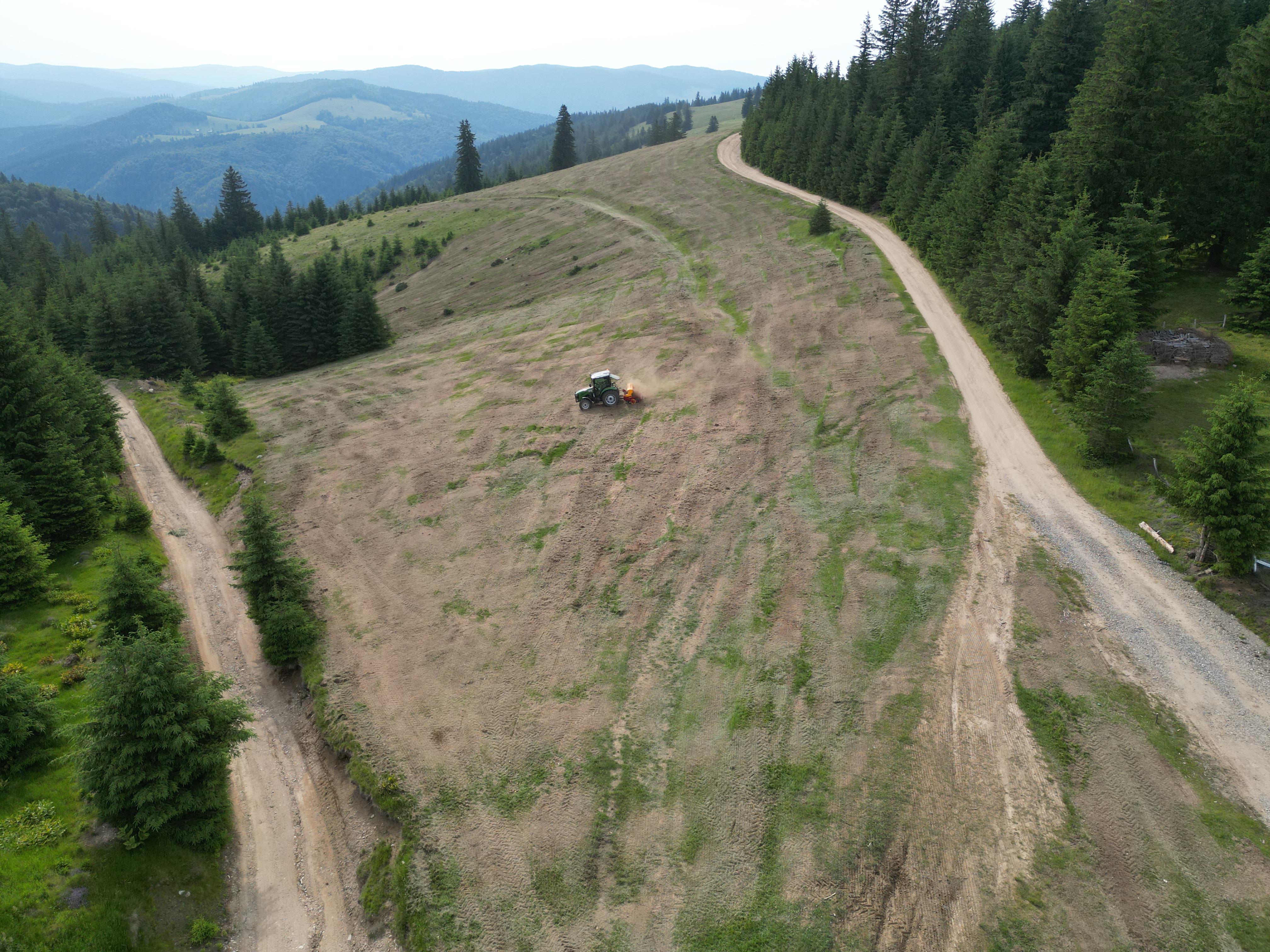
Restoration activities are implemented through nature-based solutions, focusing on improving soil quality, biodiversity and sustainable grazing practices. These actions take place seasonally and are continuously adjusted based on feedback from both monitoring results and local experience.
At the same time, the initiative integrates cultural and community dimensions, linking restoration efforts with local events, traditional practices and the revitalisation of rural infrastructure. This helps strengthen the connection between people and the landscape and increases local engagement.
A key feature of the methodology is its adaptive and iterative nature. Decisions are not fixed from the beginning, but evolve through ongoing dialogue, Local Council meetings and community interactions. This allows the initiative to respond to changing conditions and ensures long-term relevance. By combining scientific knowledge, local expertise and participatory processes, the approach creates solutions that are both effective and grounded in the local context, supporting a more sustainable and resilient management of mountain landscapes.
The initiative has strong potential for replication, as it is based on a flexible approach that can be adapted to different mountain and rural contexts facing similar challenges of land degradation, biodiversity loss and socio-economic decline. One key transferable element is the integrated methodology, which combines nature-based solutions with participatory governance and cultural activation. This approach can be applied in other regions where landscapes are shaped by traditional practices and require both ecological restoration and community engagement. The participatory process itself is highly replicable. The use of consultations, Local Council meetings and community-based activities to co-design solutions can be adapted to different governance systems and stakeholder groups, ensuring local ownership and long-term sustainability. Another important element is the combination of traditional knowledge and modern monitoring tools, including the use of data to support decision-making. This balance between local experience and scientific input can be transferred to other territories seeking more adaptive land management approaches. The initiative also demonstrates how cultural activities and local value chains—such as gastronomy, festivals and traditional infrastructure—can be integrated into environmental actions. This creates added value and can be replicated in other regions with strong local identity and heritage.
Finally, the collaboration between multiple municipalities offers a model for territorial cooperation, which can be applied in other areas to scale up impact and share resources.
Overall, the initiative provides a practical and adaptable model for combining environmental, social and cultural dimensions in rural regeneration, making it relevant for a wide range of European contexts.
The initiative builds on activities already underway within the MountResilience project and will continue to develop through a combination of ecological, social and cultural actions across the three municipalities. Planned activities include the continuation of pasture restoration works from spring to autumn, focusing on improving soil quality, biodiversity and sustainable grazing practices. These actions will be supported by ongoing monitoring and adaptive management. Community engagement will remain central, with Local Council meetings and stakeholder consultations ensuring that decisions are co-designed and validated with local actors. Cultural and community activities will further support the initiative, including local festivals, pastoral events and the opening of the wool mill, which contribute to strengthening the connection between people, landscape and local identity. The international MountResilience consortium meeting in Cristian will also create opportunities for knowledge exchange at European level. So far, the initiative has incorporated NEB values by combining sustainability (through nature-based solutions), inclusion (through participatory processes) and aesthetics (through the preservation of pastoral landscapes and cultural practices). Working principles such as co-creation, multi-level engagement and transdisciplinary collaboration are already reflected in the involvement of local stakeholders, municipalities and research partners.
The next steps will focus on consolidating these approaches by strengthening participatory governance, scaling restoration activities, integrating results into local development strategies and enhancing visibility and knowledge sharing.
The next steps will focus on consolidating these approaches by strengthening participatory governance, scaling restoration activities, integrating results into local development strategies and enhancing visibility and knowledge sharing.