Enablers for New European Bauhaus Transformation
NEB LEARNING
Methodology to learn how to design with the values and principles of the NEB
The New European Bauhaus offers a unique opportunity to teach future designers values that can genuinely transform the way we shape the world. Inspired by this vision, the teachers leading the project created NEB LEARNING, a methodology that integrates NEB values into higher technical education.We implemented it between 2022 and 2025, involving 206 students, 14 experts and 5 organisations, working on real-world challenges through co‑creation and demonstrating that is transformative and scalable
Spain
Local
Cartagena
Mainly urban
It involves other types of transformations (soft investment)
Yes
2025-07-31
No
No
No
Organisation
NEB LEARNING is a teaching methodology created to bring the values of the New European Bauhaus—sustainability, inclusion and beauty—into higher technical education. It takes advantage of the NEB framework as an opportunity to train future designers in values that can genuinely transform how we shape our environments. The methodology connects academic learning with real societal challenges through co creation, participatory processes and interdisciplinary collaboration.
Between 2022 and 2025, NEB LEARNING was implemented in six subjects of the Product Design Engineering degree at the Polytechnic University of Cartagena. A total of 206 students, 14 external experts and 5 organisations took part, working on challenges proposed by cultural entities, companies, technology centres and community associations. These collaborations enabled the integration of NEB working principles such as participatory design, multilevel engagement and transdisciplinarity.
To evaluate learning outcomes, the project introduced two tools derived from the NEB Compass: the NEB Flower and the NEB Questionnaire. Students produced 187 NEB Flowers and completed 85 questionnaires, evidencing significant progress in sustainability, inclusion, aesthetics and collaborative design. Several courses reached Ambition Level 3,the highest level defined in the NEB framework.
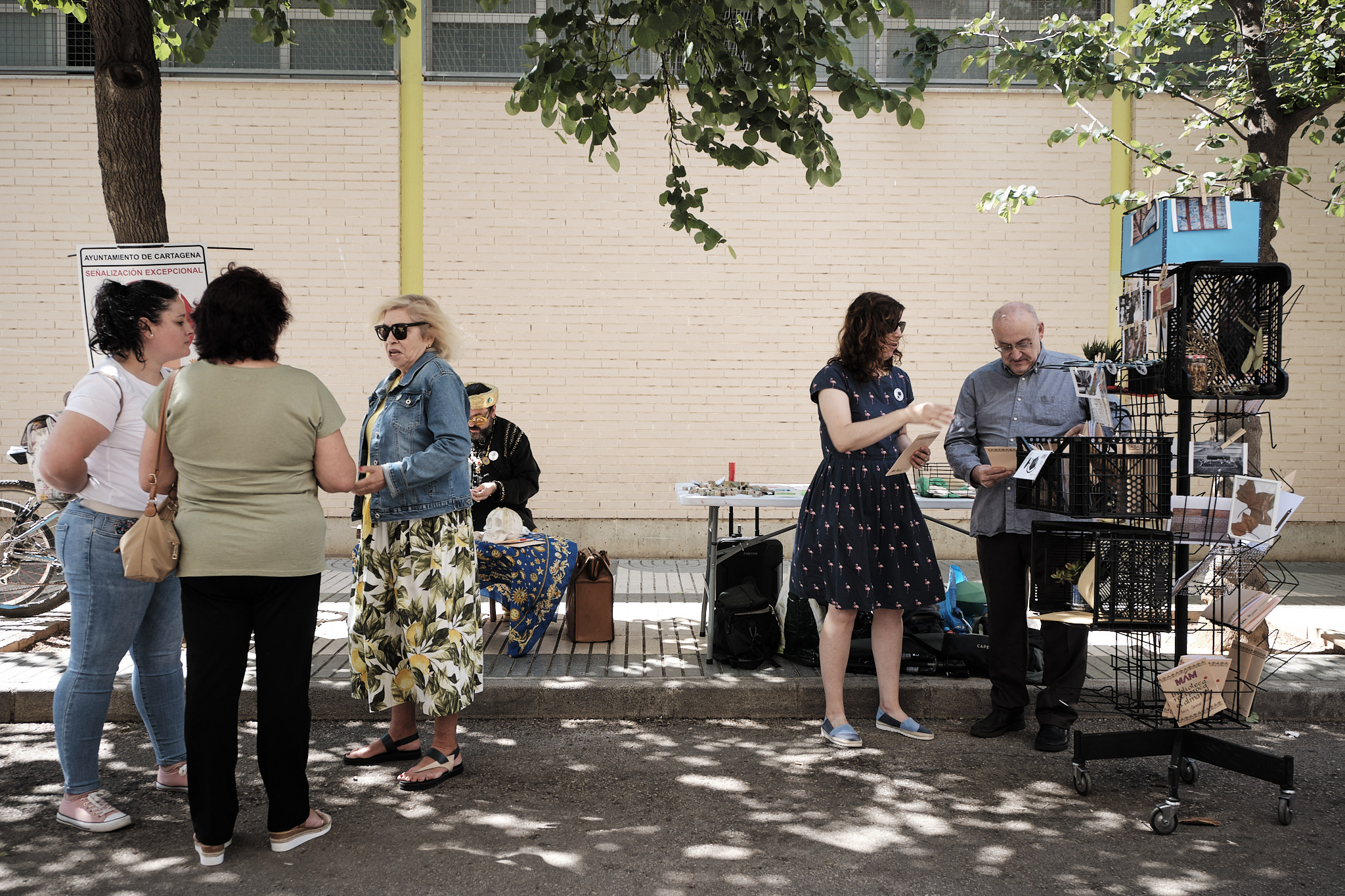
The project also had impact beyond the classroom.Students presented their work in public spaces, cultural festivals, neighbourhood associations and innovation centres, strengthening connections between university,citizens and local stakeholders while reinforcing social awareness and responsible creativity.
Long term results show that NEB LEARNING is flexible, transformative and scalable. It has already been extended to Final Degree Projects and company internships, and has been proposed for adoption across seven additional technical degrees.These developments confirm its potential to reshape technical education and embed NEB values
The story of NEB LEARNING began with a question that emerged inside the classroom: How can we teach design in a way that truly responds to the social, environmental and aesthetic challenges of our time? When the New European Bauhaus appeared, it felt like an invitation—a call to rethink how future designers learn to see the world, to listen to communities and to imagine futures grounded in care, inclusion and beauty.
What began as a shared curiosity soon revealed a deeper need. Conversations with festivals, local organisations, innovation centres and community groups exposed two clear gaps: the lack of professionals trained in NEB principles, and the limited presence of NEB knowledge inside technical classrooms, where traditional engineering approaches still dominated. While territories were embracing NEB, higher education struggled to translate it into practice. This realisation shaped NEB LEARNING as a methodology built not only on theory but on real people, real places and real challenges.
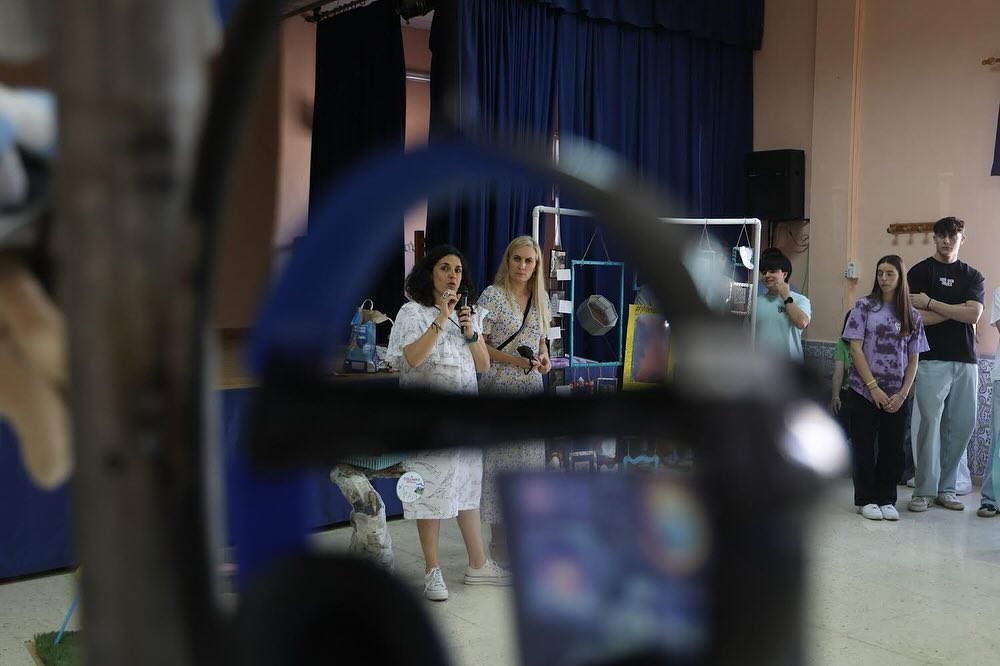
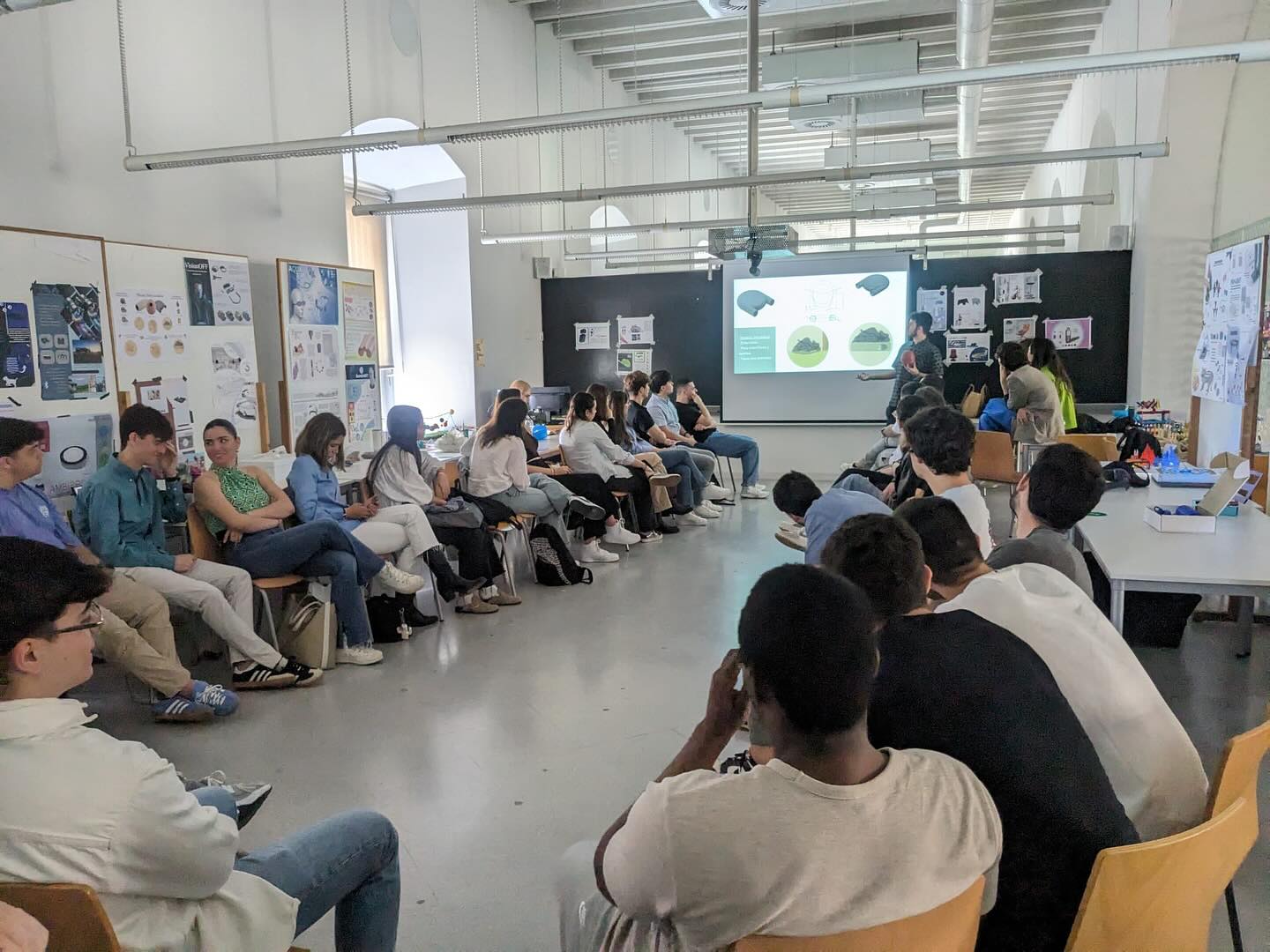
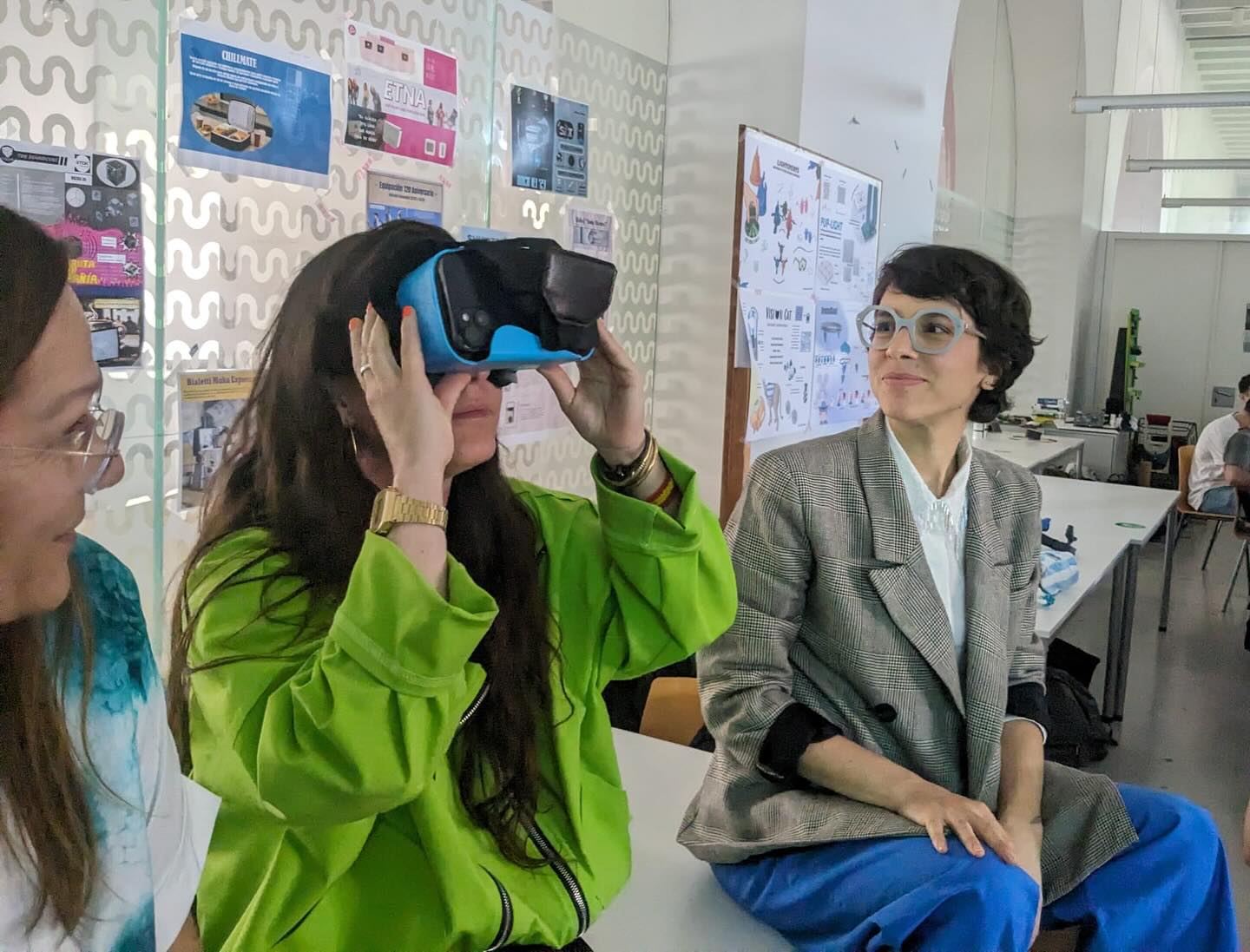
Implementation grew organically. Each course started with a challenge proposed by an external organisation—a neighbourhood collective, an art festival, a design company or an innovation hub. Students entered the city, met users, asked questions and co created ideas with them. Expert workshops brought new perspectives, while prototyping sessions and public exhibitions opened dialogue between the university and the community. The classroom became a shared space between students, professionals and citizens.
Co-creation
Design education
Higher education
Participatory design
Teaching the NEB
Sustainability is a concrete and intentional dimension of NEB LEARNING. Each challenge proposed by external organisations requires students to design projects that meet NEB values, ensuring sustainability is integrated from the brief itself. The challenges address issues such as material waste, responsible consumption, inclusive public spaces and the improvement of shared environments.
Environmental sustainability is reinforced through the way projects are developed. Students work with reused, local or low impact materials, apply sustainable prototyping practices and consider energy, durability and circularity. The NEB Flower and NEB Questionnaire help them analyse the environmental implications of their decisions, turning sustainability into a measurable and reasoned design factor.
The methodology also includes expert sessions focused on sustainable design, where specialists introduce tools and examples related to circularity, material cycles and environmentally conscious innovation. These sessions provide the technical grounding needed to embed sustainability in every stage of the design process.
Social sustainability is addressed through co creation with citizens, neighbourhood groups and public institutions. This ensures that proposals respond to real needs, promote wellbeing and strengthen inclusion. Cultural sustainability emerges through collaborations with festivals and local organisations that value identity, shared spaces and aesthetic quality as essential elements of sustainable change.
Economically, the project promotes feasibility through resource efficient solutions and affordable prototypes, with external partners providing feedback to ensure viability.
NEB LEARNING is exemplary because it makes sustainability both a design requirement and a learning practice. Students not only propose sustainable solutions but also adopt sustainable behaviours during the process, developing responsible, context-aware and culturally meaningful design outcomes.
Aesthetics in NEB LEARNING is understood as the ability to create meaningful, human centred experiences that make everyday life more beautiful. The project contributes to this by placing students in direct dialogue with people, communities and neighbourhoods. Through co design sessions, fieldwork and collaborative prototyping, citizens express what beauty means to them—comfort, identity, care, atmosphere—and these insights guide the design process. Beauty emerges not as an imposed style but as something rooted in lived experience.
Each challenge proposed by external organisations invites students to improve the quality of everyday life: enhancing public spaces, reimagining common objects or creating interventions that make shared environments more enjoyable and welcoming.Collaborations with cultural festivals, neighbourhood associations and community groups reinforce a sense of belonging, encouraging students to recognise local narratives, traditions and collective creativity as sources of aesthetic value.
Aesthetics is also cultivated through making. Students experiment with form, texture, light and materiality while developing prototypes, learning that aesthetic quality influences wellbeing and shapes the emotional connection people have with their environments.Expert workshops introduce concepts related to perception, harmony and design quality, helping students understand the importance of beauty in creating resilient and vibrant places.
Tools such as the NEB Flower prompt students to reflect on spatial quality, sensory richness and the emotional impact of their proposals.As communities see their voices reflected in the students’ designs, a sense of ownership and care for the place grows, strengthening long term attachment and stewardship.
NEB LEARNING is exemplary because it treats aesthetics as a shared process, co‑creating beauty with communities and transforming everyday spaces into more humane and meaningful places.
Inclusion is at the heart of NEB LEARNING. The project brings real challenges from neighbourhoods, social organisations and community groups directly into the classroom, ensuring that students work with issues that affect people’s everyday lives. All projects are co designed with citizens through workshops, interviews, field visits and participatory prototyping, allowing diverse voices—children, elderly, migrants, local associations—to shape the design outcomes from the beginning.
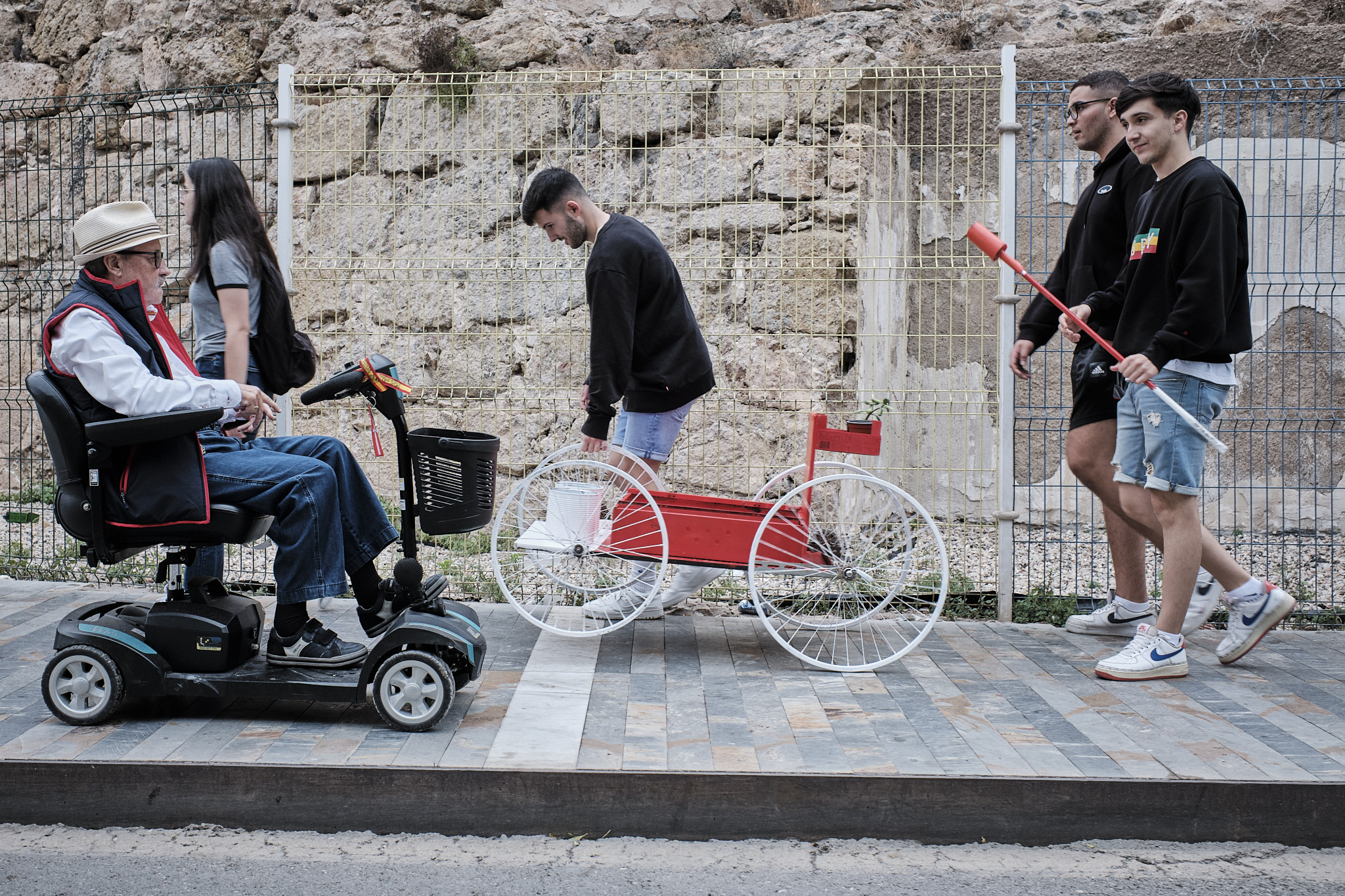
This approach creates accessible and affordable solutions grounded in real needs. Several prototypes have been implemented and used by the communities involved, such as the mobile carts created to support their reciprocal library system, or the artefacts designed for neighbourhood associations to activate public spaces. These real applications strengthen the sense of dignity, usefulness and belonging for those who participate.
The methodology promotes “design for all” principles by encouraging students to analyse barriers, consider different bodies and abilities, and integrate accessibility and usability criteria in their proposals. Inclusion is not abstract: it is practised through decisions about materials, ergonomics, safety, clarity and emotional comfort.
NEB LEARNING also fosters inclusive governance models. External organisations, citizens, students and teachers work together in shared decision making, creating a horizontal ecosystem where knowledge flows both ways. This empowers communities, reinforces trust and positions the university as an active cultural and social agent rather than a distant institution.
The project is exemplary because it understands inclusion as a relational practice. By co creating with citizens, testing solutions in real contexts and valuing local knowledge, NEB LEARNING generates designs that are not only useful and accessible, but also create a deeper sense of belonging, care and shared stewardship of the places people inhabit.
Participation is the foundation of NEB LEARNING. The project brings real challenges from neighbourhoods, social organisations and community groups directly into the classroom, ensuring that citizens are not only consulted but actively involved throughout the entire process. Using Design Thinking as the core methodology, students and community members work together in all phases—understanding needs, defining problems, co creating ideas, prototyping and evaluating solutions. This makes citizens true co designers, not external observers.
Participation begins with the definition of the challenge and continues through workshops, interviews, field visits and hands on sessions where residents, local associations, youth groups and cultural actors contribute their knowledge, experiences and expectations. This shared dynamic ensures that every project captures real concerns and reflects the identity, memory and aspirations of each place.
This collaborative model has produced tangible results. Several prototypes have been implemented and used by the communities involved, such as the mobile carts designed for neighbourhood associations to activate public spaces, support local initiatives and strengthen community connections.
The impact of citizen involvement is significant. Designs become more inclusive and relevant because they respond to lived realities; communities gain a sense of ownership and pride when they see their contributions materialised; and students learn to listen, empathise and assume participatory design as a core professional responsibility.
NEB LEARNING is exemplary because it builds a genuine culture of shared authorship. Through Design Thinking and continuous co creation, it turns the university into a collaborative space where citizens, students and organisations work together to transform their environments with care, purpose and creativity.
NEB LEARNING was designed to bring external actors into the academic environment and create a learning model grounded in multilevel governance. By involving organisations operating at different territorial scales, the methodology enriches design learning with diverse perspectives and shared decision making.
At the local level, the City Council proposes real challenges and connects the university with neighbourhoods, community groups and public spaces. This allows students to co design directly with residents and associations, ensuring projects respond to concrete needs and local identity.At the district and regional levels, the European Business and Innovation Centre of Cartagena (CEEIC) provides access to a wider network of companies, entrepreneurs and social initiatives. Through this collaboration, students work with specific user groups and receive technical and strategic feedback that strengthens feasibility and impact.
The private sector—design studios, companies and professionals—contributes specialised knowledge and gives students contact with real users linked to the challenges. This adds practical constraints, professional insight and a clearer view of how solutions could operate beyond the classroom.
At the academic level, universities lead the implementation of the methodology and the integration of NEB values into curricula, ensuring institutional continuity and alignment with educational innovation.
At the European level, the project aligns with the wider vision of the New European Bauhaus and benefits from dialogue with international partners interested in sustainable and inclusive pedagogies, reinforcing the transfer potential of the model.
The added value of this structure lies in the complementarity between levels: local actors bring relevance, regional partners add strategy, private organisations contribute expertise and European networks offer a broader vision. Together, they create a governance ecosystem where solutions are co constructed.
NEB LEARNING is built as a transdisciplinary model where different knowledge fields converge to enrich design learning. The core discipline of product and industrial design engineering expands through the integration of arts, social sciences, sustainability, material exploration, environmental awareness, digital fabrication and education. Students approach problems from technical, creative, social and ecological perspectives, understanding design as a systemic and people centred process.
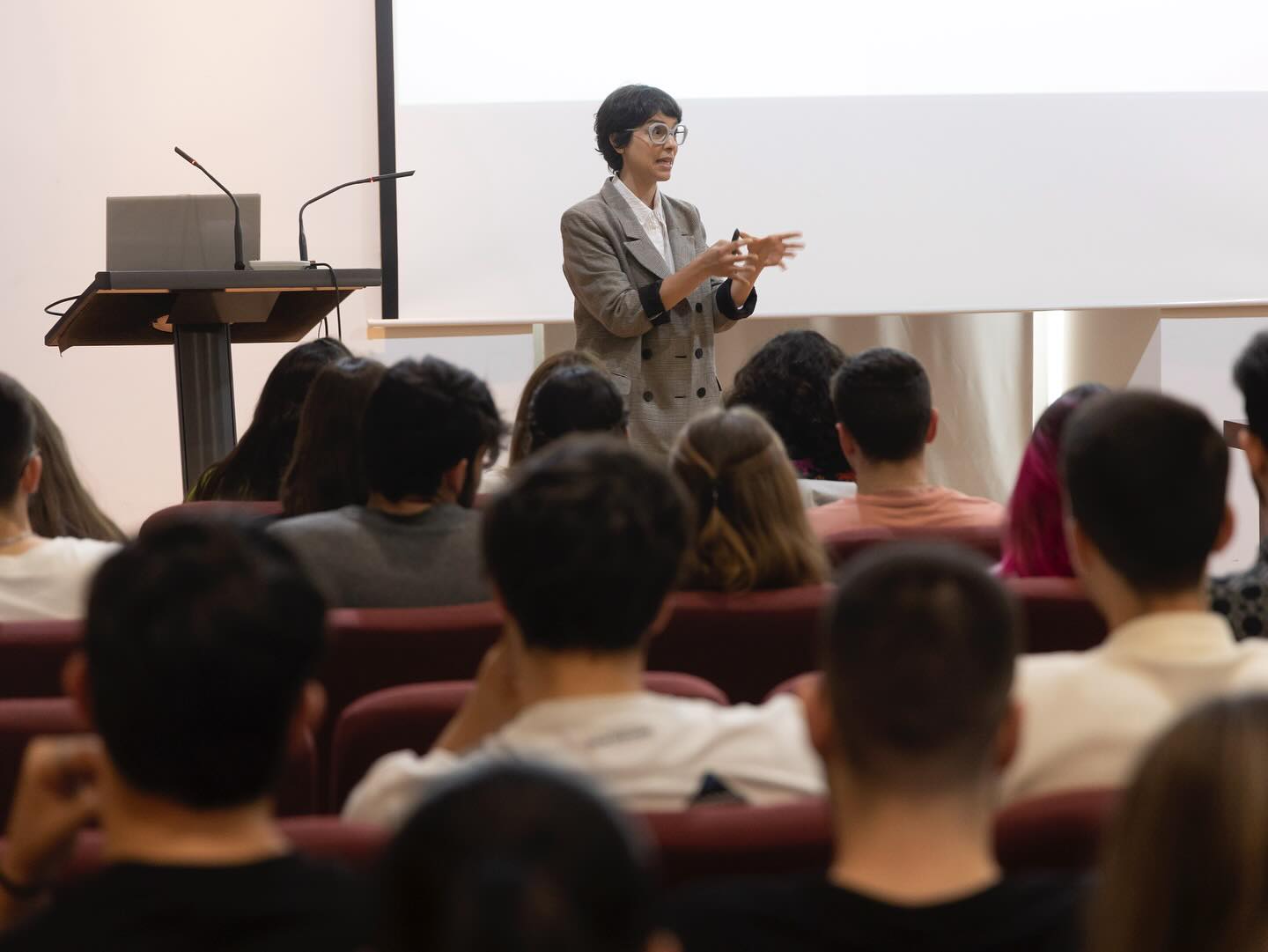
Transdisciplinarity is strengthened by the contribution of external experts, who bring specialised knowledge directly into the classroom. Throughout the project, students receive guidance from professionals in sustainability and circular design, material innovation, aesthetics and visual communication, participatory and community design, inclusive and accessible design, prototyping and fabrication, and creative and cultural practices. Their involvement helps refine ideas, understand feasibility and broaden the disciplinary scope of each project.
Social scientists and participation specialists support methods such as interviews, observation and co design workshops. Artists and cultural practitioners introduce expressive and sensory approaches. Engineers and designers provide technical rigour, while sustainability experts guide responsible material choices and environmental criteria.
A distinctive feature of NEB LEARNING is the inclusion of community knowledge as an equal discipline. Citizens, associations and local organisations co design with students, contributing experiential and territorial insights that cannot be gained solely through academic content.
By merging technical, artistic, social, environmental and community based knowledge, NEB LEARNING becomes exemplary in transdisciplinarity. It prepares students to tackle complex real world challenges by integrating diverse forms of expertise into one coherent, human centred design approach.
NEB LEARNING is currently implemented within the Polytechnic University of Cartagena (UPCT), which provides the academic structure, teaching hours and coordination needed for its development. This institutional support forms the backbone of the project and ensures that the methodology can be applied each year as part of regular teaching activities.
The project is also sustained thanks to the collaboration of external organisations that contribute spaces, materials, tools and access to users. Cultural festivals, neighbourhood associations, design companies and innovation centres offer workshops, venues, fabrication equipment and direct contact with real communities. These in‑kind contributions reduce implementation costs and strengthen the link between education and the territory.
This collaborative model keeps the project financially viable in its current phase, as no additional structural funding is required for its annual execution. Instead, it relies on the integration of academic resources and partner contributions, creating a low‑cost but high‑impact framework.
To ensure long‑term sustainability and enable the methodology to grow beyond UPCT, the consortium has applied for an Erasmus+ project aimed at scaling NEB LEARNING to other European higher education contexts. This funding will support the creation of shared resources, the development of a micro‑credential, the adaptation of NEB Classrooms and the training of teaching staff across multiple institutions.
The combination of UPCT’s institutional support, continuous collaboration with external organisations and the strategic pursuit of European funding forms a robust business model. It allows NEB LEARNING to operate sustainably today while building the financial and organisational foundations needed for expansion and long‑term impact.
NEB LEARNING has a high potential for transferability because its methodology is flexible, low cost and easy to adapt to different contexts. Its core structure—real world challenges, co design with communities and a Design Thinking approach aligned with NEB values—can be replicated wherever universities, organisations and citizens collaborate to improve their environment.
A key proof of its scalability is that the methodology has already been successfully replicated within the UPCT. It has been implemented in other subjects, extended to different academic levels, applied in Final Degree Projects and used during company internships, showing that it works beyond its original course and can adapt to multiple learning formats and degrees.
The project’s participatory tools—co creation workshops, user mapping, prototyping in context and collaborative validation—can be reused in higher education, schools, civic innovation spaces, cultural initiatives or social projects. The NEB Flower and the NEB Questionnaire are fully transferable instruments that help assess sustainability, inclusion and beauty in any kind of design or transformation process.
Transferability is further strengthened because the teaching strategy and materials are published in open access, allowing other institutions to adopt, adapt or build upon the model without barriers. This open source character accelerates replication and stimulates wider adoption.
The collaboration model with external organisations is equally scalable: any territory can involve neighbourhood associations, community groups, cultural actors, companies or public administrations to generate NEB aligned challenges and co create solutions with students.