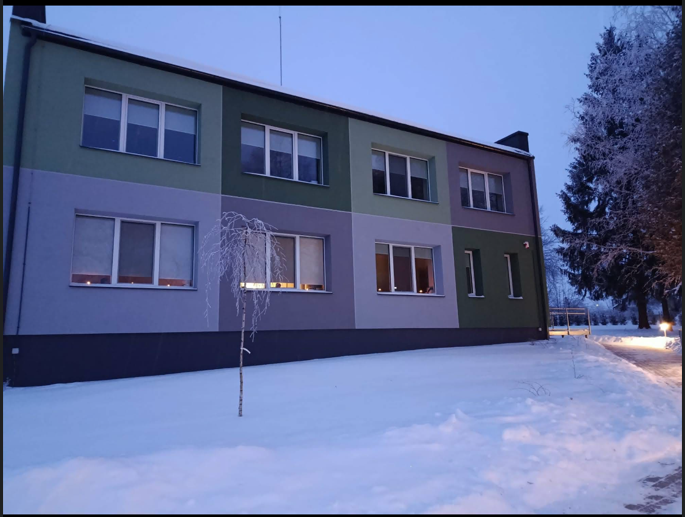
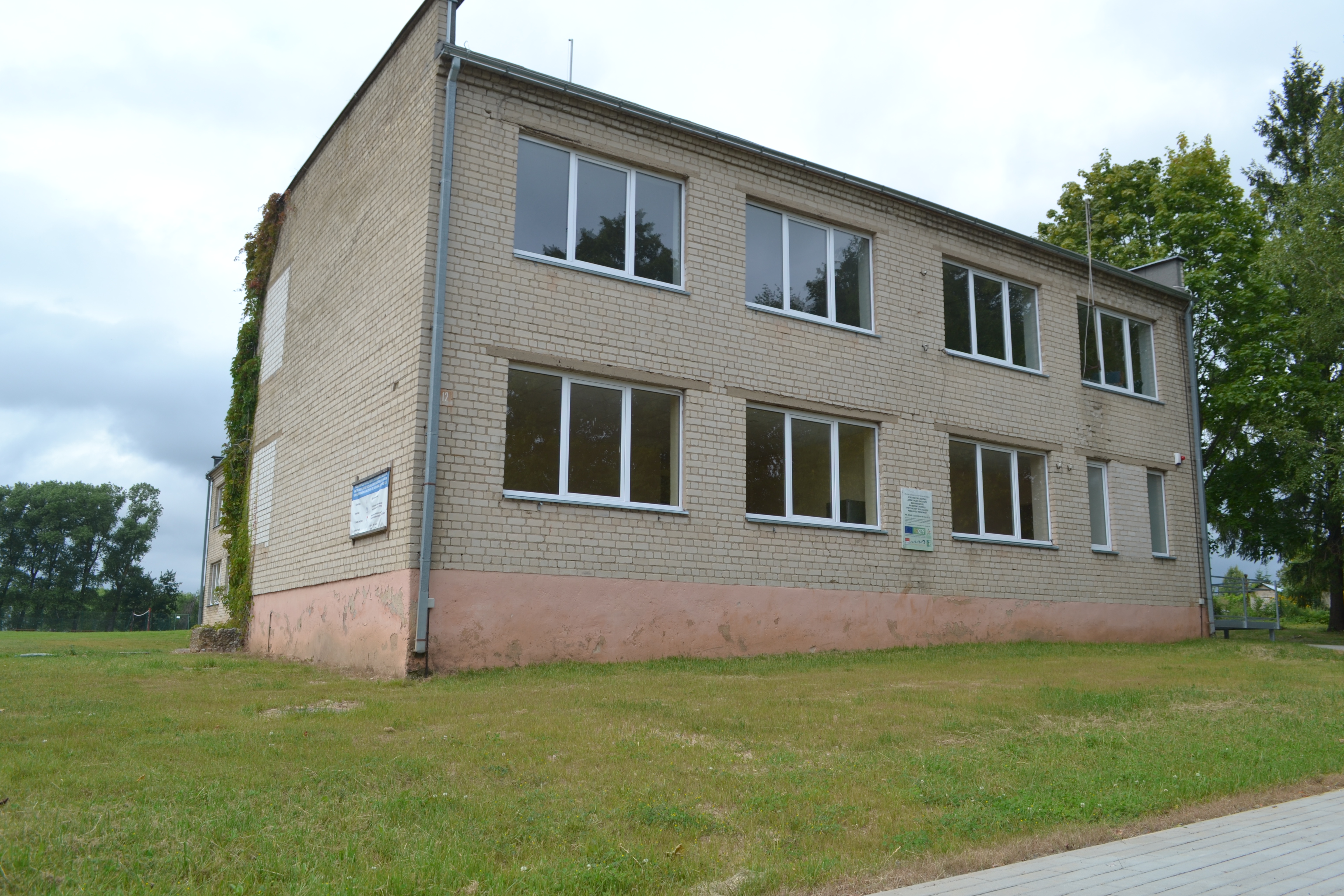
Balninkai Elderly Care Center
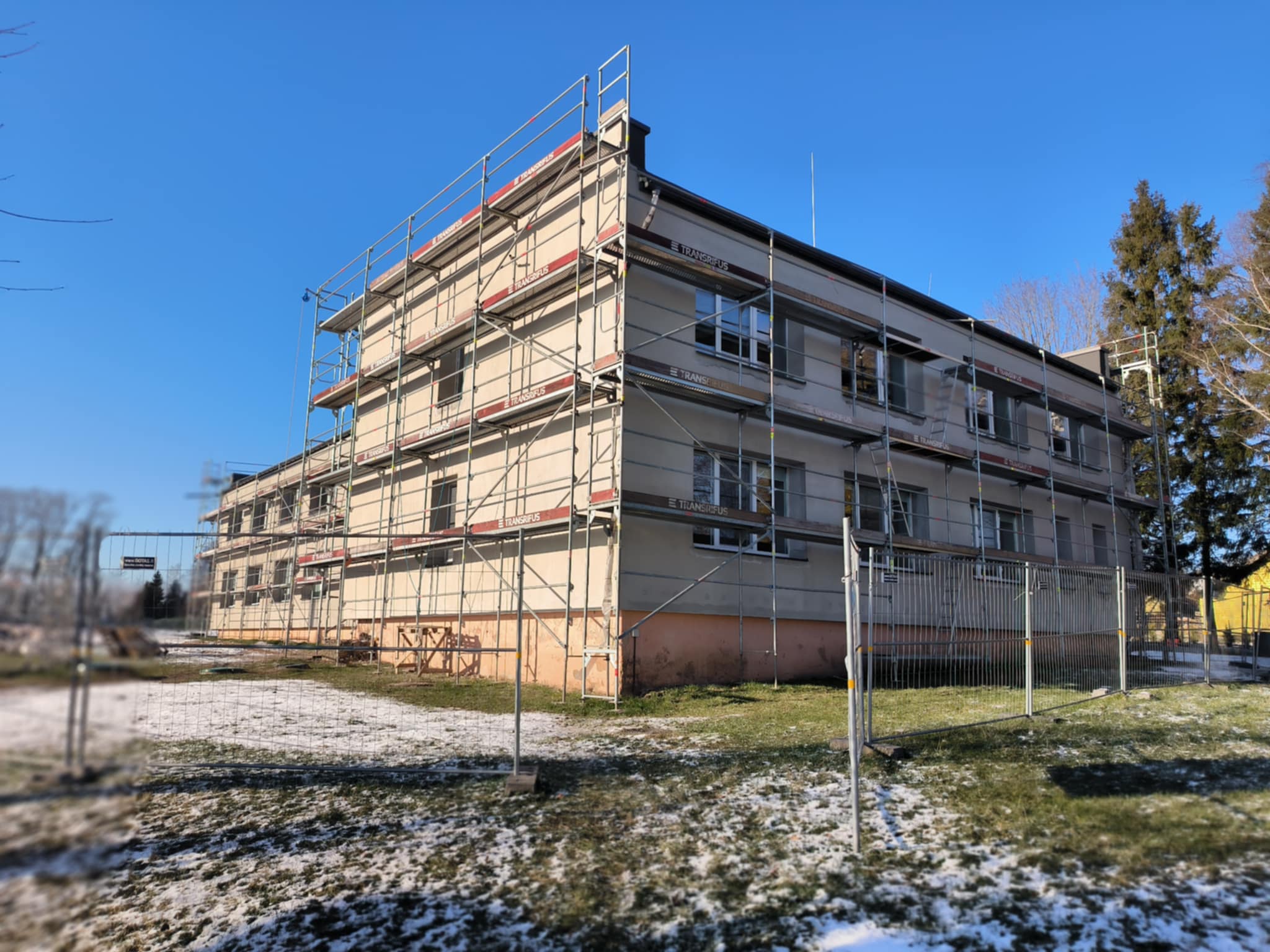
Adaptation of the Balninkai School Building for the Provision of Social Care Services to Elderly
Balninkai "Kaiminystės namai": New Life for an Old School! By transforming a disused building into a modern social hub, we have created a dignified home for seniors and people with disabilities. This initiative blends community spirit with sustainability—offering everything from art therapy to energy-efficient living. It is more than a care home; it is a vision of how local action and EU support can revitalize rural areas and ensure a quality future for all.
Lithuania
Gedimino str. 10, Balninkai, 33303 Molėtų r. sav.
Completed
Yes
Yes
Yes
Yes
ERDF : European Regional Development Fund
https://www.moletai.lt/balninku-mokyklos-pastato-pritaikymas-socialines-globos-paslaugoms-senyvo-amziaus-asmenims-teikti-ii-etapas/
No
62: Molėtų rajono savivaldybė (LT)
The primary aim of this initiative was to breathe new life into the disused Balninkai school building by transforming it into a modern, functional, and sustainable space for high-quality social services. The project successfully addressed demographic challenges, reduced social exclusion, and ensured a dignified life for vulnerable groups while preserving the vitality of the rural area. By repurposing existing infrastructure, the initiative demonstrated how small communities can effectively solve complex social and urban problems using available resources.
The initiative targeted several key groups, primarily elderly individuals who required long-term or short-term social care. Additionally, the project benefited the Balninkai community by providing a new hub for activities and created 12 new jobs for local specialists, thereby contributing to regional economic growth. The inclusive design ensured that all facilities were fully accessible to everyone, regardless of their physical abilities.
Specific objectives focused on comprehensive infrastructure modernization and the integration of sustainability principles. The building underwent extensive renovations, including insulation to improve energy efficiency and the implementation of universal design standards. Beyond the physical structure, the project aimed to provide holistic care that encompasses medical assistance, rehabilitation, and cultural engagement, all within an aesthetically pleasing and home-like environment.
The completed initiative has delivered significant outcomes, most notably improved social services that allow residents to live with dignity. The modernized building has become a vibrant community hub, reducing social isolation through intergenerational cooperation and various cultural activities. Furthermore, the project serves as an exemplary model for the effective use of EU and national funds, showing how sustainable territorial development can be achieved through a inclusive approach.
Sustainability
Social Services
Demographics
Inclusion
Community
This project prioritizes sustainability through three integrated pillars:
Environmental: Implementation of green procurement standards and significant energy efficiency improvements. The building’s thermal insulation and the transition to air-to-air heating systems have drastically reduced its carbon footprint and operational costs.
Social: Increasing the availability of high-quality social services in rural areas. By creating 13 additional social care beds and specialized infrastructure, we ensure long-term social sustainability for the aging population.
Territorial: Ensuring equal access to services for all Molėtai region residents, preventing regional decay by transforming a liability (an empty building) into a community asset.
The project is exemplary due to its systematic approach to green procurement and its alignment with the European Green Deal at a local, rural scale.
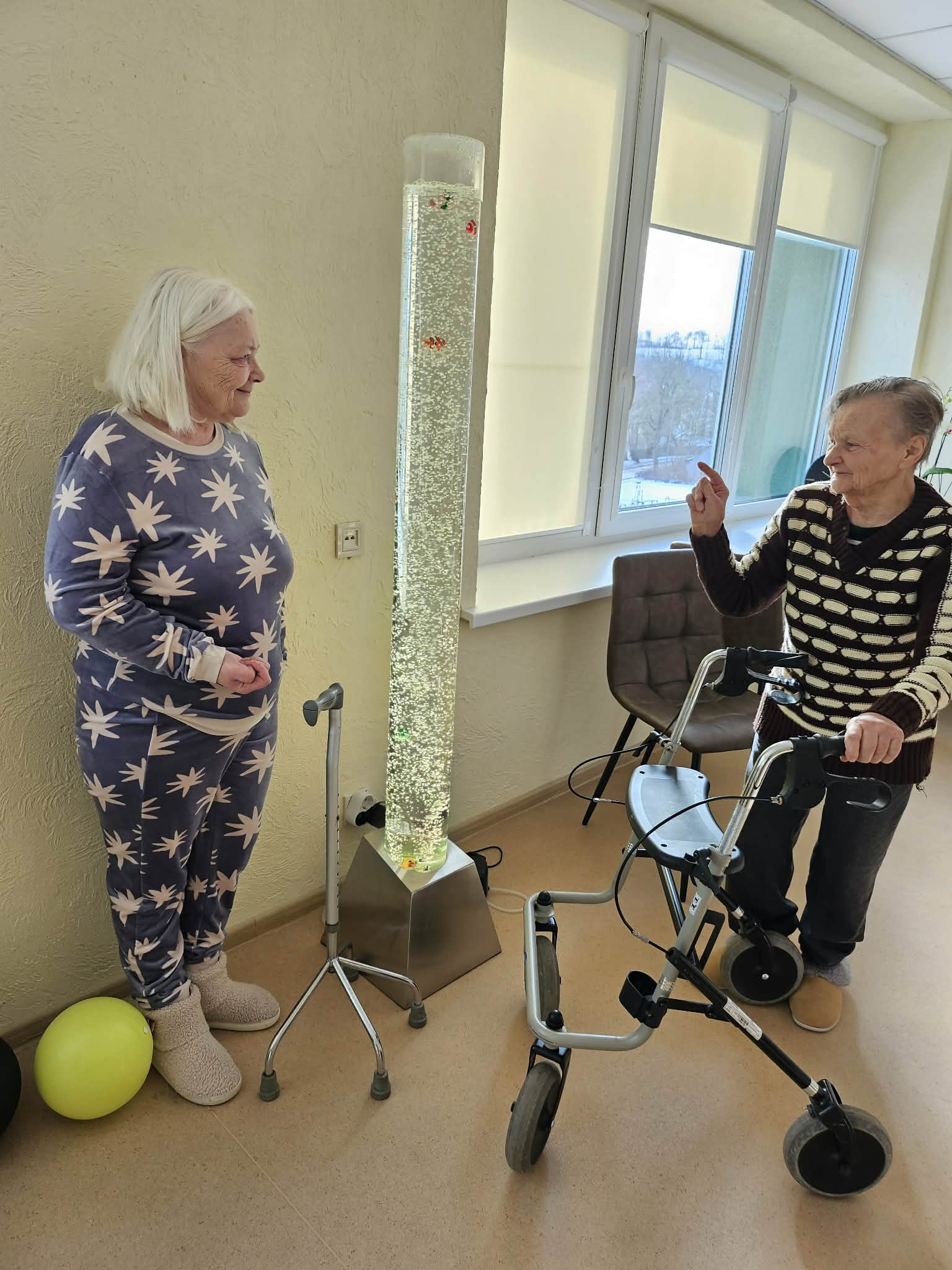
The initiative transformed a clinical-style school into a warm, home-like environment that exceeds mandatory social care requirements. Thoughtful interior design—using calming colors, functional furniture, and natural elements—focuses on preserving human dignity and fostering positive emotions.
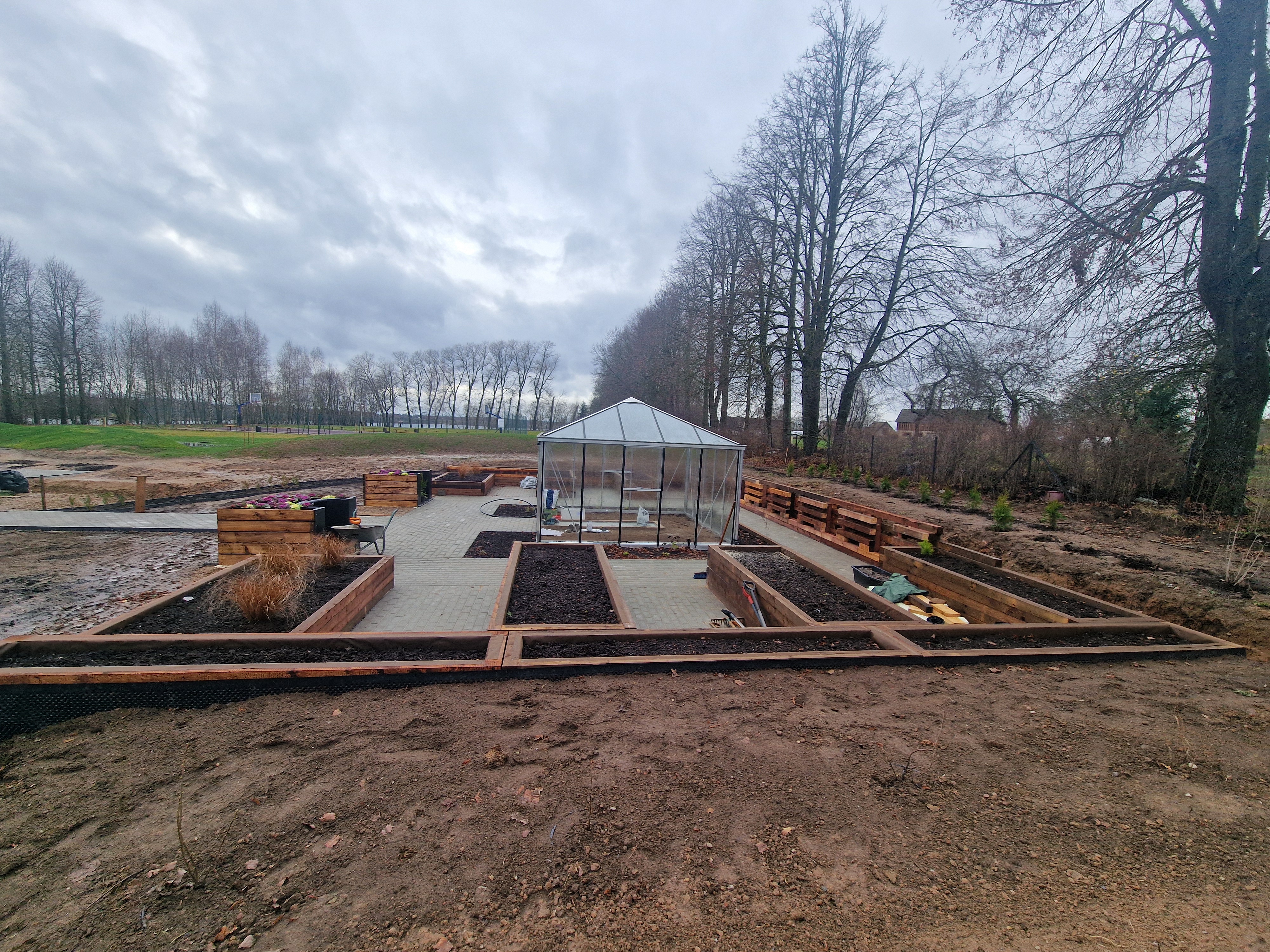
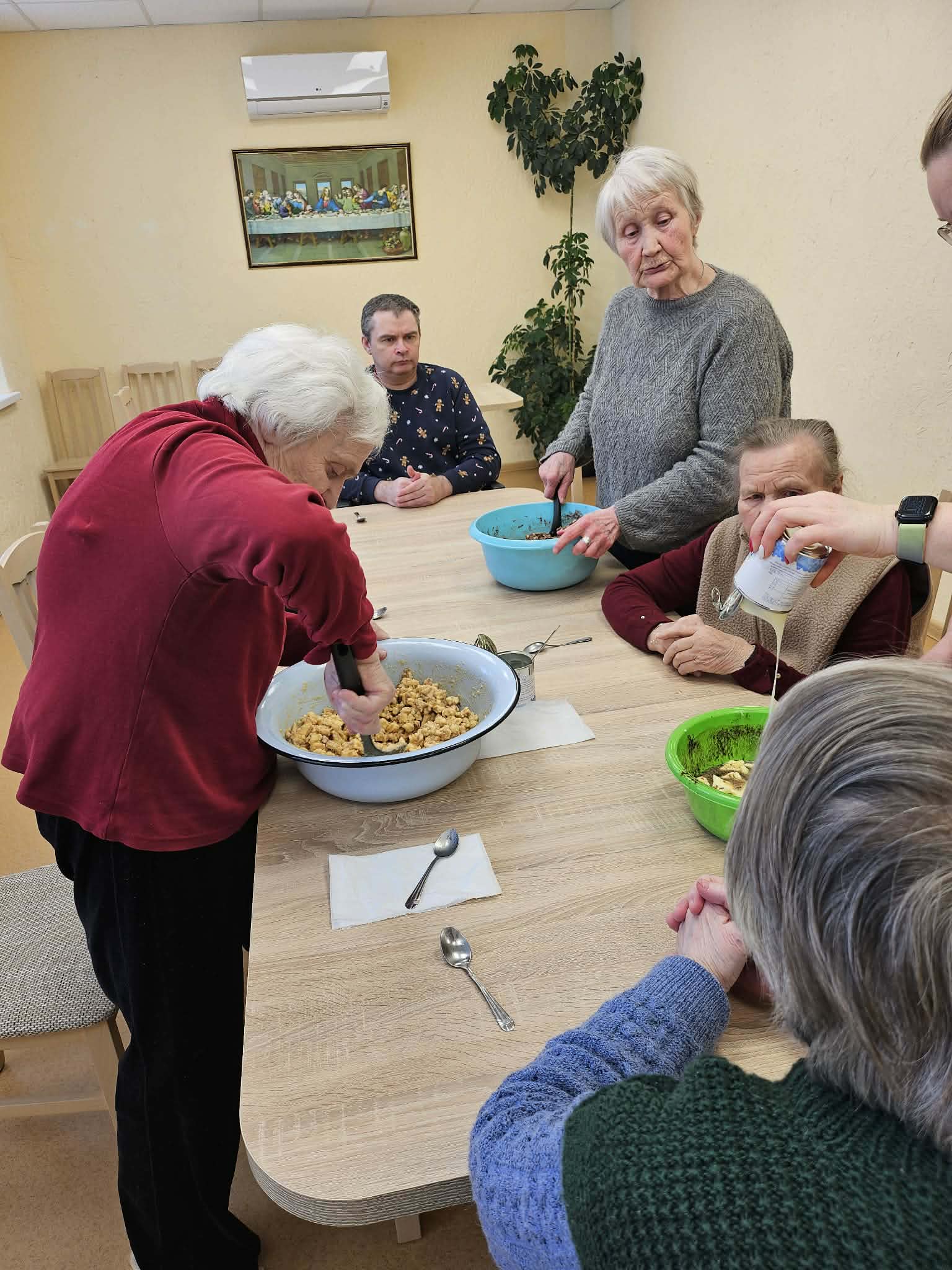
Beyond the building, the focus is on psychological well-being. Residents participate in art and music therapy, kinesiotherapy, and visit local cultural sites like the Balninkai glass museum. The outdoor areas feature relaxation zones, senior-friendly exercise equipment, and accessible gardening spaces with greenhouses. This holistic design ensures that residents do not feel "institutionalized" but rather active members of a dignified community.
Beyond the building, the focus is on psychological well-being. Residents participate in art and music therapy, kinesiotherapy, and visit local cultural sites like the Balninkai glass museum. The outdoor areas feature relaxation zones, senior-friendly exercise equipment, and accessible gardening spaces with greenhouses. This holistic design ensures that residents do not feel "institutionalized" but rather active members of a dignified community.
Inclusion is addressed through a combination of physical accessibility, social engagement, and economic affordability.
Physical: The project strictly follows STR 2.03.01:2001 and universal design principles. Features include wheelchair-friendly layouts, adapted sanitary facilities, and elevators, ensuring independence for all residents.
Economic (Affordability): By collaborating with the Molėtai District Municipality and utilizing EU funding, the initiative ensures that high-quality care is not a luxury. Services are integrated into the public social support system, making them accessible to residents regardless of their income level.
Social: Our "Neighborhood House" model prevents isolation by integrating residents into town life and fostering intergenerational cooperation with students from the Moletai Independent Living Home for Children.
Local level:•Community members: A survey conducted in 2014-2015 allowed for the identification of the expectations and needs of local residents related to the care of elderly people. This information became the basis for further project development, ensuring that the project meets the real needs of the area.
•Local government representatives: Constant dialogue with the administration of Molėtai District Municipality allowed for the coordination of project plans with the city's development strategy and obtaining funding for project implementation. The participation of municipality representatives in discussions and the comments and suggestions provided contributed to the project's improvement.
Regional level:•Regional non-governmental organizations: Cooperation with organizations such as "Neighborhood Houses" helped to identify the needs of the region and contributed to the development of the project concept, based on their experience and knowledge of elderly care.
•Utena Regional Council: Highlighting the problem of insufficient social services for the elderly at the regional level, while developing the Utena Regional Development Plan, was a crucial step towards project implementation. This showed that the problem is relevant not only locally, but also regionally.
National level:
•Ministry of Social Security and Labor: The Ministry's decision to partially finance the project from EU and municipal budget funds showed that the project is important and necessary at the national level.
• Support Administration Agency: Consultations with agency staff helped ensure that the funds necessary for the project implementation were used purposefully and effectively.
In summary, it can be said that the involvement of citizens and civil society in the project was a crucial factor in its success. This allowed for the creation of a project that meets real needs, is integrated into existing policies and strategies, and meets the highest quality standards.
Stakeholder Engagement and Multilevel Collaboration
This project addresses the critical need for elderly care in the Molėtai region, carrying significance at local, regional, and national levels. Its successful implementation was made possible through the active involvement of diverse stakeholders and partial funding from the European Union.
Local Engagement
The foundation of the project rests on the local community. In 2014-2015, following a school closure, the Molėtai District Local Action Group "Changing by Changing" conducted a comprehensive survey. The results highlighted a severe shortage of services for vulnerable groups, turning local expectations into the project’s primary objective. Throughout the process, a constant dialogue was maintained with the Molėtai District Municipality to align the initiative with the city’s development strategy and ensure all necessary regulatory support.
Regional Synergy
At the regional level, cooperation with NGOs, specifically the "Neighborhood Houses" multifunctional center, helped refine the care concepts based on specialized expertise. Furthermore, the Utena Regional Development Plan identified a broader regional deficit in social services for the elderly and disabled. Recognizing these gaps was a crucial step in validating the project’s necessity beyond the immediate vicinity.
National and European Support
The project’s impact earned the support of the Ministry of Social Security and Labour, leading to co-financing through EU funds and municipal budgets. To ensure financial transparency and efficiency, the team consulted regularly with the Central Project Management Agency. On a broader scale, European Union funding was the catalyst that ensured the project's long-term sustainability and high-quality standards.
The integration of these various stakeholders ensured that the "Neighborhood House" is not just a building, but a facility deeply rooted in community needs and integrated into national policies.
Architecture and Construction:
The project involves the renovation of a building, adapting it to provide social services, and equipping the premises to meet the needs of people with disabilities. This area encompasses construction technologies, design, engineering, building energy efficiency, and universal design principles.
Public Administration and Project Management:
The project is implemented in cooperation with the Molėtai District Municipality and the local action group "Keisdamiesi-keičiame" and includes the organization of public procurement, attracting funding from EU and state funds, and project implementation supervision and management. This area covers the organization of public sector activities, project planning, implementation and evaluation.
Economics:
The project contributes to the region's economic growth by creating new jobs, improving the accessibility of social services, and attracting investment. This area includes regional development, labor market analysis, and investment management.
Environmental Protection:
The project emphasizes "green" procurement, noise, dust and pollution reduction during construction, and increased energy efficiency. This area covers environmental protection principles, sustainable development, and energy efficiency.
Holistic Approach:
The project was implemented by integrating knowledge and experience from different fields, ensuring that all important aspects were taken into account - from social needs to technical and environmental requirements.
Sustainability:
The project was implemented in accordance with sustainability principles, integrating environmental, social and economic aspects.
Efficiency:Teamwork and collaboration between representatives from different fields allowed for the efficient use of resources and the achievement of the best results.
Innovation: From the very beginning, the project actively involved the local community in the decision-making process. Surveys, discussions, and meetings with residents allowed us to identify real needs and expectations.
Comparison: Often, nursing home projects are created based on standard models, not always taking into account the specifics and needs of the local community. Our approach is more individualized and focused on community involvement.
Added Value: Community involvement not only ensures that the nursing home meets the expectations of residents but also strengthens the sense of community and reduces social exclusion.
Integrated Approach to Services
Innovation: The project provides for an integrated approach to services, encompassing not only accommodation and care but also social integration, cultural activities, health care, and rehabilitation.
Comparison: Many nursing homes provide only basic services, such as accommodation and meals. Our project seeks to create a complete environment where elderly people can live an active and meaningful life.
Added Value: An integrated approach to services ensures that nursing home residents receive comprehensive care and can meet their diverse needs.
Multi-Level Collaboration Innovation The project is being implemented in cooperation with various stakeholders at different levels - from the local community to the institutions of the European Union. This large-scale collaboration ensures that the project meets the interests of all stakeholders and will be implemented successfully.
Comparison Often, nursing home projects are implemented on the initiative of one organization or institution, and cooperation with other stakeholders is limited. Our project stands out for its openness and collaboration.
Added Value Broad collaboration ensures that the project will be implemented transparently and efficiently, and its results will benefit the entire community.
Quantitative Research
A resident survey was conducted to determine the demographic situation and the need for services required by local residents.
Design Method
Brainstorming
Based on the needs analysis, ideas were generated for the concept of the nursing home, the range of services, the architectural solution and other aspects.
Design
Architects, engineers and other specialists prepared the nursing home project, taking into account the needs of the elderly, safety requirements and environmental principles.
Project Management Method
Team Formation
A team was formed, responsible for the implementation of the project, which included architects, builders, social workers, healthcare professionals and other experts.
Activity Planning
A detailed activity plan was developed, which included all stages of project implementation, deadlines and responsible persons.
Resource Management
Project resources are managed, including finances, materials and personnel, to ensure that the project is implemented on time and with quality.
Monitoring and Control
The project progress is constantly monitored and it is checked whether the activities comply with the plan, and in case of problems, decisions are made promptly.
The Balninkai "Neighborhood House" project offers a versatile and scalable model for rural revitalization and social care that can be replicated in various contexts across Europe. The following elements are particularly suited for transfer to other regions or beneficiary groups:
1. Infrastructure Repurposing Methodology: The core of this initiative—transforming abandoned public buildings (like schools) into modern social hubs—is highly replicable. This approach addresses two problems simultaneously: the decay of rural infrastructure and the growing need for specialized housing. It can be applied to create youth centers, artisan hubs, or integrated health clinics.
2. Universal Design and Technical Standards: By strictly following STR 2.03.01:2001 and exceeding mandatory requirements, the project provides a technical blueprint for creating inclusive environments. This "holistic accessibility" model, which balances clinical safety with a "home-like" aesthetic (calming colors, natural light, and art), is transferable to any facility serving vulnerable populations.
3. Multilevel Stakeholder Process: The process of conducting community surveys (through Local Action Groups) to identify specific regional needs before implementation is a vital methodology for ensuring project sustainability. The collaboration between local NGOs, municipal authorities, and national ministries serves as a governance model for complex social projects.
4. Intergenerational Social Integration: The initiative’s emphasis on social inclusion—linking residents with local libraries, museums, and youth volunteers—can be replicated in any community to prevent the isolation of marginalized groups.
5. Sustainable Technology: The integration of air-to-air heating and building insulation demonstrates a cost-effective path for small-scale institutions to achieve energy efficiency, making it a viable technological template for NGOs with limited budgets.
From the very beginning of the project, we were guided by the NEB (New European Bauhaus) values and working principles. It was important for us to create not only a functional but also an aesthetically attractive, cozy and bright environment where residents would feel at home. Therefore, we paid special attention to the layout of the premises, interior design, lighting and other details that contribute to the creation of a positive emotional atmosphere. We also tried to involve the community in the implementation of the project, taking into account their opinions and expectations.
Further steps according to NEB values and principles:
• Beauty: We will continue to strive to ensure that our nursing home is not only functional, but also beautiful and aesthetically pleasing. We plan to renovate the facade of the building, landscape the surroundings and create cozy outdoor spaces where residents can enjoy nature.
• Sustainability: We strive to ensure that our activities are sustainable and environmentally friendly. We plan to introduce energy-saving technologies, such as an air-to-air heating system. External insulation of the building, which will reduce heating costs. We will also try to reduce the amount of waste and promote recycling.
• Inclusivity: We will continue to actively involve the community in the development and implementation of the project. We will organize meetings, discussions and surveys to identify the needs and expectations of residents. We will also encourage volunteering and cooperation with other organizations and residents of the district.
Our goal is to create not only a modern nursing home, but also a vibrant community center where elderly people feel valued and respected. We are guided by NEB values and working principles to create a beautiful, sustainable and inclusive environment where it is good to live and work.