Arts, Culture, and Heritage as Drivers of Change
Women’s Voice – Theatre & Transformation
Women’s Voice: Theatre, Therapy and Social Transformation for Mothers of Children with Disabilities
Is a participatory cultural programme initiated by Aleksandra Marzyńska and implemented in cooperation with Teatr Zagłębia in Sosnowiec, Poland. The project supports mothers of children with disabilities through theatre-based workshops combining movement, storytelling and collective reflection. It creates a safe space where women can express their experiences, rebuild social connections and regain their voice. The project demonstrates how culture can strengthen wellbeing and community resilience
Poland
Regional
The project was implemented in the city of Sosnowiec and brought together mothers from across the Zagłębie region. It addresses broader social challenges related to caregiving, mental wellbeing and the social inclusion of mothers of children with disabilities.
It addresses urban-rural linkages
It involves other types of transformations (soft investment)
Yes
2026-02-28
Yes
Recovery and Resilience Facility (NextGenerationEU) – Polish National Recovery Plan (KPO)
No
No
Individual
“Women’s Voice – Theatre, Therapy and Transformation” is a participatory cultural programme initiated by Aleksandra Marzyńska and implemented in cooperation with Teatr Zagłębia in Sosnowiec, Poland. The project supports mothers of children with disabilities – a group often experiencing long-term emotional overload, social isolation and lack of space for self-expression.
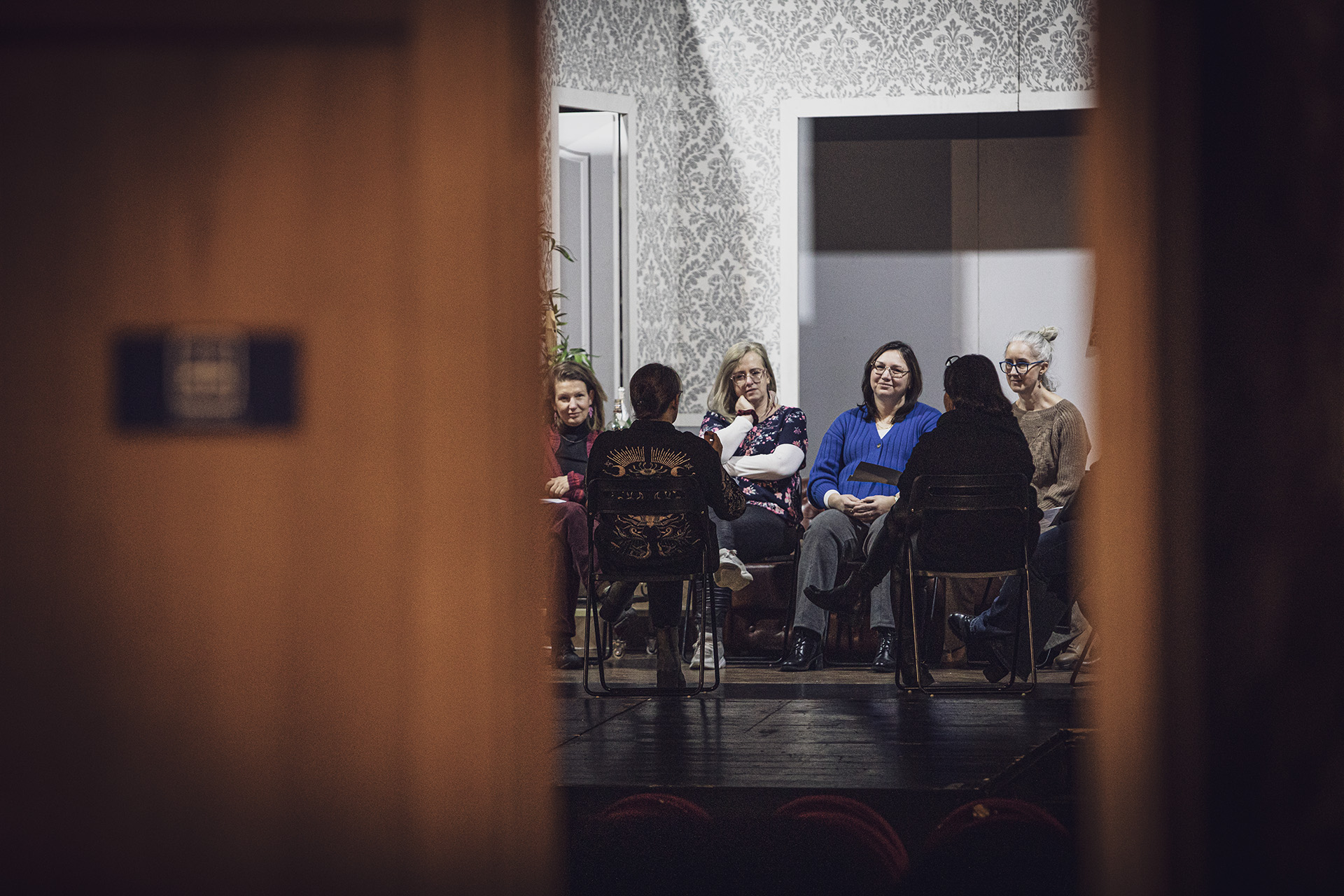
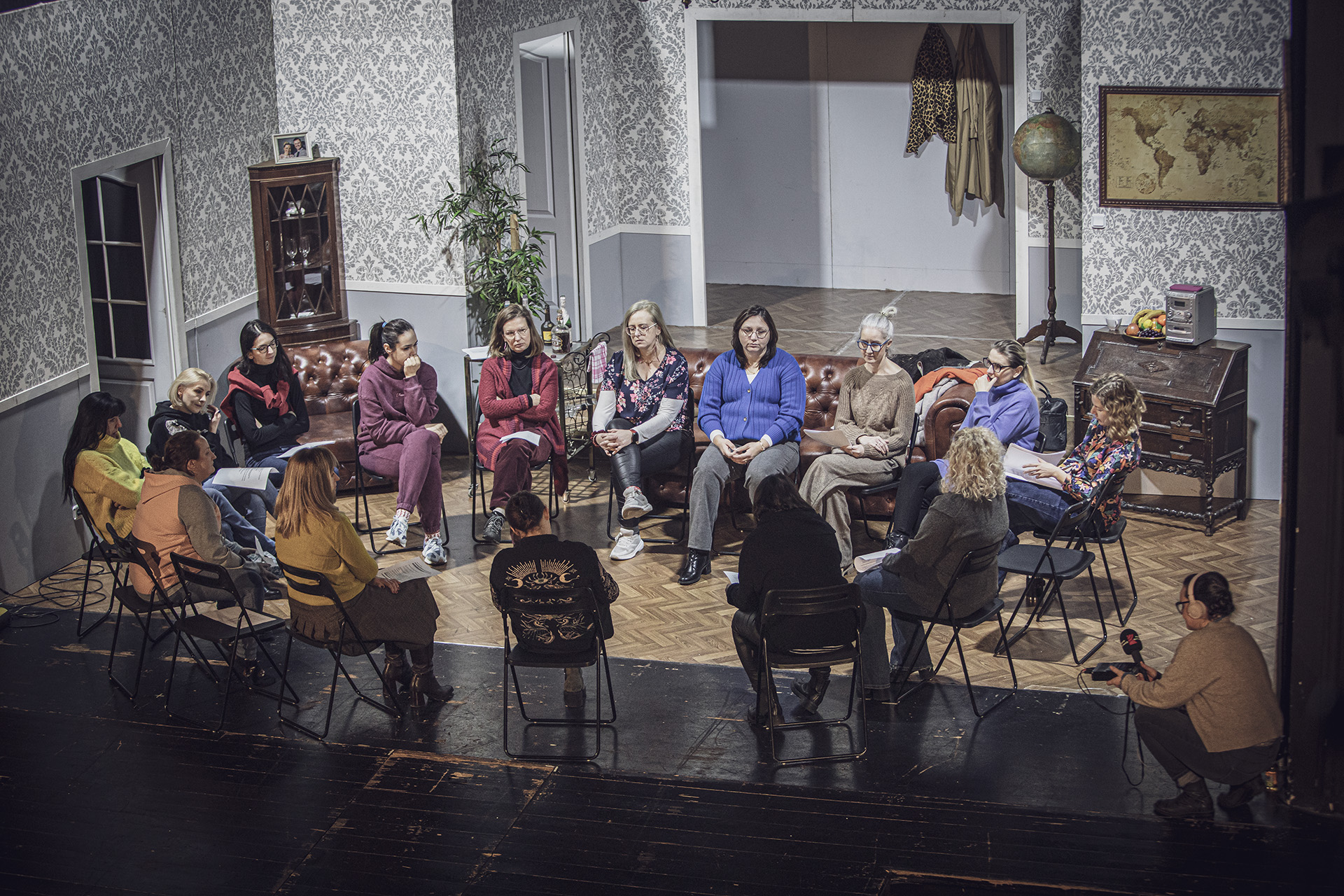
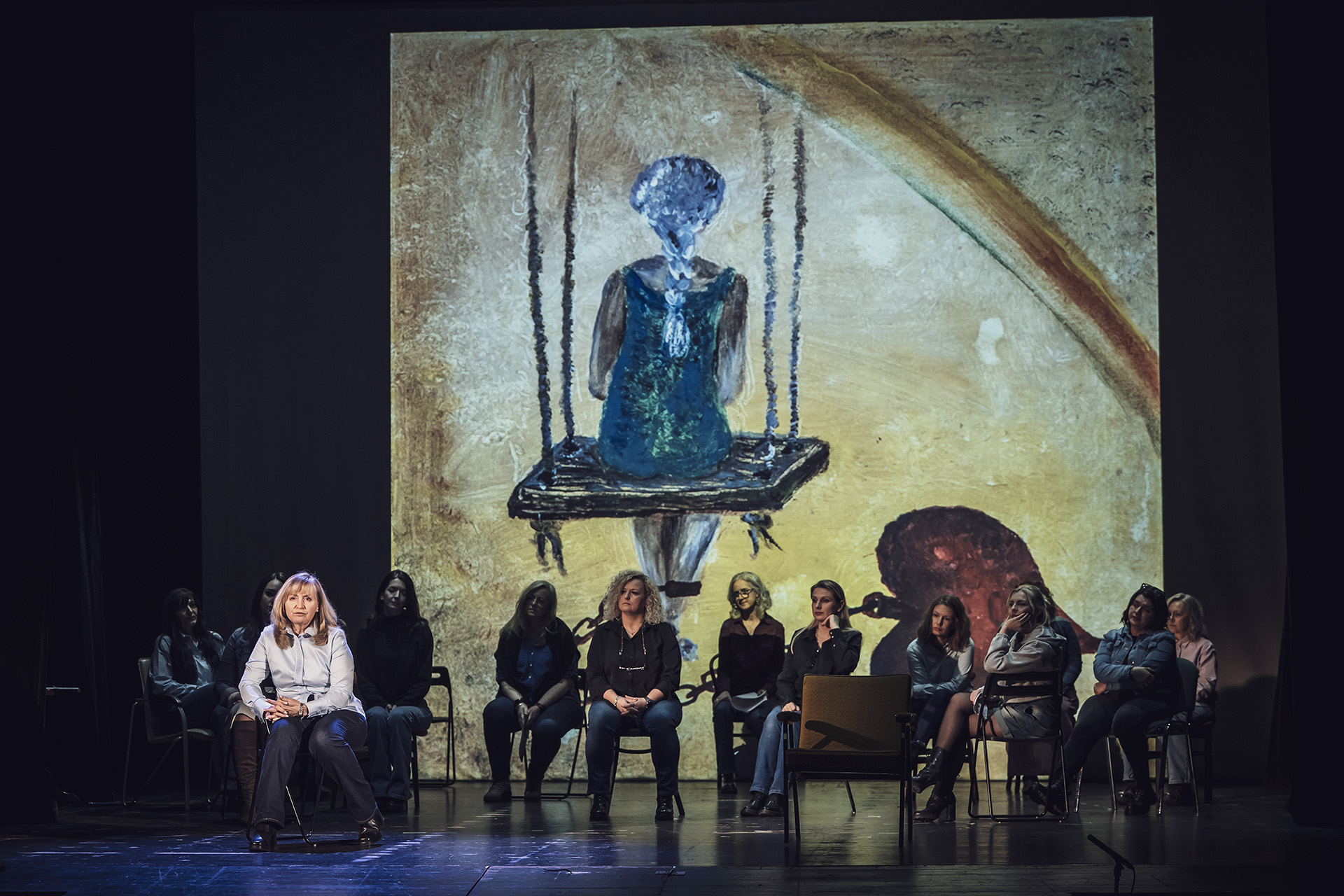
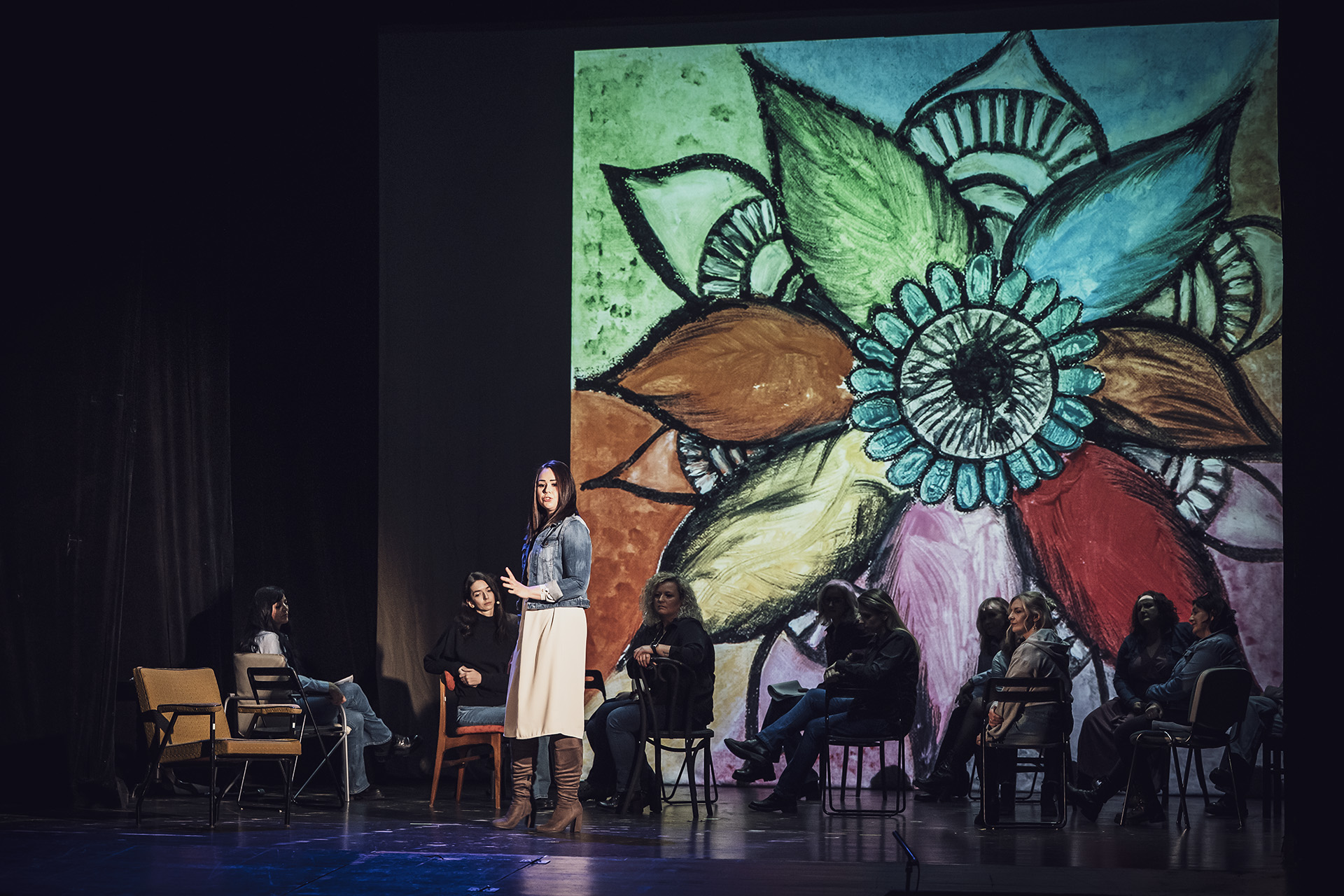
The initiative used theatre-based methods combining body work, movement, storytelling and visual expression to create a safe environment where participants could share experiences and reconnect with their own voice. The project was not designed to produce a traditional theatre performance but to enable a process of reflection, empowerment and community building.
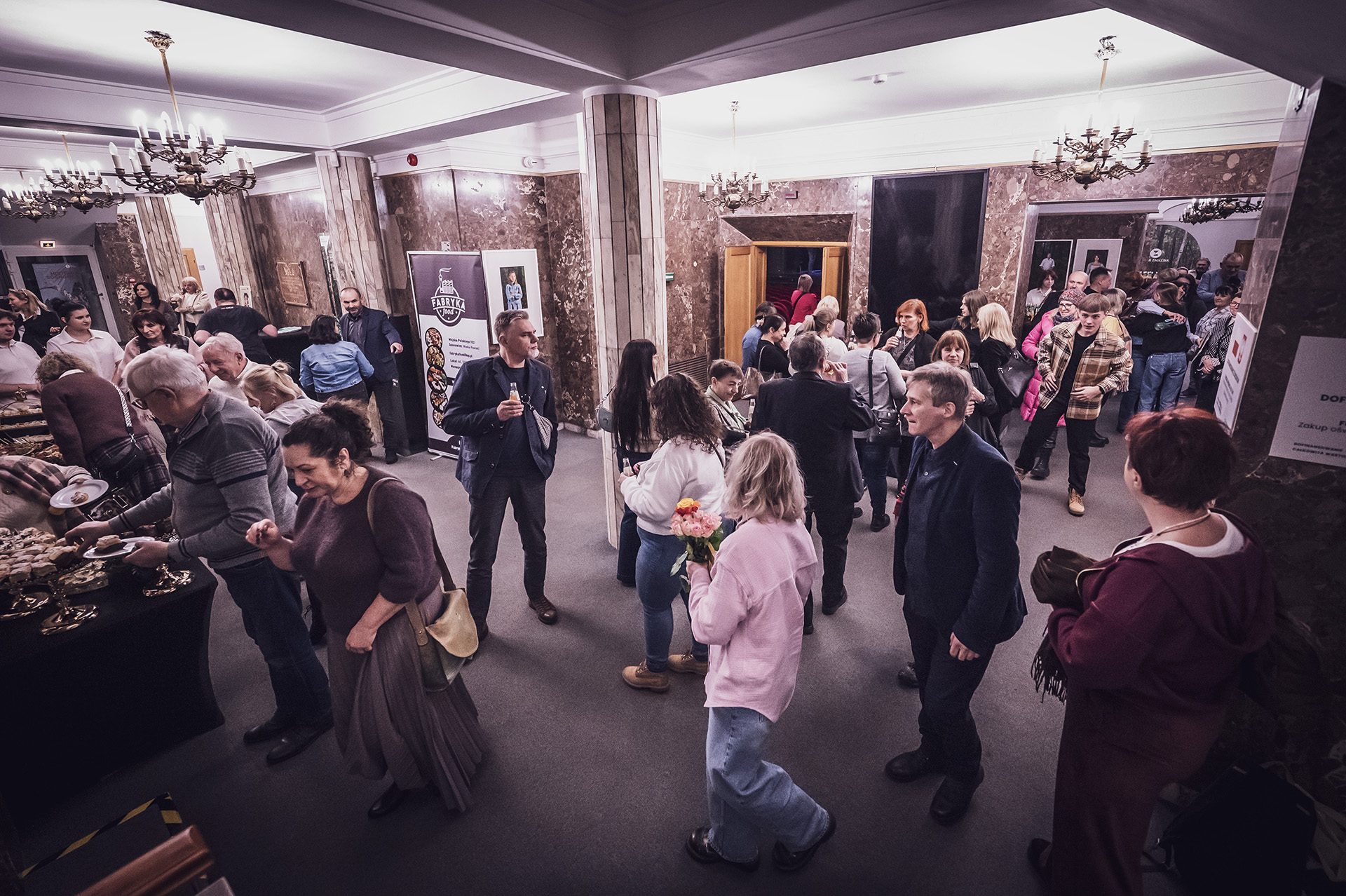
The workshops brought together mothers from across the Zagłębie region. Participants gradually built trust, expressed personal stories and developed stronger peer connections. The process culminated in a collective artistic presentation and documentation of the experience.
The results include strengthened self-confidence, increased ability to express needs and boundaries, and the creation of a supportive community network. Beyond the individual impact, the project demonstrated that cultural institutions can become spaces of social care and mental wellbeing.
In the long term, the methodology developed in the project can be replicated by theatres and cultural institutions across Europe as a low-cost but high-impact model supporting caregivers and strengthening social resilience.
The project emerged from observing the everyday realities of mothers caring for children with disabilities. Many of them spend years focusing entirely on the needs of others while their own experiences remain invisible.
The initiative was created by Aleksandra Marzyńska, who is also the mother of a child with a disability. This personal perspective made it possible to recognise the emotional challenges, isolation and lack of supportive spaces experienced by many caregivers.
Working at the intersection of culture, communication and social engagement, the project’s initiator recognised that theatre can offer a unique space for expression and dialogue. Unlike traditional institutional support, theatre allows people to share experiences through body, movement, image and voice.
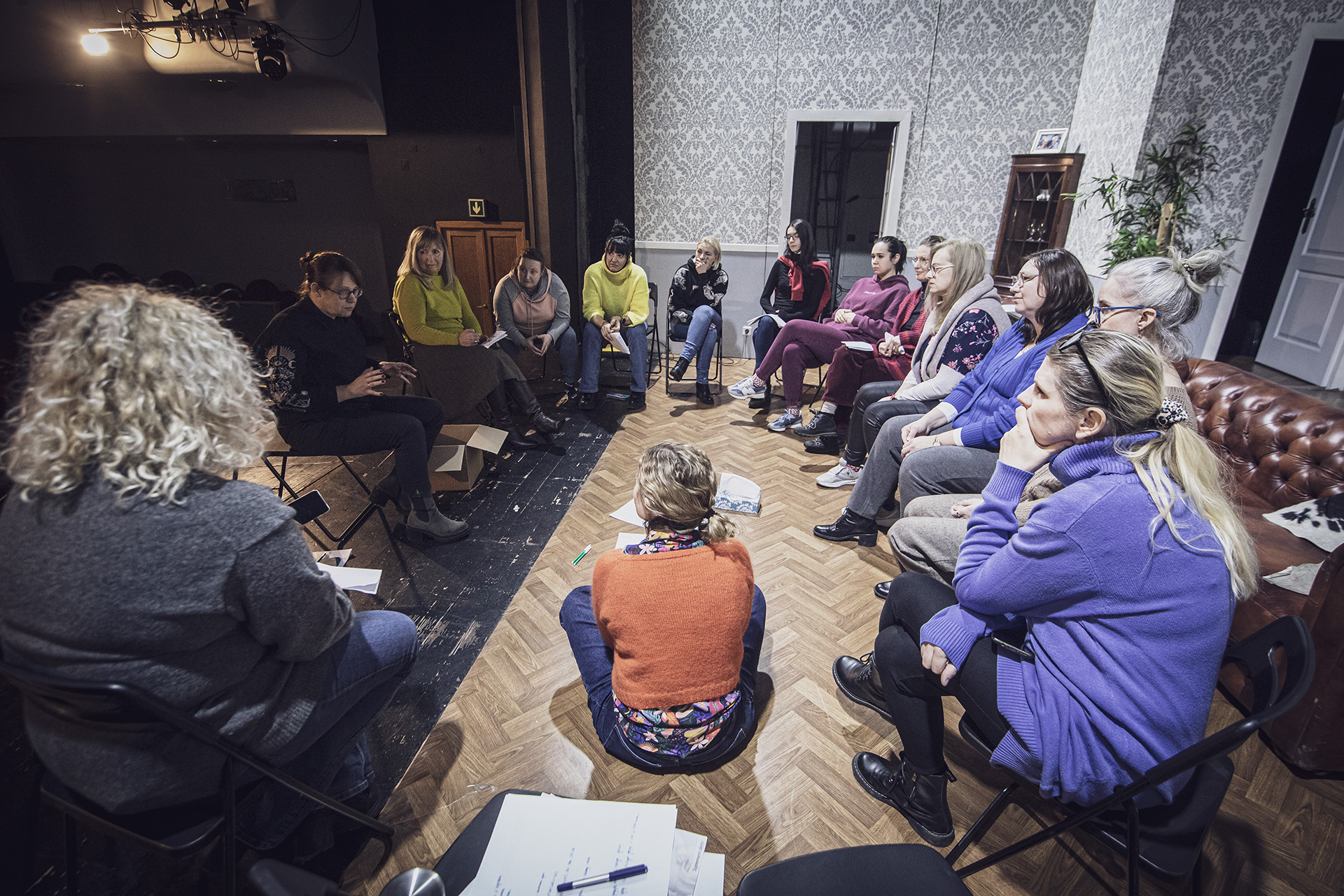
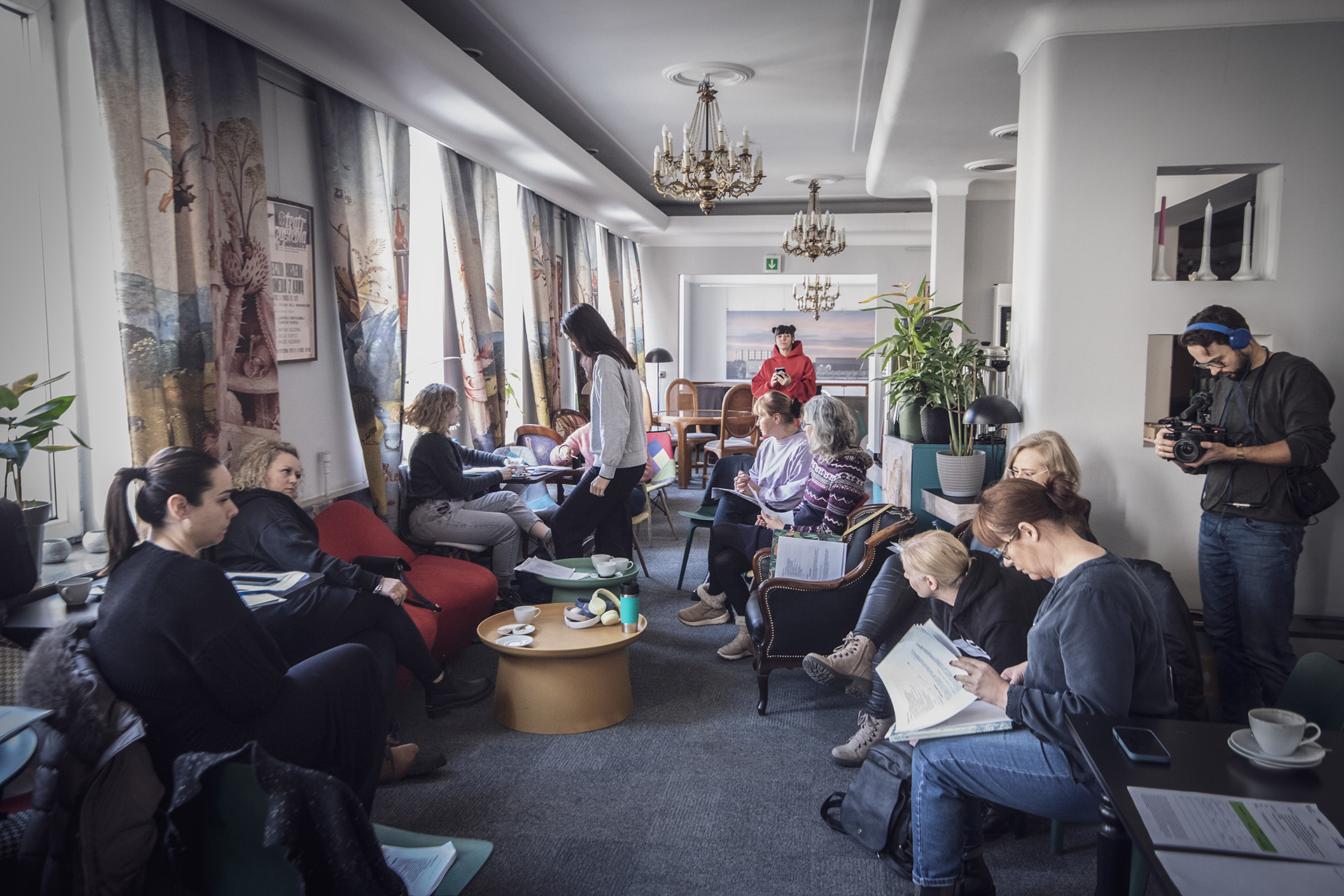
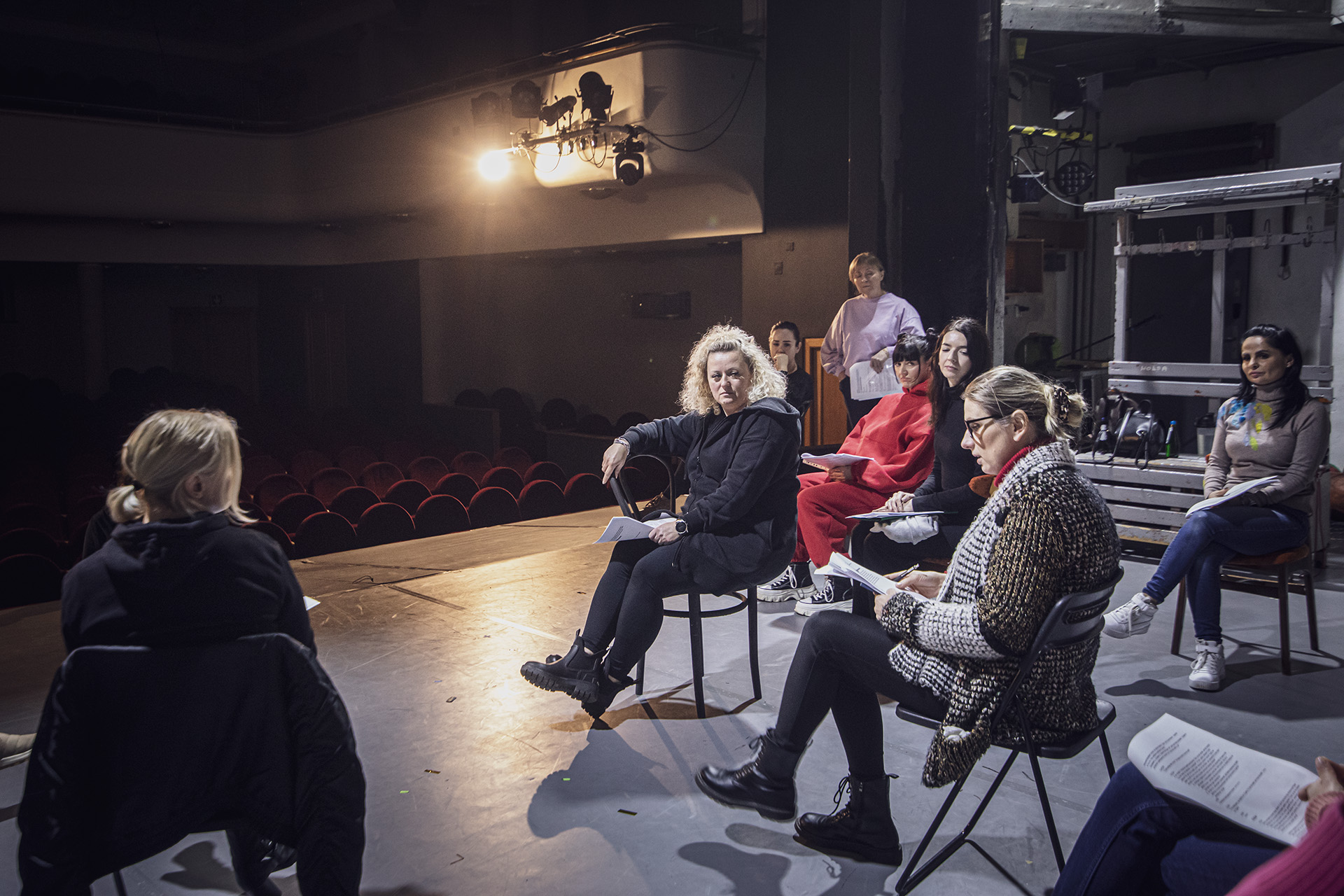
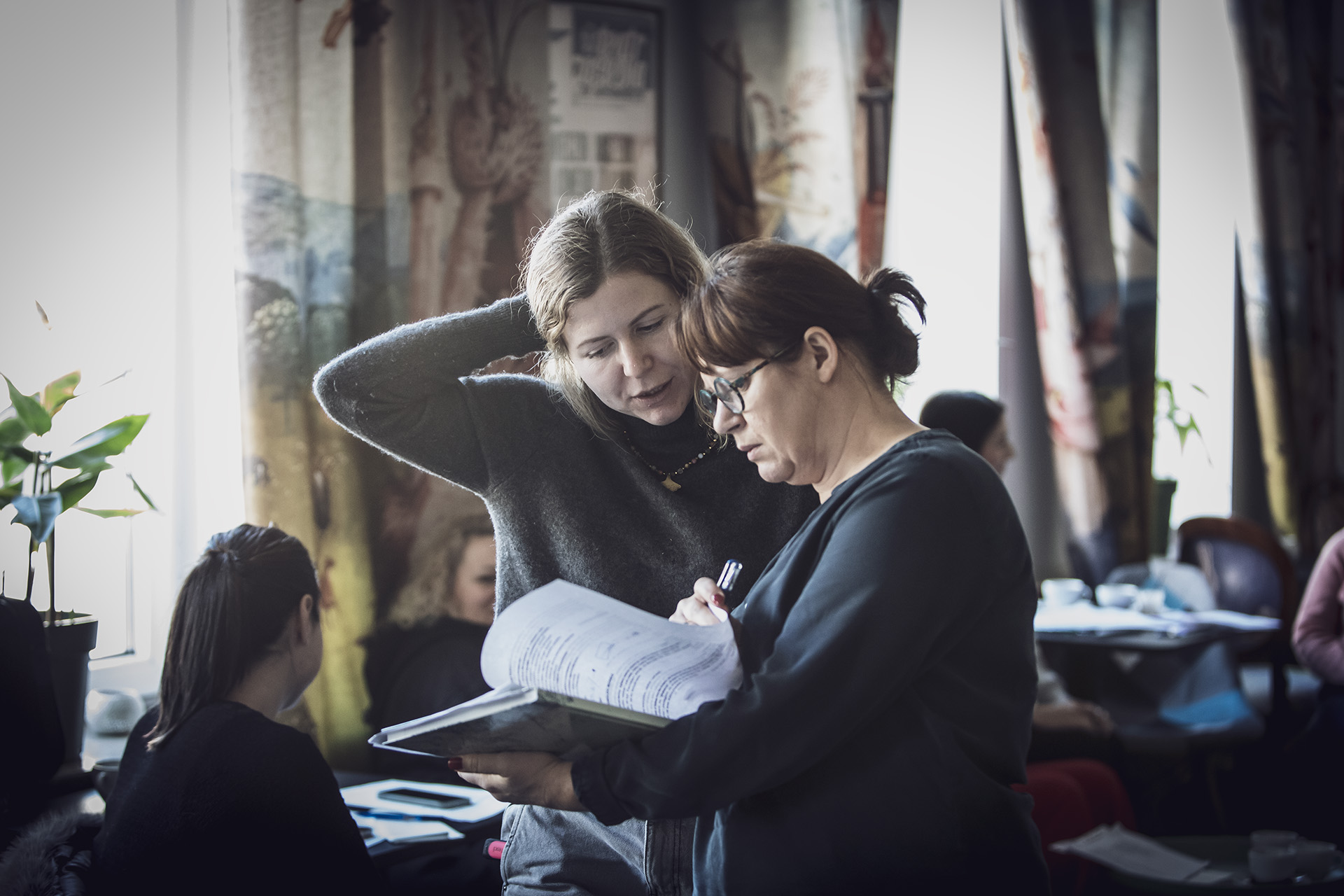
The project was implemented as a series of participatory workshops hosted by Teatr Zagłębia in Sosnowiec, bringing together mothers from across the Zagłębie region. Through creative exercises, storytelling and performative practices, participants explored their experiences and gradually built trust and community.
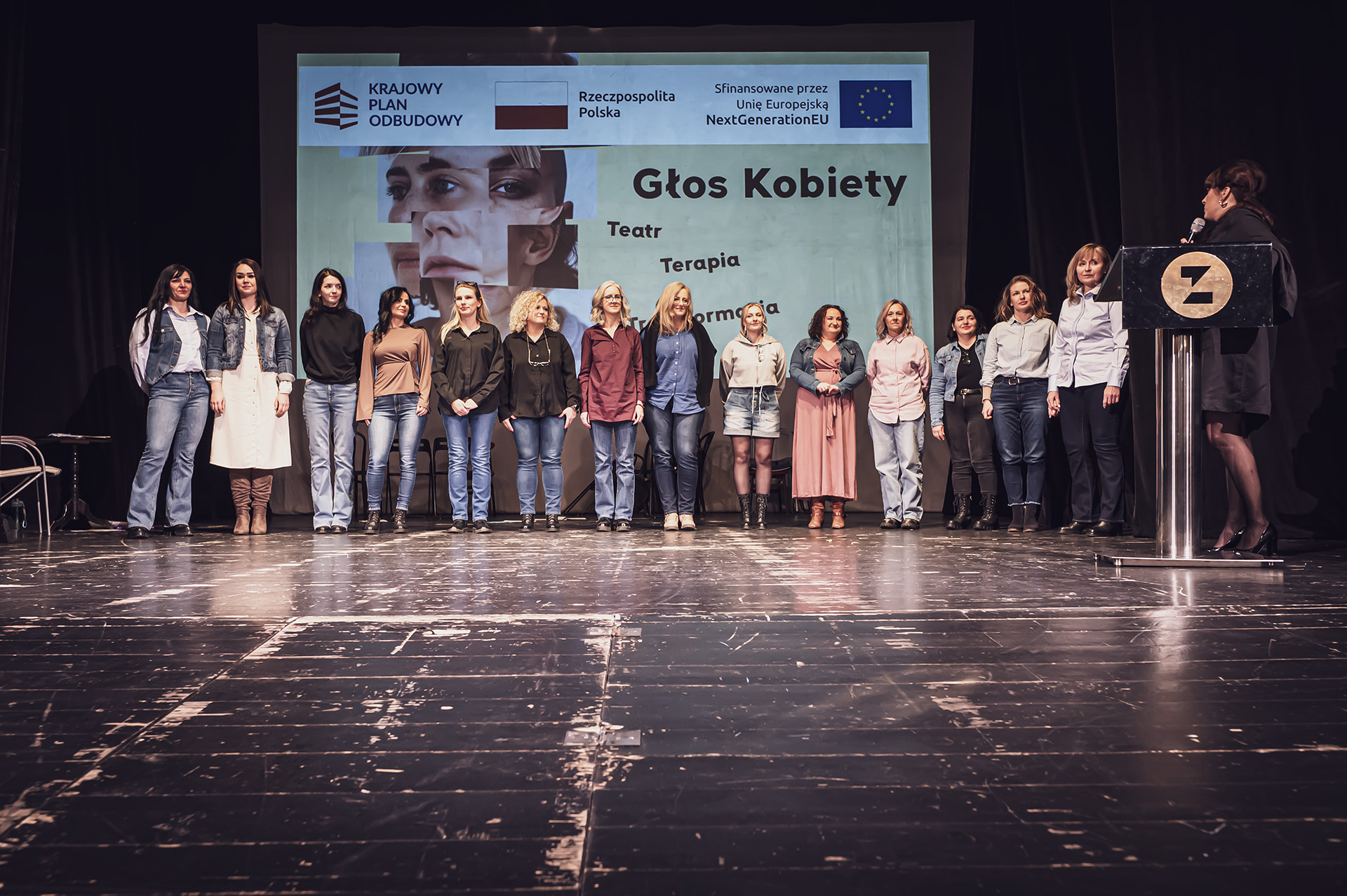
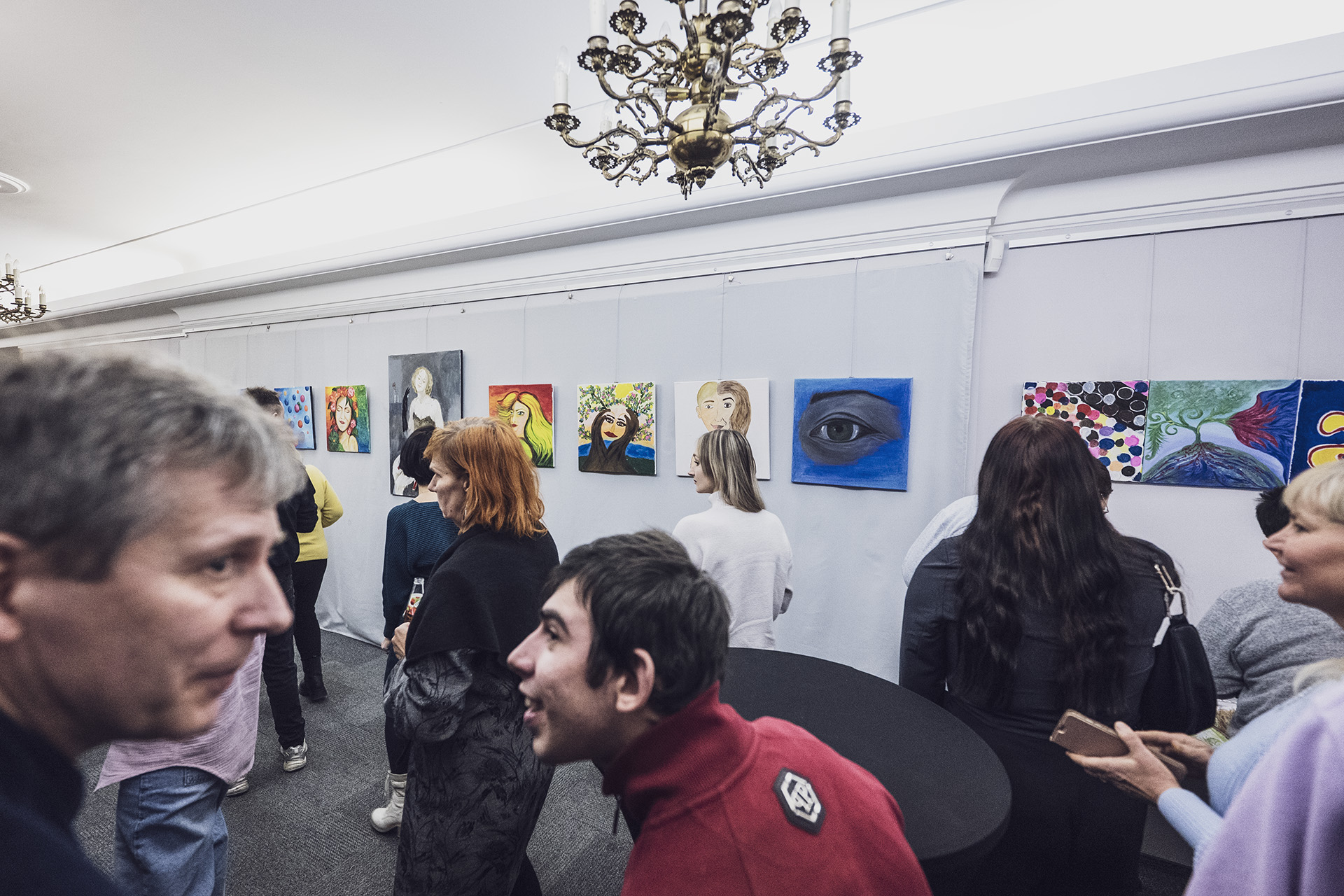
The project concluded with a collective artistic presentation and documentation of the process. Rather than being a traditional performance, it became a symbolic moment of reclaiming visibility, dignity and voice.
community empowerment
social inclusion
participatory culture
mental wellbeing
theatre-based methods
The project addresses sustainability primarily through its social and cultural dimension. It strengthens long-term community resilience by supporting mental wellbeing, social connections and personal agency among caregivers of children with disabilities.
Caregiving often leads to isolation, emotional exhaustion and withdrawal from public life. By creating a safe space for dialogue and mutual support, the project contributes to more resilient communities based on solidarity and shared responsibility.
The initiative demonstrates how cultural institutions can play a sustainable role beyond artistic production by becoming spaces of care, connection and social support.
The model developed in the project is also sustainable in practical terms. It requires minimal physical infrastructure and can be implemented within existing cultural institutions such as theatres, community centres or NGOs. This makes the approach low-cost, accessible and easily transferable to other cities and regions.
By strengthening human relationships and social trust, the project contributes to sustainable communities that are better able to face social and emotional challenges.
The project contributes to aesthetics by transforming personal and often difficult experiences into meaningful artistic expression. Through theatre practices such as movement, storytelling and performative work, participants discover new ways of expressing emotions and identities.
Aesthetic value in this project lies not only in the final artistic outcome but also in the process itself. The workshops create a space where authentic stories, gestures and voices become forms of shared artistic expression.
The theatre becomes a place where everyday life experiences gain visibility and dignity. By bringing personal stories into a cultural space, the project creates a sense of beauty rooted in authenticity, empathy and human connection.
The initiative also redefines the role of cultural institutions. Instead of being only places of artistic consumption, theatres become spaces of care, dialogue and belonging.
In this way, the project contributes to a more beautiful everyday life by strengthening relationships, empathy and shared cultural experiences.
The project focuses on a group that is often socially invisible – mothers of children with disabilities. By creating a supportive and accessible environment, it allows participants to share experiences, rebuild confidence and form meaningful social connections.
Participation did not require any artistic background and was open to women from different social and economic contexts. The workshops were designed to prioritise empathy, mutual listening and collective support.
By bringing together participants from across the Zagłębie region, the project created a network of solidarity among caregivers who often experience isolation.
The initiative demonstrates how cultural institutions can actively contribute to social inclusion by creating spaces where diverse life experiences are recognised and valued.
By giving visibility to voices that are rarely heard in public discourse, the project strengthens social participation and dignity.
Participation was a central element of the project. The initiative was designed as a participatory process in which the beneficiaries – mothers of children with disabilities – were not only participants but also co-creators of the project’s content.
Through theatre-based workshops, participants shared personal stories, experiences and reflections that directly shaped the artistic and social outcomes of the project. The workshops created a safe and supportive environment where participants could gradually build trust, listen to each other and develop collective narratives.
The final artistic presentation emerged from the participants’ own experiences and expressions rather than from a predefined script. In this way, the project ensured that the voices of the participants were genuinely represented.
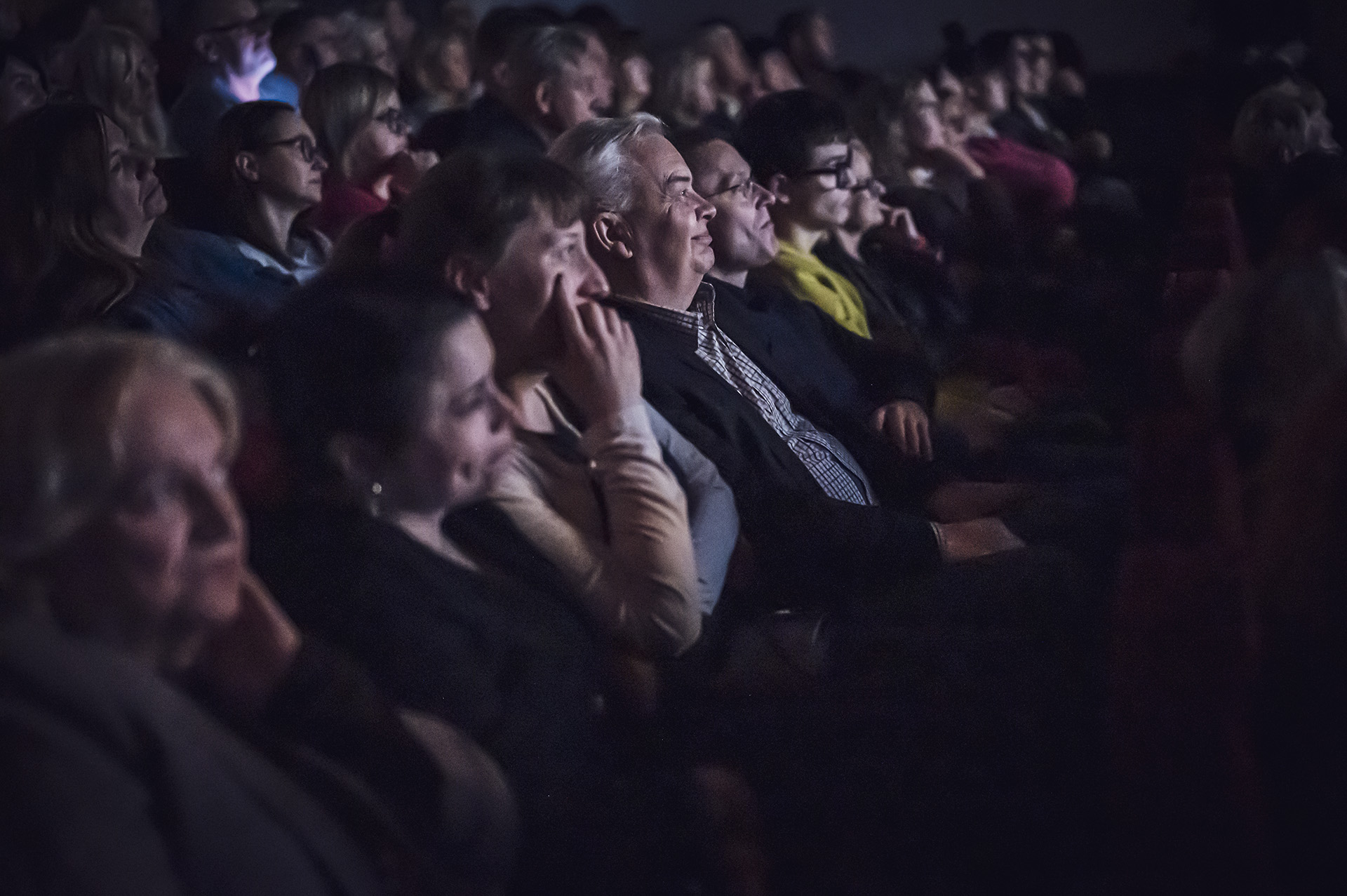
Beyond the workshops themselves, the project also engaged the wider community by bringing these stories into the cultural space of the theatre. This helped raise awareness about the everyday realities of caregivers of children with disabilities and strengthened dialogue between cultural institutions and local communities.
As a result, participants experienced increased confidence, stronger peer connections and a greater sense of agency in expressing their needs and experiences.
The project was developed through collaboration between stakeholders operating at different levels, combining individual initiative, cultural institutions and public funding.
The initiative was created by Aleksandra Marzyńska and implemented in cooperation with Teatr Zagłębia, a public cultural institution in Sosnowiec. The theatre provided space, organisational support and a connection with local communities.
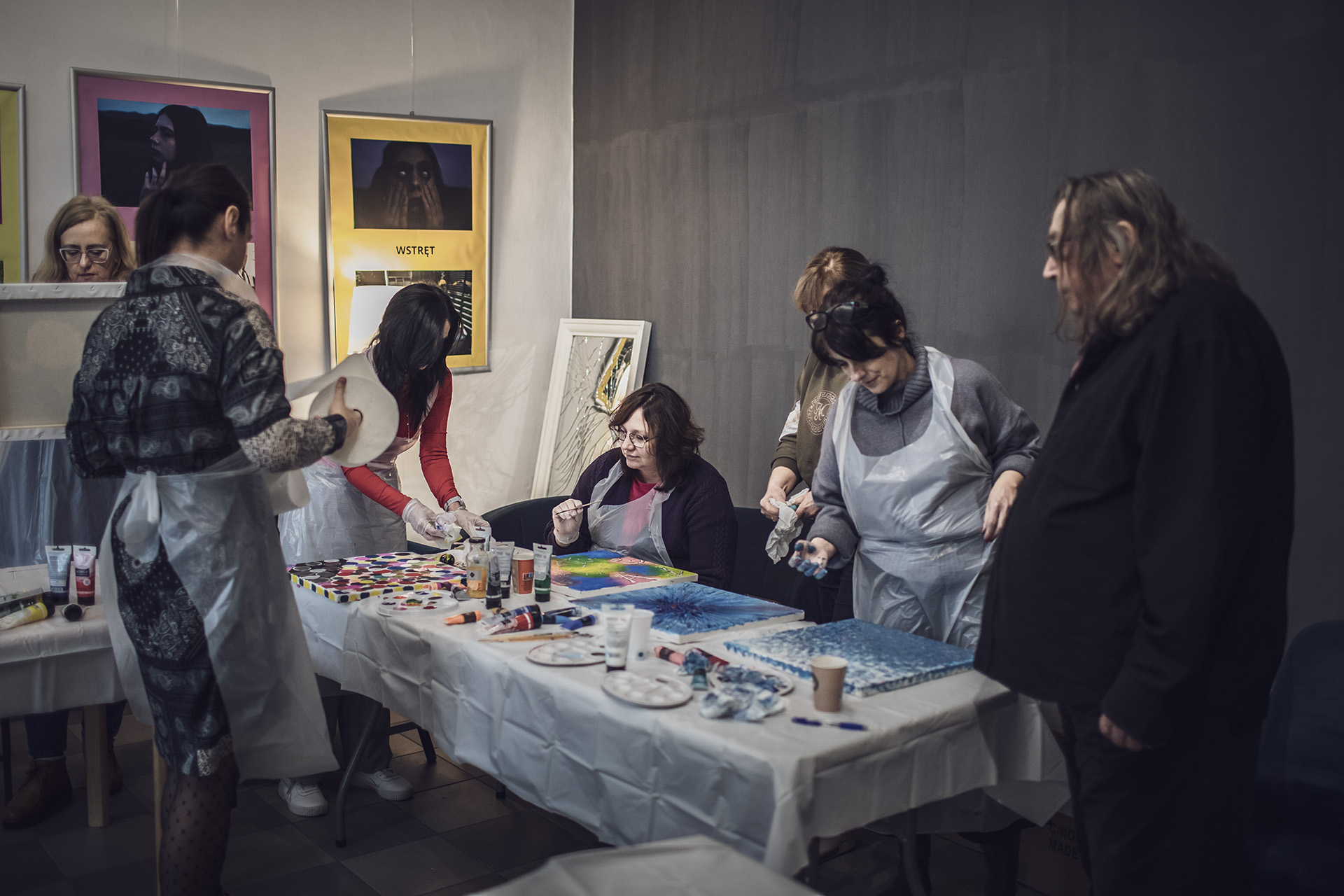
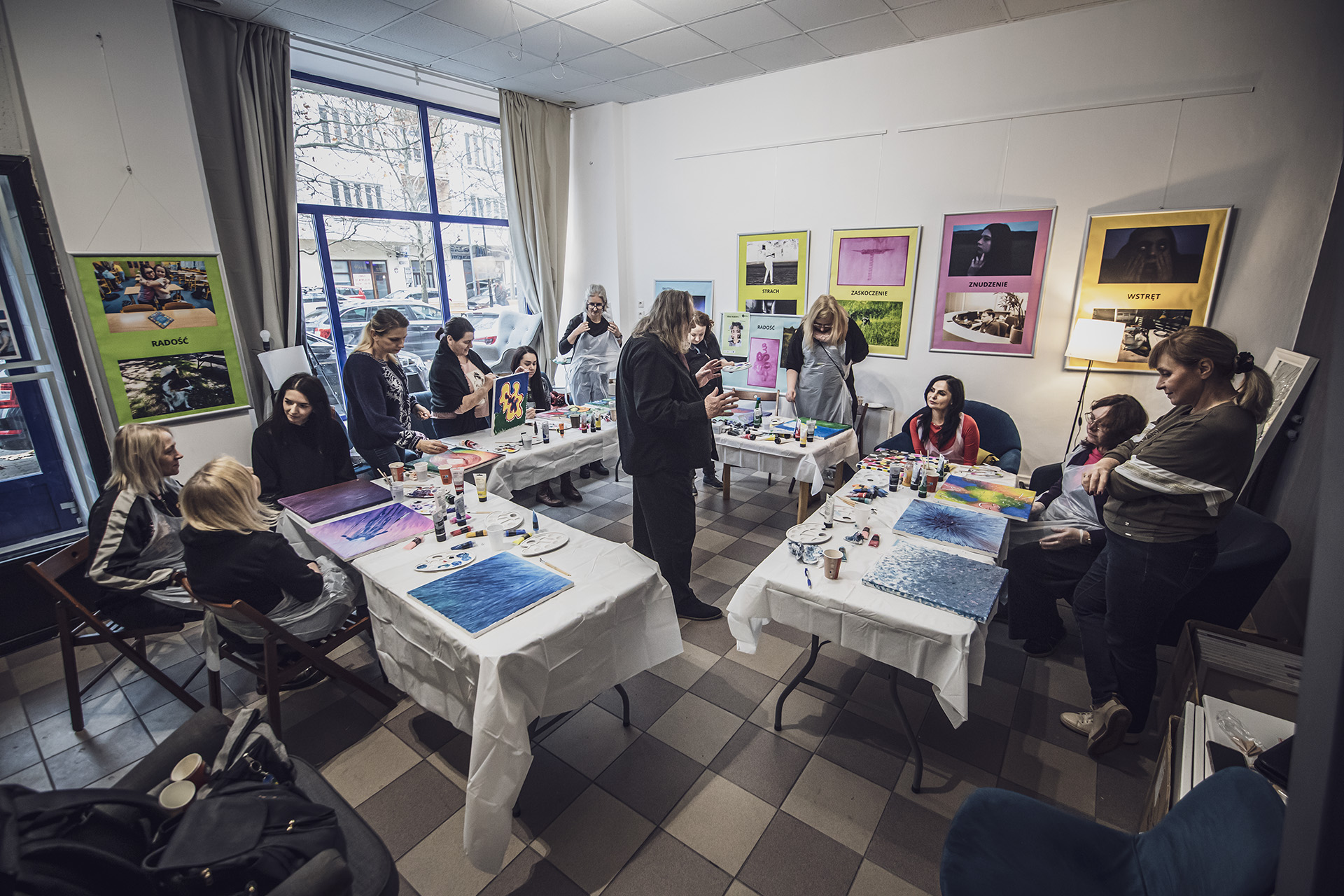
The programme was delivered by an interdisciplinary team including theatre practitioners, a therapist and a visual artist (painter). Their collaboration allowed the project to combine artistic expression with emotional support and reflective processes.
Participants were mothers from across the Zagłębie region, representing different municipalities and social backgrounds. Their involvement ensured that the project reflected real social needs.
The project was financed through the Polish National Recovery Plan (KPO), funded by the European Union’s Recovery and Resilience Facility. This created a link between local cultural initiatives and European policies supporting social resilience, wellbeing and community development.
This multilevel collaboration – individual initiative, local cultural institution, interdisciplinary facilitators, regional community and European funding – demonstrates how cultural projects can connect grassroots action with broader public policy goals.
The project was designed as a transdisciplinary collaboration combining performing arts, visual arts and therapeutic practices.
The core methodology was based on theatre and performative techniques such as movement, storytelling and embodied expression. These tools were complemented by visual art practices introduced by a painter, allowing participants to translate emotions and personal experiences into images and symbolic forms.
A therapist was also involved in the process, ensuring emotional safety and supporting participants in reflecting on difficult life experiences connected with caregiving and social isolation.
By combining artistic practice with therapeutic awareness and social reflection, the project created a holistic environment where participants could explore identity, emotions and relationships.
This interdisciplinary collaboration demonstrated how culture, art and social wellbeing can intersect to create meaningful social change. The project shows how cultural institutions can become spaces where artistic expression, emotional support and community building happen simultaneously.
The project was initially implemented with support from the Polish National Recovery Plan (KPO), funded by the European Union’s Recovery and Resilience Facility.
The model developed through the project is financially sustainable because it relies primarily on human expertise and interdisciplinary collaboration rather than costly infrastructure.
The programme is based on a team combining theatre practitioners, a therapist and a visual artist. This structure allows the project to address artistic expression, emotional wellbeing and social connection at the same time.
The programme can be implemented in existing cultural institutions such as theatres, cultural centres or NGOs using available spaces and trained facilitators.
Future editions can be supported through a combination of public cultural funding, local government partnerships, foundations and private sponsors interested in social impact projects.
Because the programme requires relatively modest financial resources while generating significant social value, it offers a cost-effective and sustainable model for cultural institutions.
The project has strong potential for transferability because its key value lies in methodology rather than infrastructure.
The model combines three complementary elements: participatory theatre practices, visual arts and therapeutic awareness. This interdisciplinary structure can be adapted to different communities and social contexts.
The programme can be implemented in theatres, cultural centres, community spaces or NGOs without requiring specialised infrastructure.
Key elements that can be replicated include:
• participatory theatre workshops
• integration of visual arts practices led by artists
• therapeutic awareness ensuring emotional safety
• storytelling and collective artistic expression
• cooperation between cultural institutions and local communities
Because the model relies on existing cultural spaces and interdisciplinary collaboration, it can be easily adapted and implemented in cities and regions across Europe.