Strengthening Local Democracy and Inclusion
Mãe Luiza Acessível
Mãe Luiza Acessível
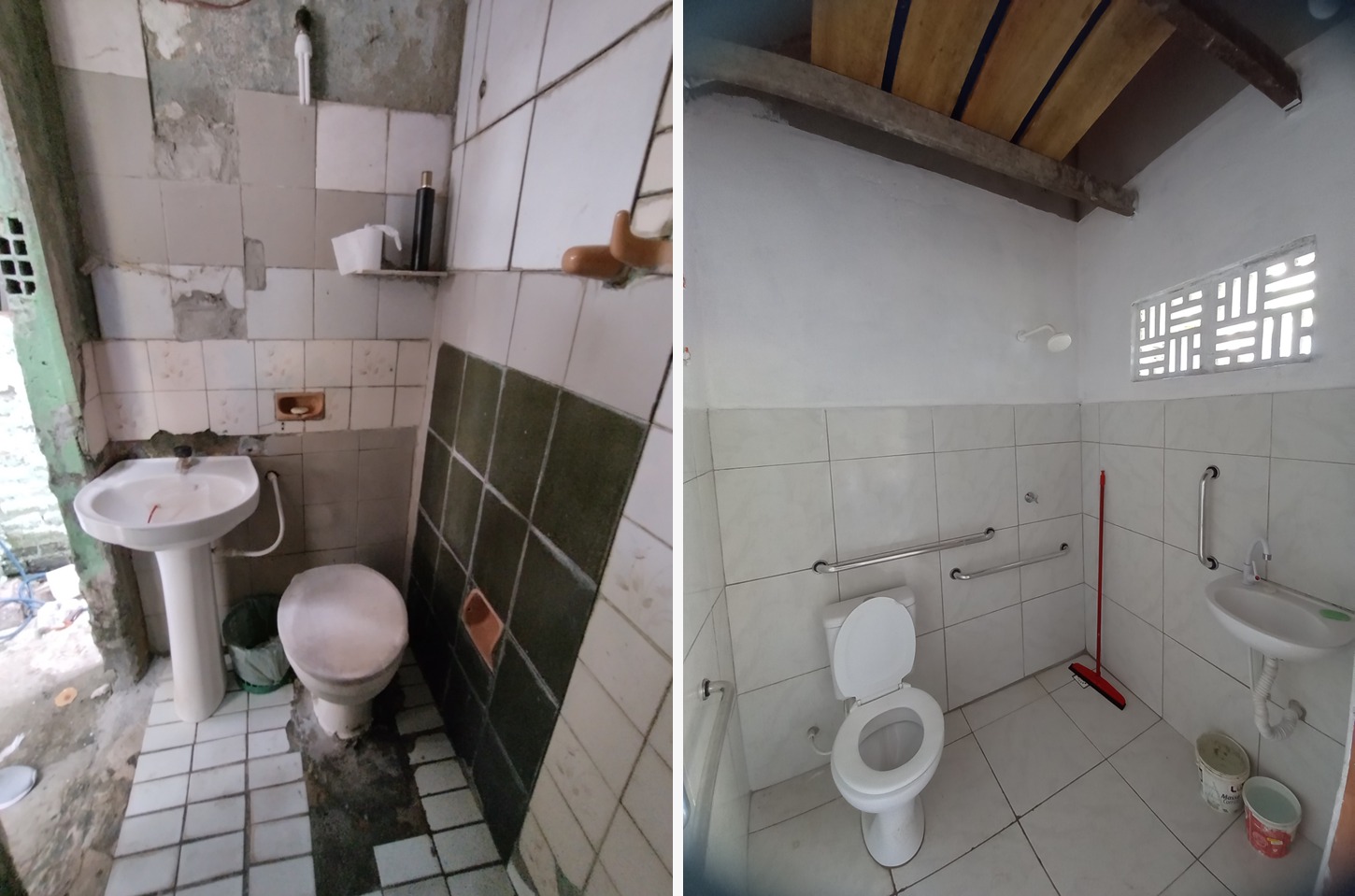
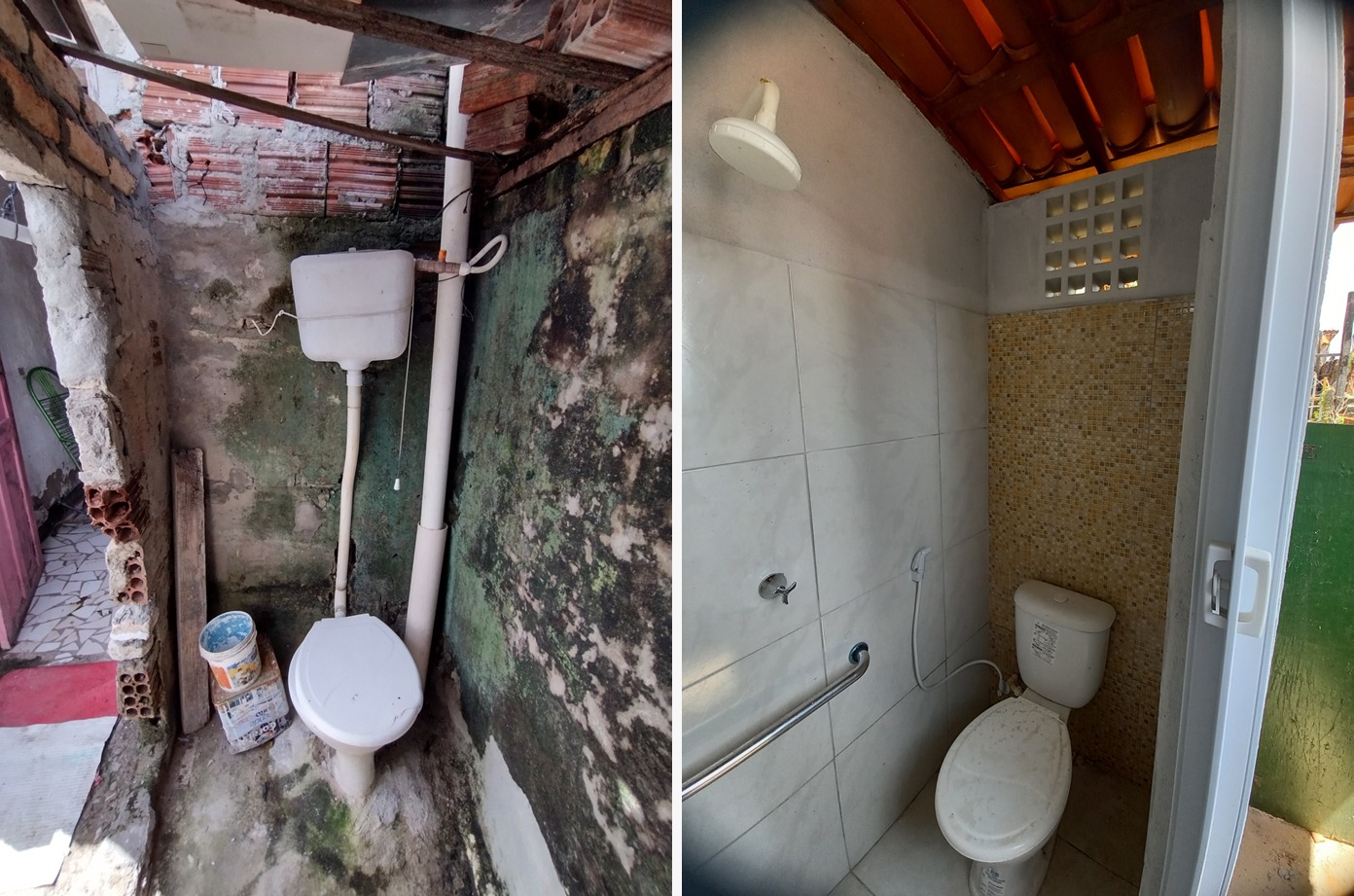
Mãe Luiza Acessível is a free, participatory technical assistance initiative that transforms homes into spaces of autonomy and dignity for families with people with disabilities in vulnerable situations. Created in 2021, it develops accessibility projects and construction works in the Mãe Luiza neighborhood in Natal, Brazil. It has completed 40 projects and 31 construction works, impacting around 120 people, with residents’ participation and by strengthening the local economy.
Brazil
Local
Mãe Luiza community in Natal
Mainly urban
It involves a physical transformation of the built environment (hard investment)
Yes
2024-12-31
No
No
No
Individual
Mãe Luiza Acessível is a participatory tecnhical assistance program that promotes the right to adequate housing for people with disabilities or reduced mobility in situations of socio-environmental vulnerability. Since 2021, it has operated in the Mãe Luiza neighborhood in Natal, Brazil, expanding the mission of Centro Sócio Pastoral Nossa Senhora da Conceição, an institution with over 40 years of local engagement.
Located in a Special Zone of Social Interest, the neighborhood faces low average income, housing deficits, and urban precariousness. In this context, the initiative develops architectural solutions that combine technical expertise, sensitivity, and inclusion. The methodology is based on listening and active family participation. The process begins with a socio-economic and housing assessment conducted with Community Health Workers, followed by site surveys and the definition—by residents—of priority spaces for adaptation.
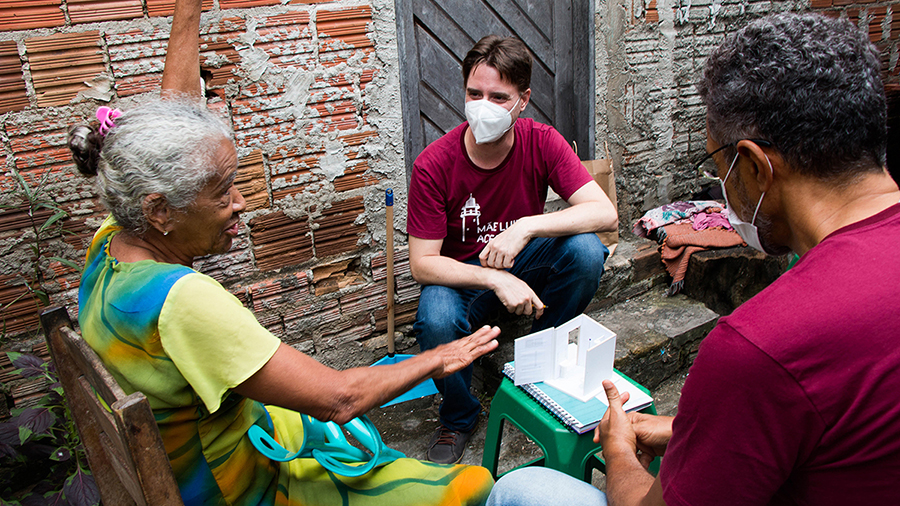
Projects include technical drawings, cost estimates, and material specifications, presented through physical and tactile models that support spatial understanding and make decision-making accessible and democratic. Construction is carried out using local labor and materials, strengthening the neighborhood economy and spreading knowledge about accessibility, with technical supervision ensuring quality and safety.
By adapting accessibility standards to small, self-built homes, the project has developed creative, replicable solutions such as compact bathrooms and alternative water tank installations. With 40 projects, 31 completed renovations, and around 120 people directly benefited, the initiative has received national recognition and is expanding to other neighborhoods. More than a renovation program, it represents a social technology that integrates architecture, care, and participation, contributing to more inclusive and humane cities.
Located in a Special Zone of Social Interest, the neighborhood faces low average income, housing deficits, and urban precariousness. In this context, the initiative develops architectural solutions that combine technical expertise, sensitivity, and inclusion. The methodology is based on listening and active family participation. The process begins with a socio-economic and housing assessment conducted with Community Health Workers, followed by site surveys and the definition—by residents—of priority spaces for adaptation.
Projects include technical drawings, cost estimates, and material specifications, presented through physical and tactile models that support spatial understanding and make decision-making accessible and democratic. Construction is carried out using local labor and materials, strengthening the neighborhood economy and spreading knowledge about accessibility, with technical supervision ensuring quality and safety.
By adapting accessibility standards to small, self-built homes, the project has developed creative, replicable solutions such as compact bathrooms and alternative water tank installations. With 40 projects, 31 completed renovations, and around 120 people directly benefited, the initiative has received national recognition and is expanding to other neighborhoods. More than a renovation program, it represents a social technology that integrates architecture, care, and participation, contributing to more inclusive and humane cities.
The Centro Sócio Pastoral Nossa Senhora da Conceição (CSPNC) is a non-profit organization founded in 1983 in the Mãe Luiza community of Natal, Brazil. It emerged from the community’s commitment to confronting the historical inequalities that shaped the neighborhood. Inspired by the work of Father Sabino Gentile, the Center was created through collective listening and grassroots mobilization to ensure dignified living conditions for local families.
Over more than 40 years, CSPNC has built a strong trajectory of social transformation, becoming a reference for community-based initiatives that integrate education, culture, sports, care, and housing. This path led to the creation of a participatory network of community facilities, including: Escola Espaço Livre (1986), serving around 200 children aged 3 to 6; Espaço Solidário (2001), a long-term care home for vulnerable elderly people; Arena do Morro (2014), a multi-sport gymnasium developed in partnership with the state government and internationally recognized as a model of socially engaged architecture; and the Mãe Luiza School of Music (since 2018), which trains young musicians and maintains an active philharmonic band.
These experiences strengthened the Center’s role as a community policy leader and strategic partner in public and private initiatives. Its work is guided by three core principles: social listening, community protagonism, and participatory management.
In 2021, this institutional experience gave rise to Mãe Luiza Acessível, a technical assistance program integrating architecture, accessibility, and social inclusion. The initiative expands CSPNC’s historic mission by ensuring that the right to adequate housing includes people with disabilities or reduced mobility, reinforcing its commitment to human development and the right to the city.
Over more than 40 years, CSPNC has built a strong trajectory of social transformation, becoming a reference for community-based initiatives that integrate education, culture, sports, care, and housing. This path led to the creation of a participatory network of community facilities, including: Escola Espaço Livre (1986), serving around 200 children aged 3 to 6; Espaço Solidário (2001), a long-term care home for vulnerable elderly people; Arena do Morro (2014), a multi-sport gymnasium developed in partnership with the state government and internationally recognized as a model of socially engaged architecture; and the Mãe Luiza School of Music (since 2018), which trains young musicians and maintains an active philharmonic band.
These experiences strengthened the Center’s role as a community policy leader and strategic partner in public and private initiatives. Its work is guided by three core principles: social listening, community protagonism, and participatory management.
In 2021, this institutional experience gave rise to Mãe Luiza Acessível, a technical assistance program integrating architecture, accessibility, and social inclusion. The initiative expands CSPNC’s historic mission by ensuring that the right to adequate housing includes people with disabilities or reduced mobility, reinforcing its commitment to human development and the right to the city.
social inclusion
social housing
person with a disability
participatory design
housing improvements
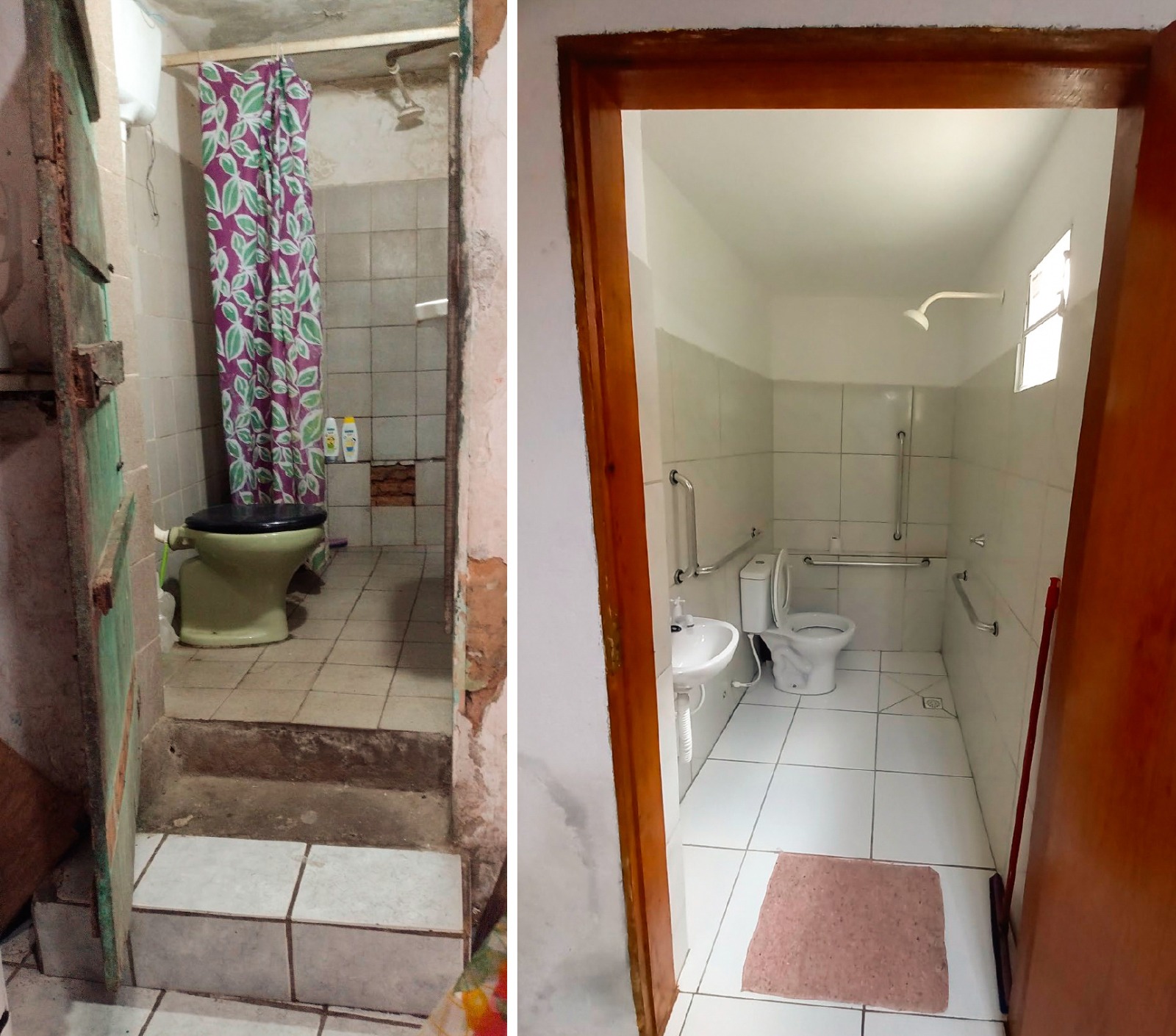
Mãe Luiza Acessível addresses environmental, social, cultural, and economic challenges through a low-cost, community-based housing accessibility strategy. Implemented in a low-income neighborhood of precarious self-built homes, the project tackles the qualitative housing deficit by transforming unsafe bathrooms into accessible, ventilated, and durable spaces. Improvements in sanitation, waterproofing, lighting, and ventilation enhance environmental health and reduce future maintenance costs.
Socially, the initiative confronts the exclusion of people with disabilities who are often confined to their homes due to physical barriers. Through free technical assistance and participatory design, families define priorities and co-create solutions using accessible tools such as tactile models. This process strengthens autonomy, restores dignity, and affirms housing as a fundamental right.
Culturally, the project values local knowledge and everyday practices. Solutions are developed through dialogue, respecting family dynamics and spatial habits. By adapting accessibility standards to small houses, it generates context-sensitive and replicable strategies, such as compact layouts and alternative infrastructure solutions.
Economically, sustainability is reinforced by hiring and training local workers in accessible construction, keeping resources within the community and expanding technical skills. With an average cost of about R$10,000 per unit—funded through public grants and sponsorship programs—the model delivers high social impact with limited investment.
The project is exemplary in sustainability because it integrates environmental health, social inclusion, economic circulation, and institutional continuity. Rooted in a long-standing community organization and linked to public policy initiatives, it operates as a scalable social technology and a replicable model for inclusive and sustainable urban development.
Socially, the initiative confronts the exclusion of people with disabilities who are often confined to their homes due to physical barriers. Through free technical assistance and participatory design, families define priorities and co-create solutions using accessible tools such as tactile models. This process strengthens autonomy, restores dignity, and affirms housing as a fundamental right.
Culturally, the project values local knowledge and everyday practices. Solutions are developed through dialogue, respecting family dynamics and spatial habits. By adapting accessibility standards to small houses, it generates context-sensitive and replicable strategies, such as compact layouts and alternative infrastructure solutions.
Economically, sustainability is reinforced by hiring and training local workers in accessible construction, keeping resources within the community and expanding technical skills. With an average cost of about R$10,000 per unit—funded through public grants and sponsorship programs—the model delivers high social impact with limited investment.
The project is exemplary in sustainability because it integrates environmental health, social inclusion, economic circulation, and institutional continuity. Rooted in a long-standing community organization and linked to public policy initiatives, it operates as a scalable social technology and a replicable model for inclusive and sustainable urban development.
Mãe Luiza Acessível makes life more beautiful in a concrete and everyday sense by transforming spaces of risk and limitation into places of safety, autonomy, and dignity. In many homes, especially bathrooms, precarious construction and lack of accessibility confined people with disabilities to dependence and isolation. By redesigning these spaces with proper lighting, ventilation, durable finishes, and accessible layouts, the project turns the most intimate part of the house into a place of comfort and self-confidence. Beauty here is the possibility of bathing independently, moving safely, and living at home without fear.
The project fosters belonging by placing families at the center of the design process. Through dialogue, home visits, and tactile models, residents define priorities and take part in decisions. Renovation becomes collective construction. People recognize themselves in the solutions and begin to see their home not as a place of exclusion, but as part of a shared struggle for dignity. The involvement of Community Health Workers and local labor strengthens trust, neighborhood ties, and mutual care.
In the long term, the initiative builds local capacity by training workers in accessible construction and spreading inclusive design practices. Each intervention becomes a reference within the community, inspiring neighbors and influencing future improvements.
The project is exemplary in aesthetic terms because it understands beauty as coherence between function, care, and context. By adapting accessibility standards to small, self-built homes, it creates simple, well-proportioned solutions, such as compact bathroom layouts and integrated infrastructure. Its aesthetics emerge from empathy, technical rigor, and respect for everyday life, demonstrating that dignity, inclusion, and beauty are inseparable.
The project fosters belonging by placing families at the center of the design process. Through dialogue, home visits, and tactile models, residents define priorities and take part in decisions. Renovation becomes collective construction. People recognize themselves in the solutions and begin to see their home not as a place of exclusion, but as part of a shared struggle for dignity. The involvement of Community Health Workers and local labor strengthens trust, neighborhood ties, and mutual care.
In the long term, the initiative builds local capacity by training workers in accessible construction and spreading inclusive design practices. Each intervention becomes a reference within the community, inspiring neighbors and influencing future improvements.
The project is exemplary in aesthetic terms because it understands beauty as coherence between function, care, and context. By adapting accessibility standards to small, self-built homes, it creates simple, well-proportioned solutions, such as compact bathroom layouts and integrated infrastructure. Its aesthetics emerge from empathy, technical rigor, and respect for everyday life, demonstrating that dignity, inclusion, and beauty are inseparable.
Mãe Luiza Acessível addresses accessibility and affordability by providing free technical assistance to low-income families with people with disabilities living in precarious, self-built homes. In contexts where accessibility adaptations are financially unattainable, the project removes cost barriers by offering design, technical supervision, and construction support. It delivers high-impact interventions—especially in bathrooms—transforming unsafe spaces into accessible, hygienic, and durable environments.
Accessibility is treated not only as a technical issue, but as a fundamental right. The methodology adapts national accessibility standards to the constraints of small houses, generating creative and replicable solutions such as compact layouts and reconfigured infrastructure. This proves that “design for all” principles can be applied even in highly vulnerable settings.
The project promotes inclusive governance through participatory processes. Families are involved from diagnosis to completion, defining priorities and co-creating solutions with architects and engineers. Physical and tactile models ensure that people with visual impairments or low literacy can understand and influence decisions. Community Health Workers help identify beneficiaries and accompany the process, reinforcing transparency and trust.
By hiring and training local workers in accessible construction, the initiative expands skills and keeps resources within the community, embedding inclusive practices into everyday building culture.
The project is exemplary in inclusion because it combines technical quality, social participation, and institutional collaboration. It moves beyond isolated renovations to propose a scalable social technology in which accessibility, dignity, and the right to housing are collectively built and recognized as essential for all.
Accessibility is treated not only as a technical issue, but as a fundamental right. The methodology adapts national accessibility standards to the constraints of small houses, generating creative and replicable solutions such as compact layouts and reconfigured infrastructure. This proves that “design for all” principles can be applied even in highly vulnerable settings.
The project promotes inclusive governance through participatory processes. Families are involved from diagnosis to completion, defining priorities and co-creating solutions with architects and engineers. Physical and tactile models ensure that people with visual impairments or low literacy can understand and influence decisions. Community Health Workers help identify beneficiaries and accompany the process, reinforcing transparency and trust.
By hiring and training local workers in accessible construction, the initiative expands skills and keeps resources within the community, embedding inclusive practices into everyday building culture.
The project is exemplary in inclusion because it combines technical quality, social participation, and institutional collaboration. It moves beyond isolated renovations to propose a scalable social technology in which accessibility, dignity, and the right to housing are collectively built and recognized as essential for all.
Since its creation, Mãe Luiza Acessível has placed listening and community participation at the core of its work. Each project begins with direct dialogue with families, who share their stories, needs, and priorities. The technical assistance team acts not only as a service provider, but as a mediator of a collective process that shapes domestic space and affirms the right to adequate housing.
Community interaction takes place from the selection of families to the completion of construction. Community Health Workers from the local Family Health Unit are key partners: they identify people with disabilities in situations of greater vulnerability and accompany the entire process, strengthening trust between technicians and residents.
During project development, families take part in meetings, home visits, and workshops held in their own houses. Architectural solutions are discussed collaboratively, with the support of physical and tactile models that facilitate spatial understanding and ensure inclusion regardless of education level or type of disability. This approach transforms design into a practice of dialogue and mutual learning.
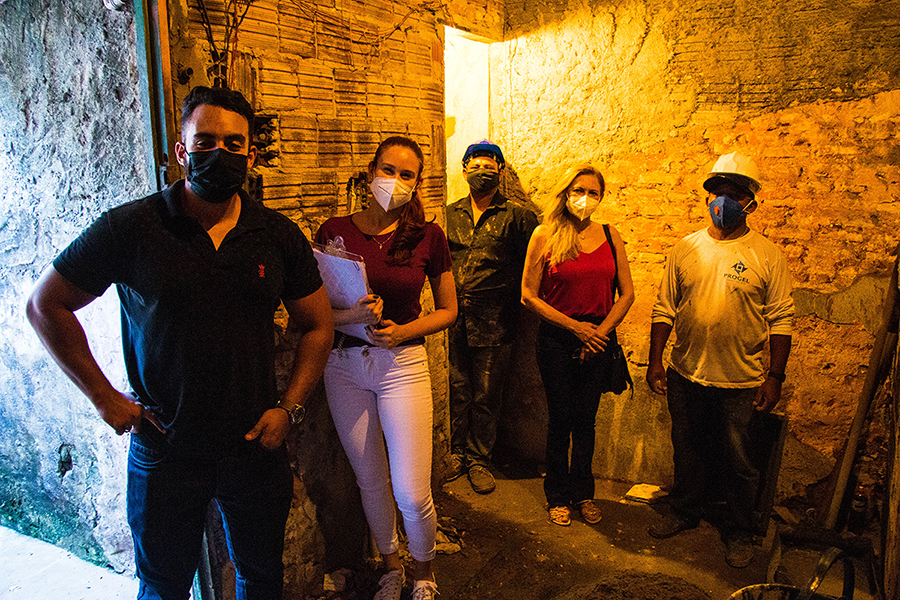
Construction is also an opportunity for training. Local workers are hired and trained in accessibility techniques, increasing their skills and income. This exchange of knowledge among professionals, students, and residents fosters belonging and strengthens the community network.
Beyond physical interventions, the project encourages reflection on constitutional rights and disability legislation, promoting debates on housing, accessibility, and citizenship.
In this way, Mãe Luiza Acessível reaffirms the importance of architecture made with people—strengthening bonds, expanding community protagonism, and transforming built space into a space of belonging.
Community interaction takes place from the selection of families to the completion of construction. Community Health Workers from the local Family Health Unit are key partners: they identify people with disabilities in situations of greater vulnerability and accompany the entire process, strengthening trust between technicians and residents.
During project development, families take part in meetings, home visits, and workshops held in their own houses. Architectural solutions are discussed collaboratively, with the support of physical and tactile models that facilitate spatial understanding and ensure inclusion regardless of education level or type of disability. This approach transforms design into a practice of dialogue and mutual learning.
Construction is also an opportunity for training. Local workers are hired and trained in accessibility techniques, increasing their skills and income. This exchange of knowledge among professionals, students, and residents fosters belonging and strengthens the community network.
Beyond physical interventions, the project encourages reflection on constitutional rights and disability legislation, promoting debates on housing, accessibility, and citizenship.
In this way, Mãe Luiza Acessível reaffirms the importance of architecture made with people—strengthening bonds, expanding community protagonism, and transforming built space into a space of belonging.
Mãe Luiza Acessível operates through multilevel governance, linking grassroots action to regional and national institutions.
At the local level, community participation is central. Families are involved in diagnosis, priority setting, and design decisions. Community Health Workers identify beneficiaries and accompany the process, ensuring transparency and trust. Local workers are hired and trained to carry out renovations, keeping knowledge and income within the neighborhood. The Centro Sócio Pastoral Nossa Senhora da Conceição provides coordination and long-term community presence. This local engagement guarantees context-sensitive and socially legitimate solutions.
At the municipal and regional levels, partnerships with the Municipal Housing Secretariat and the Rio Grande do Norte State Planning Secretariat have strengthened technical capacity and expanded impact. In 2024, collaboration on the PAC Periferias proposal secured major public investment in integrated urban development, including housing accessibility improvements. These institutions contributed regulatory alignment, technical validation, and access to funding.
At the national level, grants from the Council of Architecture and Urbanism (CAU/BR and CAU/RN) have financed interventions and reinforced professional standards. The methodology was certified at the 13th Fundação Banco do Brasil Social Technology Award and integrated into the Transforma! platform, enabling replication across Brazil.
The added value of this multilevel engagement lies in combining community legitimacy with institutional support, transforming local housing improvements into a scalable and policy-oriented model for inclusive development.
At the local level, community participation is central. Families are involved in diagnosis, priority setting, and design decisions. Community Health Workers identify beneficiaries and accompany the process, ensuring transparency and trust. Local workers are hired and trained to carry out renovations, keeping knowledge and income within the neighborhood. The Centro Sócio Pastoral Nossa Senhora da Conceição provides coordination and long-term community presence. This local engagement guarantees context-sensitive and socially legitimate solutions.
At the municipal and regional levels, partnerships with the Municipal Housing Secretariat and the Rio Grande do Norte State Planning Secretariat have strengthened technical capacity and expanded impact. In 2024, collaboration on the PAC Periferias proposal secured major public investment in integrated urban development, including housing accessibility improvements. These institutions contributed regulatory alignment, technical validation, and access to funding.
At the national level, grants from the Council of Architecture and Urbanism (CAU/BR and CAU/RN) have financed interventions and reinforced professional standards. The methodology was certified at the 13th Fundação Banco do Brasil Social Technology Award and integrated into the Transforma! platform, enabling replication across Brazil.
The added value of this multilevel engagement lies in combining community legitimacy with institutional support, transforming local housing improvements into a scalable and policy-oriented model for inclusive development.
Mãe Luiza Acessível is intrinsically transdisciplinary, combining technical, social, and community-based knowledge in its design and implementation.
Architecture and urban design form the project’s core, guiding spatial reconfiguration, accessibility strategies, and the adaptation of national standards to small, self-built homes. Civil and hydraulic engineering ensure structural safety, proper sanitation, waterproofing, and durable solutions suited to vulnerable contexts.
Public health is central through the involvement of Community Health Workers, who identify families in situations of greater vulnerability and contribute knowledge about disability, aging, and environmental risk. This strengthens the link between housing quality and well-being.
The participatory methodology, informing processes of listening, co-design, and shared decision-making. Principles related to the right to the city, inclusion, and community empowerment transform technical assistance into a collective civic practice.
Education is embedded throughout the initiative. Architecture and engineering students engage in hands-on learning that integrates technical skills with empathy and social responsibility. Local workers are trained in accessible construction techniques, expanding professional opportunities and community capacity. Design tools such as physical and tactile models ensure inclusive communication, enabling people with visual impairments or low literacy to participate fully.
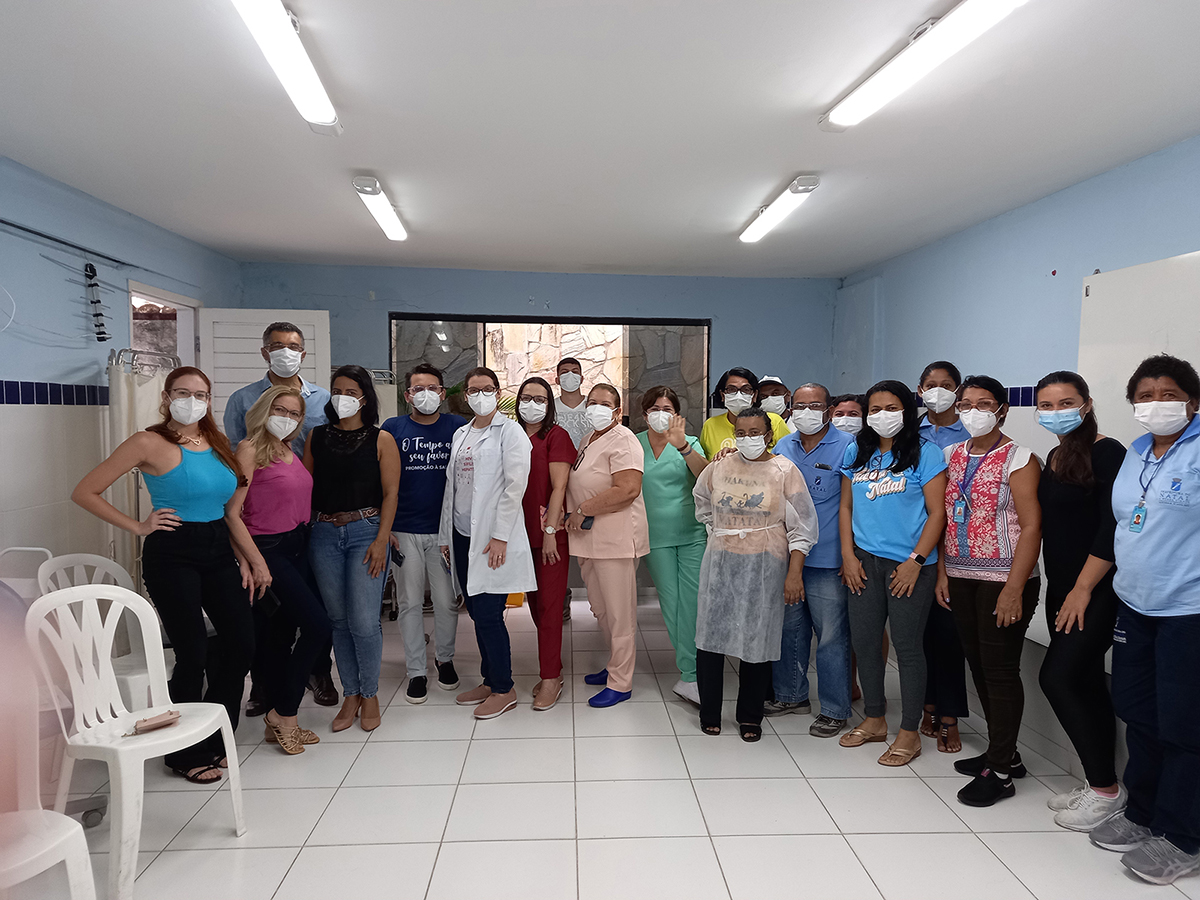
The team itself reflects this transdisciplinary ethos. It is a diverse mosaic of talents—people of different races, genders, sexual orientations, ages, and professional backgrounds, from students to PhDs. This plurality enriches debate, strengthens creativity, and fosters authentic connections with the community. It proves that diversity is not symbolic, but a driving force behind more inclusive, innovative, and socially grounded solutions.
Architecture and urban design form the project’s core, guiding spatial reconfiguration, accessibility strategies, and the adaptation of national standards to small, self-built homes. Civil and hydraulic engineering ensure structural safety, proper sanitation, waterproofing, and durable solutions suited to vulnerable contexts.
Public health is central through the involvement of Community Health Workers, who identify families in situations of greater vulnerability and contribute knowledge about disability, aging, and environmental risk. This strengthens the link between housing quality and well-being.
The participatory methodology, informing processes of listening, co-design, and shared decision-making. Principles related to the right to the city, inclusion, and community empowerment transform technical assistance into a collective civic practice.
Education is embedded throughout the initiative. Architecture and engineering students engage in hands-on learning that integrates technical skills with empathy and social responsibility. Local workers are trained in accessible construction techniques, expanding professional opportunities and community capacity. Design tools such as physical and tactile models ensure inclusive communication, enabling people with visual impairments or low literacy to participate fully.
The team itself reflects this transdisciplinary ethos. It is a diverse mosaic of talents—people of different races, genders, sexual orientations, ages, and professional backgrounds, from students to PhDs. This plurality enriches debate, strengthens creativity, and fosters authentic connections with the community. It proves that diversity is not symbolic, but a driving force behind more inclusive, innovative, and socially grounded solutions.
The sustainability of Mãe Luiza Acessível is grounded in the institutional strength of the Centro Sócio Pastoral Nossa Senhora da Conceição and in the team’s ability to secure funding, build partnerships, and create new collaborative networks. Since 2021, the technical assistance program has maintained its activities through public calls for proposals from the Council of Architecture and Urbanism (CAU/BR and CAU/RN), parliamentary amendments, and the ongoing support of the local community.
The accumulation of results and experience has enabled the project to expand to other areas of Natal—such as Vila de Ponta Negra and Brasília Teimosa—and to inspire new public policies. In 2024, the team collaborated with the Rio Grande do Norte State Planning Secretariat in developing a proposal for the PAC Periferias program, which secured R$34 million for integrated urbanization in vulnerable areas, of which R$2.5 million will be allocated to housing accessibility renovations for 100 families in the Felipe Camarão neighborhood.
Beyond public funding, the program has invested in systematizing its methodology and disseminating it through seminars and documentaries to ensure that the knowledge produced remains accessible and replicable.
In 2025, the Center’s architectural team was invited by the State Government to contribute to the development of a Right to the City Program, which will include technical assistance for housing improvements as a permanent public policy.
These actions demonstrate that Mãe Luiza Acessível goes beyond a one-time project; it has consolidated itself as a strategy for structural and long-term transformation, sustained by institutional alliances, community knowledge, and an ethical commitment to inclusion.
The accumulation of results and experience has enabled the project to expand to other areas of Natal—such as Vila de Ponta Negra and Brasília Teimosa—and to inspire new public policies. In 2024, the team collaborated with the Rio Grande do Norte State Planning Secretariat in developing a proposal for the PAC Periferias program, which secured R$34 million for integrated urbanization in vulnerable areas, of which R$2.5 million will be allocated to housing accessibility renovations for 100 families in the Felipe Camarão neighborhood.
Beyond public funding, the program has invested in systematizing its methodology and disseminating it through seminars and documentaries to ensure that the knowledge produced remains accessible and replicable.
In 2025, the Center’s architectural team was invited by the State Government to contribute to the development of a Right to the City Program, which will include technical assistance for housing improvements as a permanent public policy.
These actions demonstrate that Mãe Luiza Acessível goes beyond a one-time project; it has consolidated itself as a strategy for structural and long-term transformation, sustained by institutional alliances, community knowledge, and an ethical commitment to inclusion.
Mãe Luiza Acessível was designed from the outset as a replicable methodology rather than an isolated intervention. Its participatory working method has evolved into a certified social technology, recognized at the 13th Fundação Banco do Brasil Social Technology Award. It is now part of the Transforma! platform, which brings together more than 700 social technologies across Brazil and makes them freely available for replication by other community groups, institutions, and public agencies.
Several elements of the project are highly transferable. First, its participatory methodology—based on listening, shared decision-making, and co-design with families—can be adapted to different territories and beneficiary groups. The use of accessible tools such as physical and tactile models ensures inclusion regardless of literacy level or type of disability, and can be applied in other housing improvement or urban projects.
Second, the technical approach of adapting national accessibility standards to small, self-built homes generates practical and low-cost design solutions that respond to similar realities in vulnerable urban contexts. The step-by-step process—diagnosis with community health agents, priority mapping, collaborative design, budgeting, and supervised construction—forms a clear and transferable framework.
Third, the governance model, which integrates local organizations, public funding mechanisms, and community labor, demonstrates how technical assistance can become embedded in local development strategies and public policy.
By systematizing its knowledge and making it openly accessible through the Transforma! platform, Mãe Luiza Acessível positions itself as a scalable social technology—capable of being replicated in other neighborhoods, cities, and regions, while remaining adaptable to local cultural, social, and spatial conditions.
Several elements of the project are highly transferable. First, its participatory methodology—based on listening, shared decision-making, and co-design with families—can be adapted to different territories and beneficiary groups. The use of accessible tools such as physical and tactile models ensures inclusion regardless of literacy level or type of disability, and can be applied in other housing improvement or urban projects.
Second, the technical approach of adapting national accessibility standards to small, self-built homes generates practical and low-cost design solutions that respond to similar realities in vulnerable urban contexts. The step-by-step process—diagnosis with community health agents, priority mapping, collaborative design, budgeting, and supervised construction—forms a clear and transferable framework.
Third, the governance model, which integrates local organizations, public funding mechanisms, and community labor, demonstrates how technical assistance can become embedded in local development strategies and public policy.
By systematizing its knowledge and making it openly accessible through the Transforma! platform, Mãe Luiza Acessível positions itself as a scalable social technology—capable of being replicated in other neighborhoods, cities, and regions, while remaining adaptable to local cultural, social, and spatial conditions.