Enhancing Circularity, Sustainability, and Innovation
Material Perspectives
Material Perspectives – Towards Bioregionalism in the Oberpfalz
Our Master Thesis "Material Perspectives" transforms industrial waste into sustainable cement alternatives through a regenerative bioregional approach in the Oberpfalz region of Bavaria, Germany. By integrating local resources and circular practices, the project reduces environmental impact, strengthens regional economies, and inspires eco-friendly construction methods.
Germany
Regional
Oberpfalz (Upper Palatinate) in Northeast Bavaria
It addresses urban-rural linkages
It refers to other types of transformations (soft investment)
Early concept
No
No
No
Individual
Material Perspectives explores the concept of regenerative bioregionalism, emphasizing
the integration of undervalued local resources and circular practices within
construction industry. Focusing on the Oberpfalz region in Bavaria, Germany, the project identifies and repurposes industrial by-products—such as waste from glass, porcelain, and kaolin mining industries—into sustainable construction materials like geopolymers and supplementary cementitious materials (SCMs). This circular approach reduces environmental impact, supports biodiversity, and strengthens local economies.
The project targets architects, construction companies, local industries, policymakers, and communities seeking sustainable and region-specific building solutions. Through close collaboration with regional stakeholders, including academic institutions and industrial partners, the project fosters knowledge exchange and practical innovation.
Key objectives include reducing carbon footprints by minimizing energy-intensive primary materials, advancing the circular economy through the innovative use of regional waste, empowering local communities by creating economic opportunities, and setting a replicable framework for applying bioregional methodologies in other regions.
The project has achieved significant outcomes, including the comprehensive bioregional mapping of Oberpfalz, the successful testing of secondary materials for construction, and the establishment of a collaborative network between local industries and academia. These results contribute to shaping a circular industrial ecosystem and inspire scalable, sustainable building practices across Europe. By creating a model that can be adapted and applied to other regions, Material Perspectives offers a blueprint for transforming the construction industry into a more sustainable and resilient sector, benefiting both the environment and local economies.
The story behind Material Perspectives began with a simple observation: the construction industry relies heavily on resource-intensive materials while many valuable materials from regional industries are treated as waste. During our architecture studies at the Technical University of Munich, we became interested in the potential of these overlooked material streams and the question of how architecture could reconnect building practices with local resources.
This curiosity led us to the Oberpfalz region in Bavaria, an area with a strong industrial heritage in glass, porcelain, and kaolin production. Through site visits and conversations with local manufacturers, we discovered significant quantities of industrial by-products that were largely unused despite their promising material properties. This insight became the starting point for our research.
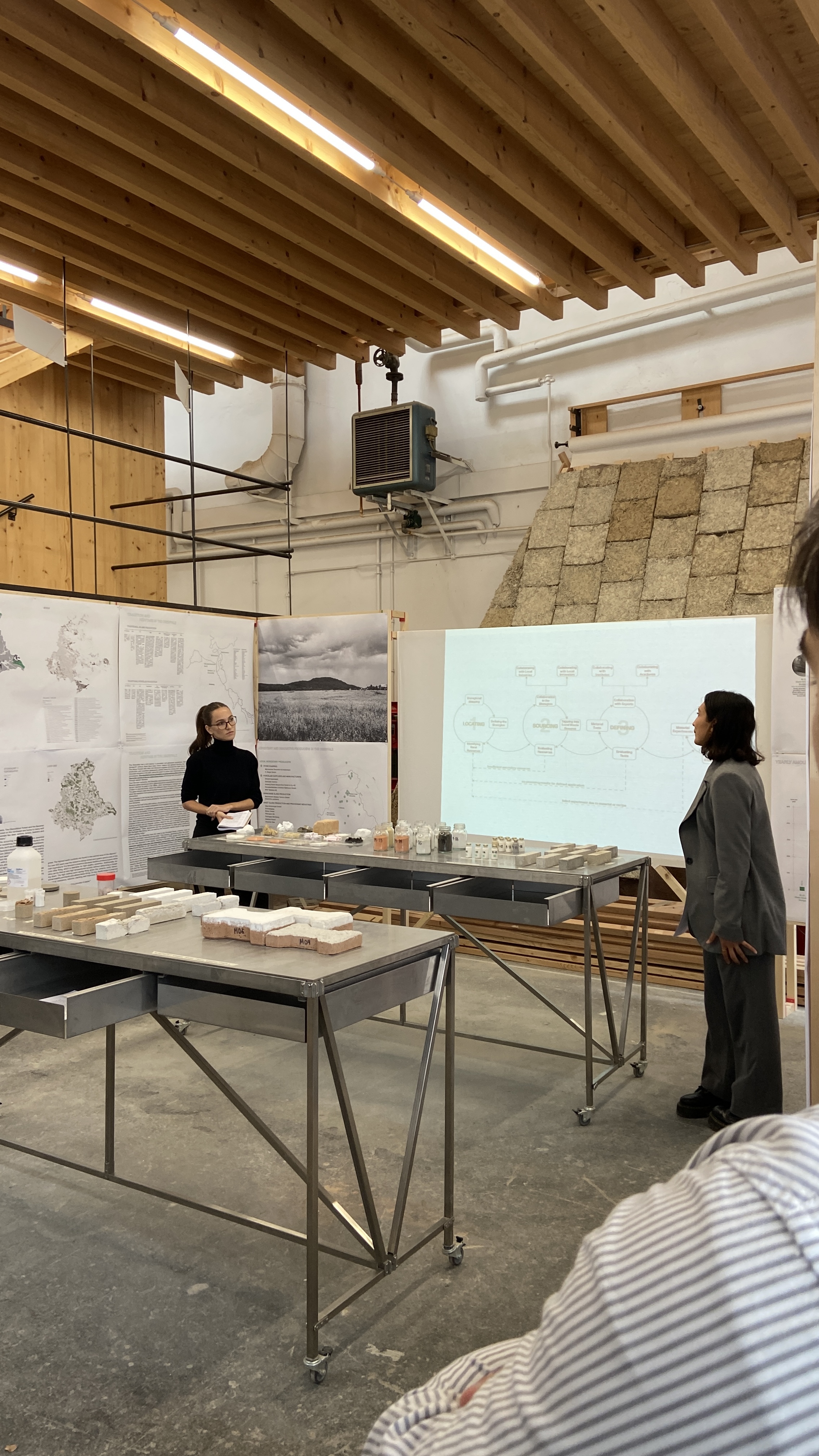
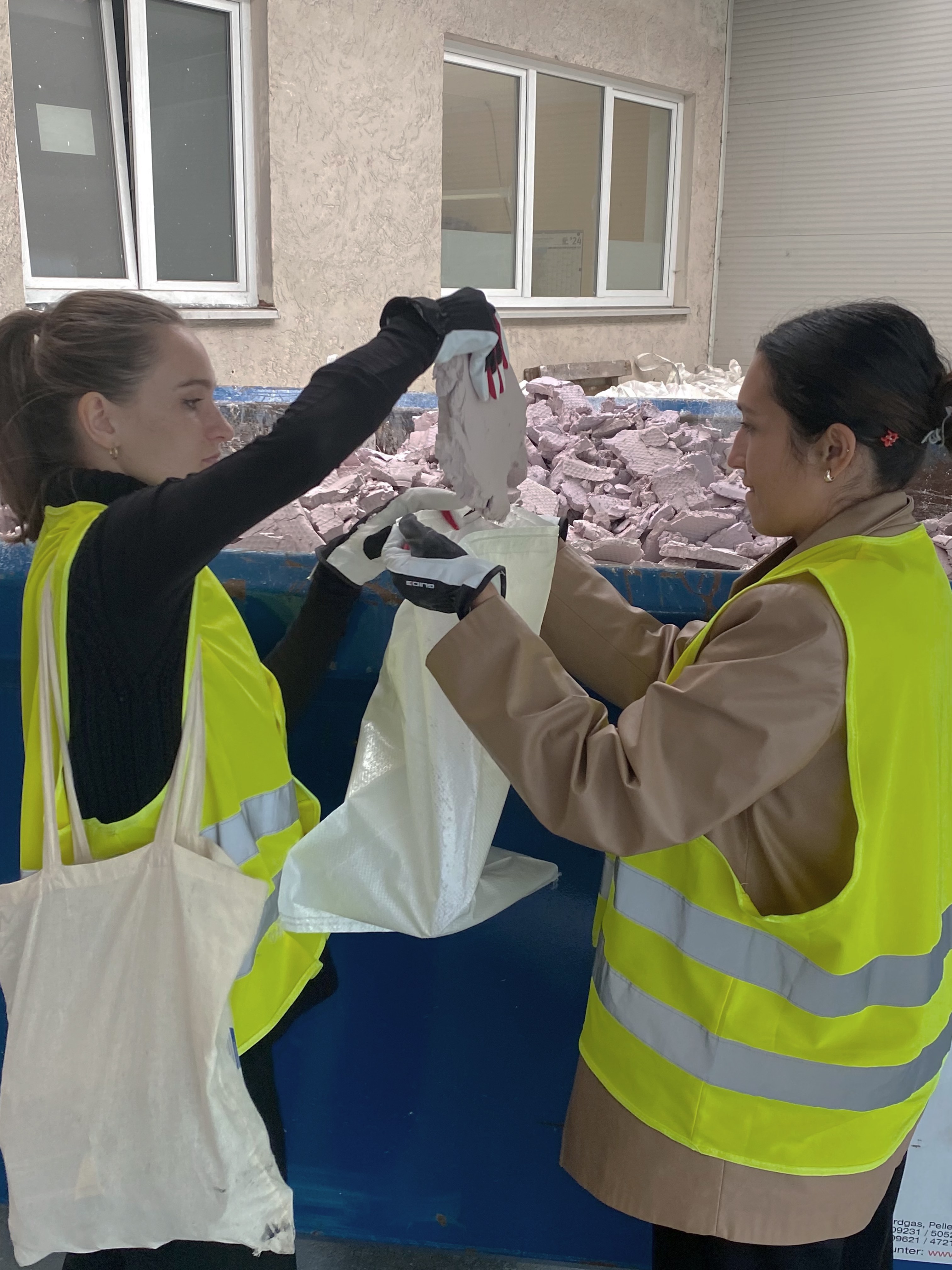
From there, we developed a bioregional methodology structured in four iterative steps: Locating, Sourcing, Defining, and Engaging. In the Locating phase, we mapped regional industries, material flows, and cultural contexts. The Sourcing phase focused on building partnerships with local companies and collecting industrial by-products such as glass grinding sludge, porcelain shards, and stone filter cake.
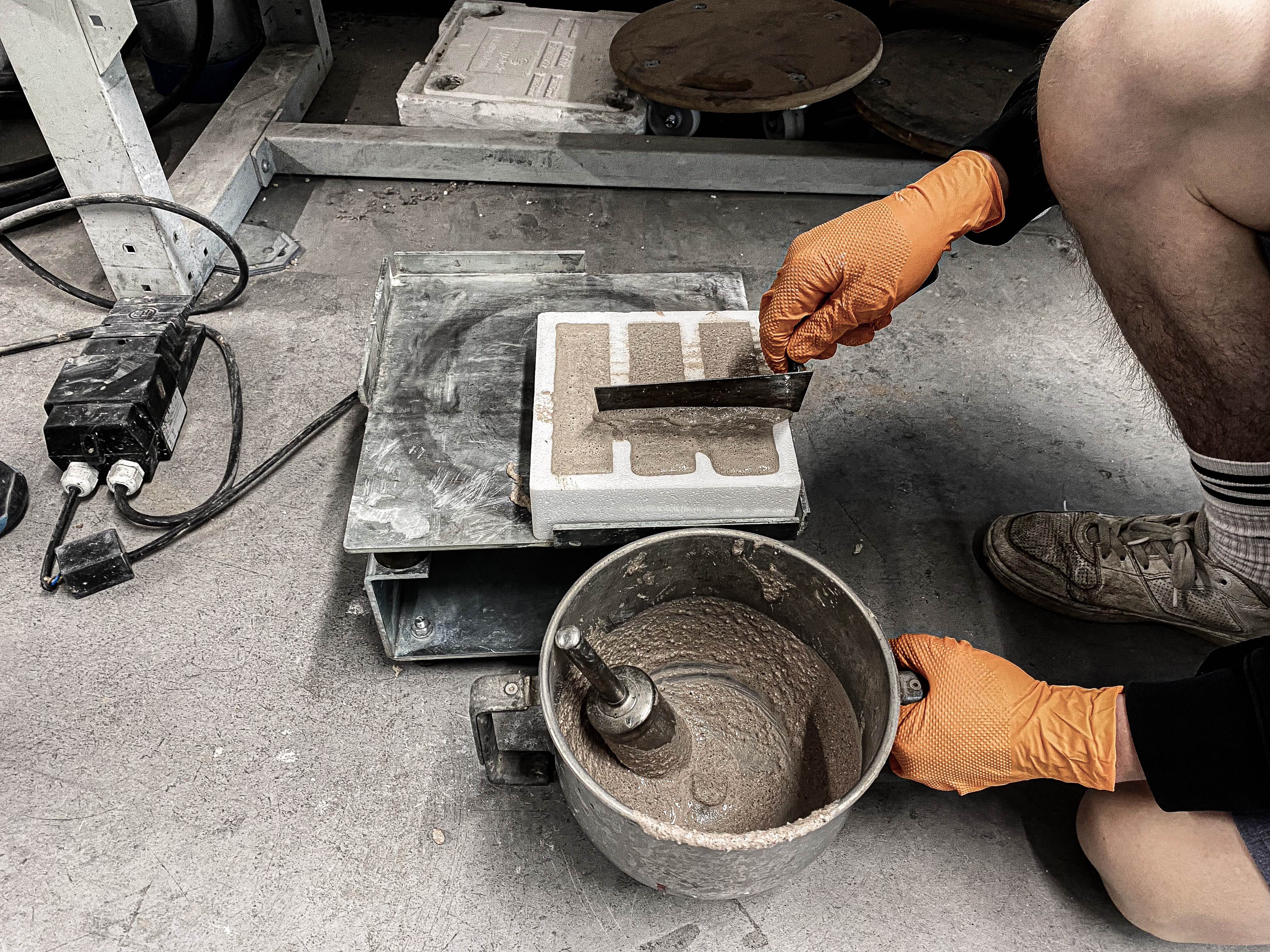
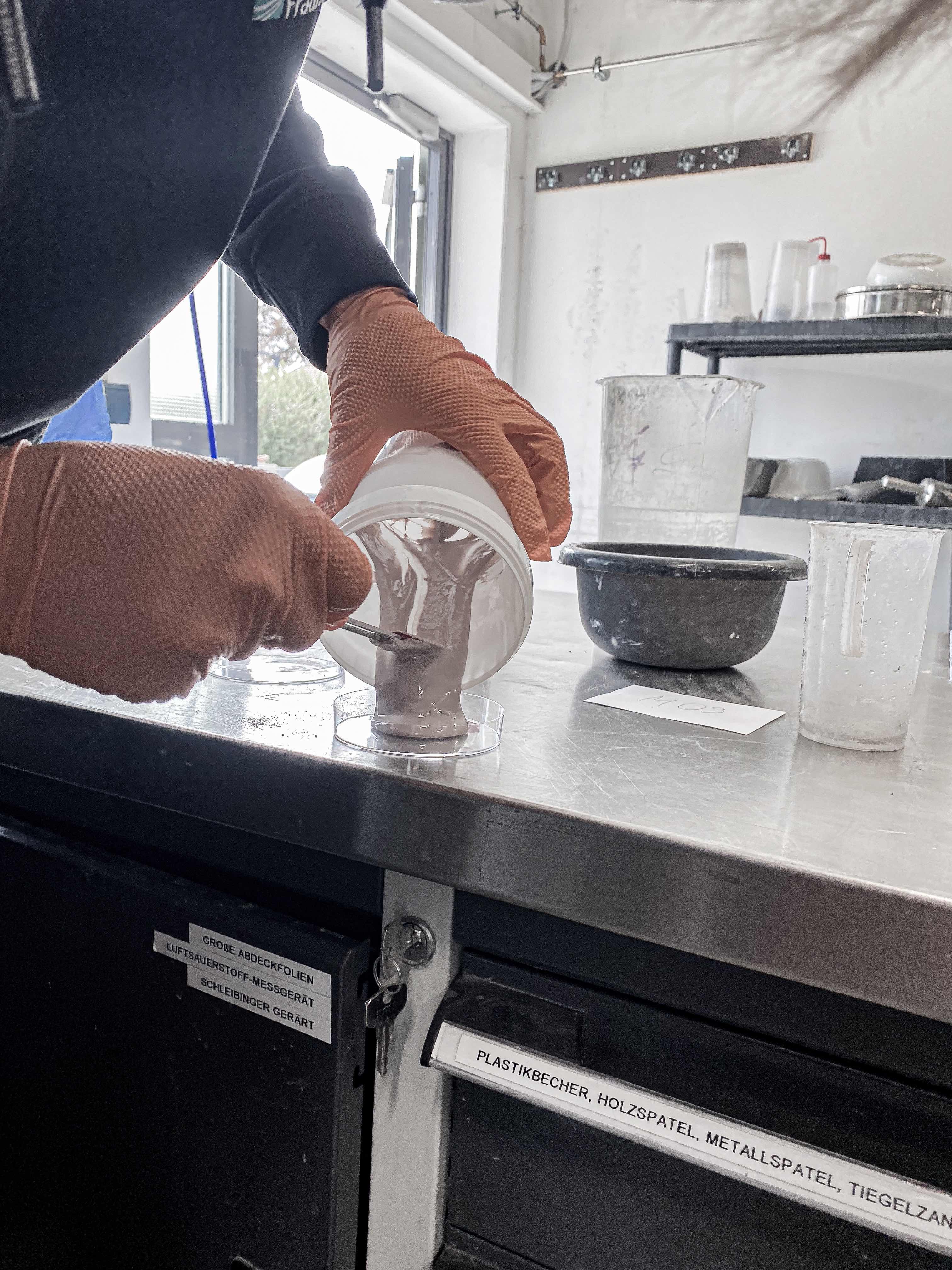
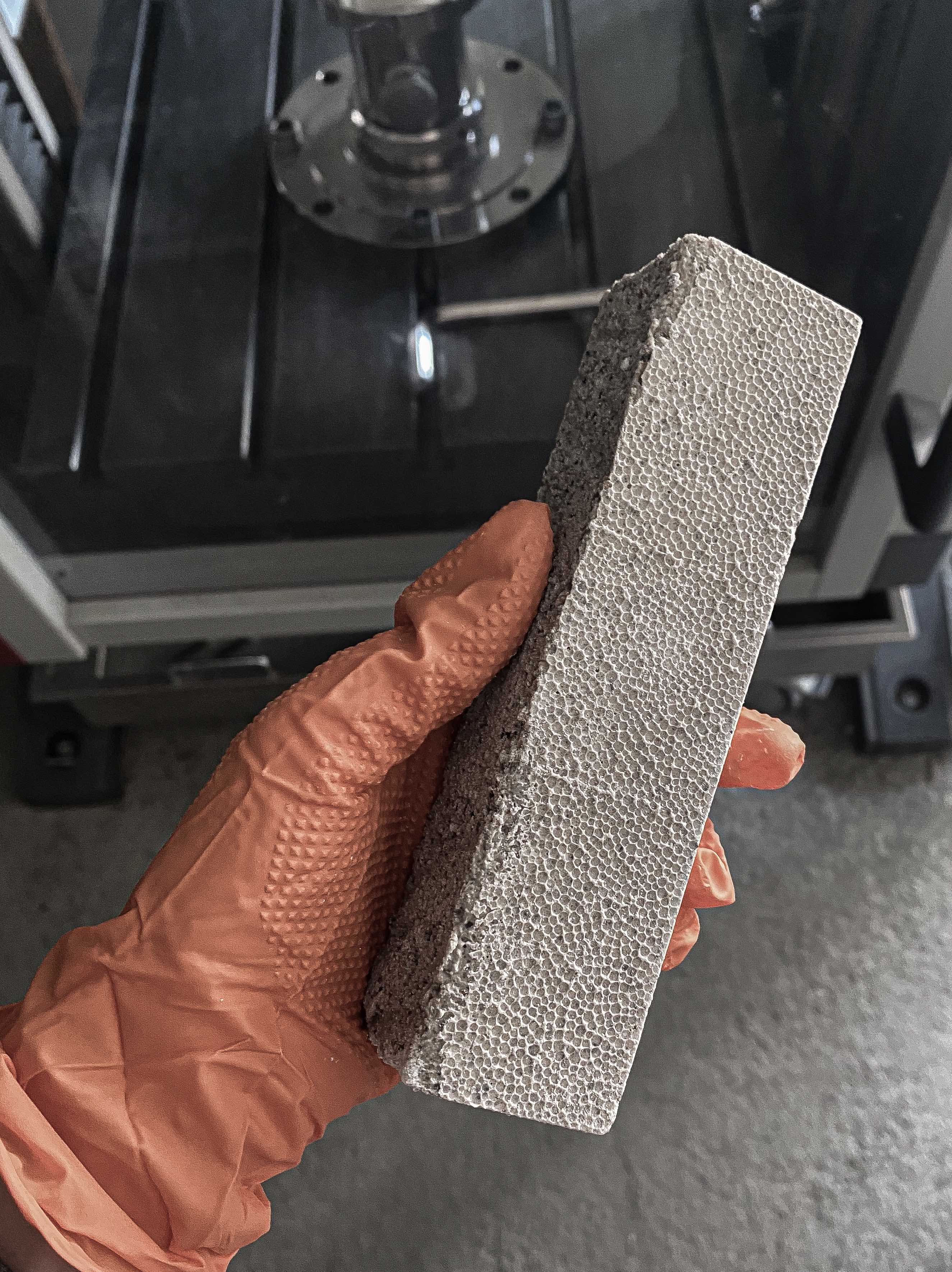
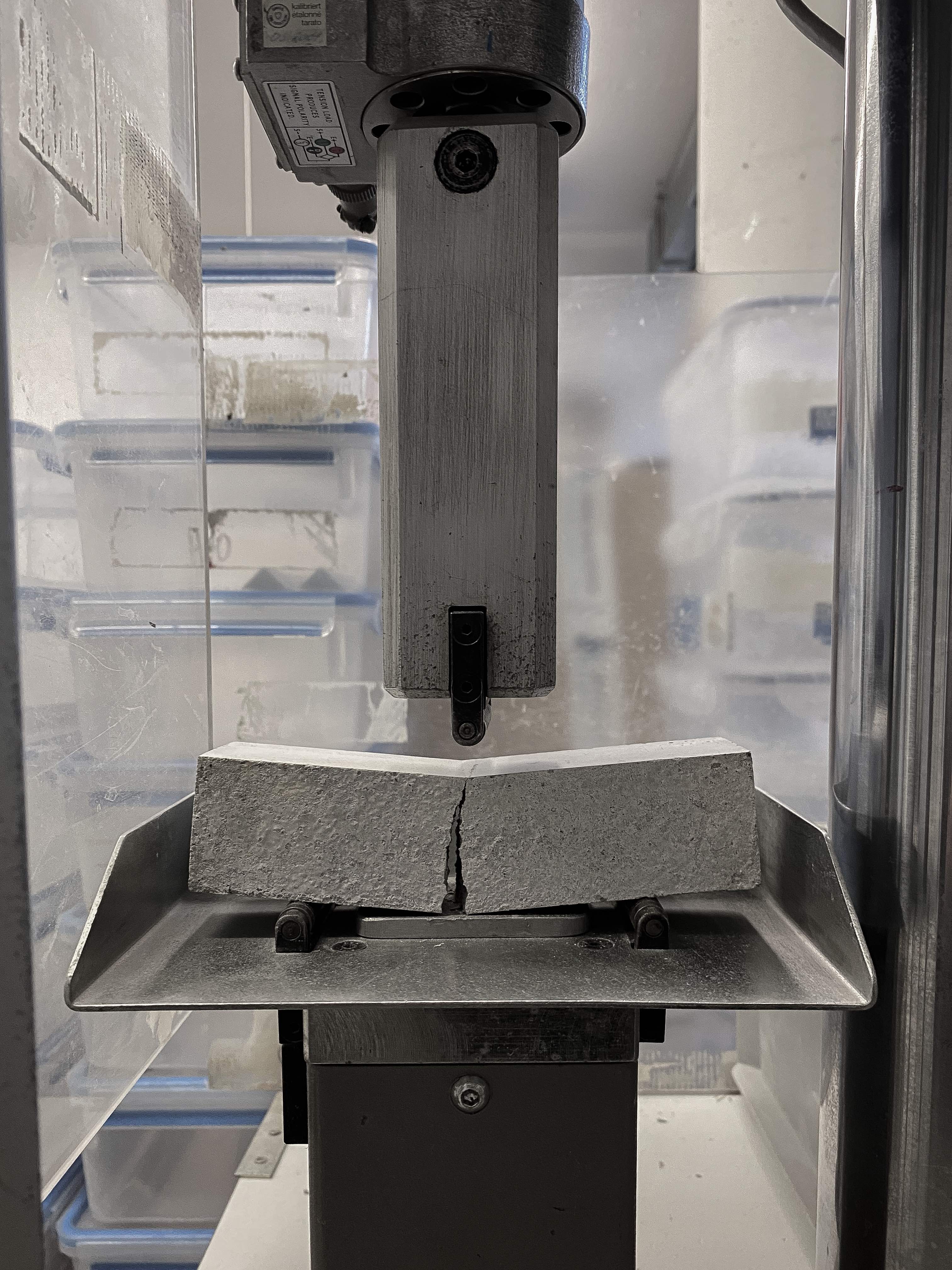
In the Defining phase, these materials were analysed and tested in collaboration with researchers and laboratories at TUM to evaluate their suitability as geopolymer binders and supplementary cementitious materials. Finally, the Engaging phase focused on experimentation, prototyping, and sharing the results through an exhibition and public presentation.
Through this process, Material Perspectives evolved into a collaborative exploration of how regional waste streams can become the foundation for regenerative construction practices.
Urban Mining
Bioregional Approach
Regenerative Building Materials,
Circular Economy
Geopolymers
Material Perspectives pursues several key sustainability objectives aimed at transforming the construction industry through local, regenerative practices. The primary goal is to reduce the carbon footprint by minimizing the use of energy-intensive primary materials. By repurposing industrial by-products like waste from the glass, porcelain, and kaolin industries, the project reduces the need for material extraction, leading to a significant reduction in emissions. The use of secondary materials, such as geopolymers and supplementary cementitious materials (SCMs), has proven to be a sustainable alternative with a much lower carbon impact.
Another core objective is to promote the circular economy by utilizing regional waste materials that would otherwise contribute to landfills or environmental pollution. By turning waste into valuable resources, Material Perspectives closes the loop and supports a resource-efficient, waste-reducing material economy.
The project also focuses on preserving biodiversity and ecosystem health. By sourcing materials locally, transportation-related emissions are minimized, and a balanced, resilient ecosystem is supported. Furthermore, the use of natural and local resources reduces the ecological footprint of construction projects.
Finally, the project empowers local communities and economies. By involving local industries, Material Perspectives creates economic opportunities and strengthens regional identity. This localized approach fosters sustainable, resilient economies and supports collaboration between academia, industry, and policymakers to create long-term, region-specific solutions.
Through its innovative use of industrial by-products, emphasis on local sourcing, and focus on scalable solutions, Material Perspectives serves as an exemplary model for sustainable construction. The project provides a replicable framework for sustainable development in the construction industry, helping to shape a circular building sector.
Material Perspectives integrates aesthetic and experiential considerations into its sustainable design approach.
By repurposing local industrial by-products, the project preserves the distinct character of the Oberpfalz region, internationally known for its traditional glass and porcelain production. Materials such as glass grinding sludge, porcelain shards, and stone filter cake retain their cultural significance while being reimagined for contemporary use in construction. This connection to the region’s craftsmanship enriches the user experience, fostering a deeper sense of place.
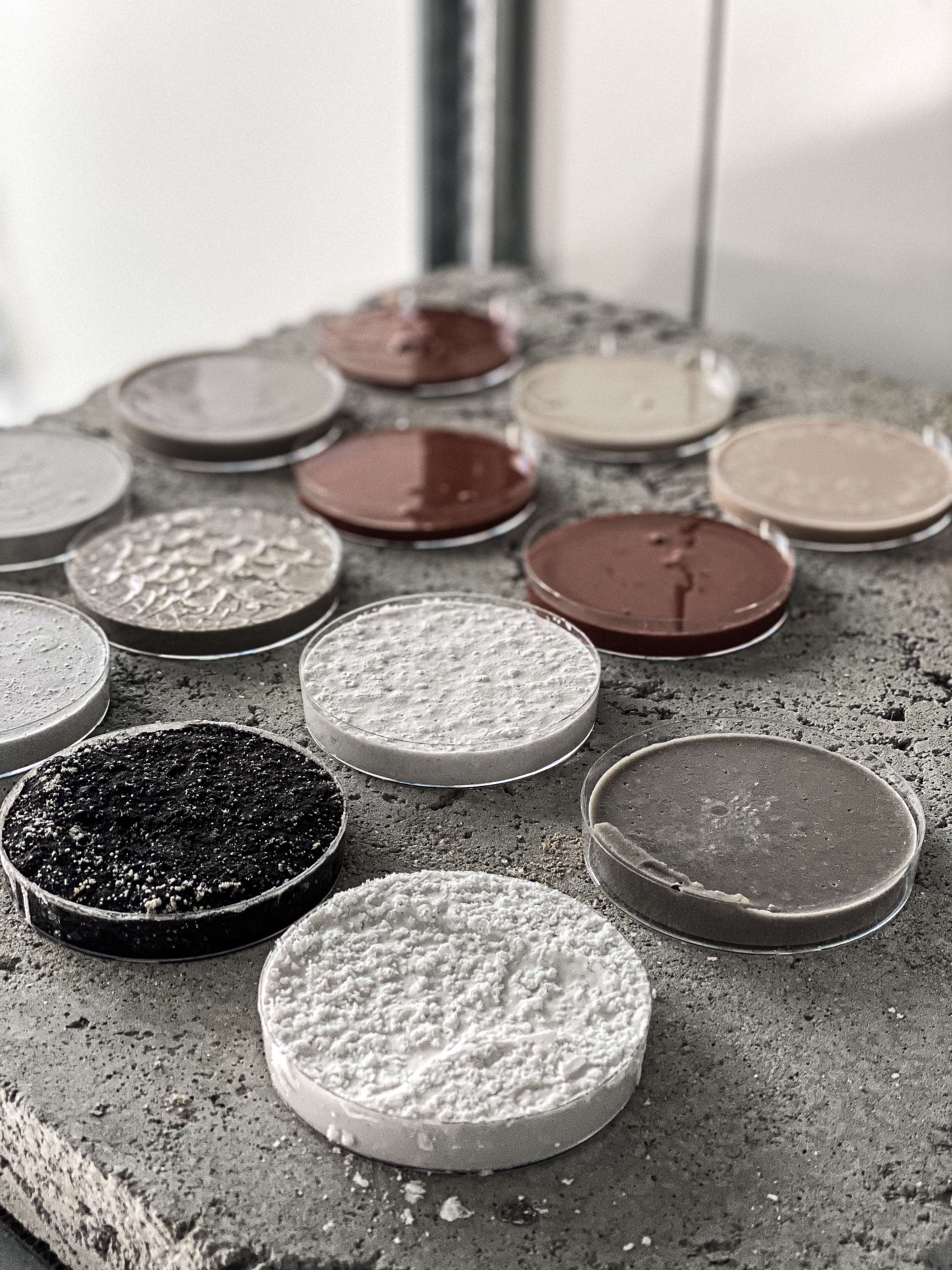
The use of secondary materials for the production of geopolymers and supplementary cementitious materials (SCMs) not only addresses sustainability but also opens the door for innovative design possibilities. The developed materials offer unique textures, earthy colorways and aesthetics, depending on their industrial origin. Production and regional traditions therefore impact the aesthetic outcome heavily.
This approach encourages creativity in architectural expression, promoting designs that are functional, durable, and visually striking.
The project also enhances the built environment by creating materials that are not only sustainable but also aesthetically engaging.
By celebrating local heritage and craftsmanship, Material Perspectives strengthens regional identity and creates a diverse palette of the regional materials.
Ultimately, Material Perspectives serves as an exemplary model by demonstrating how sustainability, aesthetics, and cultural relevance can be seamlessly integrated.
The project’s key objectives focus on creating affordable, and equitable solutions, aiming to make regenerative construction practices accessible and beneficial to all. A central focus is to make sustainable building materials accessible to various stakeholders, from local communities to construction companies. By utilizing locally sourced industrial by-products, the project reduces the cost of raw materials, making sustainable construction more affordable and ensuring eco-friendly materials are viable for smaller or less-resourced communities.
Material Perspectives also integrates inclusive design principles, ensuring that the materials and solutions developed can be adapted to diverse needs. The project focuses on creating materials that are suitable for a wide range of architectural contexts, from public infrastructure and interior furniture to industrial coatings and highway infrastructure. This approach ensures that communities with limited resources have access to durable, high-quality solutions.
A key aspect of inclusion is the project’s emphasis on collaborative governance and community engagement. Local communities, industries, and academic institutions are involved at every stage of development, ensuring that the needs and knowledge of diverse stakeholders are incorporated. This participatory approach fosters a sense of ownership and shared responsibility among communities.
Additionally, by strengthening local industries and creating economic opportunities, Material Perspectives empowers communities to actively participate in sustainable building practices. This inclusive economic model ensures that sustainability benefits are shared, with particular focus on underrepresented communities.
In the project, citizens and civil society were integral to our approach, providing valuable insights that profoundly shaped our work. Engaging with local communities in the Oberpfalz region was essential for understanding the cultural, social, and economic contexts surrounding sustainable construction.
We conducted interviews with residents and industry stakeholders to explore their needs and preferences regarding construction materials. This direct engagement allowed us to design solutions that resonate with the community’s identity and leverage local resources effectively. Insights gained from local industries, such as BHS Tabletop and Nachtmann, provided crucial information on material sourcing and waste management, fostering a sense of ownership among community members as they witnessed their by-products transformed into innovative construction materials.
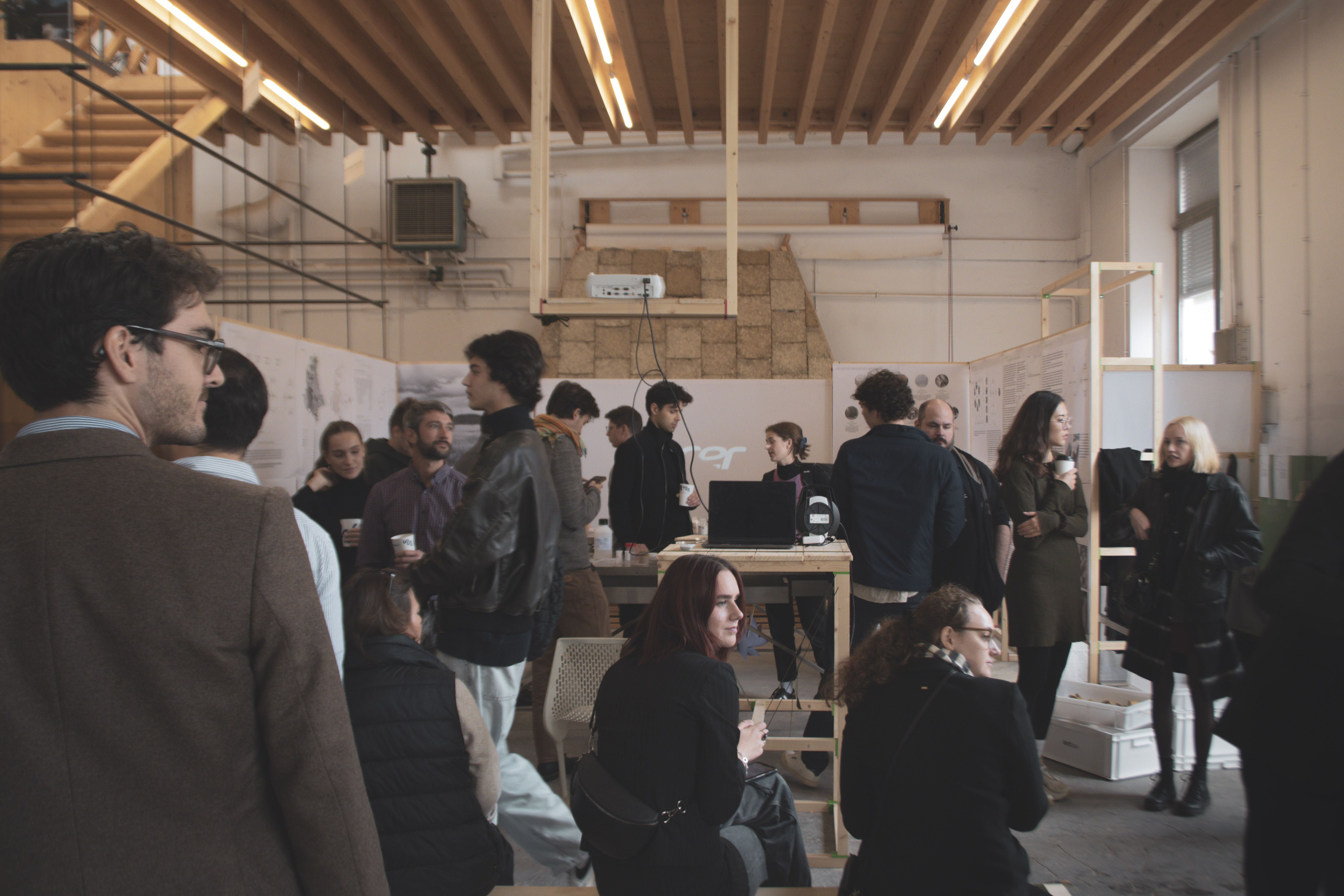
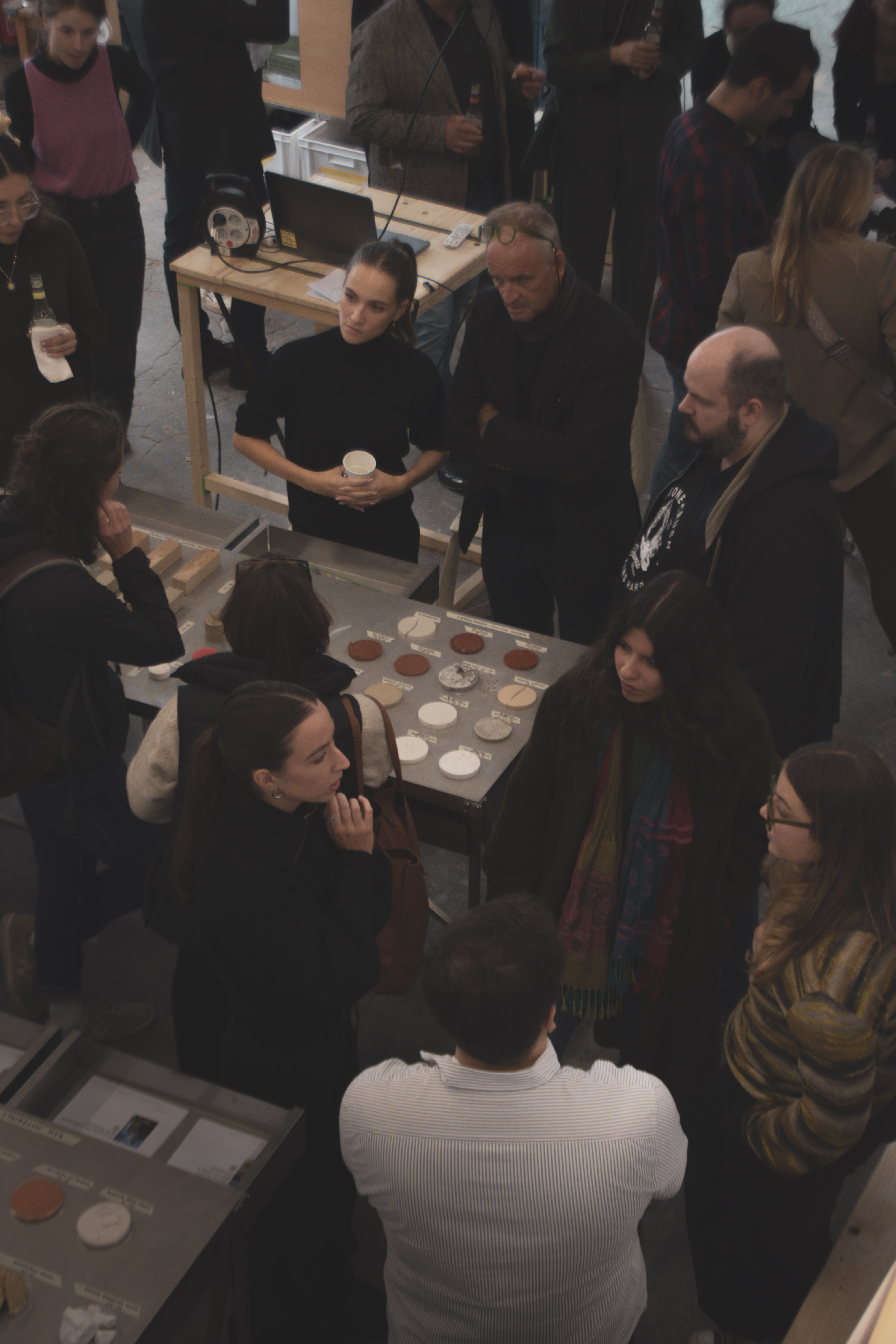
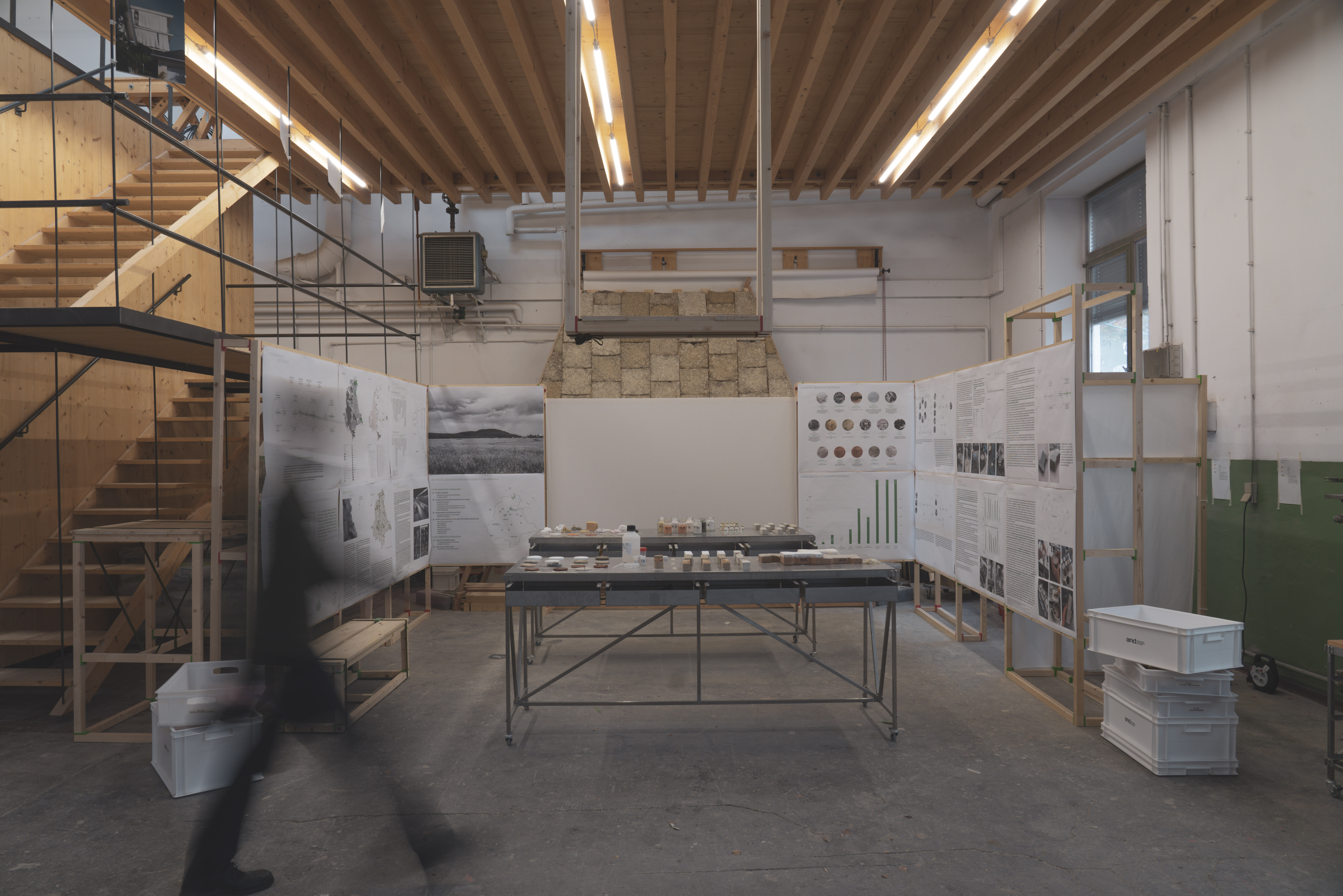
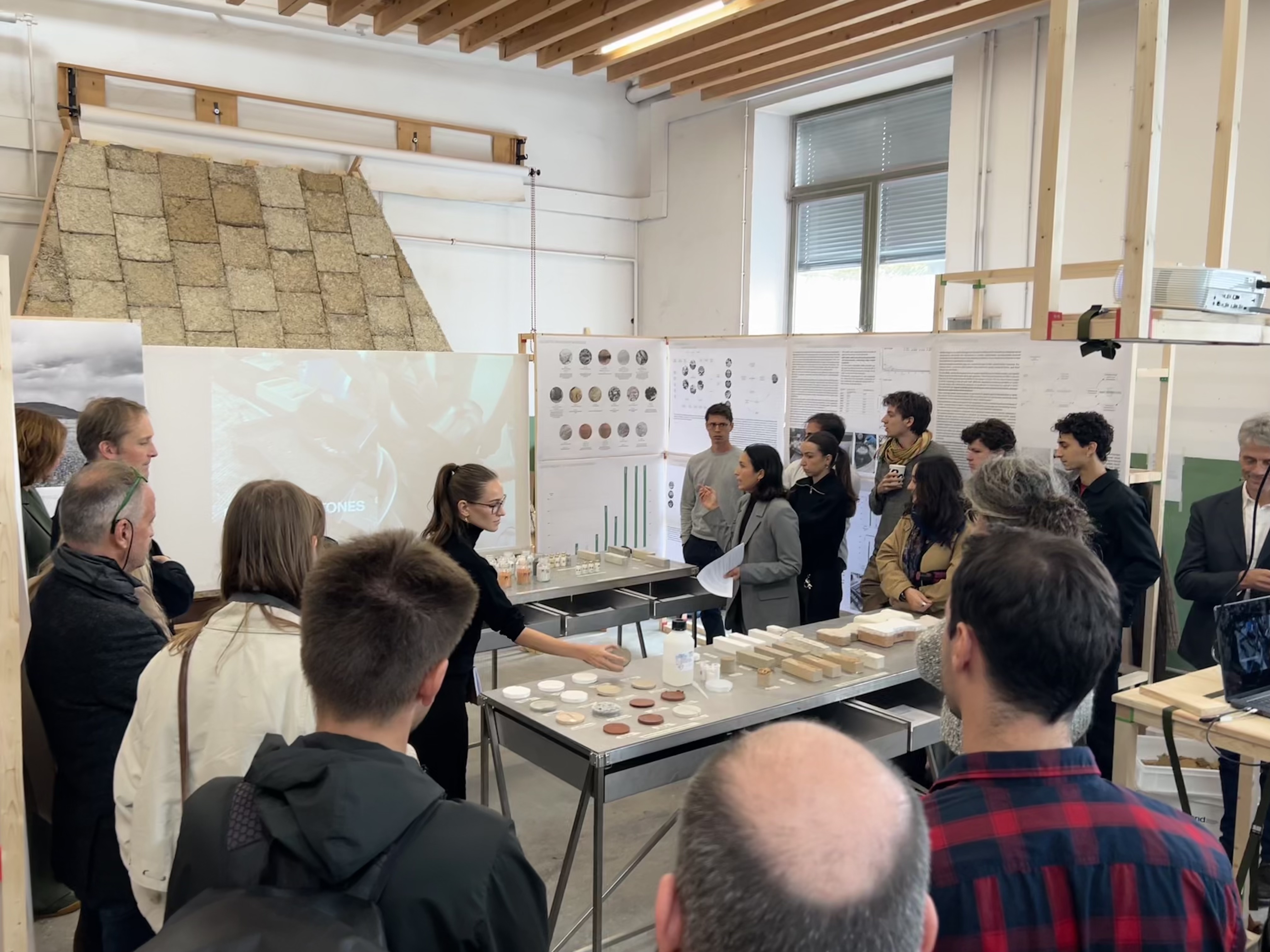
To further solidify community ties and showcase our ourcomes, we hosted a concluding event that served as both a presentation and an exhibition. This event highlighted how we integrated Oberpfalz culture into our designs and showcased the sustainable materials developed throughout the project. The exhibition provided a platform for community members to see firsthand the results of our collaborative efforts, fostering pride in their cultural heritage and the sustainable practices we advocated.
The involvement of citizens and civil society throughout the project, culminating in this event, not only enriched our outcomes but also created a replicable model for engaging communities in sustainability initiatives. This collaborative approach elevates the importance of local knowledge and cultural identity, ensuring that the project is both innovative and meaningful.
Material Perspectives successfully engaged stakeholders across regional, national, and European levels, creating a collaborative framework that drove the project’s development and implementation.
At the local level, partnerships with industries in the Oberpfalz region were foundational. Companies such as BHS Tabletop (porcelain), Nachtmann (glass), Amberger Kaolinwerke (kaolin mining) and Additive Tectonics (3D printing) played a critical role by providing access to their production sites, sharing insights on manufacturing processes, and supplying industrial by-products for research. Their involvement enabled a deep understanding of local material flows and waste streams, which directly informed the project’s sustainable material innovations.
Regional collaboration extended to academic institutions, particularly the Technical University of Munich (TUM). Researchers from the Center for Building Materials contributed essential scientific expertise. TUM’s laboratories facilitated the chemical analysis and testing of collected materials, ensuring their suitability for sustainable construction applications. This academic partnership provided credibility and technical depth to the project.
At the national level, the project aligned with Germany’s environmental policies and circular economy strategies. On the European level, Material Perspectives contributes to the European Green Deal’s objectives by promoting circular economy practices and sustainable innovation in the construction sector. The project’s framework can be replicated across regions, offering scalable solutions for resource efficiency and climate resilience.
The engagement of stakeholders at every level added immense value by combining local knowledge, scientific expertise, policy alignment, and scalability. This multi-level collaboration ensured that the project was not only innovative but also practical, impactful, and adaptable, positioning the project as a model for sustainable development in Europe.
Material Perspectives integrated multiple disciplines and knowledge fields to create innovative solutions for sustainable construction. The project combined expertise from material science, architecture, industrial engineering, and cultural studies. This interdisciplinary approach was essential to transforming industrial by-products into viable construction materials.
Material science was critical for analyzing and testing waste materials. Collaboration with the Technical University of Munich (TUM) ensured scientific validation of material properties and performance. This partnership enabled the development of geopolymers and supplementary cementitious materials (SCMs) as sustainable alternatives.
Architecture and design expertise by us, architecture students from the TUM, guided the application of these materials into functional and aesthetically pleasing construction solutions. By focusing on bioregional design, the project created materials that resonate with the Oberpfalz region's cultural identity while meeting environmental goals.
Industrial engineering played a vital role through collaborations with local industries such as BHS Tabletop, Nachtmann, Flachglas Wernberg, Amberger Kaolinwerke, and Bärnreuther + Deuerlein. These partners provided access to production processes and waste materials, offering practical insights into material sourcing and circular economy integration.
These fields collaborated through industry visits, material testing, and knowledge exchange. The cross-disciplinary cooperation allowed scientific findings to inform practical design applications, while industry feedback optimized material processing for scalability.
This interdisciplinary process added significant value by ensuring that the project was not only technically sound but also environmentally responsible, and economically viable. Material Perspectives stands as a replicable model for how diverse fields can unite to drive sustainable innovation in construction.
The envisioned business model of Material Perspectives is based on transforming regional industrial by-products into sustainable construction materials while building a collaborative ecosystem between industry, research, and the construction sector.
A central element of the model is the development and production of geopolymer binders and supplementary cementitious materials (SCMs) derived from locally available industrial waste streams such as glass, porcelain, and mineral residues.
Partnerships with regional industries play a key role in ensuring financial sustainability. Companies benefit from the valorisation of their by-products, which reduces disposal costs while creating new value chains. In return, the project gains access to reliable material streams and industrial infrastructure for scaling production.
Another important component of the business model lies in consulting and knowledge transfer. The bioregional methodology developed in the project can be applied in other regions seeking to activate local resources and circular material flows. Advisory services, workshops, and collaborations with municipalities, planners, and construction companies could generate additional revenue while supporting the transition toward regenerative construction practices.
In the early stages, public funding, innovation grants, and research partnerships will play an important role in supporting further development, testing, and certification of the materials. Pilot projects and demonstration buildings can help validate the materials in real-world applications and accelerate market adoption.
By combining material production, industrial partnerships, consulting services, and research funding, Material Perspectives aims to establish a financially viable model that supports the long-term transition toward circular and regionally rooted construction systems.
The project’s bioregional approach offers a comprehensive and scalable framework that can be adapted to various regions worldwide, promoting sustainable construction practices. From the initial step of identifying local resources to the process of experimenting with materials, this methodology provides flexible solutions that are rooted in the specific ecological and economic context of each region. By focusing on locally sourced, repurposed materials, the project enables regions to reduce their dependence on conventional, resource-intensive building materials, while fostering circular economies. This adaptable approach not only supports the global shift toward regenerative construction but also empowers communities and industries to innovate and contribute to a more sustainable future in the built environment.
In the year following the application, the focus will be on refining, scaling, and implementing the sustainable building materials developed from regional industrial waste streams. The first step will be to optimize the material recipes, enhancing their physical and chemical properties. This will include improving mechanical strength, durability, and resilience to extreme weather conditions, as well as exploring properties like thermal and acoustic insulation. Durability testing will be essential to ensure the materials perform well under varying environmental conditions. Alongside this, a life cycle analysis (LCA) will evaluate the environmental impact of the materials, considering emissions during production, durability, and recyclability. A cost analysis will also assess the economic feasibility of scaling up production, factoring in future cost developments due to climate change and resource scarcity.
To integrate these materials into the market, our team will review existing building regulations and identify any necessary adjustments or new standards. Collaborations with local industries will be key to securing reliable waste streams and scaling production. These partnerships will also help identify the most suitable applications for different materials, facilitating large-scale implementation. Additionally, pilot projects will be initiated to test the materials in real-world construction settings.
Public engagement and industry education will be prioritized. Educational resources and presentations at conferences will raise awareness of the new materials and promote their use. Training sessions for construction professionals will help overcome any reservations about using materials derived from waste streams. Overall, these steps aim to drive the integration of sustainable, waste-derived materials into mainstream construction practices, fostering a circular economy and reducing the environmental footprint of the building sector.