Arts, Culture, and Heritage as Drivers of Change
Lou Pourtoun: A Home for All
Lou Pourtoun: A Home for All. Culture-Led Regeneration of an Alpine Village
Lou Pourtoun is a civic and cultural centre in the Alpine village of Ostana that transforms depopulation into opportunity through culture-led development, architectural quality, and cooperative governance. It integrates community life, local economy, and landscape-sensitive design into a shared space, reconnecting a small mountain community to wider networks, contributing to emerging regenerative approaches to restoring ecological, social, and cultural systems.
Italy
Local
Ostana (Cuneo)
It addresses urban-rural linkages
It involves a physical transformation of the built environment (hard investment)
Yes
2025-06-04
Yes
1) Regione Piemonte Rural Development Programme (RDP) 2014-2020, operation 7.6.4, 71.805,81 euros (2022);
2) Regione Piemonte Rural Development Programme (RDP) 2007-2013, measure 322, action B, 686.369,98 euros (2011);
No
No
Organisation
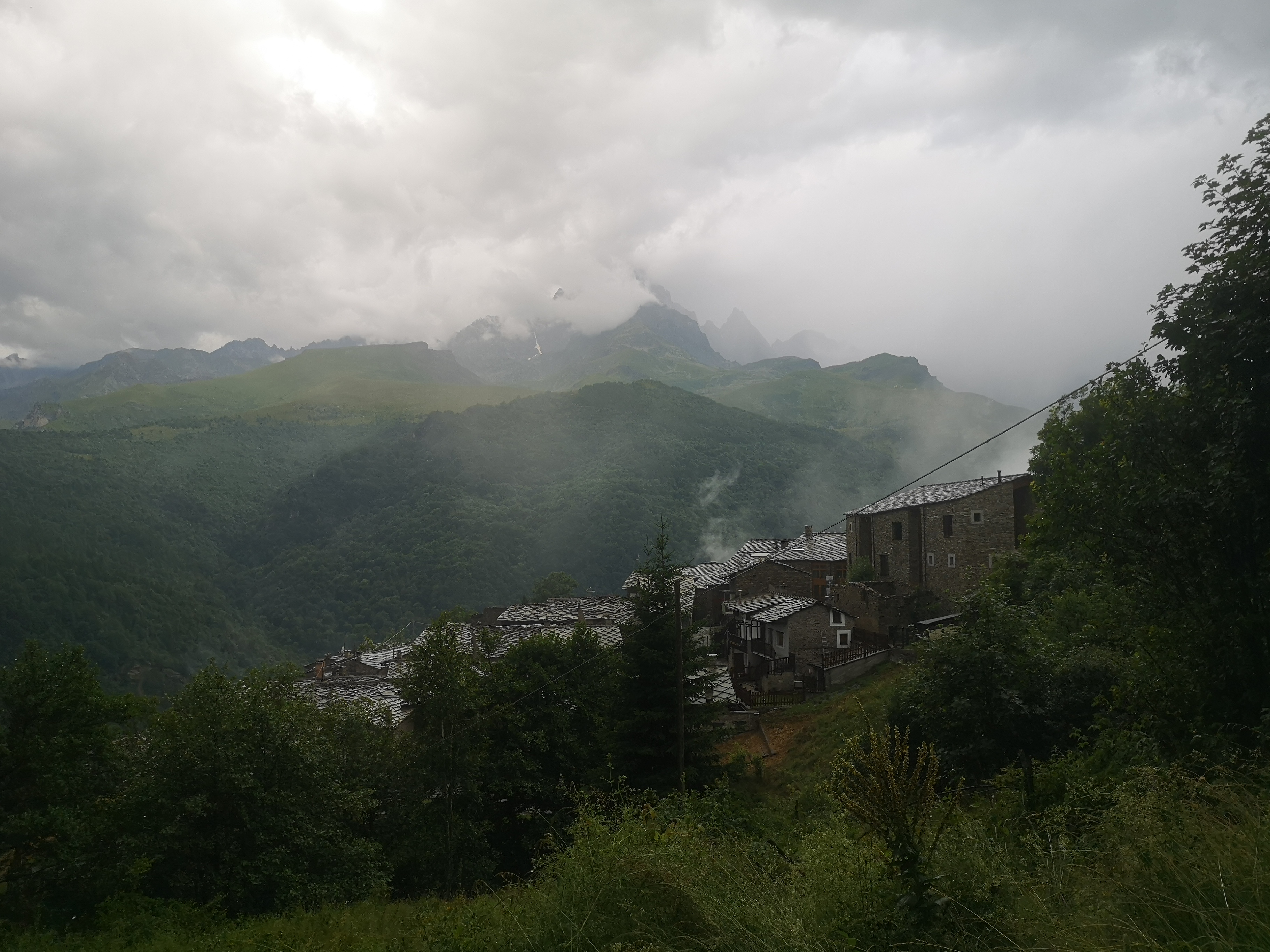
Lou Pourtoun is the civic and cultural centre of Ostana, a small Alpine village in the Italian Alps at 1,400 meters above sea level. It represents the culmination of a long-term regeneration strategy initiated over forty years ago to address depopulation, landscape degradation, and the loss of local economies and qualified jobs. The project aims to restore habitability by integrating cultural production, community welfare, and place-based economic activities.
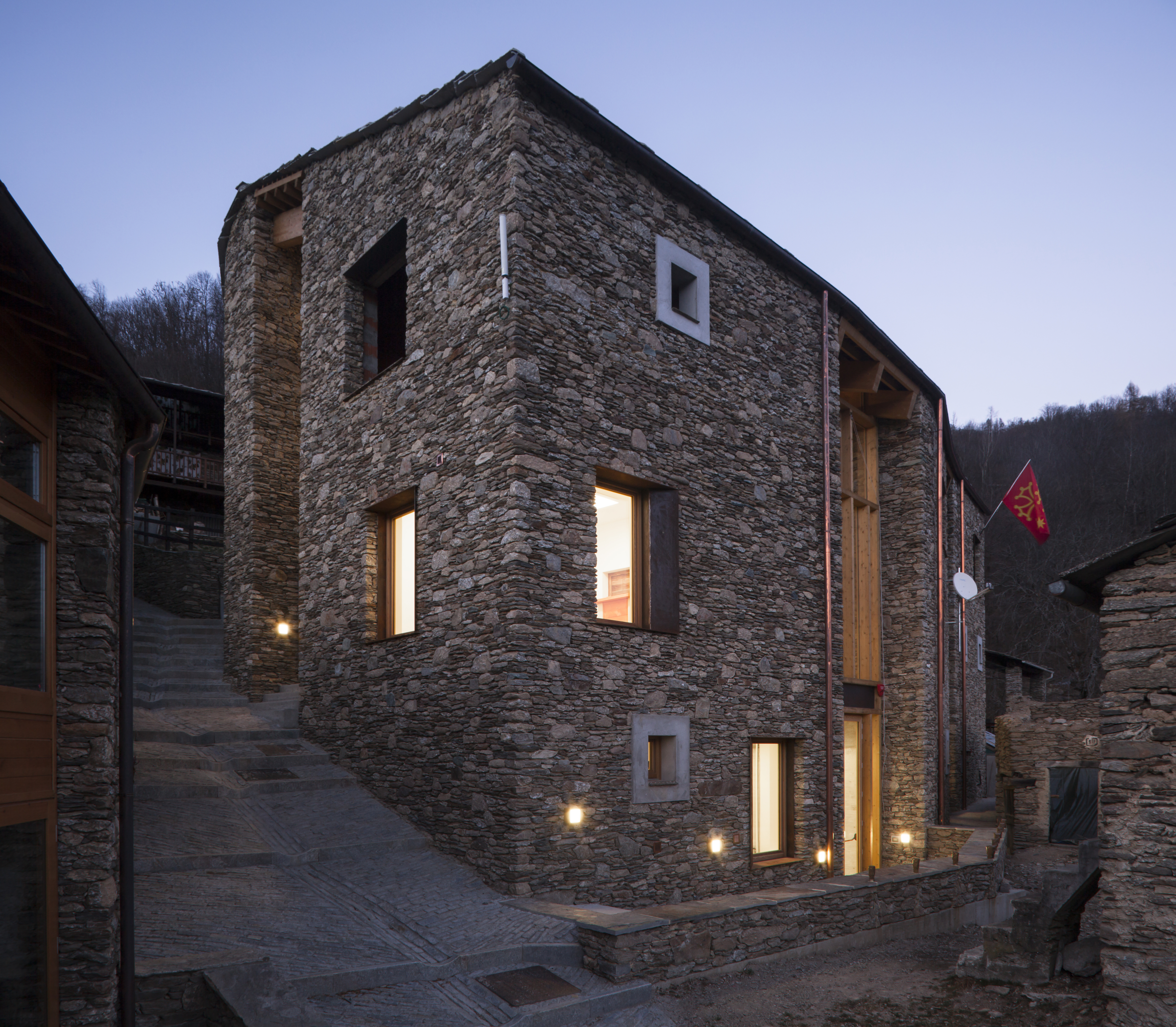
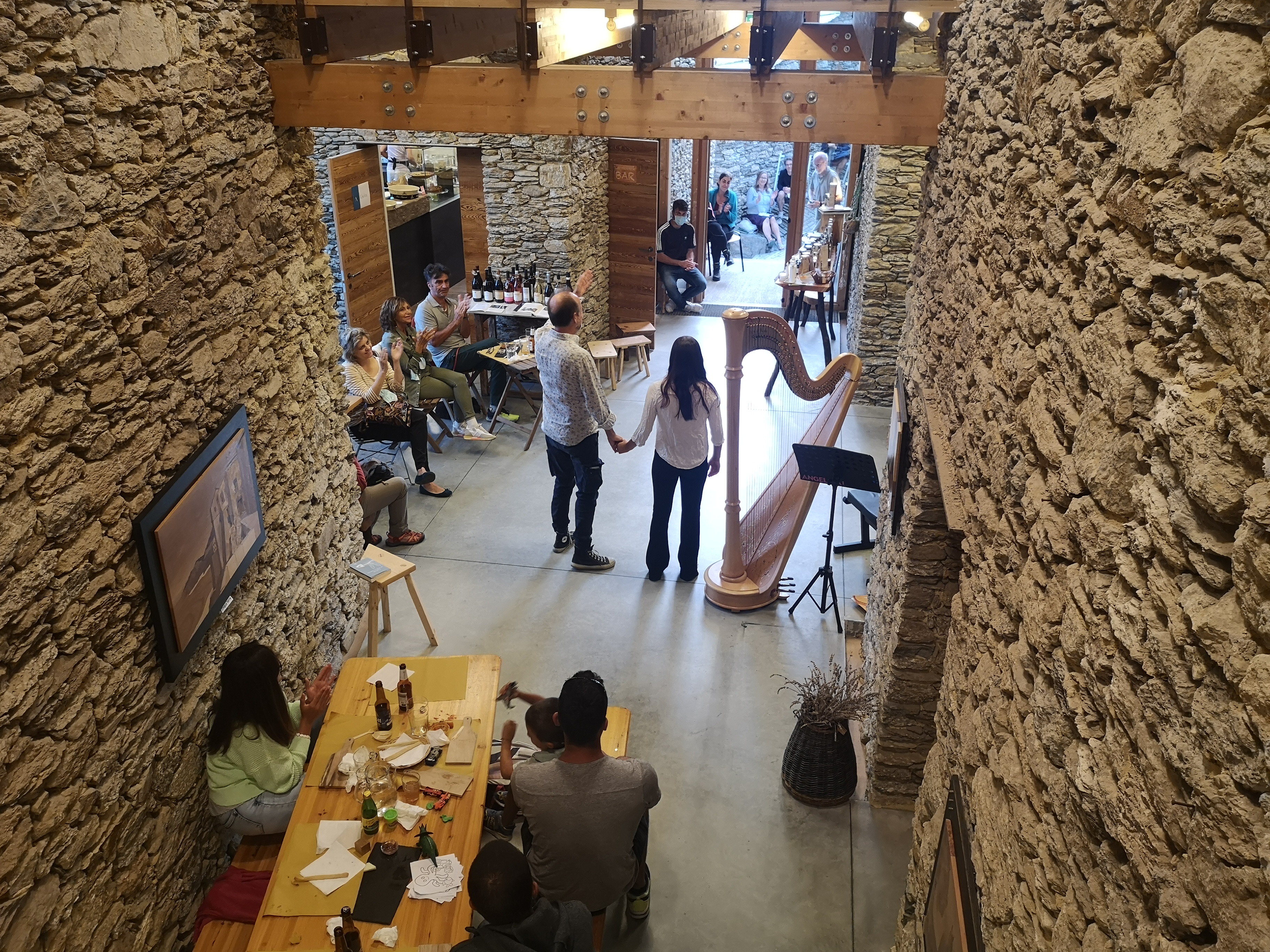
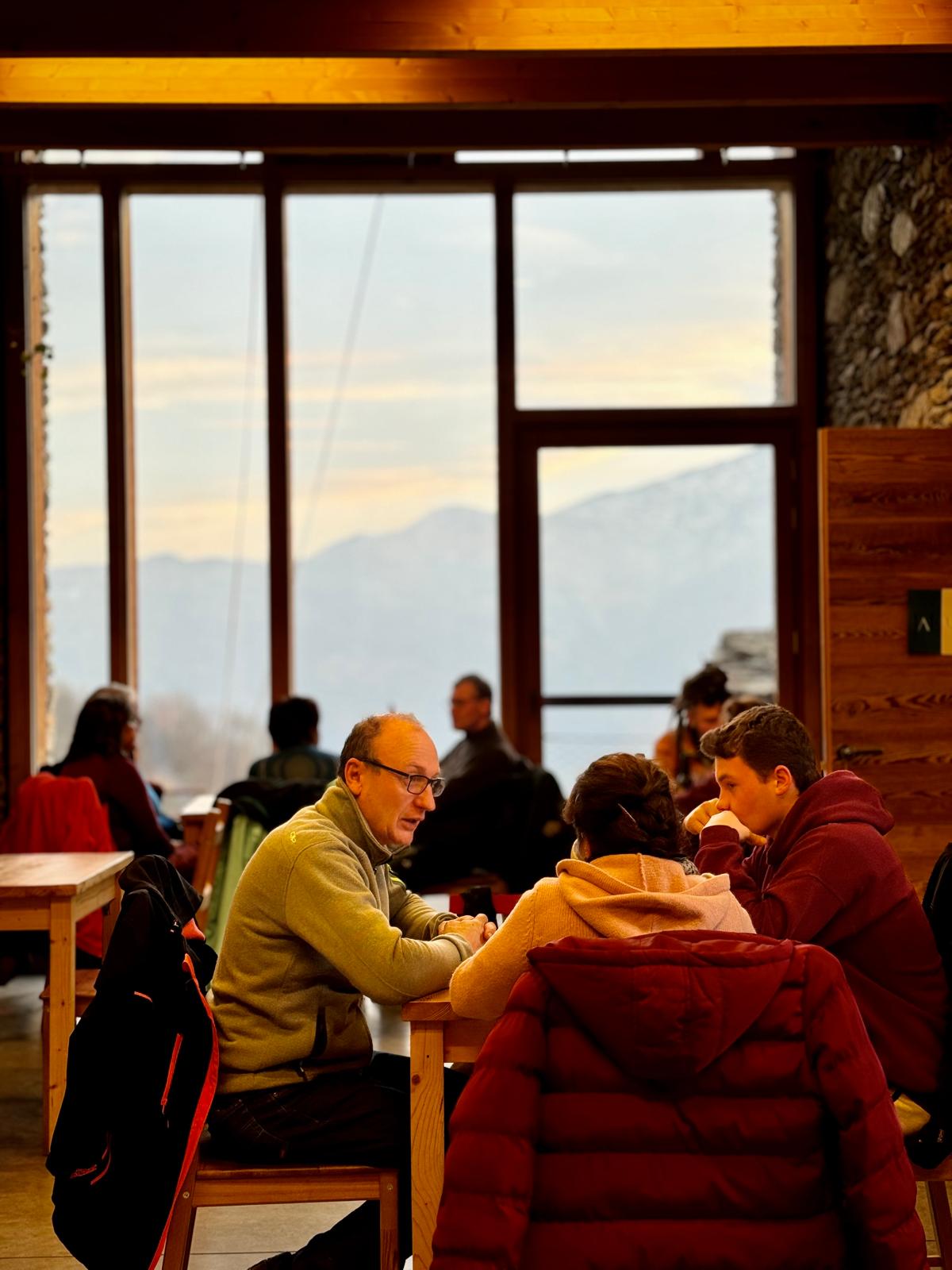
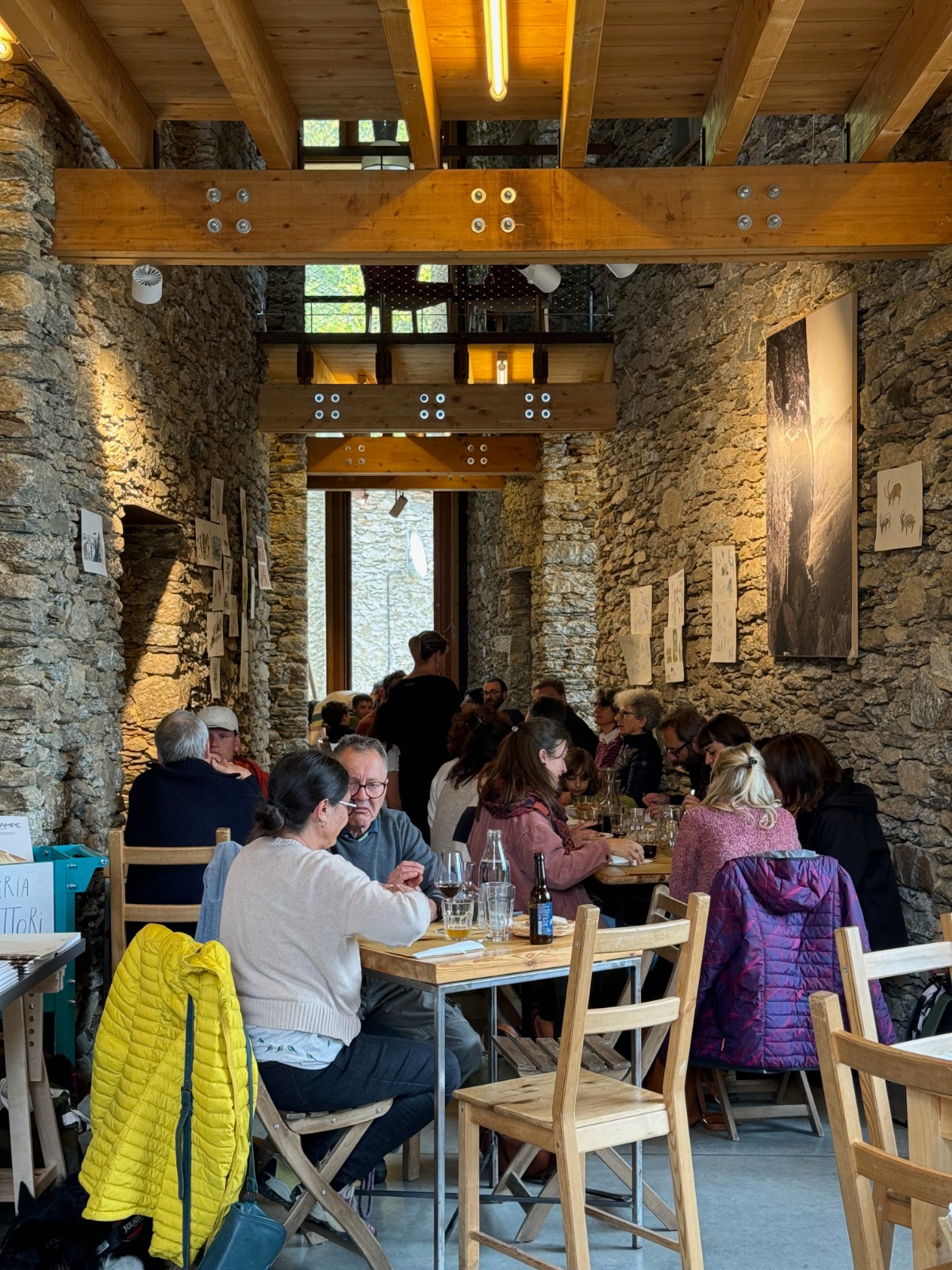
The centre emerged from a public–private partnership between the municipality and the community cooperative “Viso a Viso”, composed of young professionals who are permanent or temporary residents. The architectural restoration, publicly funded and led by the municipality, reinterprets the traditional Occitan “pourtoun”—a shared covered street along the slope, historically shared by villagers for outdoor activities during harsh weather—into a contemporary civic infrastructure hosting exhibitions, conferences, coworking spaces, cultural activities, a café-restaurant, research initiatives, the research laboratories of the Alpine River Study Centre, a shop, and a library.
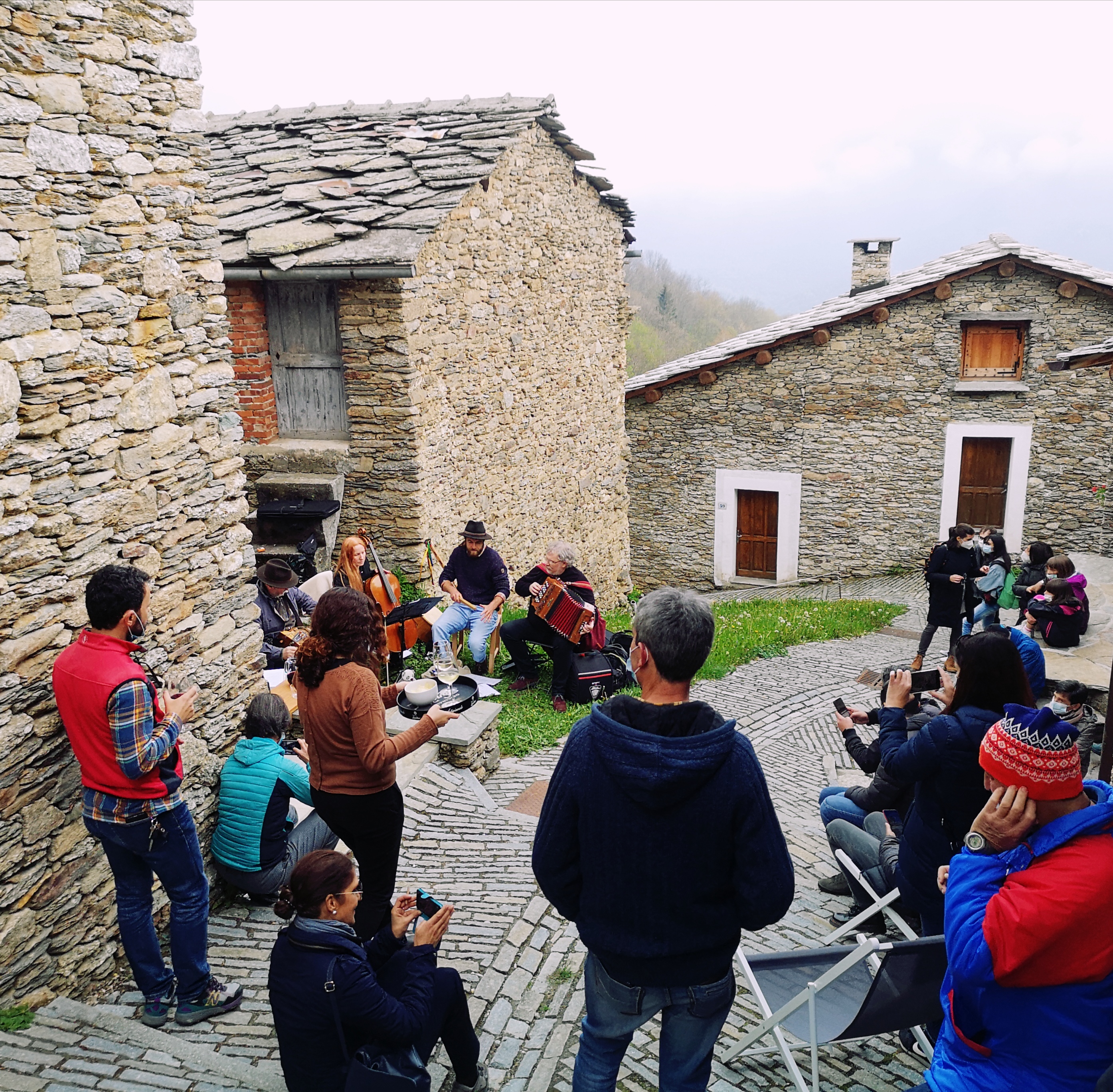
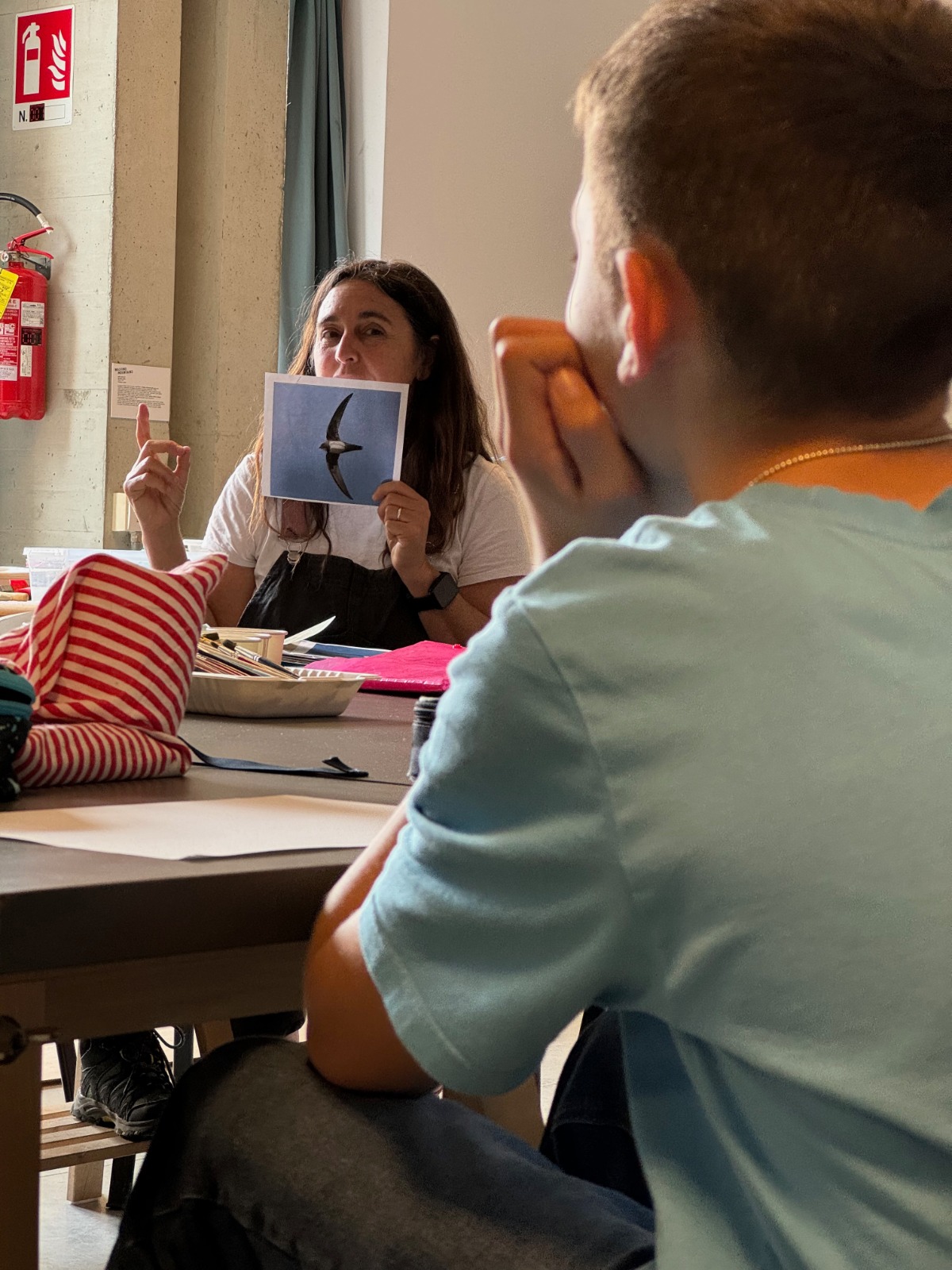
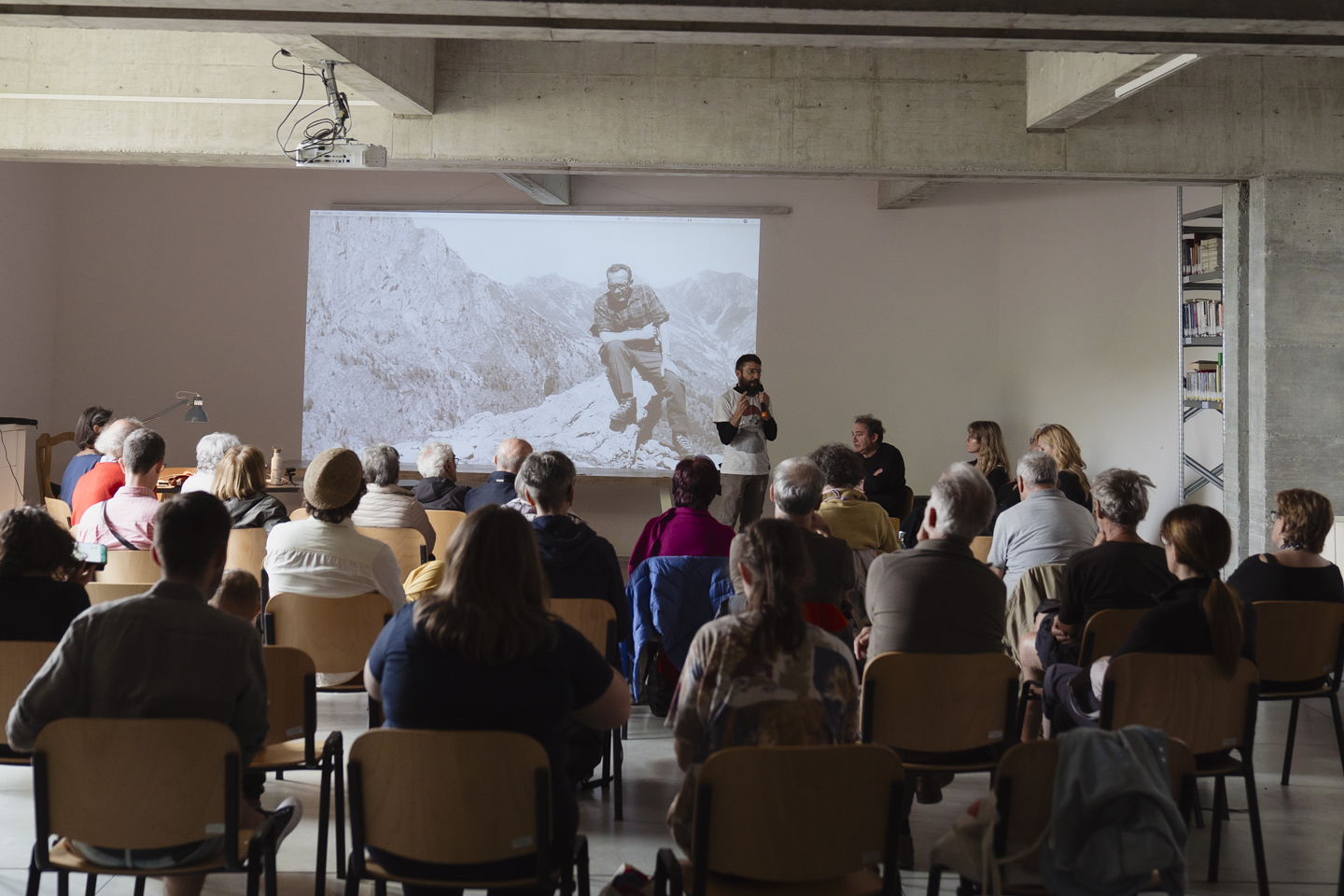
Lou Pourtoun has become “a home for all”, contributing to the gradual repopulation of the village, which has grown from five to around fifty inhabitants, including children. The centre hosts approximately 5,000 visitors annually for cultural events, 6,000 users through the café-restaurant, and around 2,500 children participating in workshops and educational programmes each year.
Beyond local impact, the project demonstrates how marginal rural areas can transition from decline to regeneration through the integration of cultural identity, architectural quality, cooperative governance, and knowledge-based innovation, offering a transferable model for rural and mountain regions across Europe. The project’s strength lies in its continuity over more than four decades, enabling adaptive development, collective ownership, and lasting impact.
Lou Pourtoun is not an isolated project, but part of a long-term territorial strategy. Ostana experienced severe depopulation during the 20th century, declining from over 1,200 inhabitants in 1921 to near abandonment by the 1980s, when only a few permanent residents remained. In response, these residents, together with local leaders, the mayor, and architects from the Politecnico di Torino, initiated a long-term regeneration process rooted in Occitan cultural identity and aimed at creating new opportunities for living and working while safeguarding heritage.
A key early step was the development of architectural guidelines promoting the adaptive reuse of existing buildings, the use of local materials, and the preservation of the traditional built landscape, prioritising restoration over new construction. From 2004 onwards, thanks to continuity in local governance and a committed working group, the process evolved into a structured strategy combining spatial regeneration, cultural revitalisation, and local economic development. A decisive phase was the restoration of the hamlet of Miribrart, by then almost entirely abandoned. This intervention culminated in the transformation of Lou Pourtoun, reinterpreting a traditional shared space as a contemporary civic and cultural infrastructure. The project was developed through continuous co-design involving citizens, local associations, and professionals, ensuring strong local ownership.
A further milestone was the creation of the community cooperative “Viso a Viso”, entrusted with the management of the centre and its evolving programme.
Since 2017, Lou Pourtoun has also been activated as a living environment for international education and research through the MonViso Institute, which established its campus in Ostana. It pioneered place-based learning and community interaction, helping position the village as a site of continuous experimentation linked to international networks and regenerative approaches.
Public-private partnership
Rural regeneration
Community-led governance
Cultural heritage
Circular economy
Lou Pourtoun contributes to environmental sustainability primarily through the adaptive reuse of existing buildings, significantly reducing land consumption and material use. The restoration prioritised local materials such as stone and wood, ensuring low embodied energy and continuity with traditional construction practices, while preserving the Alpine built landscape. The project aligns with circular design principles by favouring repair over replacement and long-term durability over short-term efficiency.
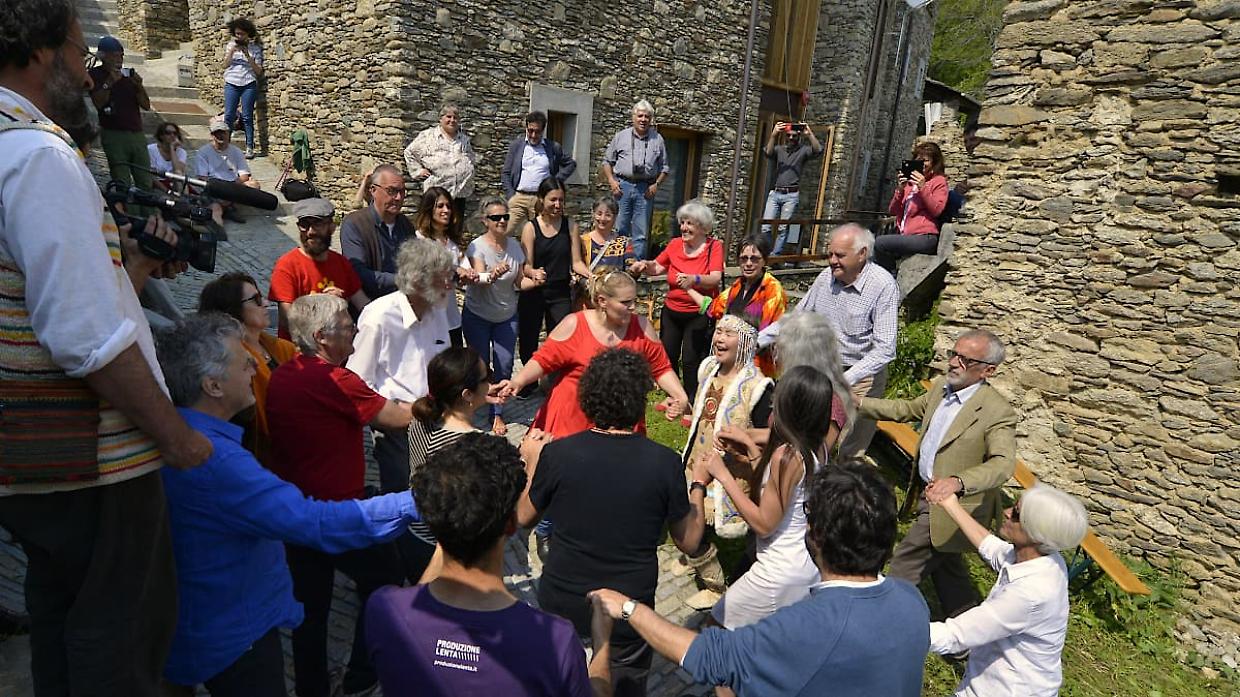
Beyond impact reduction, the project contributes to the regeneration of ecological and socio-economic systems by reconnecting human activity with landscape processes, local resource cycles, and cultural practices. As part of the UNESCO MaB Monviso Reserve, the cooperative acts as an active eco-actor, promoting sustainable territorial practices. Activities include sourcing local products for the café-restaurant, supporting short supply chains, and offering low-impact tourism such as guided hiking and e-bike excursions, nature exploration along the Po River, forest bathing, and environmental education. Particular attention is devoted to organising activities that enhance knowledge of the local landscape and foster stewardship and a shared sense of responsibility towards the territory, such as toponymy-based excursions and place-based learning formats. Lou Pourtoun functions as a living laboratory for education and research, where real-world challenges are addressed through immersive, place-based learning formats. Among the most significant initiatives hosted at Lou Pourtoun was the School of Politics, a forum where citizens engaged in discussions on democracy and civic participation; the celebration of the “Premio Ostana – Scritture in Lingua Madre”, which brings in the community writers from minority-language communities worldwide. This reflexive approach strengthens the project’s capacity for continuous learning and adaptation
Beyond impact reduction, the project contributes to the regeneration of ecological and socio-economic systems by reconnecting human activity with landscape processes, local resource cycles, and cultural practices. As part of the UNESCO MaB Monviso Reserve, the cooperative acts as an active eco-actor, promoting sustainable territorial practices. Activities include sourcing local products for the café-restaurant, supporting short supply chains, and offering low-impact tourism such as guided hiking and e-bike excursions, nature exploration along the Po River, forest bathing, and environmental education. Particular attention is devoted to organising activities that enhance knowledge of the local landscape and foster stewardship and a shared sense of responsibility towards the territory, such as toponymy-based excursions and place-based learning formats. Lou Pourtoun functions as a living laboratory for education and research, where real-world challenges are addressed through immersive, place-based learning formats. Among the most significant initiatives hosted at Lou Pourtoun was the School of Politics, a forum where citizens engaged in discussions on democracy and civic participation; the celebration of the “Premio Ostana – Scritture in Lingua Madre”, which brings in the community writers from minority-language communities worldwide. This reflexive approach strengthens the project’s capacity for continuous learning and adaptation
Lou Pourtoun enhances quality of life by creating a shared civic space where cultural exchange, learning, and everyday life intersect in a small Alpine village where such opportunities were previously limited. The project reinterprets vernacular Occitan architecture through contemporary design, establishing a dialogue between tradition and innovation. The building’s spatial configuration encourages interaction, care, and a strong sense of belonging, while maintaining continuity with the local architectural heritage. Beauty is treated not as an aesthetic layer, but as a structural driver of regeneration, where architectural quality reinforces long-term attachment to place. Large openings frame views of the surrounding landscape and Monviso, strengthening the sensory and emotional connection between inhabitants and their environment.
Residents recognise elements of their built heritage, while visitors experience an environment deeply rooted in local culture.
Cultural programming further amplifies this experience. Notable initiatives include the residency of writer Amitav Ghosh and the project La Grande Acqua, which combined artistic and scientific perspectives through immersive experiences along the Po River, engaging participants with climate change and ecological transition.
Today, a growing community of returning visitors develops lasting relationships with the village and its landscape. Staff observations and guestbook entries in the café-restaurant reflect enhanced well-being and appreciation of the space.
The project represents an innovative departure from conventional rural development models by integrating architectural quality, cultural production, and cooperative governance into a single, place-based regeneration strategy. The result is an environment that stimulates creativity, fosters cultural exchange, and reconnects people to the ecological and cultural qualities of the place.
In a territory characterised by dispersed hamlets and limited services, Lou Pourtoun provides an open and accessible civic infrastructure that reduces spatial and social isolation. It functions as a community hub offering cultural, educational, and everyday services, including a shop, a library, coworking spaces, childcare, and community support functions.
The Open Library of Ostana (BAO) is a community-led initiative integrated with Lou Pourtoun, serving as a living public space across the village and its hamlets. Specialising in Alpine culture—nature, architecture, illustration, and media—it provides access to books, digital resources, workshops, and educational activities for all ages, and is connected to the National Library Service, ensuring broader accessibility.
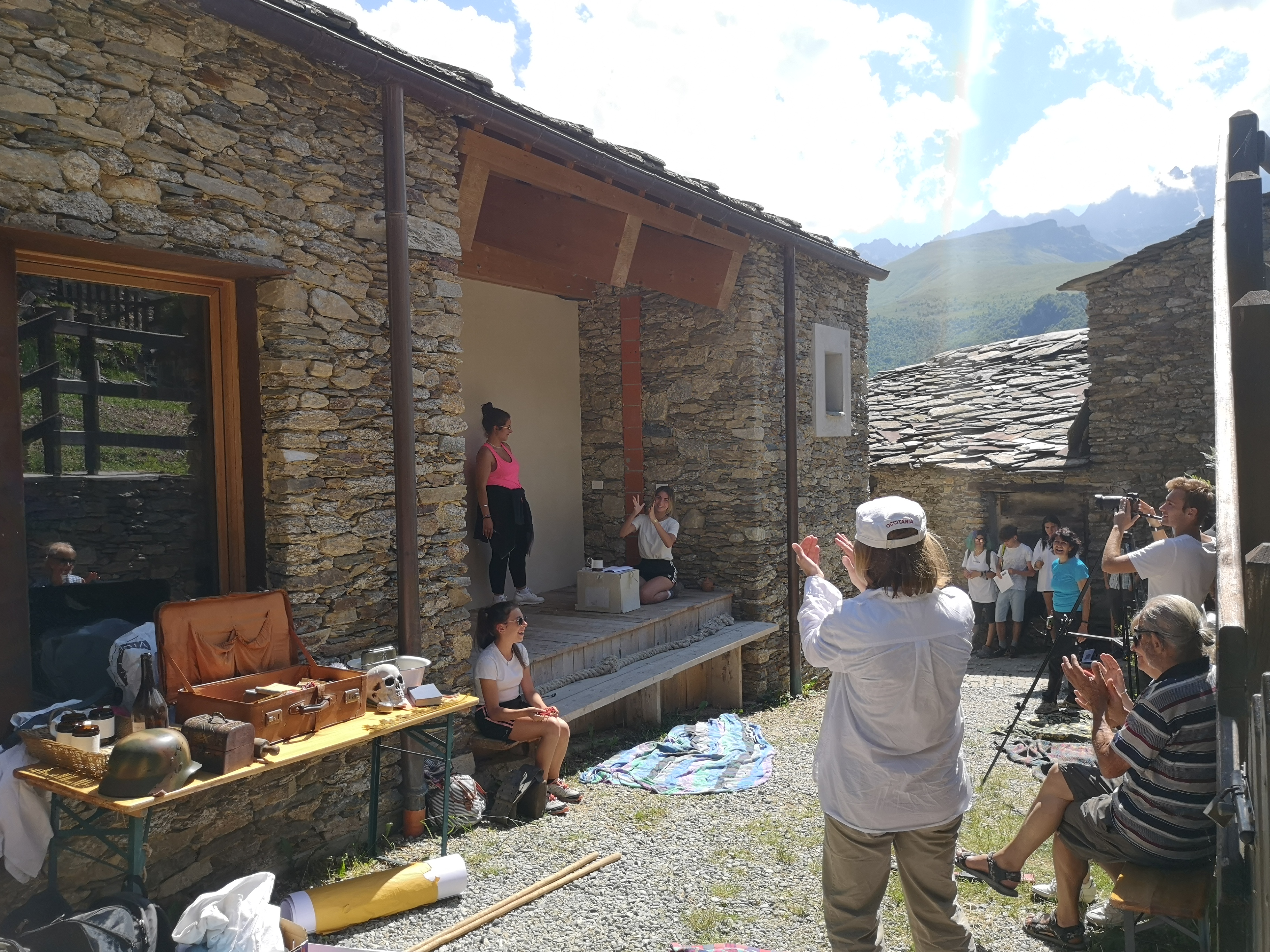
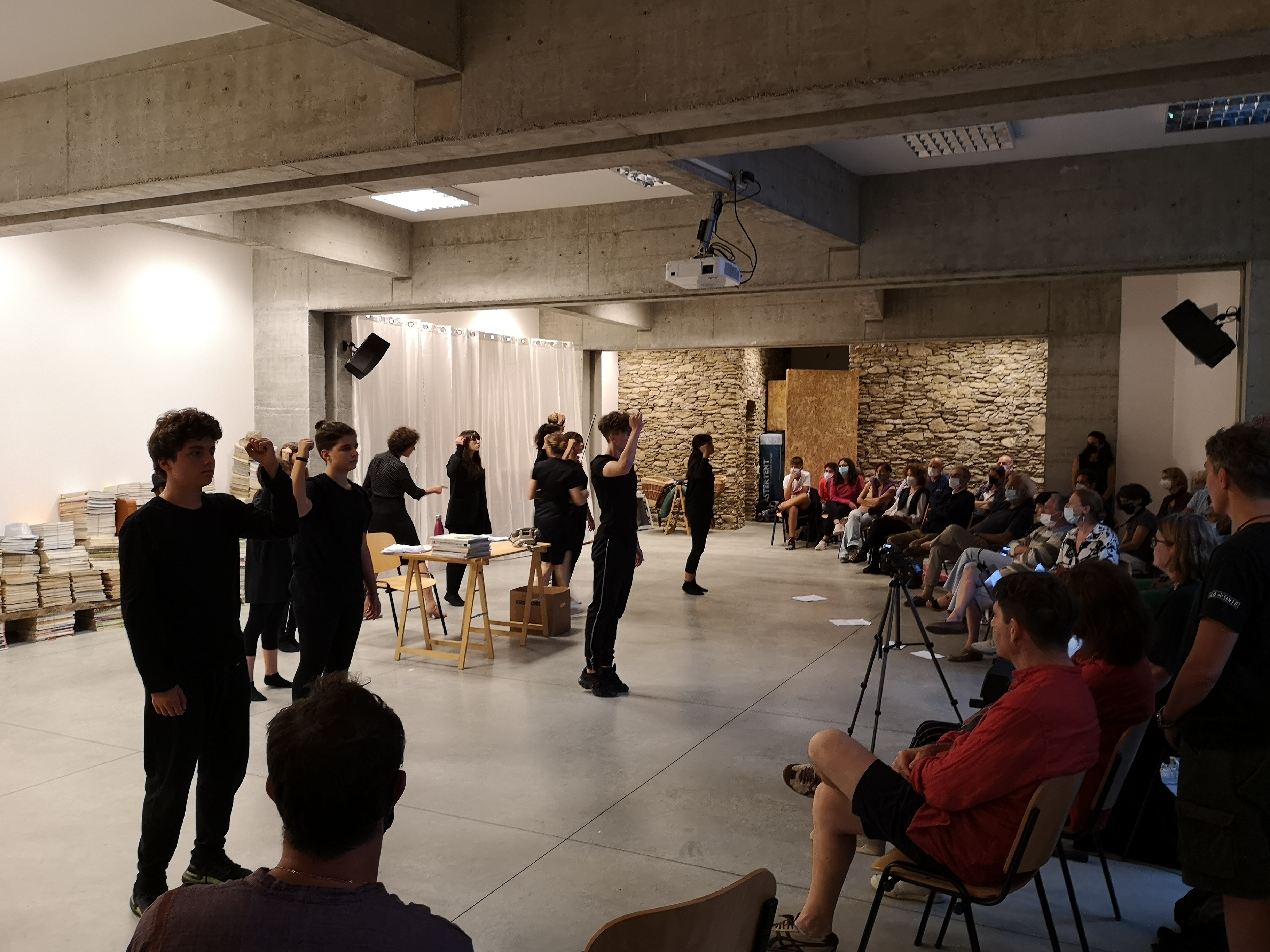
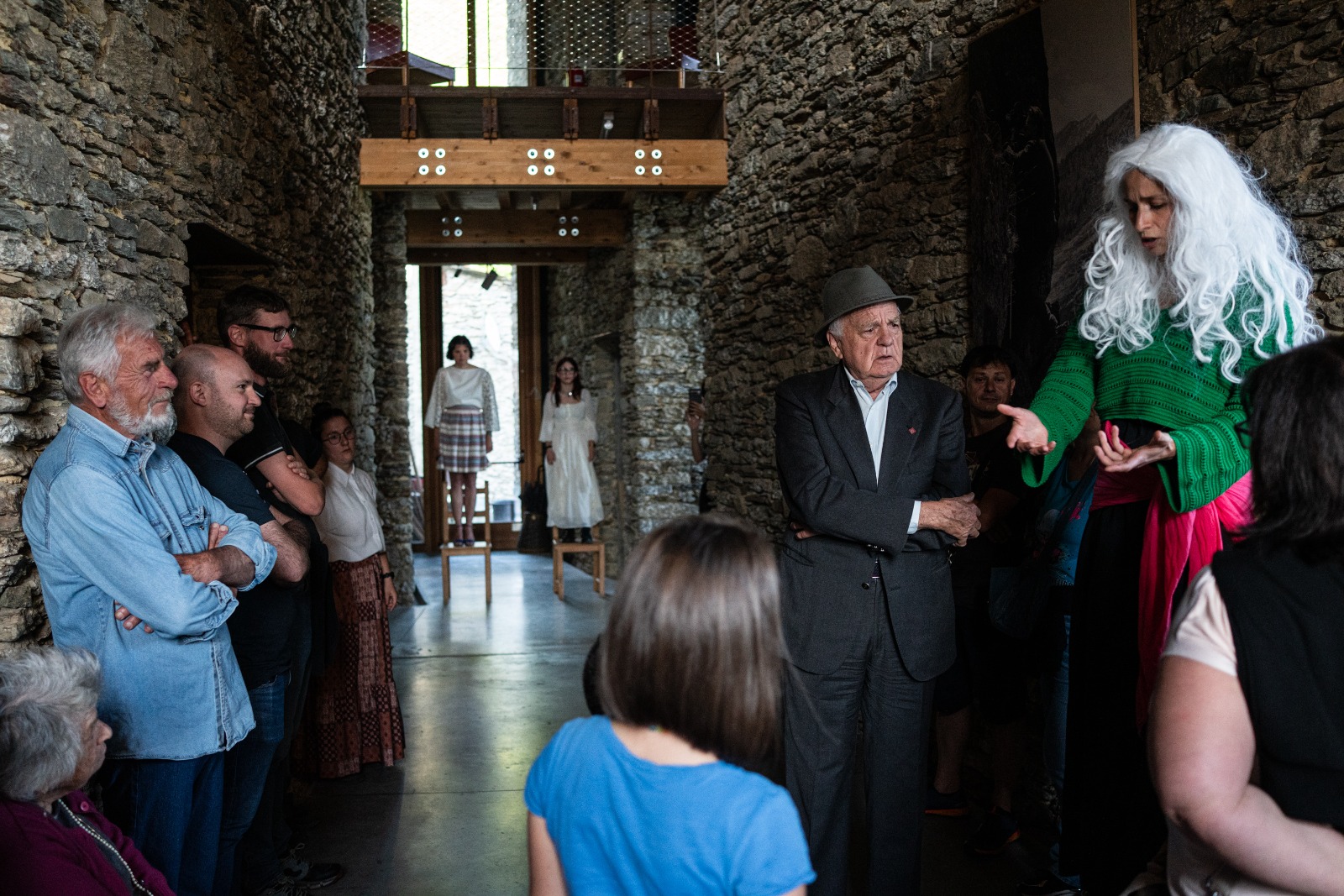
Additional initiatives include a local theatre group composed of residents, a nursery for children aged 0–3 (hosting seven children from the village and nearby areas), and an eco-museum fully accessible to people with disabilities. The centre also acts as a “community concierge”, linking residents to local services and supporting everyday needs.It hosts a physical and digital bulletin board with community announcements and an up-to-date events calendar.
The building is organised across multiple access points along the slope, enabling entry from different parts of the village and reinforcing its role as an inclusive public space. Staff are trained to support diverse needs, including the use of the Joelette to enable people with mobility impairments to access mountain trails.
Inclusion is embedded structurally through the cooperative governance model, enabling participation, shared ownership, intergenerational exchange, and opportunities for both residents and newcomers to actively shape community life
Lou Pourtoun was developed through a continuous participatory process involving residents, local associations, the municipality, and professionals. From the outset, the municipality defined the project not only as an architectural intervention, but as a social and economic response to the needs of a small Alpine community.
During the renovation phase, the municipality collaborated closely with architects from the Politecnico di Torino through an iterative co-design process. The small size of the community enabled continuous dialogue between local associations, the administration, and the technical team, allowing decisions to evolve through shared reflection rather than fixed planning.
As the project developed, local youth progressively shaped their role, leading to the creation of the community cooperative “Viso a Viso”, which was later entrusted with the management of the centre. Its members include both residents and people connected to the village from surrounding areas and cities, extending participation beyond the local scale and bringing new skills and perspectives.
Participation continues today through regular co-design meetings involving local associations, cooperative members, and research groups using the space. Activities and programmes are co-developed and coordinated through shared tools, including the “Vivi Ostana” platform, a valley-wide digital calendar, and a local newsletter. Participation has further expanded participation by facilitating workshops and visual dialogues that invite residents to reflect on their own development process in exchange with international perspectives. This reflexive dimension strengthens participation beyond implementation, fostering shared learning and adaptive capacity.
This ongoing, multi-layered process has strengthened collective ownership, ensured responsiveness to evolving needs, and reinforced social cohesion within a small but growing population.
The Lou Pourtoun centre is the result of collaboration among stakeholders operating across local, regional, national, and international levels, enabling both the architectural project and its long-term social and cultural role. At the local level, the municipality, the cooperative “Viso a Viso”, and local associations ensure continuous alignment between governance, programming, and community needs.
At the regional level, Regione Piemonte supported the initiative through policies and funding programmes aimed at strengthening cultural infrastructure in mountain areas, providing both financial and institutional backing. Over time, the vision of the project’s promoters and the innovative activities developed within the community attracted a growing network of qualified partners, contributing skills, knowledge, and visibility.
At the national level, collaborations with institutional and cultural networks—including ANCI, UNCEM, and Alliance in the Alps—have positioned Ostana within broader debates on sustainable development and community-based regeneration in fragile mountain territories.
The centre has progressively become also a place for academic experimentation and learning. The Politecnico di Torino regularly organises laboratory courses, conferences, and design studios focused on the restoration and adaptive reuse of Alpine public buildings, while other universities and research institutes have joined these activities. Research initiatives on river ecosystems are also promoted by the Alpine River Study Centre. Internationally, networks such as Universitas Montium and the Ostana Residency Programme (since 2021) bring students, researchers, artists, and entrepreneurs into dialogue with the local community. Since 2017, the MonViso Institute has further strengthened this multilevel engagement by connecting local practice with international research and education in systemic and regenerative development.
The Lou Pourtoun project reflects a deeply interdisciplinary and transdisciplinary approach, combining architecture, design, engineering, social sciences, arts, education, and environmental knowledge in both its development and daily functioning. During the renovation phase, principles of vernacular architecture conservation and sustainable design were applied to optimise resource use, energy performance, and integration with the surrounding Alpine landscape.
At the same time, insights from sociology, community development, and cultural management informed the conception of the centre as a living civic space. Residents, associations, and local actors were actively involved in defining functions and governance, contributing their knowledge, practices, and cultural identity. In particular, the maintenance and promotion of Occitan culture—through music, events, and cross-border exchanges with French-speaking communities—remain a central dimension of the project.
Educational and artistic disciplines now guide much of the centre’s programming, including workshops, summer schools, performances, and exhibitions. The cooperative “Viso a Viso”, composed of nine members with diverse backgrounds—from cultural designers and teachers to hospitality workers and filmmakers—ensures an interdisciplinary approach in everyday operations.
Transdisciplinarity is understood not only as collaboration across disciplines, but as knowledge creation with and from society. Lou Pourtoun is a living laboratory, where students, researchers, and practitioners are into direct exchange with the local community. The work of the cooperativee focuses on continuous joint problem framing, recognising the challenge of sustaining collaboration as processes evolve and become complex. Through long-term engagement, this approach strengthens relationships, and navigate uncertainty. The result is a living environment where disciplines and lived experience intersect, enabling more holistic problem-solving.
The Lou Pourtoun centre in Ostana is structured around a mixed business model combining public investment and diversified revenue streams, ensuring long-term financial sustainability while remaining accessible to the community. The municipality financed the restoration and owns the infrastructure, while the community cooperative “Viso a Viso” manages daily operations and programming within a shared governance framework.
Revenue streams are diversified across cultural, educational, and economic activities. Lou Pourtoun hosts exhibitions, conferences, festivals, workshops, and summer schools in collaboration with universities and research centres, generating participation fees and rental income. Coworking spaces for researchers, artists, and professionals provide additional revenue. The café-restaurant (“Merenderia Alpina”), a guesthouse with 18 beds, and e-bike rental services further contribute to income generation.
Additional revenues are generated through projects developed in cooperation with the Monviso UNESCO MaB Reserve, particularly in co-designing sustainable tourism initiatives. Partnerships with universities, research institutions, and cultural networks create further opportunities for grants, sponsorships, and collaborative programmes. Support is complemented by targeted cultural funding, EU programmes aligned with territorial regeneration, and occasional private donations. The model operates within a wider ecosystem of actors and networks, linking local economic activities with regional, national, and international collaborations.
This diversified structure reduces dependency on single funding sources and increases resilience in our low-density rural context. Costs are distributed between public infrastructure investment and cooperative-based operations, allowing efficient use of resources.
The alchemy that enabled the Lou Pourtoun experience—transforming local aspirations into a coherent and implementable initiative—rests on a combination of four components: strong local leadership, the continuity of a public administration over more than forty years, architectural design governance rooted in local identity, and the work of a cooperative of young professionals applying participatory co-design in practice. This “scaling deep” process is visible in the transformation of a single place into “a home for all”, where cultural production, education, and local economy are integrated and continuously adapted to the needs of a small but growing community.
The model is sustained through a combination of public investment, diversified income streams, and participation in national and European cooperative networks, enabling financial viability and continuous learning. Its strength lies in the tight integration of governance, space, culture, and economy at the local scale.
Building on this foundation, Lou Pourtoun also demonstrates a capacity to “scale out”. Through long-term collaboration with research centres, local practice is connected to wider territorial and knowledge systems, extending from the village to the valley and bioregional scale, and linking to international research and education networks. This includes engagement with global learning formats such as the DRRS programmes, which bring participants from different contexts into dialogue with Ostana.
This dual dynamic—scaling deep in place and scaling out across networks—offers a transferable methodology. While each context requires adaptation, the core principles of place-based identity, participatory governance, and integration of culture, knowledge, and economy can inform regeneration processes in other regions across Europe seeking to combine practice, learning, and systemic innovation.