Arts, Culture, and Heritage as Drivers of Change
Braga After Dark
Braga After Dark - URBACT Cities After Dark Network
Braga After Dark is a cultural strategy led by the Municipality of Braga to transform the historic city into a vibrant, inclusive and safe cultural landscape after dark. By activating heritage spaces through music, cultural venues and public life, the initiative strengthens community participation and local creativity. As Lead Partner of the URBACT Cities After Dark network, Braga also drives European collaboration on sustainable and inclusive night-time urban culture.
Portugal
National
Mainly urban
It involves other types of transformations (soft investment)
Yes
2025-07-27
Yes
Cities After Dark under URBACT IV
No
No
Organisation
Braga After Dark is a cultural governance strategy led by the Municipality of Braga to rethink how historic European cities experience urban life after sunset. Traditionally, city centres are designed mainly for daytime activities, leaving cultural, social and economic potential underused at night. The initiative addresses this challenge by transforming Braga’s historic centre into a vibrant, safe and inclusive cultural landscape after dark.
The initiative engages residents, young people, cultural operators, artists, visitors and local businesses. Its objective is to strengthen Braga’s night-time cultural ecosystem by activating heritage spaces through music, culture and community participation, while promoting responsible and accessible urban experiences.
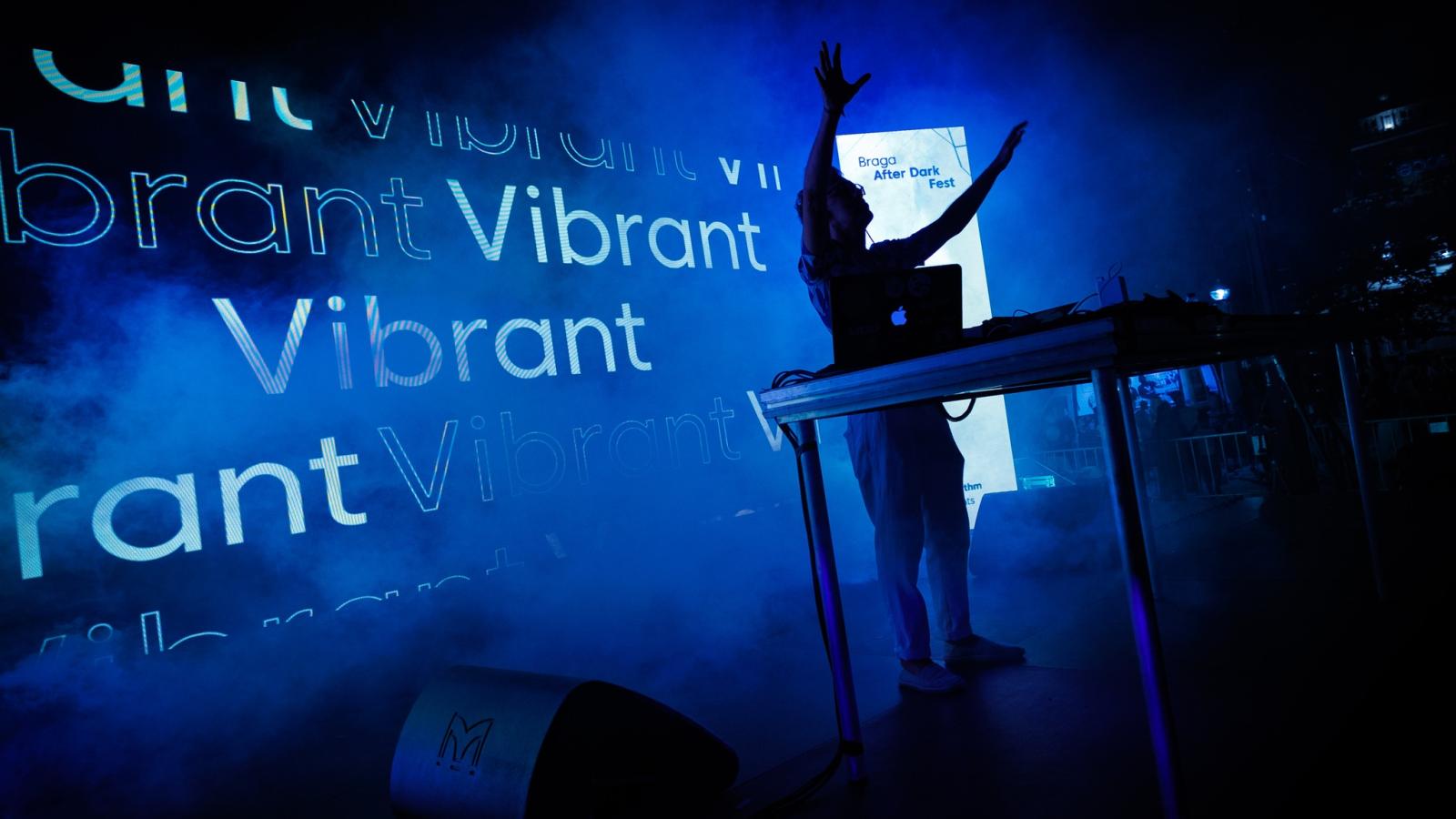
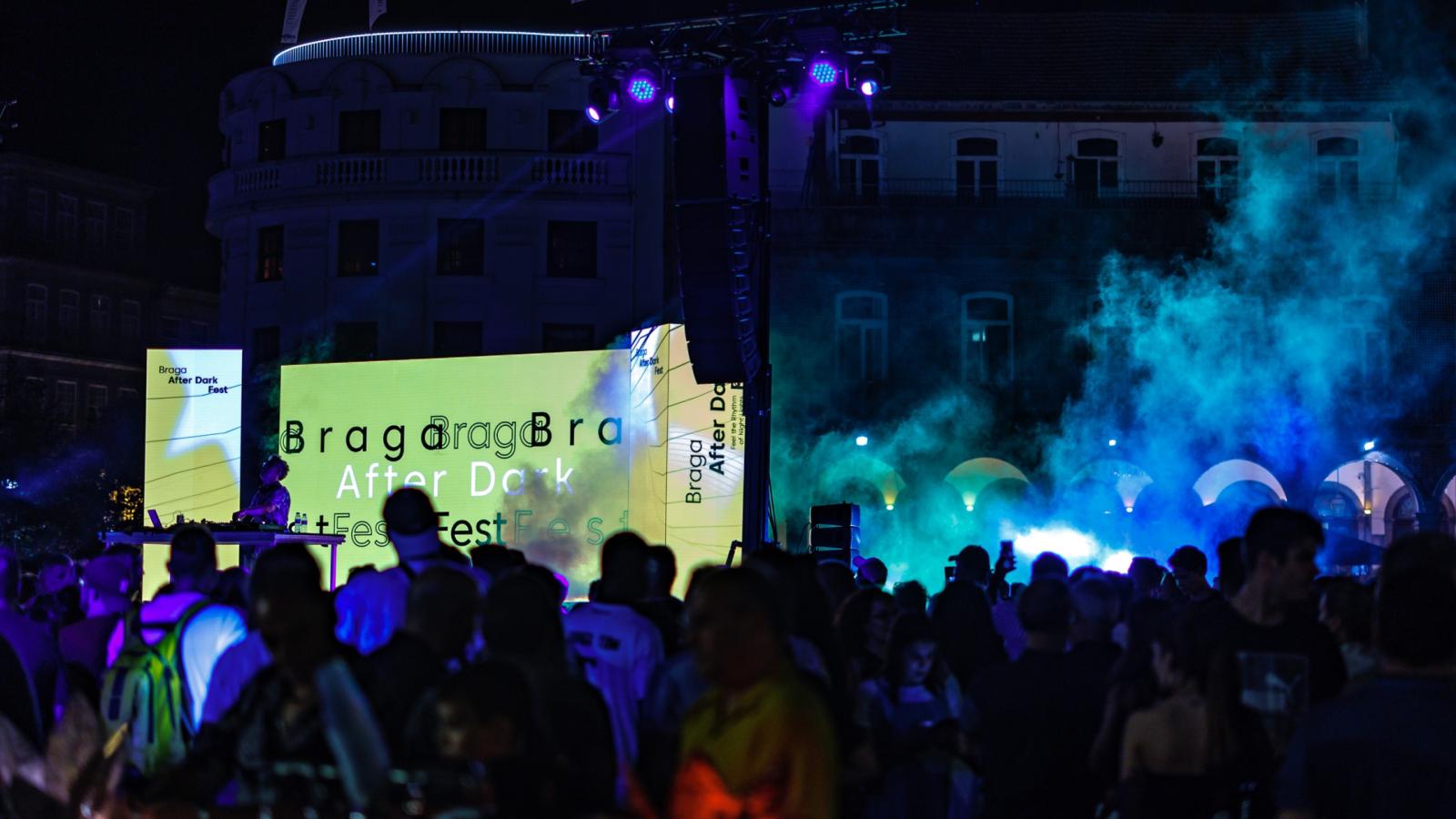
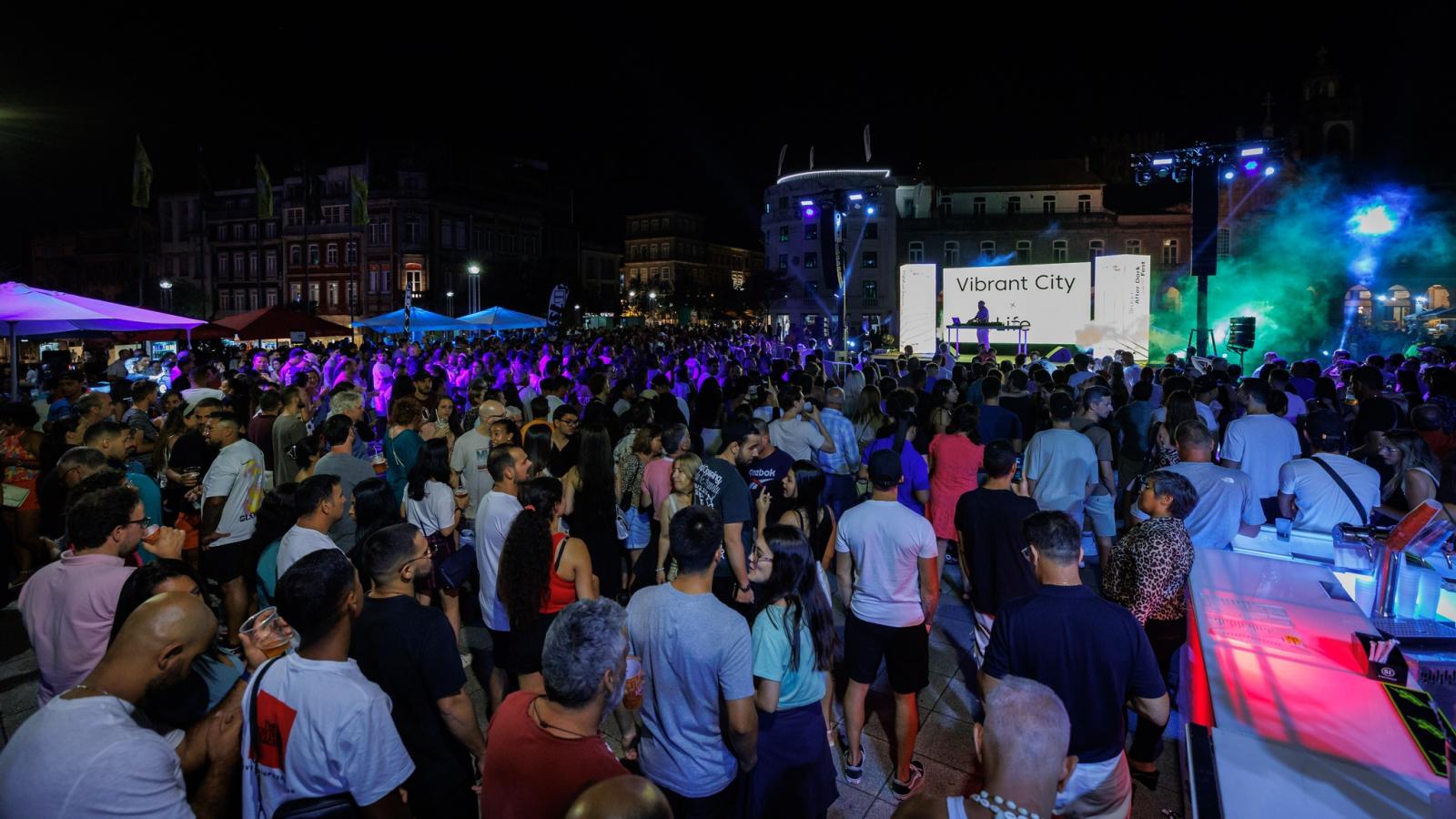
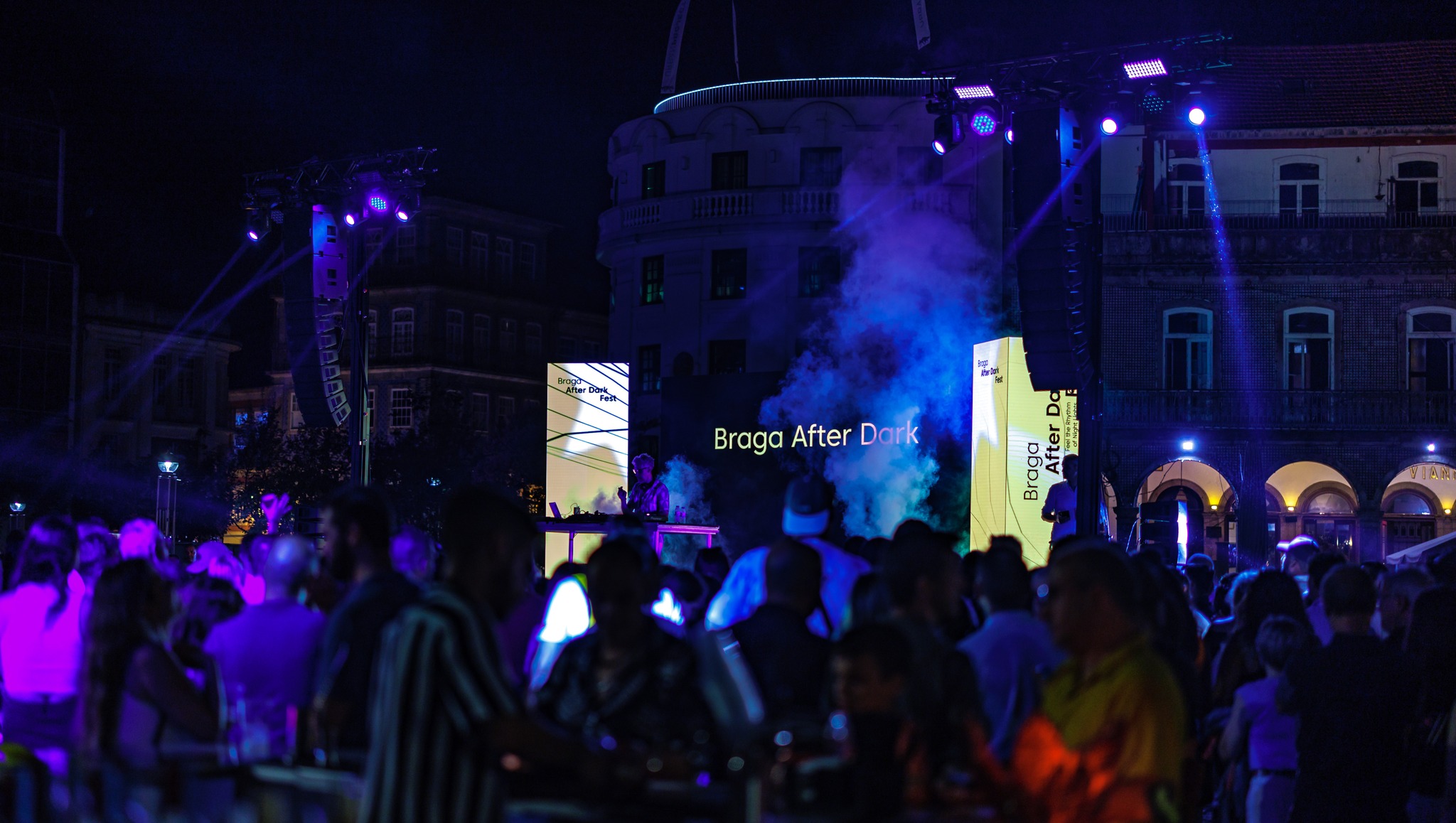
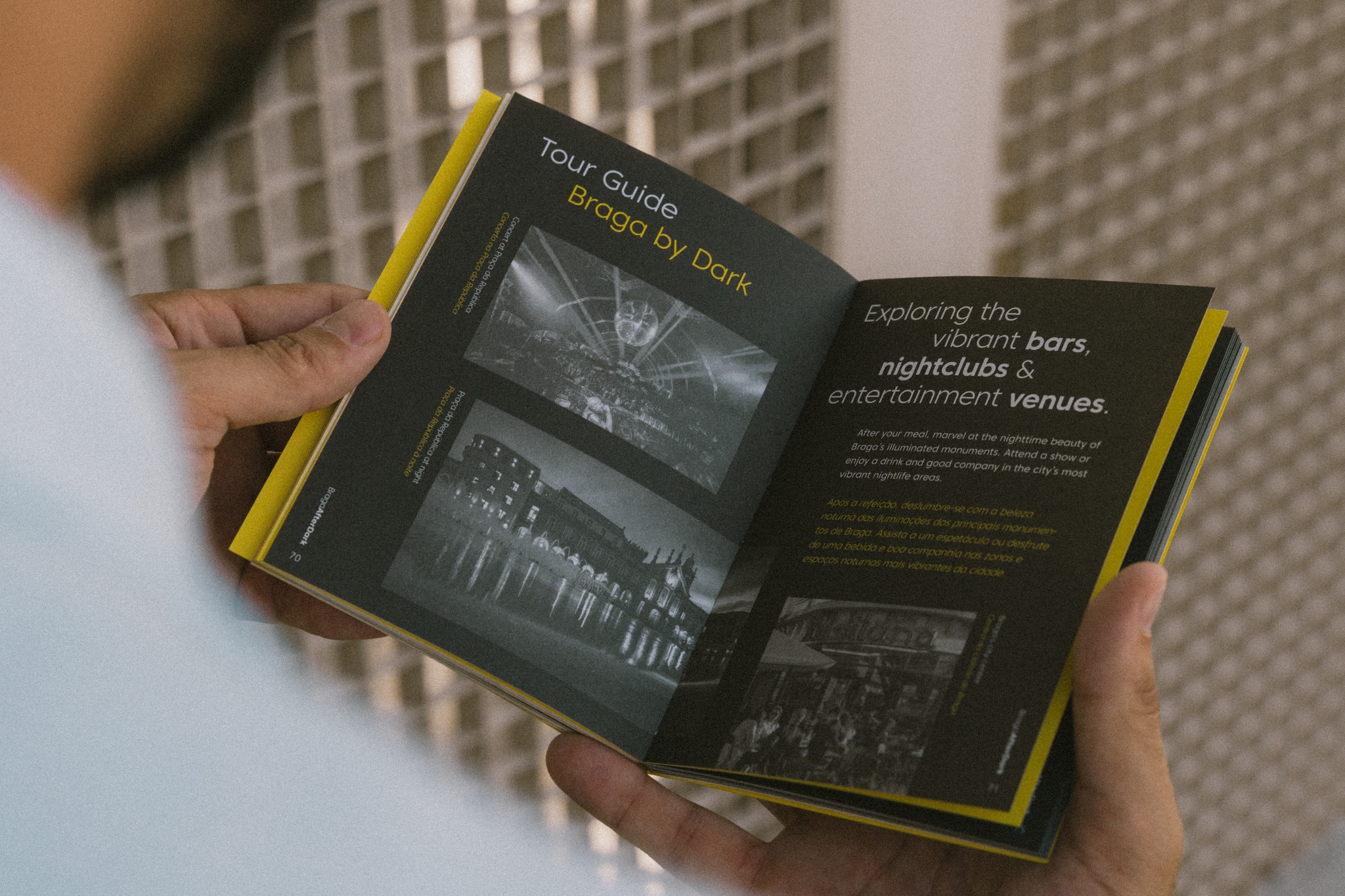
Braga After Dark functions as a permanent municipal framework connecting culture, tourism, safety and mobility policies. Within this strategy, tools such as the Braga After Dark Guide and Braga After Dark Fest help activate cultural venues, heritage locations and public spaces, strengthening the visibility of local artists and independent venues while encouraging citizens to rediscover the historic centre at night.
The initiative has already produced tangible results. Cultural venues and businesses now operate within a shared ecosystem, collaboration between stakeholders has increased and new cultural experiences have emerged in the historic centre. The project also strengthens cooperation between municipal departments responsible for culture, tourism, safety and mobility.
Braga After Dark also has a European dimension. Braga is the Lead Partner of the URBACT Cities After Dark network, coordinating collaboration between ten European cities exploring sustainable and inclusive approaches to night-time governance.
Braga After Dark was developed as a long-term cultural governance strategy by the Municipality of Braga to address the growing importance of night-time urban life in historic European cities. Rather than focusing only on events or tourism, the initiative aims to reshape how culture, public space and community life interact after sunset.
The project emerged within the URBACT Cities After Dark network, where Braga acts as Lead Partner, bringing together ten European cities to explore new models of night-time governance. At local level, the municipality created a URBACT Local Group involving cultural venues, artists, creative professionals, businesses, tourism stakeholders, mobility services, safety authorities and community representatives.
Through workshops, consultations and collaborative discussions, stakeholders identified key challenges affecting night-time urban life, including accessibility, safety, cultural visibility and the sustainability of independent cultural venues. This participatory process helped define Braga After Dark as a permanent governance framework designed to coordinate cultural, economic and social activities taking place after dark.
The strategy was implemented through several phases: mapping the city’s night-time cultural ecosystem, developing collaborative governance structures, and testing initiatives that activate heritage spaces and support local cultural actors. Tools such as the Braga After Dark Guide and the Braga After Dark Fest were introduced as practical instruments to connect venues, audiences and public space, reinforcing the visibility of Braga’s cultural life.
Today, Braga After Dark operates as an ongoing municipal strategy that aligns culture, tourism, safety and mobility policies while strengthening the role of arts and heritage in shaping inclusive and vibrant urban experiences after dark.
Cultural Heritage Activation
Night-Time Cultural Ecosystem
Inclusive Cultural Participation
Arts-Led Urban Regeneration
Participatory Cultural Governance
Braga After Dark contributes to sustainability by activating existing cultural and heritage spaces rather than creating new infrastructures. By using Braga’s historic centre as a living cultural landscape, the project promotes the adaptive reuse of buildings, venues and public spaces, reducing the need for new construction while preserving the architectural and cultural identity of the city.
Through cultural programming and coordinated governance, the initiative extends the use of existing urban infrastructure into the evening and night, improving the efficiency and vitality of the city without increasing spatial or environmental pressure. This approach aligns with sustainable urban development principles by making better use of existing resources while reinforcing the long-term value of historic heritage.
The project also supports the sustainability of local cultural ecosystems. By strengthening collaboration between cultural venues, artists, businesses and municipal services, Braga After Dark helps ensure that independent cultural spaces remain active and economically viable. This contributes to a more resilient creative economy and encourages local cultural production rather than short-term event-based tourism.
At the governance level, the initiative integrates culture, tourism, safety and mobility policies into a coordinated framework for managing night-time urban life. This long-term approach ensures that night-time cultural activities develop in a balanced and responsible way, supporting both community well-being and urban sustainability.
Braga After Dark also contributes to sustainable knowledge exchange at the European level. As Lead Partner of the URBACT Cities After Dark network, Braga shares its governance model with other cities, promoting replicable approaches to sustainable night-time culture and heritage activation across Europe.
Braga After Dark enhances the aesthetic experience of the city by revealing the cultural and architectural value of Braga’s historic centre after sunset. Instead of treating night-time as a purely commercial or entertainment moment, the initiative frames the city as a cultural landscape where heritage, music, creativity and public life coexist.
Through curated cultural routes and coordinated cultural programming, the project encourages residents and visitors to rediscover streets, squares and historic venues in new ways. By connecting cultural spaces, music venues and heritage locations, Braga After Dark transforms familiar places into meaningful cultural experiences that strengthen emotional connections between people and the city.
The initiative also promotes a high-quality urban atmosphere at night by supporting cultural activities that respect the character of the historic centre. Independent music venues, cultural spaces and local businesses contribute to a vibrant yet balanced night-time environment that values authenticity, creativity and local identity.
Braga After Dark reinforces a sense of belonging by encouraging citizens to experience their city differently after sunset. Cultural activities, artistic expression and shared public experiences help create an inclusive and welcoming atmosphere that strengthens community identity and pride in local heritage.
Over time, the project contributes to a new cultural narrative for the city: night-time becomes an extension of Braga’s cultural life rather than a separate or purely commercial space. By integrating arts, heritage and public space, Braga After Dark demonstrates how culture-led initiatives can improve the quality, beauty and meaning of urban life.
Braga After Dark promotes inclusion by ensuring that night-time cultural life is accessible, participatory and connected to the everyday experiences of local communities. Rather than focusing only on commercial entertainment, the initiative supports a diverse cultural ecosystem that welcomes residents, young people, artists, visitors and local businesses as active participants in the city’s cultural life.
The strategy was developed through a participatory governance process involving a wide range of stakeholders. Through the URBACT Local Group, cultural venues, artists, creative professionals, tourism stakeholders, mobility services, safety authorities and community representatives collaborate with the municipality to shape the development of Braga’s night-time culture. This participatory model ensures that different perspectives and needs are considered in decision-making processes.
Accessibility is also addressed by activating a wide range of cultural spaces across the historic centre, including independent music venues, cultural associations and public spaces. By connecting these spaces through initiatives such as the Braga After Dark Guide and Braga After Dark Fest, the project makes cultural experiences more visible and accessible to diverse audiences.
The initiative also encourages inclusive cultural participation by supporting local artists and small cultural venues, strengthening opportunities for emerging creators and independent cultural initiatives. This approach helps ensure that the city’s night-time culture reflects the diversity of its communities.
By integrating participatory governance, accessible cultural programming and collaboration across sectors, Braga After Dark demonstrates how cities can create more inclusive and welcoming cultural environments after dark, where different communities feel represented, safe and connected to their urban environment.
Participation is at the core of Braga After Dark. The project was developed through a collaborative governance model that actively involves citizens, cultural actors and civil society organisations in shaping the city’s night-time cultural ecosystem.
The initiative is supported by the URBACT Local Group, a participatory platform bringing together cultural venues, artists, creative professionals, local businesses, tourism stakeholders, mobility services, safety authorities and community representatives. Through regular meetings, workshops and consultations, these stakeholders contribute to identifying challenges, proposing solutions and shaping the direction of the initiative.
Participants were involved at several stages of the project. During the design phase, stakeholders helped map Braga’s night-time cultural ecosystem and identify key issues such as accessibility, cultural visibility, safety and support for independent venues. In the implementation phase, cultural organisations, venues and artists actively participate in initiatives that activate heritage spaces and public areas, contributing to the cultural programming and identity of Braga After Dark.
Citizens and cultural communities also play an important role through participation in cultural activities, events and creative initiatives that animate the historic centre. Their engagement helps ensure that the project reflects the diversity of the city’s cultural life and responds to the needs of local communities.
This participatory approach strengthens collaboration between public authorities and cultural actors while creating shared responsibility for the development of Braga’s night-time cultural life. As a result, Braga After Dark has evolved into a collective urban project where citizens, artists and institutions work together to shape a more inclusive and vibrant cultural city after dark.
Braga After Dark is developed through collaboration between stakeholders operating at different governance levels, combining local implementation with European knowledge exchange.
At the local level, the Municipality of Braga coordinates the initiative and integrates night-time cultural development into municipal policies related to culture, tourism, safety and mobility. Local cultural venues, artists, creative professionals, businesses and community representatives contribute through the URBACT Local Group, which functions as a collaborative platform for discussing challenges, proposing solutions and shaping the evolution of Braga’s night-time cultural ecosystem.
At the European level, Braga plays a leading role as Lead Partner of the URBACT Cities After Dark network. This network brings together ten European cities that collaborate to explore innovative approaches to night-time governance, cultural development and urban sustainability. Through transnational meetings, knowledge exchange and collaborative learning processes, partner cities share experiences and develop new perspectives on how culture and urban life interact after dark.
This multi-level engagement strengthens the project in several ways. Local stakeholders contribute practical knowledge about the city’s cultural ecosystem, while European cooperation provides access to international expertise, policy innovation and comparative learning. The combination of local participation and European collaboration ensures that Braga After Dark responds to real community needs while contributing to broader discussions about sustainable and inclusive night-time urban policies in Europe.
Building on the experience developed through URBACT Cities After Dark, the governance approach is also informing the emerging Global Cities After Dark programme, which seeks to connect cities worldwide around integrated night-time strategies.
Braga After Dark is developed through a transdisciplinary approach that connects cultural, urban, social and economic perspectives in the design and management of night-time urban life. The initiative brings together knowledge from several fields, including arts and culture, urban planning, heritage management, tourism, social sciences, mobility and public safety.
Cultural professionals and artists play a central role by activating heritage spaces through music and creative initiatives that animate Braga’s historic centre. Cultural venues and creative organisations contribute practical knowledge about the needs of local cultural ecosystems and the dynamics of night-time cultural production.
Urban and heritage perspectives are integrated through the activation of historic buildings, streets and public spaces as cultural environments after sunset. This approach strengthens the relationship between cultural programming and the preservation of Braga’s architectural identity while encouraging citizens and visitors to experience the historic centre in new ways.
Social and governance perspectives are also essential. Through the URBACT Local Group, the project incorporates contributions from cultural operators, local businesses, community representatives, tourism stakeholders, mobility services and safety authorities. This collaborative platform enables different disciplines and professional perspectives to interact in the decision-making process.
The combination of these fields allows Braga After Dark to address night-time urban life in a holistic way. By linking culture, urban space, governance and local economies, the project demonstrates how transdisciplinary collaboration can create more vibrant, inclusive and sustainable cultural environments within historic cities.
Braga After Dark is supported through a hybrid model combining municipal investment, collaboration with local cultural actors and the economic activation of the city’s cultural ecosystem. The initiative is coordinated and financed by the Municipality of Braga as part of its long-term strategy to strengthen the night-time cultural economy and enhance the vitality of the historic centre.
Rather than relying on large infrastructure investments, the project is based on the activation of existing cultural venues, heritage spaces and public areas. This approach significantly reduces operational costs while allowing the initiative to grow through collaboration with local cultural organisations, artists, venues and businesses that contribute to programming and cultural activities.
The project also generates indirect economic value by increasing visibility and attendance for local cultural venues, restaurants, bars and creative businesses operating in the historic centre. By strengthening this ecosystem, Braga After Dark contributes to the sustainability of independent cultural spaces and supports local cultural production.
The long-term sustainability of the initiative is ensured through its integration within municipal cultural and urban policies. By coordinating culture, tourism, safety and mobility services, the municipality ensures that the development of night-time cultural life remains balanced and aligned with broader urban development goals.
At the European level, participation in the URBACT Cities After Dark network also contributes to knowledge exchange and policy development, reinforcing the long-term strategic value of the initiative while allowing Braga to share and refine its governance model with other cities.
Braga After Dark was designed as a governance and cultural activation model that can be adapted and replicated in other cities facing similar challenges related to night-time urban life. Rather than relying on large infrastructure investments, the project is based on a transferable methodology combining cultural activation, participatory governance and coordination of urban policies.
One of the most transferable elements is the governance framework developed by the Municipality of Braga. Through a collaborative platform involving cultural venues, artists, businesses, mobility services, safety authorities and community representatives, the project demonstrates how cities can coordinate stakeholders to manage and develop night-time cultural ecosystems.
Another replicable component is the cultural activation model connecting heritage spaces, cultural venues and public areas through curated cultural routes and coordinated initiatives. Tools such as the Braga After Dark Guide provide a mechanism for mapping cultural ecosystems and encouraging citizens and visitors to experience cities in new ways after sunset. This approach is especially relevant for historic cities seeking to reactivate existing spaces through culture rather than new construction.
The project’s integration within municipal policies related to culture, tourism, safety and mobility also offers a governance approach that other cities can adopt when addressing night-time urban challenges in a coordinated way.
Braga’s role as Lead Partner of the URBACT Cities After Dark network reinforces the project’s scalability. Through collaboration with ten European cities, the initiative contributes to knowledge exchange and policy learning at the European level, allowing elements of the Braga After Dark model to inform similar strategies in other urban contexts.