Arts, Culture, and Heritage as Drivers of Change
RI-VE Venice Memory Map
RI-VE: A community map of Venice built from home movies, revealing memory, water and everyday life
RI-VE is a community map of Venice built from home movies. Based on the RI-PRESE archive, the project collects and maps amateur films filmed by residents and visitors since the early twentieth century. By transforming private footage into a shared civic map, RI-VE reveals how everyday life in the lagoon has been shaped by water, memory and urban change.
Italy
Local
Venice (IT)
Mainly urban
It involves other types of transformations (soft investment)
Yes
2025-09-03
No
No
Yes
Organisation
What if the everyday memories filmed by citizens could become a map of the city?
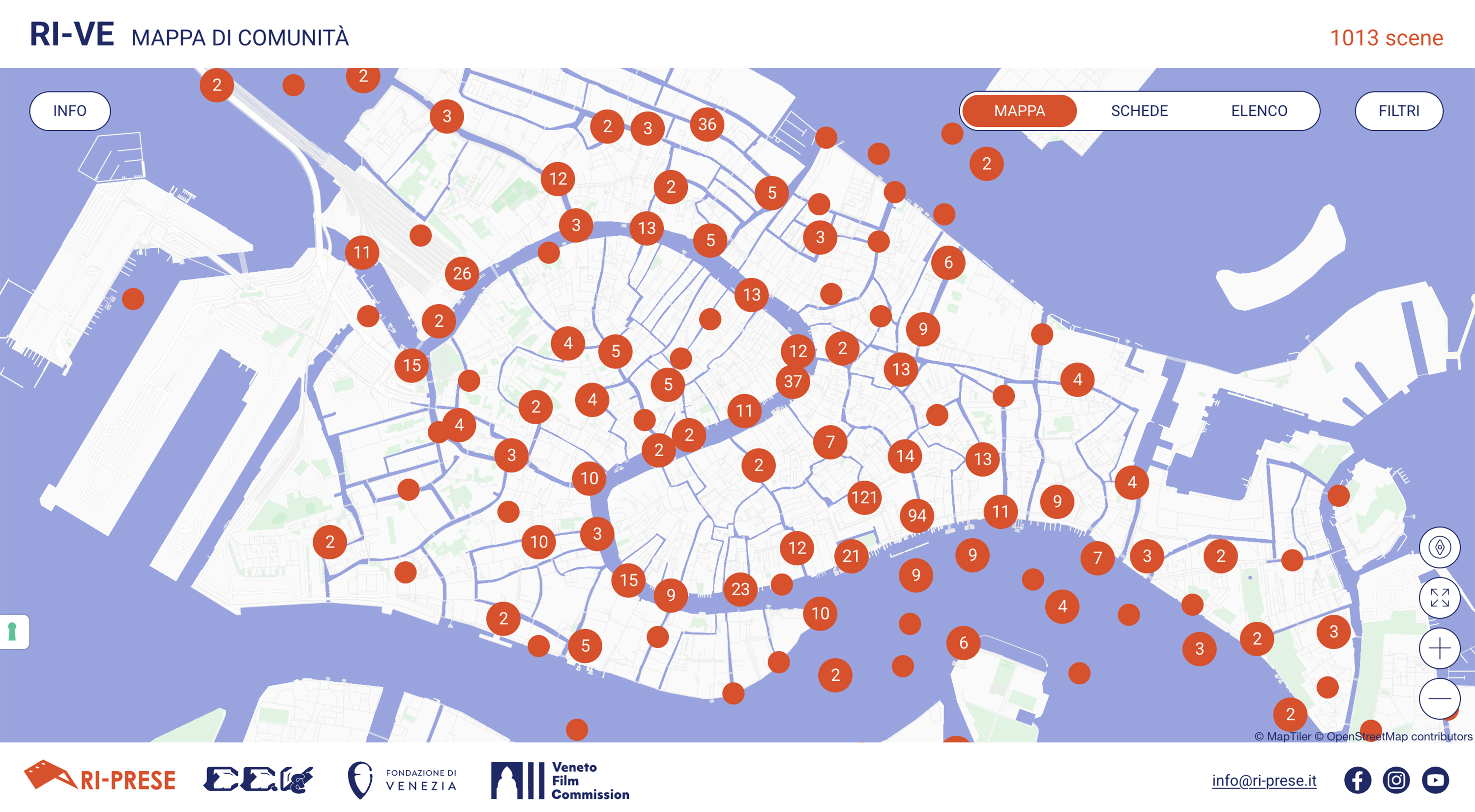
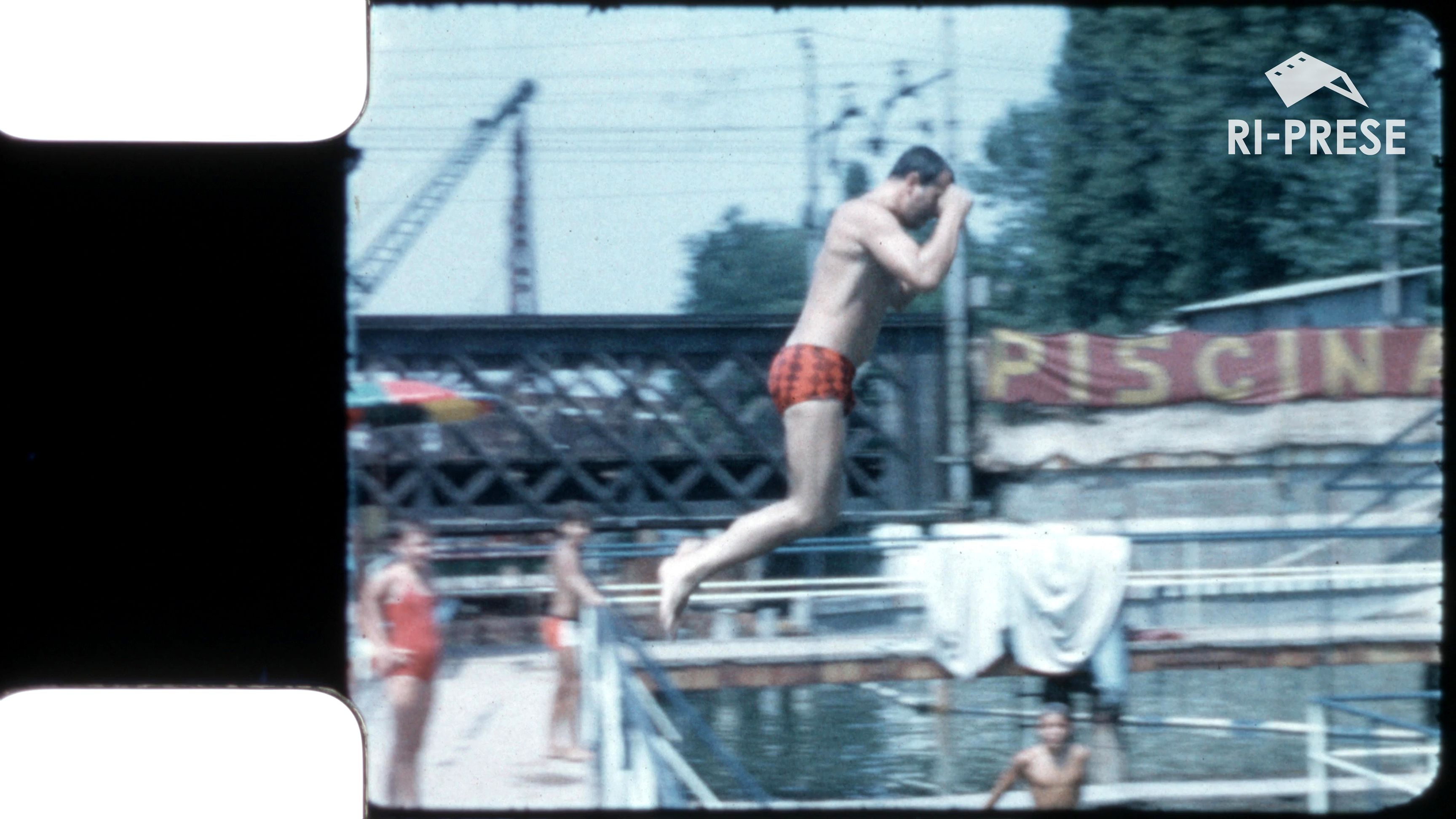
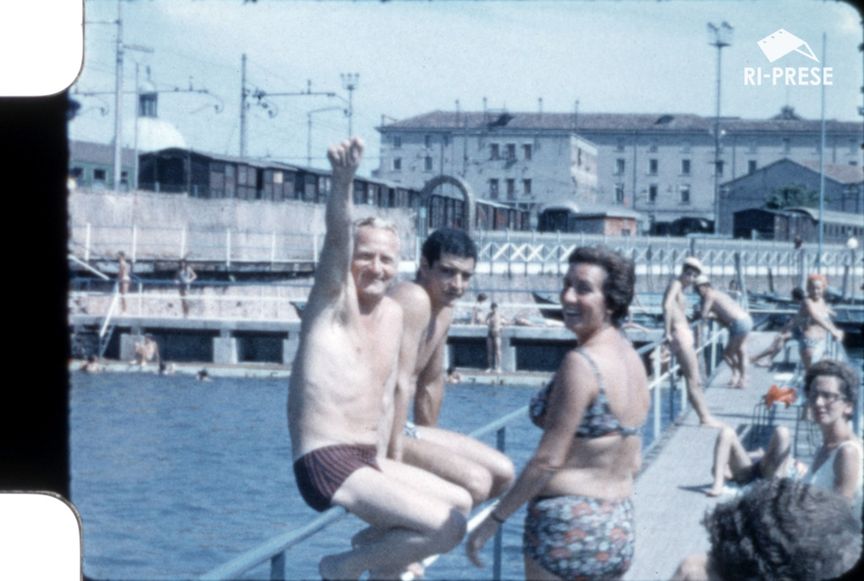
RI-VE is a community map of Venice built from home movies. Based on the RI-PRESE archive, the project collects, digitises and maps amateur films recorded by residents and visitors since the early twentieth century, reconnecting these moving images to the places where they were filmed.
The platform already maps hundreds of scenes across the historic city and lagoon, drawn from thousands of metres of amateur film preserved in the archive. By linking private footage to specific locations, RI-VE transforms dispersed family films into a shared civic resource that allows people to explore Venice through collective audiovisual memories of neighbourhoods, canals and everyday life.
The project actively involves citizens in the preservation and interpretation of their city’s visual memory. Films originally created for personal or family purposes become part of a collective narrative of Venice, strengthening the sense of belonging to place and enabling new forms of engagement with cultural heritage.
RI-VE is already used for public presentations, educational activities and research on urban history and visual culture. By making these materials accessible through a geographic interface, the platform encourages residents, students and visitors to rediscover the city through lived experiences rather than through stereotypical images.
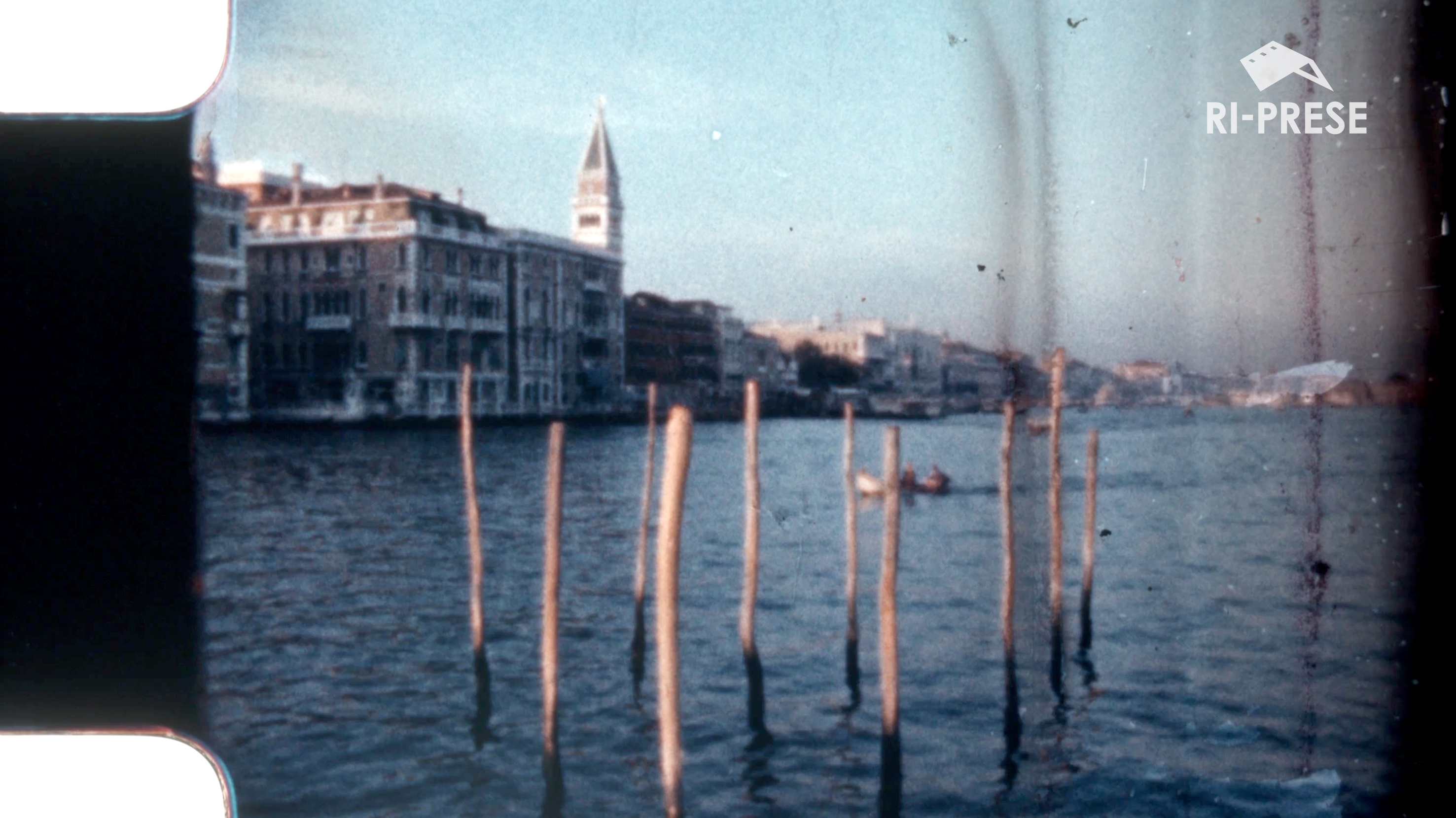
In a city shaped by water, these images also document how generations of inhabitants have lived with tides, canals and the lagoon environment. RI-VE therefore preserves not only memories of urban life but also valuable testimonies of environmental and social change in a fragile water city.
Beyond Venice, the project proposes a replicable model for other cities: transforming home movies into participatory community maps that reveal local identities, everyday life and long-term transformations of urban landscapes.
RI-VE grew out of more than a decade of work with amateur films in Venice through the RI-PRESE project, an initiative dedicated to preserving and digitising home movies filmed by residents and visitors in the lagoon city.
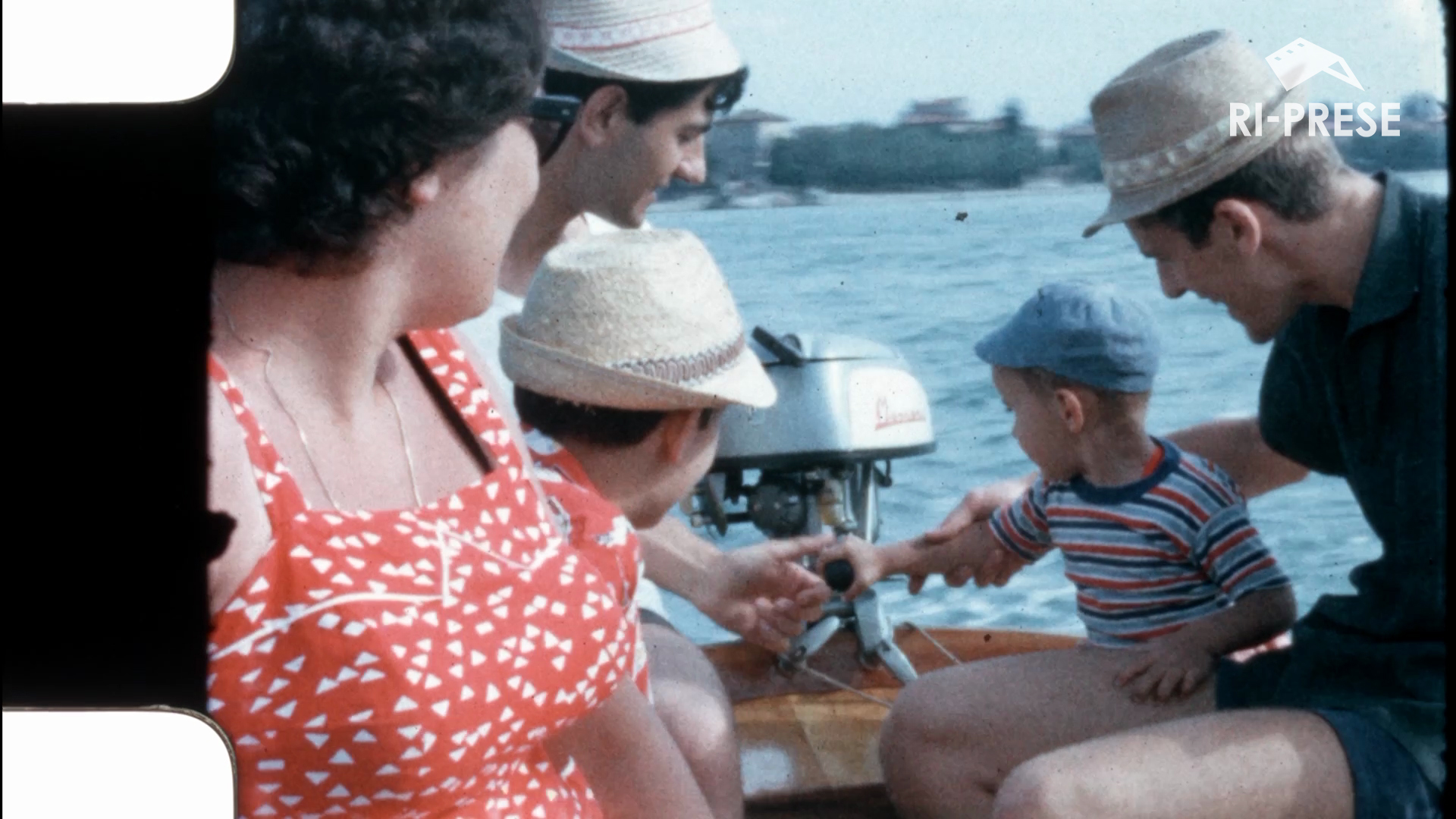
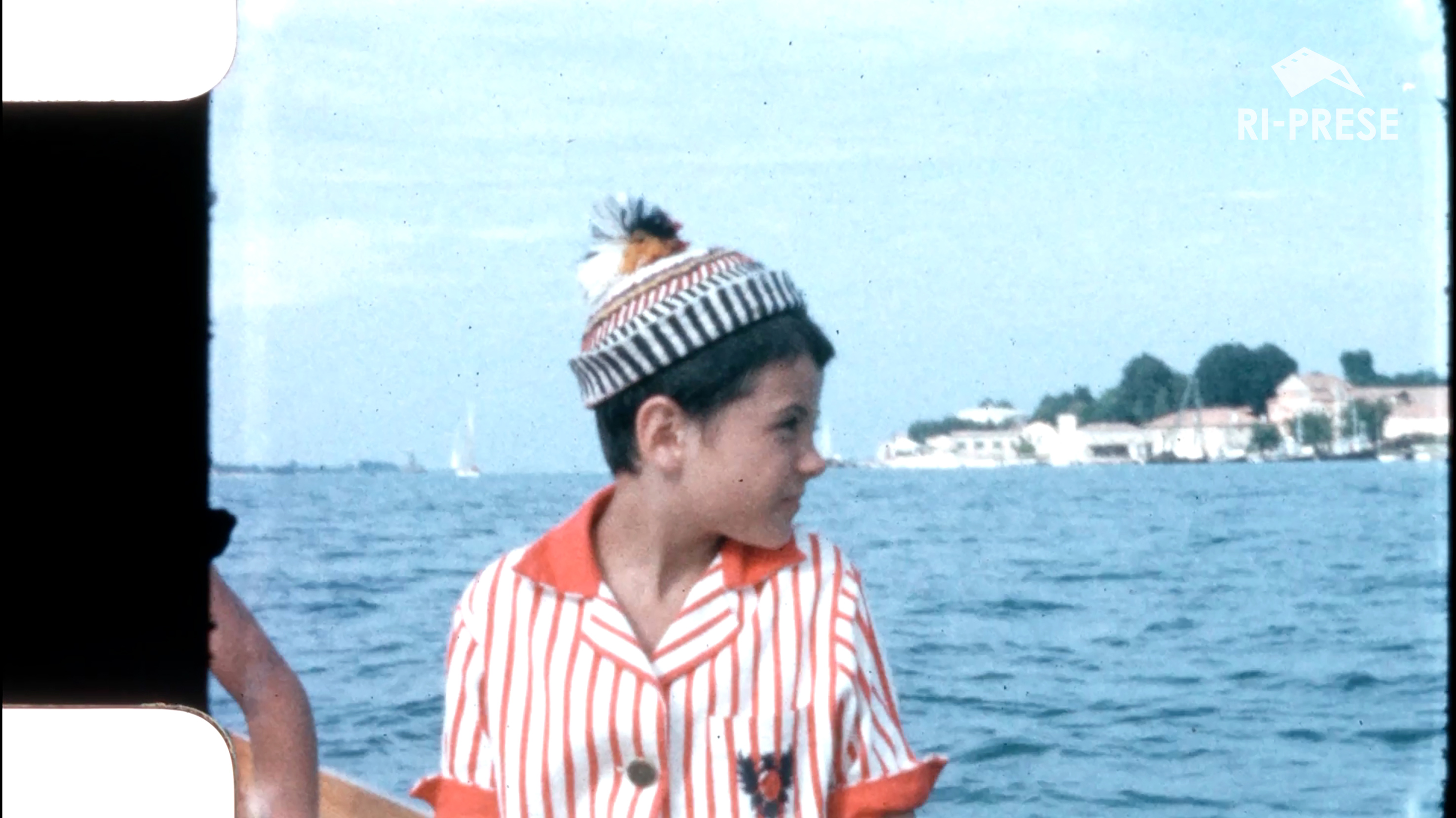
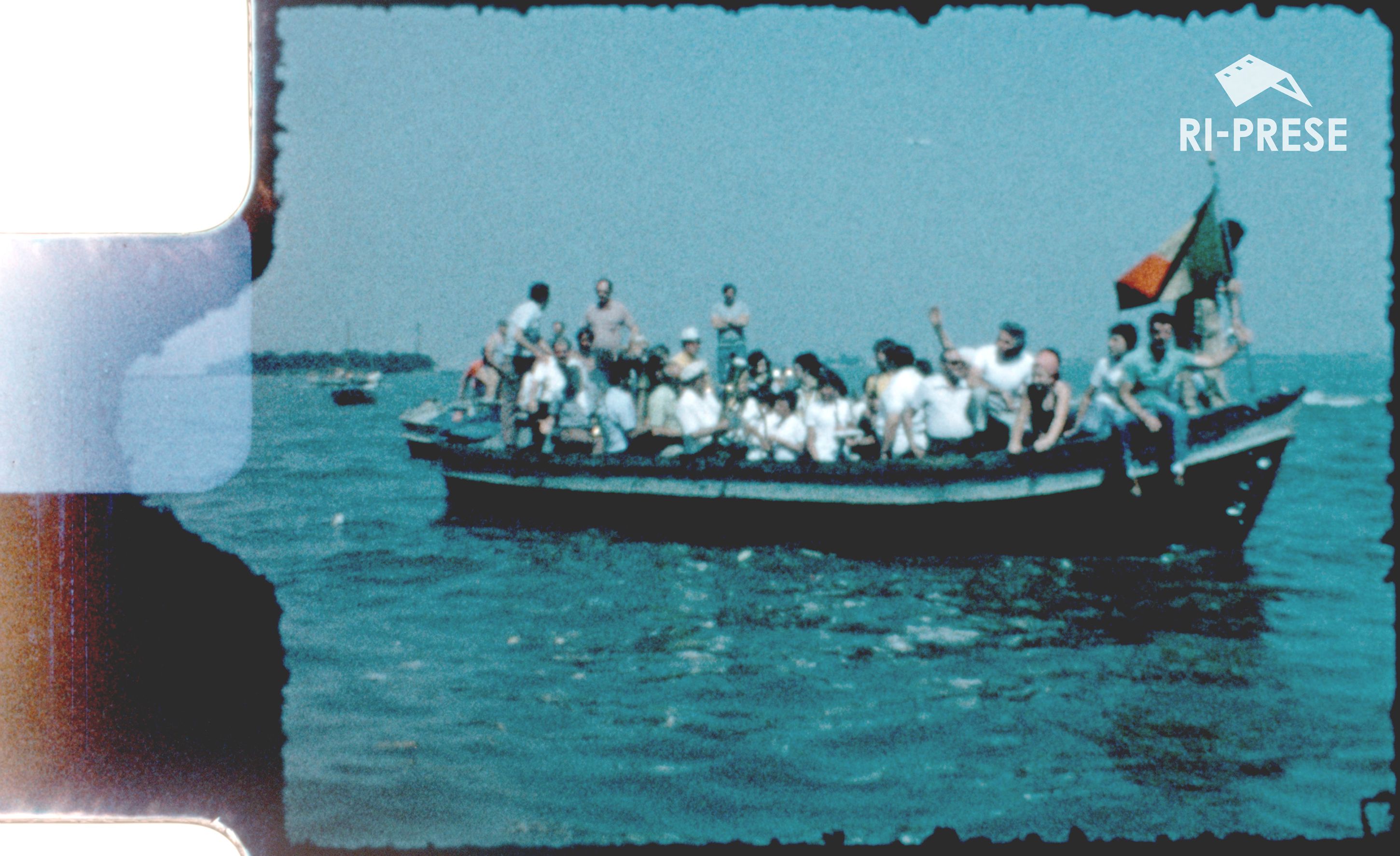
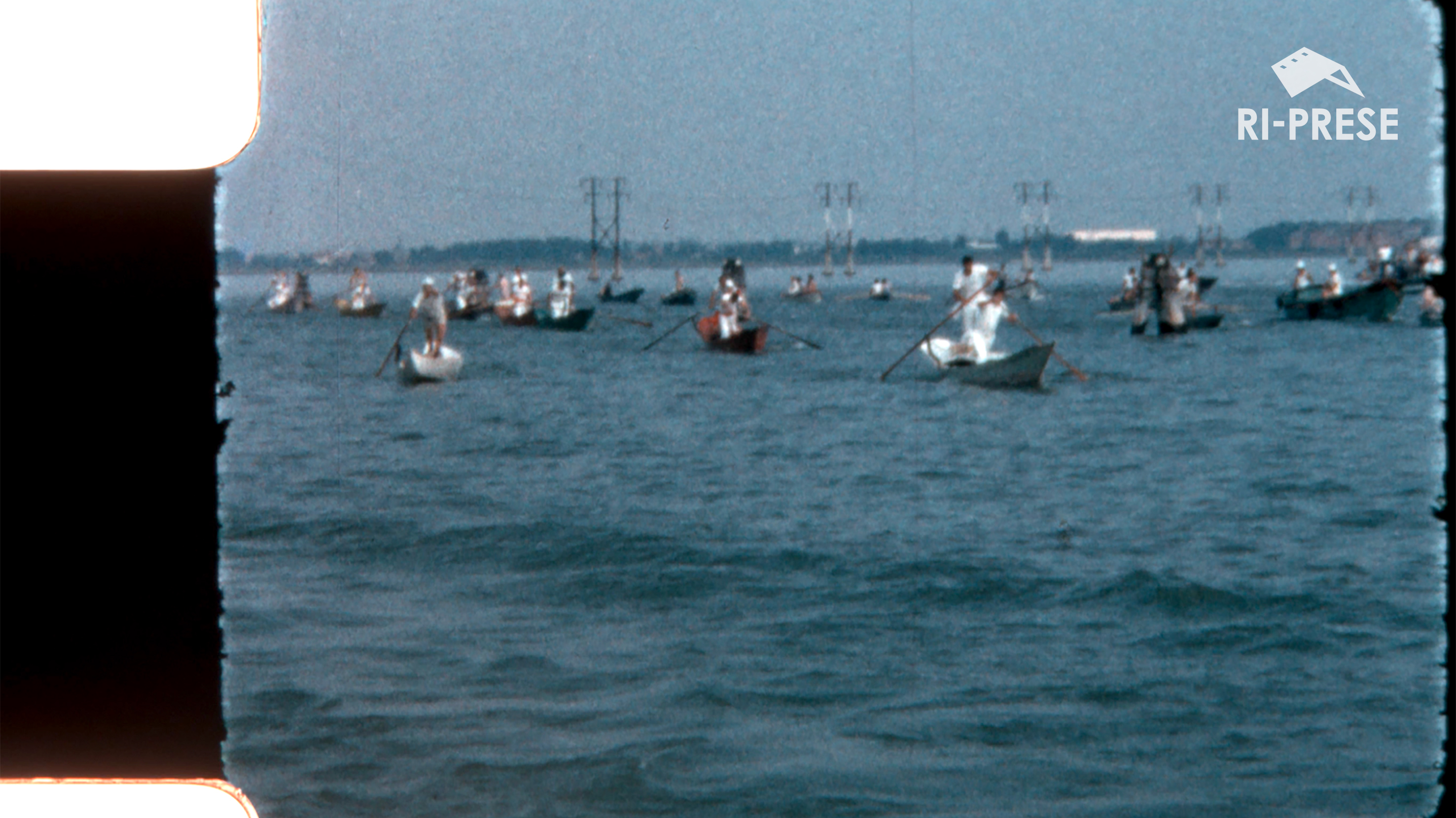
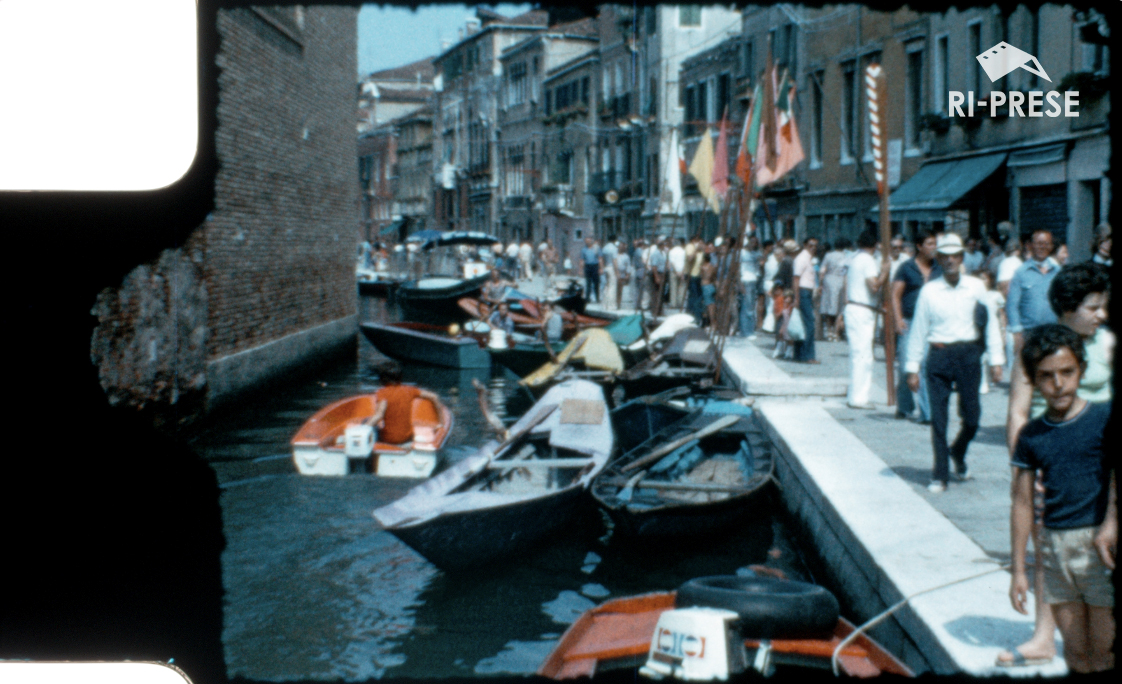
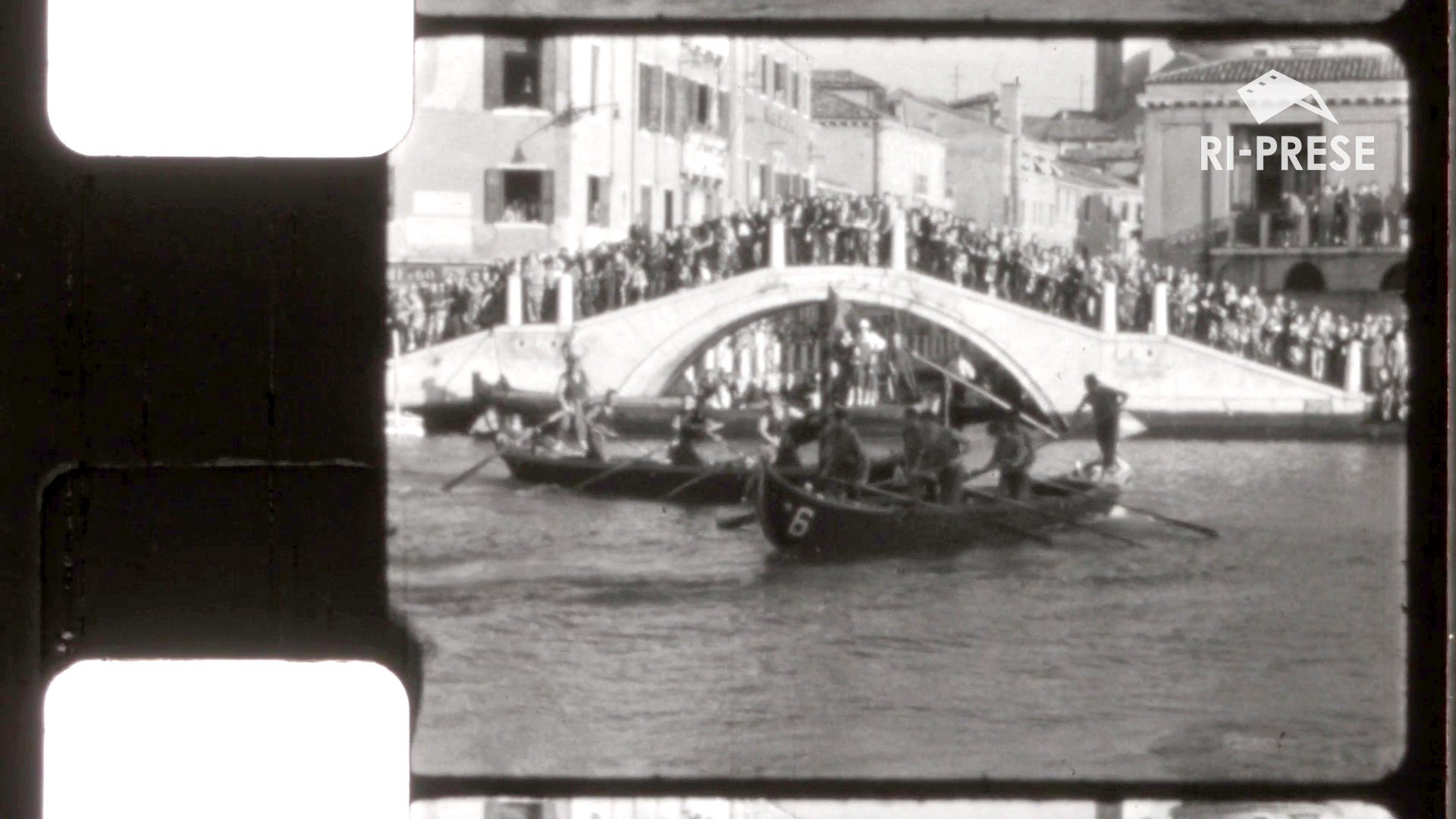
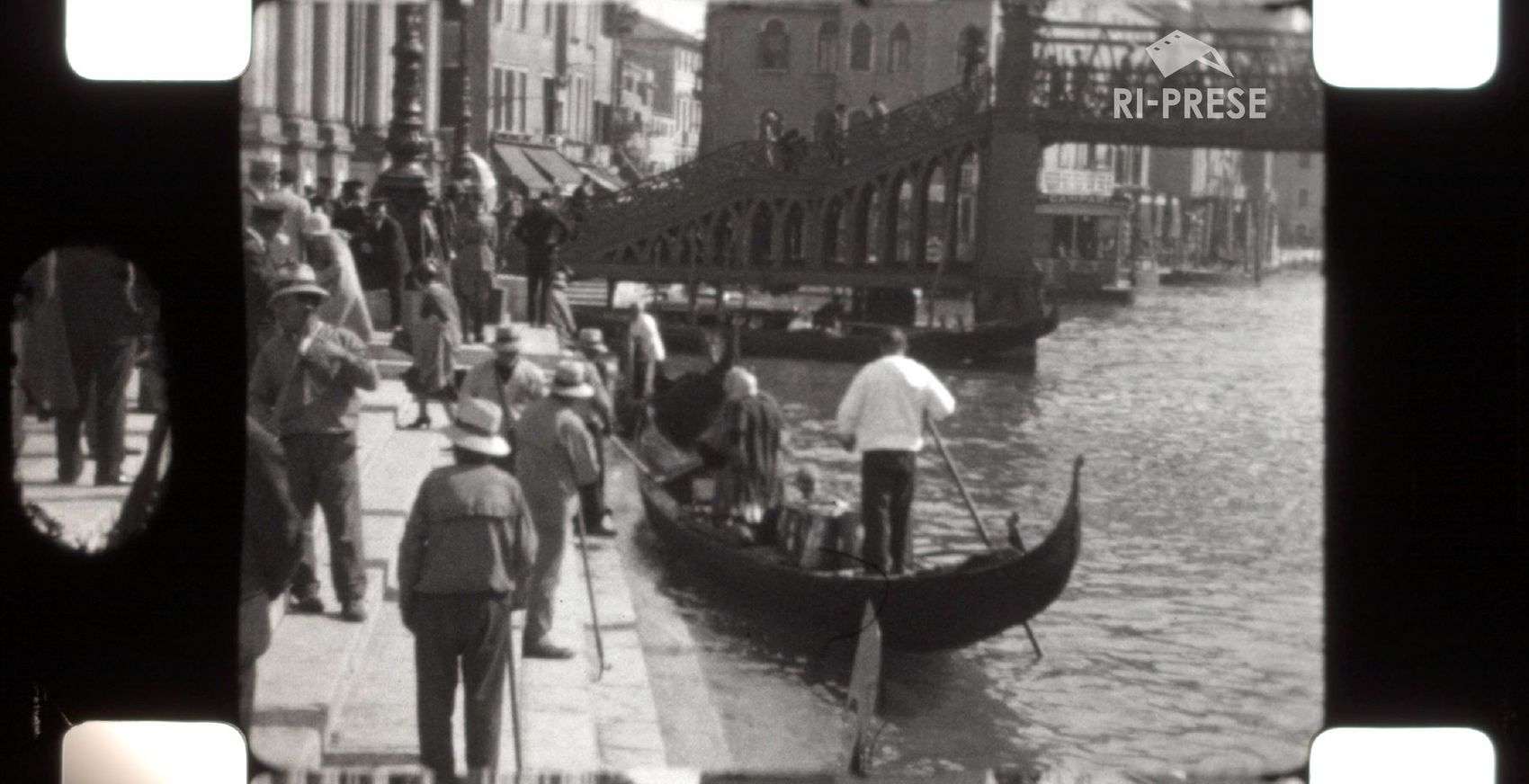
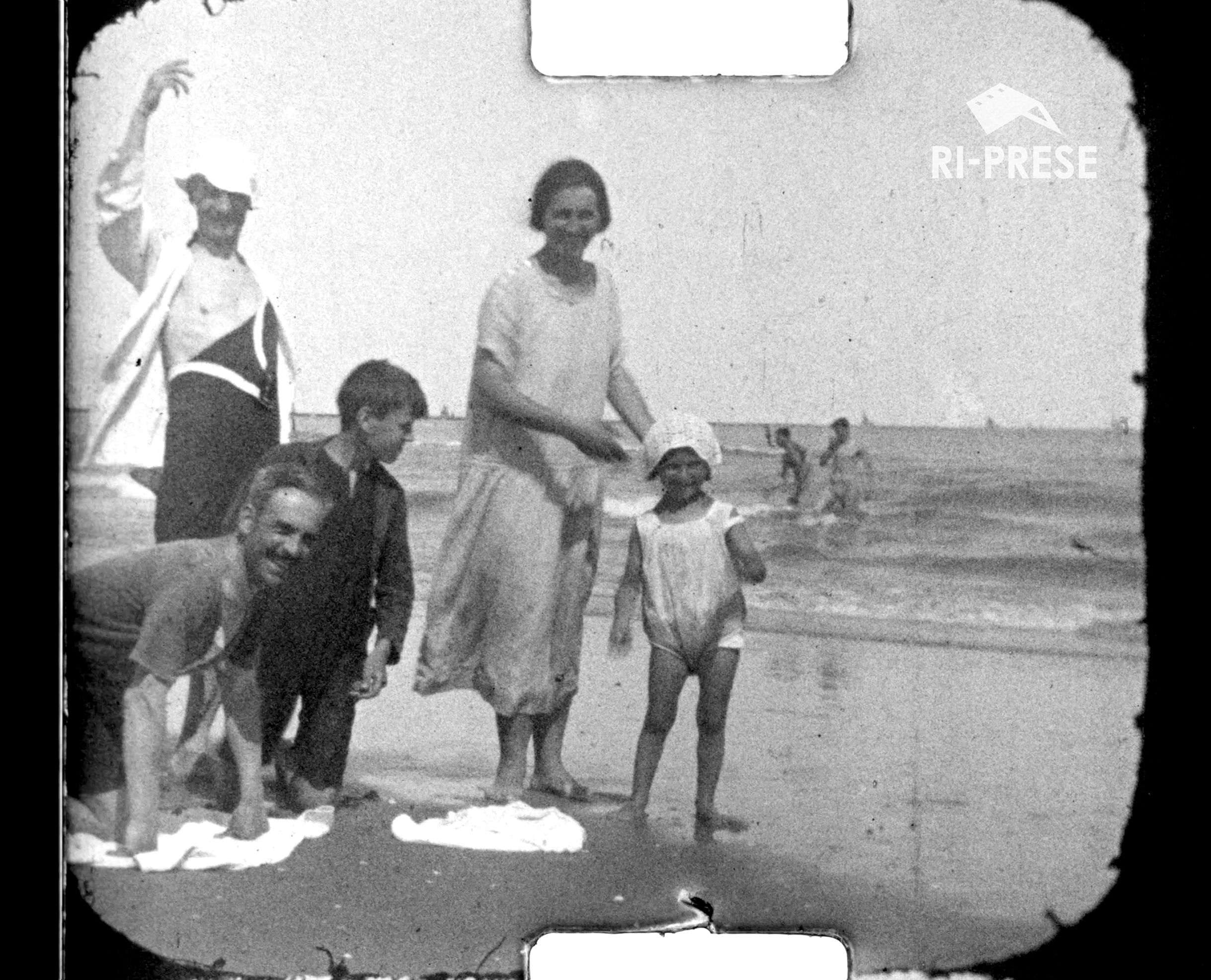
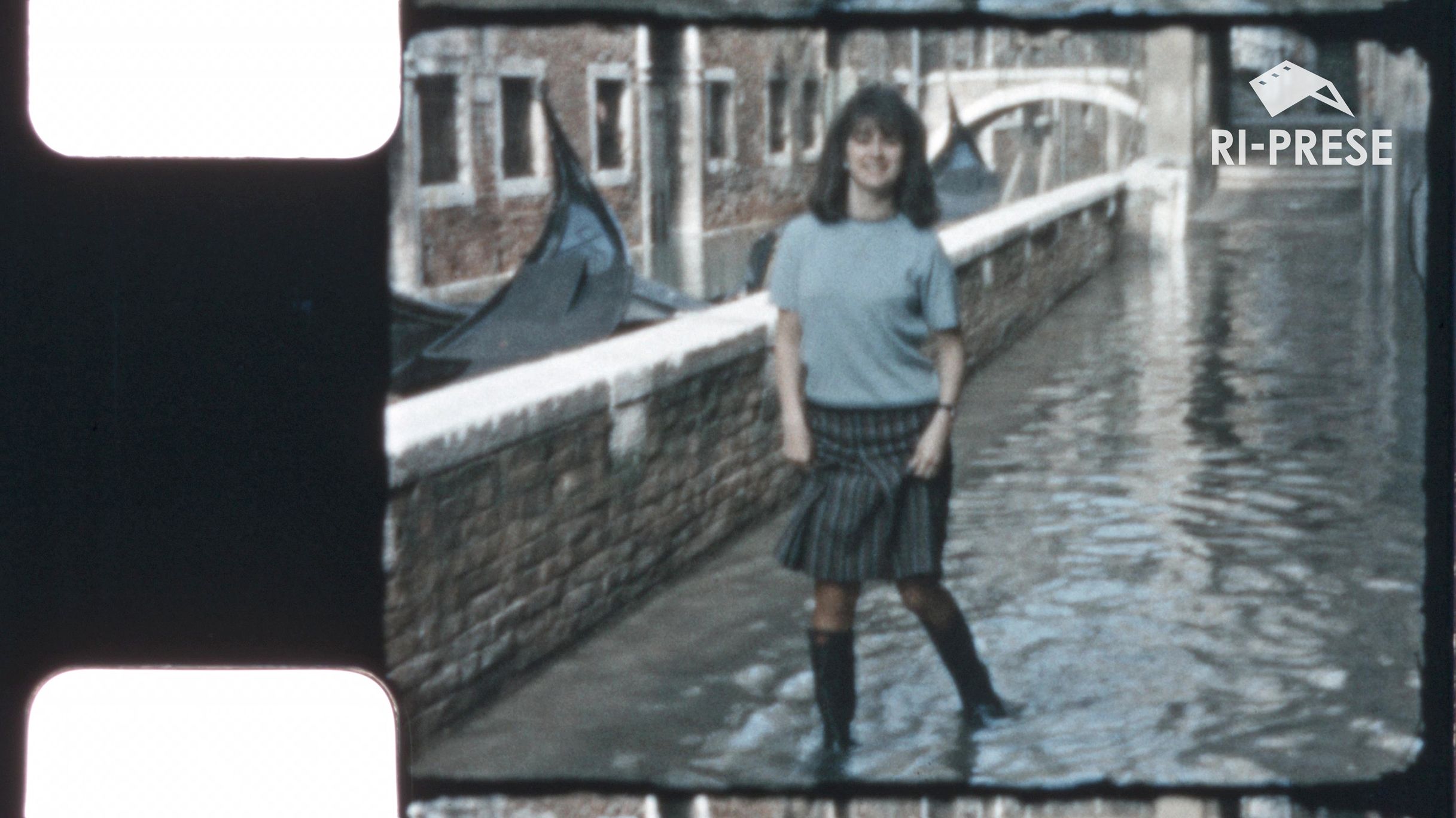
Over the years, hundreds of families entrusted their films to the archive, revealing a rich but fragmented visual memory of everyday life in Venice: neighbourhood celebrations, children playing in campi, boats crossing canals, and daily life shaped by water.
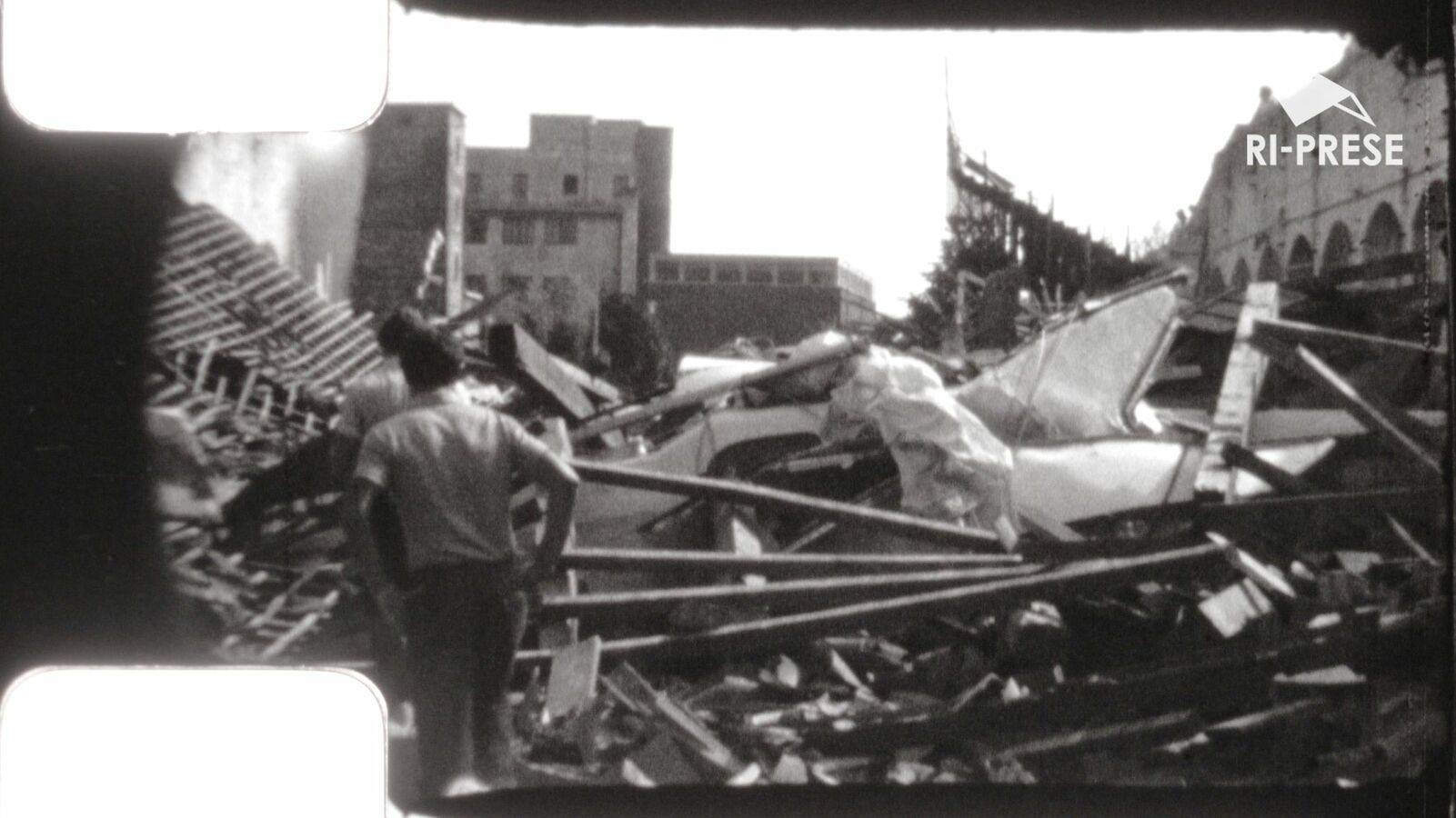
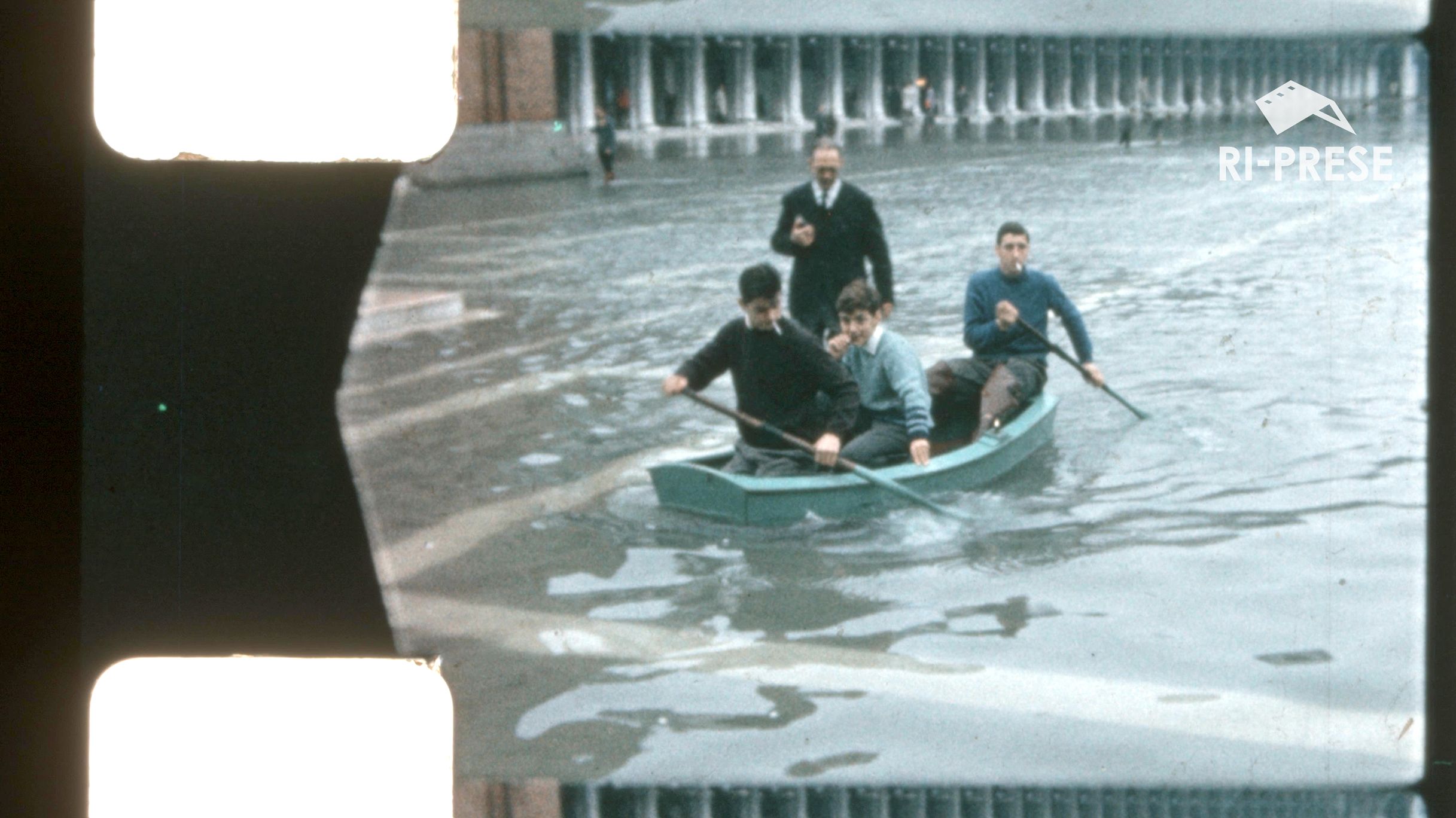
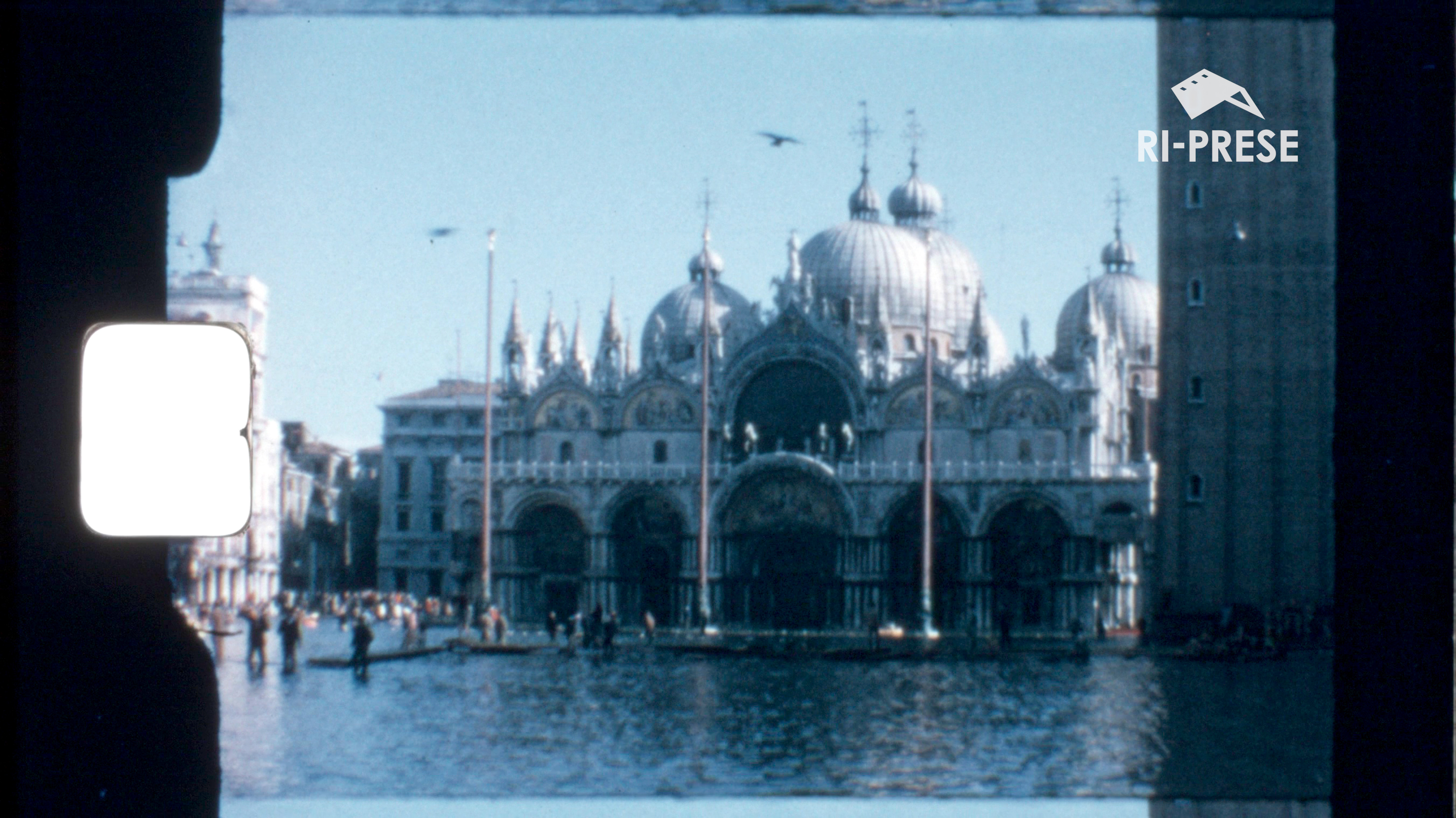
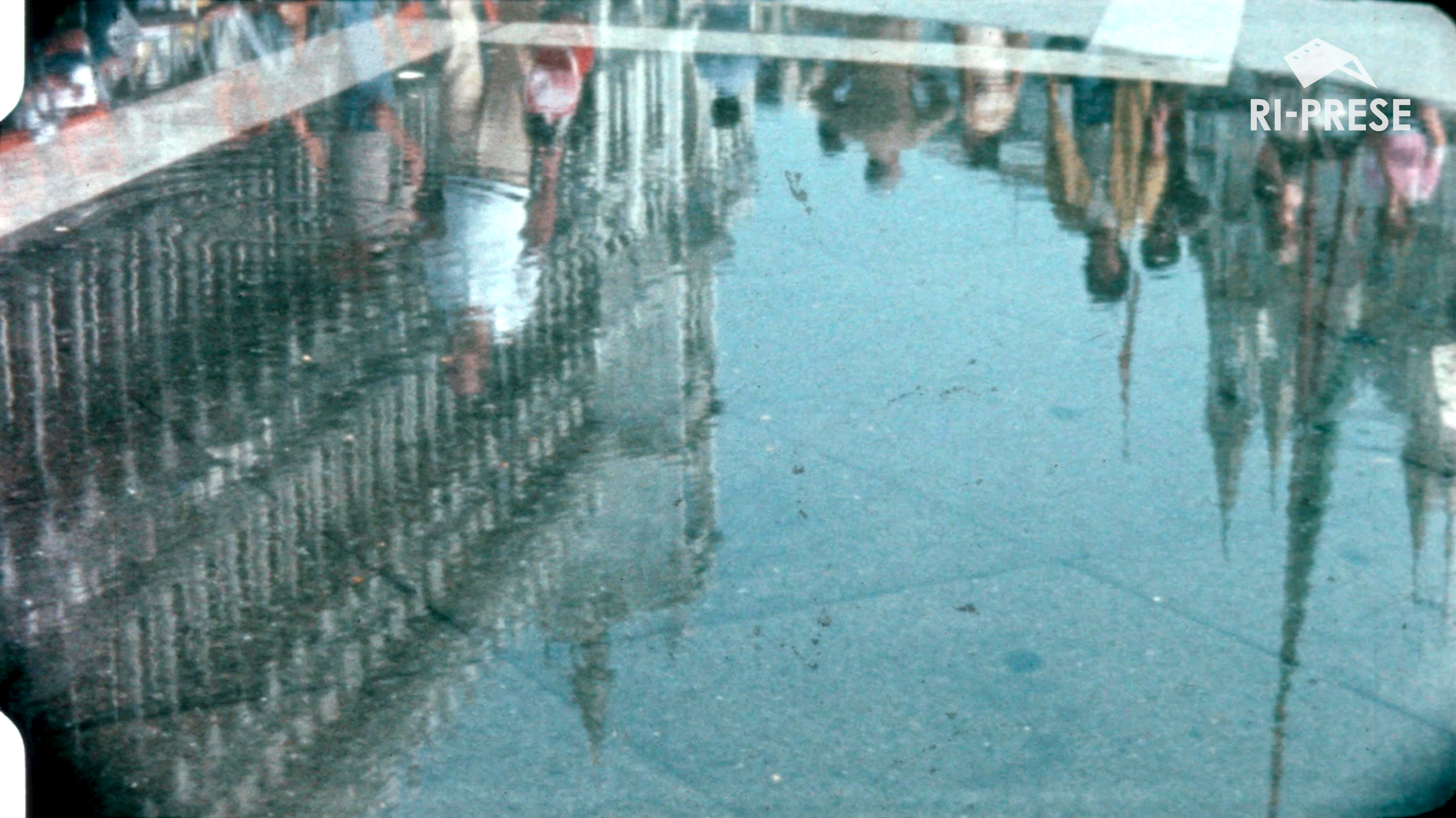
The urgency of preserving these fragile images became particularly clear after the exceptional high tide of November 12, 2019, known as the “Acqua Granda”, which flooded large parts of the city and also affected archival materials. This event highlighted how vulnerable both the city and its visual memories are.
From this experience emerged the idea behind RI-VE: reconnect these moving images with the places where they were filmed. By combining film digitisation, archival research and geographic mapping, the project began linking scenes from home movies to specific locations across the historic city and lagoon.
This approach transforms amateur films into a new way of reading the city: a map built from lived experiences rather than official representations.
The development of the platform involved archivists, researchers, students and citizens. Scenes were identified, catalogued and geolocated, gradually creating a growing map of everyday life filmed in Venice over the last century.
Today RI-VE allows users to explore the city through these audiovisual memories. Public presentations, workshops and educational activities have helped test the platform and involve the community in interpreting the images.
What started as an archival initiative has evolved into a civic cultural infrastructure: a community map that reconnects personal memories with the urban landscape and reveals how generations of inhabitants have experienced life in a fragile water city.
Community mapping
Audiovisual heritage
Citizen participation
Water city
Urban resilience
RI-VE addresses sustainability by preserving and activating fragile cultural memories that would otherwise be lost. The project builds on the idea that the most sustainable cultural resource is often the one that already exists: the images people have filmed in their everyday lives.
By collecting, digitising and mapping amateur films recorded over the last century, RI-VE prevents the disappearance of vulnerable audiovisual materials stored in private homes and transforms them into an accessible civic resource. Instead of producing new visual content, the project reuses existing images, promoting a form of cultural sustainability based on preservation, reuse and collective interpretation.
The platform also contributes to environmental awareness in a city shaped by water. The mapped films document how everyday life in Venice has long been intertwined with canals, tides and the lagoon landscape. These images provide a long-term visual record of how people have lived with water and how the urban environment has evolved over time, offering valuable testimonies in the context of climate change and rising sea levels.
Social sustainability is equally central. RI-VE actively involves citizens in preserving and interpreting their own visual heritage. Through public presentations, workshops and educational activities, the project strengthens intergenerational dialogue and encourages communities to reconnect with the lived history of their neighbourhoods.
By transforming dispersed home movies into a shared cultural infrastructure, RI-VE demonstrates how heritage preservation, community participation and environmental awareness can converge in a sustainable model for cities.
RI-VE contributes to the aesthetic experience of the city by revealing Venice through the everyday images filmed by those who lived in it. Instead of presenting the city through iconic or touristic representations, the project allows people to encounter Venice through the small gestures, places and moments captured in home movies.
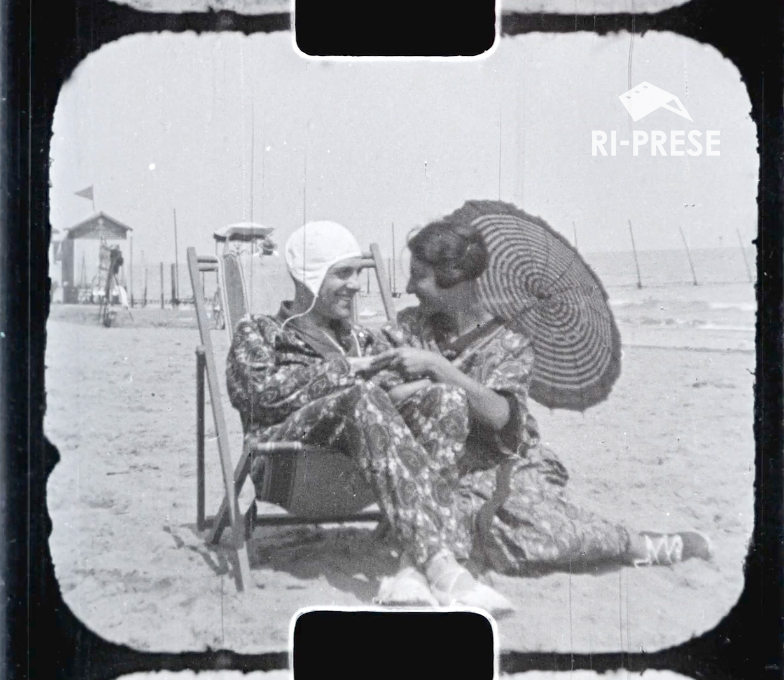
These images show children playing, boats crossing canals, neighbourhood celebrations and daily life unfolding along the lagoon. By reconnecting these scenes with the places where they were filmed, RI-VE transforms the city into a landscape of lived memories.
The platform creates a new way of perceiving Venice: not only as a monumental heritage site, but as a place shaped by everyday experiences. Through the map interface, users can explore the city through multiple viewpoints, discovering hidden stories and forgotten perspectives embedded in the urban fabric.
The visual design of the platform reinforces this experience. The map becomes a narrative surface where moving images, places and memories interact, allowing users to navigate the city through audiovisual traces rather than through conventional tourist routes.
This aesthetic approach strengthens the sense of belonging to place. Residents can rediscover their neighbourhoods through the memories of previous generations, while visitors can encounter a more intimate and authentic vision of the city.
By revealing the beauty of ordinary life and reconnecting personal memories with urban space, RI-VE encourages people to care for the places where they live. The project demonstrates how audiovisual heritage can enrich the aesthetic relationship between communities and their environment, transforming familiar places into shared cultural landscapes.
RI-VE promotes inclusion by transforming private audiovisual memories into a shared civic resource accessible to everyone. Home movies, traditionally kept within families and private collections, become part of a collective map that can be explored freely by residents, students, researchers and visitors.
The project is based on a participatory approach. Families and citizens actively contribute by sharing their films, helping identify places, people and events, and participating in public presentations and discussions. Through this process, personal memories become part of a broader collective narrative of the city.
Accessibility is central to the design of the platform. By organising films through a geographic interface, RI-VE allows users to explore the archive intuitively, even without specialised knowledge of film history or archival systems. The map format makes complex audiovisual collections easier to navigate and encourages discovery through place-based exploration.
The project also creates opportunities for intergenerational exchange. Older generations contribute memories and films, while younger users engage with the material through digital tools, educational activities and workshops.
In a city often perceived through tourism and monumental heritage, RI-VE gives visibility to the everyday experiences of residents and local communities. By highlighting neighbourhood life, ordinary places and personal stories, the project broadens the representation of Venice beyond its iconic imagery.
Through open access, citizen participation and collaborative interpretation of images, RI-VE demonstrates how cultural heritage can become a tool for social inclusion and shared ownership of urban memory.
Participation is at the core of RI-VE. The project builds on the long-term experience of the RI-PRESE archive, which has been developed through the direct involvement of citizens who share their home movies and memories of life in Venice.
Families play a fundamental role in the project. By entrusting their films to the archive, they contribute unique audiovisual documents that would otherwise remain invisible in private collections. Their participation does not stop at donation: they often help identify locations, people and events appearing in the films, adding valuable contextual knowledge that cannot be reconstructed through archival research alone.
Citizens also participate through public presentations, workshops and educational activities where the films are collectively viewed and discussed. These moments create opportunities for dialogue between residents, researchers and younger generations, allowing the images to be interpreted collaboratively.
This participatory process has a direct impact on the development of the RI-VE map. The identification of places, the recognition of neighbourhood life and the interpretation of scenes often emerge from shared knowledge and community memories.
Participation therefore directly shapes the project. Community knowledge frequently helps identify locations, reconstruct forgotten stories and connect images with the lived geography of the city. In this way, RI-VE evolves through a continuous dialogue with the community, ensuring that the map reflects not only archival research but also the collective memory of those who inhabit the lagoon city.
As a result, the platform is not simply a digital archive but a collective representation of the city built through many contributions. The project demonstrates how cultural heritage can be co-created with communities, transforming private memories into a shared public resource and strengthening civic engagement with the urban environment.
RI-VE has been developed through collaboration between actors operating at different levels, combining local participation with institutional and academic support.
At the local level, the project relies on the active involvement of citizens and families who share their home movies and contribute knowledge about the places, people and events captured in the films. Their participation forms the foundation of both the RI-PRESE archive and the RI-VE community map.
Cultural institutions and organisations have played an important role in connecting the project with wider audiences. Collaborations with organisations such as Fondazione di Venezia, the M9 – Museum of the 20th Century in Mestre, and Veneto Film Commission have supported public presentations, screenings and cultural initiatives that bring these films into dialogue with the wider community.
At the academic level, the project has benefited from collaboration with researchers and students through connections with the University IUAV of Venice. Academic research has contributed to the development of cataloguing methods, mapping strategies and interpretative frameworks linking audiovisual heritage with urban space.
These different levels of collaboration create a governance model where community participation, cultural institutions and research institutions work together. The result is a project that remains deeply rooted in local communities while contributing to broader debates on participatory heritage, audiovisual archives and urban memory.
Through this multilevel cooperation, RI-VE demonstrates how dispersed private materials can become a shared cultural infrastructure capable of connecting citizens, institutions and research in the care and interpretation of urban heritage.
RI-VE is inherently transdisciplinary, combining approaches from audiovisual heritage, urban studies, digital technologies and participatory cultural practices.
The project originates from the field of film archiving and audiovisual heritage preservation through the experience of the RI-PRESE archive. Archival research, film digitisation and cataloguing methods provide the foundation for collecting and preserving amateur films recorded in Venice over the last century.
These archival practices are combined with perspectives from urban studies and cultural geography. By reconnecting film scenes with the places where they were recorded, the project interprets moving images as spatial documents that reveal how everyday life unfolds within the urban landscape of Venice and its lagoon.
Environmental perspectives also play an important role. As a water city increasingly affected by climate change, Venice offers a unique context where home movies document long-term relationships between inhabitants, tides, canals and lagoon environments. These images provide valuable visual evidence of how people have historically adapted to living with water.
Digital technologies enable the integration of these different perspectives. The RI-VE platform combines database systems, geographic mapping and audiovisual access tools to create an interface where films can be explored through the geography of the city.
The project also intersects with social sciences, visual culture and public humanities. Citizen participation and collective interpretation of images allow personal memories and local knowledge to contribute to the understanding of urban and environmental history.
By bringing together archival practice, digital mapping, environmental perspectives and citizen participation, RI-VE demonstrates how different fields of knowledge can converge to create new ways of understanding and experiencing cultural heritage.
RI-VE builds on the long-term activities of the RI-PRESE archive, which operates through a hybrid model combining professional services, cultural projects and institutional collaborations.
A core component of this model is the digitisation and preservation of amateur films. Families, institutions and organisations entrust their films to the archive for digitisation and conservation, generating revenues that support the maintenance of the archive and the development of related initiatives such as RI-VE.
At the same time, access to the RI-VE platform and participation in the project are free for citizens. Families can share their films and contribute to the community map without financial barriers, ensuring that the archive remains an accessible cultural resource for the public.
Public funding and cultural grants also play an important role in sustaining the project. Collaborations with institutions and foundations supporting heritage preservation and cultural innovation help develop public programmes and expand the impact of the archive.
Partnerships with organisations such as Fondazione di Venezia, M9 – Museum of the 20th Century in Mestre, and Veneto Film Commission have contributed to exhibitions, public events and cultural initiatives connected to the archive and the map.
Educational activities, workshops and public presentations represent another important component of sustainability, creating opportunities for collaboration with schools, universities and cultural organisations.
Through this hybrid model—combining professional services, institutional partnerships and public funding—RI-VE remains financially sustainable while maintaining open and free access for the community.
RI-VE has strong potential for transferability because its approach is based on a methodology that can be adapted to different places and contexts.
The project combines three main components that can be replicated elsewhere: the collection and preservation of amateur films, the identification and cataloguing of scenes, and the creation of a geographic interface that reconnects moving images with the places where they were filmed.
The methodological approach developed in Venice can be applied in other cities or regions where home movies are preserved in private collections. Cultural organisations, archives, universities or community initiatives could adopt similar processes to collect films, digitise them and map them in relation to local territories.
The technological framework is also transferable. The integration of databases, audiovisual archives and geographic mapping tools allows audiovisual materials to be explored through spatial navigation. This model can be adapted to different scales, from neighbourhood-based initiatives to regional or national heritage projects.
Another transferable element is the participatory process. Citizens contribute by sharing films, identifying locations and interpreting the images collectively. This approach strengthens community engagement and ensures that local knowledge becomes part of the documentation of place.
Venice itself offers a particularly meaningful testing ground. As a historic water city facing environmental transformations, it represents a condition that increasingly concerns many urban territories worldwide. The project therefore demonstrates how audiovisual memories can help communities understand long-term relationships between people, places and environmental change.
For these reasons, RI-VE offers a scalable model that can be adapted to other cities and cultural contexts across Europe and beyond, enabling communities to transform dispersed audiovisual memories into shared maps of place.
- https://www.ri-prese.com/ri-ve/?view=map
- https://corrieredelveneto.corriere.it/notizie/venezia-mestre/cronaca/25_settembre_03/la-piscina-l-hotel-e-il-ponte-la-storia-di-venezia-vista-dai-filmini-amatoriali-nella-nuova-mappa-della-comunita-244318d4-abb7-4e4e-8f96-9ee0fa367xlk.shtml
- https://corrieredelveneto.corriere.it/notizie/cultura-e-tempo-libero/25_ottobre_03/i-ricordi-di-famiglia-raccolti-in-un-sito-internet-per-trovarli-c-e-la-mappa-geolocalizzata-della-citta-di-venezia-272c3568-3a76-45e4-bd21-39368f842xlk.shtml