Arts, Culture, and Heritage as Drivers of Change
Payonke: Adaptive Mobiles
Bio-responsive objects that challenge notions of materials, craft, and cohabitation with microbes
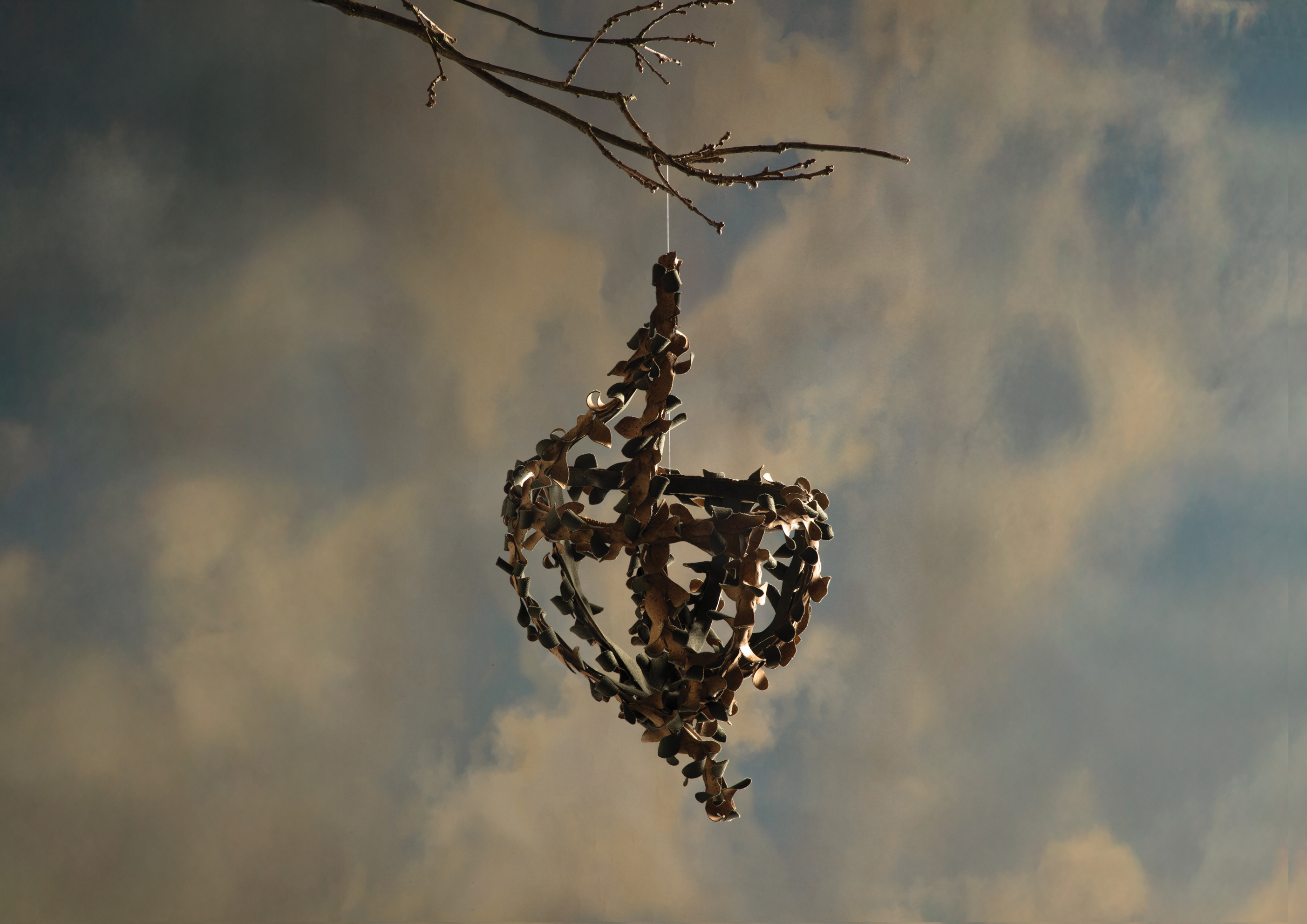
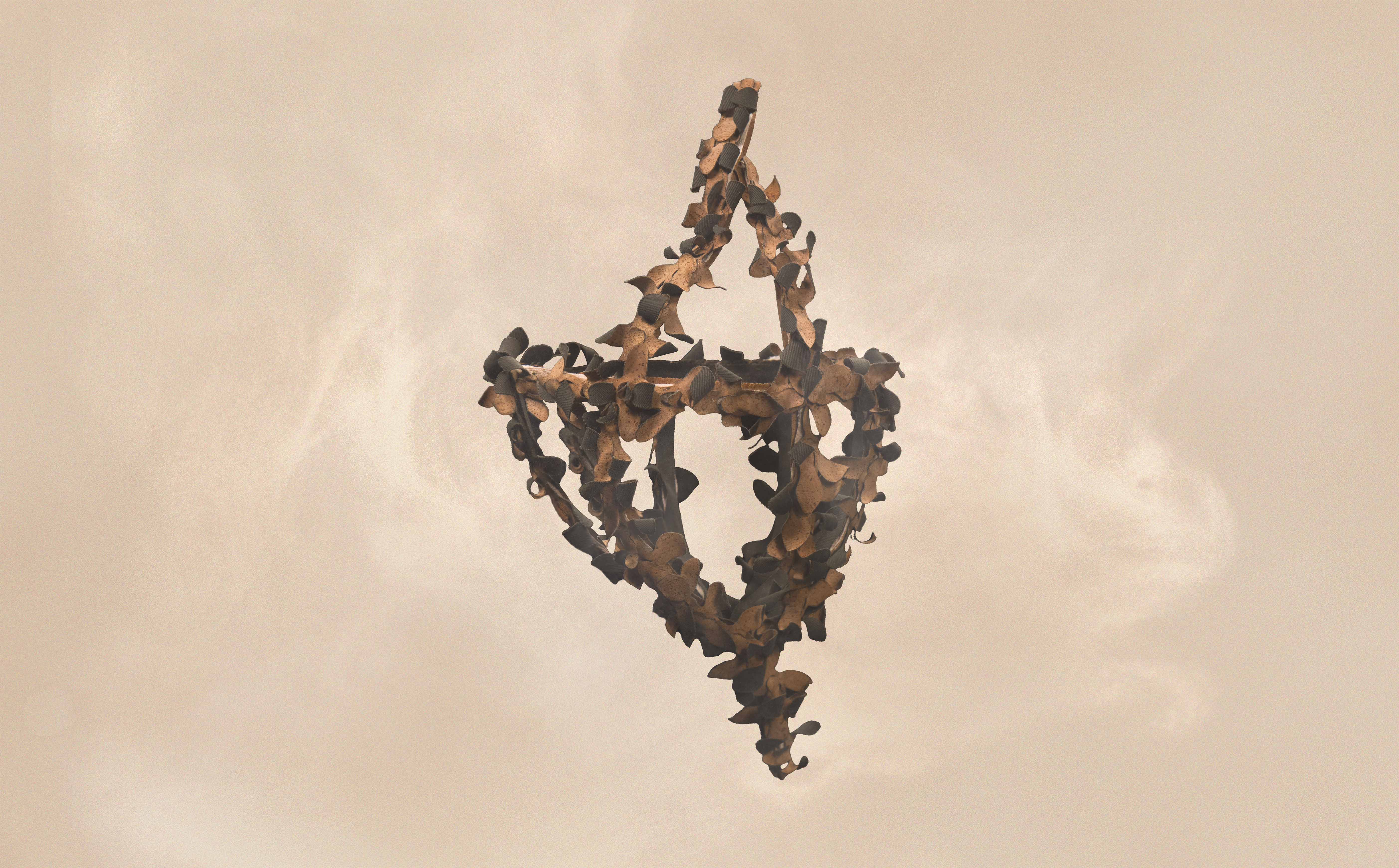
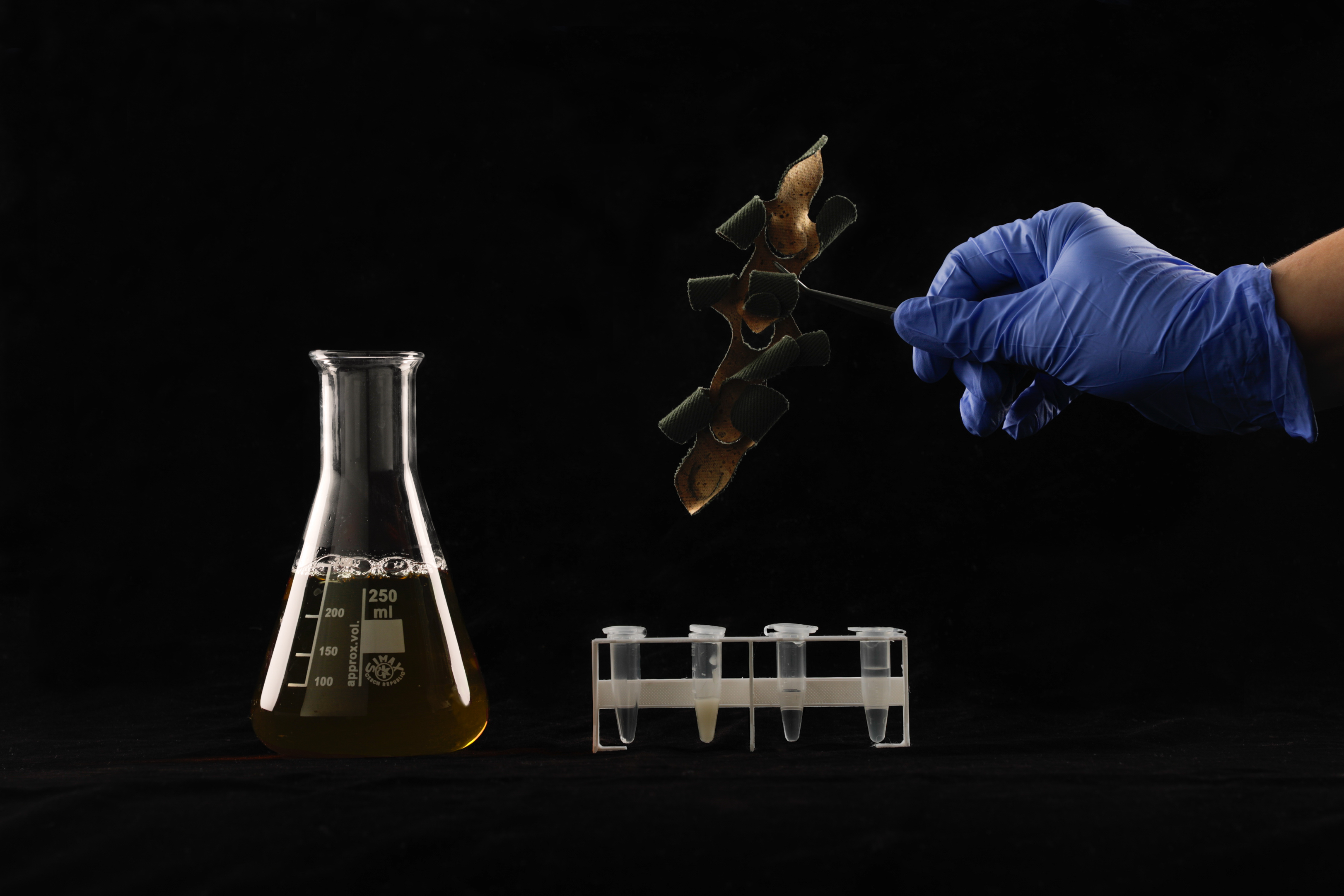
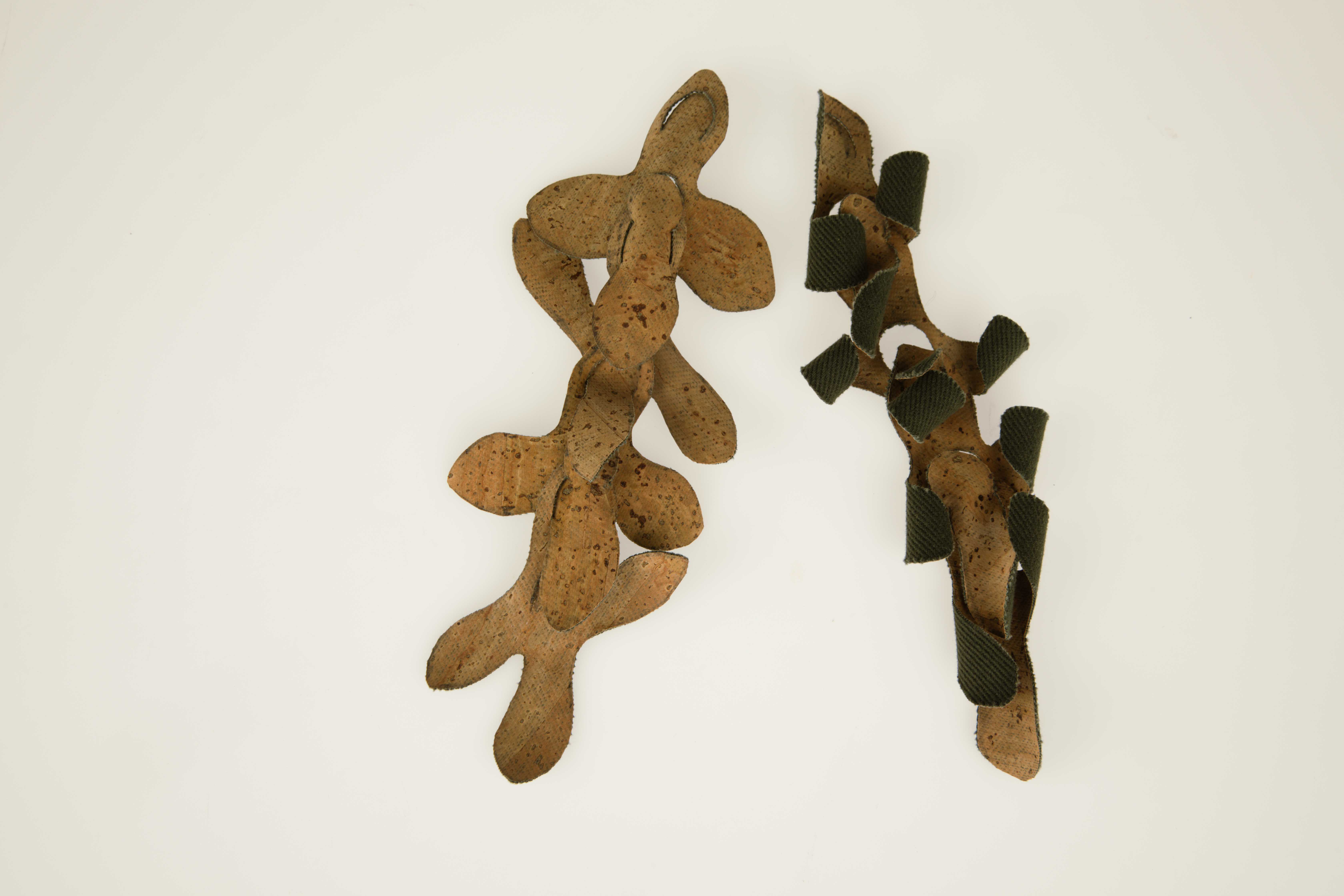
Payonke: Adaptive Mobiles envisions homes where materials shift from static décor to active, microbial agents. Using hygromorphic materials containing B. subtilis spores: probiotic bacteria that respond to moisture like pinecones in rain, the project transforms matter into responsive forms. Inspired by pająki ludowe, Polish folk mobiles once believed to bring prosperity, these redesigned structures interlock and move with changing humidity, acting as natural indicators and mould-prevention tools
Poland
Regional
Podlaskie region, but "Pajaki Ludowe" were researched in many areas such as Mazowsze, Warmia i Mazury, Kaszuby
It addresses urban-rural linkages
It involves a physical transformation of the built environment (hard investment)
Prototype level
No
No
No
Individual
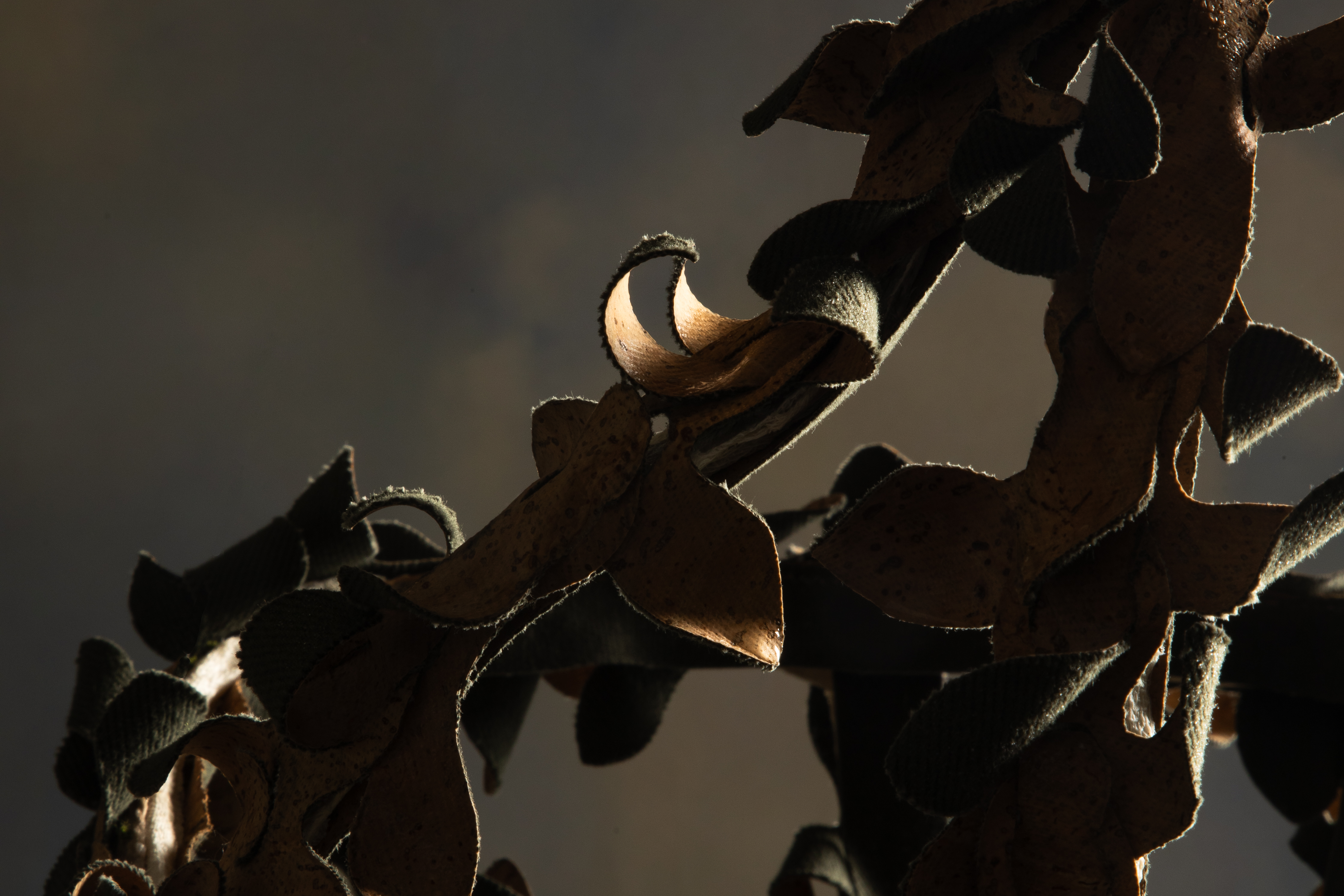
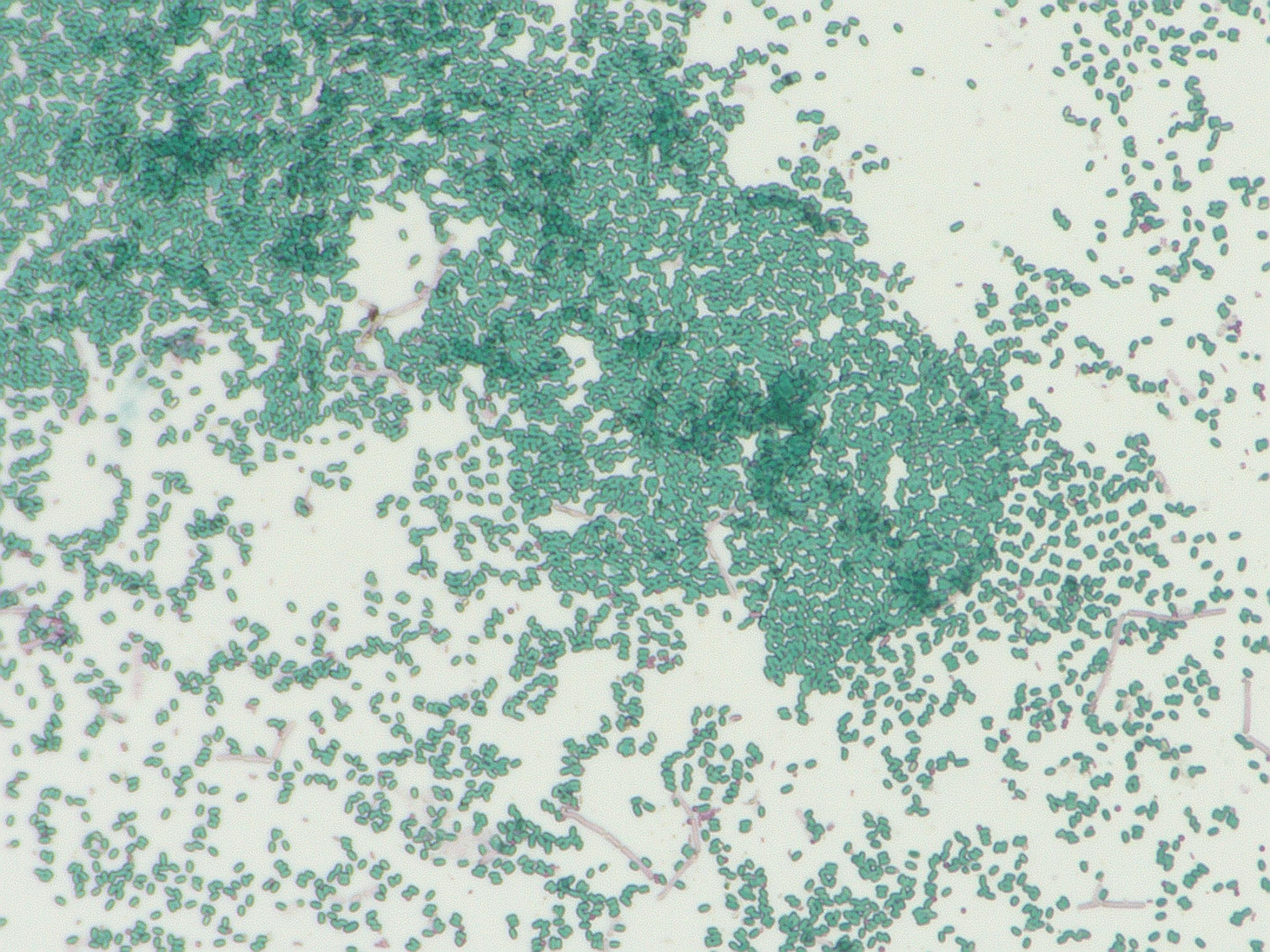
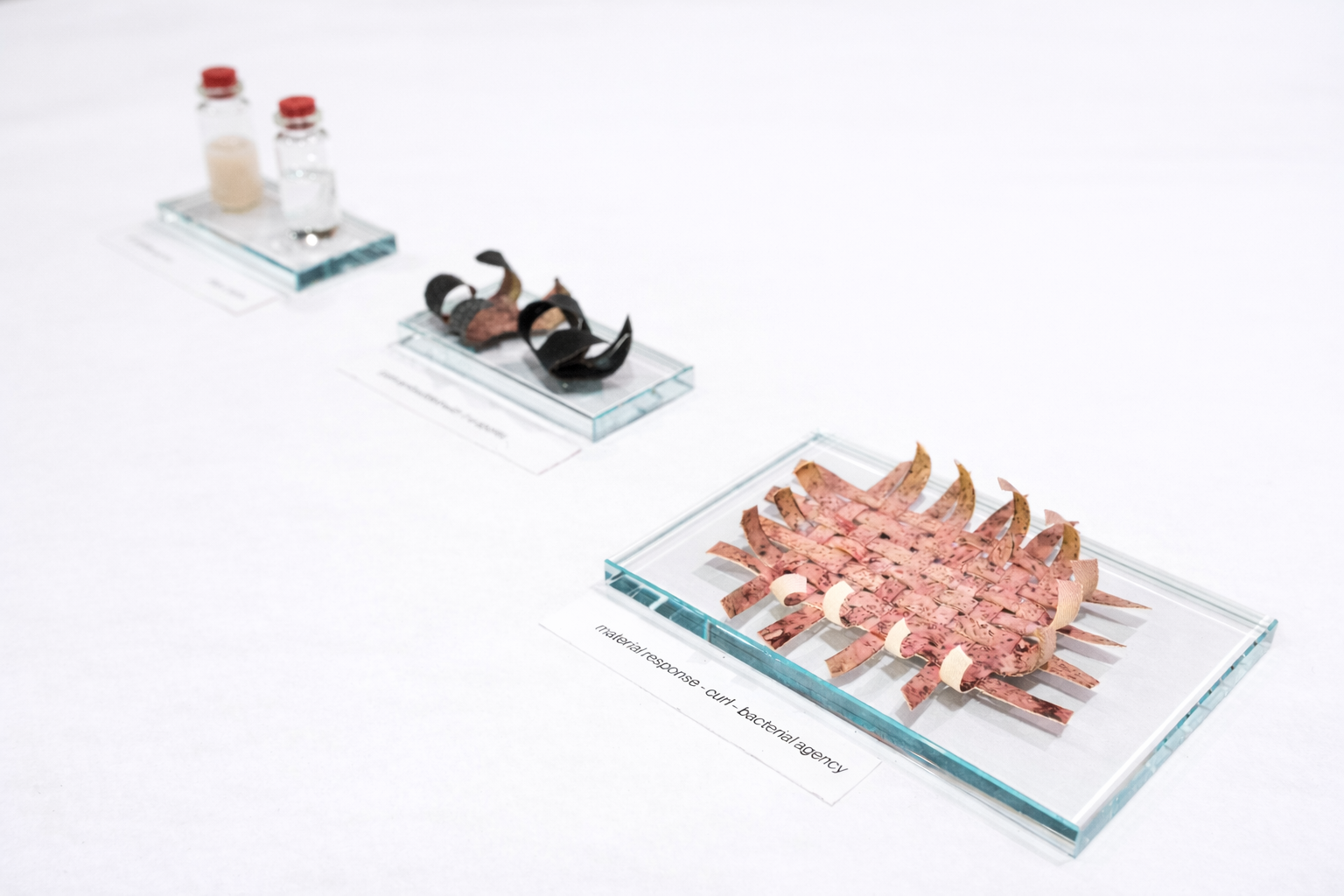
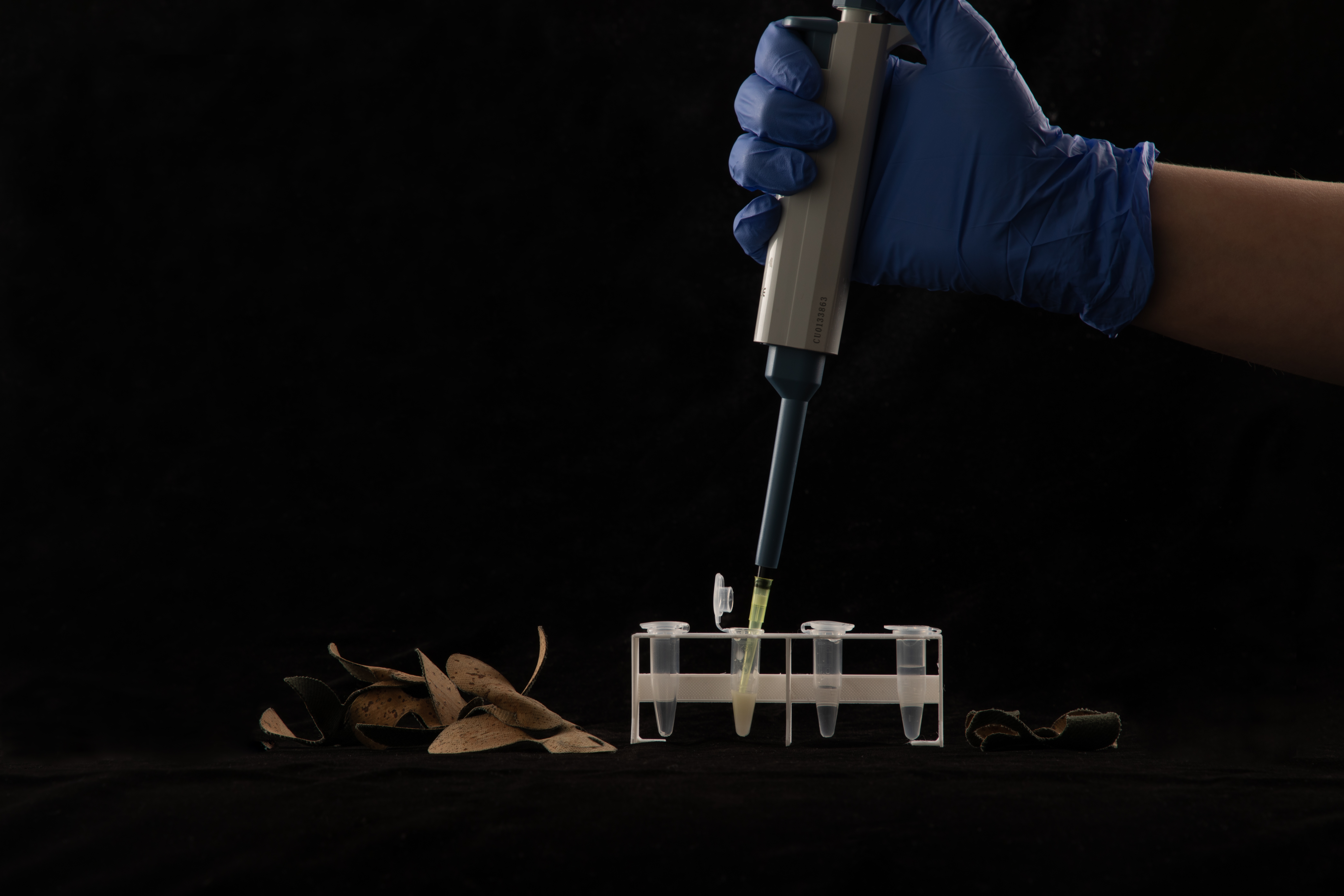
Payonke: Adaptive Mobiles reimagines indoor objects as living, responsive participants in our homes. Inspired by pająki ludowe, traditional Polish folk mobiles once believed to bring prosperity, the project combines craft and bio-responsive materials. Producing hygromorphic materials embedded with Bacillus subtilis spores - probiotic bacteria that absorb and release moisture depending on humidity, Payonke transforms static décor into dynamic, shape-shifting forms that respond to their environment like natural sensors.
Prototypes have demonstrated how these interlocking, modular mobiles shift visibly with changes in air humidity, making invisible environmental processes perceptible while supporting microbial health indoors. The project highlights how materials can have agency, fostering engagement between humans, objects, and microbial life. By treating microbes as collaborators rather than threats, it opens a new perspective on healthy, adaptive, and interactive home environments.
The next steps focus on public engagement: exploring how these mobiles and their modular forms can be implemented in community workshops, allowing people to interact with living craft, understand environmental changes, while reviving the lost craft.
This approach not only encourages hands-on engagement with microbial materials, but also fosters awareness of traditional craft practices, their cultural value, and how such knowledge can be revived and adapted for contemporary living spaces.
Through workshops, exhibitions, and participatory projects, Payonke aims to bring people closer to the intersection of science, design, and craft, demonstrating that objects can be both aesthetic and functional, while supporting healthier, more responsive environments and a renewed appreciation for cultural heritage.
The question at the heart of this work is deceptively simple: what if the objects in our homes could behave more like living things - sensing, adapting, and responding to their environment? Traditional craft objects are static, decorative, or symbolic, yet living systems are dynamic, responsive, and interconnected. Payonke bridges these realms, transforming familiar forms - mobiles, into hybrid structures that act as both visual artifacts and functional, environmentally attuned agents.
The inspiration for Payonke comes from Polish pająki ludowe, folk mobiles traditionally made to bring prosperity and spiritual protection to the home. While the most elaborate forms are known from Poland: particularly the Łowicz and Kurpie regions, the tradition of making similar hanging ornaments existed in other, neighboring, and related cultures, including: Ukraine, Germany, Scandinavia, Finland and other rural Slavic regions. Historically crafted by women from readily available natural materials - twigs, straw, peas, and later papers and fabrics, pająki were more than decorations; they carried symbolic meaning. Suspended in the central part of a household, they were believed to attract good fortune, health, and a bountiful harvest. The careful arrangement of delicate components and subtle motion reflected both the craftsmanship of the maker and the household’s energy balance. A smoothly rotating mobile indicated harmony, while stagnation or erratic movement signaled imbalance. By drawing on this rich craft heritage, Payonke revives the symbolic and aesthetic qualities of pająki while reimagining their material and movement potential for contemporary living spaces.
At the core of Payonke’s material system are agential microbial materials. By treating microbes not as threats but as collaborators, the project proposes a new material language that combines biological agency with design intent.
living agential materials
bio-responsive probiotic design
shape-shifting objects
adaptive home environments
reviving folk craft traditions
Payonke: Adaptive Mobiles addresses environmental, social, and cultural challenges by rethinking indoor materials as living, regenerative systems rather than static, resource-intensive objects. The project uses hygromorphic materials embedded with Bacillus subtilis spores: natural, probiotic organisms (present in fermented food and soil) that respond to humidity: offering a low-impact alternative to synthetic, sensor-based technologies. By relying on biological processes instead of electronic systems, it reduces material complexity, energy use, and waste.
The concept follows principles of circularity and biodegradability: materials are designed to be non-toxic, potentially compostable, and aligned with regenerative cycles, minimising reliance on petroleum-based components. Like other bio-based innovations, Payonke explores how materials can be grown, activated, and integrated with natural processes, rather than industrially produced. Its passive humidity regulation also contributes to healthier indoor environments, potentially reducing issues such as dampness and mould without energy-intensive systems.
From a social and cultural perspective, Payonke revives traditional craft knowledge: drawing from Polish pająki ludowe, and translates it into a contemporary, sustainable practice. By doing so, it preserves intangible cultural heritage while making it relevant to present-day environmental challenges.
The project’s modular, interlocking systems are designed for participatory making, enabling community workshops where individuals can co-create adaptive structures, learn about microbial materials, and reconnect with craft traditions. This fosters collective awareness, knowledge-sharing, and local engagement around sustainability.
Payonke demonstrates how sustainability can extend beyond material efficiency to include care for invisible ecosystems, human-microbe relationships, and cultural resilience.
Payonke proposes a new material and craft language, where tradition meets innovation, and where objects possess agency, shape-shifting alongside us and fostering ongoing visual interaction between human and microbial life.
It contributes to aesthetics by transforming everyday indoor objects into bio-responsive compositions that reveal the beauty of microbial movement. Inspired by the delicate geometries and symbolic presence of Polish pająki ludowe, the mobiles create a visual language where form is not fixed but continuously shaped by moisture and air conditions. Shifts in structure make invisible processes perceptible, inviting a sensory engagement with our spaces.
Cultural Design Impact:
The project enhances a sense of belonging and care by reconnecting people with both cultural heritage and their immediate environment. By reinterpreting traditional craft through contemporary materials, it bridges past and present, allowing communities to engage with familiar forms in new ways. Through participatory workshops and collective making, individuals contribute to shared installations, fostering local identity, pride, and emotional attachment to place. These interactions encourage people to see their surroundings not as static interiors, but as living ecosystems that they actively shape and care for.
Rather than adding decoration, it embeds responsiveness directly into the material, allowing movement, transformation, and microbial activity to become part of the visual experience. The result is a multi-sensory, time-based aesthetic, where objects evolve alongside their environment and inhabitants.
Payonke proposes a new aesthetic paradigm: one that values adaptation, agency, and interdependence. It demonstrates how beauty can emerge from responsiveness and care, creating spaces that are not only visually engaging but also emotionally resonant and environmentally attuned over time.
Payonke addresses inclusion by rethinking how materials, knowledge, and environmental awareness can be made accessible, participatory, and relevant to diverse communities. It responds to a shared but often overlooked condition: people spend up to 90% of their time indoors, yet many environments, especially in vulnerable or low-quality housing, suffer from poor air circulation, high humidity, and mould-related health risks.
The project explores how bio-responsive, low-cost materials can act as natural indicators and stabilisers, making indoor climate issues visible before they become harmful.
By using Bacillus subtilis, a widely known and accessible probiotic bacterium, the project proposes an approach that is affordable, low-tech, and scalable, reducing reliance on digital sensing technologies. This opens opportunities for broader access to environmental awareness tools, particularly for communities disproportionately affected by unhealthy indoor conditions.
The project also promotes inclusion through participatory design and collective making. Its modular, interlocking structures are designed to be developed through community workshops, where participants can co-create objects, learn about microbial life, and engage with environmental processes firsthand. This hands-on approach supports knowledge-sharing across disciplines and backgrounds, enabling people without scientific or technical expertise to engage with bio-material innovation.
Payonke further contributes to inclusive thinking by shifting perspectives on more-than-human participation. By positioning microbes as collaborators rather than threats, it challenges dominant narratives of sterility and control, encouraging a more balanced and caring relationship between humans and microbial ecosystems.
As an inclusive model, the project combines accessible materials, community engagement, and environmental awareness.
The project has been developed through an ongoing dialogue between craft communities, cultural institutions, and scientific experts, ensuring that both traditional knowledge and contemporary research actively shape the project.
The craft research involved fieldwork in Poland, including visits to open-air museums such as the one in Nowogród, and conversations with archivists, heritage educators, and local communities. These exchanges revealed not only the cultural significance of pająki ludowe, but also how past ways of living, rooted in natural materials and ventilation, supported healthier indoor environments. This insight directly informed the project’s focus on environmental responsiveness and material awareness. Importantly, these interactions highlighted the decline of mobile-making traditions, reinforcing the need to revive them through contemporary practices.
Participation also extends into the scientific domain. Collaborations with researchers working on bio-responsive materials helped shape the material development, testing, and validation, ensuring that the project remains grounded in feasible and responsible scientific approaches.
The impact of this participatory process is twofold: it ensures that Payonke is culturally rooted and scientifically credible.
The project engages stakeholders across multiple levels, from local communities to international research networks. At the local level, it connects with craft practitioners, folk museums, and communities in Poland, ensuring the work remains rooted in cultural heritage. At the academic and research level, the project has benefited from the MA Biodesign programme at Central Saint Martins UAL in London and consultations with scientists working with bio-responsive materials, including researchers connected to the HBBE Living Construction Hub, like hygromorphic materials experts like Dr. Emily Birch have been essential in guiding material experimentation and validation. At a broader level, the project aims to engage European cultural institutions, maker spaces, and educational organisations through workshops and exhibitions. This multilevel engagement allows the project to bridge traditional knowledge, scientific innovation, and public participation, strengthening both its social relevance and implementation potential.
The added value of this multilevel engagement lies in its ability to bridge knowledge systems: combining local, tacit knowledge with scientific expertise, while also creating pathways for scaling, policy alignment, and broader societal impact.
The added value of this multilevel engagement lies in its ability to bridge knowledge systems: combining local, tacit knowledge with scientific expertise, while also creating pathways for scaling, policy alignment, and broader societal impact.
Payonke is inherently transdisciplinary, operating at the intersection of biodesign, material science, craft, and environmental design.
It integrates:
- Microbiology and biotechnology (cultivation and application of bacterial spores)
- Material research and engineering (development of hygromorphic, responsive systems, humidity chamber testing)
- Art and craft practices (reinterpretation of traditional mobile-making)
- Environmental design (indoor climate awareness and passive regulation)
This convergence enables new forms of knowledge production, where scientific processes inform aesthetic outcomes, and traditional craft informs innovative material applications. Payonke demonstrates how working across disciplines can generate novel, holistic approaches to design and climate challenges.
Payonke envisions a hybrid and scalable business model combining product development, education, and collaboration.
Potential revenue streams:
* Workshops and community programmes (DIY biofabrication and craft-based learning)
* Design products (adaptive mobiles and future home applications)
* Collaborations with cultural institutions and exhibitions
* Research partnerships and public funding supporting sustainable innovation
By focusing on low-cost materials and local production, the model supports accessibility while enabling gradual scaling through distributed, community-based production systems.
The project’s core innovation bio-responsive hygromorphic materials (bacterial hygromorphic composites (HBCs)) can be transferred across multiple fields, including:
- Architecture (architectural actuations, passive climate-responsive systems, facades)
- Interior design (curtains, ventilation indicators, adaptive furnishings)
- Fashion: wearables and textiles (sweat responsive garments)
- Bioengineering: harnessing kinetic energy
Equally important is the methodology, which brings together craft, science, and participation as a transferable framework. This approach can be adapted across cultural contexts by engaging local craft traditions to develop place-specific, responsive systems. In doing so, it challenges conventional norms around materials and domestic environments, while fostering healthier, more adaptive living conditions. It also encourages a shift in perception: from viewing microbes as threats to recognising them as symbiotic collaborators, supporting both material health and more balanced relationships between humans and their environments.
1. Material Development:
Advance the performance and consistency of bio-responsive materials by refining responsiveness and control over shape-changing behaviours. Building on over 50 tested variations, with previously cork (selected for its regenerative properties)the next phase explores circular bio-fabricated materials with the bacterial spores, such as mycelium biofilms, and other low/positive impact composites.
2. Prototype Expansion & Cultural Exchange :
Develop new spatial and structural variations of the mobiles while engaging diverse Polish regions and related cultural contexts. This will foster co-creation, skill-sharing, and the revival of local craft knowledge.
3. Community Engagement & Co-Creation :
Activate workshops with local communities, maker spaces, folk museums, and schools, where participants collaboratively build and experiment with living materials, strengthening environmental awareness and collective ownership.
4. Democratising Science :
Make bio-material knowledge accessible through open talks, workshops, and online platforms, focusing on the safe and responsible use of microbial systems, bridging the gap between scientific research and public understanding.
5. Dissemination & Knowledge Sharing :
Expand visibility through publications, exhibitions, and interdisciplinary platforms, including potential collaborations with scientific partners to share material findings and contribute to broader discussions on agential living materials.
6. Strategic Collaborations :
Strengthen partnerships with scientists, heritage educators, designers, and cultural institutions, fostering a long-term network that supports both innovation and cultural continuity.
7. Sustainable Scaling :
Explore small-scale, locally embedded production models based on circular principles, enabling distributed making while maintaining environmental responsibility and accessibility.