Enhancing Circularity, Sustainability, and Innovation
ShellSCAPE
{Empty}
ShellScape transforms oyster shell waste into low-carbon, modular landscape components that grow plants, support biodiversity, and bring communities together, combining circular materials, digital fabrication, and co-design to reimagine public space. From waste to living spaces, it gives new life to things usually thrown away, creating friendly and fun places for people and nature and forms a scalable system for greener cities, rooted in local culture and built for collective care.
Ireland
Local
Ballina, Co. Mayo, Ireland
Mainly urban
It involves a physical transformation of the built environment (hard investment)
Yes
2026-02-15
Yes
Horizon2020 / Horizon Europe
No
No
Organisation
ShellScape is a modular system of building components for urban furniture and landscapes, developed through a circular material approach in order to find alternatives for cement-based construction products and reduced cost compared to existing alternatives. The project also promotes a community-driven, bottom-up framework for the design, use and maintenance of public space. The objective of the ShellScape is to develop a holistic approach on activating heritage sites through circular design solutions.
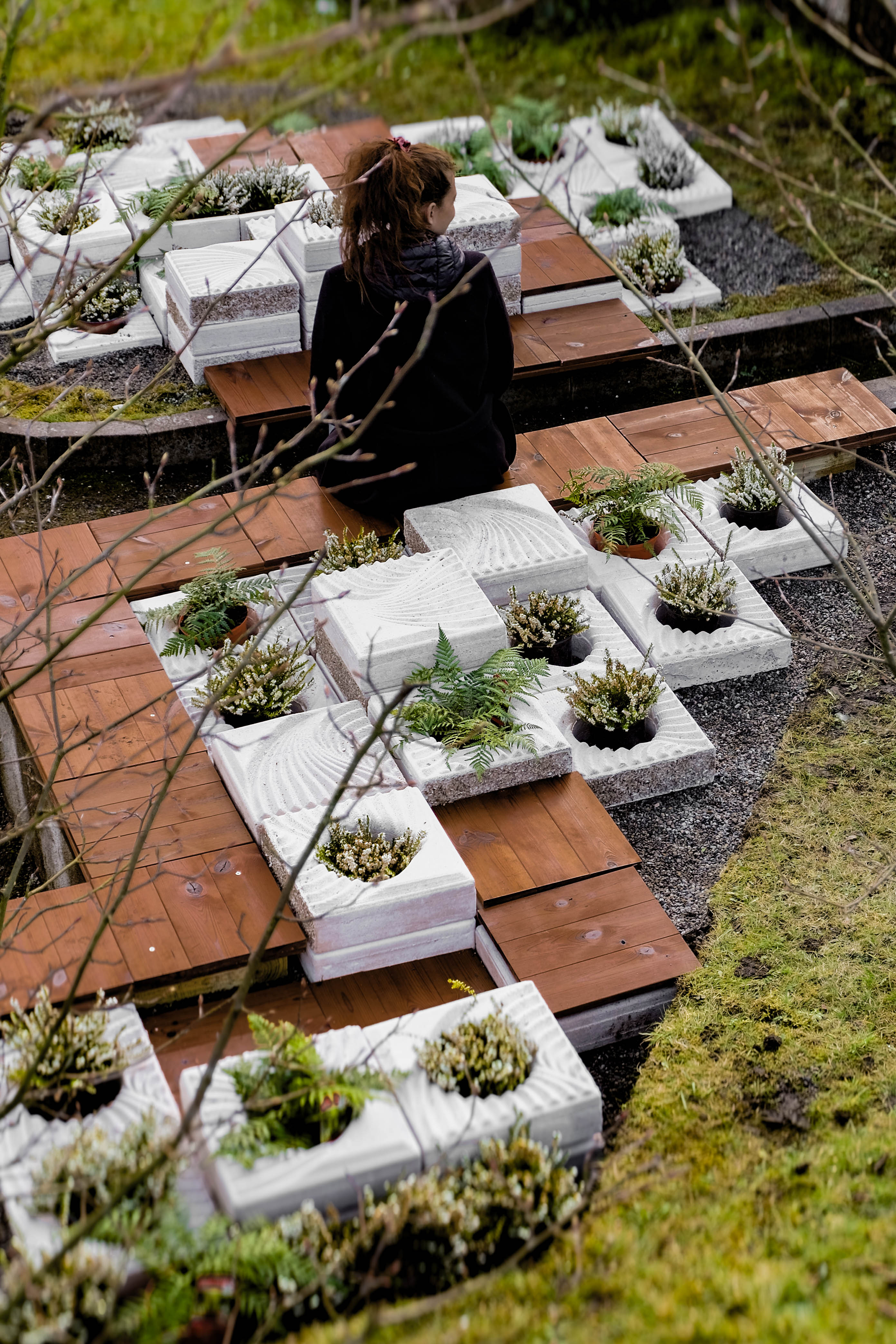
Within the project, an innovative geopolymer material based on local oyster shell waste for long-term outdoor use was developed and tested and modular, accessible landscape components maintained by the community were co-designed. ShellScape successfully delivered a fully installed structure in the garden of the Methodist Church, Ballina, with integrated seating and planting areas, accompanied by community workshops and public events demonstrating strong local engagement. The garden now functions as an active social and cultivation space for gatherings and seasonal celebrations, and while currently produced at a “lab” scale, the project aims to scale up to industrial production in future applications to achieve wider impact. The demonstrator project specifically prioritizes inclusive access for children, older adults, and people with reduced mobility, while also engaging students, researchers, and design professionals in its development. The components aimed to be intuitively assemblable by non professionals.
The project introduces a strong combination of circular materials, bio-integrated design, digital fabrication, and participatory design within a small-scale public infrastructure project. Its approach demonstrates how waste resources, community co-design, and modular construction systems can be combined to create replicable, sustainable, and socially embedded public spaces.
ShellScape was led by the Institute for Advanced Architecture of Catalonia (IAAC) in Barcelona, within the framework of the EU-funded HeritACT project. Local partners included Mayo County Council, the Methodist Church community, local participants in Ballina, and the architecture studio ACT, all based in Ireland, enabling a collaborative process that combined technical expertise, community input, and local governance knowledge.
ShellScape emerged from research into the culture and heritage of County Mayo, Ireland, which highlighted oyster consumption as an important aspect of local identity and tourism, celebrated in nearby festivals. This research also identified discarded oyster shells as an abundant local waste resource. The Ballina Methodist Church, with its heritage value, underused garden, and active community, was identified as an ideal pilot site by local partners for the implementation of ShellScape.
IAAC developed the project through multiple phases. Starting with site and extensive material research, over leading three community co-design workshops, technical design and prototyping, material testing and fabrication development, and on-site installation with community activation events. Community engagement was facilitated through workshops, physical scale models, and full-scale prototypes, while the design and production of the modular component was developed at IAAC with digital tools such as parametric modeling and CAD/CAM workflows.
With 40% of the material sourced from waste oyster shells, production costs are lower than conventional purely kaolin-based geopolymer binders, and CO₂ emissions are significantly reduced, while maintaining structural performance. Public events at the Ballina Methodist Church garden and community feedback demonstrated strong participation and local ownership, validating the effectiveness of the participatory methodology for inclusive public space design.
Oystershell Upcycling
Digital Fabrication
Bio integrated Design
Co-Design With Communities
Non-cementitious Alternative
ShellScape exemplifies sustainability by showing environmental responsibility in material usage, the integration of greenery and bio habitats, and a joinery system designed for adaptability and long term use.
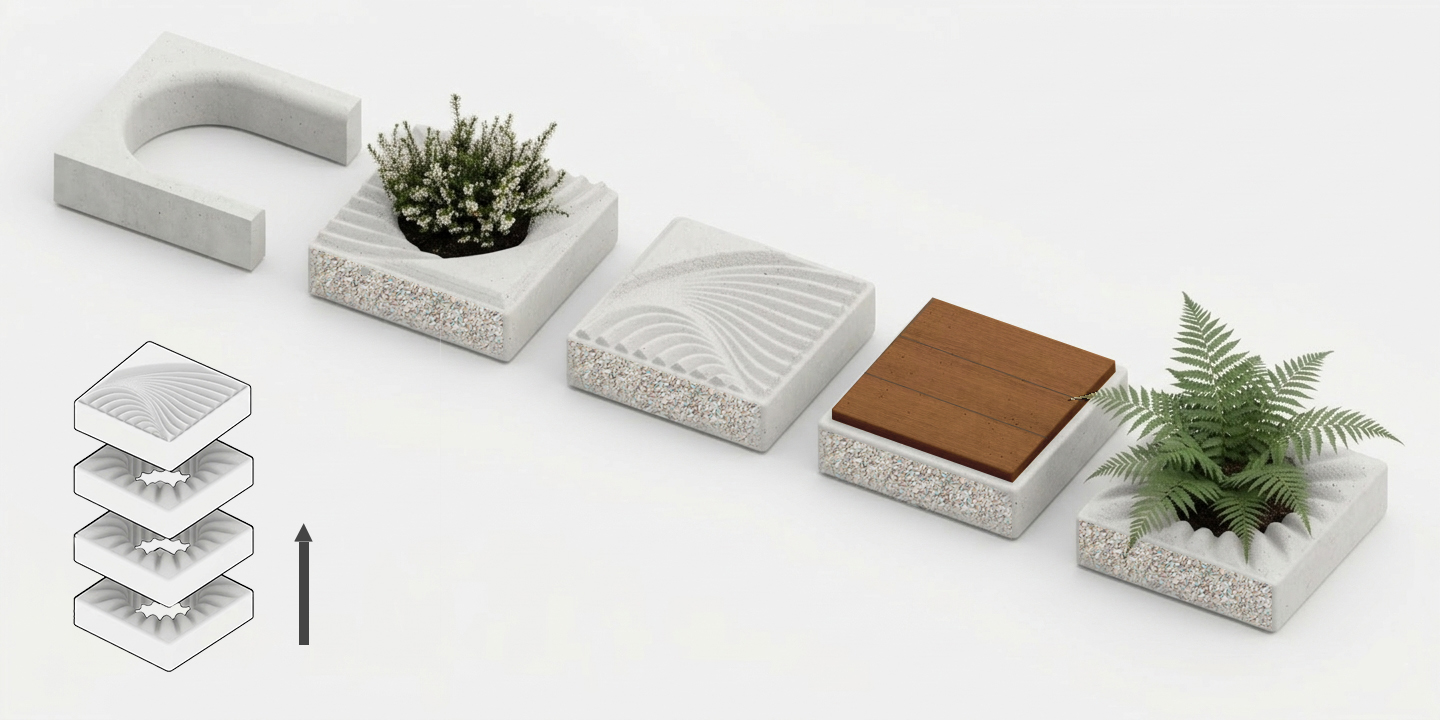
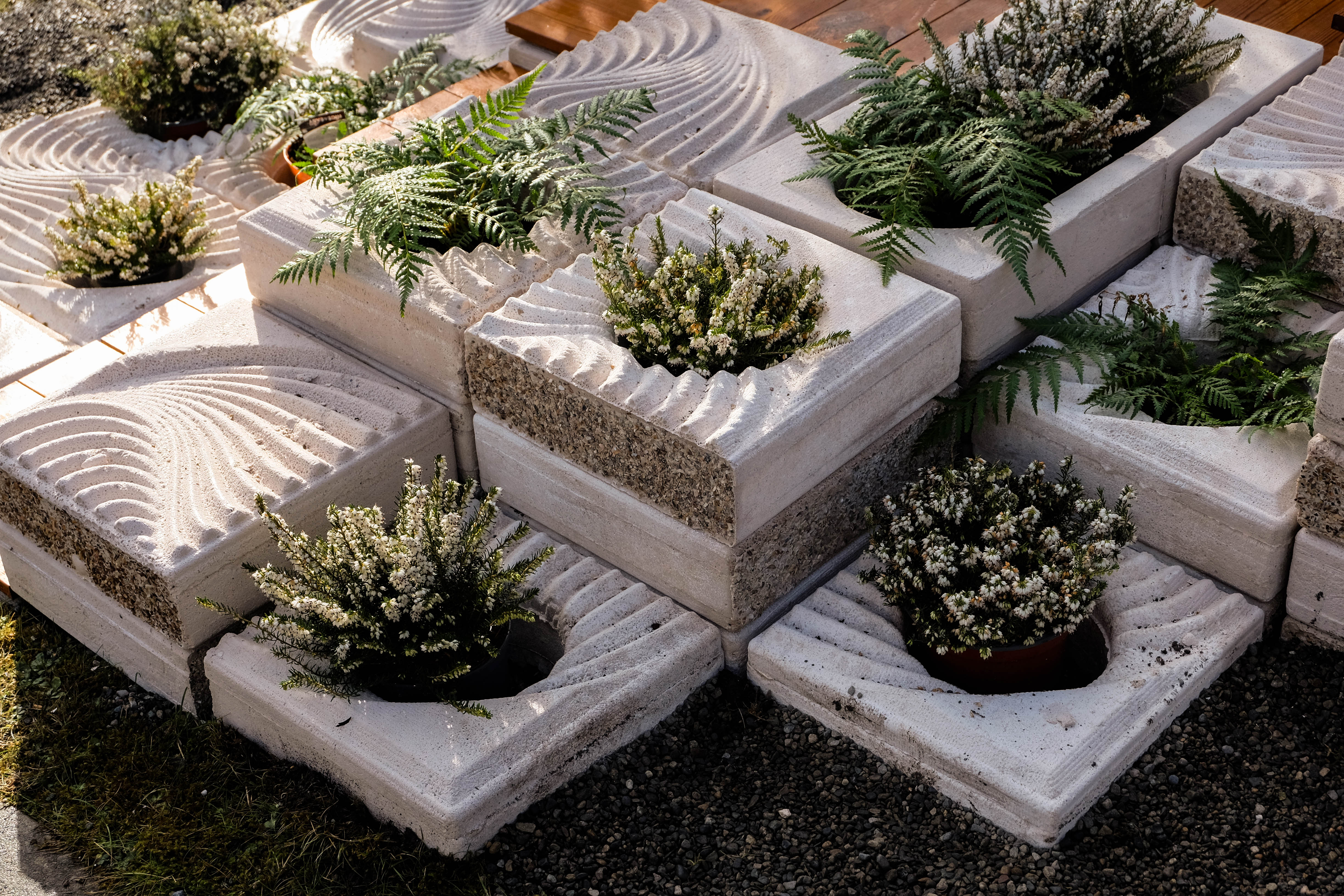
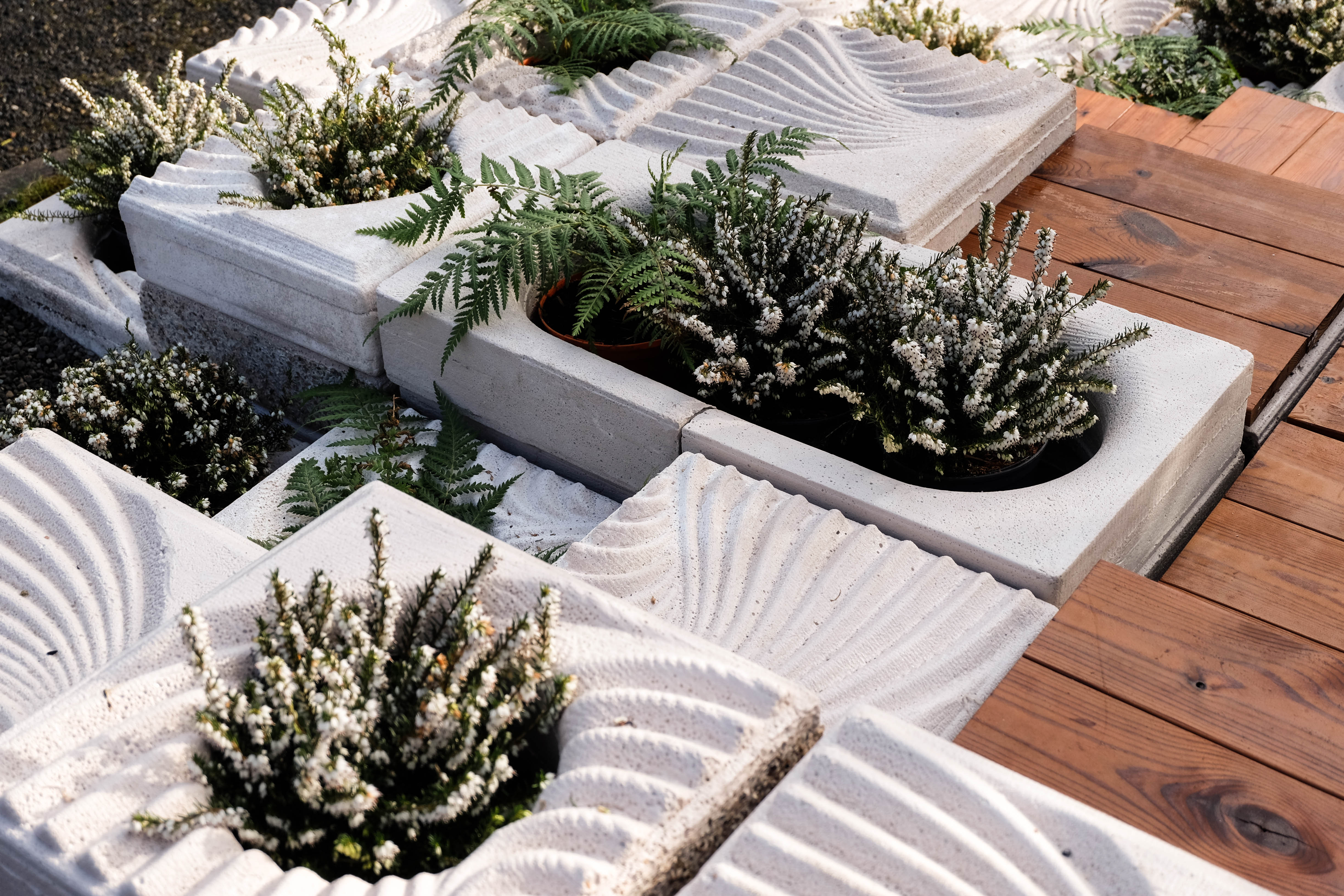
The ShellScape system consists of five modular, stackable components designed to support planting and encourage ecological growth. Some units include a central cavity for soil and plant cultivation, while others feature textured surfaces that promote the development of moss and microgreen habitats. One side of each component incorporates larger oyster shell granulates, creating a rough surface that further supports the growth of mosses and microgreens. When assembled, the system provides approximately 45% soil surface for plant growth, and additional approximate 20% of potential micro greening surface, helping to introduce vegetation into paved areas and improve local microclimates.
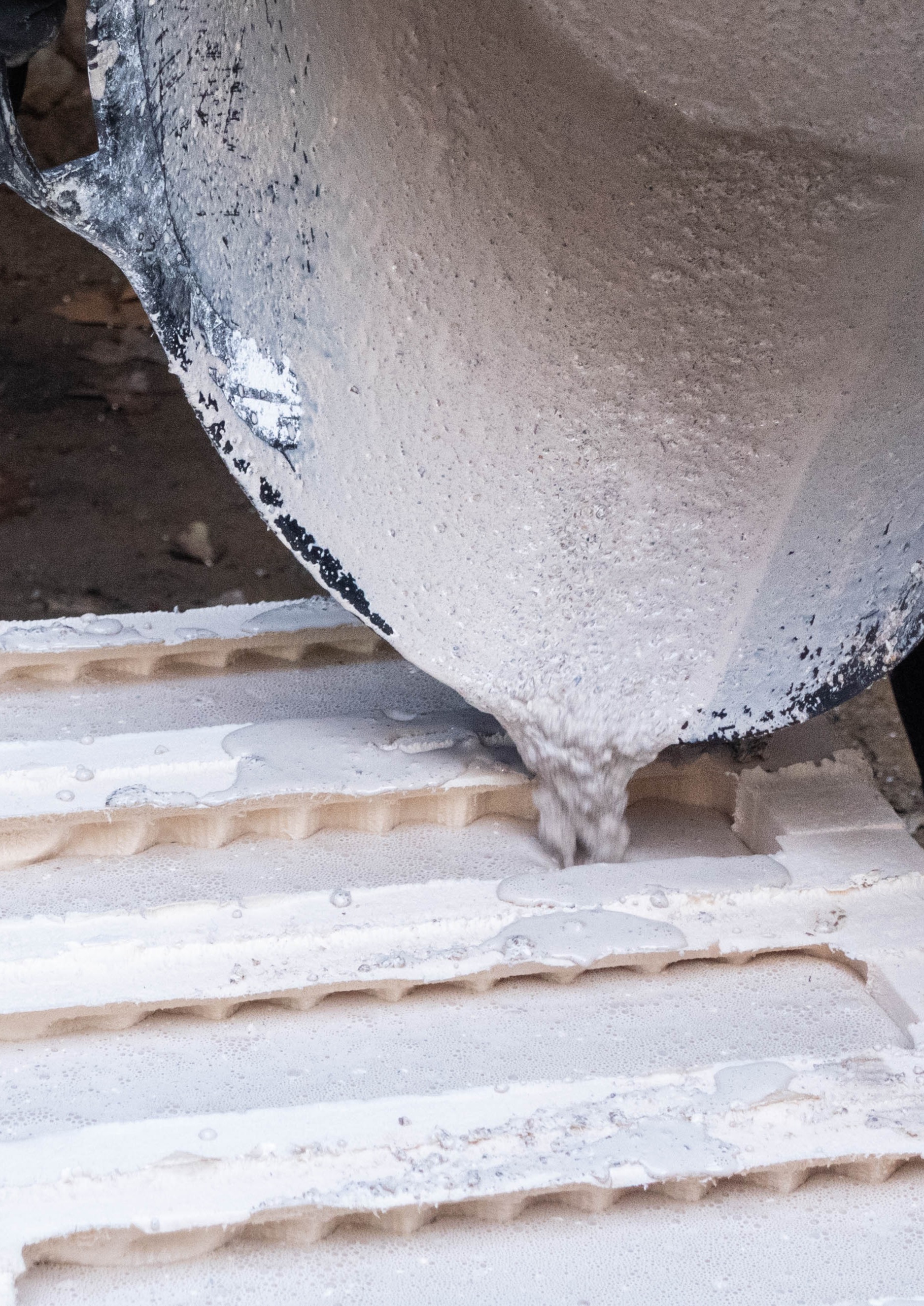
The components were designed for flexibility and future space adaptation. Cast in a self-interlocking geometry that eliminates the need for mortar, they can be easily dismantled, reconfigured, or reused, thereby extending their lifecycle. All elements are produced using reusable molds that only need to be fabricated once and can be used repeatedly, minimizing material waste and enabling scalable, cost-efficient production. As an end-of-life strategy, the components are shreddable, and the granules can be reused as additives in new material mixtures.
Environmentally, the project transforms a locally abundant waste product, discarded oyster shells, into a durable composite material. A conventional geopolymer mixture of aluminosilicate powder and alkaline activators is extended with oyster shell waste, which constitutes approximately 40% of the final material. Since shell waste is typically costly for oyster farms to dispose of through landfilling, its reuse closes a local resource loop, reducing both disposal pressures and production costs.
ShellScape combines heritage-informed design, sensory-rich geometry and materiality and a thoughtful spatial arrangement in the garden of the Ballina Methodist Church.
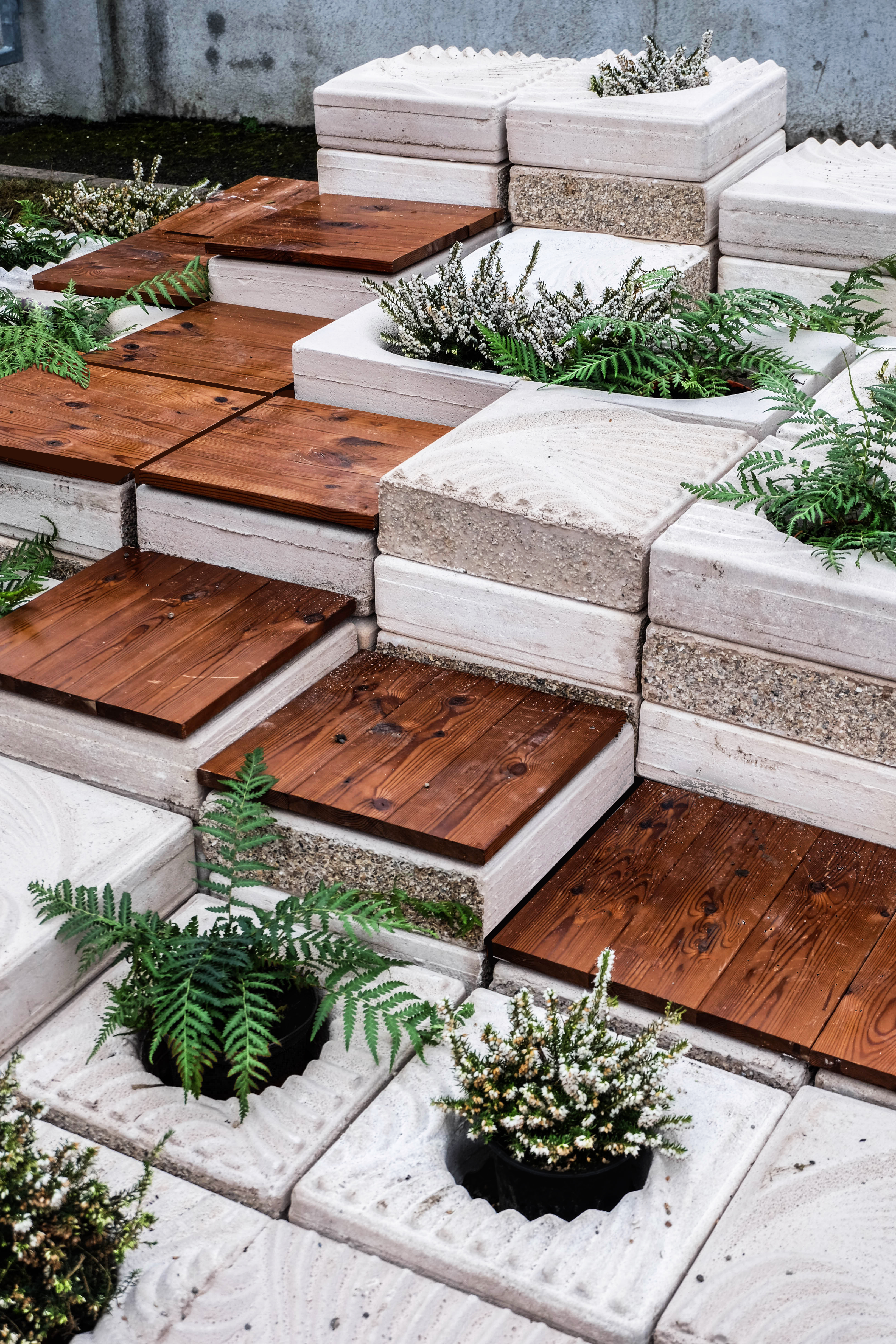
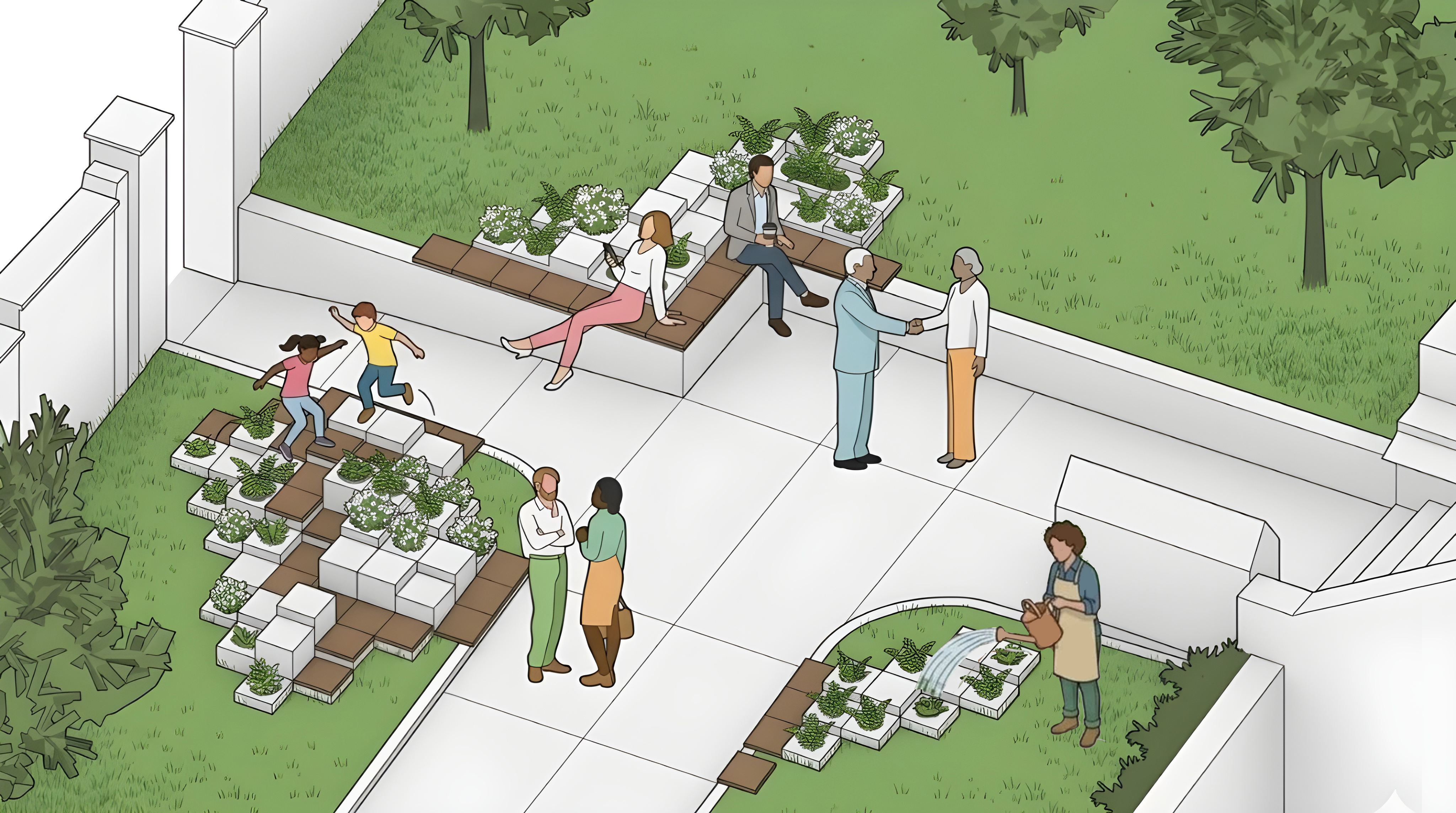
The functional vision of the garden was shaped by proposing activities such as planting workshops, small performances, and yoga sessions, ensuring the space supports everyday social life. A wooden-topped component was integrated to enhance both functionality and aesthetic variety. The layout organizes seating, pathways, and planting areas into a cohesive composition that follows the garden’s natural slopes, creating intimate corners for reflection alongside open central spaces for social gatherings.
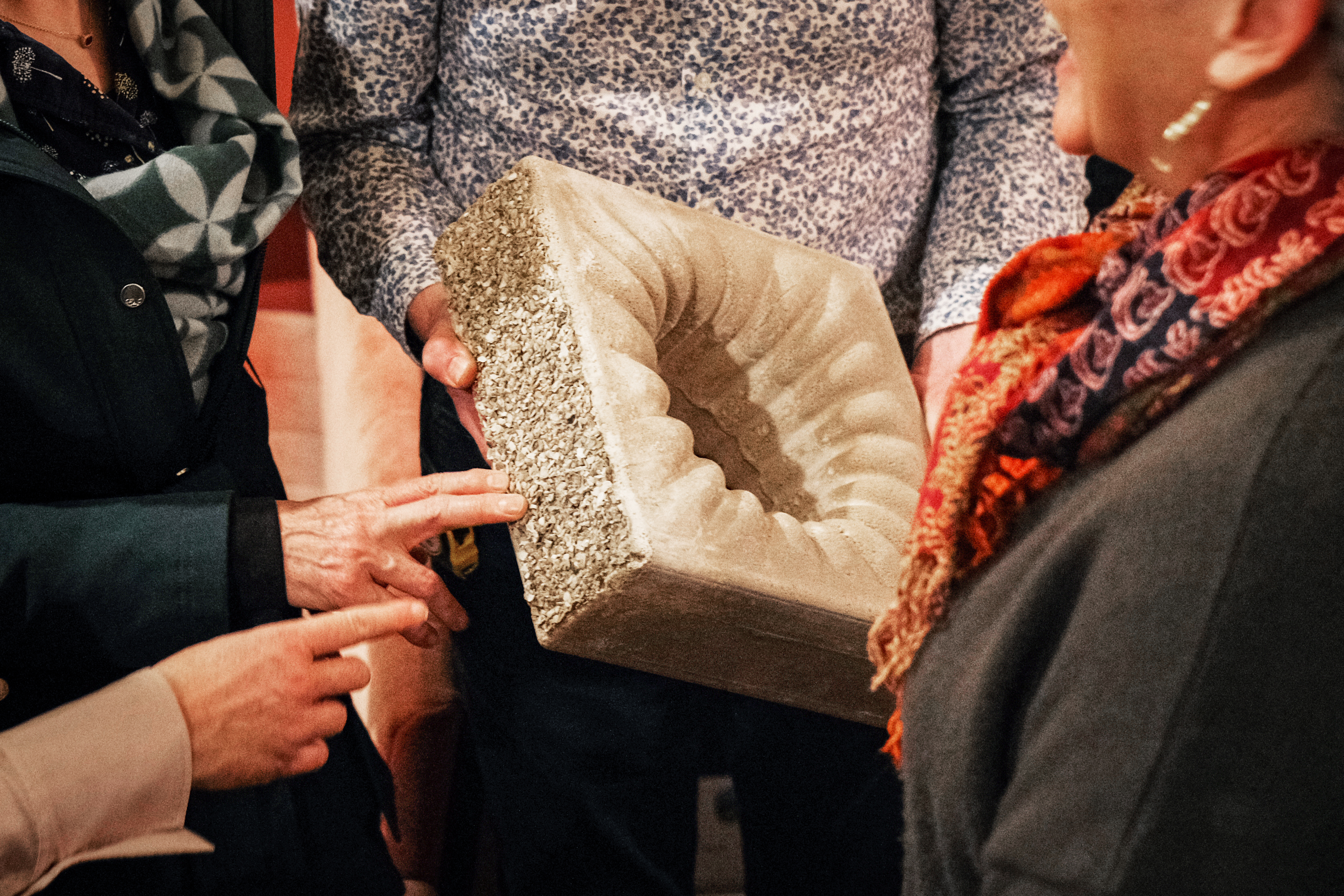
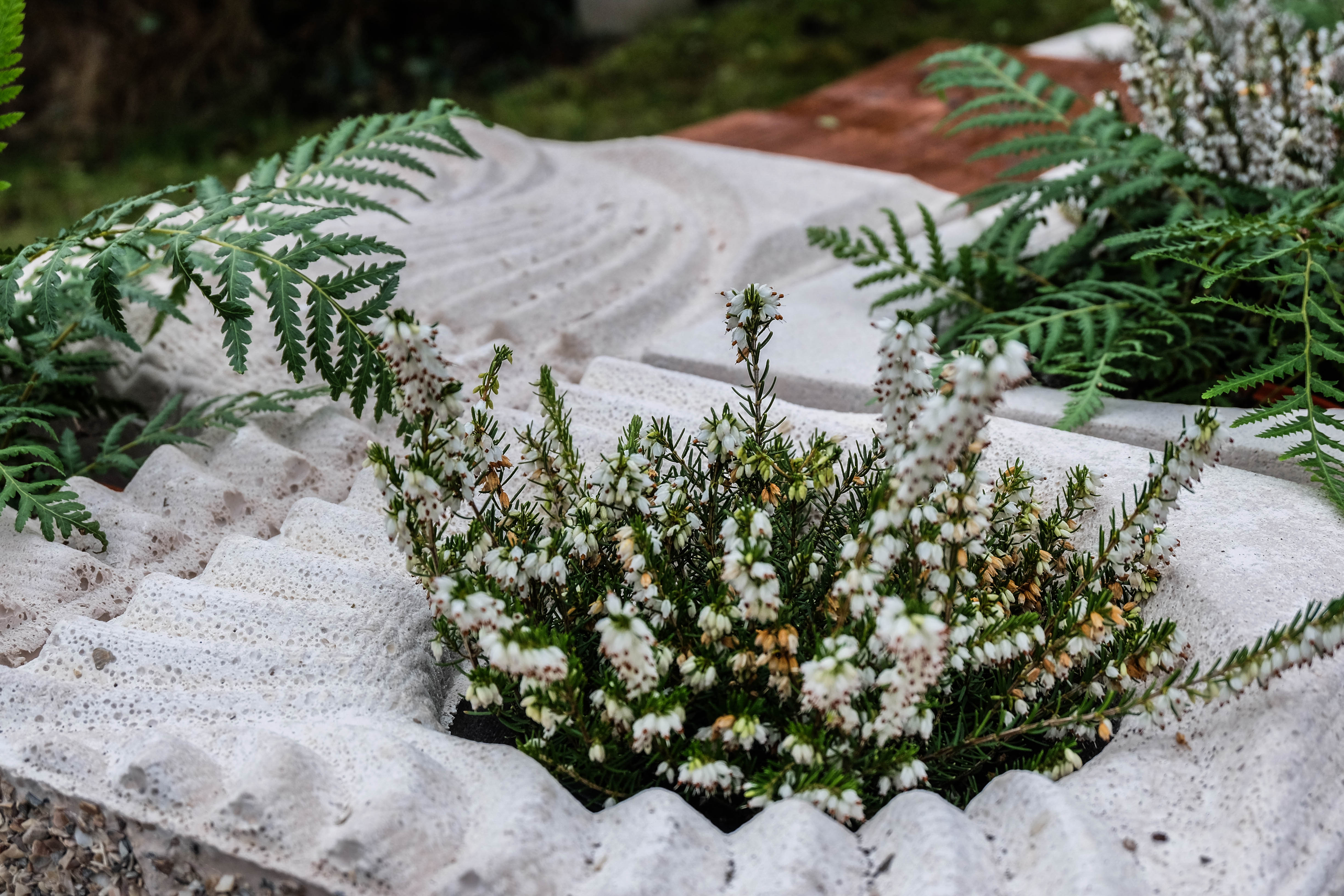
ShellScape’s aesthetics are inspired by local heritage, creating continuity between past and present and making cultural values tangible and experiential. The design draws inspiration from traditional Irish dry stone walls, with their mortarless, stackable characteristics. While dry stone walls are craft-intensive, ShellScape preserves these vernacular building techniques and local aesthetics while embedding them in a contemporary, functional component system. The components feature a channeling system cast into the top surface, inspired by layered fossil textures and echoing the mineral patterns of oyster shells. Surfaces alternate between smooth and rough textures, using different oyster shell granulates; the combination of channels and granulates creates a rich sensory experience. This contrast not only supports plant growth but also invites touch, interaction, and exploration, encouraging repeated engagement and a deeper appreciation of the space.
Planting mixes alternate between horticultural species and insect habitats, while seasonal changes in cultivated plants, mosses, and microgreens animate the garden throughout the year, offering evolving color, texture, and fragrance that enrich the everyday environment and create new visual experiences each season.
ShellScape addresses inclusion by combining accessible spatial design, participatory governance, and affordable, community-oriented infrastructure.
A key focus of the project was to guarantee an inclusive spatial configuration of the components on site. The varying heights of the modular elements are designed to ensure accessibility for people of all ages and abilities, allowing children, older adults, and individuals with reduced mobility to comfortably reach planting areas and participate in horticultural activities. The stepped arrangement also creates an engaging environment for children to explore and play, while integrated seating areas and clear pathways support both active gardening and enjoyment of the space.
The project adopts a design-for-all approach, extending accessibility beyond spatial layout to construction, maintenance, and long-term usability. The modular components are lightweight, weighing between 10 and 18 kg, enabling community members without specialized skills to actively participate in assembly, planting, and ongoing care. The modular system also enhances affordability and resilience: individual components can be easily removed for cleaning or maintenance, and in cases of damage or vandalism, they can be replaced quickly without costly or disruptive interventions and even fabricated by the citizens, since the casting process is straightforward. The required oyster shells can be collected by non-experts. By combining accessibility, simplicity, and durability, the design ensures that the space remains functional, inclusive, and community-managed over time, supporting both social engagement and sustainable upkeep.
For inclusion in the design process, the project promotes an extensive participatory process, including members of the Methodist Church community and local residents, actively involving them in decision-making processes.
ShellScape actively involved citizens, community groups, and civil society organisations throughout its design, implementation, and long-term use, ensuring the project was created with the community rather than simply delivered to it. The project followed a structured process of Co-Envisioning, Co-Design, Co-Implementation, and Co-Maintenance.
The Methodist Church community, local residents, volunteers, and open-call participants were involved in decision-making from the earliest stages through a series of three co-design workshops. Community members helped identify the most suitable and accessible location within the church grounds, assessed alternative spatial layouts, and expressed clear preferences for centralized configurations with larger clustered elements and stepped forms that respond to the garden’s slopes. Participants proposed linking the garden to religious and seasonal celebrations, embedding the intervention within local cultural practices.
During the design phase, IAAC hosted a week-long seminar with students and researchers to develop component designs and arrangements based on the outcomes of the first co-design sessions. The results were presented to the community, whose feedback informed subsequent design iterations.
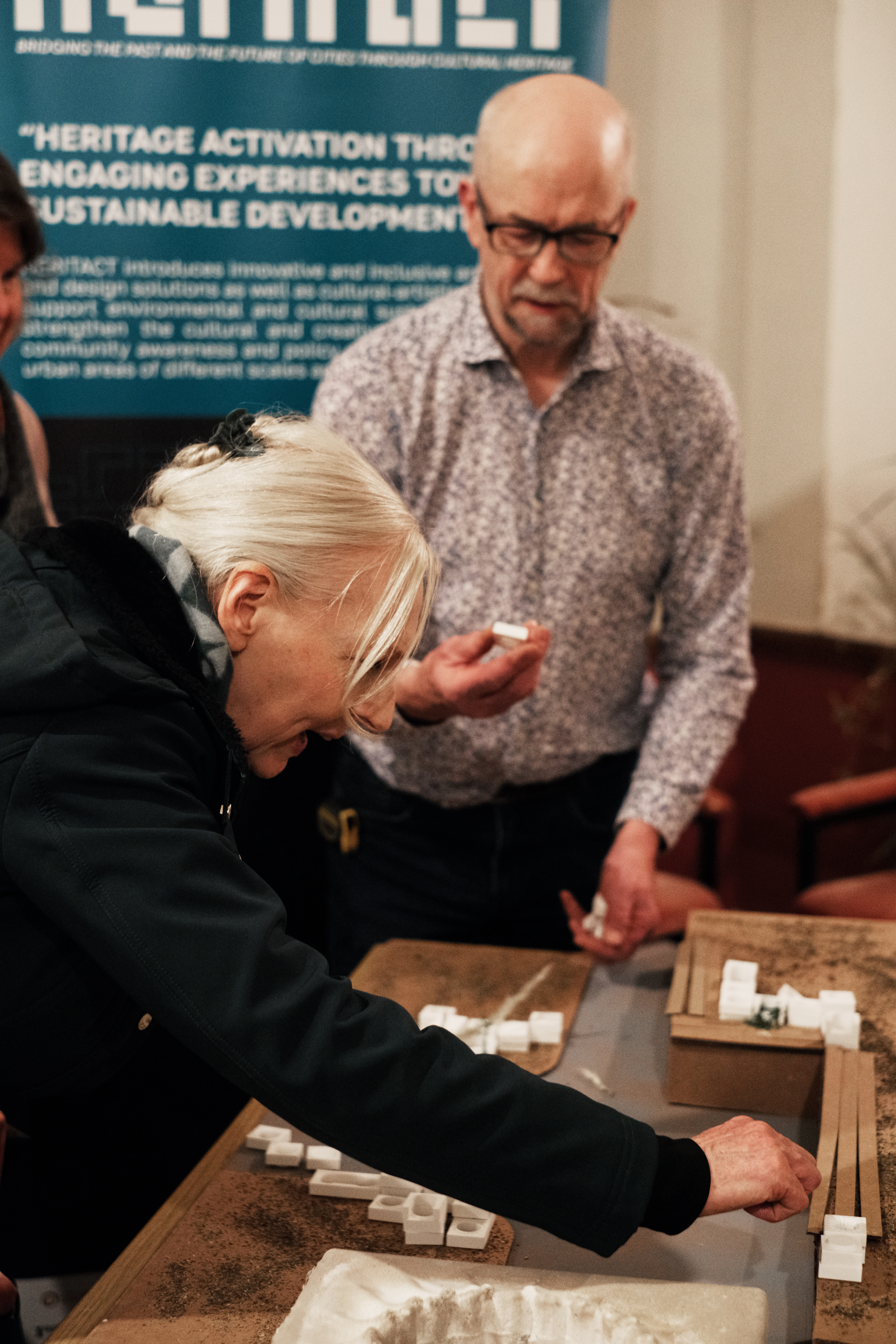
Engagement continued during co-implementation events, where participants interacted with multi-scale physical models and full-scale prototypes to test spatial configurations and better understand the design. This hands-on approach enabled non-experts to engage confidently with technical and spatial choices, strengthening collective decision-making. On Harvest Day, the church presented a final prototype to attendees during Sunday service. Church representatives participated directly in assembling the modular components. The completed garden was officially opened in a public event with food and social activities, fostering local engagement and ownership.
ShellScape demonstrates multilevel governance by actively engaging stakeholders across local, regional, national, and European levels throughout its design and implementation.
At the local level, the Methodist Church community in Ballina played a central role by contributing local knowledge, cultural insights, and long-term stewardship of the garden, through described co-design processes.
At the regional level, the Ballina municipality and Mayo County Council supported the project by providing logistical assistance, facilitating partnerships with local communities, assisting with transportation and site preparation, and coordinating cultural networks that helped integrate the project into regional initiatives for urban regeneration and heritage activation. Their involvement helped position the garden as part of wider placemaking and cultural tourism strategies.
At the national level, IAAC led the technical development, contributing expertise in material research, digital fabrication, and design education. University College Dublin, as technical local partner, was involved in the earlier site evaluation and selection process, as well as in conducting a Life Cycle Assessment (LCA) of the project. Academic research and student involvement supported the development and testing of the oyster-shell composite material and the modular component system, while integrating educational aspects in the project.
At the European level, ShellScape was implemented within the EU-funded HeritACT project, which connected multiple pilot cities and enabled knowledge exchange, including case study comparisons with further implementations in the three chosen pilot cities Milan, Eleusis and Ballina. The European framework provided funding, strategic direction, and dissemination platforms.
The integration of local stewardship, regional activation, national research expertise, and European support created significant added value.
ShellScape brings together material innovation, digital production, education, and cultural heritage into a cohesive, place-based design approach.
At its technical core, ShellScape advances material science through the development of a geopolymer composite enriched with crushed oyster shells, transforming a locally abundant waste stream into a durable architectural material. The shells were ground and then sorted by IAAC researchers, in cooperation with the geo engineering department from University of Catalunya (UPC). The three granulometries, powder (<1 mm), sand (1–2 mm), and fragments (>2 mm), allowed precise control over both material composition and surface properties.
Digital technologies and computational design supported the design of stackable units adaptable to different spatial layouts and accessibility needs. A precise design-to-production pipeline connected CAD modeling with CAM fabrication, enabling efficient prototyping and iterative refinement. Mold-making workflows and batch casting systems were developed to balance accuracy, speed, and scalability, demonstrating how computational design and digital fabrication can translate experimental materials into buildable public infrastructure.
The project also functioned as a living educational platform. Student-led seminars and full-scale prototyping at IAAC fostered research-led teaching. ShellScape is firmly rooted in cultural heritage and arts. Its location within a heritage site, combined with design references drawn from the modular logic of Irish dry stone wall traditions, underscores its connection to local cultural history. Integration with religious and seasonal celebrations, along with careful attention to local identity, material culture, and tactile aesthetics, positions the garden not only as functional social infrastructure but also as a piece of public art, creating a space that is both culturally meaningful and experientially rich.
The business model of ShellScape combines public funding, low operational costs, and long-term value creation through community stewardship and heritage activation. The initial development and implementation of the project were financed through EU Horizon funding. This early-stage support enabled research, prototyping, and pilot implementation, creating a demonstrator that can attract future interest from industry stakeholders.
Operational costs are intentionally kept low through a community-based governance model. Local volunteers participated in the co-design process and continue to contribute to the use and care of the space, while the Methodist Church community acts as a long-term steward of the garden. Maintenance activities such as planting, small repairs, and event organization are largely community-led, reducing the need for continuous professional maintenance. The material strategy supports cost efficient replacements, since oystershells are a negative-cost material and oyster farms pay to get rid of the shells. The garden also functions as a venue for cultural and social activities, including harvest events, community gatherings, and small performances, which keeps the site active and strengthens local engagement.
This strong sense of ownership increases the likelihood of community donations and local fundraising. As the installation gains visibility as part of the church’s cultural activities, it strengthens the institution’s ability to attract support from visitors, parish members, and local organizations.
At a broader scale, ShellScape aligns with public space investment logics. By activating a heritage site and improving the attractiveness of the surrounding area, the project contributes to urban regeneration and cultural tourism. This can generate indirect economic returns for the municipality and local businesses, creating a potential return on investment through increased visitation, cultural programming, and enhanced public space value.
ShellScape demonstrates strong scalability through three complementary pathways: product development, material innovation, and a replicable cultural activation model.
First, the modular component system enables scalability as a marketable product. The fabrication workflow based on reusable molds and digital design is easily replicable and adaptable to different contexts. Components can be customized through digital fabrication and produced as individual elements. The modular set enables a broad catalogue of applications, including paving, green infrastructure, planters, seating, stairs, and other landscape features. Production capacity can scale by increasing the number of molds, allowing the system to respond directly to growing demand.
Second, the material offers commercialization potential through direct material supply for construction or material licensing. Because oyster shells are an abundant waste product from the seafood industry, the raw material cost is minimal and can reduce landfill disposal expenses for producers. Establishing partnerships with oyster farms and seafood processors could therefore create a circular supply chain, making the material economically competitive while addressing environmental challenges related to shell waste. The material becomes especially efficient on all coastlines, where different kinds of mussel shell waste can create a local construction material resource.
Third, ShellScape’s cultural activation model is highly transferable. The methodology of iterative co-design, bringing together students, researchers, local communities, and institutions through workshops, prototyping sessions, and public events can be applied in other locations to adapt the system to local cultural and environmental contexts.