Enhancing Circularity, Sustainability, and Innovation
Establishment of a municipal plant nurse
Establishment of a municipal nursery for growing zoned tree and shrub species in the municipality of
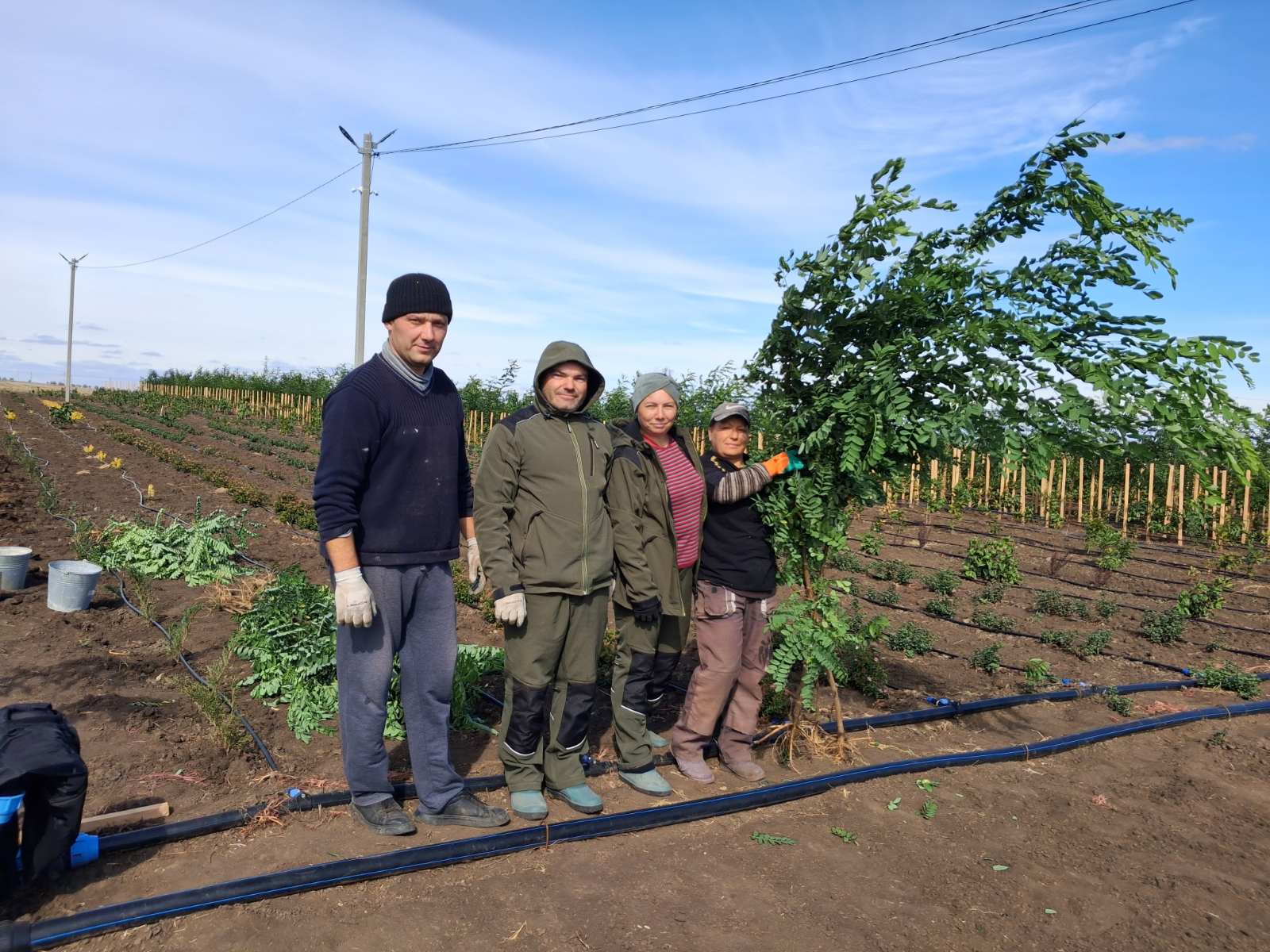
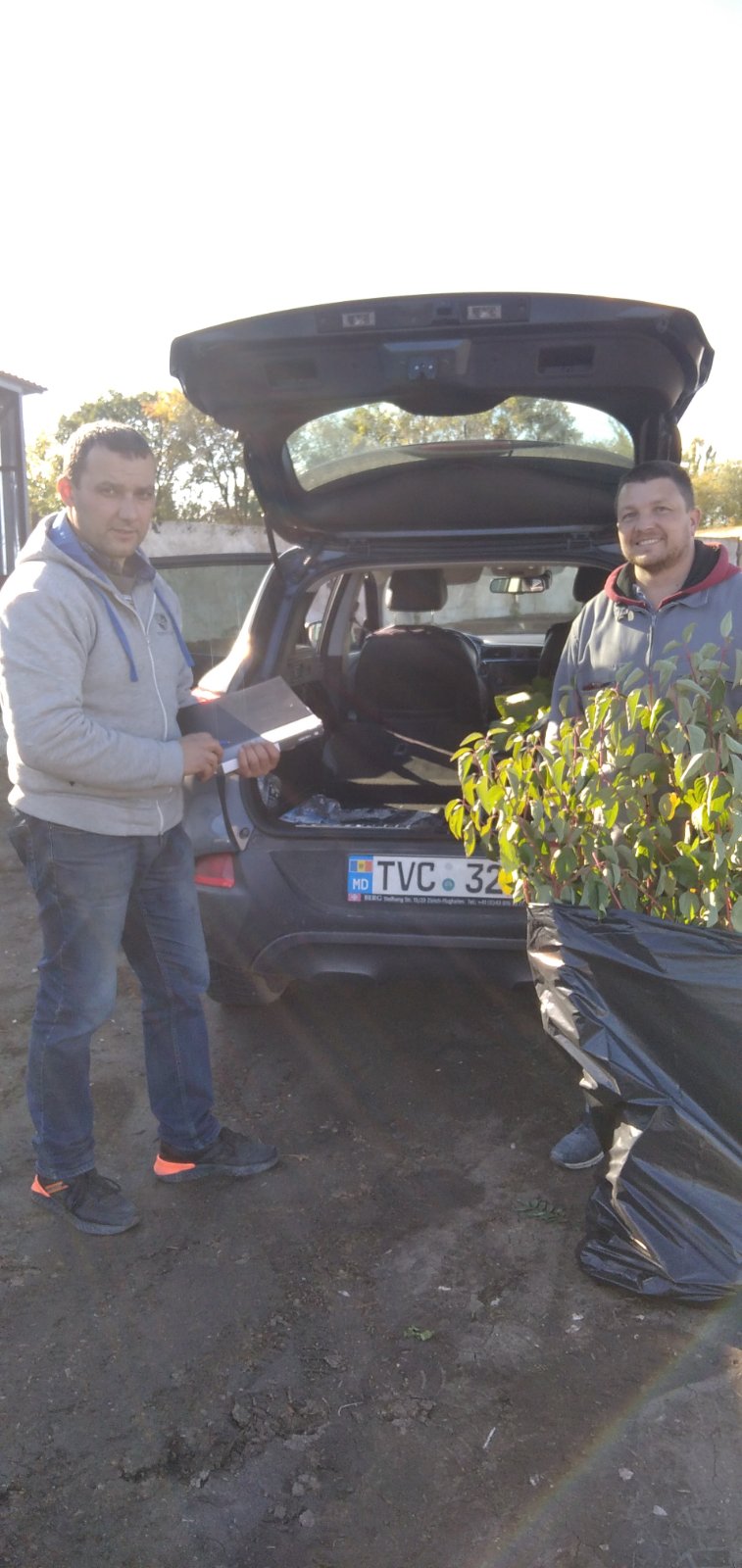
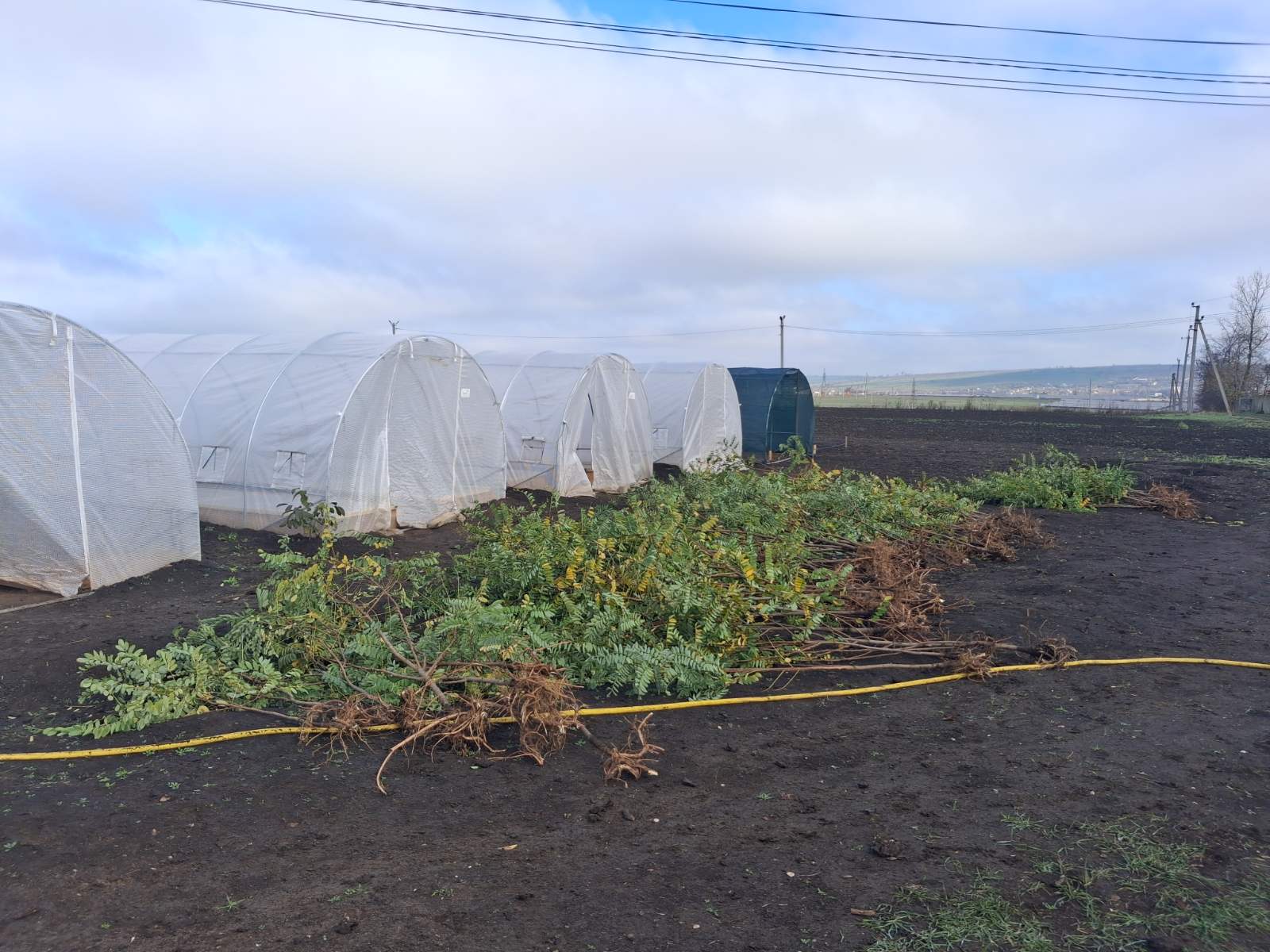
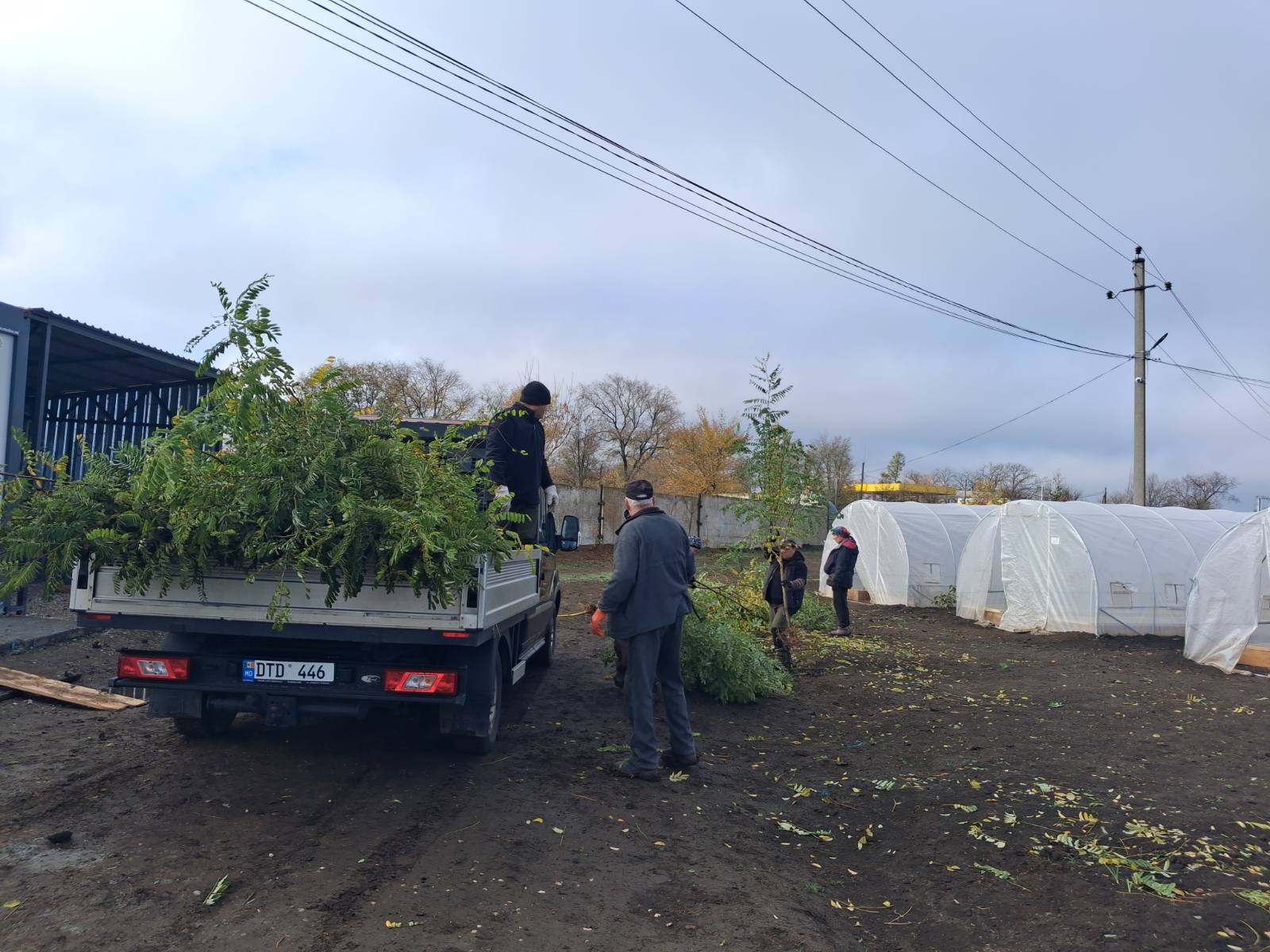
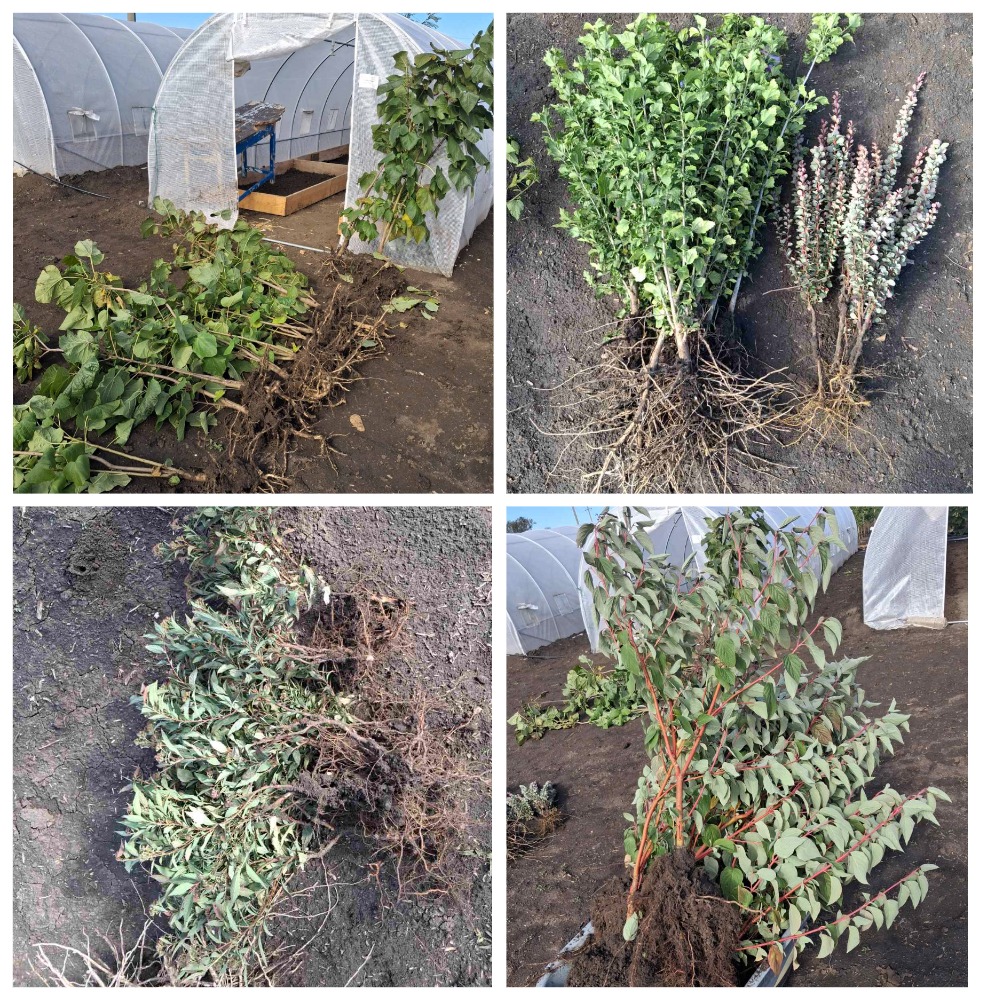
A municipal plant nursery has been established—the heart of systematic urban greening. Thousands of trees and shrubs adapted to the local climate are being grown on two hectares. The project brought together the mayor's office, the public, experts, and residents passionate about greening. The nursery supplies the city with high-quality seedlings, promotes community involvement in greening by donating seedlings free of charge, and creates a sustainable, green, and beautiful urban environment.
Moldova
Local
Ceadir-Lunga Municipality
Mainly urban
It involves a physical transformation of the built environment (hard investment)
Yes
2025-08-18
No
No
Yes
Organisation
The project to establish a municipal plant nursery aims to increase the city's resilience to climate risks through the development of systematic greening. It addresses the following issues: low afforestation (5-7%), poor seedling survival (30%), droughts, devastating torrential rains (82% of the monthly rainfall in a few hours), urban overheating, and water imbalances.
The target groups are municipal residents, including families with children, students, the elderly, and landscaping professionals. Particular attention is paid to engaging city residents, social institutions, residents' associations, private sector initiative groups, and vulnerable groups through joint plantings and the free provision of seedlings.
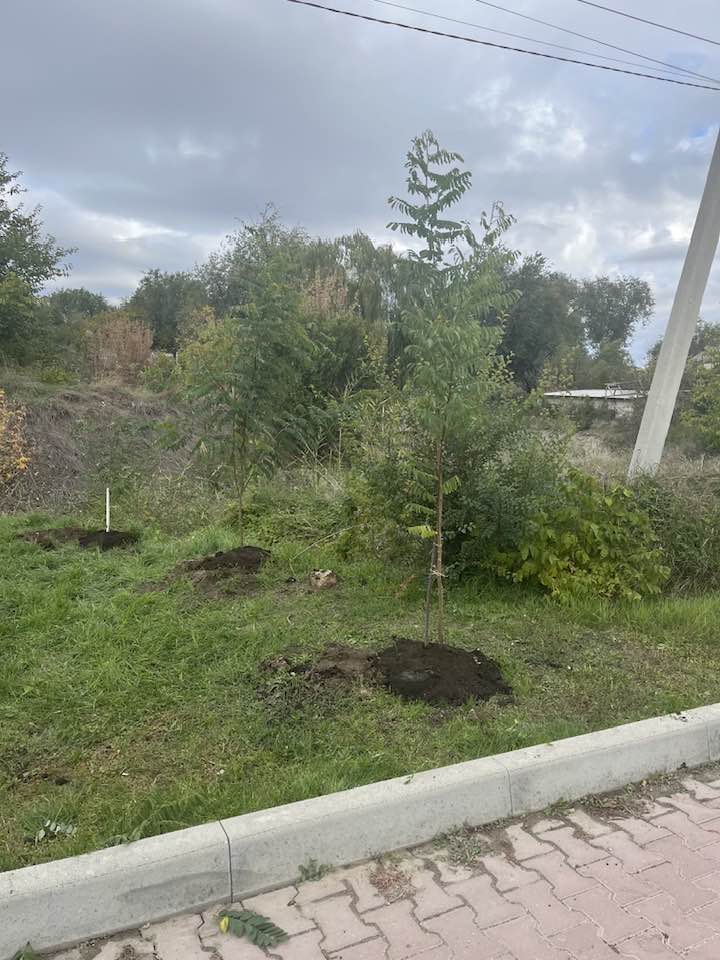
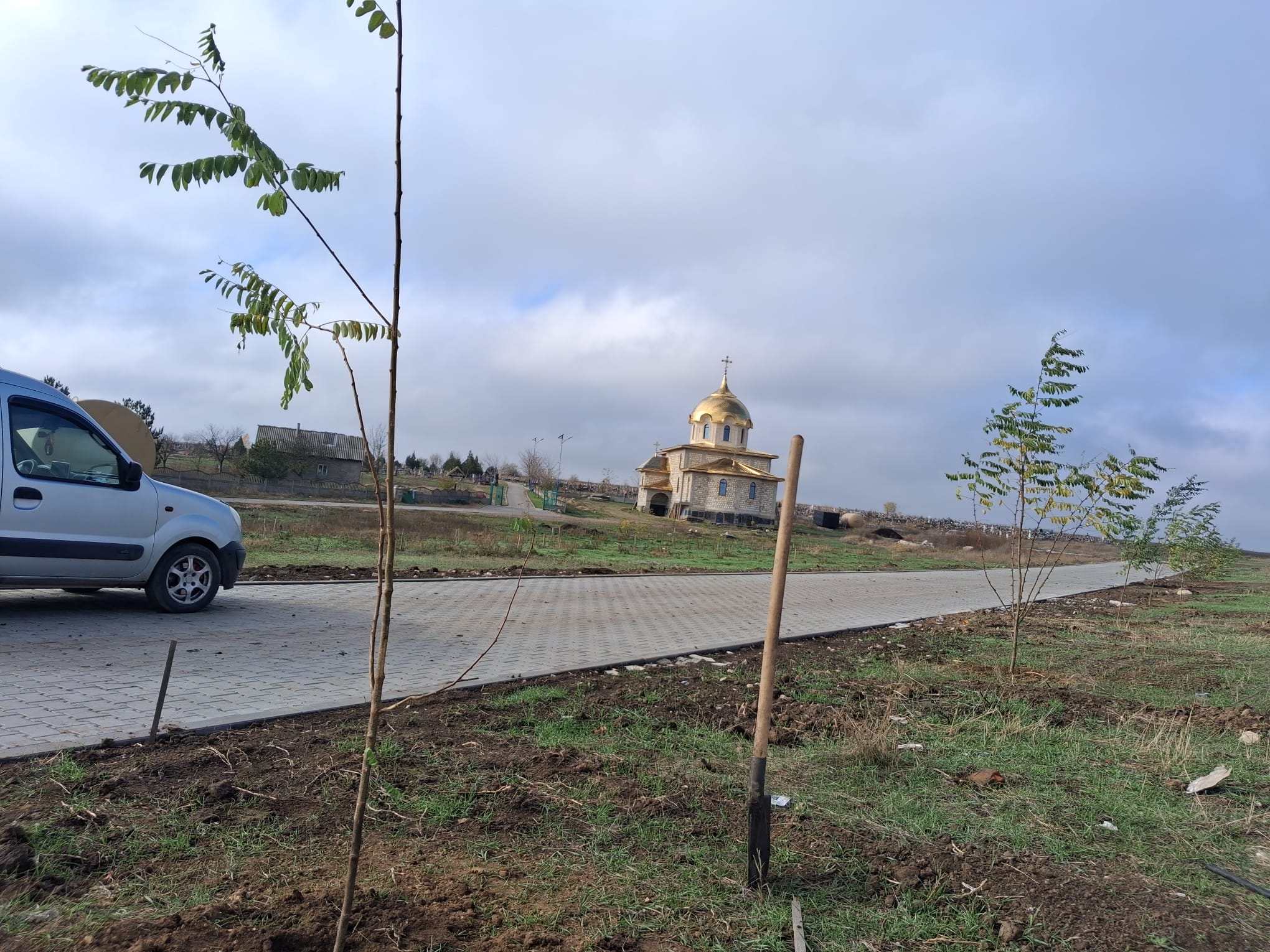
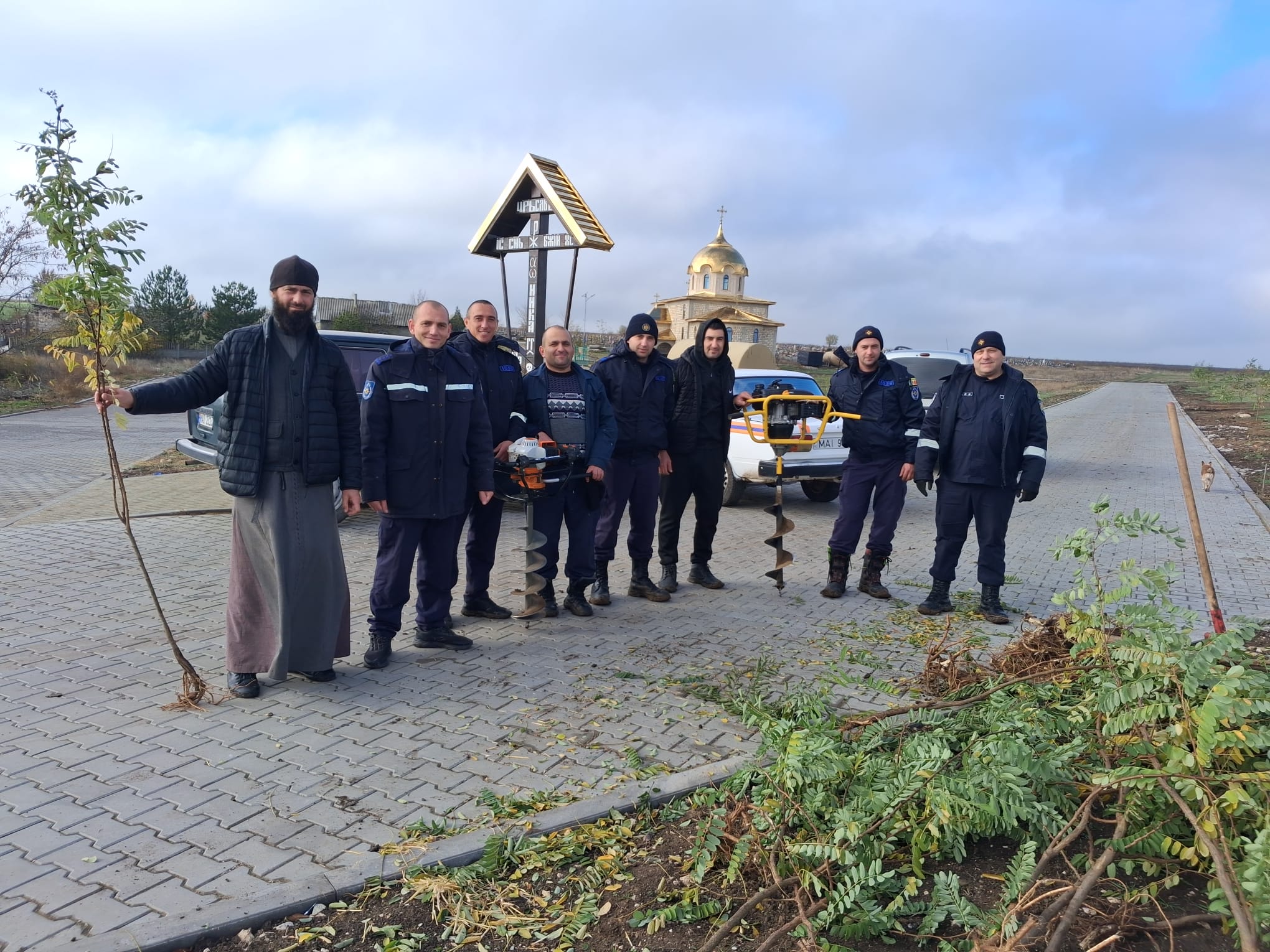
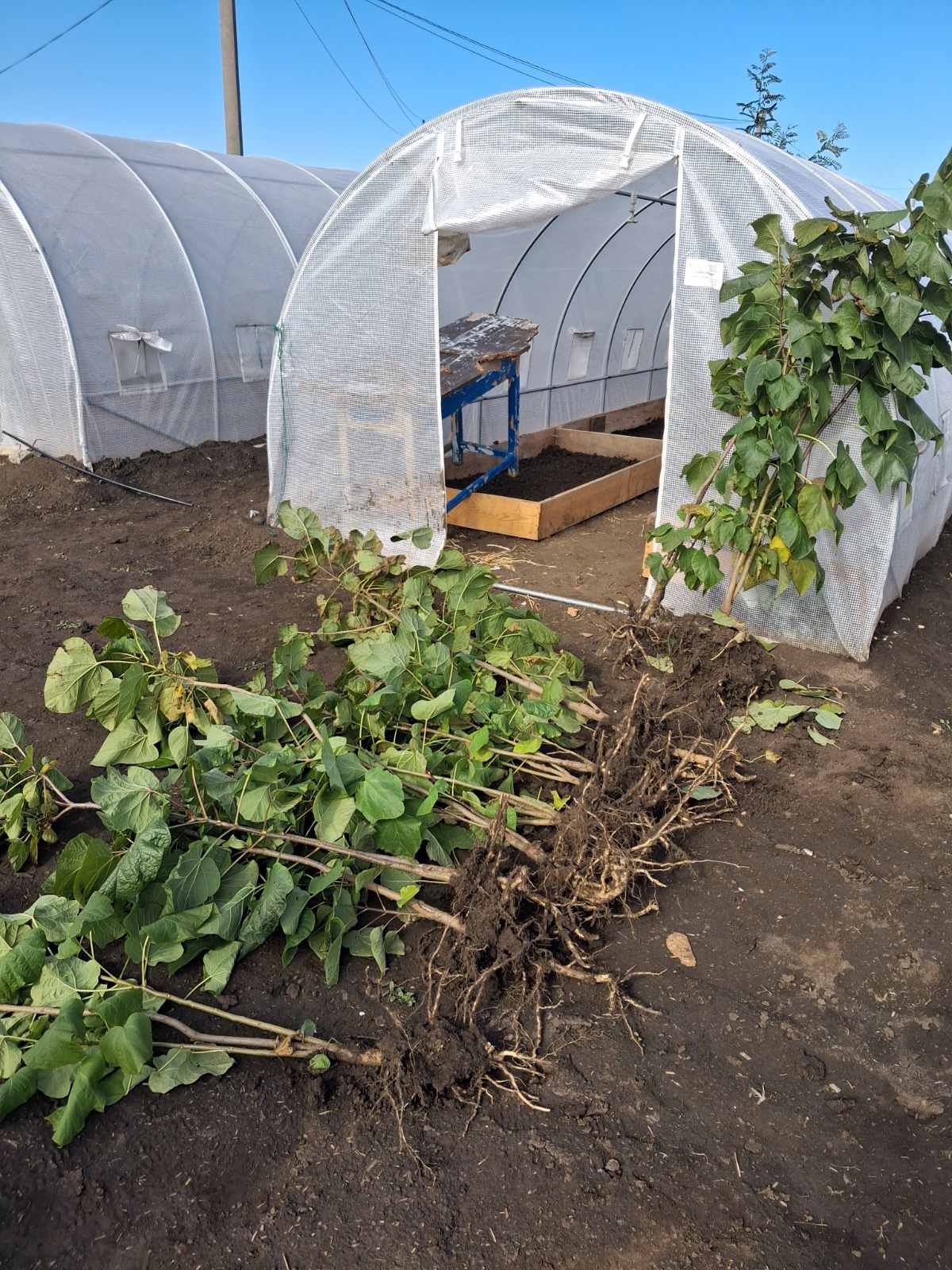
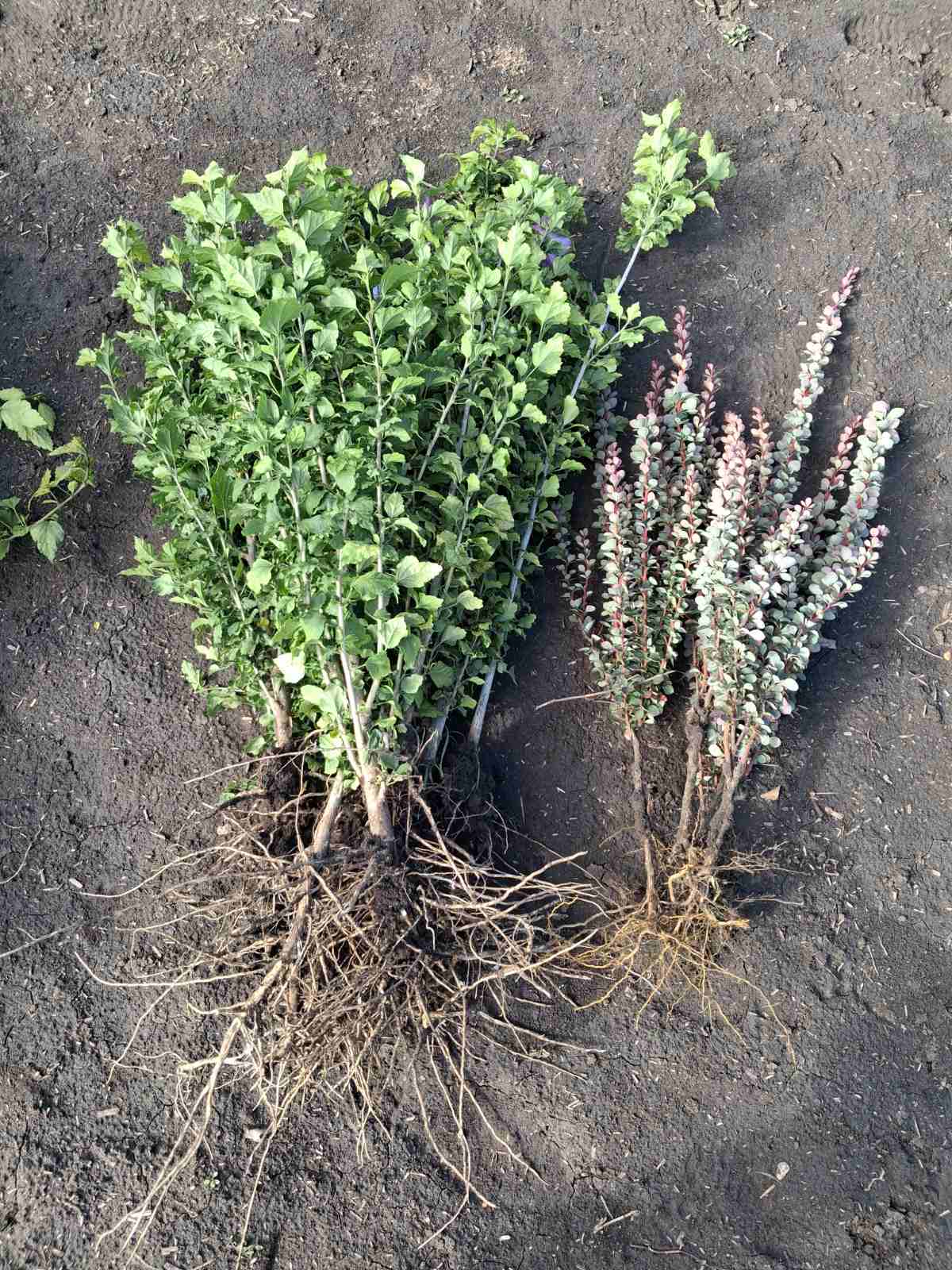
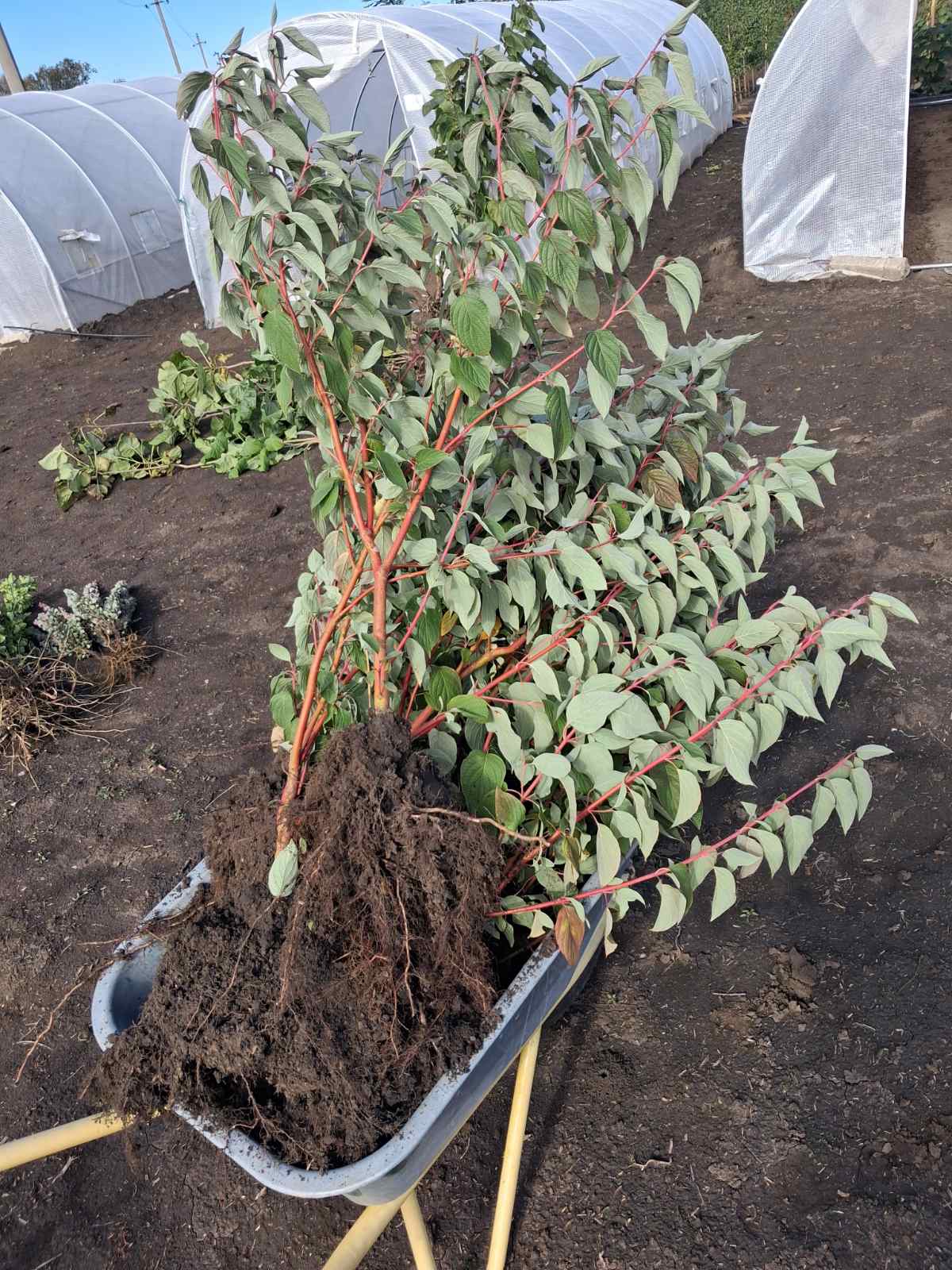
Specific project goals: establishing a municipal nursery for growing zoned tree and shrub species; developing a landscaping service to grow planting material and increase the area of urban green spaces; engaging residents in landscaping; and improving the urban environment and quality of life. At the time of application: A 2-hectare nursery and landscaping service have been established and equipped. Approximately 5,000 seedlings are being grown, a mother plant has been established, and drip irrigation has been implemented. Over 300 residents participated in the plantings; over 500 seedlings were donated to schools, kindergartens, and residents' associations. The project has received extensive media coverage and serves as a practical example for municipalities in the field of climate and ecology.
https://moldova1.md/p/51649
The transformational potential lies in the transition from isolated actions to a long-term municipal greening system, where residents are active participants rather than passive beneficiaries, and the nursery is an important component of the municipal green infrastructure, a climate adaptation tool that continues to develop after the project's completion.
The project idea arose amid mounting urban problems that had formed a vicious cycle. Forestation levels are 5-7%, the felling of hazardous trees and the illegal logging of healthy ones have increased due to the energy crisis. Green space is shrinking, failing to regenerate. Annual plantings have been met with low survival rates due to the lack of zoned planting material. The situation is exacerbated by extreme weather conditions: periods of abnormal heat are followed by devastating downpours. Water is not retained in the soil but is carried away by streams, damaging infrastructure and the soil layer. The fewer trees, the more the city overheats, the higher the risk of flooding, and the more difficult it is to grow new greenery.
The solution was to create a nursery. The project was initiated by the mayor's office and an NGO. Since there are no municipal nurseries in Moldova, and private nurseries are not interested in developing community-focused nurseries, we turned to our most reliable resource during the project development process: residents passionate about greening and an environmentalist from the Environmental Agency. Together, we identified a suitable plot of land and compiled a list of equipment and supplies.
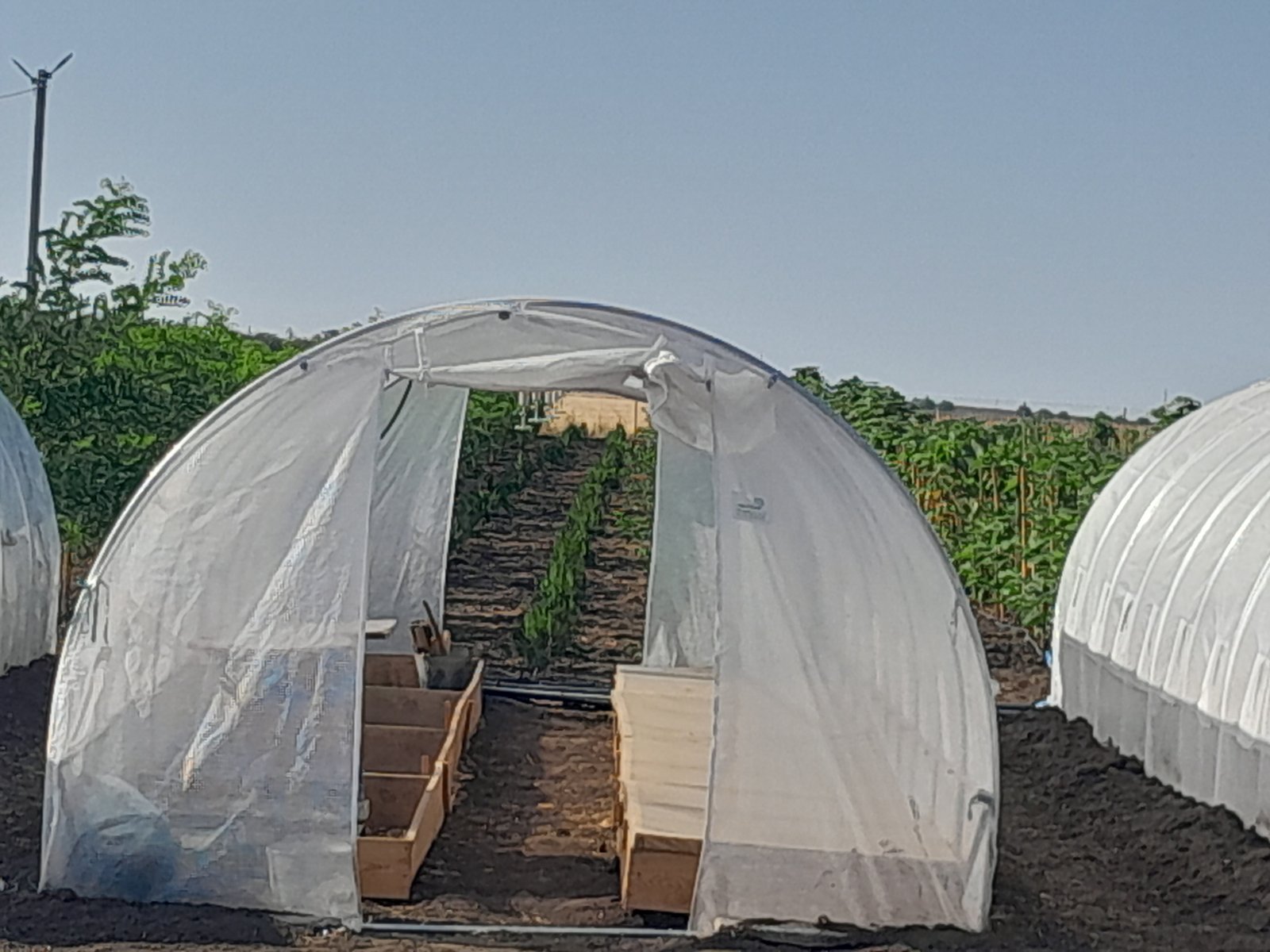
During the project's implementation, a cooperation agreement was signed with the National Botanical Garden, which provided methodological support for the nursery's creation. The project included preparing a 2-hectare site, installing engineering and protective infrastructure, greenhouses, and drip irrigation, purchasing equipment, planting seedlings, establishing a nursery, and collecting and germinating seeds.
Today, the nursery is not just an infrastructure facility, but an emerging urban practice and a culture of shared responsibility. The project transforms green spaces into a tool for climate adaptation, restoring water balance, and mitigating risks, while the nursery itself becomes a sustainable municipal system that will continue to thrive
Nature-based solutions
Community co-design
Circular economy
Climate adaptation
Urban aesthetics and quality of experience
The project supports the following Sustainable Development Goals: SDG 11 "Sustainable Cities and Communities" through the creation of a municipal nursery and the expansion of green space, making the city more comfortable and reducing overheating and the risk of flooding. SDG 13 "Climate Action" through the use of locally grown plant species, drip irrigation, and the integration of green space into climate adaptation measures. SDG 15 "Conservation of Ecosystems" is implemented through the restoration and enhancement of green space, nursery stock, seed collection, and the support of biodiversity.SDG 8 "Decent Work" and SDG 4 "Quality Education" are supported by the creation of a green space service, staff training, and community engagement in green space management.
The project addresses key environmental issues: low afforestation (5-7%), soil degradation, water imbalances, urban overheating, and regular intense flooding by stormwater. It fosters social connections and fosters shared responsibility by engaging residents, socially significant institutions, residents' associations, and initiative groups in greening. It fosters a culture of caring for green spaces as a shared value and part of the city's identity. It optimizes planting costs, creates jobs, and serves as a foundation for further climate investments.
The results confirm the achievement of the goals: over 5,000 seedlings grown, 300 engaged residents, a competent greening service of 11 people, approximately 500 trees and shrubs planted jointly with residents, the integration of the nursery into the city's rainwater harvesting strategy, positive media coverage, and high public interest.
The project is exemplary as it creates a long-term municipal greening system covering a full cycle, from seedbed and seed collection to planting, maintenance, rainwater management, and the use of composted wood waste as fertilizer. This model demonstrates how systemic greening can be an effective tool for climate adaptation
The nursery project improves quality of life and the urban environment, transforming green spaces into aesthetic, social, and climatic assets for everyday life. It transforms the image of the city from overheated and vulnerable to vibrant, well-maintained, and harmonious with nature. The project ultimately aims to create a city with a afforestation rate of at least 19%, improved air and soil quality, restored water balance, and a reduced risk of flooding.
Plants grown in the nursery create shade, green accents, and welcoming public spaces. The greenery softens the visual "rigidity" of the development, making neighborhoods more comfortable and humane. Aesthetic goals are achieved through the cultivation of ornamental and functional plants (including honey plants), thoughtful placement of plantings, and active participation of residents in the planting. The plantings become cultural events, where space is created through collective action. Green spaces positively impact all the senses: through seasonally changing landscapes, noise reduction, coolness and shade, the scents of foliage and flowers, a sense of comfort and connection with nature. The landscaping is planned with consideration for the terrain, watercourses, and utility networks.
The project unites design, culture, and craft through shared plant care practices and the transfer of knowledge between generations, drawing on local gardening traditions. Resident participation fosters a sense of belonging and responsibility: green spaces become "their own," part of the city's shared history. As a visual anchor uniting the themes of participation, nature, and urban identity, the City Hall is considering the creation of an art installation near City Hall: a living tree surrounded by caring hands. The project is distinguished by its aesthetics being born from a sustainable process: beauty is created not by one-off actions, but by a living system based on local resources, knowledge, and community participation
The municipal nursery project is conceived as an inclusive urban system, ensuring equal access to green infrastructure, participation, and decision-making for all resident groups, regardless of income, age, physical mobility, or social status. The project promotes social, economic, spatial, and managerial inclusion. It aims to ensure that greening ceases to be the preserve of certain resource groups and becomes an accessible tool for improving quality of life for the entire city. Particular emphasis is placed on engaging residents of apartment buildings, the private sector, schools, kindergartens, and vulnerable groups, who often have limited access to high-quality green spaces.
Inclusion is achieved through the free distribution of planting material for common areas, transparent and clear application procedures, and assistance in developing planting schemes. The project reduces financial barriers by providing not only plants but also knowledge—consultations on planting and care. Participatory plantings are organized in convenient formats that do not require specialized skills and become a form of collective participation. Project management is based on the principles of openness, intersectoral partnership, and dialogue between the mayor's office, the greening service, and residents. As a result, greening encompasses various districts of the city. Residents become not just recipients of services, but co-creators of change, fostering a culture of shared responsibility and long-term care for green spaces. The project also creates equal access to the climate benefits of greenery—shade, coolness, and reduced dust and noise—for everyone.The project is exemplary because it combines physical inclusion (access to green spaces), social inclusion (engagement of diverse groups), and inclusive governance. It offers a replicable model in which greening becomes a social infrastructure that unites people and reduces inequality, rather than simply a component of urban improvement.
Inclusion is achieved through the free distribution of planting material for common areas, transparent and clear application procedures, and assistance in developing planting schemes. The project reduces financial barriers by providing not only plants but also knowledge—consultations on planting and care. Participatory plantings are organized in convenient formats that do not require specialized skills and become a form of collective participation. Project management is based on the principles of openness, intersectoral partnership, and dialogue between the mayor's office, the greening service, and residents. As a result, greening encompasses various districts of the city. Residents become not just recipients of services, but co-creators of change, fostering a culture of shared responsibility and long-term care for green spaces. The project also creates equal access to the climate benefits of greenery—shade, coolness, and reduced dust and noise—for everyone.The project is exemplary because it combines physical inclusion (access to green spaces), social inclusion (engagement of diverse groups), and inclusive governance. It offers a replicable model in which greening becomes a social infrastructure that unites people and reduces inequality, rather than simply a component of urban improvement.
The project was initially structured as a co-creation process with the active participation of citizens and civil society organizations. Residents of apartment buildings and the private sector, initiative groups, residents' associations, schools and kindergartens, municipal services, as well as public and professional organizations, participated. Their participation was viewed not as a formality, but as a key resource for the sustainability and quality of the project.
Citizens and organizations were involved at all stages: from the preparation of the project application to landscaping planning, selection of planting sites, implementation, and subsequent maintenance. Consultations and site visits were held before planting, where needs, constraints, and possible solutions were discussed. Residents participated in joint planting and plant maintenance. Feedback and monitoring of the green space's condition continued after the planting was completed.
Participation methods included the submission of applications by initiative groups, the joint development of planting schemes, consultations, and interaction with the landscaping service. The level of influence of participants was practical and tangible: residents' proposals determined the priority areas, plant types, and participation formats. This allows solutions to be adapted to real-world conditions and increases the survival rate of plantings.Community participation significantly improves results: green spaces become more sought after, well-maintained, and sustainable, and residents are motivated to take long-term care of them. The project demonstrates that participation is not only a tool for engagement but also the foundation for creating a vibrant, sustainable, and shared urban environment.To expand participation formats, the mayor's office plans to develop technical support for community-based mass plantings. The use of compact municipal equipment will allow for the involvement of more people, including families
The project is being implemented with the participation of stakeholders at various levels of governance: local, national, and European. At the local level, key roles are played by the Vatandașlar Community Association (the applicant), the Ceadâr-Lunga Municipality Mayor's Office (the nursery owner, with a 50% contribution from the local budget, including operating expenses), the Greening Service (coordination and consultation during planting), the Ceadâr-Lunga Municipality Vocational School (training courses for specialists in greening, technical support), municipal social institutions, and residents' associations (mobilizing residents, including children). At the national level, the project collaborates with the National Botanical Garden to exchange seeds and planting material, provide advice, and disseminate best practices.
The European and international levels are represented by partner organizations and programs: the European Union, BMUKN, UNDP, GEF, OECD, and GIZ. In particular, the GEF provided financial support for the project through its small grants program (implemented by the UNDP). The European Union and BMUKN are funding the further development of the nursery and the implementation of rainwater harvesting from 2025 to 2027 as part of the EU4ClimateResilience initiative, implemented by GIZ and the OECD. The project is part of the Covenant of Mayors for Energy and Climate's network of best practices.
Cooperation is implemented through consultations, joint working groups, on-site meetings, and the exchange of information and materials. The added value of this approach is demonstrated by the scalability of the model, access to specialized knowledge and technologies, and compliance with European standards and sustainable development. The project demonstrates how multi-level governance enhances the effectiveness of urban greening and creates a platform for collaborative decision-making, bringing together municipal authorities, experts, and residents.
The municipal nursery project was implemented using an interdisciplinary approach combining architecture, design, land management, engineering solutions, ecology, education, and digital technologies. An architect, land surveyor, and chief agronomist, with the support of the botanical garden, developed the nursery plan. Landscaping schemes are being developed in collaboration with specialists and residents, taking into account the terrain, water flows, and the location of utility lines. Researchers and specialists from the Botanical Garden ensured the selection of tree and shrub species suitable for growing in our climate. The landscaping service created the nursery, implemented drip irrigation, and provided protection during the growing season. Preschools, educational institutions, and residents' associations engage residents in joint plantings with the methodological support of the landscaping service. The City Hall's Investment Attraction Department continues to attract funding for the development of the nursery and urban landscaping. Collaboration occurs through joint meetings, including mobile working groups, with municipal services and residents, allowing for the integration of diverse perspectives in the decision-making process. Each decision simultaneously considers environmental, social, engineering, and aesthetic criteria. This interdisciplinary approach enables innovative and adaptive solutions: urban green infrastructure planning is improved, plant resilience to climate risks is enhanced, costs and resources are optimized, and residents become active participants in the project. The added value of this approach manifests itself in its comprehensive impact: the nursery not only increases green space but also develops sustainable social practices, educational programs, and cultural events, integrating diverse fields of expertise to create a viable, beautiful, and climate-resilient urban environment.
The municipal plant nursery project's business model is based on a combination of government funding, grants, and potential future income from the sale of planting material. The project was financed by a UNDP grant ($49,851.98) and co-financing from the Ceadîr-Lunga Municipality Mayor's Office ($64,971.81), which supported the creation of the nursery's infrastructure and landscaping service, as well as the purchase of equipment, plants, and materials, covering the high start-up costs.
Currently, the nursery is not profitable, as its primary goal is to enhance the municipality's greenery. However, it creates economic value by reducing the cost of purchasing plants from private nurseries and creating jobs in landscaping, and potentially by reducing flood damage. Income-generating activities could be implemented by transferring the nursery to a municipal enterprise with the possibility of selling surplus planting material, which would cover operating expenses. Operating costs (staff salaries, utilities, plant maintenance, and materials) are covered by the local budget and grant funds from the EU4ClimateResilience program. Even without income-generating activities, the project is financially viable, as it replaces regular expenses on seedling purchases with growing local plants with a higher survival rate. Providing seedlings to residents in exchange for care allows for scalable greening through community engagement. The business model ensures the long-term sustainability of the project through a combination of municipal support, income-generating opportunities, and partnerships. Scalability is achieved by improving the nursery's facilities and expanding the plant selection. The project has the potential for breakthrough innovation in urban development: a full cycle of greening with adapted plants, the integration of drip irrigation and rainwater harvesting, fertilization with compost from wood waste, and the participation of residents and educational institutions.
Currently, the nursery is not profitable, as its primary goal is to enhance the municipality's greenery. However, it creates economic value by reducing the cost of purchasing plants from private nurseries and creating jobs in landscaping, and potentially by reducing flood damage. Income-generating activities could be implemented by transferring the nursery to a municipal enterprise with the possibility of selling surplus planting material, which would cover operating expenses. Operating costs (staff salaries, utilities, plant maintenance, and materials) are covered by the local budget and grant funds from the EU4ClimateResilience program. Even without income-generating activities, the project is financially viable, as it replaces regular expenses on seedling purchases with growing local plants with a higher survival rate. Providing seedlings to residents in exchange for care allows for scalable greening through community engagement. The business model ensures the long-term sustainability of the project through a combination of municipal support, income-generating opportunities, and partnerships. Scalability is achieved by improving the nursery's facilities and expanding the plant selection. The project has the potential for breakthrough innovation in urban development: a full cycle of greening with adapted plants, the integration of drip irrigation and rainwater harvesting, fertilization with compost from wood waste, and the participation of residents and educational institutions.
The municipal plant nursery project in Ceadîr-Lunga can serve as a model for other cities and communities thanks to its comprehensive approach to urban greening, integrating environmental, social, educational, and engineering solutions. It demonstrates how systemic management of green infrastructure increases climate resilience and engages residents in active participation. The most easily transferable elements include: a site planning methodology that takes into account topography, water flows, and utility networks; the creation of nursery beds and the cultivation of plants from seed; the implementation of drip irrigation and rainwater harvesting; the development of plant protection plans during the growing season and the composting of wood waste; free distribution of planting material and information on planting and care; and the organization of participatory plantings and master classes for residents. These practices do not require significant material costs and can be adapted to different cities and districts. Replicating the project requires the expertise of agronomists, ecologists, landscape specialists, and engineers, as well as partnerships with municipal services, educational institutions, and botanical gardens. This ensures scientifically sound plant selection, effective design, and high plant survival rates. Adaptation to local conditions may require adjustments to the plant selection, irrigation methods, site planning, and cultural and social characteristics of the population.
Therefore, the project elements are easily replicable. Their implementation in other municipalities will create sustainable, climate-adapted, socially engaging, and aesthetically pleasing green spaces, improving the quality of the urban environment and fostering a long-term culture of shared responsibility for green spaces.https://www.facebook.com/share/p/17Ck2vdtaN/
https://drive.google.com/drive/folders/1NwqcsX
- https://ceadir-lunga.md/novosti/item/5769-chadyr-lunga-stanovitsya-zelenee-gorozhane-vysazhivayut-pervye-sazhentsy-iz-munitsipalnogo-pitomnika
- https://www.facebook.com/61558368338573/videos/1156284326372764/
- https://ceadir-lunga.md/novosti/item/5805-ozelenenie-chadyr-lungi-prodolzhaetsya-sovmestnymi-usiliyami-vysazheno-100-sazhentsev-akatsii