Enhancing Circularity, Sustainability, and Innovation
New Aesthetics from Waste
New Aesthetics from Waste: Sustainable Design Bridging Heritage, Craft and Future Fashion
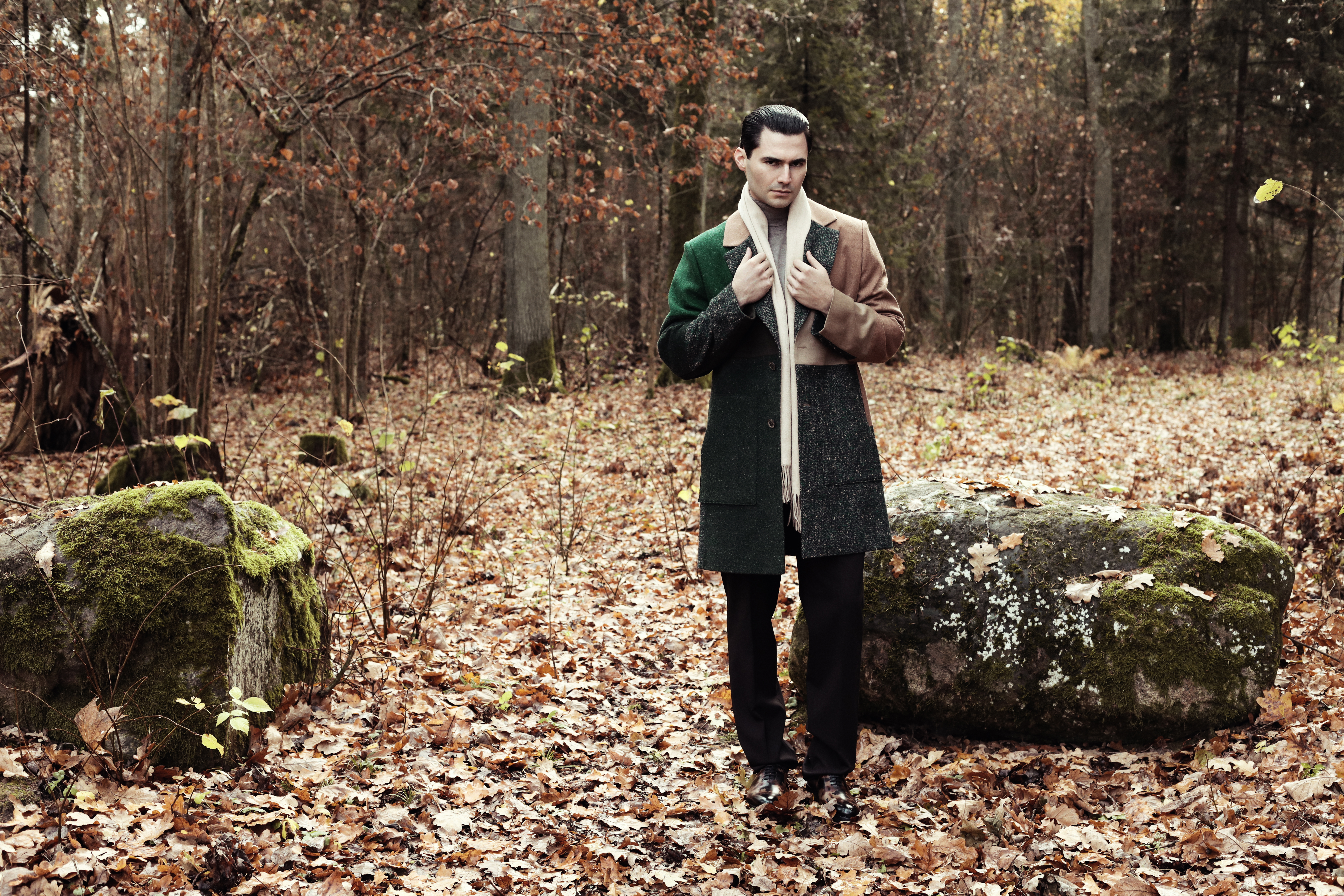
This project explores how textile waste generated during production can become the foundation for a new aesthetic. Using traditional tailoring techniques and patchwork principles, waste fragments are transformed into contemporary, high-quality garments. The project connects sustainability, heritage and modern design, creating a subtle aesthetic that moves beyond common stereotypes. Each piece is unique and reflects a vision of a more sustainable future for fashion.
Lithuania
National
It addresses urban-rural linkages
It involves other types of transformations (soft investment)
Yes
2026-02-08
No
No
No
Individual
The project explores how textile waste generated during garment production can become a resource for sustainable fashion and a new design aesthetic. Its aim is to develop a practical design approach that enables fashion companies to move towards waste-free production while creating high-quality contemporary garments. By transforming production remnants into unique garments and combining them with traditional tailoring and craftsmanship, the project challenges the perception that reuse leads to rustic or improvised design, introducing instead a refined aesthetic suitable for contemporary luxury tailoring.
The project engages designers, fashion professionals, students and consumers interested in sustainable design and cultural heritage, while also reaching wider audiences through exhibitions, lectures, conferences and media publications.
Its core objective is to integrate textile remnants into garment design by combining different fabrics, colours and textures within a single piece, creating one-of-a-kind garments while maintaining high aesthetic quality.
The project promotes slow fashion principles and demonstrates that value in fashion can be created through creativity, knowledge and craftsmanship rather than excessive material consumption.
Since 2020 this approach has been implemented through a series of internationally presented fashion collections exploring themes of masculinity, cultural identity, heritage preservation and sustainability. The collection has received international recognition including A’ Design Award, BIG SEE Award, French Fashion Award, MUSE Design Award and International Design Award, where the collection Error of Perfection was recognized as Best Design of the Year.
Beyond its direct outputs, the project has already inspired emerging designers and brands in Lithuania to experiment with textile remnants and one-of-a-kind production, contributing to broader shifts toward sustainable and responsible fashion.
The project originated from practical challenges encountered in the production process at Lekeckas Fashion House. As the garments are created exclusively from high-quality natural fabrics following slow fashion principles, production gradually generated textile remnants that were too small to be used in conventional garment construction. Instead of discarding these materials, experiments began with combining fragments of different fabrics within a single garment while maintaining a refined and contemporary aesthetic.
The project was initiated and led by the founder and lead designer Kęstutis Lekeckas, who is also a PhD in materials engineering and technology. Material combinations were carefully analyzed in terms of fabric properties, durability, technological compatibility and construction logic. Garment patterns were specifically adapted to accommodate fragment composition while ensuring comfort, movement and longevity. Seam placement and structural elements were designed to avoid functional limitations while preserving aesthetic coherence.
Part of the technological experimentation and research was supported through academic collaboration, including activities at Kaunas University of Technology and cooperation with the NEB center at Vilnius Academy of Arts. The results of the project are presented through fashion collections exhibited in collaboration with design weeks, exhibitions and international design competitions. The collections are also integrated into the fashion house’s boutique and online store and presented on international design platforms such as Not Just A Label.
As the project continues to evolve, garments are tested not only in simulated but also in real-life conditions used by clients. Customer feedback has demonstrated an additional benefit of the design approach: due to the modular fragment structure, damaged elements can be replaced or renewed, extending the lifespan of the garment while allowing aesthetic updates.
Sustainable Design
Textile Waste Transformation
Craft Heritage
Slow Fashion
Design Innovation
The project addresses environmental challenges in the fashion industry by transforming textile remnants generated during garment production into valuable design resources. Instead of discarding small fabric leftovers, the project integrates them into new garments, extending the life cycle of materials and reducing production waste. This approach supports more responsible resource use and contributes to lowering the environmental footprint of fashion production.
Sustainability is implemented through a design methodology that combines material reuse with high-quality tailoring and slow fashion principles. Garments are created from carefully selected natural fabrics, and production remnants are recomposed through fragment-based construction. Each piece is unique, allowing even very small material fragments to be utilized while maintaining durability and aesthetic coherence.
The project also contributes to cultural sustainability by preserving traditional tailoring and craftsmanship techniques while adapting them to contemporary design. By combining heritage knowledge with experimental approaches, the project demonstrates how cultural traditions can remain relevant in modern production systems.
The fragment-based design also allows damaged parts of garments to be repaired or replaced, extending their lifespan and reducing the need for replacement products. This approach supports long-term use and responsible consumption.
The project can be considered exemplary because it goes beyond technical recycling and introduces a new aesthetic paradigm where sustainability, craftsmanship and design innovation form the foundation of contemporary fashion practice.
The project contributes to aesthetics by transforming textile remnants into a refined and contemporary design language that challenges common perceptions of reuse. Instead of the rustic or “country-style” aesthetics often associated with patchwork, the project introduces a subtle and sophisticated visual approach where fragments of different fabrics, textures and colours are carefully combined into coherent garments. This creates a new aesthetic paradigm in which sustainability and beauty coexist.
Rooted in the tradition of the tailored suit – an important cultural garment symbolizing dignity, identity and social expression – the designs reinterpret this heritage within a contemporary lifestyle. The garments are versatile: they can function as formal ensembles but also be easily combined with everyday clothing, expanding the ways suits can be worn today.
The project also explores themes of personal identity and the evolving understanding of masculinity. Through subtle variations in structure, texture and composition, the garments invite reflection on how men present themselves in contemporary society and how fashion can express individuality beyond conventional norms.
By preserving traditional tailoring and patchwork craftsmanship while adapting them to modern design, the project connects heritage with contemporary cultural expression. At the same time, it encourages people to reconsider their relationship with clothing, fostering greater appreciation of craftsmanship, materials and responsible consumption.
The project is exemplary in demonstrating that textile waste can become the basis for a sophisticated aesthetic language where sustainability, cultural identity and contemporary design intersect.
The project contributes to inclusion by making sustainable fashion culturally and socially accessible. While sustainable design is often perceived as experimental or niche, this project demonstrates that garments created from textile remnants can be aesthetically refined and suitable for everyday use. By combining fragments of fabrics into versatile garments, the design allows them to be worn in different contexts and easily integrated into diverse wardrobes.
The project also promotes cultural inclusion by reinterpreting traditional tailoring and patchwork techniques and making them relevant to contemporary audiences. By connecting heritage craftsmanship with modern design, it helps preserve cultural knowledge while engaging new generations of designers, students and consumers.
Another aspect of inclusion lies in the project’s educational and collaborative dimension. Through exhibitions, lectures, academic activities and public presentations, the project engages students, designers, researchers and wider audiences in discussions about sustainability, identity and the future of fashion. This exchange of knowledge encourages broader participation in sustainable design practices.
The garments themselves also promote personal inclusion by allowing individuals to express identity and individuality through subtle variations in materials and composition. Moving away from uniform mass production, each piece is unique and adaptable to different styles and contexts.
The project can be considered exemplary because it demonstrates that sustainability, cultural heritage and design innovation can create inclusive fashion practices that are accessible, meaningful and relevant for diverse communities.
Although the project originated within the design practice of Lekeckas Fashion House, its development has been shaped through continuous interaction with different communities including clients, students, designers and cultural audiences.
The participatory dimension emerges through exhibitions, public presentations, lectures and academic activities, where the project is discussed with students, researchers and professionals. These events create opportunities for dialogue about sustainability, heritage and the future of fashion, allowing participants to reflect on alternative production and consumption models.
Clients also play an important role in the project’s development. As garments are produced and worn in real-life conditions, user feedback provides valuable insights into comfort, durability and long-term use. This feedback has influenced design decisions, including adjustments to construction, material combinations and possibilities for repair or replacement of individual garment elements.
The project has also been presented through design exhibitions, fashion events and international competitions, where interaction with curators, designers and wider audiences contributes to critical reflection and further development of the concept.
Through this ongoing exchange between designer, users, academic communities and cultural institutions, the project evolves as a participatory process. The involvement of these groups strengthens the relevance of the design approach and helps translate sustainability principles into everyday practices and broader cultural awareness.
The project has developed through collaboration and interaction across several levels, from local creative practice to international design networks. At the local level, the project is implemented within Lekeckas Fashion House, where the design methodology and garment production are developed and tested in practice.
Academic institutions also play an important role in the project’s development. Research related to materials, garment construction and sustainability has been supported through academic activities and collaborations, including work conducted at Kaunas University of Technology and cooperation with the New European Bauhaus initiative at Vilnius Academy of Arts. These collaborations contribute scientific knowledge, research perspectives and opportunities for experimentation.
At the national level, the project engages with broader cultural and creative communities through exhibitions, design weeks, conferences and media publications, contributing to public discussions about sustainable fashion and cultural heritage.
At the international level, the project is presented through global design competitions, exhibitions and professional platforms such as Not Just A Label, allowing interaction with international designers, curators and cultural institutions. These platforms provide visibility, critical feedback and opportunities for exchange of ideas.
The combination of local design practice, academic research and international dissemination creates a multilevel framework that strengthens the project’s impact and allows its methodology and ideas to reach diverse audiences and professional communities.
The project integrates knowledge from several disciplines including fashion design, materials engineering, craftsmanship, cultural studies and education. This transdisciplinary approach allows sustainability to be addressed not only as an environmental issue but also as a cultural, social and design challenge.
Fashion design forms the central framework of the project, shaping the aesthetic and functional qualities of the garments. At the same time, knowledge from materials engineering plays an important role in analysing fabric properties, durability and compatibility when combining fragments of different textiles within a single garment. This understanding allows production remnants to be integrated without compromising comfort, movement or longevity.
Traditional tailoring and patchwork craftsmanship contribute practical techniques that translate complex fragment compositions into structurally coherent garments. These craft practices are combined with contemporary design experimentation to create new aesthetic possibilities.
The project also engages cultural and social perspectives by exploring themes of personal identity, changing perceptions of masculinity and the social role of clothing in contemporary society. Through fashion collections and public presentations, these topics are discussed with audiences, encouraging reflection on how garments communicate values, identity and cultural belonging.
The project is further connected to education and research through academic activities and collaboration with universities, creating dialogue between designers, students, researchers and creative professionals.
By combining design practice, material research, craft knowledge and social reflection, the project demonstrates how transdisciplinary collaboration can generate innovative and culturally meaningful approaches to sustainable fashion.
The project is implemented within the operational structure of Lekeckas Fashion House, where the design methodology based on textile remnants is integrated directly into the production and sales system. Garments created through this approach are part of the brand’s product line and generate revenue through boutique sales, online retail and international design platforms.
The business model is built on slow fashion principles, focusing on high-quality materials, long product lifespan and limited one-of-a-kind garments rather than mass production. Each garment is individually composed from production fragments, which allows the use of textile remnants while maintaining high aesthetic and functional quality. This approach reduces material waste while transforming production leftovers into valuable design resources.
The project’s visibility and recognition through international design awards, exhibitions and publications have strengthened the brand’s reputation and contributed to increased market interest. Participation in international design networks and platforms such as Not Just A Label also expands access to global audiences and potential clients.
In addition to product sales, the project generates value through educational activities including lectures, academic collaborations and participation in conferences and design events. These activities support knowledge dissemination and create opportunities for further partnerships.
By combining creative design practice, responsible material use and market-oriented production, the project demonstrates that sustainable fashion approaches can operate within viable economic models while encouraging long-term changes in production and consumption patterns.
The project has strong potential for transferability because its core element is a design methodology rather than a single product. The approach of transforming textile remnants into contemporary garments through fragment-based construction can be adapted by designers, fashion brands and educational institutions working with textile production.
The methodology does not depend on specific materials or locations. Any fashion company generating textile leftovers can apply similar design principles by integrating remnants into new garments and adapting pattern construction and material combinations according to available resources. This makes the approach applicable across different geographical contexts and production environments.
The project’s methodological aspects have also been presented in academic contexts, including conference presentations such as Systemic Fashion Design and Material Fragmentation as a Design Strategy for Sustainable Fashion Practice. These presentations outline the design principles, technological considerations and sustainability guidelines behind the project, allowing the methodology to be discussed and further developed within international research and design communities.
At the same time, the aesthetic outcomes of the project are communicated through fashion collections, exhibitions and international design competitions, where the visual and cultural aspects of the approach become visible to broader audiences.
By combining academic dissemination, exhibitions and practical design implementation, the project creates a transferable model that can inspire designers, institutions and creative industries in different regions to experiment with sustainable design strategies based on textile remnants.