Arts, Culture, and Heritage as Drivers of Change
New A.I.
How “Artisanal Intelligence” can offer new visions to practices in fashion and textile industries
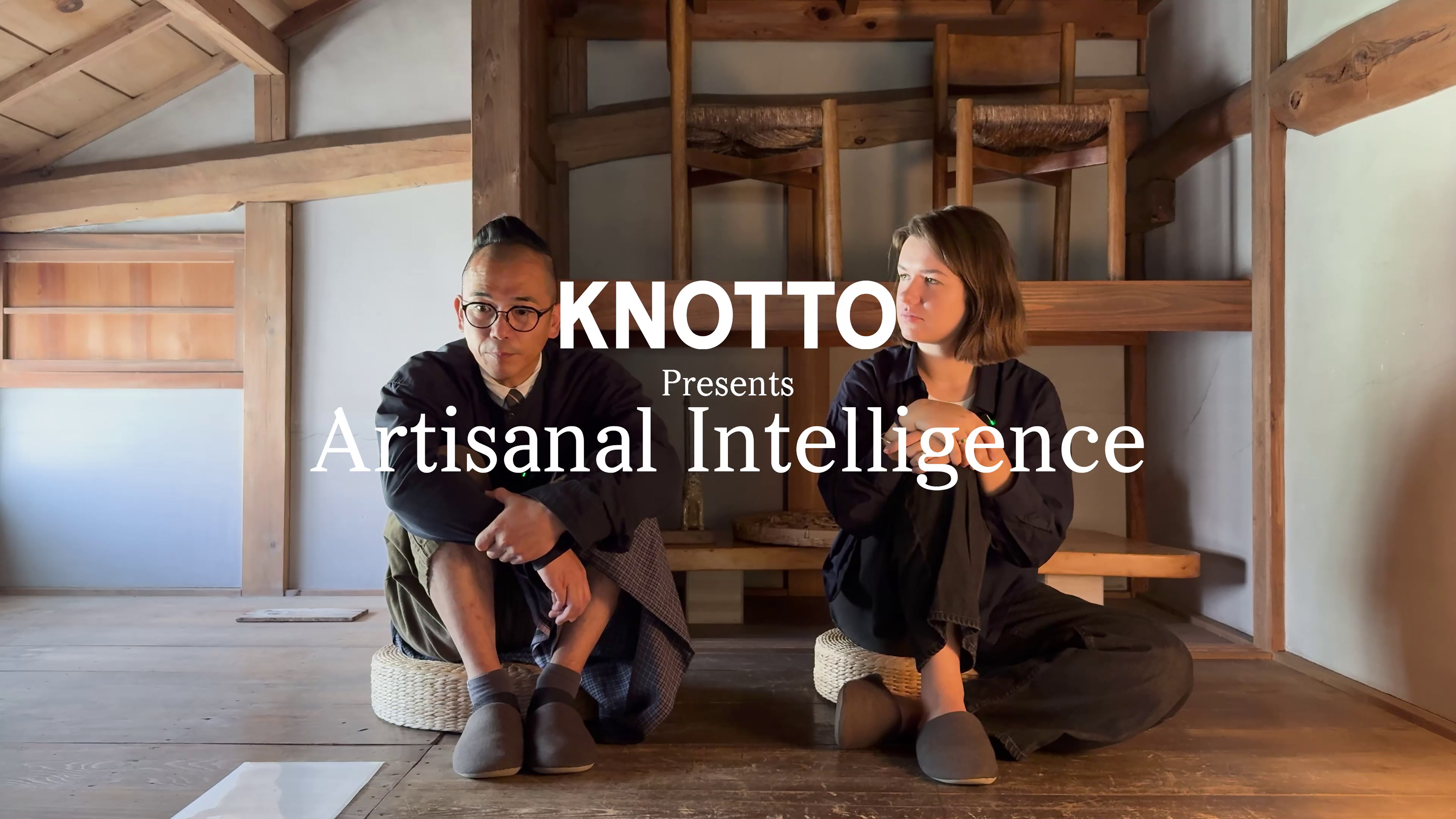
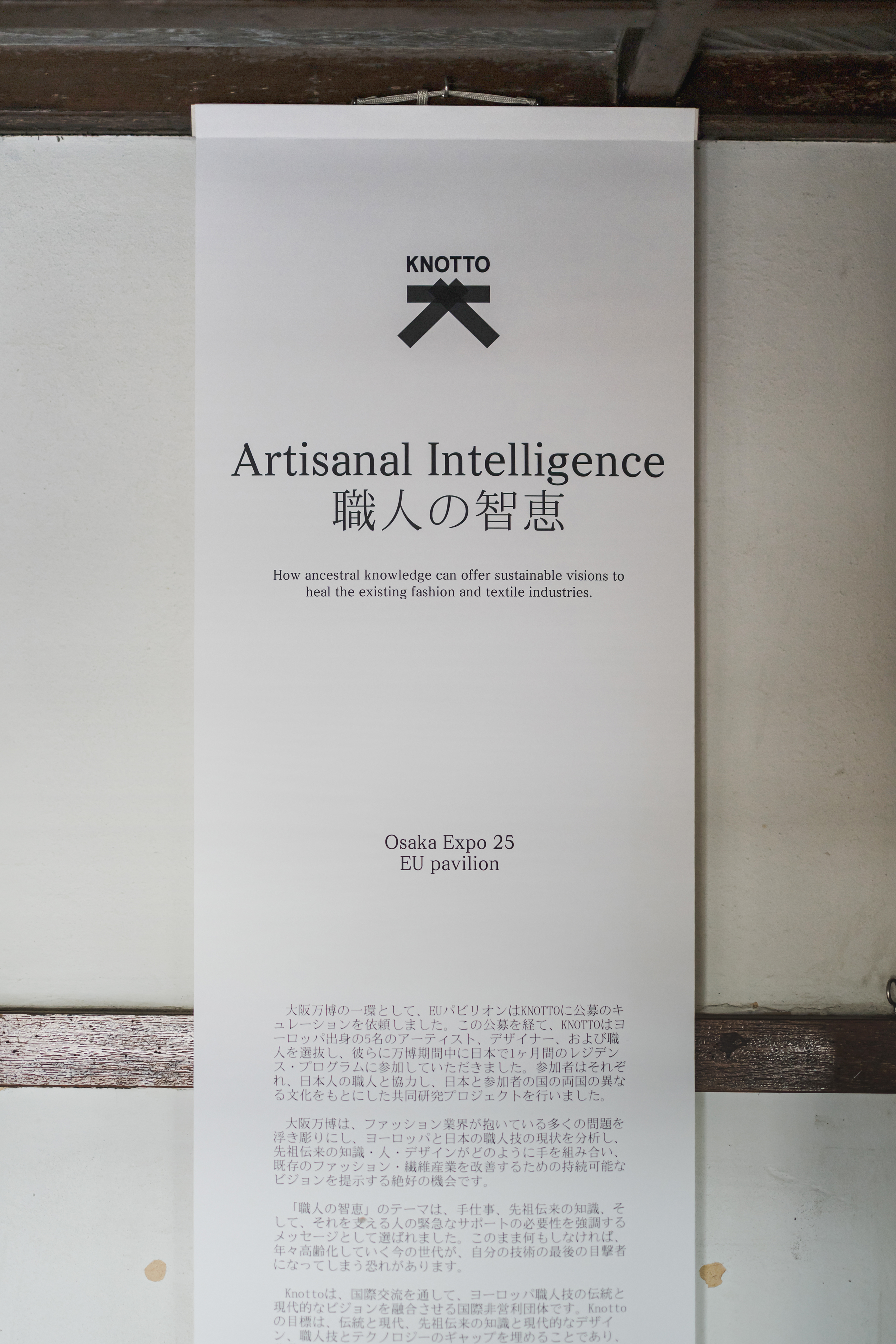
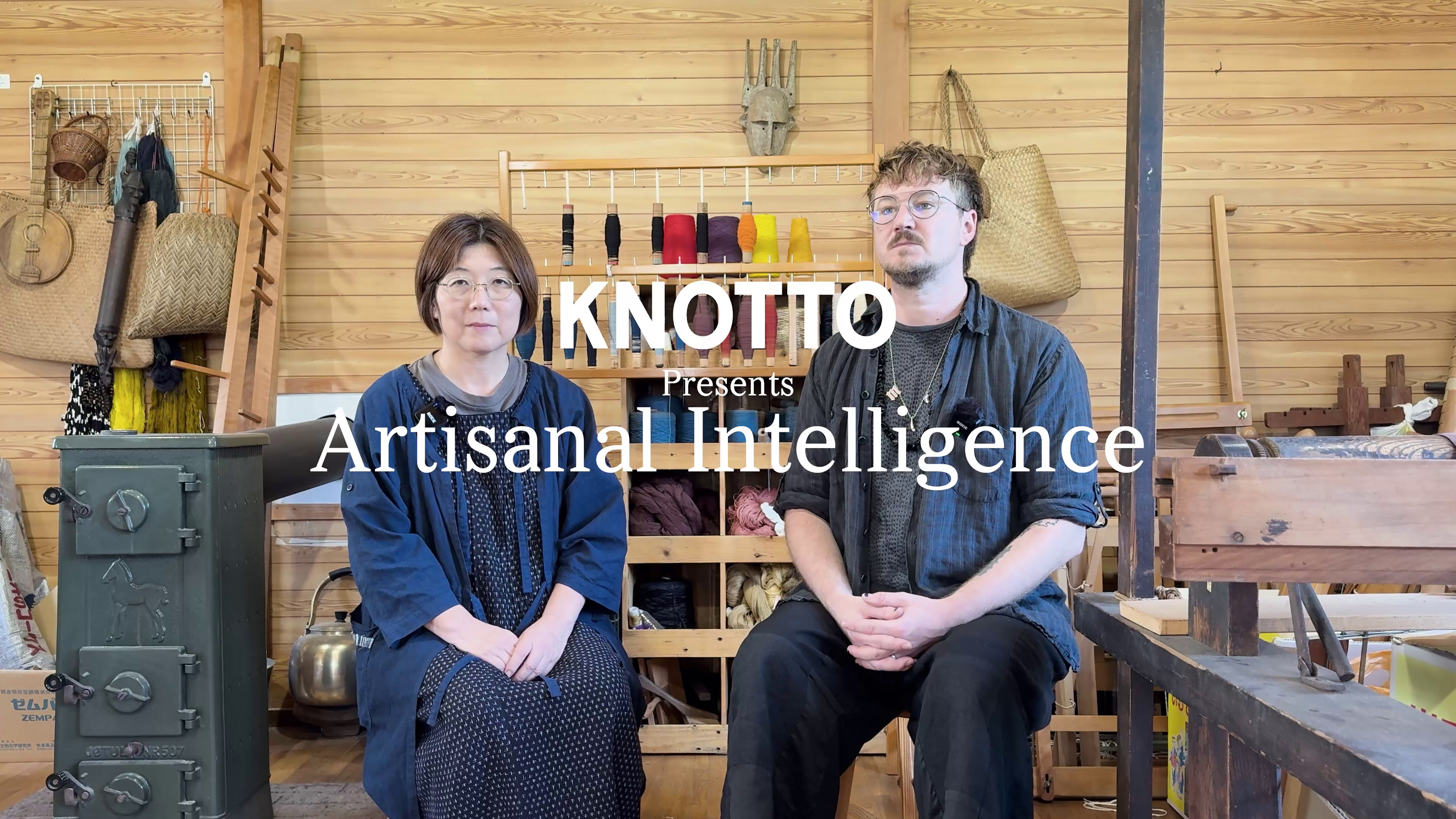
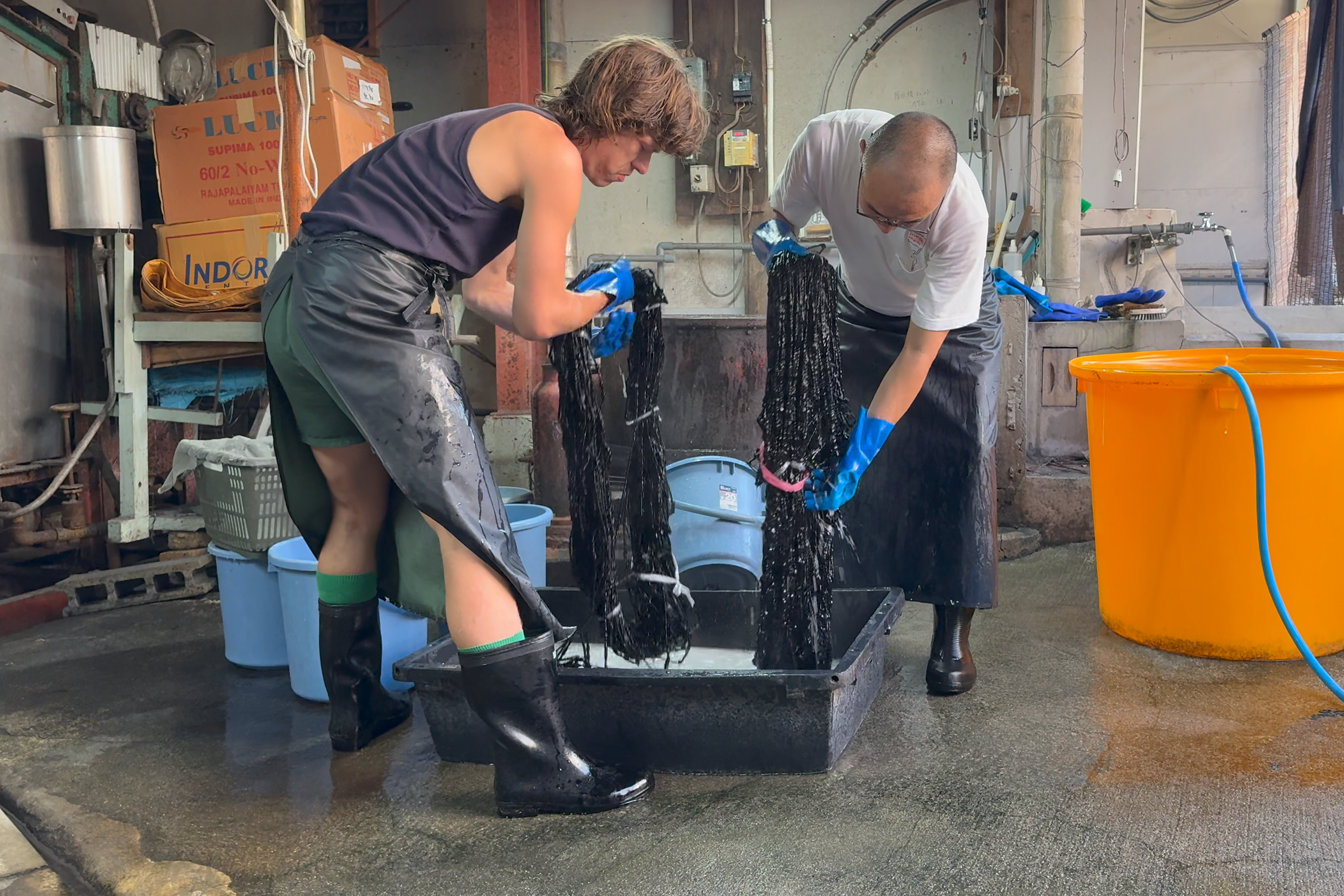
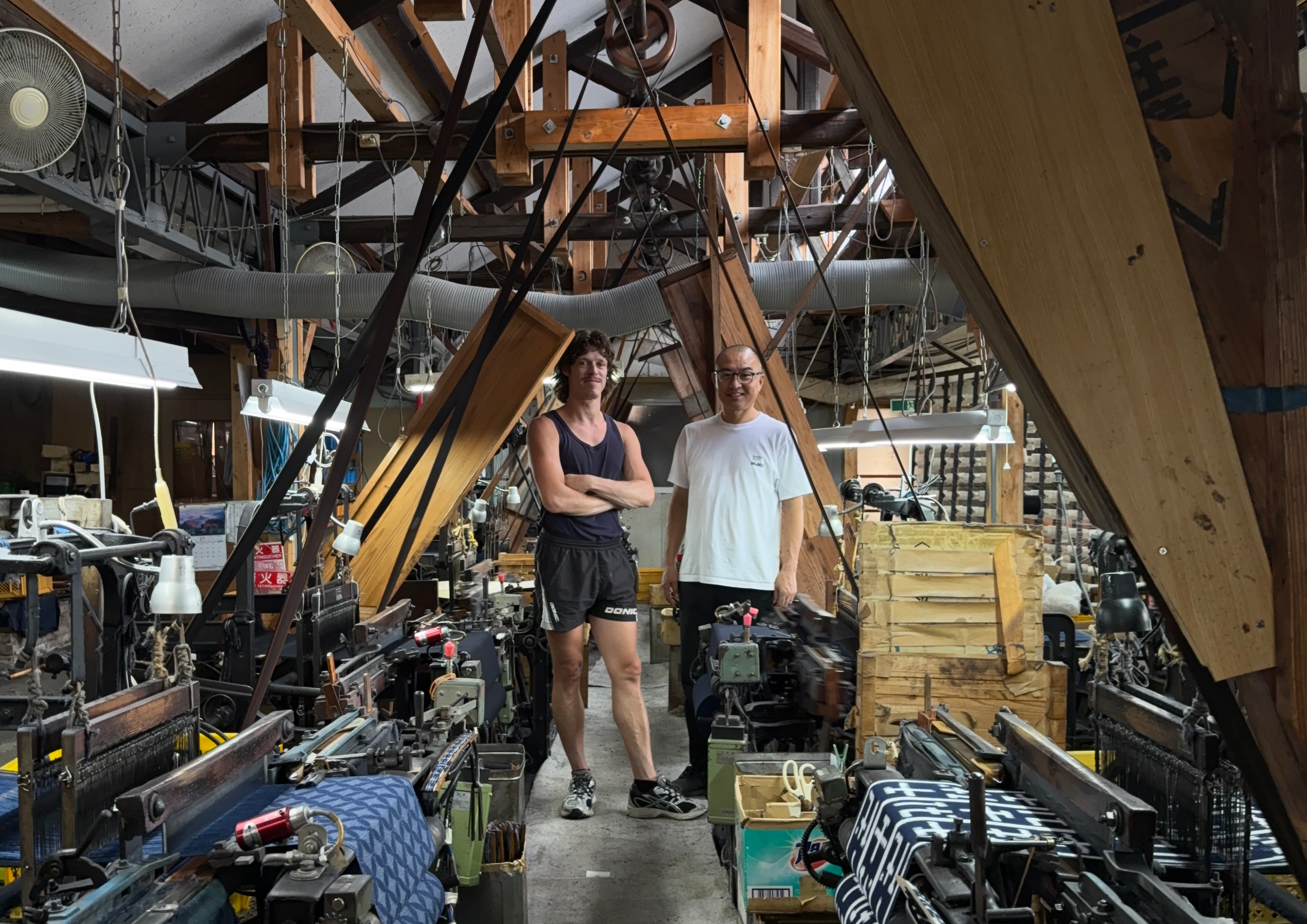
Curated by KNOTTO, “Artisanal Intelligence” is a textile research residency programme between Europe and Japan, developed for the EU Pavilion at Osaka Expo 25. For one month five selected European textile & fashion designers and art historians collaborated with Japanese artisans on joint research projects. The results showed how the artisanal heritage crosses culture to inspire a more human-centered, nature-rooted future where sustainable solutions meet contemporary challenges.
Japan
National
It addresses urban-rural linkages
It involves other types of transformations (soft investment)
Yes
2025-10-12
Yes
EEAS,
Member States (Latvia, Netherlands, Austria) financed partly the EU resident's fees
No
No
Organisation
In 2025, the EEAS (European External Action Service) commissioned KNOTTO to curate a residency project focused on textile crafts for the EU Pavilion at the Osaka World Expo. The Expo provided a perfect opportunity to highlight current issues in the fashion industry, analyze the state of craftsmanship in Europe and Japan, and see how ancestral knowledge, people, and design can work hand-in-hand to offer alternatives to the fashion and textile industry.
Developed under the topic of “Artisanal Intelligence” the residency addressed a critical turning point: with automation of industry practices, the generation of artisans still working manually is rapidly aging, risking becoming the last one to do so. Without proper tools or opportunities, the ancestral knowledge and the manual labor of these artisans and crafters could get lost forever.
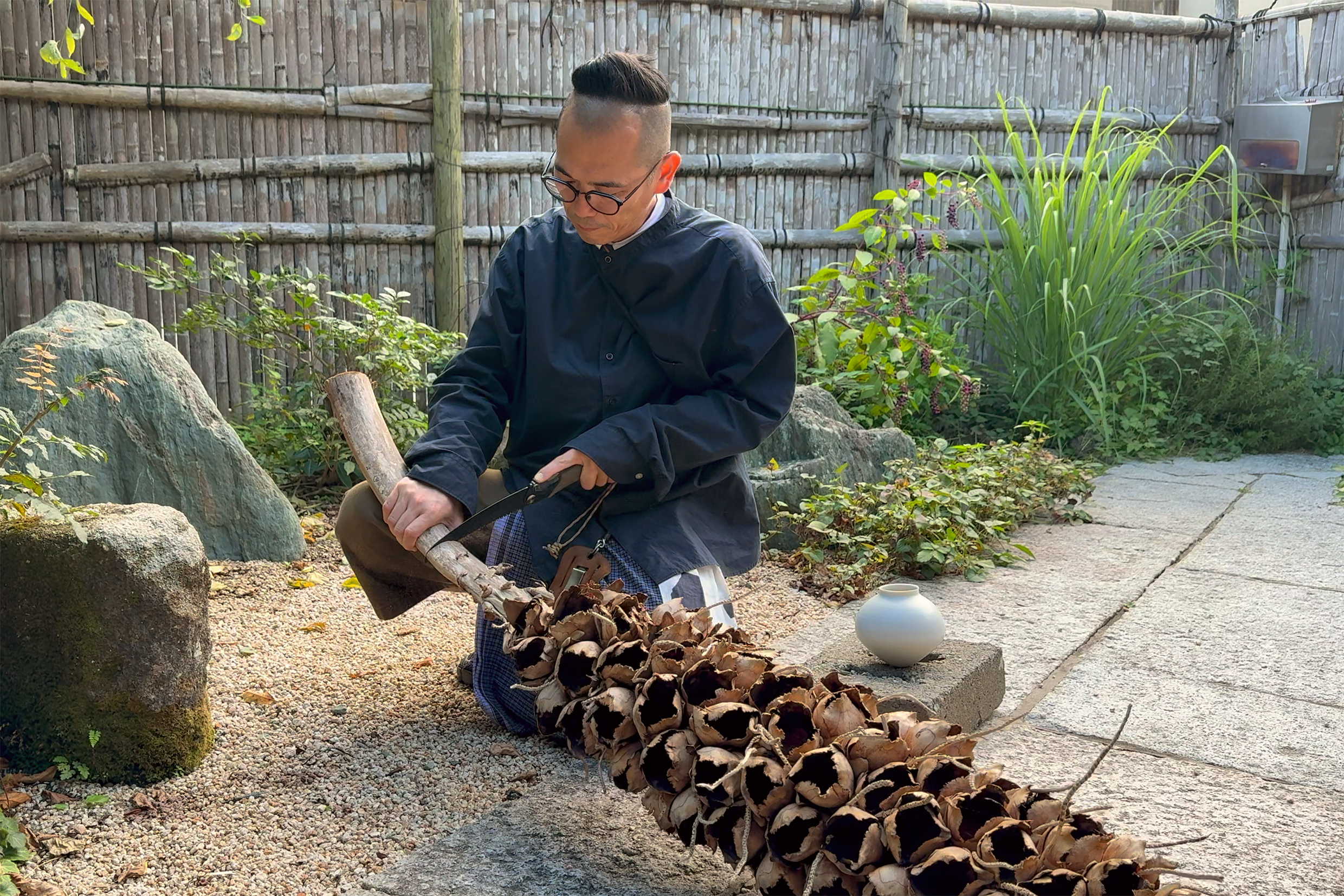
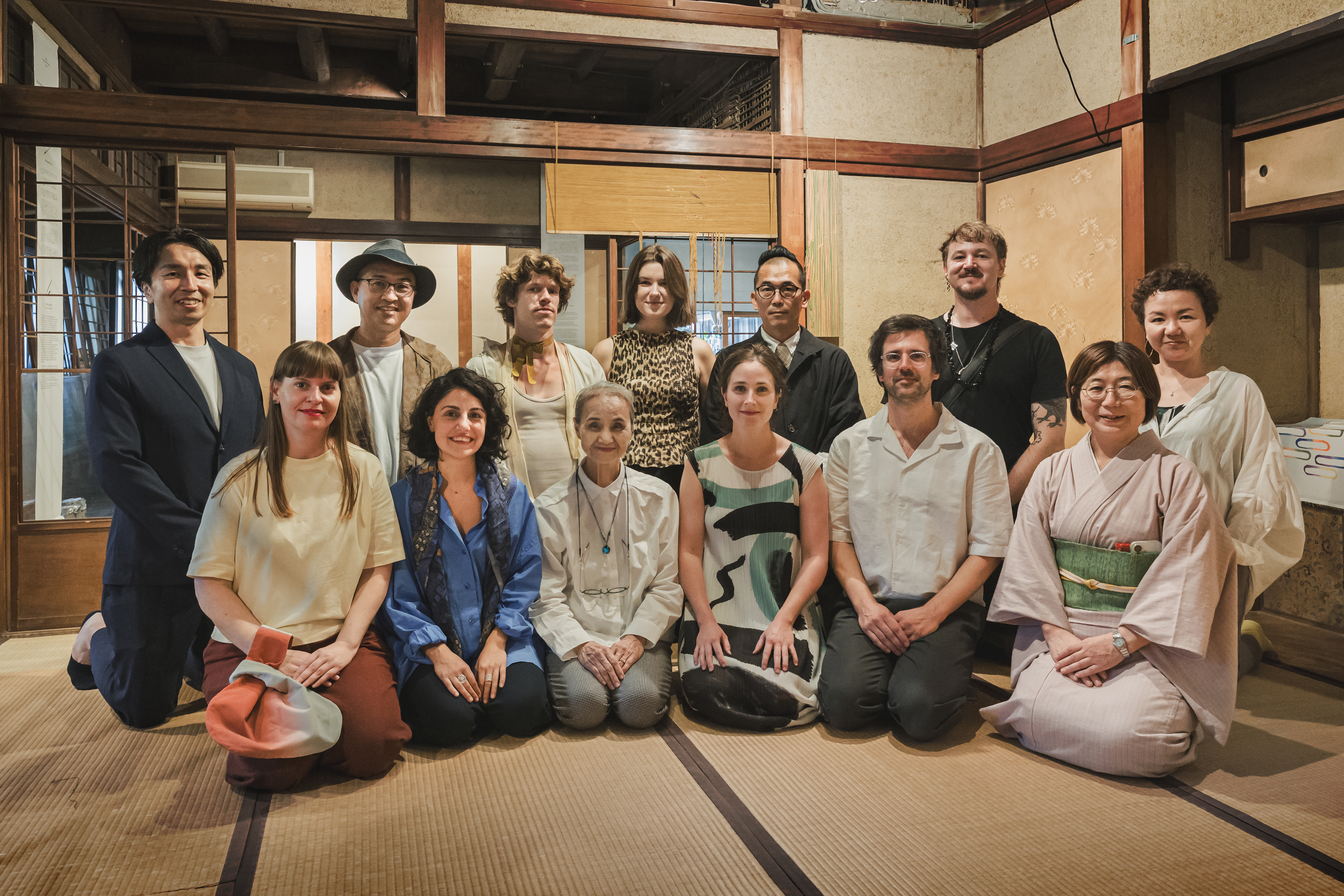
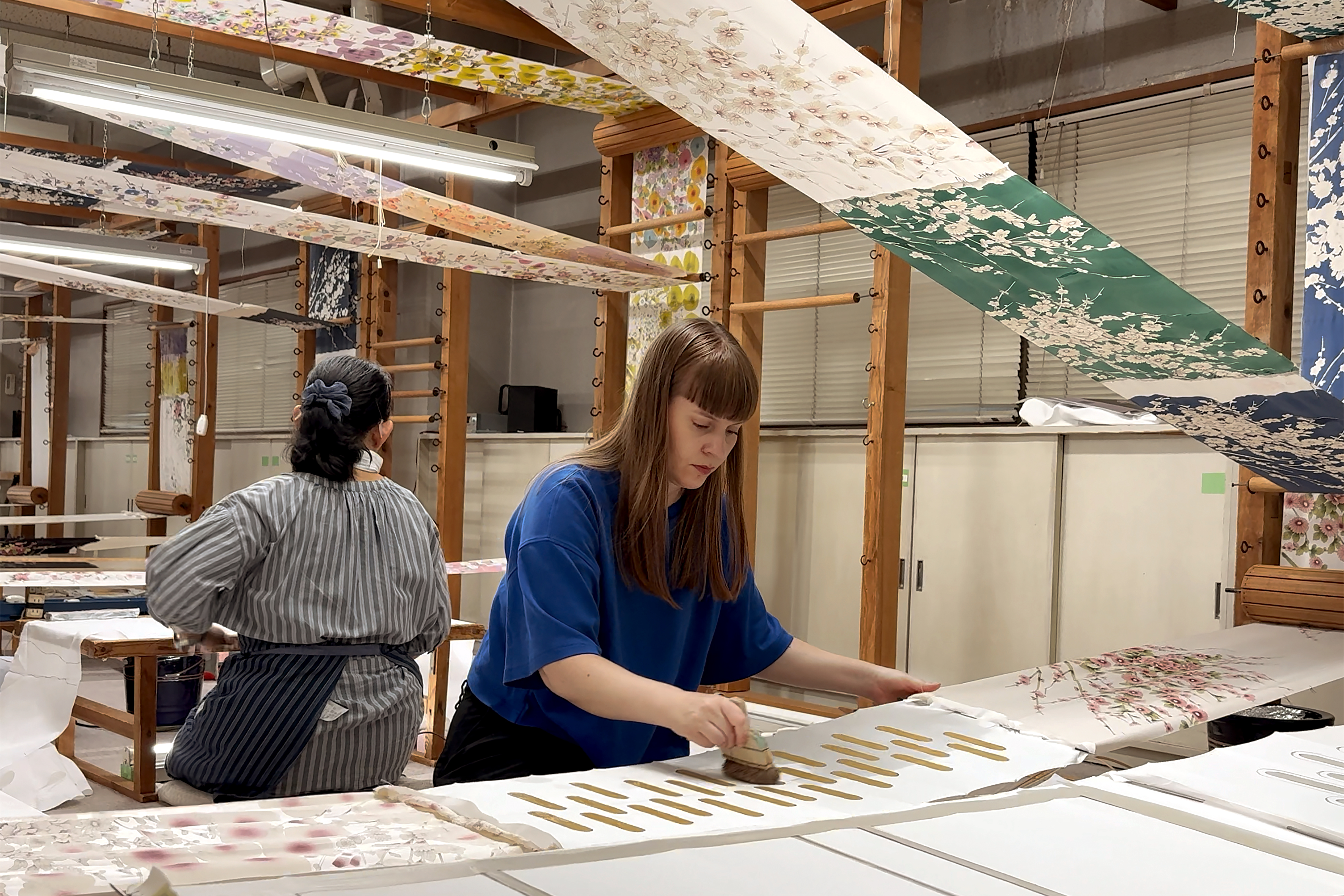
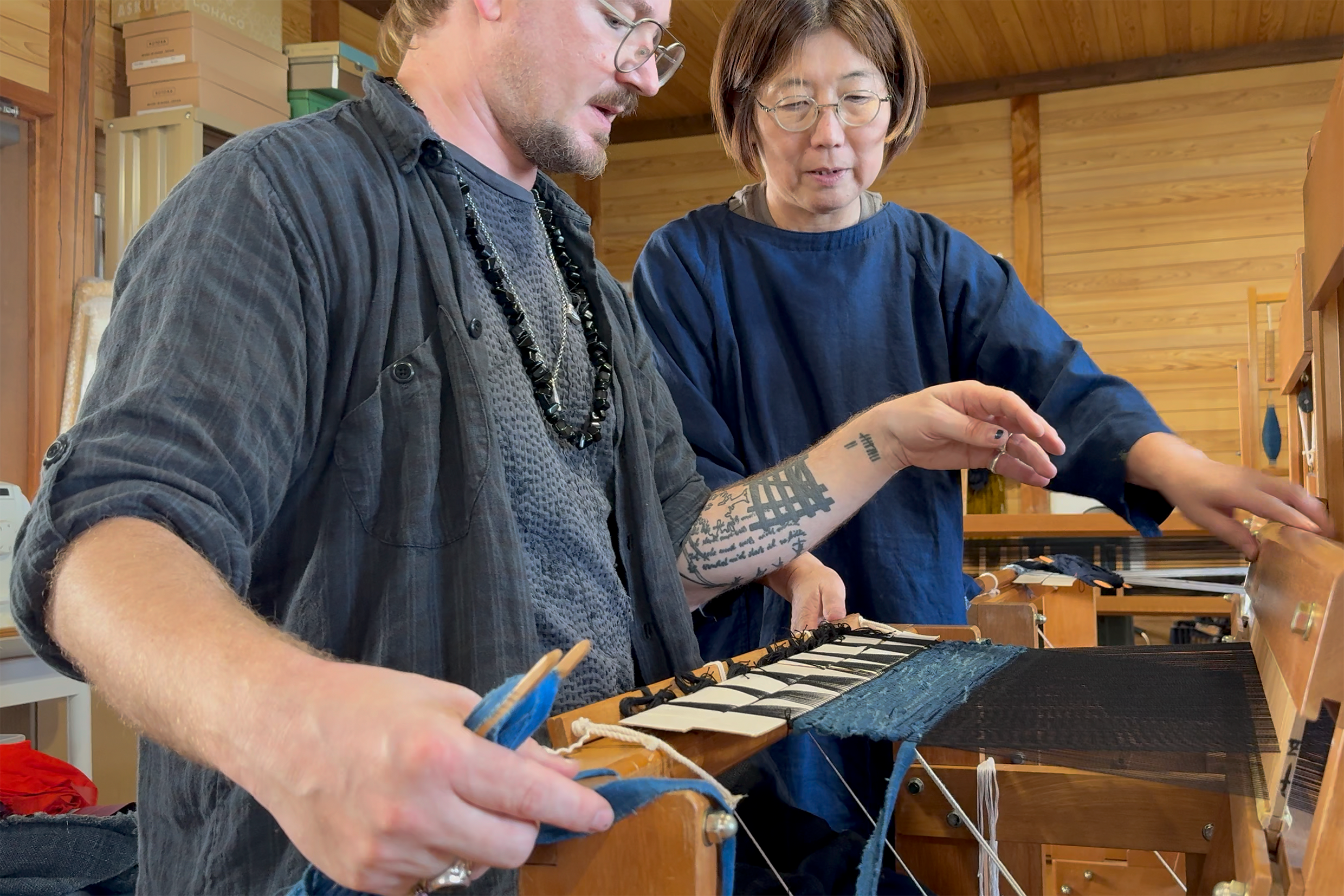
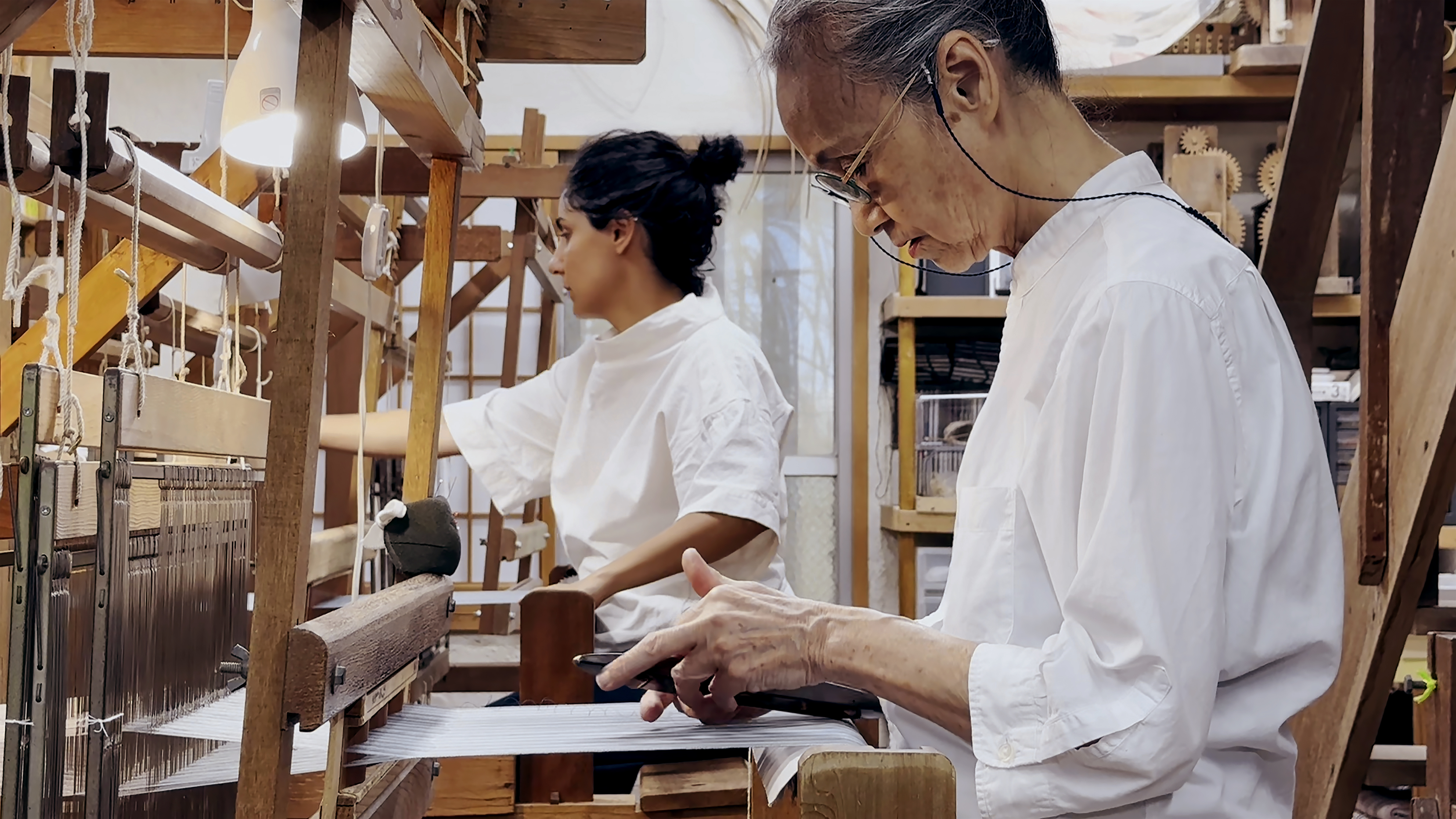
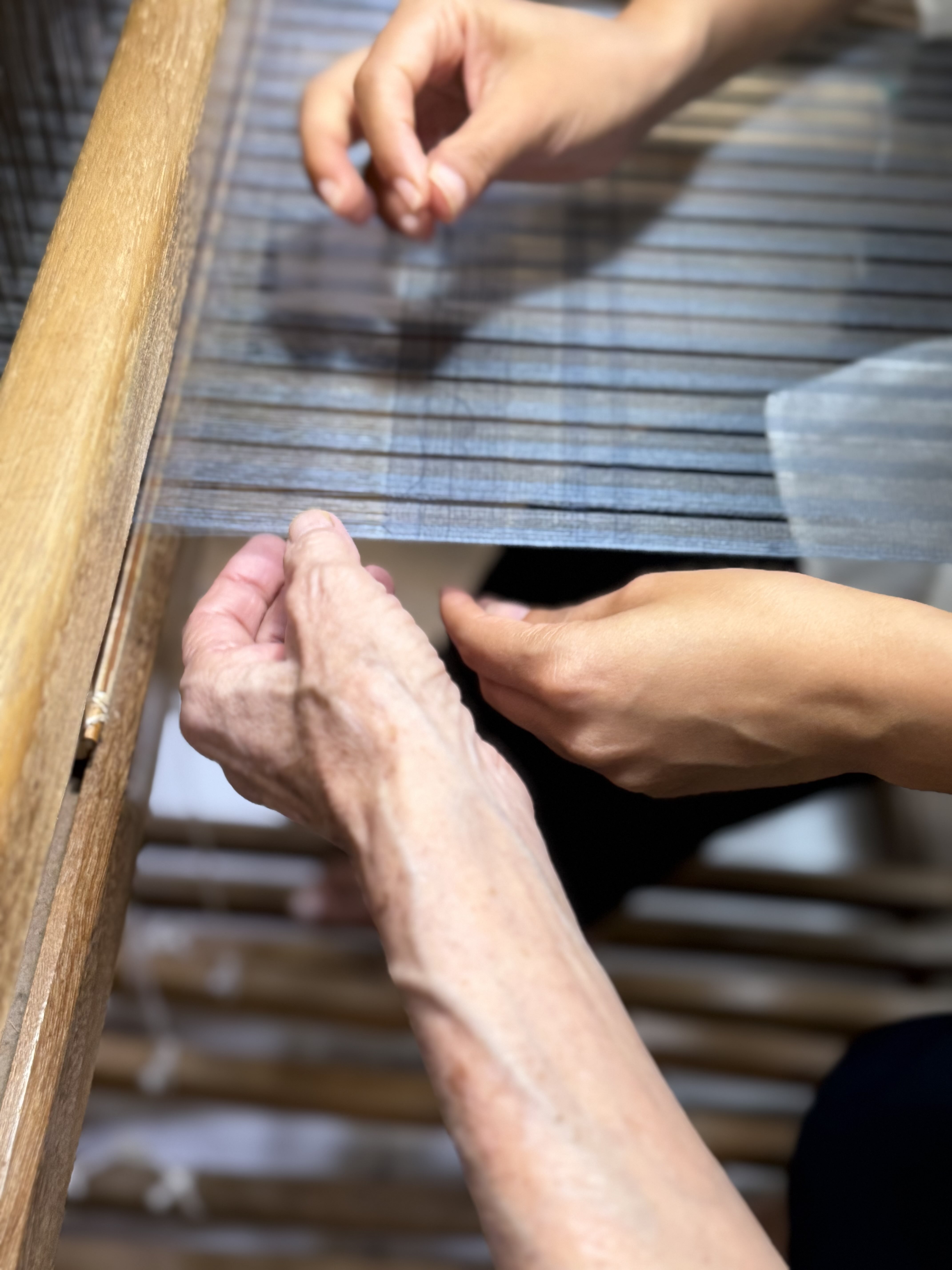
To address this, KNOTTO selected five European textile and fashion artists, designers, and art historians for a one-month residency in Japan. During this time, they collaborated closely with the Japanese artisans developing joint research outputs rooted in their respective culture. Shifting the focus from developing marketable products to research-based residencies allowed the artists to explore and exchange more freely, building long-lasting professional collaborations rooted in mutual understanding.
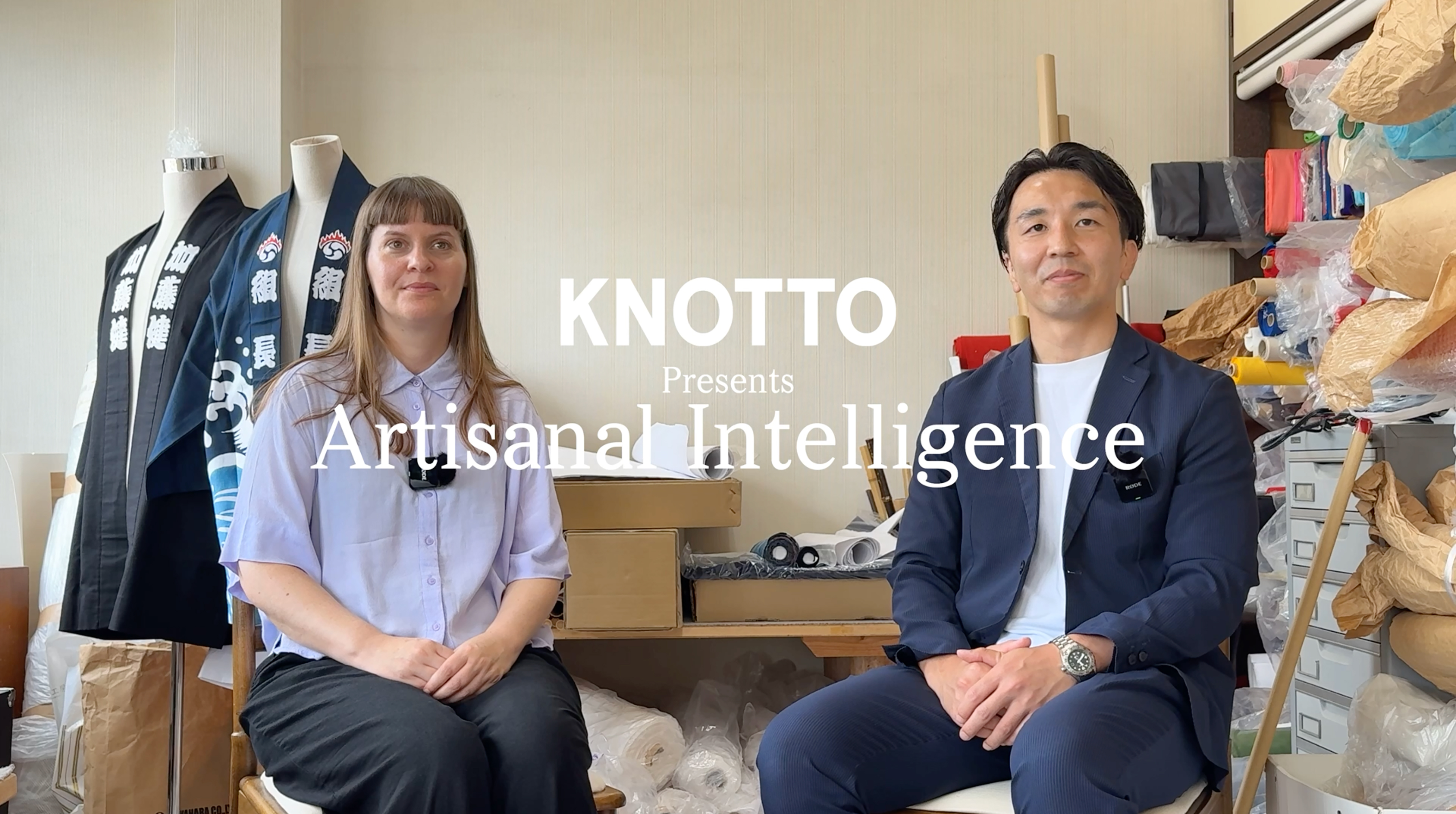
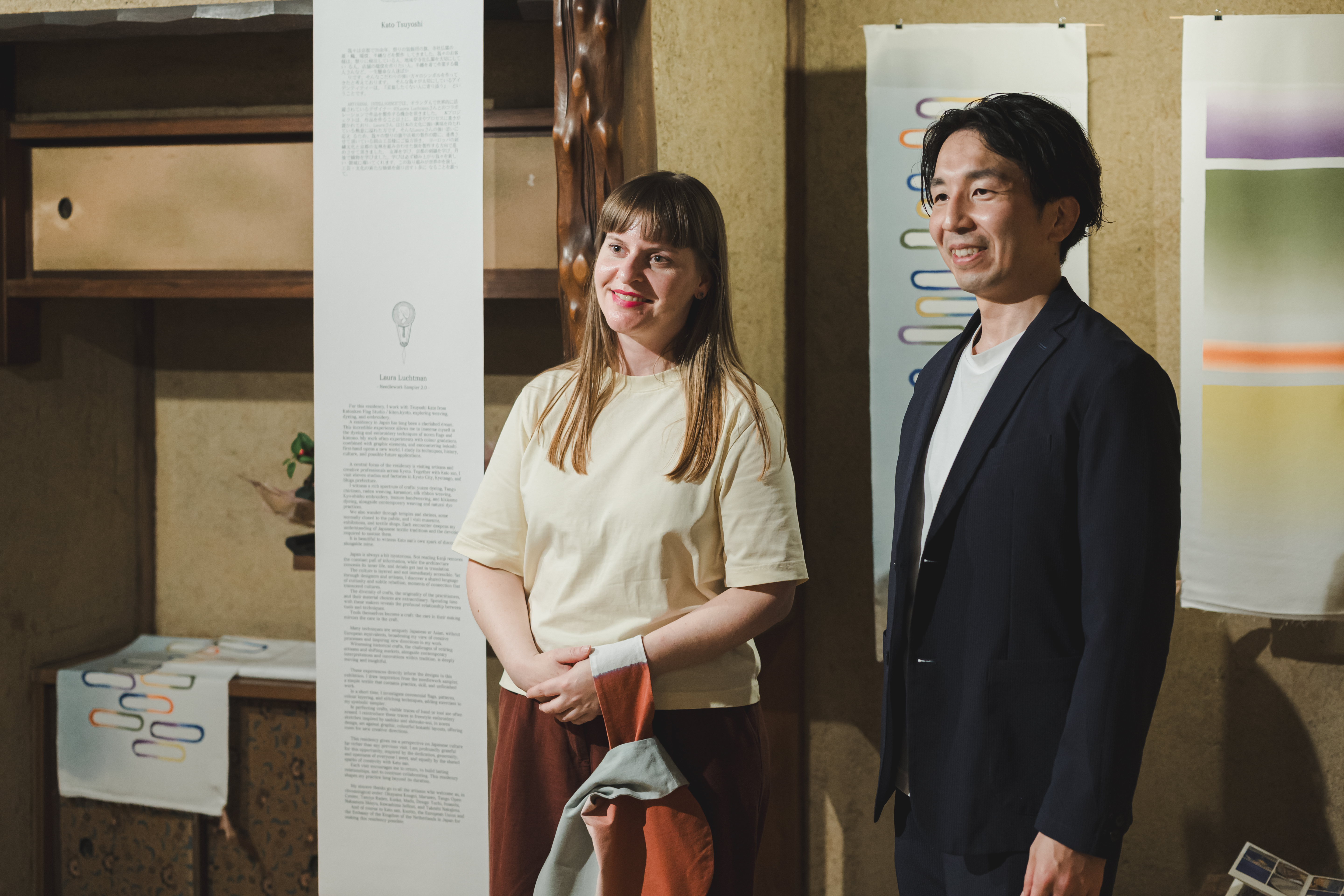
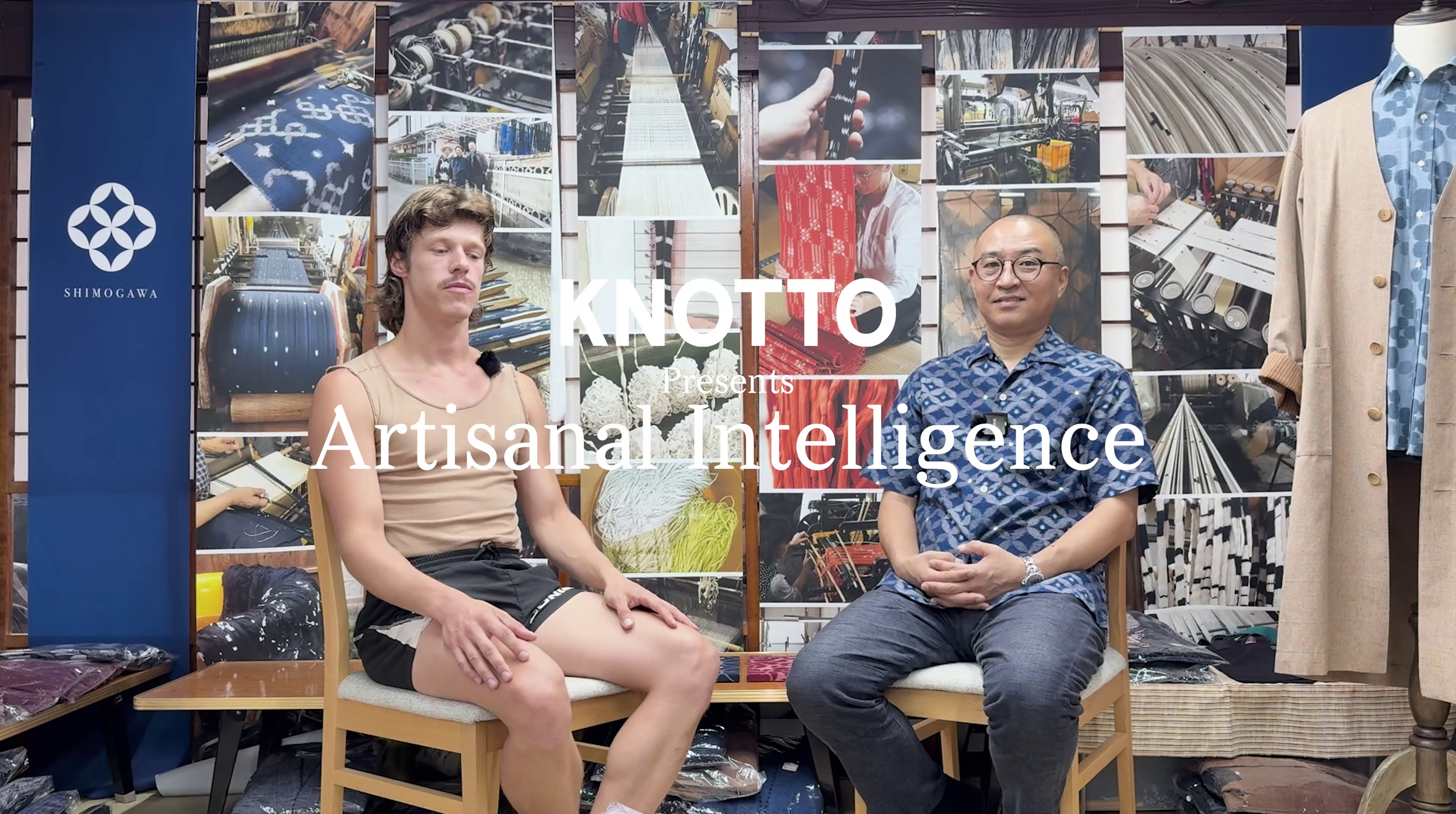
The results were exhibited at both the EU Pavilion as well as in a gallery in Kyoto, allowing to engage different audiences and ecosystems: from peers to academia and policy makers. To further deepen the dialogue, KNOTTO organized conferences and seminars, producing a five-part documentary that invites viewers into the heart of these collaborative experiences, ensuring the knowledge sharing extends beyond the physical event itself.
The “Artisanal Intelligence” project builds on the research work of KNOTTO, an international NPO dedicated to bringing ancestral knowledge into contemporary design, developing new visions to today’s challenges through craftsmanship, textiles, and architecture.
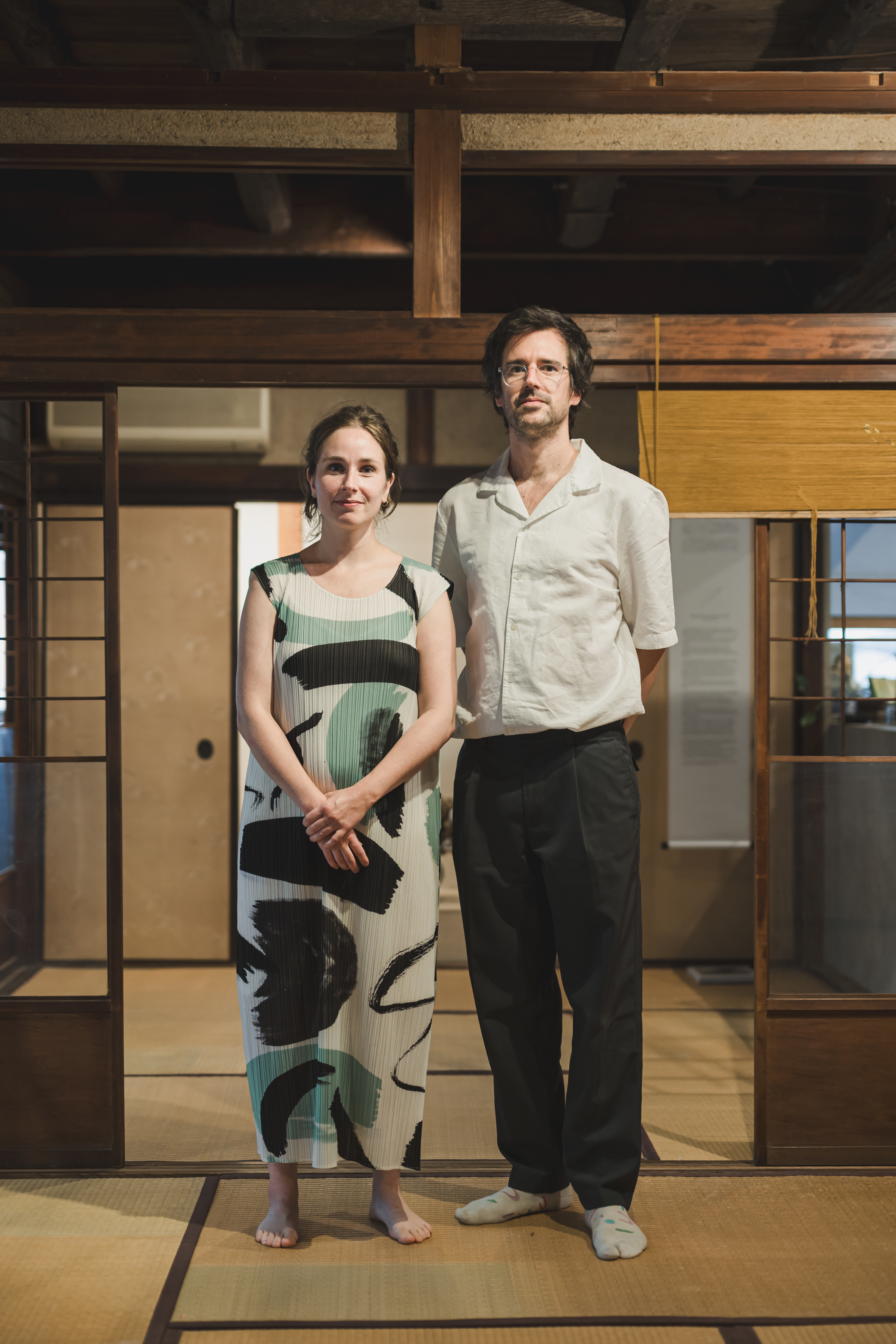
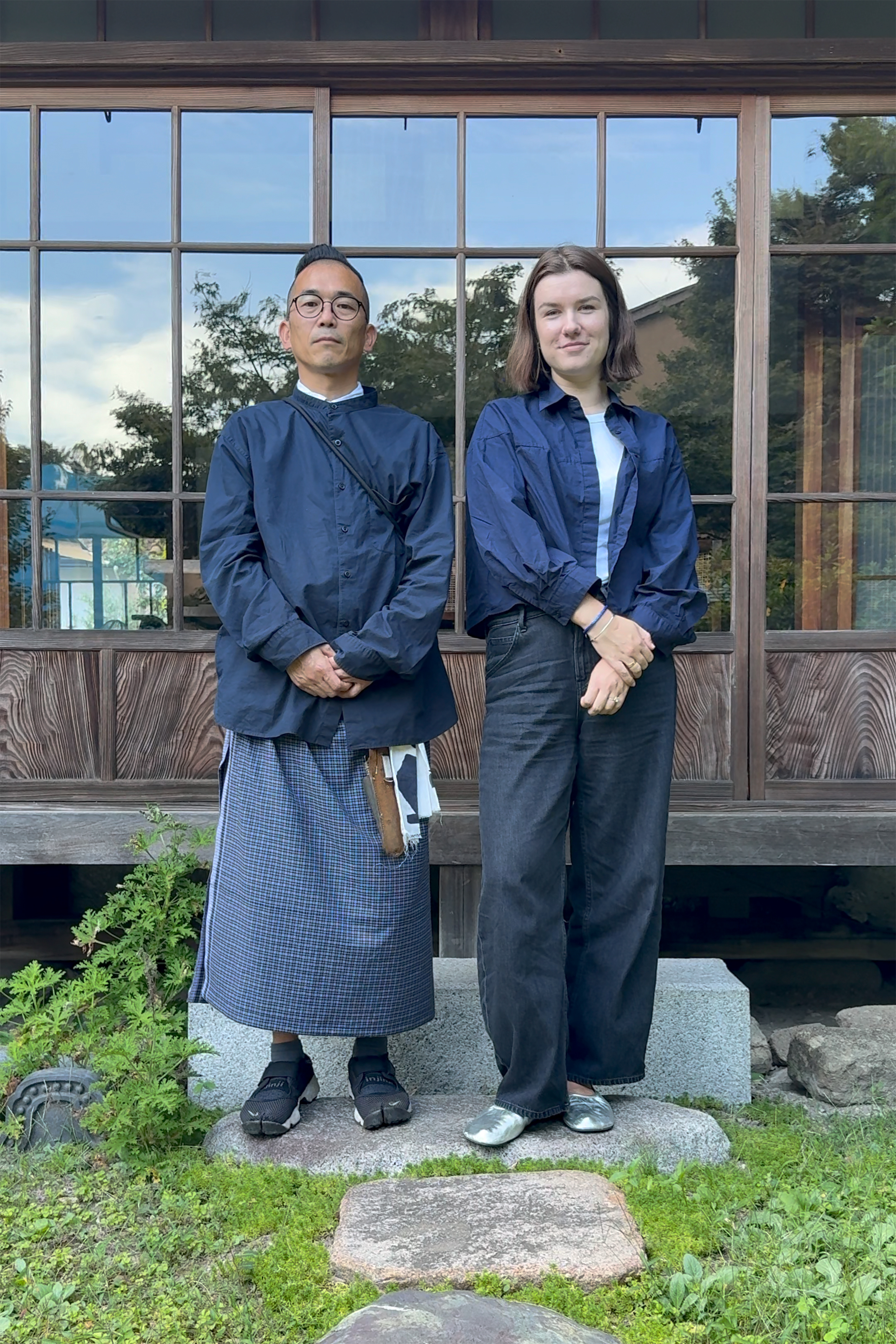
Co-founded in 2023 by Anneleen Bertels, textile designer & researcher, and Waldo De Keersmaecker, architect & researcher, following their three-month research in Japan. During that time, they focused on textile crafts, natural fibers, vernacular architecture and traditional carpentry in close collaboration with local artisans. These exchanges revealed a powerful potential in combining Japanese traditional craftsmanship with a contemporary European mindset, thus forming the basis for KNOTTO.
In 2025, KNOTTO was awarded by the European External Action Service (EEAS) to curate and coordinate a flagship project for the EU Pavilion at the 2025 World Expo. Led by the idea to invite other artists to experience similar intimate connections with Japanese artists, they launched a call for European artists, based on their proven expertise in textiles, research-oriented practice, innovative approach to materials and techniques, and their motivation to engage in an international context.
To set this in place, KNOTTO worked on:
- Defining the theme of the open call and connecting with the interested Member States.
- Selection of candidates and preparation of residencies through KNOTTO’s own built network
- Matchmaking of Japanese artisans with the European ones
- Residency: KNOTTO acted also as mentor throughout the process, supporting the artists with logistics all while documenting the exchanges through dedicated interviews.
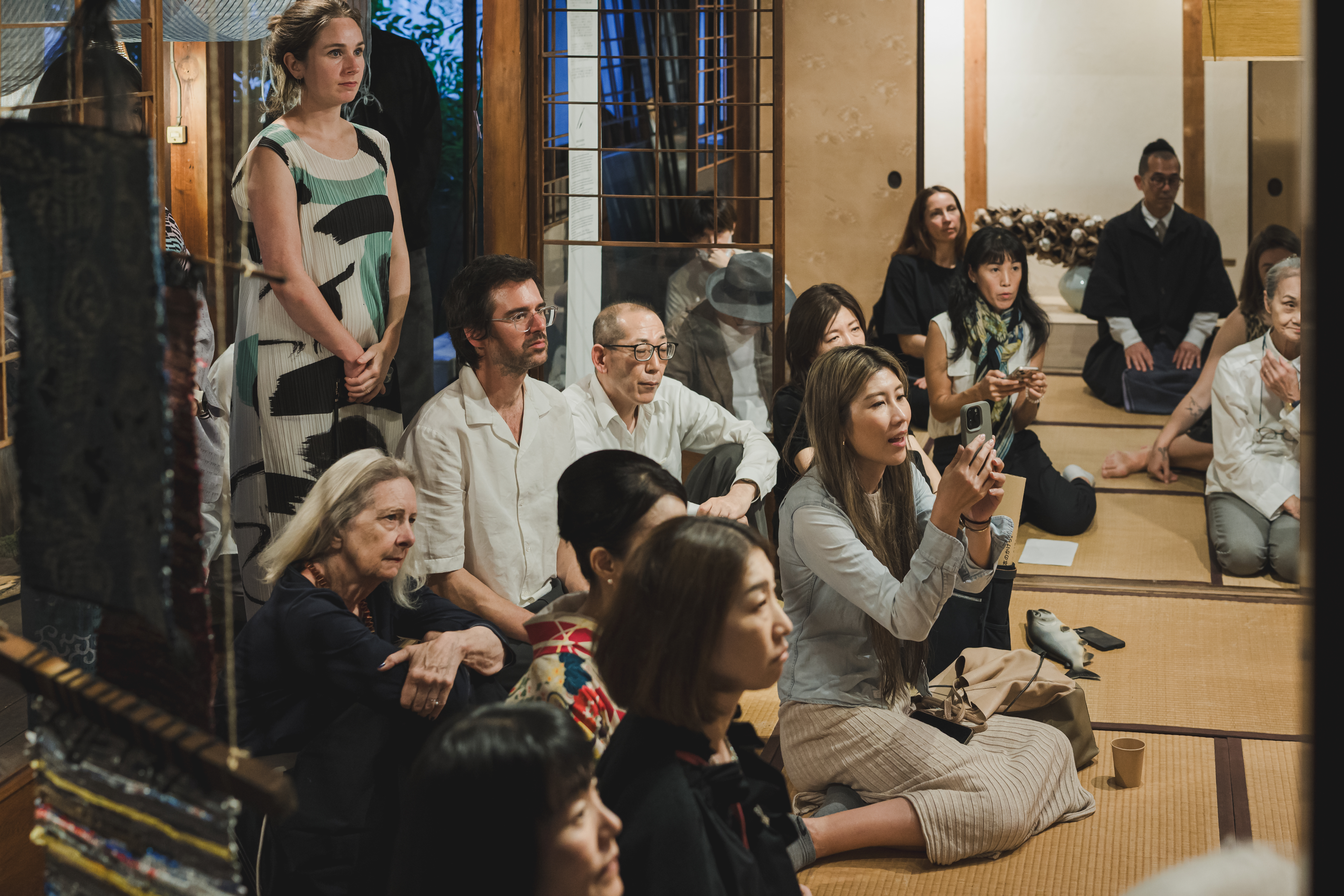
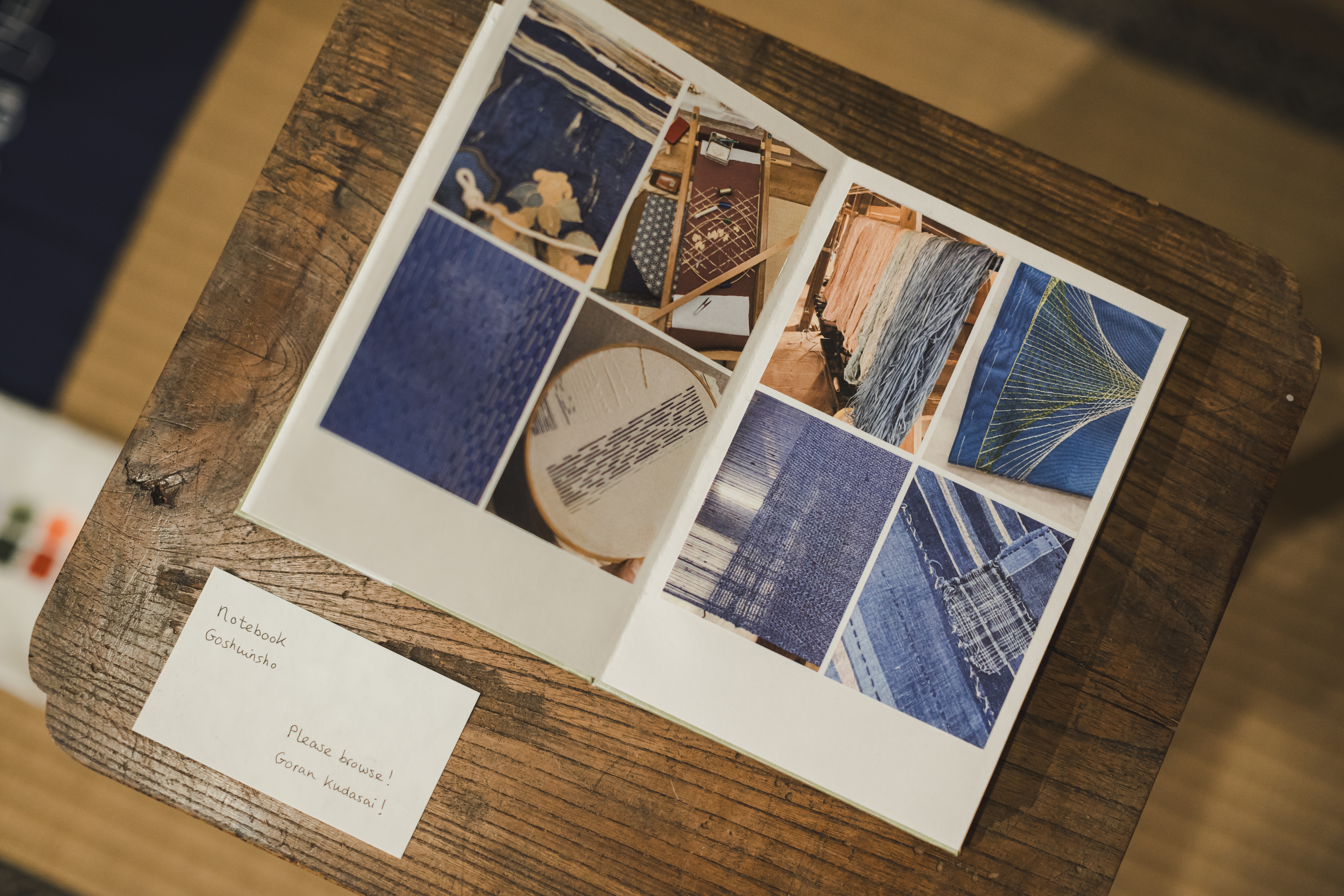
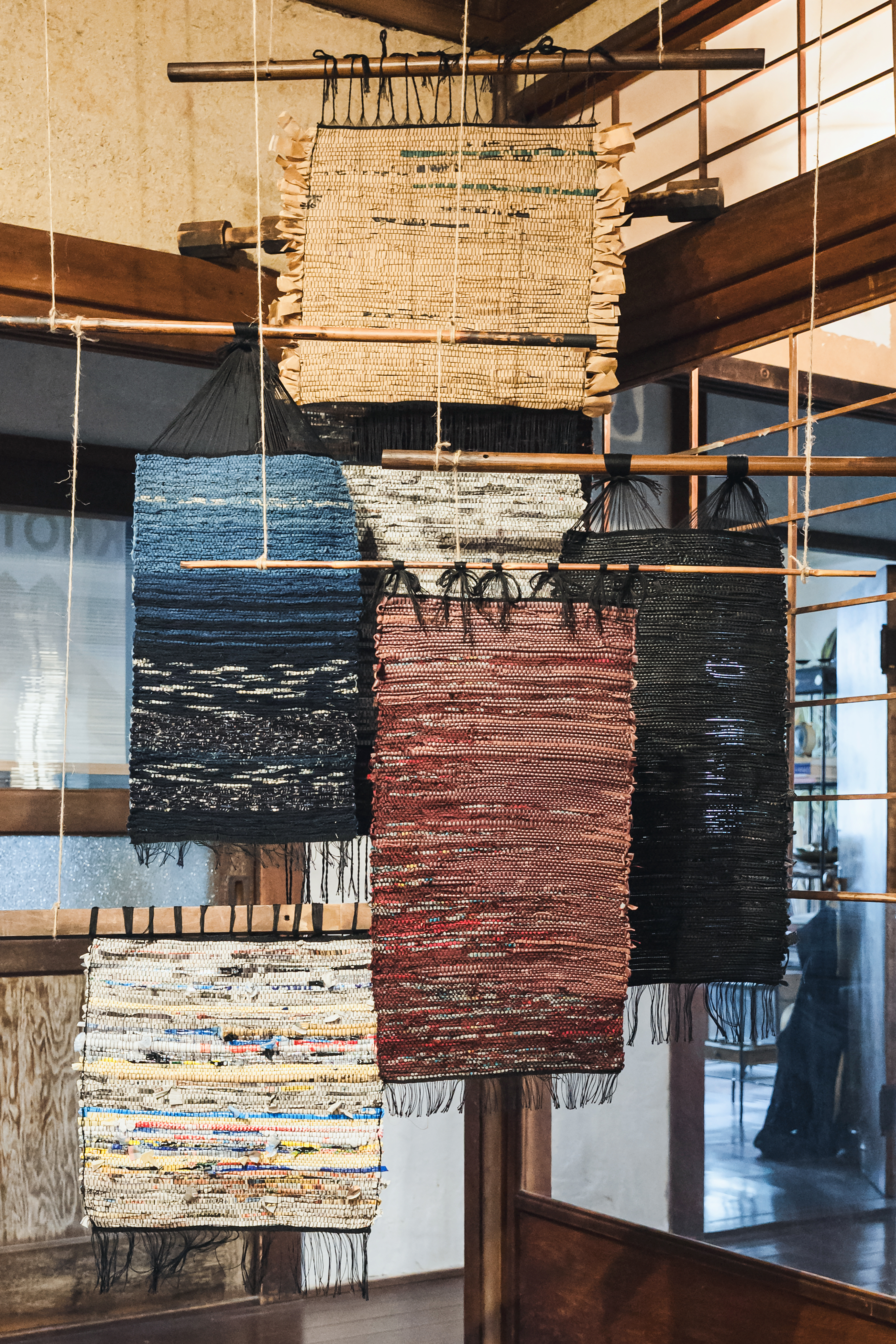
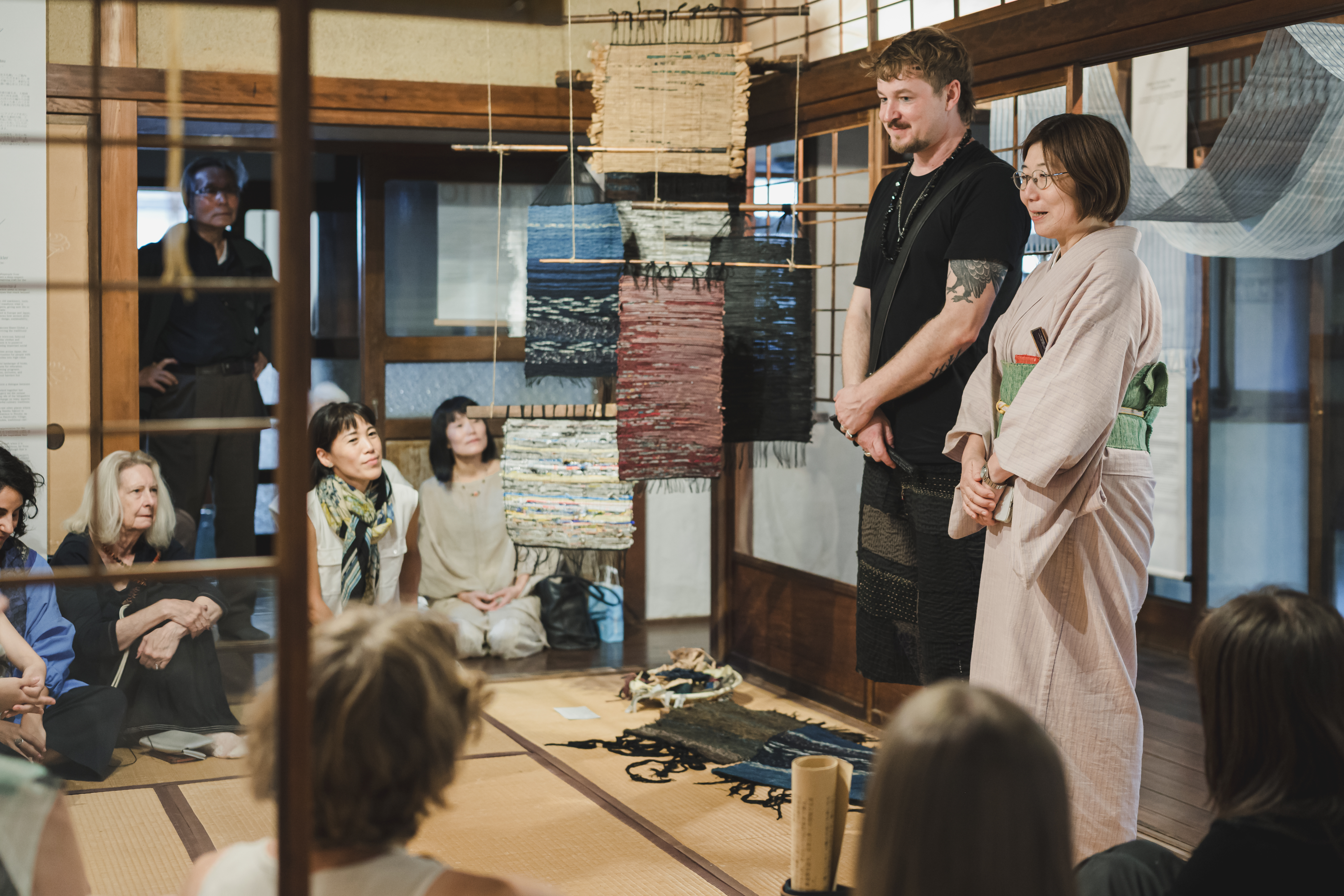
- Exhibition: From Oct 2-12, the results were exhibited at Kyoto’s Bridge Studio gallery and the EU pavilion, with all participants presenting their research.
- Conferences on various topics were organised throughout the residency.
Ancestral knowledge
Reviving Europe’s craftsmanship heritage
Collective intelligence
Transdisciplinary transmission
Regenerative production processes
The “Artisanal Intelligence” project reflects KNOTTO’s vision of sustainability as a deep emotional connection between the artist, the audience and the environment. While today’s design and fashion industries often rely on resource-draining, mass manufactured and short-lived products, KNOTTO uses craftsmanship as a soft power-one that builds long-term relationships and reduces human footprint.
The project addresses the challenges through 3 main pillars:
1.Environmental: Indigenous craftsmanship is sustainable by nature. The project revisits these practices through a contemporary lens, using natural resources, slow innovation, natural dyes, and pesticide-free materials. Unlike mass-produced goods, these objects are designed to last for generations, moving away from a culture of waste.
2.Cultural & Social: Sustainability is also about knowledge sharing. The number of master craftsmen is rapidly declining, and societies risk losing these crafts entirely. With this already happening in Europe, the project places strong emphasis on the master-to-apprentice and peer-to-peer transmission of knowledge. Drawing inspiration from countries such as Japan, where artisans continue to sustain livelihoods through handmade production, the project highlights the value of preserving and sharing traditional know-how.
3.Economic: The project directly involves local communities in the creative process. By supporting and inspiring individuals to develop their own initiatives, it helps transform traditional skills into viable and sustainable livelihoods, ensuring that craftsmanship remains economically relevant.
“Artisanal Intelligence” is therefore exemplary in treating sustainability as more than the use of innovative or natural materials. It frames sustainability as an investment in human knowledge and ancestral technologies. By valuing the process as much as the product, the project shows how an economy can be culturally rich, socially inclusive, and environmentally responsible.
Textiles surround us, yet the contemporary fashion and textile industries often create a deep disconnection from materials, processes, and places. "Artisanal Intelligence" restores this relationship by putting the creative process in the spotlight. Highlighting natural fibres and traditional craft practices as sources of sensory and emotional well-being, participants experience the soft touch of natural textiles, the visual beauty of fibres and dyes, and the meditative calm of working with one’s hands. In this way, aesthetics becomes a lived and shared experience that reconnects people with materials and with each other.
For KNOTTO, aesthetics does not lie only in the finished object but in the gesture of making artistry itself. Tools, fibres, and natural dyes become bridges between mind, body, material, and land. By bringing together European and Japanese artisans, the project creates collective encounters where ancestral knowledge, daily gestures, and local techniques are exchanged. This transforms craft from an individual practice to a collective cultural experience, connecting people across contexts and cultures.
Inspired by the philosophy of the Japanese Mingei movement, which celebrates the humble beauty of everyday objects, the project values simplicity, authenticity, and the quiet elegance of materials that age gracefully over time. Participants rediscover the beauty of ordinary objects and the meaning embedded in their making. Through moments of learning, encounter, and discovery, participants actively engage with craft and with each other. In doing so, they create a sense of belonging and collective care for materials, places, and culture.
By focusing on the creative process, the project demonstrates that beauty can emerge from collaboration, care, and attention to context. Artisanal Intelligence therefore stands as an exemplary practice where aesthetics becomes a tool for connection—of people, cultures, and environments.
Through international residencies, workshops and exhibitions, the project brings together Japanese and European artists, historians, students, and local communities. Textile becomes a common language that allows people from different cultures, generations, genders, and backgrounds to connect through the universal act of making. These exchanges build relationships based on respect, trust, and mutual learning.
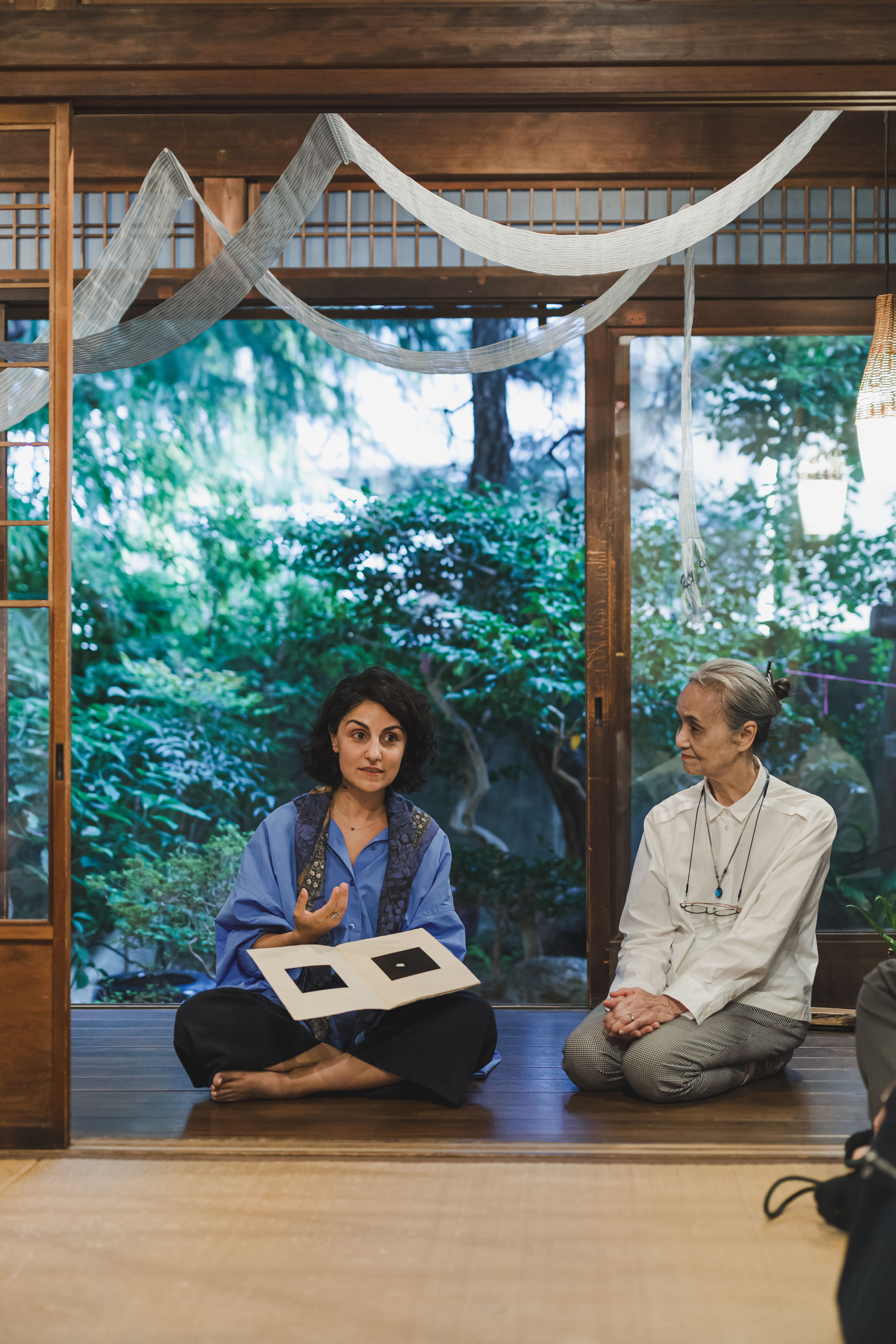
Accessibility and affordability are therefore central to the project core. By organising exhibitions and encounters outside traditional institutional spaces—such as in the setting of traditional Japanese architecture connected to the Osaka World Expo—the project creates intimate environments where audiences can interact directly with artisans and materials. These events are free of charge, removing financial barriers and ensuring that participation is open to all.
The project also expands inclusion through open knowledge sharing. Research on sustainable materials and traditional techniques is documented and published so that younger generations, students, and emerging designers can access and build upon this knowledge. Future collaborations aim to bring artisans into European universities, encouraging students to explore local resources and revive traditional knowledge within their own communities.
Inclusivity is further reflected in the project’s communication approach. Collaborations with designers from the Bye Bye Binary collective promote inclusive language and typography, challenging traditional linguistic boundaries and making visual communication more accessible.
By opening craftsmanship to wider audiences, removing financial barriers, and fostering intercultural collaboration, Artisanal Intelligence demonstrates how craft can become a platform for shared learning, cultural exchange, and community building. The project shows a new model of inclusion where knowledge, creativity, and cultural heritage are shared and accessible to all.
Artisanal Intelligence transforms audiences into co-creators, allowing communities to actively shape how craftsmanship knowledge is shared, adapted, and transmitted across cultures Through participatory approach communities, researchers, artisans, and cultural actors actively contribute to shaping the project’s development and future dissemination. Rather than presenting craftsmanship as a finished exhibition, the project functions as a collaborative platform where knowledge, practices, and ideas are exchanged and co-developed.
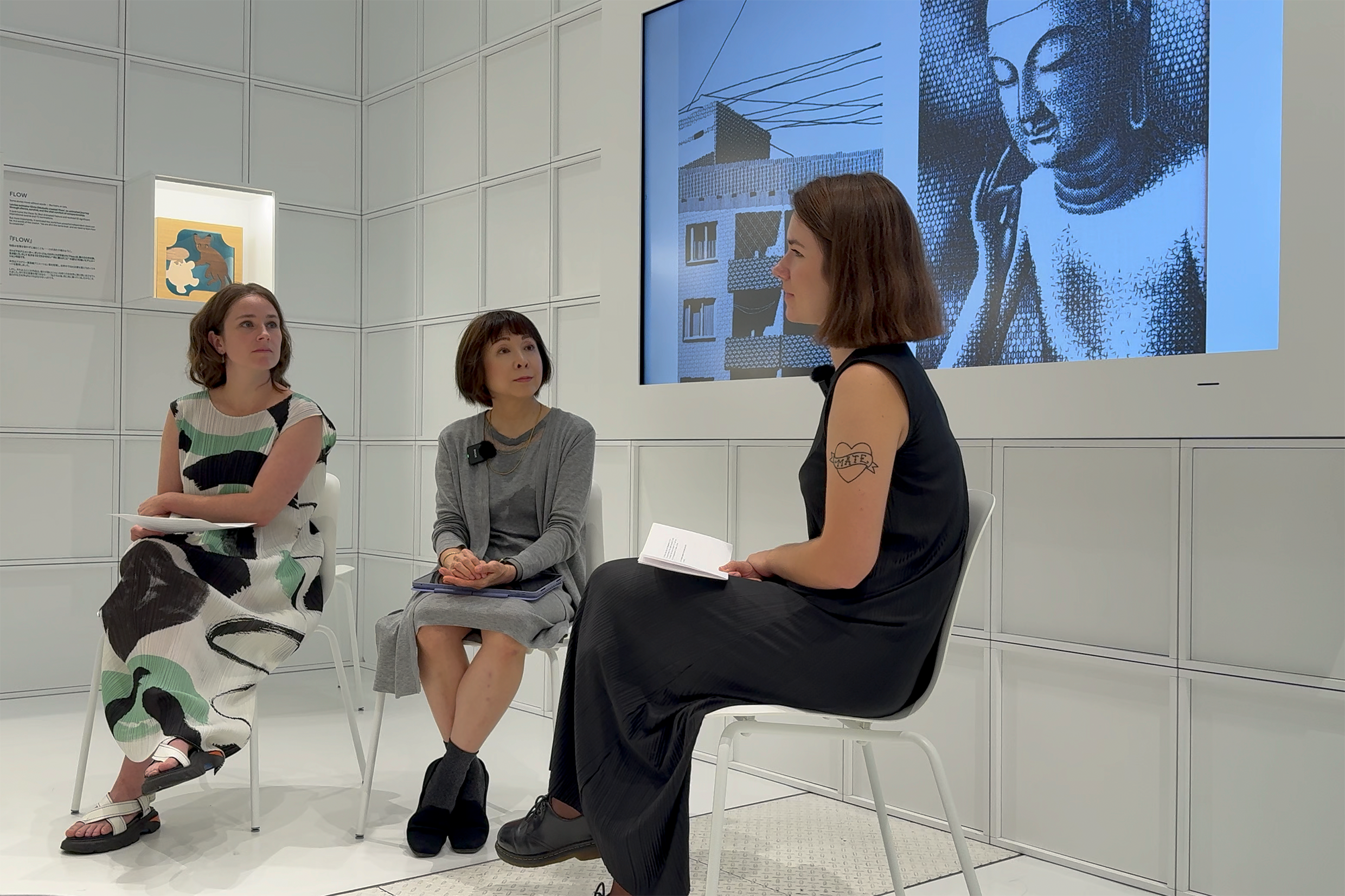
During the Kyoto exhibition and related events at Gallery Bridge Studio and the Osaka Expo pavilions, art historians, designers, researchers, and cultural coordinators engaged directly with audiences through open discussions and workshops. These encounters allowed participants to share perspectives on the current challenges facing craftsmanship, textiles, and sustainable production, ensuring that the project integrated diverse viewpoints and experiences.
Going beyond these events themselves, through the growing KNOTTO network emerged an international community dedicated to preserving and recontextualising craft techniques for contemporary contexts. Here, participants act as local ambassadors of craftsmanship, translating the project’s ideas into their own cultural and institutional environments.
These ambassadors play an active role in shaping the project’s future development by initiating collaborations, co-organising events, and engaging local cultural institutions, universities, and policy actors. Through this distributed model, the project evolves through continuous dialogue with its community of participants rather than through a centralised structure.
By enabling participants to become organisers, connectors, and advocates within their own contexts, Artisanal Intelligence creates a participatory ecosystem where knowledge circulates horizontally and where stakeholders contribute to the long-term direction and impact of the project.
Artisanal Intelligence governance model connects local craft communities with cultural networks and institutional partners across Europe and Japan, combining a ‘think globally, act locally’ approach. At the local and regional level, the project worked directly with municipalities and craft communities in regions such as Yame City (Fukuoka) and Morioka, as well as with cultural actors in Kyoto. Collaboration with local authorities and artisans ensured that the project remained rooted in the realities of each territory and respectful of the cultural ecosystems where traditional knowledge is preserved. Engagement with local media, including Okinawa Times, Ryukyu Shinpo, and NHK, further strengthened the visibility of these craft regions.
At the international and European level, the project collaborated with EU Member States and institutional actors including the Dutch and EU Delegation to Japan, the Baltic and Armenian Pavilions at the Osaka World Expo, and diplomatic and cultural organisations such as the Belgium-Japan Chamber of Commerce and the Japan Foundation. These partners provided institutional visibility, policy relevance, and international dissemination channels that allowed the project’s outcomes to reach broader cultural and policy audiences. At the cultural and creative sector level, partnerships with organisations such as Bridge Studio Kyoto—an art residency and gallery deeply rooted in the local creative community—enabled the project to connect global cultural exchange with grassroots artistic practice. The interaction between governance levels created a strong multiplier effect. Local craftsmanship gained international recognition, while global audiences engaged with the cultural and ecological value of traditional making practices. By connecting local artisans, cultural institutions, and international networks, “Artisanal Intelligence” demonstrates how craft-based initiatives can become platforms for cultural diplomacy, and a launchpad for ecosystems.
At the international and European level, the project collaborated with EU Member States and institutional actors including the Dutch and EU Delegation to Japan, the Baltic and Armenian Pavilions at the Osaka World Expo, and diplomatic and cultural organisations such as the Belgium-Japan Chamber of Commerce and the Japan Foundation. These partners provided institutional visibility, policy relevance, and international dissemination channels that allowed the project’s outcomes to reach broader cultural and policy audiences. At the cultural and creative sector level, partnerships with organisations such as Bridge Studio Kyoto—an art residency and gallery deeply rooted in the local creative community—enabled the project to connect global cultural exchange with grassroots artistic practice. The interaction between governance levels created a strong multiplier effect. Local craftsmanship gained international recognition, while global audiences engaged with the cultural and ecological value of traditional making practices. By connecting local artisans, cultural institutions, and international networks, “Artisanal Intelligence” demonstrates how craft-based initiatives can become platforms for cultural diplomacy, and a launchpad for ecosystems.
While rooted in textile crafts, Artisanal Intelligence evolves through the interaction of multiple disciplines including design, architecture, and traditional craft practices. The project brings together practitioners from these fields to look at how ancestral knowledge can inform contemporary responses to social and environmental challenges.
The residency programme created interdisciplinary working environments where European artists, and Japanese artisans collaborated through joint research and shared studio practices. Rather than separating theoretical and practical knowledge, the project intentionally combined the analytical perspective of researchers and historians with the embodied expertise of craftspeople.
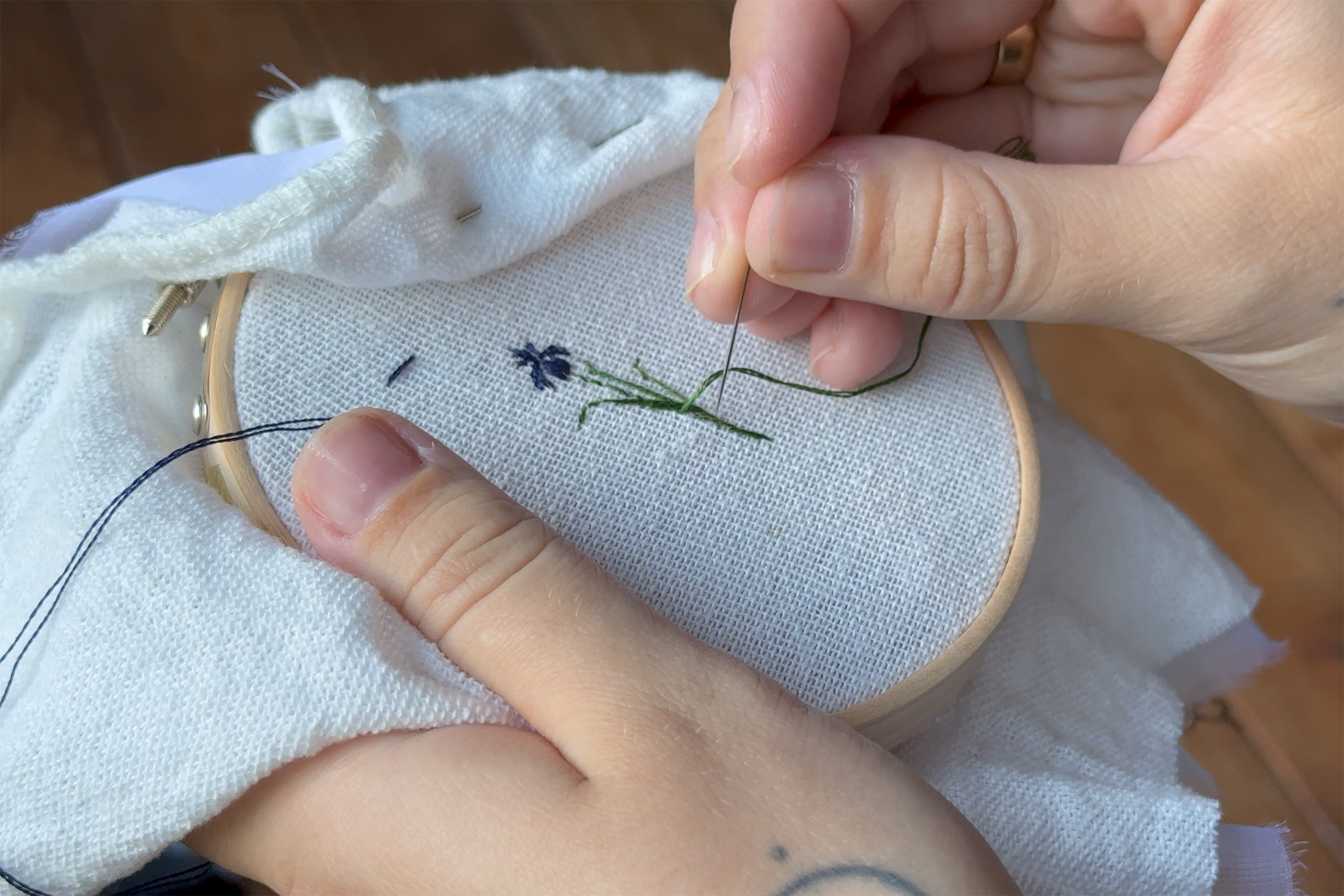
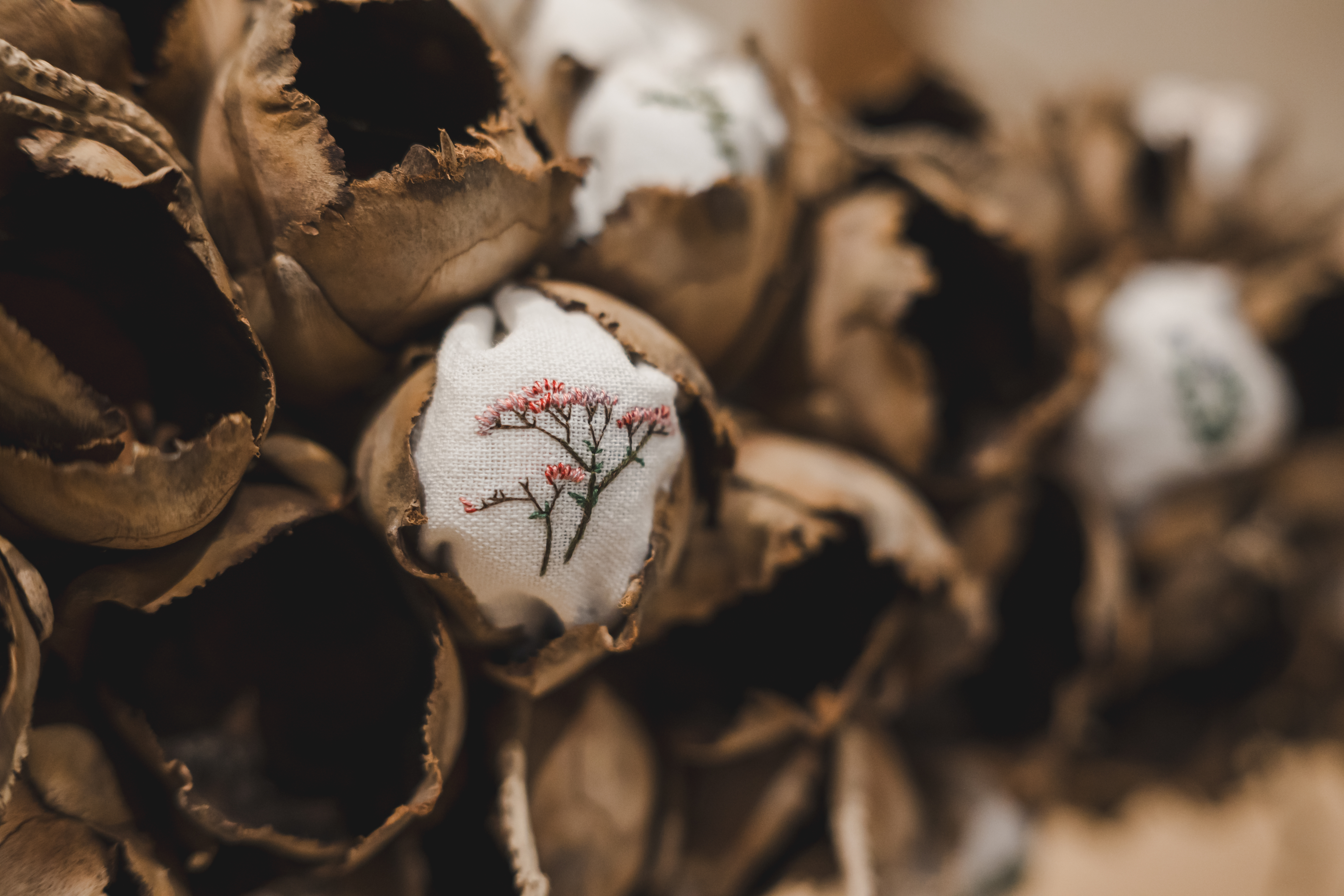
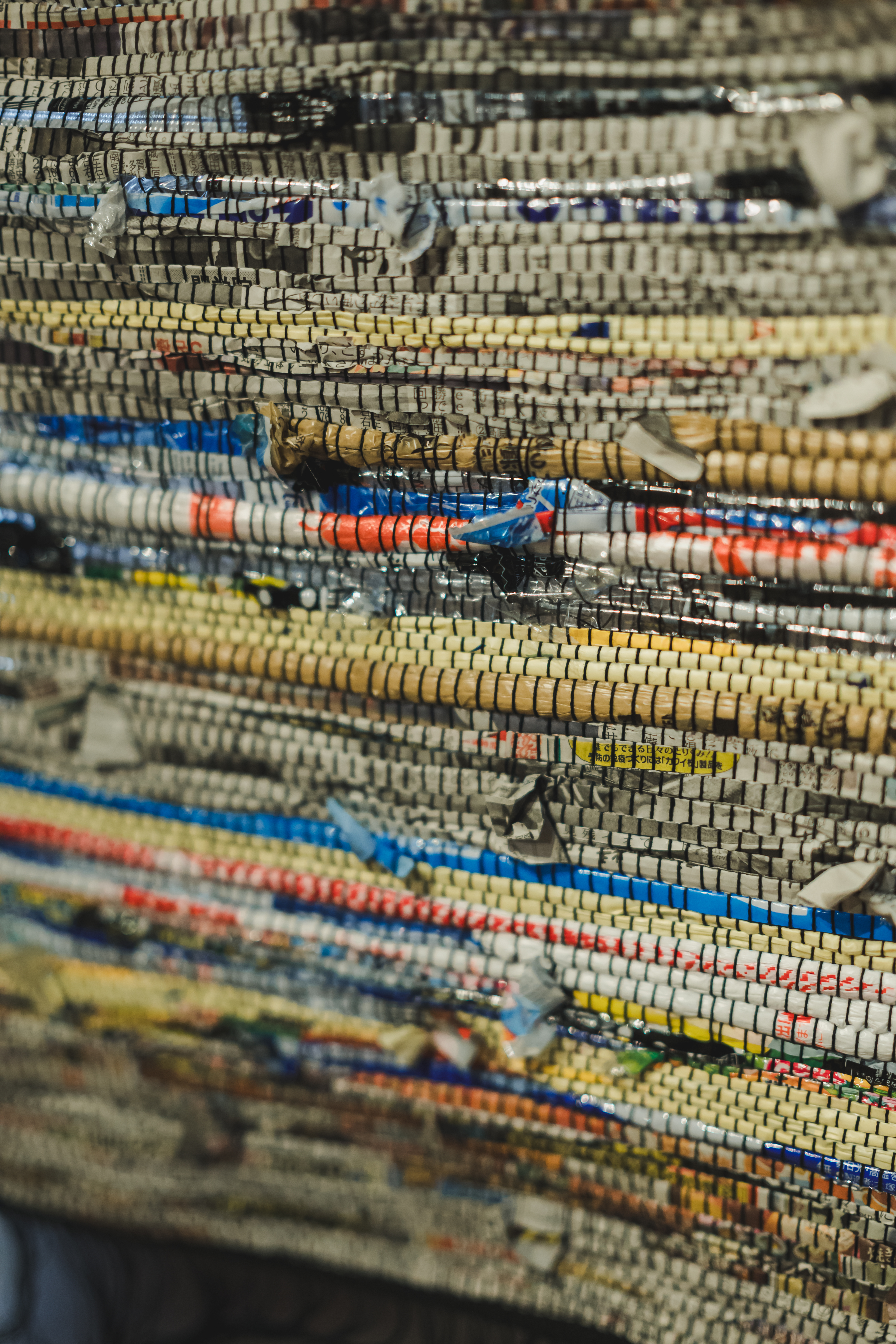
This cross-sectoral collaboration generated new forms of knowledge. Textile designers worked with traditional Japanese craft techniques such as Kasuri weaving and Saki-ori textile reuse, while art historians and curators explored how these practices could be interpreted in contemporary artistic and cultural contexts. Other exchanges linked embroidery and floral composition through dialogue with Ikebana practice, while architectural research on Japanese Danchi housing structures opened reflections on spatial and social structures in post-Soviet environments.
The intensity of collaboration was strengthened through shared workshops, public seminars, and collective discussions, where artists, scholars, and audiences continued exchanges beyond the formal programme. These encounters contributed to the creation of the KNOTTO network, a growing international community of artisans, designers, curators, and researchers committed to preserving and recontextualising ancestral craft knowledge.
This transdisciplinary approach produced outcomes that extend beyond aesthetic experimentation. By merging historical research, artistic experimentation, and manual craft expertise, the project generated new perspectives on sustainability, heritage, and cultural identity.
The Artisanal Intelligence for Osaka Expo 25 project received funding by the European External Action Service (EEAS) and the participating EU Member States, covering the residency and the overall project’s costs. Moving forward, KNOTTO is transitioning toward a hybrid business model that blends public institutional support with diversified private revenue streams to ensure long-term autonomy:
- Educational Workshops: Tailored hands-on workshops across Europe, bridging the gap in "peer-to-peer" and manual learning delivered for universities and design schools.
- Future editions of “Artisanal Intelligence” residency programme: Our objective is to scale 'Artisanal Intelligence' by launching new editions in Japan, Europe, South America and aligning with the EU’s 'Pact for the Mediterranean' initiative.
- Residency on demand: Model where specific institutions or regions can "commission" a residency cycle to revitalize their local craft ecosystem.
- Private Partnerships: Support by private sponsors (Toyota, Ana, Japan Airlines, Daikin) and philanthropic institutions with shared values and ambitions.
- Conferences: Planned in Nieuwe Instituut in Rotterdam and the European Bauhaus Festival Forum in June.
- Consultancy (Architecture & Textiles): Leveraging expertise in Japanese and European craft, upon request consultancy services can be provided to design and construction companies seeking sustainable materials, ancient technology, and connections for collaborations with artisans. Collaboration with design companies like Kvadrat, Hermès designing the textiles for Japanese airlines, blending European with Japanese heritage.
Construction companies and associations like Ligne Bois, Artbuild, Woodshapers, Stabilame, FBC (Forum Bois Construction).
The model contributes to scalability by creating a value chain based on slow production and natural resources, advocating for a shift from "short-term thinking" to "long-term mastery."
The project serves as a pilot for cultural exchange by connecting ancestral heritage with contemporary innovation, providing a model that proves artisanal quality, local materials, and manual dignity are essential tools for a sustainable future. While the work in Japan focuses on the preservation of living techniques, the focus in Europe is on the rediscovery and relearning required to innovate our own ancestral knowledge.
Beyond a singular residency program and exhibition, the first residency helps to build a framework designed to scale across geographies and sectors.
- Geographic Replicability: The planned exhibition series in 2026, with presentations at leading European institutions (of which also one satellite event at Maison Hannon as part of the New European Bauhaus Festival) and closing at the Kyoto Triennale, aims to enhance the visibility of all artists involved. Furthermore, the Japanese artisans will be invited to Europe for future residencies, creating a true two-way knowledge exchange. This framework can be adapted by any region seeking to strengthen its local craft ecosystem through international dialogue.
- Scaling up the disciplines: Focused on textiles for this edition, the project aims to expand to architecture (construction crafts) and textile crafts, with new residencies planned in Japan for spring 2027. Building “Collective Intelligence” aims to open the themes to fields like sociology, sciences, arts or other industries in order to create a holistic approach and reflect on the shared tension between industrial mass-production and artisanal integrity.
The project provides a blueprint for taking it to other regions in the world, grounding it in local, intimate settings. Within the artisanal making process, there is a sense of “self-sufficiency”. Natural resources are available for all. By cross-referencing global knowledge, it ensures that traditional crafts are revived as active, sustainable solutions for the contemporary world.