Strengthening Local Democracy and Inclusion
Mosaic Trencadís for Social Cohesion
Community Mosaic Trencadís for Social Transformation and Cohesion in L’Hospitalet
A two‑year community art project transforming public spaces in Les Planes–Blocs Florida, the most densely populated neighbourhood in Europe. Through mosaic trencadís co‑creation with young people, older adults, migrants, women’s groups, mental‑health users and people with functional diversity, the project strengthens social cohesion, local democracy and shared ownership while revitalising neglected urban areas. A collective act of reclaiming dignity, identity and hope in shared public space.
Spain
Local
L'Hospitalet de Llobregat
Mainly urban
It involves a physical transformation of the built environment (hard investment)
Yes
2025-12-09
No
No
No
Organisation
The project responds to the urgent need to improve degraded public spaces and strengthen social cohesion in Les Planes–Blocs Florida, the most densely populated neighbourhood in Europe. High density, limited public space and social vulnerability create daily pressure, and many passages and park entrances were perceived as unsafe and anonymous. Within a collaboration agreement with the City Council of L’Hospitalet de Llobregat and the Pla Integral Les Planes–Blocs Florida, local organisations identified the need for a shared process capable of transforming both spaces and relationships.
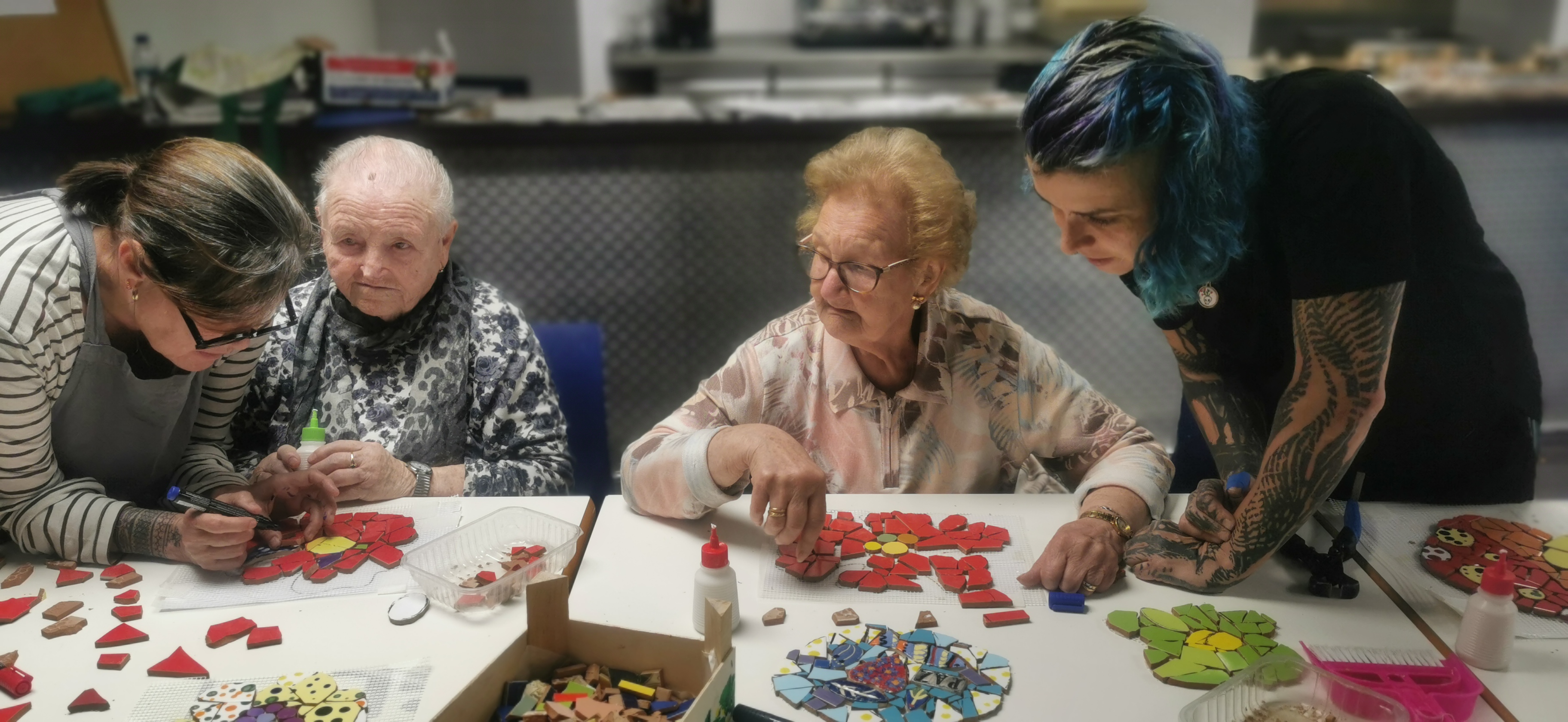
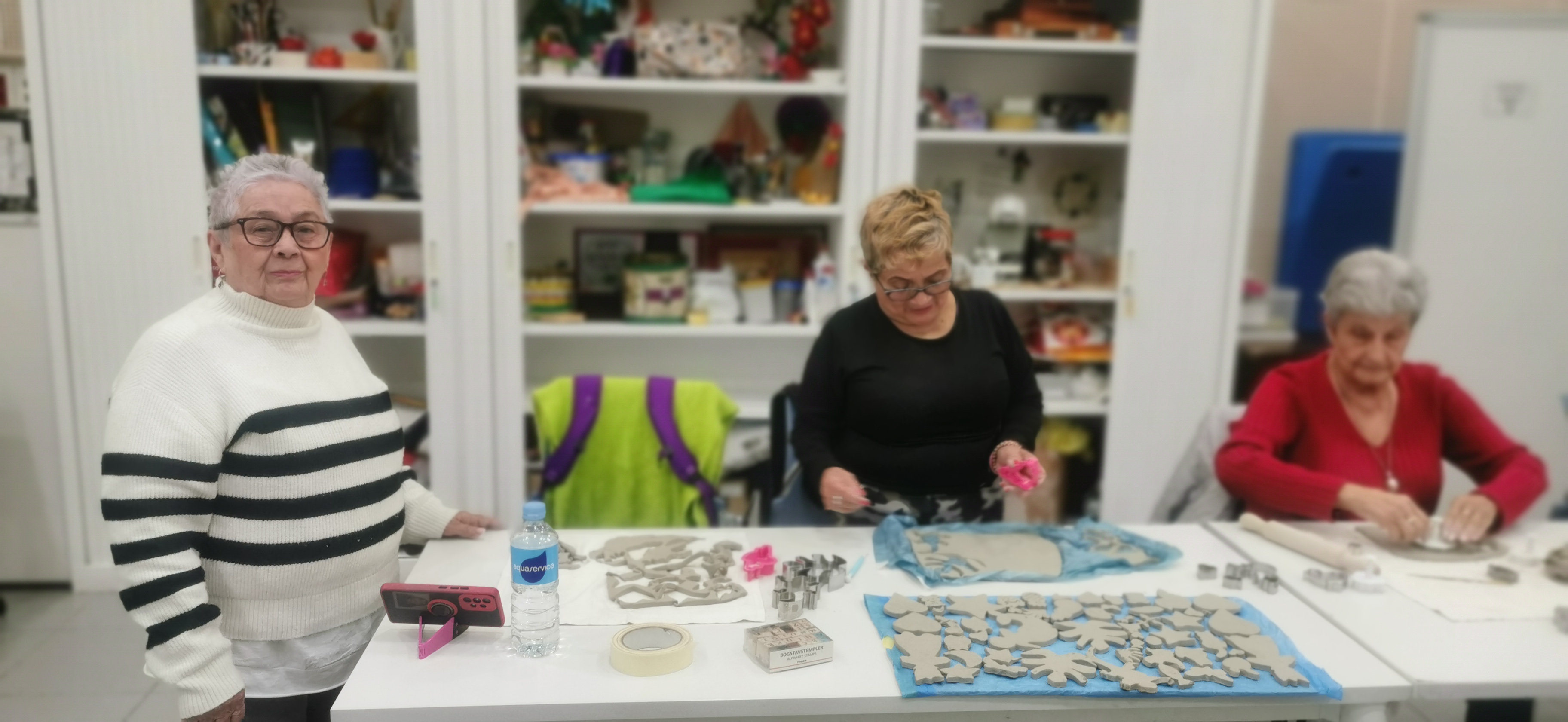
Asociación Cultural La Gloria Factoría de Arte proposed a community art programme based on mosaic trencadís, collaborative making and cultural mediation. The institutional framework ensured coordination with municipal services, access to public spaces and the involvement of key community actors. Workshops combined artistic practice with dialogue, memory sharing and collective decision‑making, allowing participants to see their identities reflected in the final artworks.
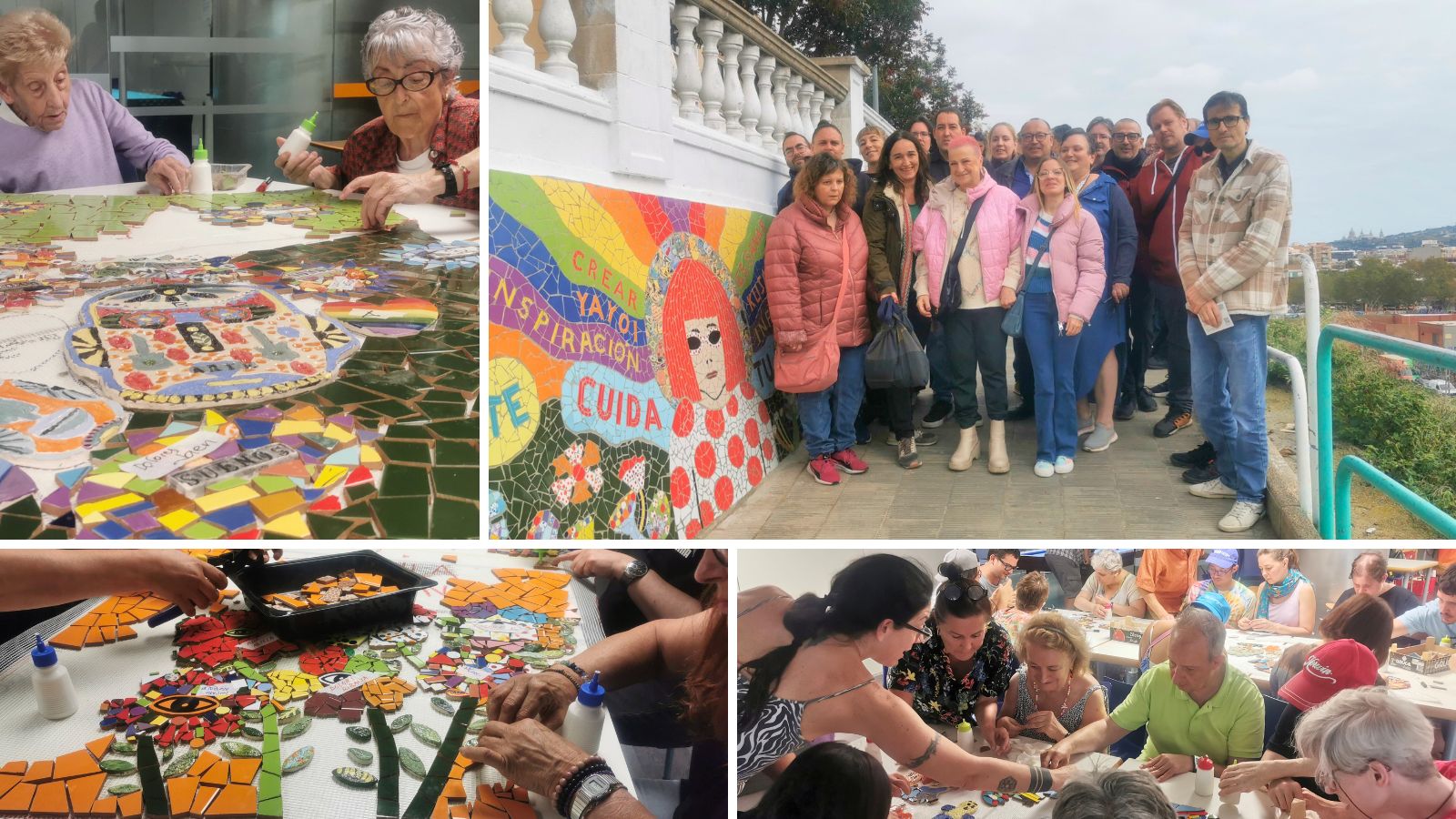
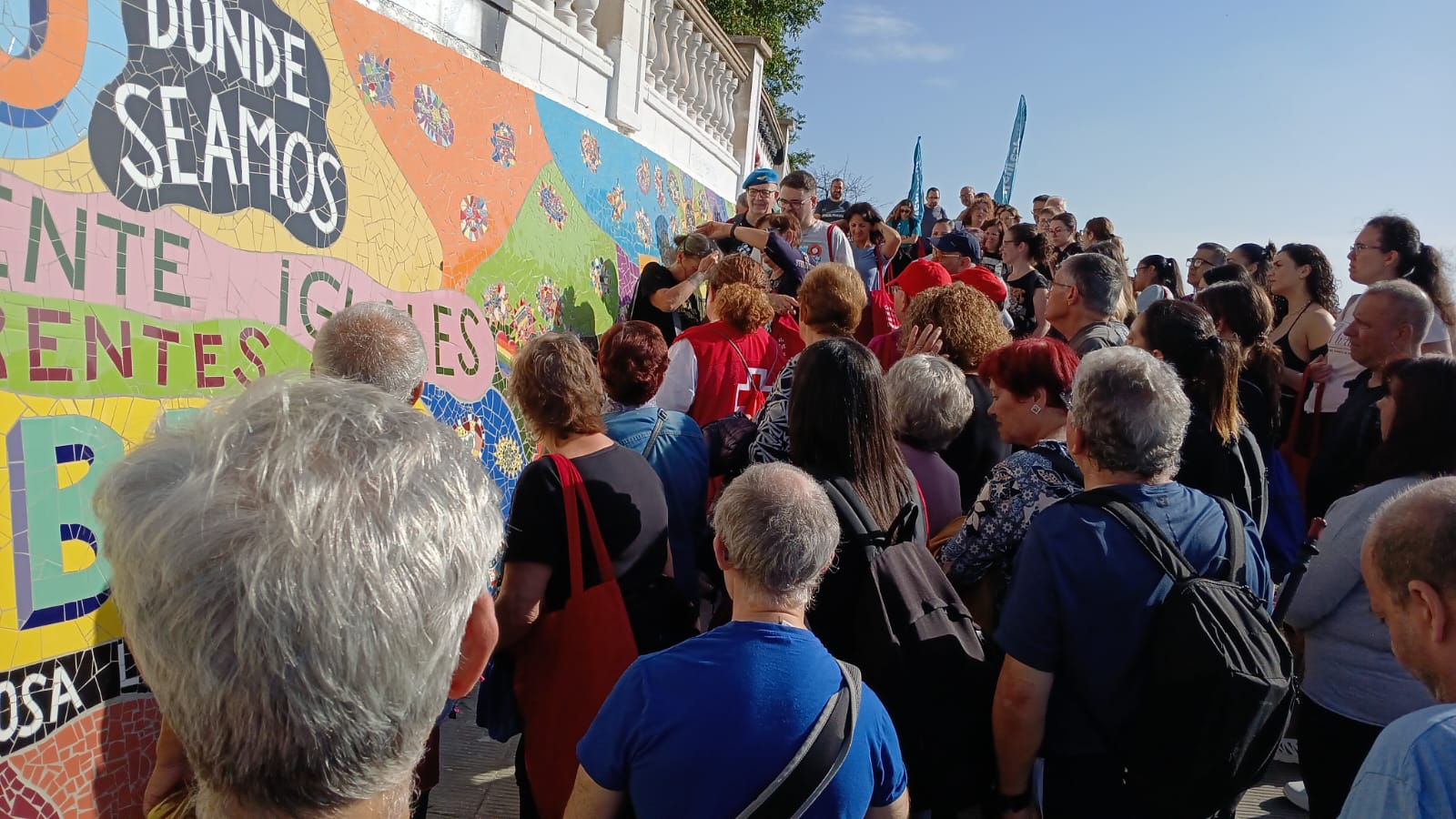
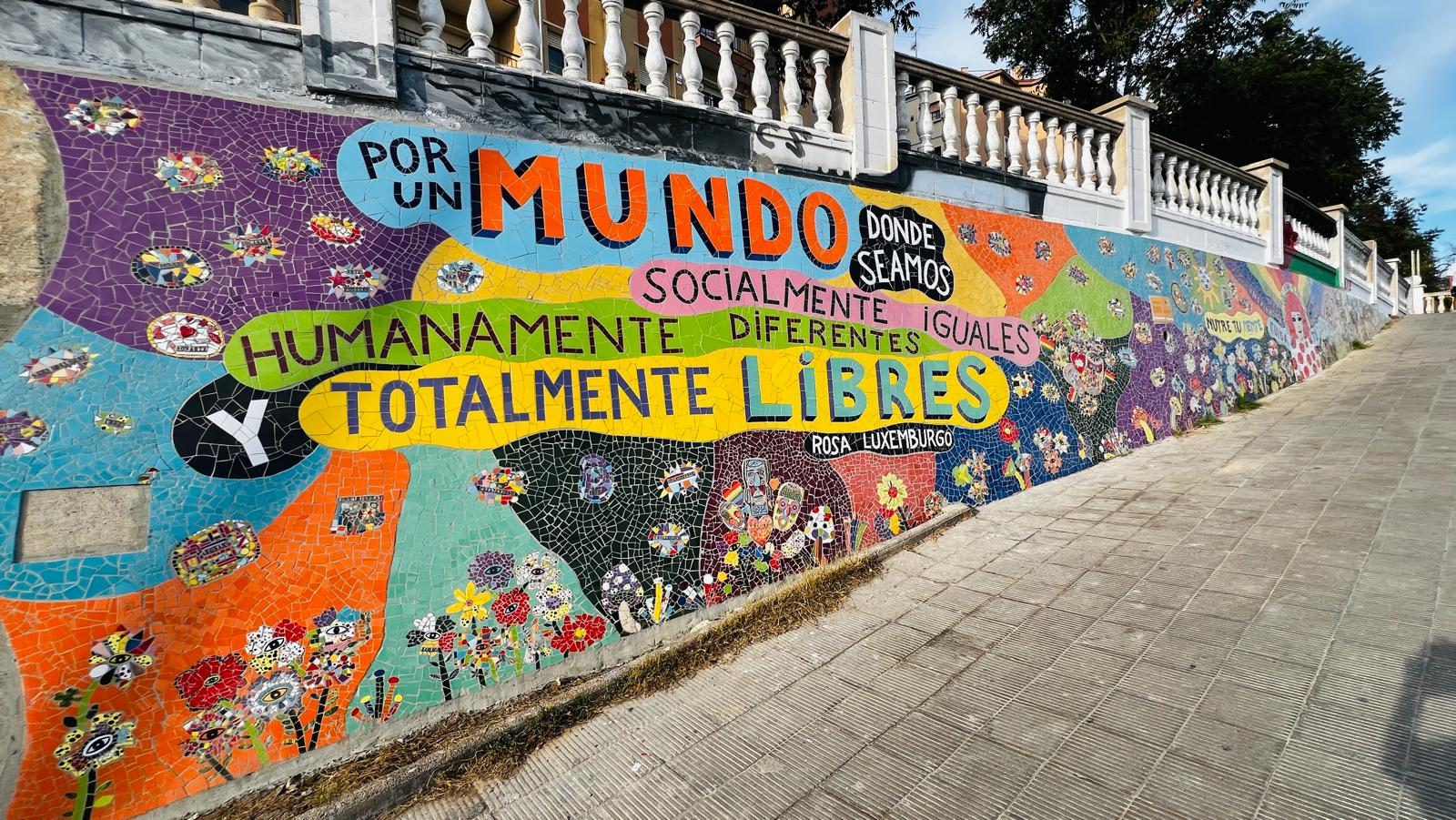
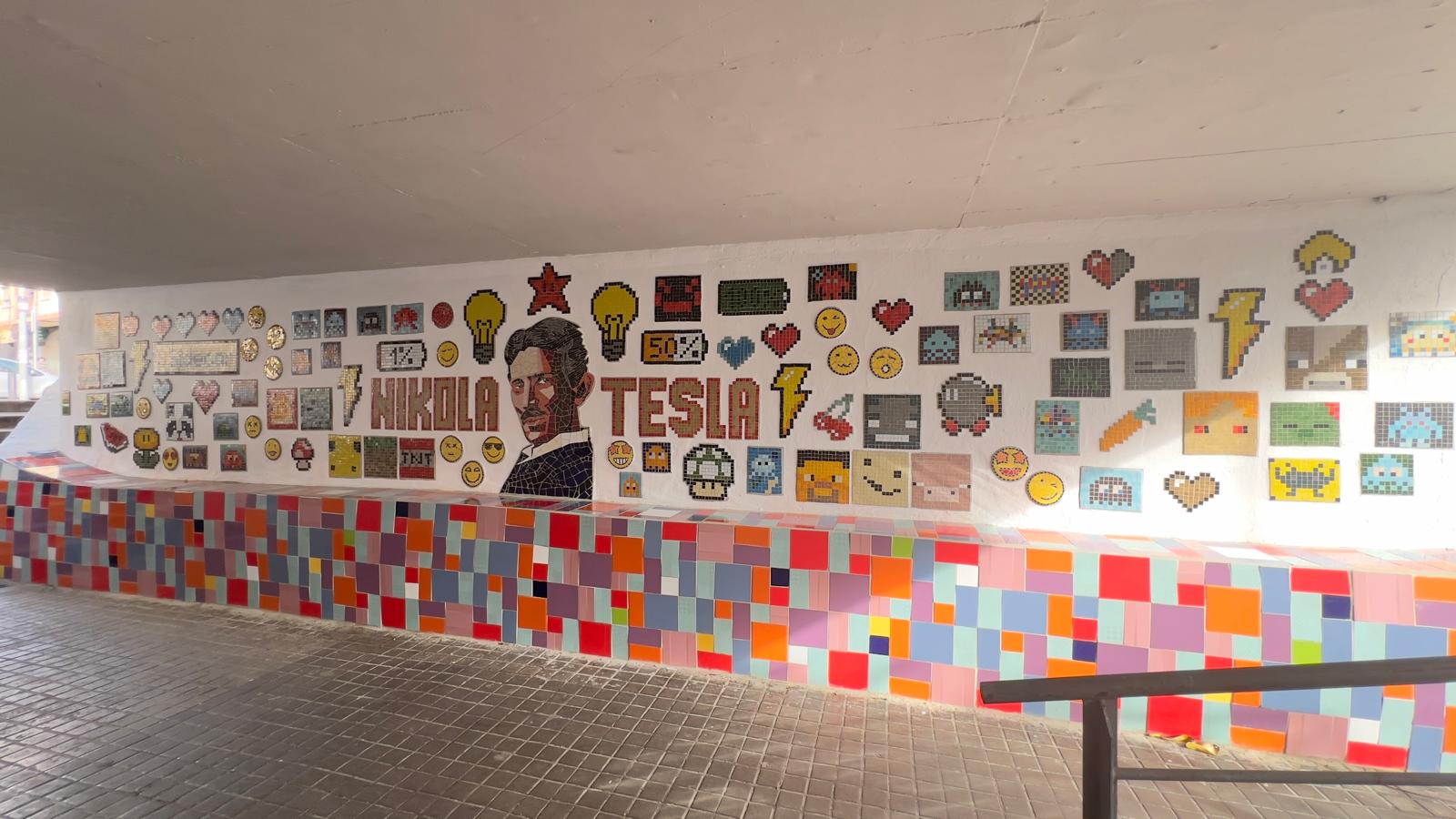
The two interventions completed between 2024 and 2025—Matacavalls and El Pasaje de la Luz—have turned previously degraded areas into visible symbols of care, resilience and shared responsibility. The process brought together young people, older adults, migrants, women’s groups, mental‑health users and people with functional diversity through organisations such as the Community Rehabilitation Service of Benito Menni, the Social Reintegration Service of Benito Menni, Fundación TEAS, Cruz Roja Hospitalet, youth centres and schools.
The project demonstrates that when neighbours, institutions and community organisations work together, even small corners of the city can become powerful spaces of dignity, identity and belonging.
The project was developed within a collaboration agreement with the City Council of L’Hospitalet de Llobregat and the Pla Integral Les Planes–Blocs Florida, the municipal programme that coordinates social, educational and community actions in the neighbourhood. Through this institutional framework, local organisations and residents identified degraded public spaces and the need to strengthen social cohesion in Europe’s most densely populated urban area.
Asociación Cultural La Gloria Factoría de Arte proposed a community art process based on mosaic trencadís, collective creation and cultural mediation. The City Council and the Pla Integral facilitated access to public spaces, coordination with municipal services and connections with local organisations, ensuring broad participation and institutional support from the beginning.
The project unfolded through cycles of participatory design, hands‑on workshops and collective installation involving young people, older adults, migrants, women’s groups, mental‑health users and people with functional diversity. Organisations such as the Community Rehabilitation Service of Benito Menni, the Social Reintegration Service of Benito Menni, Fundación TEAS, Cruz Roja Hospitalet, youth centres and schools played a key role in mobilising participants and shaping the content.
Each intervention concluded with a public celebration, reinforcing pride, belonging and shared responsibility for the transformed spaces. The project ended in December 2025 with two completed public artworks and a strengthened community network that continues to collaborate with the Pla Integral and the City Council.
Community co‑creation
Social inclusion
Urban regeneration
Circular art practices
Local democracy
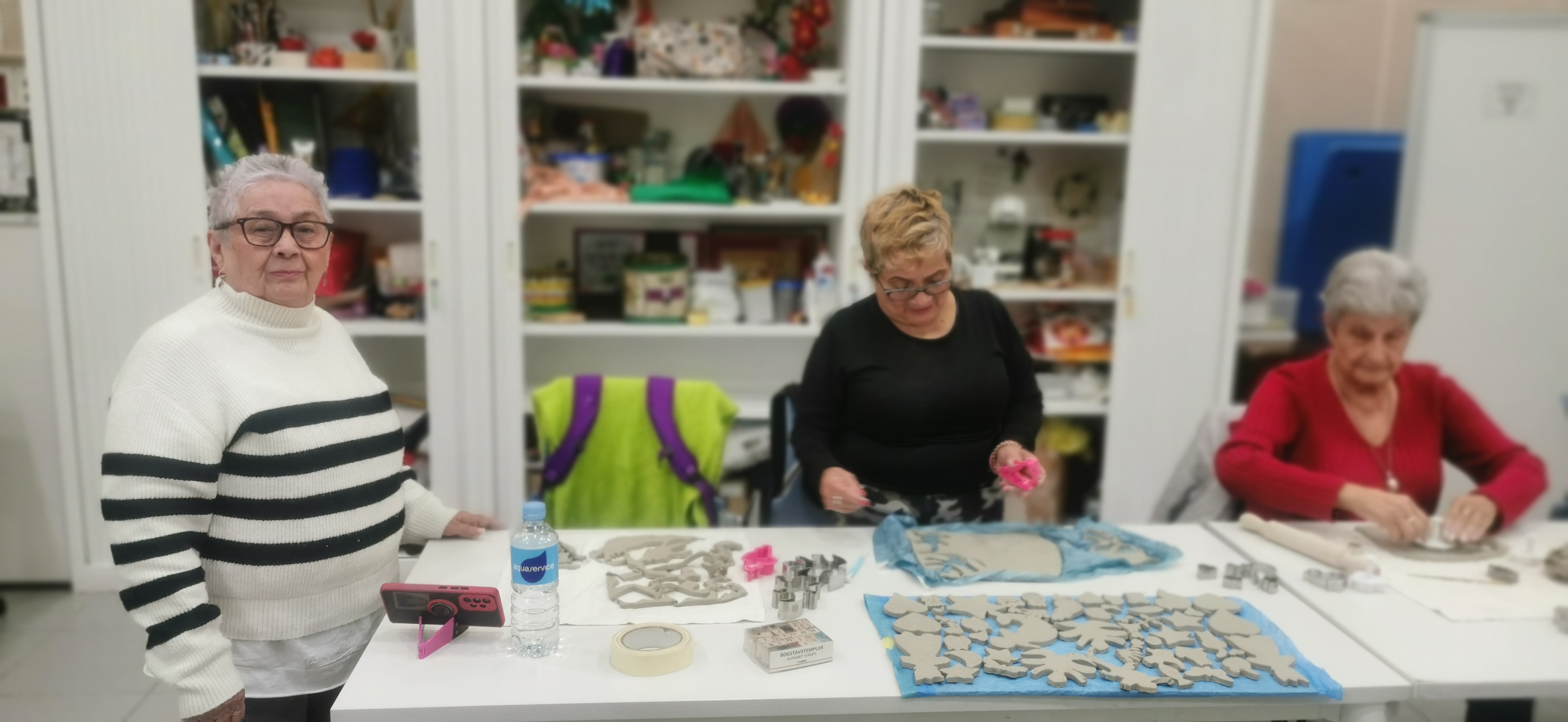
The project integrates environmental, social and cultural sustainability. Environmentally, it applies circular principles by reusing broken tiles, discarded ceramics and leftover materials. The trencadís technique is inherently based on reuse, repair and low‑impact transformation. The murals are durable, require minimal maintenance and are integrated into existing structures, avoiding new construction.
Social sustainability is strengthened through inclusive participation in a neighbourhood with high density, social vulnerability and limited public space. Young people, older adults, migrants, women’s groups, mental‑health users and people with functional diversity collaborate in a process that promotes wellbeing, emotional health and shared responsibility for the environment. The project builds support networks that extend beyond the artistic intervention.
Culturally, it preserves and reinterprets a Mediterranean artistic tradition, connecting local identity with contemporary community needs. It activates community memory and gives visibility to groups often excluded from cultural production. The project demonstrates how circular artistic practices, rooted in local culture and co‑created with diverse communities, can generate sustainable and inclusive urban transformation.
The project enhances everyday life by transforming neglected and degraded spaces into vibrant, beautiful and emotionally meaningful places. In a neighbourhood where most public space is functional and heavily transited, the mosaics introduce colour, texture and narrative, offering moments of pause and recognition. Entrances, passages and circulation areas become places where people want to stop, meet and identify themselves.
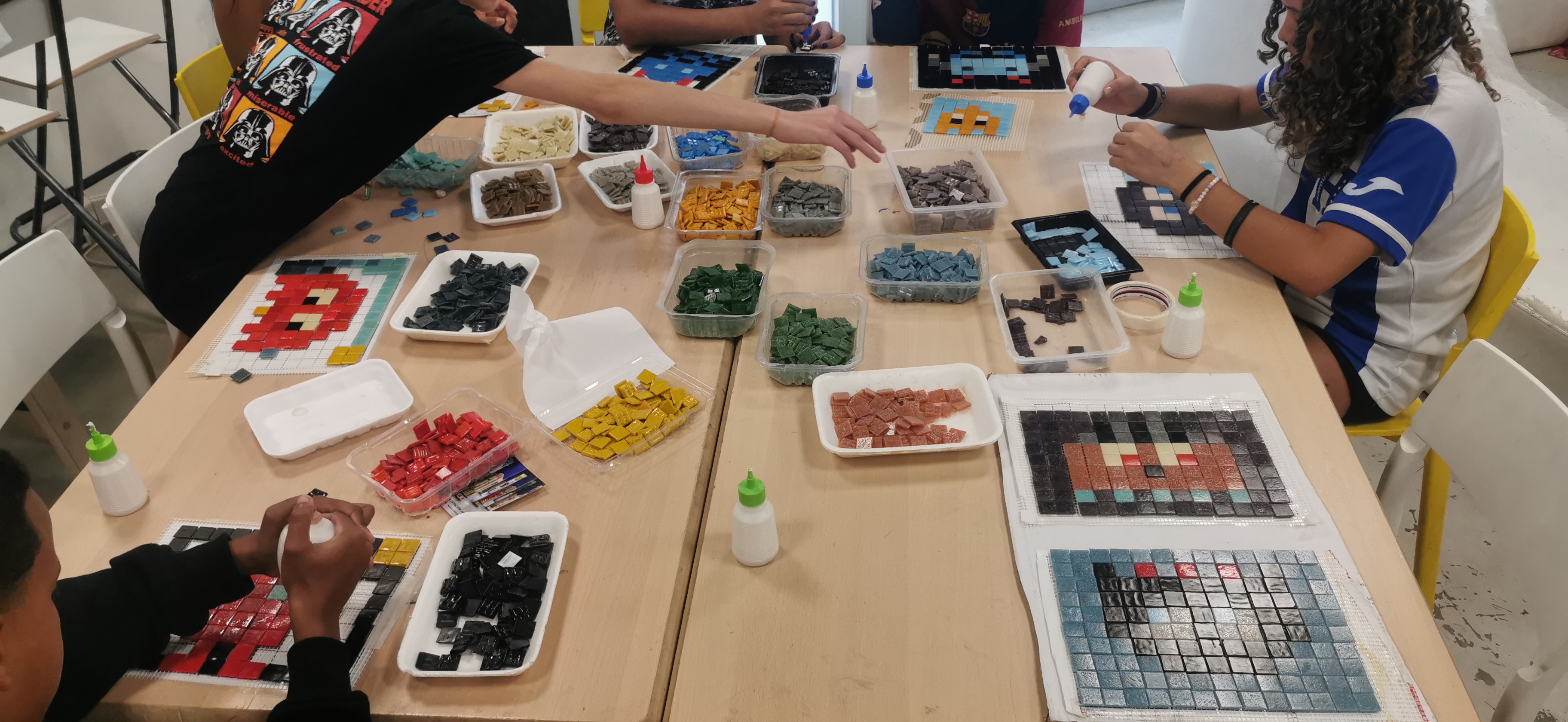
The aesthetic language combines Mediterranean trencadís traditions with contemporary references such as Yayoi Kusama, Nikola Tesla and videogame pixel art, creating a visual vocabulary that resonates across generations and cultures. This mix allows different groups to find something familiar and something new in the same artwork.
Beauty emerges from a collective process in which participants choose colours, shapes and symbols that reflect their experiences. People with functional diversity and mental‑health users contribute equally to aesthetic decisions, making the final result a true portrait of the community. The project shows that aesthetics can be a tool for recognition, care and shared pride in public space.
Inclusion is at the core of the project. It intentionally brings together young people, older adults, migrants, women’s groups, mental‑health users and people with functional diversity, ensuring that those who are often marginalised in public space become visible co‑creators of it. Participation is free, accessible and supported by trusted organisations that accompany people with different needs.
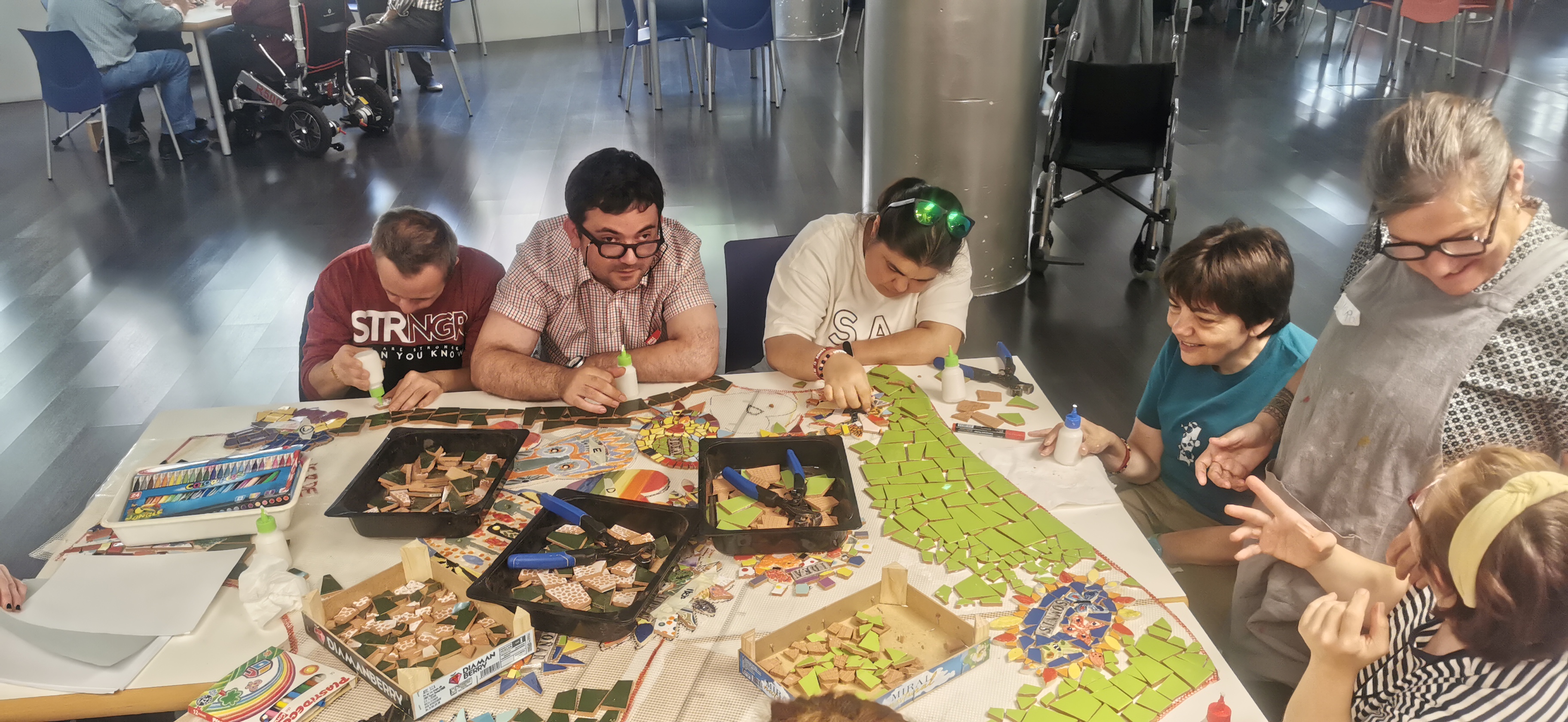
The project removes barriers by offering adapted workshops, accessible locations, flexible schedules and support staff from social and health services. People with functional diversity and mental‑health users are central actors in the design and making of the murals. Their perspectives shape the themes, colours and messages of the artworks.
The transformed spaces themselves contribute to inclusion: passages and entrances that were previously perceived as unsafe or hostile become welcoming, well‑used and collectively cared for. The project shows how inclusive cultural practices can reduce stigma, foster encounters between groups that rarely interact and build a shared sense of belonging in a dense and diverse urban environment.
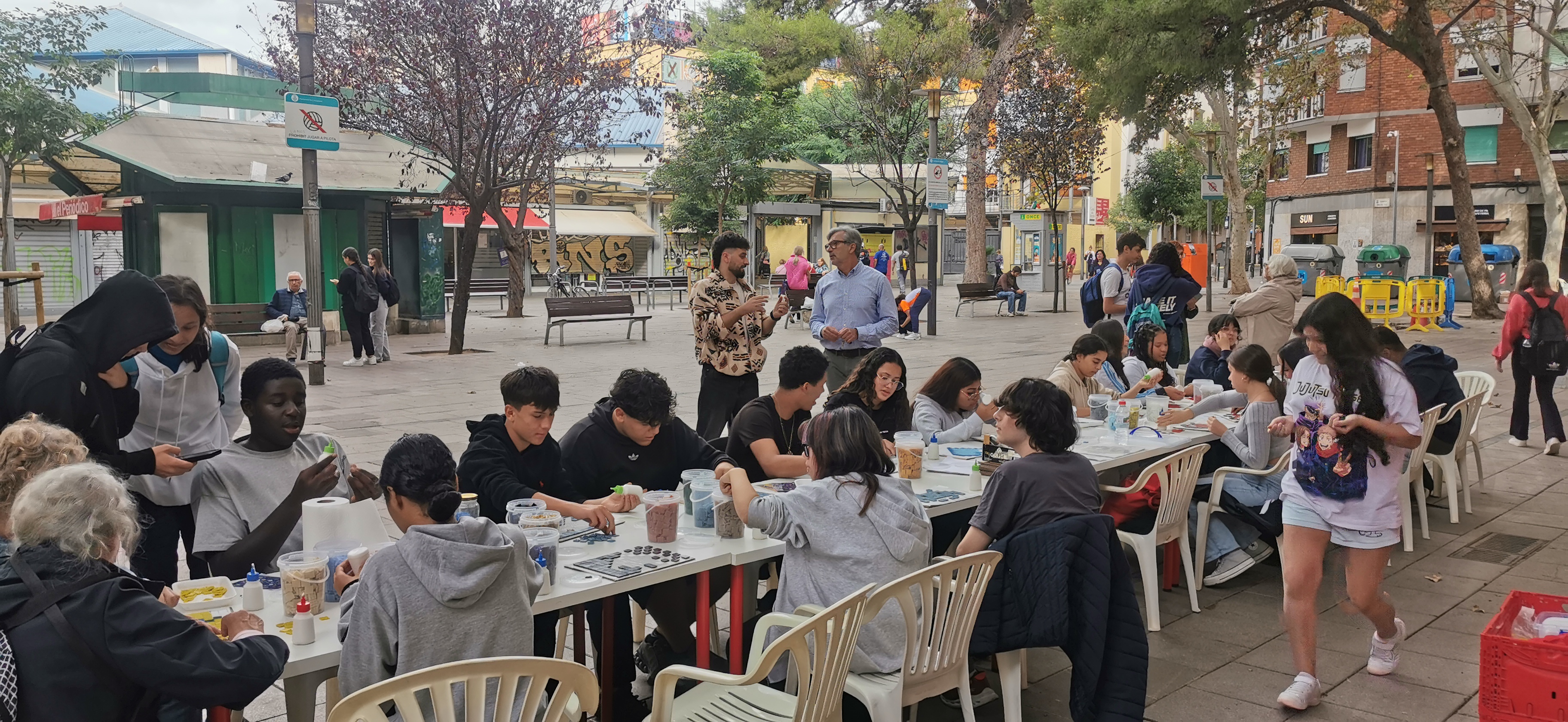
The project is built entirely on participatory processes. From the beginning, neighbours, community organisations and municipal actors were involved in identifying needs, selecting locations and defining priorities. Workshops function as spaces for dialogue where participants discuss how they want their environment to look and feel, and how to represent their stories in mosaic form.
Participation is not limited to consultation: residents actively design, cut, place and grout the tiles. Young people, older adults, migrants, women’s groups, mental‑health users and people with functional diversity work side by side, sharing skills and experiences. This shared making process creates horizontal relationships that challenge traditional roles between “professionals” and “users.”
Local organisations—such as the Community Rehabilitation Service of Benito Menni, the Social Reintegration Service of Benito Menni, Fundación TEAS, Cruz Roja Hospitalet, youth centres and schools—co‑lead the process, bringing their knowledge of the community and ensuring that participation is meaningful and safe. The result is a strong sense of ownership: residents refer to the murals as “ours,” take care of them and use them as meeting points.
The project operates through coordinated collaboration across multiple levels of governance. Locally, it was developed within a collaboration agreement with the City Council of L’Hospitalet de Llobregat and the Pla Integral Les Planes–Blocs Florida, the municipal programme that articulates social, educational and community actions in the neighbourhood. This institutional framework ensured alignment with local priorities, access to public spaces and coordination with municipal services.
At the organisational level, the project involves mental‑health services, organisations supporting people with functional diversity, youth centres, schools, women’s groups and civic associations. These actors co‑design activities, mobilise participants and provide ongoing support, creating a dense network of shared responsibility.
At a broader level, the project aligns with regional strategies on culture, social inclusion and community health, demonstrating how small‑scale cultural interventions can contribute to wider policy goals. This multilevel structure makes the project robust, replicable and capable of addressing complex social challenges in Europe’s most densely populated neighbourhood.
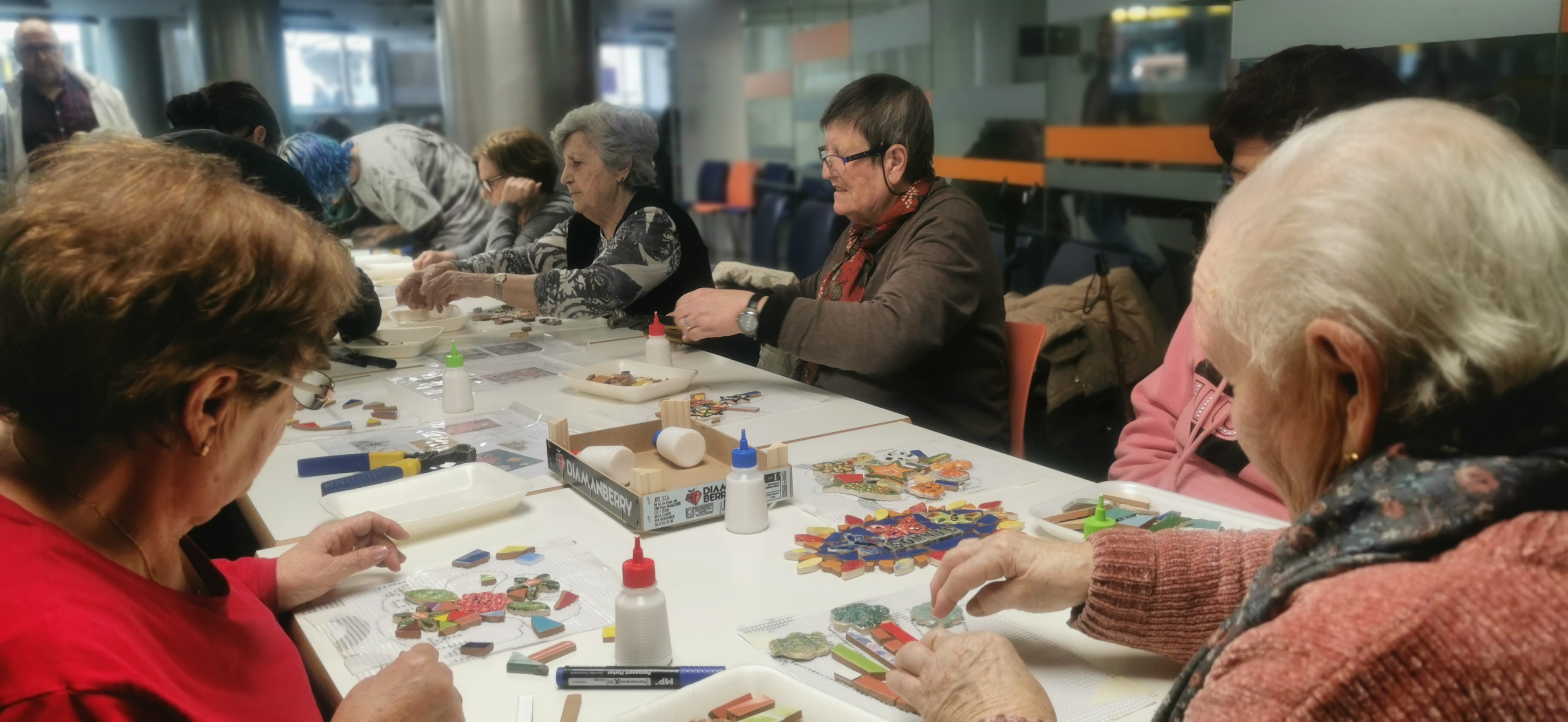
The project brings together arts, social work, mental‑health care, education, community development and environmental awareness in a single process. Mosaic trencadís is used not only as an artistic technique but as a tool for mediation, dialogue and empowerment. Artists work alongside social workers, psychologists, educators and community mediators to design workshops that respond to the emotional, social and physical needs of participants.
Sessions combine artistic practice with conversations about memory, identity, safety and the use of public space. Mental‑health professionals and organisations supporting people with functional diversity help adapt activities so that everyone can participate meaningfully, regardless of ability or previous experience. Educators and youth workers connect the project with school curricula and youth programmes.
By weaving together these different disciplines, the project generates knowledge that none of the sectors could produce alone. It shows how transdisciplinary collaboration can create more inclusive, resilient and imaginative responses to urban and social challenges.
The project is sustained through a combination of public funding, in‑kind contributions and shared resources. Financial support from the City Council of L’Hospitalet de Llobregat, within the framework of the collaboration agreement and the Pla Integral Les Planes–Blocs Florida, covers coordination, facilitation and basic materials. Asociación Cultural La Gloria Factoría de Arte contributes artistic direction, workshop facilitation and project management.
Partner organisations—mental‑health services, organisations supporting people with functional diversity, youth centres, schools and civic associations—contribute staff time, spaces, participant mobilisation and follow‑up support. The use of recycled and donated ceramic materials significantly reduces costs and reinforces the project’s circular approach.
This model keeps participation free for all groups, ensures continuity over the two‑year period and builds a sense of shared ownership among institutions and residents. It demonstrates that high‑quality, inclusive cultural projects can be delivered with modest budgets when resources are pooled and responsibilities are shared.
The project offers a clear and adaptable model for inclusive urban regeneration in high‑density neighbourhoods. Its core elements—participatory design, mosaic trencadís using recycled materials, collaboration between artists and social/health services, and strong institutional backing—can be transferred to other contexts with similar social and spatial challenges.
The methodology is modular: workshops, design sessions and installation phases can be scaled up or down depending on available resources and local needs. The involvement of mental‑health services and organisations supporting people with functional diversity shows how cultural projects can be integrated into care and support pathways, rather than existing as isolated activities.
The experience in Les Planes–Blocs Florida demonstrates that transforming small, degraded micro‑spaces can have a disproportionate impact on community pride, perceived safety and social cohesion. The project provides a practical, low‑cost and replicable blueprint for cities seeking to combine circular art practices, institutional collaboration and deep community participation in their public‑space strategies.