Arts, Culture, and Heritage as Drivers of Change
The Opera on the road:Le Sang du glacier
The Opera on the road: The Blood of the glacier
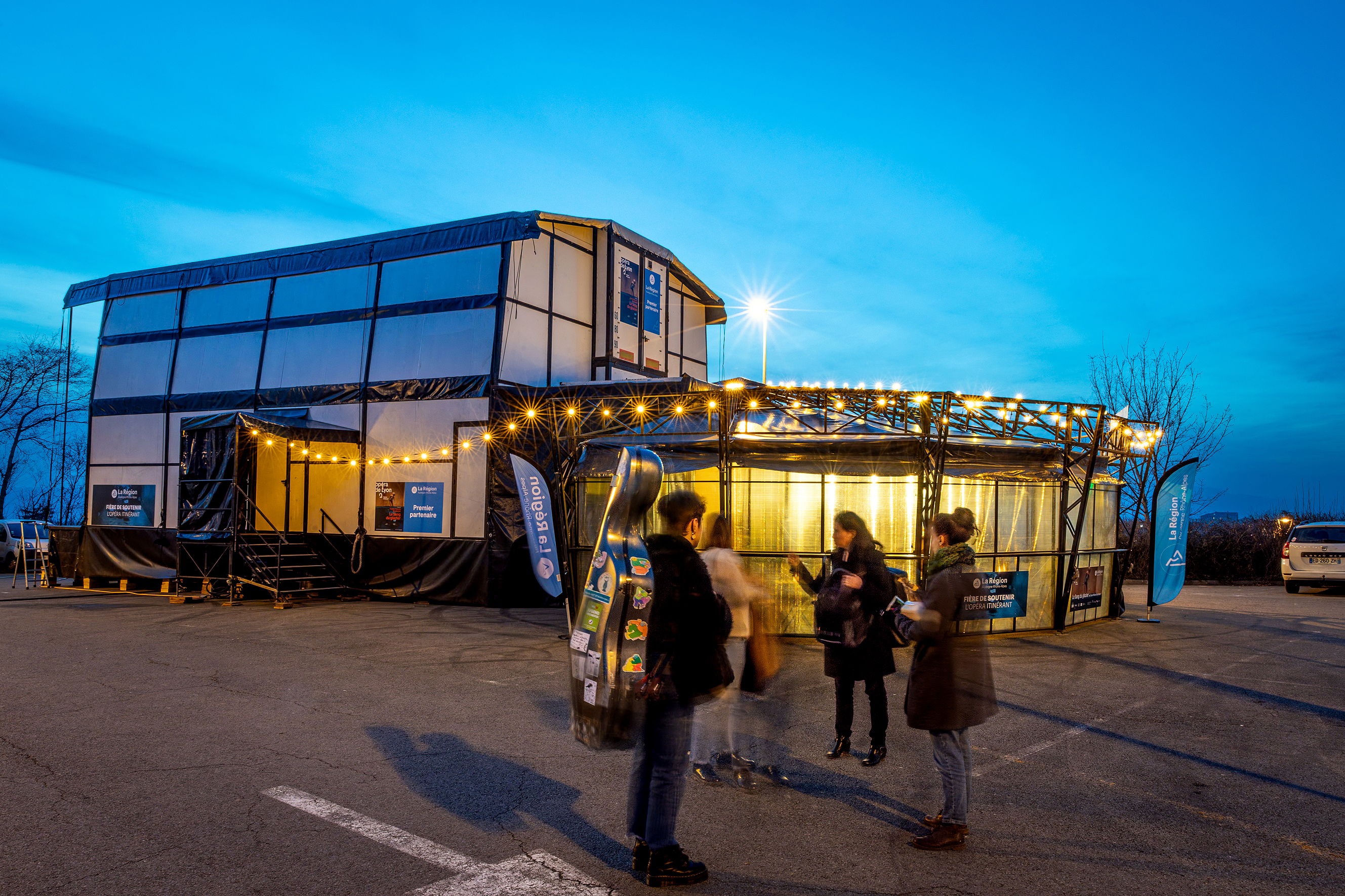
The Lyon Opera House wants to reach out to all audiences and seeks to use artistic mobility to break down the barriers that separate residents of rural and suburban cities from urban cultural offerings. The Opera has created a mobile and agile form of opera along with an original work which makes awareness on a key topical issue : the global warming. Thanks to an opera truck, residents of rural cities from the Auvergne-Rhône-Alpes region attend a performance in their own village.
France
Regional
Auvergne-Rhône-Alpes
Provence Alpes Côte d'Azur (one place)
Provence Alpes Côte d'Azur (one place)
Mainly rural
It involves other types of transformations (soft investment)
Yes
2025-03-21
No
No
No
Organisation
The project has several objectives:
- To offer a light, mobile and autonomous form of opera that can be performed in a variety of settings ;
- To reach out to intergenerational audiences within their living environments, in rural areas that are often remote from cultural offerings ;
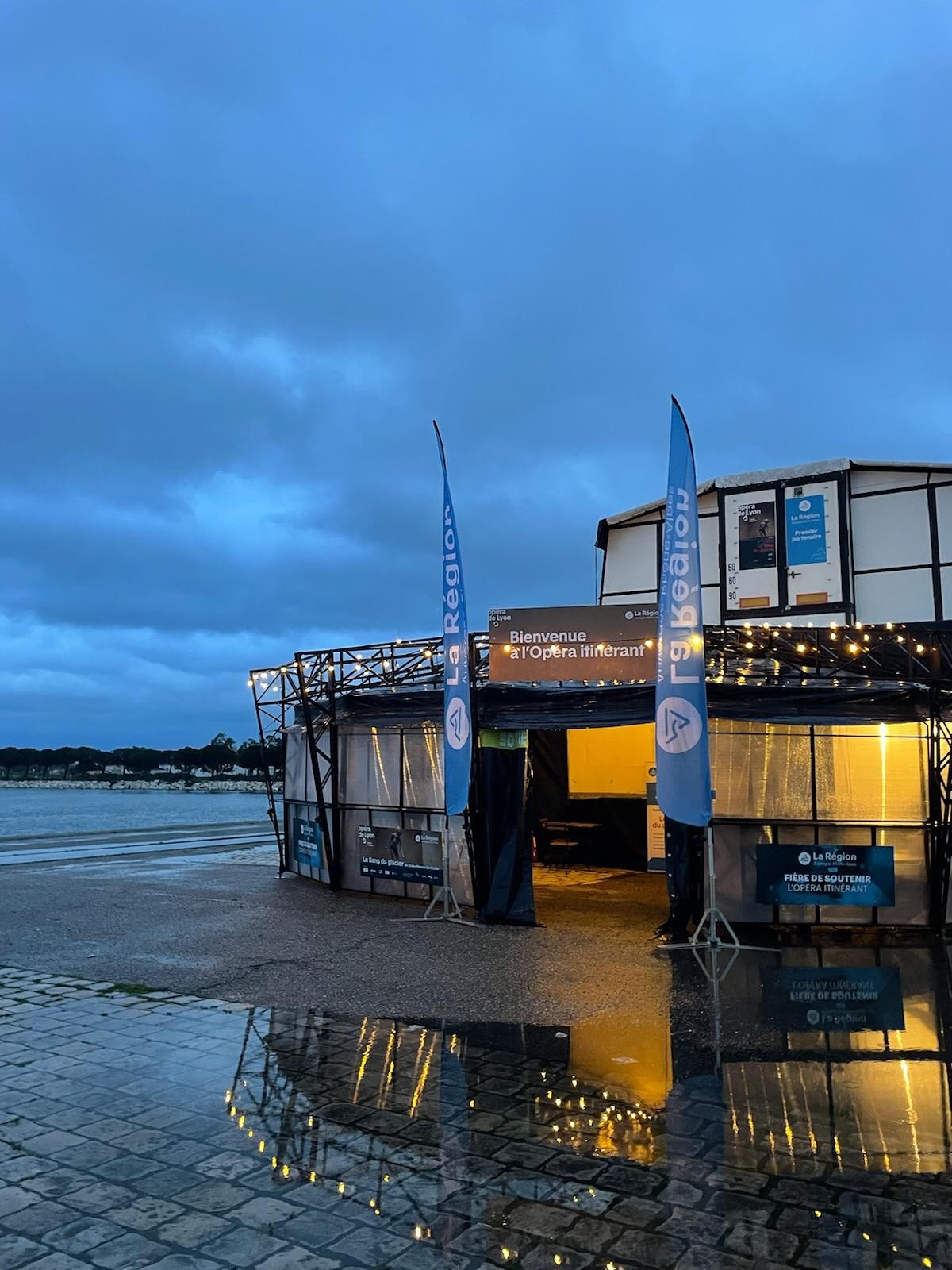
- Set up an autonomous performance space such as a travelling ‘black box’ capable of recreating the theatrical illusion with high-performance technical equipment, adapted to a variety of performance formats ;
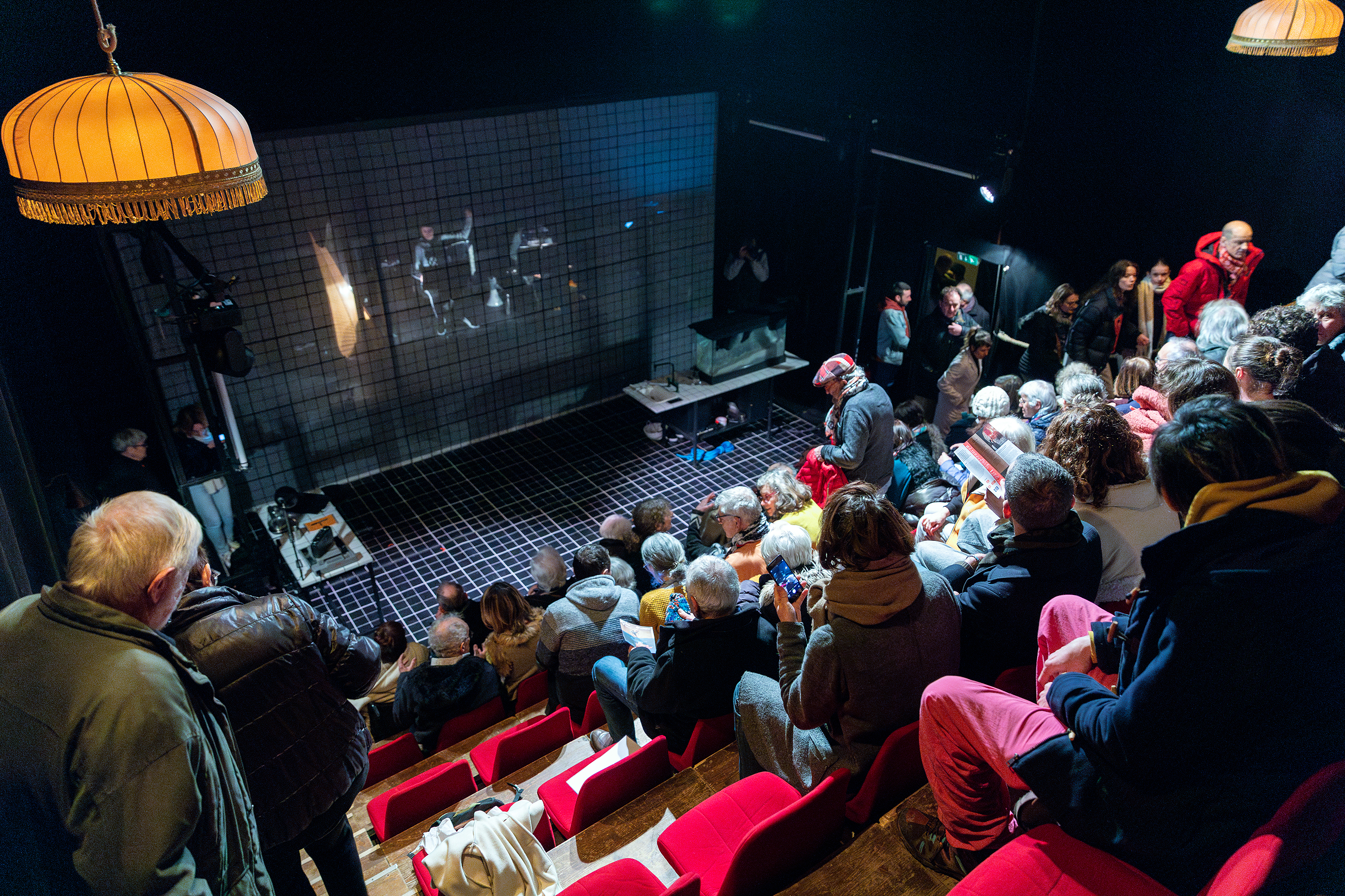
- To commission a contemporary work on a current theme:climate change. The commission was entrusted to three female artists. The opera was designed for a small space (93 people). At the same time, the Opera house brought its idea of an “opera truck” to life, tailoring it to its needs.
- To collaborate with local associations, municipalities, departments, community centers.
This is a unique experience in the region, and in France, bringing culture to rural territories, to audiences unfamiliar with opera and contributing to “the right to stay”: maintain the populations in the rural areas.This project innovative in artistic forms and educational tools and replicable has developed an original opera to make public awareness on climate change.In 2025, 43 performances, including 13 for schools, were offered. The opera truck travelled through nine municipalities and seven departments of the Auvergne-Rhône-Alpes Region. 4,500 spectators attended the show and 87% of them were newcomers. 23% were young people (under 29 years old).Moreover it was a true catalyst for local economic development across the territories it visited in the region (catering, accommodation, technical providers,…).Having achieved its goals and received very positive feedback from audiences and local authorities, the Opera will continue to tour building on the success of the pilot year.In 2026, there will be 10 weeks of touring, including 5 in secondary schools. The number of outreach workshops will increase.
The origins of the travelling opera lie in geography. Through artistic mobility, the aim was to break down the barriers that separate residents of rural and suburban communities from urban cultural offerings. We believed that the opera on the road could also bring together audiences and were convinced it is a catalyst for exchanges, emotions, debates, awareness, discoveries and new imaginations. In 2025, the Lyon Opera House performed in the Opera Truck for a period of two months in order to conduct an initial full-scale test phase. This experiment showed its potential as a vehicle for cultural mediation and the democratization of opera.
The Opera had to reach out to distant audiences while responding to the need for the contemporary works, hence the idea of “Le Sang du Glacier” (The blood of the glacier).
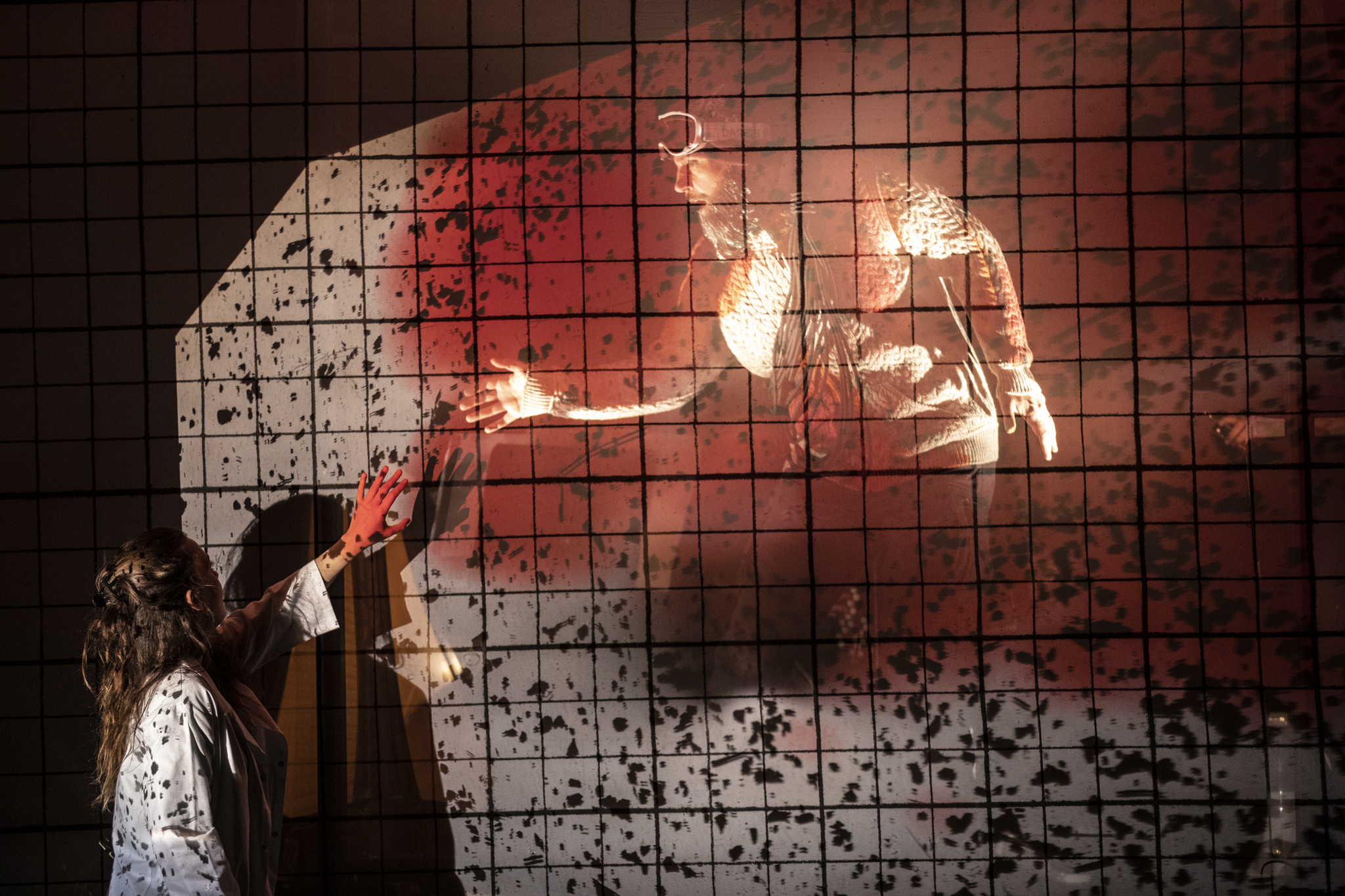
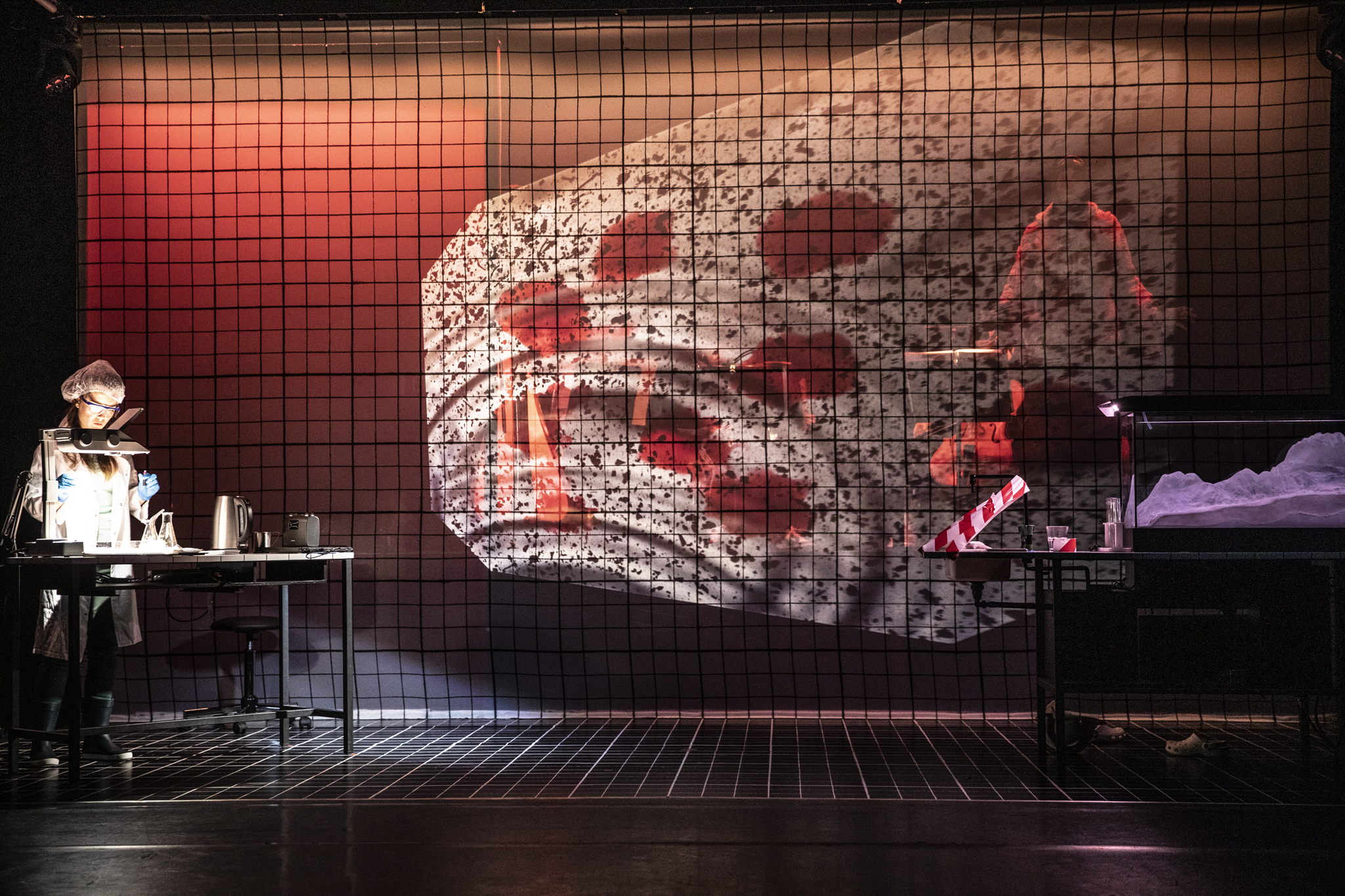
The inspiration for this opera came from a single image: Sanguina nivaloides algae, which in springtime stain the white glaciers red, like traces of blood. This is one of the effects of global warming, both artistic and disturbing.
Fascinated and intrigued by this image, author Lucie Vérot Solaure and director Angélique Clairand set out to investigate, interviewing glaciologist Frédéric Parrenin and environmental biogeochemist Mathieu Gautier.
This dystopian opera showcases one of the characteristics of Lucie Vérot Solaure's writing: magical realism. She starts from reality and, by weaving subtle links between sequences, elevates it to a symbolic dimension.
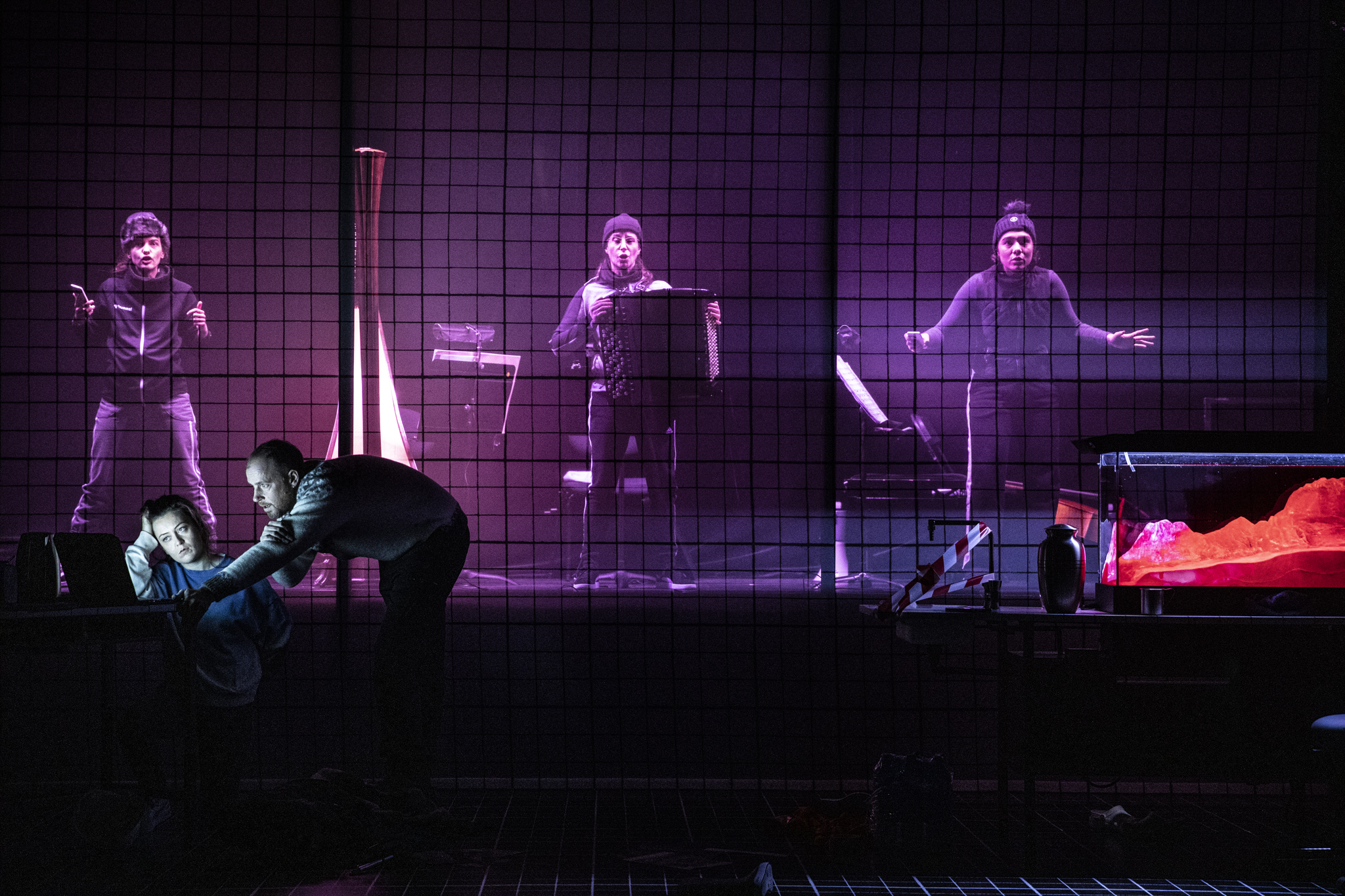
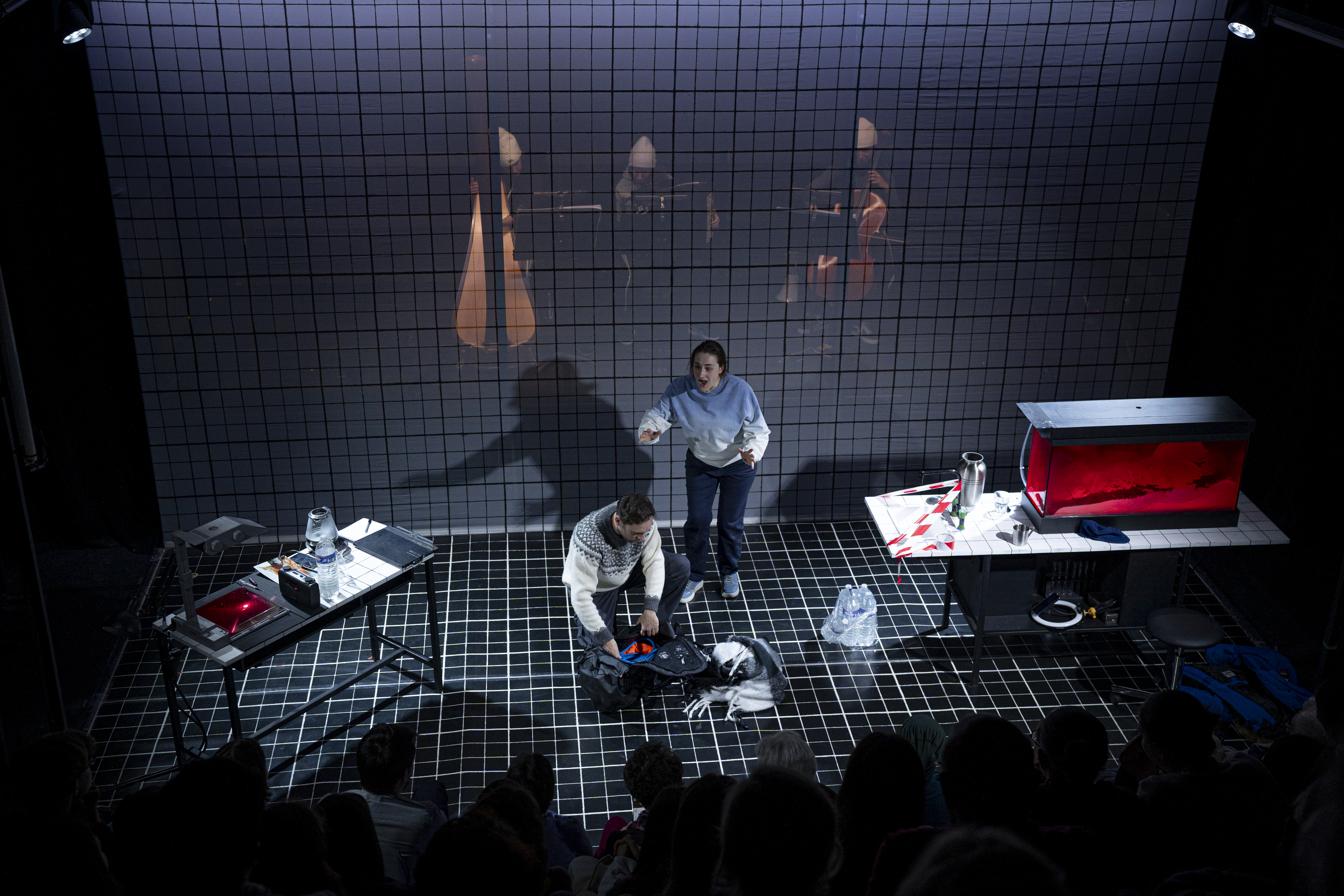
The musical creation has been entrusted to Claire-Mélanie Sinnhuber, who writes for two singers, a soprano and a baritone, and a miniature orchestra of three instruments, offering sound images associated with the dramaturgy. The cold, unreal chords of the accordion will evoke frost and dreams, the fluid, resonant lines of the harp will suggest the river and space, and finally the warm timbre of the cello will embody a voice without words.
Innovative contemporary and artistic creation
social inclusion
rural territories
global warming issue
regional and local collaboration
The strength of this project lies in its proposal of a new opera on the theme of global warming, which raises audience awareness of the importance of this issue and the urgent need for action through a story based on concrete elements that are understandable to all. “Le Sang du glacier” is based on a topical subject : the red algae that stain the whiteness of glaciers every spring. From this idea, a fantastic tale emerges in which we explore climate change and the journey of a family thrown off course by events beyond their control in this grand story of climate and humanity.
The scientific aspect is addressed through the story of this family. With highly visual and concrete staging and a powerful and understandable script that does not overwhelm the audience with overly technical scientific data, the Opera succeeds in raising awareness.
Next, the opera truck stays in each location for at least a week, which allows us to capitalize on this presence by offering several performances in each municipality and have a lower carbon footprint than if the opera truck were to offer only one performance and travel from one municipality to another more often.
Moreover, since the opera must fit into a truck, everything is included in a single shipment, reducing the carbon footprint of transportation.
One of the strengths of this project is linked to the contemporary issue of climate change. Indeed, the Opera is travelling to areas directly affected by this reality. The Auvergne-Rhône-Alpes region is a mountainous region. Global warming is a central issue in the region.
As the reactions has shown, the opera has contributed to raise awareness of attendees, including young people, on the impact of global warming.
Firstly, it is important to note that thanks to this opera truck, the Lyon Opera House can reach the residents of its region. It allows newcomers to discover the world of opera. In 2025, 87% of the 4,500 spectators were newcomers. Then, once the opera truck device has been deployed, the structure provides a welcoming space for the audience in the form of a marquee, with a bar lit by fairy lights. Spectators are thus welcomed into a warm space before entering the auditorium and discovering this opera. It is a joyful presence that also helps to enliven the heart of a city.
Strongly supported by the Region and the local municipalites, this project, as evidenced by testimonials, has allowed the inhabitants of these territories to feel valued by offering them a unique and accessible experience.
With an opera, the audience enjoys both a visual experience through the aesthetics of the staging and the actors' performances, as well as an auditory experience through the music and the soloists' singing. In addition, the venue is a small hall, which creates an intimate and confidential atmosphere that allows the audience to be as close as possible to the stage, amplifying the emotions felt. It also permits the audience to see both the singers and the musicians. In addition, the story of this opera, which deals with family history and global warming, may resonate with viewers through their own personal histories.
Secondly, this project is very important because it creates a link between the Lyon Opera House, a major opera house, and the region's residents, helping to overcome certain prejudices and bringing visibility to their territories. The highly aesthetic staging of this work raises public awareness of a specific issue, global warming, while also evoking emotions. The art, culture, and aesthetics of a work of art can combine emotion and awareness.
One of the main objectives of this project was to reach all audiences in various areas, create opportunities for exchange, and enable residents in areas far from cultural offerings to attend and sometimes even discover opera.
It also offered tickets at greatly reduced prices so that the cost of a ticket would not be a barrier. The theme of the opera, the global warming, was also chosen to be accessible to all. The Opera offered performances for the general public as well as for schoolchildren, along with various outreach activities. For example, a study project was developed for a group of young people aged 14 to 17 in Bourg-lès-Valence, enabling them to visit the Lyon Opera House, meet members of certain departments (makeup, ballet, technical) and participate in a voice workshop and a stage talk with the artists. The venue was also accessible to persons with disabilities.
The success of this project is undeniable, as evidenced by testimonials and attendance figures. The average attendance rate was 92%. 87% of attendees were new to the Opera, and 23% were under the age of 29.
Feedback from attendees, elected officials, and local merchants was overwhelmingly positive.
Another positive aspect of this project was the economic benefits at the local level. This tour generated €50,000 in revenue for local accommodation providers. In addition, these partnerships generated paid assignments for local technical and cultural service providers, subcontracting with security and guarding services, and direct economic benefits for local businesses (as evidenced by the more than €15,000 spent on catering for the teams on site).
The innovation lies in having this autonomous truck that can travel to these areas. It's the creation of a travelling opera, something that didn't exist before.
Following this success, the 2026 tour has been extended, and the opera truck is also visiting high schools, with new and more numerous cultural outreach initiatives.
To ensure the success of this project, the Lyon Opera House worked with various partners. Much of the work involved prospecting, in each town, and holding preliminary discussions with local authorities and stakeholders to ensure the best conditions for the truck's arrival and setup, as well as the smooth running of the performances. Strong partnerships were built by working on logistics, and technical aspects in order to find the best location for this opera truck in each city. The Lyon Opera House has also worked with local associations for refreshment bar for example. The cultural outreach department of the Lyon Opera House actively supported the rollout of the travelling opera in collaboration with partner cities and municipalities.
Through a series of activities carried out before or after performances, the teams worked to build bridges between the works and audiences, particularly young people and those with little or no access to traditional cultural offerings. At the end of each performance, the audience was systematically invited to the front of the stage to meet the artistic and technical team. Each outreach initiative is designed in line with the themes of the play, in close collaboration with local stakeholders, and tailored to the specific characteristics of the audiences involved. For example, in Moulins, a project was carried out in collaboration with the National Center for Stage Costumes. High school students participated in a voice workshop organized by CNCS mediators. In Beauchastel, in partnership with the Privas Theater, a mediation program was designed for around fifty participants, including the general public and middle school students. A presentation of careers in opera was also organized at the citizen's space, while two classes were able to visit the opera truck. Different workshops were also led by Catherine Séon, artist and cultural mediator, or director Angélique Clairand during the tour.
Through a series of activities carried out before or after performances, the teams worked to build bridges between the works and audiences, particularly young people and those with little or no access to traditional cultural offerings. At the end of each performance, the audience was systematically invited to the front of the stage to meet the artistic and technical team. Each outreach initiative is designed in line with the themes of the play, in close collaboration with local stakeholders, and tailored to the specific characteristics of the audiences involved. For example, in Moulins, a project was carried out in collaboration with the National Center for Stage Costumes. High school students participated in a voice workshop organized by CNCS mediators. In Beauchastel, in partnership with the Privas Theater, a mediation program was designed for around fifty participants, including the general public and middle school students. A presentation of careers in opera was also organized at the citizen's space, while two classes were able to visit the opera truck. Different workshops were also led by Catherine Séon, artist and cultural mediator, or director Angélique Clairand during the tour.
The Lyon Opera House led the project and worked closely with its internal teams. The Opera House worked with the Auvergne-Rhône-Alpes Region, the primary funder, which makes the project possible. It put the Opera in contact with departments and local authorities. The Lyon Opera House also found two sponsors who recognized the value of the project and chose to support this touring initiative. It was necessary to successfully collaborate with sponsors and local authorities in order to finance the project and find areas in which to establish it. Then, the team also had to work with the different municipalities. This tour, organized into nine one-week modules, covered seven departments and nine municipalities of the region. The standardized structure of each week made it easy to adapt the program to each area, while taking into account the constraints of the artistic and technical teams and the challenges of welcoming local audiences. Without them, the project would not have been possible. To ensure effective coordination of the project and between different levels of the governance, the Lyon Opera House hired someone dedicated entirely and solely to this project. The Lyon Opera and the Region have also collaborated on communication matters related to the project. The multi-level commitment was challenging but very rewarding. It enabled the sharing and pooling of knowledge about the territory, the project, and the identification of resource persons at the Opera and in the territories and made it possible to bring cultural excellence in rural areas.
This project is innovative because it involves two forms of creation: the truck's circulation and its installation in each city, and the creation of an artistic object with a specific contemporary theme.
As a result, on the Lyon Opera side, the team has to be multidisciplinary, as it is the case for all operas. However, the opera truck also required a technical team capable of assembling and dismantling the structure.
Many different professions were involved in the creation and distribution of the travelling opera. The creative team : a director, a composer, and a librettist. A set designer, a costume designer, a lighting designer, and a dramaturge complete this team. The cast consists of five people: a soprano, a baritone, a harpist, an accordionist, and a cellist. Numerous other Opera departments were involved in staging this production, including technical services, set design workshops, costume and prop workshops, music training and cultural outreach, public relations and communications, production, and financial services.
In addition, the creation of this opera, on the theme of global warming, also required research by the director and librettist, who met with a glaciologist and an environmental biogeochemist. The scientific community was able to bring its knowledge to the artists in order to create a project that was as accurate and precise as possible.
The director and composer had also to take into account the technical aspects of the opera truck (size of the stage and auditorium, architecture, etc.) in order to create the staging and music. Once again, this required strong teamwork.
Ultimately, thanks to the commitment of the experts and teams involved in the project, it became a real success in each territory which could even be replicable elsewhere.
For this travelling opera project, the Lyon Opera House received funding from the Auvergne-Rhône-Alpes Region, from two sponsors, and, to a lesser extent, ticketing and participation by some regional and local authorities. The two sponsors had two reasons for their interest. The “Compagnie Nationale du Rhône” was interested in the opera's theme and in the tour route along the Rhône. The “CIC” (the bank “Crédit Industriel et Commercial”) was interested in the theme and in the logic of having very strong regional and local initiatives.
The Region and the two sponsors were fully satisfied with the first edition of The Opera on the road and wish to renew their support. It should also be noted that the project has had very positive economic repercussions in the municipalities. This project generated activity in the accommodation, the catering sectors and also for the local shops. The Opera House also called upon local teams for security and site surveillance.
Whereas the truck was leased for this trial year, its success has led the Opera to consider a purchase in cooperation the Region for the next seasons.
The entire project can be replicated in another region. Other trucks could travel to different regions. It is possible to reuse this opera truck, as the Lyon Opera House will do in 2026, or to build new opera trucks, perhaps even more environmentally friendly ones, proposing the same or a new opera. For the Lyon Opera House, the goal is to renew the artistic project every two years. In fact, the Lyon Opera House will continue to tour the Auvergne-Rhône-Alpes region in 2026 with the same opera truck and the same opera, setting up in new towns. In 2026, the opera truck will even visit secondary schools. Following the assessment and success of 2025, the Lyon Opera House has increased its cultural outreach workshops and the number of weeks of touring. It is a highly relevant project that can be replicated in other rural and periurban areas in France and across Europe.
This would help democratize access to culture, strengthen collaboration between Opera Houses and the municipalities, raise awareness among residents about contemporary issues such as global warming and contribute to maintaining young people in more attractive communities. The outreach activities could also be replicated in other areas. The aim of this project is to remove the barriers that prevent audiences from attending opera performances due to the venue, the cost of tickets or the subject matter. Thanks to this initiative, the Lyon Opera House has succeeded in creating a project that can be replicated in other regions, with a team skilled in the technical and logistical aspects of the opera truck. For the project to be successful, it is also necessary to work in close collaboration with local authorities. This project is inspiring and has generated interest. Opera houses have contacted the Lyon Opera House to find out more about the project. It might be possible to share the truck, which is also used for theater tours.
This would help democratize access to culture, strengthen collaboration between Opera Houses and the municipalities, raise awareness among residents about contemporary issues such as global warming and contribute to maintaining young people in more attractive communities. The outreach activities could also be replicated in other areas. The aim of this project is to remove the barriers that prevent audiences from attending opera performances due to the venue, the cost of tickets or the subject matter. Thanks to this initiative, the Lyon Opera House has succeeded in creating a project that can be replicated in other regions, with a team skilled in the technical and logistical aspects of the opera truck. For the project to be successful, it is also necessary to work in close collaboration with local authorities. This project is inspiring and has generated interest. Opera houses have contacted the Lyon Opera House to find out more about the project. It might be possible to share the truck, which is also used for theater tours.