Arts, Culture, and Heritage as Drivers of Change
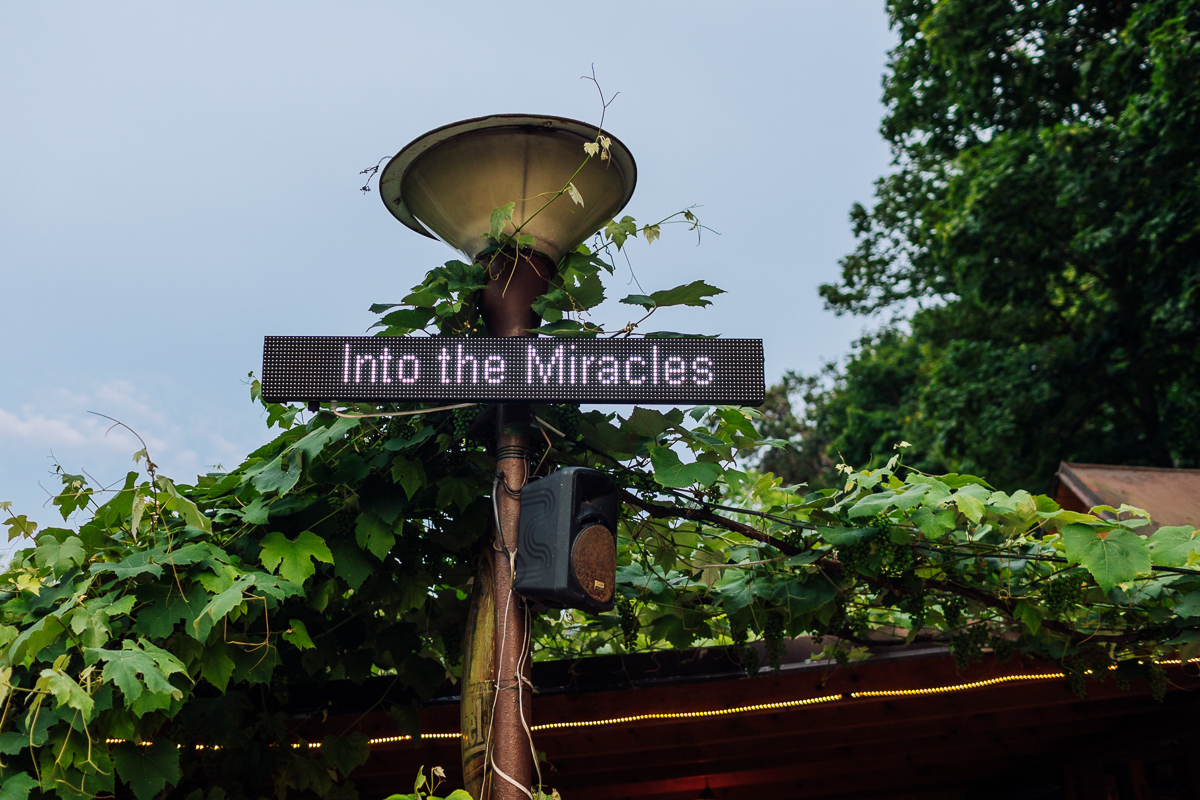
Into the Miracles
Into the Miracles – A Participatory Art Pilgrimage Across the Rural Landscape
Into the Miracles transforms a rural landscape in southern Slovakia into a temporary open-air gallery. Over four days, participants walk a 80 km route between villages, encountering site-specific artworks, performances and sound works by 60+ artists from six European countries. People join as pilgrims (full journey), walkers (selected sections) or visitors (single events), reconnecting art, place and community. It is a slow, shared experience of landscape, heritage and imagination.
Slovakia
Regional
The project is implemented at the regional and local level, connecting more than ten rural municipalities in the Hont region of southern Slovakia along a 80 km artistic route between Dudince and Bátovce.
Mainly rural
It involves other types of transformations (soft investment)
Yes
2023-12-31
No
No
No
Organisation
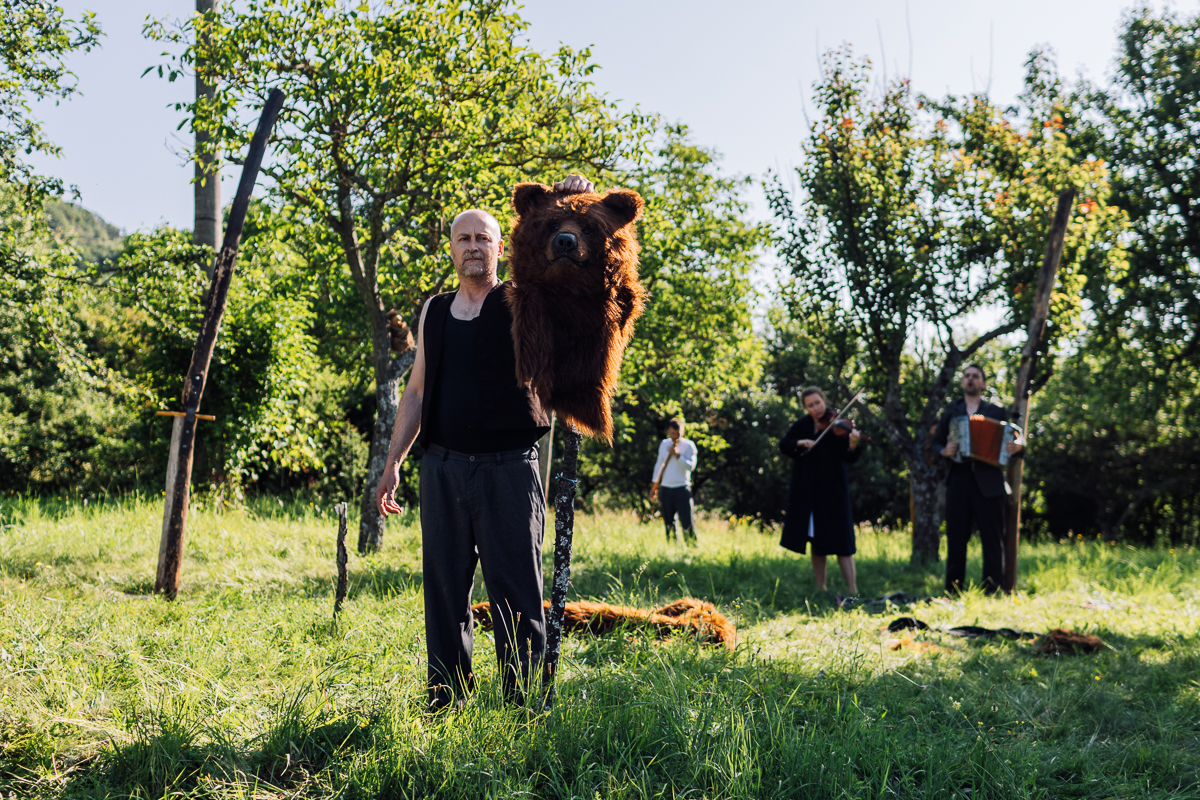
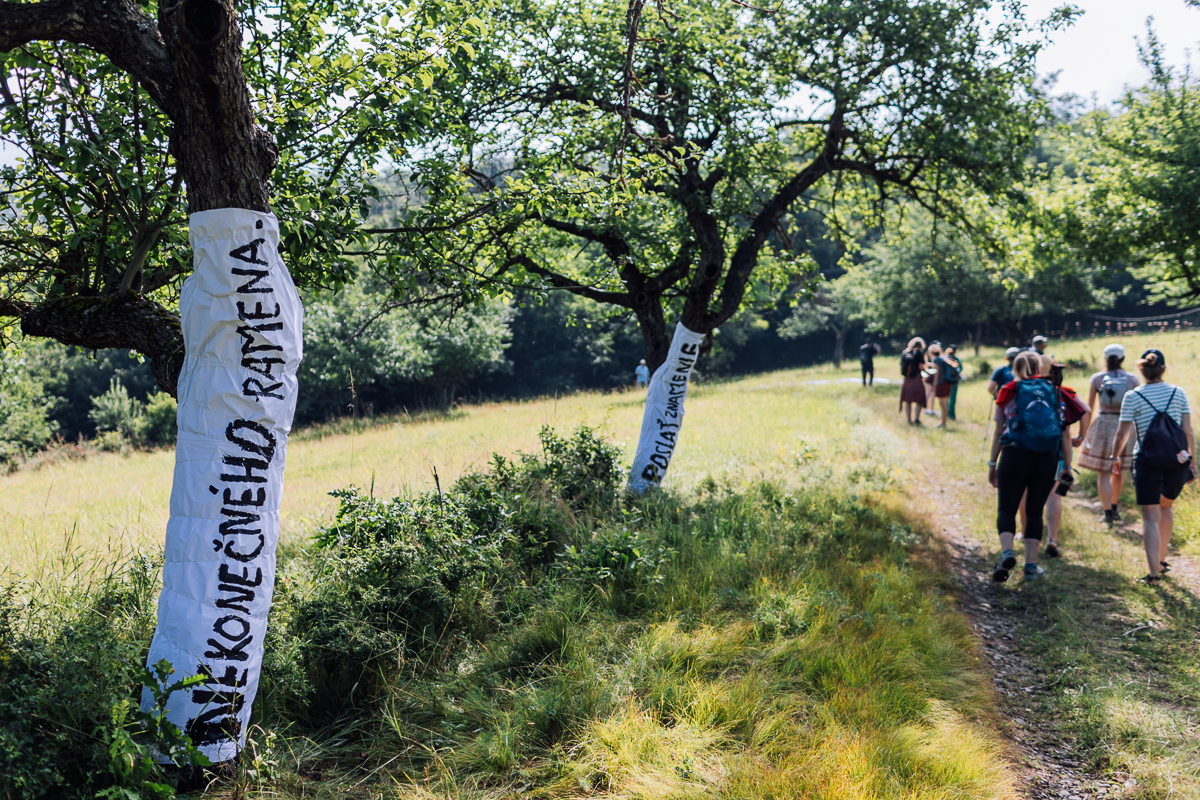
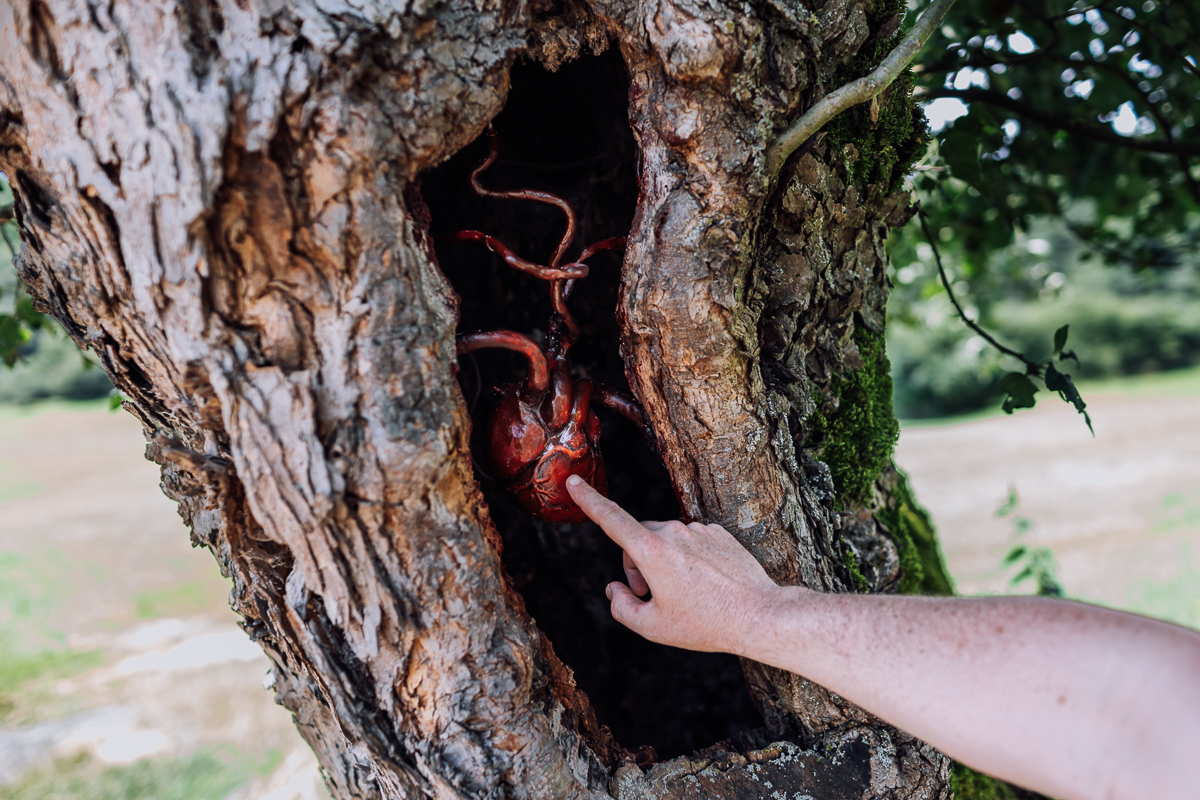
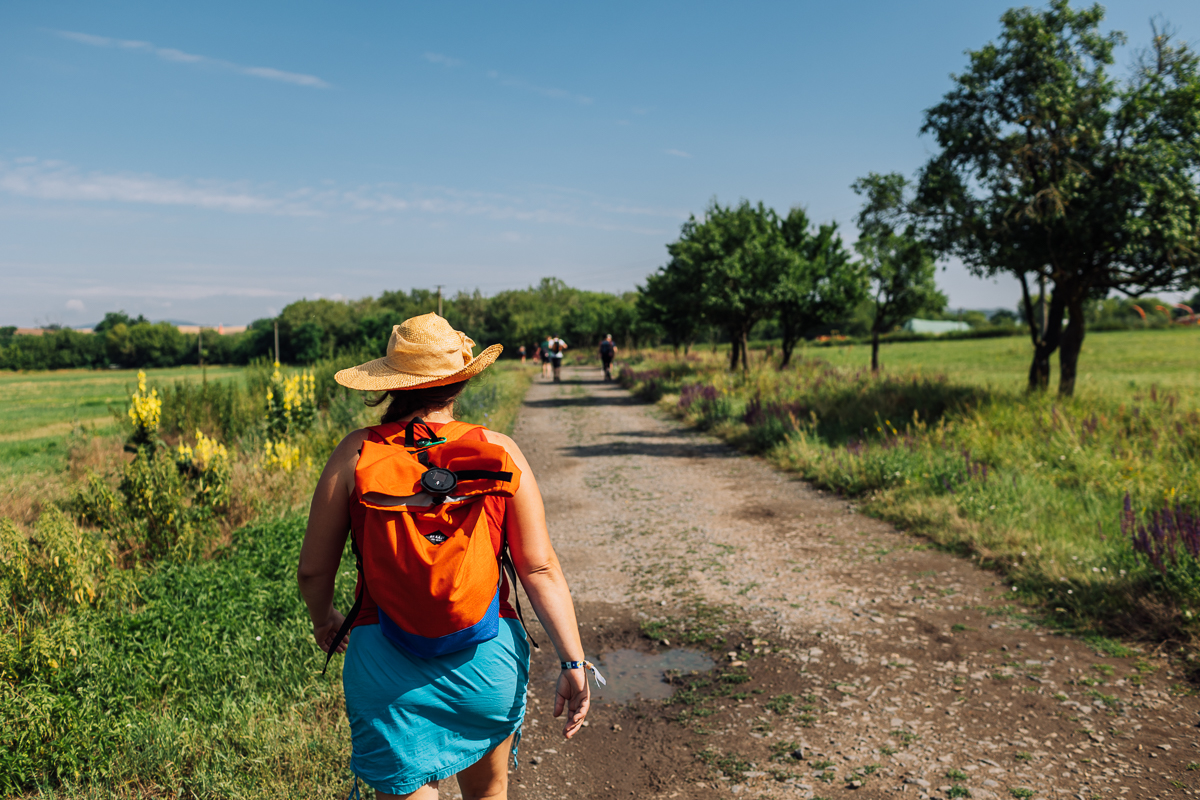
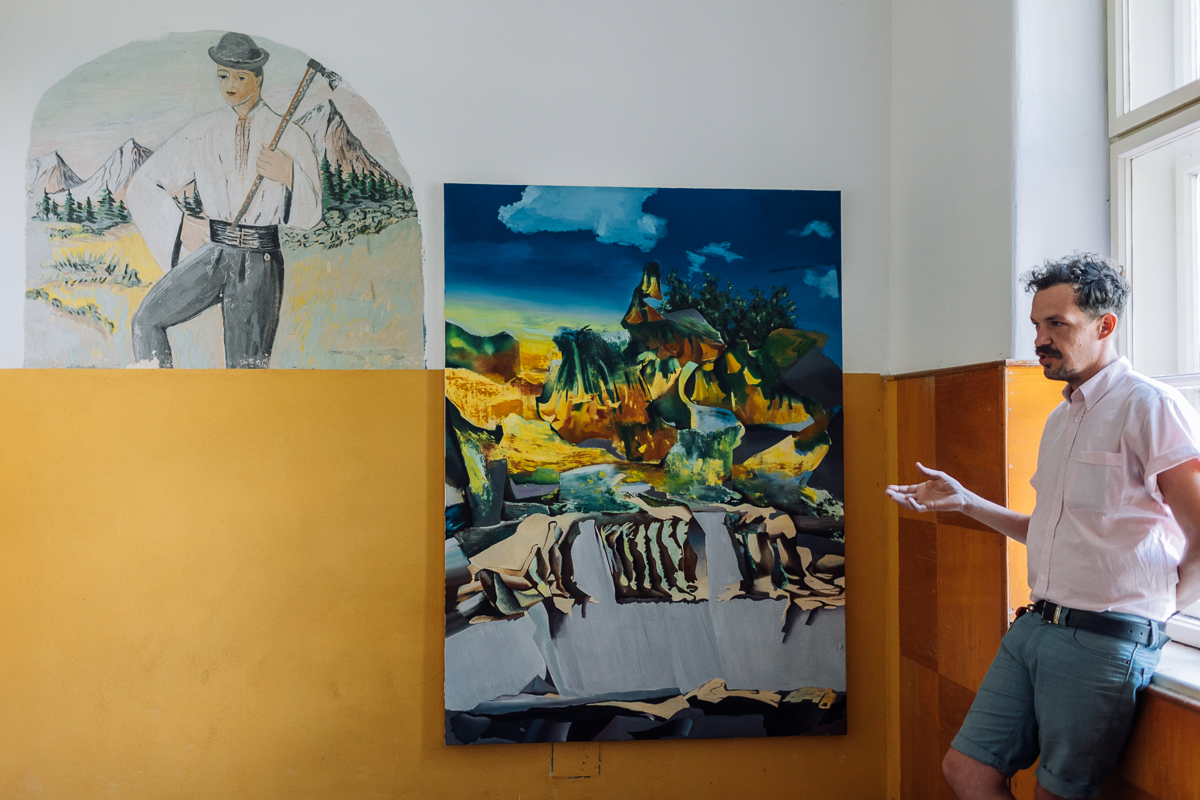
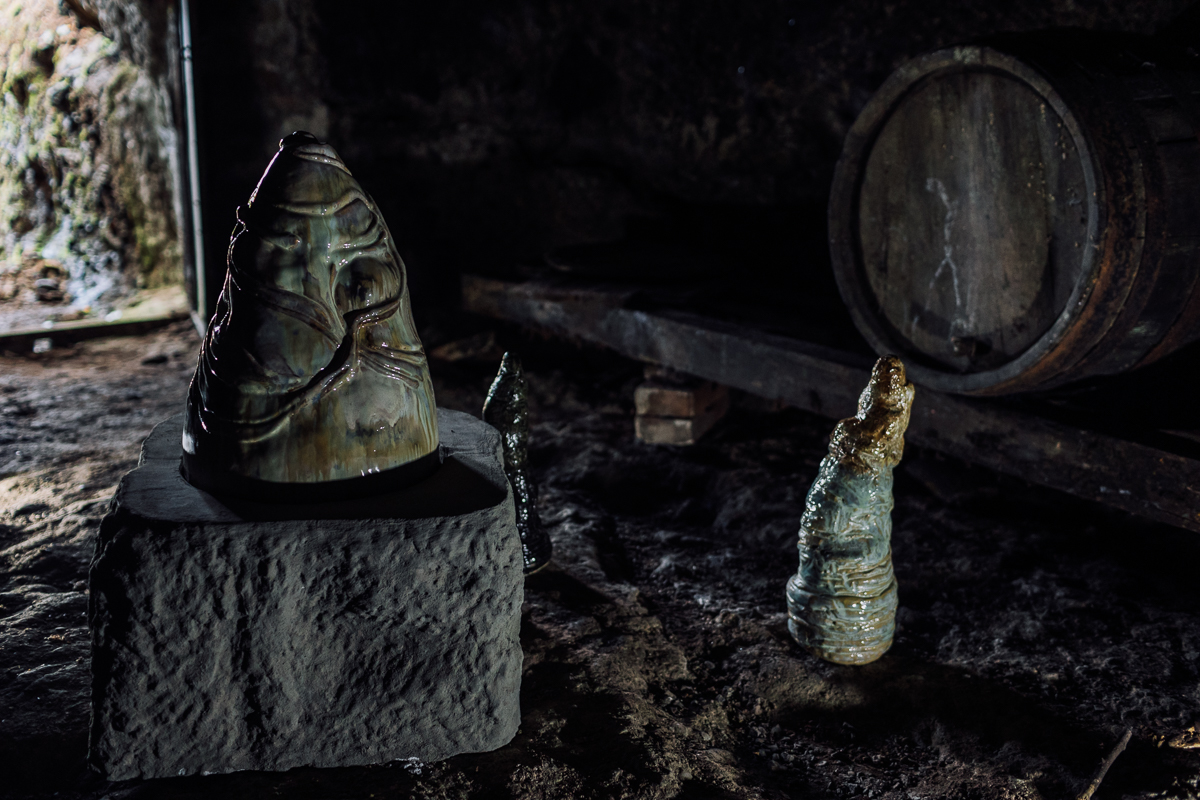
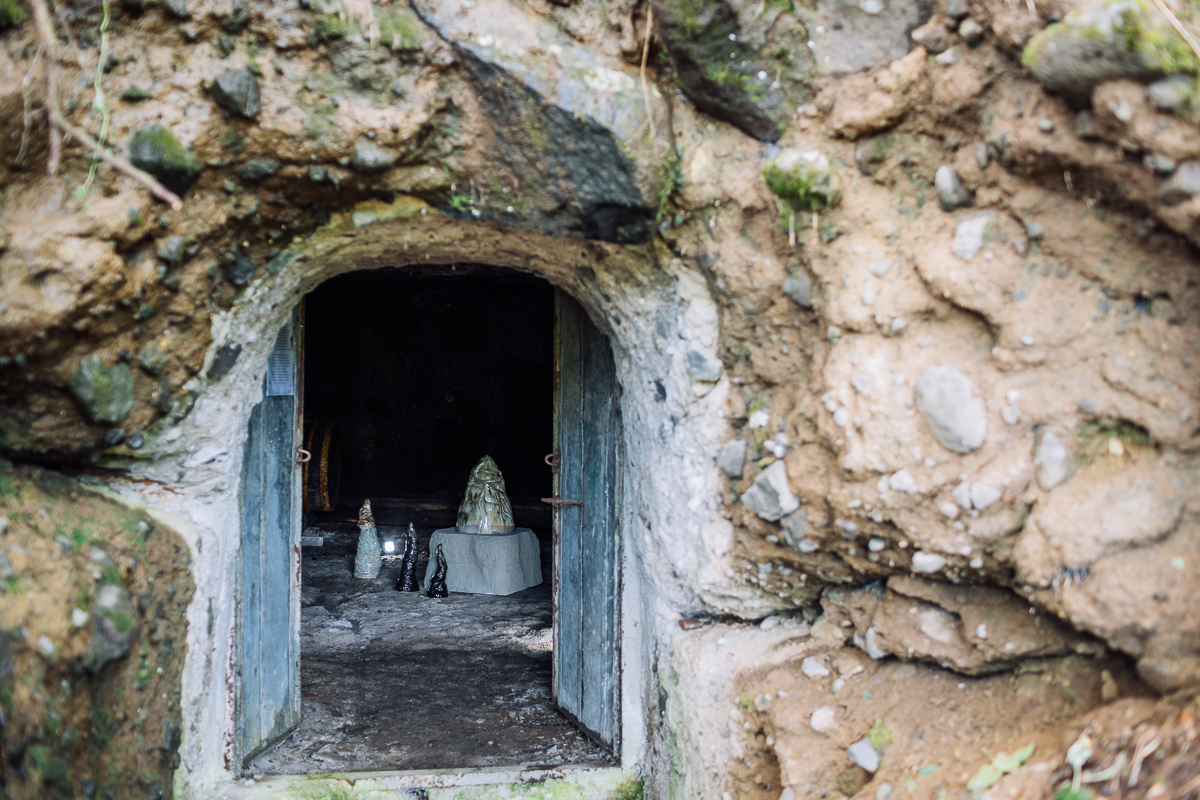
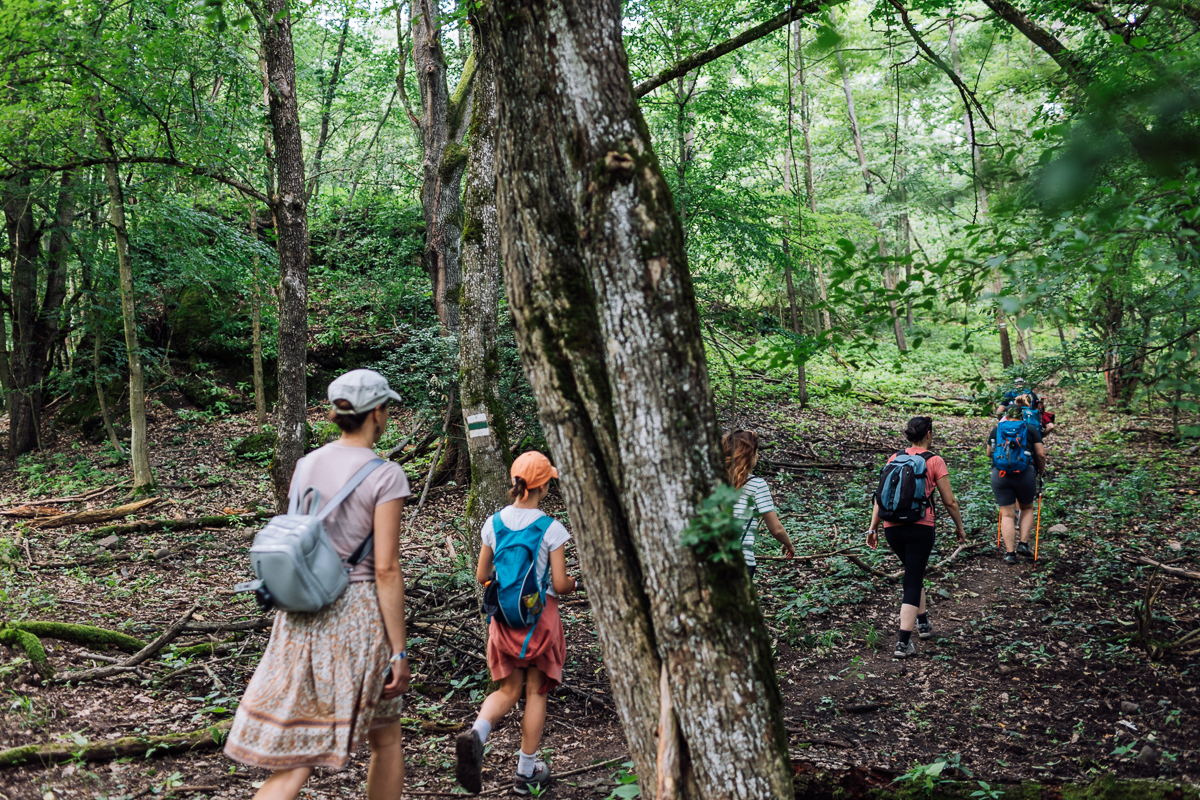
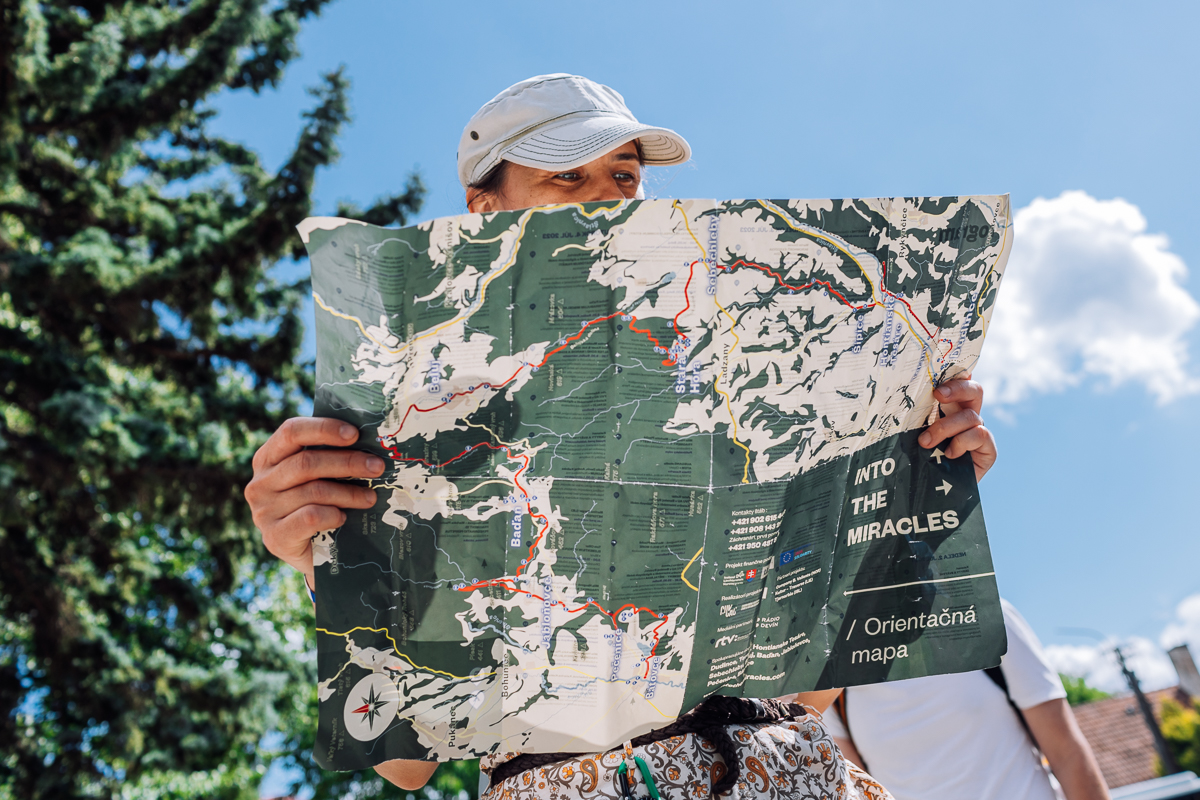
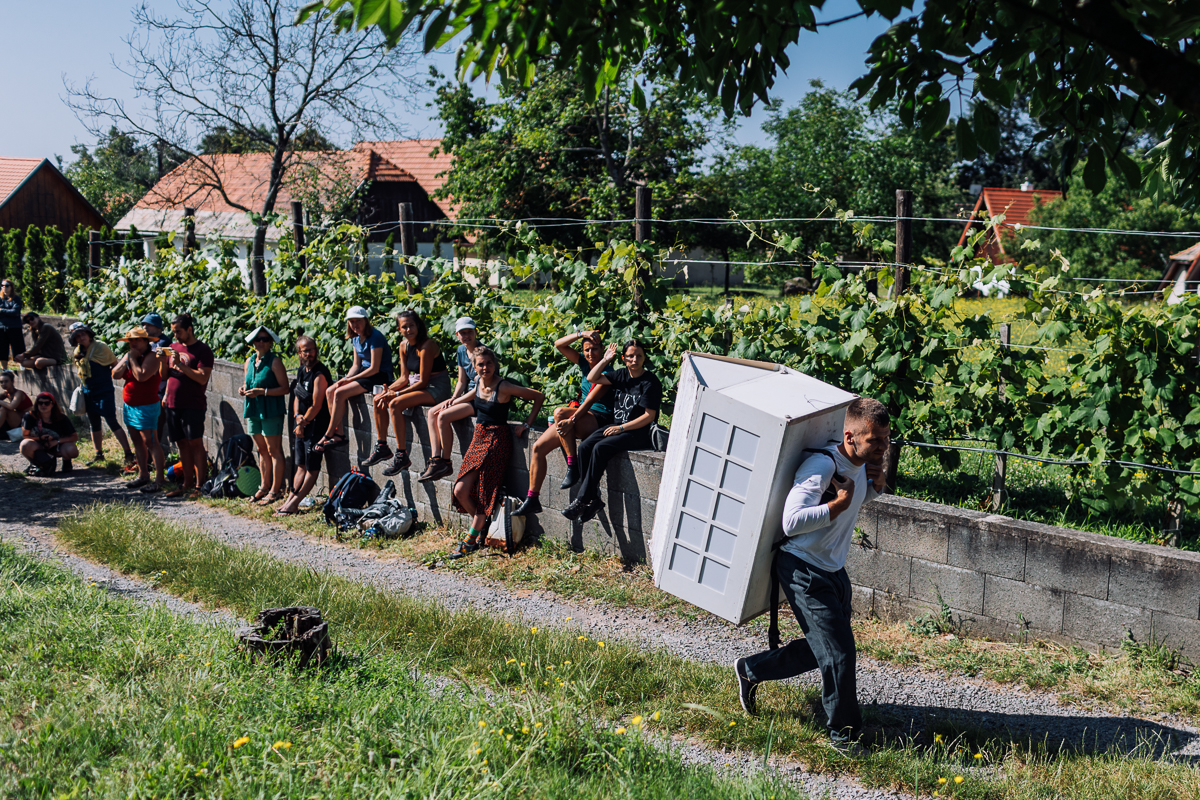
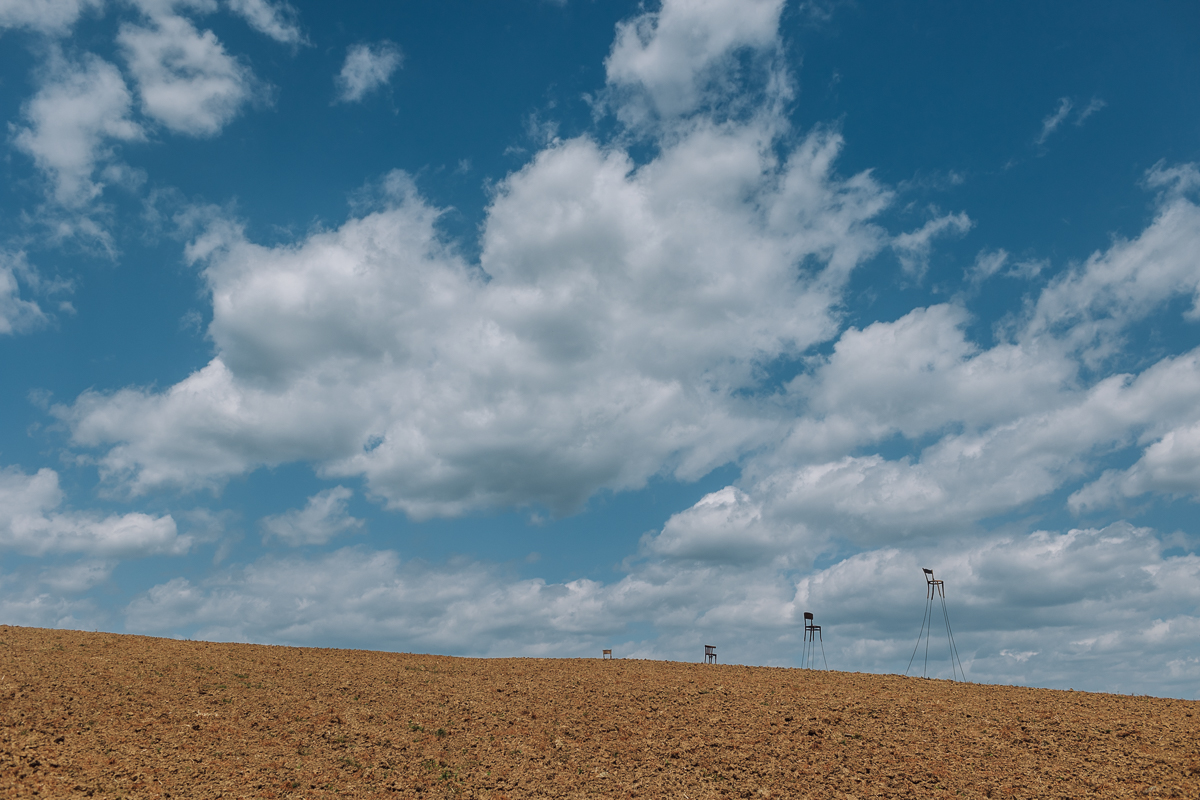
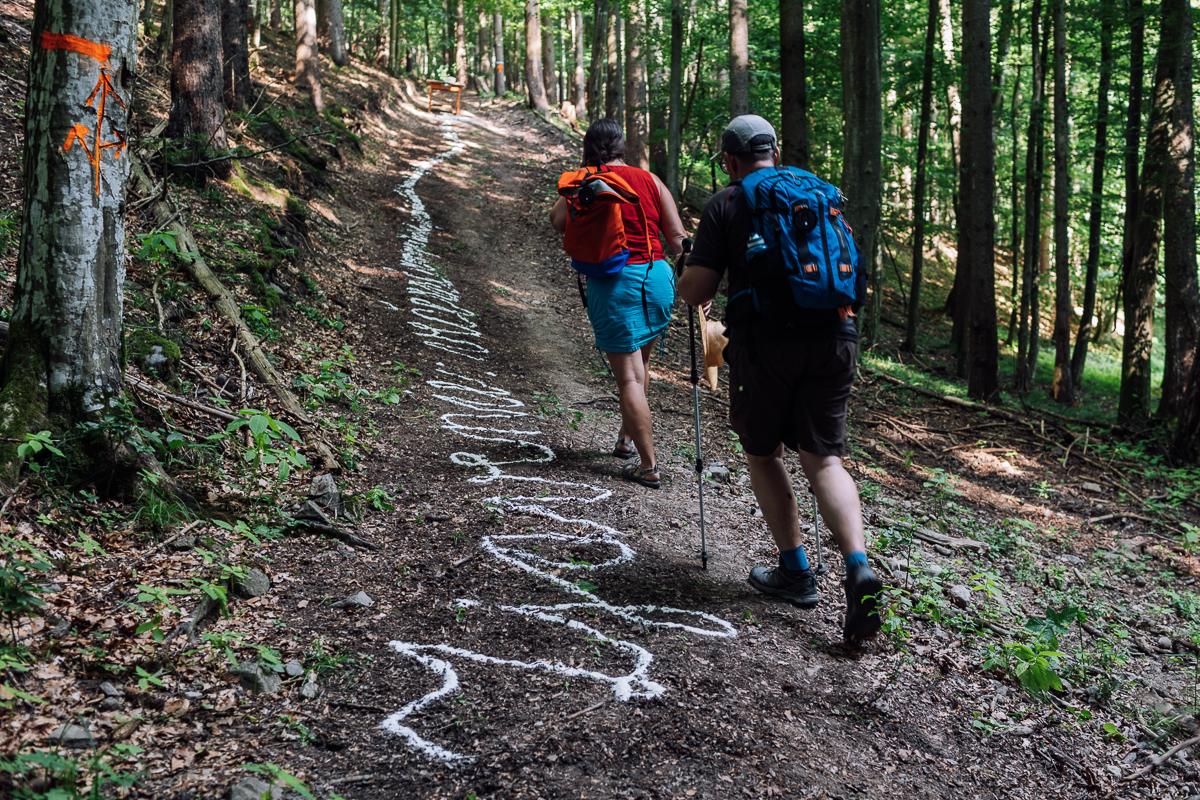
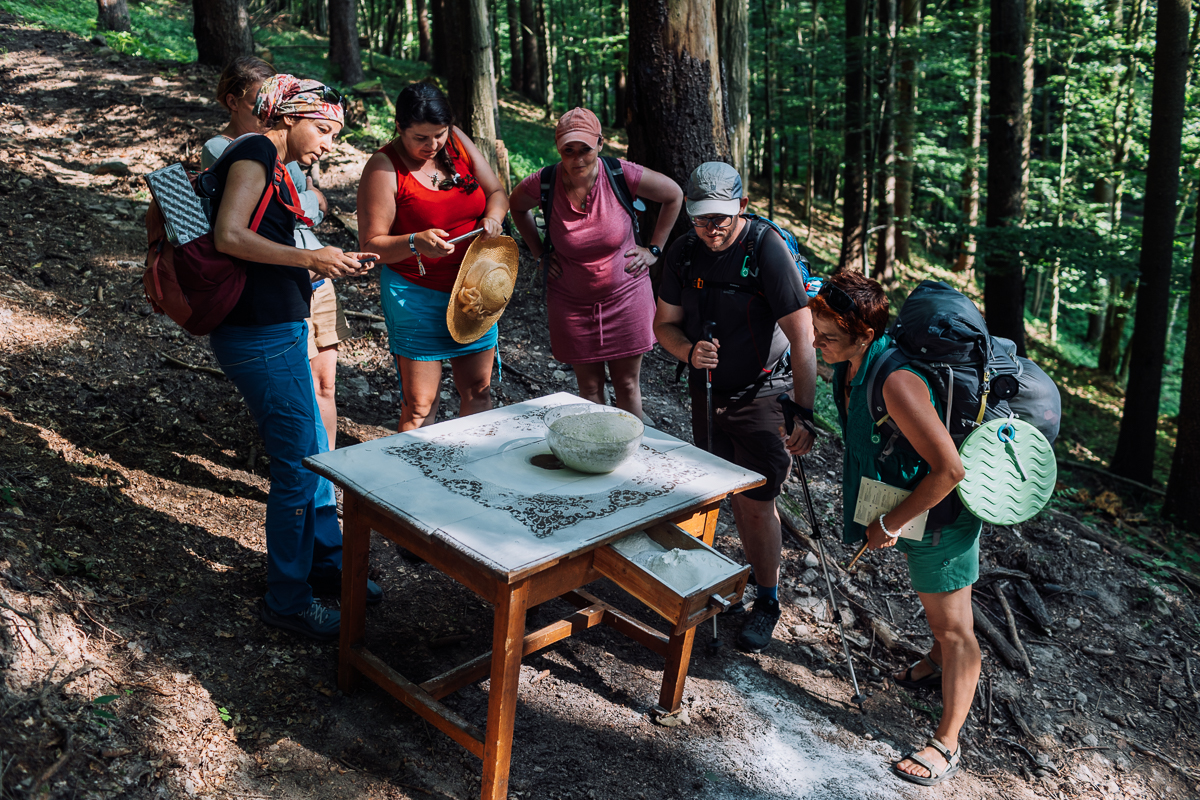
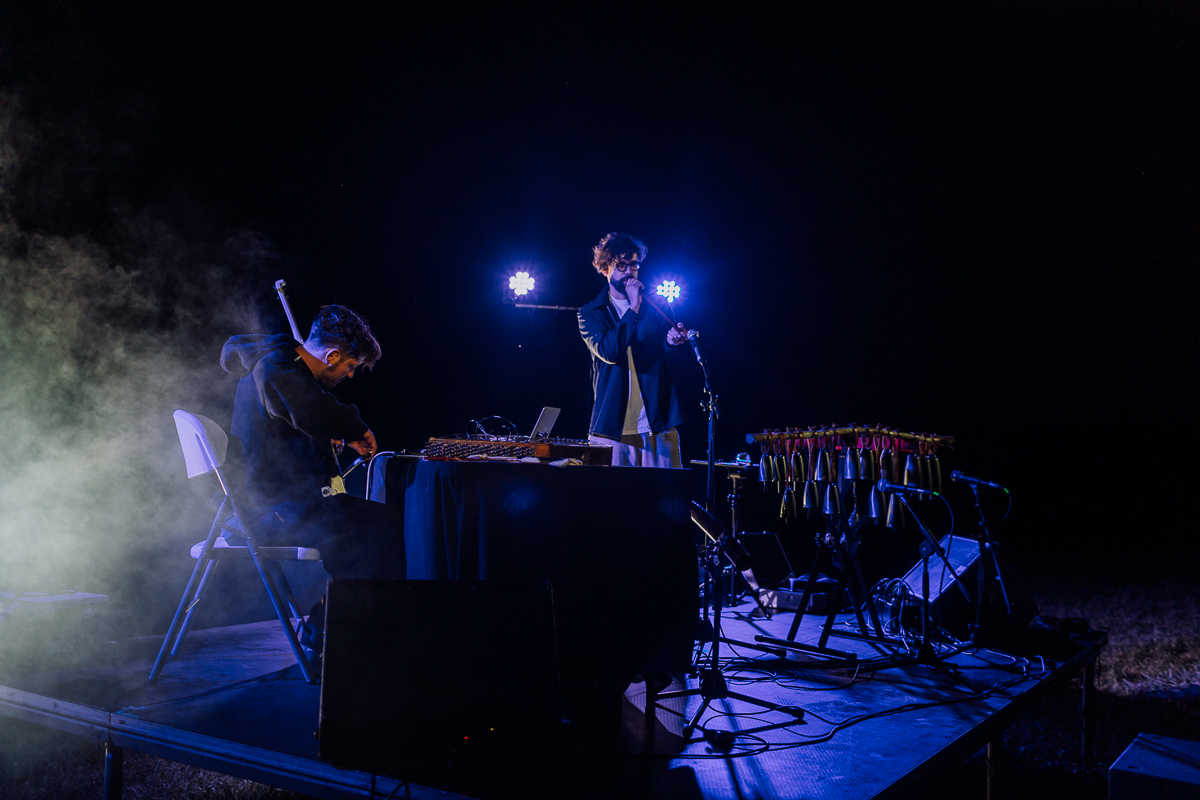
Into the Miracles is a participatory art pilgrimage that transforms the rural landscape of the Hont region in southern Slovakia into a temporary open-air gallery. Over four days, participants walk a 80 km route connecting villages between Dudince and Bátovce, encountering site-specific artworks, performances and sound installations embedded in the landscape.
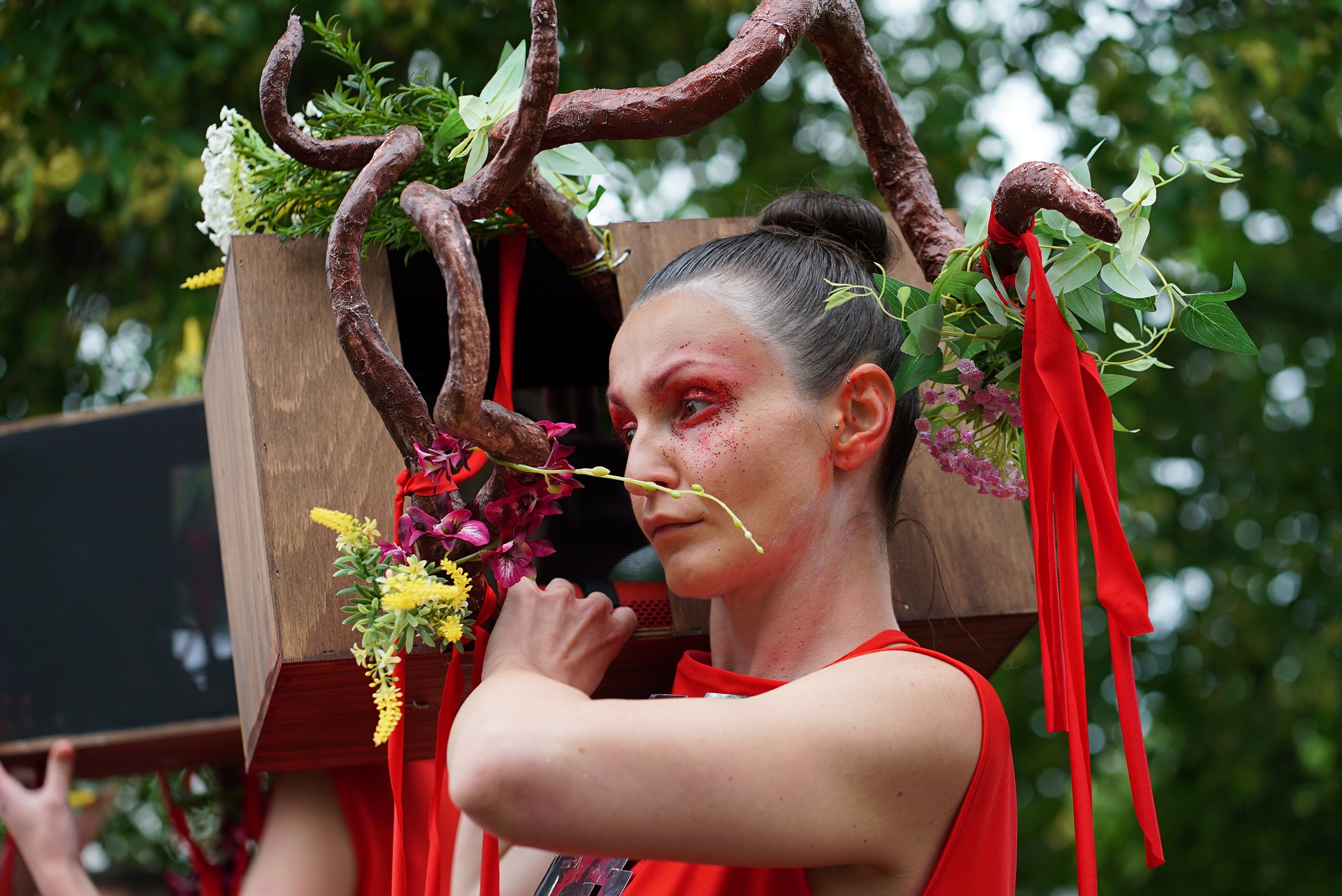
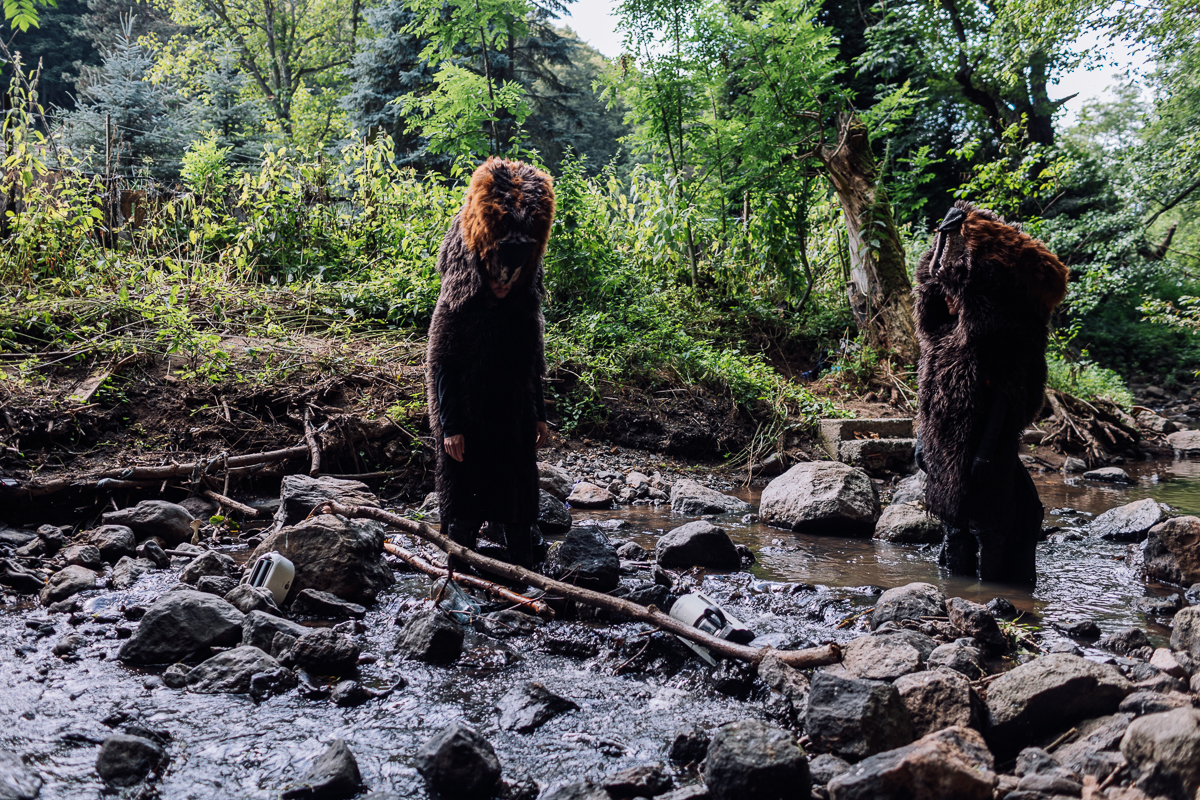
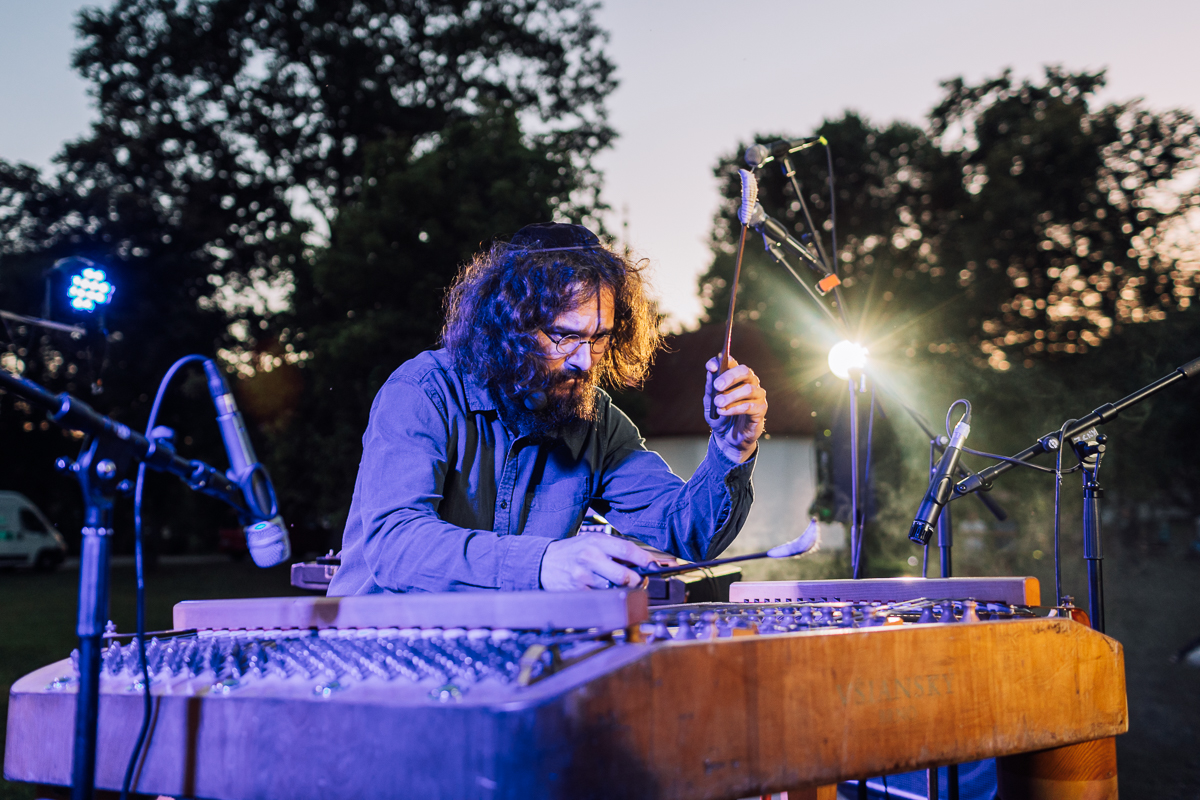
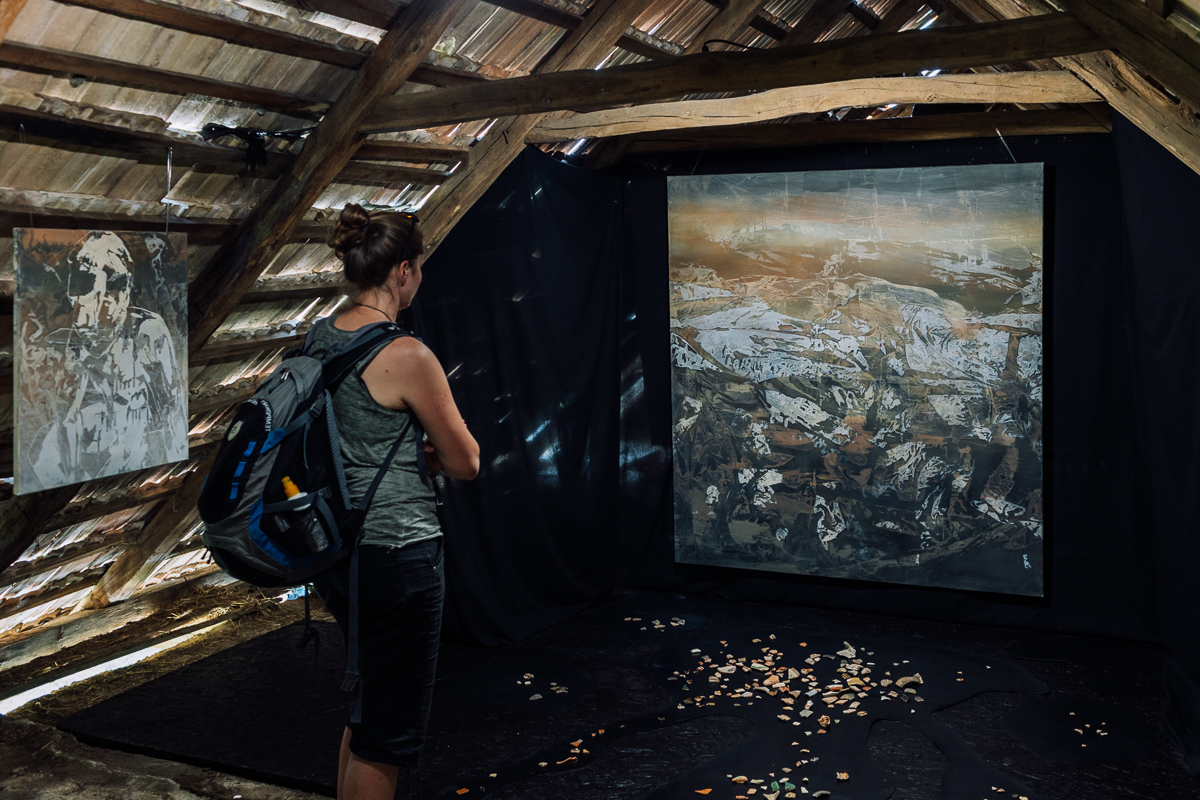
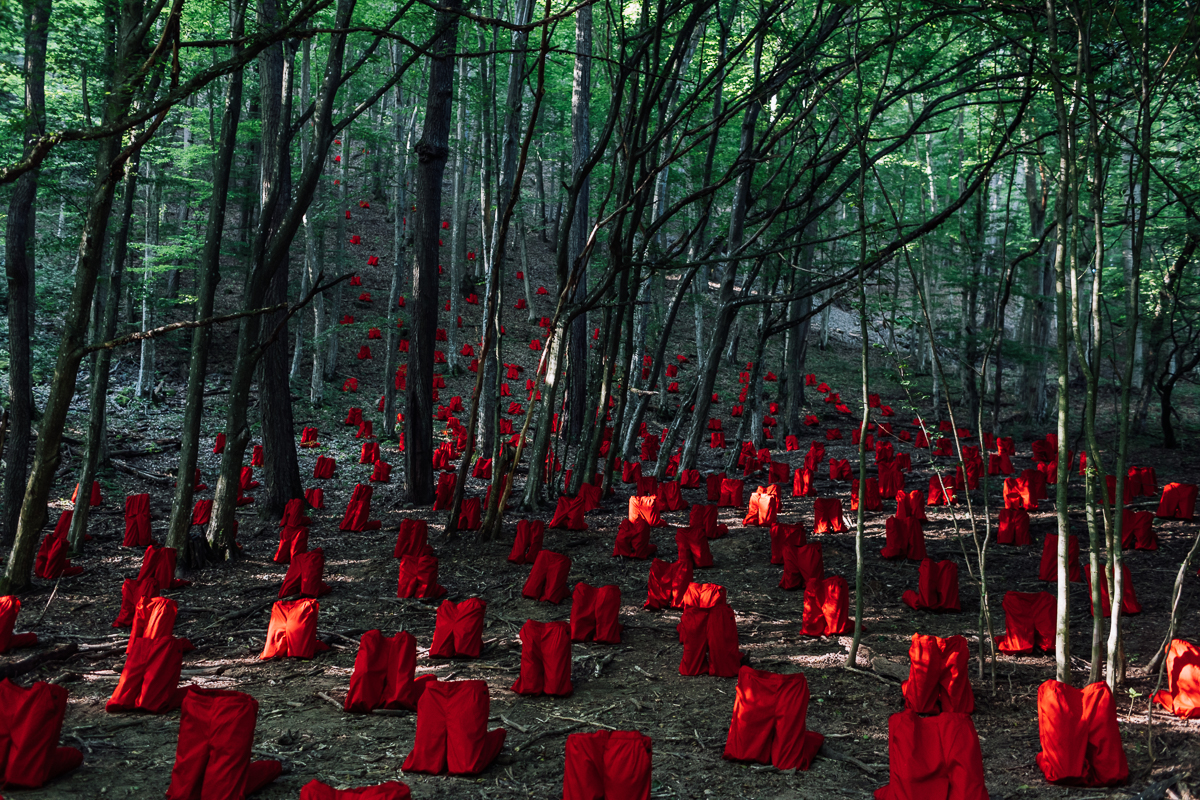
The festival brought together more than 60 artists from six European countries who created works in dialogue with local history, architecture and natural environments. The programme combined visual art, performance, music, literature and sound art, creating a transdisciplinary cultural experience rooted in place.
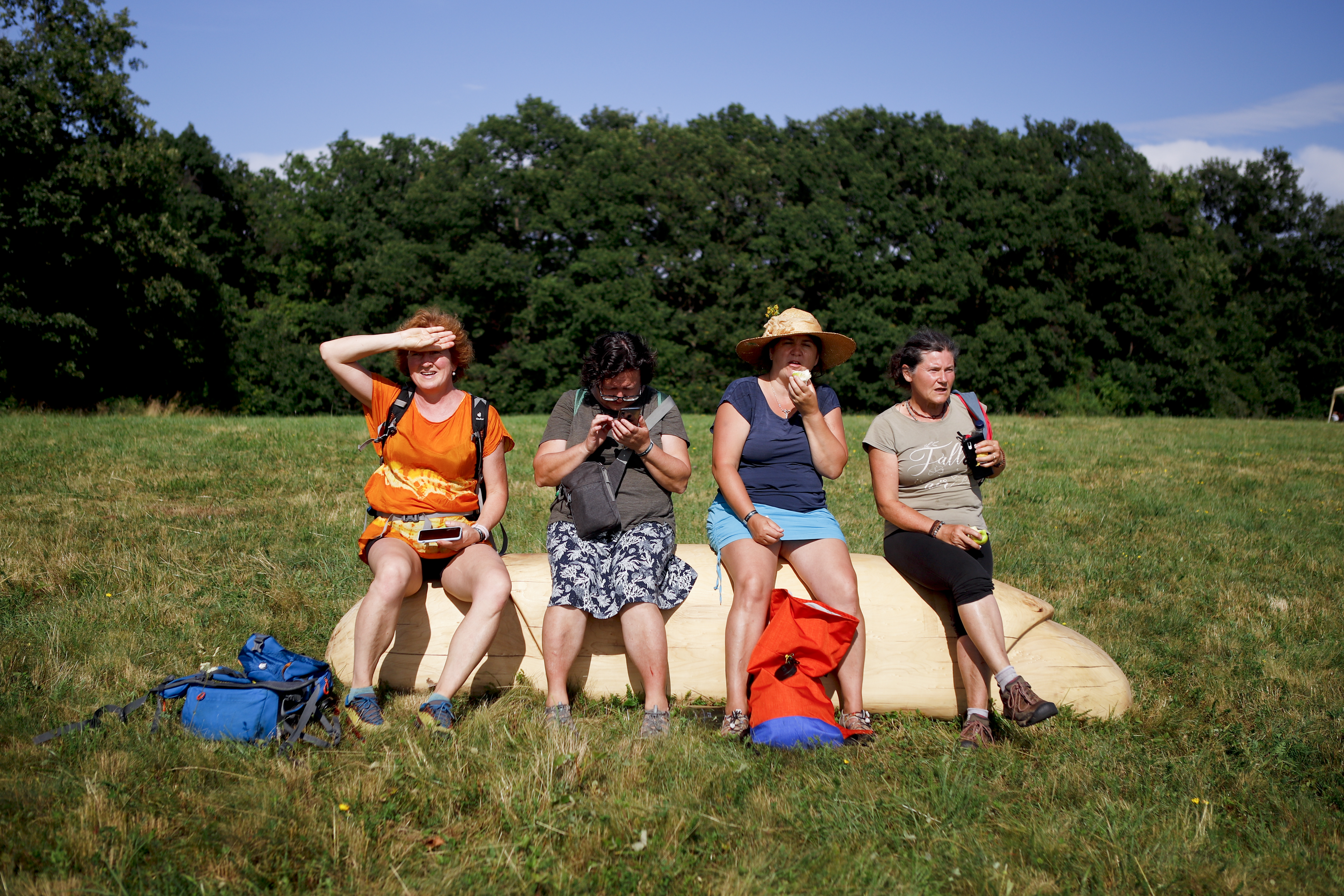
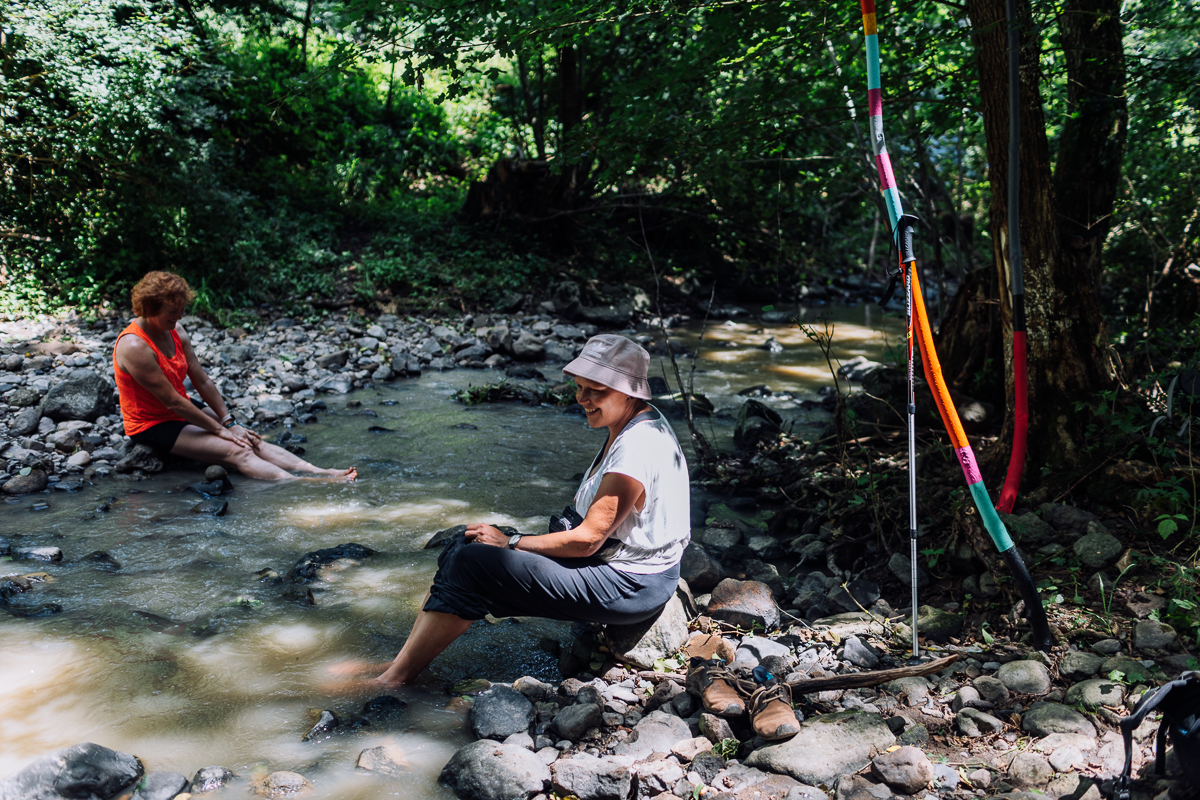
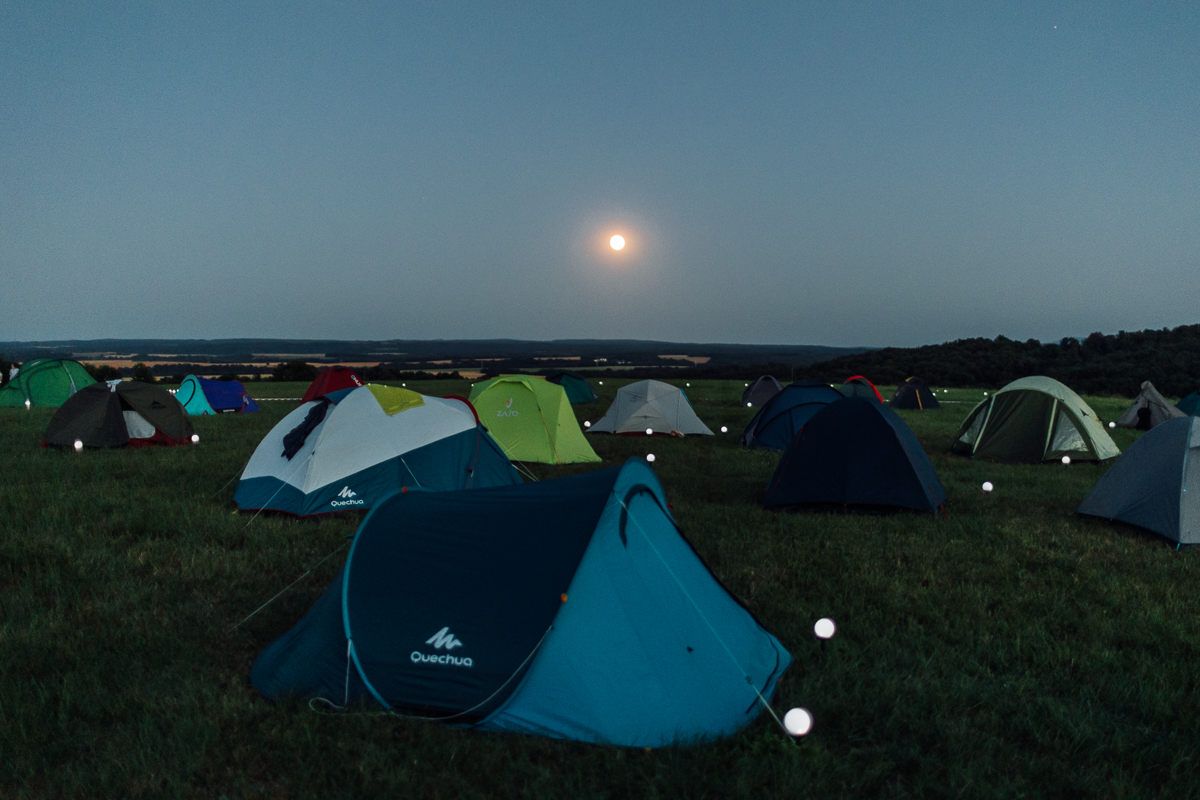
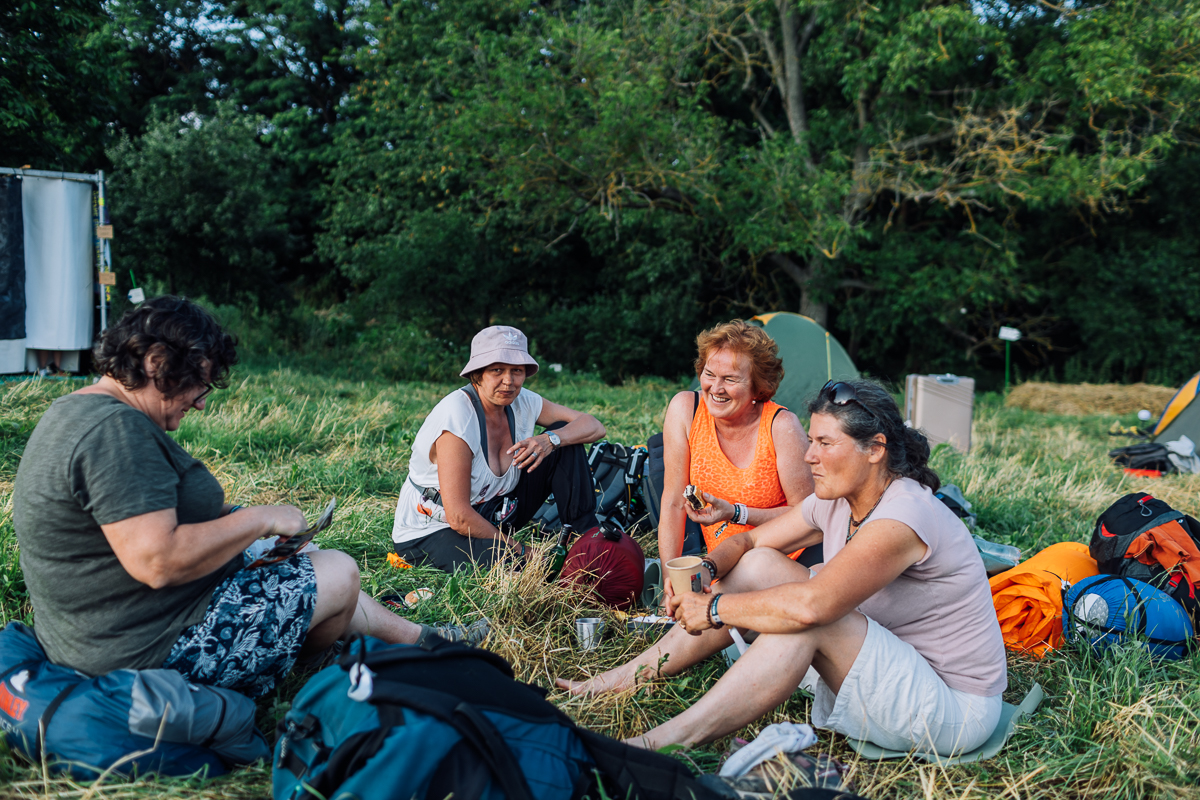
The project engaged audiences through three levels of participation. Around 100 “pilgrims” completed the full four-day journey across the region, 50 “walkers” joined selected sections of the route, and approximately 200 visitors attended individual performances and installations in villages along the way. In total, the project directly involved around 350 participants and activated more than ten rural municipalities.
Into the Miracles was developed through a three-year international research and collaboration process supported by EEA Grants and implemented in cooperation with local communities, universities and cultural organisations. The project also involved 30 volunteers from Slovakia, Czechia and Ukraine through the European Solidarity Corps.
Beyond the festival itself, the project strengthened cultural cooperation in the region, created new relationships between artists and local communities, and demonstrated how contemporary art can activate rural landscapes and cultural heritage. The model offers inspiration for other regions seeking to connect culture, landscape and community through participatory artistic experiences.
Into the Miracles emerged from long-term artistic work in the rural Hont region of southern Slovakia led by the cultural centre Poton in Batovce. For many years the organisation has explored ways to connect contemporary art with rural landscapes and local communities. Earlier projecs such as Night Wanderers (2015) and Miracles (2017) experimented with site-specific artistic interventions in villages and natural environments, gradually developing the idea of a larger participatory journey across the region.
The concept of Into the Miracles was developed between 2020 and 2023 through an international collaboration supported by EEA Grants. This development phase included artistic research, field visits, meetings with local municipalities and communities, and exchanges with partner organisations from Norway, Iceland and Liechtenstein. The goal was to create a project that would combine contemporary art, landscape and community participation in a meaningful way.
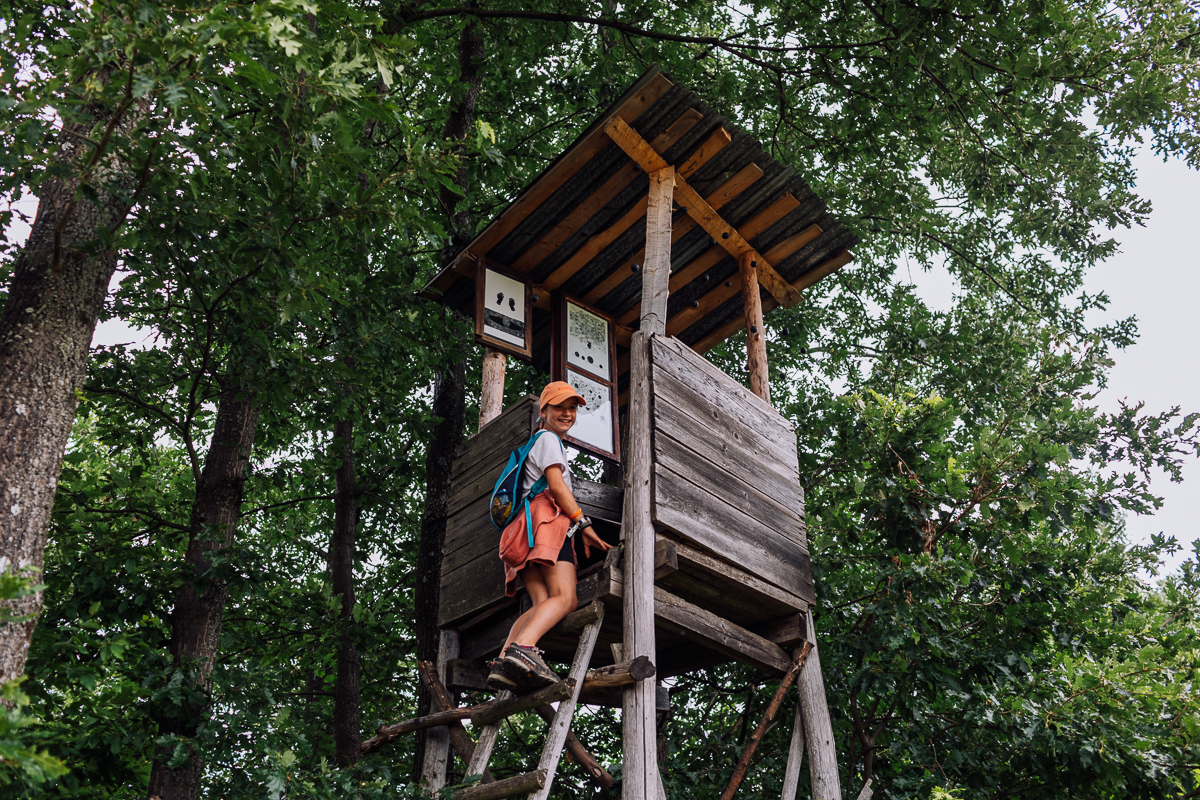
The festival itself was implemented as a four-day artistic journey along an 80 km route between Dudince and Bátovce, passing through more than ten villages of the Hont region. Over 60 artists from six European countries created site-specific installations, performances and sound works along the route, often inspired by local stories, architecture and natural features of the landscape.
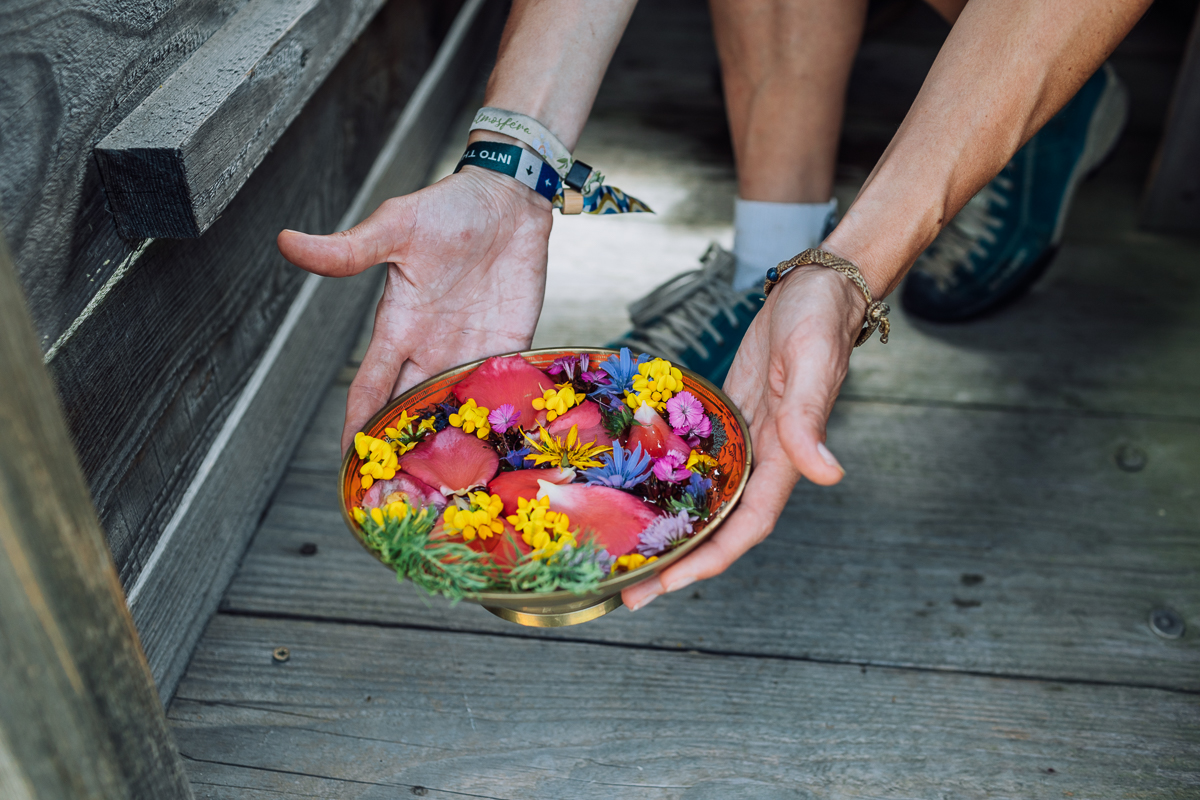
Local communities played an active role in the implementation. Municipalities collaborated on hosting events, local residents shared stories and knowledge about places, and local producers contributed food and hospitality for participants. The project was further supported by 30 volunteers from Slovakia, Czechia and Ukraine through the European Solidarity Corps, who helped with logistics, visitor support and production.
Through this collaborative process, Into the Miracles transformed the landscape into a shared cultural space where art, walking and community encounters became part of a collective experience.
participatory culture
rural landscape activation
community engagement
site-specific art
cultural and natural heritage
Into the Miracles approaches sustainability through the relationship between people, landscape and culture. The project takes place entirely within the rural landscape of the Hont region and invites participants to experience contemporary art through slow movement rather than intensive infrastructure or transport. Walking an 80 km route between villages becomes a central element of the artistic experience, encouraging a low-impact way of engaging with the environment and surrounding communities.
The project was intentionally designed for a limited number of participants. Only a small group of “pilgrims” walks the full route, ensuring that the artistic journey does not place excessive pressure on the landscape. Many sections of the route lead through vineyards, agricultural land and small rural paths that are not typical tourist infrastructure. Limiting the number of participants helps protect these places while preserving the intimate character of the experience.
Environmental responsibility is also reflected in the practical organisation of the festival. The production follows low-waste principles, minimising disposable materials and encouraging reusable solutions. Environmentally friendly cleaning and hygiene products were used throughout the event, and meals for participants were primarily vegetarian and vegan, sourced from local producers to reduce environmental impact and transport.
The artworks presented during the festival are predominantly temporary, site-specific interventions that work with existing spaces and landscapes rather than requiring permanent construction. By combining careful production practices with a low-impact cultural format, Into the Miracles demonstrates how artistic projects can engage with rural environments in a respectful and sustainable way.
Into the Miracles contributes to aesthetics by transforming the rural landscape into a shared artistic experience that connects contemporary art with the character of the place. Rather than presenting artworks in conventional cultural venues, the project invites participants to encounter them while walking through vineyards, village streets, forests and open countryside along an 80 km journey across the Hont region.
The artworks are created specifically for particular locations and respond to the history, architecture and natural qualities of each place. Performances, sound works and installations are integrated into the landscape in a way that highlights its beauty and atmosphere. This approach allows participants to experience both the artworks and the surrounding environment with greater attention and sensitivity.
Walking plays a key role in the aesthetic experience. Moving slowly through the landscape encourages participants to observe details, listen to sounds and perceive places differently than in everyday life. The journey becomes a collective experience of discovery, reflection and imagination.
The project also strengthens people’s relationship with the places where they live. Local residents encounter their villages and surroundings through new artistic perspectives, often rediscovering locations that are usually overlooked or taken for granted. Through this process, the landscape becomes not only a physical environment but also a cultural and emotional space shared by the community.
By combining contemporary artistic creation with the sensory experience of landscape and collective movement, Into the Miracles demonstrates how art can deepen people’s connection to place and foster a sense of care and belonging.
Into the Miracles promotes inclusion by creating different levels of participation that allow people to engage with the project in ways that suit their abilities, interests and resources. The festival is structured around three forms of participation: “pilgrims” who complete the full four-day 80 km journey, “walkers” who join selected sections of the route, and “visitors” who attend individual performances and installations in villages along the way. This flexible structure makes the project accessible both to committed participants and to local residents who wish to experience only parts of the programme.
The project is deeply rooted in cooperation with local communities. Municipalities, residents and local producers actively participate in the preparation and implementation of the festival. Villages host performances, share local knowledge and provide hospitality for participants. This collaborative approach transforms the project into a shared cultural event rather than a cultural activity imposed from outside.
Inclusion is also reflected in the international and intergenerational character of the project. Artists, volunteers and participants come from different countries and backgrounds, creating opportunities for dialogue between local communities and international cultural networks. The project involved 30 volunteers from Slovakia, Czech Republic and Ukraine through the European Solidarity Corps, who supported the organisation and interacted with local residents and visitors.
By connecting contemporary art with rural communities and creating multiple ways to participate, Into the Miracles demonstrates how cultural initiatives can build bridges between artists, residents and visitors. The project offers an inclusive model of cultural participation that strengthens social connections and ensures that contemporary art becomes accessible within everyday community life.
Participation is a central principle of Into the Miracles. The project was developed and implemented through close cooperation with local communities, municipalities and cultural organisations across the Hont region. From the early stages of the project, meetings and consultations were held with local stakeholders to identify suitable locations, share knowledge about the landscape and discuss how the project could become meaningful for the communities along the route.
Local residents contributed in many ways to the implementation of the festival. Municipalities hosted events and helped facilitate the programme in their villages, while residents shared stories, historical knowledge and practical support for the visiting artists. These exchanges often influenced the artistic process itself, as several site-specific works were inspired by local narratives, places and memories connected to the landscape.
Participation was also reflected in the structure of the festival experience. Participants became active “pilgrims” and “walkers”, engaging with the artworks through a collective journey across the region rather than passively observing them. Walking together created opportunities for dialogue between artists, visitors and local residents, turning the artistic route into a space of shared experience.
The project further expanded participation through volunteering. Thirty volunteers from Slovakia, Czech Republic and Ukraine joined the festival through the European Solidarity Corps and supported the event for three weeks, contributing to logistics, visitor support and production while interacting with local communities.
Through this participatory model, Into the Miracles created new relationships between artists, residents and municipalities. The involvement of communities not only supported the implementation of the project but also strengthened a sense of shared ownership and pride in the cultural and natural heritage of the region.
Into the Miracles was developed and implemented through cooperation between stakeholders at local, regional, national and European levels. This multi-level collaboration was essential for creating a project that connects contemporary artistic practice with rural communities and international cultural exchange.
At the local level, municipalities and residents of the villages along the 80 km route played a key role in hosting the festival and shaping the programme. Local authorities facilitated access to public spaces and supported the organisation of events in their communities, while residents shared knowledge about the landscape, local history and specific locations. This cooperation ensured that the artistic interventions were rooted in the character of the region and meaningful for the communities involved.
At the regional and national level, the project was supported by cultural institutions and universities that contributed expertise, artistic collaboration and organisational capacity. The Slovak Arts Council supported the implementation of the festival, while art schools and universities engaged students and researchers in the creative process.
European collaboration formed another important dimension of the project. The concept was developed through an international partnership supported by EEA Grants, involving partner organisations from Norway, Iceland and Liechtenstein. These partners contributed artistic perspectives, professional exchanges and international visibility. The project also hosted 30 volunteers from Slovakia, Czechia and Ukraine through the European Solidarity Corps, strengthening cross-border cooperation and intercultural dialogue.
This multi-level governance structure enabled the project to operate simultaneously as a community-based cultural initiative and as part of a broader European cultural dialogue.
Into the Miracles is inherently transdisciplinary, combining multiple artistic practices with knowledge from fields such as landscape studies, cultural heritage, social engagement and environmental awareness. The project was conceived as a meeting point between contemporary art, the rural landscape and community knowledge, allowing different disciplines and perspectives to shape the experience.
The artistic programme brought together visual arts, performance, music, multimedia and sound art and literature. More than 60 artists from six European countries created site-specific works along the 80 km route, responding to particular locations in the landscape. These artistic interventions were developed through dialogue with the physical environment, local architecture and the historical context of the villages along the route.
Beyond artistic disciplines, the project integrated knowledge from other fields. Landscape and environmental awareness played an important role in shaping the route and the form of artistic interventions. Local residents contributed historical knowledge, oral histories and practical understanding of the landscape, which influenced the development of several artworks.
Educational institutions also participated in the project. Students and educators from art schools and universities collaborated with artists and curators, gaining experience with site-specific creation and community-based cultural practice.
The project further combined cultural production with elements of sustainable event organisation, community participation and slow mobility. Walking became not only a means of moving between locations but also a conceptual framework connecting artistic practice with environmental awareness and social interaction.
By bringing together artists, researchers, students, local residents and cultural organisations, Into the Miracles created a platform where artistic, social and environmental knowledge could interact.
The business model of Into the Miracles combines public funding, international cultural cooperation and community-based resources. This mixed financing structure allows the project to remain accessible while ensuring its long-term sustainability.
The development phase of the project was supported by EEA Grants, which enabled a three-year period of artistic research, international collaboration and preparation. This phase allowed partners to develop the concept, establish partnerships and explore the landscape together with local communities.
The implementation of the festival itself was supported by public cultural funding, including support from the Slovak Arts Council. Additional resources were provided through the European Solidarity Corps, which enabled the participation of 30 international volunteers who contributed to the preparation and implementation of the event.
The project also relies on local partnerships and in-kind contributions. Local municipalities, producers and small businesses support the festival through services, hospitality and material contributions. These collaborations strengthen the connection between the cultural event and the regional economy while reducing organisational costs.
Participation in the project is structured through different forms of engagement, including ticket-based participation for the full pilgrimage experience. This contributes to the financial model while maintaining accessibility for local audiences, who can attend individual performances and installations free of charge.
By combining public cultural funding, international cooperation, community partnerships and participant contributions, Into the Miracles demonstrates a financially resilient model for cultural initiatives in rural regions. This diversified structure allows the project to be developed further and adapted for future editions and other contexts.
Into the Miracles offers a model that can be transferred to other rural regions seeking to activate their landscapes and communities through culture. The core concept – an artistic journey through the landscape combining walking, site-specific art and community participation – can be adapted to different geographical, cultural and social contexts.
One key transferable element is the methodology of working with the landscape as a cultural space. Instead of building new infrastructure, the project uses existing natural and social environments as a stage for artistic experiences. This approach can be applied in many rural areas where landscapes, villages and local heritage can become the basis for cultural programmes.
Another replicable element is the participatory collaboration with local communities. The project demonstrates how municipalities, residents, artists and cultural organisations can jointly shape a cultural event. Local knowledge, stories and places become an integral part of the artistic process, strengthening community ownership and relevance.
The format of an artistic walking route is also highly adaptable. Routes can vary in length and duration depending on the region, while still maintaining the core idea of slow cultural mobility and collective experience. This model offers an alternative to mass tourism by encouraging smaller groups of participants to explore landscapes in a respectful and sustainable way.
Finally, the organisational structure combining public funding, international partnerships, volunteer programmes and local cooperation provides a flexible framework that can be replicated in other contexts.
Through these elements, Into the Miracles demonstrates how cultural initiatives can connect art, landscape and communities in ways that are both locally rooted and transferable to other regions.