Strengthening Local Democracy and Inclusion
The Maltese Intergenerational Project
Building a Community-within-A-Community - The Maltese Intergenerational Project
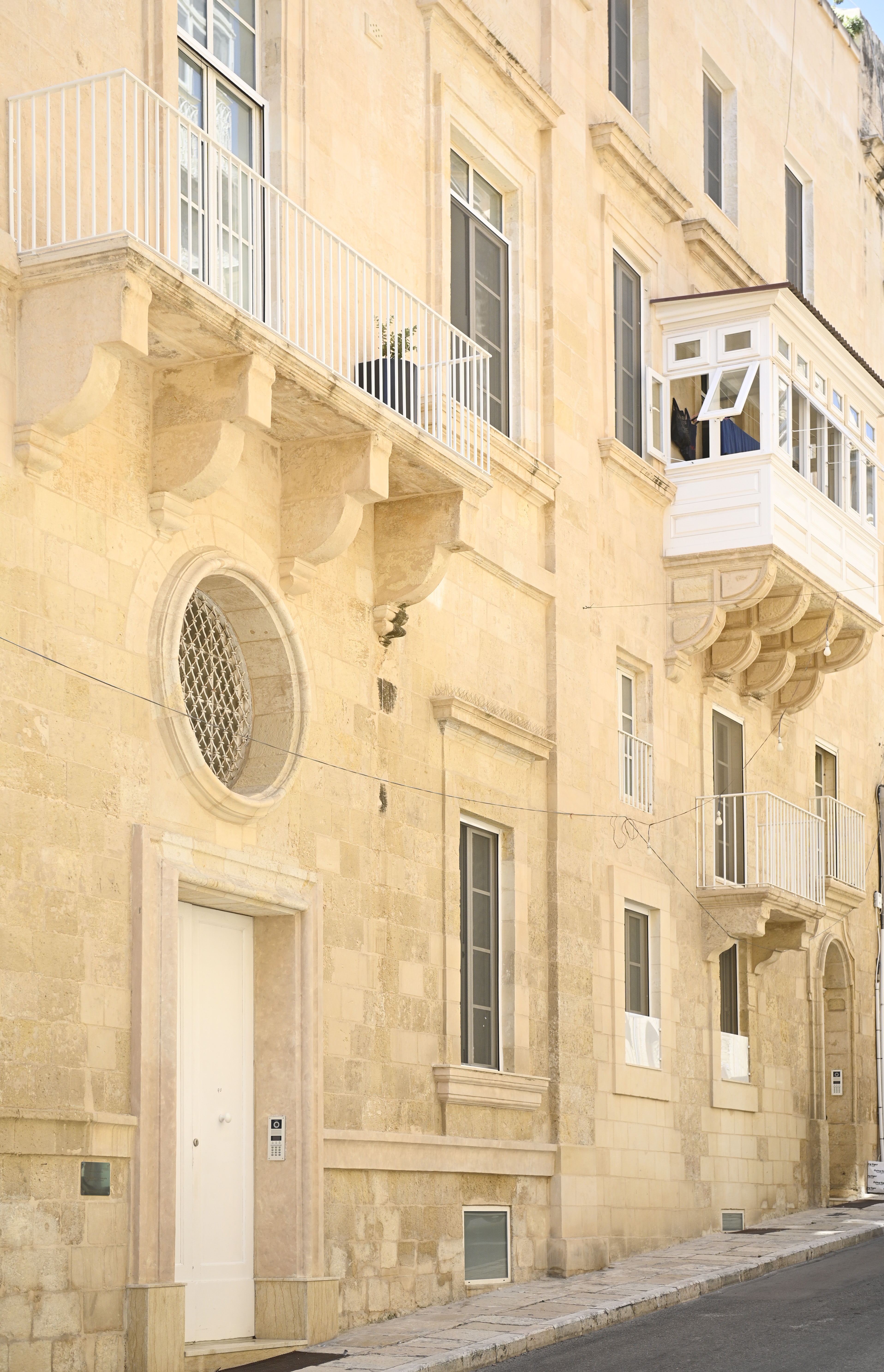
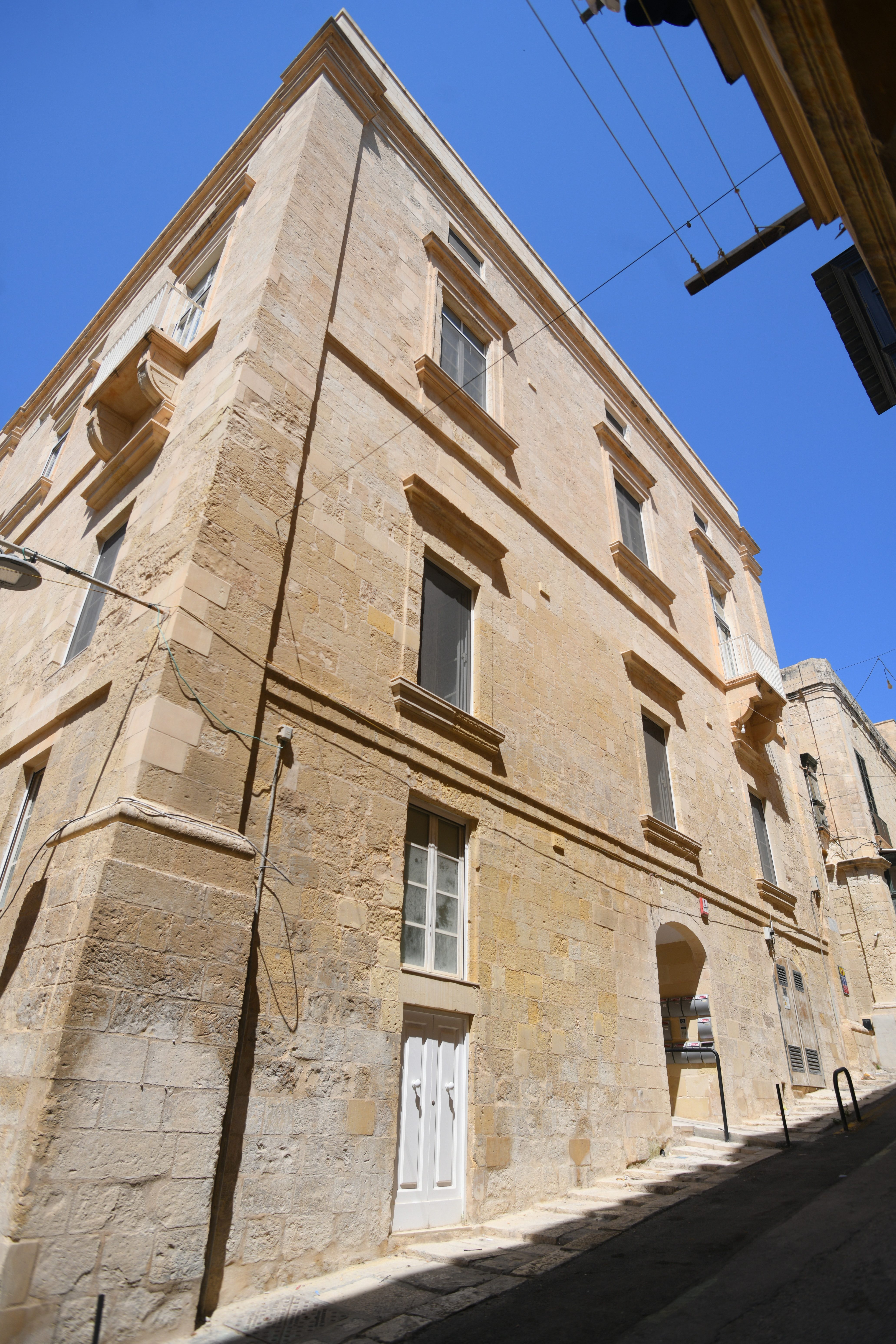
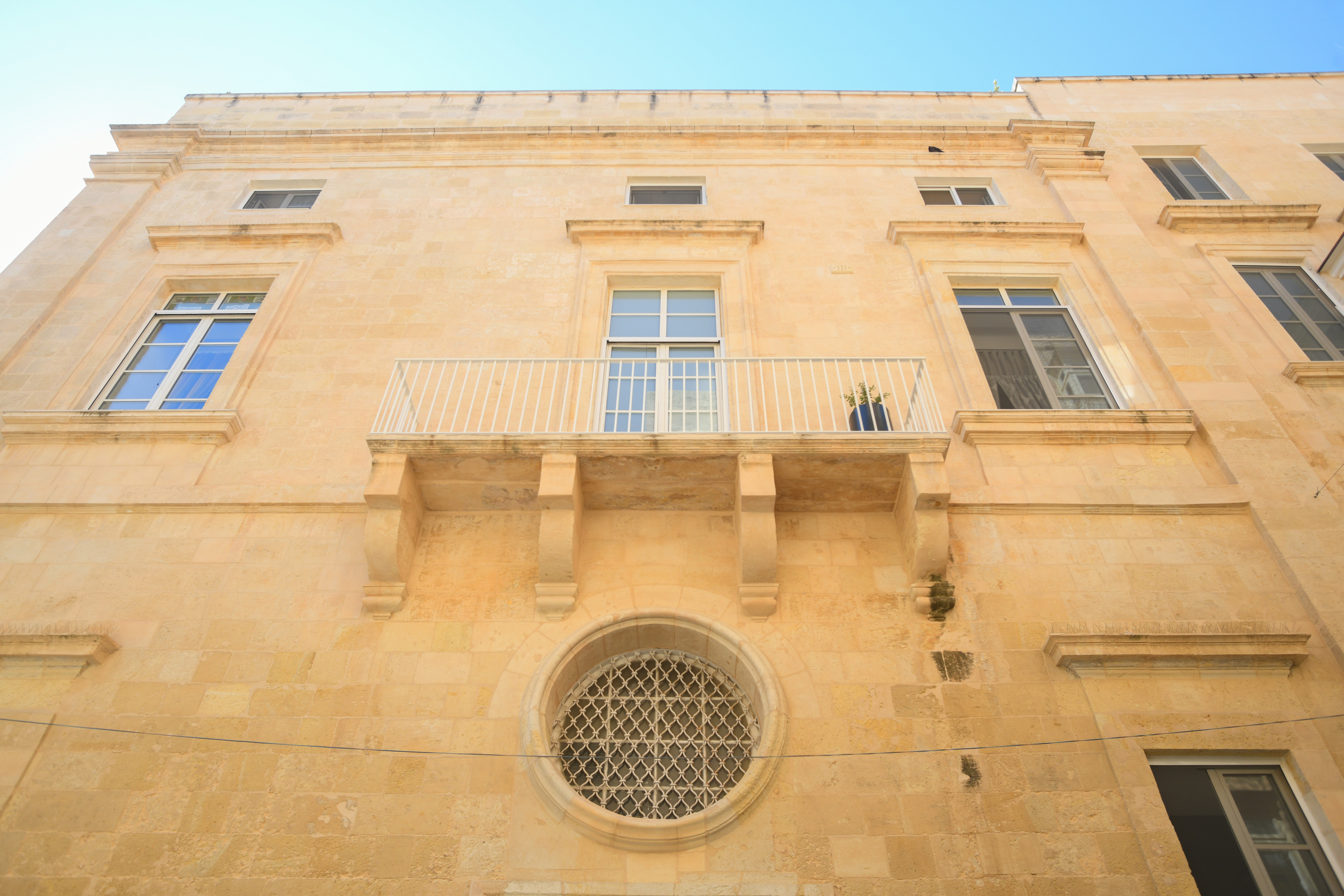
Bringing together older people and young adults, the Intergenerational Project is a restored palazzo in the heart of Valletta, Malta’s capital. It provides residents with an innovative mix of private studios and shared spaces that encourage everyday conversation, care, and friendship. By reusing a heritage building to create a vibrant, supportive home, it empowers individuals, strengthens social bonds, and offers an exciting blueprint for inclusive housing models across Malta and Europe.
Malta
National
Mainly urban
It involves a physical transformation of the built environment (hard investment)
Yes
2023-01-20
Yes
ERDF : European Regional Development Fund
No
No
Organisation
The Intergenerational Residence in West Street, Valletta, is Malta's first purpose-designed co-housing initiative bringing together elderly residents awaiting social housing and young adults transitioning out of institutional care. Jointly developed by the Malta Housing Authority and the Salesian-inspired NGO Friends of Don Bosco, the project opened in January 2023 following a €1.6 million restoration of a previously dilapidated building.
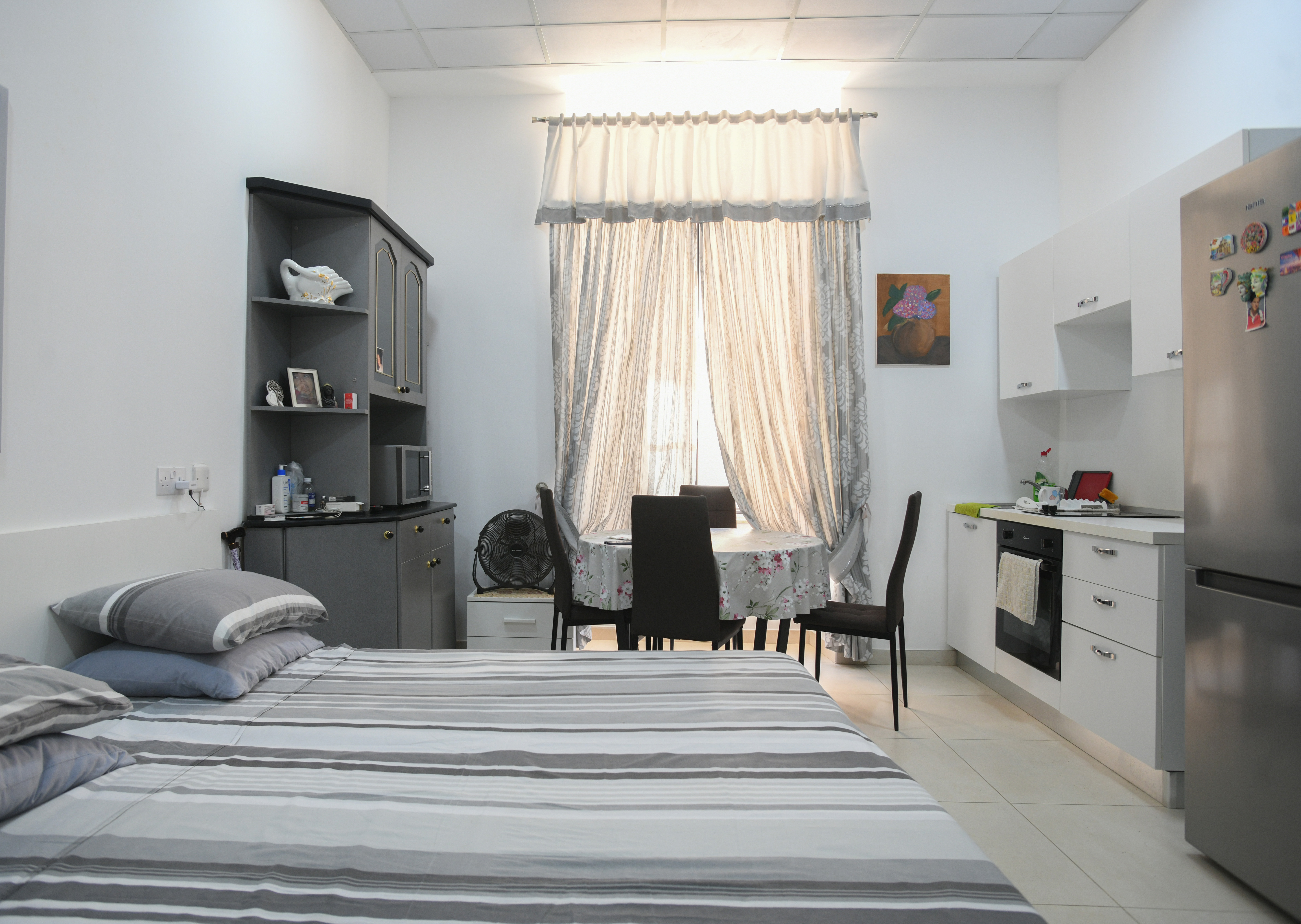
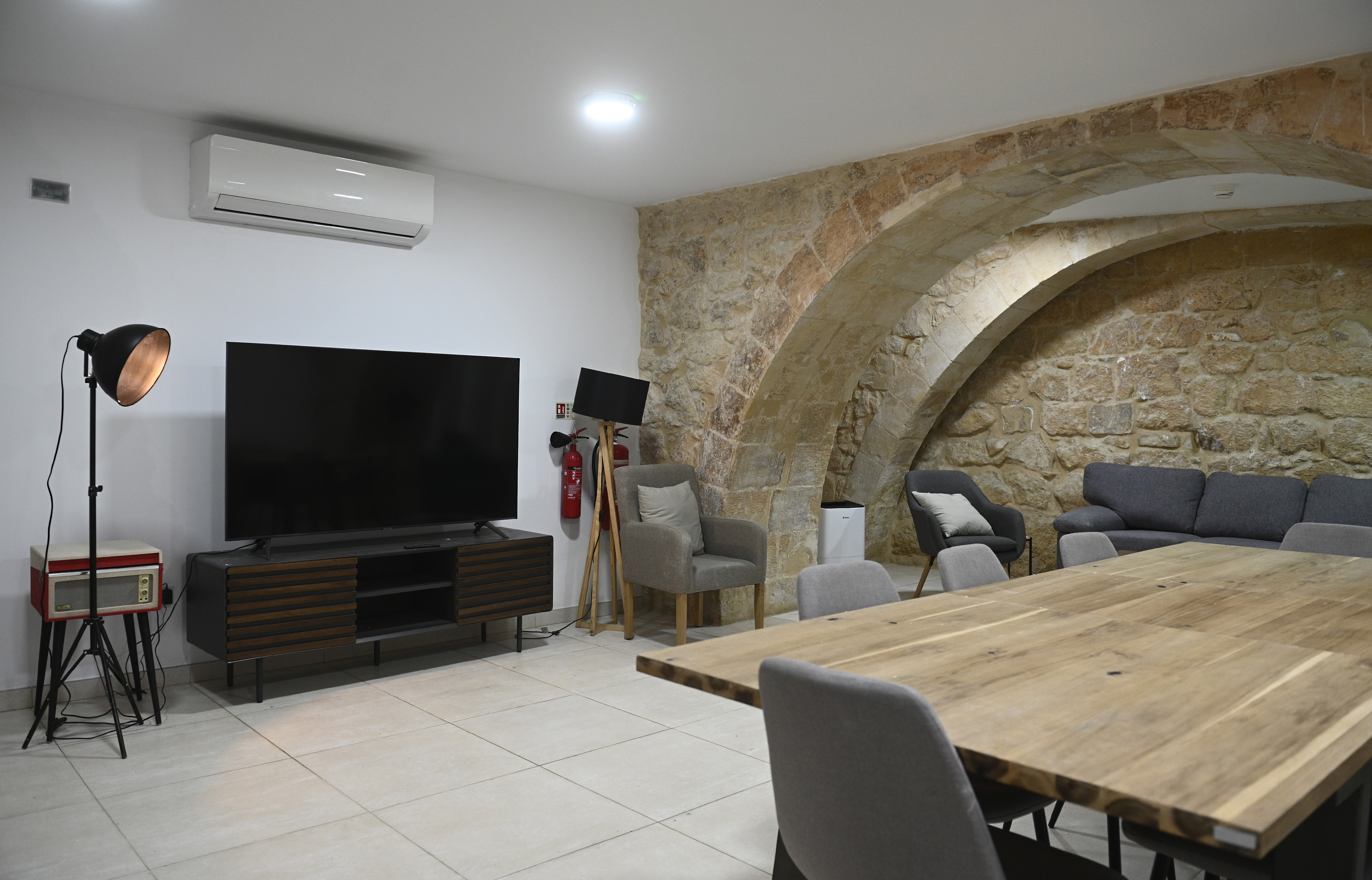
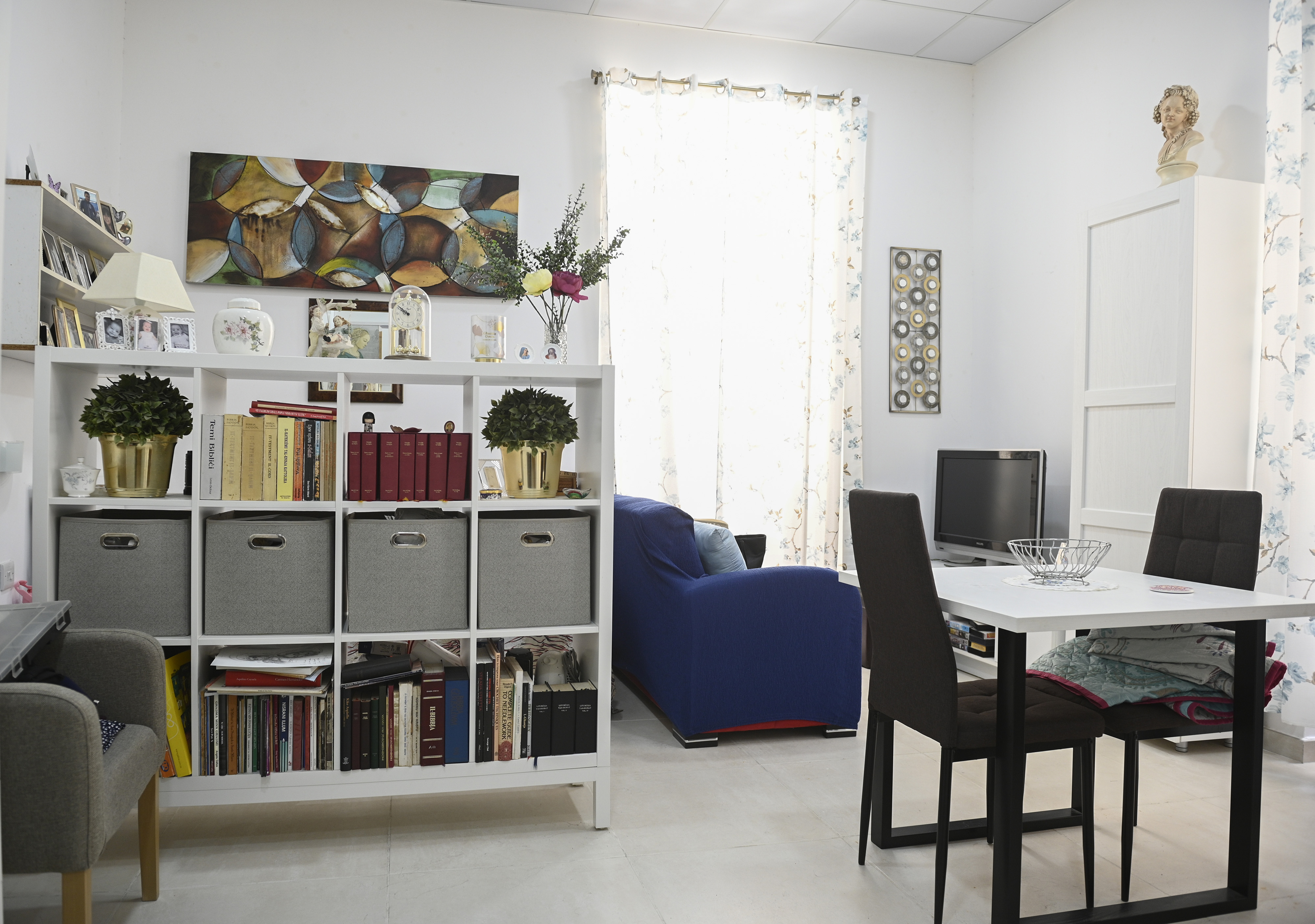
The residence houses 19 residents: 15 elderly and 4 young adults (aged 18–23), each in a self-contained studio apartment, with shared rooftop terraces and common rooms fostering intergenerational encounter.
The project pursues three objectives: providing secure, dignified housing to vulnerable groups; reducing social isolation through intergenerational relationships; and connecting residents to the broader neighbourhood community.
Three years in, a qualitative impact evaluation shows strongly positive outcomes. Bonds have formed organically, with residents describing each other as "like family," reporting enhanced wellbeing, purpose, and reduced loneliness. Young adults unanimously preferred this model over youth-only accommodation.
This project is transformative because it is scalable, affordable, and environmentally responsible. By recovering dilapidated buildings rather than expanding the urban footprint, it regenerates existing communities. By intervening before young people face housing crisis and before older adults require intensive care, it delivers better outcomes at a fraction of the downstream cost. As Malta faces a growing ageing population placing pressure on housing and care systems, this model offers a timely response — where young people build foundations for independent life, and older adults age in place, in accessible buildings that sustain the life they already know.
The Intergenerational Residence emerged from two converging institutional realities. The Malta Housing Authority faced growing demand for social housing among elderly residents, many losing rent-controlled leases or living in unsuitable accommodation. Simultaneously, Friends of Don Bosco (FODB), a Salesian-inspired NGO, had demonstrated through independent-living programmes that young adults transitioning from residential care could thrive with the right support. The question was whether both needs could be addressed within a single initiative, more effectively than either could be met alone.
The Grand Harbour Regeneration Corporation provided the catalyst, investing €1.6 million to restore a derelict building in Valletta by using ERDF funds. The Housing Authority and FODB co-designed the model, drawing on FODB's mentoring expertise and the Housing Authority's allocation and social support infrastructure.
Elderly residents were identified through the Housing Authority's waiting list, with priority given to those already rooted in Valletta. Young adults were rigorously screened for readiness and compatibility with intergenerational cohabitation. Prior viewings, home visits, and on-site settling-in support eased the transition for all residents.
What set this project up for success was the quality of its foundations. The restoration of the building into a beautiful, accessible and well-equipped space gave residents an immediate sense of pride and belonging. Prioritising residents already connected to Valletta meant people could age in place within familiar streets and routines. The structured mentoring programme ensured young residents were building the skills, relationships and resources needed to move confidently into their next chapter. Together, these decisions created the conditions for genuine community to take root.
intergenerational housing
co-production
social inclusion
urban regeneration
active ageing
The Intergenerational Residence addresses sustainability across three interlocking dimensions: environmental, social, and economic, with the overarching goal of creating a housing model that delivers lasting benefit to vulnerable populations without placing additional burden on public resources or the built environment.
Environmentally, the project avoided new construction entirely by restoring a previously derelict building in Valletta's historic urban core. Rather than expanding the built footprint, it returned a vacant structure to active community use, preserving the architectural character of the area while eliminating the environmental costs of new builds. Accessibility was built into the restoration from the outset, ensuring the building's long-term usability for ageing populations.
Socially, the model tackles two of the most pressing sustainability challenges facing Maltese society: an ageing population requiring dignified, community-based housing, and young people transitioning out of care without adequate support networks. Concrete actions included rigorous resident screening, structured mentoring for young adults, priority allocation for elderly residents already rooted in their community, and the deliberate design of shared spaces to foster daily intergenerational encounters.
Three years in, a qualitative impact evaluation confirms these objectives are being met. Residents report enhanced wellbeing, reduced loneliness, and a strong sense of belonging. Young adults are building the skills and relationships needed for their next chapter, while older adults are ageing in place rather than entering institutional care prematurely.
What makes this approach exemplary is its capacity to generate compounding social value from a single intervention. Furthermore, a recent evaluation indicates it is scalable, offering a viable and cost-effective pathway for replication across different communities and contexts.
The Intergenerational Residence demonstrates that housing for vulnerable populations need not be utilitarian — that beauty, dignity and belonging are not luxuries but essential components of wellbeing and community life.
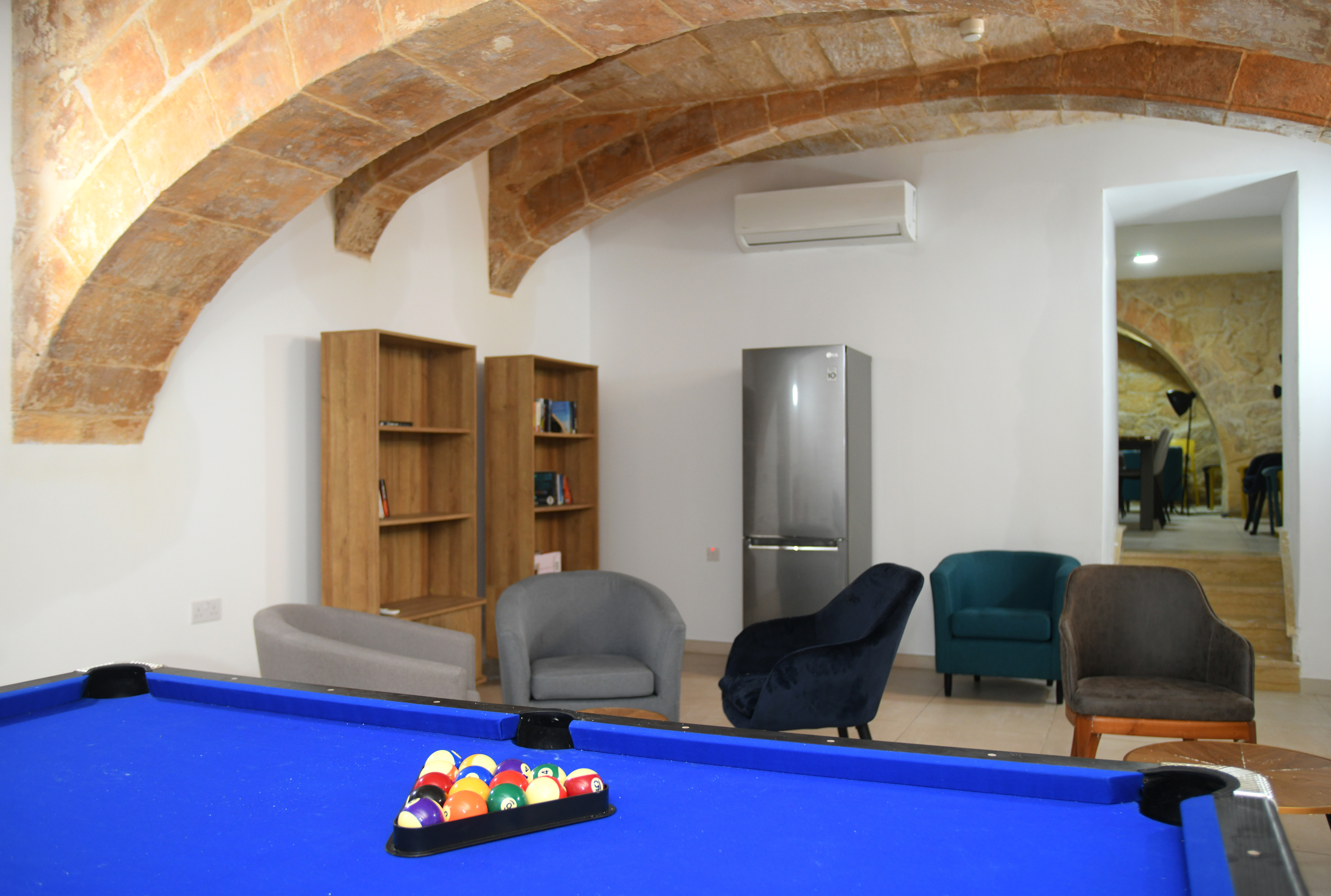
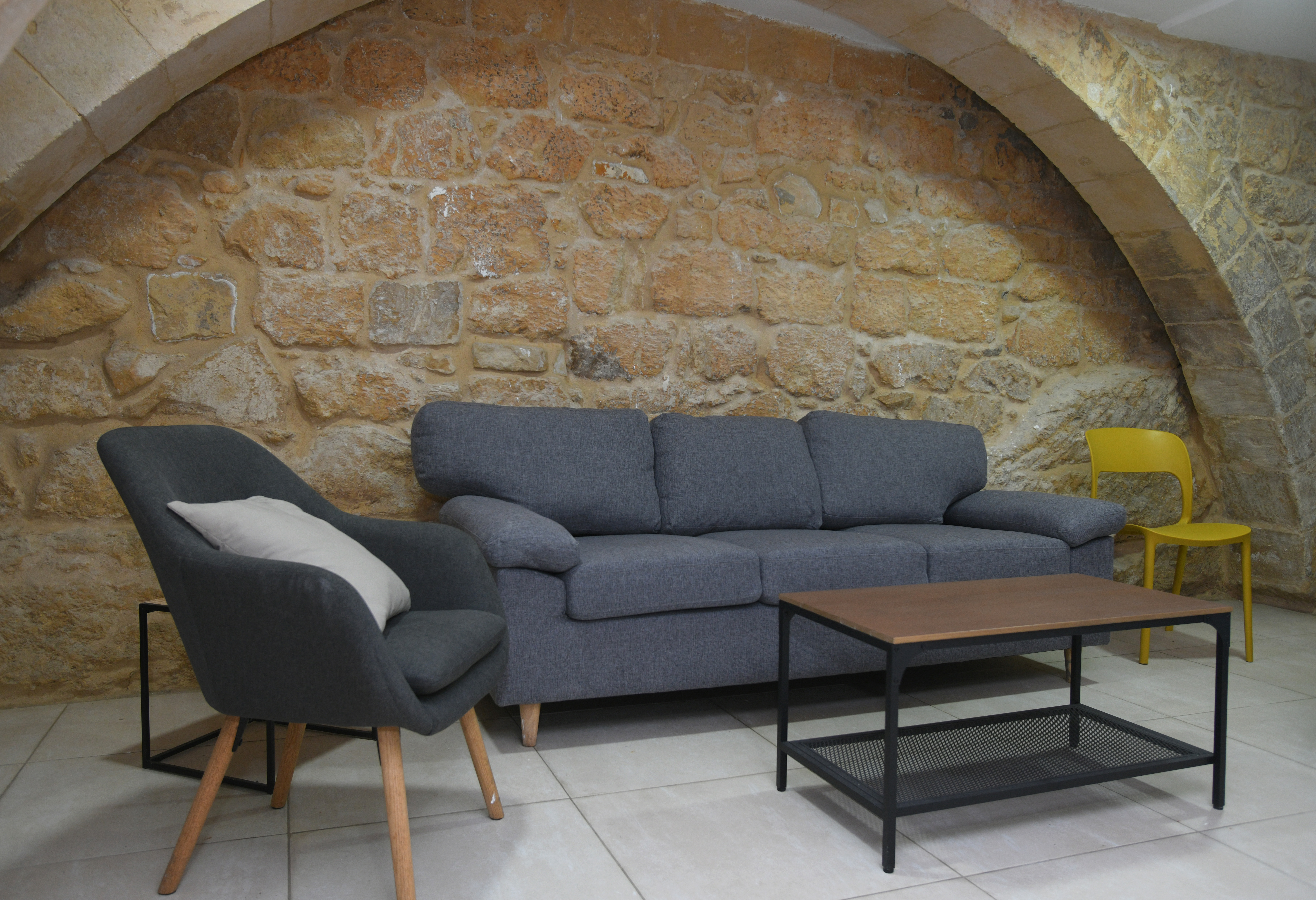
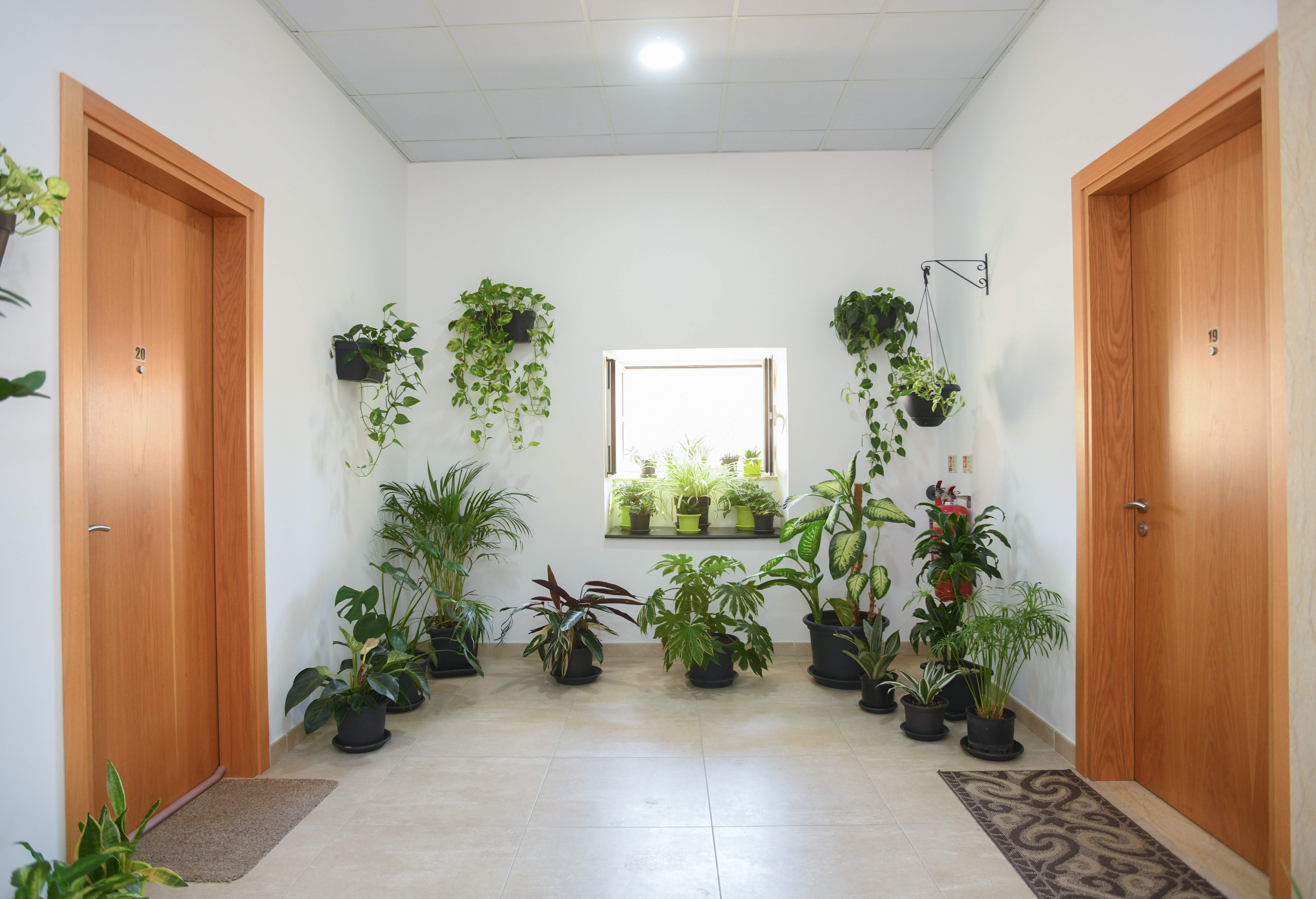
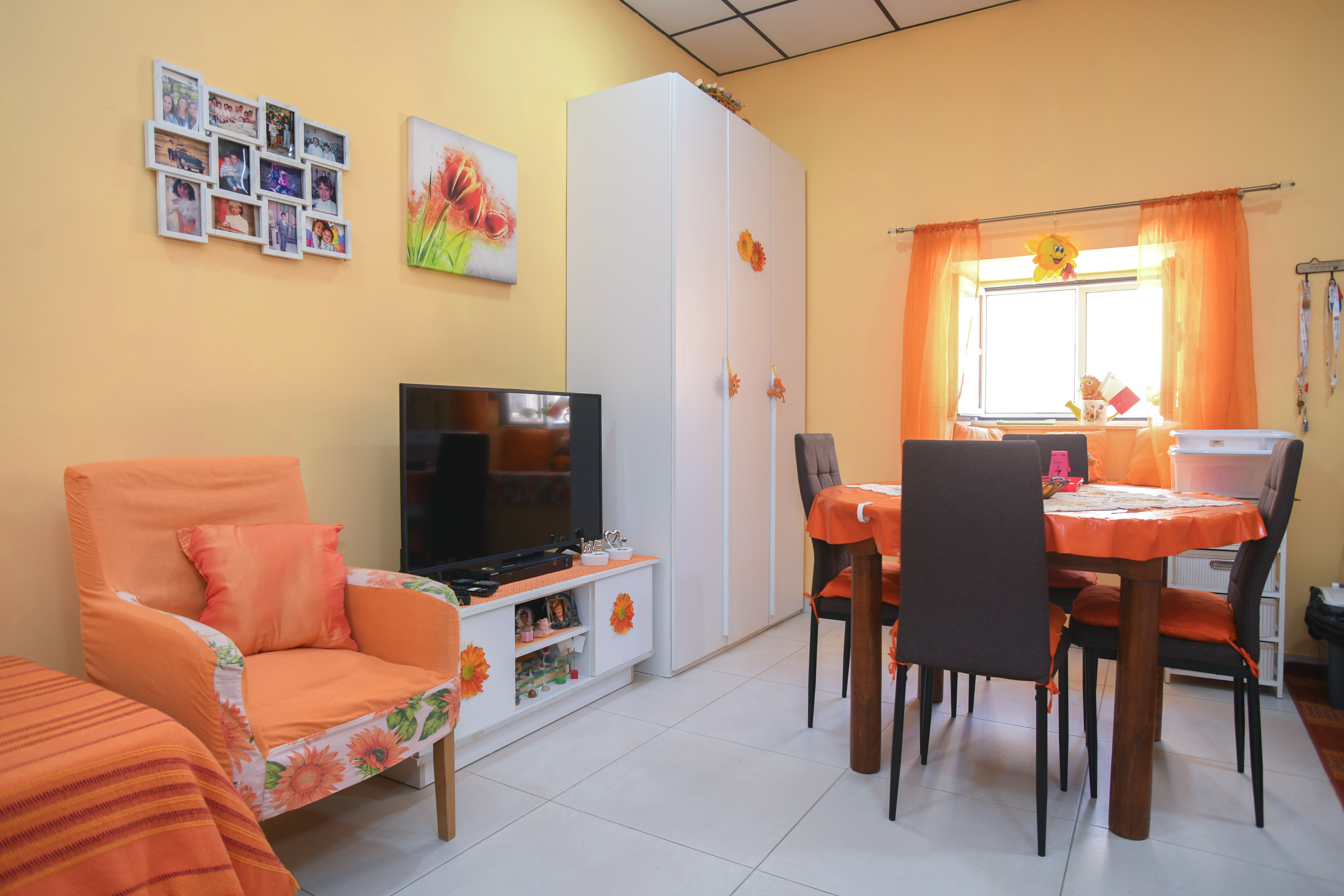
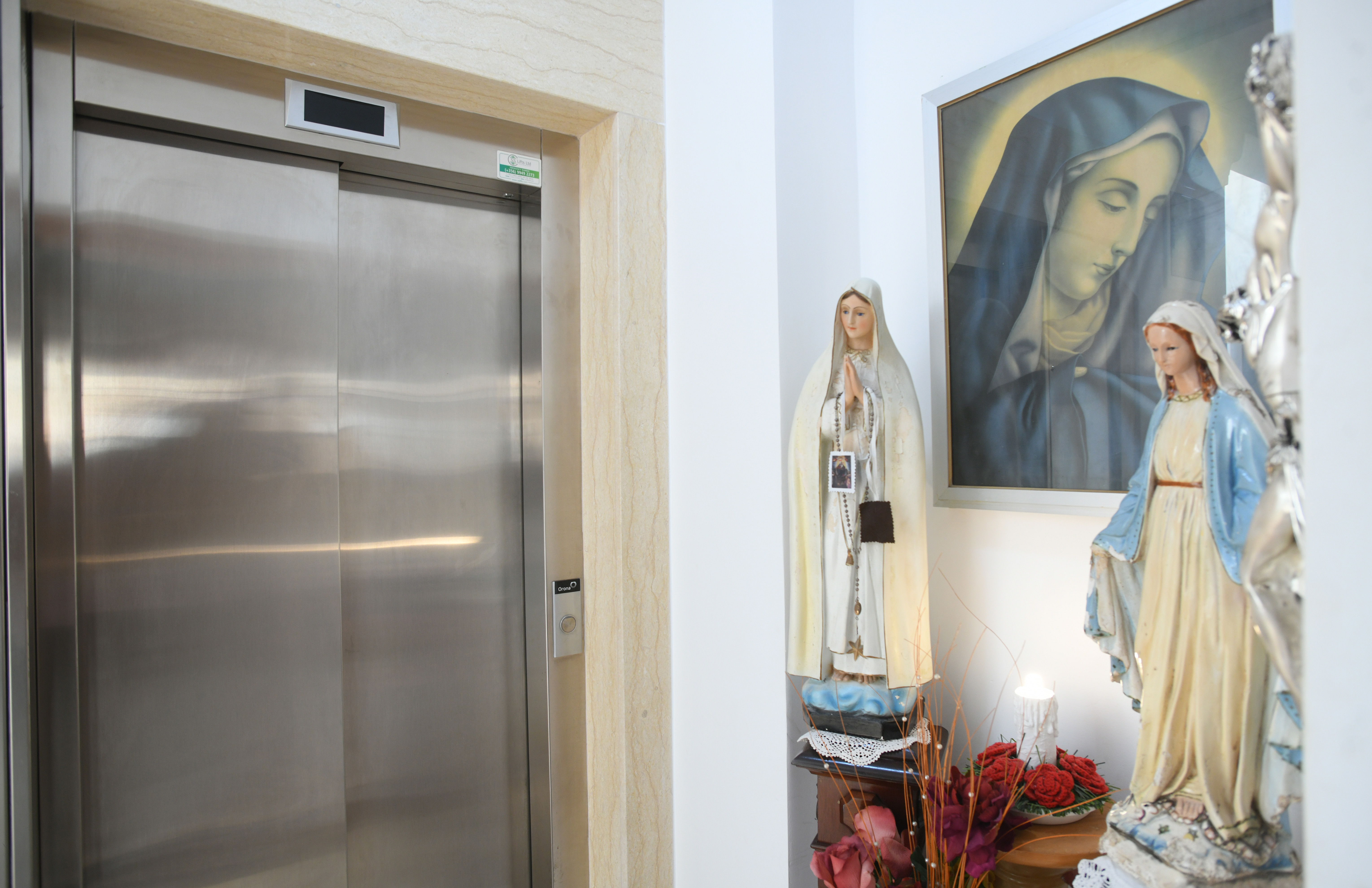
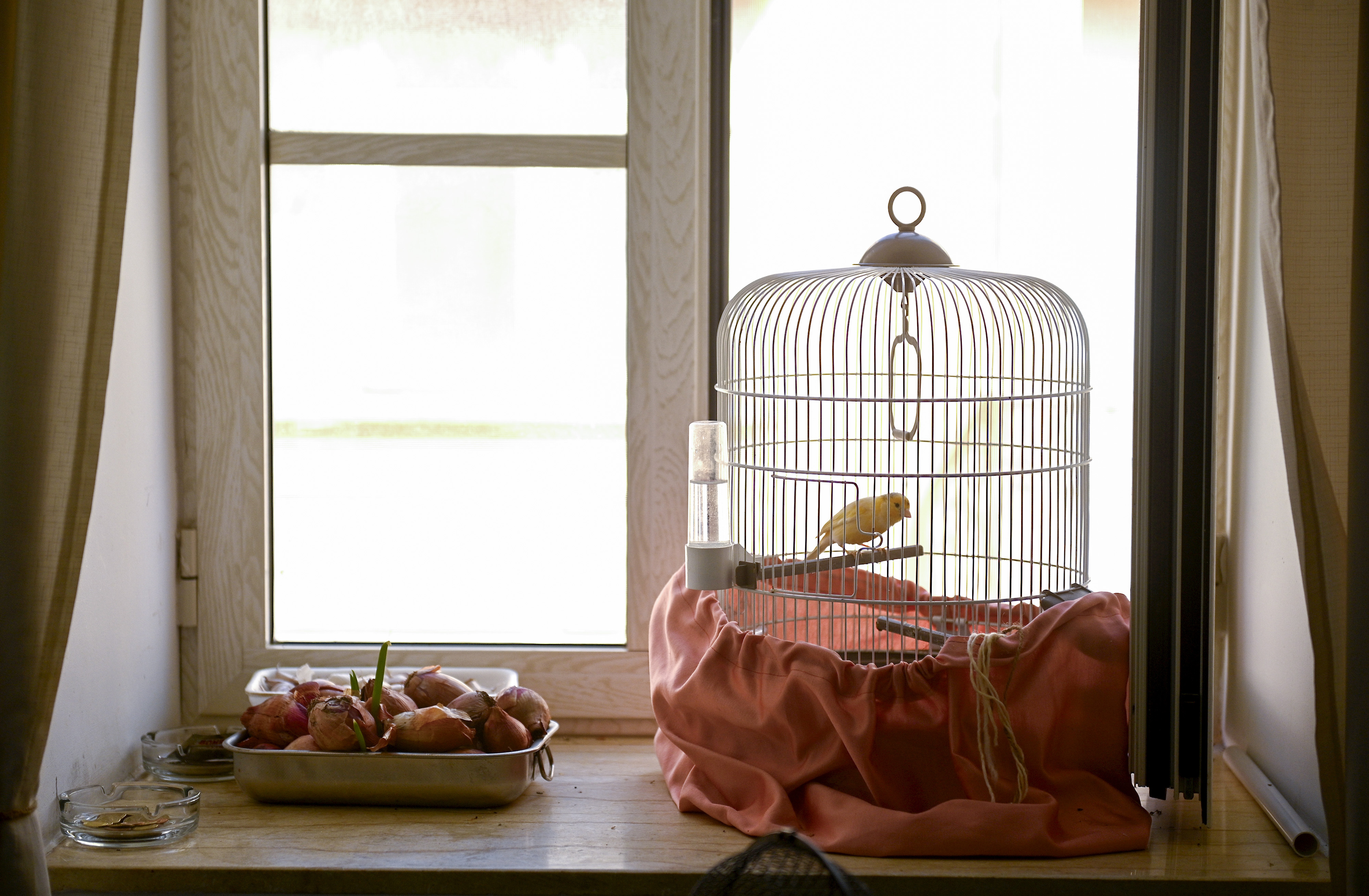
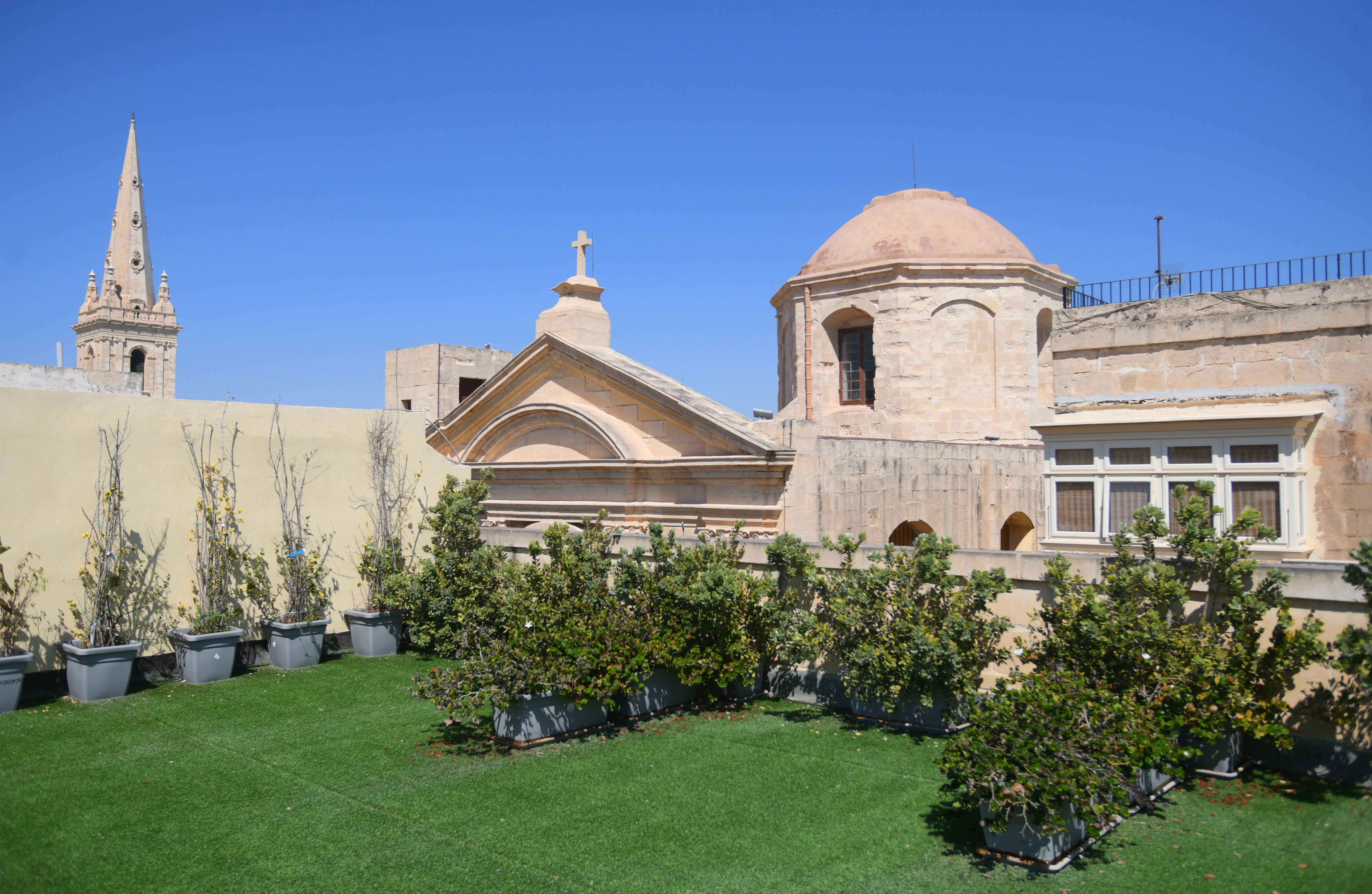
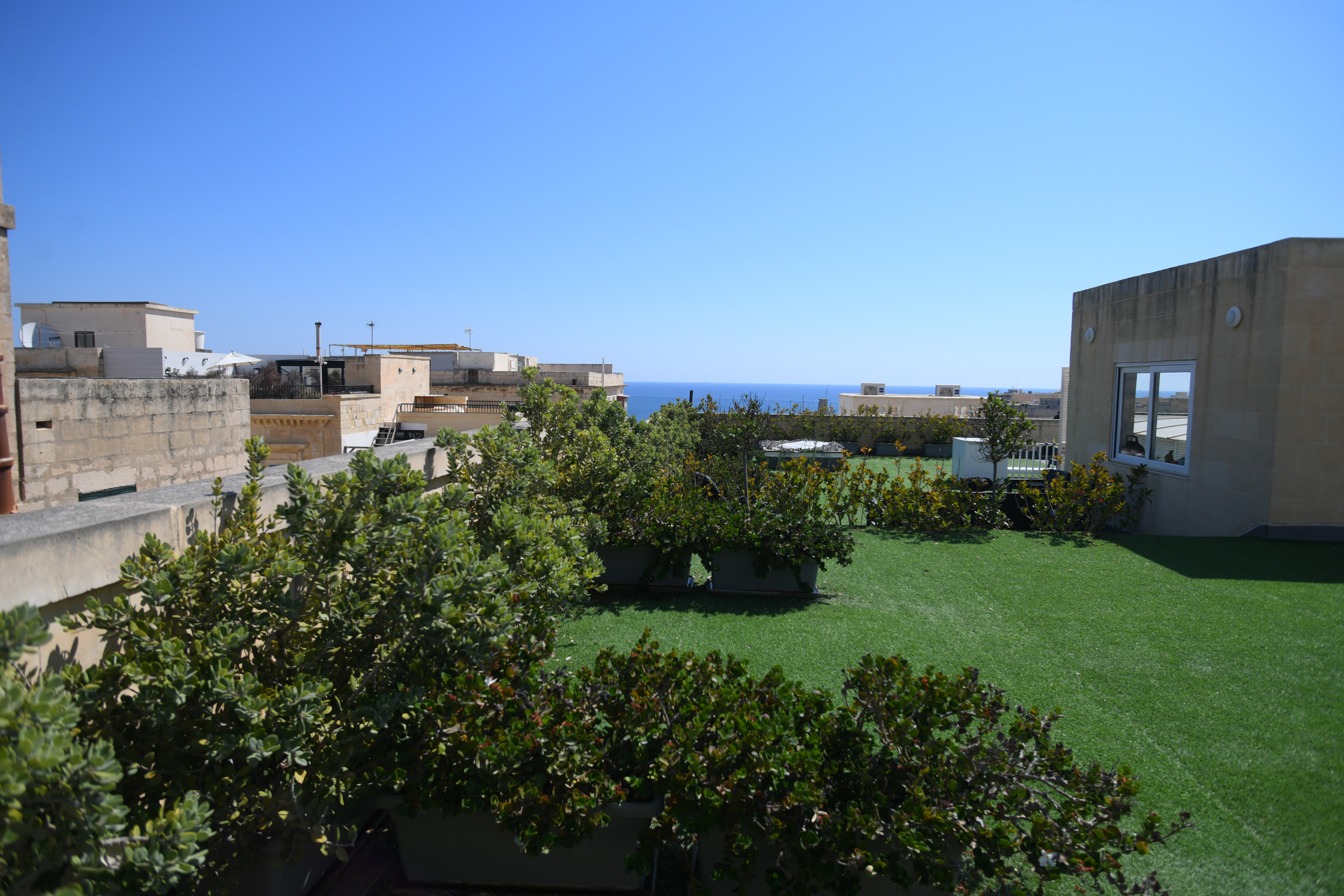
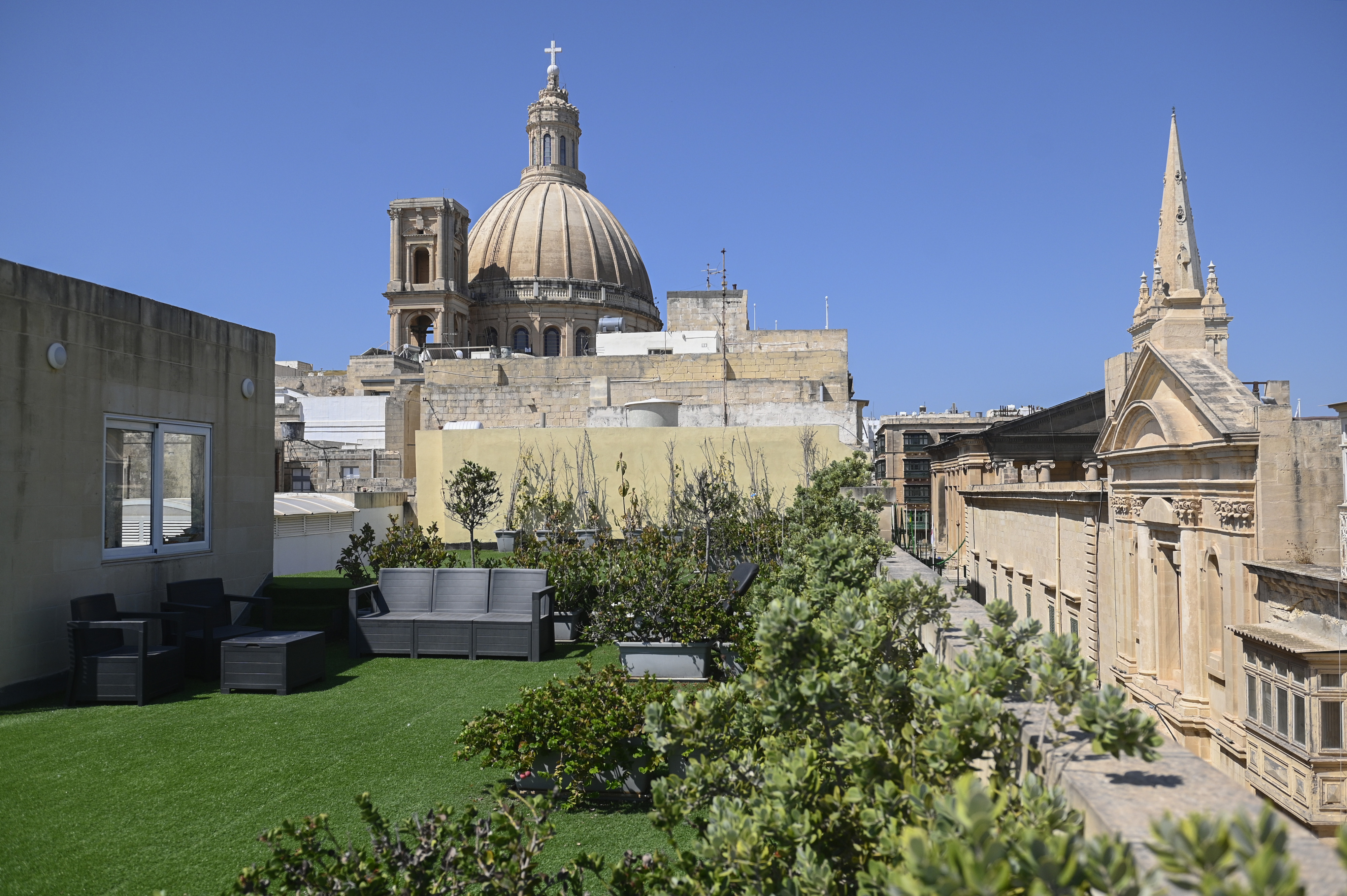
The restoration of a derelict building in Valletta's historic urban core was guided by an uncompromising commitment to quality. Each resident received a fully self-contained studio apartment, thoughtfully equipped and designed to feel like a home rather than an institution. Residents were encouraged to personalise their spaces, and many did so enthusiastically, a clear indicator of emotional attachment and ownership. The rooftop terrace, offering panoramic views over Valletta's skyline and the sea, was designed to invite spontaneous social interaction and has become the heart of communal life. Residents consistently described the residence as feeling "like a hotel", a testament to the standard of the restoration and the care invested in every detail.
The building's location within Valletta places residents at the centre of Malta's most culturally rich environment. Daily life is enriched by proximity to historic architecture, religious celebrations, local markets, and a vibrant calendar of cultural events — all of which stimulate the senses and reinforce a sense of local identity and belonging. For residents already rooted in Valletta, the residence deepened rather than disrupted these connections.
What makes this approach exemplary is its insistence that aesthetic quality is inseparable from social outcomes. The impact evaluation confirmed that the beauty and comfort of the space directly contributed to residents' pride, dignity, and sense of community — demonstrating that well-designed housing is itself a form of care.
The Intergenerational Residence promotes inclusion across social, economic, spatial, and governance dimensions, targeting two of the most excluded groups in Maltese society within a single, integrated model.
Socially and economically, the project addresses housing insecurity among elderly residents losing rent-controlled leases and young adults transitioning out of residential care with limited networks and resources. Rather than treating these as separate problems requiring separate solutions, the model generates mutual benefit, reducing costs for public services while delivering better outcomes for both groups.
Spatially, the building was fully restored to meet accessibility standards, ensuring that mobility limitations would not prevent any resident from accessing their home in its entirety. Affordable rents ensured that the residence remained within reach of those most in need, while priority allocation for elderly residents already rooted in Valletta recognised that geographic belonging is itself a form of inclusion.
In terms of governance, the model is built on a collaborative partnership between the Housing Authority and FODB, combining institutional reach with community-level expertise. Residents have benefited from genuinely open communication with staff, with requests and concerns consistently heard and acted upon — from furniture upgrades to accessibility improvements, fostering a culture of responsiveness and mutual respect.
The impact evaluation confirms strong results: residents report enhanced belonging, reduced isolation, and meaningful participation in both the residence and the broader Valletta community. What makes this approach exemplary is its rejection of deficit-oriented thinking, residents are not passive recipients but active contributors, and the model is deliberately designed to create environments that empower people to take control of their lives and shape the community around them.
The Intergenerational Residence involved citizens, community organisations and civil society at every stage, from initial design through to evaluation with each group playing a distinct and meaningful role.
Friends of Don Bosco (FODB), a civil society organisation with deep roots in supporting vulnerable young people, was a key partner in shaping the model from the outset. Drawing on its community-level expertise, FODB contributed to the structure of the residence, the screening and mentoring of young residents, and the day-to-day support of communal life — ensuring the model was grounded in lived experience rather than purely institutional logic.
Prospective residents were involved prior to entry through viewings of the residence and multiple meetings with staff, ensuring informed consent and genuine buy-in before commitments were made. Home visits and on-site settling-in support ensured that the transition was shaped around individual needs. Their ongoing feedback directly influenced operational decisions from furniture upgrades to accessibility improvements demonstrating a genuine culture of responsiveness.
At the neighbourhood level, proactive engagement with local stakeholders including the police, health services, parish representatives and neighbouring residents was undertaken from the outset to build understanding and acceptance of the project, with their involvement instrumental in reducing potential stigma around the inclusion of young adults transitioning from care.
Finally, the impact evaluation conducted with all residents and stakeholders three years in ensured that those most affected by the model had a direct voice in shaping its future, with findings feeding concrete improvements to the current residence and informing a replicable framework for future initiatives.
The Intergenerational Residence is the product of effective collaboration across multiple levels of governance, with each level contributing distinct expertise, resources, and legitimacy to the project.
At the local level, the Malta Housing Authority brought its allocation infrastructure, social support networks, and knowledge of housing need, while Friends of Don Bosco contributed community-level expertise in supporting vulnerable young people. Together, these two organisations formed the operational backbone of the residence, managing day-to-day life and ensuring that both elderly and young residents received appropriate support.
At the national level, the Grand Harbour Regeneration Corporation provided the capital investment of €1.6 million that made the restoration of the derelict building possible through ERDF funds. The Ministry for Social Policy contributed funding towards the placement and support of young residents, recognising the initiative as aligned with national social policy priorities around care leavers and housing security. Cooperation the Housing Authority and the Friends of Don Bosco was organised through formal agreements, ensuring clarity of roles and shared accountability.
At the European level, the project benefited from ERDF funds, reflecting its alignment with EU priorities around social cohesion, inclusive housing, and urban regeneration.
The added value of this multilevel engagement was a project simultaneously ambitious in scale and grounded in operational reality — resourced at the national and European level, delivered at the community level, and responsive to individual need. This multilevel approach results in a replicable and scalable framework that future initiatives across Malta and Europe can draw on with confidence.
The Intergenerational Residence was shaped by the intersection of multiple disciplines, each contributing a distinct perspective that collectively produced a more robust and human-centred outcome than any single field could have delivered alone.
Architectural and built environment expertise drove the restoration of the derelict building, with design decisions guided not merely by structural necessity but by the specific needs of the populations the residence would serve. Accessibility, room layout, the quality of common areas and the rooftop terrace all reflect a design process attentive to the everyday realities of elderly and young residents living together.
Social work and housing policy expertise, brought by the Malta Housing Authority and its network of social workers, ensured that resident selection, transition support, and ongoing casework were grounded in professional practice, identifying the right residents, managing complex transitions, and remaining responsive to emerging needs.
Youth work and mentoring expertise, contributed by Friends of Don Bosco, introduced a distinct pedagogical tradition focused on empowerment, relationship-building, and gradual progression. The structured mentoring programme for young residents reflects decades of accumulated practice in supporting vulnerable young people through major life transitions.
Finally, a co-creation lens and community psychology approach guided evaluative considerations, bringing an evidence-based approach to measure how relationships, space, and belonging interact to shape wellbeing, and translating these insights into a replicable framework grounded in the lived experience of residents.
The Intergenerational Residence operates as a publicly anchored social housing initiative, with costs distributed across a partnership of public institutions and civil society organisations rather than reliant on a single funding source.
The capital investment of €1.6 million for the restoration of the building was provided by the Grand Harbour Regeneration Corporation, with ERDF funds contributing to this investment. This one-off restoration cost was absorbed at the national and European level, avoiding ongoing debt servicing and ensuring long-term financial stability.
Operationally, the residence is sustained through complementary public funding streams. The Malta Housing Authority covers management and maintenance costs, while the Ministry for Social Policy funds the placement and structured mentoring support provided to young residents by Friends of Don Bosco. Residents pay social rents at minimal levels, covering water and electricity consumption, ensuring the residence remains genuinely affordable to those most in need.
The model does not currently generate revenues beyond these social rents, nor are commercial revenues anticipated. Its financial sustainability rests instead on its cost-effectiveness relative to alternatives. By delaying entry into institutional care for elderly residents and reducing the risk of housing crisis and social exclusion for young people, it generates significant savings for public services at a fraction of the downstream cost.
Its disruptive potential lies in demonstrating that derelict urban buildings can be transformed into high-quality, mixed-tenure social infrastructure through adaptive reuse, generating long-term social and economic savings that far outweigh the initial restoration investment, and offering city developers and policymakers across Europe a financially viable and socially impactful alternative to both new construction and institutional care.
The Intergenerational Residence offers a compelling model for replication precisely because it addresses challenges shared across European societies: an ageing population, a shortage of affordable housing, and young people transitioning out of care without adequate support.
What makes this project replicable is not an abstract concept but a proven, living example. For three years, elderly residents and young adults have shared a building, built relationships, and supported one another through daily life. This demonstration effect is powerful and has already generated concrete interest from parties seeking to replicate the model in other contexts.
The most easily transferable elements are the partnership structure between a public housing authority and a civil society organisation with youth work expertise, and the adaptive reuse approach. Transforming derelict or underutilised buildings rather than commissioning new construction is particularly relevant to dense urban environments across Europe where land is scarce and historic building stock is abundant. Together these elements offer a cost-effective alternative to both new construction and institutional care, generating long-term savings for public services.
Replication does require specific partnerships. The combination of institutional reach and community-level expertise was central to this project's success and should be considered a prerequisite rather than an optional feature.
The Community-within-a-Community Framework found in the attached evaluation emerged directly from the lived experience of residents and stakeholders in this model. It translates three years of real relationships, challenges, and successes into a practical five-stage roadmap with indicators and decision points adaptable to different institutional landscapes, resident mixes and cultural contexts, ensuring that replication is grounded in evidence rather than assumption.