Arts, Culture, and Heritage as Drivers of Change
Obuse's 40-Year Townscape Restoration
Obuse’s 40-Year Townscape Restoration and Cultural Landscape Project
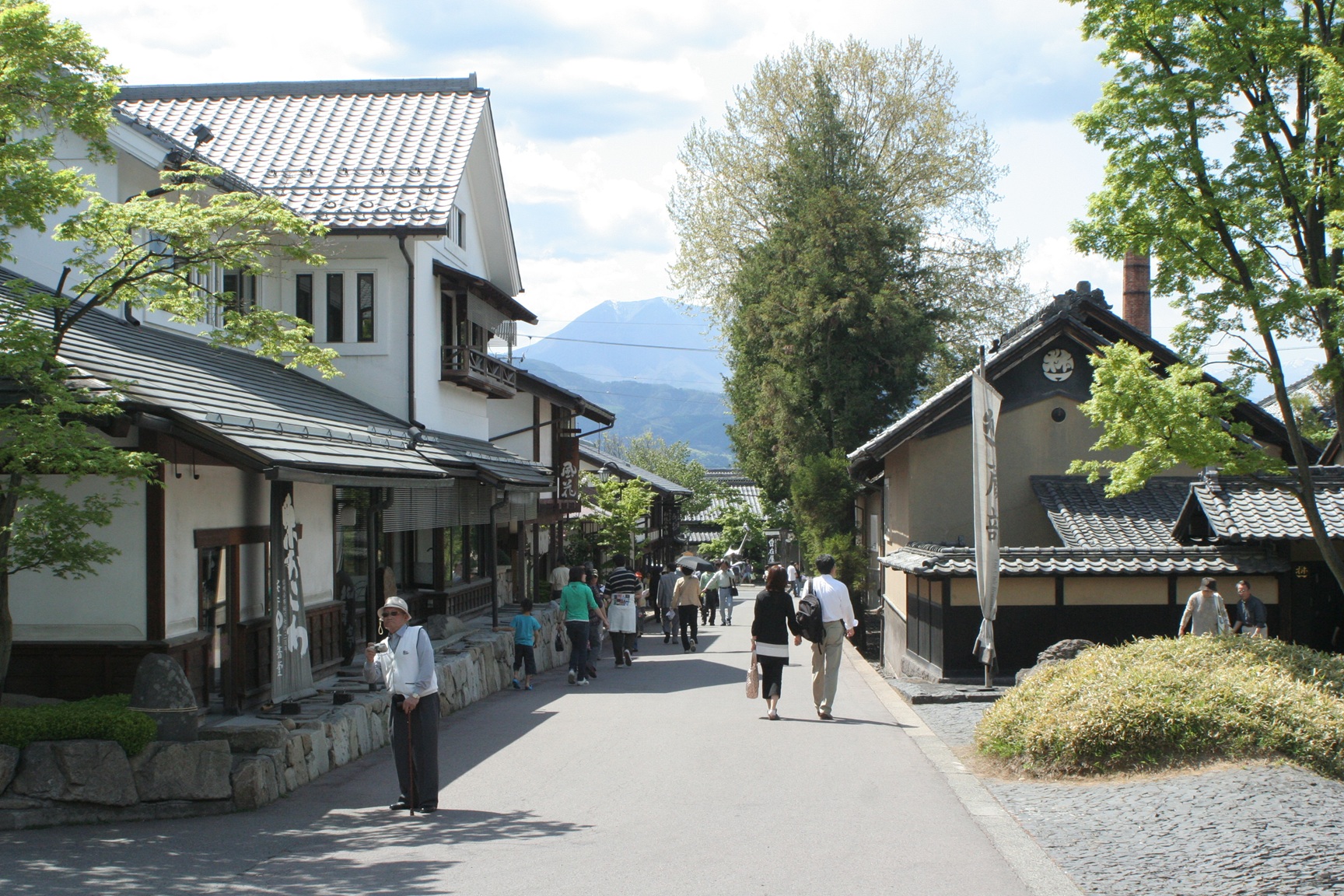
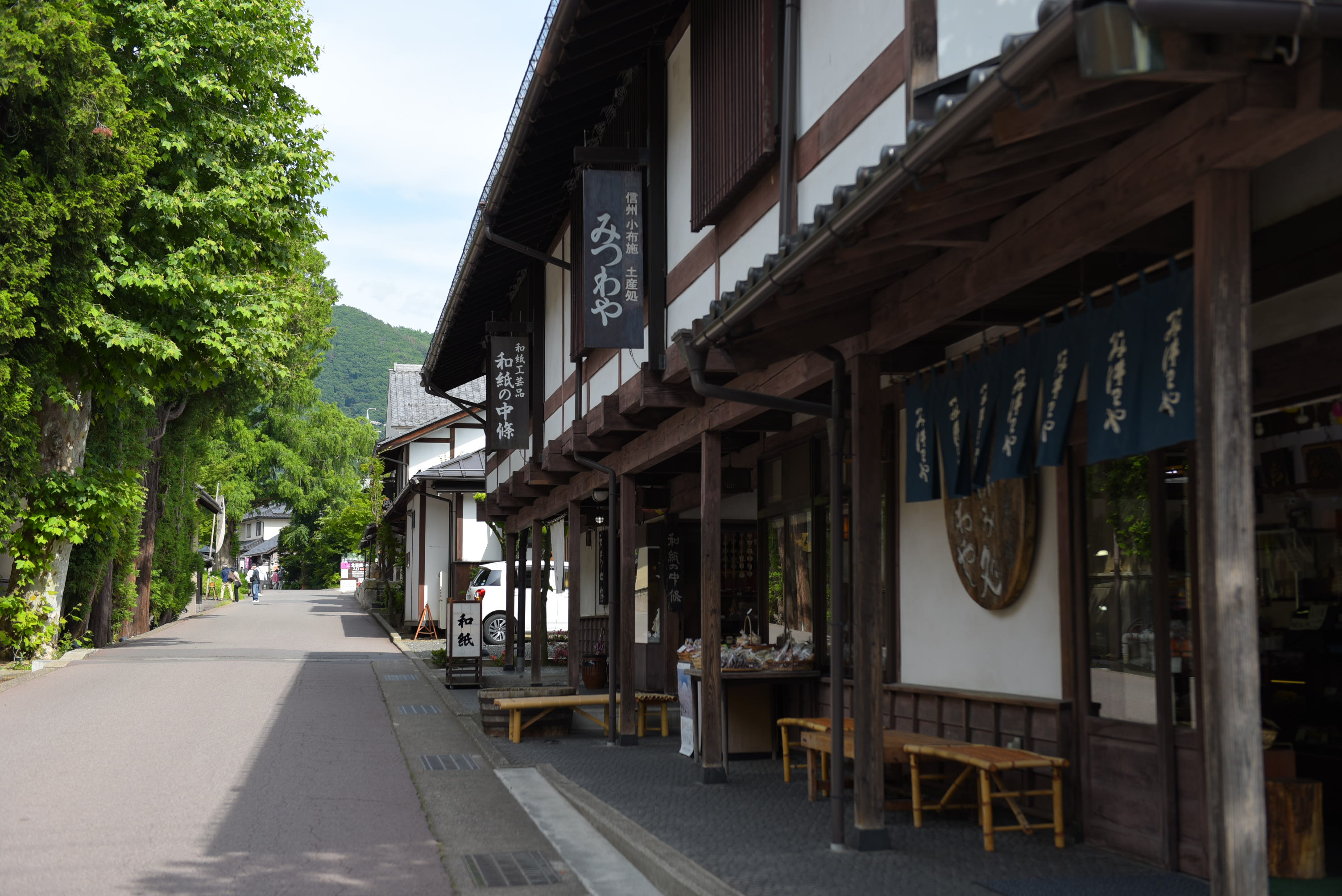
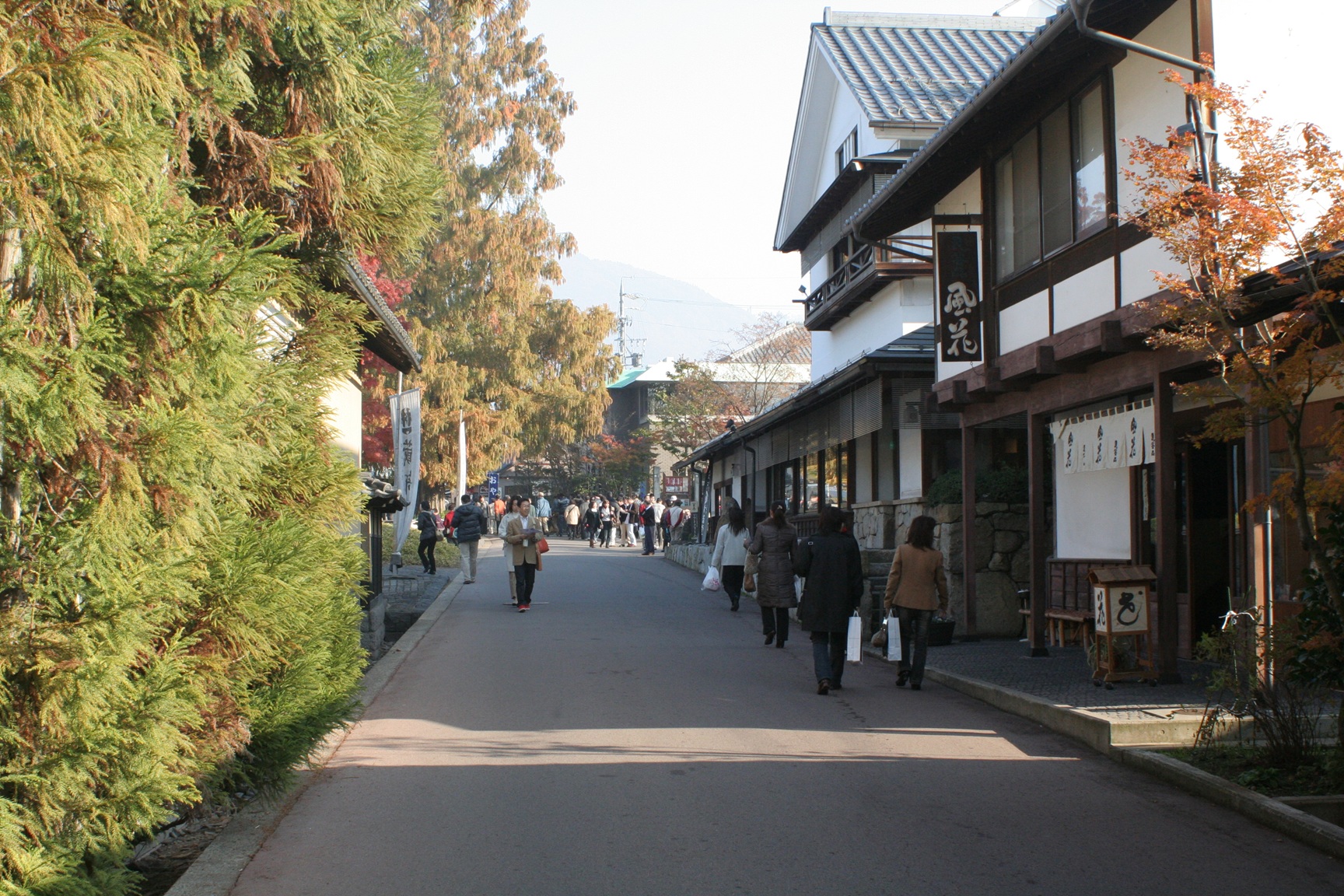
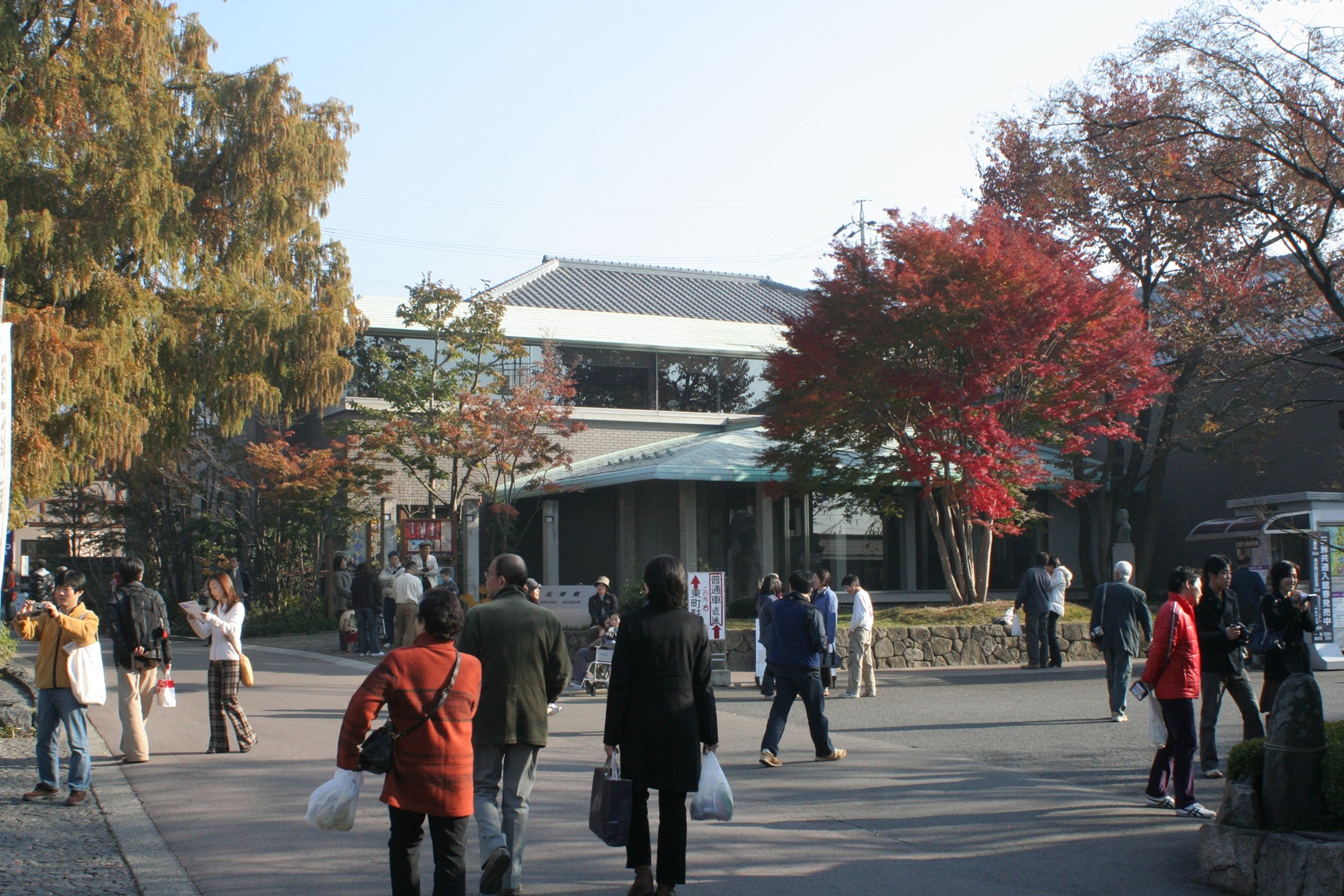
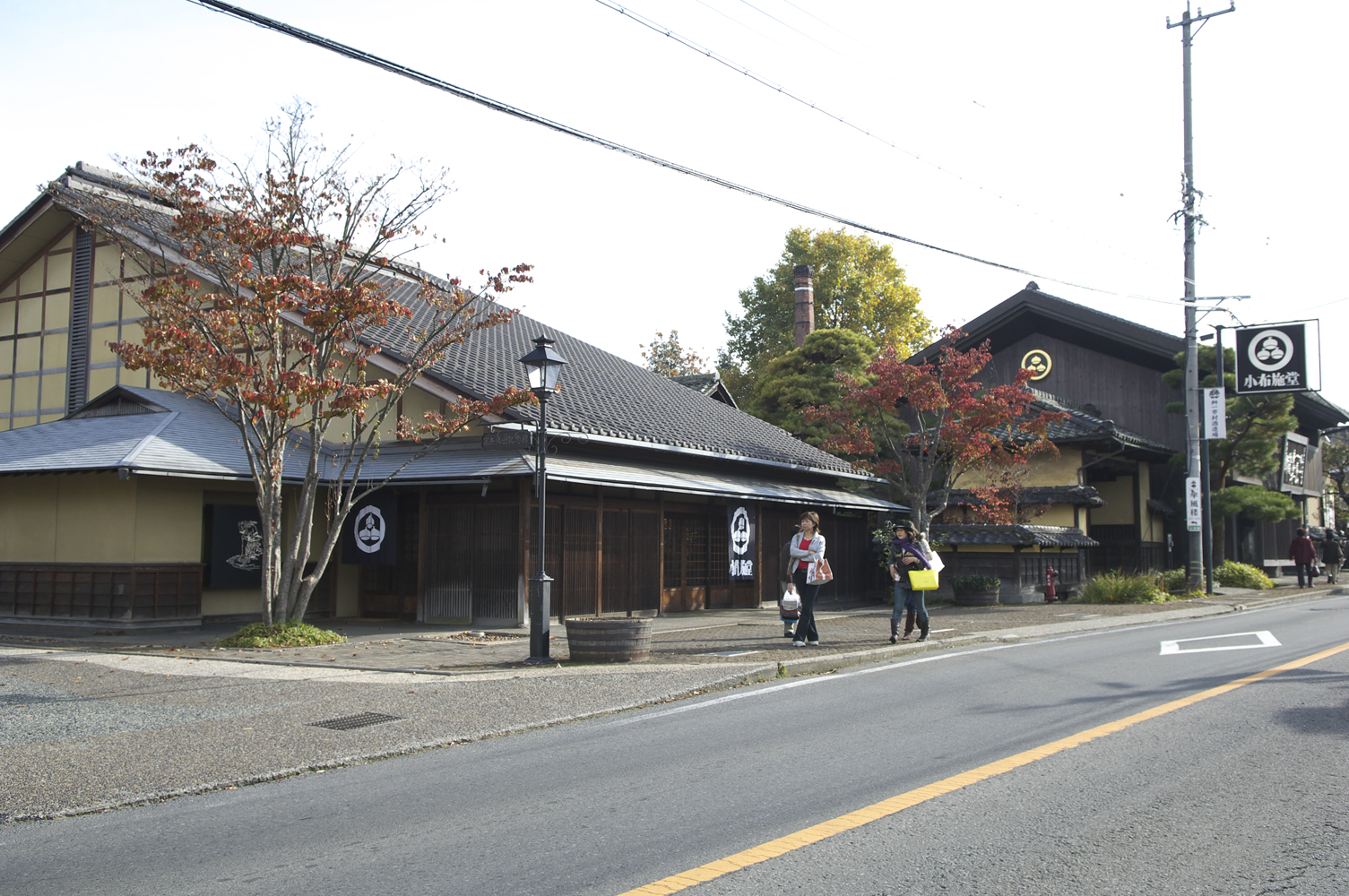
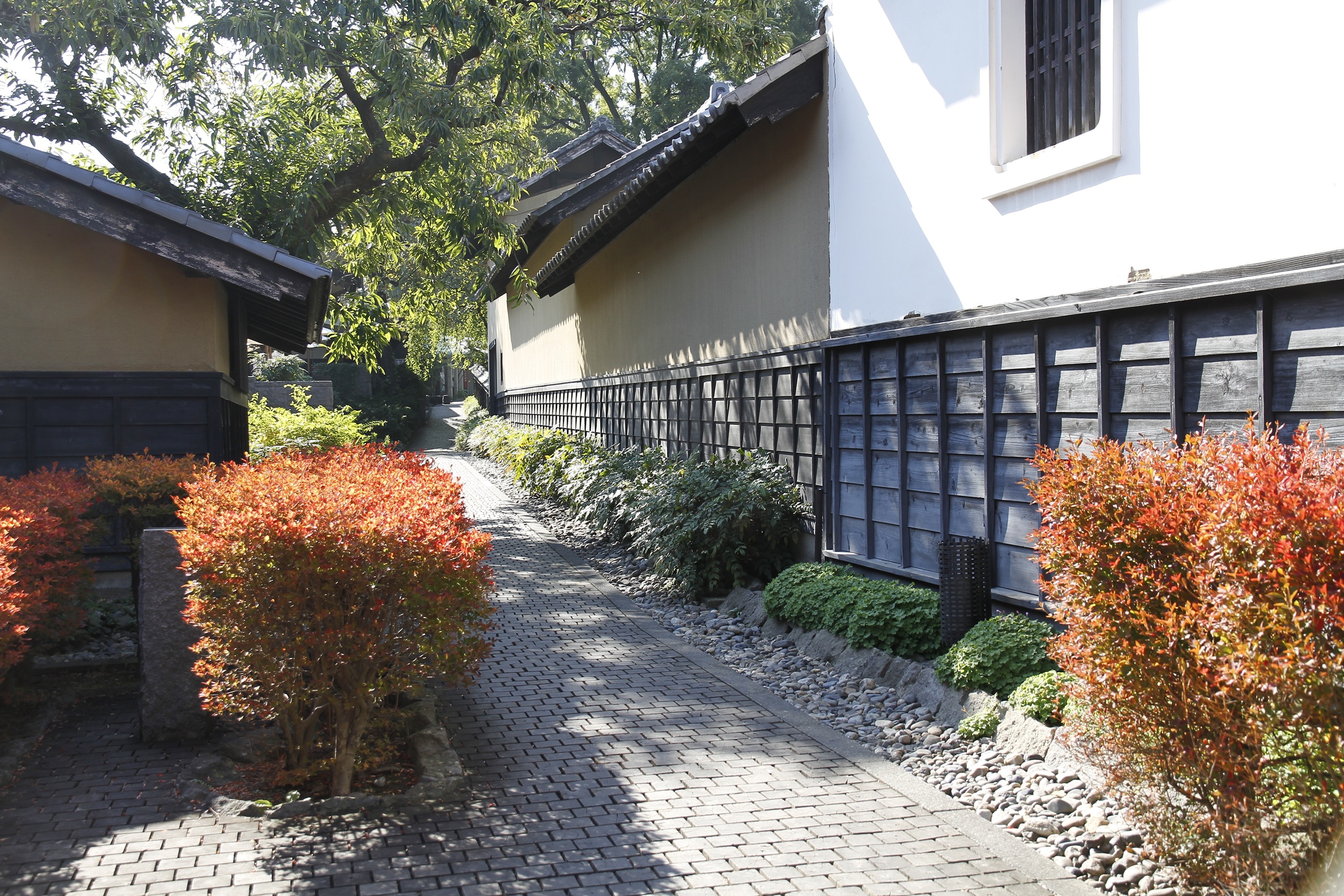
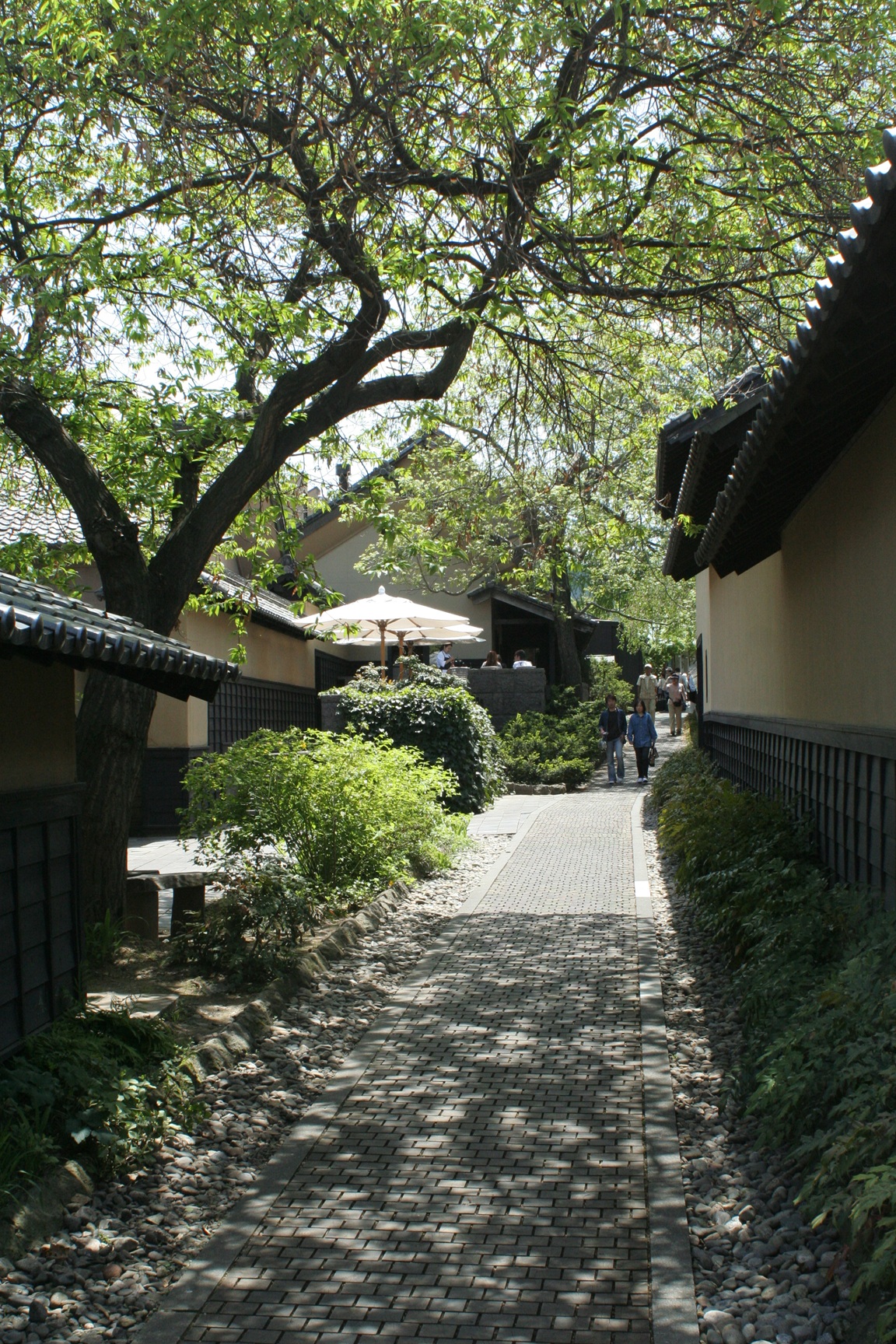
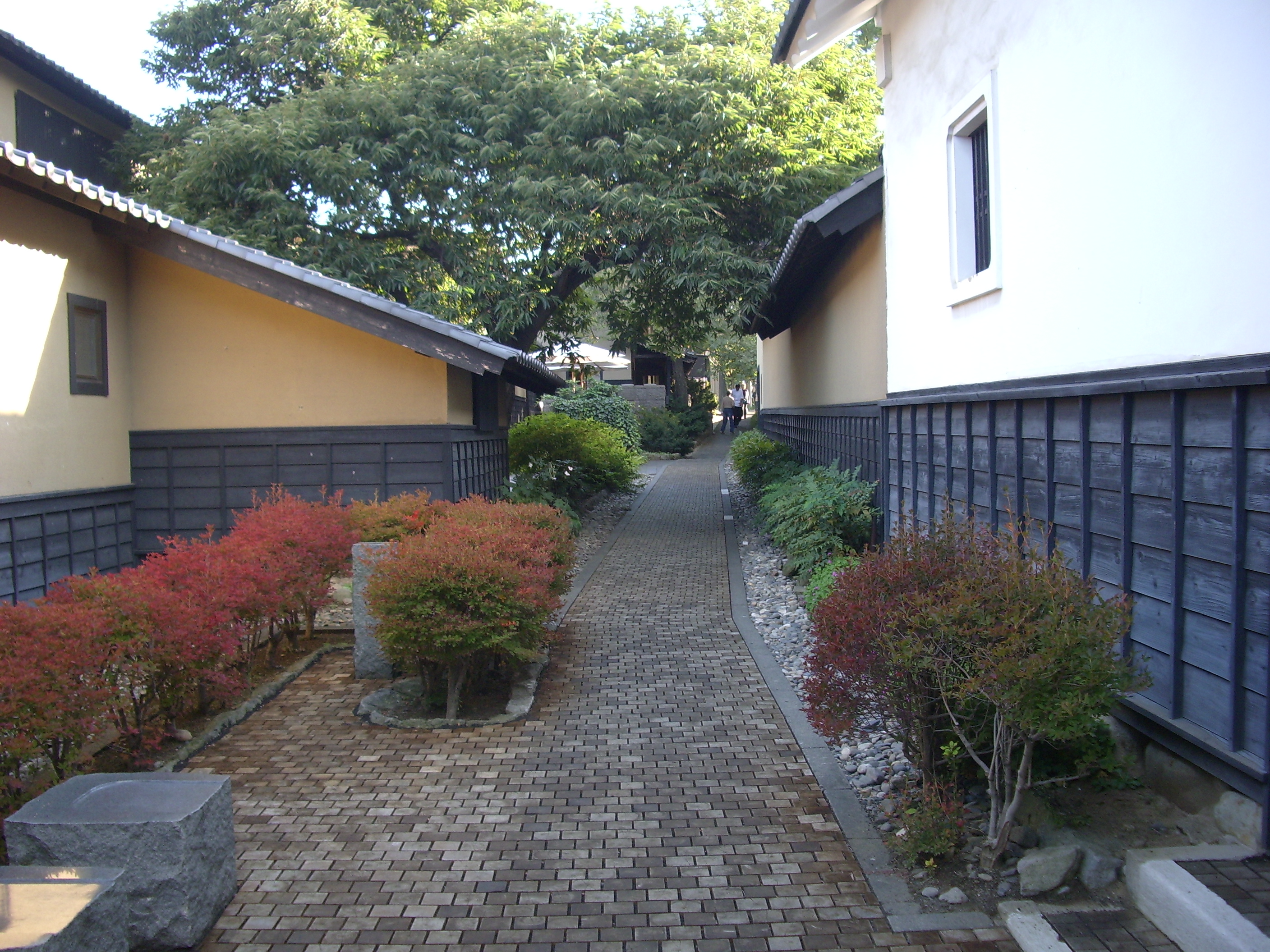
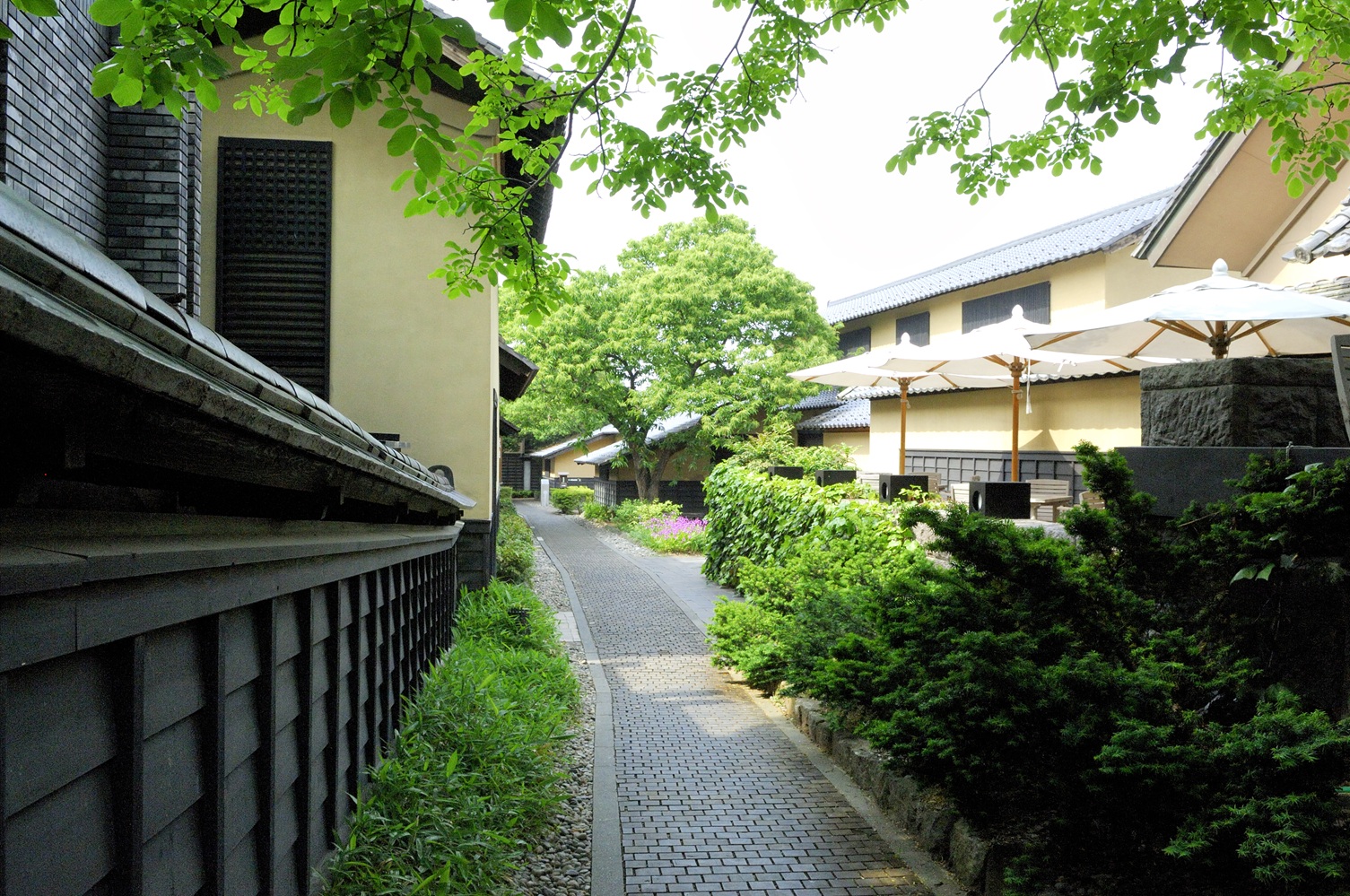
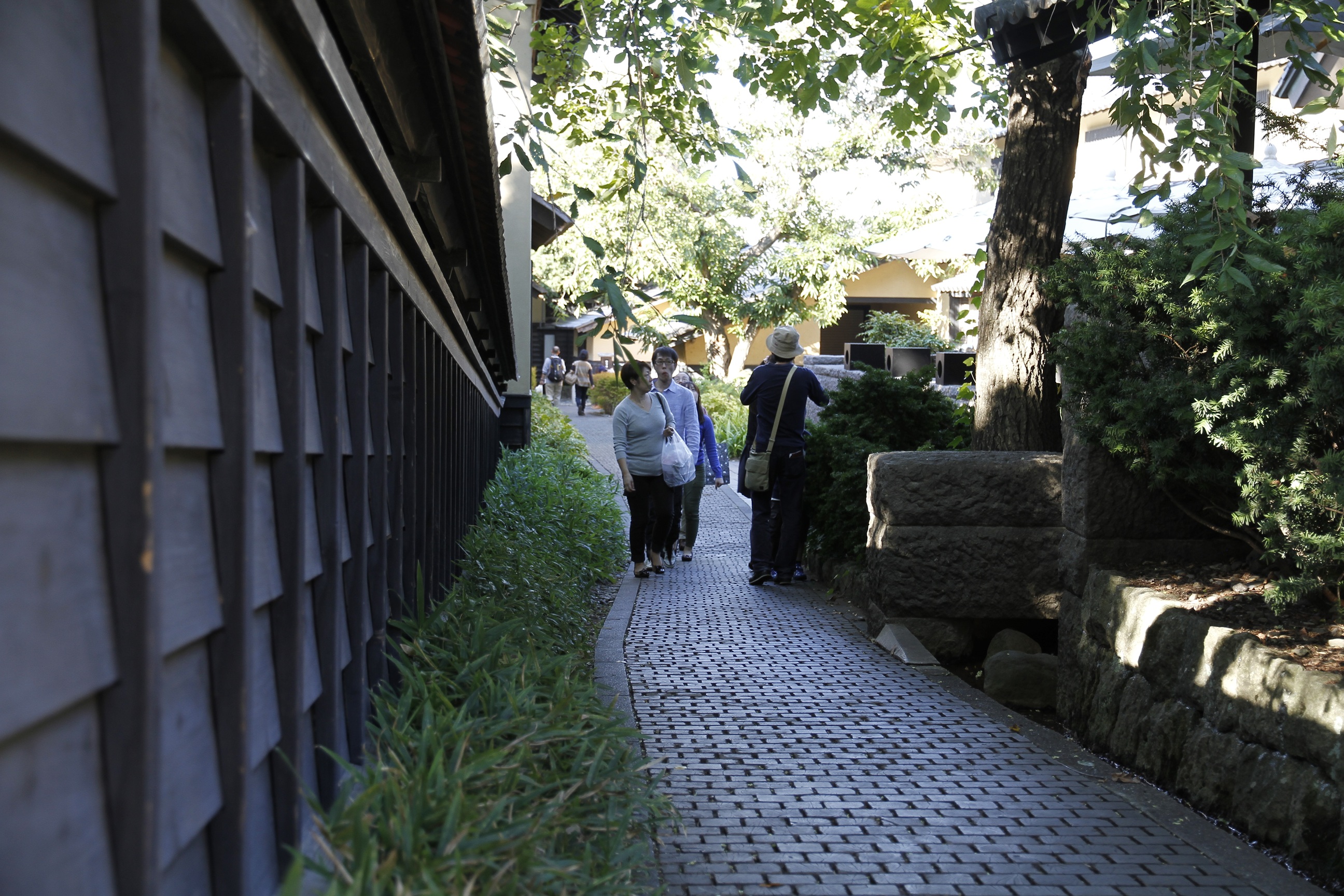
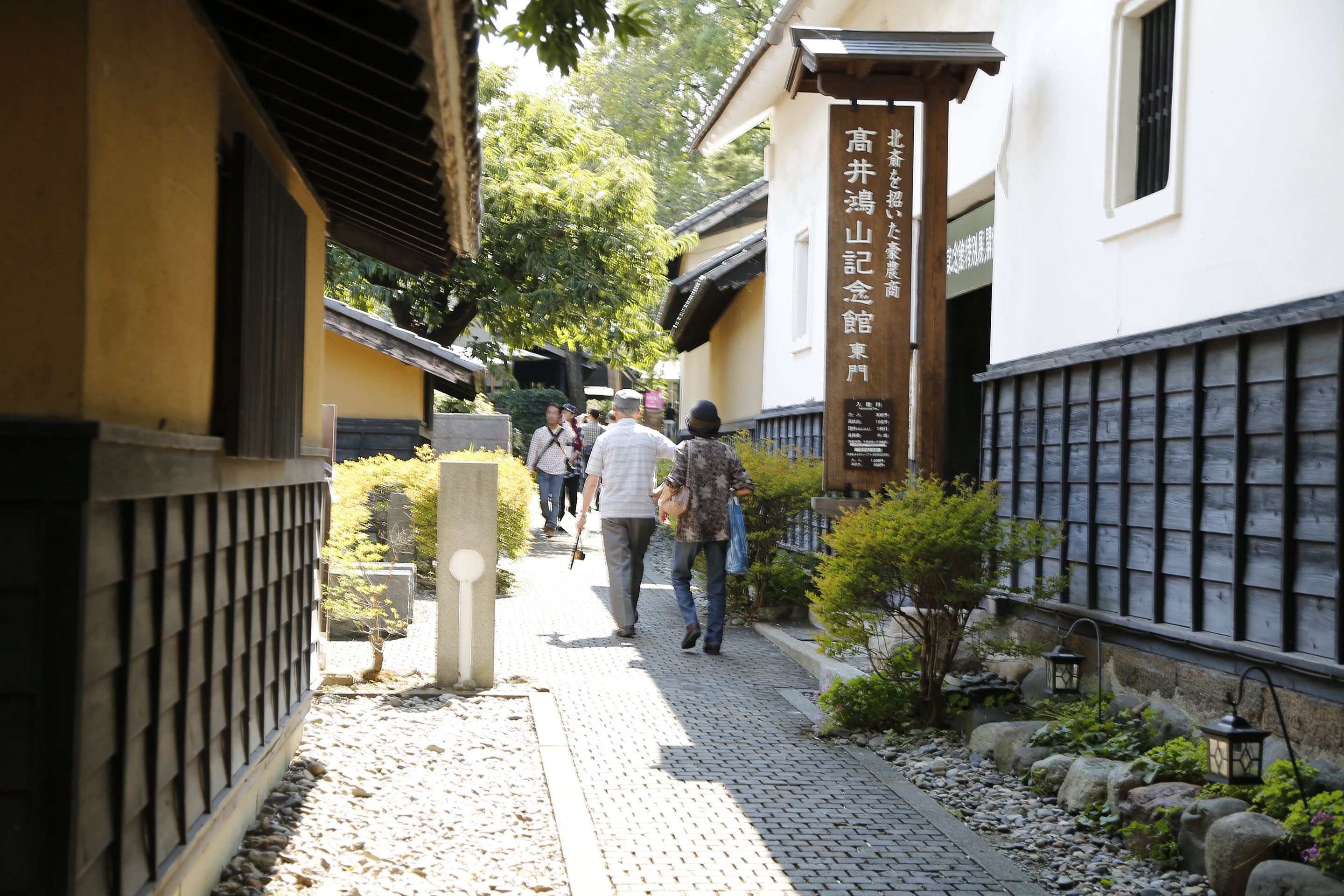
Obuse’s 40-year townscape restoration is the story of how a small rural town reinvented itself through beauty, culture, and community collaboration. Over four decades, residents, local businesses, and public institutions worked together to restore traditional streetscapes, create welcoming pedestrian spaces like the Chestnut Path, and turn private gardens into shared cultural assets. This effort transformed Obuse into a vibrant cultural landscape where heritage and contemporary life coexist.
Japan
Local
Obuse Town, Nagano Prefecture, Japan
Mainly urban
It involves other types of transformations (soft investment)
Yes
2022-12-31
No
No
No
Organisation
The project is a 40‑year, community‑driven initiative carried out between 1982 and 2022. Its core achievement was the revitalisation of a declining rural town through the integration of landscape quality, cultural heritage, and participatory governance. Its aim was to create a beautiful, inclusive, and resilient living environment by restoring streetscapes, strengthening civic culture, and enabling residents to co‑shape their town’s future.
Its objectives were to restore the historic townscape; create high‑quality public spaces; embed landscape stewardship in daily life; establish participatory governance; and build long‑term collaborations with universities, businesses, and external partners. These goals were realised through three phases. In the 1980s, the town and six landowners restored key streetscapes and created the pedestrian‑friendly Chestnut Path. In the 1990s, new ordinances, horticultural training, and the Open Garden network institutionalised resident participation. In the 2000s, collaboration deepened through the Town‑Making Committee, a research institute with Tokyo University of Science, and the resident‑designed Machitosho Terraso library.
By 2012, the main project had delivered measurable outcomes: restored streetscapes, increased walkability, strengthened cultural identity, over 130 open gardens, co‑designed public spaces, and a governance model that empowers citizens. It also generated economic revitalisation through tourism, entrepreneurship, and cultural programming.
After 2012, the project entered a new phase of evolution—youth‑led initiatives, renewable energy, international partnerships, and sports culture—extending its principles into new fields.
Today, Obuse is recognised not only for its restored townscape but for a dynamic cultural ecosystem where landscape, community, and innovation reinforce one another.
It addressed challenges common to rural Europe and Japan—population decline, loss of identity, and weaked local ecomies.
Its objectives were to restore the historic townscape; create high‑quality public spaces; embed landscape stewardship in daily life; establish participatory governance; and build long‑term collaborations with universities, businesses, and external partners. These goals were realised through three phases. In the 1980s, the town and six landowners restored key streetscapes and created the pedestrian‑friendly Chestnut Path. In the 1990s, new ordinances, horticultural training, and the Open Garden network institutionalised resident participation. In the 2000s, collaboration deepened through the Town‑Making Committee, a research institute with Tokyo University of Science, and the resident‑designed Machitosho Terraso library.
By 2012, the main project had delivered measurable outcomes: restored streetscapes, increased walkability, strengthened cultural identity, over 130 open gardens, co‑designed public spaces, and a governance model that empowers citizens. It also generated economic revitalisation through tourism, entrepreneurship, and cultural programming.
After 2012, the project entered a new phase of evolution—youth‑led initiatives, renewable energy, international partnerships, and sports culture—extending its principles into new fields.
Today, Obuse is recognised not only for its restored townscape but for a dynamic cultural ecosystem where landscape, community, and innovation reinforce one another.
It addressed challenges common to rural Europe and Japan—population decline, loss of identity, and weaked local ecomies.
The project began as a response to post‑war decline and the loss of cultural identity. The idea emerged in the early 1980s, when residents, landowners, and the municipality recognised that restoring the historic townscape could become the foundation for social, cultural, and economic renewal. Rather than a single project, it became a multi‑decade, community‑driven process in which citizens were not passive beneficiaries but co‑creators of their environment.
A wide range of actors shaped the project: residents, landowners, local businesses, cultural organisations, universities, and later external partners. Decision‑making took place through formal bodies such as the Town‑Making Committee and Youth Council, as well as through informal networks like the Open Garden community. This ensured that diverse voices influenced priorities, design choices, and implementation.
The project unfolded in three main phases. In the 1980s, the town and six landowners co‑designed the first townscape restoration, creating the Chestnut Path and establishing landscape as a shared public asset. In the 1990s, new ordinances, horticultural training, and the Open Garden network embedded landscape stewardship into everyday life. In the 2000s, collaboration deepened through joint research with universities, resident‑led design processes, and the creation of new public spaces such as the Machitosho Terraso library.
Implementation relied on co‑design workshops, site‑specific pilot actions, landscape guidelines, participatory planning tools, and long‑term academic partnerships. Residents contributed ideas, tested prototypes, and evaluated outcomes, while the municipality coordinated land‑use planning and policy frameworks.
This approach directly supported the project’s objectives: restoring the historic townscape, strengthening civic culture, and creating a resilient, human‑scaled environment. Obuse achieved durable results—restored streetscapes and a strong sense of shared responsibility.
A wide range of actors shaped the project: residents, landowners, local businesses, cultural organisations, universities, and later external partners. Decision‑making took place through formal bodies such as the Town‑Making Committee and Youth Council, as well as through informal networks like the Open Garden community. This ensured that diverse voices influenced priorities, design choices, and implementation.
The project unfolded in three main phases. In the 1980s, the town and six landowners co‑designed the first townscape restoration, creating the Chestnut Path and establishing landscape as a shared public asset. In the 1990s, new ordinances, horticultural training, and the Open Garden network embedded landscape stewardship into everyday life. In the 2000s, collaboration deepened through joint research with universities, resident‑led design processes, and the creation of new public spaces such as the Machitosho Terraso library.
Implementation relied on co‑design workshops, site‑specific pilot actions, landscape guidelines, participatory planning tools, and long‑term academic partnerships. Residents contributed ideas, tested prototypes, and evaluated outcomes, while the municipality coordinated land‑use planning and policy frameworks.
This approach directly supported the project’s objectives: restoring the historic townscape, strengthening civic culture, and creating a resilient, human‑scaled environment. Obuse achieved durable results—restored streetscapes and a strong sense of shared responsibility.
Townscape Restoration
Cultural Landscape
Participatory Governance
Community Collaboration
Sustainable Regeneration
The project addresses sustainability as an integrated environmental, social, cultural, and economic challenges. Sustainability is understood not only as a technical objective but as a way of living that harmonises people, place, and long-term value creation.
Environmental sustainability: Traditional streetscapes were restored using local materials such as wood, stone, and plaster, reducing environmental impact while preserving vernacular building knowledge. Walkable public spaces, including the Chestnut Path, promote low-carbon mobility and reduce car dependence. The Open Garden network expands green cover, supports biodiversity, and improves the microclimate. It was followed by the renewable energy initiatives in the 2010s.
Social sustainability: Participation is embedded in governance. Residents co-design public spaces, maintain façades and gardens, and contribute to decision-making through the Town-Making Committee and Youth Council. These mechanisms have built long-term social capital, strengthened trust, and ensured that policies reflect diverse community needs. Public spaces such as the Machitosho Terraso library support intergenerational learning and community well-being.
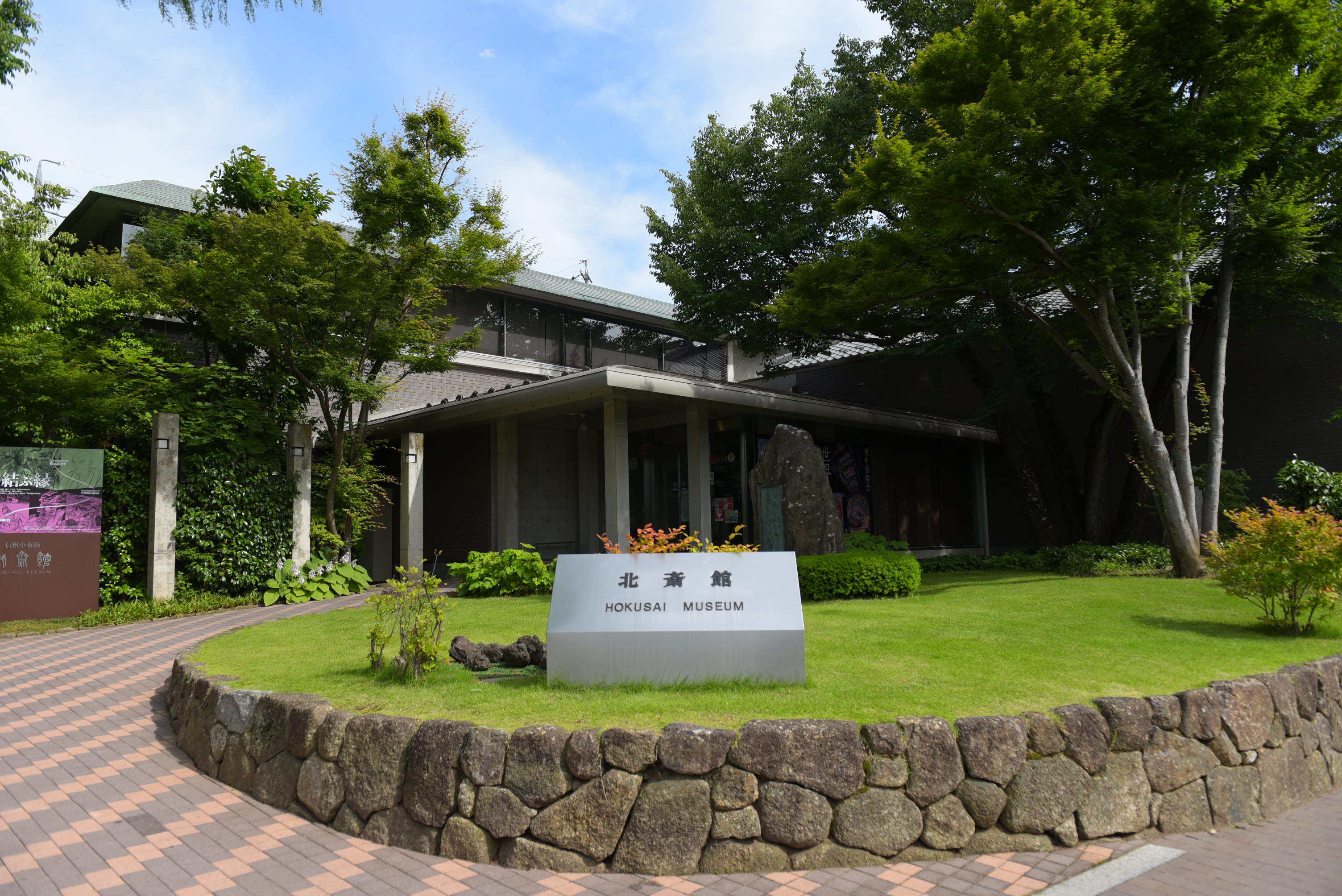
Cultural and economic sustainability: Obuse revitalised its identity by restoring heritage buildings, celebrating Hokusai’s legacy, and integrating arts and craftsmanship into town-making. Cultural events and the Open Garden network transformed private spaces into shared cultural assets, creating a living cultural landscape. The restored townscape has also generated economic opportunities through tourism, local entrepreneurship, and cultural industries.
Exemplary character: Obuse shows how sustainability can be achieved through beauty, culture, and community collaboration. By integrating environmental stewardship, cultural continuity, social participation, and economic vitality, it offers a model of long-term regeneration rooted in local identity and collective action.
Environmental sustainability: Traditional streetscapes were restored using local materials such as wood, stone, and plaster, reducing environmental impact while preserving vernacular building knowledge. Walkable public spaces, including the Chestnut Path, promote low-carbon mobility and reduce car dependence. The Open Garden network expands green cover, supports biodiversity, and improves the microclimate. It was followed by the renewable energy initiatives in the 2010s.
Social sustainability: Participation is embedded in governance. Residents co-design public spaces, maintain façades and gardens, and contribute to decision-making through the Town-Making Committee and Youth Council. These mechanisms have built long-term social capital, strengthened trust, and ensured that policies reflect diverse community needs. Public spaces such as the Machitosho Terraso library support intergenerational learning and community well-being.
Cultural and economic sustainability: Obuse revitalised its identity by restoring heritage buildings, celebrating Hokusai’s legacy, and integrating arts and craftsmanship into town-making. Cultural events and the Open Garden network transformed private spaces into shared cultural assets, creating a living cultural landscape. The restored townscape has also generated economic opportunities through tourism, local entrepreneurship, and cultural industries.
Exemplary character: Obuse shows how sustainability can be achieved through beauty, culture, and community collaboration. By integrating environmental stewardship, cultural continuity, social participation, and economic vitality, it offers a model of long-term regeneration rooted in local identity and collective action.
The project creates beauty as a lived, shared experience by integrating landscape, culture, and community stewardship into daily life. Its goal is a human‑scaled environment where traditional architecture, gardens, and public spaces form a coherent cultural landscape that supports well‑being and belonging. Restored streetscapes, walkable paths, and greenery enrich everyday sensory experience—light, texture, scent, sound, and seasonal change.
Implementation relied on careful design and local craftsmanship. Traditional materials such as wood, plaster, and stone ensured harmony with heritage. The Chestnut Path and other pedestrian spaces were co‑designed with residents to prioritise comfort and slow movement. The Open Garden network turned private gardens into shared cultural spaces, now numbering over 130 sites. Cultural facilities such as the Machitosho Terraso library integrate architecture, art, and landscape to encourage reflection, creativity, and community interaction.
The project enhances daily life through visually coherent and sensorially rich spaces. Walkability, greenery, and crafted public areas support relaxation, social interaction, and emotional grounding. Natural materials, garden scents, water sounds, and seasonal colours strengthen the connection between people and place.
Culturally, the project reinforces identity by preserving and reinterpreting heritage—including Hokusai’s legacy, traditional storehouses, orchards, and rural landscapes—while fostering new expressions through festivals, community art, youth initiatives, and sports culture. Residents actively maintain façades, gardens, and public spaces, reflecting shared responsibility for the town’s atmosphere.
Obuse is exemplary because it treats aesthetics not as decoration but as a foundation for sustainable community life. Its long-term, community-driven approach shows how beauty, heritage, and craftsmanship can strengthen social cohesion, cultural vitality, and environmental quality.
Implementation relied on careful design and local craftsmanship. Traditional materials such as wood, plaster, and stone ensured harmony with heritage. The Chestnut Path and other pedestrian spaces were co‑designed with residents to prioritise comfort and slow movement. The Open Garden network turned private gardens into shared cultural spaces, now numbering over 130 sites. Cultural facilities such as the Machitosho Terraso library integrate architecture, art, and landscape to encourage reflection, creativity, and community interaction.
The project enhances daily life through visually coherent and sensorially rich spaces. Walkability, greenery, and crafted public areas support relaxation, social interaction, and emotional grounding. Natural materials, garden scents, water sounds, and seasonal colours strengthen the connection between people and place.
Culturally, the project reinforces identity by preserving and reinterpreting heritage—including Hokusai’s legacy, traditional storehouses, orchards, and rural landscapes—while fostering new expressions through festivals, community art, youth initiatives, and sports culture. Residents actively maintain façades, gardens, and public spaces, reflecting shared responsibility for the town’s atmosphere.
Obuse is exemplary because it treats aesthetics not as decoration but as a foundation for sustainable community life. Its long-term, community-driven approach shows how beauty, heritage, and craftsmanship can strengthen social cohesion, cultural vitality, and environmental quality.
The project promotes inclusion by ensuring that the benefits of a beautiful, culturally rich, and sustainable environment are shared by all residents and visitors.
The project’s objectives are to make the townscape accessible and welcoming; to strengthen cultural inclusion through shared heritage and the Open Garden network; to enhance spatial inclusion through walkable, human‑scaled public spaces; to embed participatory governance; and to support economic inclusion by enabling local entrepreneurship and circulating the benefits of revitalisation within the community.
Inclusive governance was built through concrete mechanisms such as the Town‑Making Committee, the Youth Council, and the Energy Council, enabling residents, young people, businesses, and external partners to propose ideas, co‑design spaces, and influence policy. The Open Garden network transformed private gardens into freely accessible cultural spaces, lowering barriers to participation. Public spaces such as the Chestnut Path and the Machitosho Terraso library were designed through multi‑year resident consultations to ensure comfort, accessibility, and usability. Collaboration with universities brought diverse expertise while keeping decision‑making rooted locally.
The results are visible across generations. Residents actively shape public spaces, maintain gardens, and participate in governance. More than 130 open gardens foster social connection and free cultural access. The library has become a hub for learning and community life. Youth‑led initiatives have generated new policies and businesses, while renewable energy and sports facilities broaden civic participation. The town’s identity is now shared, co‑created, and widely recognised.
Obuse treats inclusion as a cultural practice embedded in everyday life. Its long‑term, community‑driven model shows how small towns can build equitable, participatory and resilient societies by combining shared spaces and cultural stewardship across generations.
The project’s objectives are to make the townscape accessible and welcoming; to strengthen cultural inclusion through shared heritage and the Open Garden network; to enhance spatial inclusion through walkable, human‑scaled public spaces; to embed participatory governance; and to support economic inclusion by enabling local entrepreneurship and circulating the benefits of revitalisation within the community.
Inclusive governance was built through concrete mechanisms such as the Town‑Making Committee, the Youth Council, and the Energy Council, enabling residents, young people, businesses, and external partners to propose ideas, co‑design spaces, and influence policy. The Open Garden network transformed private gardens into freely accessible cultural spaces, lowering barriers to participation. Public spaces such as the Chestnut Path and the Machitosho Terraso library were designed through multi‑year resident consultations to ensure comfort, accessibility, and usability. Collaboration with universities brought diverse expertise while keeping decision‑making rooted locally.
The results are visible across generations. Residents actively shape public spaces, maintain gardens, and participate in governance. More than 130 open gardens foster social connection and free cultural access. The library has become a hub for learning and community life. Youth‑led initiatives have generated new policies and businesses, while renewable energy and sports facilities broaden civic participation. The town’s identity is now shared, co‑created, and widely recognised.
Obuse treats inclusion as a cultural practice embedded in everyday life. Its long‑term, community‑driven model shows how small towns can build equitable, participatory and resilient societies by combining shared spaces and cultural stewardship across generations.
From the outset, residents were treated not as recipients of public works but as co‑creators of the town’s cultural landscape. Their involvement shaped every stage of the process—vision-setting, design, decision-making, implementation, and evaluation—forming a participatory governance model that has endured for more than 30 years.
Residents, landowners, neighbourhood groups, gardeners, cultural organisations, businesses, universities, and later youth and environmental groups all played active roles. Formal bodies such as the Town-Making Committee and Youth Council provided structured platforms for participation, while informal networks like the Open Garden community enabled everyday involvement.
Participation evolved through phases. In the 1980s, citizens and six landowners co‑created the first townscape restoration with the municipality. In the 1990s, residents shaped greening policies, garden networks, and landscape guidelines. In the 2000s, they co‑designed new public spaces such as the Machitosho Terraso library through multi-year dialogue. Engagement continued through implementation, maintenance, and ongoing evaluation of public spaces and cultural initiatives.
Residents contributed through consultations, co‑design workshops, pilot actions, gardening, façade maintenance, and governance roles. The Town-Making Committee enabled citizens to propose ideas and influence policy. The Youth Council empowered young people to design services and projects. Collaboration with universities introduced research-based methods while keeping decisions rooted locally.
Citizens had substantial influence over priorities, spatial design, and policy direction. Their proposals shaped the Chestnut Path, the Open Garden network, the library’s concept, and later renewable energy and youth initiatives.
This approach ensured that public spaces reflected real community needs. Over 130 open gardens, restored streetscapes, and widely used cultural facilities demonstrate its success.
Residents, landowners, neighbourhood groups, gardeners, cultural organisations, businesses, universities, and later youth and environmental groups all played active roles. Formal bodies such as the Town-Making Committee and Youth Council provided structured platforms for participation, while informal networks like the Open Garden community enabled everyday involvement.
Participation evolved through phases. In the 1980s, citizens and six landowners co‑created the first townscape restoration with the municipality. In the 1990s, residents shaped greening policies, garden networks, and landscape guidelines. In the 2000s, they co‑designed new public spaces such as the Machitosho Terraso library through multi-year dialogue. Engagement continued through implementation, maintenance, and ongoing evaluation of public spaces and cultural initiatives.
Residents contributed through consultations, co‑design workshops, pilot actions, gardening, façade maintenance, and governance roles. The Town-Making Committee enabled citizens to propose ideas and influence policy. The Youth Council empowered young people to design services and projects. Collaboration with universities introduced research-based methods while keeping decisions rooted locally.
Citizens had substantial influence over priorities, spatial design, and policy direction. Their proposals shaped the Chestnut Path, the Open Garden network, the library’s concept, and later renewable energy and youth initiatives.
This approach ensured that public spaces reflected real community needs. Over 130 open gardens, restored streetscapes, and widely used cultural facilities demonstrate its success.
The project was enabled by coordinated engagement across multi levels. Each contributed distinct roles and expertise, forming a governance system that ensured continuity and long-term impact.
At the local level, the municipality, residents, landowners, and businesses formed the core decision-making community. The town government led planning and coordination, while residents participated through the Town-Making Committee, Youth Council, Energy Council, and the Open Garden network. Local businesses supported investment and cultural programming, shaping priorities and implementation.
At the regional level, Nagano Prefecture supported cultural and tourism development and provided technical guidance for landscape preservation. Universities—including Tokyo University of Science, Shinshu University, and later the University of Tokyo and Keio University—contributed research, expert knowledge, and pilot projects such as the library concept, energy planning, and townscape studies.
At the national level, ministries and agencies provided enabling frameworks and resources. The Urban Planning Act supported land-use reorganisation and agricultural protection. National cultural institutions recognised Hokusai’s legacy, while policies on greening, heritage, and renewable energy supported initiatives such as the Open Garden network and the small hydropower plant.
At the international level, partnerships since 2019 with Turku (Finland) and environmental and cultural networks introduced European sustainability practices and created opportunities for joint experimentation and exchange.
Multilevel cooperation—through agreements, shared committees, and joint research—combined local knowledge with academic expertise, aligned projects with broader policies, secured diverse funding, and ensured scalability. This enabled Obuse to evolve from a local restoration effort into a model of integrated cultural landscape management.
At the local level, the municipality, residents, landowners, and businesses formed the core decision-making community. The town government led planning and coordination, while residents participated through the Town-Making Committee, Youth Council, Energy Council, and the Open Garden network. Local businesses supported investment and cultural programming, shaping priorities and implementation.
At the regional level, Nagano Prefecture supported cultural and tourism development and provided technical guidance for landscape preservation. Universities—including Tokyo University of Science, Shinshu University, and later the University of Tokyo and Keio University—contributed research, expert knowledge, and pilot projects such as the library concept, energy planning, and townscape studies.
At the national level, ministries and agencies provided enabling frameworks and resources. The Urban Planning Act supported land-use reorganisation and agricultural protection. National cultural institutions recognised Hokusai’s legacy, while policies on greening, heritage, and renewable energy supported initiatives such as the Open Garden network and the small hydropower plant.
At the international level, partnerships since 2019 with Turku (Finland) and environmental and cultural networks introduced European sustainability practices and created opportunities for joint experimentation and exchange.
Multilevel cooperation—through agreements, shared committees, and joint research—combined local knowledge with academic expertise, aligned projects with broader policies, secured diverse funding, and ensured scalability. This enabled Obuse to evolve from a local restoration effort into a model of integrated cultural landscape management.
The project is fundamentally transdisciplinary, uniting architecture, landscape design, cultural heritage studies, social sciences, environmental engineering, education, and community development.
Architects and landscape designers worked with local artisans to restore traditional streetscapes using wood, plaster, and stone. Cultural historians and museum professionals shaped the interpretation of Hokusai’s legacy and preserved historic buildings. Social scientists and community development experts facilitated participatory processes and embedded civic engagement into governance. Environmental engineers and energy specialists contributed to renewable energy planning, including the small hydropower plant. Educators and librarians co‑designed the Machitosho Terraso library with residents, integrating learning, architecture, and community use. Universities added expertise in planning, sociology, design, and environmental studies.
Collaboration took place through joint workshops, interdisciplinary research teams, shared committees, and long-term partnerships. The Town-Making Research Institute (2005) embedded university researchers in the town hall, enabling daily exchange between academic knowledge and local practice. The Town-Making Committee and Youth Council brought residents, businesses, and experts together to co‑design spaces and policies. Pilot actions—garden networks, library prototypes, and energy studies—allowed ideas to be tested and refined.
This approach produced outcomes no single field could achieve alone. Architectural quality improved through cultural insight; landscape design gained ecological depth; and cultural projects became more inclusive;. Academic research ensured rigour, while resident participation ensured relevance and long-term stewardship.
Obuse demonstrates how small towns can become laboratories of integrated thinking, genrating social cohesion, and cultural vitality through transdisciplinary collaboration.
Architects and landscape designers worked with local artisans to restore traditional streetscapes using wood, plaster, and stone. Cultural historians and museum professionals shaped the interpretation of Hokusai’s legacy and preserved historic buildings. Social scientists and community development experts facilitated participatory processes and embedded civic engagement into governance. Environmental engineers and energy specialists contributed to renewable energy planning, including the small hydropower plant. Educators and librarians co‑designed the Machitosho Terraso library with residents, integrating learning, architecture, and community use. Universities added expertise in planning, sociology, design, and environmental studies.
Collaboration took place through joint workshops, interdisciplinary research teams, shared committees, and long-term partnerships. The Town-Making Research Institute (2005) embedded university researchers in the town hall, enabling daily exchange between academic knowledge and local practice. The Town-Making Committee and Youth Council brought residents, businesses, and experts together to co‑design spaces and policies. Pilot actions—garden networks, library prototypes, and energy studies—allowed ideas to be tested and refined.
This approach produced outcomes no single field could achieve alone. Architectural quality improved through cultural insight; landscape design gained ecological depth; and cultural projects became more inclusive;. Academic research ensured rigour, while resident participation ensured relevance and long-term stewardship.
Obuse demonstrates how small towns can become laboratories of integrated thinking, genrating social cohesion, and cultural vitality through transdisciplinary collaboration.
The project is supported by a diversified and resilient business model combining public investment, community contributions, cultural revenues, and long-term partnerships. This structure has kept the project financially sustainable for more than three decades while generating social, cultural, and economic value.
Implementation was financed through municipal investment, contributions from landowners and local businesses, national policy support, and collaborations with universities and cultural institutions. The municipality covered core infrastructure, while private actors invested in building restoration, gardens, and cultural facilities, ensuring shared ownership and reduced risk.
The project now generates stable revenues for multiple stakeholders. Local businesses benefit from increased footfall linked to restored streetscapes, cultural facilities, and the Open Garden network. Tourism connected to Hokusai’s heritage, gardens, and walkable public spaces supports cafés, shops, accommodation, and cultural venues. Community organisations such as A La Obuse generate income through events and services. The small hydropower plant provides renewable energy revenue for local sustainability initiatives.
Future potential includes youth-led entrepreneurship, cultural events, environmental collaborations, and sports-based activities. New public spaces and cultural assets create opportunities for creative industries, education, and international partnerships, while renewable energy offers predictable long-term income.
Ongoing costs—maintenance of public spaces, gardens, cultural facilities, and participatory governance—are shared among the municipality, residents, businesses, and community groups, embedding stewardship in daily practice.
The model is scalable because it relies on shared responsibility, incremental improvements, cultural value creation, and diversified revenue streams. It shows that rural regeneration does not require large infrastrure.
Implementation was financed through municipal investment, contributions from landowners and local businesses, national policy support, and collaborations with universities and cultural institutions. The municipality covered core infrastructure, while private actors invested in building restoration, gardens, and cultural facilities, ensuring shared ownership and reduced risk.
The project now generates stable revenues for multiple stakeholders. Local businesses benefit from increased footfall linked to restored streetscapes, cultural facilities, and the Open Garden network. Tourism connected to Hokusai’s heritage, gardens, and walkable public spaces supports cafés, shops, accommodation, and cultural venues. Community organisations such as A La Obuse generate income through events and services. The small hydropower plant provides renewable energy revenue for local sustainability initiatives.
Future potential includes youth-led entrepreneurship, cultural events, environmental collaborations, and sports-based activities. New public spaces and cultural assets create opportunities for creative industries, education, and international partnerships, while renewable energy offers predictable long-term income.
Ongoing costs—maintenance of public spaces, gardens, cultural facilities, and participatory governance—are shared among the municipality, residents, businesses, and community groups, embedding stewardship in daily practice.
The model is scalable because it relies on shared responsibility, incremental improvements, cultural value creation, and diversified revenue streams. It shows that rural regeneration does not require large infrastrure.
The project shows how beauty, cultural heritage, and community participation can drive long-term regeneration without large budgets or top‑down planning. It demonstrates that small towns can create lasting impact by treating landscape as a shared public good and empowering residents to co‑create their environment. This combination of cultural landscape, participatory governance, and incremental improvement is relevant to rural and urban contexts alike.
Transferable elements include participatory governance models such as Town-Making Committees, Youth Councils, and Energy Councils; townscape restoration using local materials, design guidelines, and collaborative planning; the Open Garden network, which turns private spaces into shared cultural assets; university partnerships that integrate research and innovation; and small-scale renewable energy initiatives such as community-led hydropower. These process-based elements are adaptable and easy to replicate.
Replication requires facilitation skills, design expertise, and collaboration with academic or technical institutions. In Obuse, such partnerships ensured high-quality design, rigorous evaluation, and long-term continuity. While partners may differ elsewhere, combining local knowledge with external expertise is essential.
Cultural content and landscape identity must be locally grounded. Obuse’s model draws on Hokusai’s heritage, chestnut landscapes, and traditional architecture; other places would build on their own history, ecology, and community values. Governance structures may also need adjustment to fit local systems.
The project is scalable because it relies on shared stewardship, incremental improvements, and community activation rather than large capital investments. It offers a transferable blueprint for creating resilient, human-centered environments where landscape, culture, and participation reinforce one another.
Transferable elements include participatory governance models such as Town-Making Committees, Youth Councils, and Energy Councils; townscape restoration using local materials, design guidelines, and collaborative planning; the Open Garden network, which turns private spaces into shared cultural assets; university partnerships that integrate research and innovation; and small-scale renewable energy initiatives such as community-led hydropower. These process-based elements are adaptable and easy to replicate.
Replication requires facilitation skills, design expertise, and collaboration with academic or technical institutions. In Obuse, such partnerships ensured high-quality design, rigorous evaluation, and long-term continuity. While partners may differ elsewhere, combining local knowledge with external expertise is essential.
Cultural content and landscape identity must be locally grounded. Obuse’s model draws on Hokusai’s heritage, chestnut landscapes, and traditional architecture; other places would build on their own history, ecology, and community values. Governance structures may also need adjustment to fit local systems.
The project is scalable because it relies on shared stewardship, incremental improvements, and community activation rather than large capital investments. It offers a transferable blueprint for creating resilient, human-centered environments where landscape, culture, and participation reinforce one another.