Enhancing Circularity, Sustainability, and Innovation
USV - Vatoz
Unmanned Surface Vessel (USV) for marine and coastal pollution management
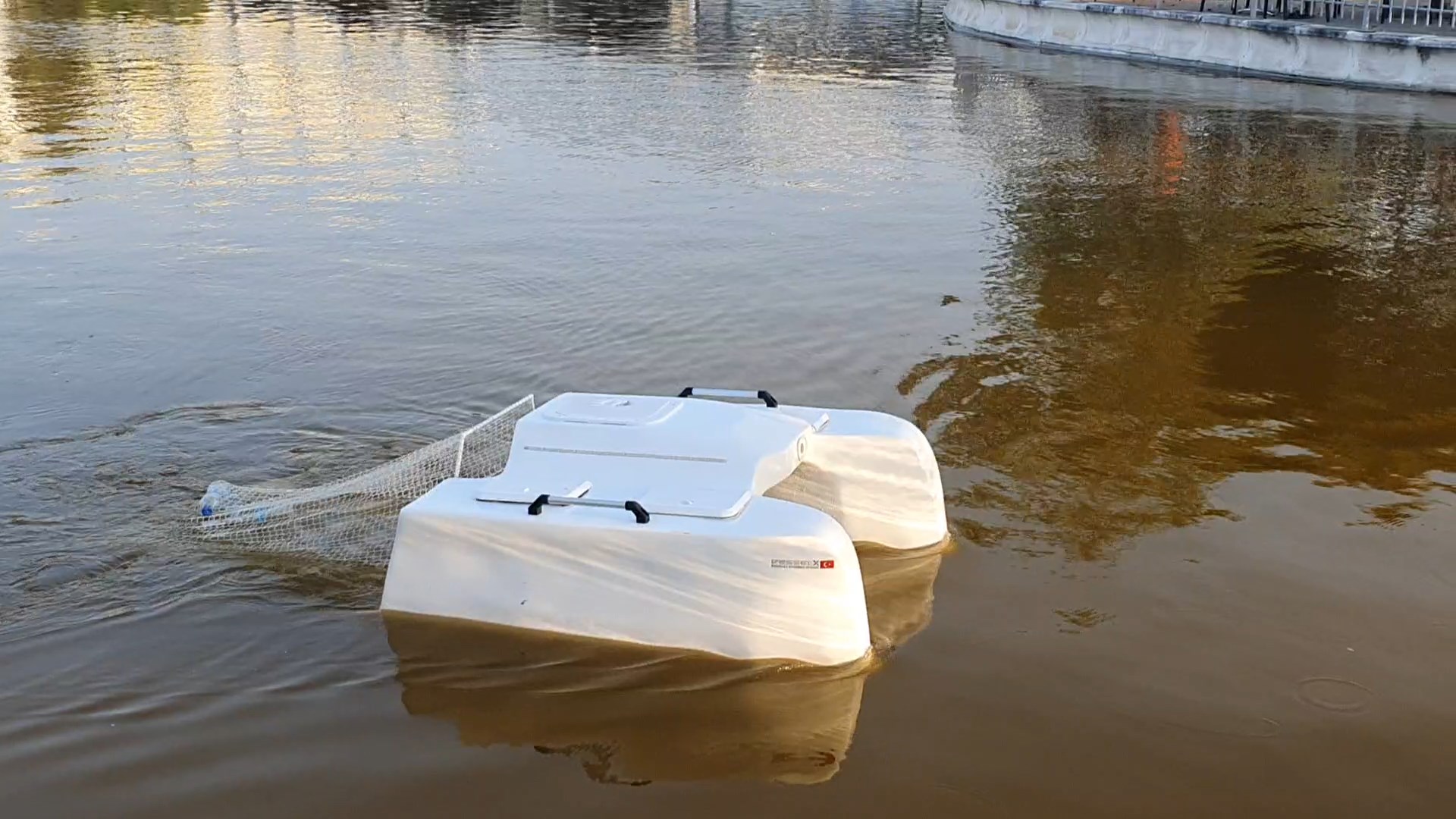
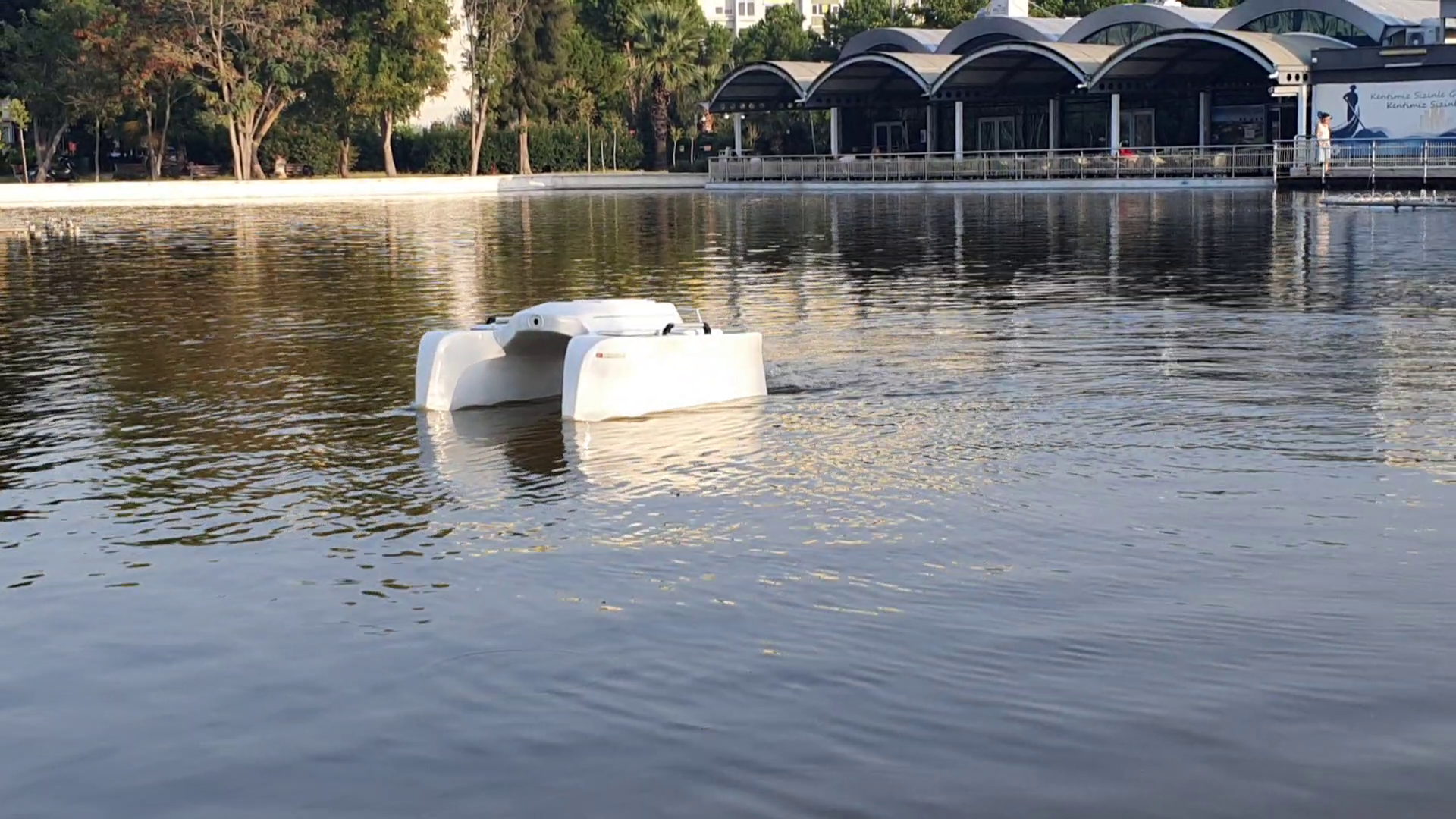
Vessel X, LTD. is a deep-tech startup based in Malta and İzmir, Türkiye, developing Autonomous Water Surface Vessels (AWSVs) for marine and coastal pollution management. Its flagship product, Vatoz, uses advanced AI, image processing, and electric propulsion to autonomously collect surface waste in ports, marinas, and coastal zones.
Malta
National
Mainly urban
It involves a physical transformation of the built environment (hard investment)
Prototype level
Yes
EIT Community New European Bauhaus
No
Yes
Organisation
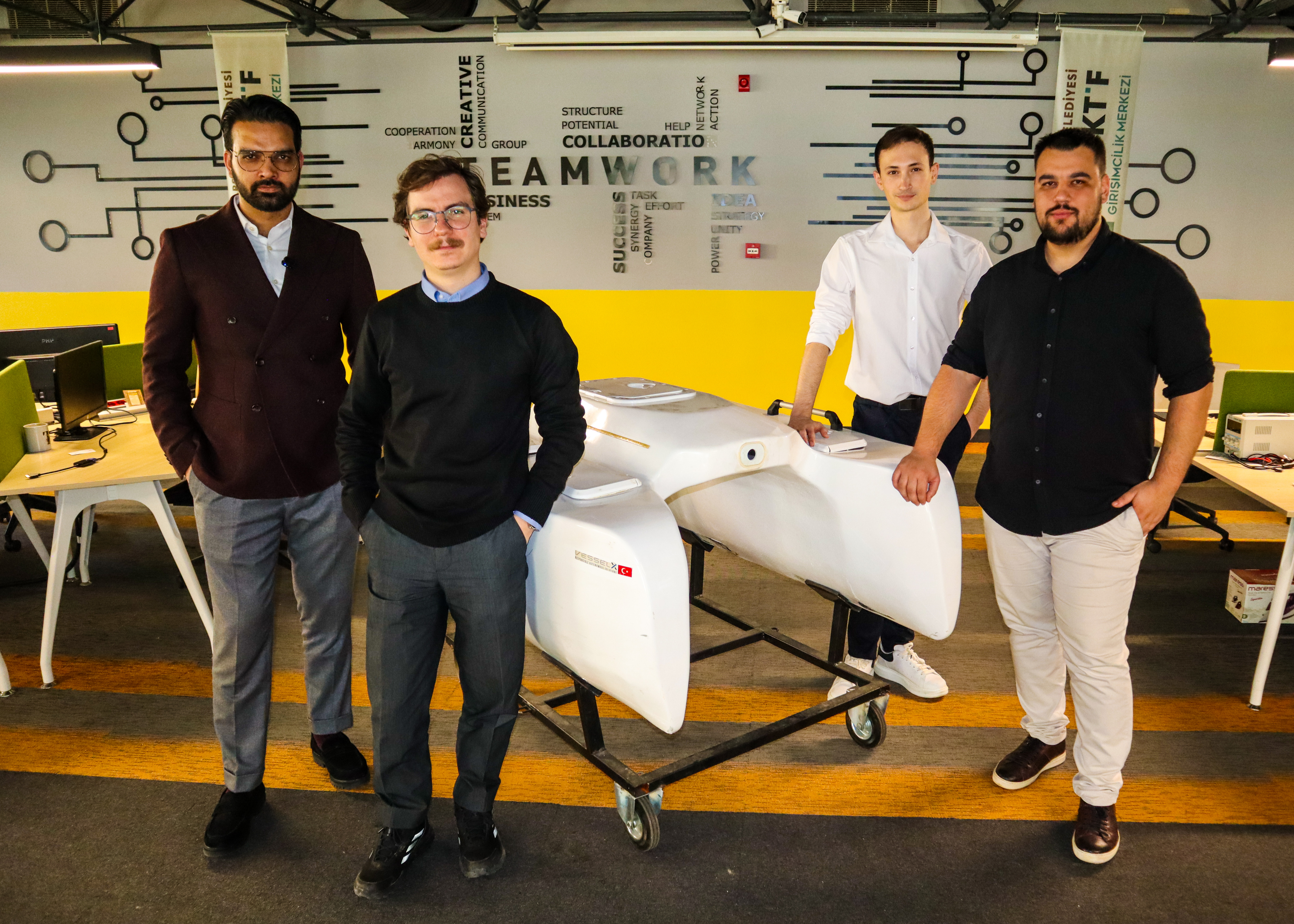
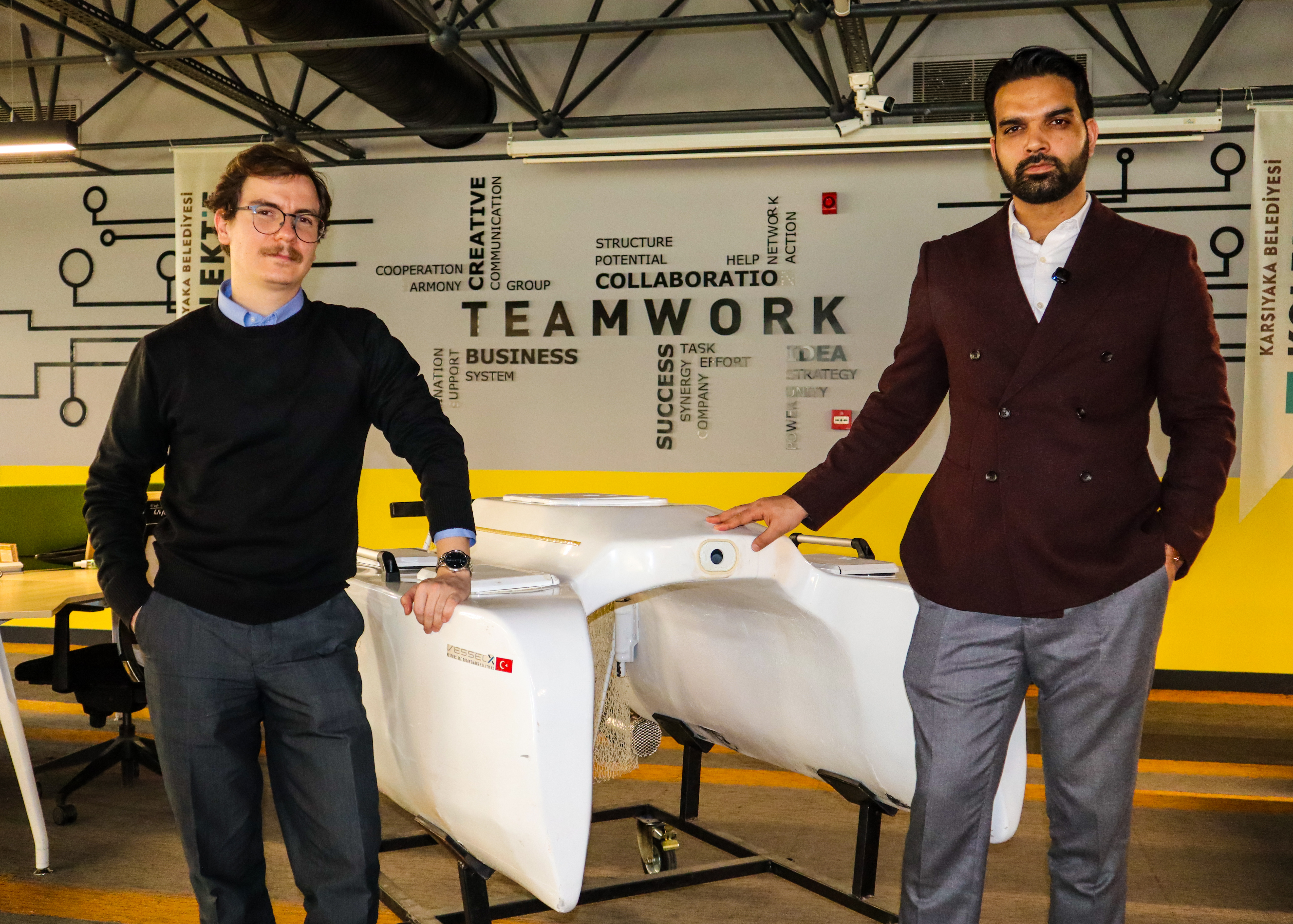
Vessel X develops Vatoz, a modular, electric unmanned surface vessel (USV) designed to restore and protect coastal waters through intelligent, low-impact technology. The project brings together ecological responsibility, digital innovation, and human-centered design to support cleaner, safer, and more resilient waterfronts across Europe.
Vatoz functions as a multi-purpose floating platform capable of autonomous surface cleaning, seabed mapping, and environmental monitoring in sensitive coastal zones. Its shallow draft, electric propulsion, and low-signature design minimize environmental disturbance while enabling operations in dense urban maritime environments.
The system integrates AI-based perception, real-time sensor fusion, modular payload architecture, and adaptive autonomous algorithms, allowing rapid mission reconfiguration for different environmental and operational needs. Through FleetOS, we are developing hybrid control and data platform, users access real-time environmental data, bathymetric maps, pollution tracking, and operational analytics. This approach aim to transform coastal management from reactive cleanup into data-driven ecosystem stewardship.
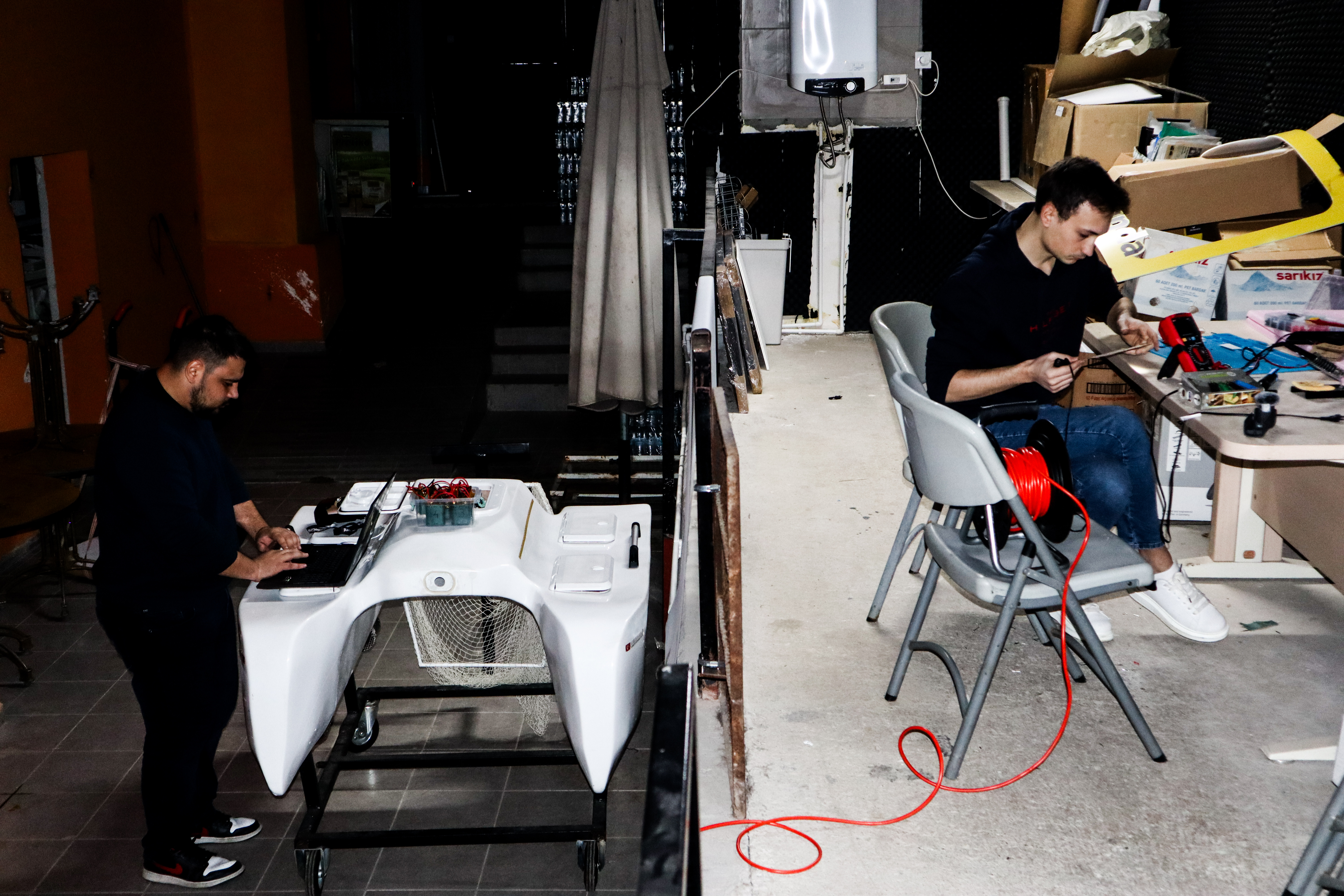
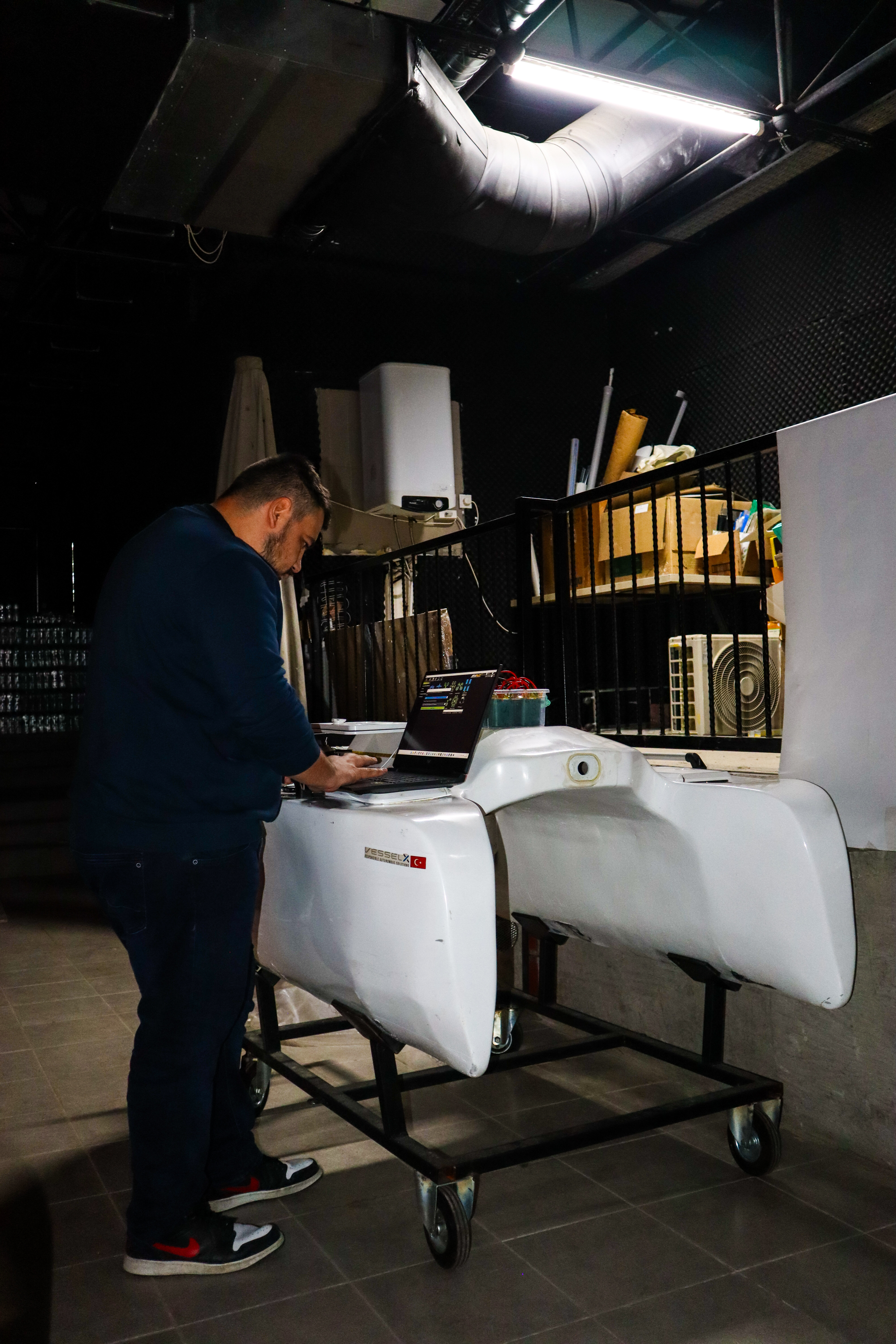
To date, Vessel X has developed a working MVP (TRL 5–6) and conducted pilot deployments in Türkiye, with planned deployments in Malta. The project has received international support through programs including EIT Climate-KIC, Catalyse NEB, TÜBİTAK, the Global Cleantech Innovation Programme (GCIP), MALTAccelerate, and the Bluetech accelerator in İzmir. Vessel X has also participated in international innovation events such as SLUSH, UNIDO Cleantech Days, and Impact Hub programs. Early field tests have successfully demonstrated semi-autonomous navigation, AI-based object detection, and modular payload integration in real marine environments.
Vessel X emerged from a simple yet urgent observation, due to rapid urbanization and over-tourism, Europe’s coasts are becoming increasingly polluted and operationally stressed. Despite this growing challenge, most maritime interventions remain manual, fuel-intensive, and fragmented. As architects and product designers working at the intersection of sustainability and technology, we asked a fundamental question that, what if coastal infrastructure itself could become intelligent, autonomous, and regenerative?
Following the initial concept development and the completion of a master’s thesis, the project began with the ambition to design a small, quiet, electric vessel capable of operating where larger vessels cannot, within marinas, urban ports, and shallow coastal waters. Inspired by circular design principles, the Double Diamond design process, and the vision of the New European Bauhaus, we focused on creating a solution that is not only functional but also environmentally responsible and socially visible.
The development process followed a lean innovation approach:
1. Customer validation and design refinement through continuous user experience evaluation
2. Rapid prototyping of hull forms to optimize stability and shallow-draft performance
3. Integration of ROS2-based autonomy and AI-driven perception systems
4. Development of a modular hardware architecture enabling interchangeable environmental and survey payloads
5. Field testing in real harbor environments with iterative improvements
The project combines industrial design thinking with embedded systems engineering, sensor fusion, machine learning, and artificial intelligence to optimize operational performance while minimizing energy consumption. Partnerships with shipyards, AI researchers, and climate-focused accelerators helped validate the system both technically and strategically.
Coastal Resilience
Blue Economy Innovation
Autonomous Environmental Monitoring
Sustainable Maritime Design
Digital Twin & Data-Driven Governance
Vessel X addresses environmental, economic, and systemic sustainability challenges in European coastal regions through intelligent, low-impact maritime infrastructure. Vatoz is a fully electric, modular USV designed to reduce marine pollution, improve seabed monitoring, and support sustainable port logistics without fossil-fuel dependency.
Environmentally, the system significantly reduces emissions compared to conventional diesel-powered harbor cleaning vessels. A validated life-cycle assessment conducted with Climate KIC shows that VATOZ can potentially avoid approximately 4,548 tonnes of CO₂ equivalent emissions per year, with cumulative avoided emissions of more than 22,700 tonnes over five years when deployed at scale. In addition to reducing greenhouse gas emissions, the platform minimizes acoustic and thermal disturbance in sensitive coastal ecosystems through quiet electric propulsion and a lightweight composite structure.
Economically, the system lowers operational costs for municipalities and port operators by reducing fuel consumption, manual labor requirements, and vessel downtime associated with traditional maintenance and dry-docking cycles. Its modular architecture also allows multiple mission configurations on a single platform, improving asset efficiency and long-term cost effectiveness.
Socially, the project promotes healthier coastal environments that benefit tourism, fisheries, and local communities. It aims to empower public authorities with transparent environmental data, strengthening accountability and evidence-based policy decisions. We are aiming to demonstrate how blue infrastructure can be both technologically advanced and ecologically regenerative, aligning with the European Green Deal and long-term climate resilience goals.
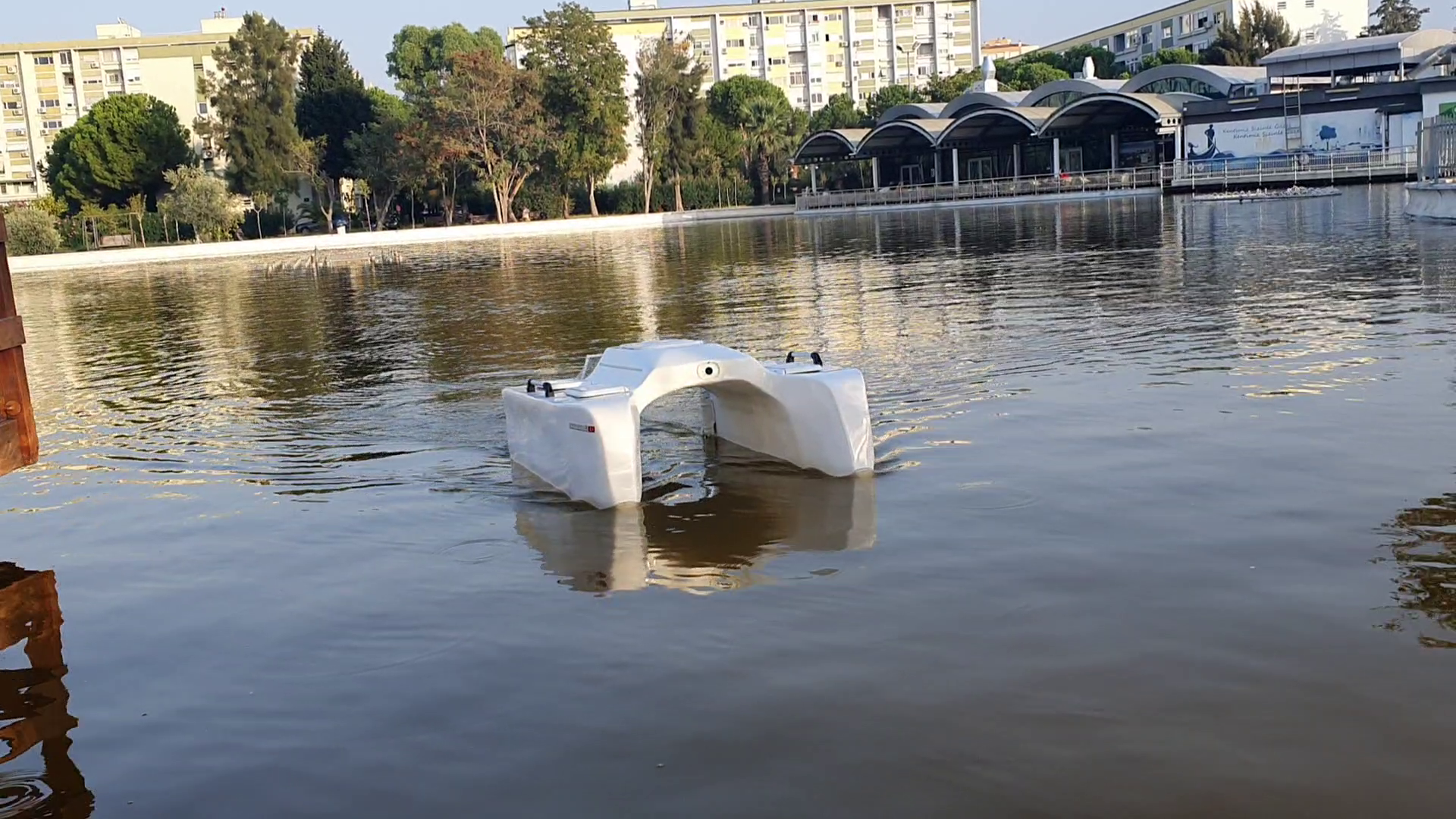
We reimagine maritime technology not as industrial machinery, but as a respectful and visible part of the urban waterfront. Vatoz is designed with a compact, minimal, and low-profile form that blends into coastal landscapes while remaining recognizable as a symbol of environmental care.
Its quiet electric propulsion significantly reduces noise pollution, preserving the sensory experience of waterfronts for residents and visitors. Operating unobtrusively in marinas and public harbors, the vessel transforms everyday environmental maintenance into a visible act of collective stewardship. In this way, routine ecological care becomes part of the daily life of the city rather than a hidden technical process. Aesthetically, the project contributes to beauty not only through form, but also through meaning and narrative. Inspired by the morphology of the stingray (Vatoz in Turkish) the vessel adopts an organic, fluid design language that reflects harmony with marine ecosystems. This biomimetic approach allows the technology to feel familiar and natural within coastal environments while maintaining a strong visual identity. Beyond the object itself, the project aims to contribute to the beauty of place by supporting clean waters, healthy ecosystems, and accessible environmental information. Through the data generated by Vatoz, communities can better understand and care for their maritime spaces. The presence of the vessel in a harbor can become a visible signal that the city values sustainability, environmental responsibility, and technological innovation.
In the long term, Vessel X aims to promote a new narrative for coastal infrastructure: systems that are intelligent, adaptive, and harmonious with nature. By combining industrial design principles with ecological sensitivity, the project demonstrates that sustainable maritime technologies can be elegant, quiet, and human-centered, contributing to waterfronts that people are proud to inhabit, protect, and share.
We aim to promote inclusion through accessibility, affordability, and participatory environmental governance. by lowering the operational costs of water monitoring and pollution control, the platform makes advanced maritime services accessible not only to large metropolitan ports but also to smaller coastal municipalities with limited budgets.
The system is designed under “design for all” principles, intuitive digital interfaces, clear data visualization dashboards, and modular components and consideration of user experience allow adaptation to different community needs. Environmental data collected by Vatoz can be shared with local authorities, researchers, NGOs, and citizens, fostering transparency and shared responsibility. Inclusion is also addressed geographically. The vessel’s shallow draft and compact size allow operation in underserved waterfront zones, small marinas, urban canals, and peripheral coastal areas that are often neglected in large-scale infrastructure planning. Furthermore, by supporting cleaner waters and safer public spaces, the project enhances equal access to healthy coastal environments, benefiting diverse user groups including families, fishers, tourists, and local businesses.
Vessel X can be considered exemplary in inclusion because we aim to democratize maritime technology, transforming advanced autonomy and environmental intelligence into a public good that strengthens collective stewardship and shared ownership of coastal ecosystems.
From the earliest prototype phase, the project has been developed through direct collaboration with end users and coastal stakeholders. We actively get feedback from, harbor operators, municipal environmental departments, marina managers, and maritime workers to understand operational challenges such as under-pier access, seasonal pollution peaks, fuel costs, and maintenance constraints in dense urban waterfronts.
Pilot deployments in Türkiye, and upcoming pilots in Malta, have allowed us to verify the problem and test the vessel in real marine environments while collecting structured feedback from port authorities and local operators. Their input directly informed key design decisions, including the development of modular payload bays for flexible use cases, optimized vessel dimensions for constrained harbor spaces, simplified deployment procedures, improved battery accessibility and operational endurance, and intuitive dashboard interfaces designed for non-technical users.
We also collaborated with environmental NGOs, coastal researchers, and universities in İzmir and Malta to refine the environmental data reporting framework, ensuring that collected indicators are understandable, transparent, and useful for public communication as well as policy and management decisions.
What began as a cleaning-focused prototype has therefore evolved into a broader coastal intelligence platform, integrating hydrographic surveying and environmental monitoring capabilities. Stakeholder participation ensured that the solution was not developed as a purely technology-driven system, but rather as a response to real operational and community needs.
This participatory approach has strengthened local ownership, increased trust in autonomous maritime systems, and validated the concept’s social relevance. Ultimately, the project demonstrates that innovation in maritime infrastructure must be co-created with the communities that live and work along the waterfront.
Vessel X operates at the intersection of local implementation and European sustainability priorities, engaging stakeholders across multiple governance levels to ensure that the concept is both operationally viable and strategically aligned.
At the local level, we collaborate with municipalities, port authorities, and marina operators to conduct pilot deployments and validate real-world applications. These partners provide operational insights, testing environments, and feedback on regulatory requirements, enabling the system to respond directly to the everyday challenges of coastal management.
At the regional and national levels, we engage with innovation agencies and public institutions such as the İzmir Development Agency, Malta Enterprise, TÜBİTAK, and Xjenza Malta. These actors support technical validation, funding opportunities, and alignment with national sustainability and maritime innovation strategies. Climate and blue economy accelerators, including MaltAccelerate, also contribute mentorship, international connections, and pathways toward commercialization. At the European level, programs such as EIT Climate-KIC and other blue economy initiatives facilitate cross-border knowledge exchange, climate alignment, and opportunities for scaling the solution within broader EU sustainability frameworks. Through these networks, the project benefits from shared expertise in coastal resilience, environmental monitoring, and climate innovation.
Looking forward, we aim to strengthen collaboration with European coastal and water management networks, environmental research institutions, and EU innovation platforms to ensure interoperability, regulatory alignment, and policy coherence. We Think that, this multilevel approach will create clear added value, local pilots generate real-world evidence, regional and national actors support implementation and scaling, and European networks ensure alignment with the European Green Deal and long-term maritime resilience goals.
Vessel X is inherently transdisciplinary, integrating knowledge from design, engineering, environmental science, and digital technologies into a unified maritime system.
The project originated from architectural and product design thinking, focusing on form, material efficiency, and the relationship between technology, human experience, and public space along the waterfront. Naval architecture and marine engineering inform the vessel’s hull design, hydrodynamics, propulsion system, and stability optimization for safe and efficient operations in shallow and dense coastal environments. Artificial intelligence and robotics engineering enable the vessel’s autonomous navigation, sensor fusion, and perception systems for waste and object detection. At the same time, environmental sciences guides marine monitoring, and ecological impact considerations for our R&D effort, ensuring that the system contributes positively to coastal ecosystems. Digital technologies and data science support the development of hybrid platforms for mission planning, environmental data visualization, and real-time reporting through FleetOS, enabling authorities and stakeholders to interpret and act upon environmental information. By integrating these disciplines, we aim to operate beyond the boundaries of a single sector. We believe that, It is not only a vessel nor merely a data platform, but a hybrid system connecting maritime infrastructure, ecological monitoring, and digital intelligence.
This cross-disciplinary approach allows technical precision, environmental awareness, and human-centered design to converge, reflecting the New European Bauhaus vision of collaborative innovation shaping sustainable and meaningful environments.
The Vessel X concept is supported by a hybrid business model combining hardware sales, Robotics-as-a-Service (RaaS), leasing, software subscriptions, and maintenance services. This diversified structure allows the project to generate multiple revenue streams while ensuring long-term financial sustainability.
The primary product is Vatoz, revenue is initially generated through direct sales of units to ports, marinas, municipalities, and environmental operators. In addition to the core platform, customers can purchase task-oriented modular accessories, such as waste collection modules, oil and waste containment equipment, edge cleaning tools, and waste collection net systems. These modular payloads allow users to customize the vessel according to operational needs. To reduce the financial barrier for smaller municipalities and operators, we also offer leasing and service-based deployment models. Weekly rental options allow organizations to temporarily deploy units per weekly, while the RaaS model enables clients to pay based on operational output, such as cleaning or monitoring coverage area.
A second layer of revenue comes from sensor and monitoring services. Specialized modules like bathymetric mapping equipment can be rented or deployed on demand, providing environmental data services to ports, municipalities, and research institutions.
Digital services form another important revenue pillar that our FleetOS software platform, will offer subscription-based services for navigation management, vessel status monitoring, autonomous mission control, and environmental data reporting (including ESG and sustainability reporting tools). Customers can access operational analytics, fleet management tools, and real-time environmental data through these software subscriptions. In addition to that we provide maintenance and technical support services to ensure optimal vessel performance throughout its lifecycle.
Vessel X is designed as a modular and transferable coastal infrastructure system, enabling replication across different geographic regions and maritime contexts. Several elements of the concept can be easily adapted and deployed in other coastal cities, ports, and waterfront communities.
First, the technology platform itself is modular and adaptable. The Vatoz USV will use interchangeable payload modules that allow the same platform to perform multiple functions such as environmental monitoring, seabed mapping, surface cleaning, or small-scale maritime logistics. This flexibility enables the system to be adapted to different local needs without redesigning the core technology. Second, the digital layer of the system is scalable what our FleetOS platform software infrastructure, will provide real-time monitoring, data visualization, and environmental reporting. Because it is cloud-based, the system can easily integrate data from multiple vessels and locations, allowing municipalities, ports, and environmental organizations to monitor coastal ecosystems through a shared digital platform. Third, the operational model is transferable. The RaaS approach will allow municipalities or port authorities to deploy the technology without high upfront investment that this model makes the solution accessible to smaller coastal communities that may lack the financial capacity to purchase advanced maritime equipment. Finally, the development methodology itself is replicable. Vessel X follows a pilot-based implementation approach that combines stakeholder collaboration, rapid prototyping, real-world testing, and iterative design improvements. This process can be applied in different regulatory and environmental contexts. Therefore, these technological, operational, and methodological elements allow Vessel X to scale from local pilots to a wider network of intelligent and sustainable waterfront systems across Europe and beyond.
First, the technology platform itself is modular and adaptable. The Vatoz USV will use interchangeable payload modules that allow the same platform to perform multiple functions such as environmental monitoring, seabed mapping, surface cleaning, or small-scale maritime logistics. This flexibility enables the system to be adapted to different local needs without redesigning the core technology. Second, the digital layer of the system is scalable what our FleetOS platform software infrastructure, will provide real-time monitoring, data visualization, and environmental reporting. Because it is cloud-based, the system can easily integrate data from multiple vessels and locations, allowing municipalities, ports, and environmental organizations to monitor coastal ecosystems through a shared digital platform. Third, the operational model is transferable. The RaaS approach will allow municipalities or port authorities to deploy the technology without high upfront investment that this model makes the solution accessible to smaller coastal communities that may lack the financial capacity to purchase advanced maritime equipment. Finally, the development methodology itself is replicable. Vessel X follows a pilot-based implementation approach that combines stakeholder collaboration, rapid prototyping, real-world testing, and iterative design improvements. This process can be applied in different regulatory and environmental contexts. Therefore, these technological, operational, and methodological elements allow Vessel X to scale from local pilots to a wider network of intelligent and sustainable waterfront systems across Europe and beyond.
In the year following the application, Vessel X will focus on advancing the VATOZ platform from pilot validation to broader operational deployment through a phased development roadmap.
During the first stage (Months 1–3), the project will focus on technical optimization. This includes improving the autonomous navigation system, refining the modular payload architecture, and integrating environmental monitoring sensors such as bathymetric modules. Additional testing will be conducted to enhance reliability, safety, and energy efficiency. At the same time, the FleetOS digital platform will be upgraded to provide improved data visualization, environmental reporting, and fleet management capabilities.
In the second stage (Months 4–6), real-world pilot deployments will be expanded in collaboration with ports, marinas, and coastal municipalities. These pilots will test multiple use cases, including water surface cleaning, hydrographic survey, and environmental monitoring in Turkey and Malta. Operational data will be collected to evaluate environmental impact, operational efficiency, and user experience.
The third stage (Months 7–9) will focus on strengthening partnerships and preparing the concept for wider adoption. We will engage with port authorities, maritime service providers, and innovation networks to establish pilot-to-procurement pathways.
In the final stage (Months 10–12), the project will prepare for scaling and replication. Deployment procedures, training materials, and operational guidelines will be standardized, while FleetOS will be further developed to support multi-vessel operations. By the end of the year, Vessel X aims to demonstrate a validated, scalable platform capable of supporting sustainable coastal management across multiple European locations.