Enablers for New European Bauhaus Transformation
Rubiin Square community space
Rubiin Square Learning and development project-regenerating old town parkinglot to a community space
The objective of this project was to repurpose one of the town’s most central areas into an experimental community park. Through an educational and innovative, community-led co-creation process, the project aimed to empower residents to improve their living environment by creating a playful, adaptable inclusive space. This project serves as a prototype, testing future-oriented spatial solutions designed to enhance well-being and foster urban development in resource-constrained communities.
Estonia
Local
Viljandi
Mainly urban
It involves other types of transformations (soft investment)
Yes
2024-09-30
Yes
ERASMUS
No
No
Organisation
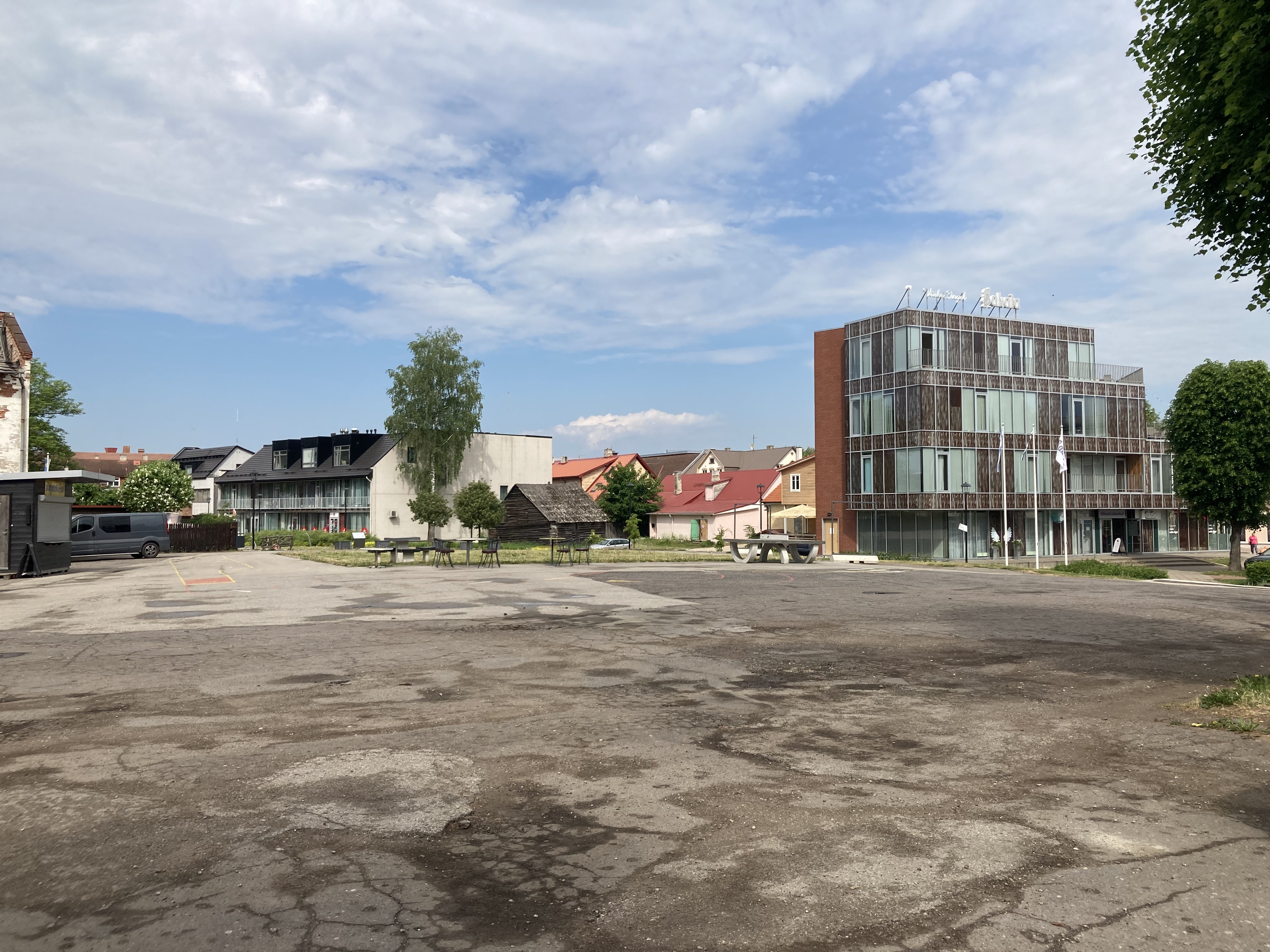
The project introduced a community co-designed, small-scale, and temporary redesign of the abandoned Rubiin Square-one of the most central areas in Viljandi’s Old Town, located at the heart of the intersection of its main streets. Following the demolition of the local cinema, once a vital cultural hub, in 2010, the site remained vacant and disused for years due to a lack of municipal funding and a definitive strategic vision for the redevelopment of the area, creating an eyesore for both residents and visitors. Historically, the town’s standard approach has favoured single-phase ‘total renovation’ solutions, which can be costly and often fail to meet residents' needs, as planning processes are still rarely inclusive or co-creative.
Simultaneously, there is a growing demand among locals, particullary from more vulnerable social grups- young, families and immigrants- for creative, inclusive, and green public spaces that facilitate play, relaxation, socialization, and free cultural events. As private courtyards in the Old Town are typically small, existing parks are often monofunctional and rarely support a diverse range of activities or interaction between different social groups.
The objective of this project was to repurpose one of the town’s most central areas into an experimental community park. Through an educational and innovative, community-led co-creation process, the project aimed to empower residents to improve their living environment according to their needs—creating a playful and adaptable space where everyone is welcome to learn, relax, create, and socialize. This project serves as a prototype, testing future-oriented spatial solutions designed to enhance well-being and foster urban development in resource-constrained communities. Furthermore, the project showcased the opportunities and advantages of community co-creation and step-by-step redevelopment to the local municipality, which led them to make small-scale investments in the area.
The project emerged from a critical question: how to revitalize a prominent vacant site in the town center that had remained an eyesore for years. In a context where the local municipality lacks both a clear future vision and the financial resources for large-scale investment, such neglected areas in shrinking and suburbanizing small towns can signal a decline in socio-economic activity and a lack of future prospects for residents and entrepreneurs alike. Meanwhile, there is an increasing need for inclusive, green, and creative public spaces that foster social cohesion. This is especially vital for socially and economically vulnerable groups—such as youth, families with young children, the elderly, and immigrants—whose opportunities to spend meaningful leisure time and participate in cultural life are often limited by their circumstances.
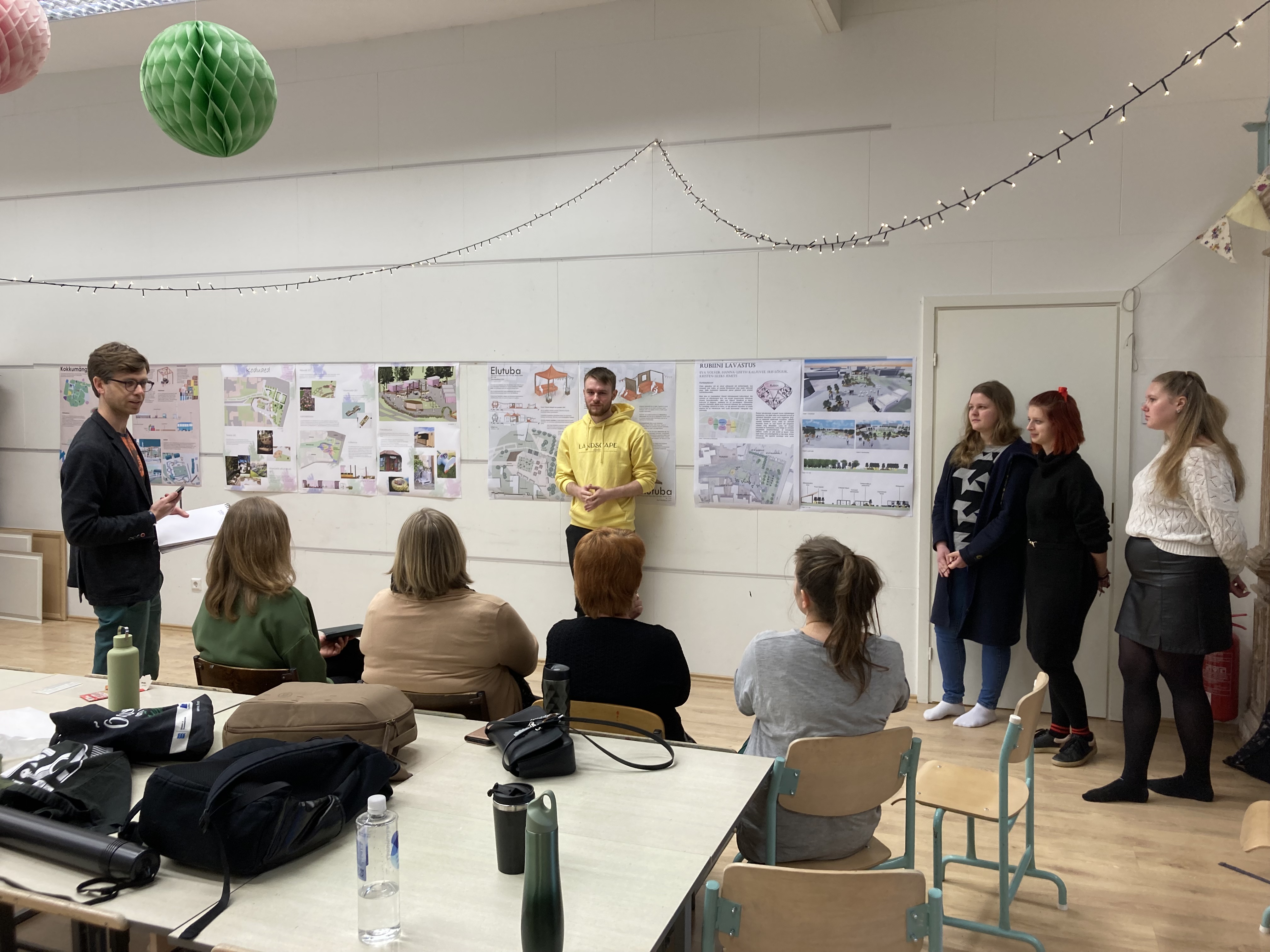
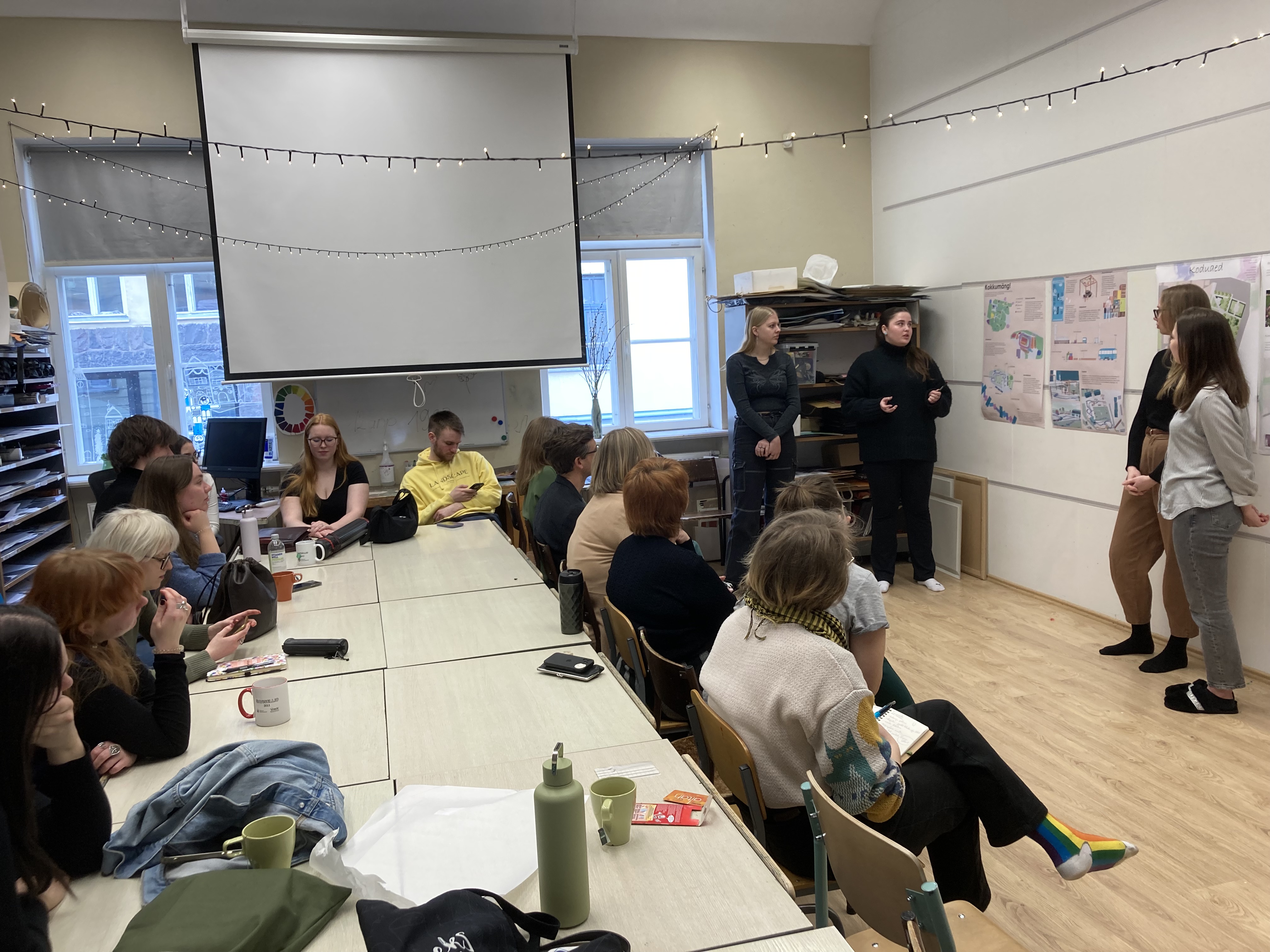
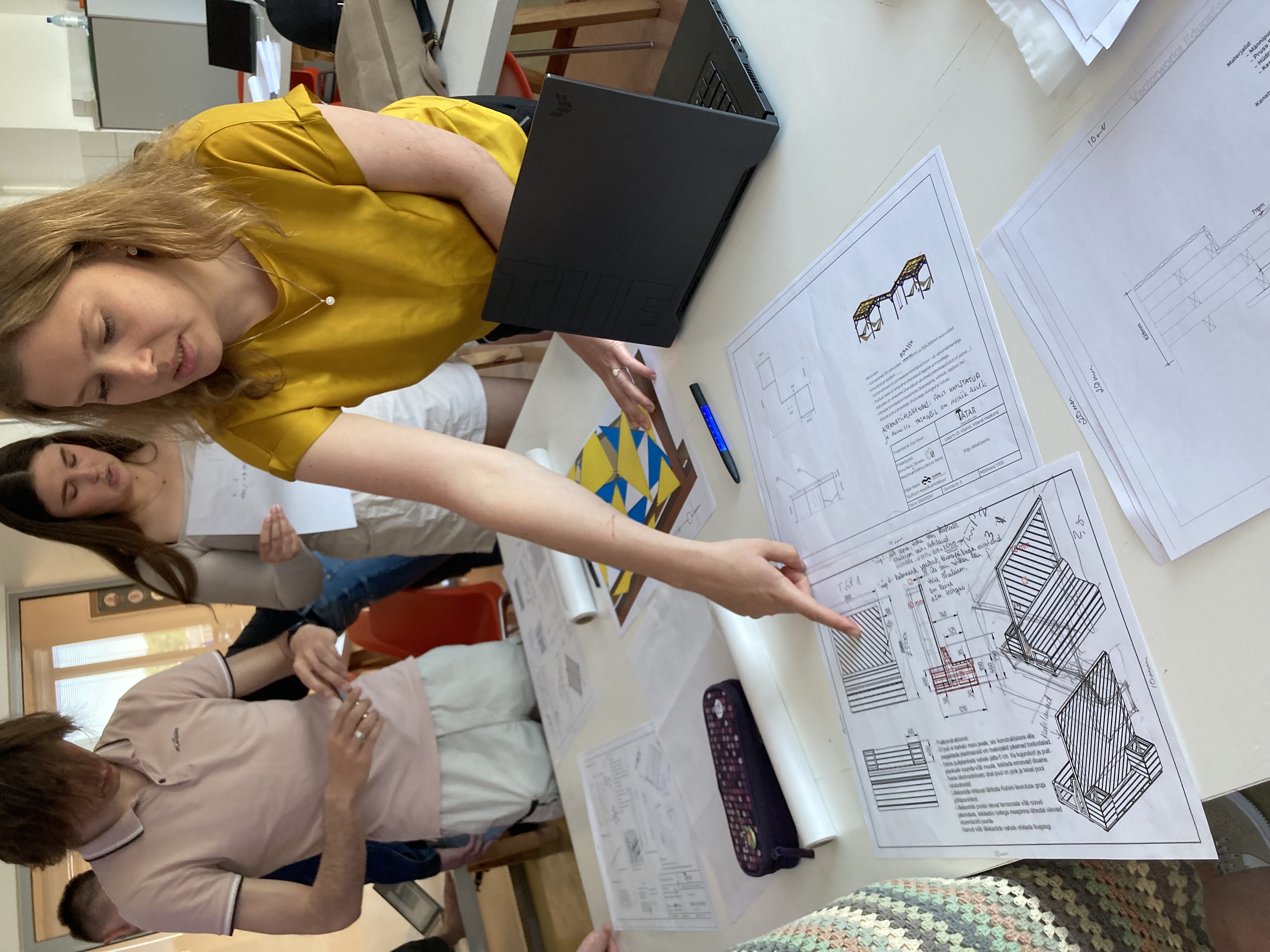
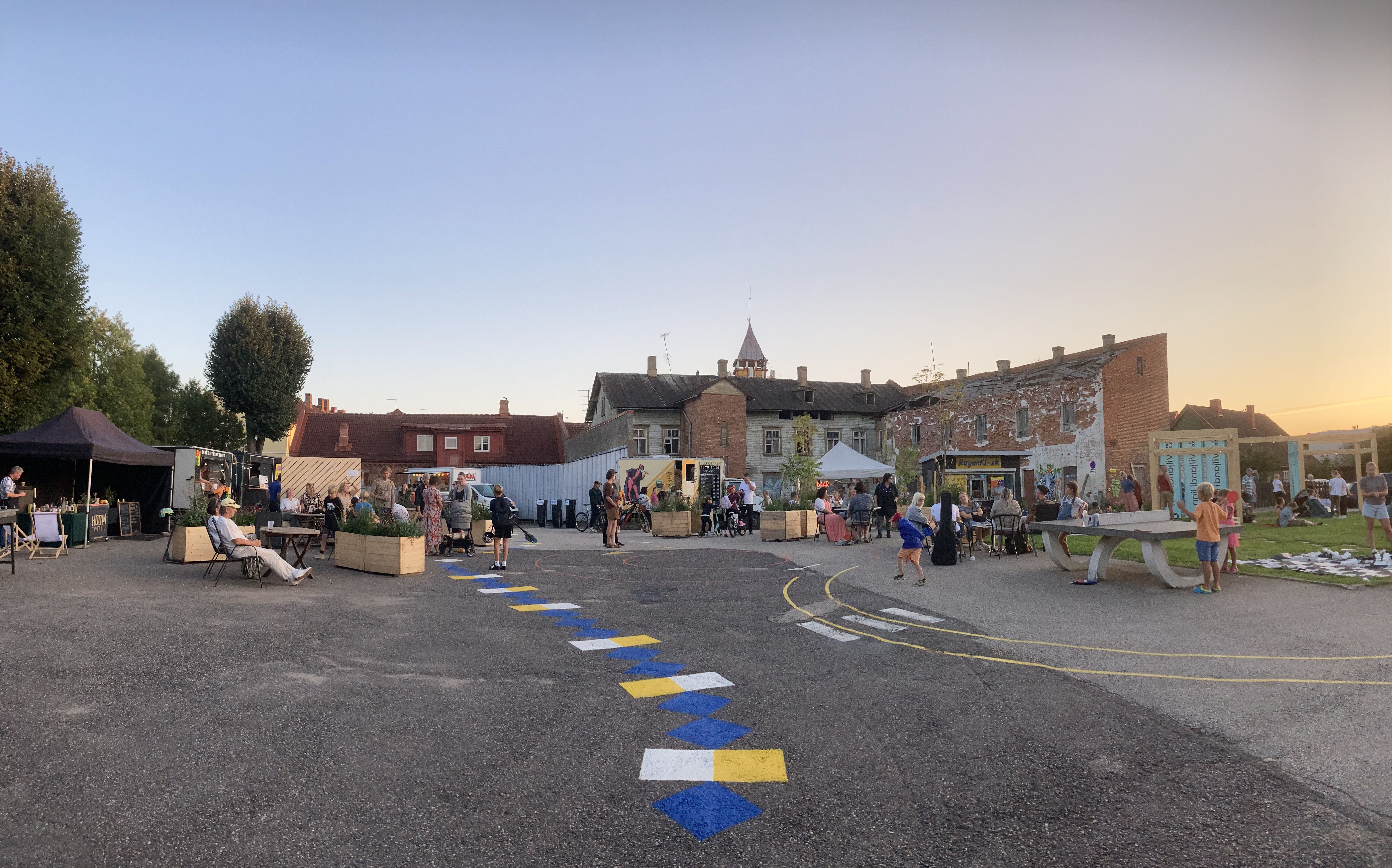
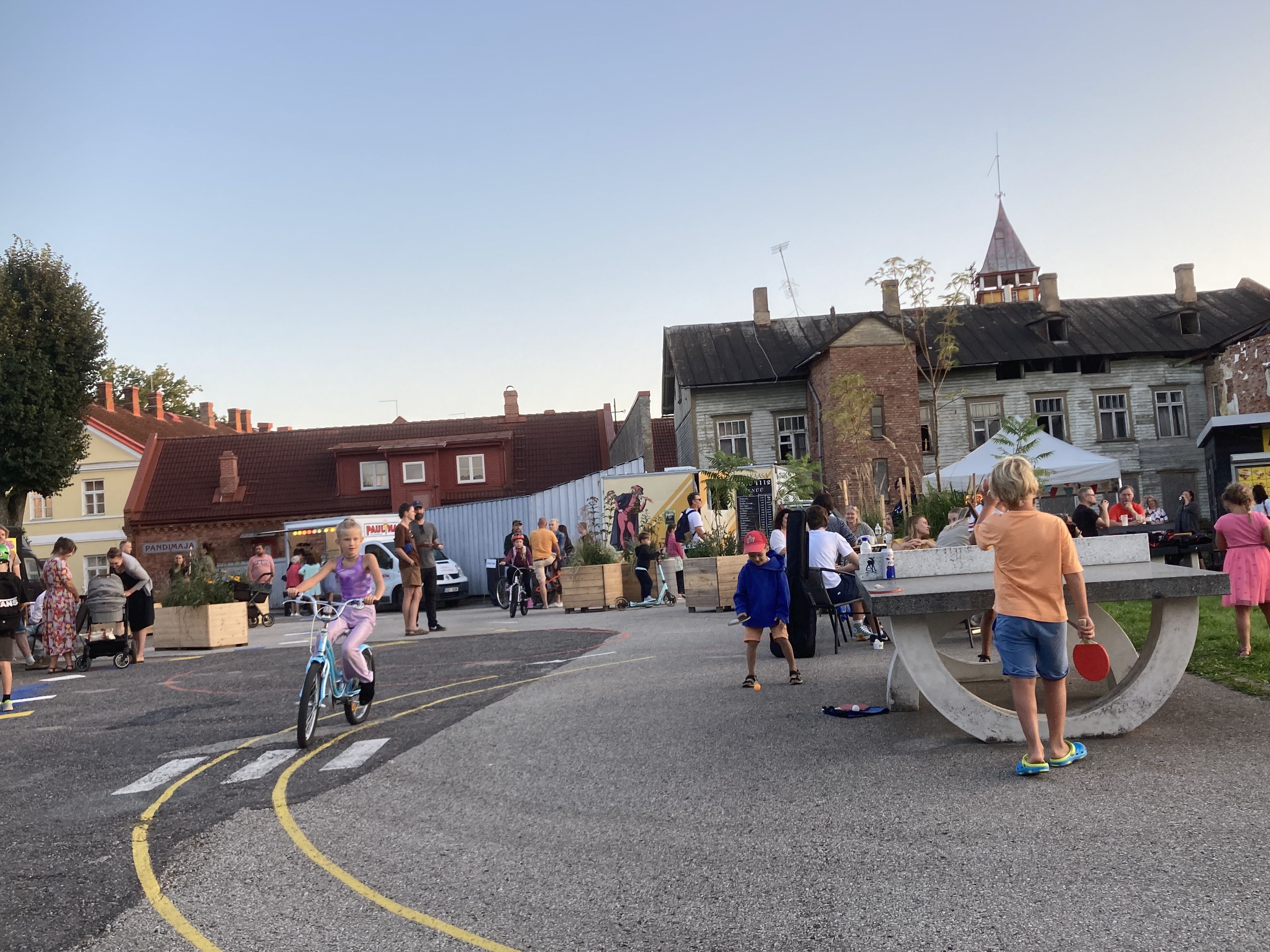
To address this, a participatory design process was launched to create a temporary spatial solution for Rubiin Square. A unique component of the project involved collaboration between landscape architecture students and practicing professionals in a co-creative process. This provided students with a high-level educational opportunity to design aesthetic and functional real-use spaces under expert guidance, gaining insight into the entire professional workflow. Together with community members and city officials, they defined the project’s goals, resulting in a cohesive, modular spatial design. Built by the local community itself, the site now offers a versatile leisure environment for diverse social groups, hosting community events ranging from creative workshops to concerts and filmnights. This cost-effective approach has not only improved the area's usability and aesthetic appeal without increasing maintenance costs for the local municipality, but has also demonstrated how small-scale, community-driven investments can effectively transform the urban landscape, foster social cohesion and promote spacial education and awarness.
To address this, a participatory design process was launched to create a temporary spatial solution for Rubiin Square. A unique component of the project involved collaboration between landscape architecture students and practicing professionals in a co-creative process. This provided students with a high-level educational opportunity to design aesthetic and functional real-use spaces under expert guidance, gaining insight into the entire professional workflow. Together with community members and city officials, they defined the project’s goals, resulting in a cohesive, modular spatial design. Built by the local community itself, the site now offers a versatile leisure environment for diverse social groups, hosting community events ranging from creative workshops to concerts and filmnights. This cost-effective approach has not only improved the area's usability and aesthetic appeal without increasing maintenance costs for the local municipality, but has also demonstrated how small-scale, community-driven investments can effectively transform the urban landscape, foster social cohesion and promote spacial education and awarness.
communty co-design
revitalization of old town centers
tactical urbanism
spacial education and spacial awerness
interdisciplinary cooperation
Urban sprawl has a significant environmental impact, and in shrinking small towns, it also leads to the emptying of city centers and the wastage of valuable space. Therefore, one of the primary goals of this project was to promote sustainable land use by strengthening and activation of underused central areas. By using temporary spatial interventions, the square provides a function for an underutilized area, offering a responsive meanwhile-use model. This is a cost-effective way to rapidly meet citizens’ needs and trial solutions before making major investments. Such incremental and flexible development allows urban spaces to grow and evolve organically alongside their users, with new interventions instigated only once demand and activity levels have sufficiently increased.
The project was designed to minimize environmental impact while strengthening the site's existing assets while creating a temporay low cost solution and improve public space usabilty and aestehics.
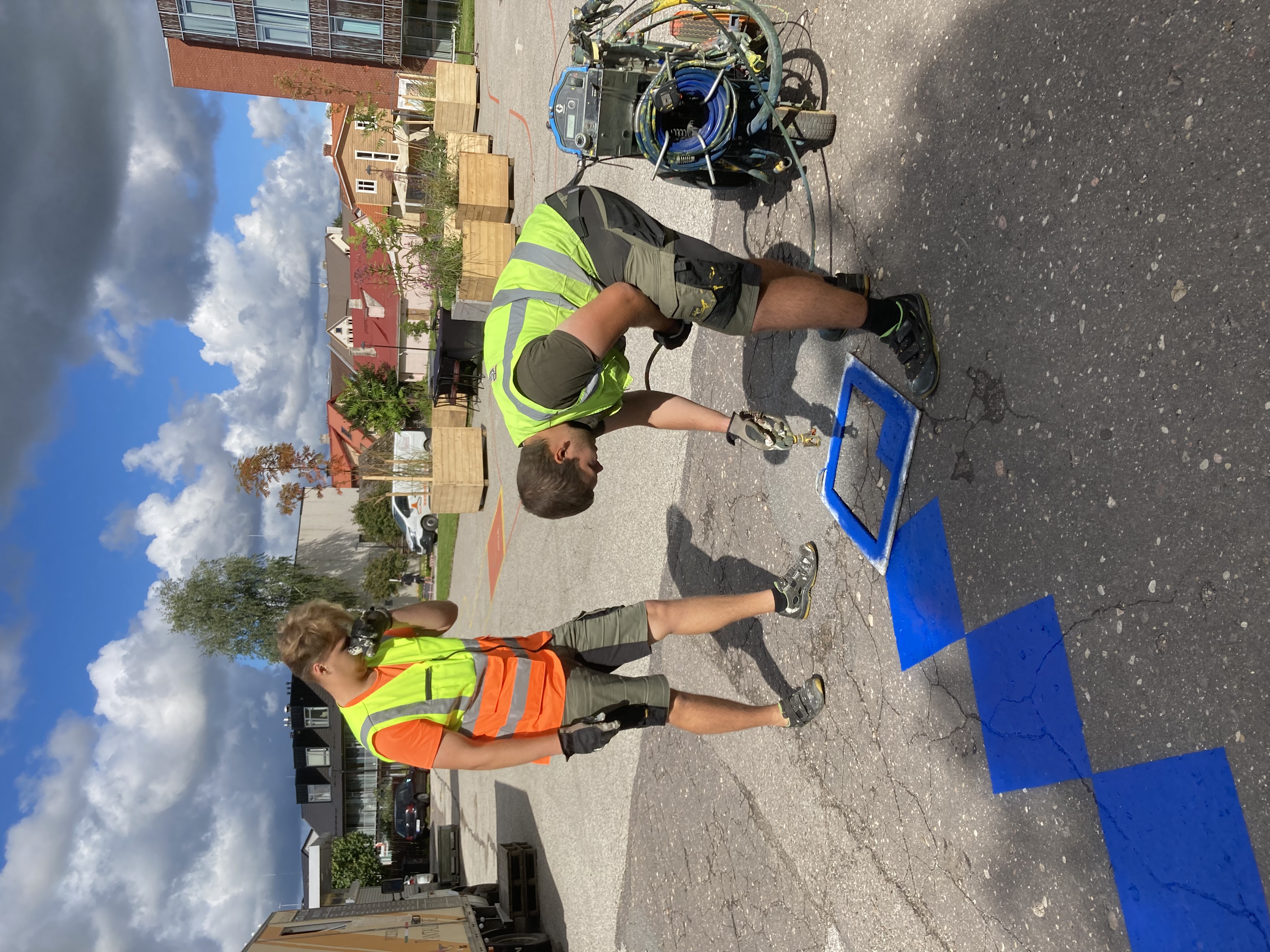
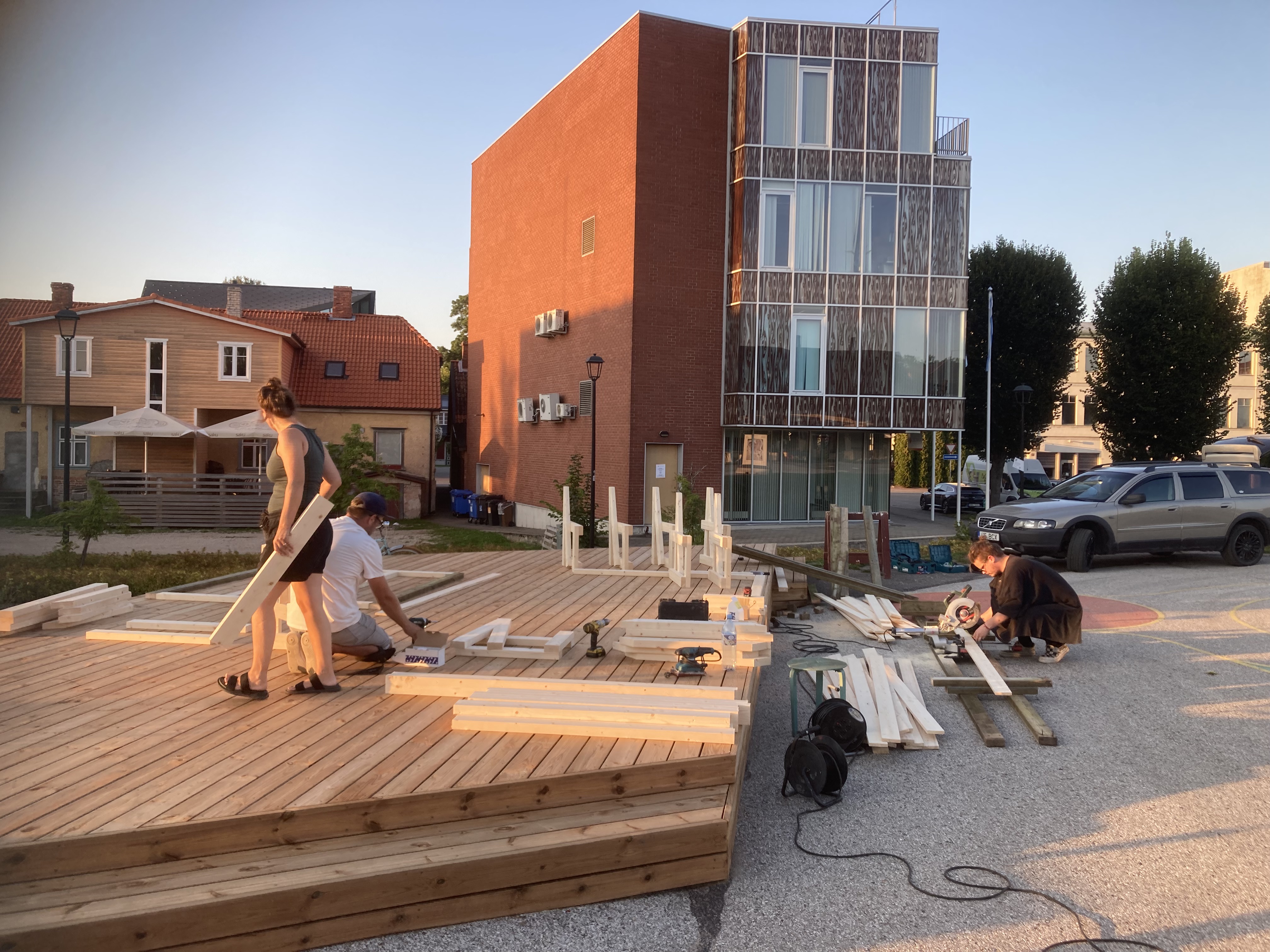
To minimize construction costs and the maintenance burden on the municipality and for community, the space was developed using a DIY approach. Modular elements made from natural and recycled materials were chosen for their ease of repair, modification, and relocation. This ensures that the components remain adaptable to other urban contexts and are fully recyclable in the future."
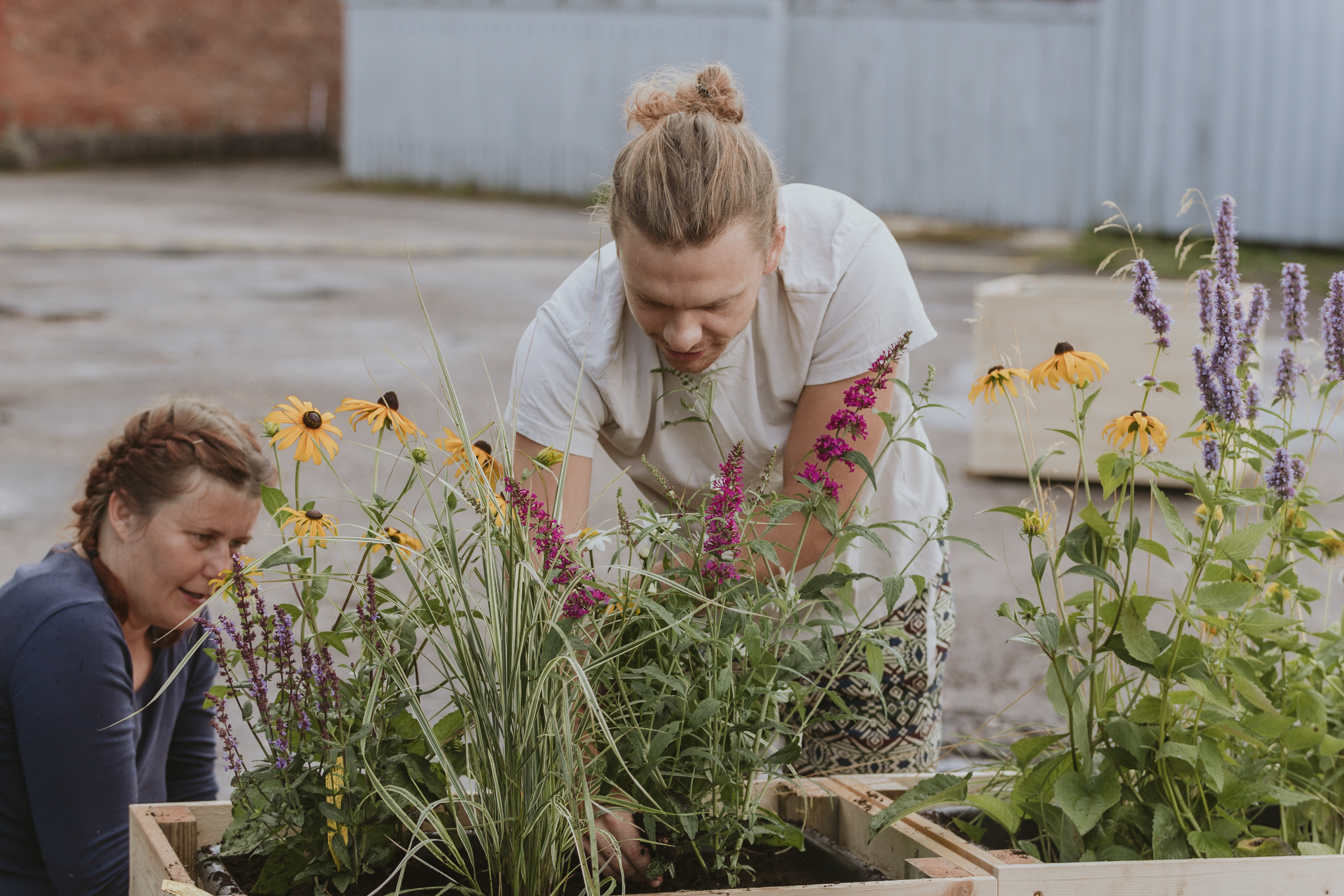
The planted greenery consists of low-maintenance, weather-resistant and mostly native perennials that support local biodiversity. This diverse flora serves also as a tool for environmental education and promotion of climate-appropriate garden design.
Due to the absence of on-site utilities, the project relies on independent, sustainable systems. Rainwater harvesting provides irrigation for the plants, while solar-powered string lights illuminate the area, offering a functional solution within a limited infrastructure.
Alongside normalising the aesthetics of DIY the project leveraged the aesthetic opportunities of meanwhile use. The citizen engagement exercises revealed the site’s image of neglect to be a key source of engagement with its community, as the state of semi-abandonment acted as a call to action in its repair. It was therefor vital to design sensitively to avoid unintentionally aesthetically cleansing the space through its regeneration and discouraging further community involvement. The objective of our project was not to deliver a final and permanent spatial solution at once, but rather to use a meanwhile-use intervention to improve the site's usability and test which future solutions truly work. A key priority was to inspire the community to remain creative and active in shaping and using the space. This temporary and everchanging solution and its ongoing use serve to sustain a dialogue about the area’s future development, encouraging the local government and the communty to commit to further inclusive co-creation processes.
The design's workflow embraced local communtys existing culture of co-creation, coopeation and openness to experiment in which visitors of the site are not only passive consumers of existing spaces, but active participants in new ones’ creation. The completed square serves as a dignified location for hosting cultural events, whilst maintaining the critical image of open-endedness to encourage further creative activity.
The design's workflow embraced local communtys existing culture of co-creation, coopeation and openness to experiment in which visitors of the site are not only passive consumers of existing spaces, but active participants in new ones’ creation. The completed square serves as a dignified location for hosting cultural events, whilst maintaining the critical image of open-endedness to encourage further creative activity.
The aim of the project was to create a public space that allows different social groups to spend time meaningfully without the obligation to consume. Such urban spaces offering free activities are becoming increasingly rare, making them critically important for socially and economically vulnerable groups. Co-creation and joint activities, accessible to everyone regardless of experience, strengthen community cohesion and resilience. Free educational and cultural programs further promote social inclusion, crativity and quality of life.
By improving the physical accessibility, usability, and aesthetics of the space, this site now offers community members meaningful leisure opportunities and a place to host or experience cultural events. The possibility of organizing events cost-effectively or even for free makes the venue attractive to various cultural organizers, including those working with marginalized groups. In doing so, the venue also renders culture more accessible to spectators, many of whom face similar financial hurdles when trying to access more formal venues.
By improving the physical accessibility, usability, and aesthetics of the space, this site now offers community members meaningful leisure opportunities and a place to host or experience cultural events. The possibility of organizing events cost-effectively or even for free makes the venue attractive to various cultural organizers, including those working with marginalized groups. In doing so, the venue also renders culture more accessible to spectators, many of whom face similar financial hurdles when trying to access more formal venues.
An effective method of stakeholder engagement was achieved through the NGO assuming a mediating role, acting as an interface between the local municipalty, communty members and other local stakeholders and landscape architect and Universty students.
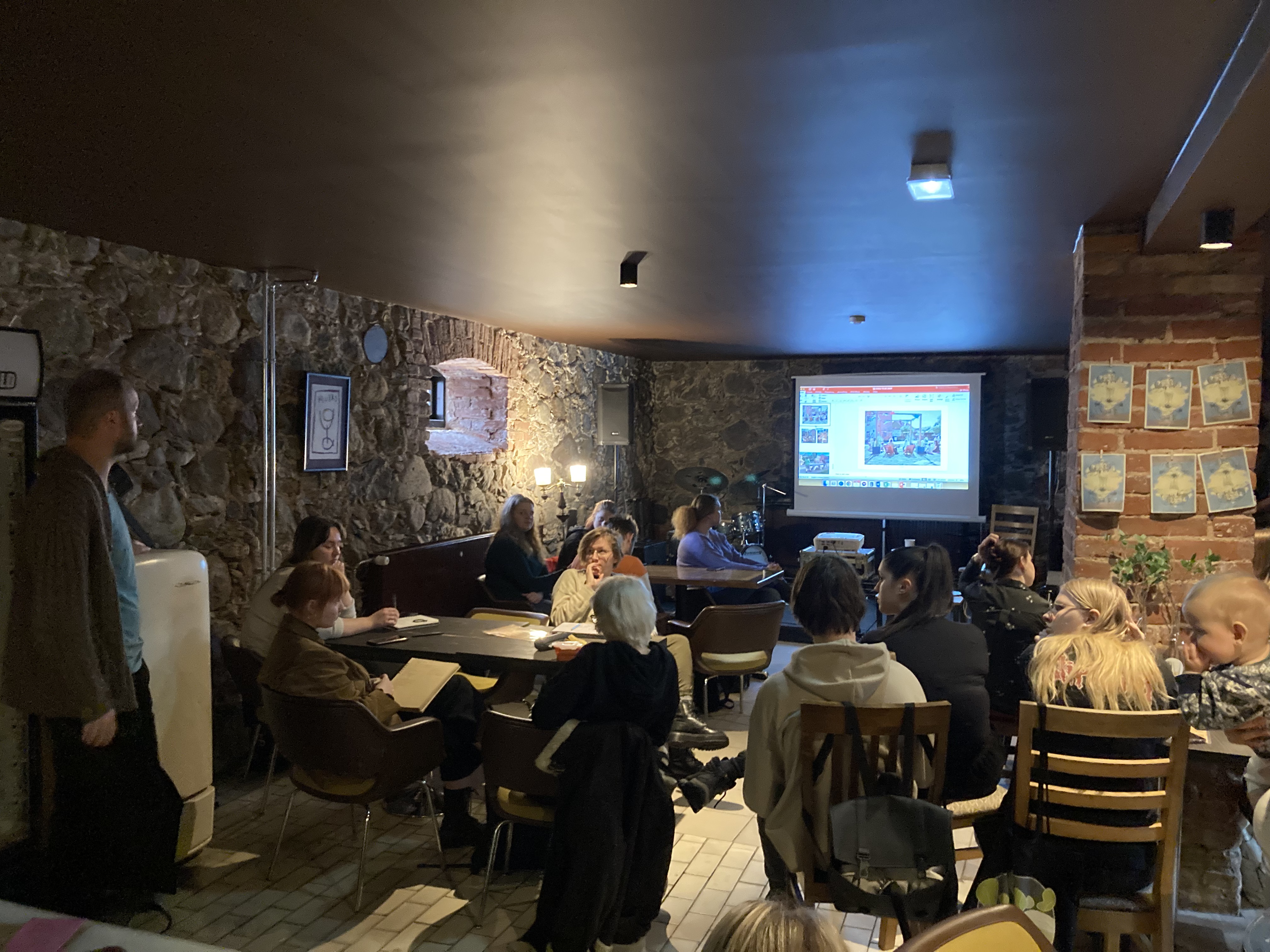
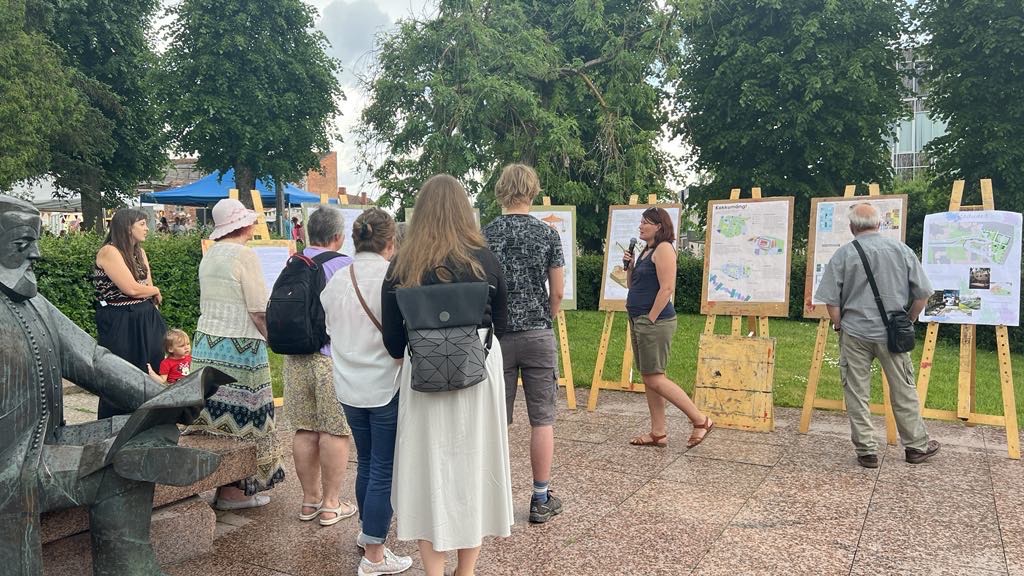
While citizens often feel disenfranchised by the complexities of urban development, the municipalty similarly struggles to elicit actionable public input for improving civic spaces. By employing an alternative engagement methodology—consulting the community at a much earlier stage than is customary in Estonia—public feedback was gathered at a foundational level that directly informed the design. Involving both practicing landscape architects and students in the process ensured the projects’ aesthetic value, environmental suitability, and compliance with legal regulations.
This method appealed to the city and its residents and also for landscape architect students: the municipality gained practical, actionable information as a cost-effective solution for addressing public space issues, while the residents made tehm selves and saw their input manifest in the urban environment around them. Furthermore, this approach enhanced spatial awareness among residents and increased interest in spatial design among young people. It also provided future landscape architects with valuable practical experience, better preparing them for professional workflows. This methodology has now been integrated into the curriculum of the Estonian University of Life Sciences. Both the method and the resulting community spaces have received significant recognition at local, regional, and national levels as an exemplary model for citizen engagement and as a tool for public space improvement in small municipalities with limited resources.
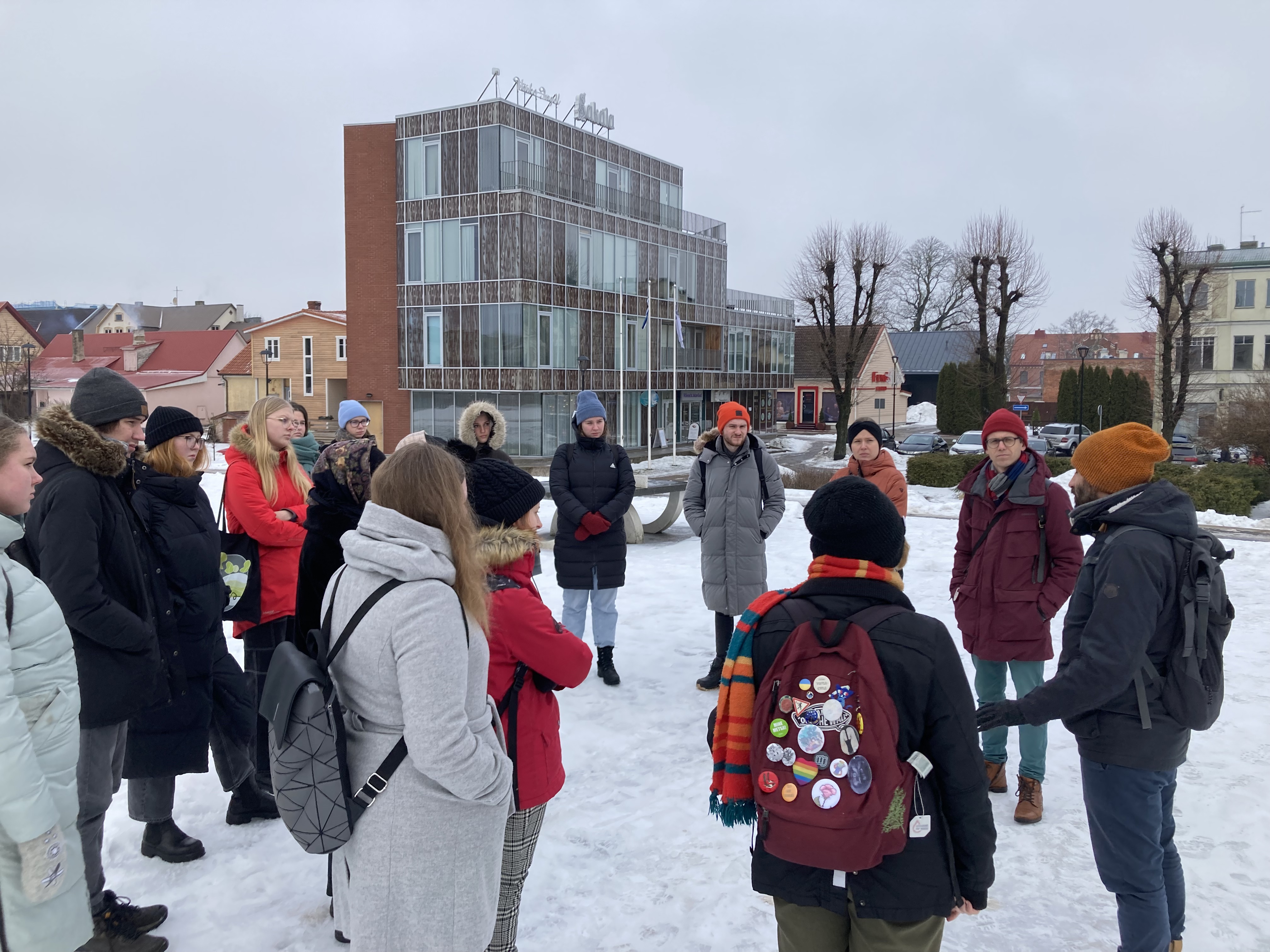
This project involved collaboration between numerous stakeholders: local community members, landscape architecture students, practicing professionals from lanscape architekst and builder to local town council members, the youth center, and local business owners. Through a co-creative process, students gained a high-level educational opportunity to design aesthetic and functional real-use spaces under expert guidance, gaining insight into the entire professional workflow.
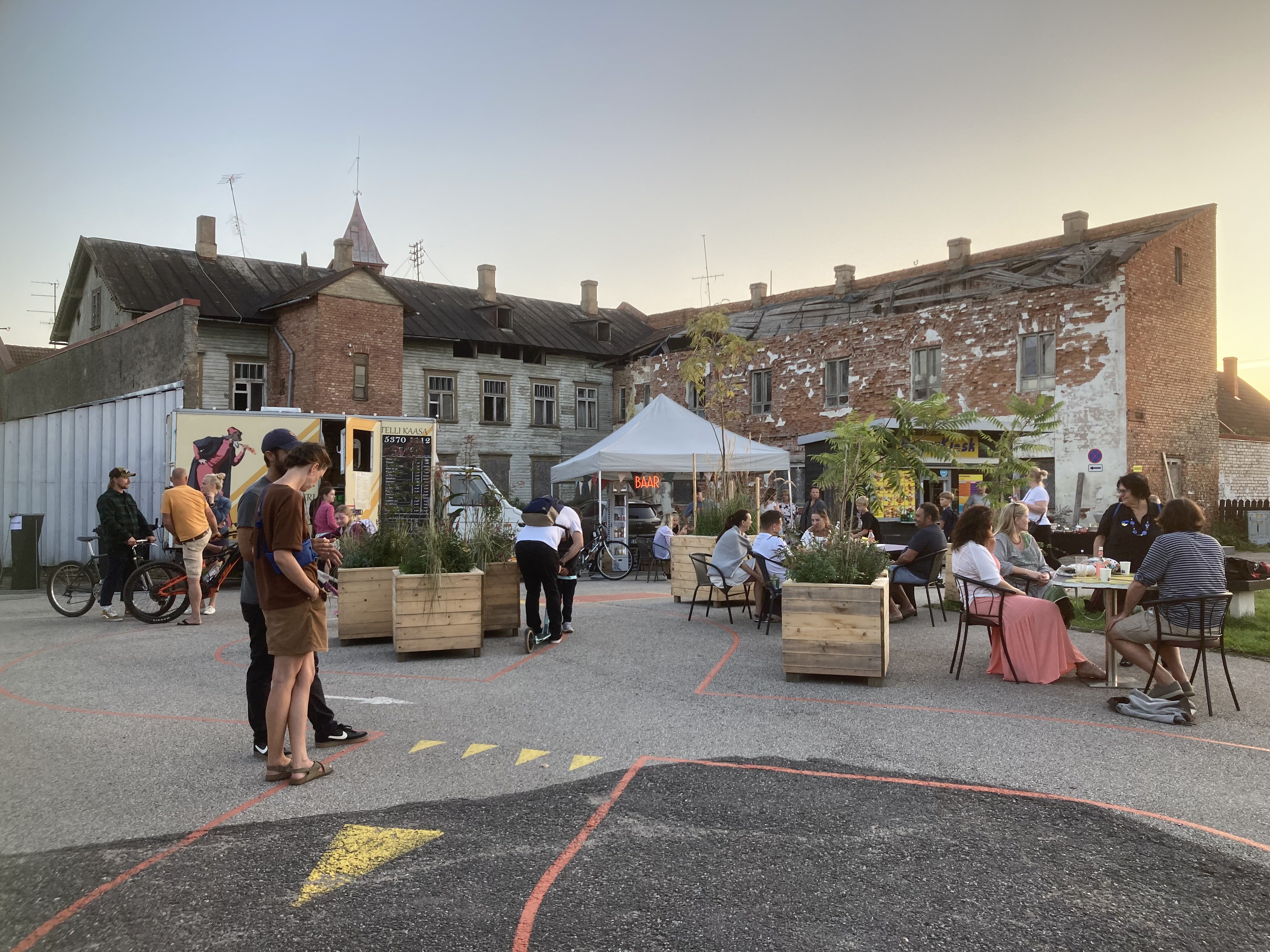
Working alongside community members and city officials, they defined the project’s goals, resulting in a cohesive, modular spatial design. Built by the local community itself, the site now offers a versatile leisure environment for diverse social groups, hosting community events ranging from creative workshops to concerts and film nights. This cost-effective approach has not only improved the area's usability and aesthetic appeal without increasing maintenance costs for the local municipality, but has also demonstrated how small-scale, community-driven investments can effectively foster social cohesion and urban renewal.
Working alongside community members and city officials, they defined the project’s goals, resulting in a cohesive, modular spatial design. Built by the local community itself, the site now offers a versatile leisure environment for diverse social groups, hosting community events ranging from creative workshops to concerts and film nights. This cost-effective approach has not only improved the area's usability and aesthetic appeal without increasing maintenance costs for the local municipality, but has also demonstrated how small-scale, community-driven investments can effectively foster social cohesion and urban renewal.
This co-creative methodology has gained recognition at both regional and national levels as a functional model for public space development. By integrating the approach into the curriculum of the Estonian University of Life Sciences, a new bridge has been established between academic studies and practical creative work, providing future landscape architects with valuable professional experience. For municipalities, this method has proven to be a cost-effective and practical solution for improving public spaces under limited resource conditions.
The project has been acknowledged locally and nationally as an exemplary model for combining citizen initiative with professional design. Beyond enhancing the spatial awareness of residents, it serves as a strategic tool for smaller municipalities, demonstrating how to involve the community in a meaningful planning process to create a high-quality living environment.
Today, this space is not only a great leisure destination but also a versatile venue for people from various fields. Hobby schools and kindergartens use the site as an educational outdoor classroom for creative workshops, while local artists, musicians, and international community members utilize the space to perform and showcase their work. Since using this space is free of charge and it meets the basic requirements for hosting events, the venue is highly attractive to various cultural organizers. This allows them to offer their programs at no cost, making cultural experiences accessible even to those from less privileged backgrounds.
This model allows all stakeholders to contribute to the improvement of public space according to their capacity, without placing an undue financial or administrative burden on any single party.
Facing budget constraints and regulatory hurdles, the local government can act as a resource-efficient advisor by providing expertise and granting land use. Witnessing the community’s ability to maintain and develop the area encourages the municipality to move beyond an 'all-or-nothing' mindset. This foster a shift toward smaller, incremental investments and inspires future co-creation processes and inclusive co-design with the community.
Non-governmental organizations (NGOs) play a vital role in coordinating partners and securing funding through project grants, sponsorships, and volunteer work—all of which are being utilized in this project. Local businesses have supported the initiative through in-kind contributions, seeing urban revitalization as a key driver for expanding their own commercial activities.
Integrating students into the design process through their coursework saves resources in design process while ensuring high-quality, compliant solutions. For the students, creating real-world spatial solutions provides invaluable practical experience and a strong addition to their portfolios. Furthermore, this approach embeds community engagement as a standard practice for future designers, leading to more efficient and needs-based urban environments.
This method of improving public spaces is applicable everywhere—across other municipalities and countries alike. It holds particular potential for areas where local government funding for public space development is limited.
The process encourages municipalities to be more courageous in letting the local community experiment with urban design. Because the process is controlled and low-risk, it does not increase the administrative burden, yet ensures a high-quality result that can be adjusted as needed. This approach provides valuable experience for all stakeholders and clearly defines the shared responsibility for both tasks and outcomes.
Public spaces created in this manner allow for step-by-step development, helping to clarify where and to what extent investments are actually needed. by lovcal municipaltyies it is often assumed that improving the quality of public space requires massive 'all-or-nothing' investments. However, our experience has shown local governments that even small-scale interventions can significantly improve a situation. For the local community, the hope that change is possible and the knowledge that the local government cares and contributes within its means are often more important than immediate, large-scale transformations.
As a result of our project,also the local municipality has began with small supporting investments to enhance the quality of the space initiated by the community—improving roads and accessibility, and restoring a historical fountain. These small-scale investments demonstrated to the community that their initiatives have a real impact on decision-making processes and that their efforts are valued. Furthermore, it signaled that the area is being cared for and its development is a priority for the local government.
This cross-sectoral collaboration not only improves small-town public spaces but also strengthens social cohesion and citizen engagement in decision-making