Arts, Culture, and Heritage as Drivers of Change
Gothic Garden: Regeneration of heritage
Gothic Garden: cultural and ecological regeneration of Organ Hall grounds, Rivne
Gothic Garden of the Organ Hall transforms the territory of the Organ Hall, a neglected historic site in Rivne, into a vibrant green cultural space. Initiated by the Philharmonic together with the local community, the project reimagined the area through ecological planting and its first open-air concert. Today, the garden hosts cultural events that celebrate heritage, bring people together, and strengthen community resilience in times of crisis.
Ukraine
Local
Rivne city, Rivne region, Ukraine
Mainly urban
It involves other types of transformations (soft investment)
Yes
2024-05-23
Yes
Creative Europe
Yes
ZMINA: Rebuilding programs. The first wave of national sub-grants with the support of the IZOLYATSIA Foundation (UA), Trans Europe Halles (SE), Malý Berlín (SK) and co-financing of the European Union's Creative Europe program.
No
Organisation
In the midst of wartime uncertainty, the Gothic Garden transformed a forgotten fragment of heritage into a living civic space.The project was implemented by the Rivne Philharmonic between November 2023 and May 2024 within the ZMINA: Rebuilding programme, supported by IZOLYATSIA (UA), Trans Europe Halles (SE), Malý Berlín (SK) and co-financed by the EU through Creative Europe.
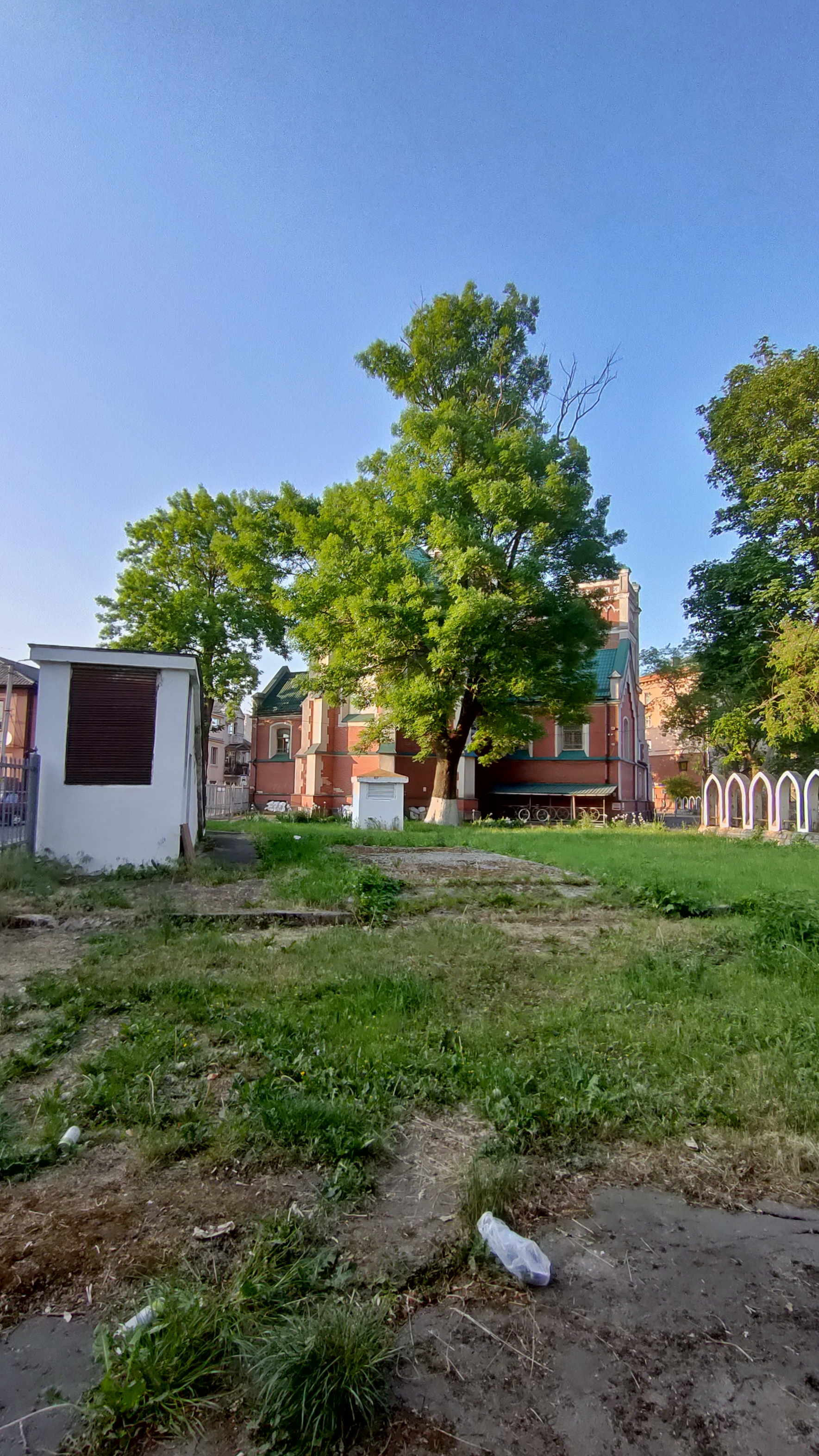
The intervention focused on the 0.106-hectare area around Rivne’s Organ Hall – a 19th-century neo-Gothic monument originally built as St. Anthony’s Cathedral. Historically, the site was a church garden, but in the Soviet period it lost its social and cultural role and fell into neglect.
The project aimed to reconnect this historic landmark with contemporary urban life and transform the site into an open green cultural space for the community.
Beneficiaries include local residents, internally displaced persons, musicians, tourists, Philharmonic visitors and creative professionals such as architects, planners, historians, ecologists and cultural managers.
Impermeable surfaces were partly removed and ecological landscaping introduced. More than 200 plants representing 30 species were planted, including vertical greening inspired by Gothic forms. Ecological elements supporting pollinators and birds were integrated, creating a micro-ecosystem in the city centre.
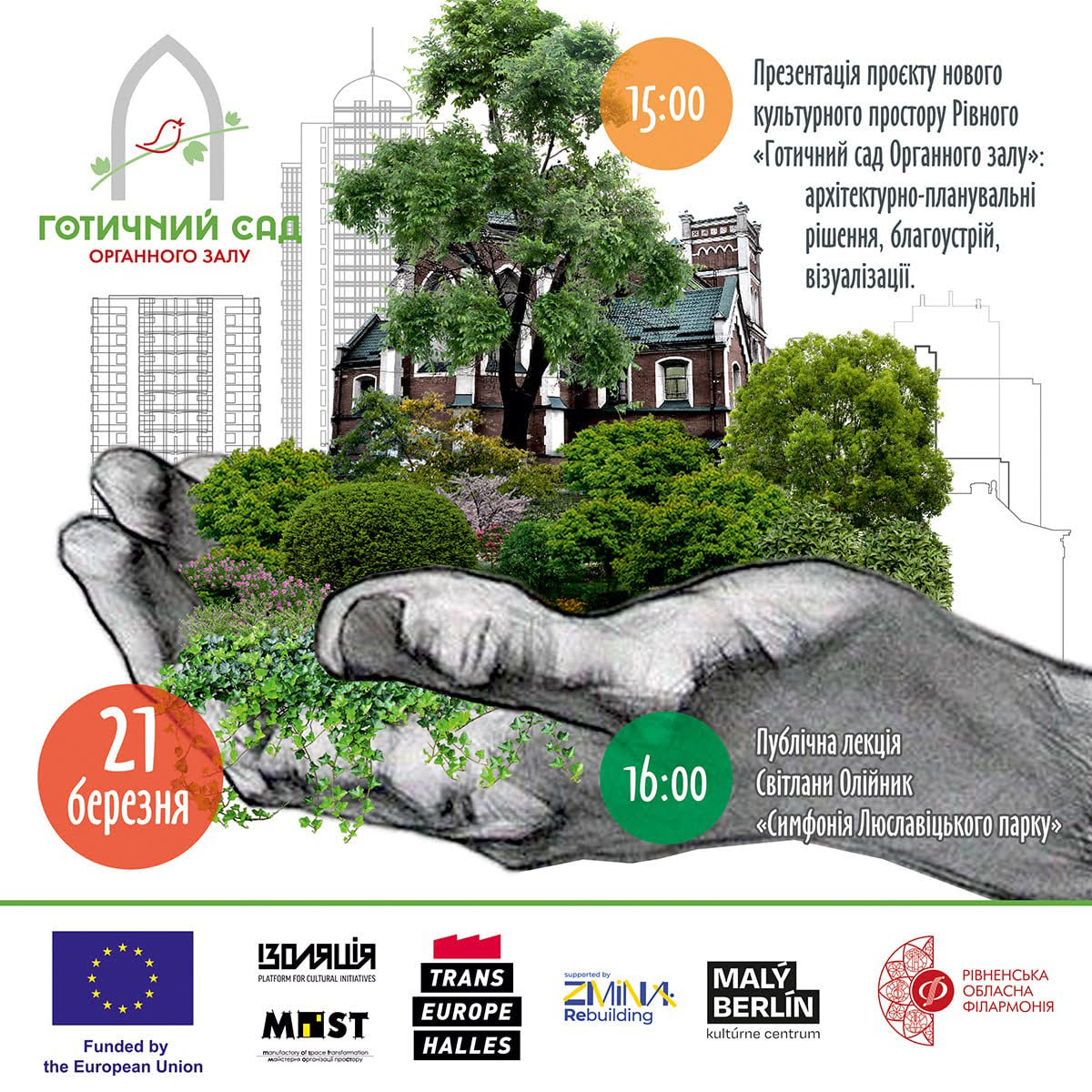
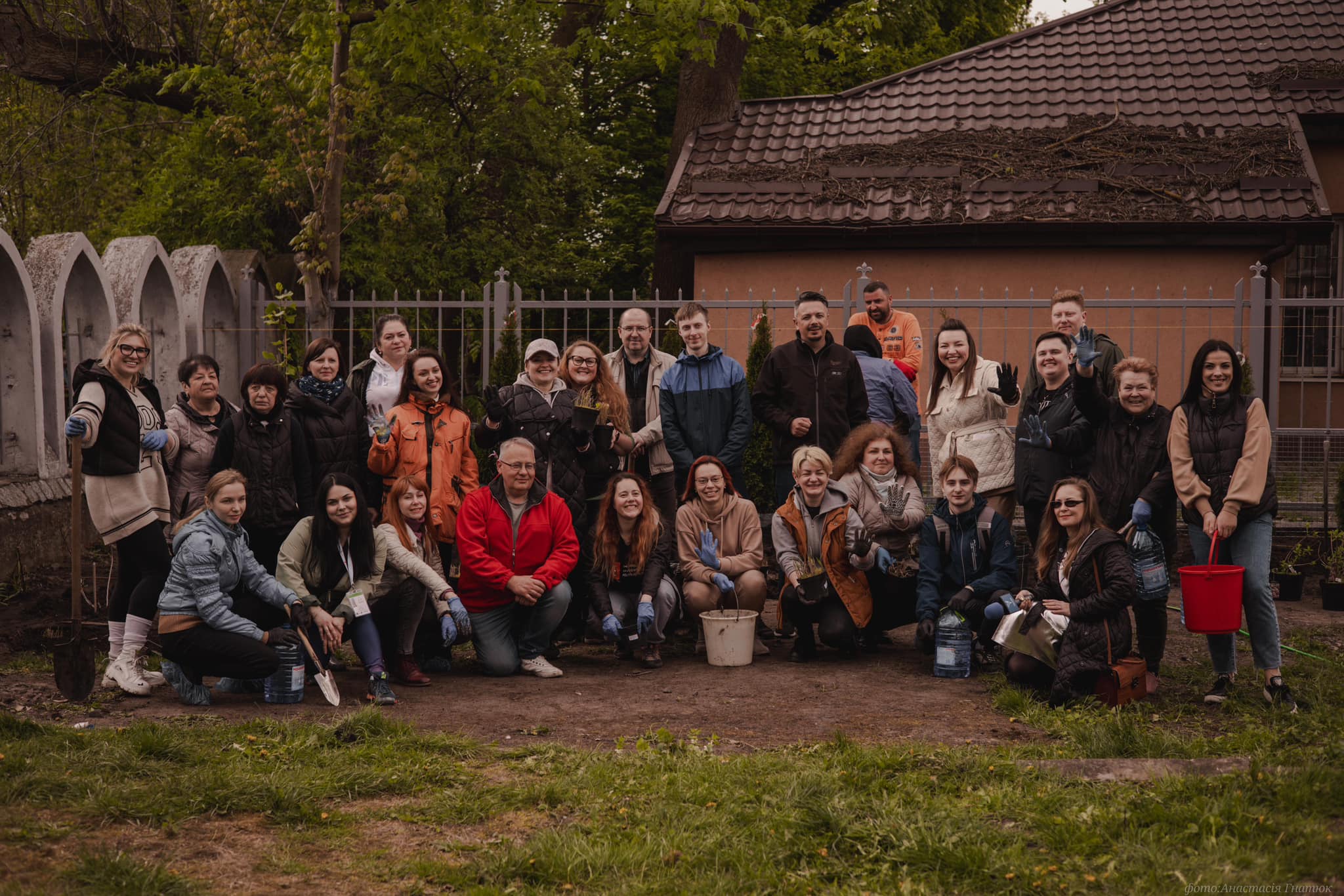
The process was participatory. Through an Urban Intensive workshop, experts and local residents co-developed the design concept, later translated into an architectural project by MOST-studio. Around 70 residents participated in a community ecological action to plant the garden.
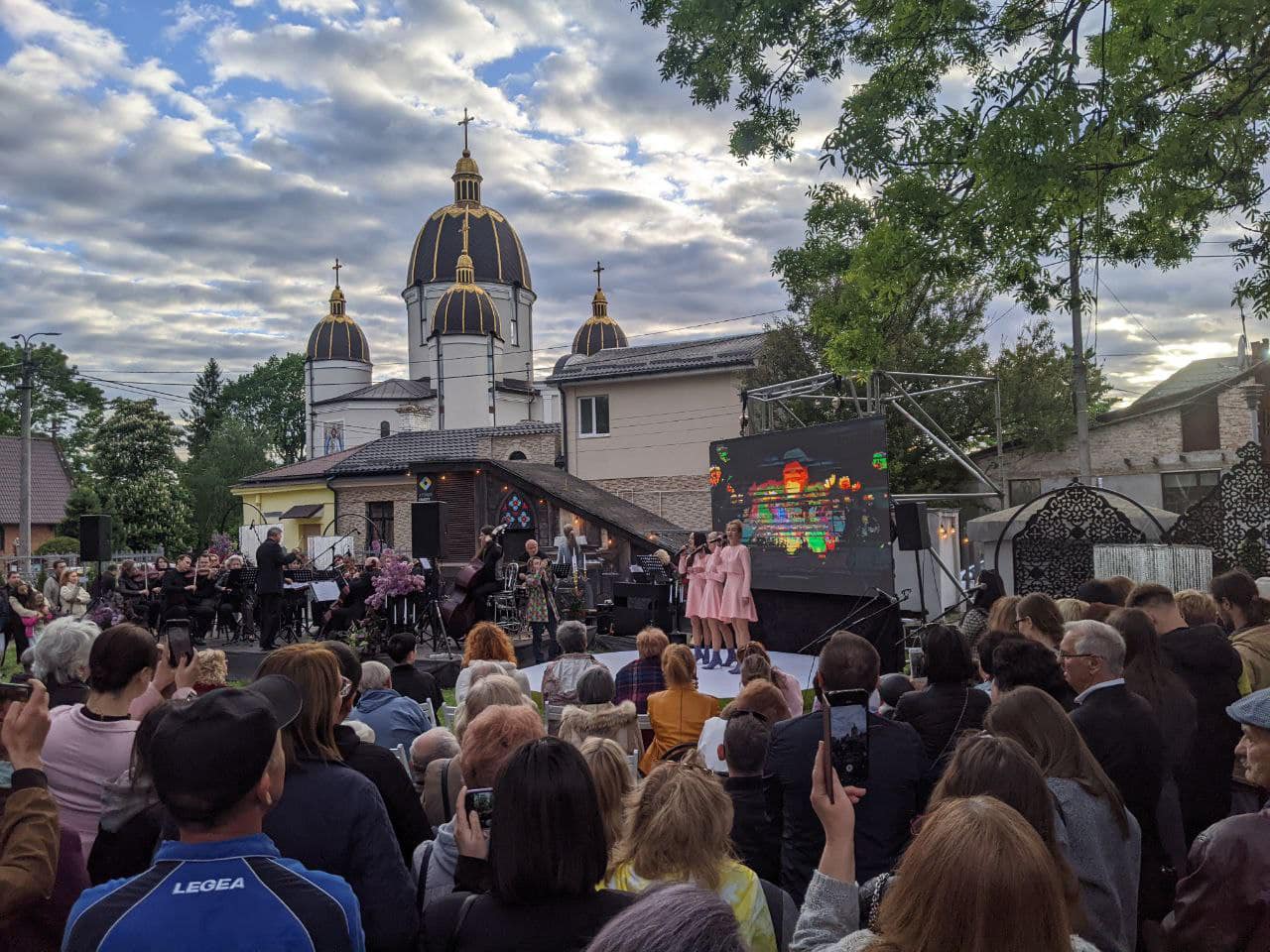
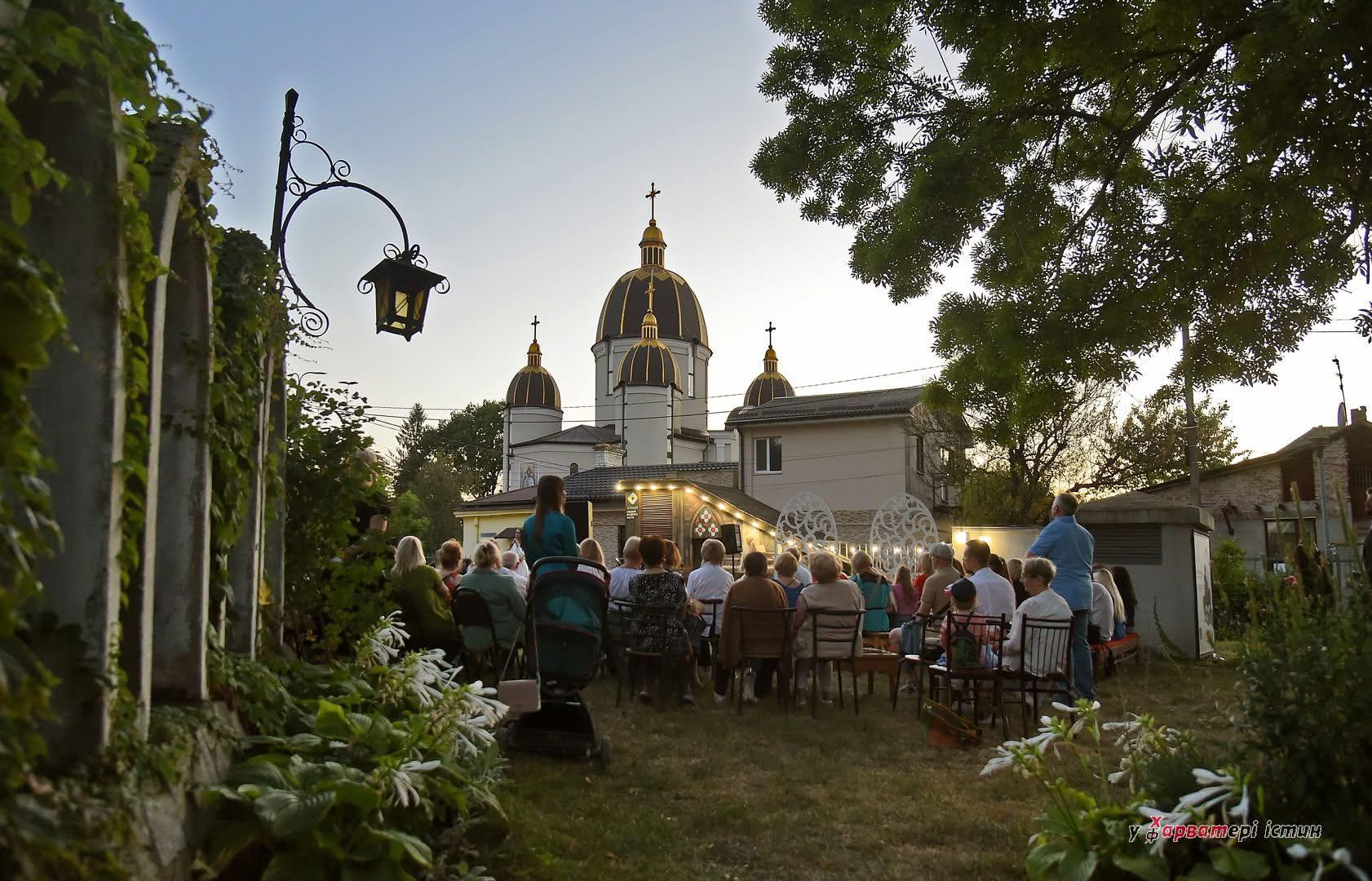
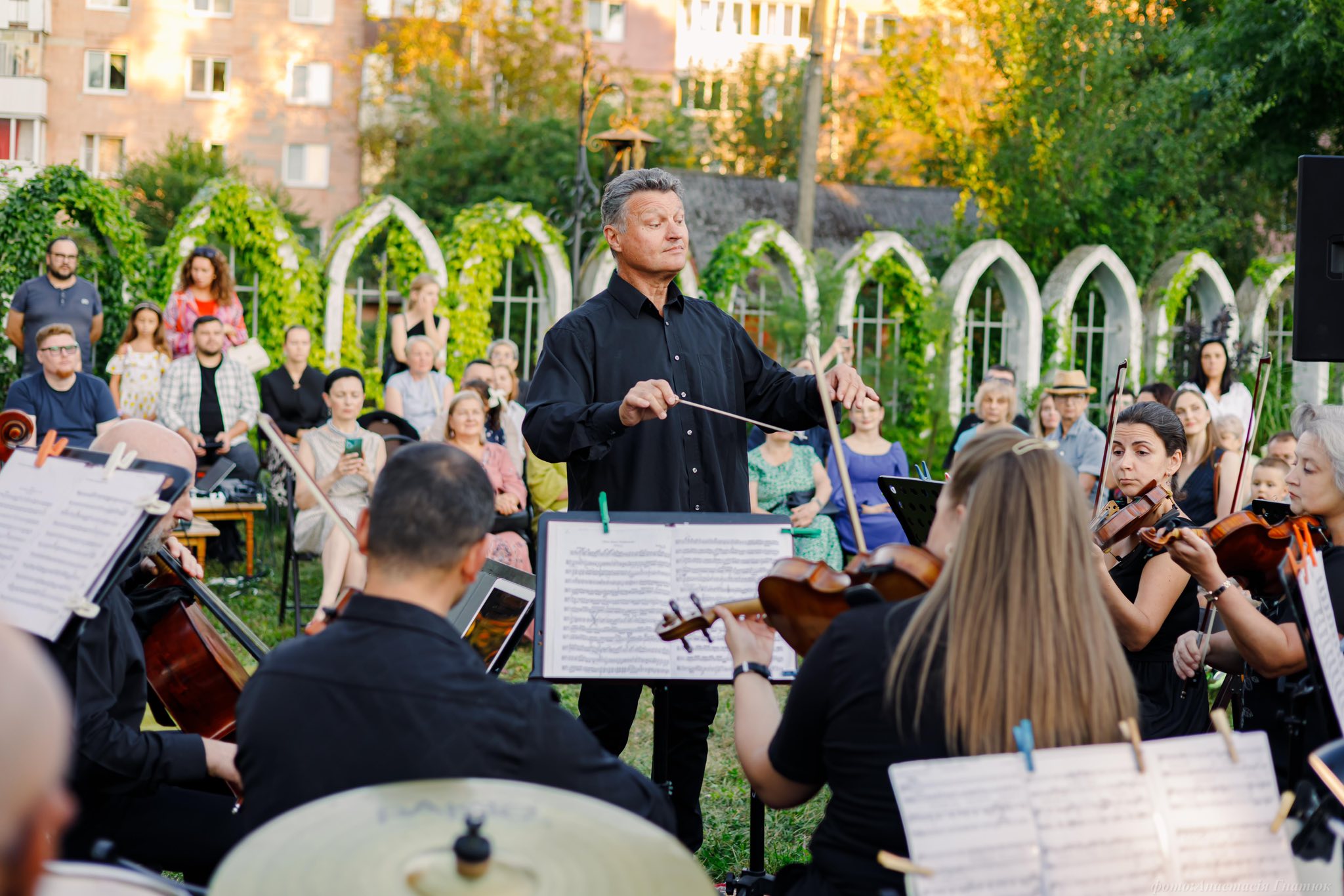
The space was activated through the open-air concert, demonstrating its potential as a cultural venue.
The Gothic Garden shows how a modest investment of €12,852.81 can transform neglected heritage into a vibrant cultural landscape. Combining ecological design, participatory governance and cultural programming, the project offers a replicable model for herit.
The project was inspired by Rivne’s European history and the legacy of the influential Polish noble Lubomirski family, who shaped the city’s development in the 18th–19th centuries. Although their role was erased from public memory during the Soviet period, the Lubomirskis were patrons of arts and education, building churches, institutions and residences that shaped Rivne’s cultural landscape. One of these landmarks is St. Anthony’s Church, now the Philharmonic’s main stage. In recent years the Philharmonic has worked to revive this heritage through exhibitions, festivals, concerts, tours and educational initiatives. These activities revealed strong community interest and inspired the idea to reconnect the monument with its urban landscape and community. This led to the concept of the Gothic Garden on the site of the former church square, long a neglected urban space. The project was implemented by the Philharmonic team with the «Friends of the Philharmonic» community, involving architects, urban planners, landscape designers, historians, ecologists, accessibility experts and local authorities. This participatory process combined research, community consultation, co-design and cultural activation as practical tools for transforming the site. Based on the results of the participatory urban workshop, a technical brief for the site’s transformation was prepared. On this basis, the architectural studio MOST developed landscape planning solutions and prepared the architectural design and cost documentation, integrating ecological planting, accessibility principles and space for open-air cultural events. This documentation will support future fundraising for the full renovation of the Organ Hall territory. At the same time, the project moved into action. Residents joined a public ecological initiative to clean the site and plant greenery. The process culminated in the open-air concert «Music in the Garden», activating the renewed space and demonstrating its potential.
Heritage-based regeneration
Cultural heritage activation
Community co-creation
Nature-based urban design
Inclusive public space
The initiative demonstrates a sustainable model for revitalising a historic urban area in Rivne. The Organ Hall is located in the city centre with heavy traffic and high air pollution, therefore one of the goals was to improve the urban environment and increase biodiversity. Practical ecological actions included partial removal of impermeable surfaces, adding soil and planting around 200 plants. The planting scheme includes coniferous trees – thuja, pine, Canadian spruce; magnolia, sakura, hydrangea shrubs, perennial ornamental grasses and climbing plants – Boston ivy and ivy – for vertical greening of the Gothic fence. Vegetation was planted along the perimeter, forming a green buffer that improves the microclimate and comfort of the site. The central area was intentionally kept open to create a small outdoor stage and audience space for cultural events. The initiative also strengthened social and cultural sustainability through partnerships between professionals and the local community, including musicians, historians, local researchers, cultural institutions. As a result, the Organ Hall is gradually evolving from a traditional concert venue into an open cultural hub hosting exhibitions, lectures, artistic meetings, guided tours and outdoor events. Although the territory is relatively small 0.106 ha, it has strong community demand and significant potential. Since completion, the site has already hosted children’s concerts, charity events, photo sessions and community gatherings. The revitalisation enhances the attractiveness of the Organ Hall as a cultural landmark, helps residents rediscover the city’s European heritage and aligns with the Rivne Cultural Development Strategy to the 2030s. It supports priorities such as living heritage, proactive cultural citizenship, cross-sector cultural events and green urban spaces for culture. This initiative demonstrates how even a small ecological intervention can revitalise cultural heritage and strengthen community life.
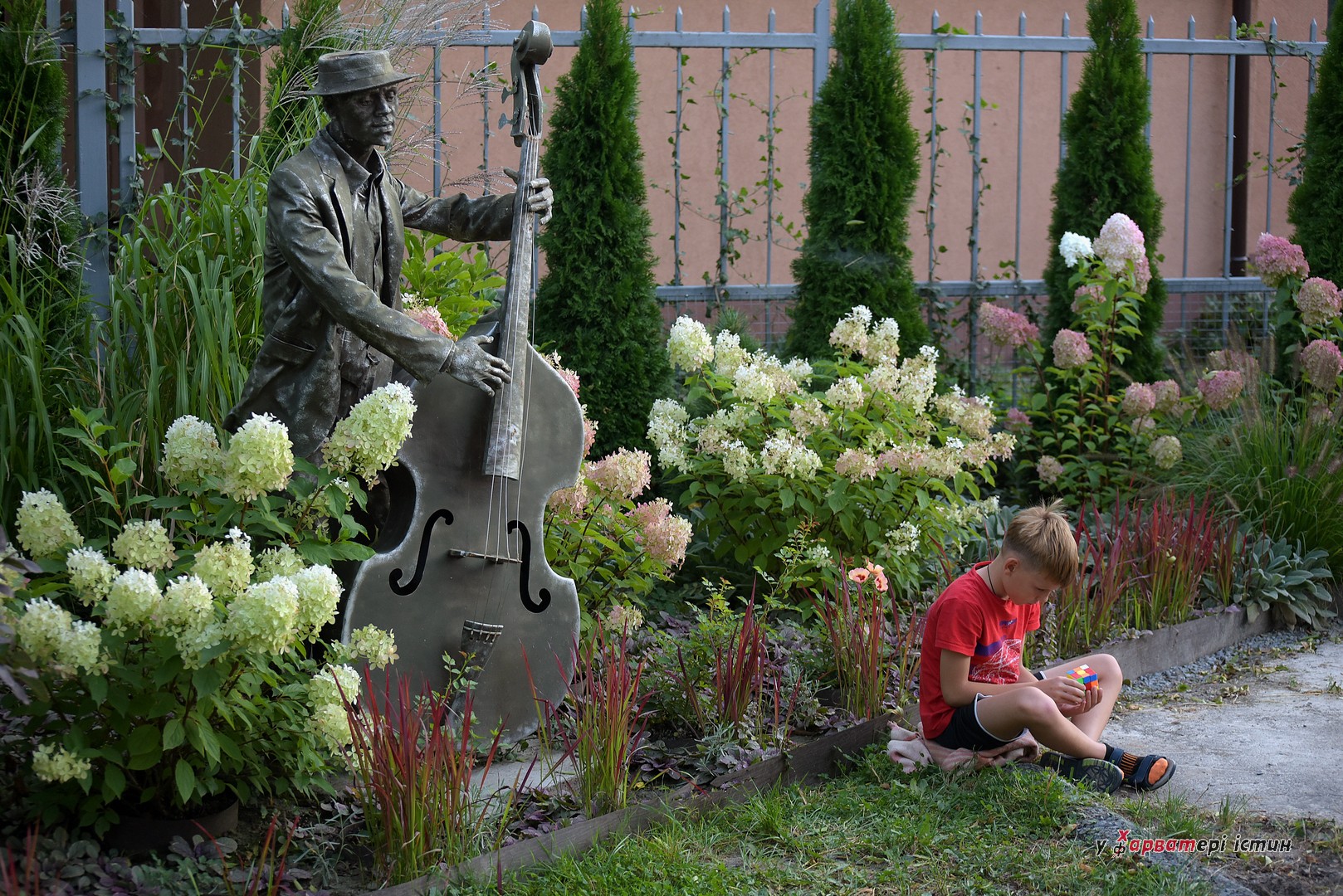
The aesthetic vision of the space grew from the historical character of the Organ Hall – the former church – and from research into Rivne’s landscape traditions. During the urban workshop, local historian presented an in-depth study of the church history and archival photographs from the early 20th century showing residents spending time in the former church garden. Architect shared examples of revitalised monastery gardens and sacred courtyards in Poland, while historian presented research on Rivne’s 19th-century park culture. These insights became the foundation for the concept and functions of a small garden space. The planting palette creates atmosphere and sensory experience: conifers provide an evergreen structure; fragrant flowering accents include hydrangea, magnolia and a sakura; ornamental grasses add softness and movement in the wind. Boston ivy and ivy cover the Gothic fence and create a green vertical layer. Although the plantings are still modest, they already create a clear aesthetic identity and a strong sense of place. Art became an important element of the space. Young artist created a mural of a girl playing the piano on a technical structure, transforming it into a poetic backdrop for the garden stage. A sculpture of a musician with a double bass, donated by a local entrepreneur, stands among magnolias and grasses, reinforcing the musical identity of the place. The aesthetic idea of the garden came to life during the open-air concert. Ukrainian music filled the space with an atmosphere of shared memory and hope. For many visitors the evening became a moment of emotional support and cultural therapy during difficult times. Music, greenery and evening light created a multisensory experience that strengthened the sense of belonging. What distinguishes the Gothic Garden is the living interaction between heritage, landscape and art: neo-Gothic architecture, greenery and music shape a cultural space where history, nature and community life meet.
The project is an urban space transformation initiative aimed at creating an inclusive cultural environment accessible to people regardless of age, social status, or physical abilities. Inclusiveness was integrated both in the planning and governance of the project and in its architectural and spatial solutions. Social inclusion was ensured through an open implementation process. Four key events – the Urbanistic Intensive, the ecological planting, the presentation of the architectural project, and the cultural event – were organised to be accessible to the local community. Information about these activities was shared through local radio, television, and social media. During the Urbanistic Intensive, expert presentations were followed by a community discussion in an “open microphone” format. One of the speakers was an accessibility expert who addressed accessible public spaces and barrier-free tourism. Around 70 residents of Rivne of different ages and professions participated in the ecological community action, planting greenery and helping create the future garden. The оpen-air concert «Music in the Garden» was free and open to all residents. The outdoor setting allowed participation of wheelchair users, parents with baby strollers, and older visitors. Internally displaced persons living in Rivne also attended. At the architectural level, the project includes barrier-free landscape solutions. Physical inclusiveness is implemented through design-for-all principles in the spatial transformation developed by the MOST architectural studio based on community discussions. The design includes accessible pathways, spaces for wheelchairs next to benches, ergonomic benches with backrests and armrests, and elements for children’s activities and intergenerational leisure. The project shows how even a small urban area can become an inclusive cultural environment and be replicated in other cities as a model of a barrier-free cultural space.
The project was implemented using a participatory approach, engaging citizens, the creative sector, and local cultural institutions at all stages.
During the Urbanistic Intensive, the following experts were involved in shaping the future of the space: Liubov Romaniuk - Head of the Department of Culture and Tourism of the Rivne Regional State Administration; Eleonora Stetsenko - Director of the Philharmonic; Olena Khmelnyk - Head of the NGO “Agency for Sustainable Development of the City”; Natalia Lozovska - Head of the Department of Culture and Tourism of Rivne City Council; Svitlana Kalko - local historian, journalist, and guide; Olha Morozova - researcher at the Rivne Regional Museum of Local History; Olha Mykhailyshyn - Professor at the Department of Architecture and Environmental Design, National University of Water and Environmental Engineering; Olha Shevchuk - urbanist; Yaroslav Nekoz - member of the National Union of Architects of Ukraine; Mykola Bendiuk - cultural heritage expert; Alla Pryshchepa - Professor of Ecology at the National University of Water and Environmental Engineering; Petro Polishchuk - accessibility expert.
Expert presentations were followed by open discussions with the community. Participants’ inputs were used to develop the technical brief for the garden and influenced key decisions on zoning, landscaping, accessibility, and cultural use of the space.
At the implementation stage, the community took part in an ecological action: around 70 residents of different ages and professional backgrounds participated in planting greenery.
The final event, the open-air concert "Music in the Garden" featuring vocalists and the chamber orchestra of the Philharmonic, demonstrated the openness and future potential of the space.
Community participation improved the project’s quality by combining professional expertise with local knowledge, ensuring public support, and fostering a shared sense of responsibility for the new urban space.
The project was based on collaboration between stakeholders at local, regional, and European levels.
At the local level, the Philharmonic played a key role as initiator and coordinator, also providing co-financing. The «Community of the Rivne Philharmonic» a network of music enthusiasts and supporters, contributed to event preparation and mobilised additional resources, including support for planting materials and community engagement. Local authorities – the Departments of Culture and Tourism of the Rivne Regional State Administration and Rivne City Council – were involved through institutional support, participation in activities, and dissemination.
The project aligns with the «Rivne Cultural Development Strategy» (2022), developed by stakeholders with PPV Knowledge Networks within the EU4Culture programme. It contributes to priorities such as living heritage (Lubomirski legacy), cultural identity, cross-sectoral initiatives, green spaces for culture, and dynamic cultural capacity.
At the regional level, experts and students from two universities, as well as professionals from the regional museum of local history and libraries, contributed academic, research, and professional expertise; students also took part in planting greenery during the ecologica
At the European level, the project was supported within the ZMINA: Rebuilding programme by the IZOLYATSIA Foundation in partnership with Trans Europe Halles and Malý Berlín, co-funded by the European Union’s Creative Europe programme.
Collaboration was facilitated through continuous communication, public discussions, expert meetings, and joint implementation processes. This ensured integration of community needs, professional expertise, and European approaches to cultural regeneration.
The combined contribution increased the project’s legitimacy, strengthened institutional support, and laid the foundation for developing a sustainable green cultural space with renewed social and cultural value.
The project «Gothic Garden of the Organ Hall» was implemented as a transdisciplinary initiative integrating architecture, urban planning, landscape design, environmental sciences, cultural heritage, history, arts, music, social sciences, and education.
Collaboration across disciplines was organised through an Urbanistic Intensive, public presentations, and working meetings. The cross-sectoral nature of the project was reflected in the range of expert contributions addressing resilience and post-war recovery («Resilience development in wartime and post-war context», «Cultural Development Strategy of Rivne 2030»), cultural heritage («History of St. Anthony’s Church», «Lubomirski architectural legacy», «Renovation as heritage management»), architecture and urbanism (concept design of the garden, spatial and engineering solutions, Polish experience in revitalising historic sites), environmental issues («Eco-social monitoring of the city»), inclusion («Accessibility and inclusive public space»), and the arts (a musicological lecture on the integration of music and nature inspired by Krzysztof Penderecki’s Lusławice Park).
Cooperation was based on open discussions, co-creation processes, and joint decision-making involving both experts and the local community. Diverse perspectives were integrated through dialogue, balancing historical context, contemporary urban needs, ecological sustainability, and cultural functionality.
As a result, the project developed a holistic vision of the space as a living cultural environment rather than a purely architectural intervention. The transdisciplinary approach enabled innovative solutions combining nature-based design, inclusive spatial planning, and cultural programming.
The added value of this approach lies in creating a resilient, adaptive, and socially meaningful space that responds simultaneously to environmental challenges, cultural needs, and principles of inclusivity, strengthening its long-term impact.
The project is based on a financial model combining grant funding, the institutional activity of the Rivne Regional Philharmonic, and community contribution. The main funding was provided through the ZMINA: Rebuilding. The total project budget amounted to €13,379.40, complemented by additional resources mobilised through local partnerships, philanthropy, and community engagement, particularly for the landscaping component. The Gothic Garden operates as a new open-air concert venue fully integrated into the Philharmonic’s institutional activity. Ticketed events have already been successfully held, generating direct revenue and expanding the institution’s cultural production capacity, while maintaining public accessibility through free and low-cost events. The project is embedded within the Philharmonic’s broader cultural offer as a tourist destination, including a historic heritage site, exhibition hall, museum space, and concert programming. This integrated model strengthens cultural products, enhances visitor experience, and creates synergies between culture, tourism, and the local economy. A key outcome is the development of design and cost-estimation documentation for the full transformation of the site. Its future implementation will unlock further investment potential and position the space as a distinctive «cultural hook» within the city. Revenue streams include ticket sales, cultural events, partnerships with local businesses, and the development of cultural tourism services. Operational costs – maintenance, landscaping, technical support, and management – are covered through a mix of institutional funding, partnerships and earned income.The model demonstrates a low-cost, high-impact approach to urban regeneration, generating long-term cultural, social, and economic value. Its scalability lies in its replicability by cultural institutions as a model for activating heritage sites through nature-based design, cultural programming, and community engagement.
The project «Gothic Garden of the Organ Hall» has a strong potential for transfer and replication, as it offers a practical model for revitalising small urban spaces adjacent to cultural heritage sites. It demonstrates how nature-based solutions, cultural programming, and active community engagement can transform neglected areas into sustainable and vibrant public spaces.
The project can serve as a model for cultural institutions, municipalities, and civil society organisations aiming to activate underused urban areas with relatively low investment and high social and cultural impact. Its most transferable elements include a participatory planning methodology, interdisciplinary collaboration, ecological landscaping, and the use of cultural events as tools for activating public space.
A key instrument is the Urbanistic Intensive – an open platform for collaboration between architects, urban planners, historians, environmental experts, artists, and local communities. This format enables the creation of a shared vision and fosters a sense of collective ownership.
Practical tools that can be easily replicated include community-based ecological actions, the creation of small green cultural spaces near heritage buildings, and open-air concerts and artistic events. These approaches require limited resources but can significantly enhance the social, cultural, and tourism dynamics of a city.
Replication requires partnerships between cultural institutions, local authorities, experts, and active communities, ensuring a balance between professional expertise and local needs. At the same time, solutions can be adapted to different historical, social, spatial, and climatic contexts.
Following a «low-cost, high-impact» approach, the project creates the basis for a network of small cultural gardens and open-air artistic spaces across European cities, contributing to inclusive, green, and culturally vibrant urban environments.