Arts, Culture, and Heritage as Drivers of Change
Ánako Culture-Driven Humanitarian Design
Ánako: Culture-Driven Design Infrastructure for Humanitarian and Social Regeneration
Ánako turns crisis into a culture-driven design process. By linking universities, local industries, and communities, it transforms humanitarian needs into locally produced solutions. Students, designers, and manufacturers collaborate to create life-saving products and social innovations, proving that arts and design can become a practical infrastructure for resilience, inclusion, and long-term regeneration.
Italy
National
It addresses urban-rural linkages
It involves other types of transformations (soft investment)
Yes
2025-12-31
No
No
No
Organisation
Ánako is a culture-driven design infrastructure that integrates universities, local manufacturing networks, and humanitarian actors into a permanent ecosystem of co-creation and production. Established as an Italian non-profit organisation, the model was fully implemented and operationalised through its first complete cycle by December 2025.
Between 2023 and 2025, Ánako engaged more than 500 design students across Europe and Latin America in structured co-design processes connected to real humanitarian needs. In collaboration with academic institutions and manufacturing partners represented by CNA, the infrastructure translated crisis challenges into locally produced solutions embedded in existing production systems.
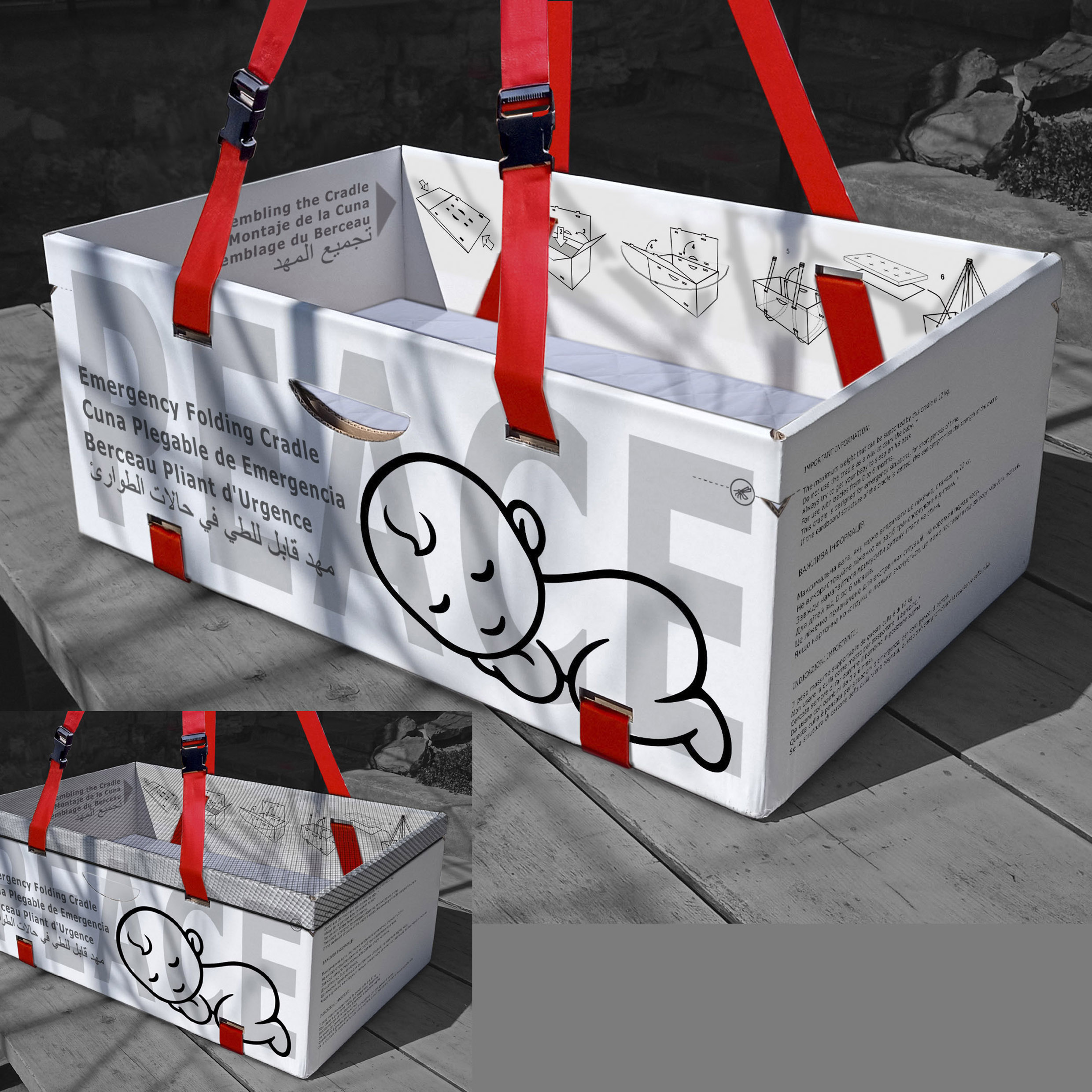
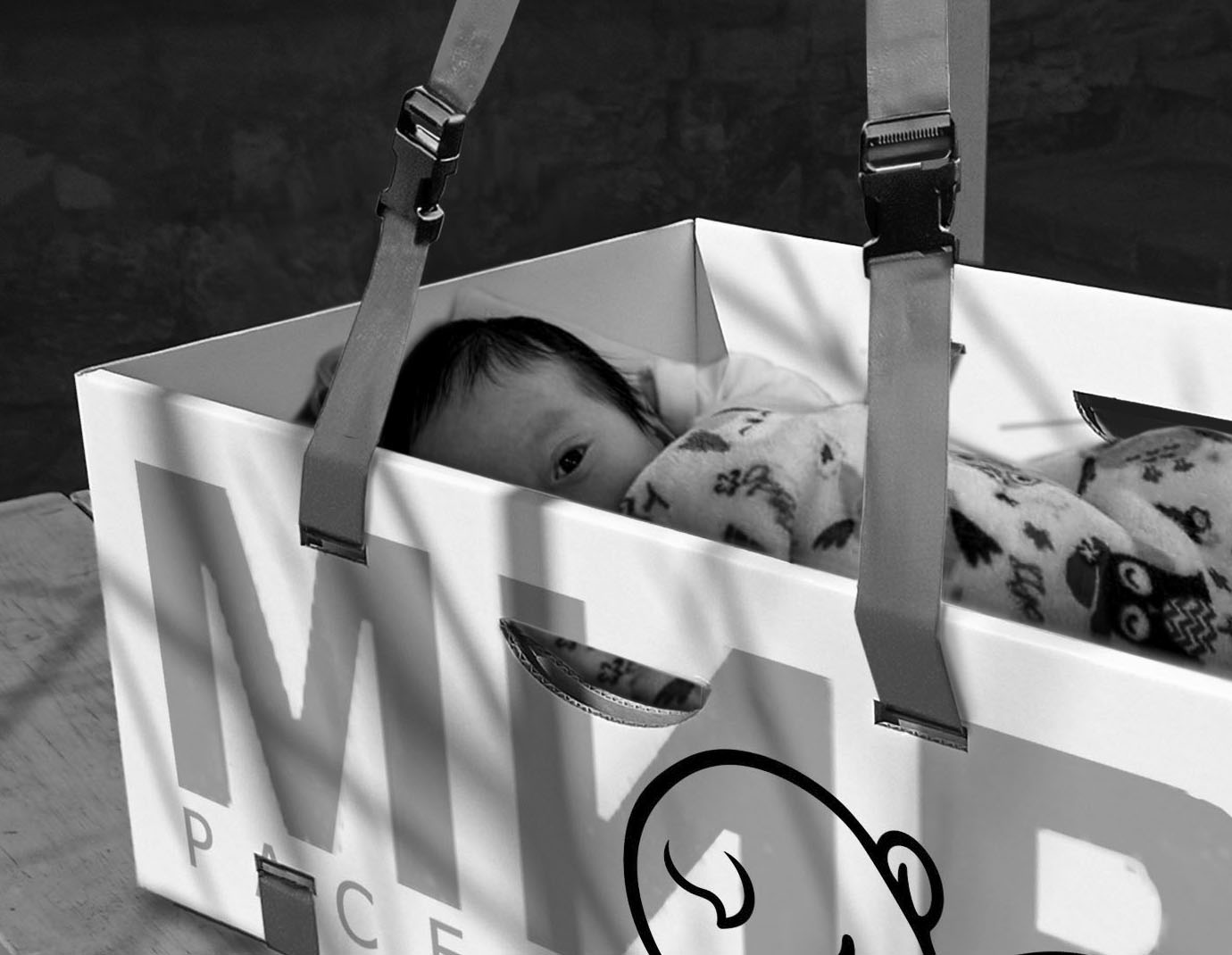
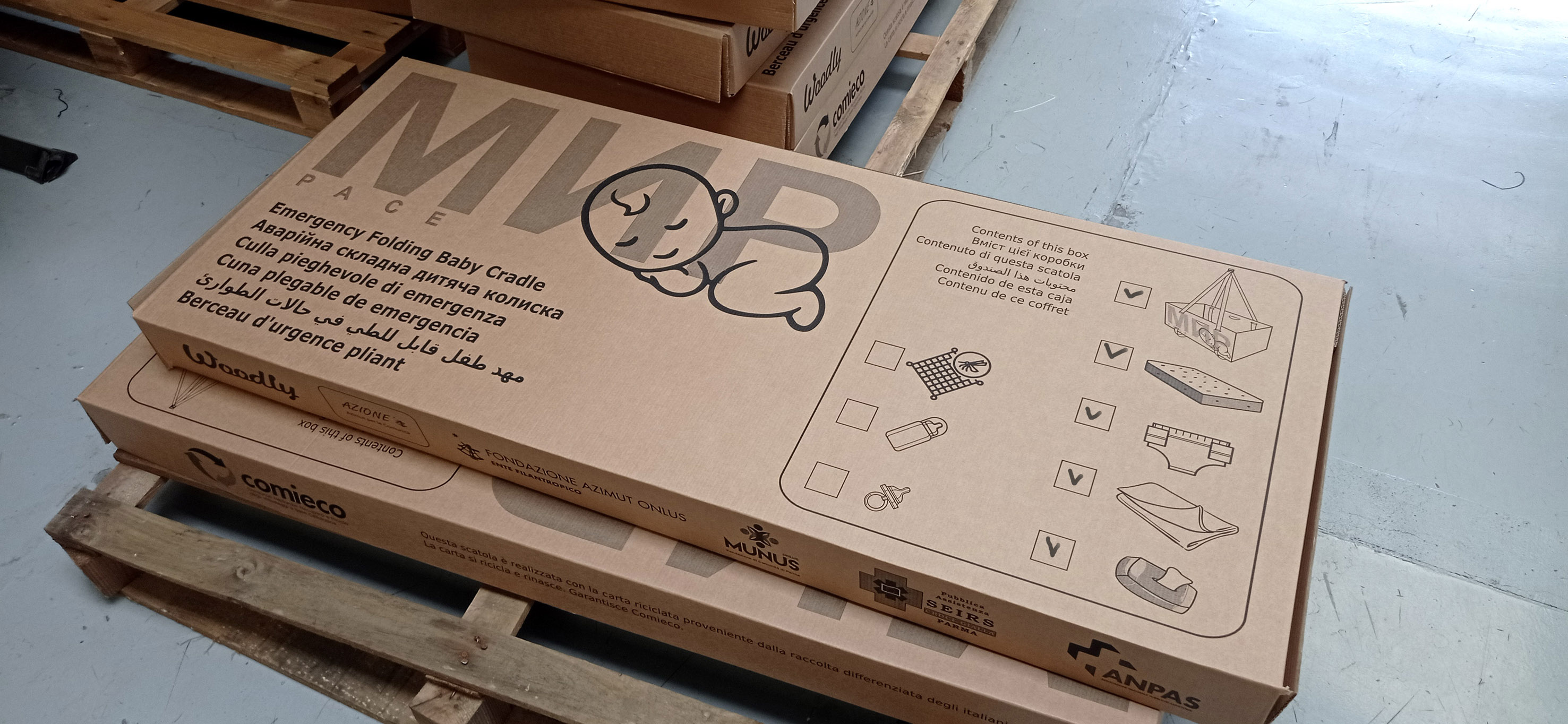
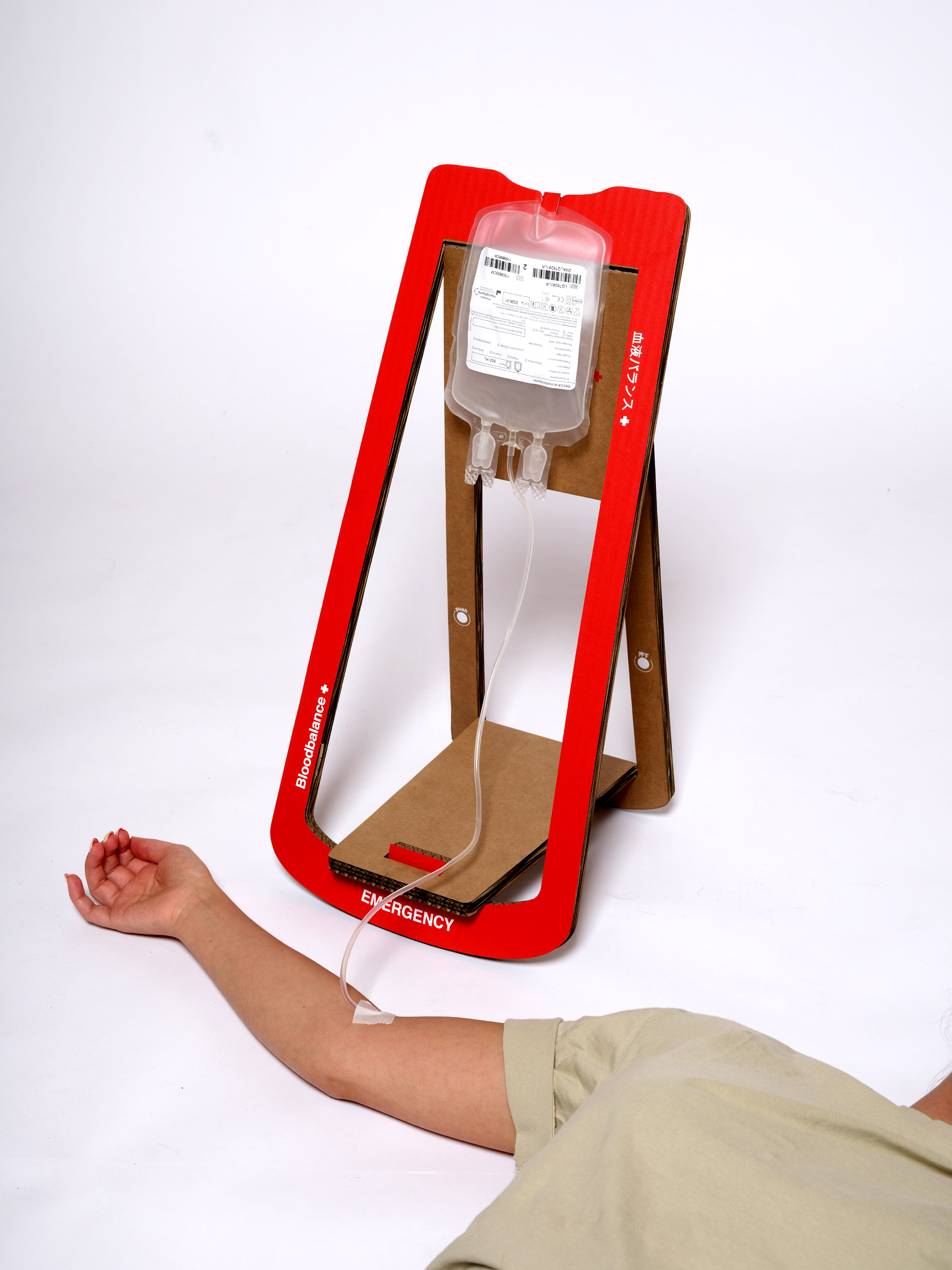
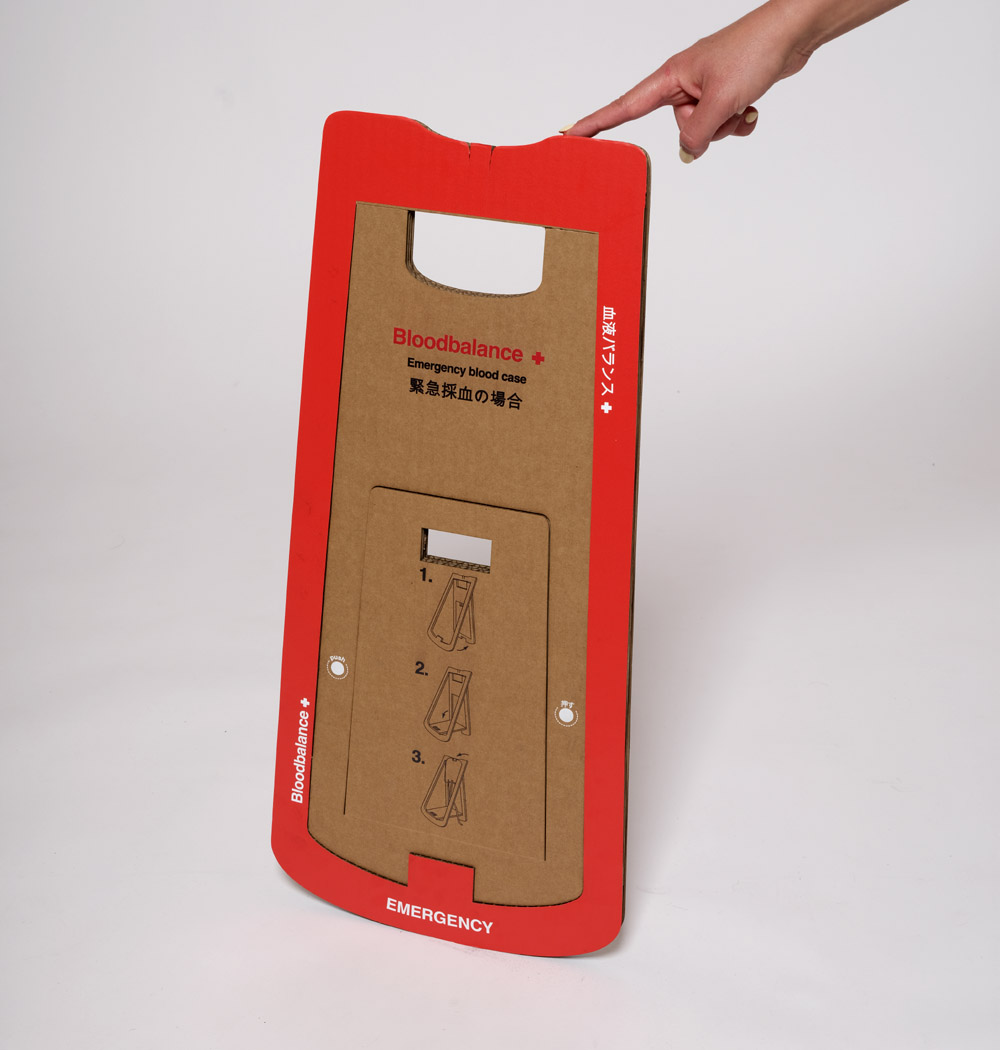
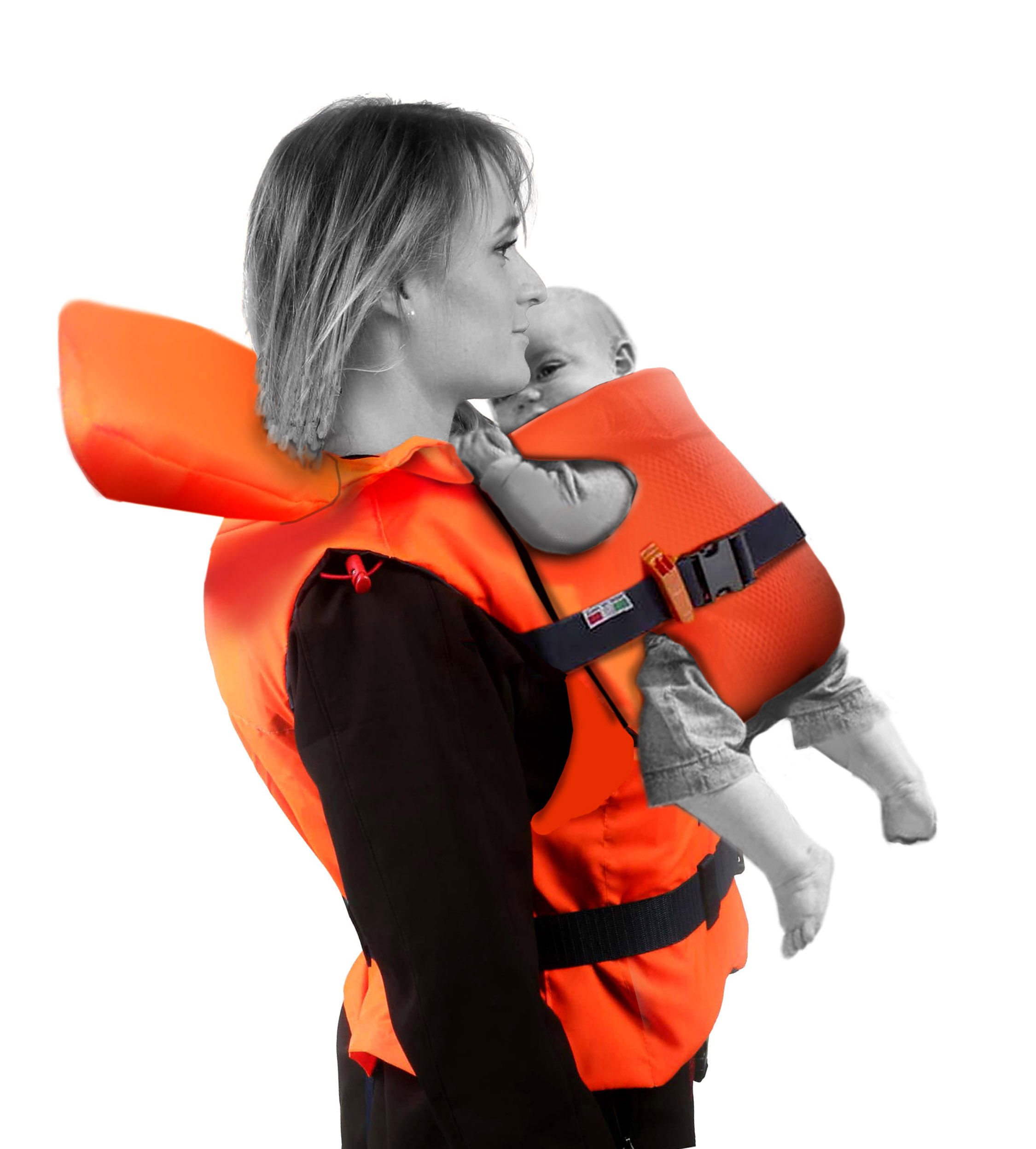
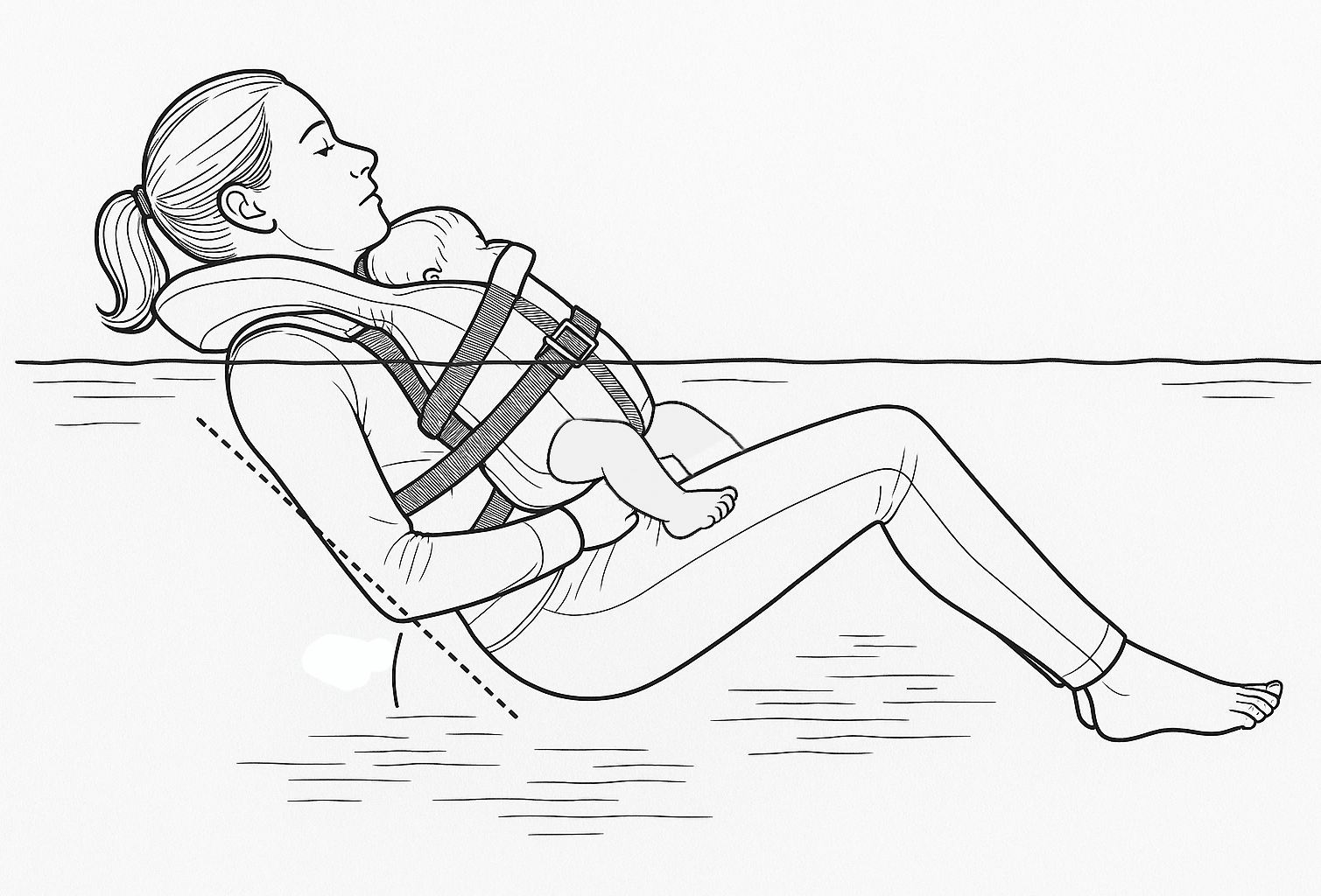
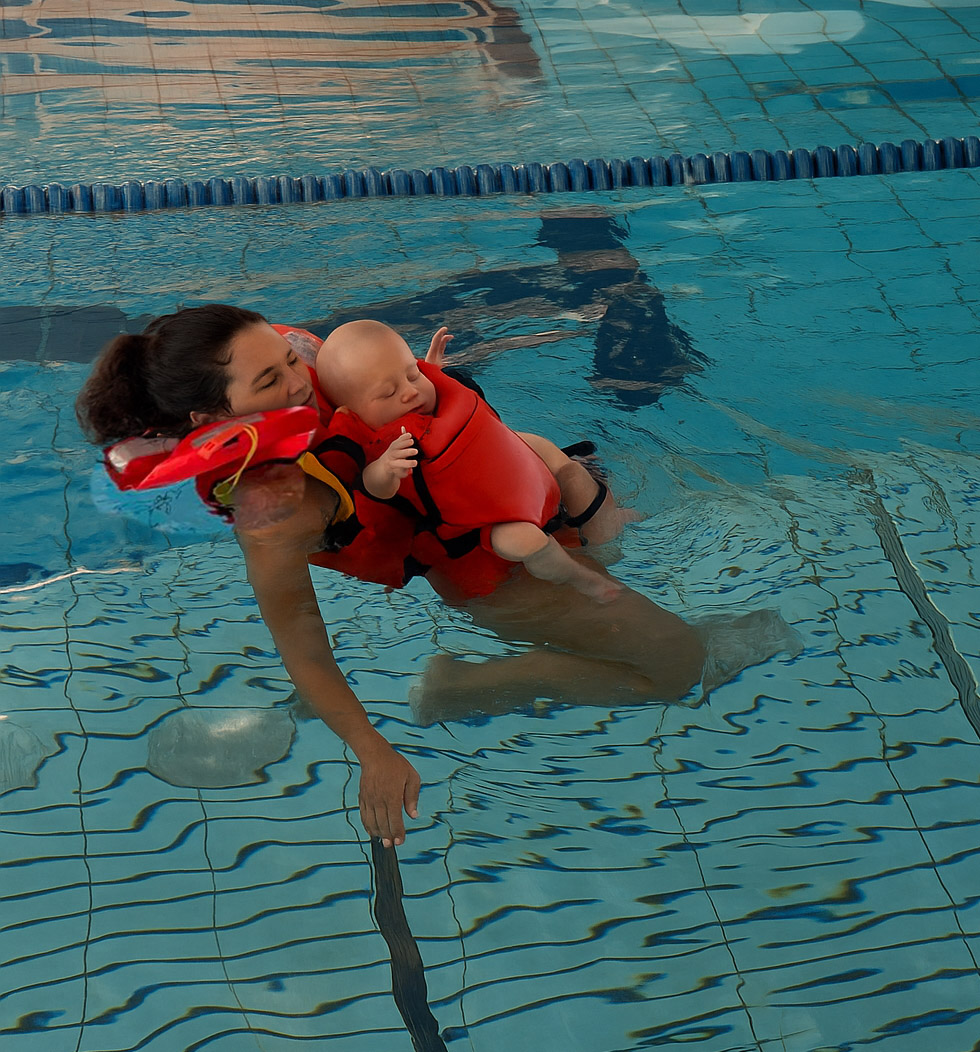
Concrete results include the production and distribution of over 1,000 emergency folding cradles delivered to Ukraine, Türkiye, Syria, and Gaza; the development and manufacturing of Kanguro, a life-saving lifejacket designed for mothers with newborns during sea crossings; and the design of a medical support system for plasma bags to improve emergency transfusion conditions. These outcomes demonstrate that arts and design can operate as operational infrastructure, not symbolic gestures.
Ánako reduces dependency on centralised supply chains by activating local manufacturing ecosystems, strengthening skills transfer, and embedding education into real-world production. Its long-term impact lies in redefining humanitarian response as a culture-led, decentralised, and scalable system aligned with the New European Bauhaus values of sustainability, inclusion, and beauty.
Ánako emerged in response to the outbreak of the war in Ukraine, when the urgent need to protect newborns in crisis contexts exposed a structural gap in humanitarian response. Many solutions were improvised, temporary, or disconnected from local production capacities. This moment triggered a fundamental question: could design education, cultural practice, and local manufacturing become a structured and reliable response system?
In 2023, Ánako was formally established in Italy as a non-profit organisation to bridge this gap. Partnerships were activated with design universities and local manufacturing networks connected to CNA. Real humanitarian needs were introduced into academic studios as concrete design briefs, transforming classrooms into operational laboratories.
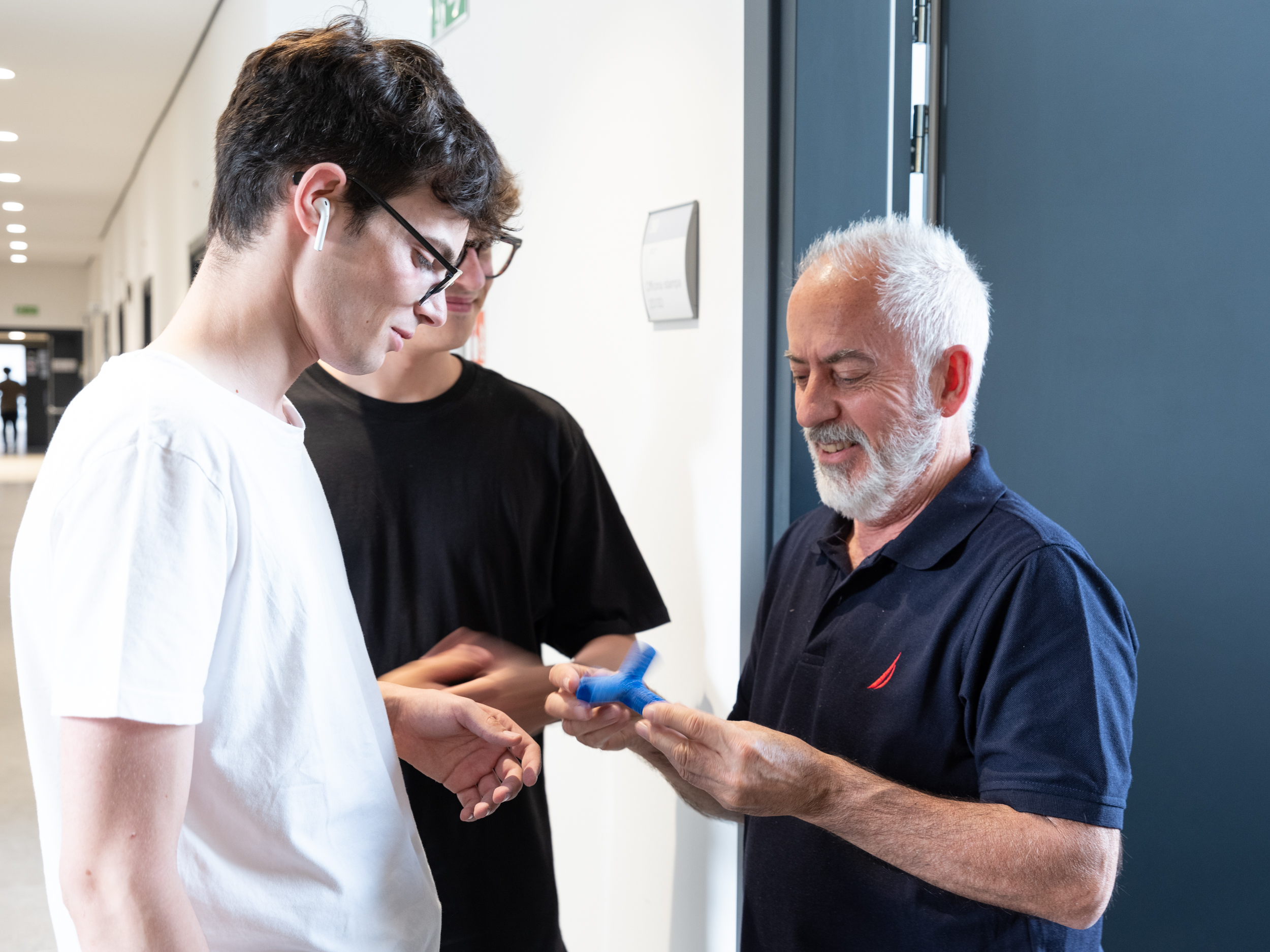
Students worked alongside professional designers and small and medium enterprises through workshops, prototyping phases, and technical validation. Concepts were engineered and transferred to manufacturing partners for production. The first full implementation cycle led to the production and international distribution of over 1,000 emergency folding cradles delivered to Ukraine, Türkiye, Syria, and Gaza. Subsequent applications included the development and manufacturing of Kanguro, a life-saving lifejacket for mothers with newborns, and a medical support system for plasma bags.
On the ground, implementation combined education, industry, logistics coordination, and humanitarian collaboration. Rather than a single intervention, Ánako established a repeatable process where culture, production, and social responsibility operate as one integrated infrastructure.
Culture-led Design
Humanitarian Regeneration
Social Design
Social Inclusion
Local Manufacturing
Ánako addresses sustainability by redesigning humanitarian response as a decentralised and locally embedded production system. Instead of relying on long, centralised supply chains, the project activates small and medium manufacturers connected to local territories. This reduces transport intensity, strengthens regional production ecosystems, and enables adaptable, small-scale manufacturing.
Environmentally, local production lowers dependency on long-distance logistics and supports more responsible resource use. By integrating design validation and prototyping phases before production, the model reduces waste and avoids overproduction. Sustainability is embedded in the process, not added afterwards.
Socially, Ánako engages more than 500 design students in real humanitarian challenges, transforming education into a space of civic responsibility. This creates long-term skills, professional awareness, and social commitment that extend beyond the individual projects.
Economically, the infrastructure reinforces existing manufacturing networks represented by CNA, rather than building parallel structures. It supports small and medium enterprises, encourages knowledge transfer, and promotes resilient local economies.
Culturally, the project treats design as a collective practice that connects arts, education, and industry. By institutionalising this collaboration, Ánako creates a repeatable model where sustainability is systemic: decentralisation, skills transfer, and local production become structural components of humanitarian innovation.
Ánako is exemplary because sustainability is not framed as a technical feature, but as an organisational principle shaping how solutions are conceived, produced, and distributed.
Ánako approaches aesthetics as dignity in conditions of vulnerability. In humanitarian contexts, design is often reduced to minimum functionality. Ánako challenges this assumption by demonstrating that safety, usability, and formal quality can coexist. Products such as the emergency folding cradle and Kanguro are not improvised objects; they are carefully designed, proportioned, and engineered to communicate protection, care, and respect.
For students and local manufacturers, aesthetics becomes a shared responsibility. Through co-design processes, participants learn that form, material choices, and usability directly influence how people experience safety and belonging. Even in emergency contexts, the presence of thoughtful design contributes to restoring normality and human value.
Beyond individual products, the aesthetic dimension lies in the infrastructure itself. By embedding arts and design into local production ecosystems, Ánako creates environments where collaboration, creativity, and craftsmanship generate collective meaning. This strengthens a sense of belonging among students, professionals, and communities involved in the process.
Ánako can be considered exemplary because it redefines aesthetics as an ethical and cultural practice. Beauty is not treated as surface appearance, but as the visible expression of care, coherence, and social responsibility. In both the immediate humanitarian response and the long term, the project demonstrates that well-designed solutions contribute to dignity, trust, and a renewed relationship between people and the systems that support them.
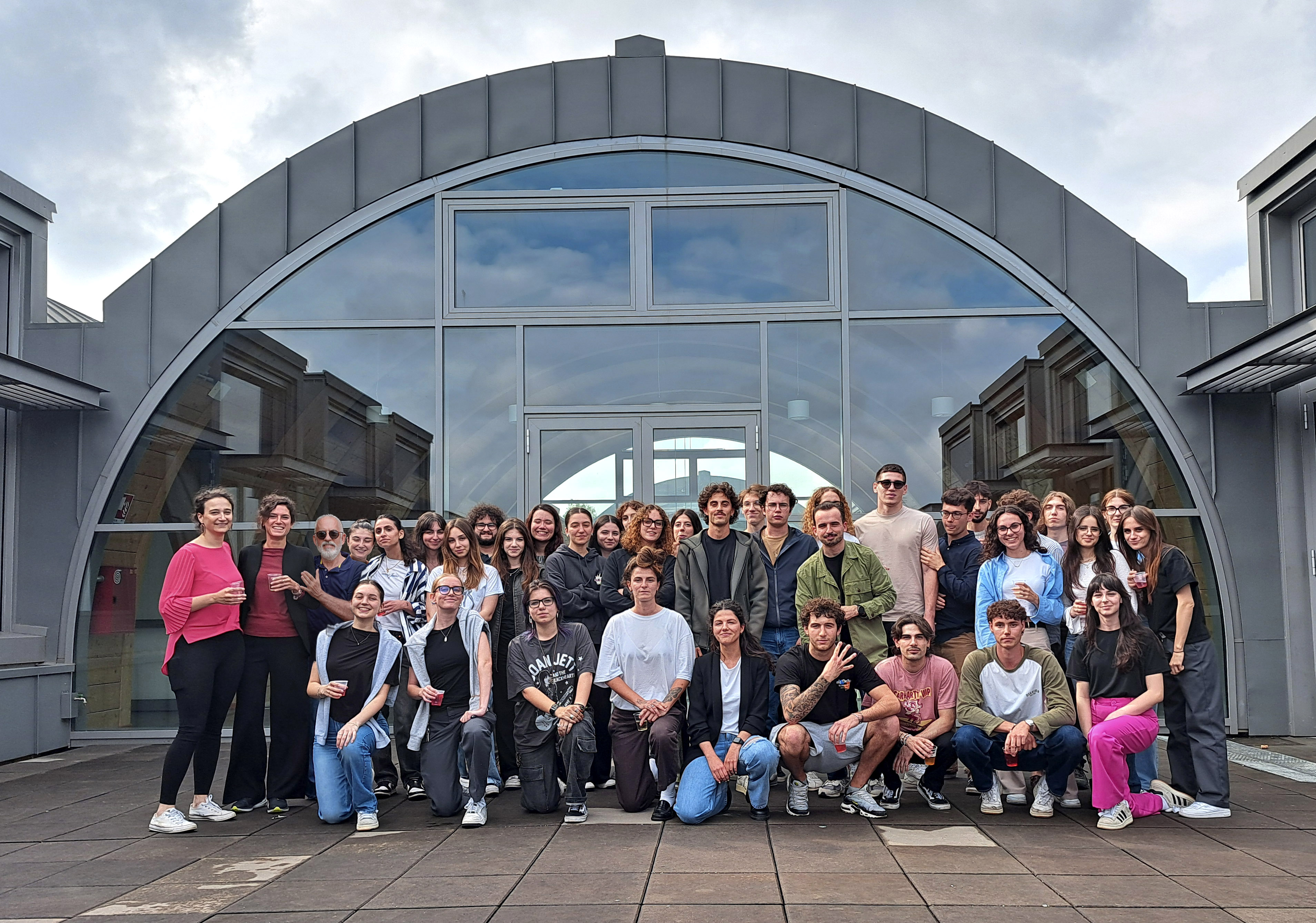
Ánako addresses inclusion by transforming humanitarian design from a specialised field into a shared, participatory process. Real-world challenges are integrated into academic programmes, allowing students from diverse social and cultural backgrounds to contribute directly to solutions with tangible impact. More than 500 students have been involved, turning education into an accessible entry point for social engagement.
Accessibility and affordability are central to the production model. By activating local small and medium manufacturers rather than relying on complex international supply chains, Ánako supports cost-controlled production and adaptable solutions. This approach enables humanitarian products to be produced more efficiently and in contexts closer to the communities they serve.
The project also promotes inclusive governance through structured collaboration between universities, manufacturing networks represented by CNA, and humanitarian actors. Decisions are not centralised in a single institution but emerge from coordinated, multi-actor processes that distribute responsibility and knowledge.
Design for all principles are embedded in the development of products such as the emergency cradle and Kanguro, which are conceived for vulnerable users in high-risk situations. The focus is on safety, clarity of use, and ease of deployment, ensuring that solutions remain understandable and usable in emergency conditions.
Ánako is exemplary in terms of inclusion because it moves beyond beneficiary-centred thinking and builds an inclusive production ecosystem. Students, small enterprises, and humanitarian organisations become co-producers of social value. Inclusion is therefore not limited to access to products, but extends to participation in the system that generates them.
Participation is embedded in the organisational structure of Ánako. Humanitarian needs are not interpreted in isolation but introduced through dialogue with civil society organisations and humanitarian actors operating in crisis contexts. These actors contribute to defining functional requirements, validating design proposals, and assessing feasibility before production.
At the local level, participation takes place within universities and manufacturing networks. Students are not passive learners but active contributors, working on real briefs that respond to documented needs. Small and medium enterprises collaborate in prototyping, technical adaptation, and production planning, bringing practical knowledge into the design process.
Civil society organisations involved in distribution and field operations provide feedback on usability, logistics, and contextual constraints. This feedback loop informs subsequent design iterations, ensuring that solutions evolve based on lived realities rather than assumptions.
The impact of this participatory approach is structural. It strengthens trust between education, industry, and civil society; increases technical and social awareness among students; and enables manufacturing partners to align production with social purpose. Rather than positioning communities only as beneficiaries, Ánako builds a collaborative ecosystem in which multiple actors share responsibility for generating solutions.
Ánako operates through a multilevel governance structure that connects local production ecosystems with national networks and international academic and humanitarian partners.
At the local level, small and medium enterprises represented by CNA collaborated in prototyping, engineering, and production. Universities engaged students and faculty in structured design processes embedded in real manufacturing conditions. This level ensured technical feasibility and direct integration with territorial production capacities.
At the regional and national levels, academic institutions such as IUAV and partner universities provided educational frameworks, research supervision, and institutional continuity. CNA, as a national confederation of crafts and SMEs, enabled coordination with manufacturing actors beyond individual companies, strengthening scalability and organisational stability.
At the international level, collaboration with universities in Latin America expanded the educational and cultural dimension of the infrastructure, while humanitarian actors operating in crisis contexts contributed field knowledge and implementation feedback.
The added value of this multilevel engagement lies in alignment. Local production capacity, national organisational networks, and international educational and humanitarian partnerships are not isolated layers but coordinated components of one system. This structure enhances legitimacy, scalability, and resilience, ensuring that the project is both territorially grounded and internationally connected.
Ánako is inherently transdisciplinary. The project integrates design education, industrial engineering, manufacturing know-how, humanitarian field experience, and organisational coordination into a single operational framework.
Design disciplines provided the methodological structure: research, concept development, prototyping, and user-centred validation. Engineering and technical expertise ensured structural safety, material performance, and production feasibility, particularly in the development of products such as the emergency folding cradle and Kanguro.
Manufacturing knowledge, contributed by small and medium enterprises within the CNA network, translated prototypes into scalable production processes. This included material sourcing, tooling adaptation, quality control, and logistics planning.
Humanitarian actors and civil society organisations brought contextual knowledge from crisis environments, informing functional requirements, deployment conditions, and usability constraints.
Education acted as a connecting field, transforming academic studios into applied laboratories where theory, experimentation, and production converged. The project also incorporated elements of social sciences, particularly in understanding vulnerability, community needs, and systemic resilience.
By combining arts, design, engineering, manufacturing, and humanitarian practice, Ánako moves beyond disciplinary silos. Transdisciplinarity is not symbolic but operational: each knowledge field contributes to concrete decisions that shape real products and real-world implementation.
Ánako operates as a non-profit organisation with a hybrid and diversified sustainability model. The infrastructure combines philanthropic funding, targeted project-based grants, crowdfunding campaigns, and strategic partnerships with manufacturing actors.
Humanitarian product development and first production cycles have been supported through donations, foundation grants, and crowdfunding initiatives, enabling the activation of local production without speculative margins. In parallel, collaboration with manufacturing partners allows the transfer of production rights under agreed frameworks, generating economic sustainability for local enterprises while maintaining social impact objectives.
Educational activities, workshops, and academic collaborations form another structural component of the model. Universities integrate humanitarian design challenges into curricula, ensuring continuity of research and development without requiring separate financial structures.
Rather than relying on a single funding stream, Ánako sustains its activities through a combination of public and private contributions, institutional partnerships, and project-based financing. This diversified approach reduces financial vulnerability and allows the infrastructure to scale according to concrete needs.
The model is designed to be economically resilient: it leverages existing manufacturing ecosystems instead of creating parallel production facilities, minimises fixed costs, and transforms knowledge transfer into long-term value for both local economies and humanitarian actors.
Ánako is designed as a transferable infrastructure rather than a site-specific intervention. The most scalable element is its methodology: a structured process that connects humanitarian needs, academic design programmes, and local manufacturing ecosystems into one operational cycle.
The replicable components include:
– The co-design framework that introduces real humanitarian briefs into university curricula.
– The prototyping-to-production pathway that integrates small and medium enterprises from the outset.
– The governance model that coordinates universities, manufacturing networks, and humanitarian actors without creating parallel institutions.
– The knowledge-transfer mechanism that allows technical documentation, production guidelines, and validation protocols to be adapted to different territories.
The model does not depend on a single building, technology, or funding stream. It leverages existing educational institutions and manufacturing capacities, making it adaptable to diverse regional contexts.
Products such as the emergency folding cradle and Kanguro demonstrate how solutions developed within this framework can be locally engineered and produced in different geographical areas, provided that the process is respected.
The key learning is that scalability does not require centralisation. By embedding design education into local production systems and activating multi-actor collaboration, Ánako offers a decentralised model that can be transferred to other European regions and beyond, strengthening local resilience while maintaining shared standards of quality and responsibility.