Enablers for New European Bauhaus Transformation
PLAYFUL PEDAGOGIES
Climate Change as a Game
Today’s new generations, particularly young people, will face consistent landscape changes in their lives. Can we involve children and university students in co-designing landscapes that consider climate change?
Starting from exploring different forms of "play," the project aims to educate and engage younger generations in climate change issues. Games serve as tools for students to acquire knowledge, view the world from diverse perspectives, and ultimately imagine and transform the future.
Starting from exploring different forms of "play," the project aims to educate and engage younger generations in climate change issues. Games serve as tools for students to acquire knowledge, view the world from diverse perspectives, and ultimately imagine and transform the future.
Netherlands
Local
Delftse Hout
It addresses urban-rural linkages
It involves other types of transformations (soft investment)
Yes
2025-10-31
No
No
No
Individual
Today’s new generations, and in particular young people, will face consistent landscape changes during their existence. Can we create consciousness in young generations of how climate change will modify landscapes? Can we involve children and university students in co-designing the landscape considering climate change?
Can we develop new educational methods and co-designed techniques for primary and tertiary education? How can we foster a positive attitude towards tackling the climate transition that inspires action in contact with nature?
This project is the product of the experimental Comenius course focused on pedagogical innovation. The course aims to educate and engage younger generations on climate change issues by exploring various types of outdoor games (role play, art installations, etc.) through exploration, co-design, and co-creation practices in a rural biodynamic area of the peri-urban landscapes of Delft, The Netherlands. Agricultural landscapes, especially those at the urban edge, can serve as teaching and learning laboratories for some of the challenges presented by climate change. Students from landscape architecture, architecture, and urban disciplines become ‘agents of change’ by involving children, teachers, parents, farmers, and visible and invisible living organisms in the co-design and co-creation processes to envision possible futures for the climate transition, finally creating a collective game-installation for children on-site. The game enables students to gain knowledge, view the world from different perspectives, and ultimately envision the future of landscapes alongside the challenges of biodiversity, soil, and water. Adopting different roles during play evokes emotions that foster new awareness, develop a more nuanced vision of the future, and inform decision-making. This encourages a more positive attitude toward addressing climate change through playful and emotional participatory methods that bring life to a ‘Playful Pedagogy.’
The landscapes of tomorrow will constantly evolve. Younger generations will spend their lives amid changing environments influenced by climate change, urban growth, and ecological shifts—becoming integral to their daily lives rather than occasional disruptions. This prompts the question: how can we better prepare them to respond creatively and resiliently? How can we nurture their analytical skills alongside emotional intelligence, expanding their capacity for imagination, strength, and joy?
This project, funded by the Comenius Program—the Netherlands' top award for educational innovation, received in 2023—enabled me to create an experimental elective at TU Delft’s Faculty of Architecture. Offered during the 2023-24 academic year, it engaged master's students in landscape architecture, architecture, and urbanism, alongside primary school children from Groen van Prinsterer Primary School in Voorburg. Conducted in the Delft Hout landscape, the program combined design, learning, and imagination through collaborative, transdisciplinary activities.
For me, this was more than a professional endeavor; it was a chance to rethink education amid crises. I aimed to go beyond teaching facts about climate change—often leaving students feeling powerless—and foster a learning environment centered on action, reflection, and collective engagement. My goal was to instill hope, creativity, and a deep emotional connection to nature, bridging science with art, reason with emotion.
Play lies at the core of this approach. I believe in play as an immersive, engaging way to learn—encouraging active participation and presence. Through play, students can experience climate change not as an abstract threat but as a shared reality, where their ideas and creativity help shape a better future.
Climate change, water and soil, biodiversity
Young generations (children, university students)
Human and more-than-human
Playful pedagogies
Landscape education
Our project embodies sustainability by integrating ecological awareness, participatory design, and innovative educational methods to address climate change. The initiative fosters regenerative landscape practices, biodiversity enhancement, and climate resilience while engaging diverse stakeholders in co-creative processes.
Key objectives met:
1. Regenerative Landscapes & Carbon Storage:
- The project promotes sustainable land management at a rural site, prioritizing peatland restoration, biodiversity conservation, and carbon sequestration.
- Strategies such as paludiculture, agroforestry, and crop rotation enhance soil health and water retention, reducing greenhouse gas emissions and supporting local ecosystems.
2. Education through Play & Artistic Engagement: o Through role-playing, climate games, and outdoor installations, children and students engage in experiential learning, fostering emotional connections with environmental issues.
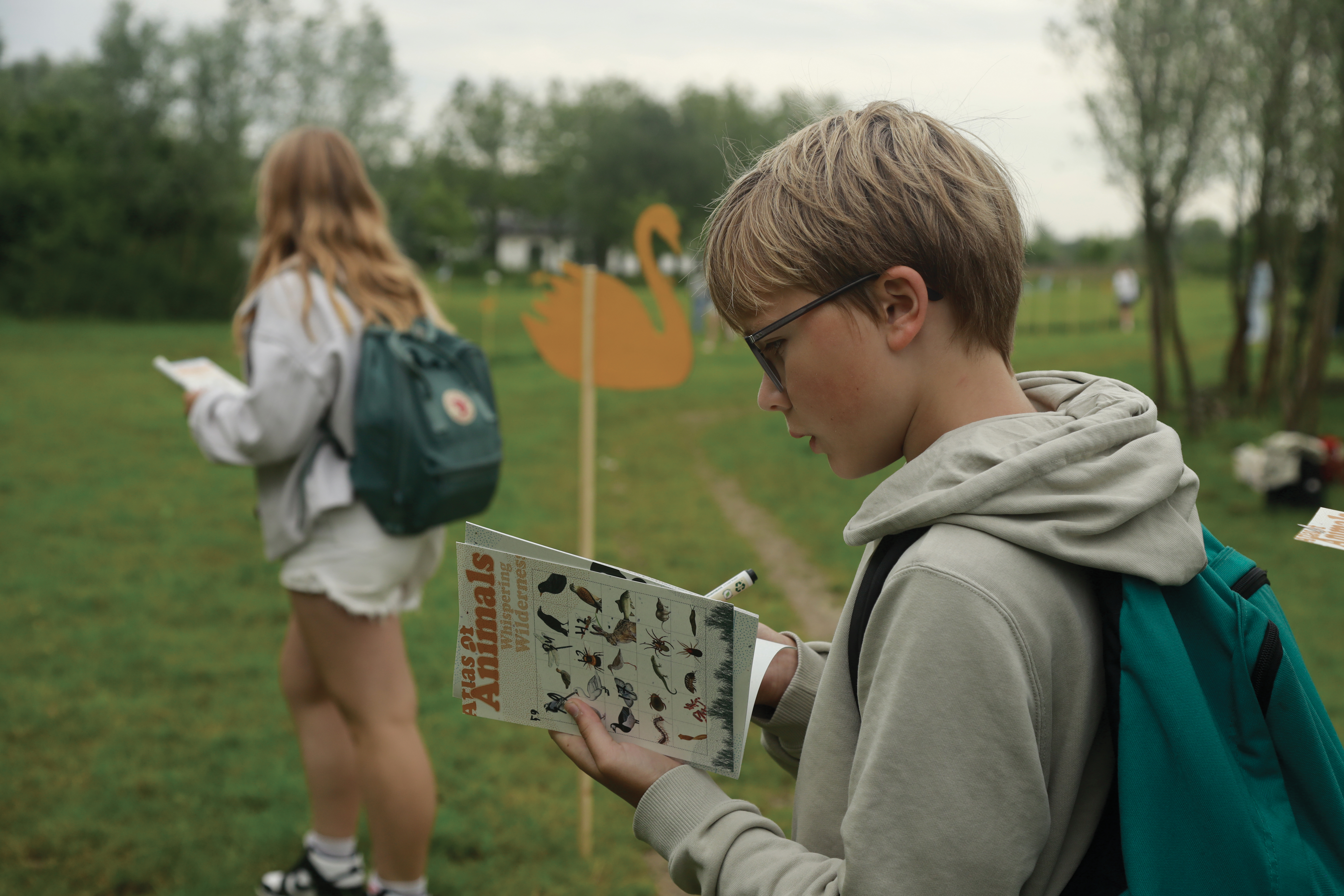
- The Whispering Wilderness installation serves as an interactive space where young participants learn about biodiversity, soil health, and climate change impacts through art and movement.
3. Co-Design, co-creation, and Participatory Approaches:
- A collaborative process with university students, children, educators, farmers, ensures that local knowledge and sustainable agricultural practices shape the future of the landscape.
- This participatory approach ensures that solutions are deeply rooted in both scientific research and community needs.
4. Multifunctionality & Ecosystem Resilience:
- The project balances ecological, economic, and recreational functions of the landscape, ensuring that nature-based solutions contribute to long-term resilience. This initiative stands out as a model for integrating landscape regeneration, climate education, and participatory design in a holistic manner, merging scientific knowledge with creative pedagogies. Education and action can inspire a new generation for a sustainable future.
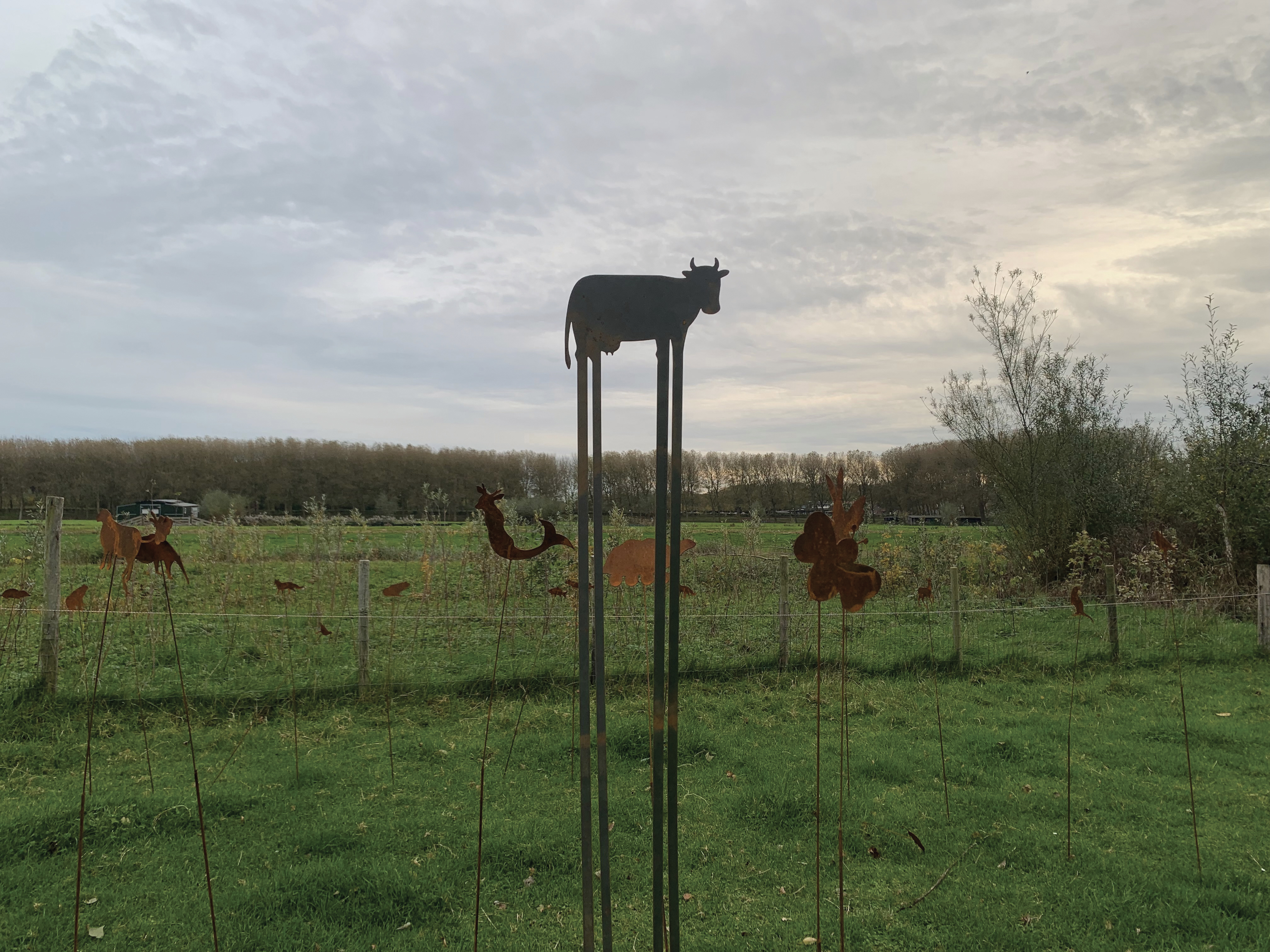
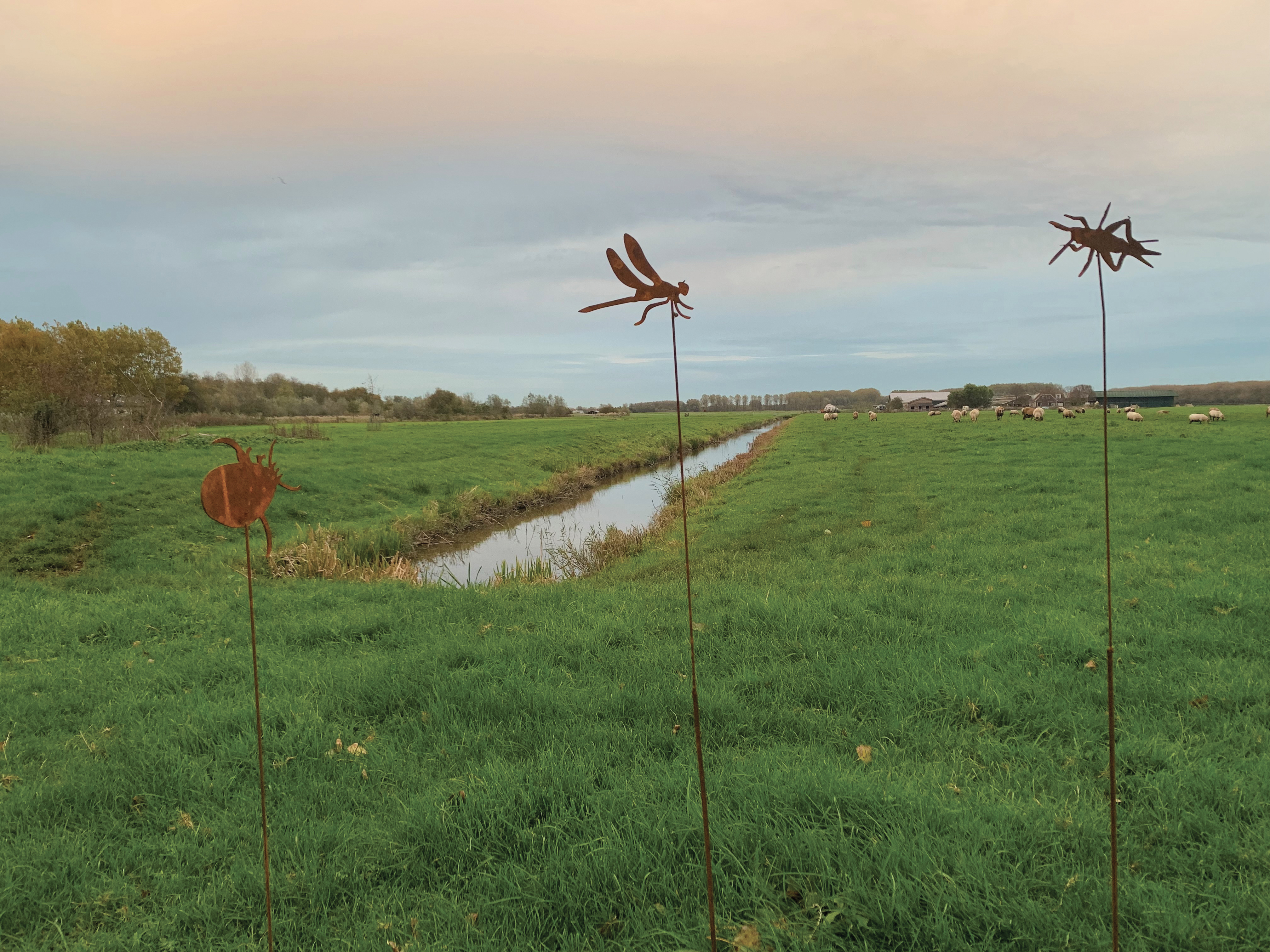
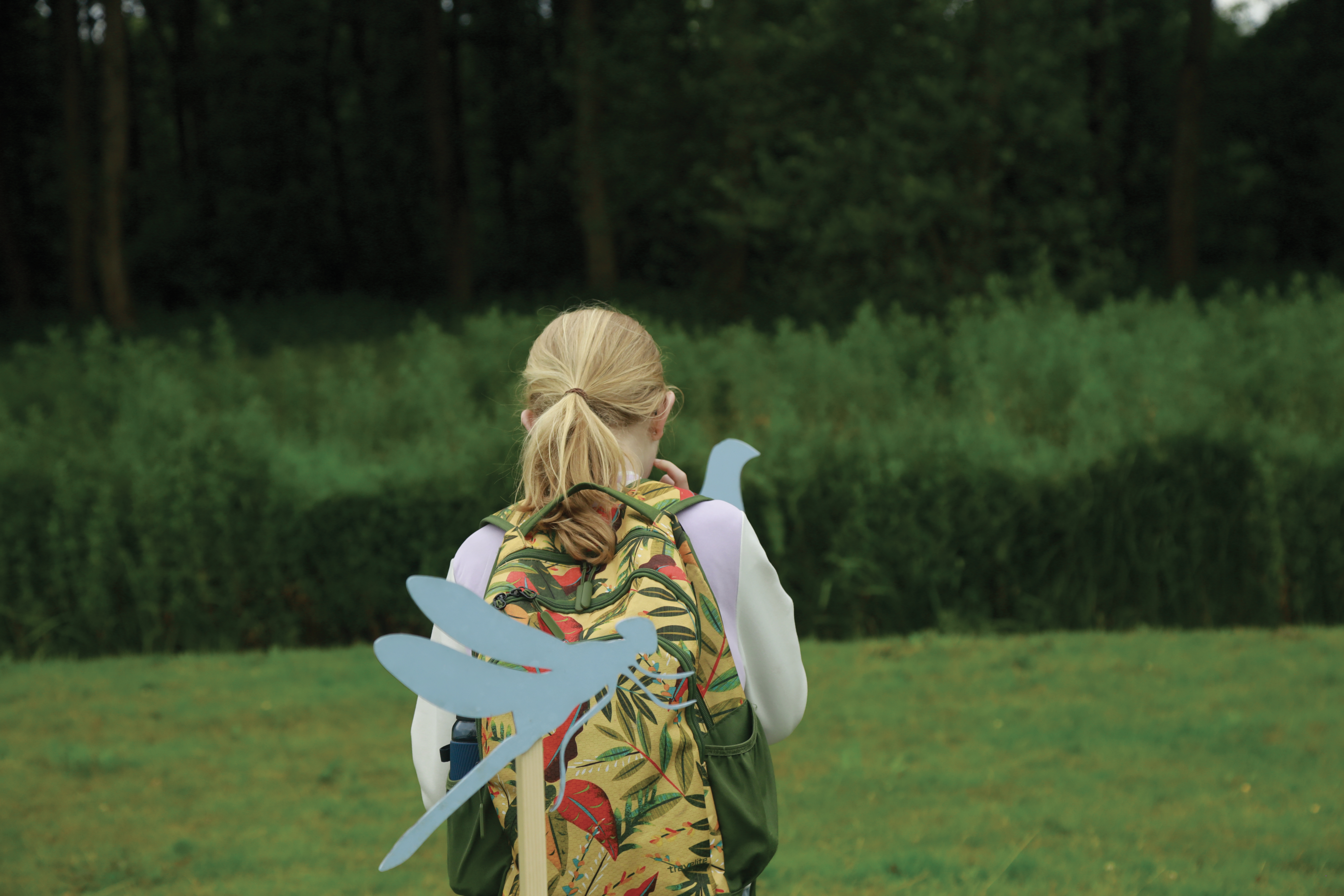
The installation offers a unique sensory, artistic, and immersive experience that fosters a deeper connection between people, nature, and climate awareness. Wild play choreographies and installations in the Polder guide you through ‘The Dream’ in the Forest. The educational event encouraged children to explore various animal species through installations divided into three habitat groups—air, land, and underground animals—displayed in triangle, square, and circle elementary forms. Constructed from wood and designed with principles of simplicity, temporariness, and imagination, the installation transforms the landscape into an interactive and poetic space, encouraging play, storytelling, and reflection on environmental change:
1. Aesthetic Simplicity & Integration with Nature
- The installation’s minimalistic wooden structure and organic forms allow it to blend with its natural surroundings.
2. Imaginative and Playful Design
- The design distills complex climate and biodiversity themes into visual narratives by using basic geometric shapes (triangles, squares, circles) to represent animal species. This simplicity sparks curiosity and invites participants to engage in imaginative play.
- Through games, role-playing, and movement, participants connect emotionally with environmental themes, making learning an embodied experience rather than passive observation.
3. Cultural & Educational Benefits
- The project brings together students, children, and farmers, merging scientific knowledge with artistic expression, reinforcing culture as a vehicle for sustainability.
- Inspired by Henri Rousseau’s 'The Dream,' the installation in the forest fosters an artistic reimagining of animal evolutions (e.g. the fish with legs for dry periods).
4. Ephemeral Beauty
- Designed as a temporary installation, it reflects the fleeting nature of landscapes under climate change.
- Its reversible and biodegradable materials to ensure low ecological footprint.
The project exemplifies the inclusion principle by integrating accessibility, affordability, and participatory governance in its approach to climate-conscious landscape design. By engaging children, university students, farmers, teachers, and even non-human organisms, the initiative fosters inclusive and collaborative learning experiences that transcend traditional educational models.
1. Accessibility & Affordability
The project ensures open and inclusive participation by conducting activities in public rural landscapes and a biodynamic farm, making sustainability education accessible to diverse communities. The use of low-cost, natural materials for installations reinforces affordability while emphasizing environmental responsibility.
2. Design for All & New Societal Models
By incorporating co-design and co-creation methods, students from landscape architecture, urbanism, and architecture become agents of change, facilitating dialogue across generations. The outdoor game-installation, shaped through participatory workshops, allows children to engage with climate challenges through play, fostering emotional connections with biodiversity, soil, and water.
3. Inclusive Governance & Participatory Processes
Collaboration with local farmers, educators, and children exemplifies a bottom-up governance approach, ensuring that community voices shape future landscapes. The project’s pedagogical innovation introduces a "Playful Pedagogy", where role-playing games, installations, and storytelling encourage new ways of thinking about climate action.
4. Exemplary Impact
The project redefines education by making climate awareness engaging, emotional, and experiential. It demonstrates how art, play, and co-creation can inspire long-term stewardship of landscapes, creating a replicable model for sustainable, inclusive, and future-oriented environmental education.
The project had a profound impact on civil society by empowering various groups to engage actively in landscape and climate matters.
- Students: They emerged as key agents of change, enhancing their creativity and developing skills in participatory methods and teaching. By engaging in emotional participatory processes, they fostered a more positive outlook on climate change, while also sharing their knowledge with children.
- Children: Actively participating in co-design activities, children learned about vital topics like biodiversity and the water and soil cycles, also taking on roles as 'teachers'. Their involvement in fun and emotional processes helped them adopt a proactive attitude towards climate change issues.
- Teachers: University instructors and primary education teachers played a crucial role in guiding students, enhancing their participatory planning and teaching skills. They fostered innovation in teaching landscape education related to climate change and successfully implemented landscape pedagogy in both tertiary and primary levels. The project sparked innovation by focusing on landscape design and climate change through playful learning methods and emotional strategies.
- Farmer/Owner: She gained insights into future landscape scenarios and participated in co-designing a master plan for her area, which is set to become a permanent installation attracting visitors of all ages.
- More-than-Human: The project benefited from a master plan that emphasizes protecting landscapes and promoting biodiversity in rural areas.
- Parents: Through their children’s learning, parents acquired insights into landscape-related climate change, effectively making their children into their teachers.
The project engaged stakeholders at multiple levels in its design and implementation.
- At the academic level, TU Delft contributed through three university teachers: a landscape guiding professor, a construction professor, and a pedagogy specialist, ensuring feasibility and coherence in the game development.
Nine TU Delft students from landscape architecture, architecture, and urbanism programs led different phases based on their expertise. Three landscape architecture students directed the first phase, "Exploring and Playing the Landscape," focusing on landscape understanding and sustainability. Three urban design students led the second phase, "(Co)Designing the Landscape," emphasizing urban-landscape planning according to sustainable principles, while the last three architecture students managed the third phase, "(Co)Creating the Landscape," addressing architectural composition and bringing aesthetic quality to the installation. The involvement of both international and Dutch-speaking students fostered inclusive communication with children.
- At the local level, 28 children (aged 11) and two primary school teachers from Groen van Prinstererschool in Voorburg were key contributors. Their insights shaped the co-design and co-creation processes from a child’s perspective. One of the primary school teachers played a crucial role in integrating pedagogical knowledge.
- A local farmer, who owns the investigation/installation site (Stiltegoed in Delft Hout), was actively involved in the (co)design and (co)creation phases, bridging practical and ecological considerations.
- Parents were invited to participate in the (co)creating phase, fostering community involvement.
- Additionally, the project incorporated a more-than-human perspective, considering animals, soil, bacteria, and plants, reinforcing sustainability and ecological balance.
The project's design and implementation involved multiple disciplines, including landscape architecture, urban design, architecture, building technology, and expertise in children's education. The course welcomed students from different disciplines, fostering cross-disciplinary learning throughout its various phases. Each course phase values a different discipline and student's expertise. The first course phase focused on landscape issues, the second on planning, and the third on architectural composition.
As a result, students became the instructors for their peers in their specialized fields. Each phase was led by a different group of students to align with varied learning objectives and to provide opportunities for mutual learning:
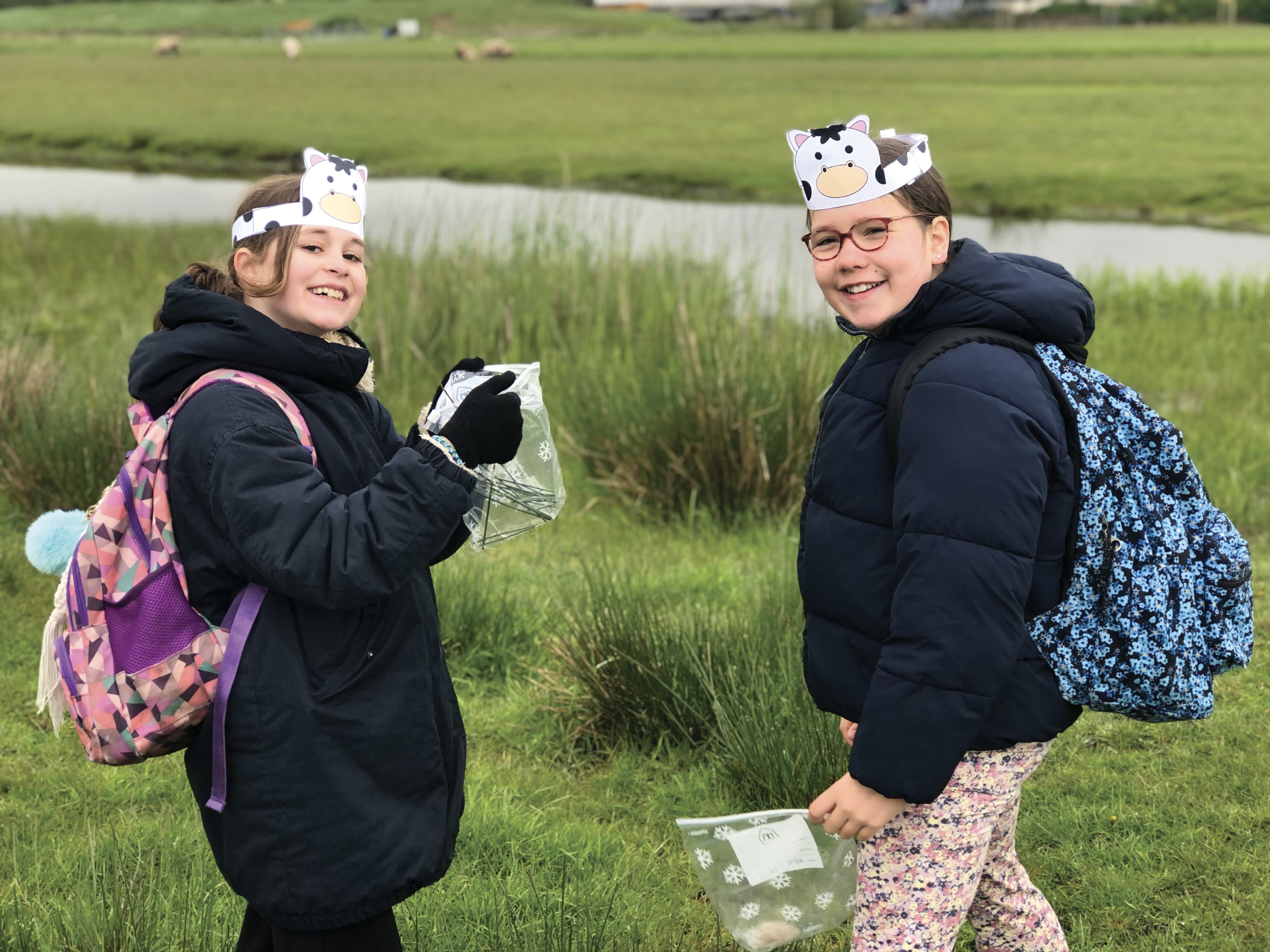
- Phase 1: Led by landscape architecture students, this phase, titled ‘Exploring and Playing the Landscape’, focused on climate issues like water and biodiversity. Students conducted fieldwork and later organized a playful workshop for children, teaching them about the site through engaging assignments.
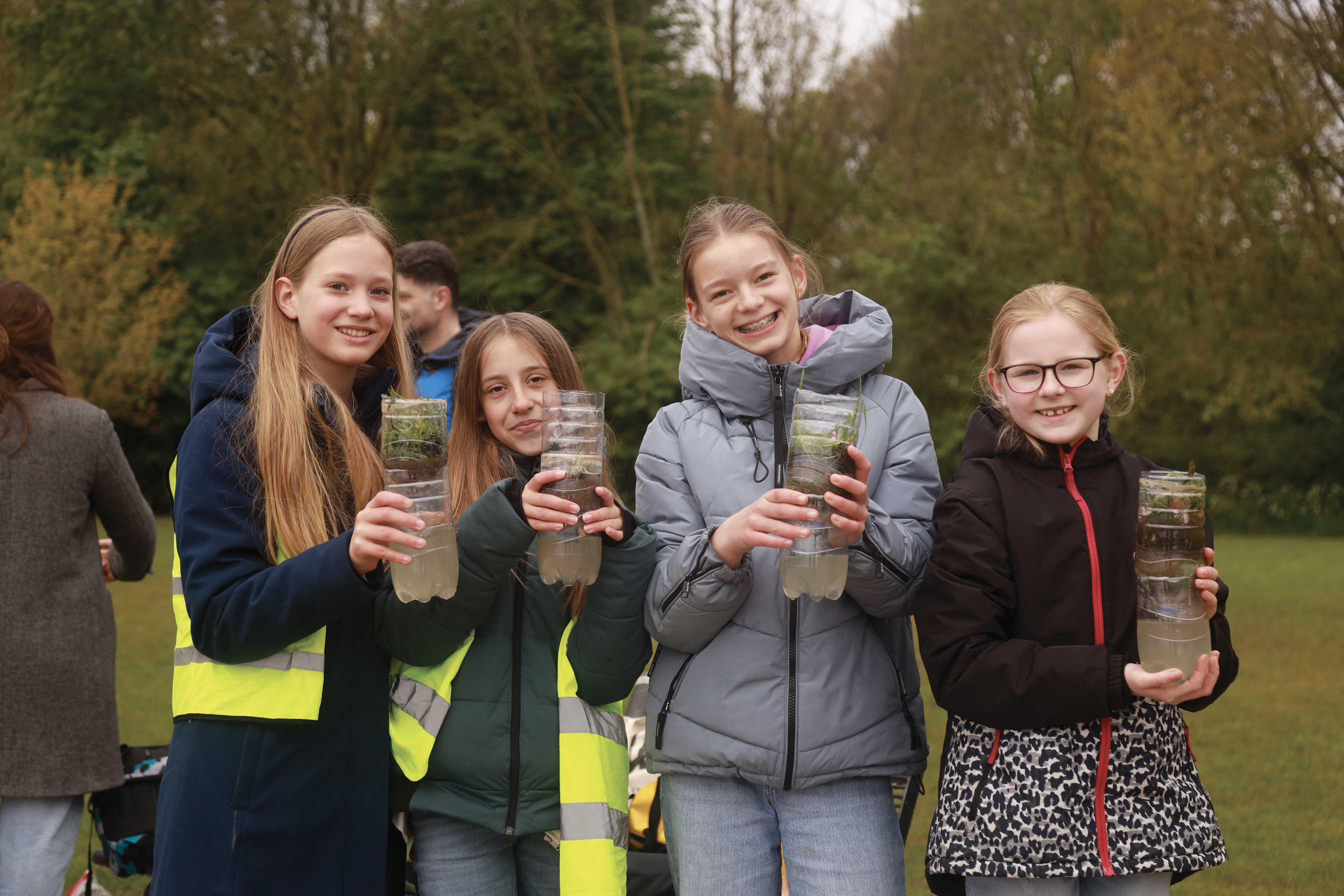
- Phase 2: Urban design students directed ‘(Co)Designing the Landscape’, where they created a climate plan for the area. Engaging with the site's farmer/owner brought practical insight into co-designing solutions. The students held another workshop in which children constructed dioramas representing their envisioned future landscapes.
- Phase 3: Architecture students led ‘(Co)Creating the Landscape’, emphasizing architectural design and transferring the acquired scientific knowledge to aesthetic qualities. Drawing inspiration from the children's previous workshop, students developed installation designs, which were also evaluated by building technology and pedagogical experts on feasibility and sustainability. They selected an installation project to prototype and build, engaging with the children to transform conceptual ideas into tangible creations while also involving parents and teachers in the process.
The project is based on a public innovation funding model combined with academic integration and European knowledge networks, ensuring long-term sustainability and scalability.
The initial development was supported by the Netherlands Initiative for Education Research (NRO) through the Comenius Award for Teaching Innovation in the Netherlands, funded by the Ministry of Education, Culture and Science of the Netherlands. This competitive grant enabled the development of the pedagogical methodology and the implementation of the participatory landscape installation.
Financial sustainability is reinforced through the project’s integration into teaching and research activities at Delft University of Technology, allowing the methodology to be repeated with new cohorts of students and communities with minimal additional resources.
Future growth relies on European collaborations and knowledge networks, including UNISCAPE – European Network of Universities for the Implementation of the European Landscape Convention, as well as participation in EU programmes and awards supporting climate education, landscape resilience, and pedagogical innovation. The methodology is intentionally low-cost, transferable, and scalable, enabling replication across European universities, schools, and community landscapes.
Many elements of the project can be replicated, transformed and adapted.
1. Methodology and Processes
Playful learning methodologies, co-design methods focused on landscape and climate change, and the integration of emotional approaches into landscape design can be easily transferred.
I am replicating the experience at the same site this year, with new students from my university and a different class of children of the same age. The course can be replicated based on the format and methodology I adopted.
2. Products
The playful installation can be replicated and transferred. We created a more permanent version of the game installation using different materials (corten instead of wood). Inspired by the entire Comenius process, the final work featured a golden spiral—a logarithmic Fibonacci sequence based on the golden ratio. To gain insights into the game's final learnings, we co-tested them with another group of students who did not participate in the project.
Given its elementary forms, the installation will be moved to another context. The knowledge becomes less site-specific, but the game and play will remain valid. Additionally, the fantasy animals envisioned by the children can create an inspiring installation when relocated.
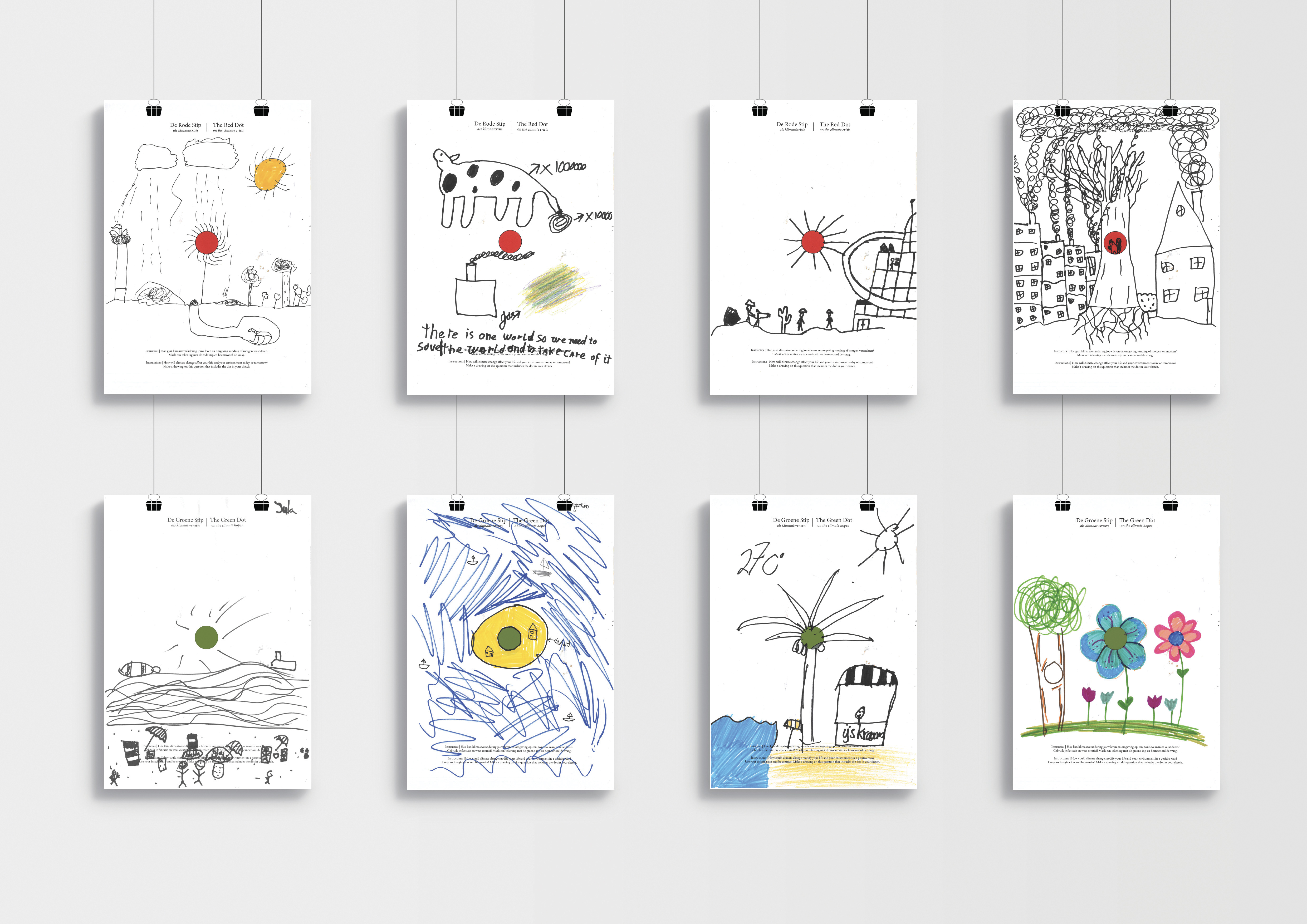
Moreover, all games implemented throughout the course can be replicated: for instance, the red dot game addressing the climate crisis and the green dot game representing climate hope, as well as the lively choreographies mimicking animal behavior and ecological needs that occurred at the end of the installation day.
3. Learnings and Knowledge
The installation and the course itself can also benefit other audiences and can be proposed to adults. The game is not just for children; it promotes understanding of climate change, biodiversity, and climate-carbon futures.