Enhancing Circularity, Sustainability, and Innovation
Olive pips: From "waste" to value
Recover energy from the by-products of locally grown olive trees and create new innovative product
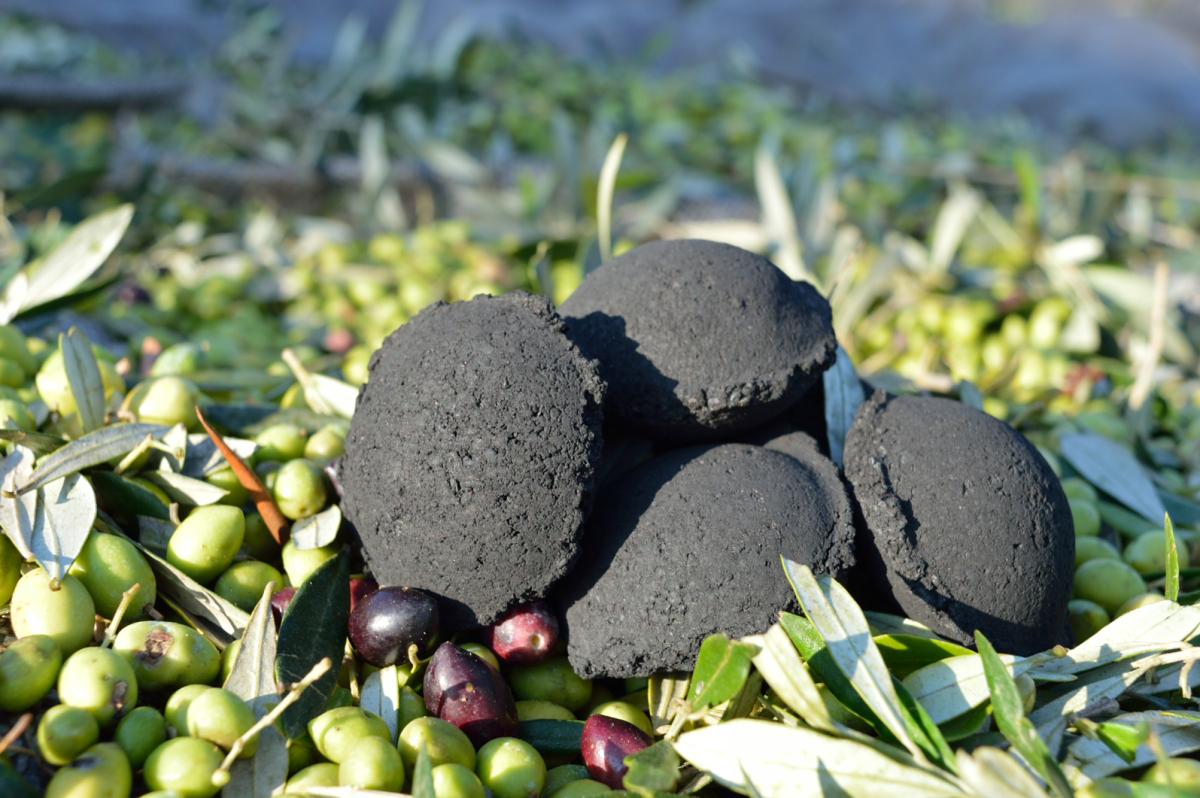
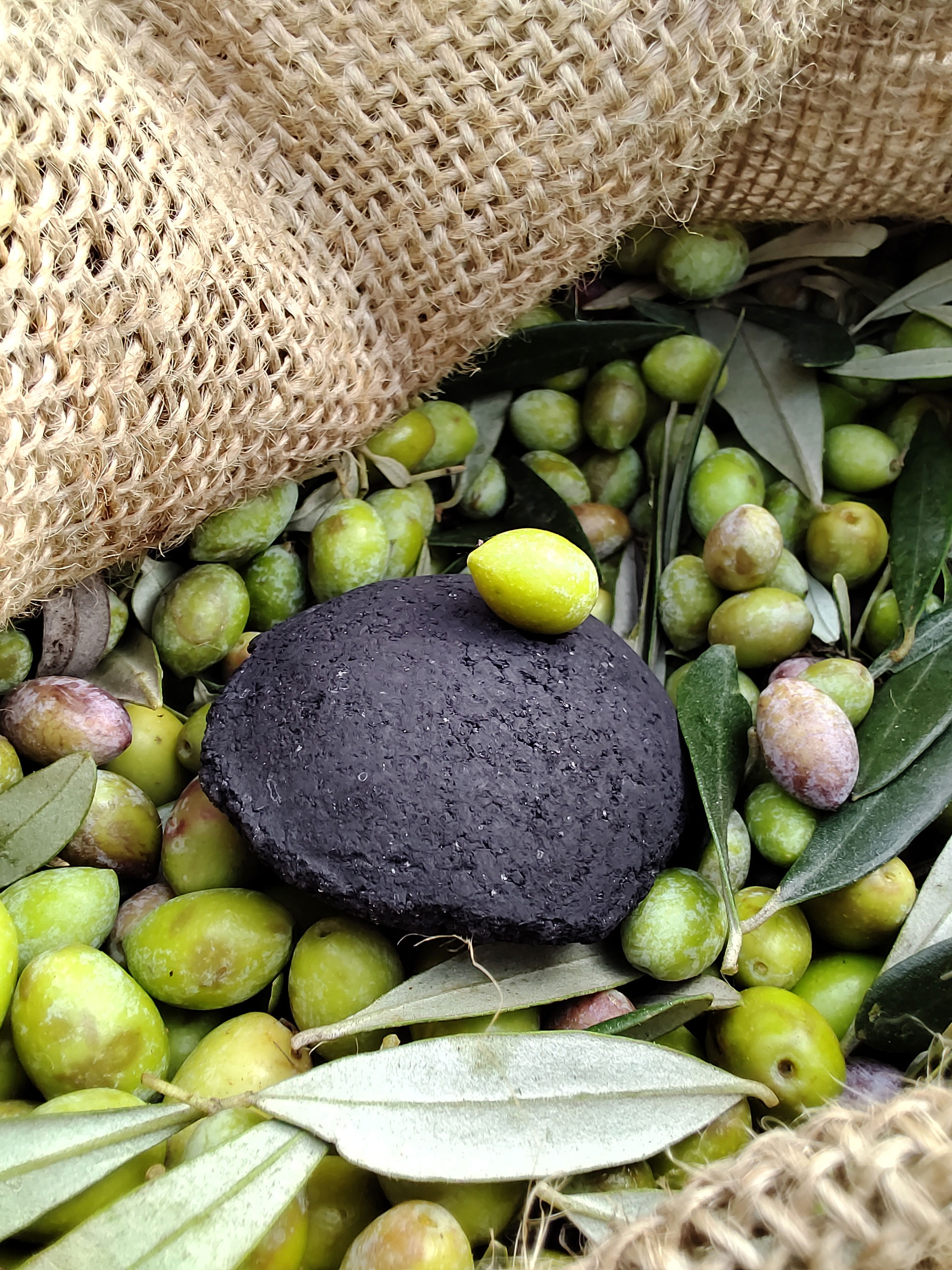
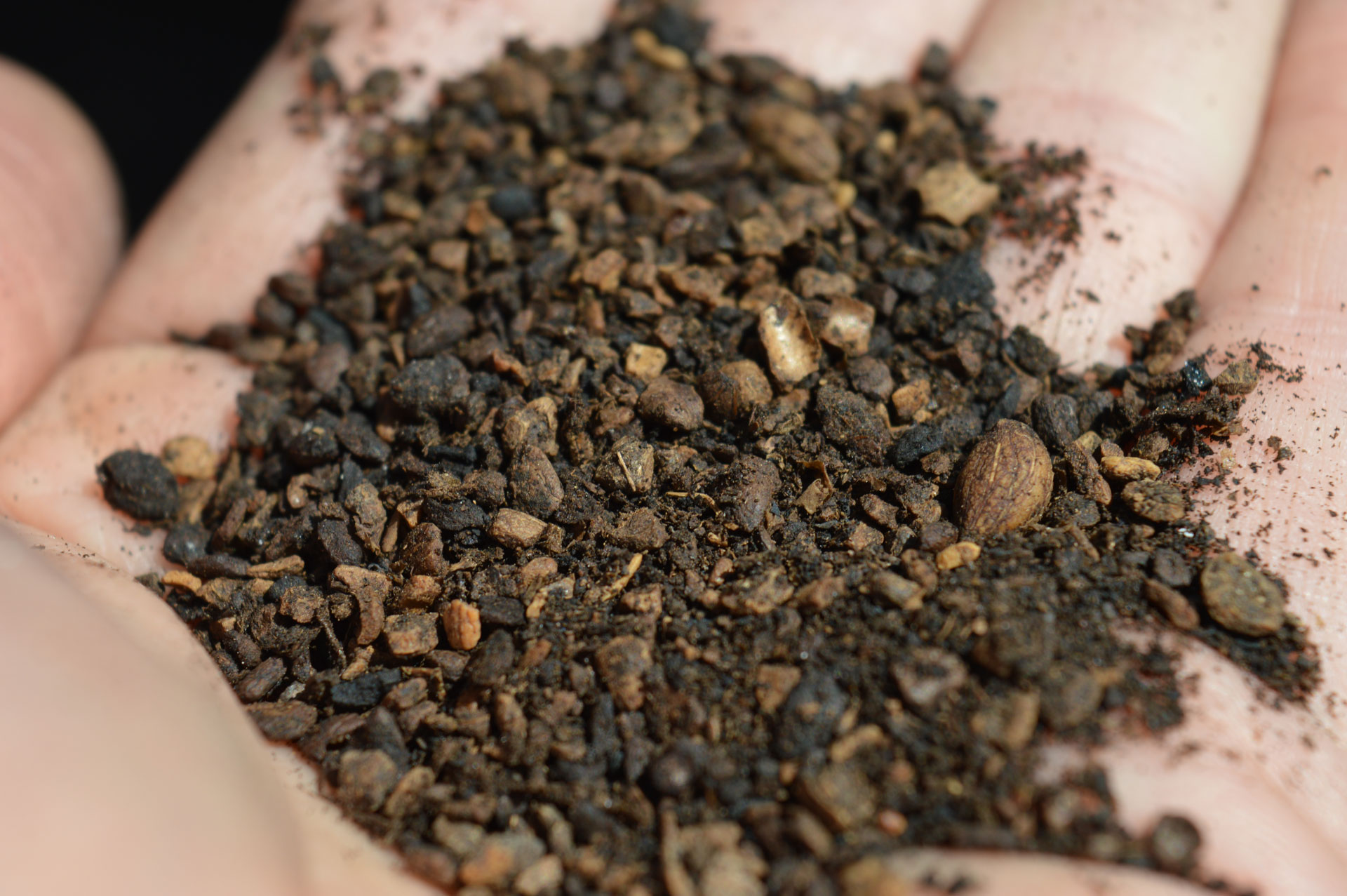
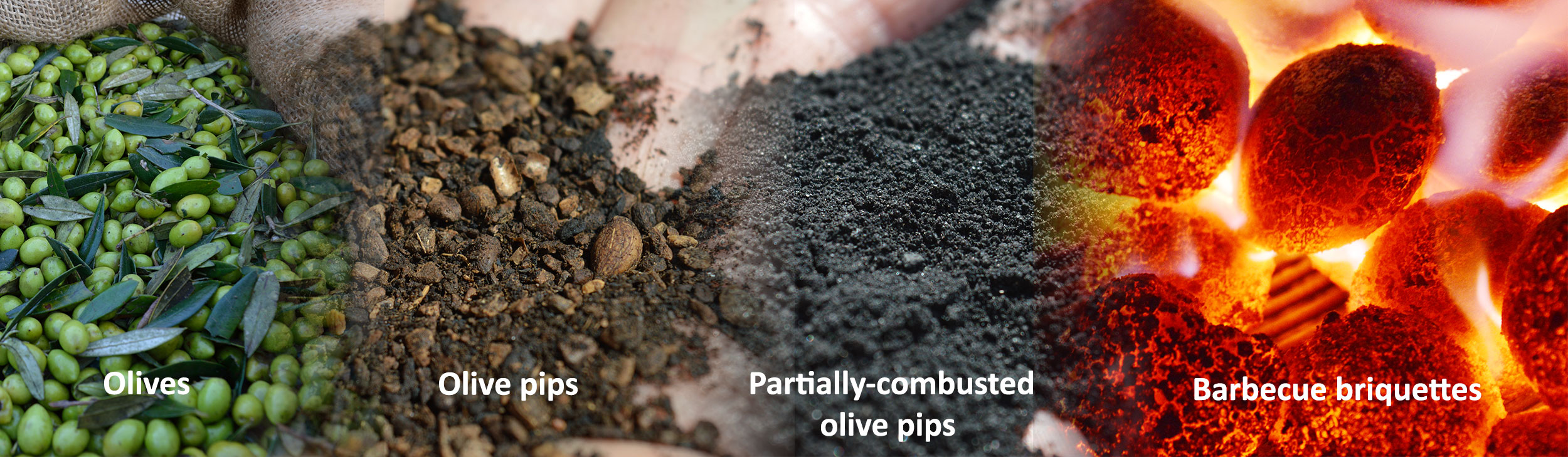
Since 1992, we manage to recover energy from the by-products of locally grown olive trees and offer a carbon-neutral fuel alternative for our industrial processes (produce quicklime for construction agricultural and environmental applications) and in addition we use our “waste” to create an innovative patented new by-product, olive barbecue briquettes, which is replacing the environmentally damaging (forest degradation and loss of biodiversity) production of wood charcoal.
Greece
Local
Kalamata
It addresses urban-rural linkages
It involves other types of transformations (soft investment)
Yes
1992-09-01
No
No
No
Organisation
Since 1992, our project “has transformed agricultural residues from locally grown olive trees in Kalamata, Greece, into carbon-neutral energy solutions and innovative circular products, demonstrating how a traditional sector can drive sustainable industrial transformation. By using crushed olive pips, by-products of olive oil production that account for approximately 30% of the olive fruit’s weight, we replaced fossil fuels in our lime production process (quicklime and putty lime), significantly reducing greenhouse gas emissions and closing material loops through an internal industrial symbiosis model. The partially combusted biomass remaining after energy recovery is upcycled into patented olive barbecue briquettes, offering a cleaner-burning alternative to wood charcoal, emitting 30% less carbon monoxide, producing no smoke, no sparks and no odor. Over more than three decades of continuous operation, the project has reduced reliance on unsustainable charcoal supply chains linked to deforestation and biodiversity loss, while promoting forest preservation and climate mitigation. It has generated stable employment, integrated vulnerable workers, including migrants, ensured compliance with ISO 9001 and ISO 14001 standards, and created export partnerships in Romania and Australia. The initiative has received European recognition, including EMAS Awards and distinction at the World Circular Economy Forum 2024, validating its environmental excellence and replicability. Beyond its direct environmental benefits, the project strengthens rural-urban linkages, enhances local value creation in olive-growing regions, and serves as a scalable model for circular bioeconomy practices worldwide, proving that agricultural by-products can become strategic resources in the global energy transition while delivering long-term environmental, social and economic impact.
Our project emerged from the strong agricultural identity of Kalamata, a region worldwide known for the production of olives and olive oil. Because olive processing generates large quantities of olive pips every year, we recognized early on that this abundant local biomass could be used as a valuable energy resource rather than treated as waste. As a family-owned lime production company operating since 1968, we sought a sustainable and locally available fuel solution for our kilns. From the beginning of this project, we chose to use crushed olive pips as our primary energy source, relying on renewable biomass instead of fossil fuels.
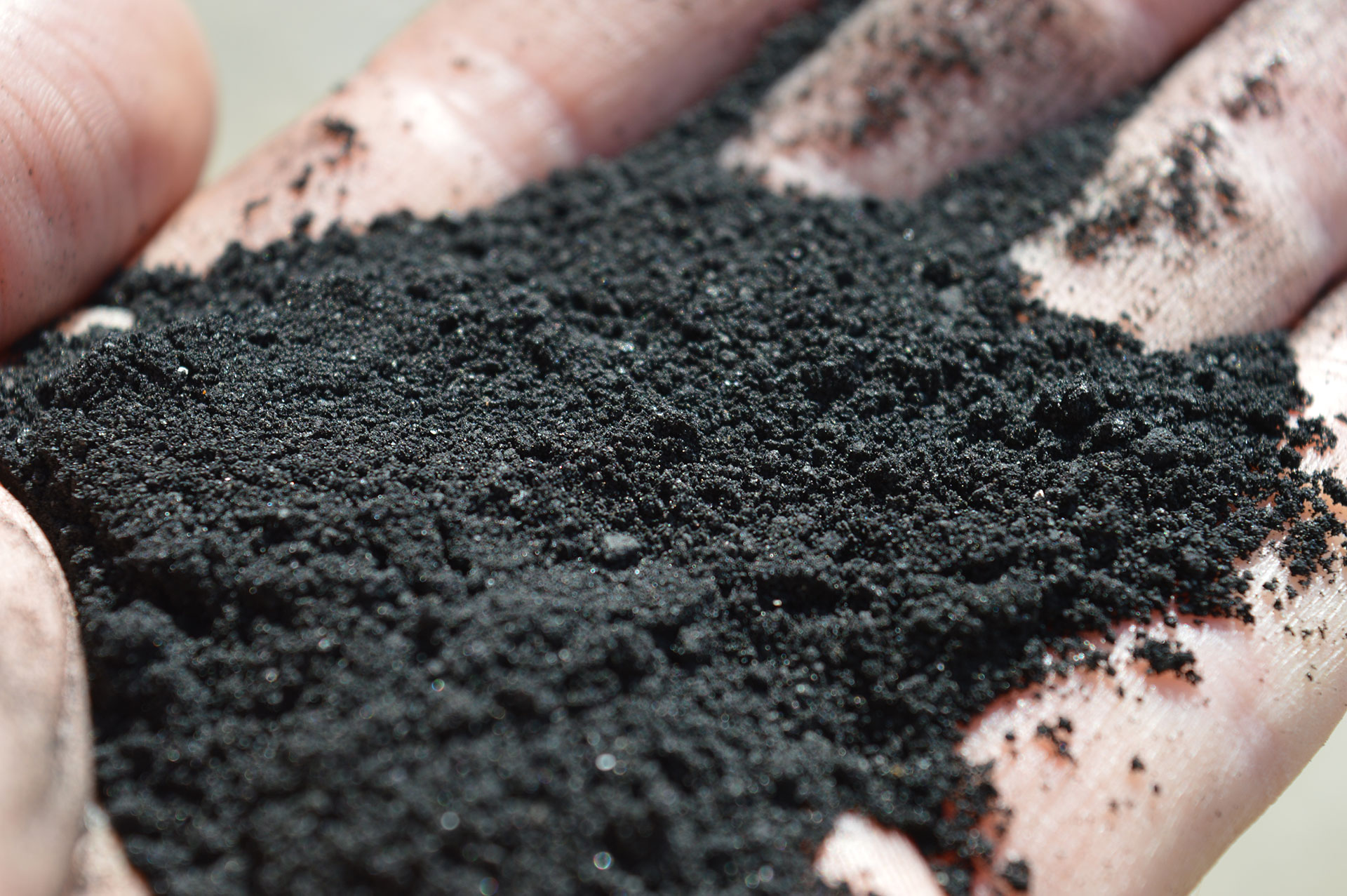
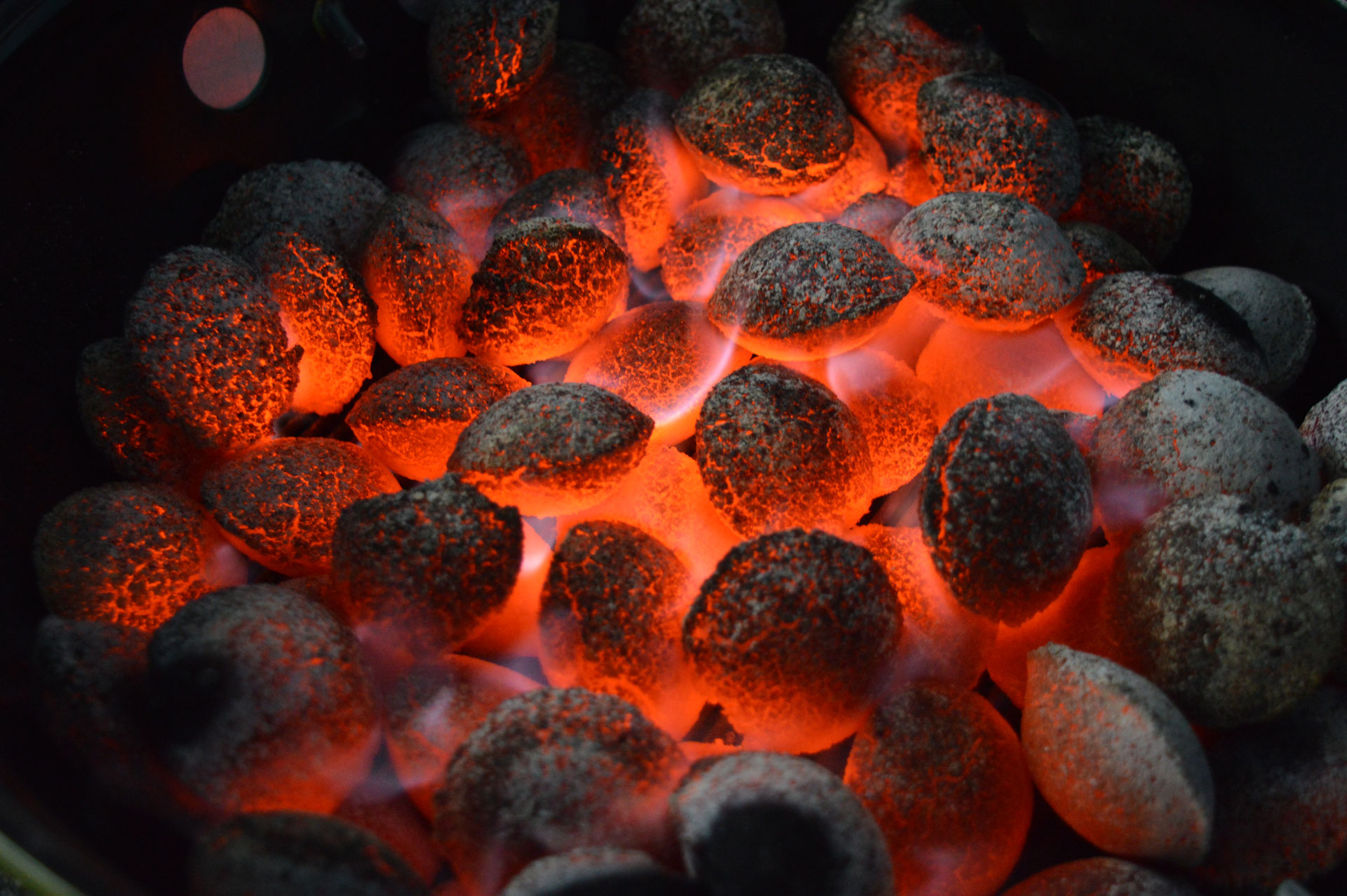
So, we are using natural resources without interfering to the life cycle of olive trees. Every year the olive trees provide us olives and by using the olive pips we produce first energy and then we up-cycling the combustion products. Implementation on the ground required usage of locally available crushed olive pips as a carbon-neutral fuel, that are fired with crushed limestone to produce quicklime (calcium oxide), an important chemical with many agricultural, construction and environmental applications. We found out that the partially combusted olive pips remaining in the kiln are useful and not a waste, we collected them and compacted in moulds to create a slow-burning barbecue briquettes. Compared to wood charcoal, our olive barbecue briquettes have more advantages when used: no smell, no smoke, doesn’t spark, emits 30% less CO. Then we are packaging them in different packaging bags and we distributing to all of our clients.
So, we are using natural resources without interfering to the life cycle of olive trees. Every year the olive trees provide us olives and by using the olive pips we produce first energy and then we up-cycling the combustion products. Implementation on the ground required usage of locally available crushed olive pips as a carbon-neutral fuel, that are fired with crushed limestone to produce quicklime (calcium oxide), an important chemical with many agricultural, construction and environmental applications. We found out that the partially combusted olive pips remaining in the kiln are useful and not a waste, we collected them and compacted in moulds to create a slow-burning barbecue briquettes. Compared to wood charcoal, our olive barbecue briquettes have more advantages when used: no smell, no smoke, doesn’t spark, emits 30% less CO. Then we are packaging them in different packaging bags and we distributing to all of our clients.
Sustainability
Circular Bioeconomy
Climate action
Innovation
Biodiversity Conservation
We addresses environmental, social, cultural and economic challenges in a concrete and integrated way by transforming olive pips, a by-product of olive oil production in Kalamata, into carbon-neutral energy and innovative circular products.
Environmentally, it reduces greenhouse gas emissions by using renewable biomass as fuel in lime production and by replacing conventional wood charcoal with olive-based briquettes that emit 30% less carbon monoxide, produce no smoke or sparks, and generate significantly lower air pollution. By offering a sustainable alternative to charcoal derived from logging, the project contributes to reducing deforestation, protecting biodiversity and preserving forests as carbon sinks. At the same time, it eliminates agricultural waste through industrial symbiosis: olive pips are first used for energy production and the remaining material is upcycled into barbecue briquettes, ensuring that no resource is discarded and closing material loops in practice.
Socially, the initiative supports local employment, fair wages and equal treatment, operating under certified quality and environmental management systems (ISO 9001 and ISO 14001). It strengthens cooperation with local olive mills, reinforces rural income, and has promoted social inclusion through the integration of migrant workers into stable jobs.
Economically, it creates added value from regional biomass, enhances export capacity to international markets and demonstrates that small family-owned industries can thrive through innovation rooted in local resources.
Culturally, it connects Kalamata’s long-standing olive-growing heritage with modern circular bioeconomy solutions, showing how tradition and innovation can coexist.
The project is exemplary in terms of sustainability because demonstrates a fully operational circular economy model that has functioned successfully transforming agricultural by-products into carbon-neutral energy and innovative products without generating waste.
Our project contributes to making life more beautiful for people and communities by connecting everyday practices like energy production, cooking, and local industry, with environmental responsibility and cultural identity. Rooted in Kalamata, a region globally known for its olives and olive oil production, the initiative transforms olive pips into carbon-neutral energy and clean-burning barbecue briquettes, turning what was once considered waste into a source of pride and innovation.
In everyday life, this translates into a better user experience: the briquettes produce no smoke, no sparks and no unpleasant odor, emit 30% less carbon monoxide, and offer stable, long-lasting heat, making social gatherings and family meals healthier and more enjoyable. Beyond functionality, the project reinforces a sense of belonging by valuing local agricultural heritage and demonstrating that regional resources can power sustainable industry. By collaborating closely with local olive mills and producers, it strengthens community ties and rural-urban linkages, ensuring that economic value remains within the region. Participation in exhibitions, public events and dialogue with stakeholders further nurtures collective awareness and shared responsibility for environmental stewardship. In the longer term, the project contributes to more beautiful neighbourhoods by reducing pollution, limiting deforestation linked to charcoal imports, and promoting cleaner air and healthier ecosystems.
Aesthetically, it is exemplary because it aligns design, function and environmental ethics: the briquettes are natural, minimal and efficient, embodying a circular design philosophy where materials retain value and nothing is wasted. By uniting cultural heritage, sustainable innovation and improved daily experiences, the project demonstrates that ecological responsibility can enhance both the physical environment and the emotional connection people feel toward their place.
Our project concretely addresses accessibility and affordability by transforming locally olive pips into cost-effective, renewable energy and barbecue briquettes, ensuring that sustainable fuel solutions are available to a wide range of users rather than remaining a premium niche product. Because the raw material is sourced from regional olive mills, supply chains are short, stable and less exposed to international price volatility, allowing environmentally responsible choices to remain economically accessible for households, small businesses and communities. By replacing imported wood charcoal often linked to illegal logging and unsustainable practices, the project also supports fairer and more transparent value chains.
Inclusion is embedded in our governance model through certified environmental and quality management systems (ISO 14001 and ISO 9001), where stakeholders beyond top management are informed, consulted and engaged in setting and achieving environmental goals. Continuous dialogue with suppliers, employees, customers and partners ensures that diverse perspectives contribute to operational improvements and product development. The company complies fully with equal treatment and minimum wage legislation, contributes to social security and paid leave, and has successfully integrated migrant workers into stable employment, supporting their participation in society. By creating jobs in rural areas and strengthening cooperation with local olive producers, the project promotes a more inclusive economic model that distributes value across the community rather than concentrating it externally.
It exemplifies inclusion by demonstrating that circular economy solutions can simultaneously advance environmental protection, social equity and economic resilience, proving that sustainability is not only about reducing emissions, but also about building fair systems, empowering local actors and ensuring that the benefits of green innovation are accessible to all.
We have actively involved citizens, local communities and civil society organisations at multiple levels, ensuring that those who benefit from or are affected by it play a meaningful role in its development and continuous improvement.
At the local level, olive farmers and olive mill operators are essential partners, supplying the olive pips that form the basis of our circular production model. Their involvement goes beyond raw material provision, as long-term cooperation strengthens trust, stabilises income streams and reinforces rural-urban linkages. Citizens participate primarily as end-users of our olive barbecue briquettes and lime products, and their feedback, collected and evaluated within our ISO 9001 and ISO 14001 management systems directly informs product refinement, performance improvements and environmental targets. This structured feedback mechanism ensures that user experience, safety and environmental performance are continuously enhanced. Civil society engagement also takes place through participation in exhibitions, environmental events and open dialogues, where we present our circular economy practices and exchange views with the public and stakeholders. Educational collaborations with schools, universities and community groups help disseminate knowledge about circular bioeconomy principles and responsible resource use.
International partners in Romania and Australia contribute to distribution and awareness-raising, extending the project’s impact beyond the local context. The impact of this broad involvement has been significant: it has increased public trust, strengthened market acceptance, improved product quality, and fostered a shared sense of ownership over the initiative. By embedding stakeholder dialogue and community participation into daily operations, the project has evolved into a socially grounded circular model that reflects collective input and generates both local and international value.
Stakeholders at local, national and European levels have played distinct but complementary roles in the design, implementation and scaling of our circular model.
At local level, olive farmers and olive mill operators are key partners, supplying the olive pips that constitute the core raw material of the project. Their continuous collaboration ensured a stable, short supply chain and allowed the practical integration of biomass into daily industrial operations. Local citizens, as end-users of the olive barbecue briquettes, contributed through structured feedback collected under our ISO 9001 and ISO 14001 management systems, influencing product refinement, environmental performance and usability improvements. Community groups, schools and universities supported awareness-raising and knowledge dissemination, strengthening social acceptance and local ownership.
At national level, collaboration with universities and research centres contributed technical expertise for optimizing the pyrolysis and production process, leading to the development of an innovative method protected by a European Patent (EP2514805A1) . This scientific input ensured efficiency, credibility and technological robustness.
At European level, recognition through EMAS Awards, the European Business Awards for the Environment, and distinction at the World Circular Economy Forum 2024 validated the project’s environmental excellence and positioned it as a best practice within EU circular economy platforms.
International commercial partners in Romania and Australia facilitated distribution and scaling. The added value of multi-level stakeholder engagement lies in combining local resource knowledge, scientific expertise and visibility, enabling the project to evolve from a regional initiative into a scalable circular bioeconomy model aligned with broader environmental and climate goals.
The design and implementation of our project reflect a multidisciplinary integration of environmental sciences, engineering, circular economy theory, industrial design, social sciences and education.
Environmental science underpins the entire concept, as the initiative is based on carbon-neutral biomass use, greenhouse gas reduction, biodiversity protection and pollution prevention. Knowledge of bioenergy systems and ecological cycles guided the use of olive pips as renewable fuel and the understanding of biomass carbon balance.
Engineering played a central role in adapting kiln systems to efficiently combust crushed olive pips, optimizing heat performance for lime production and developing a controlled pyrolysis process that converts partially combusted residues into high-quality barbecue briquettes. This technical refinement led to a patented method (EP2514805A1), demonstrating applied industrial innovation.
Circular economy principles and industrial symbiosis theory shaped the project’s systemic design, ensuring that no material is wasted and that by-products become secondary raw materials within a closed-loop process. Industrial and product design are reflected in the development of briquettes that are clean-burning, safe, user-friendly and aesthetically aligned with natural materials, improving everyday experience.
Social sciences contribute through stakeholder engagement, inclusive governance under ISO 9001 and ISO 14001 systems, fair labour practices and community integration. Educational outreach through collaboration with schools, universities and public exhibitions supports knowledge transfer and behavioural change toward sustainable consumption.
By combining technical expertise with environmental ethics, community participation and systemic circular design, the project demonstrates how diverse knowledge fields can interact to create an economically viable, socially inclusive and environmentally regenerative industrial model with long-term impact.
Our business model is built on a vertically integrated circular economy approach that ensures long-term financial sustainability through diversified revenue streams and efficient resource use.
We generate income primarily from the production and sale of lime products for agricultural, construction and environmental applications, while simultaneously producing and commercializing olive-based barbecue briquettes as a second high-value product line. By using locally sourced olive pips as our main energy input, we maintain low and predictable production costs, reduce dependency on external energy markets and create a resilient short supply chain rooted in regional agriculture. The cascading use of the same biomass, first as fuel and then as a raw material for briquettes, maximizes value extraction from a single resource, improving overall profitability and minimizing waste management costs.
Our products are distributed both domestically and internationally, allowing market diversification and reducing exposure to local economic fluctuations. The company operates with its own funds, under structured quality and environmental management systems, ensuring efficiency, customer trust and strong market positioning. Importantly, the project is fully market-driven and does not depend on public subsidies, donations or temporary funding schemes; instead, it is sustained by consistent product demand, innovation, and long-term partnerships with suppliers and distributors.
By embedding circular principles directly into core operations, the business model demonstrates that environmental sustainability can be economically viable, scalable and competitive over time.
Several core elements of our project can be replicated or transferred to other regions and contexts, particularly where agricultural residues are abundant.
The most transferable component is the circular methodology itself: the cascading use of biomass through industrial symbiosis, where a by-product is first used as a renewable energy source and the remaining material is upcycled into a secondary commercial product. This model can be applied to various agricultural residues such as coconut shells, nut shells, fruit stones or other crop waste, adapting the same pyrolysis and compaction principles used in our olive briquette production. The incomplete combustion (pyrolysis) process is a widely applicable technology that can convert organic waste into biochar or charcoal-type fuels, offering alternatives to wood-based charcoal and reducing pressure on forests.
In addition, the integration of short local supply chains, linking farmers, processors and manufacturers can be replicated in rural areas worldwide to strengthen local economies and reduce transport-related emissions.
The governance model is also transferable: implementing certified environmental and quality management systems (ISO 14001 and ISO 9001) ensures stakeholder engagement, continuous improvement and transparent environmental performance.
Finally, the project demonstrates how small and medium-sized enterprises can align with broader circular economy and bioeconomy strategies, positioning themselves within national and European sustainability frameworks.
- https://circulareconomy.europa.eu/platform/en/good-practices/production-agricultural-lime-summer-barbecues-olive-pits-make-perfect-circular-fuel
- https://www.euronews.com/business/2016/01/22/emas-combining-competitiveness-with-environmental-performance
- https://uplink.weforum.org/uplink/s/uplink-contribution/a01TE000001LukzYAC/innovative-circular-transformation-of-olive-stones-to-barbecue-briquettes