Arts, Culture, and Heritage as Drivers of Change
The Old Doors Trail of Durres
Cultural Trail of 12 Old Doors of Durres
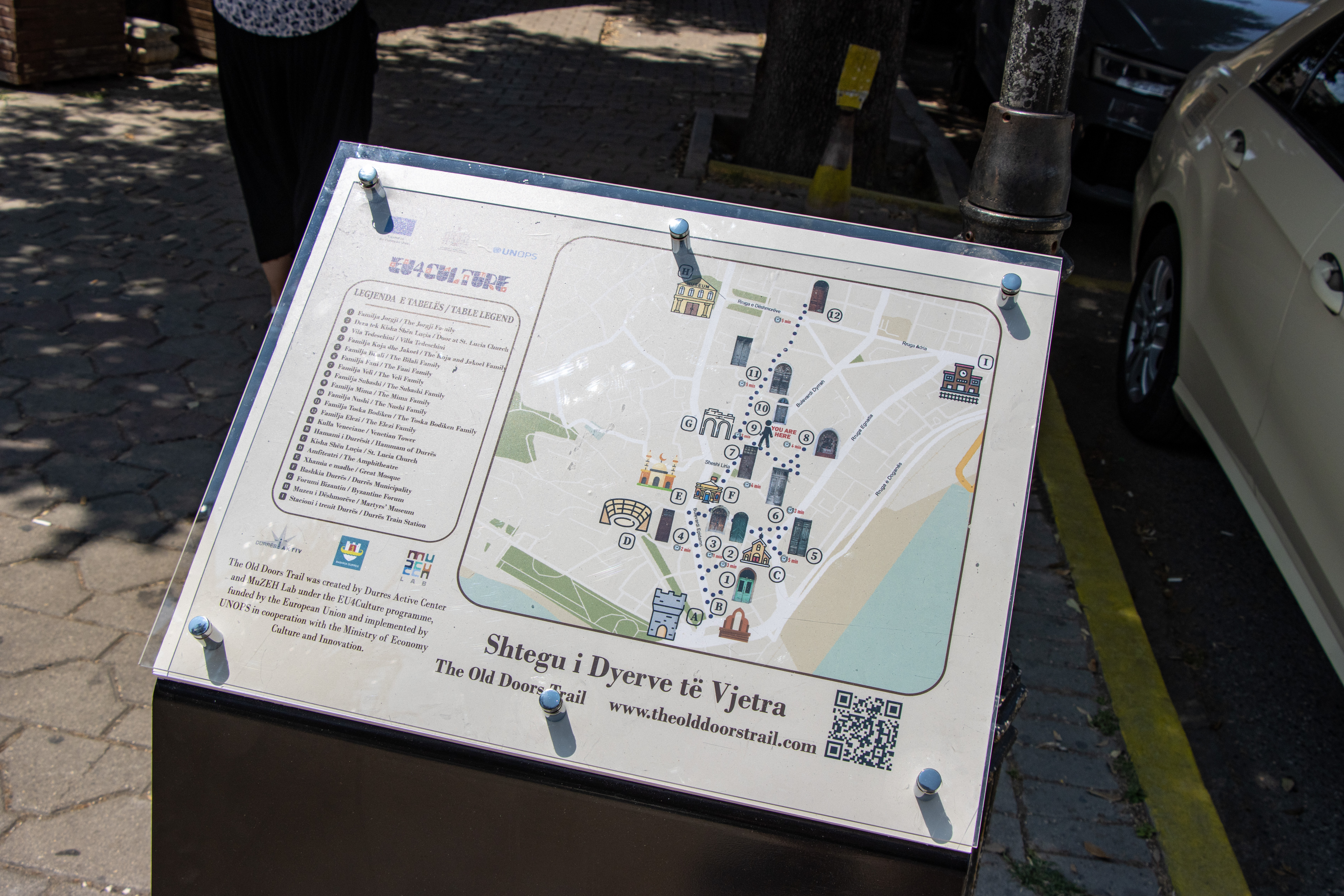
The cultural trail of the 12 old doors of the city of Durrës has been created by the Durrës Active Center and MuZEH Lab, within the framework of the EU4Culture program funded by the European Union and implemented by UNOPS Albania in cooperation with the Ministry of Culture in Albania. The aim was to connect the collective civic memory with the archaeological heritage by creating new cultural attractions, such as the doors of the 19th and 20th centuries of families that contributed to Durres.
Albania
Local
Durres city
Mainly urban
It involves other types of transformations (soft investment)
Yes
2025-12-01
Yes
EU4Culture program in Albania funded by European Union through UNOPS Albania in two phases 2022-2023 and 2024-2025.
No
No
Organisation
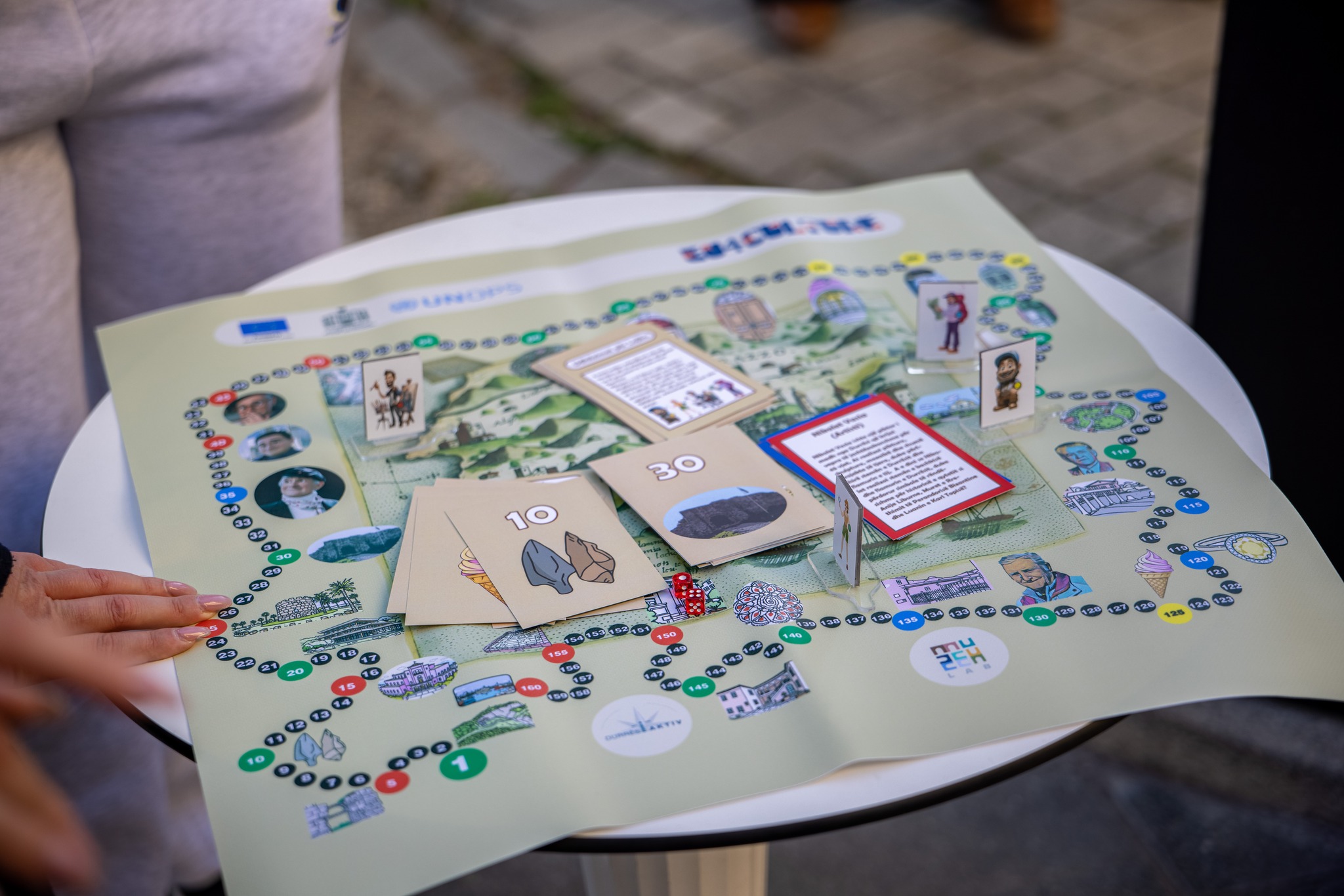
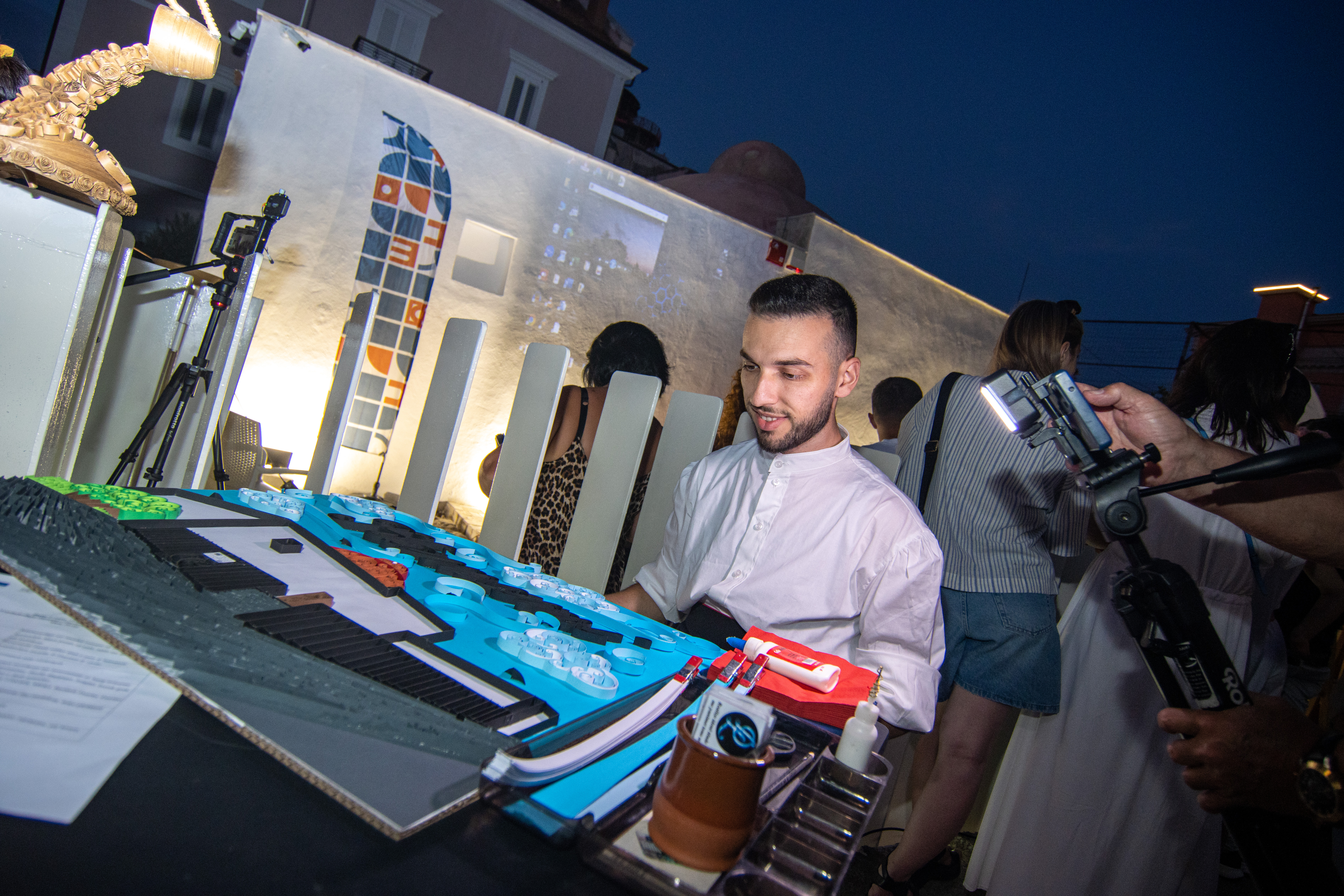
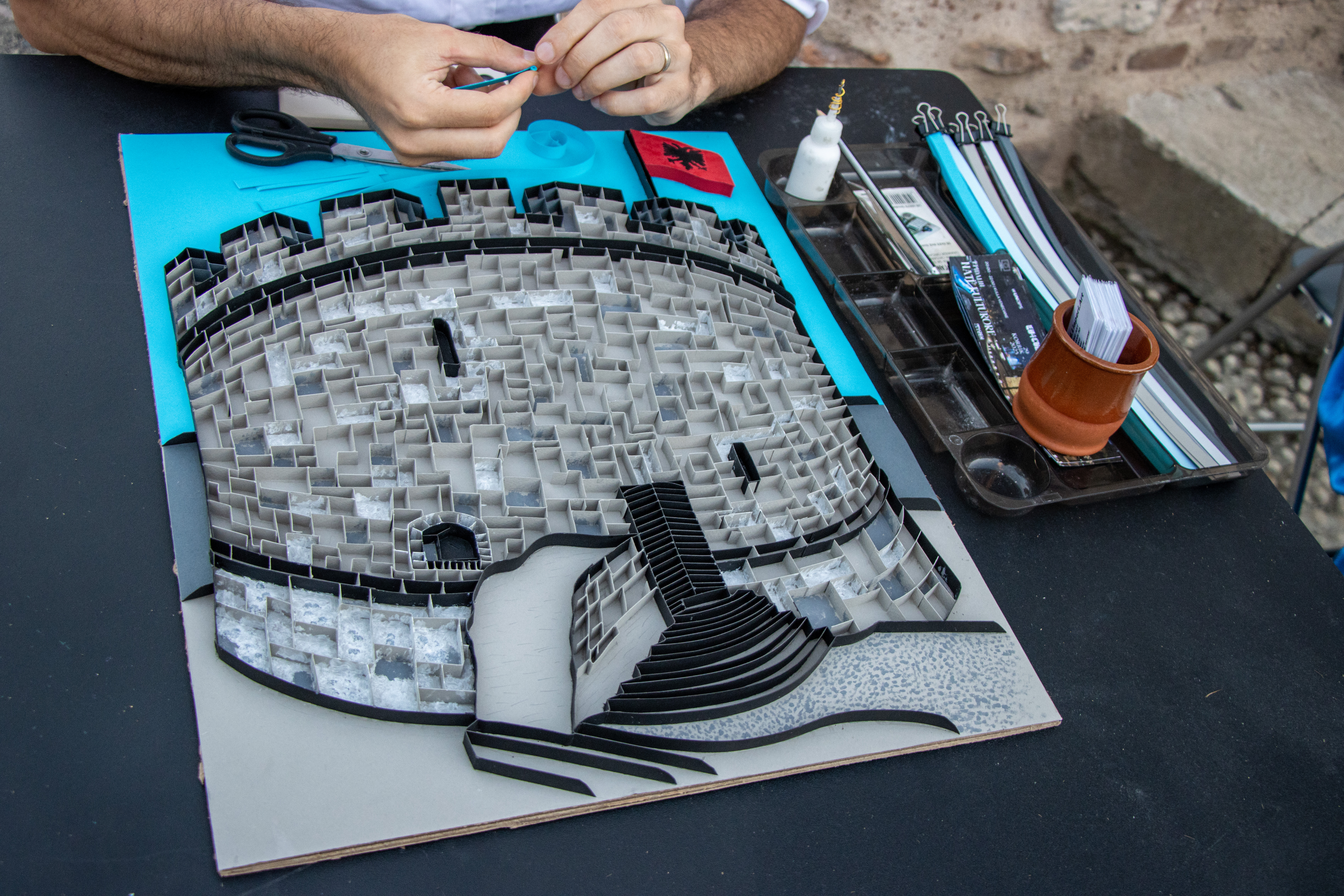
The Old Doors Trail of Durrës is a community-driven cultural heritage initiative developed by Durrës Active Center and MuZEH Lab, which transformed twelve historic doors of the city into a living interpretive route connecting urban memory, education, storytelling, creativity and tourism. The project was created to make visible a layer of heritage that had long remained overlooked in everyday life, despite its strong architectural, social and symbolic value. Through two connected implementation phases funded by EU4Culture program, the project evolved from the identification and revitalization of the twelve doors into a broader cultural platform. It produced a digital map and website, a structured assessment of the trail, informational panels, thematic walks, capacity-building trainings, cultural activities and the educational board game “Discover Durrës”, available both in print and online. The project also engaged local artisans, schools, cultural workers, public institutions and tourism actors, turning the trail into a shared civic and educational resource. In collaboration with the artisan community, we have brought doors to a unique, artistic craft to revive old crafts installed next to the doors enriching them with art.
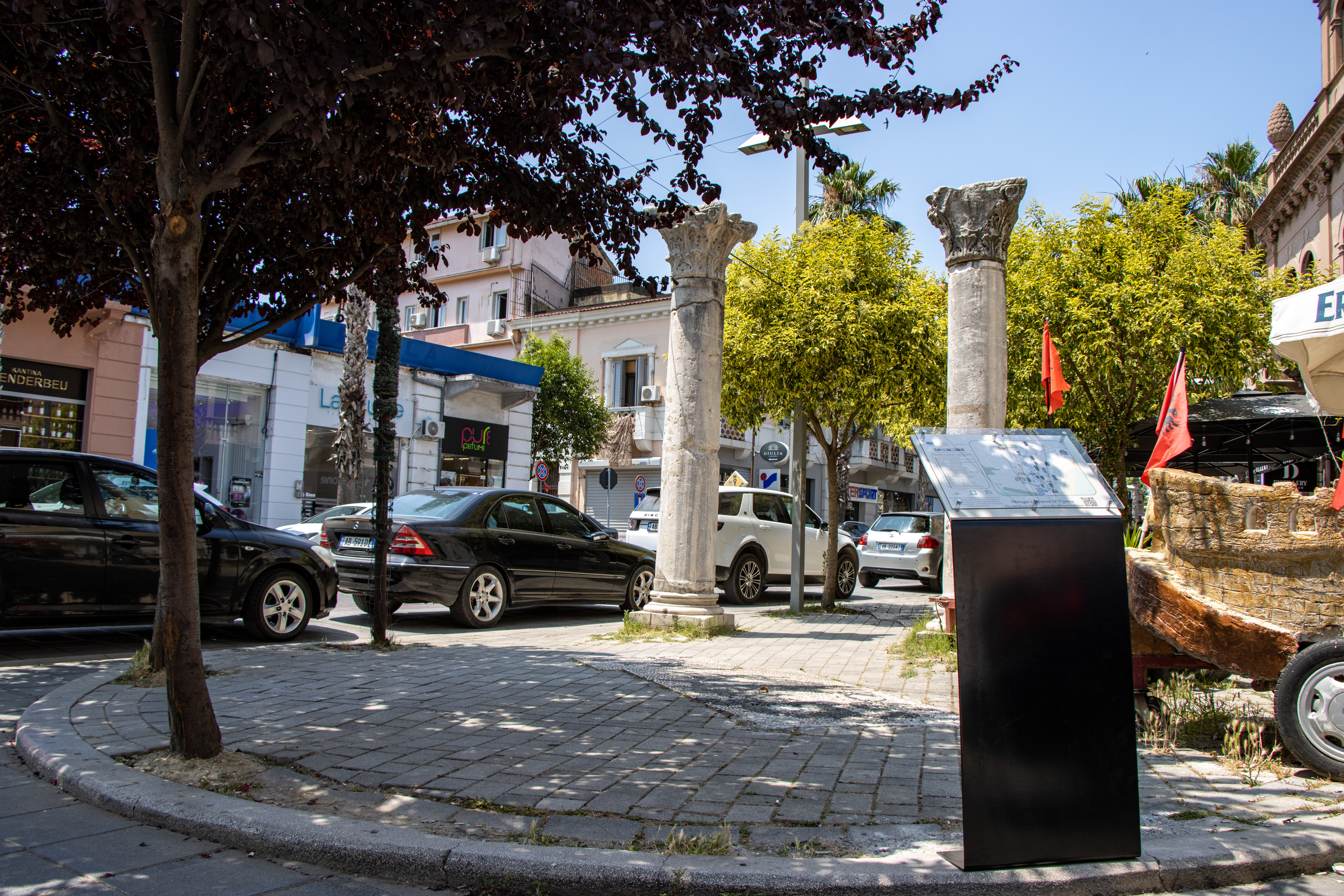
The project has already achieved visible and lasting results. The trail is now publicly accessible both physically and digitally with over 1 million views. The 12 doors have their own information boards and two trail signage boards on two main boulevards in the city center, creating new opportunities for guides who can use them for their guides, generating economic income. In the long term, the project strengthens local cultural tourism, supports heritage education, increases pride and belonging among citizens, holds clear economic, social and educational potential, particularly through cooperation with local businesses, schools and cultural actors. The trail is accessible to everyone close to the city's monuments walkable in less than two hours
The project has already achieved visible and lasting results. The trail is now publicly accessible both physically and digitally with over 1 million views. The 12 doors have their own information boards and two trail signage boards on two main boulevards in the city center, creating new opportunities for guides who can use them for their guides, generating economic income. In the long term, the project strengthens local cultural tourism, supports heritage education, increases pride and belonging among citizens, holds clear economic, social and educational potential, particularly through cooperation with local businesses, schools and cultural actors. The trail is accessible to everyone close to the city's monuments walkable in less than two hours
The project began from a simple local observation in Durrës where many historic houses still preserve beautiful old doors from the nineteenth and twentieth centuries, yet most residents and visitors pass by them without knowing their stories, their architectural details or the urban histories they represent. For us, these doors were not only physical elements of old houses, but symbols of memory, identity and connection between past and present.
So we applied at the open call for funding at UNOPS Albania through EU4Culture program and we won the project on 2022 and the second round on 2024.
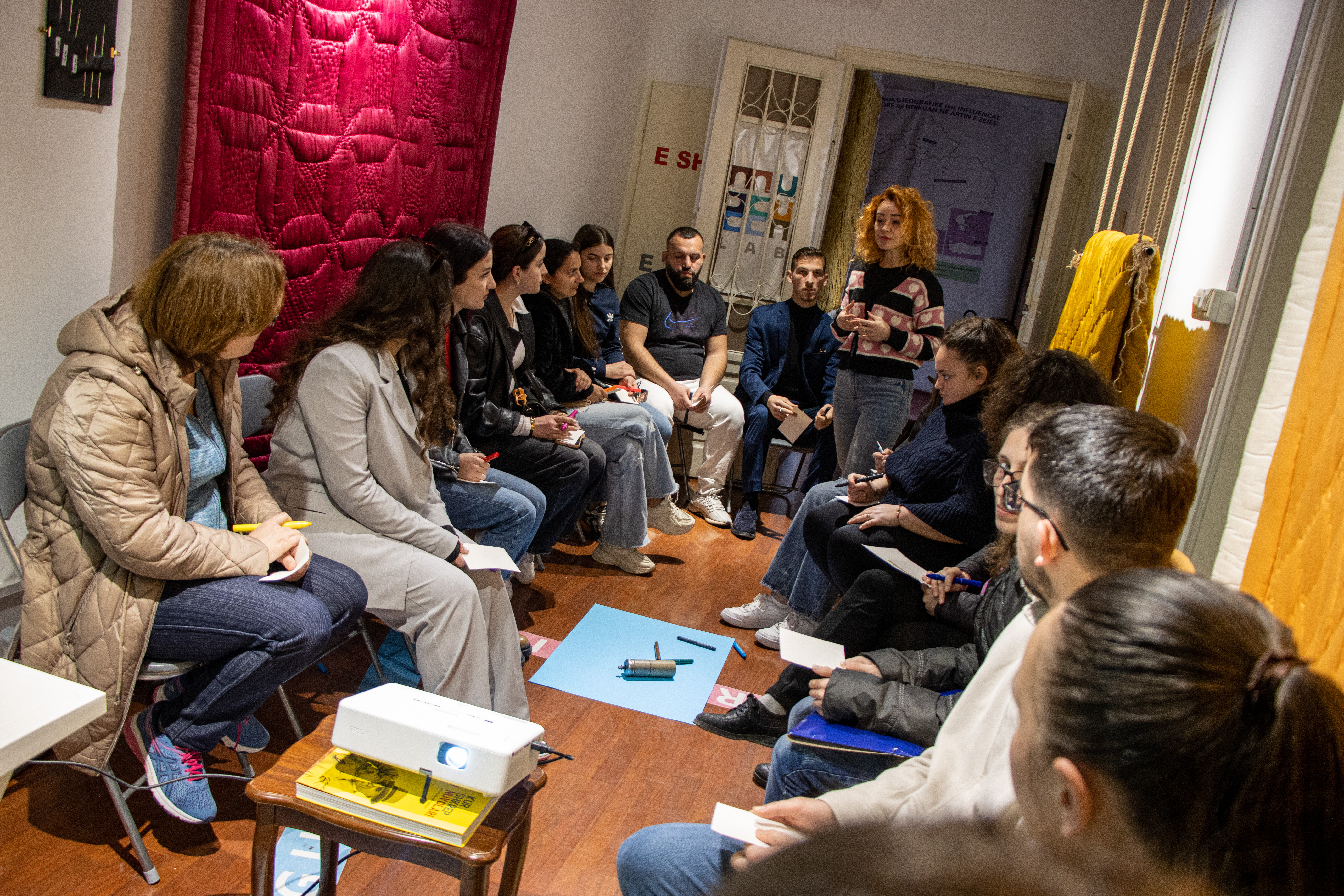
The first phase focused on identifying the twelve doors, documenting them, understanding their histories, and turning them into a new cultural attraction for the city. Through research, field visits, storytelling, artisan collaboration and public engagement, we created the Old Doors Trail through a website, map, and did thematic walks to present it to the community.
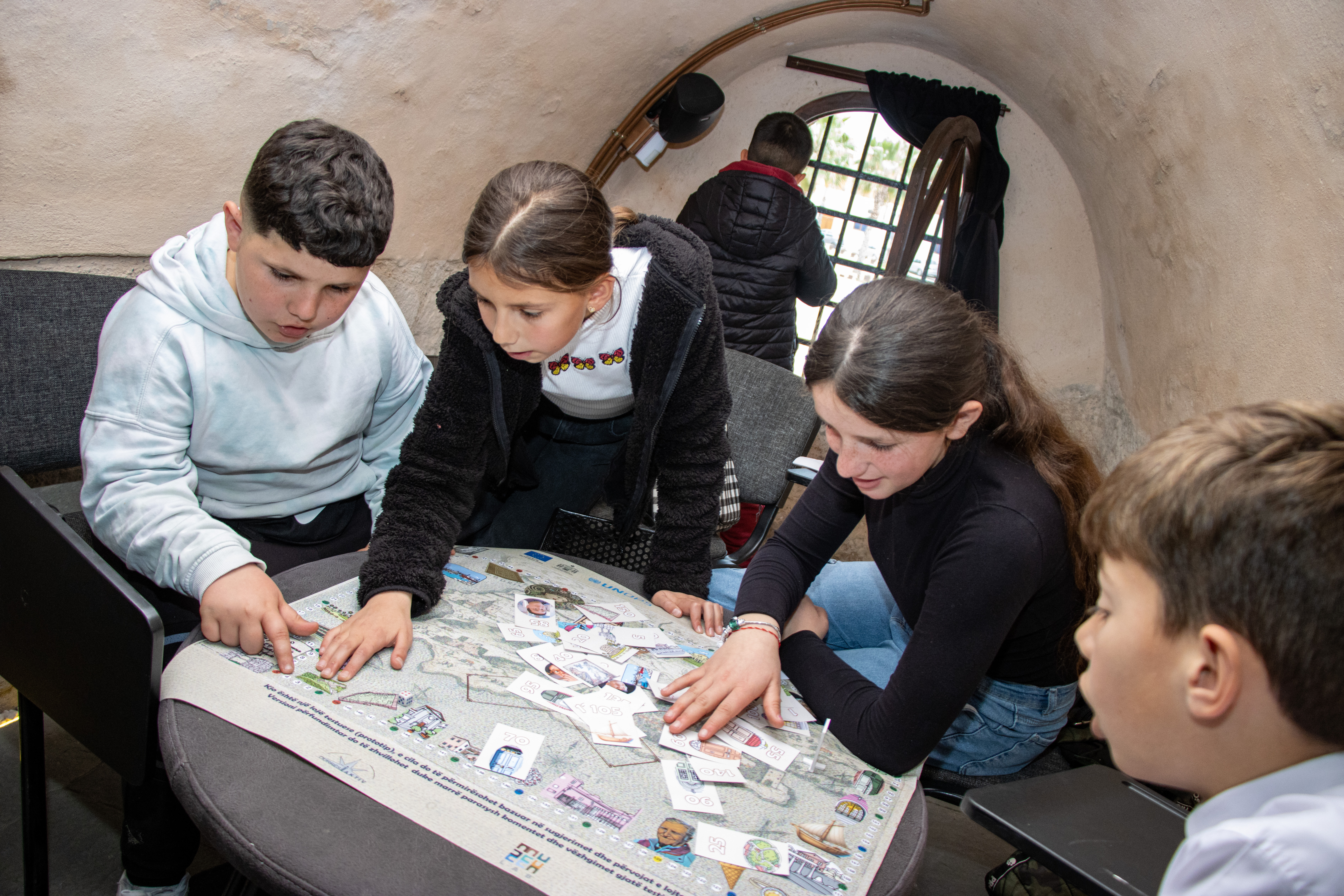
The second phase deepened this work. We assessed the trail’s wider social, economic and educational potential, trained guides, young people and cultural professionals in heritage interpretation, installed two interpretive panels in collaboration with Durres Municipality, developed the board game “Discover Durrës” as an educational tool for children and organised public activities that brought heritage to life through participation, art and storytelling. The trail has became part of a wider cultural experience rooted in monuments, community stories and local creativity. A way for people to rediscover Durrës through detail, memory and to understand that heritage is not only what is monumental, but also what is lived, remembered and shared. The trail has been promoted by the Municipality, Ministry and EU Delegation, we have also organized thematic walks with them. In 2023, the Vice President of the European Commission, Mr. Josep Borrell, visited the stand with artisans doors and got acquainted with the project.
Heritage interpretation
Community participation
Cultural tourism
Cultural tourism
Storytelling
The Old Doors Trail is exemplary in terms of sustainability because it activates existing cultural heritage assets and gives them new public value without requiring construction or interventions. The project is based on reuse, interpretation and community activation. It takes what already exists in the urban fabric of Durrës and turns it into a tool for education, local identity, tourism and cultural life.
Its sustainability is cultural, social and economic. Culturally, it preserves not only the physical presence of the doors but also the stories, family histories and urban memory connected to them. Socially, it strengthens the relationship between people and heritage by making the trail accessible to everyone schools, guides, young people, artists and local residents tourists. Economically, the trail creates real potential for cooperation with nearby businesses, the development of small tourism related experiences, and increased visibility for local actors located along or near the route. It also opens possibilities for guides, artisans and educators to build new services and products around heritage.
The project’s sustainability also lies in the systems created around it, the public website, the board game exists in digital format, the touristic panels were designed for long-term use, and the municipality is involved in maintaining the interpretive infrastructure. The project shows that sustainability in heritage means more than preserving objects, it means creating long-lasting cultural, educational and economic relationships around them.
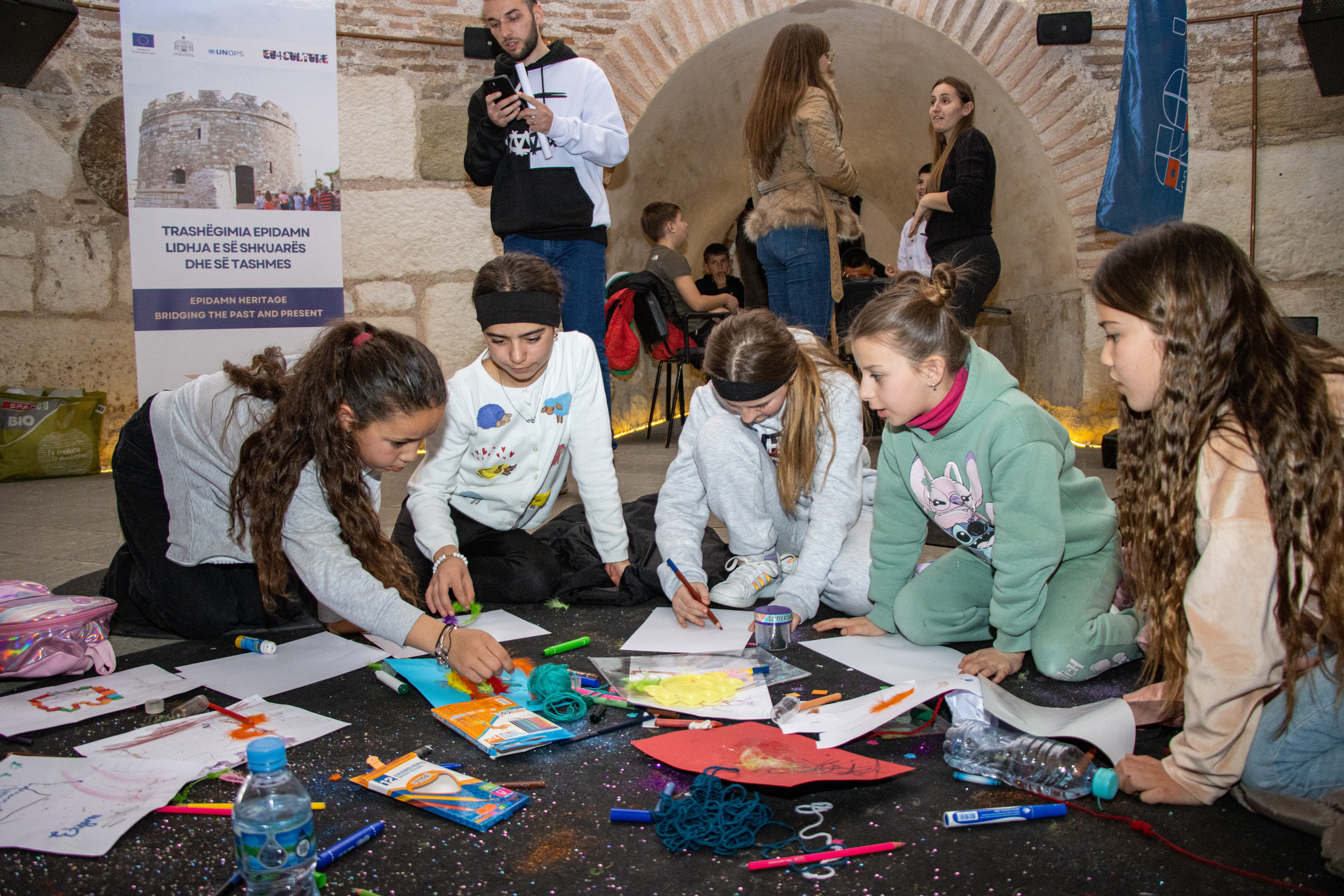
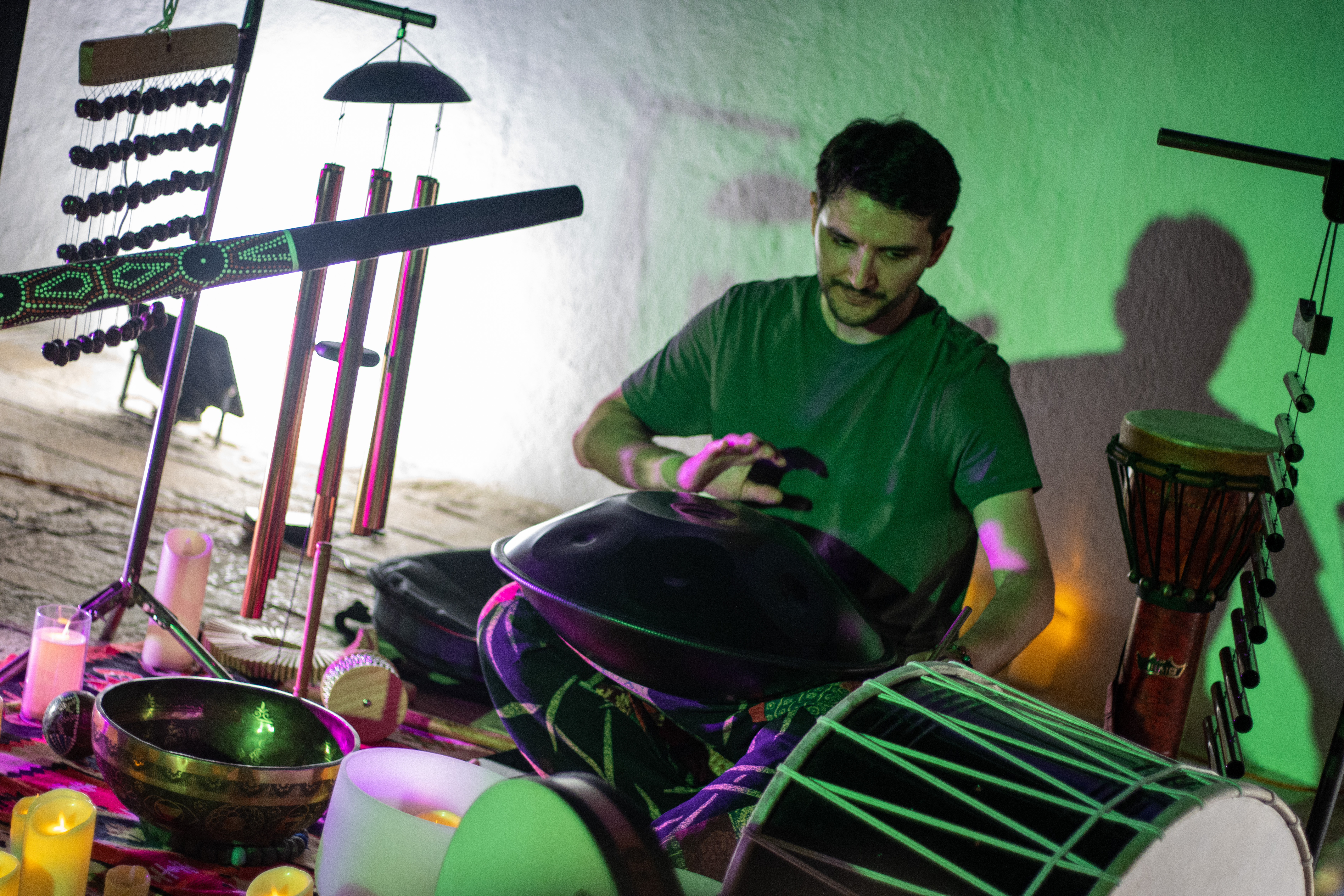
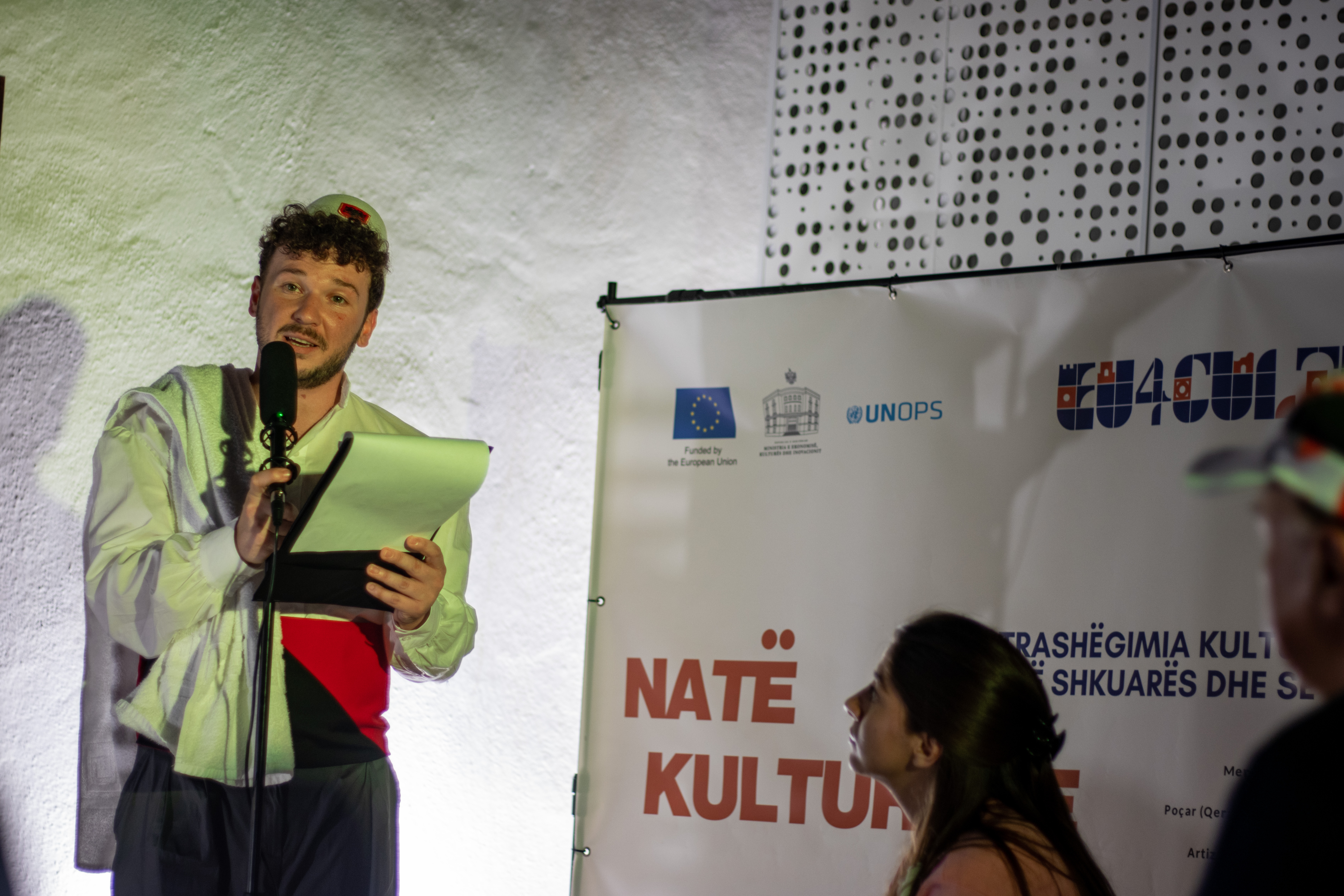
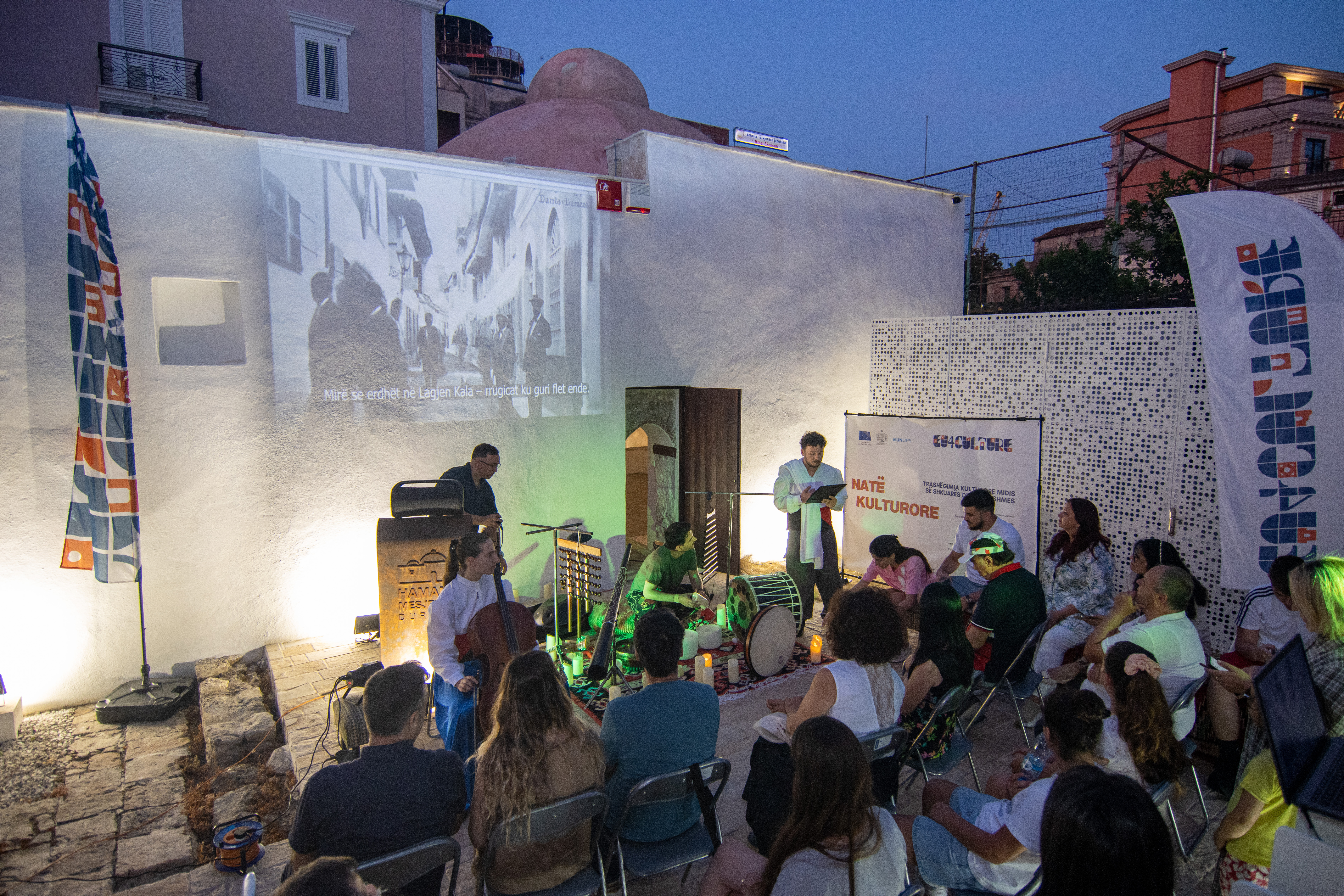
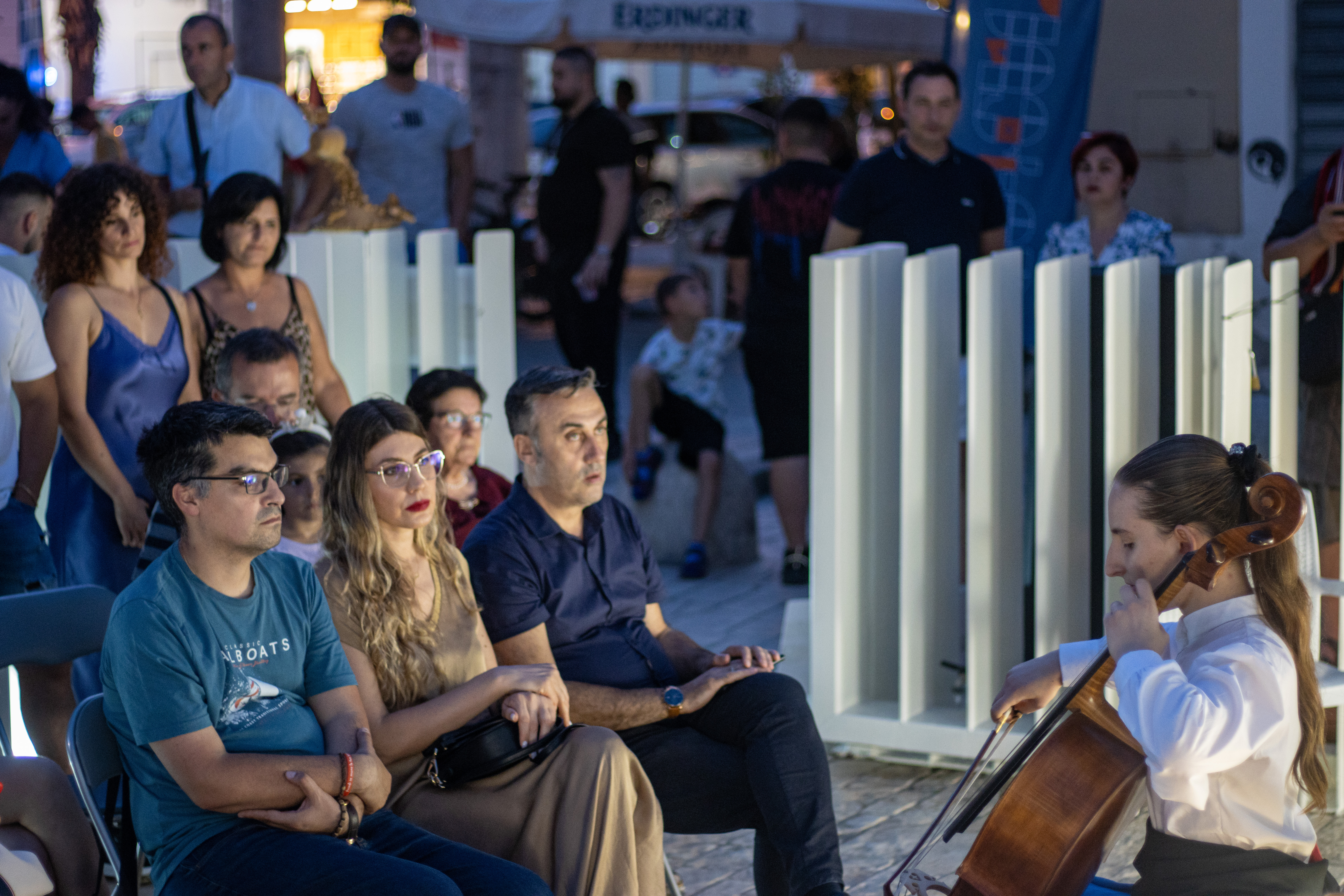
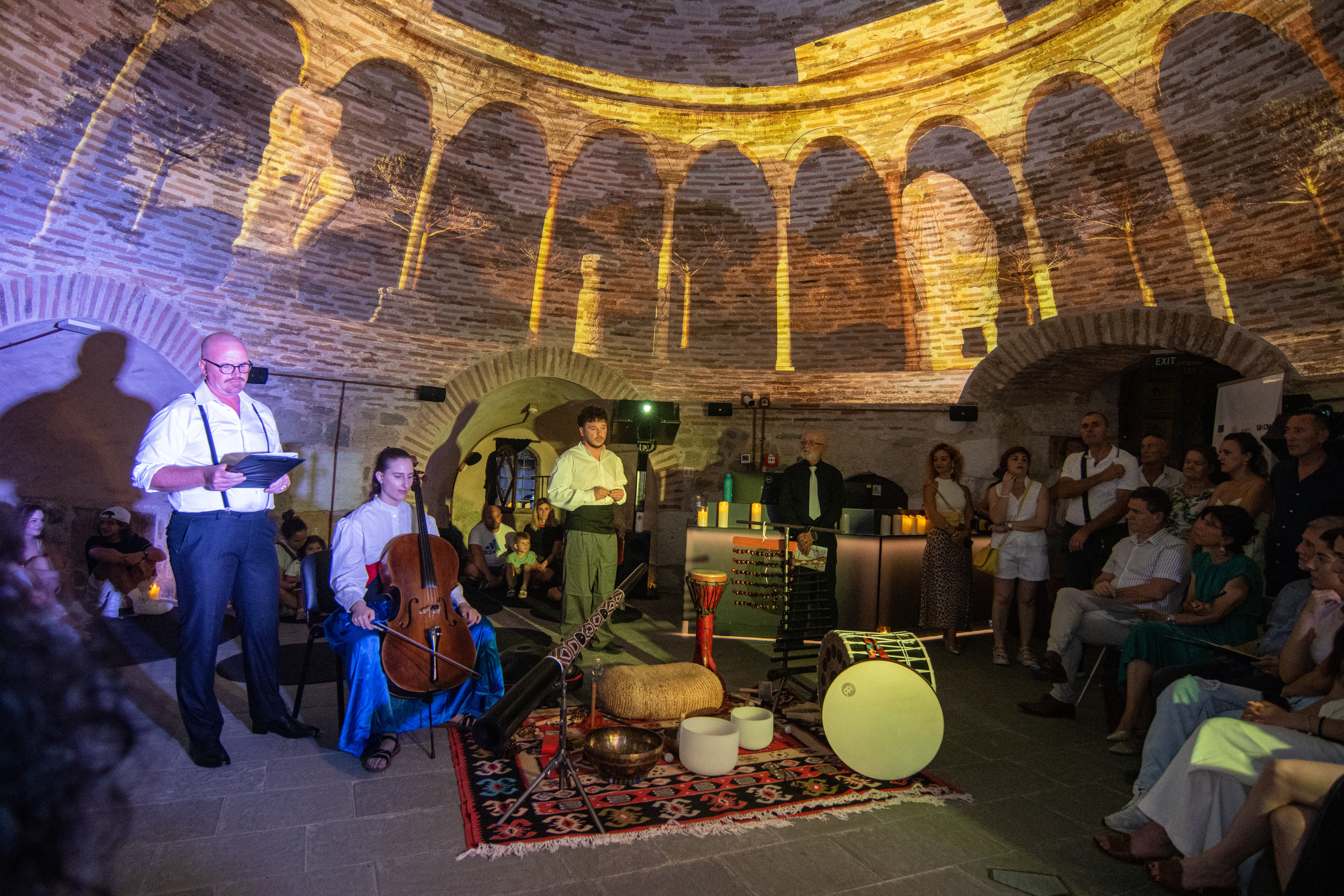
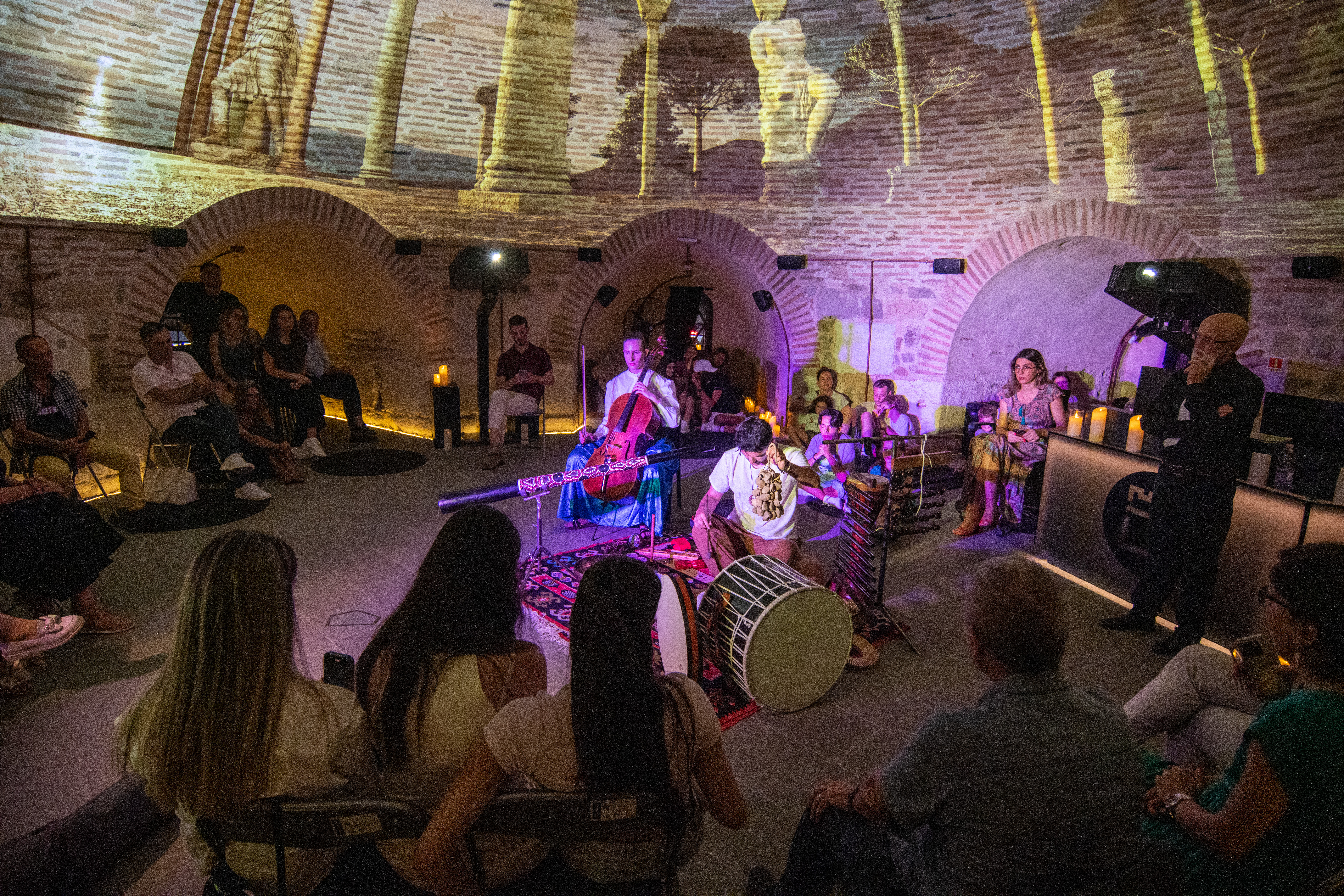
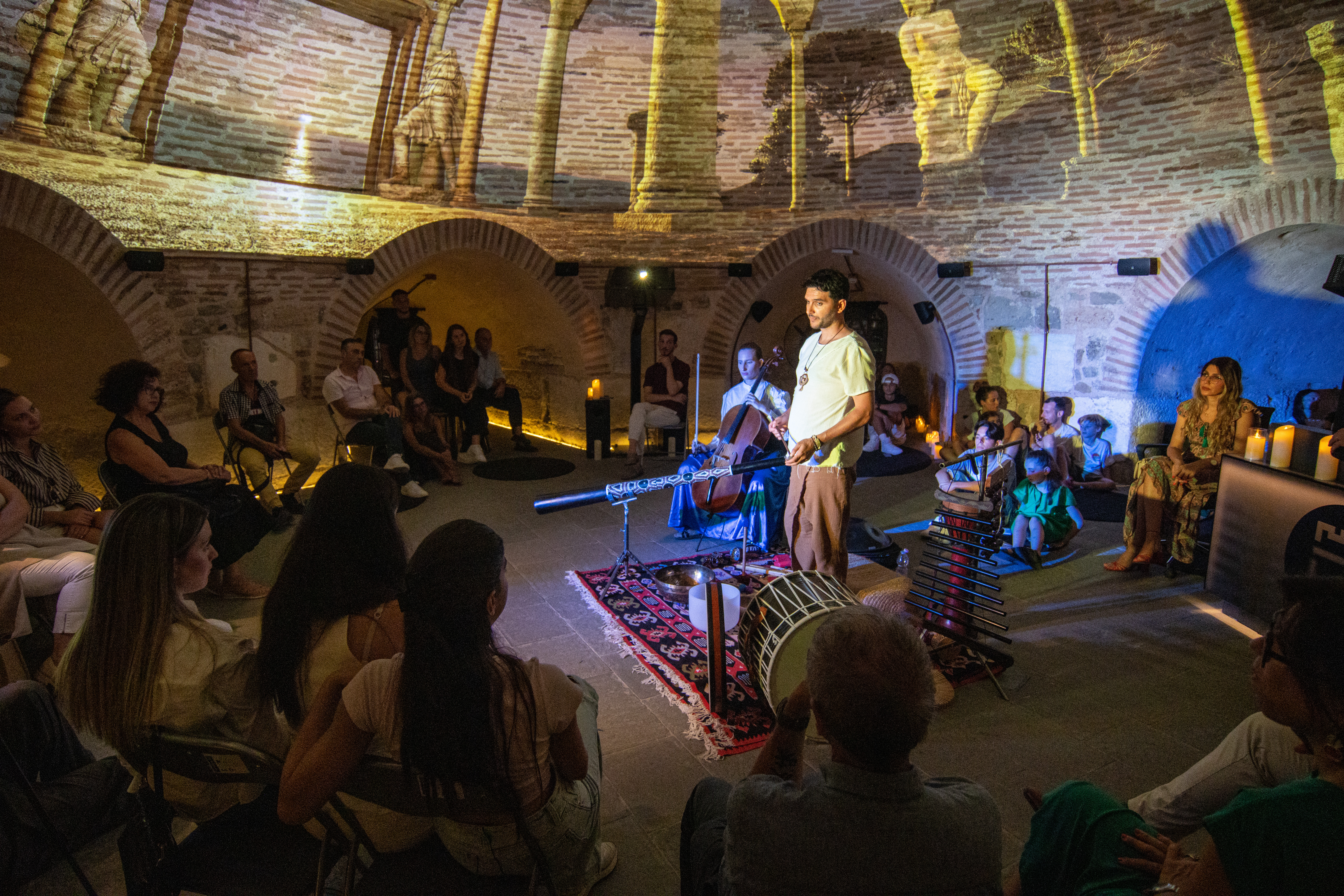
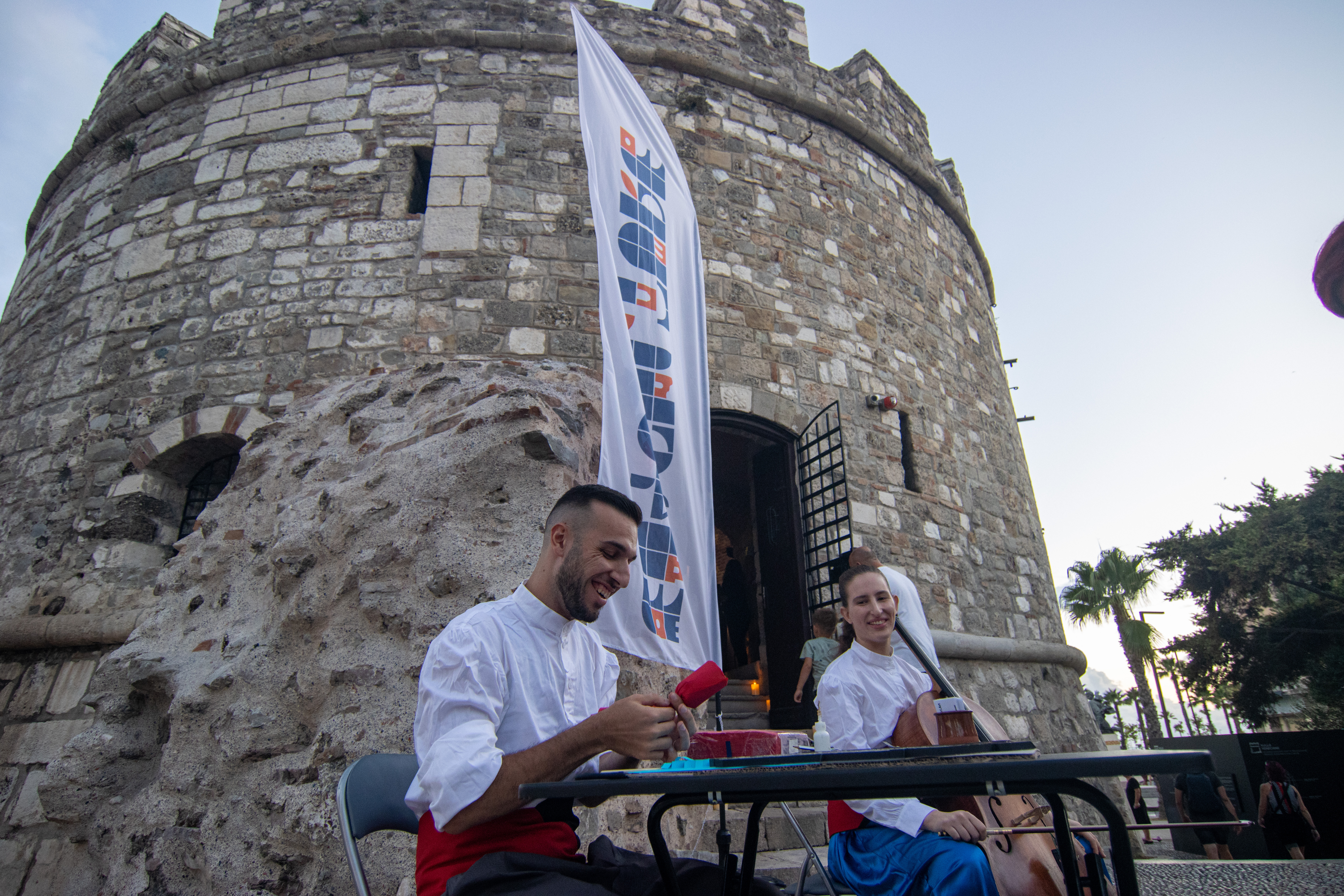
The project contributes to aesthetics by making the hidden beauty of Durrës's street visible in everyday life. The old doors of the city are rich in architectural detail, geometry, ornament, material texture and memory. The trail reveals the beauty that already exists in the city and helps residents and visitors experience it with greater attention and care. All it's elements, the visual identity of the trail, the interpretive panels, the thematic walks, the board game, the website, and the cultural activities created a more beautiful and meaningful experience of the city by encouraging people to know more about the families that contributed to the city of Durres. This strengthens a sense of belonging by helping people see their city as a layered cultural landscape, where even ordinary architectural details can become part of a collective aesthetic experience. A particularly important aesthetic contribution came from the two “Epidamn Heritage & Art Cultural Nights” organised at the Monuments of Venetian Tower and the Hamam. These events transformed the monuments into living cultural spaces through music, theatre, storytelling and artistic performances inspired by local heritage. By combining monument atmosphere with contemporary artistic interpretation, the events created memorable experiences that deepened people’s connection to the sites and a sense of belonging because it is rooted in local stories and local participation. It can be considered exemplary in terms of aesthetics because it shows that beauty does not always require major physical transformation. Sometimes it comes from revealing what is already there, interpreting it with care, and creating opportunities for people to encounter it together in inspiring and creative ways.
The Old Doors Trail was designed to make heritage more accessible to people who are often outside formal heritage processes, children, young people, local families, schools, community centres, freelancers, tourism students, artisans and non-specialist citizens. Activities were open and easy to access by everyone. Children and schools were engaged through the board game and educational activities. Students and young professionals took part in trainings on heritage interpretation. Artists and artisans contributed to create the doors with handicrafts. Community members and families added stories, memories and local perspectives that enriched the meaning of the trail. The trail has potential as a didactic tool for both formal and informal learning, with strong possibilities for integration into educational programmes, youth activities and academic events.
Participation was a defining principle of the project from beginning to end. The Old Doors Trail was built not only through research and design, but through dialogue with citizens, artisans, artists, students, families, teachers, tourism actors and institutions. Their involvement influenced the stories selected, the content of public events, the design of the educational board game, and the broader interpretation of the trail.
Community participation took many forms from contribution of local memories, testing of educational tools, participation in thematic walks, involvement in trainings, artistic collaboration, and feedback during public events. During the training sessions, participants helped identify which monuments, stories and local characters should be reflected in the board game and interpretation materials. During cultural activities children tested the game and contributed directly to the refinement of its design. Artists selected through the open call developed performances in response to the monuments and their stories.
This participatory approach improved both the quality and legitimacy of the project. Because the outputs were shaped by real people and real use, they became more rooted, relevant and meaningful creating ownership.
The project was built through cooperation across different levels of governance and action. At local level, Durrësi Aktiv and MuZEH Lab led implementation in close collaboration with schools, artists, artisans, guides, families, tourism actors and community organisations. The Museum Centre of Durrës played an important role in access, programming and support for activities in heritage sites.
At municipal level, the Municipality of Durrës supported the project through permits and collaboration for the installation of the interpretive panels. This institutional support was essential to ensure that the trail became part of the city’s public and cultural infrastructure. At European level, the project was supported through EU4Culture and implemented with guidance from UNOPS, which enabled both resources and quality standards, visibility and institutional credibility.
At municipal level, the Municipality of Durrës supported the project through permits and collaboration for the installation of the interpretive panels. This institutional support was essential to ensure that the trail became part of the city’s public and cultural infrastructure. At European level, the project was supported through EU4Culture and implemented with guidance from UNOPS, which enabled both resources and quality standards, visibility and institutional credibility.
Our project was developed combining heritage research, architecture, design, arts, education, tourism, digital communication and community development.
Heritage research and public history were central from the beginning. The project involved documentation of the twelve historic doors, collection of oral histories and memories, desk assessment of their cultural, social and economic value, and interpretation of their role within the urban identity of Durrës. This was closely linked with architecture and urban heritage, since the doors were approached not only as decorative elements, but as part of the built fabric of the city and of its everyday streetscape.
Design played a key role in making the project accessible and attractive. This included the visual identity of the trail, the interpretive panels, the layout of the website and digital map, and the development of the educational board game and toolkit. Design was used not just for aesthetics, but also for communication, legibility and inclusion, especially for children and non-specialist audiences.
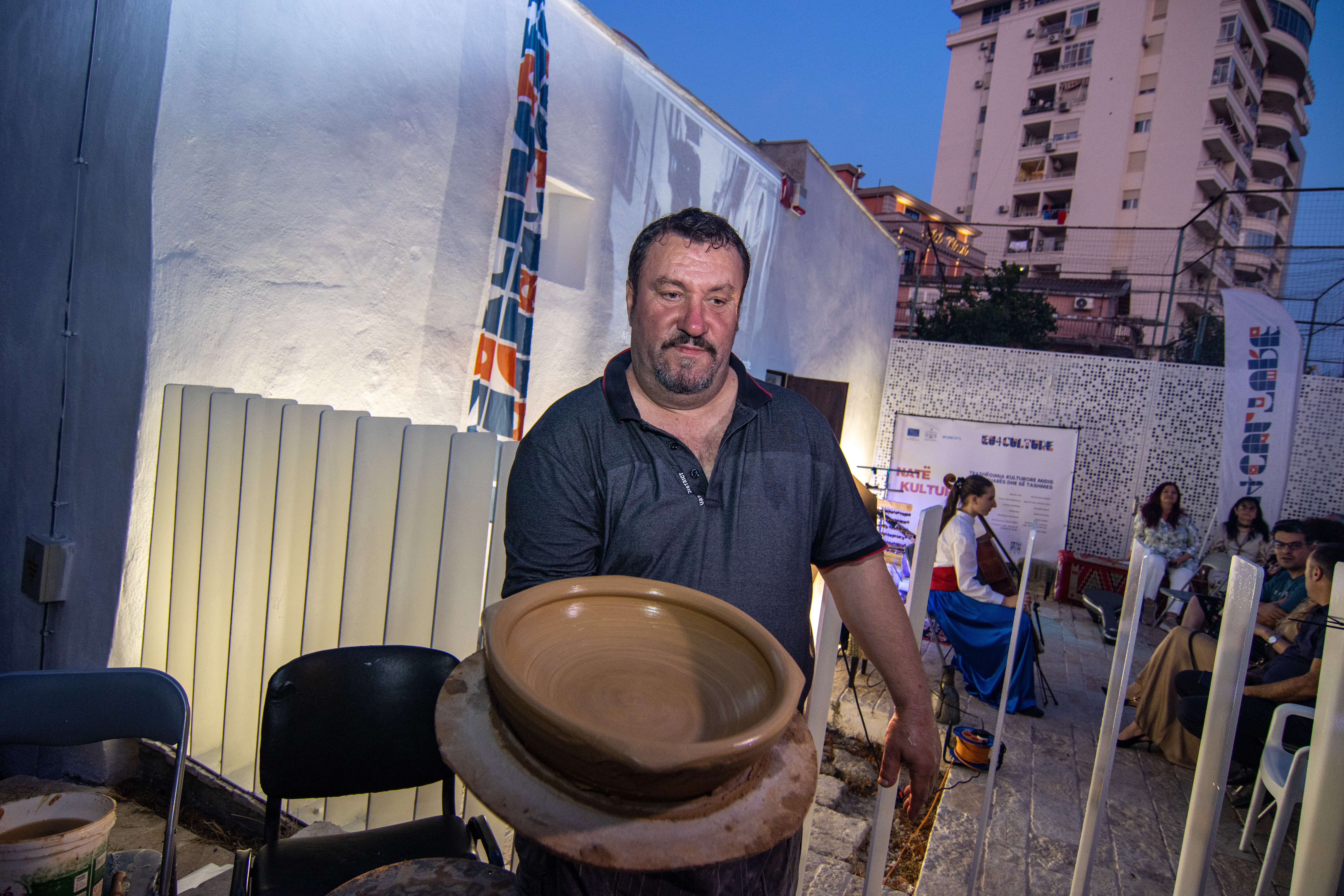
The project also drew heavily on the arts, including theatre, music, storytelling, performance and craft. The two Cultural Nights at the Venetian Tower and the Hamam translated heritage into artistic experiences, while local artisans contributed by interpreting heritage motifs through handmade products and creative demonstrations.
Education and pedagogy were reflected in the training sessions, workshops, thematic tours, tourism and cultural interpretation were equally important, as the project developed the trail as a new local tourism route and trained participants on how to communicate heritage in engaging ways. Digital technologies and communication supported the project through the online map, website, digital version of the board game and social media outreach, ensuring that the trail could be accessed beyond the physical route itself.
The project started with grant support, but it was designed from the beginning to create long-term public and practical value. Its sustainability is based on a mixed model that combines educational use, public visibility, tourism potential, institutional ownership and digital accessibility.
The Old Doors Trail itself functions as a cultural and educational route that can continue to be used by guides, schools, local organisations and institutions. The website and digital map provide permanent visibility with low maintenance costs. The board game “Discover Durrës,” available both in print and online, extends the project into classrooms, youth centres and community spaces. The desk assessment points to clear economic potential for cooperation with nearby businesses, small-scale cultural experiences and local tourism-related services. The business model is therefore not based on a single revenue stream, but on the long-term usefulness of the outputs and the local ecosystem built around them. Guides can use the trail for tours, schools can use the game and toolkit, institutions can integrate the materials into programming, and artists and artisans can continue to create around the heritage theme. This makes the project socially and culturally durable without financial costs.
The Old Doors Trail itself functions as a cultural and educational route that can continue to be used by guides, schools, local organisations and institutions. The website and digital map provide permanent visibility with low maintenance costs. The board game “Discover Durrës,” available both in print and online, extends the project into classrooms, youth centres and community spaces. The desk assessment points to clear economic potential for cooperation with nearby businesses, small-scale cultural experiences and local tourism-related services. The business model is therefore not based on a single revenue stream, but on the long-term usefulness of the outputs and the local ecosystem built around them. Guides can use the trail for tours, schools can use the game and toolkit, institutions can integrate the materials into programming, and artists and artisans can continue to create around the heritage theme. This makes the project socially and culturally durable without financial costs.
Several elements of the Old Doors Trail project are highly transferable and could be replicated in other cities, towns or neighbourhoods. The most scalable aspect is the methodology itself: identifying overlooked heritage elements, documenting them through desk and field research, interpreting them with the community, and activating them through storytelling, signage, education and public events. The example of 19-20 centuries doors can be replicated everywhere for example in Albania other cities started to promote them.
A second highly replicable element is the combination of light infrastructure and cultural activation. The project did not depend on expensive restoration or complex construction. Instead, it used simple but effective tools such as interpretive panels, digital maps, a website, thematic walks, workshops and cultural nights, artcrafts. This makes the model adaptable to places with limited budgets but strong local identity and heritage potential.
The educational tools are also scalable. The board game “Discover Durrës,” the toolkit, and the participatory interpretation workshops can be adapted for other contexts and age groups.
Another transferable element is the governance process. The way the project worked with municipalities, museums, schools, artists, tourism actors and community members provides a useful model for building partnerships across sectors. It demonstrates how local civil society can initiate heritage action while public institutions support continuity and long-term maintenance.
A key lesson that can be transferred is that heritage does not need to be monumental or expensive to become meaningful. Small and often neglected elements of the built environment can become drivers of education, pride, tourism and community engagement when interpreted creatively and inclusively seeking low-cost, community-based models of cultural revitalisation.