Arts, Culture, and Heritage as Drivers of Change
UnBoxed
Unboxed – Art Transforming Care Culture from Within
Unboxed reimagines elderly care as a living cultural space. Through artistic co-creation embedded in daily care practice, residents, including people living with dementia, become active makers, performers and cultural agents. Art is not added to care as an activity; it is used as a method that reshapes relationships, restores dignity and transforms care environments into spaces of beauty, meaning and belonging, both within the institution and in its connection to society.
Belgium
Local
Wondelgem (Ghent)
Mainly urban
It involves other types of transformations (soft investment)
Yes
2025-11-23
No
No
No
Organisation
Unboxed is a methodology for cultural transformation developed in a residential care home in Ghent, Belgium. Instead of adding art as an activity or therapy, Unboxed embeds artistic practice as a structural method that transforms the culture of care from within. The project challenges stereotypical ideas about care homes, ageing and illness by rethinking care environments as social, cultural and spatial ecosystems.
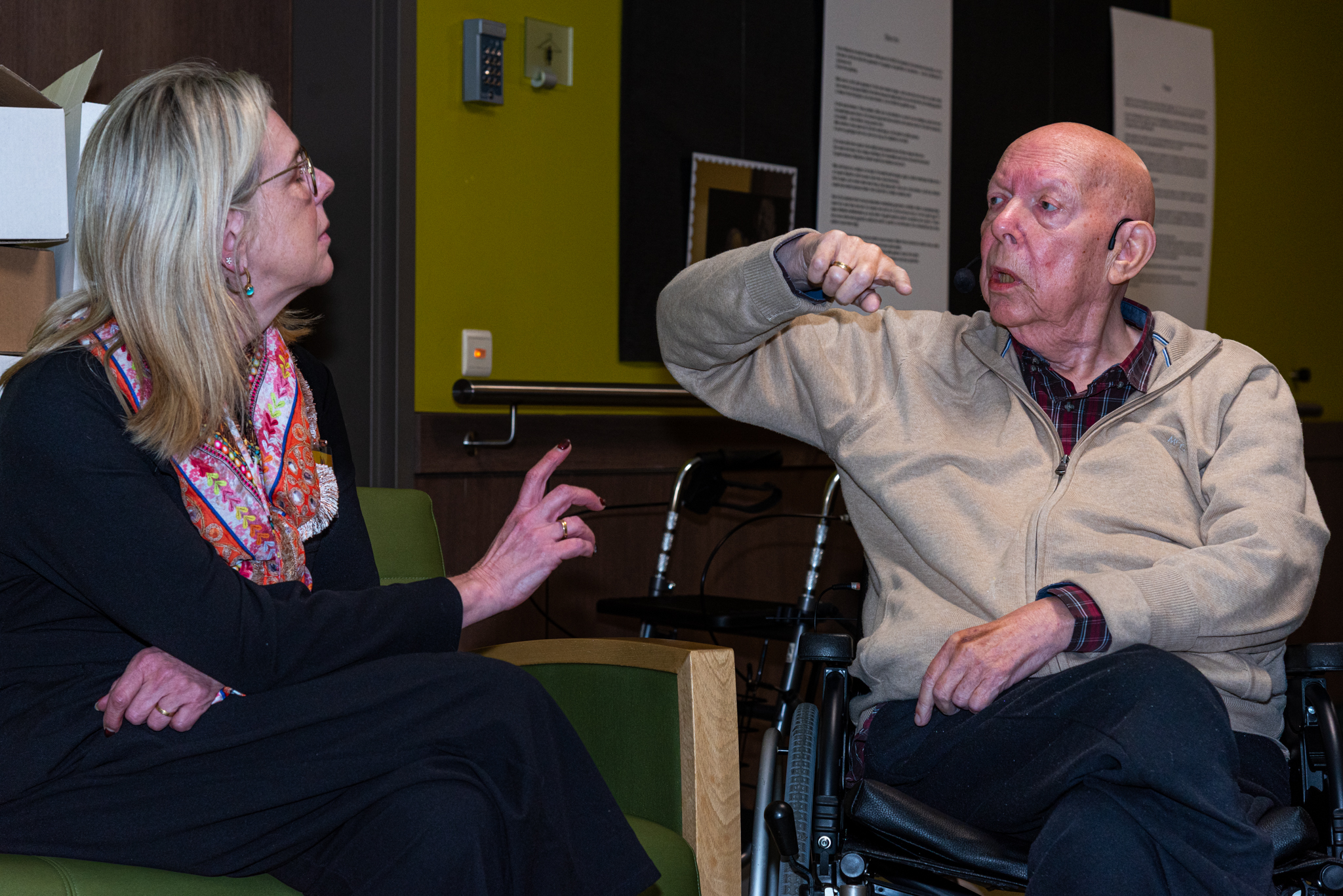
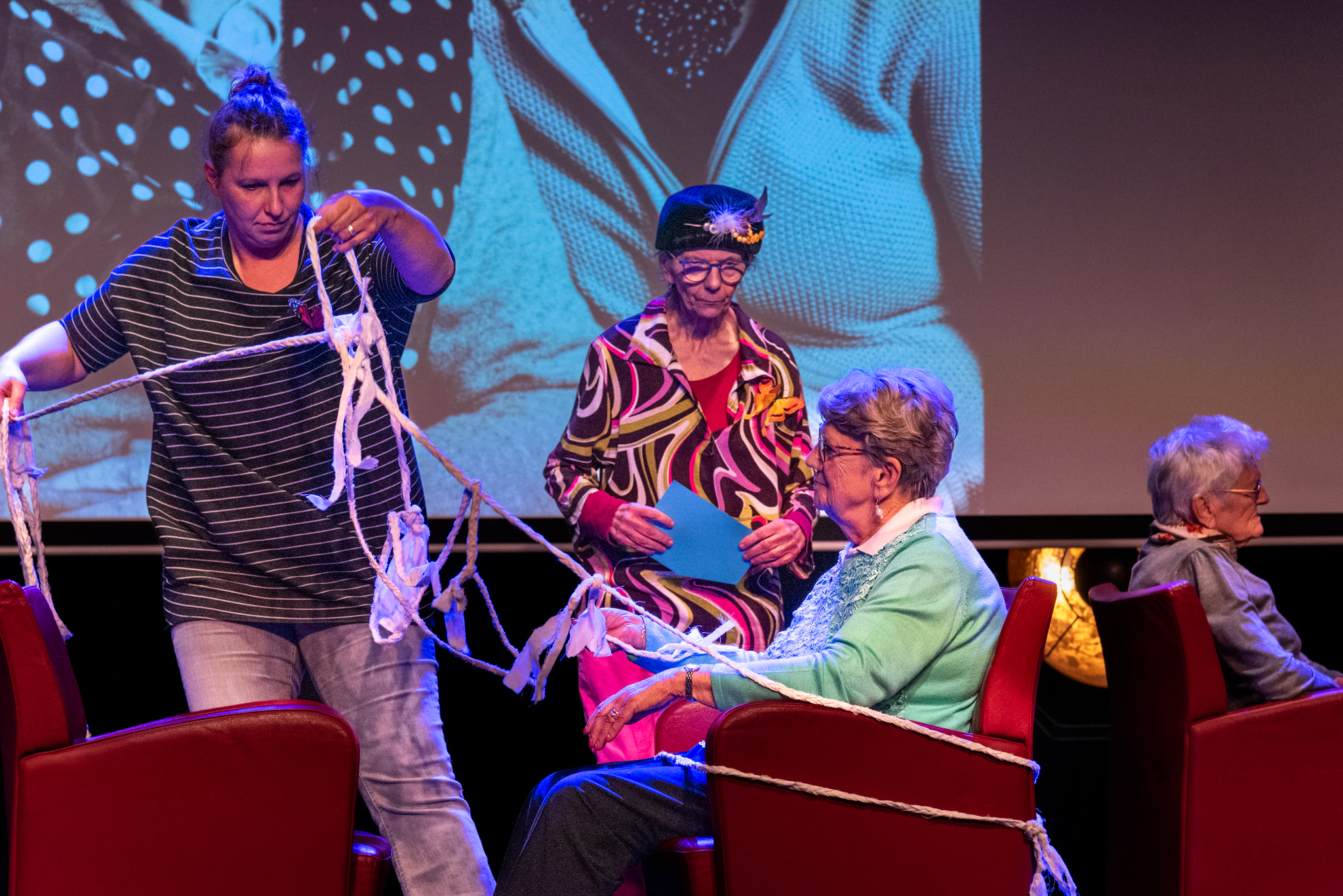
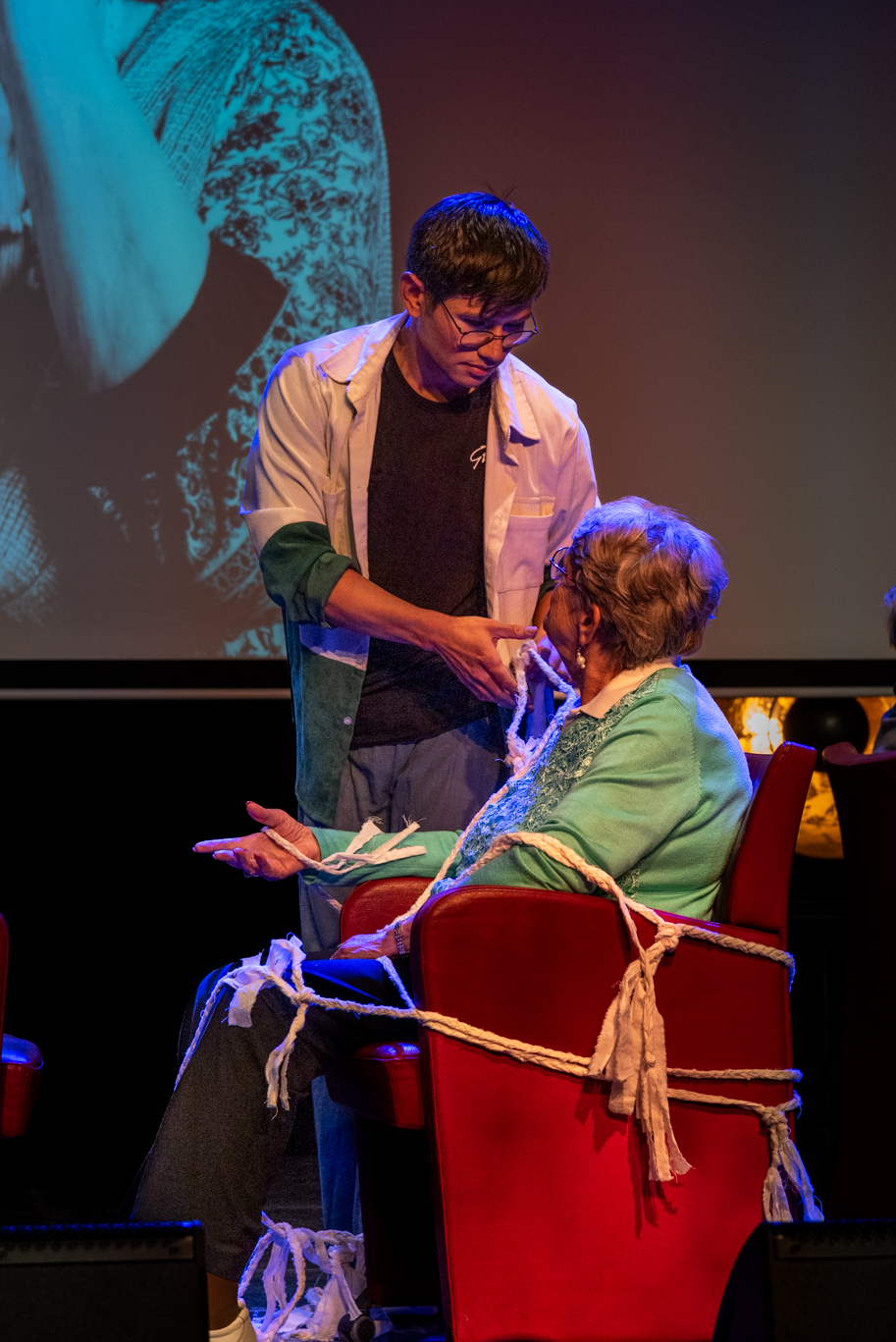
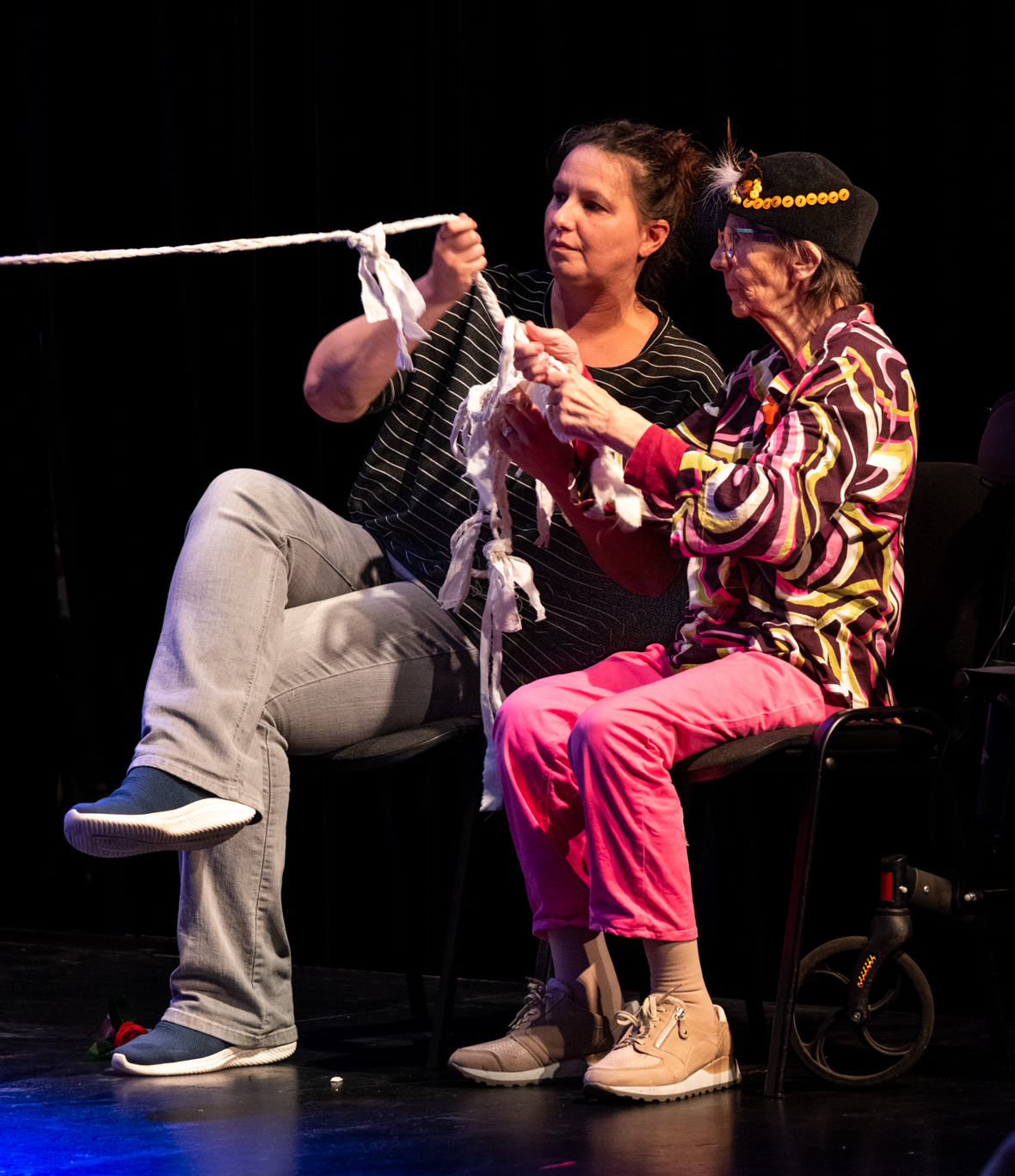
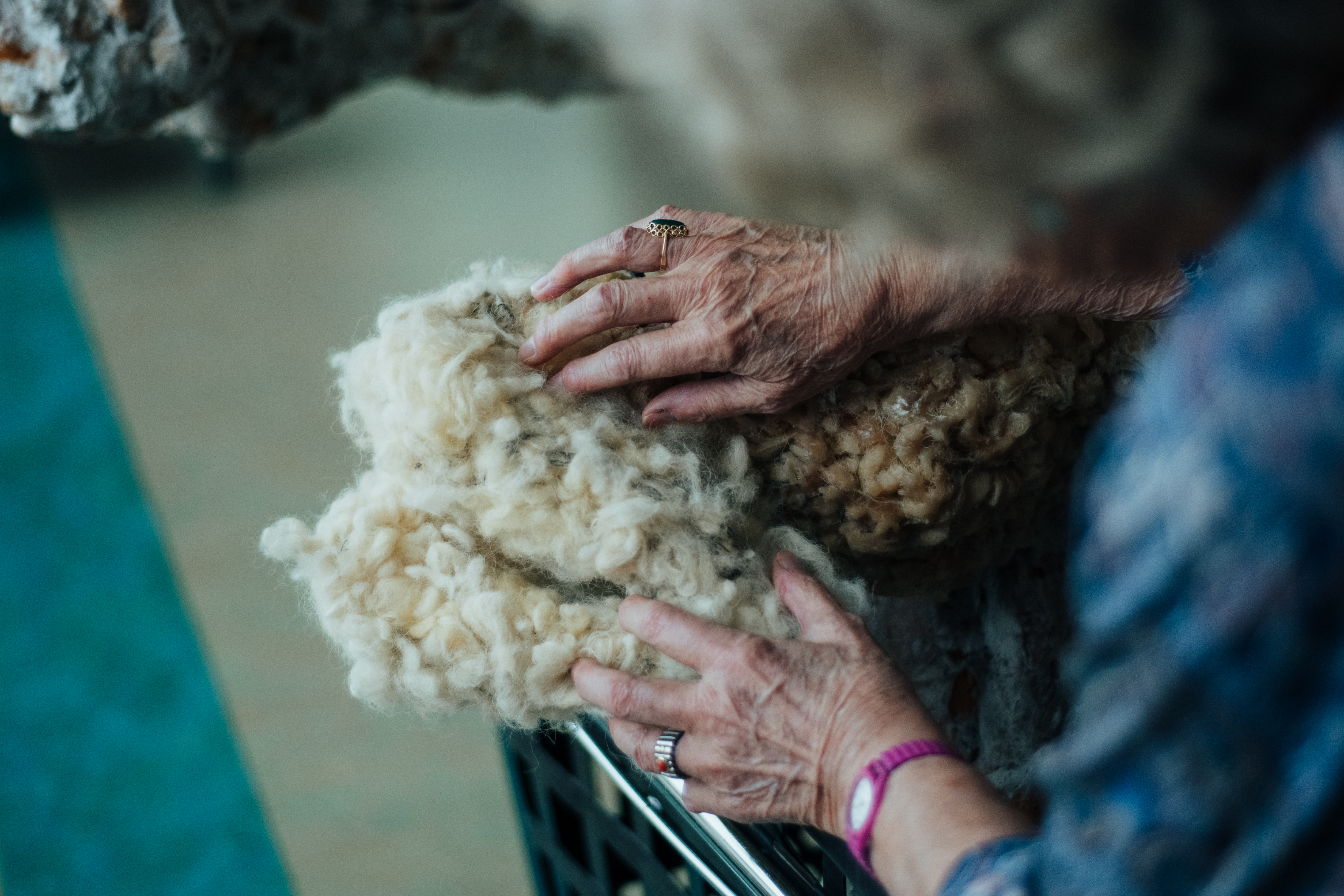
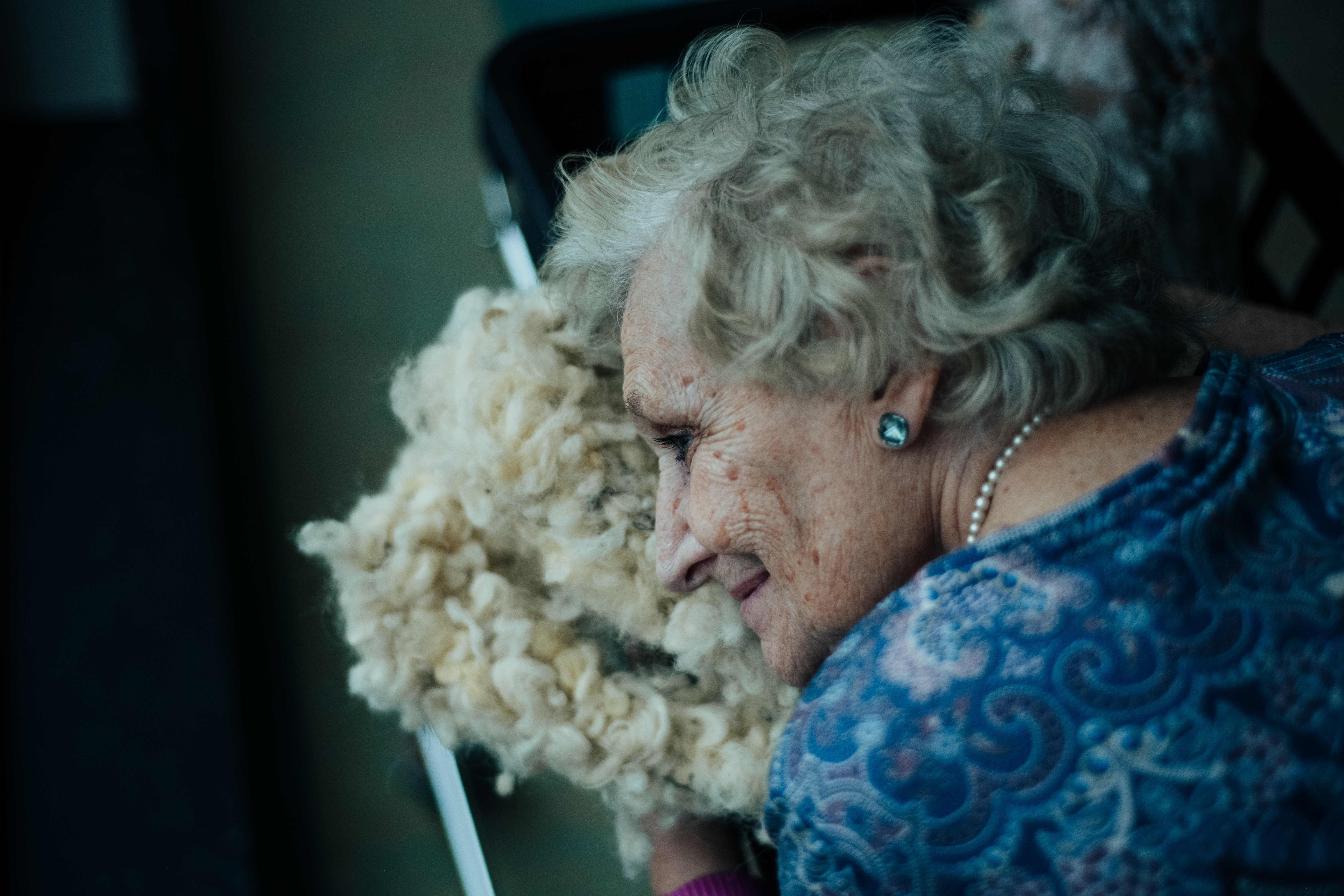
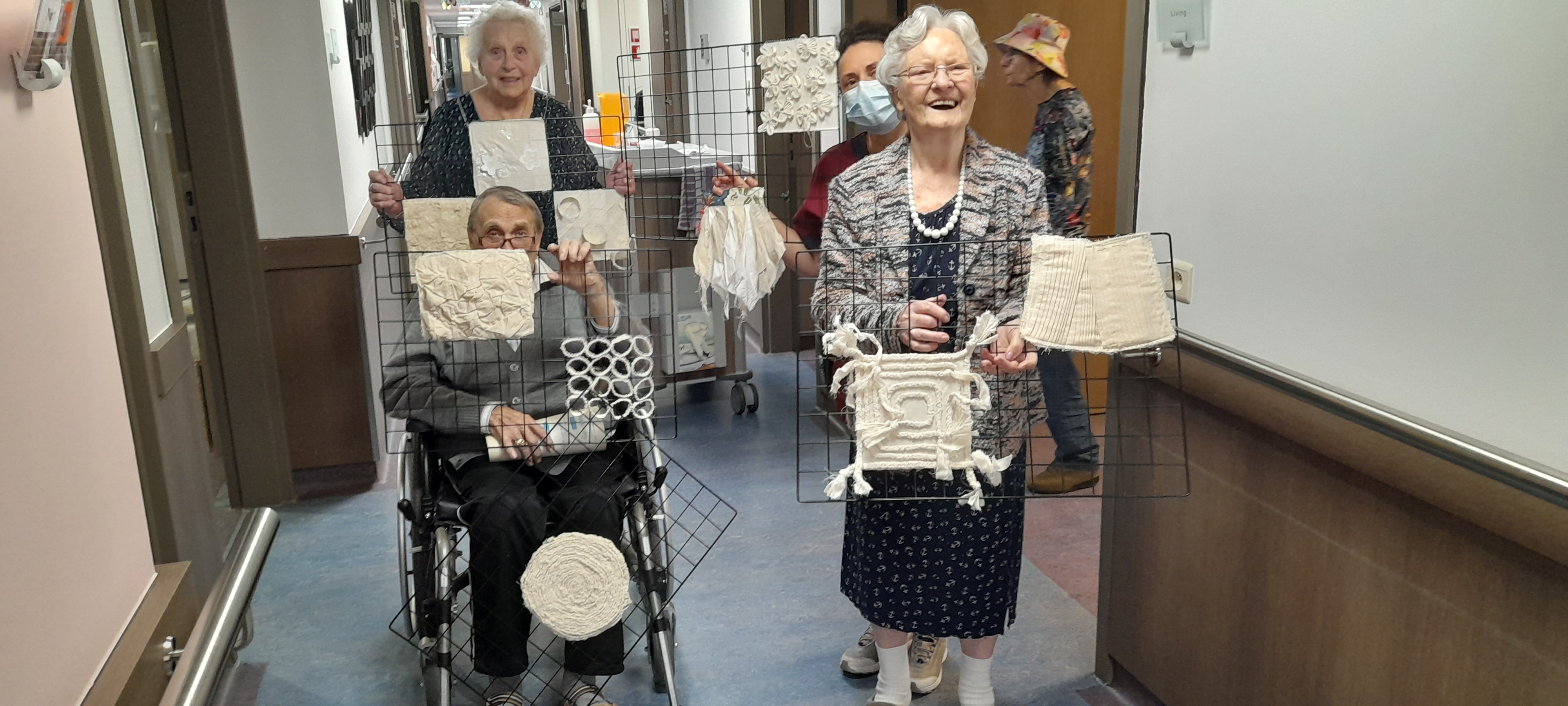
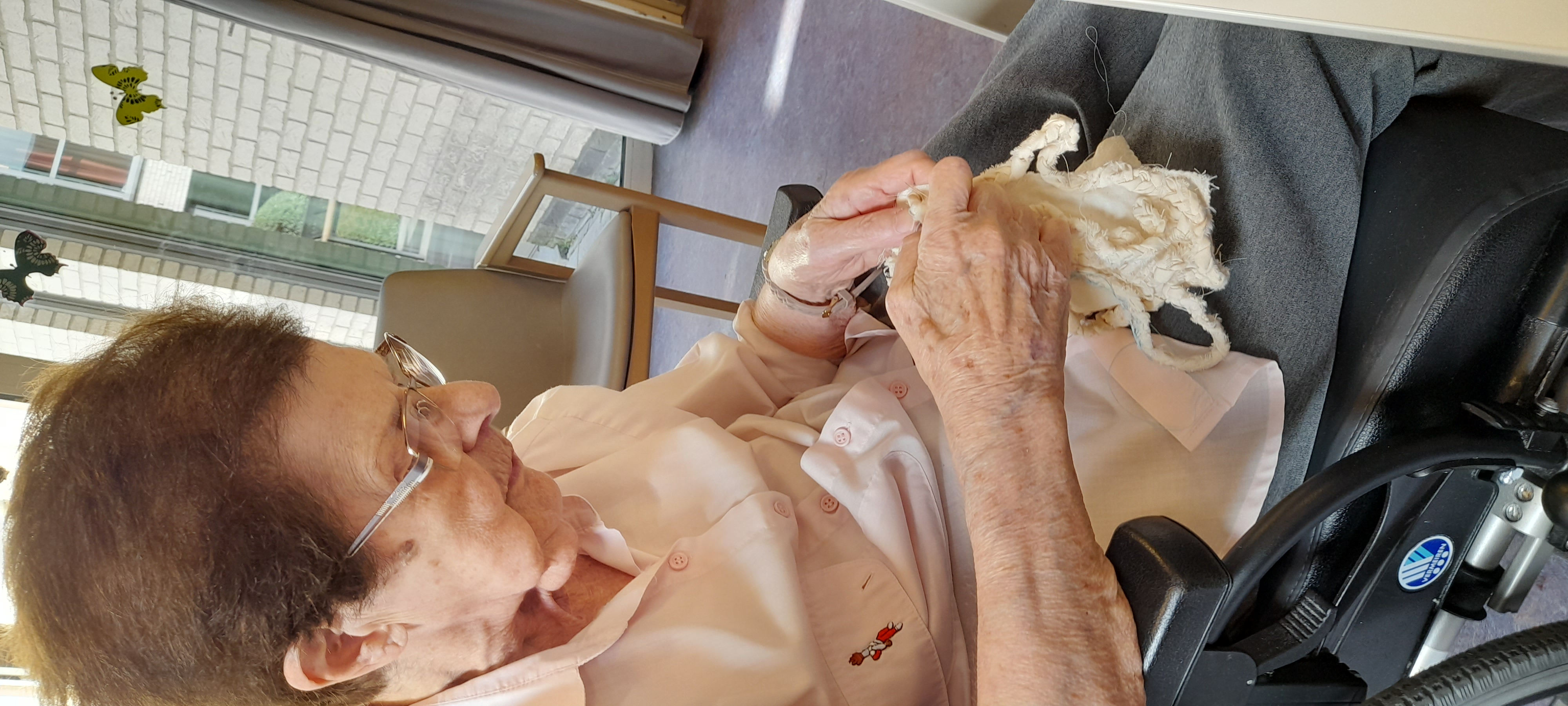
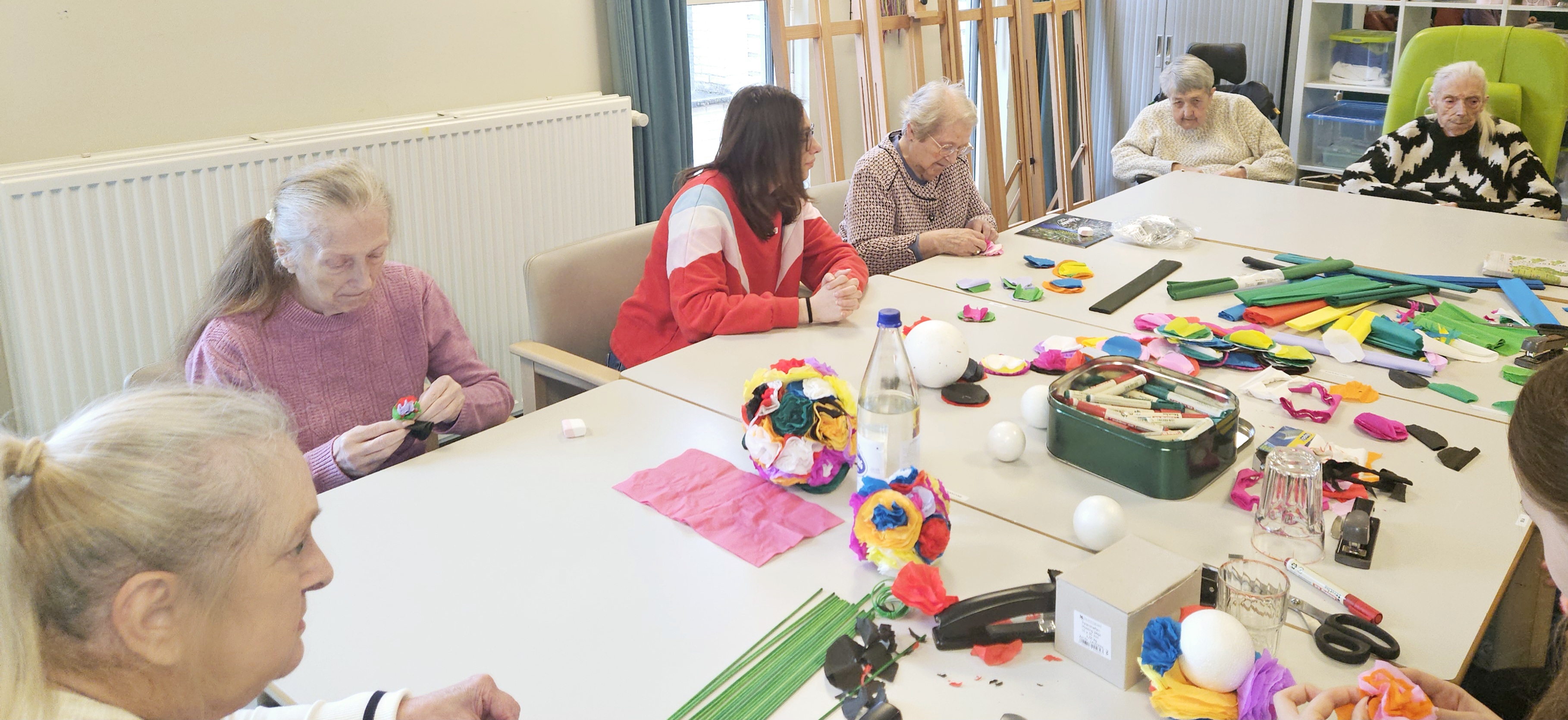
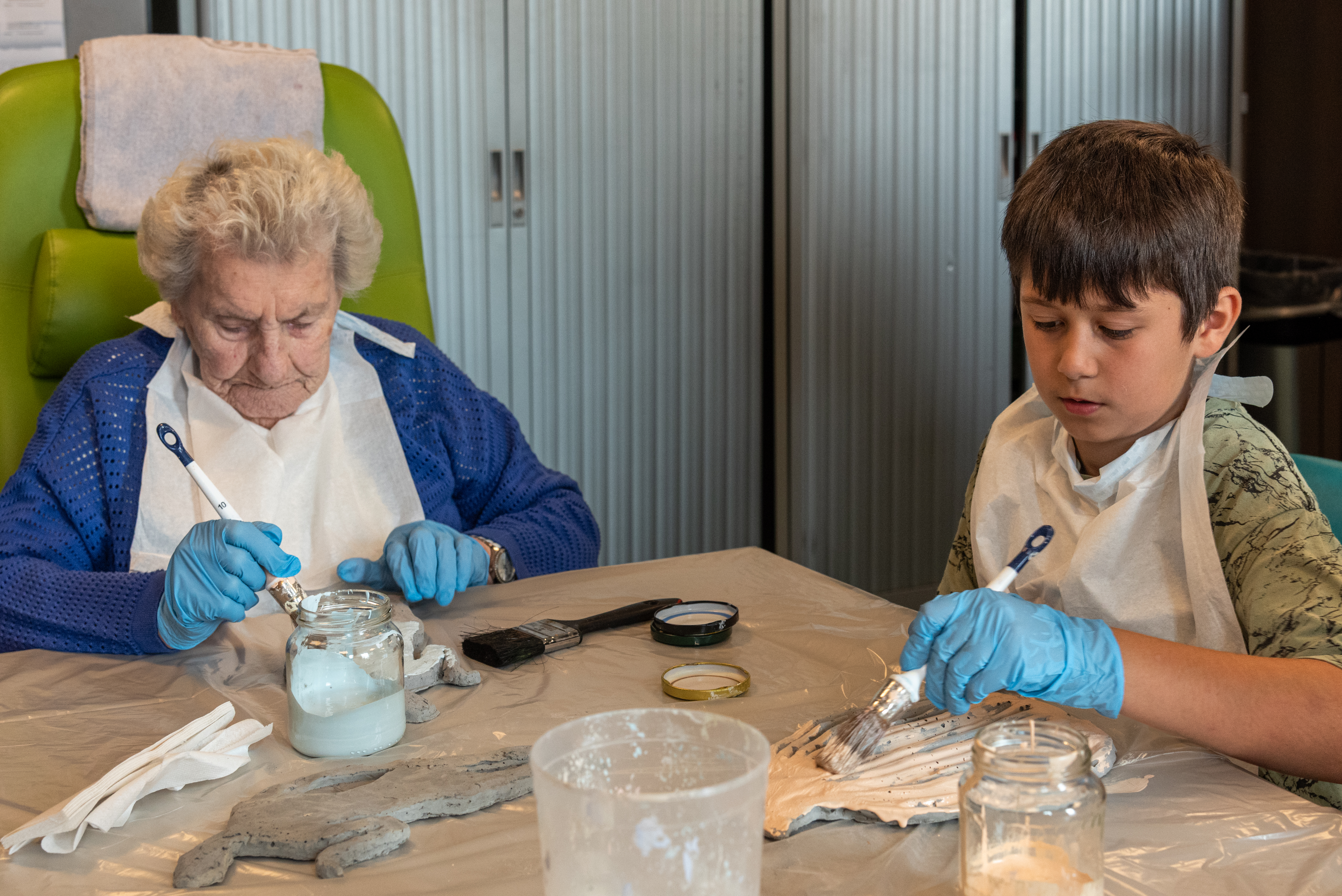
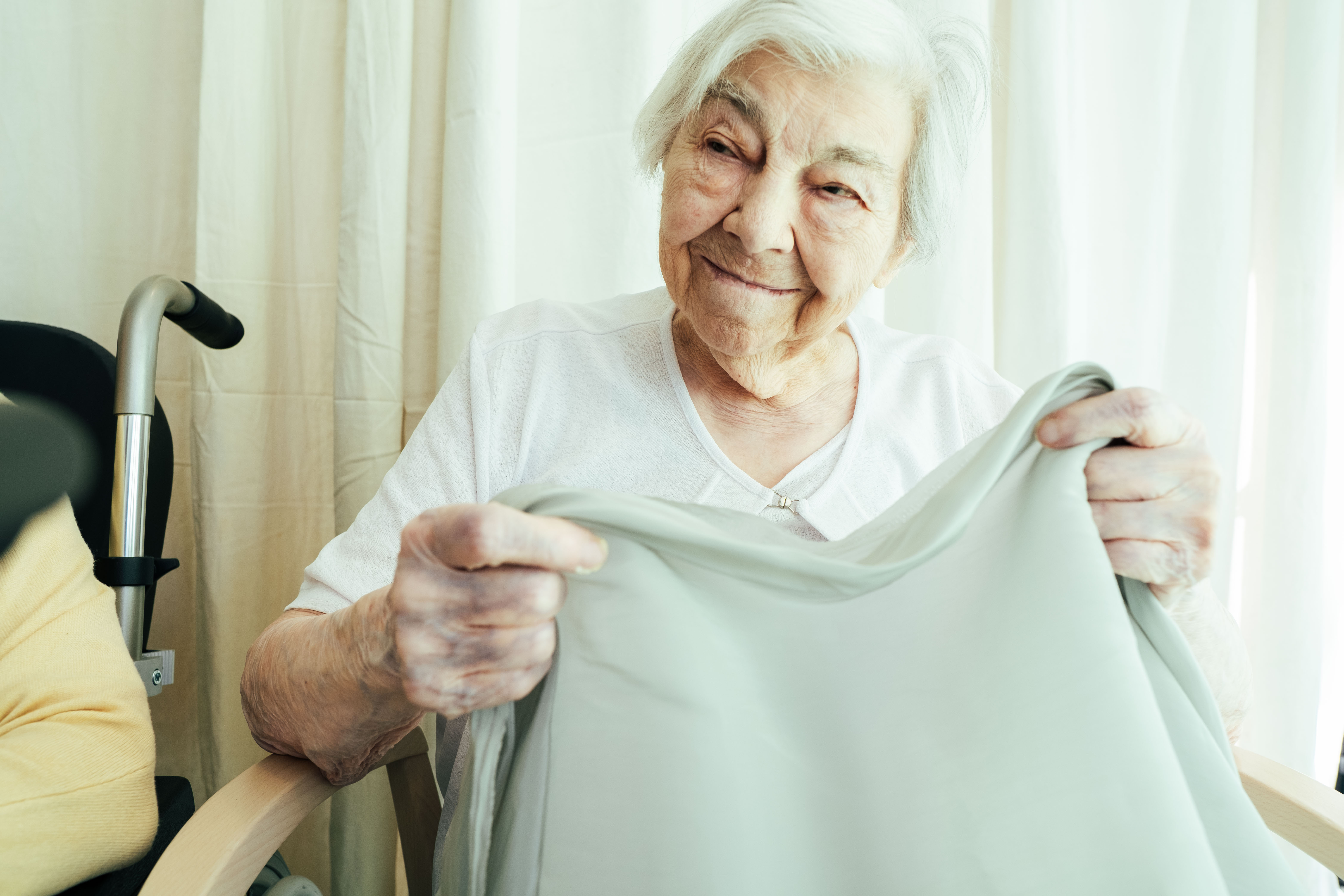
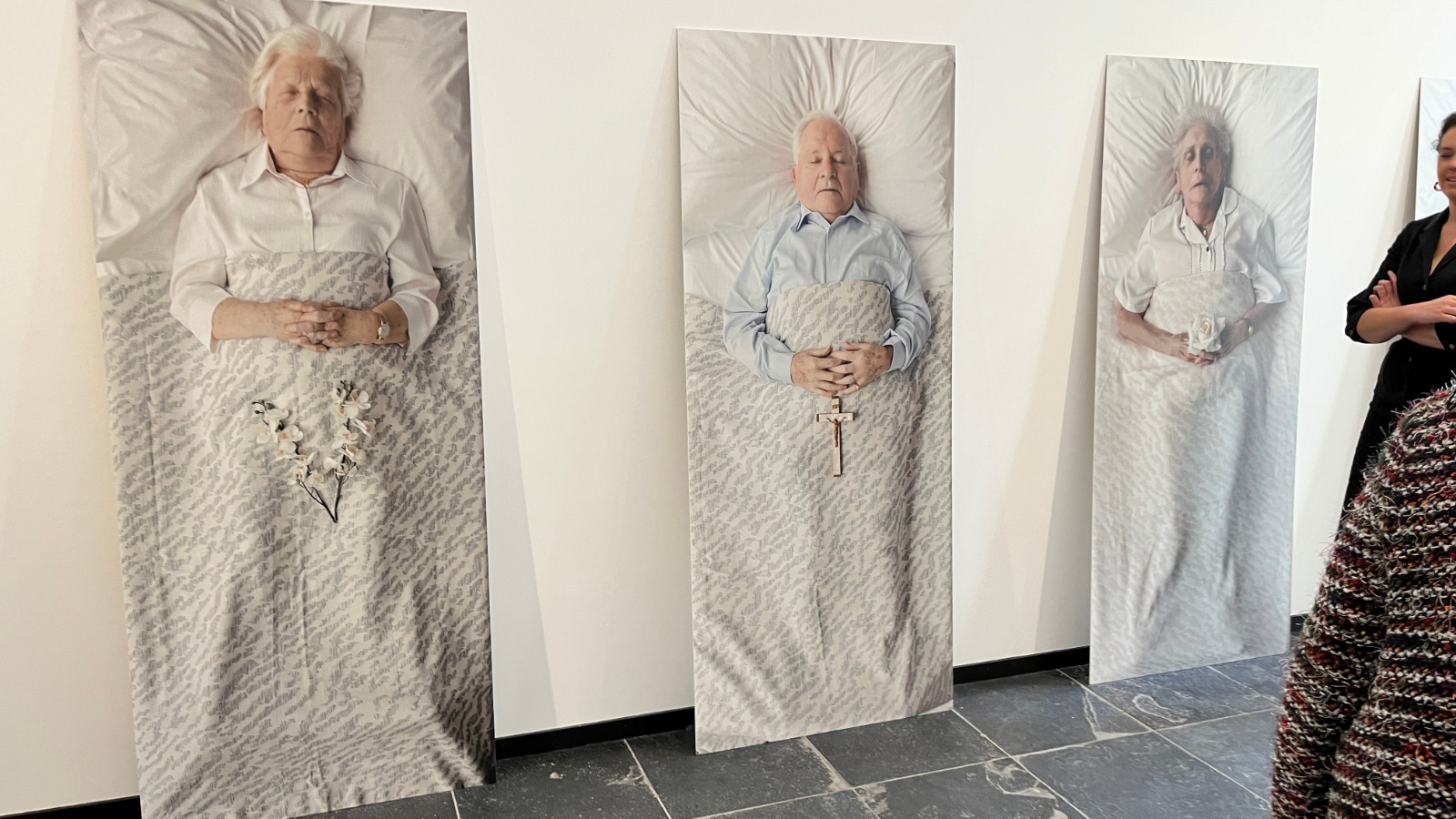
Across Europe, residents in care institutions are often approached mainly through their care needs. Unboxed shifts this perspective by integrating long-term collaboration with professional artists into everyday care practice. Together with residents, caregivers, families and volunteers they develop artistic trajectories rooted in lived experience. Memories, gestures and everyday observations become the starting point for performances, installations and exhibitions.
Since its start, Unboxed has realised more than 20 artistic projects with over 30 professional artists, alongside an in-house artist and therapeutic experts. All residents are involved, actively or as audience. Residents, including people living with dementia, contribute through stories, movement and sensory expression.
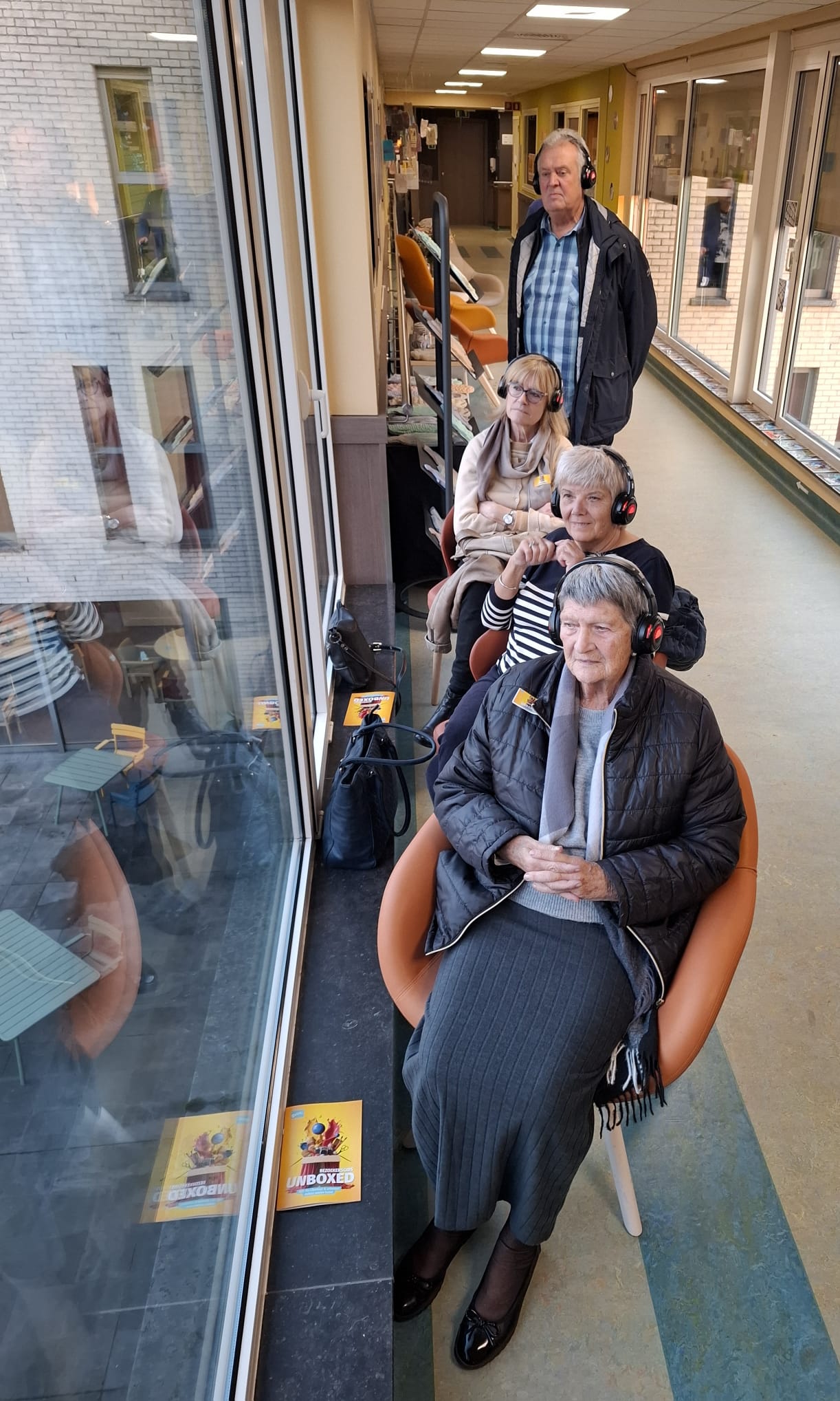
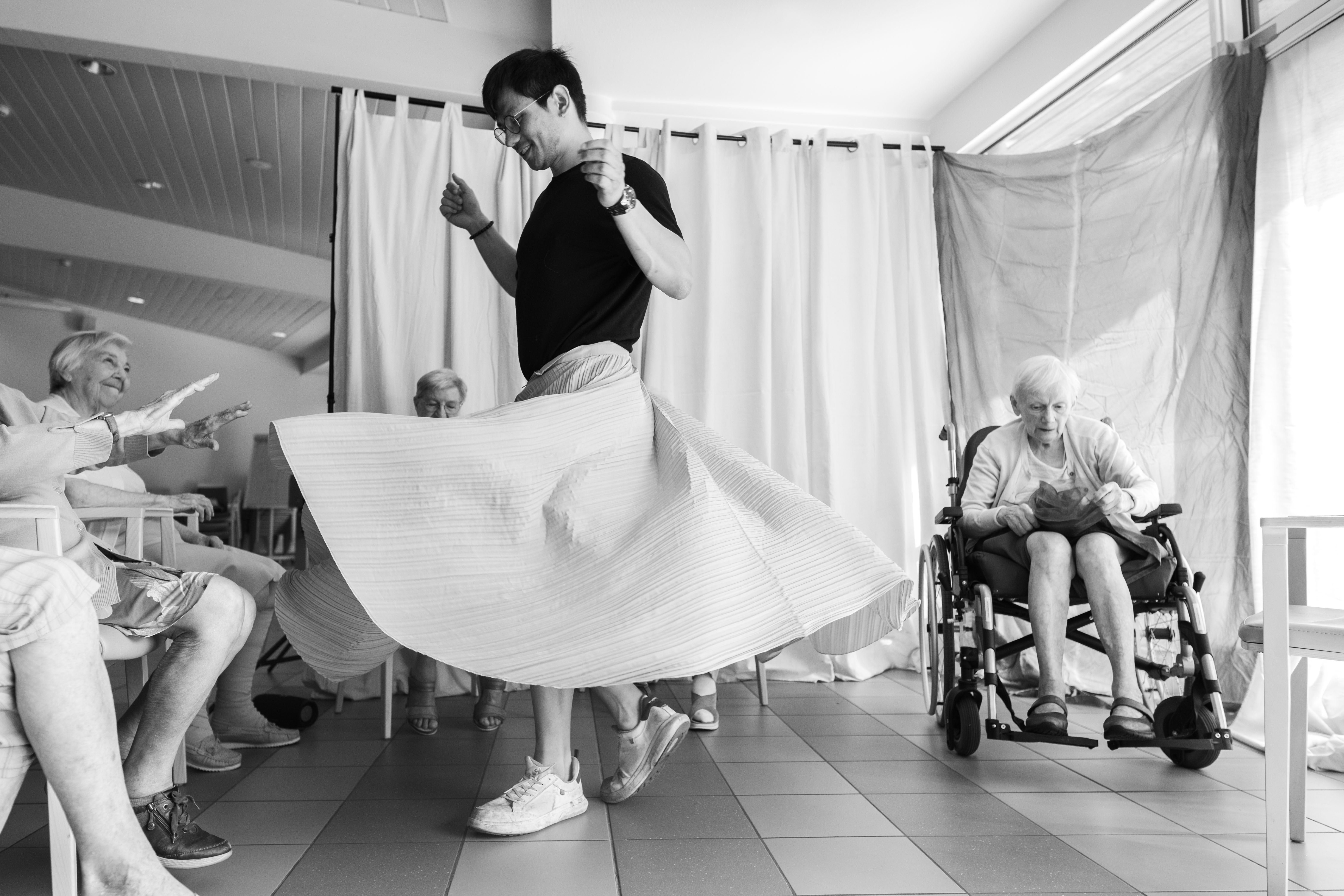
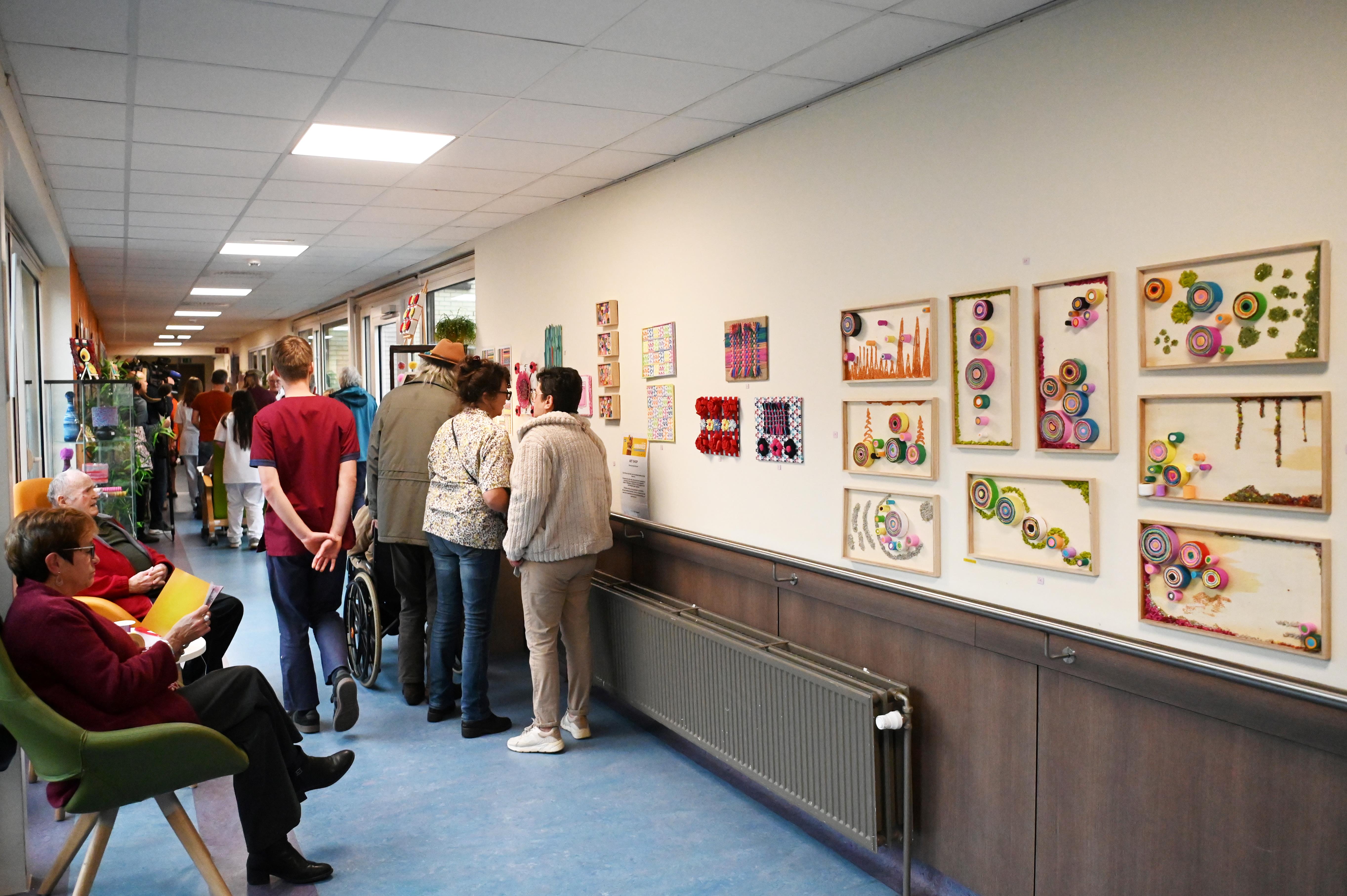
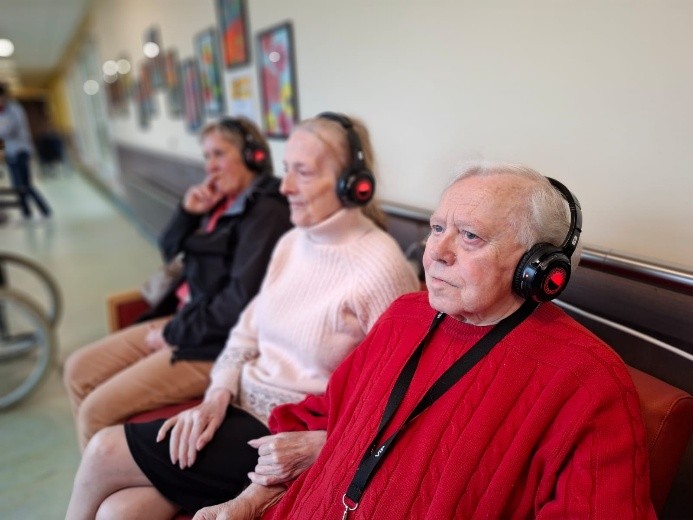
The impact is visible on several levels. Institutionally, the project encourages a more reflective care culture. Socially, the care home opens to the neighbourhood and city, presenting residents as creative actors. Spatially, everyday care environments gain new meaning as living rooms become stages and corridors exhibition routes.
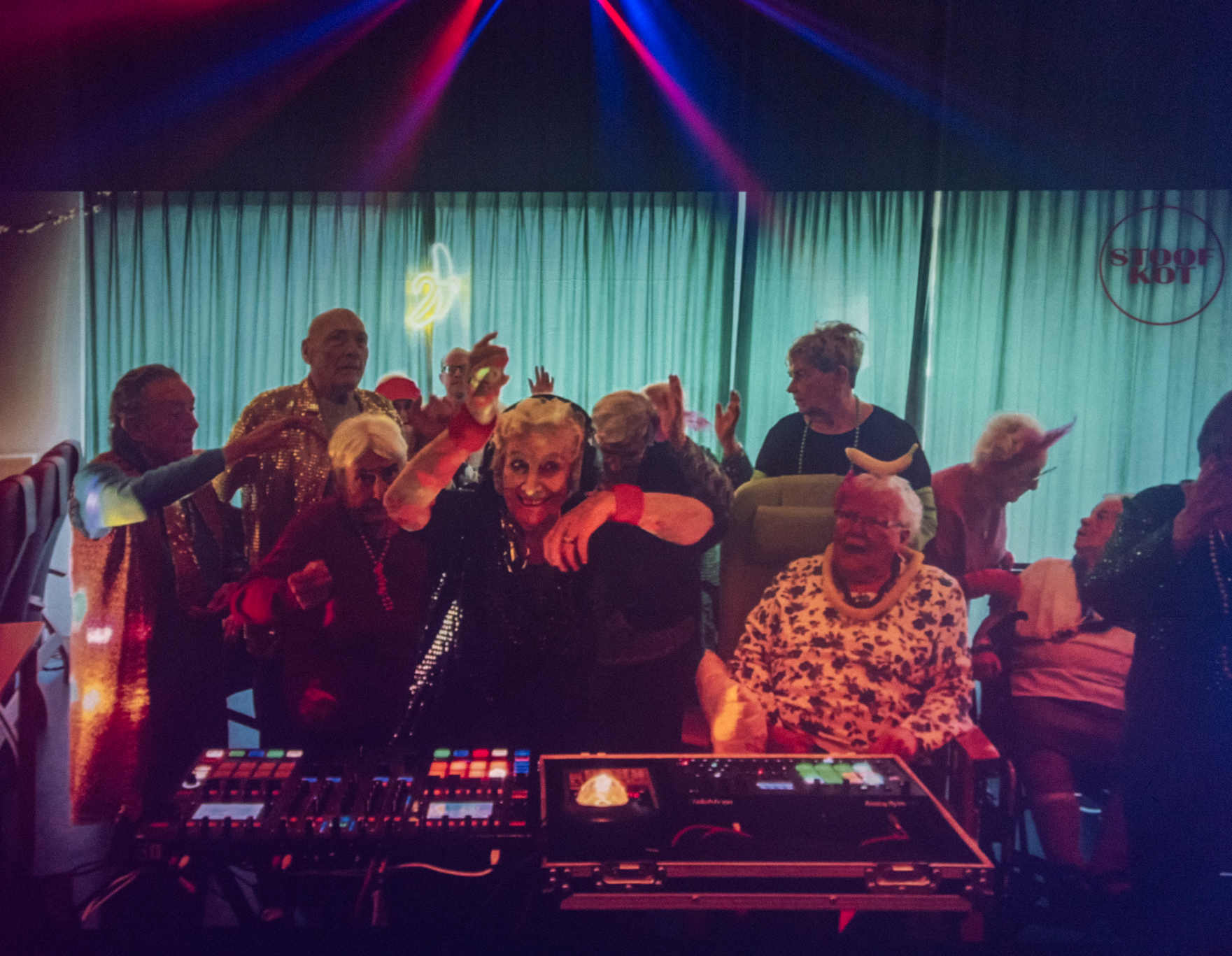
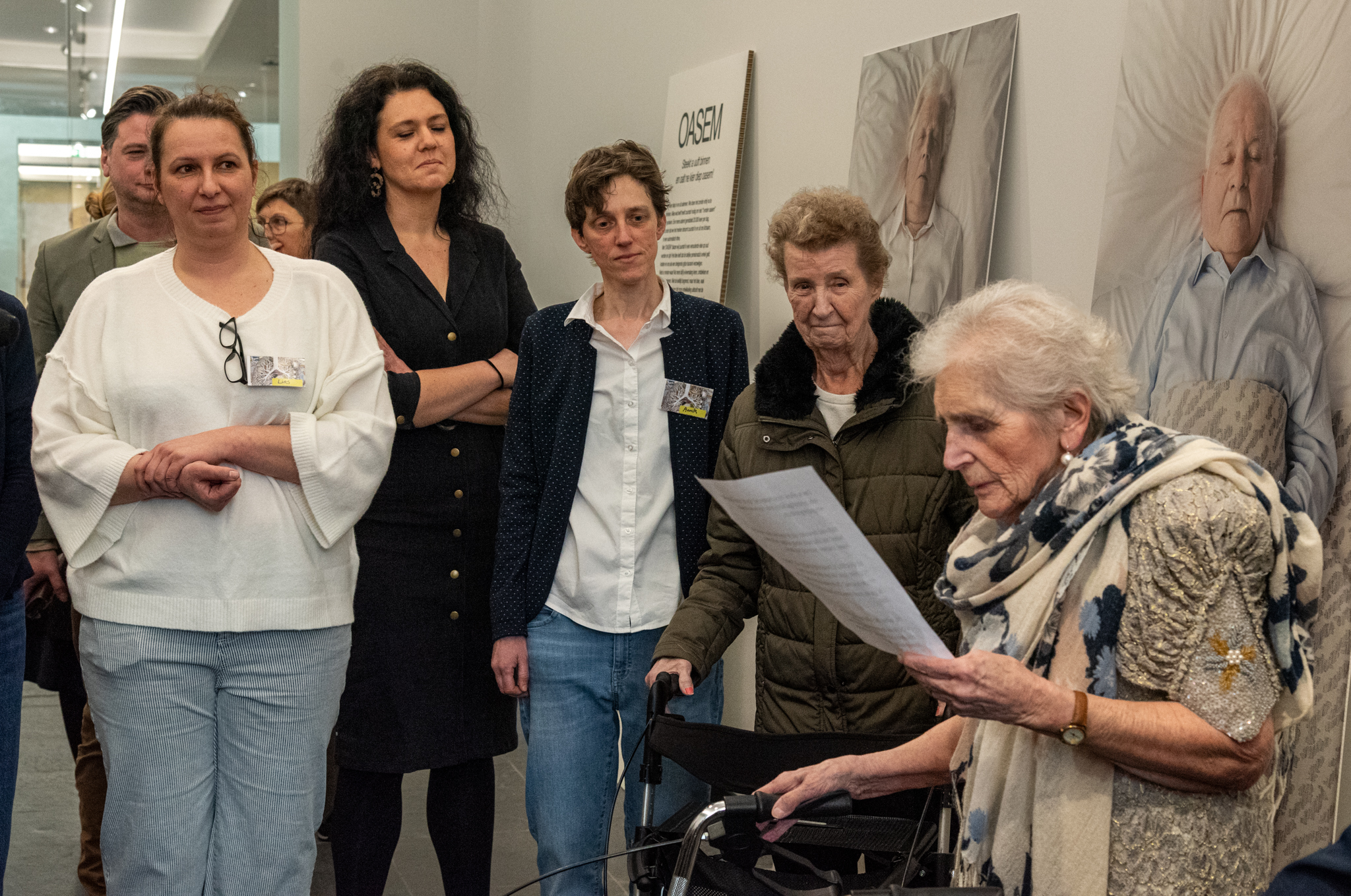
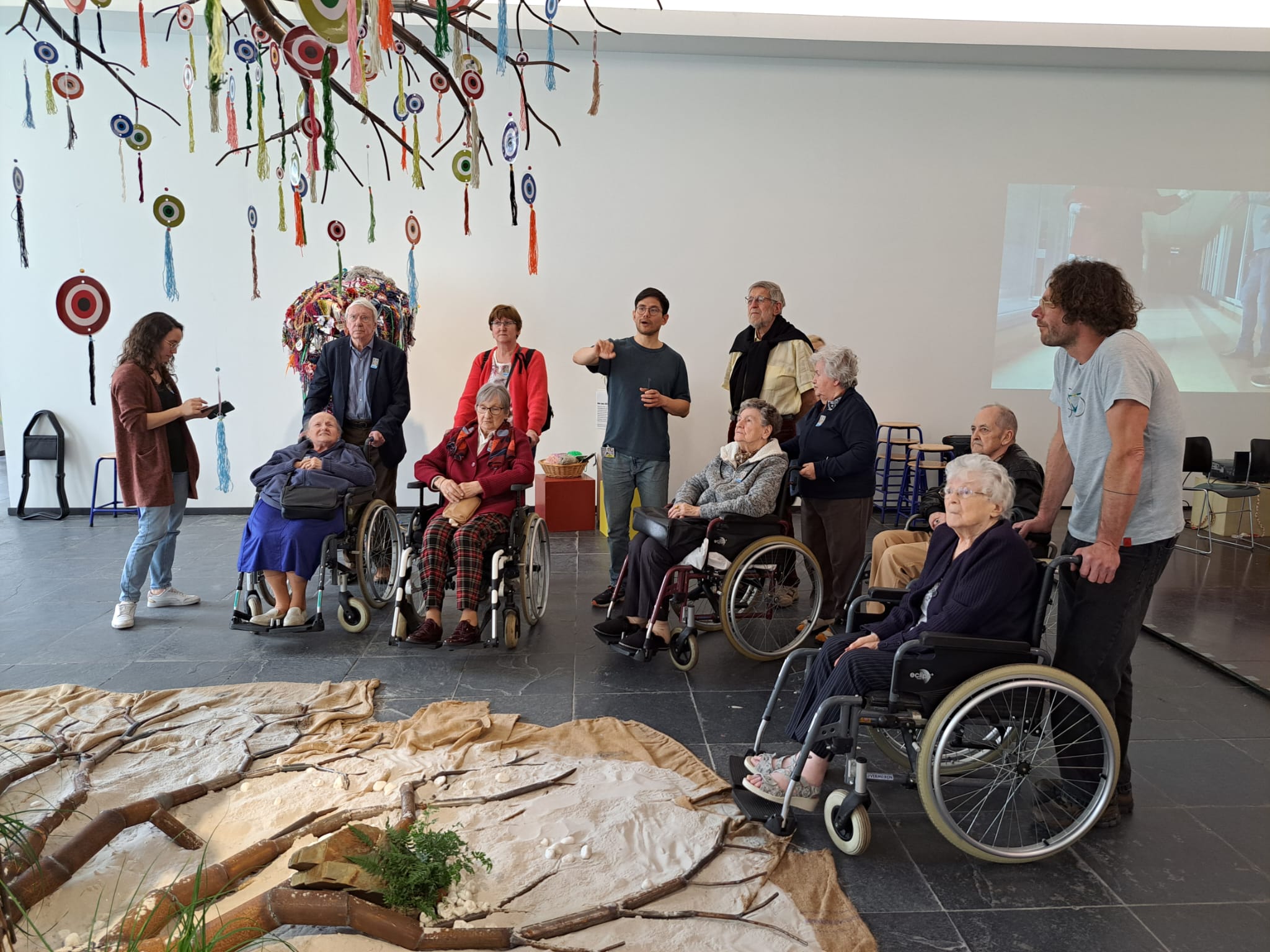
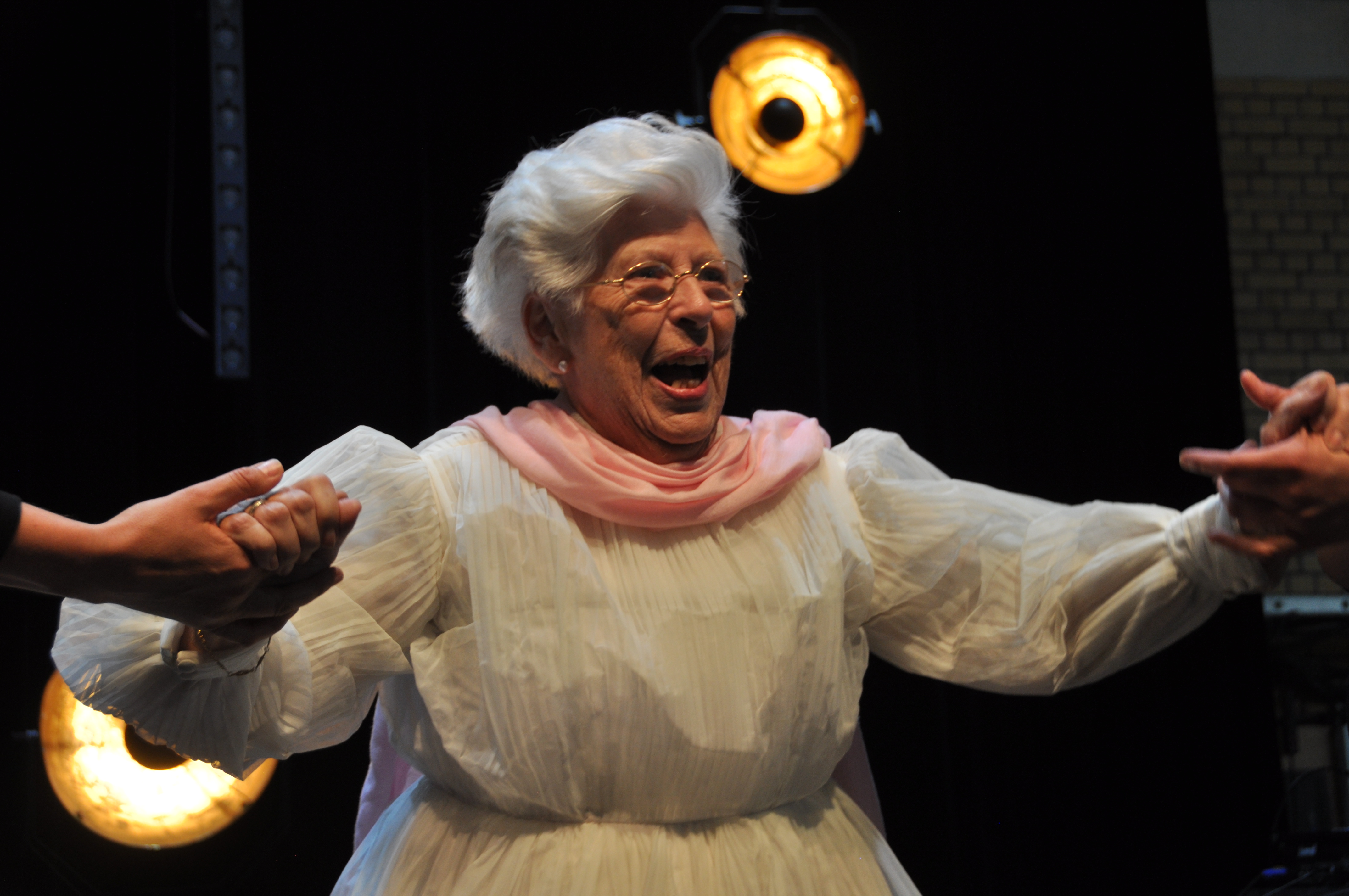
Residents presented work in Oasem at S.M.A.K. Ghent (1000+ visitors). The final Unboxed performance welcomed 800 visitors, while a techno track created with residents reached 1.4 million views online, attracting international media attention.
Supported by the King Baudouin Foundation, Unboxed is evolving into a transferable model for systemic change, where sustainability, inclusion and aesthetics become foundations of care.
Unboxed did not start as a policy initiative but from everyday care practice. Residents and caregivers began questioning why life in residential care homes is often organised around routines and risk management, while residents also need creativity, imagination and meaningful participation.
In 2021, the organisation appointed an in-house artist to explore how artistic practice could become part of daily care. Together with residents, families, volunteers and staff, a new vision was developed and formally embedded in 2023, positioning art as a structural element of the organisation.
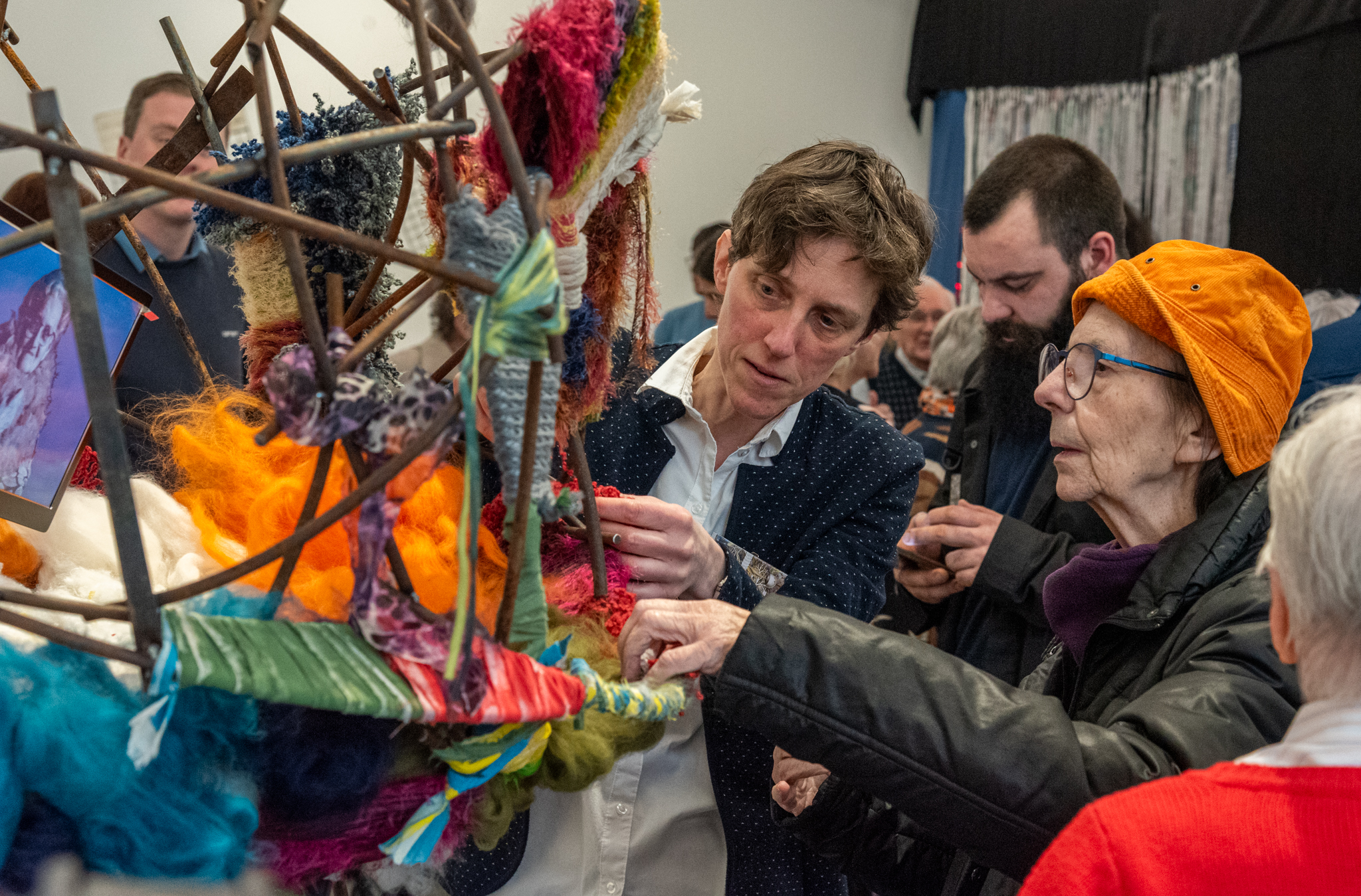
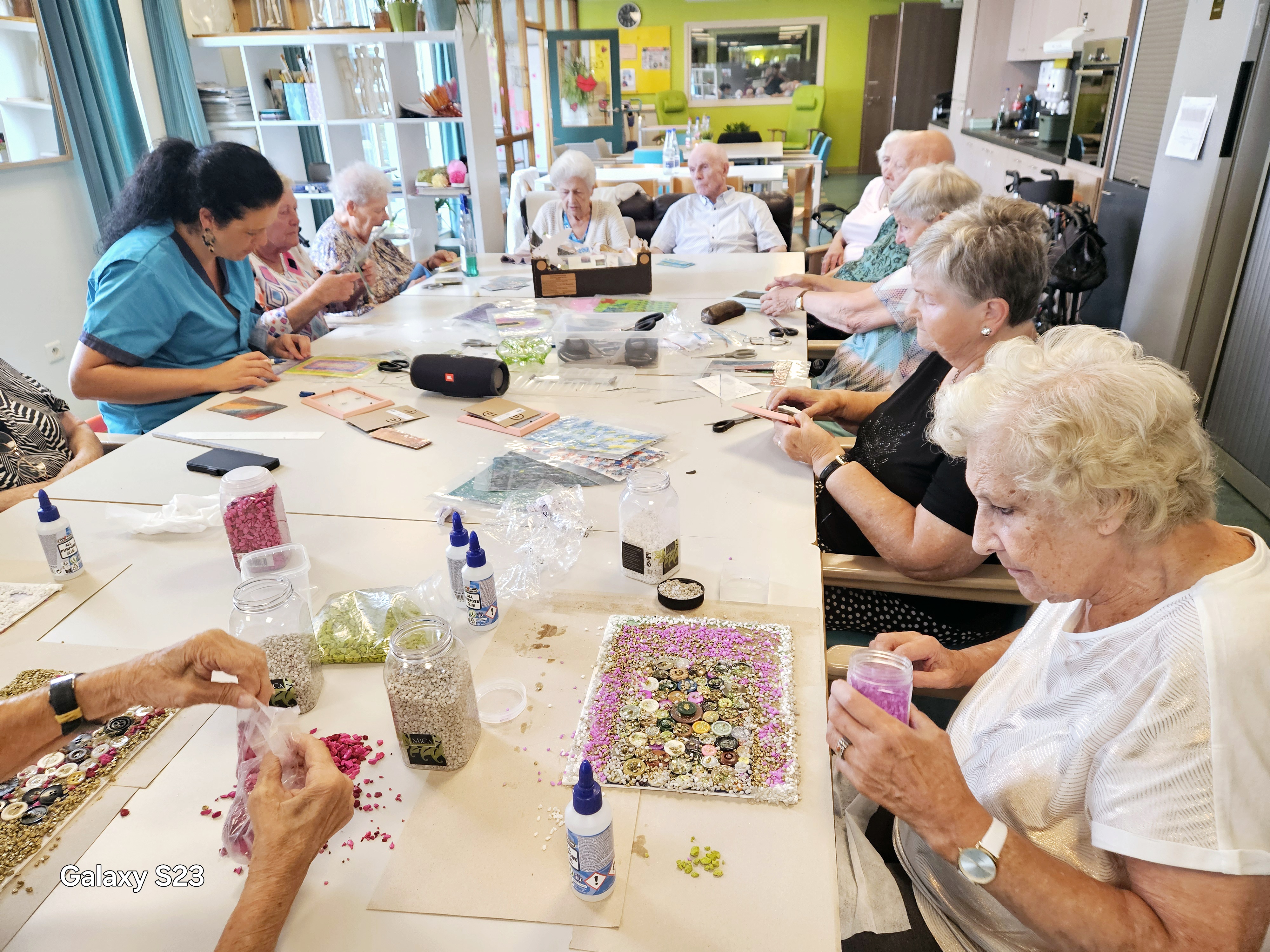
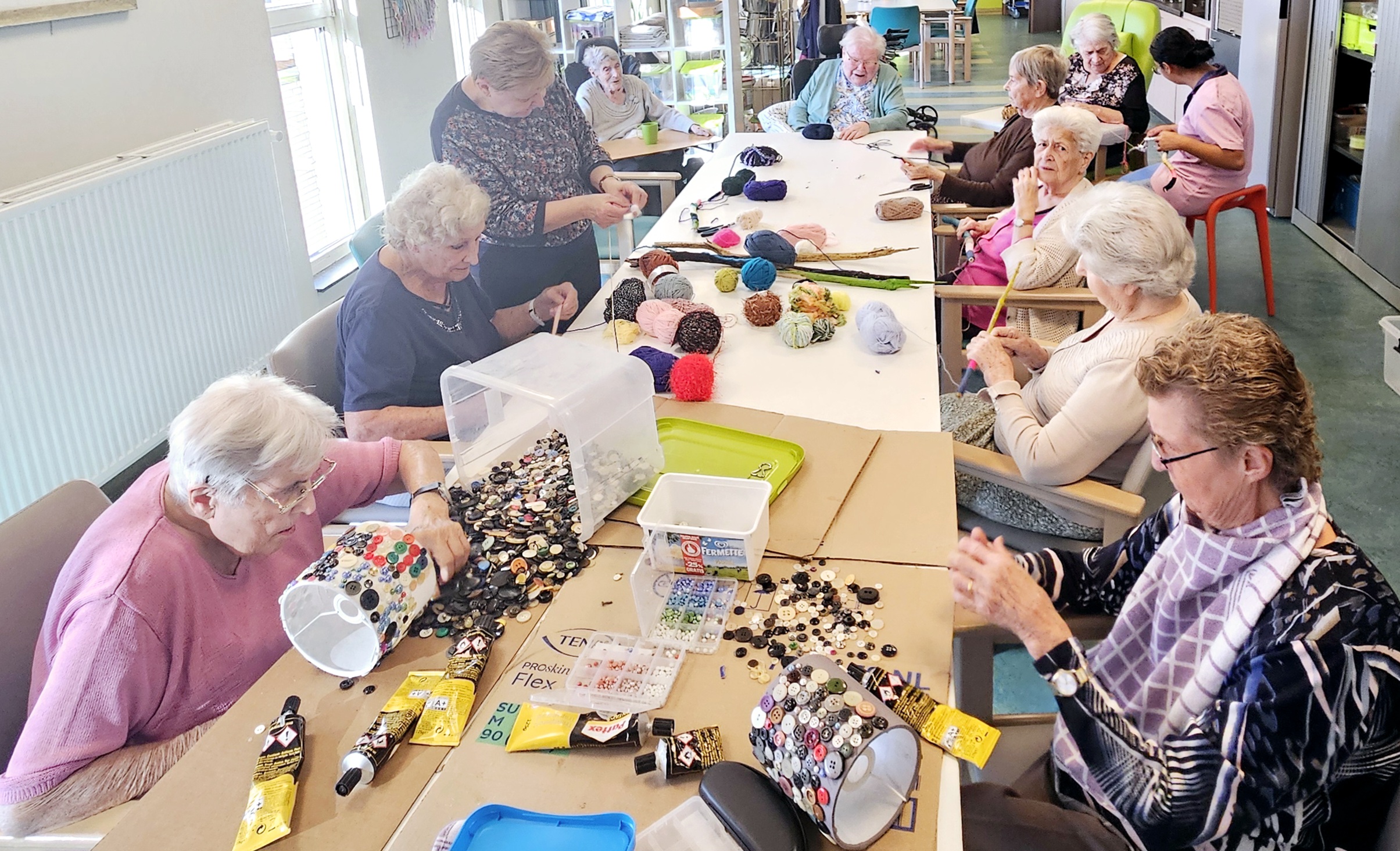
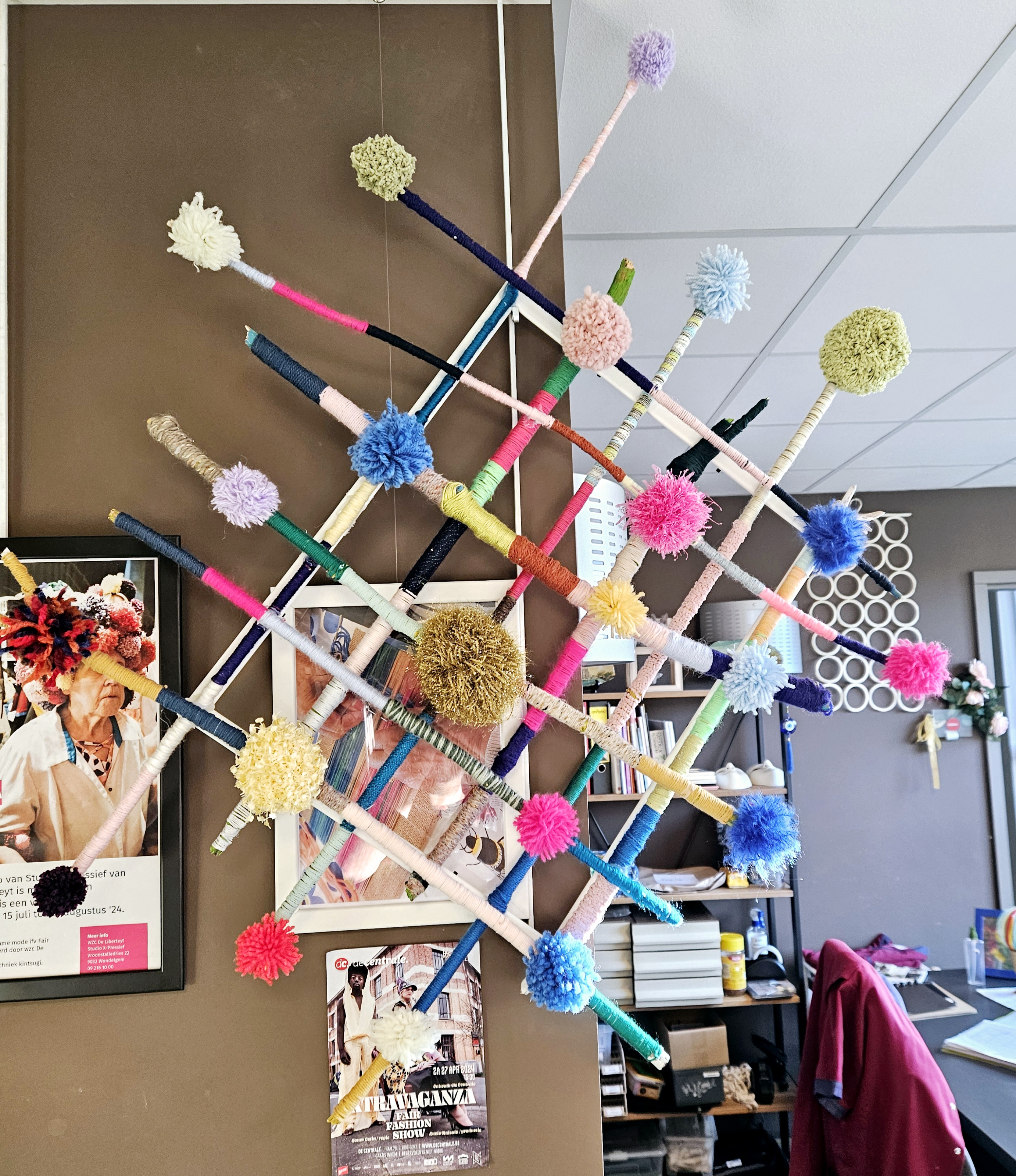
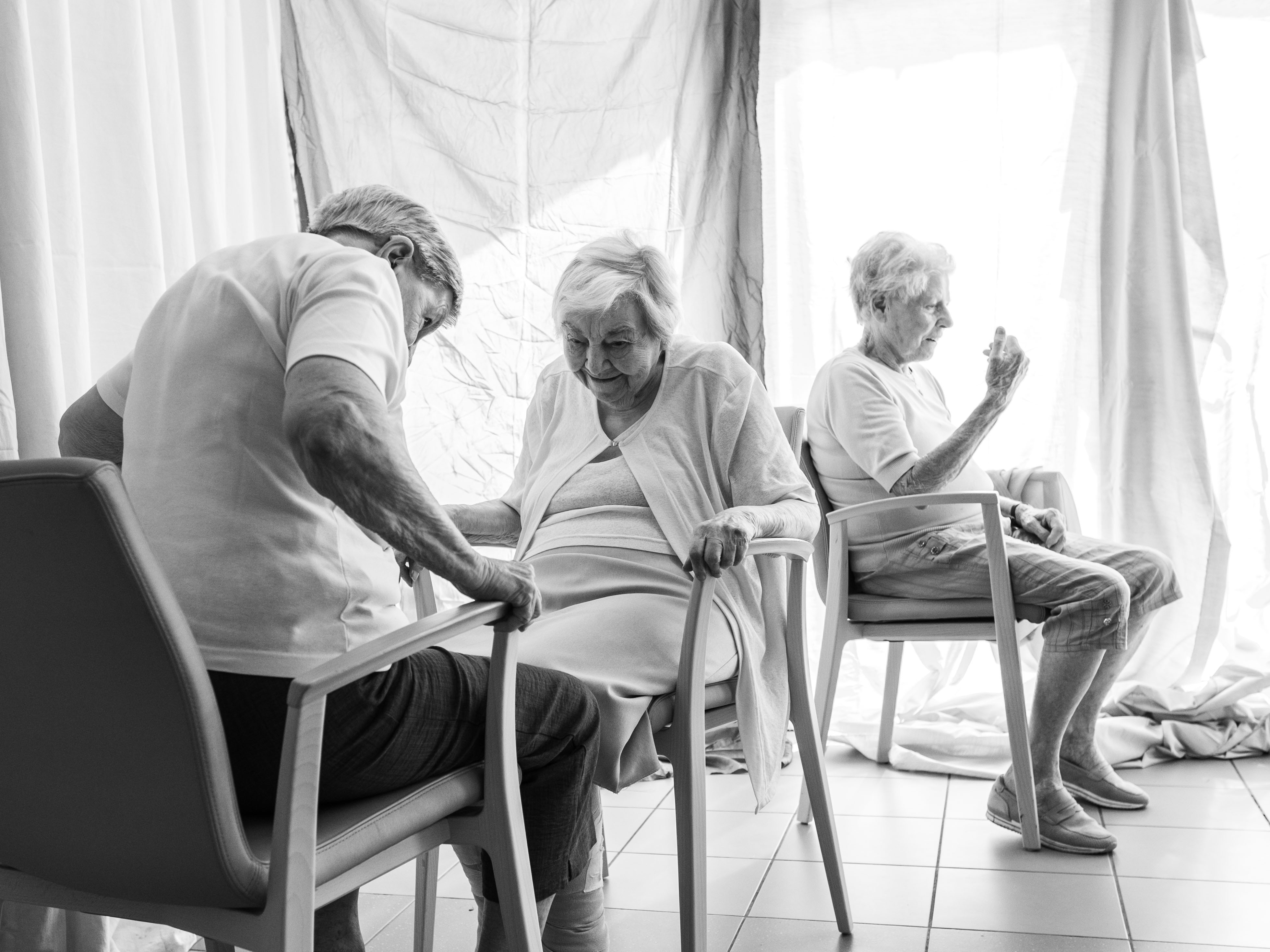
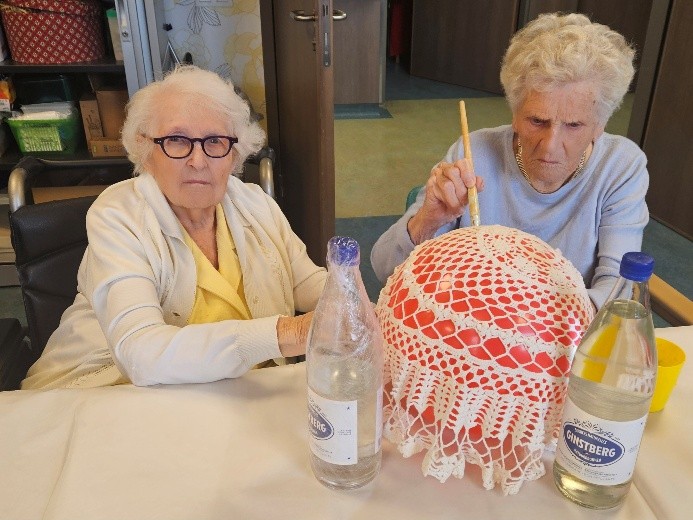
The first projects were small and exploratory. Artists spent time in the care home, listening to residents’ stories and observing daily rhythms. Gradually, artistic processes became intertwined with everyday life. Conversations at the table evolved into performances, shared memories became installations and living spaces turned into places for artistic creation.
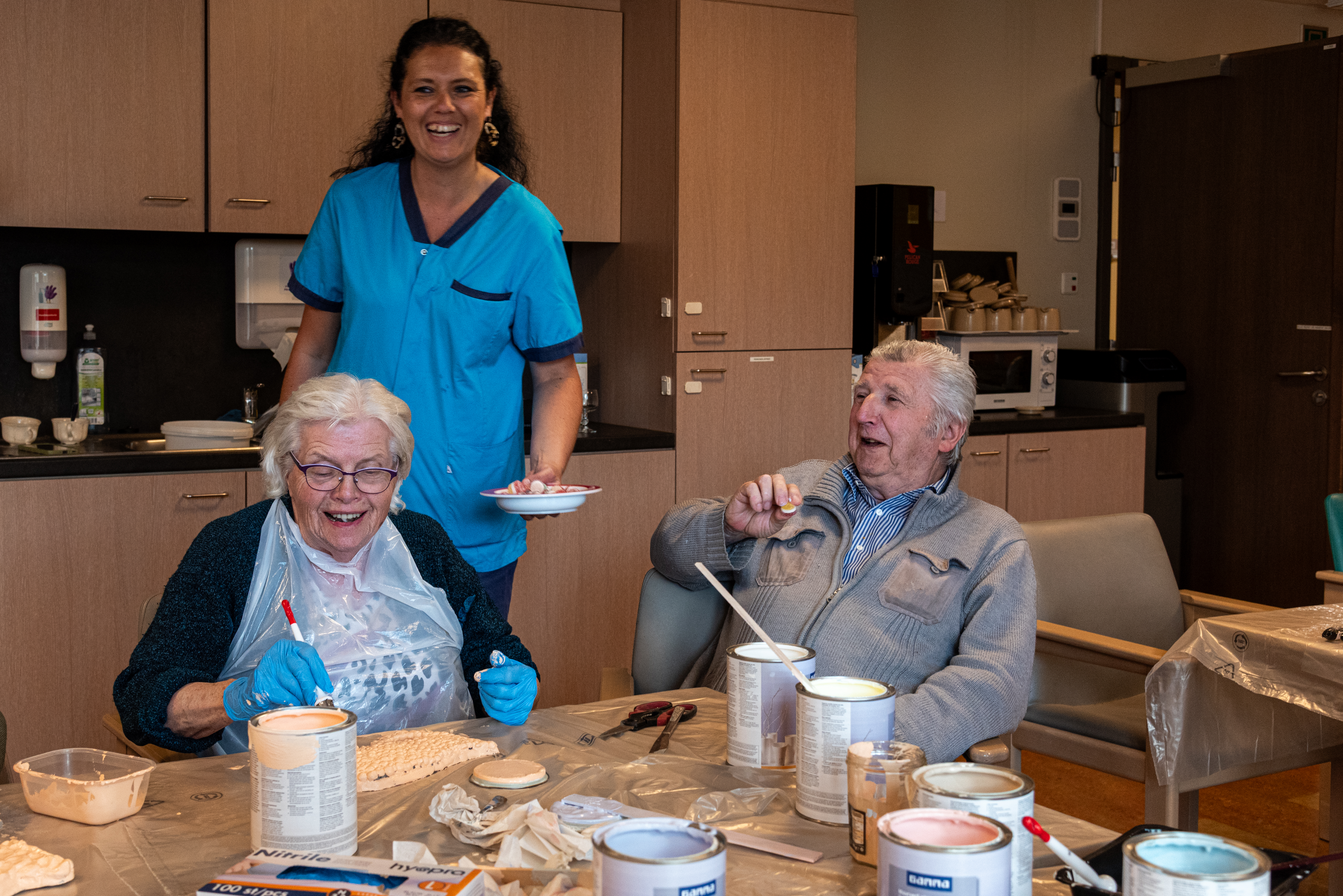
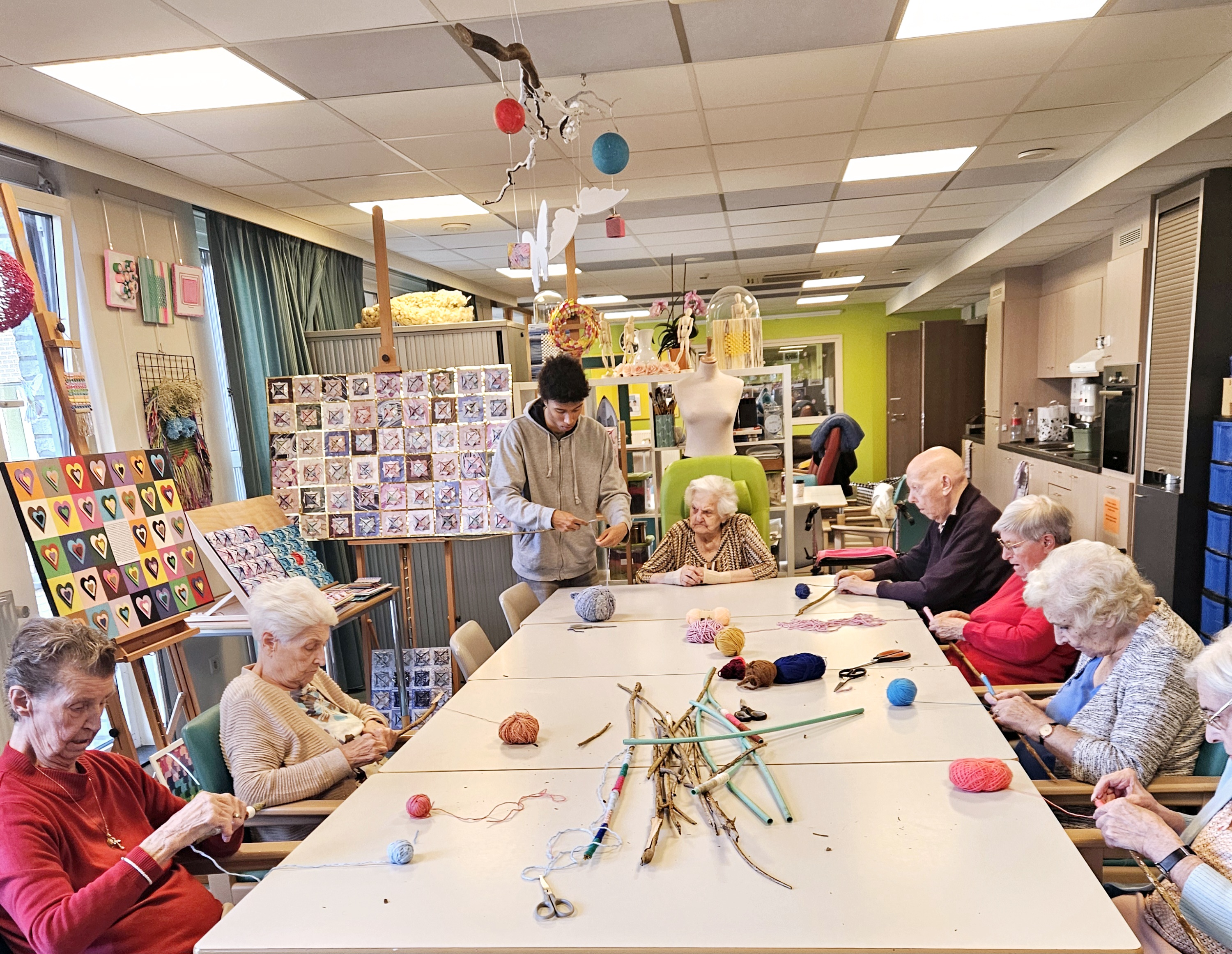
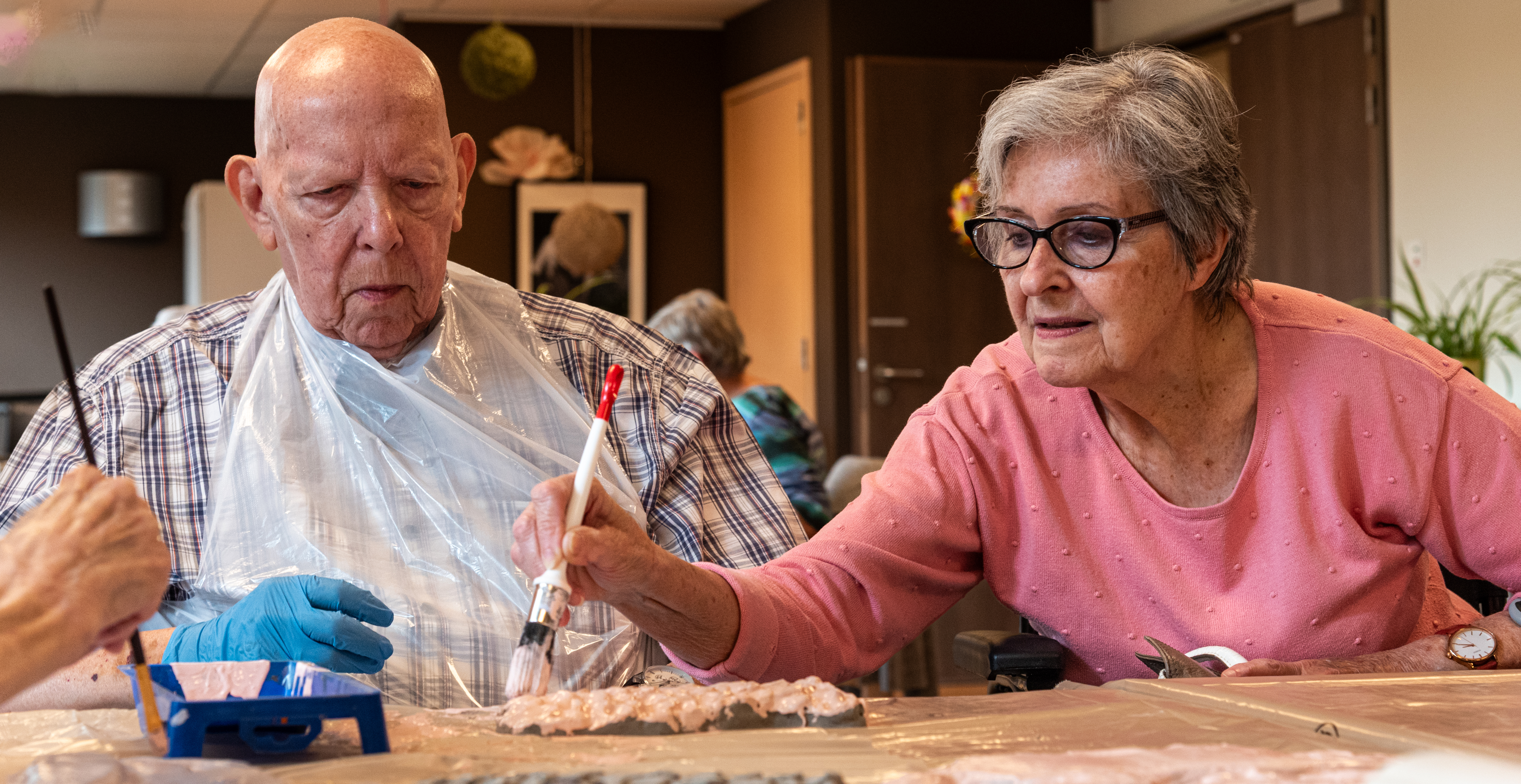
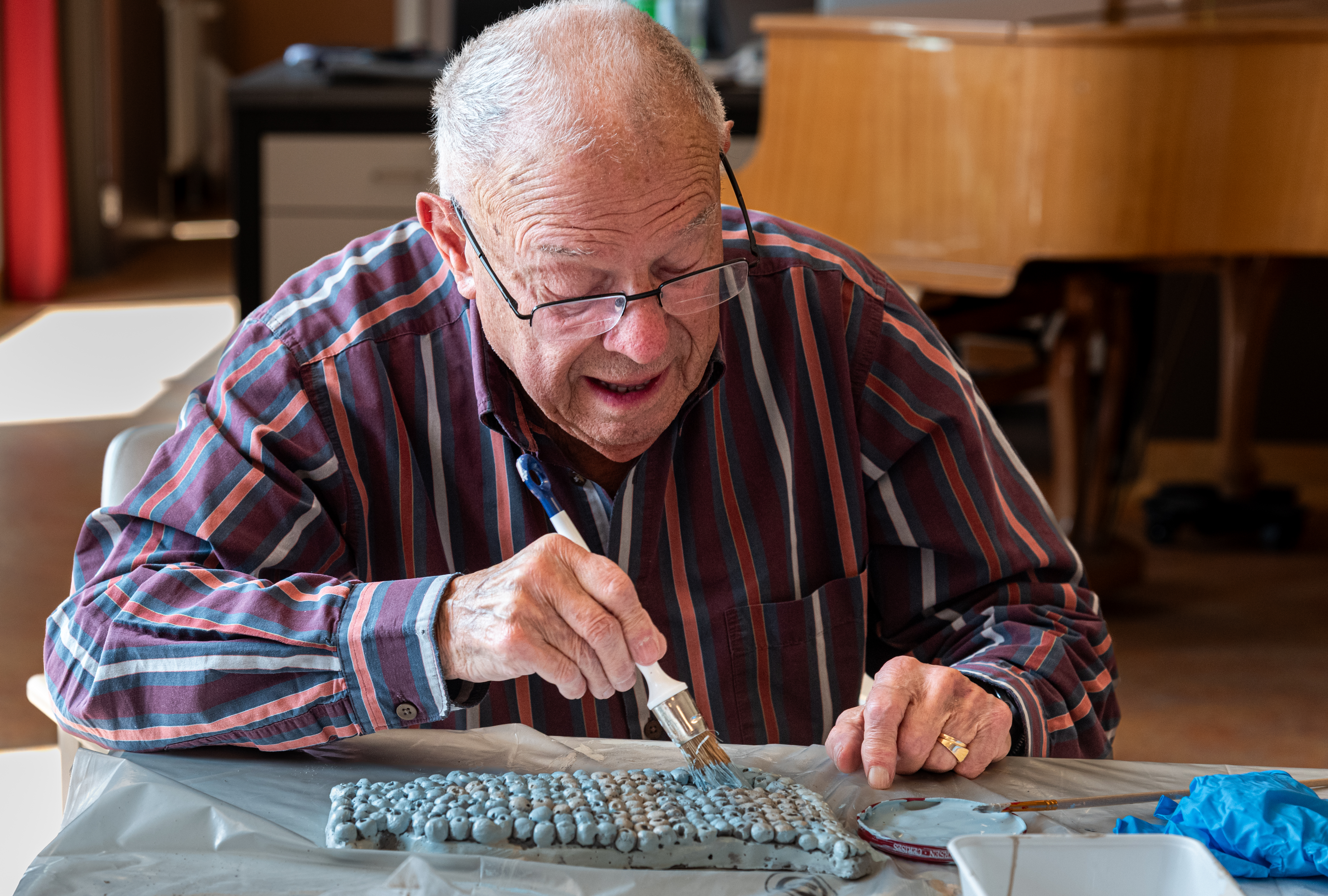
Since 2023, several permanent art ateliers have been established in the care home, allowing residents to participate regularly in creative processes. The artistic platform K4TRE, now active for two years, connects the care home with artists, local businesses, cultural organisations, schools and academies, creating a continuous exchange between care and culture. In total, the initiative has grown into more than 20 artistic projects involving over 30 artists.
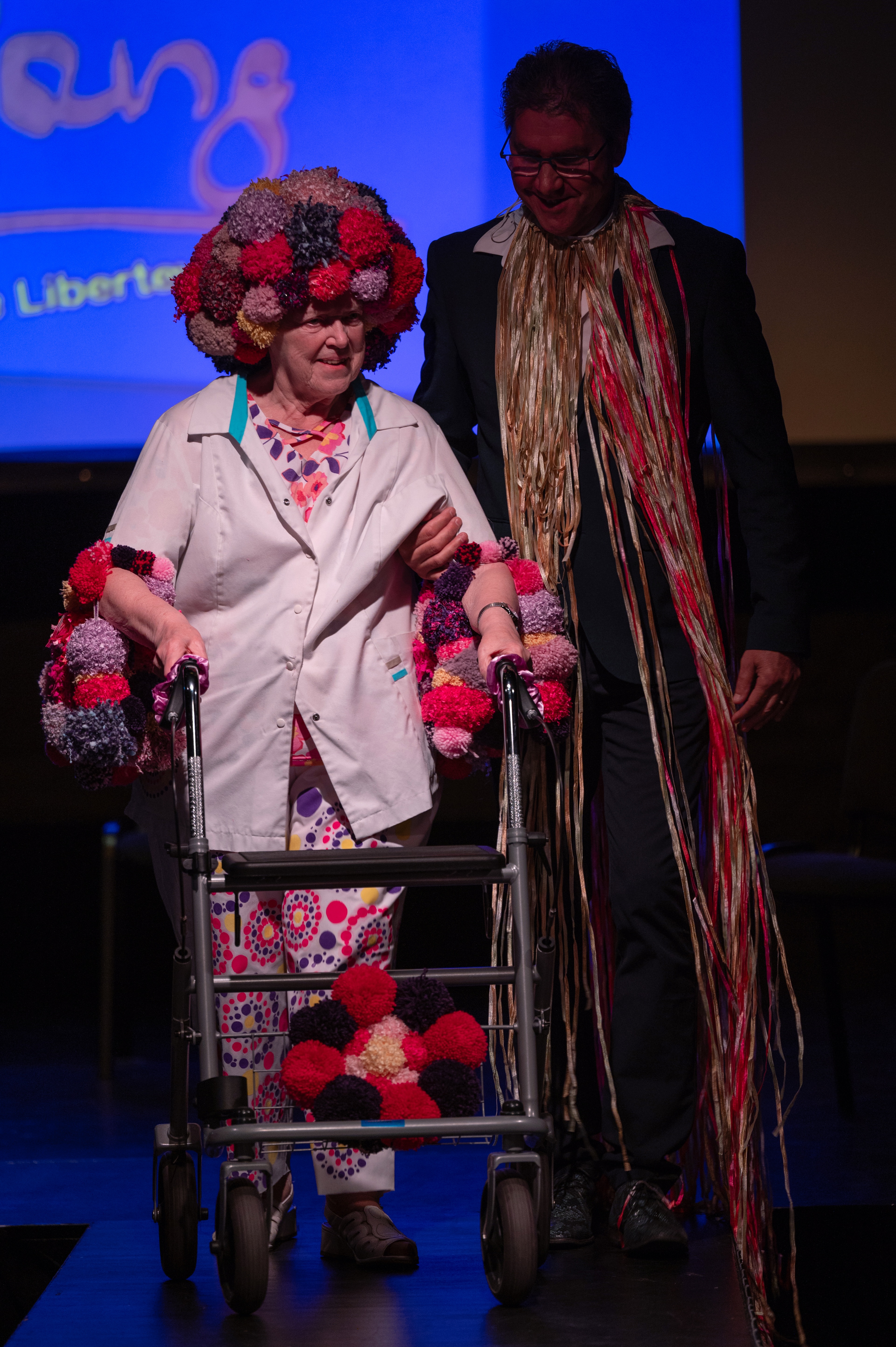
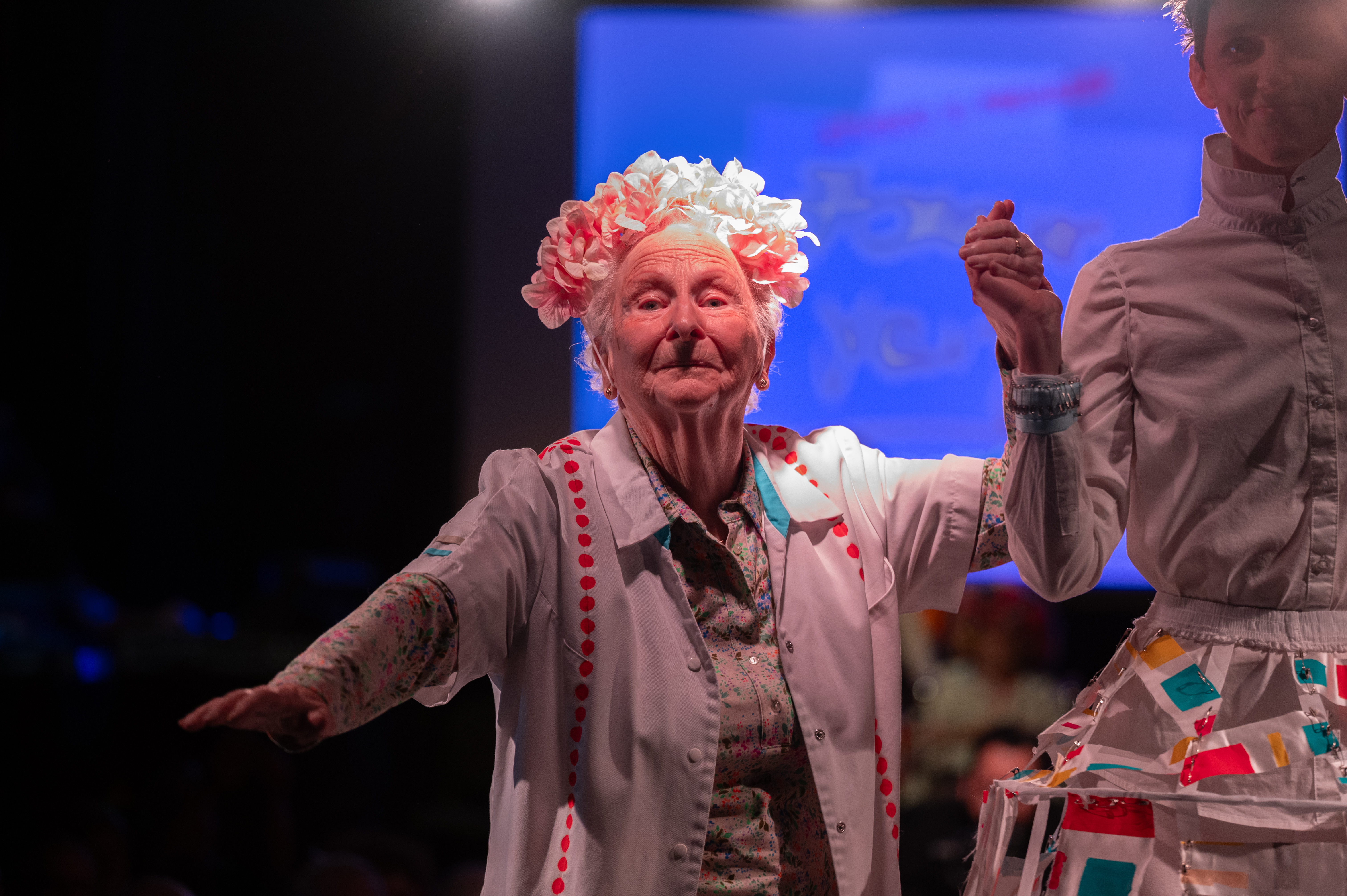
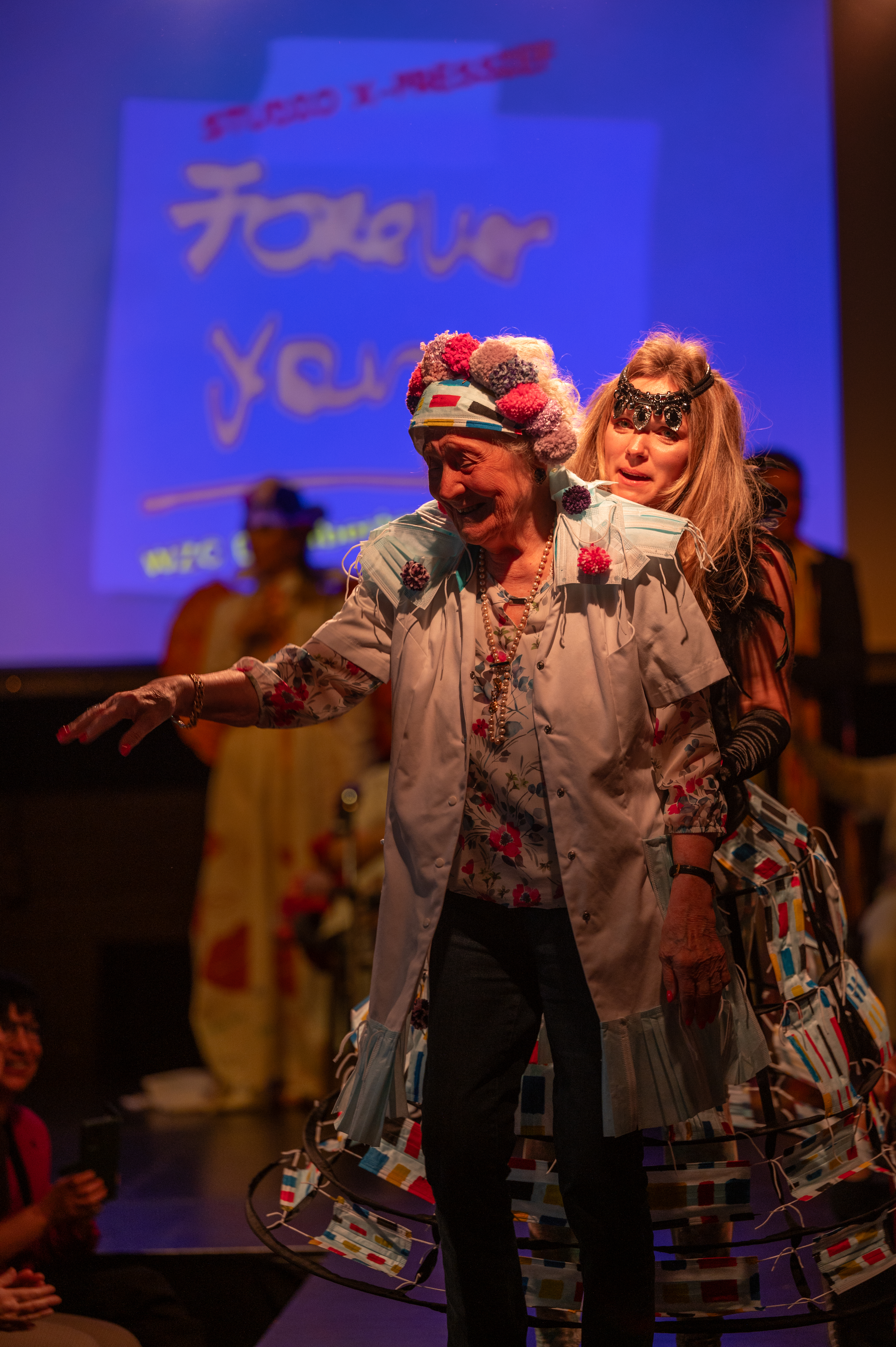
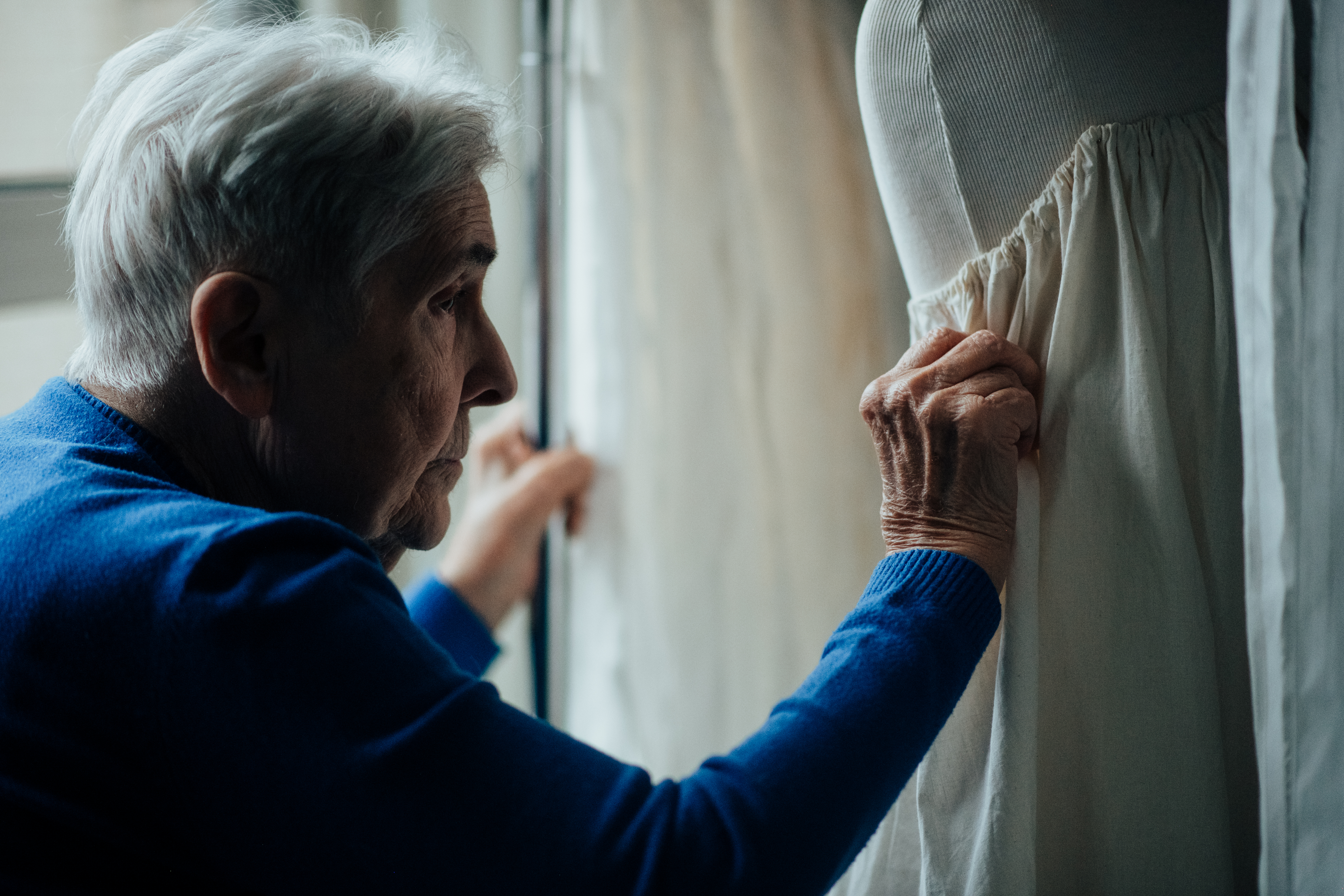
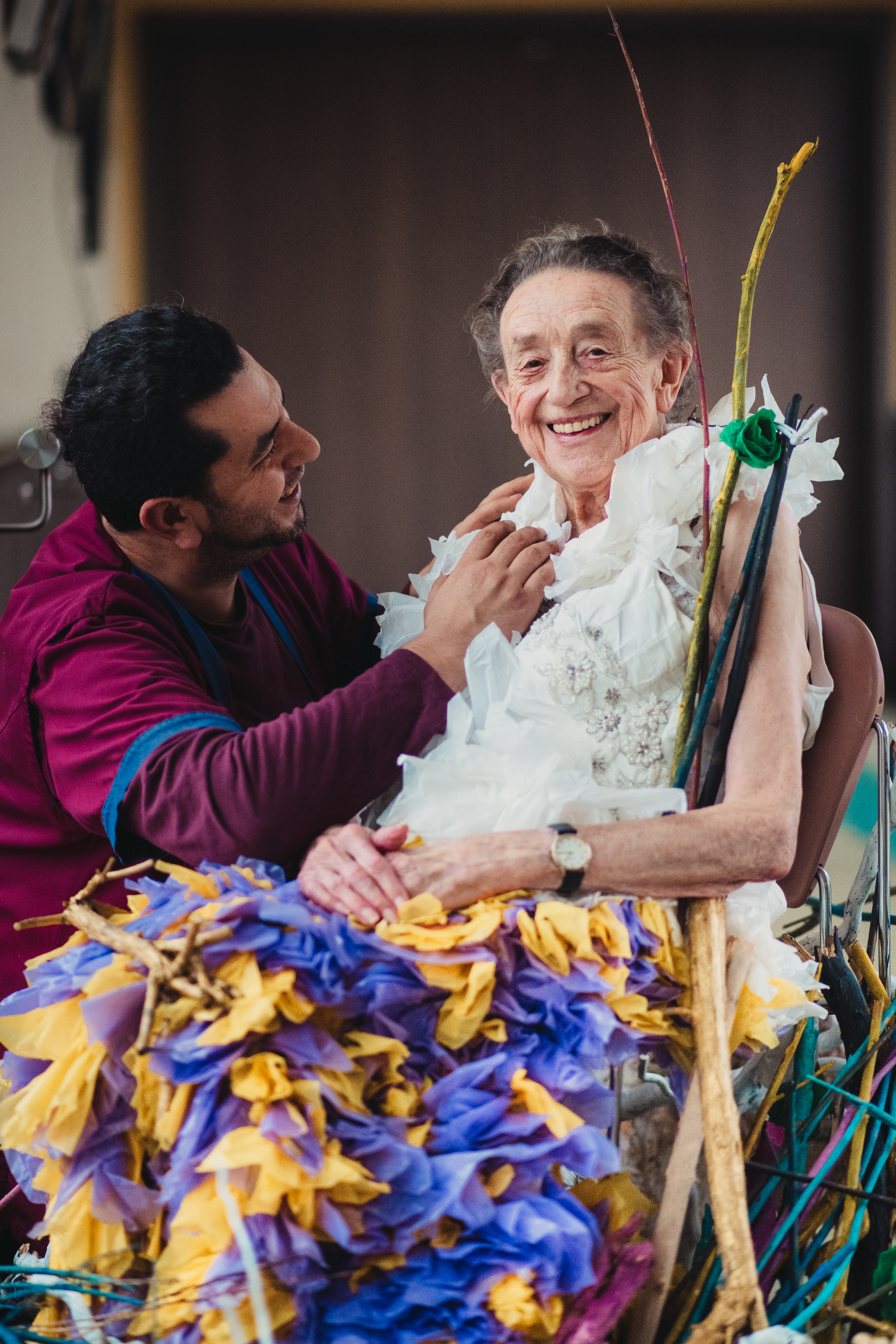
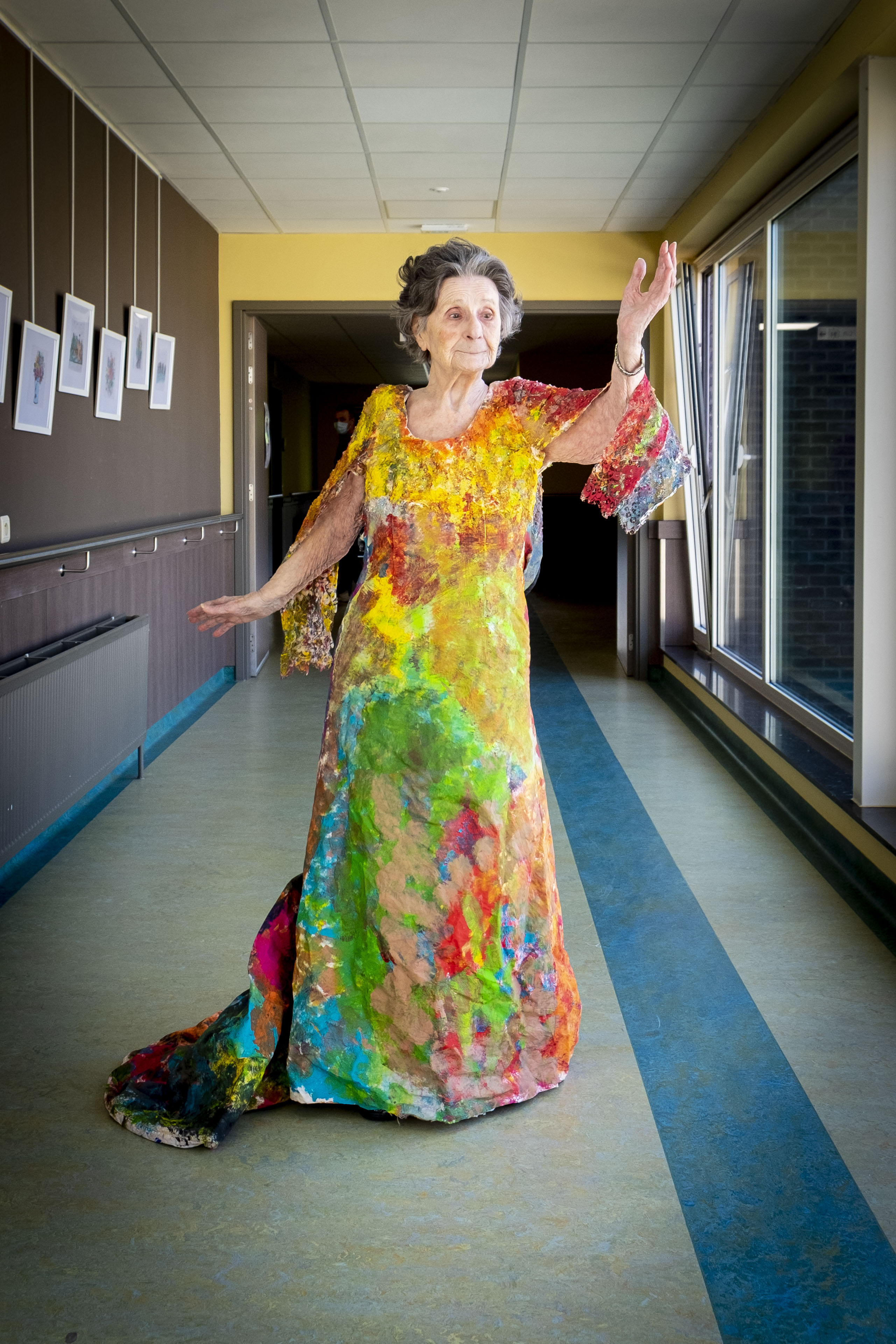
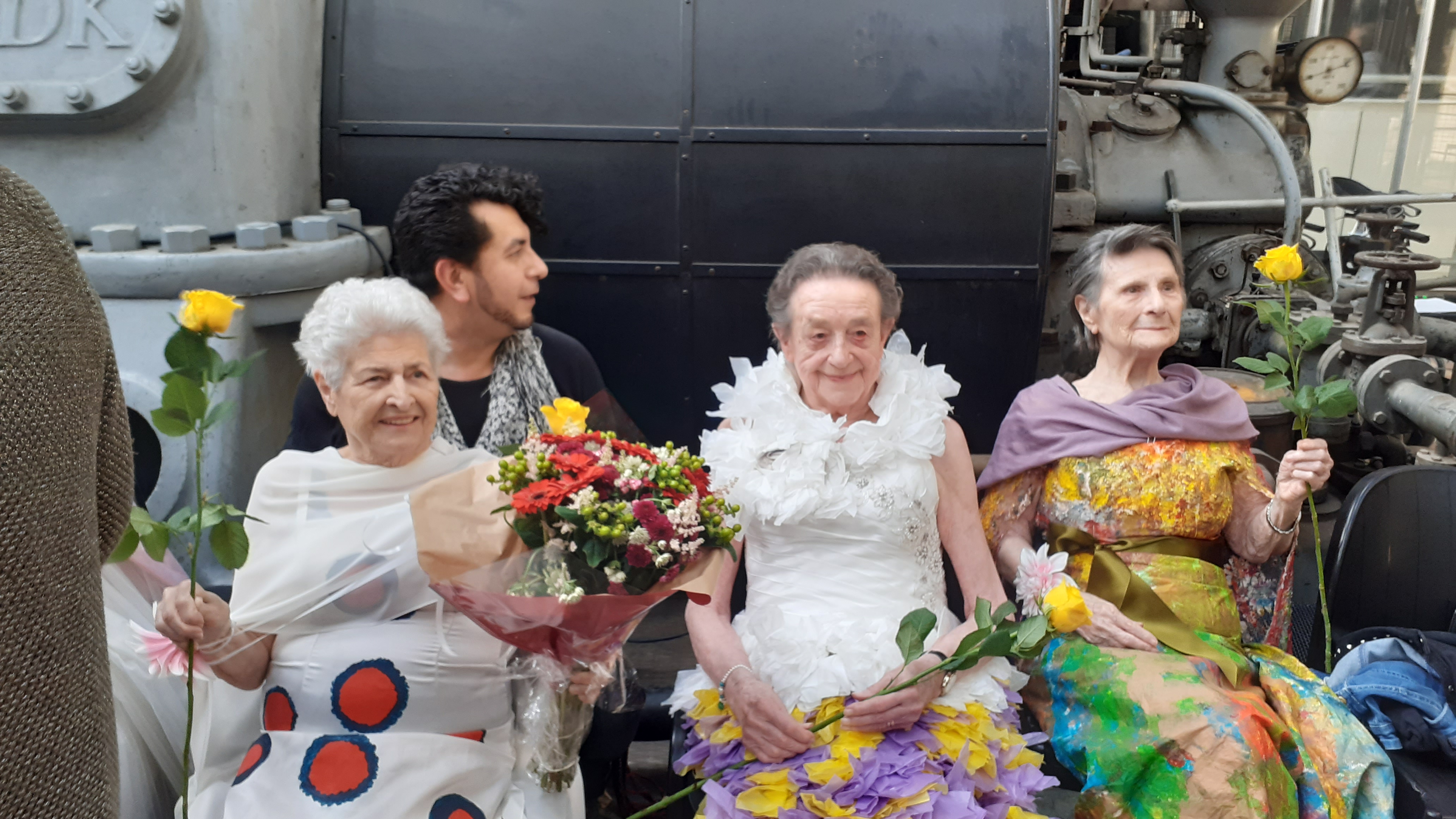
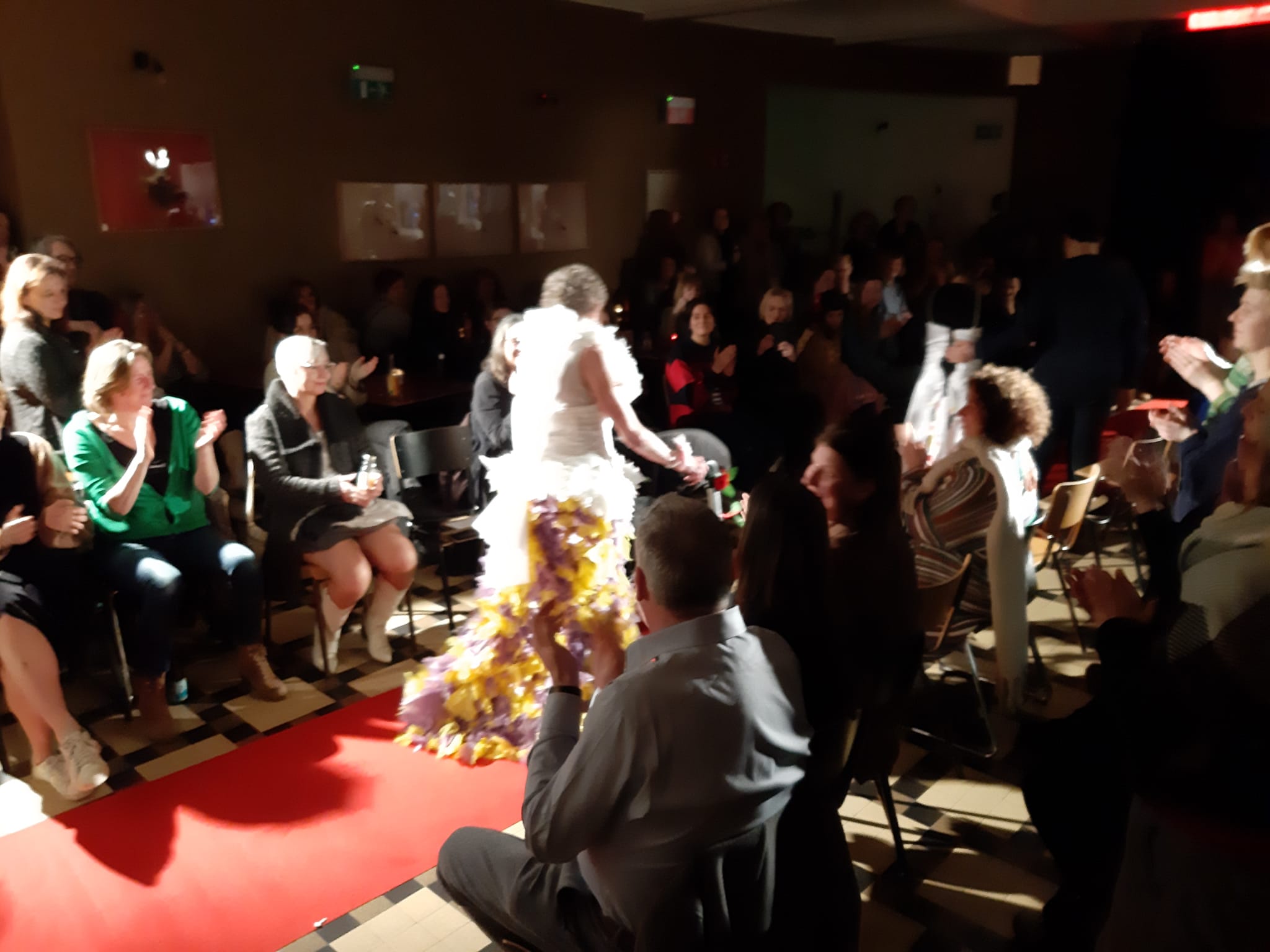
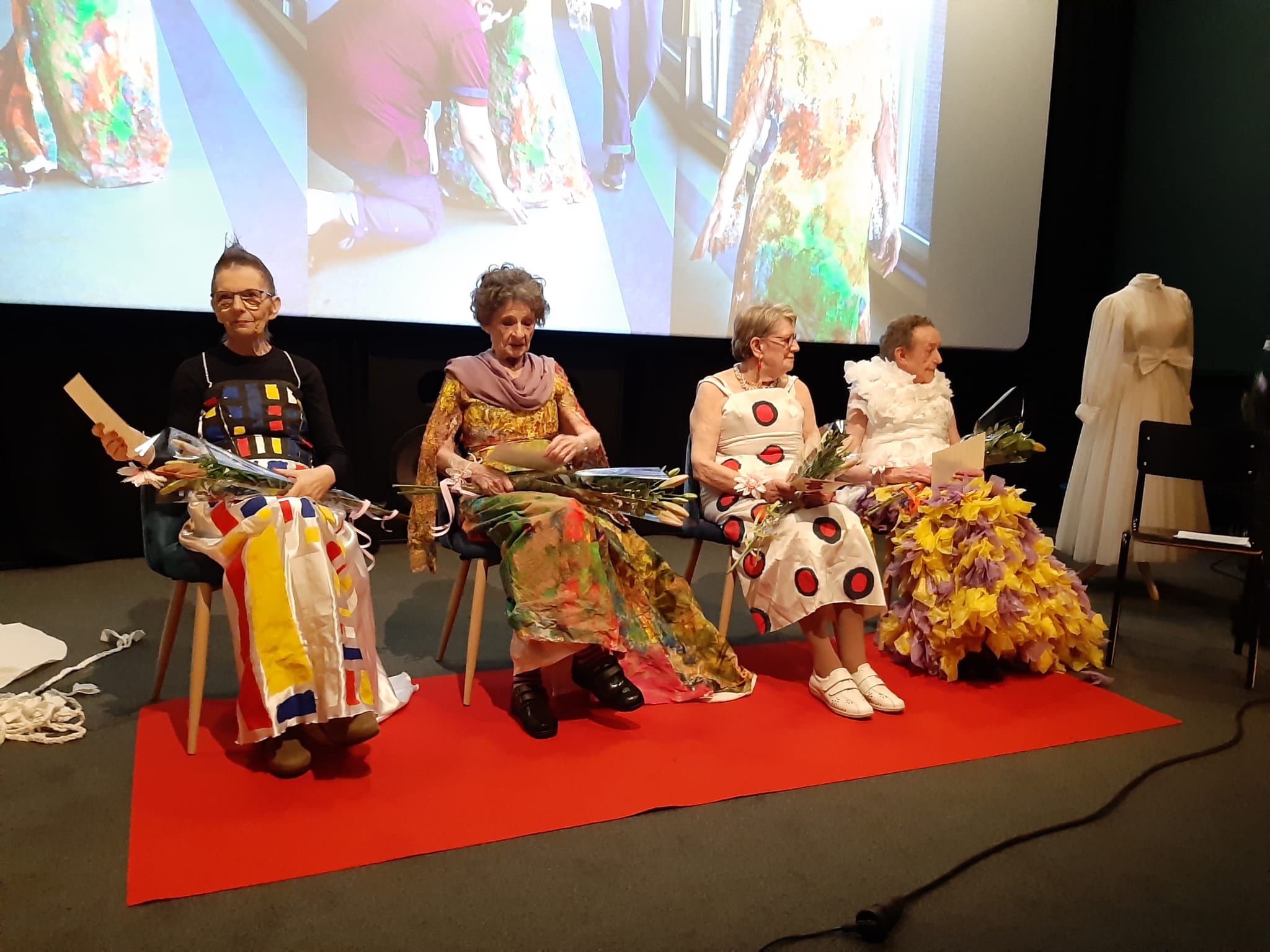
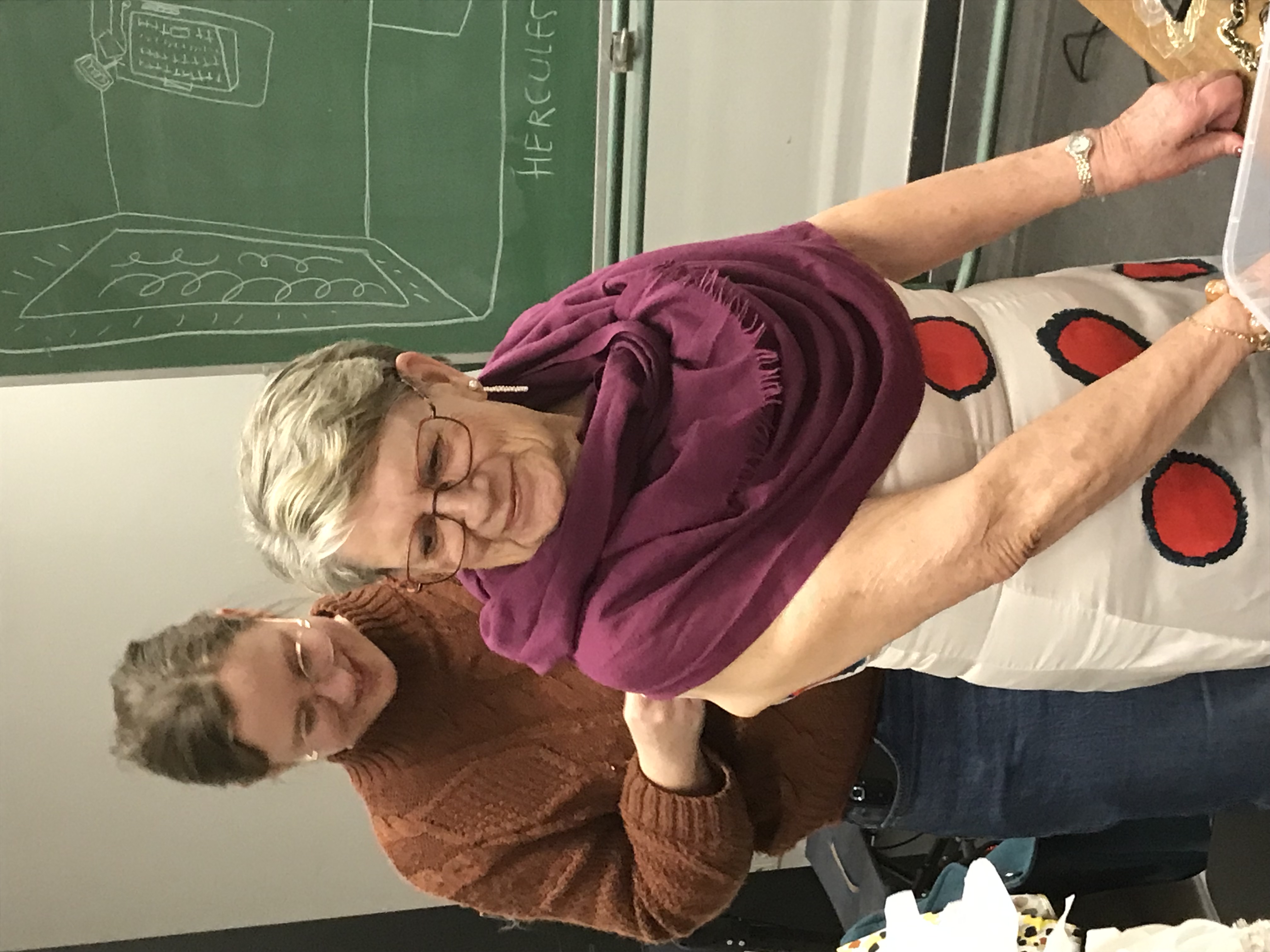
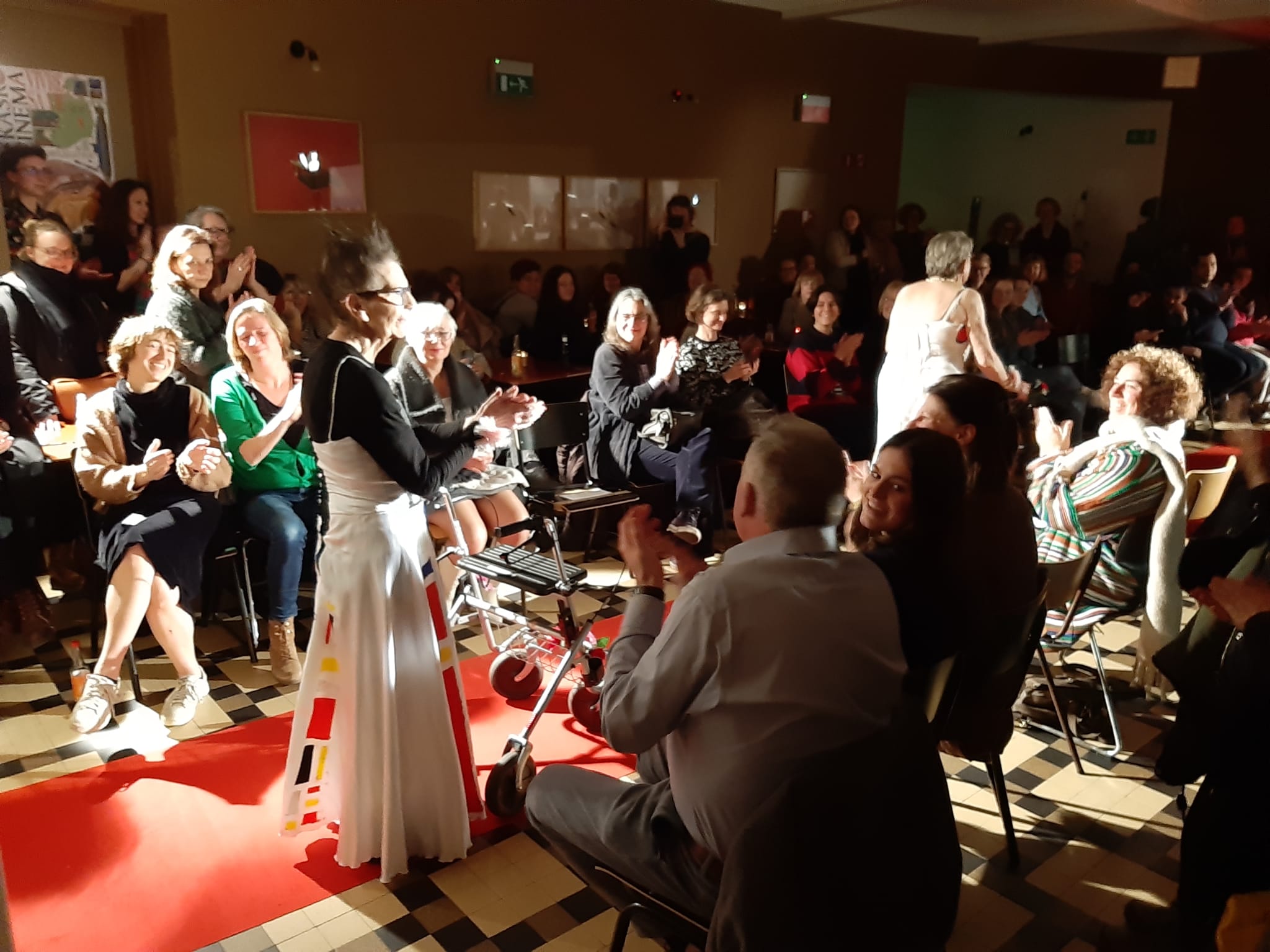
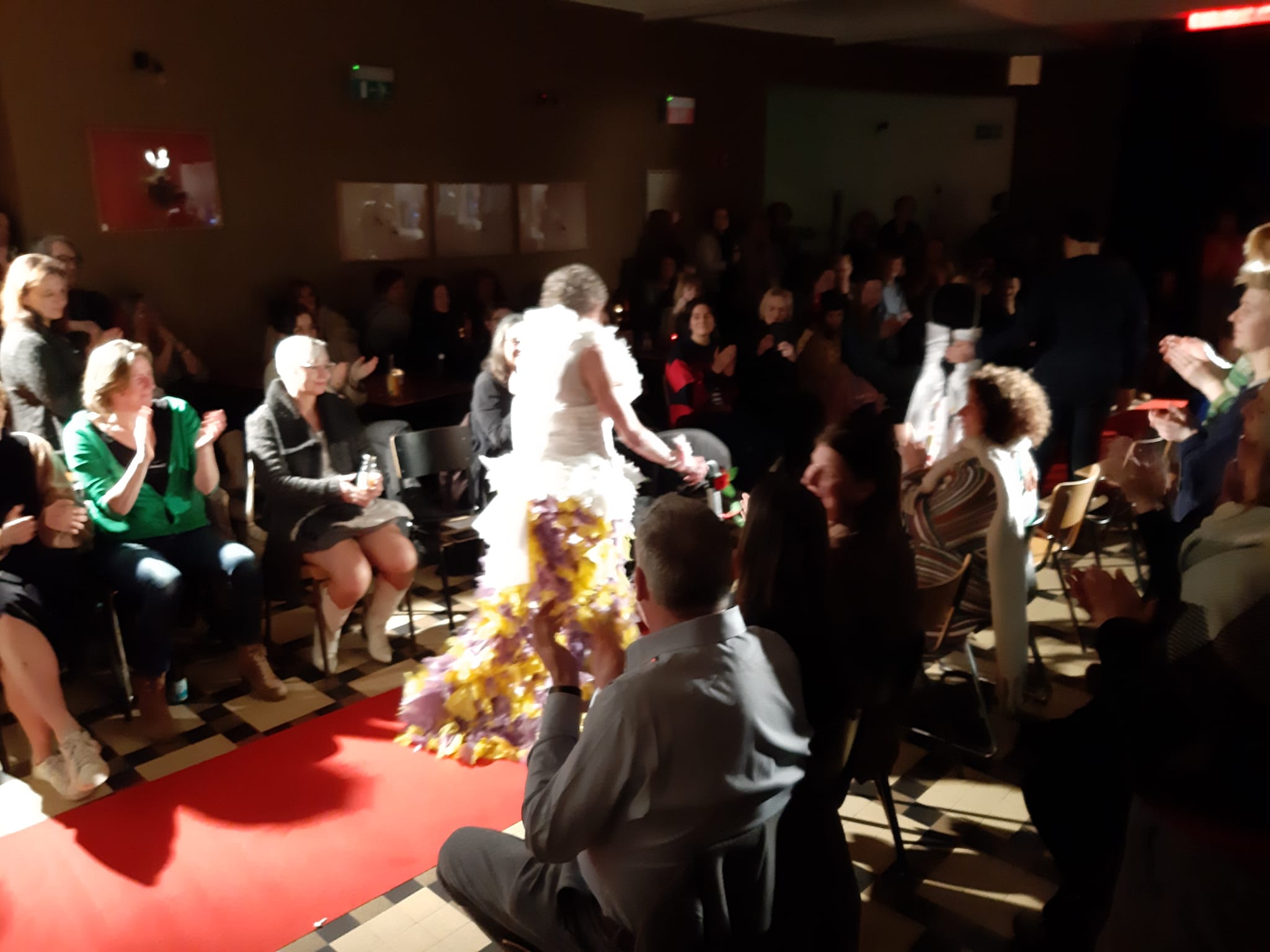
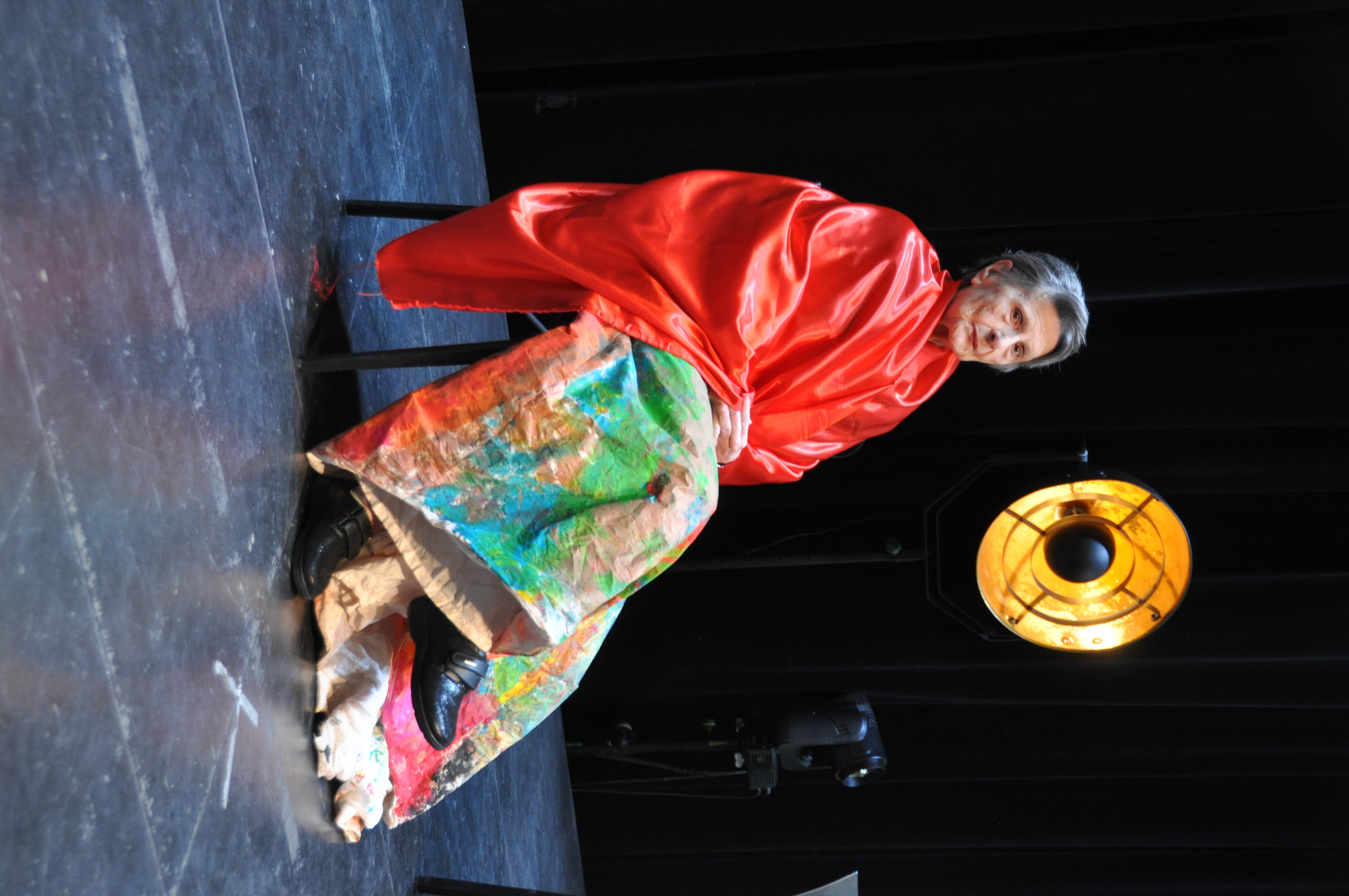
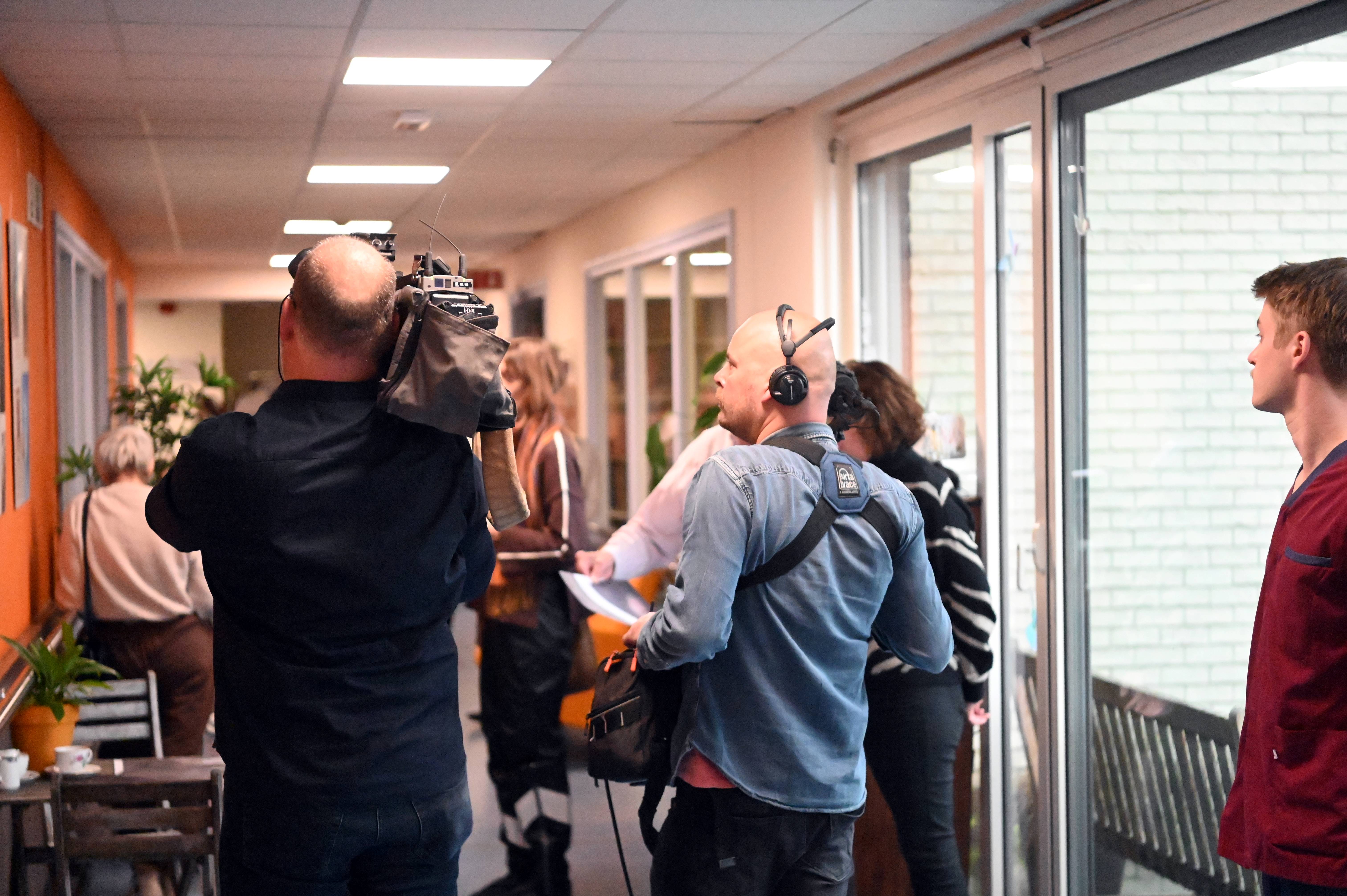
The work increasingly reached audiences beyond the care home. Residents presented work in Oasem at S.M.A.K. Ghent, collaborated with students from KASK & Conservatory, and participated in Fair Fashion Fest, presenting clothing made from recycled materials on the catwalk.
Today Unboxed has evolved from an internal experiment into a structural methodology for cultural transformation in care, inspiring other care and cultural organisations to rethink the role of art in ageing societies.
Cultural transformation
Art in care
Social inclusion
Co-creation
Community engagement
Unboxed approaches sustainability as a social, ecological and economic challenge within Europe’s ageing societies. In a context of demographic pressure, staff shortages and increasing loneliness, sustainable care requires more than efficiency alone. It calls for resilient relationships, meaningful participation and smarter use of existing infrastructure.
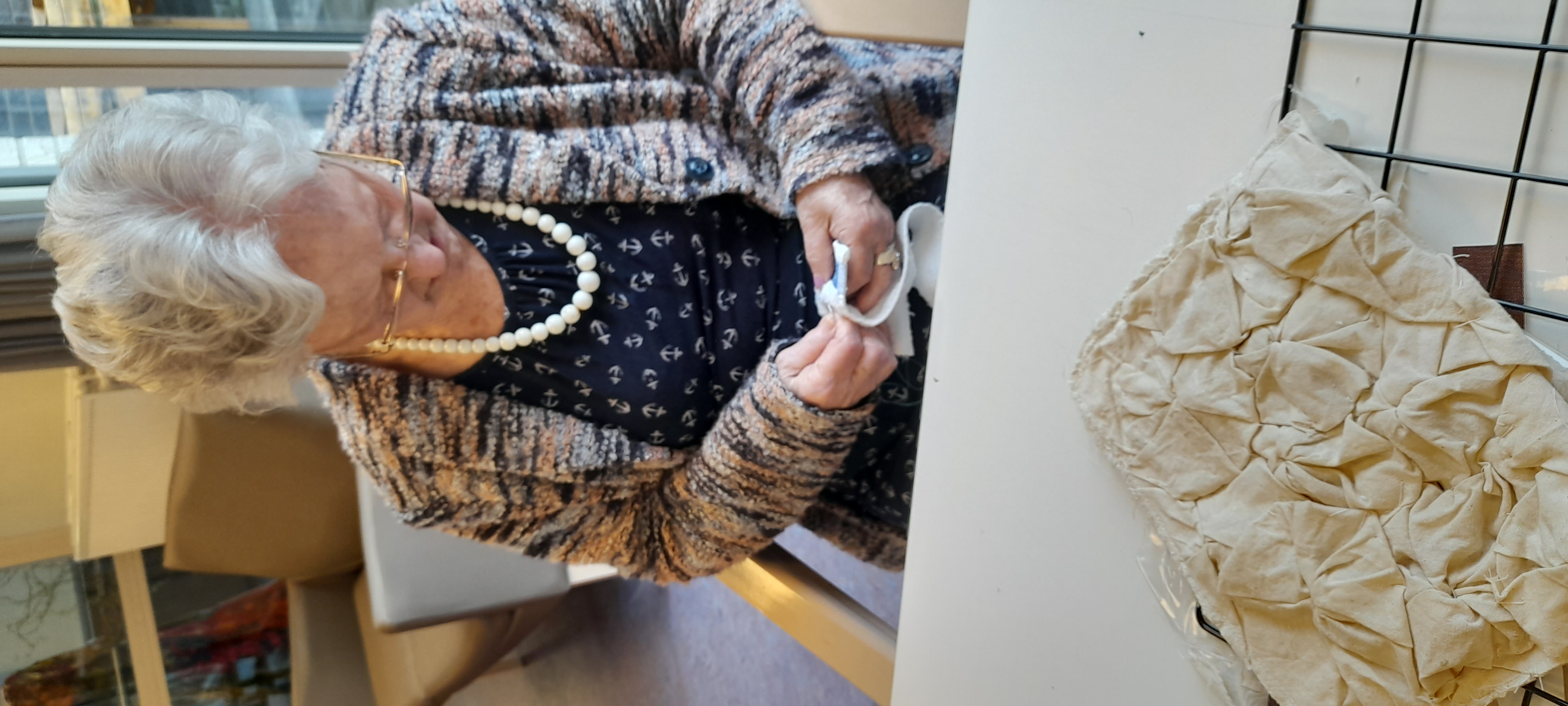
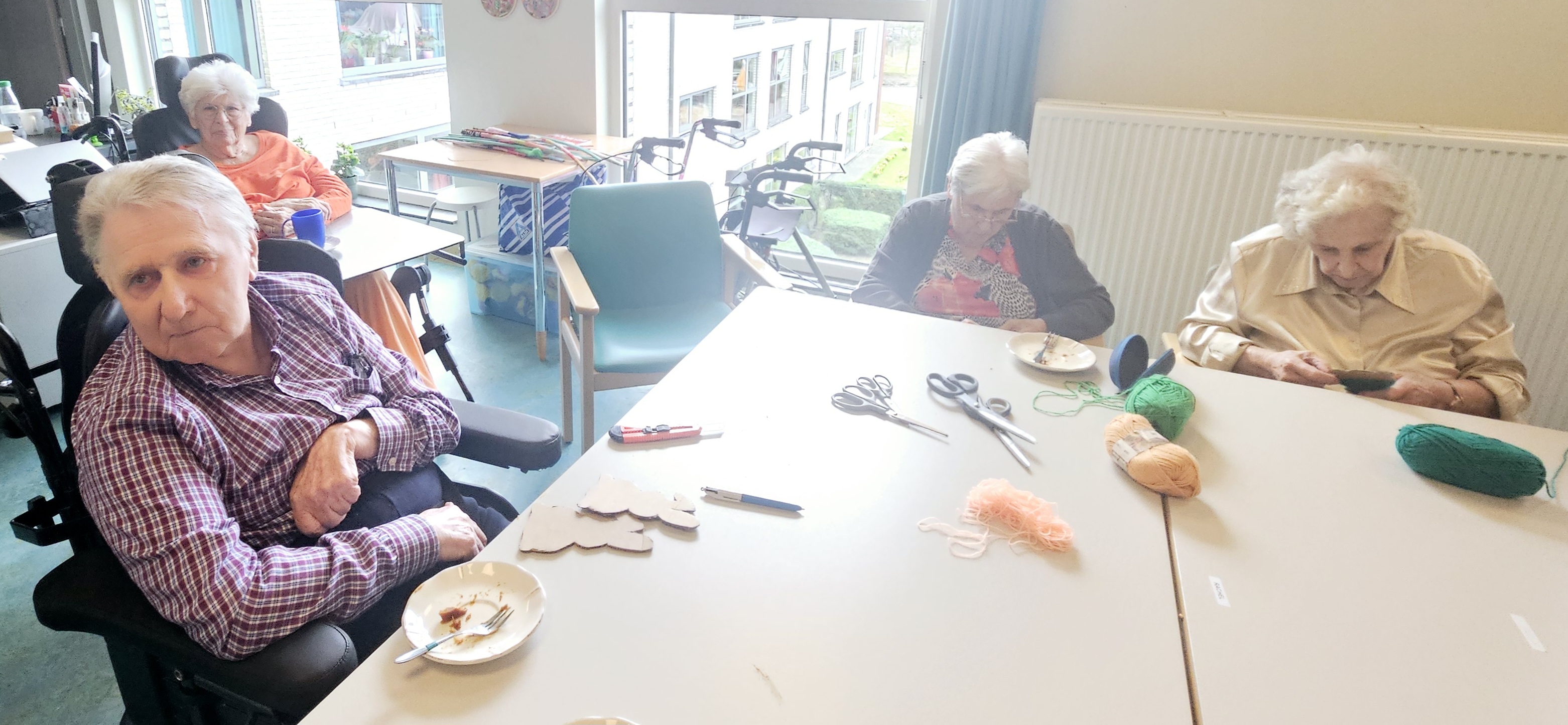
Social sustainability is strengthened by embedding artistic practice structurally within the daily life of the care home. Through ateliers, artistic projects and collaborations with artists, schools and cultural partners, residents are actively involved as creators. People living with dementia also participate in creative processes, contributing to wellbeing, connection and a renewed sense of purpose.
Unboxed also explores how art can function as a non-medical approach within care. In the project Art Overdose, artistic participation is used to address stress, restlessness and loneliness. The use of psychotropic medication is carefully monitored and decreased by 10% annually, contributing to the long-term sustainability of the care system.
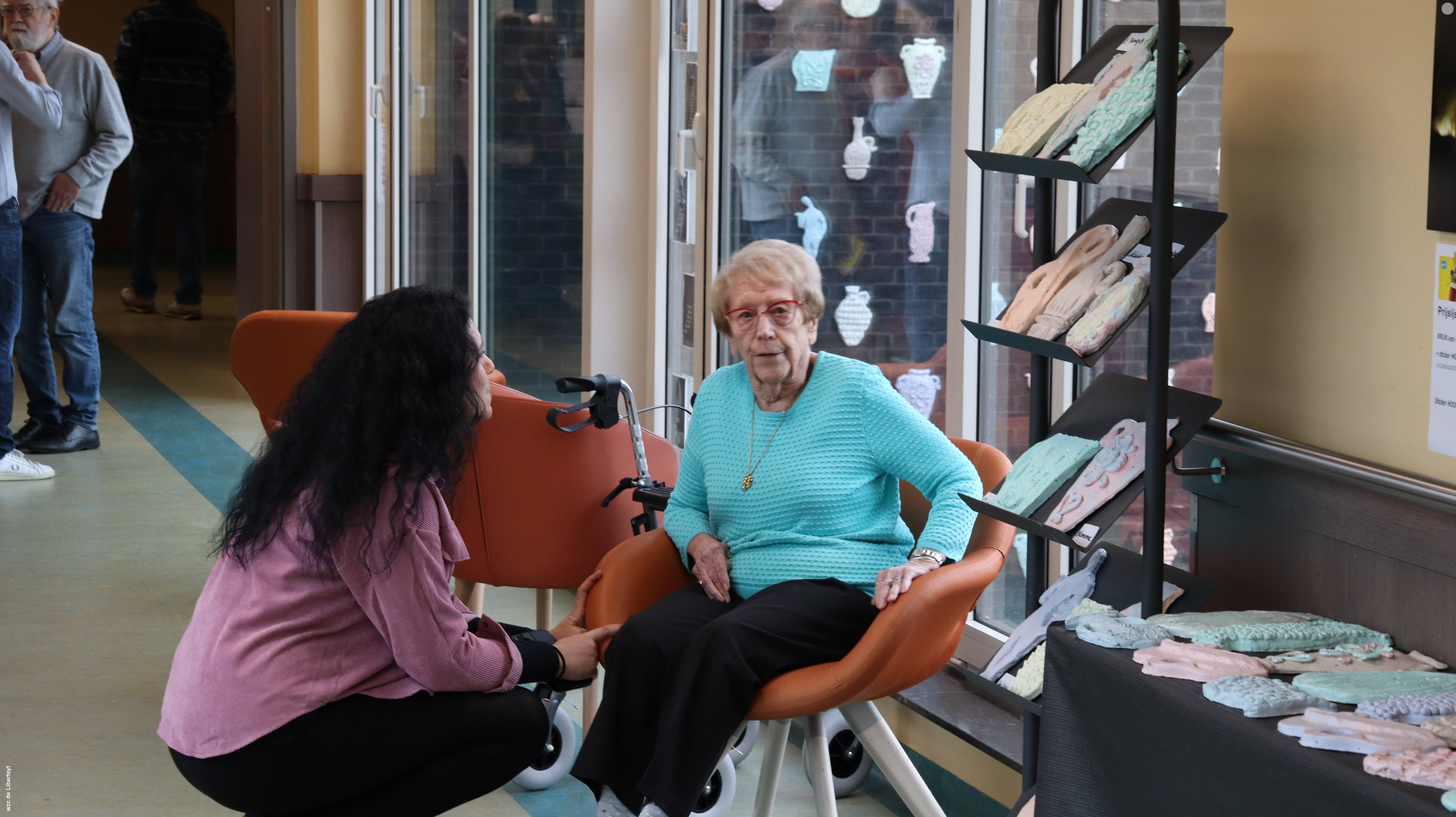
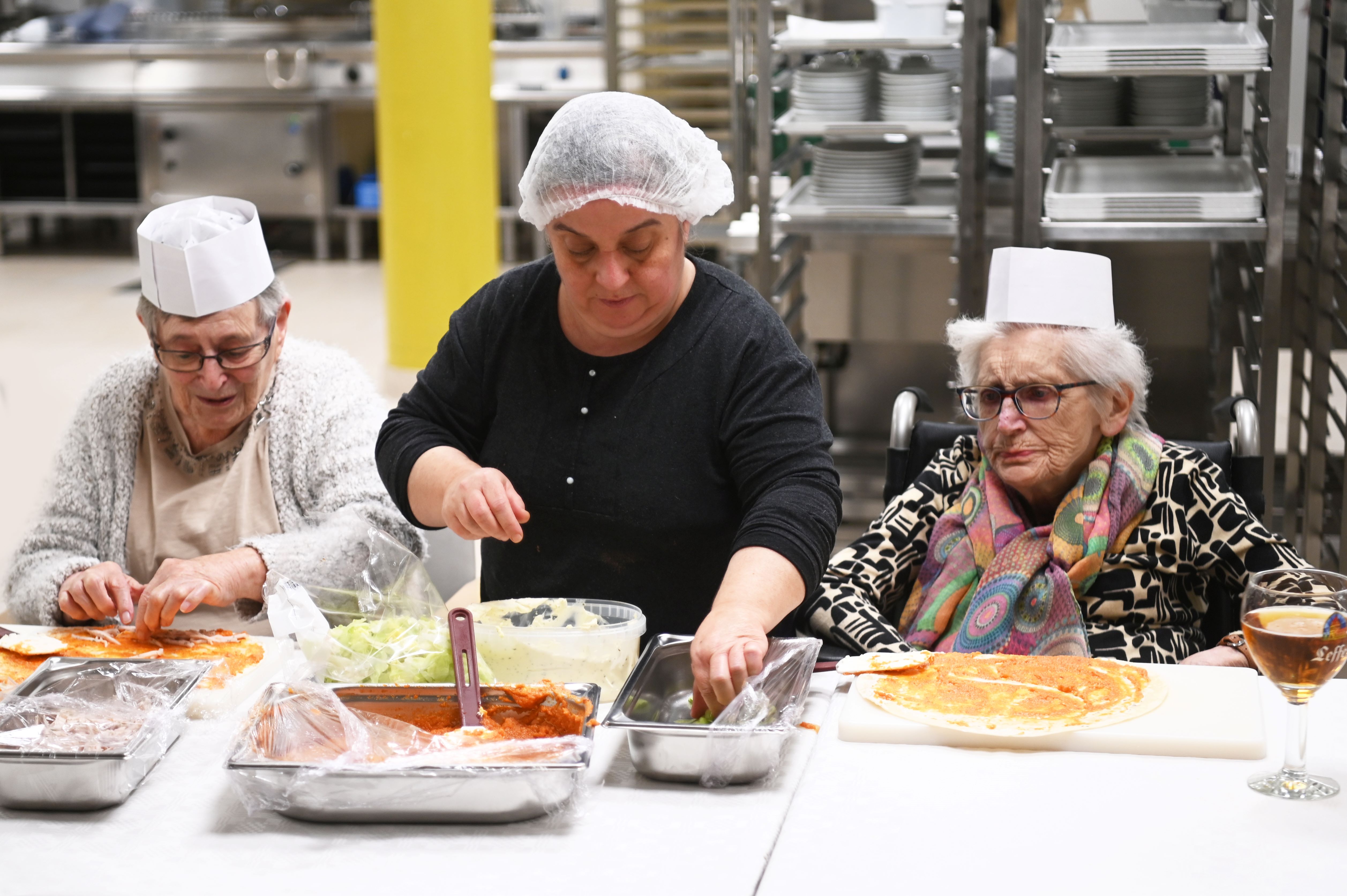
Ecological and economic sustainability are reinforced through the efficient and multifunctional use of existing spaces and resources. Care spaces gain new purposes: living rooms become stages, corridors exhibition routes and meeting rooms places for reflection and encounter. Students use the care home as a learning environment, neighbours come to read or attend activities, and the garden occasionally hosts visitors and campers who come to experience the project.
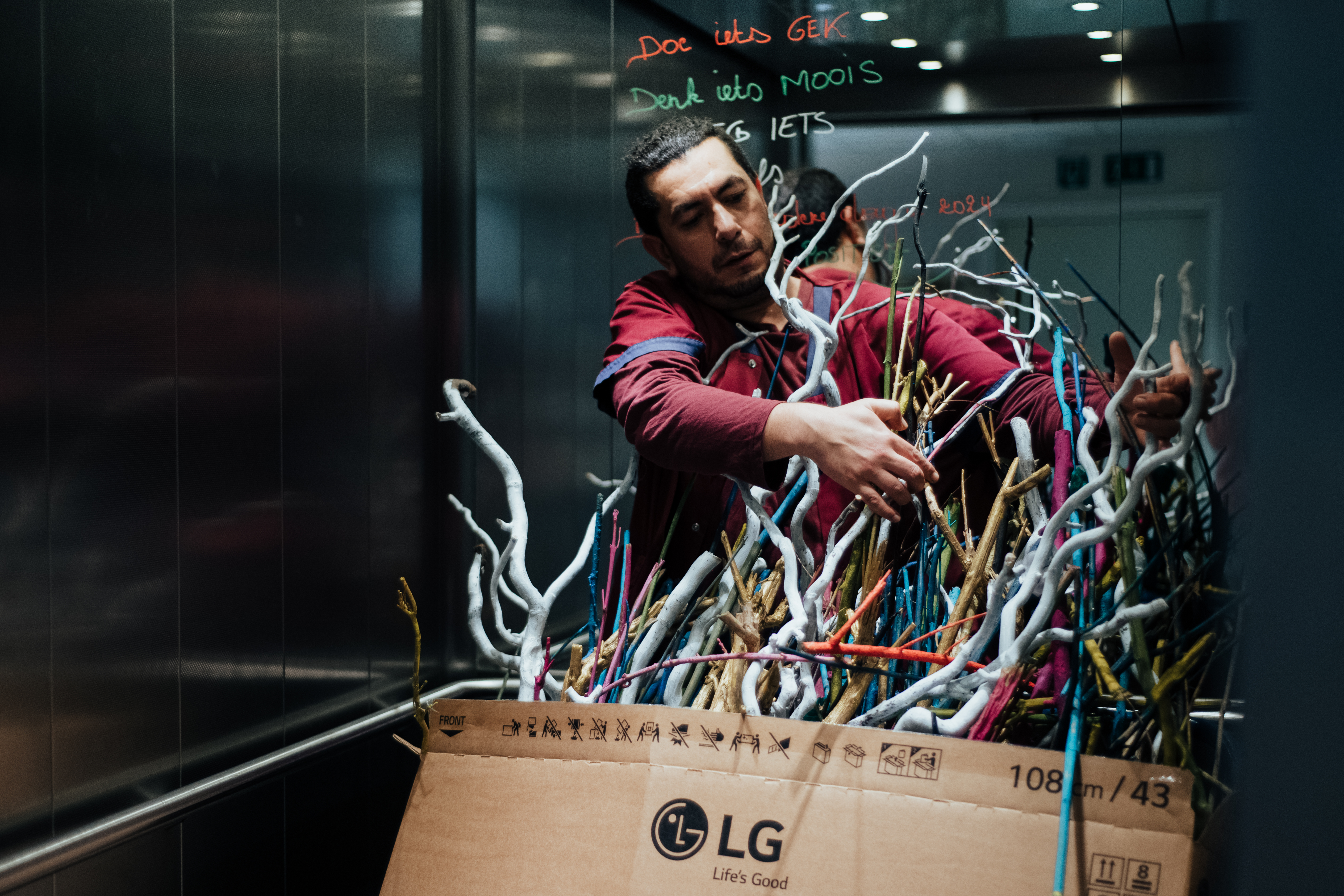
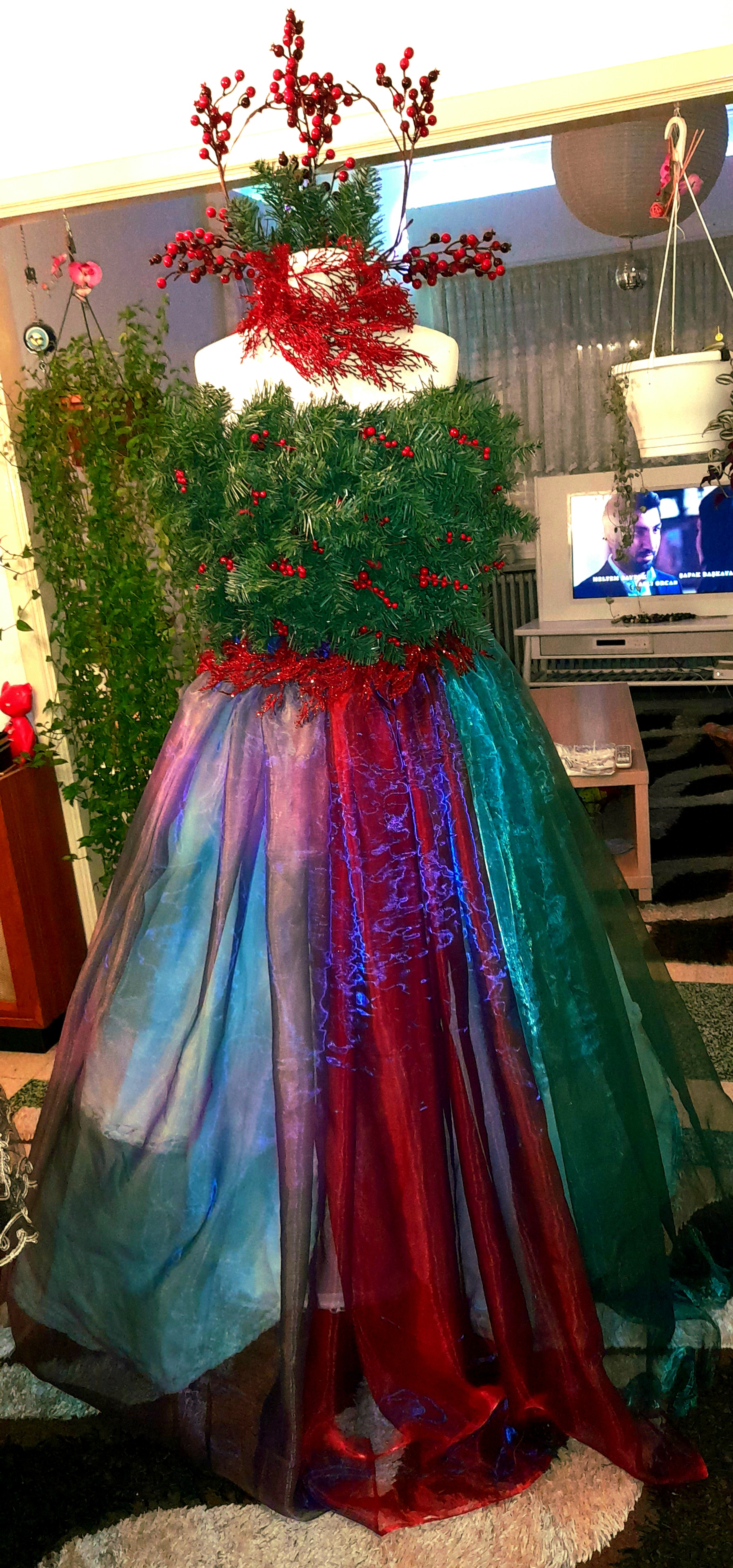
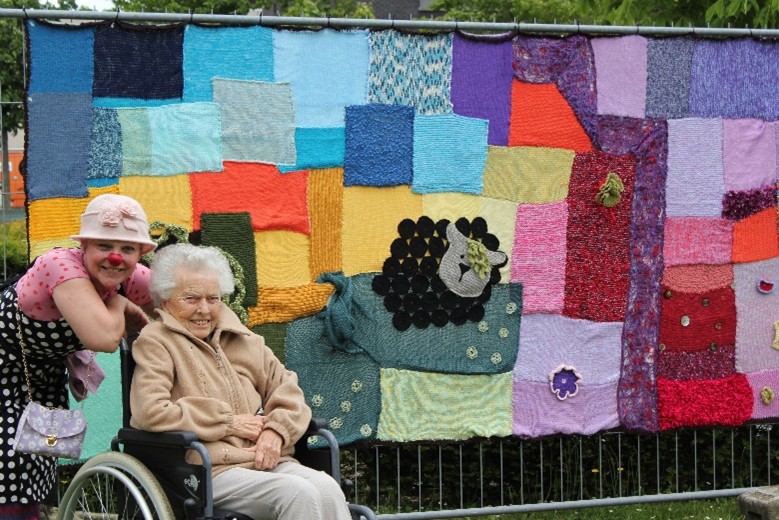
Recycling and reuse are also central. Materials are repurposed in artistic projects, and initiatives such as Fair Fashion work with recycled fabrics and objects.
By connecting care, culture and community, Unboxed demonstrates how existing infrastructure, resources and human potential can be used more sustainably, offering an inspiring model for care organisations across Europe.
Unboxed strengthens aesthetics by embedding artistic quality in the everyday life of a residential care home. In Unboxed, beauty and artistic expression are considered essential to dignity, meaning and human connection.
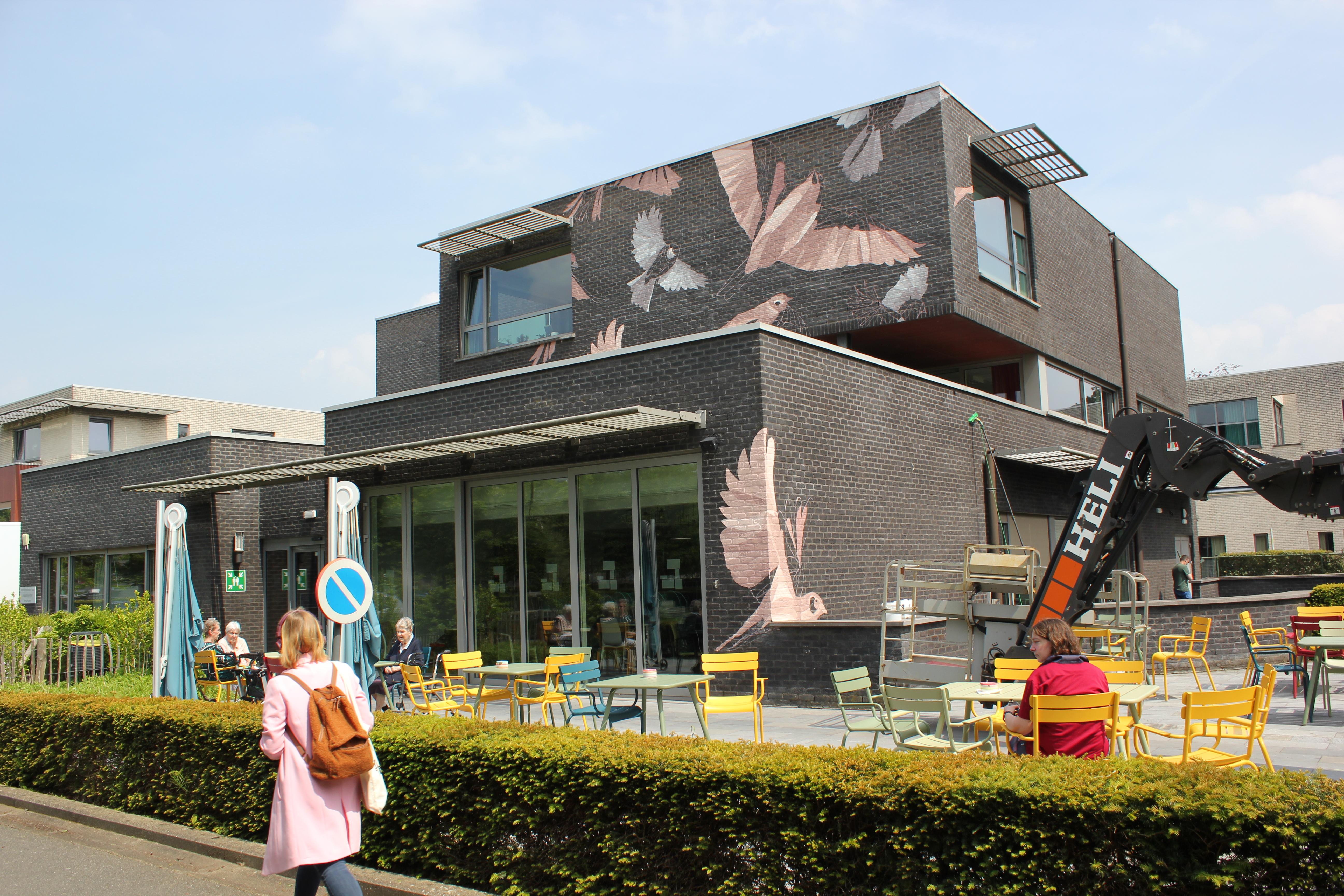
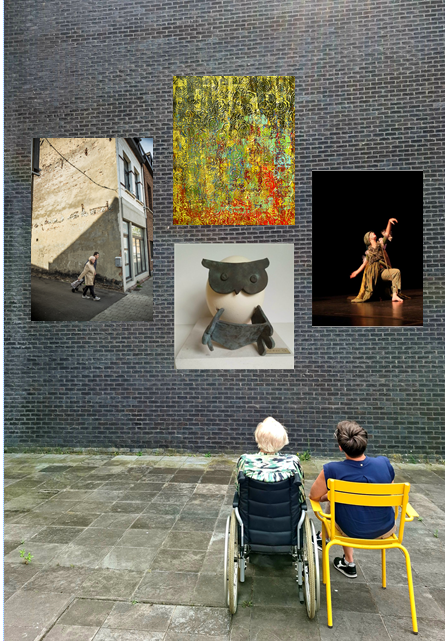
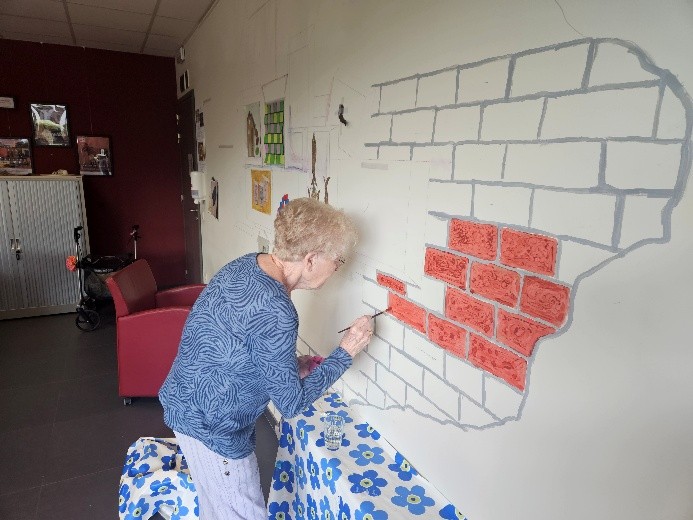
Through long-term collaboration with artists, the perception of the building itself changes. Corridors, living spaces and meeting areas become places where stories are expressed through installations, performances and participatory artworks. At the same time, Unboxed deliberately challenges conventional ideas of what a care home should look like. Young people, artists and neighbours collaborate with residents on artistic interventions. Walls of the care home have been transformed with graffiti and street art, and the building is now included in the Ghent street art tour. These unexpected interventions break the stereotype of the care institution as a closed and sterile place and reveal it instead as a vibrant cultural space.
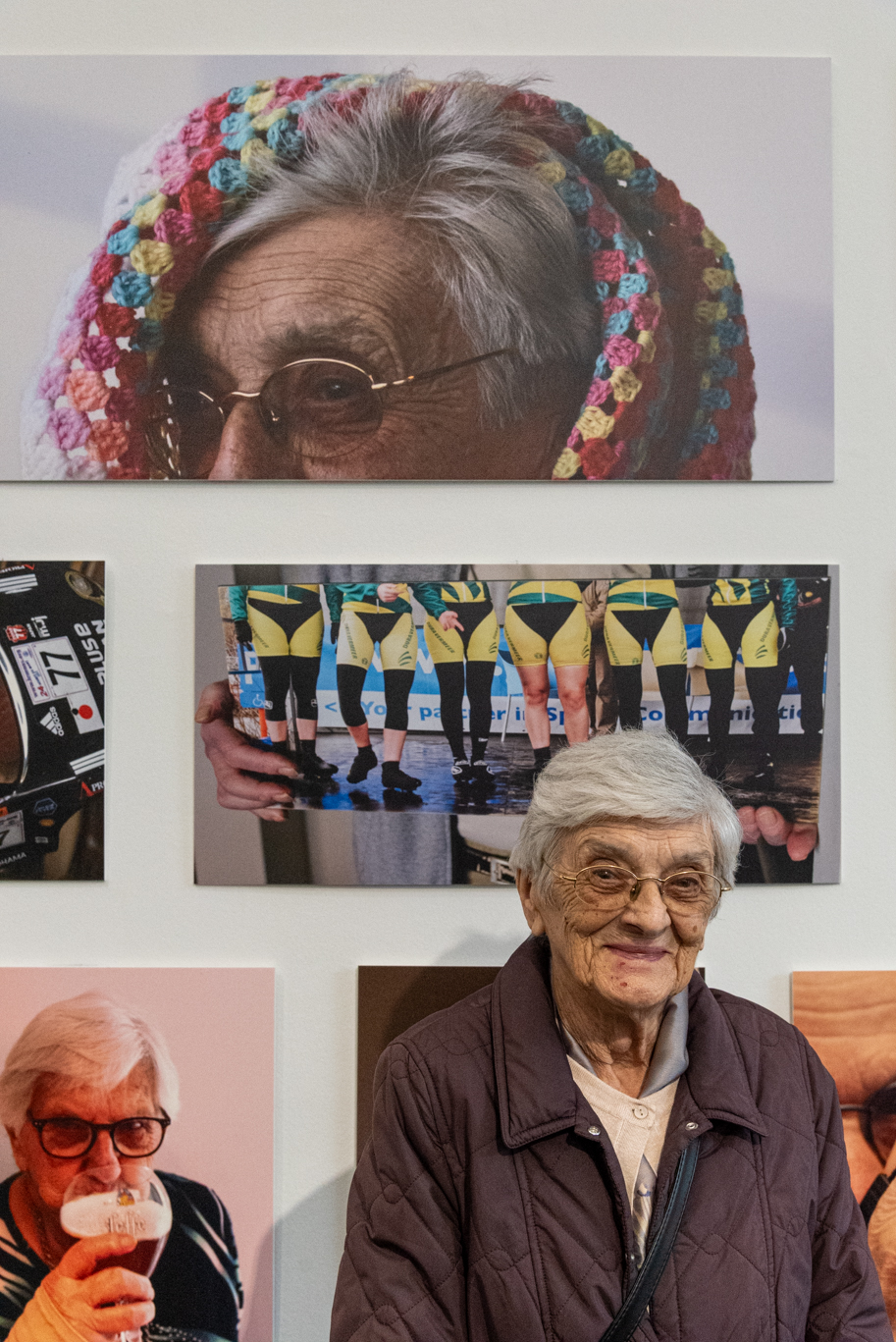
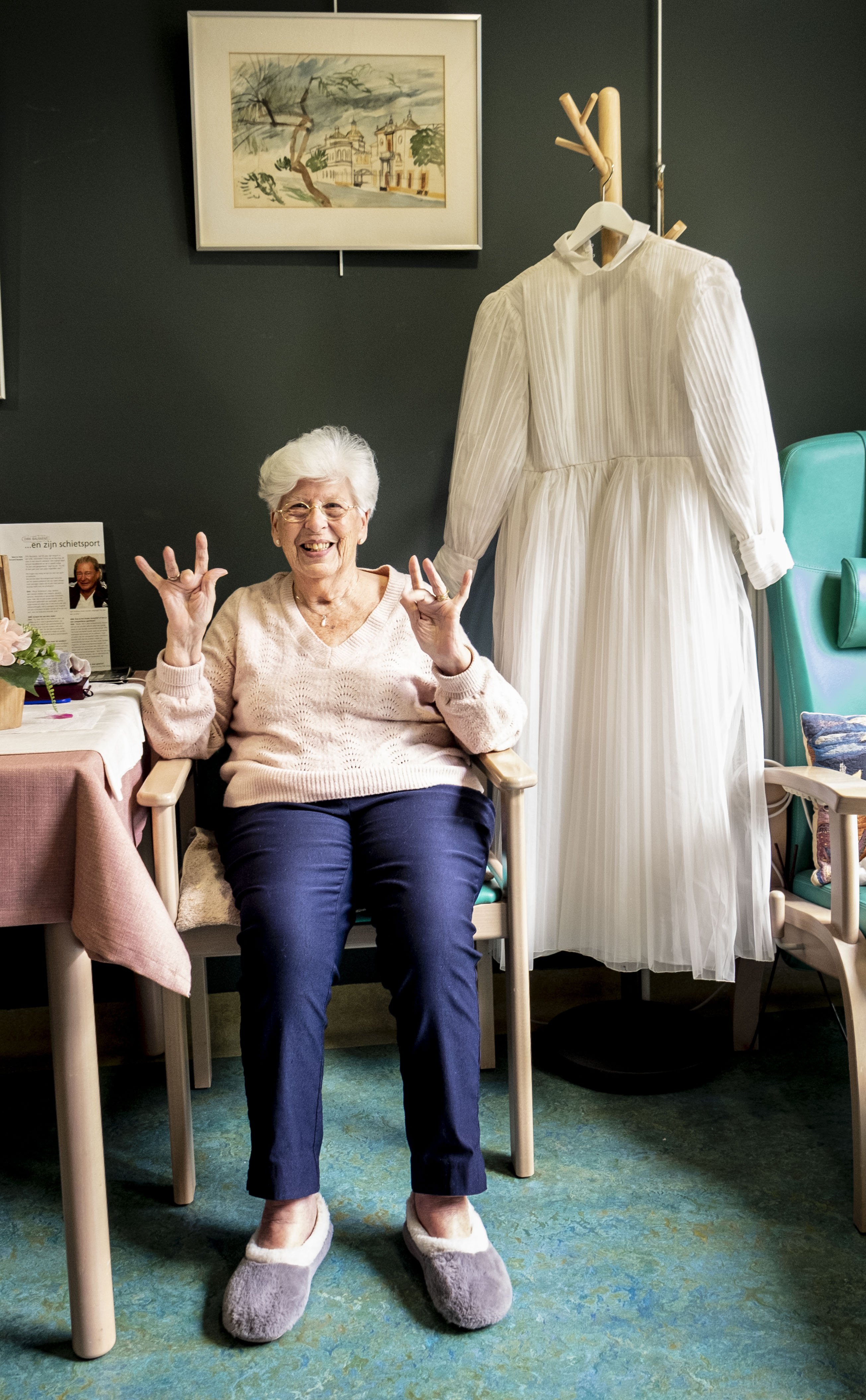
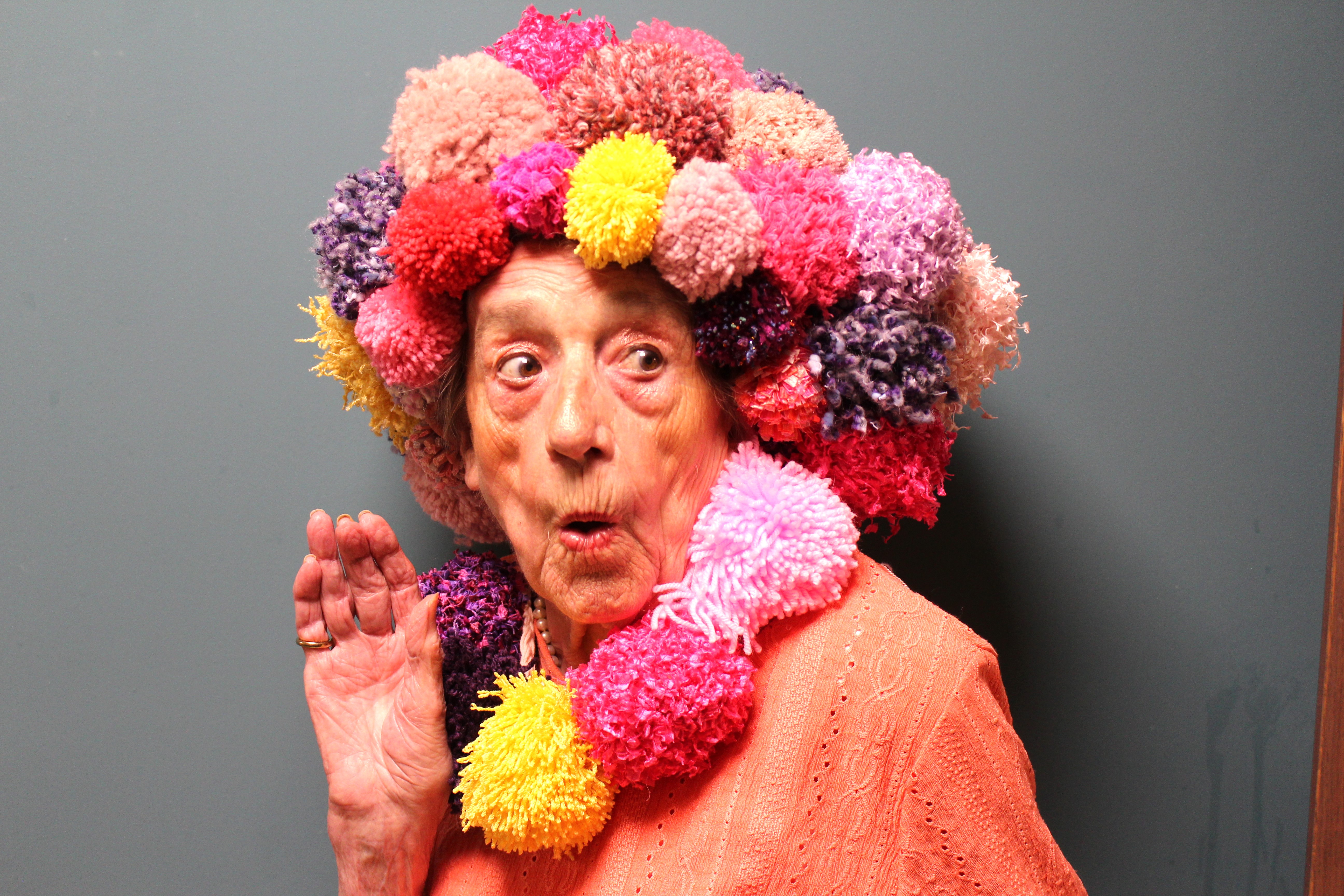
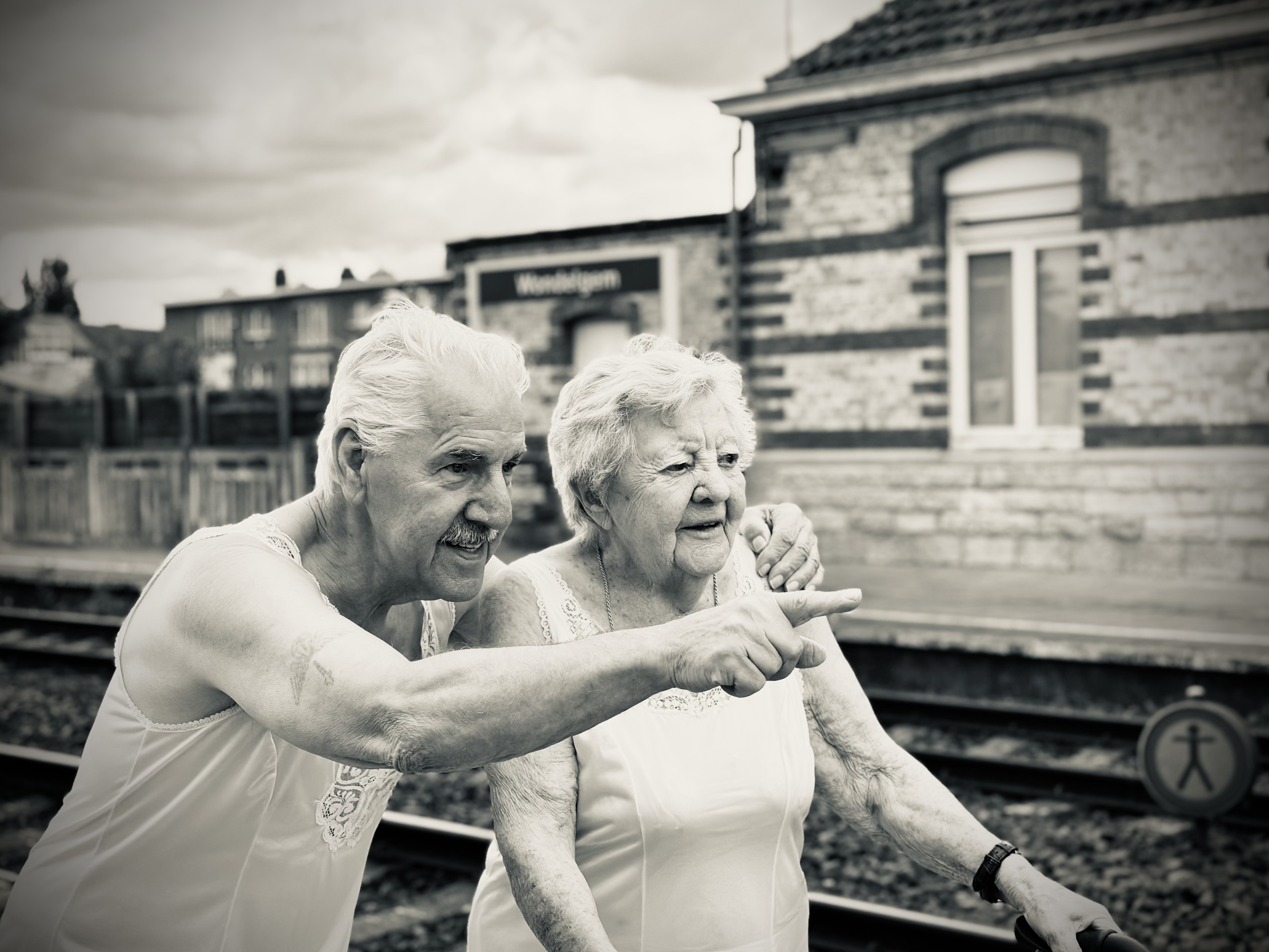
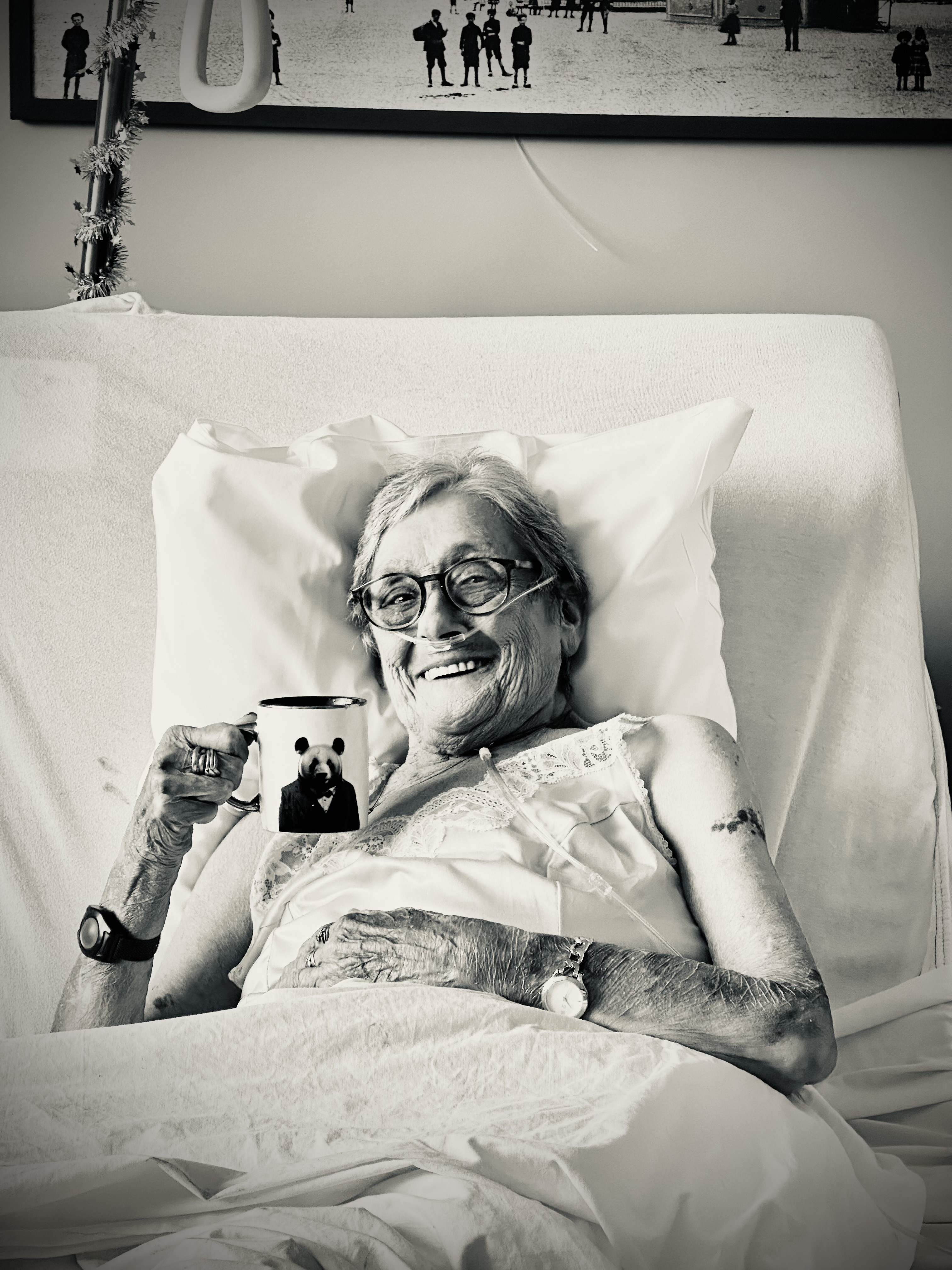
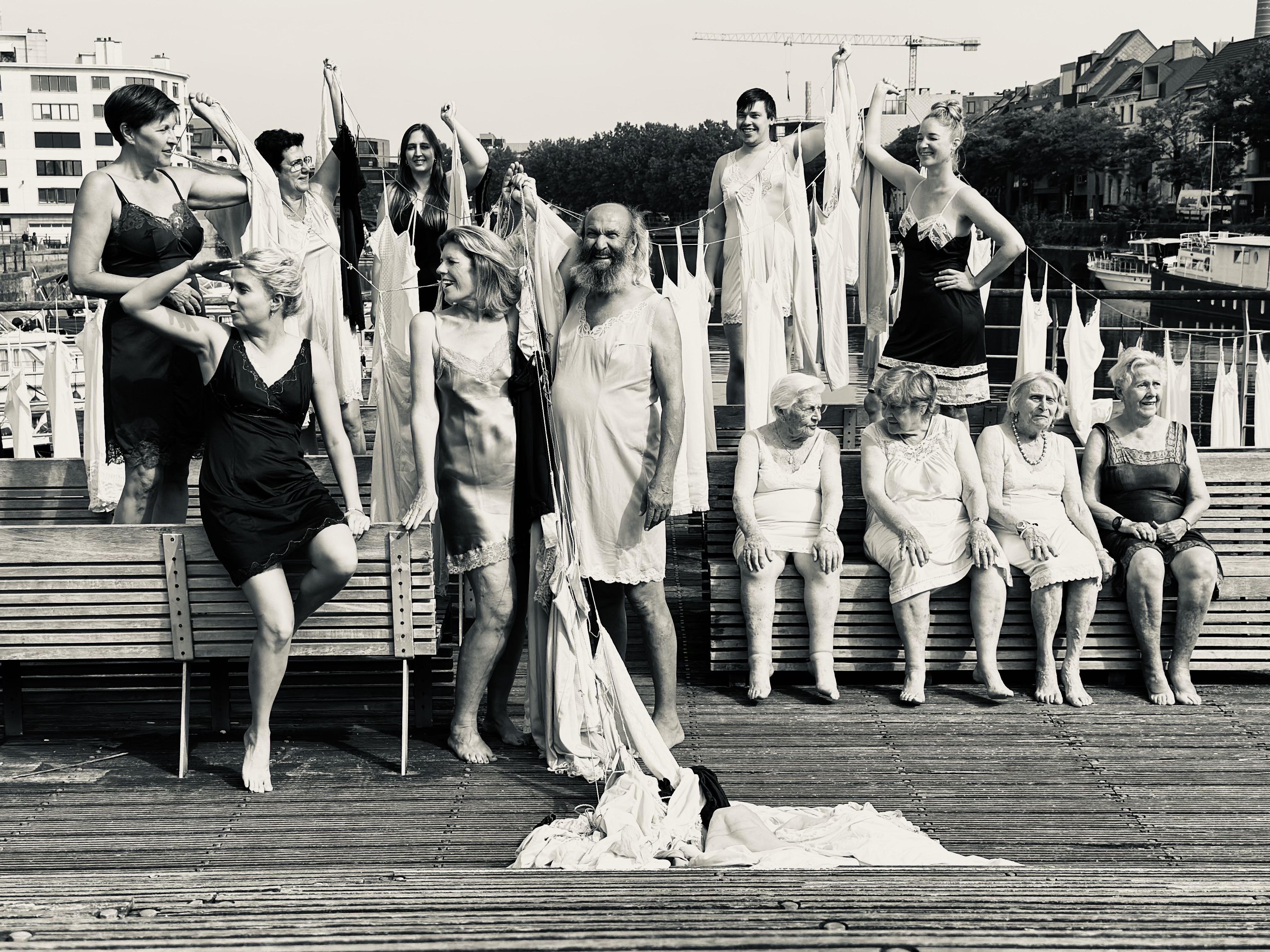
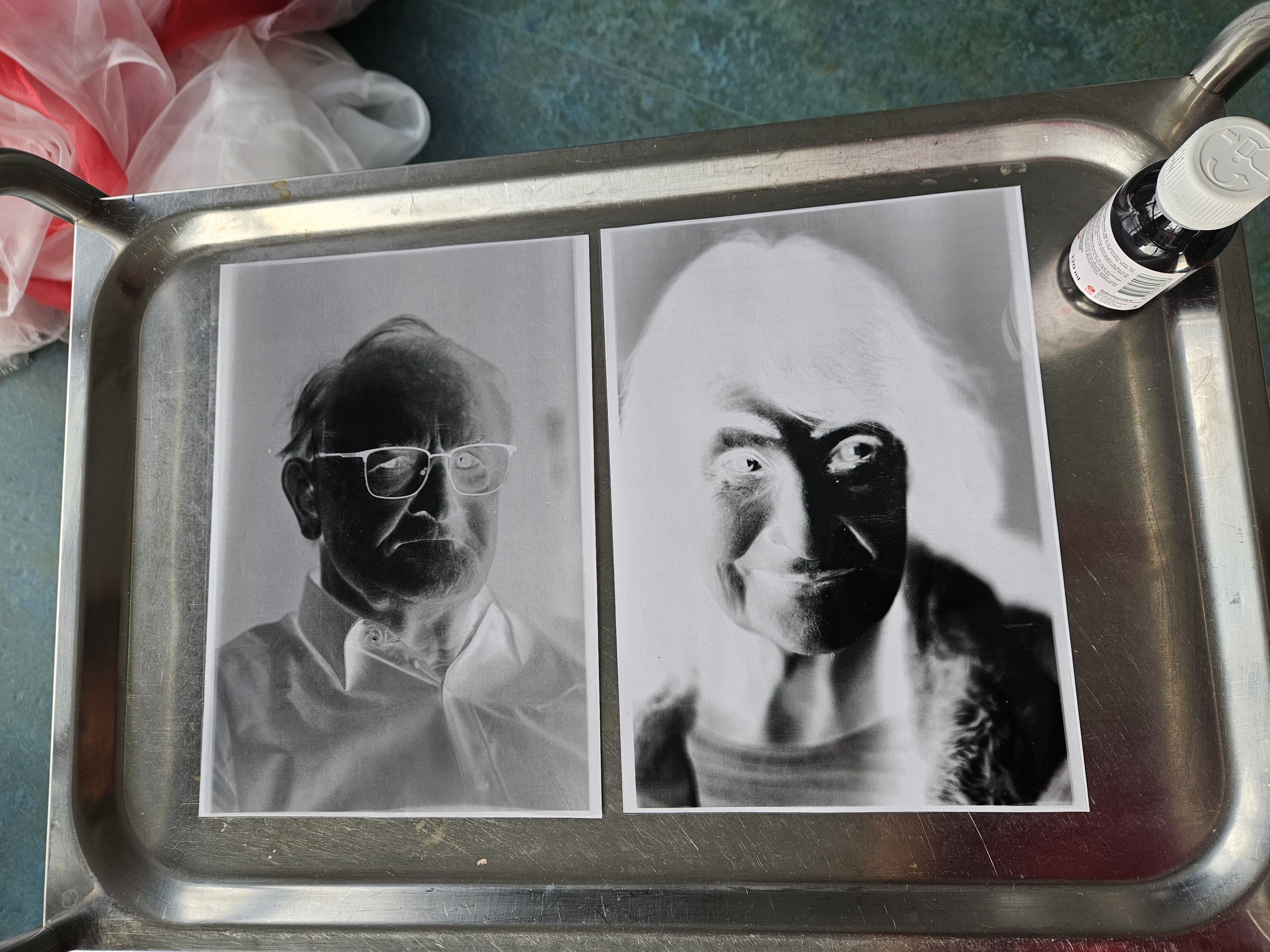
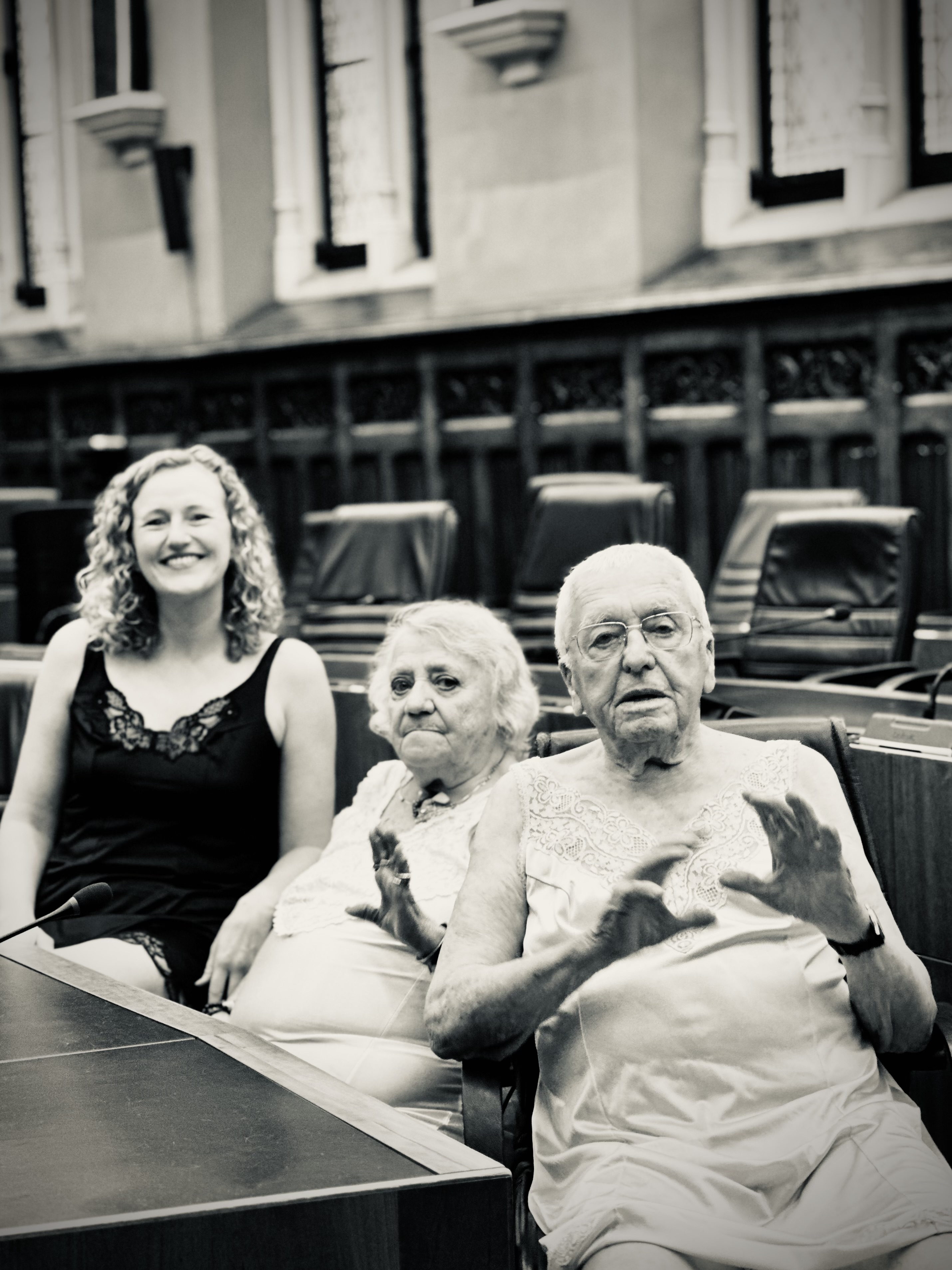
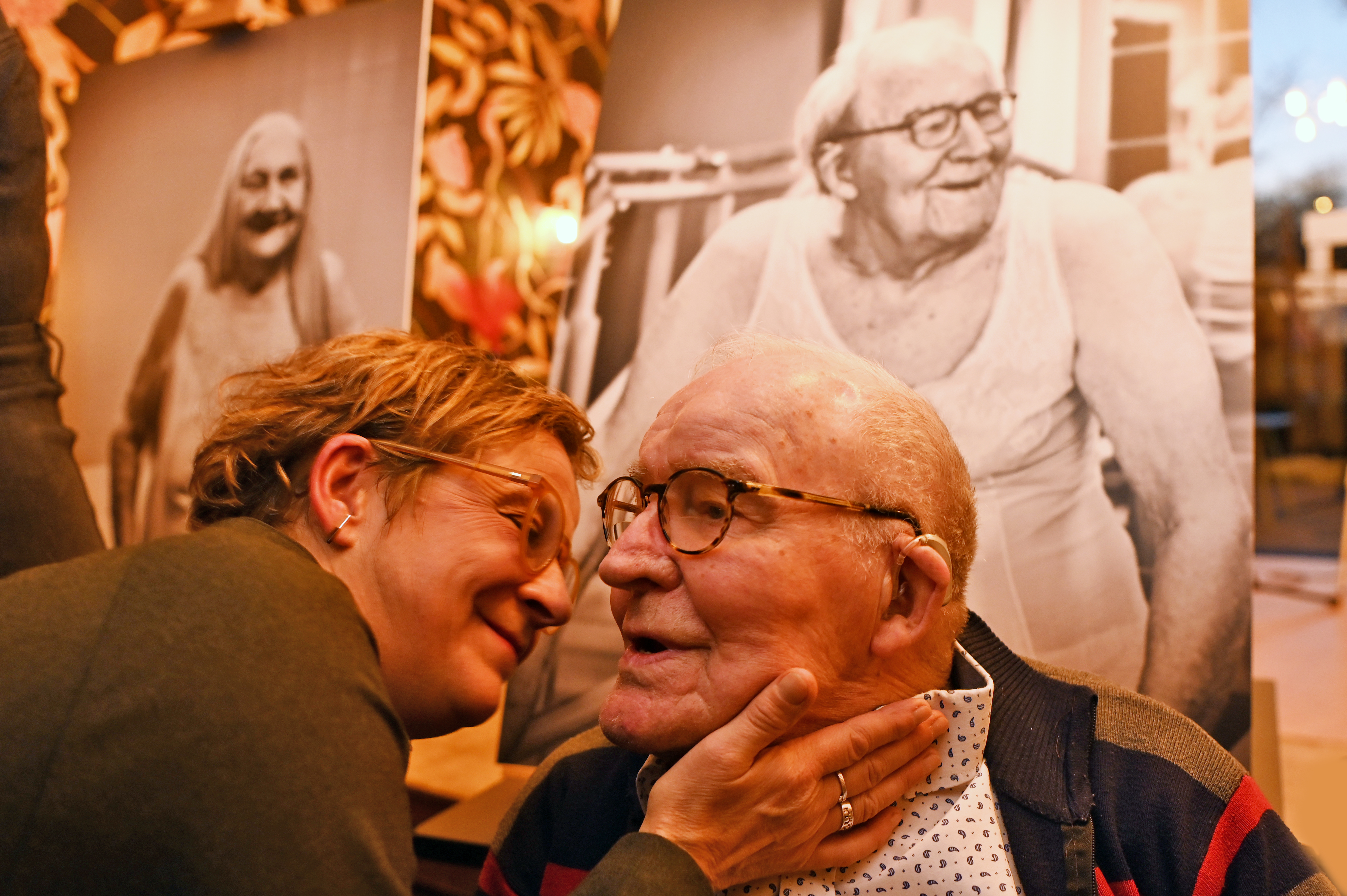
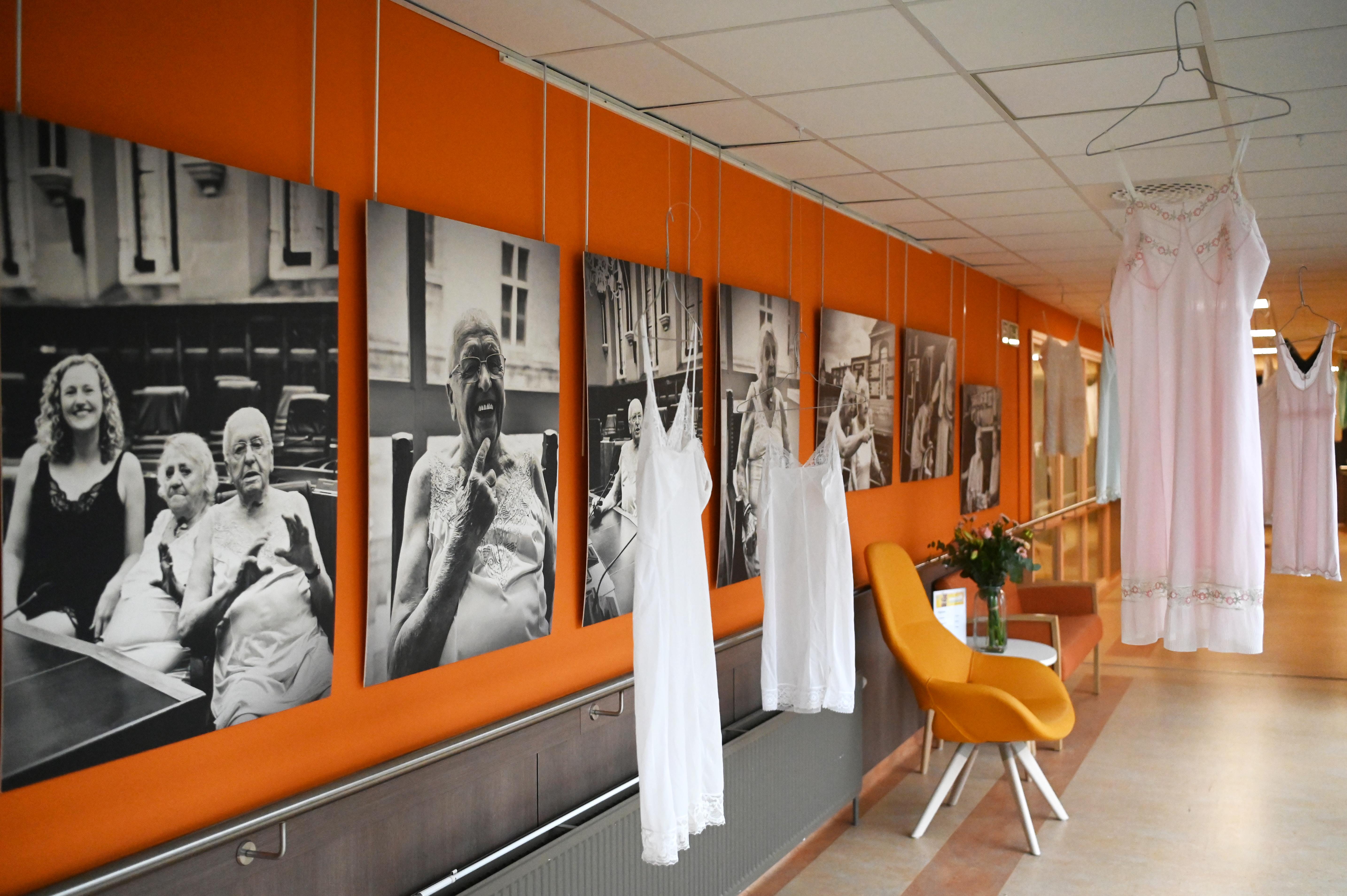
Aesthetics in Unboxed emerges through participation. Residents are not only spectators but co-creators. In the photographic project “1.2.3.4 Combinaisons”, residents posed together with citizens of Ghent in images that challenge traditional beauty standards. By making ageing bodies visible, the project created a powerful statement on body positivity, vulnerability and dignity.
Other projects further highlight this creative agency. In Tegendraadse Vrouwen, residents collaborated with students and artists from KASK & Conservatory, while during Fair Fashion Fest residents walked the catwalk wearing garments they created from recycled materials.
These projects demonstrate that creativity and aesthetic expression do not diminish with age. By opening the care home to artists, citizens and cultural initiatives, Unboxed turns it into an open cultural space within the city. It shows that aesthetics in care is not a luxury but an essential social infrastructure that supports identity, dignity and belonging.
Unboxed redefines who is recognised as a cultural contributor in society. In many care contexts, older people, particularly those living with dementia, are primarily approached through their limitations. Unboxed shifts this perspective by positioning residents as cultural actors whose experiences, memories and imagination become the starting point for artistic creation.
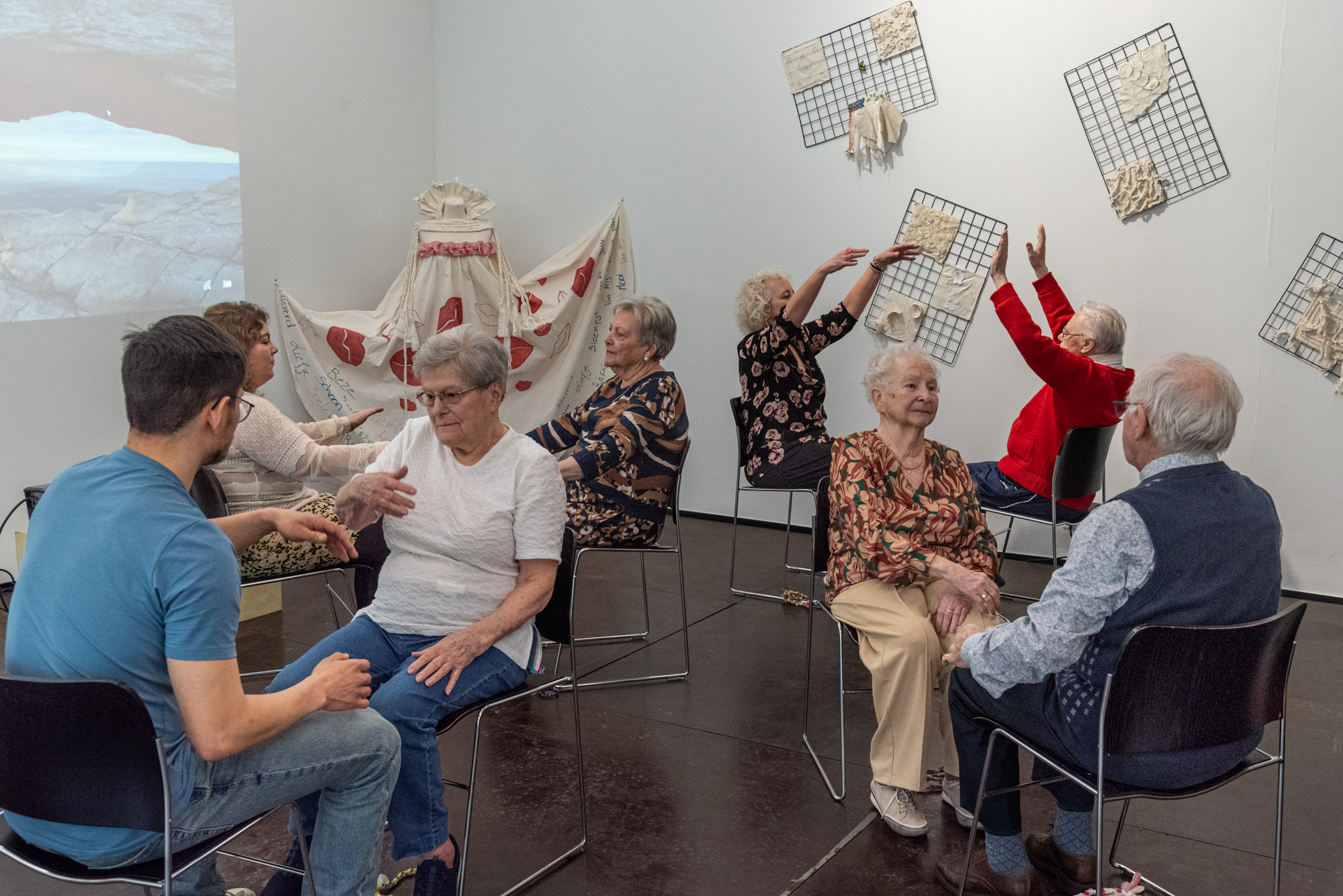
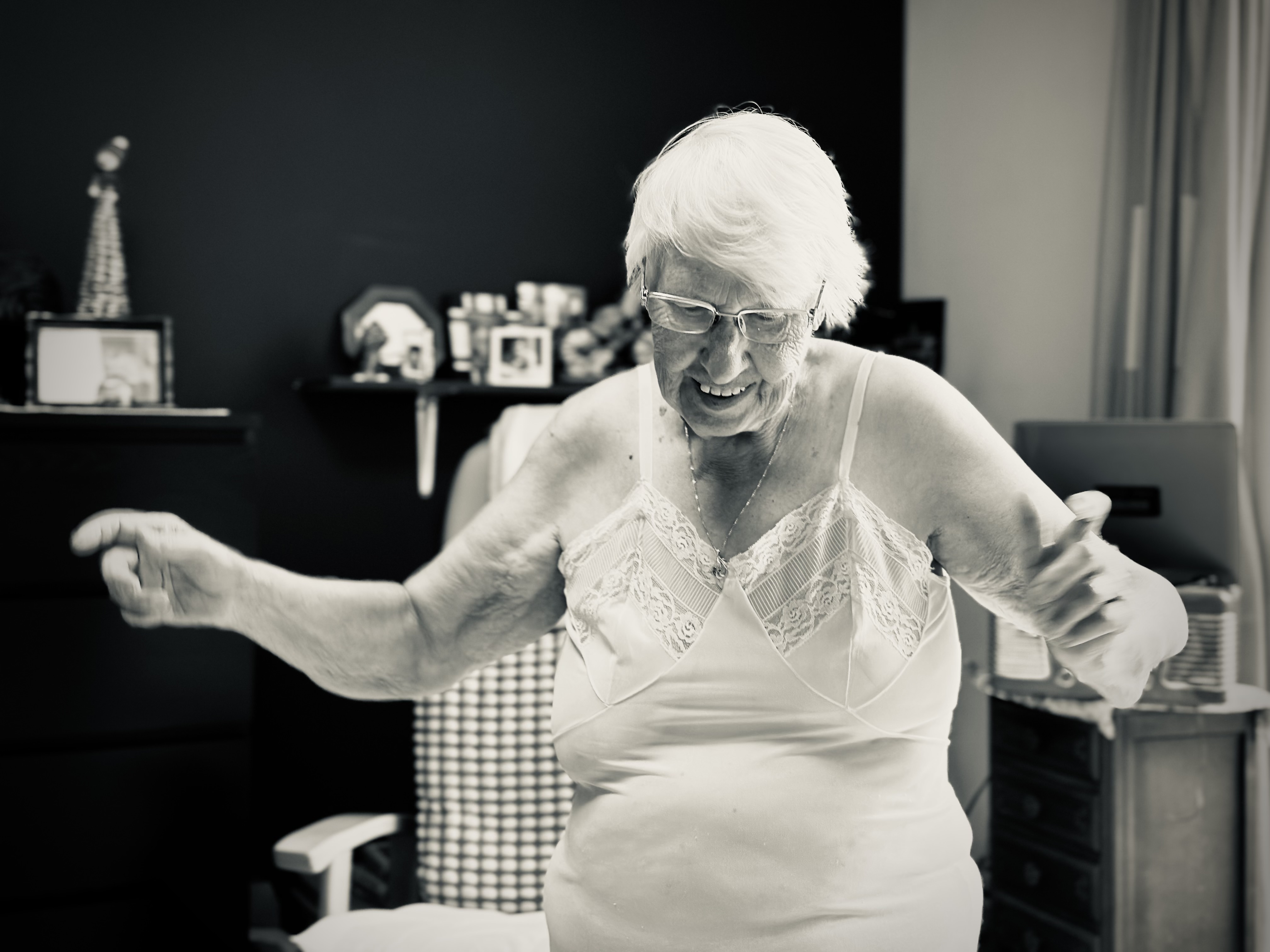
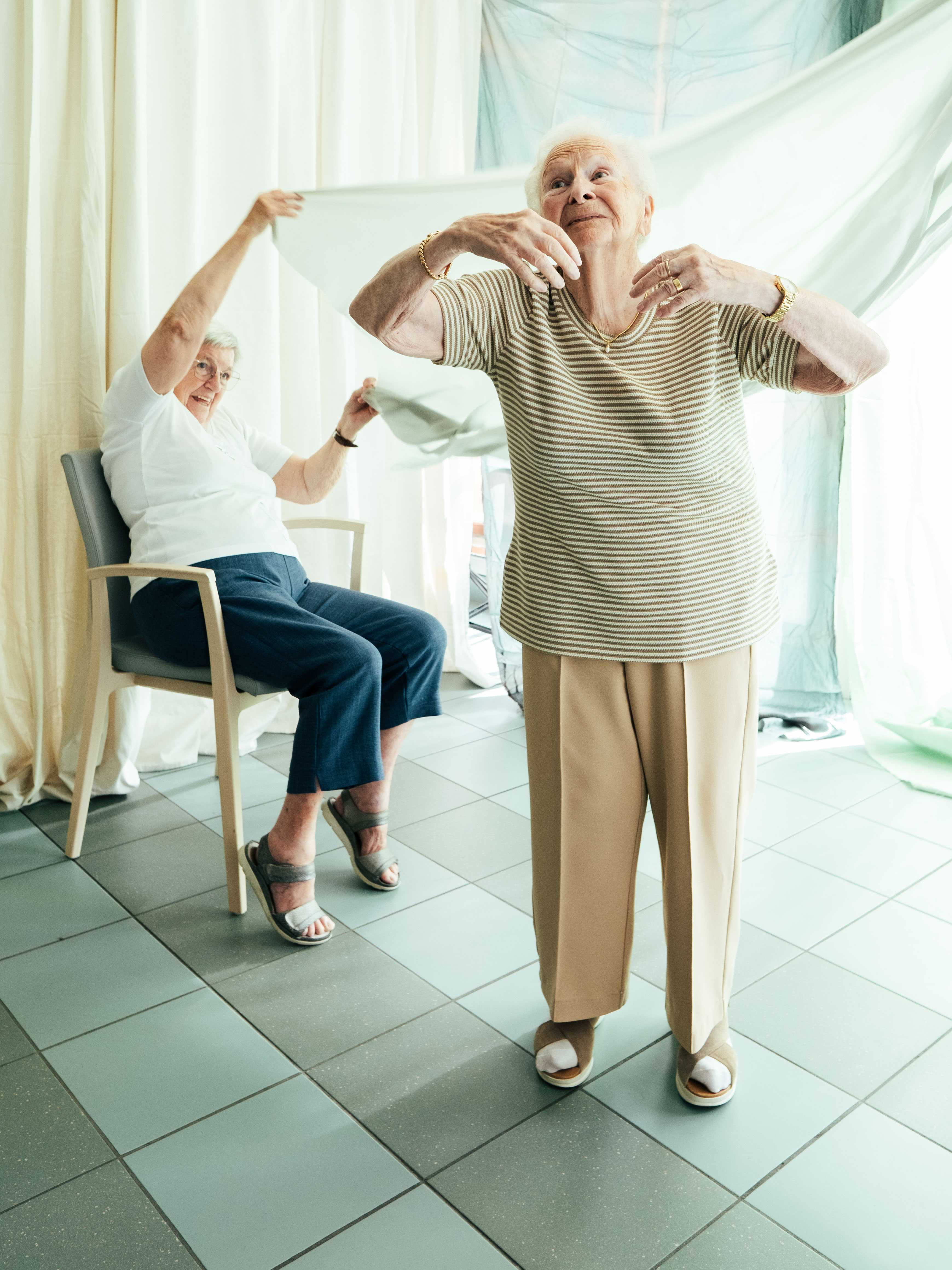
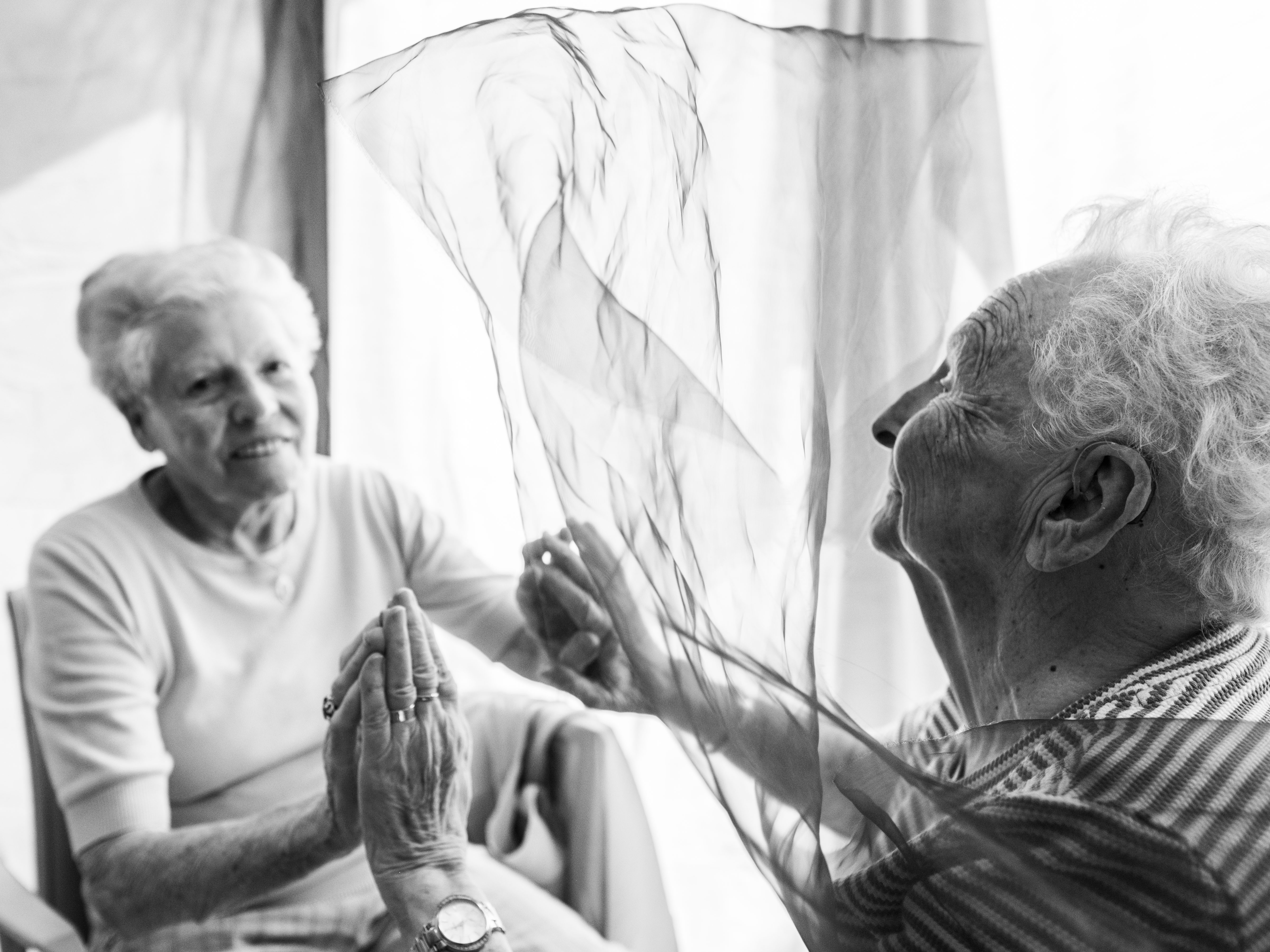
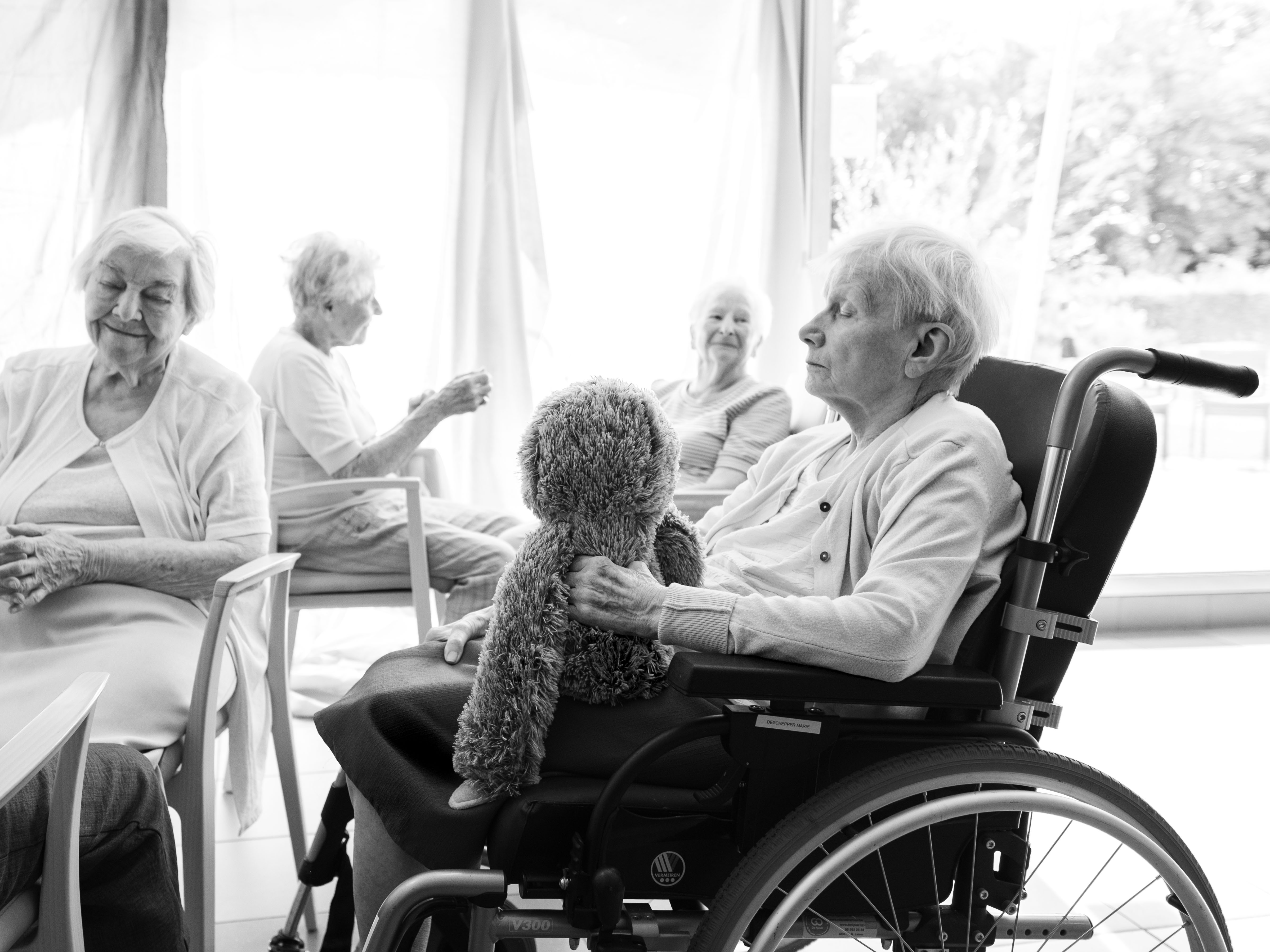
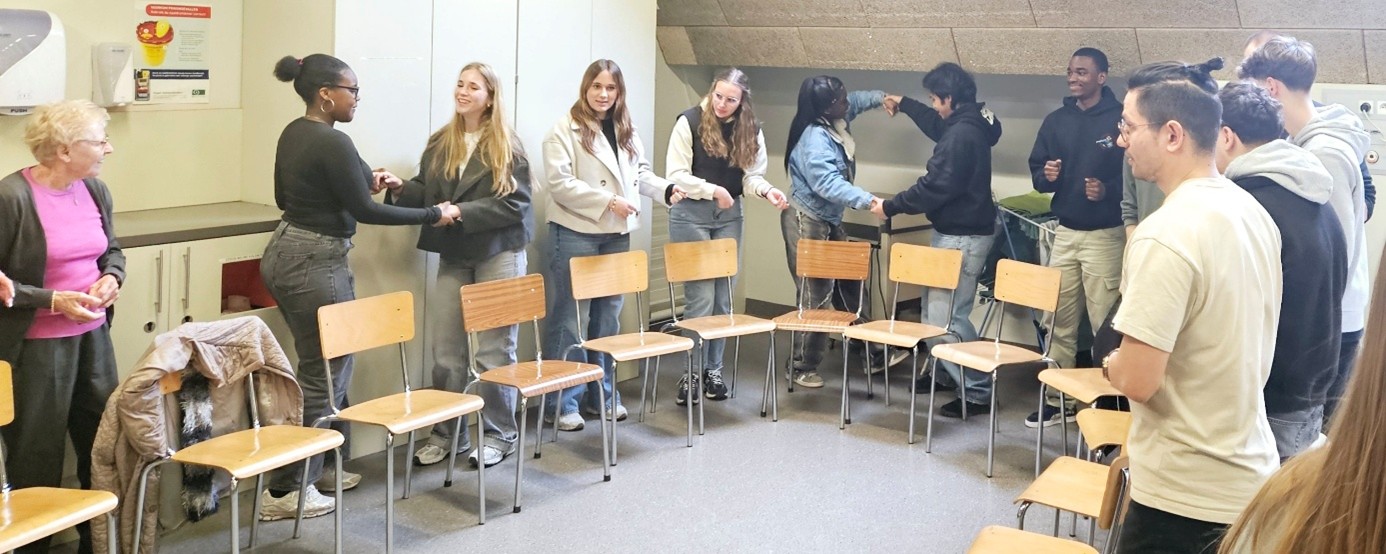
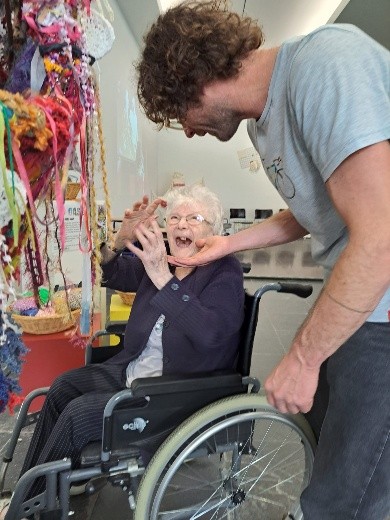
Inclusion is embedded in the artistic process itself. Residents with diverse cognitive and physical abilities can participate through movement, gesture, sound and sensory interaction. In projects such as Emotioneel Bewogen, minimal movements, touch and live musical interaction are recognised as meaningful forms of expression, creating moments of connection beyond verbal language.
Unboxed also embraces diversity beyond the care context. People from different cultural and religious backgrounds, life stories, sexual orientations and gender identities are welcomed within the project. Artistic interventions challenge dominant stereotypes around identity, ageing and the body. In the photographic project “1.2.3.4 Combinaisons”, residents and citizens of Ghent posed together in images that question traditional gender roles and beauty standards.
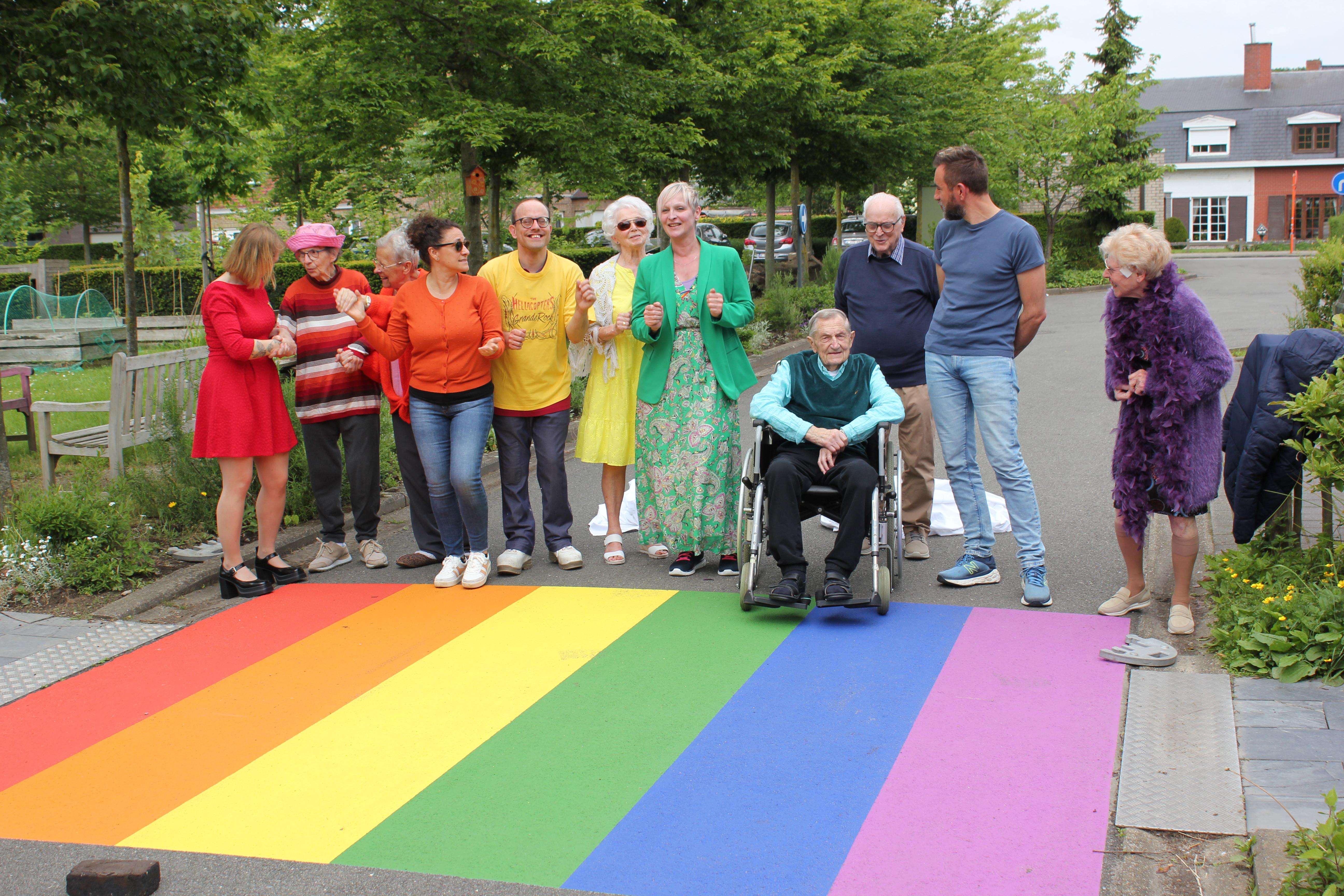
This inclusive vision is also visible in the physical environment. Interventions such as the rainbow pedestrian crossing in front of the care home symbolise openness and recognition of diversity. By using art as a shared language, Unboxed creates a space where differences are visible, valued and connected through cultural expression.
Through this approach, the care home becomes not only a place of care but an open cultural environment where everyone can contribute to a shared story.
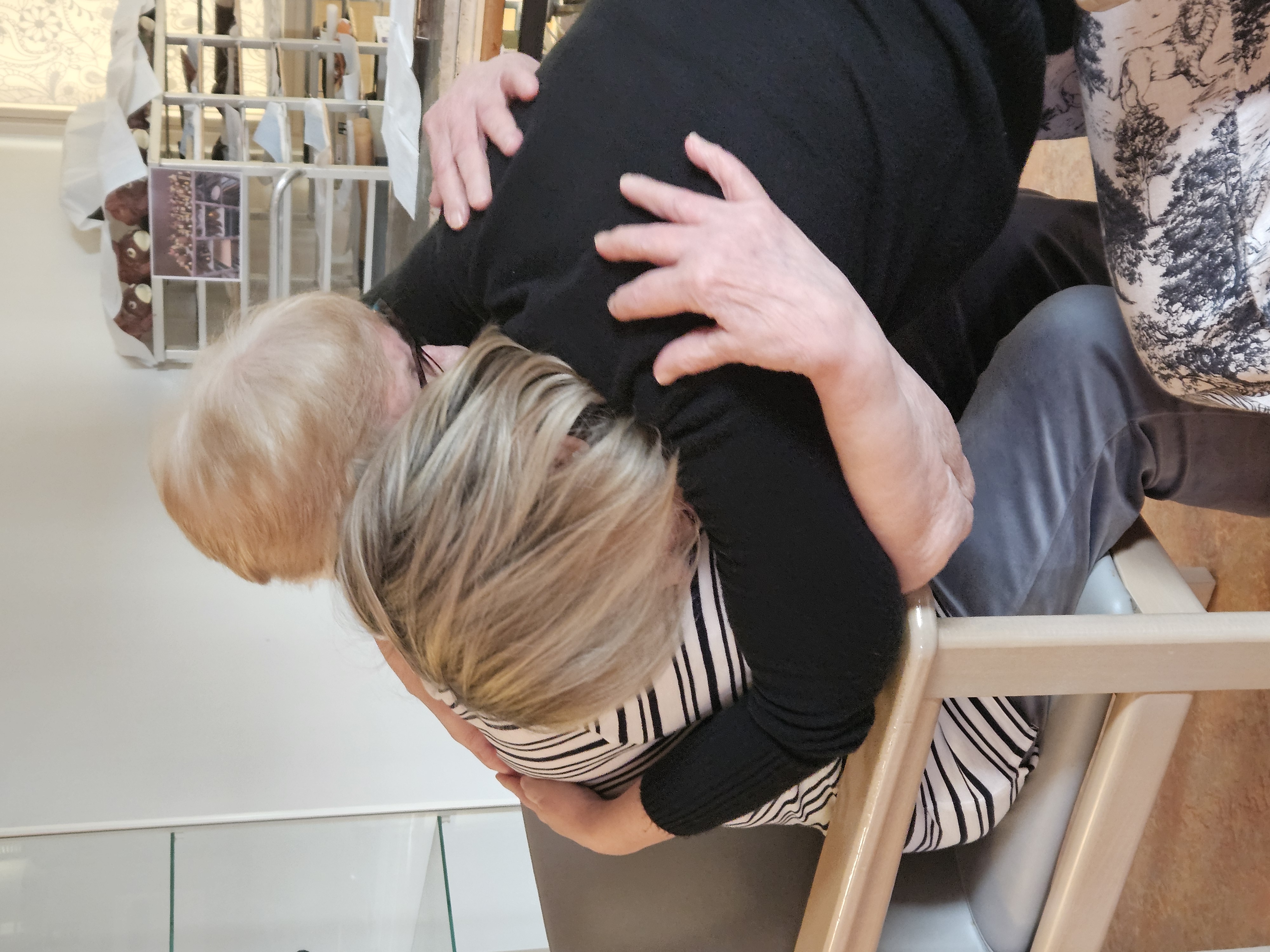
Participation lies at the heart of Unboxed. Residents are not passive recipients of activities but active co-creators of artistic processes. Their memories, gestures, stories and everyday experiences form the foundation of artistic projects developed together with artists, caregivers, families and volunteers.
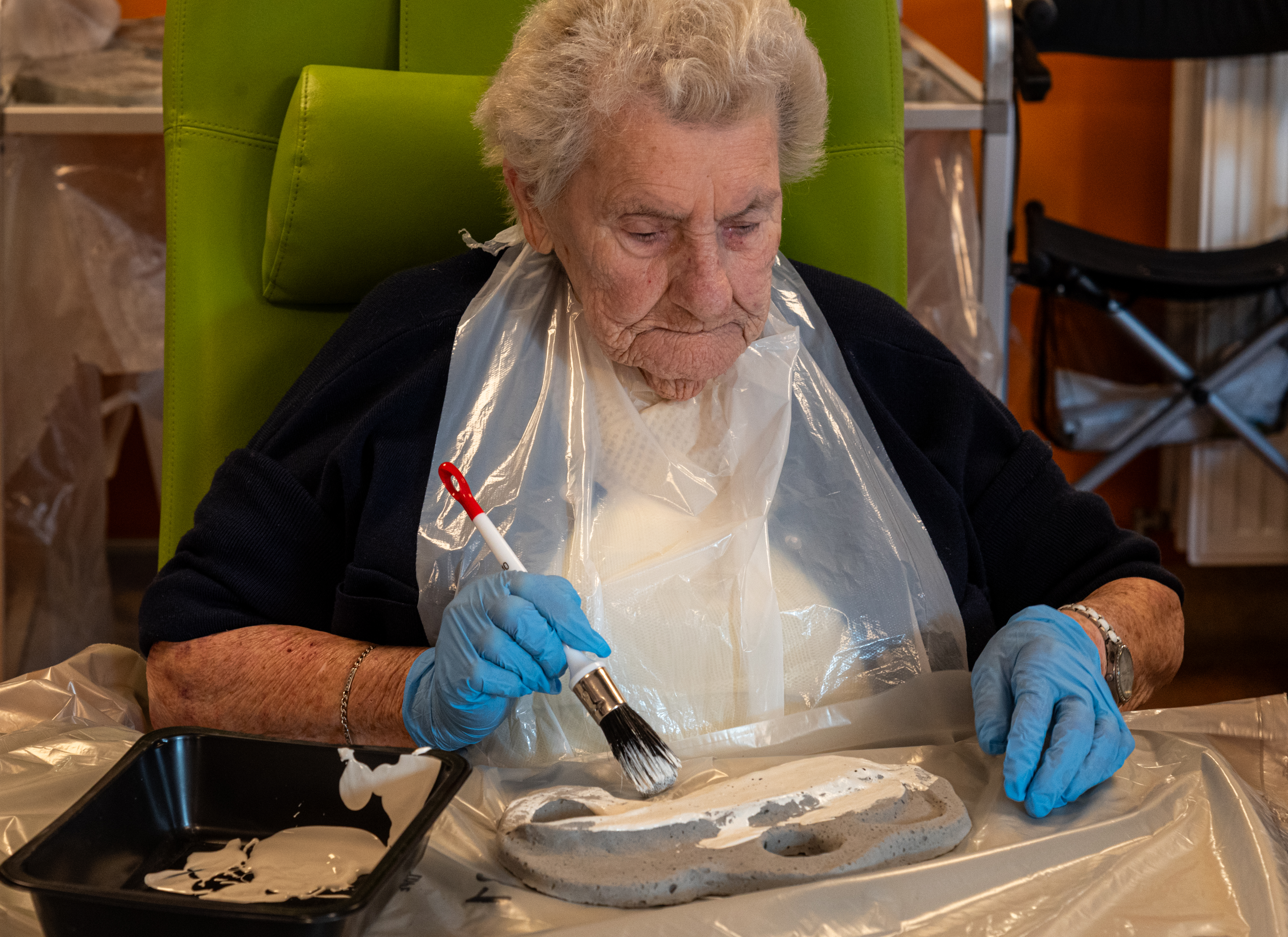
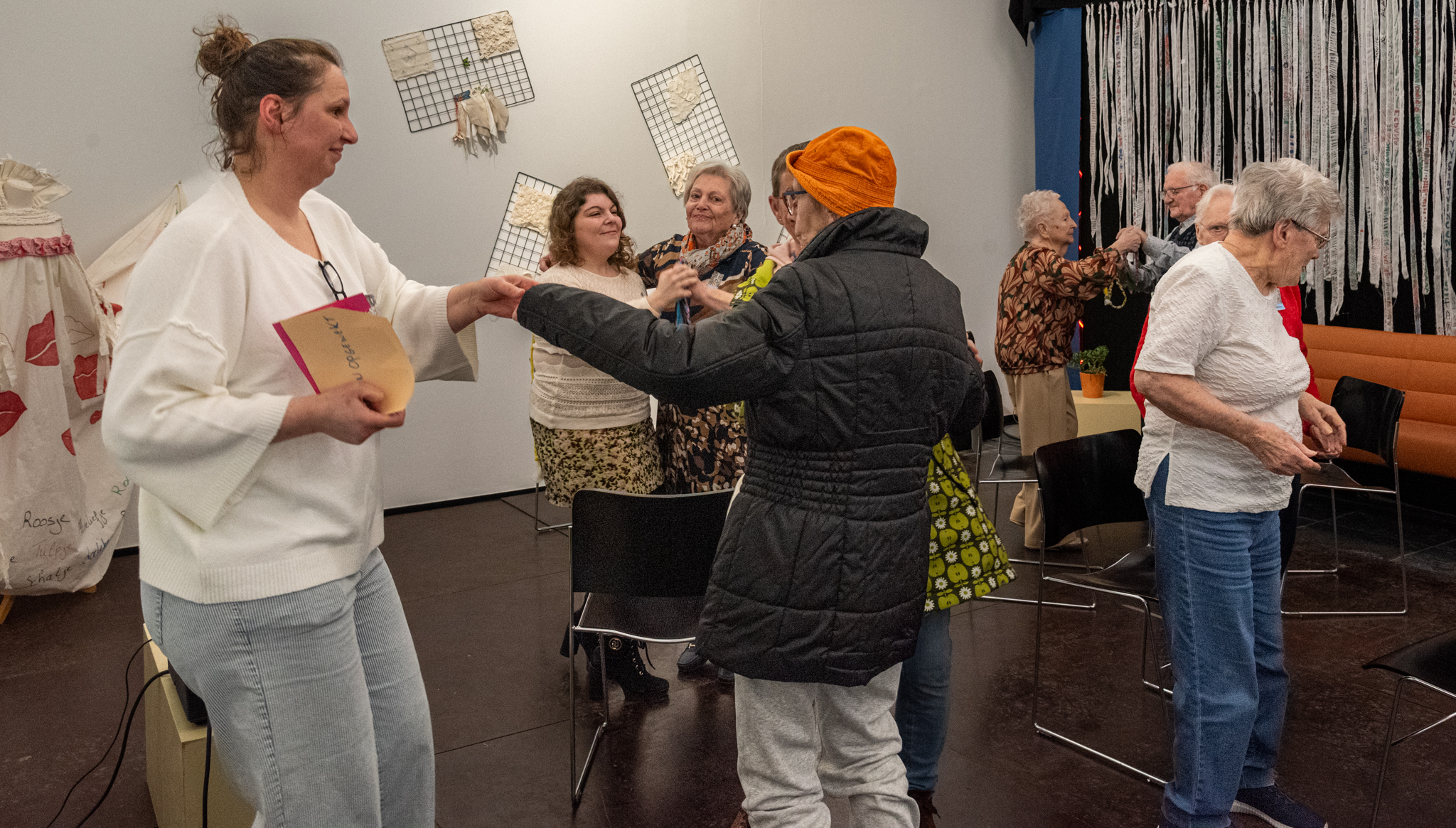
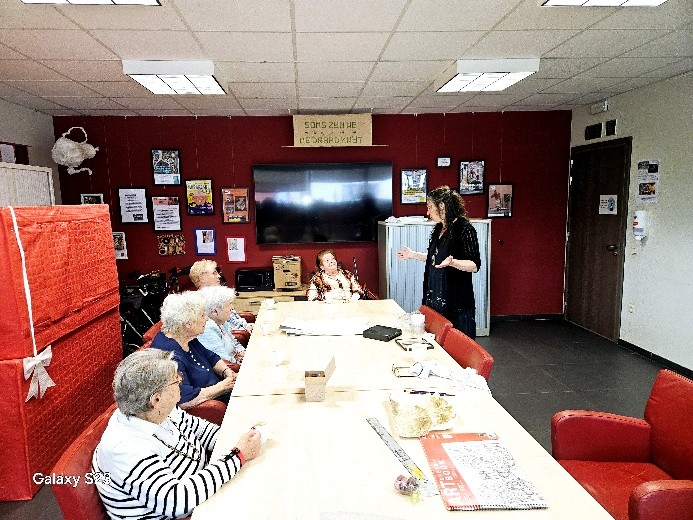
The artistic ateliers function as open laboratories where residents, artists and care staff experiment and create together. These spaces are designed to be accessible for people with different cognitive and physical abilities. By adapting rhythm, communication and sensory stimuli, participation becomes possible for everyone, including people living with advanced dementia.
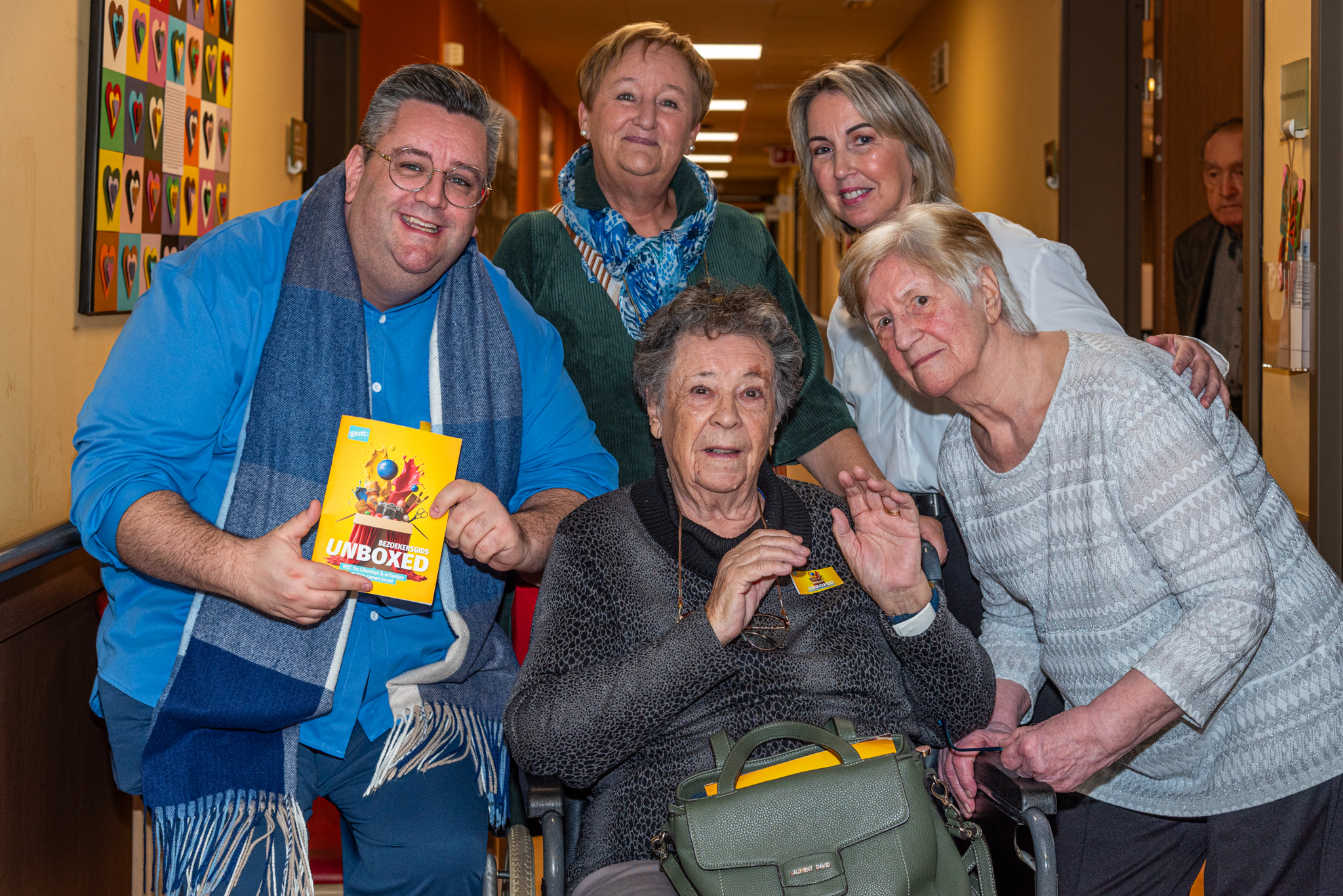
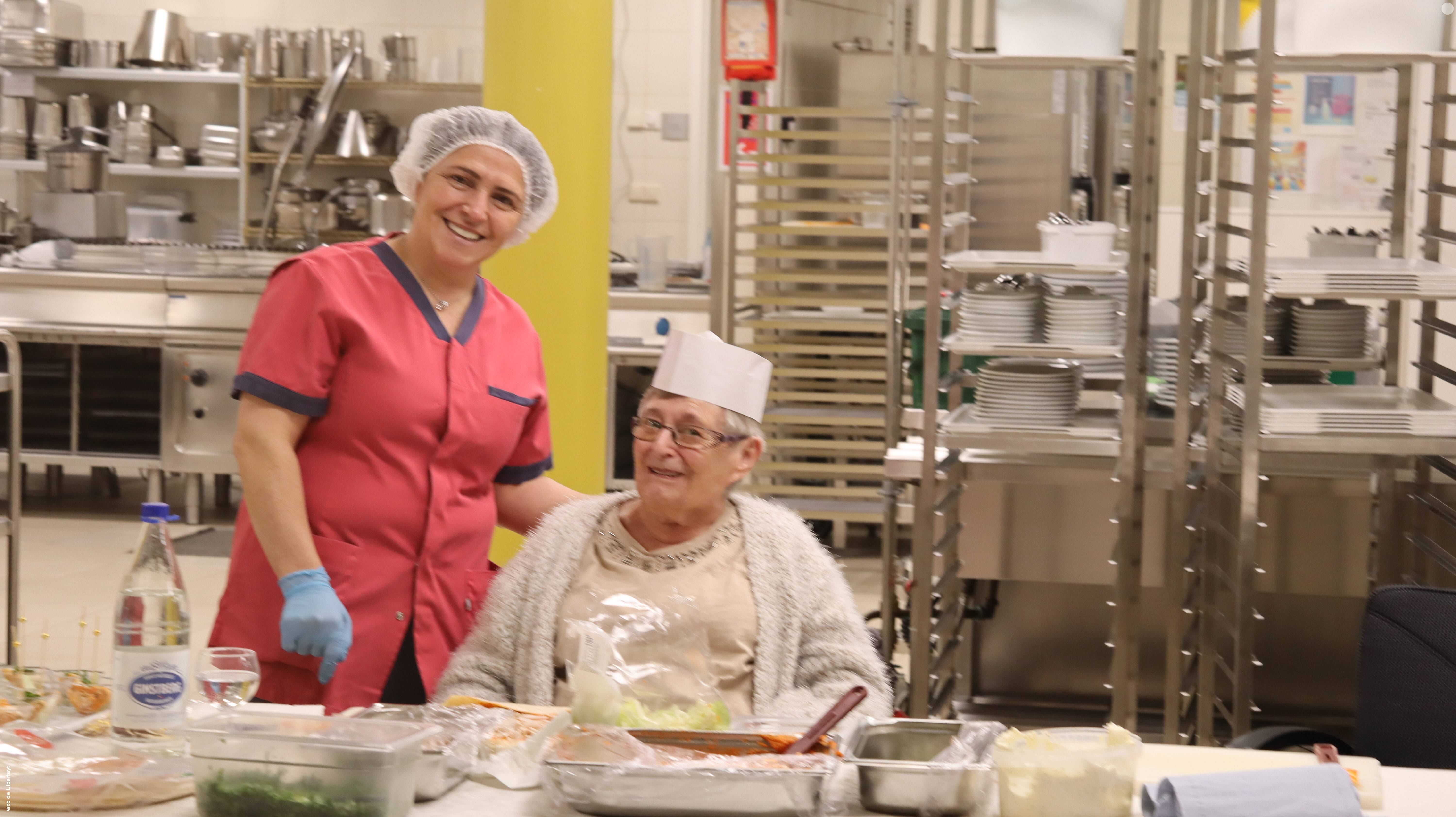
Participation also extends to decision-making and governance within the organisation. Residents are invited to share ideas, contribute to the development of projects and take part in conversations about the future of the care home. They give guided tours to visitors, participate in discussions about new initiatives and are involved in recruitment interviews for new staff members. This shared ownership strengthens residents’ sense of purpose, recognition and wellbeing.
Participation equally benefits the care team. Working in co-creation with residents and artists encourages reflection, dialogue and collaboration, contributing to higher job satisfaction and stronger relationships between staff and residents.
Through exhibitions, performances and collaborative projects, the care home becomes a meeting place between residents and the wider community. Students, artists and citizens work alongside residents, creating a continuous exchange between care, culture and society. By embedding participation in daily practice, Unboxed demonstrates how a residential care home can evolve into a shared cultural space shaped by collective creativity and dialogue.
Unboxed connects the daily practice of a residential care home with broader cultural, educational and care networks. While rooted in the lived experience of residents and caregivers, the project operates within an ecosystem of partners across local, regional and international levels.
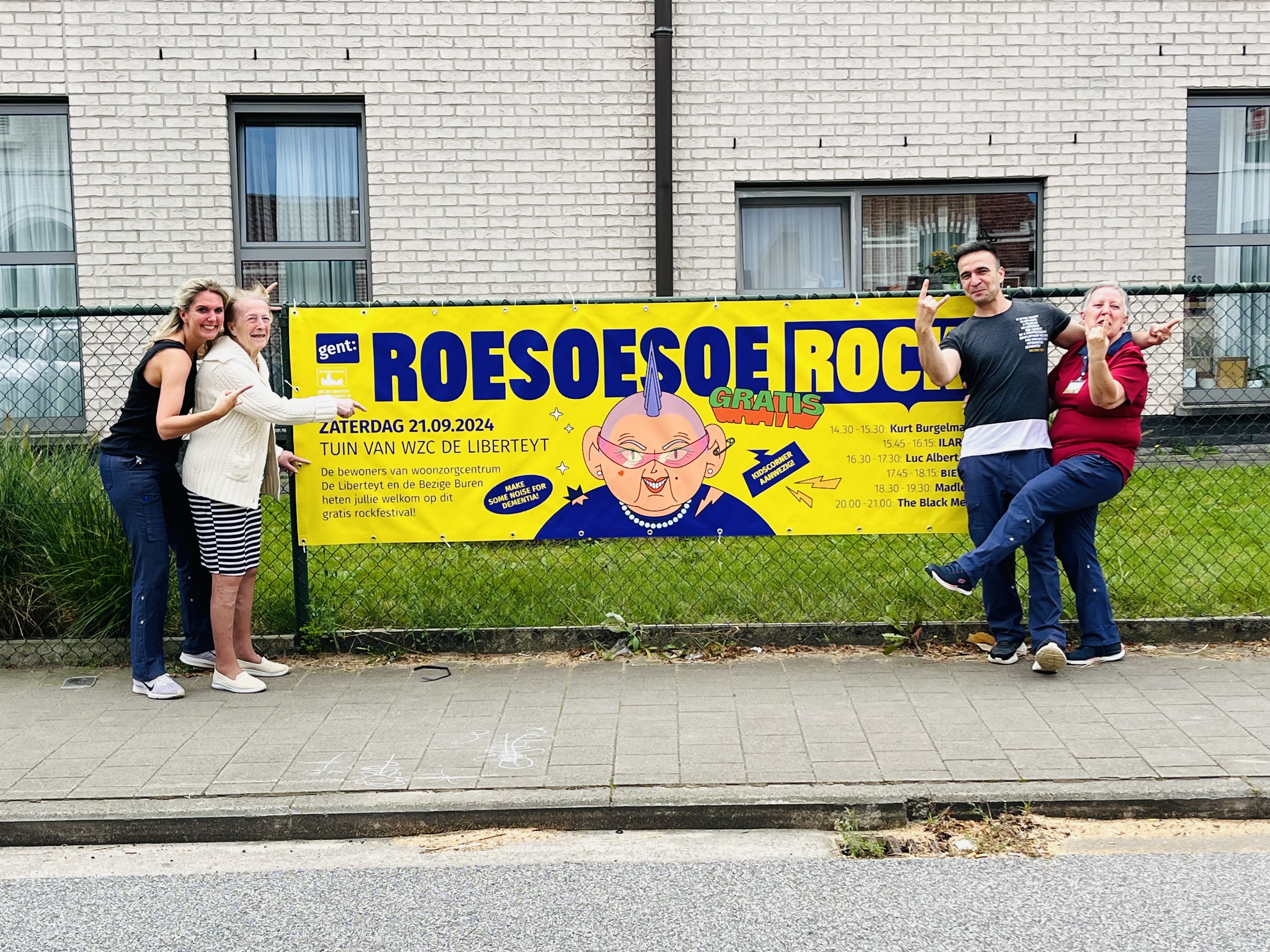
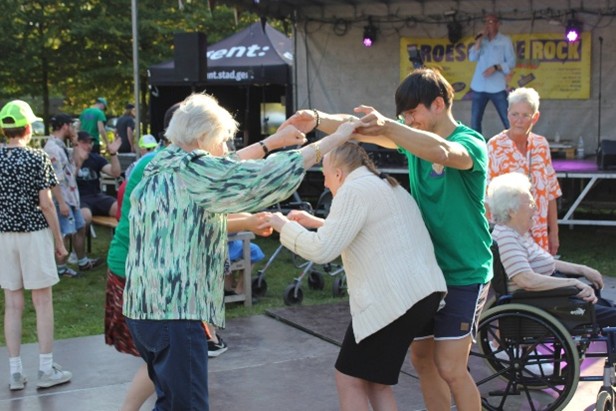
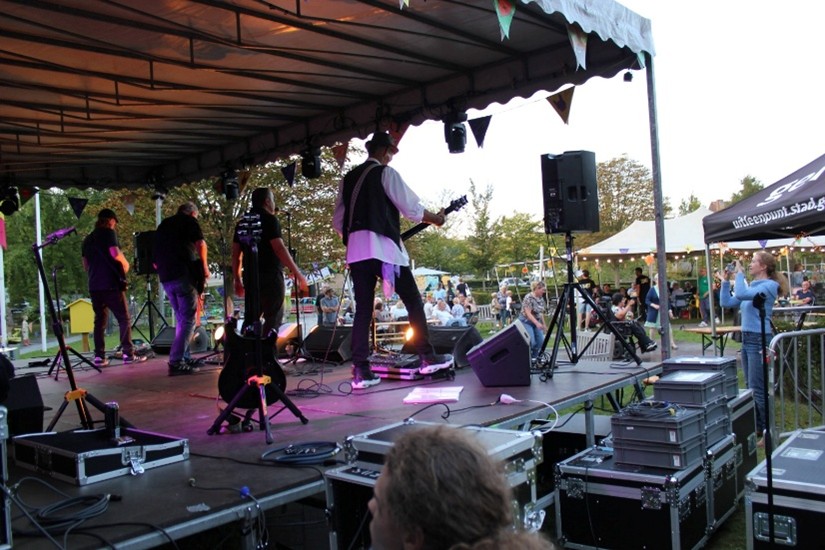
At the local level, residents, caregivers, volunteers and management shape the project together. Professional artists and cultural organisations from Ghent collaborate in developing artistic trajectories, embedding the care home in the cultural life of the city. Public events bring residents, families and neighbours together. One example is Roesoesoe Rock, a rock concert co-created with residents to challenge stigma around dementia and open dialogue with the community.
At the regional and educational level, Unboxed collaborates with several schools and universities, including Artevelde University of Applied Sciences, HoGent, the University of Antwerp, IVV Sint-Vincentius and Spectrum. Students regularly visit the care home, participate in projects and use the site as a learning environment, strengthening the link between care, education and artistic practice.
The project also connects with wider care and knowledge networks. Organisations such as Paradox and several care homes in Sint-Niklaas, Lebbeke and Ghent show interest in the methodology. International visitors also come to learn from the project, including a delegation from the European Ageing Network (EAN).
These exchanges demonstrate the transferability of the approach. Experiences and methods are shared through visits, lectures and collaborations with educational institutions, allowing other organisations to explore how artistic practice can be integrated into care.
By linking local practice with research, education and networks, Unboxed contributes to wider European discussions on care innovation and ageing, in line with the European Care Strategy.
Unboxed brings together artistic practice, care expertise, social sciences and organisational development in one integrated approach. By connecting these disciplines, the project creates new ways of thinking about care, space and community.
Theatre makers, visual artists and performers work closely with caregivers, residents and the management of the care home. Artistic methods such as improvisation, dramaturgy and scenography meet care knowledge related to dementia, relational care and everyday support. This encounter opens new ways to make stories, experiences and interactions visible.
Insights from ageing studies and social sciences also play an important role. Research on identity, agency and meaning in later life is translated into artistic processes in which residents actively contribute to creation and presentation. At the same time, functional care environments are reconsidered through artistic and spatial perspectives, giving everyday spaces new expressive meaning without requiring new infrastructure.
Unboxed also collaborates with the University of Antwerp on research into the integration of art and care. This partnership connects practice with academic research and contributes to a better understanding of the impact of artistic methods in care contexts.
The collaboration is transformative in multiple directions. Artists learn to work within care environments and develop sensitivity to vulnerability and relational dynamics. Care professionals discover creative approaches that deepen communication, reflection and interaction with residents.
By combining art, care and research, Unboxed generates forms of innovation that would not emerge within a single discipline. The project demonstrates how transdisciplinary collaboration can lead to sustainable change in social infrastructures and open new perspectives on ageing, care and community life.
Unboxed operates through a hybrid funding model that combines internal resources, partnerships and external funding, enabling sustainable development beyond single project-based subsidies.A first pillar is its structural embedding within the residential care home. Artistic practice is integrated into daily operations rather than organised as separate activities. Existing infrastructure, staff time and volunteer engagement are used efficiently, limiting additional costs. Part of the budget is therefore covered within the regular operational budget of the care home.A second pillar is investment in a diversified staff profile. In addition to care professionals, Unboxed includes an in-house artist and a music and movement therapist. This interdisciplinary team allows artistic practice to be sustainably embedded in care processes. This approach also contributes to more attractive and resilient jobs in the care sector.A third pillar consists of partnerships with cultural and local actors. Artists, cultural organisations and the Department of Culture of the City of Ghent contribute through co-production, shared expertise, infrastructure and networks. This reduces costs while increasing impact and visibility.A fourth pillar is public and philanthropic funding. Support from the King Baudouin Foundation (EUR 17,800) enabled the further development of the methodology and the expansion of partnerships. Additional project-based funding and in-kind contributions complement this support.Unboxed also develops small-scale revenue streams. Through the Art Shop, artworks created by residents are exhibited and sold, with revenues reinvested in the ateliers. Public events such as Roesoesoe Rock increase visibility and create opportunities for donations, sponsorships and new collaborations.Overall, the budget is a blended model, combining operational funding, partnerships, external grants and limited own revenues. This diversified structure strengthens financial resilience.
Unboxed is designed as a transferable methodology that can be implemented in other residential care settings. Its strength lies not in individual art projects, but in a structured approach that integrates art, care and participation into daily practice.
The model can be replicated through several concrete steps. First, organisations develop a shared vision, co-created with residents, staff and management, in which residents and staff are recognised as co-creators, actively shaping both care practices and artistic processes.
Second, a participatory approach is adopted, where artistic processes start from residents’ stories, memories and abilities. Care professionals play a key role in translating artistic methods into daily care practice.
Third, art is embedded in everyday routines instead of organised as a separate activity. Existing spaces and moments are used differently, for example by transforming common areas into creative environments.
Fourth, organisations build a diversified team, including artists or creative therapists alongside care staff. This interdisciplinary collaboration strengthens both care quality and staff engagement.
Fifth, partnerships are developed with local cultural organisations, schools and community actors, enabling shared resources, knowledge and visibility.
Minimum conditions include management support, openness to experimentation and active staff involvement. The approach does not require major infrastructure changes, making it adaptable to different care contexts.
Knowledge is shared through research collaborations, including the University of Antwerp, study visits and exchanges with other organisations. Growing interest from care homes, educational institutions and international networks demonstrates its scalability.