Enhancing Circularity, Sustainability, and Innovation
Miscanthus Moldova
Miscanthus Moldova: Circular Bioeconomy & Sustainable Agriculture R&D
Miscanthus Moldova is an R&D startup from the Republic of Moldova pioneering sustainable biomass cultivation and circular bioeconomy solutions. We develop innovative Miscanthus propagation methods, transforming marginal agricultural land into productive, carbon-sequestering energy crop fields. By combining plant breeding expertise with circular economy principles, we empower rural communities, reduce fossil fuel dependence, and drive green innovation across Moldova and the wider European neighbo
Moldova
Regional
Moldova, Ukraine and Romania
It addresses urban-rural linkages
It involves other types of transformations (soft investment)
Yes
2023-07-13
No
No
No
Individual
Miscanthus Moldova (Miscanthus SRL) is an R&D startup based in Chisinau, Republic of Moldova, pioneering a circular bioeconomy model centred on the perennial energy crop Miscanthus. Founded by plant breeder and researcher Anatolii Sandu, the company transforms degraded and underutilised agricultural land into productive, carbon-sequestering biomass fields, creating a new value chain from farm to energy and advanced bio-based materials.
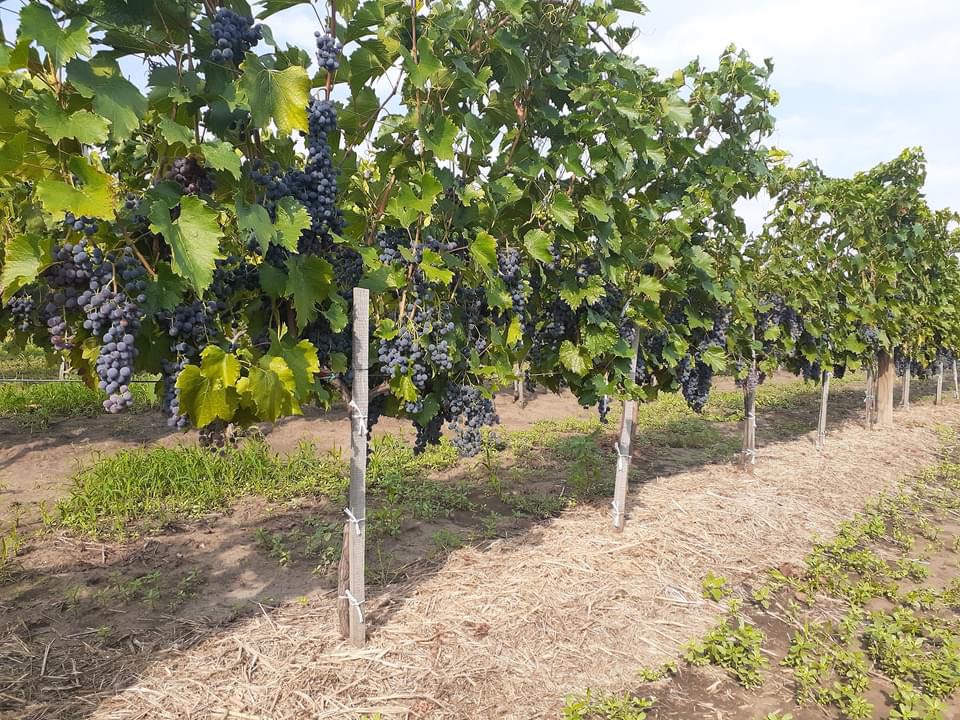
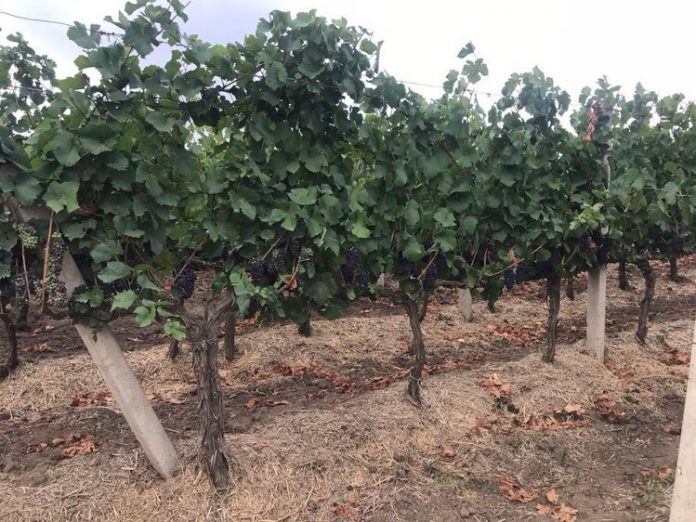
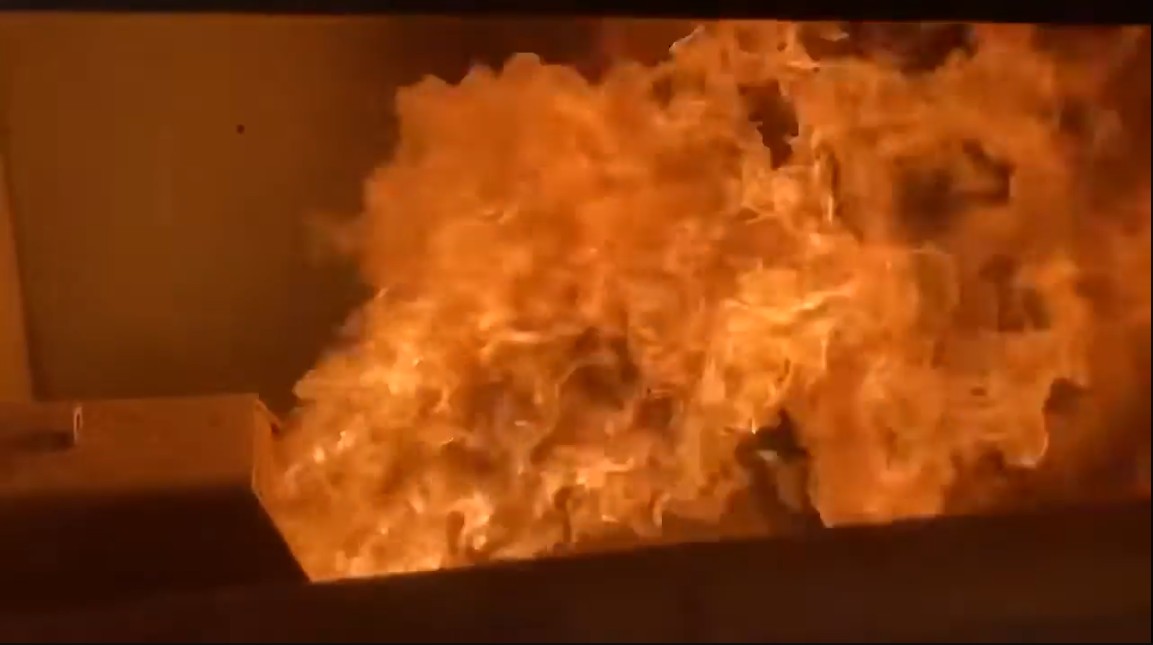
ACHIEVED RESULTS: Experimental Miscanthus plots established on local Moldovan soils, testing M. giganteus and hybrid varieties. Successful biomass combustion trials with positive results in local heating systems. Organic mulch applications piloted at premium vineyard Purcari, demonstrating soil protection and moisture retention benefits. Collaboration agreements with IBERS (UK), UNDP Moldova, and Technical University of Moldova (UTM). Registered trademark "Miscanthus" for biomass and sustainable agriculture. Copyright-protected digital platform, AI algorithms, and scientific analysis services.
LONG-TERM IMPACT: Supply of standardised, locally-grown biomass to 19 planned biomass heating plants across Moldova (SACET/Termoelectrica network). Rehabilitation of contaminated and eroded soils through phytoremediation. Carbon sequestration monitoring and certification for carbon credits. Creation of 10-25 t/ha annual biomass yield on otherwise unproductive land. Development of bio-based construction materials, packaging, and biochemicals. A fully digital, AI-powered SaaS platform for traceability, predictive planning, and sustainability reporting (ISO 14064, RED II). The project positions Moldova as a regional leader in climate-smart agriculture and circular bioeconomy, directly aligned with EU Green Deal and NEB sustainability goals.
The story of Miscanthus Moldova begins with a clear observation: Moldova has vast areas of degraded, eroded, and contaminated agricultural land that cannot support food crops, yet these lands represent an untapped resource for sustainable biomass production. Simultaneously, Moldova's heating sector heavily depends on uncontrolled wood burning and low-quality agricultural residues, causing environmental damage and energy insecurity.
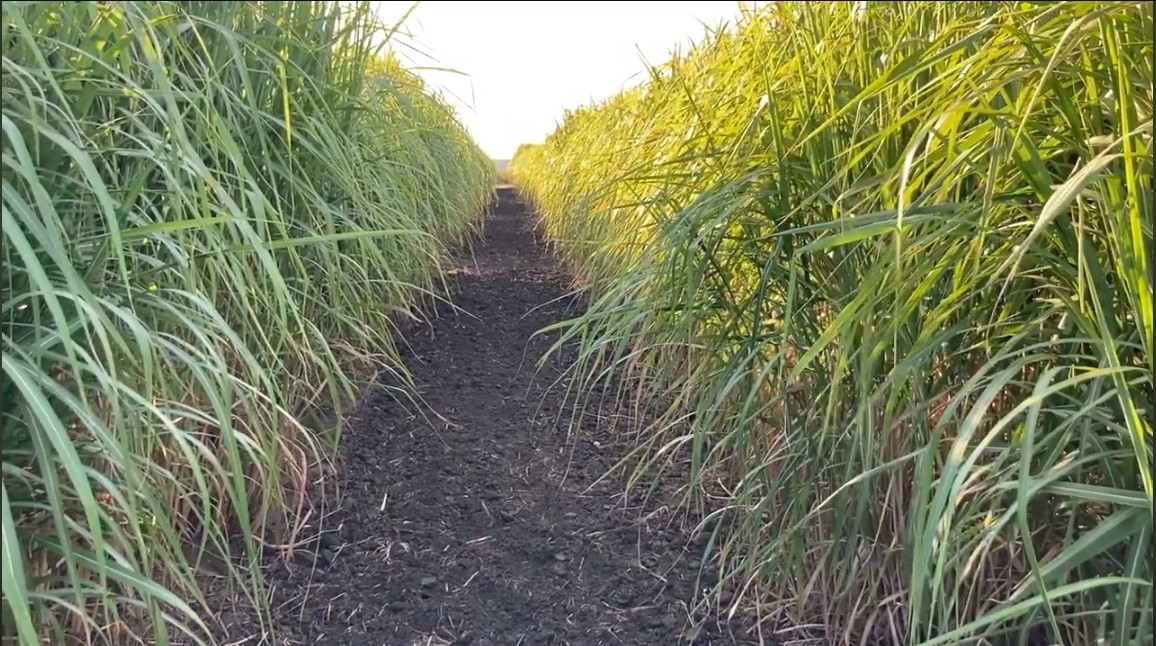
Founder Anatolii Sandu, a plant breeder with international research experience in the UK (IBERS), Germany, Romania, and Ukraine, identified Miscanthus — a low-input, high-yield perennial grass — as the ideal solution. With a 20-year lifespan, yields of 10-25 t/ha, deep root carbon sequestration, and near-zero pesticide requirements, Miscanthus offered a transformative opportunity.
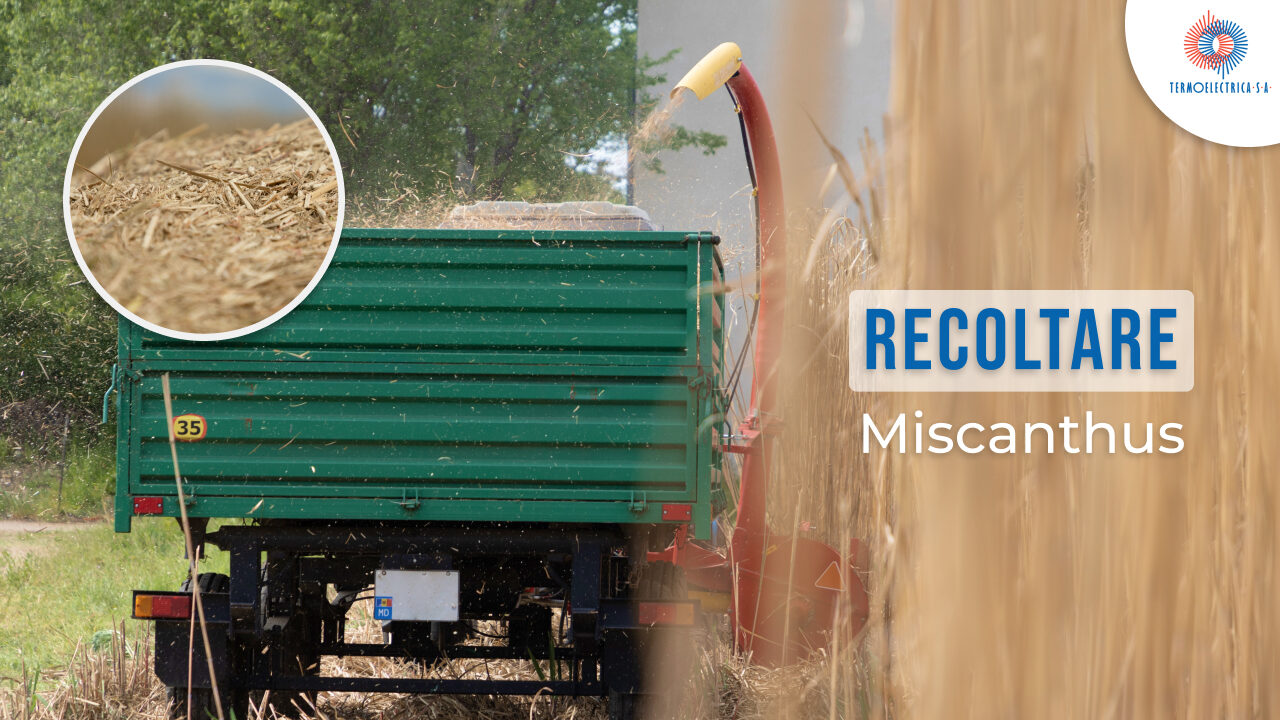
IMPLEMENTATION: The project began with establishing experimental field plots in Moldova, testing local adaptability of M. giganteus and hybrid varieties on different soil types. Biomass quality was validated through combustion tests with positive outcomes. The organic mulch application was piloted at Purcari winery — one of Moldova's most prestigious vineyards — proving agronomic and economic value beyond energy.
Partnerships were built progressively: IBERS (UK) for scientific support, UNDP Moldova for sustainable development alignment, and UTM (Technical University of Moldova) for academic collaboration and access to the Agrotek Park — a 32-ha innovation campus with 7 laboratories and 370 ha of demonstration fields in Criuleni. This infrastructure provides the foundation for the next phase: 10-20 ha pilot plantations with IoT sensors, drones, and satellite monitoring, 1-2 complete-cycle contracts, and development of a digital MVP platform for full traceability and AI-driven production planning.
circular bioeconomy
sustainable biomass energy
soil regeneration
carbon farming
AgriTech innovation
Miscanthus Moldova directly addresses multiple dimensions of sustainability:
ENVIRONMENTAL: Miscanthus is a perennial grass with a 20+ year lifespan, requiring minimal inputs — no herbicides after establishment, near-zero pesticides, low fertiliser. It produces 10-25 t/ha/year of standardised biomass, replacing uncontrolled wood burning and fossil fuel use. It sequesters carbon both in above-ground biomass and, crucially, in deep soil organic matter (measured at 0-60 cm depth). Phytoremediation protocols clean contaminated soils while producing biomass. CO2 reduction of 80-90% vs fossil fuels is documented.
ECONOMIC: The project creates new income streams for Moldovan farmers on marginal lands — lands that currently generate zero revenue. Long-term contracts (10-20 years) provide income stability. The cascade model (energy → materials → biochemicals → pharma) maximises value per tonne of biomass, reducing waste to near zero. This directly benefits smallholder farmers and rural communities facing energy poverty.
SOCIAL: Moldova is one of Europe's most energy-vulnerable countries. Locally produced Miscanthus biomass fed into the 19 planned heating plants reduces household energy costs and dependence on imported fossil fuels. This has direct social impact on lower-income households in rural areas.
CULTURAL: The project promotes a new agricultural culture: from extractive, single-crop farming towards regenerative, multi-value, long-term land stewardship. Collaboration with UTM students, research mentorship, and workshops embed sustainability values in the next generation of Moldovan agricultural professionals.
The project is exemplary because it unites environmental restoration, economic innovation, and social resilience in a single, scientifically grounded, scalable model.
Aesthetics in the NEB sense goes beyond visual beauty — it encompasses the quality of living environments and the sensory experience of landscapes, communities, and spaces. Miscanthus Moldova contributes to aesthetics on multiple levels:
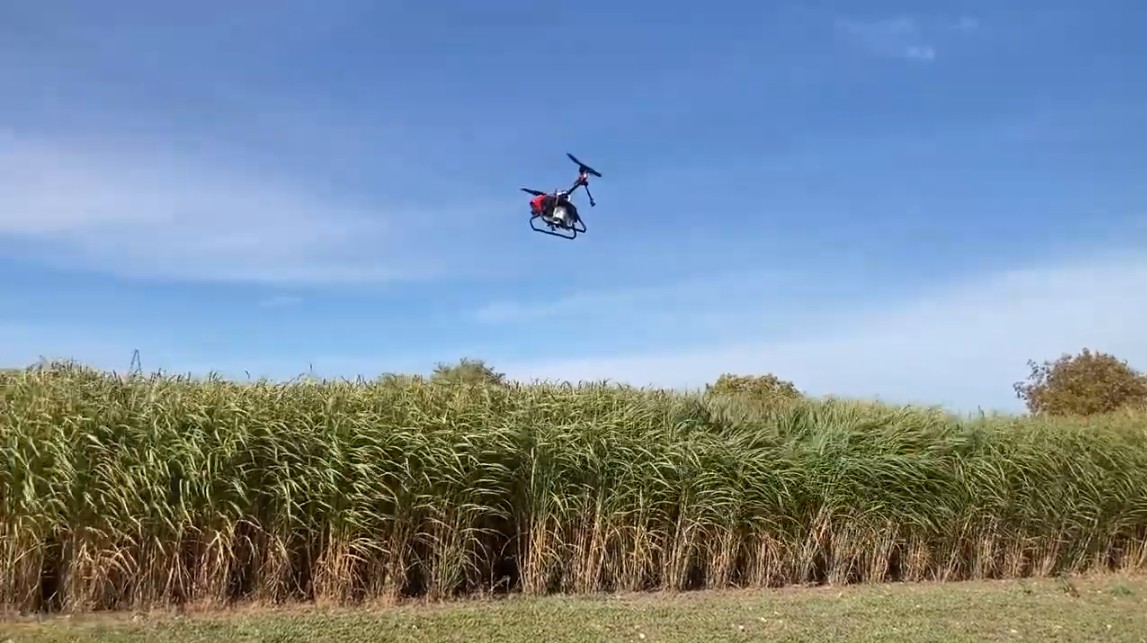
LANDSCAPE TRANSFORMATION: Miscanthus fields are visually striking — tall, graceful grasses reaching 3-4 metres, turning golden in autumn and winter. They transform neglected, eroded, often unsightly degraded lands into living, productive green corridors. In Moldova, where abandoned agricultural plots are a visible sign of rural decline, Miscanthus fields become symbols of renewal and vitality.
AGRICULTURAL BEAUTY: The organic mulch use at Purcari winery demonstrates aesthetic value: uniform, natural Miscanthus mulch between vineyard rows creates a visually coherent, clean, professional appearance compared to bare or chemical-treated soil. It connects agricultural practice to the premium identity of the vineyard — a direct contribution to the beauty and brand of place.
COMMUNITY SENSE OF BELONGING: By re-activating marginal lands and connecting them to productive local heating systems, the project creates visible, tangible proof that Moldova's land can be beautiful and purposeful again. Farmers who see their "worthless" land become productive biomass fields experience a renewed pride in their agricultural heritage.
BUILT ENVIRONMENT: The future development of Miscanthus-based construction panels and insulation materials brings natural, bio-based aesthetics into the built environment — warm, textured, carbon-neutral building materials that reflect regional identity and environmental care.
IN SUMMARY: Miscanthus Moldova makes the rural landscape of Moldova more beautiful, productive, and meaningful — restoring dignity to marginal lands and creating new visual and cultural narratives around sustainable agriculture.
Miscanthus Moldova is fundamentally built on the principle of inclusion — making the benefits of the green transition accessible to those who need it most:
FARMER INCLUSION: The project targets smallholder and medium-scale farmers who own degraded or marginal lands with no viable income from conventional crops. By offering 10-20 year contract farming agreements with guaranteed biomass offtake, the project provides affordable access to a new economic model — with minimal upfront investment required from farmers. Miscanthus requires only establishment costs, after which yields are largely self-sustaining for two decades.
RURAL COMMUNITY INCLUSION: Moldova's rural population faces disproportionate energy poverty. Centralised biomass heating systems (SACET network, 19 planned plants) powered by locally grown Miscanthus directly reduce heating costs for rural and peri-urban households. Affordable local heat is a concrete social inclusion outcome.
YOUTH AND EDUCATION INCLUSION: The collaboration with UTM (Technical University of Moldova) and the Agrotek Park includes student internships, joint thesis projects, and open workshops — minimum 2 field days per growing season. Young Moldovan agricultural and engineering students gain hands-on access to precision agriculture technology (IoT, drones, AI, satellite imagery) that would otherwise be inaccessible.
BENEFIT-SHARING MODEL: The project explicitly incorporates a benefit-sharing framework with farmers and communities. Carbon credit revenues from verified carbon sequestration are shared with land owners, providing an additional income stream and ensuring that the climate benefits are equitably distributed.
GENDER AND SOCIAL EQUITY: Open training workshops, mentorship for AgriTech startups at Agrotek Park, and accessible digital tools (SaaS platform) ensure that benefits are not concentrated in a single actor but distributed across the agricultural community.
Miscanthus Moldova has actively engaged multiple citizen and community groups throughout its development:
FARMERS AS CO-DESIGNERS: The project model was developed in direct dialogue with Moldovan farmers. Land suitability assessments, crop expectations, and contract structures were co-developed with potential growers. Farmers are not passive recipients — they are active partners in establishing plantations, monitoring crops, and providing feedback on agronomic protocols. Their knowledge of local soils, microclimate variations, and traditional land use enriches the scientific R&D programme.
PURCARI WINERY PILOT: The mulching trial at Purcari was implemented as a genuine co-creation process. Vineyard agronomists tested Miscanthus mulch alongside their existing practices, evaluated results, and contributed to protocol refinement. This real-world collaboration validated the product in a demanding premium agricultural context.
HEATING SYSTEM OPERATORS: Engagement with SACET and other heating plant operators included biomass quality testing and discussion of operational requirements, ensuring that the biomass standards developed by the project meet real user needs. End-users shaped the product specifications.
ACADEMIC COMMUNITY: UTM students and researchers participate actively in experimental plot management, data collection, and analysis — developing shared ownership of results. Planned minimum 2 open field days per season invite the broader agricultural and student community to observe, learn, and contribute.
AGROTEK PARK COMMUNITY: As a resident of the Agrotek Park incubator, Miscanthus Moldova participates in a collaborative ecosystem of AgriTech startups, sharing data, co-piloting technologies, and contributing to collective knowledge building.
This participatory approach ensures that the project reflects genuine community needs and builds lasting social capital around sustainable land use.
Miscanthus Moldova demonstrates genuine multilevel governance engagement across local, national, and European levels:
LOCAL LEVEL: Direct engagement with individual farmers and landowners in Criuleni district (370 ha demonstration area) and other localities. Local public authorities are engaged as stakeholders in the rollout of biomass heating solutions. The Agrotek Park campus (32 ha, UTM) serves as the local innovation hub anchoring the project.
NATIONAL LEVEL: Collaboration with UTM (Technical University of Moldova) — a national academic institution — for research, laboratory facilities, and student involvement. Alignment with Moldova's national energy decarbonisation strategy and the 19 biomass heating plants programme (Termoelectrica/SACET). Engagement with UNDP Moldova, which operates at national policy level on sustainable development. Registered intellectual property (trademark, copyrights) through national authorities.
EUROPEAN NEIGHBOURHOOD LEVEL: The project operates within the EU Neighbourhood Policy framework, as Moldova is an EU candidate country. Scientific collaboration with IBERS (Institute of Biological, Environmental and Rural Sciences, Aberystwyth University, UK) — one of Europe's leading Miscanthus research institutions — brings European best practices directly into the Moldovan context.
EU FRAMEWORK ALIGNMENT: The project explicitly aligns with EU RED II (Renewable Energy Directive), ISO 14064 (carbon accounting), and EU Green Deal principles. The biomass quality standards developed are designed to meet EU criteria, facilitating future market access to EU member states.
ADDED VALUE: This multilevel architecture ensures that local pilot activities are grounded in national policy priorities and European scientific standards — creating a governance model that is both contextually relevant and internationally credible, maximising impact and accelerating policy uptake.
Miscanthus Moldova integrates eight disciplines:
1. PLANT BREEDING & AGRONOMY: Genotype selection, propagation protocols — integrating IBERS (UK) expertise with local conditions.
2. ENVIRONMENTAL SCIENCES: Soil carbon (0-60 cm), phytoremediation, GHG accounting (ISO 14064, RED II).
3. DIGITAL TECHNOLOGIES & AI: Proprietary AI algorithms, IoT sensors, satellite/drone monitoring, SaaS traceability platform.
4. ENGINEERING: Biomass densification, combustion, Miscanthus construction panels (UTM/UCCM).
5. SOCIAL SCIENCES & ECONOMICS: Contract farming, benefit-sharing, energy poverty analysis, circular economy modelling.
6. CHEMISTRY & MATERIAL SCIENCE: Biorefinery cascade — packaging, biochemicals, bio-plastics, bio-ethanol.
7. ARCHITECTURE & DESIGN: Miscanthus panels and insulation for sustainable green building.
8. BUSINESS & STRATEGY: IP management, startup incubation (Agrotek Park), EU neighbourhood scaling.
This integration makes Miscanthus Moldova genuinely innovative and aligned with NEB values.
Miscanthus Moldova operates a multi-stream "Biomass as a Service" business model with long-term financial sustainability built in:
REVENUE STREAMS:
1. BIOMASS SALES (primary): Standardised Miscanthus bales, pellets, and briquettes sold to heating plant operators (SACET/Termoelectrica, 19 planned plants), agro-food processors (grain drying, cold storage), and horticultural/viticultural clients (organic mulch — Purcari and others). Prices are contract-based, 10-20 year agreements ensuring revenue predictability.
2. CARBON CREDITS: Verified carbon sequestration in soil and biomass, measured with ISO 14064 methodology. Revenue from carbon credit sales is shared with farmers, creating an additional income layer and aligning stakeholder interests.
3. BIO-BASED MATERIALS (future): Revenue from Miscanthus construction panels, packaging, biochemicals, and bio-ethanol as value-added cascade products, expanding margins per tonne of biomass.
4. DIGITAL PLATFORM (SaaS): Subscription revenue from the proprietary traceability and planning platform, licensed to other biomass operators, agro-food businesses, and potentially exported to other EU neighbourhood markets.
5. R&D CONSULTING SERVICES: Fee-based scientific consulting, genotype testing, and protocol development for clients needing expertise in Miscanthus cultivation, biomass quality standards, and precision agriculture.
6. AGROTEK PARK RESIDENCY: Infrastructure access (32 ha, 7 labs, 370 ha demonstration area) at reduced cost through the UTM incubator, significantly lowering fixed costs in the R&D phase.
FINANCIAL SUSTAINABILITY: The combination of long-term offtake contracts, carbon credit revenues, and platform licensing creates a resilient, diversified revenue base. The 20-year crop lifespan means establishment costs are amortised over two decades, delivering excellent unit economics at scale. The model is designed to attract EU Green Deal investment instruments and private impact investors.
Miscanthus Moldova is specifically designed for replication across multiple geographies and sectors:
METHODOLOGY REPLICATION: The cultivation protocols, genotype selection process, soil assessment frameworks, and biomass quality standards are being documented as transferable technical guides for farmers. These are applicable across Eastern Europe, the Western Balkans, and other EU candidate countries with similar agro-climatic conditions and land degradation challenges (Ukraine, Romania, Serbia, Georgia).
DIGITAL PLATFORM: The SaaS traceability and AI planning platform is geography-agnostic. It can be licensed to biomass operators, agro-food businesses, and municipalities in any country, scaling the digital innovation beyond Moldova.
CARBON FARMING METHODOLOGY: The carbon sequestration measurement and certification protocols (ISO 14064-based) can be adopted by any agricultural operator seeking carbon credits, creating a new revenue stream for farmers across EU neighbourhood countries.
BUSINESS MODEL: The "Biomass as a Service" contract farming model — with long-term offtake agreements, shared carbon revenues, and minimal farmer investment — is directly replicable in any country with underutilised marginal lands and heating/energy needs. Romania, Ukraine, Poland, and other Eastern European countries have similar land degradation profiles.
CASCADE MODEL: The biorefinery approach (energy → materials → biochemicals) provides a scalable template for transforming any biomass supply chain from single-product to multi-value. This is applicable to other energy crops and agricultural residue streams.
SECTOR TRANSFER: The organic mulch application pioneered at Purcari winery is directly transferable to viticulture, horticulture, and orchards across the Mediterranean and Eastern European wine regions. The construction material application is transferable to the EU sustainable building sector.
NEB RELEVANCE: Miscanthus Moldova's model is designed to be a replicable bluepr
- https://termoelectrica.md/termoelectrica-a-inaugurat-prima-centrala-termica-pe-biomasa-integrata-in-sacet-2/
- https://termoelectrica.md/a-inceput-recoltarea-plantei-energetice-miscanthus-pentru-centrala-termica-pe-baza-de-biomasa-video/
- https://agrobiznes.md/purcari-winery-va-infiinta-o-plantatie-de-miscanthus-pentru-mulcirea-vitei-de-vie.html