Enhancing Circularity, Sustainability, and Innovation
Rebooks: Indestructible Circular Books
Rebooks: 3D-Printed Tactile Books from Recycled Plastic for Emotional Resilience and Eco-Education
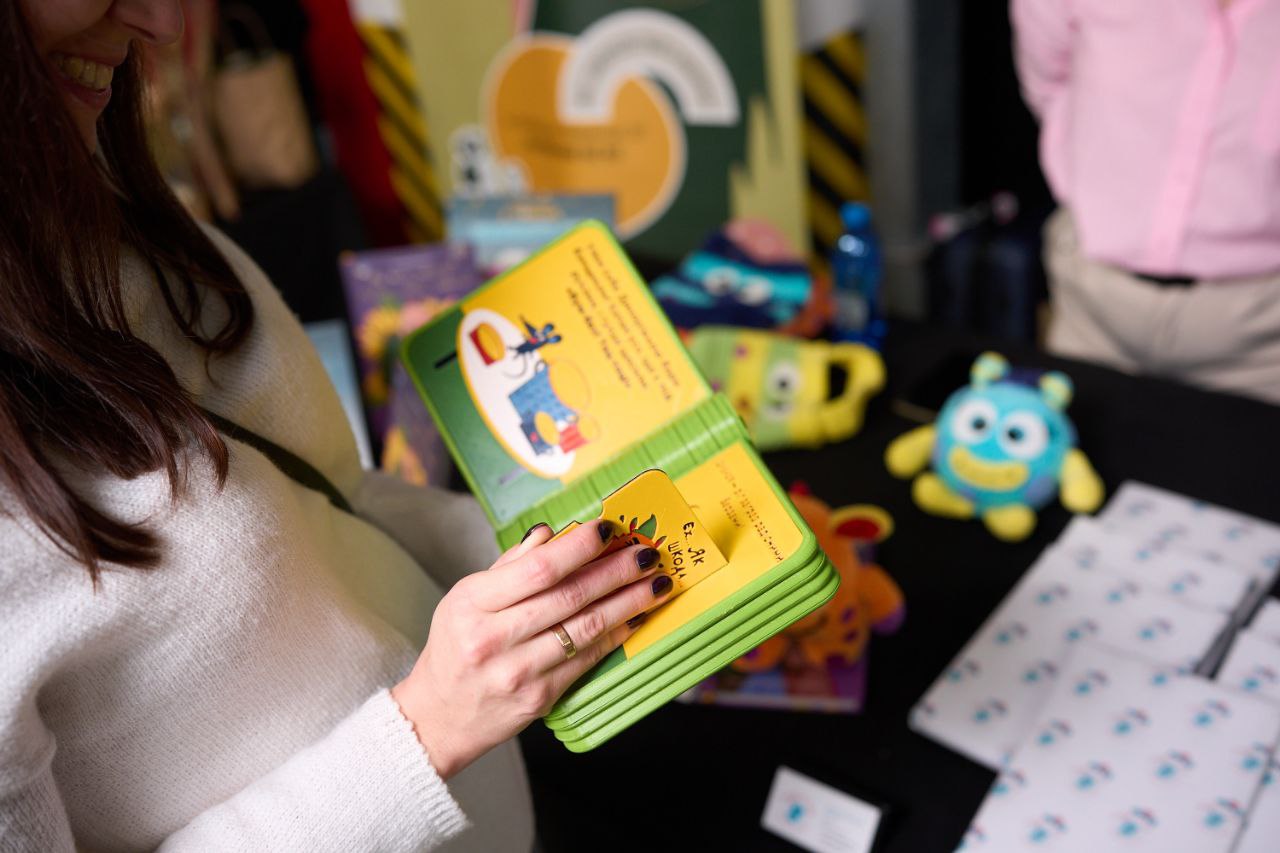
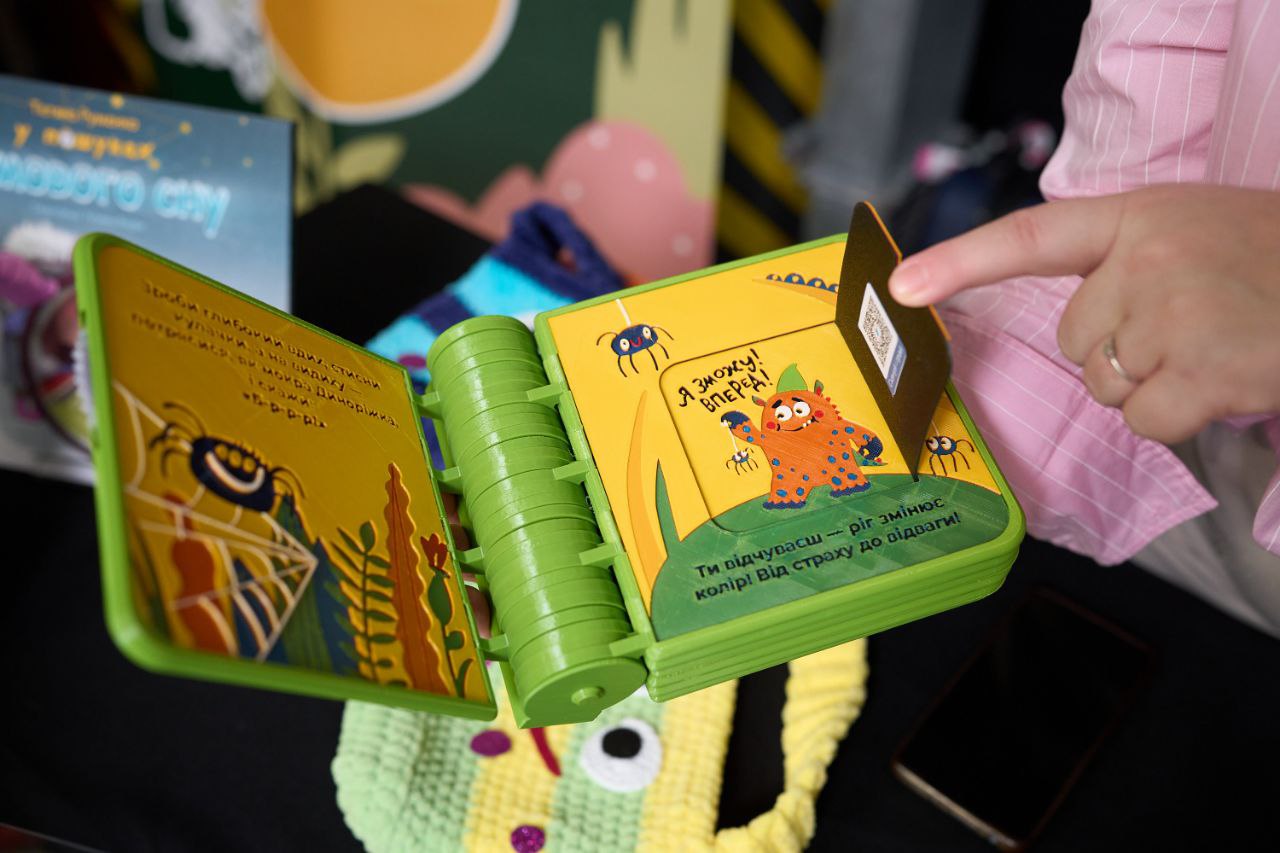
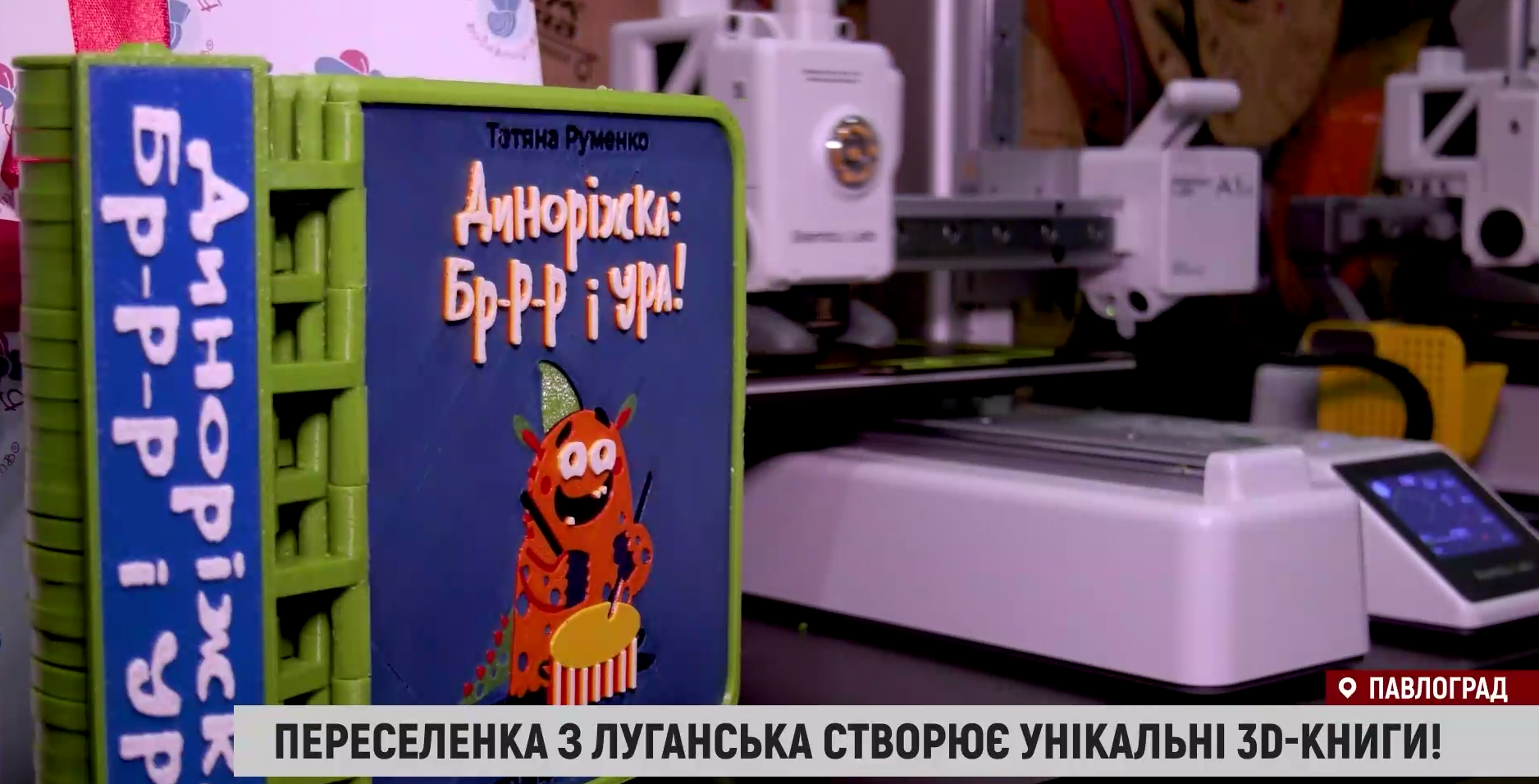
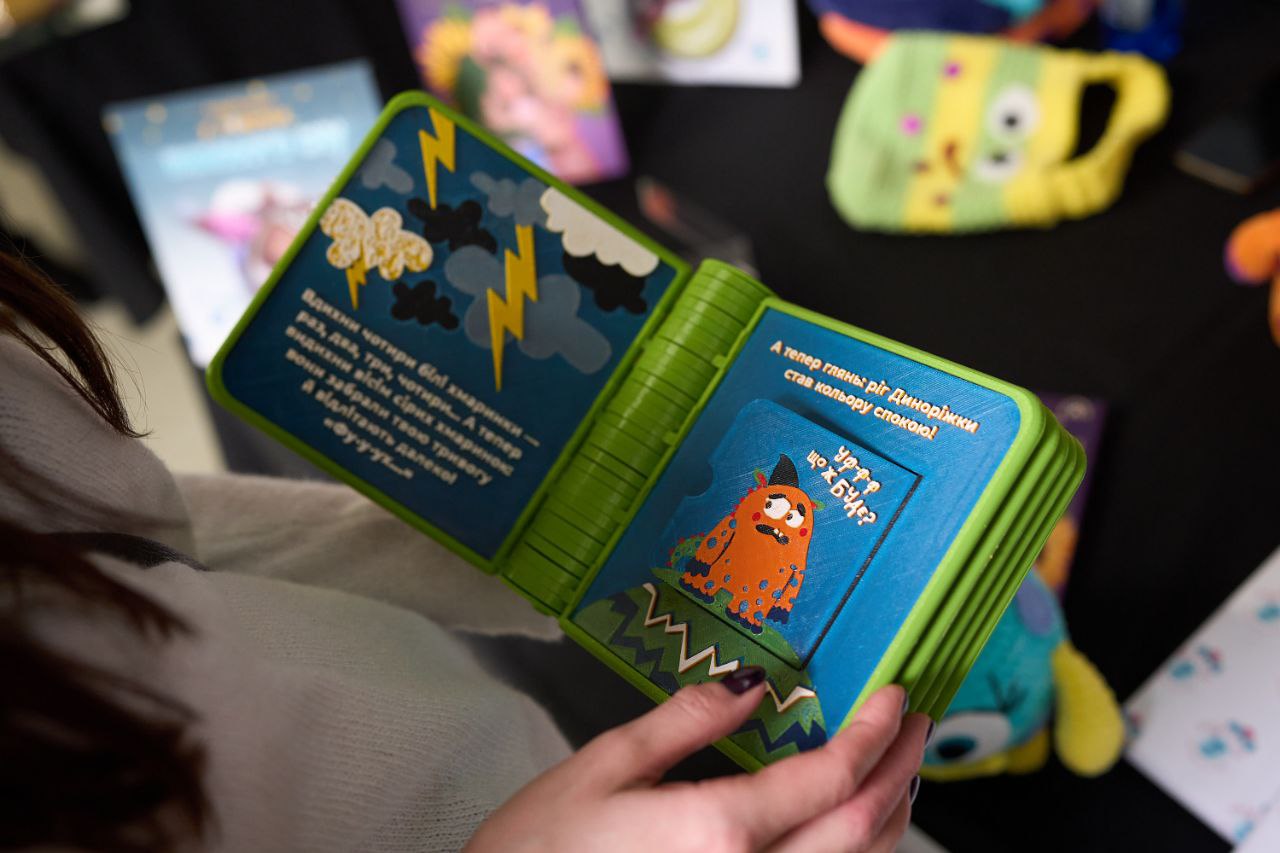
Under sirens and blackouts in frontline Pavlohrad, Ukraine, Rebooks courageously turns recycled plastic into indestructible 3D-printed books. Using certified filament from the Netherlands, we produced 200 books (200 kg of plastic), helping 1,200+ children. Featuring 6 titles—1 on Emotional Intelligence (with QR-games) and 5 on Eco-Education—Rebooks turns waste into stability, supported by local authorities and NGOs.
Ukraine
National
Mainly urban
It involves other types of transformations (soft investment)
Yes
2025-12-01
No
No
No
Organisation
TELL US ABOUT YOUR PROJECT
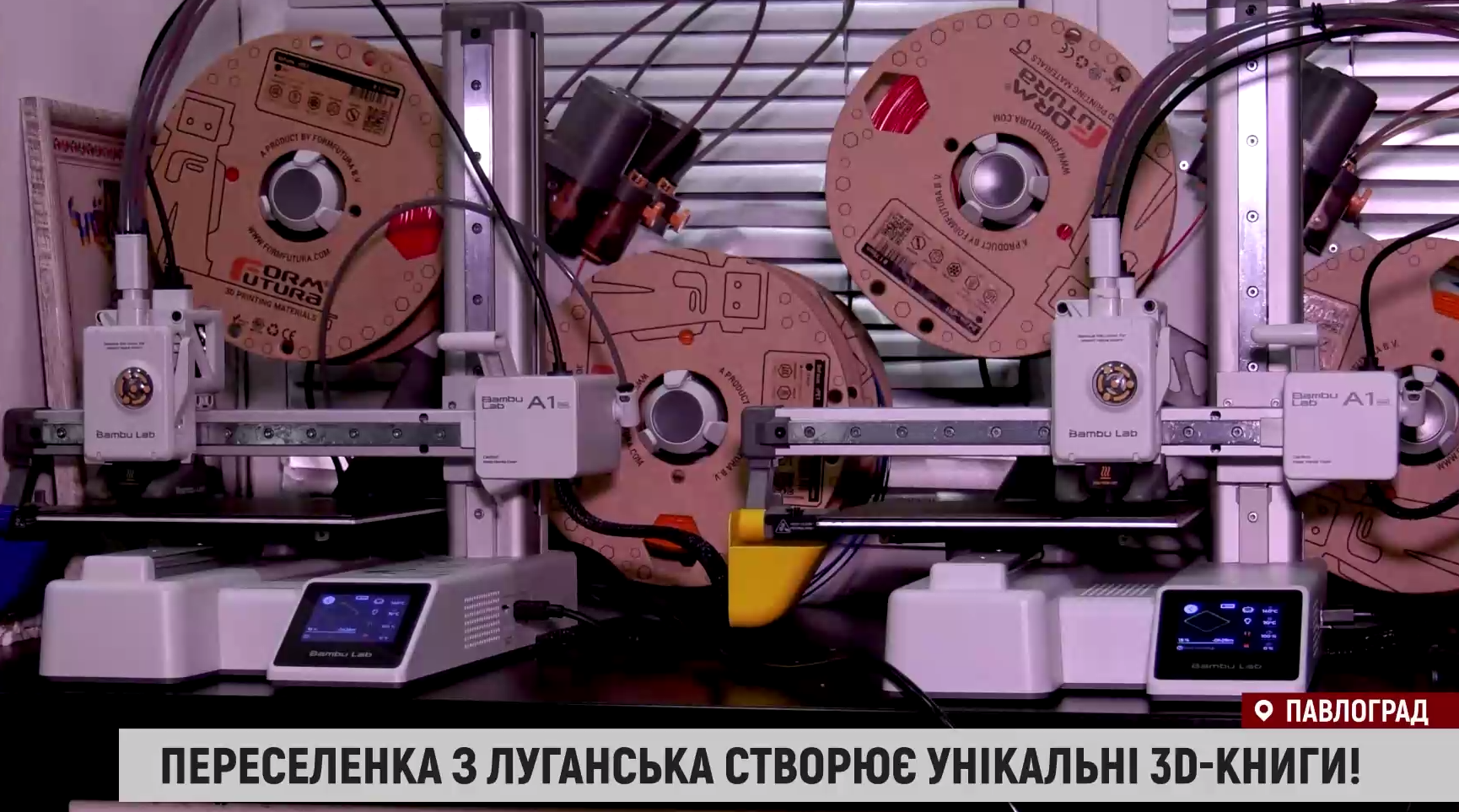
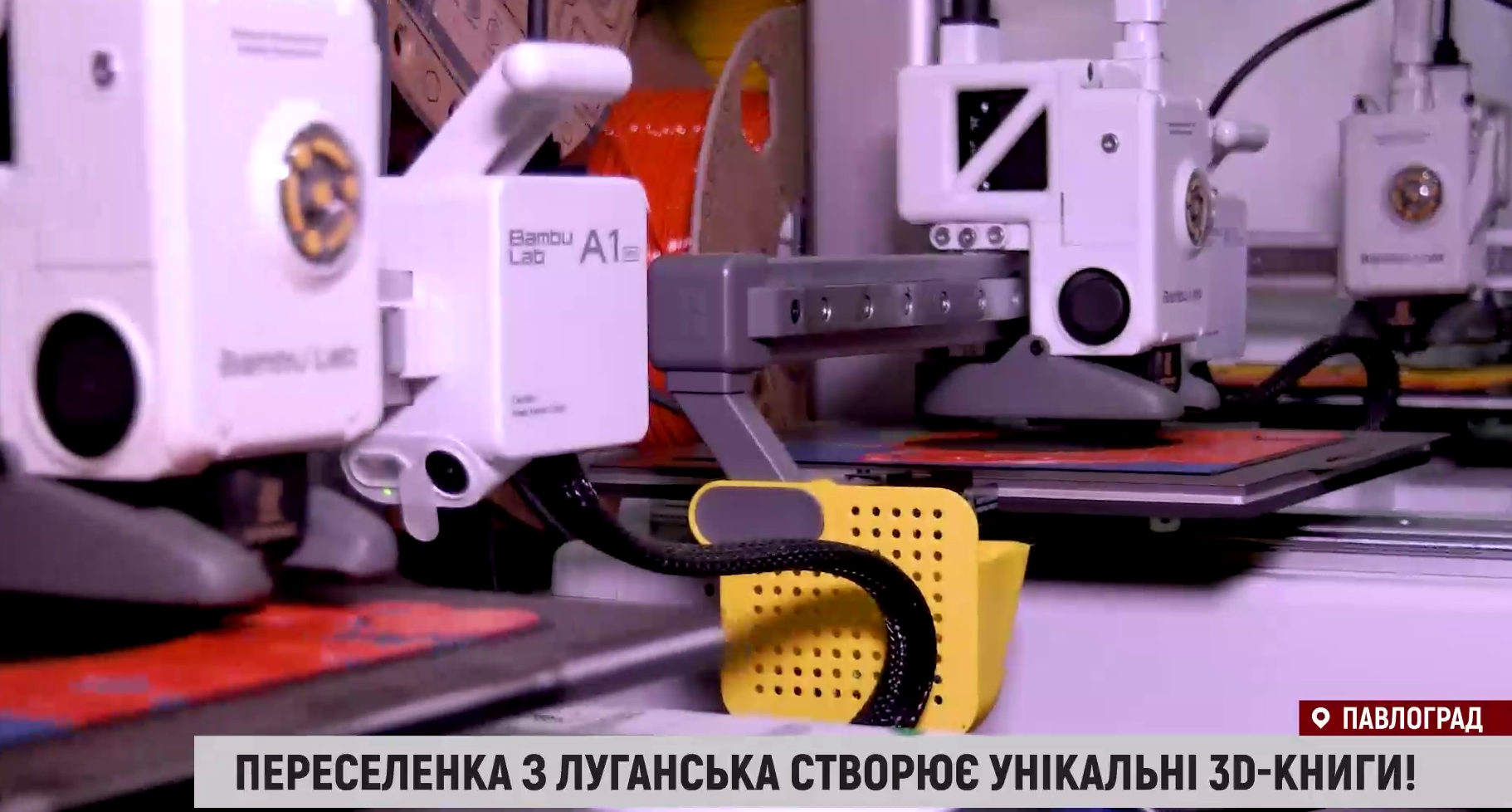
Rebooks is a social innovation hub based in Pavlohrad, Ukraine, redefining the book as a resilient cultural object. We upcycle plastic waste into tactile “book-toys” using advanced 3D-printing technology.
We collaborate with a certified recycled filament supplier in the Netherlands, ensuring European circular material standards and guaranteeing the highest quality and safety for children in crisis. This partnership strengthens our European integration and highlights the cross-border collaboration at the heart of our project.
Project Features:
6 serial titles:
Emotional Intelligence (1 title): Developed with psychologists; QR codes animate characters guiding children from anxiety to courage during air raids.
Eco-Education (5 titles): Each volume addresses a key environmental problem with bright, actionable 3D solutions.
Measurable Impact:
200 books produced (200 kg of recycled plastic diverted from waste).
Distributed to 18 schools, shelters, and inclusive centers.
Over 1,200 children reached; psychologists confirm books support emotional regulation, sensory engagement, and environmental awareness.
Example: One child, holding the 3D-printed “Dino-Unicorn” and interacting with the QR-game, shifted from panic to guided calm during a siren — a tactile anchor for resilience.
Rebooks was born as an act of courage and innovation. Working frighteningly close to the front line, facing blackouts, sirens, and daily uncertainty, we asked: Can we print stability for our children?
Turning local plastic into indestructible, interactive books, we created tools that teach, heal, and give emotional anchors. The first child to hold a 3D-printed “Dino-Unicorn” and engage with QR-games showed us: our books are shields of resilience in the hands of children.
Rebooks is now a world-first innovation born in war, merging ecological action, psychology, and inclusive education into a heroic story of community resilience and European collaboration.
Frontline Innovation
Circular Storytelling
Tactile Resilience
Emotional Self-Regulation
Inclusive Technology
Rebooks shifts the paradigm from “single-use waste” to permanent cultural assets. 500 kg of recycled plastic became durable educational tools with a multi-year lifespan. By sourcing certified filament from the Netherlands, we ensure EU-standard circular materials while operating locally in Ukraine, creating a bridge between European sustainability and frontline innovation. Our project links environmental action to psychosocial recovery, demonstrating that the Green Transition works even in crisis zones.
We embrace “Material Honesty,” turning recycled textures into vibrant, tactile sculptures. QR-characters animate stories, creating a digital-physical hybrid where children interact simultaneously with art, play, and therapy. High-quality design brings magic into shelters, proving that children in crisis deserve world-class aesthetic experiences to foster belonging and hope.
Built on Universal Design principles, Rebooks ensures no child is left behind. The tactile 3D format is essential for children with visual impairments and neurodiversity (SEN). Indestructible materials provide “Resource Inclusion”—premium tools for under-resourced centers. Emotional self-regulation exercises offer children a tactile anchor, turning the trauma of air raids into skills for resilience.
Children, psychologists, and educators were fully involved in co-creating Rebooks from the earliest stage. Through prototype testing in bomb shelters, iterative workshops, and direct feedback sessions, children influenced the tactile ergonomics, movement mechanics, and sensory design of the books. Psychologists guided the development of emotional self-regulation exercises and interactive QR-games, addressing stress, anxiety, and fear during air raids. Educators ensured pedagogical alignment and accessibility for neurodiverse learners.
This participatory approach ensured that Rebooks are truly “books with children, not just for children.” The direct involvement of beneficiaries increased engagement, ownership, and trust, fostering a sense of empowerment in communities under stress. The resulting impact has been measurable: children report feeling calmer, more focused, and capable of regulating emotions through structured play.
This participatory approach ensured that Rebooks are truly “books with children, not just for children.” The direct involvement of beneficiaries increased engagement, ownership, and trust, fostering a sense of empowerment in communities under stress. The resulting impact has been measurable: children report feeling calmer, more focused, and capable of regulating emotions through structured play.
Rebooks was designed and implemented through collaboration with stakeholders at multiple levels: local, regional, national, and European. At the local level, Pavlohrad City Administration supported the project through procurement for shelters, schools, and inclusive centers, enabling frontline deployment. Regional NGOs and psychological hubs guided design adjustments to meet specific therapeutic needs. At the national level, advisory input from Ukrainian education and social innovation networks helped validate content and methodology.
European engagement was secured through collaboration with a certified recycled filament supplier in the Netherlands, ensuring compliance with EU circular economy standards and reinforcing cross-border knowledge exchange. This multilevel governance strengthened project legitimacy, quality, and scalability while creating a bridge between local resilience and European sustainability standards.
European engagement was secured through collaboration with a certified recycled filament supplier in the Netherlands, ensuring compliance with EU circular economy standards and reinforcing cross-border knowledge exchange. This multilevel governance strengthened project legitimacy, quality, and scalability while creating a bridge between local resilience and European sustainability standards.
Rebooks integrates multiple disciplines to deliver a holistic solution. Architecture and industrial design informed the 3D-book structure, durability, and ergonomics. Engineering and additive manufacturing technologies enabled precise, resilient printing from recycled plastic. Social sciences, psychology, and education shaped the emotional self-regulation exercises, interactive QR-games, and inclusive pedagogy. Arts and design contributed visual storytelling, sensory appeal, and aesthetic engagement. Environmental sciences guided sustainable material sourcing and circular principles. Digital technologies enabled QR-based interactivity, blending physical and virtual learning.
The project demonstrates how transdisciplinary collaboration can transform waste into tools that are simultaneously educational, therapeutic, and ecologically responsible.
The project demonstrates how transdisciplinary collaboration can transform waste into tools that are simultaneously educational, therapeutic, and ecologically responsible.
Rebooks operates a hybrid, mission-driven business model:
B2G (Business-to-Government): Procurement by City Administration for frontline schools, shelters, and inclusive centers.
NGO Partnerships: Provision of books to psychological hubs and social services supporting displaced children.
Direct-to-Consumer Sales: Eco-conscious families in Ukraine and potentially other European markets.
Revenue from these streams ensures operational sustainability, while collaboration with the Dutch filament supplier guarantees EU-standard inputs. On-demand 3D printing eliminates overproduction and inventory costs, while allowing rapid adaptation of therapeutic and educational content. Public funding, NGO grants, and social innovation awards supplement initial investment. This hybrid approach balances financial stability with maximum social and environmental impact.
Rebooks is a “Digital Blueprint for Circular Culture and Emotional Resilience.” Its key scalable elements include:
3D-printing methodology and serial design files for tactile, durable books.
Pedagogical and psychological frameworks for emotional self-regulation.
Circular supply chain model using certified European recycled filament.
Participatory co-creation methodology involving children, educators, and psychologists.
These components can be replicated in any European city or community, adapting to local waste streams and beneficiary needs. The project is fully transferable to other crisis-affected contexts, inclusive education programs, and environmental education initiatives, delivering social, emotional, and ecological impact at scale.