Enhancing Circularity, Sustainability, and Innovation
R-Coat
Turning broken umbrellas into circular fashion and community
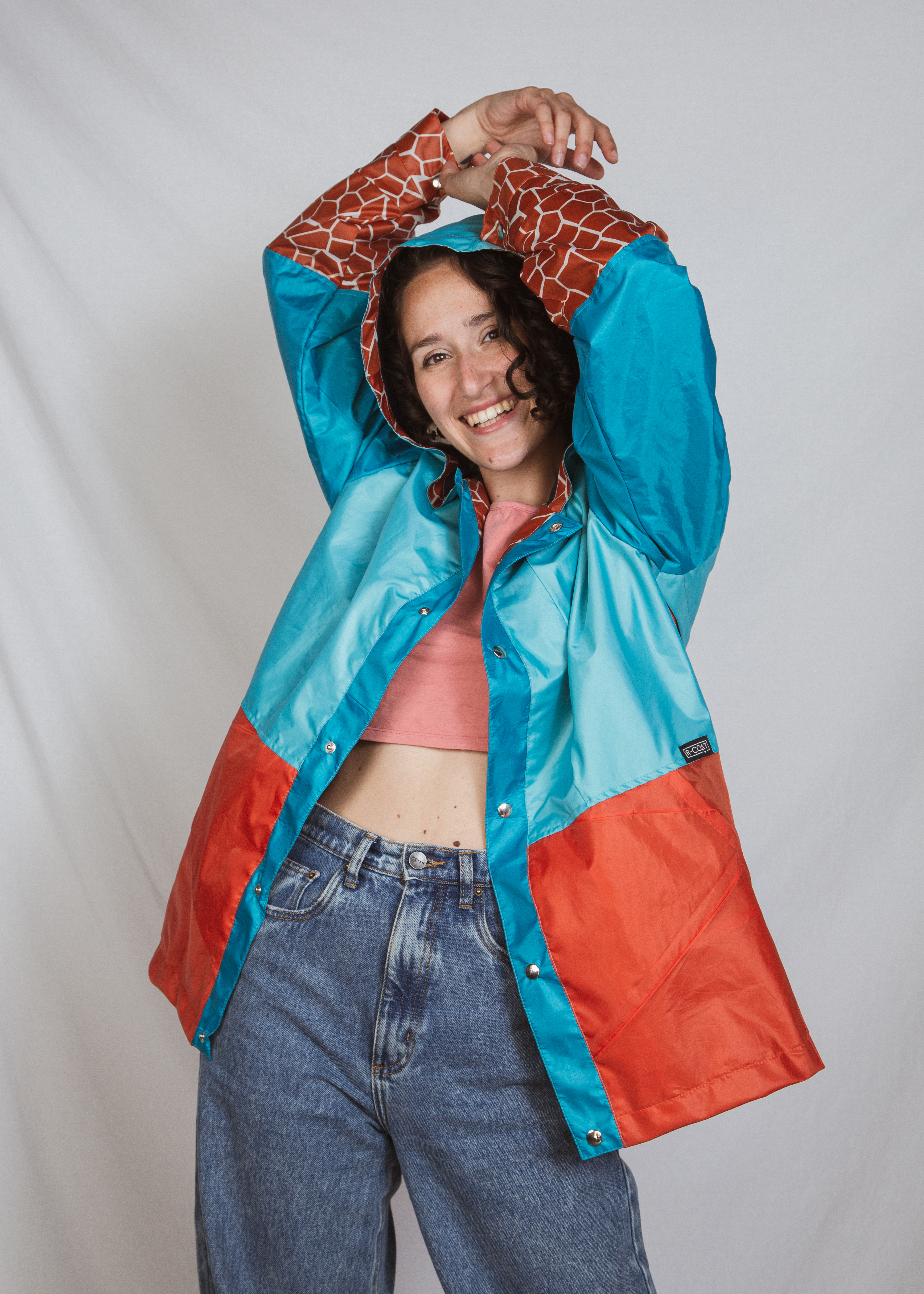
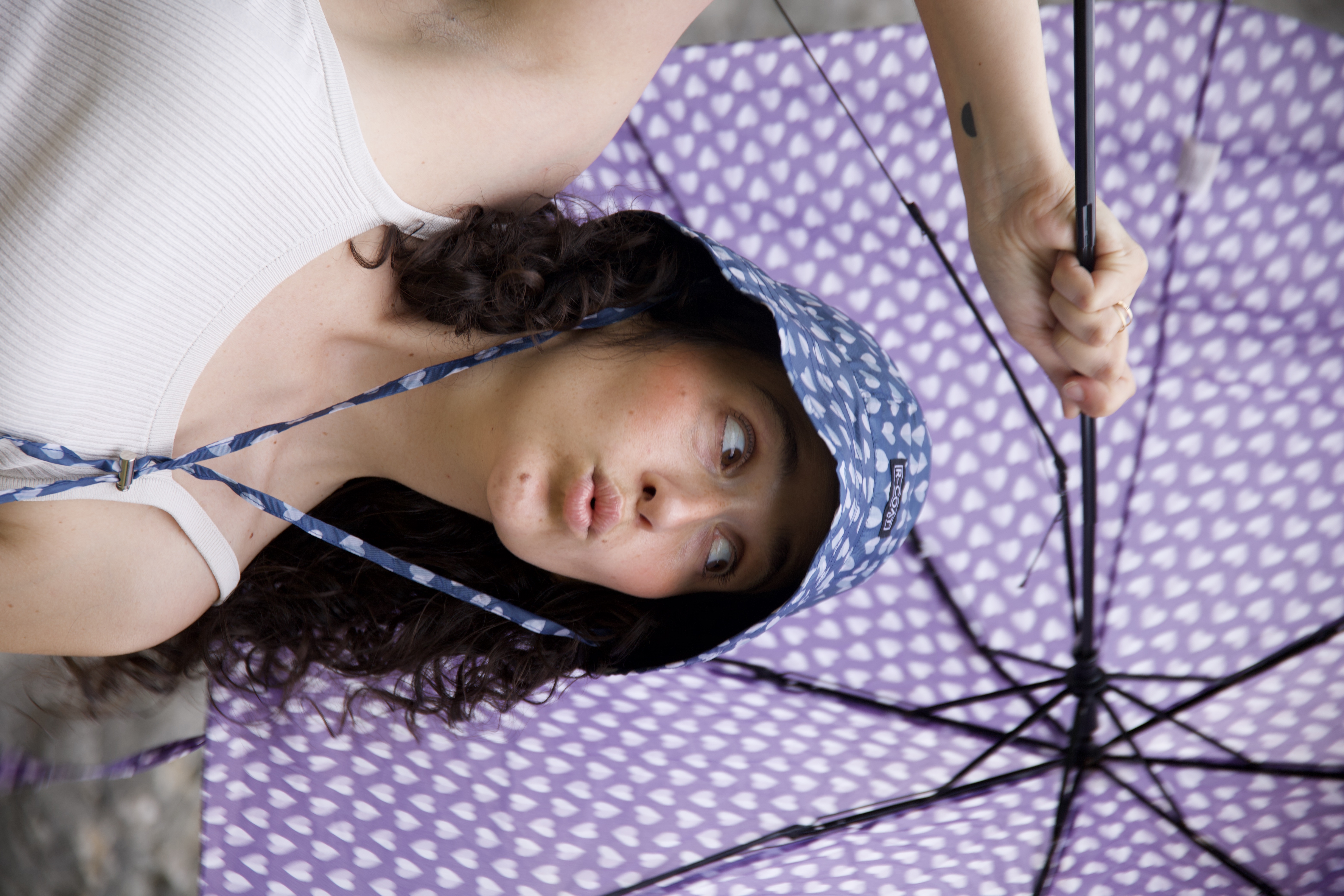
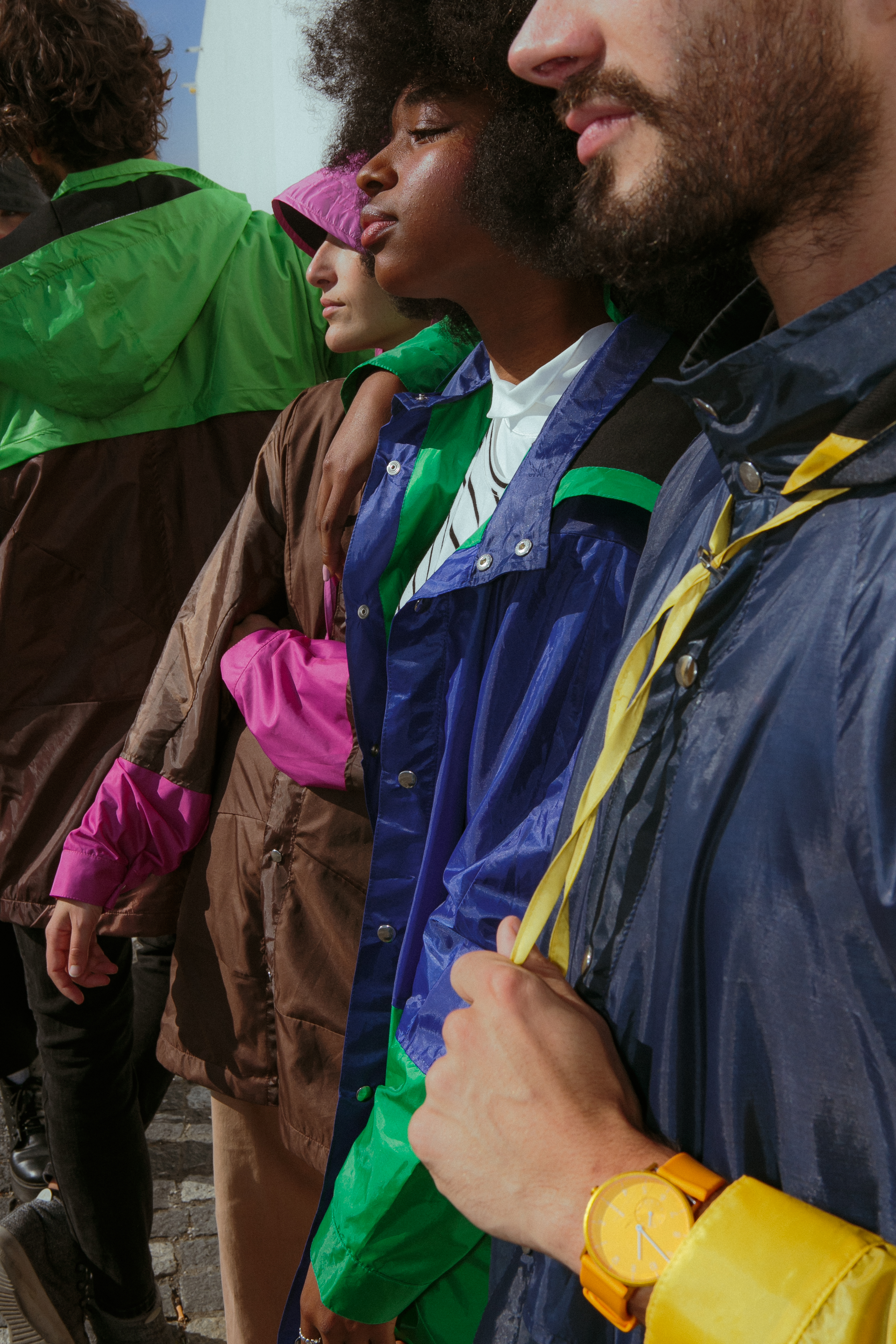
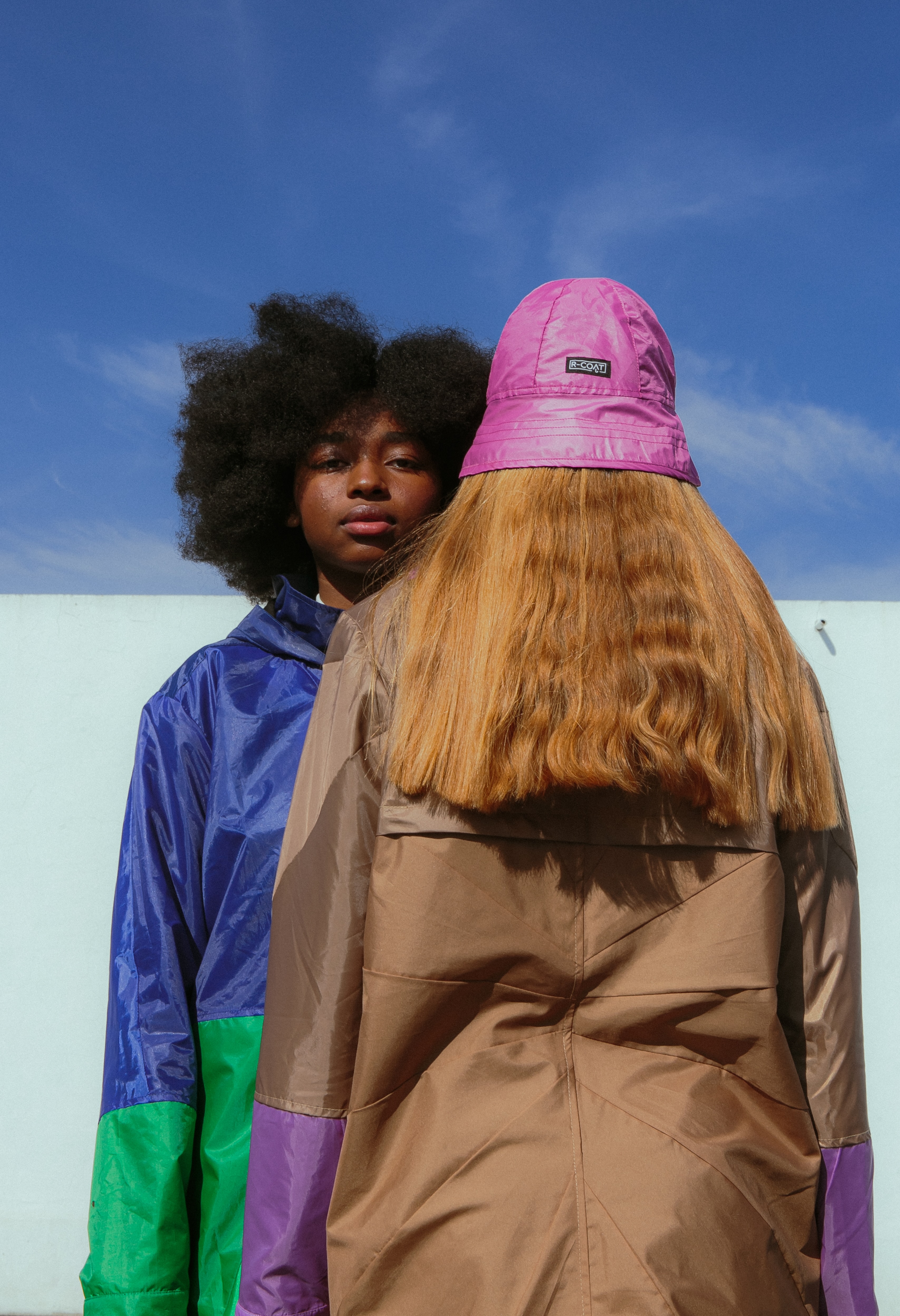
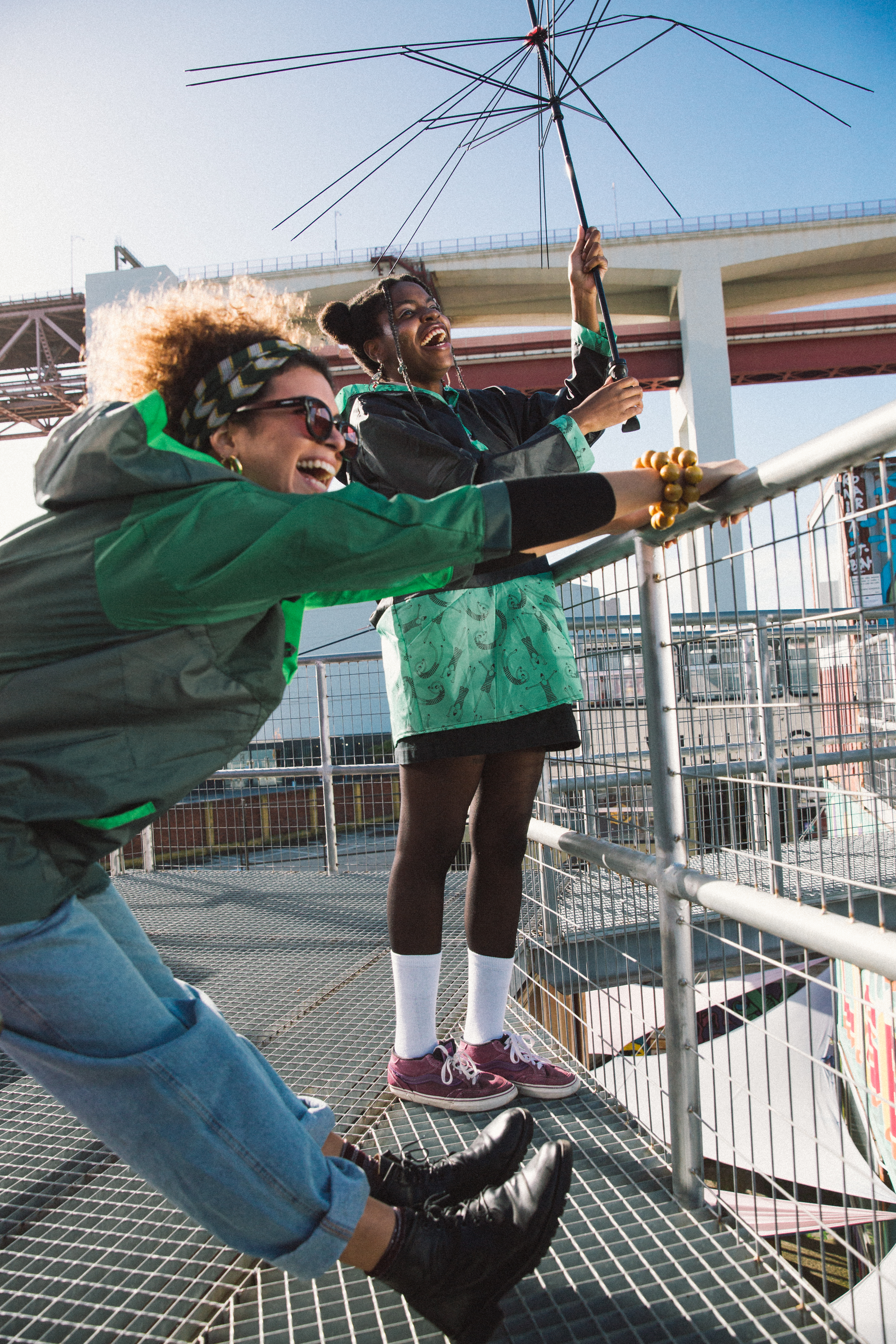
R-Coat transforms broken umbrellas into high-quality garments and accessories. Through a civic collection network and local craftsmanship, discarded materials are rescued and turned into beautiful, durable pieces. By weaving together sustainability, aesthetics and citizen participation, R-Coat reimagines urban waste as a shared resource, proving regeneration can be inclusive, handcrafted and desirable.
Italy
National
Mainly urban
It involves other types of transformations (soft investment)
Yes
2021-05-31
No
No
No
Individual
R-Coat is a circular design project transforming broken umbrellas into high-quality garments and accessories, operating across northern Italy and central-northern Portugal. What began as a personal zero-waste experiment in 2018 has evolved into a structured civic circular system combining material recovery, eco-design, local craftsmanship and community participation.
To date, R-Coat has diverted over 3,000 broken umbrellas from incineration and landfill, recovering an estimated 700+ kg of material including canopy fabric, recovered cotton lining, sail offcuts and metal components, and produced approximately 500 garments and accessories. A decentralised network of 17 active collection points across shops, universities and offices engages citizens as active contributors, embedding sustainability into everyday urban life.
Production is shared between skilled artisans in Portugal and a social tailor shop in the Friuli Venezia Giulia region in Italy whose team includes people with mental health disabilities, ensuring both craft quality and meaningful social employment. A new partnership with a Trieste-based sailmaker further strengthens the local circular value chain.
R-Coat demonstrates that circularity generates economic value, cultural meaning and environmental benefit simultaneously. Its educational reach, through workshops in schools and universities and a digital following of over 160,000, amplifies systemic impact beyond the objects produced. The methodology is replicable across European cities and adaptable to other overlooked waste streams, offering a scalable model for regenerative design rooted in community participation, social inclusion and aesthetic quality, directly embodying New European Bauhaus values of sustainability, inclusion and beauty.
Every city has the same problem: broken umbrellas. They pile up after storms, fill bins outside metro stations, and end up incinerated or landfilled because their mix of synthetic fabric, steel, fibreglass, wood and plastic makes mechanical recycling impossible. In 2018, while studying Environmental Sustainability, I decided to do something about it.
It started simply: I taught myself to sew from online videos and made the first jacket from recovered umbrella canopies. When I shared it on social media, something unexpected happened: people didn't just like it and want to purchase it, they wanted to donate their own broken umbrellas. That response became the project.
Today, R-Coat runs 17 active collection points across northern Italy and central-northern Portugal, in shops, universities and offices, where citizens participate as "Umbrella Heroes," turning everyday waste into a shared resource.
Implementation rests on four pillars. First, community participation: citizens co-design the resource stream through direct collection and donation. Second, material recovery and eco-design: umbrellas are manually dismantled; canopy fabrics are paired together with recovered cotton lining, sail offcuts from a Trieste sailmaker and metal components, ready to be upcycled into new products. Third, craftsmanship: production is split between skilled artisans in Portugal and a social tailor shop in Italy whose team includes people with mental health disabilities, both under fair labour conditions. Fourth, narrative and education: workshops in schools, universities and community programmes, including a sewing course for unemployed women, alongside a digital platform reaching 160,000+ followers, build cultural understanding around circularity.
Circular Economy
Community Empowerment
Participatory Civic System
Regenerative Design
Craftsmanship
R-Coat addresses a concrete environmental challenge: broken umbrellas, composed of synthetic fabrics, fibreglass, wood, steel and plastic, cannot be mechanically recycled and typically end up incinerated or landfilled. It is estimated that over one billion umbrellas are discarded globally every year. R-Coat creates a civic alternative, manually recovering these materials and reintroducing them into functioning circular flows.Over 3,000 umbrellas have been diverted through 17 active collection points across northern Italy and central-northern Portugal, recovering approximately 600 kg of canopy fabric, 55 kg of cotton lining from a local factory, 40 kg of sail offcuts from a Trieste sailmaker, and metal components upcycled into jewellery; over 700 kg of material diverted in total. Around 500 durable products have been produced, reducing demand for virgin textile manufacturing, one of the most resource-intensive industries globally. Socially and economically, R-Coat generates dignified employment for artisans in Portugal and people with mental health disabilities at a Gorizia social tailor shop, creating regenerative local value chains. Culturally, it shifts how citizens relate to waste, embedding circularity into everyday urban life. R-Coat is exemplary because it solves an overlooked systemic problem, a waste stream with no existing solution, through a replicable, community-powered model that simultaneously delivers environmental, social and economic value.
R-Coat makes daily life more beautiful at multiple scales. Each garment is designed with care: umbrellas are selected for colour, texture and history; contrast linings from recovered sail or cotton fabrics create considered details; and the finished pieces communicate craft and intentionality. The standard is not "acceptable despite recycled origins" but "beautiful because of them."
At neighbourhood level, the 17 active collection points in shops, universities and offices across northern Italy and central-northern Portugal, become aesthetic touchpoints in daily life. Their presence transforms ordinary spaces into nodes of meaning, where sustainability is visible, designed and shared. Donors, the Umbrella Heroes, who follow the journey of their umbrella from drop-off to finished garment develop a personal connection to place and process, fostering genuine care for the materials and communities around them.
Through workshops in schools and universities and a digital platform reaching 160,000+ followers, R-Coat reshapes how broader audiences experience circularity; not as obligation, but as creativity, beauty and identity.
R-Coat is exemplary aesthetically because it proves that ecological transition does not require sacrificing quality or desirability. Beauty here is not decorative, it is the mechanism through which people form lasting emotional bonds with sustainable objects and practices.
R-Coat's entry point is a broken umbrella; one of the most universal, affordable and frequently discarded everyday objects. Anyone can participate in the circular system regardless of income, background or technical knowledge, simply by dropping off a broken umbrella at a collection point or mailing it in. This zero-barrier participation model ensures the system is genuinely open to all.
Inclusive governance is embedded in R-Coat's structure. The decentralised collection network is co-managed by citizens, local businesses and community organisations, distributing agency and ownership across multiple actors rather than concentrating control. Community feedback has directly shaped product development and operational decisions, making participants genuine co-designers of the system.
Production integrates social inclusion at its core. The collaboration with a social tailor shop, whose team includes people with mental health disabilities, integrates dignified, skilled employment into the circular supply chain. Artisans in Portugal also work under fair labour conditions. Educational workshops reach schoolchildren, university students and unemployed women in community sewing programmes, building practical and cultural skills across diverse groups.
R-Coat is exemplary in inclusion because it demonstrates a new societal model: one where waste management, design and production collectively become vehicles for civic participation, social employment and accessible sustainability, without exclusion at any stage.
Citizens are R-Coat's operational foundation, not its audience. As "Umbrella Heroes," individuals, shopkeepers, university staff and office workers across northern Italy and central-northern Portugal actively collect and donate broken umbrellas, directly feeding the circular production chain. Without this participation, the material inputs for the entire system would not exist.
Civil society organisations and businesses host the 17 active collection points, acting as structural partners in the civic infrastructure. Their involvement transforms private and institutional spaces into community nodes where sustainability becomes visible and conversational.
The impact of citizen involvement operates at two levels. Materially, it provides the essential recovered inputs (over 3,000 umbrellas to date) that make circular production possible. Culturally, it builds collective agency: participants understand their role within a material system, shifting from passive consumers to active co-creators of circular flows.
Community feedback has directly shaped the project's evolution, including the development of a jewellery line from recovered metal umbrella parts. Educational workshops in schools, universities and community programmes deepen this engagement into structured learning. The founder's digital platforms, 140,000+ personal followers and 20,000 on R-Coat's own channel, extend community involvement into a broader public conversation about circularity and shared responsibility.
R-Coat engages stakeholders across local, regional and European levels, with each layer playing a distinct and structural role.
Locally, 17 active collection points hosted by shops, universities and offices across northern Italy and central-northern Portugal form the civic backbone of the project. These partners are not sponsors, they are operational nodes that make material recovery possible. The Gorizia social tailor shop and Trieste sail factory are production and supply partners, creating a genuinely local circular value chain in Friuli Venezia Giulia. In Portugal, a network of artisans and a local factory supplying recovered cotton lining perform equivalent roles.
Collaborations with schools, universities and community organisations embed R-Coat's educational mission into existing civic infrastructure, reaching diverse audiences and building lasting awareness around circularity and material cycles. B2B clients, including WWF, signal institutional recognition and generate revenue that sustains the model.
At European level, R-Coat's online presence and global sales demonstrate the model's cross-border relevance and transferability. The founder's digital platform of 160,000+ followers spreads circular design culture across European and international audiences, amplifying impact far beyond the project's geographic base.
The added value of this multi-level engagement is structural resilience: no single stakeholder type is indispensable, and the system strengthens as new actors join at any level.
R-Coat operates at the intersection of multiple disciplines, each essential to its functioning.
Environmental science provided the systemic framing; understanding broken umbrellas not as isolated waste items but as a structural gap in urban material flows requiring a civic solution.
Eco-design shapes every material decision, from canopy selection and lining sourcing to product longevity and end-of-life considerations, ensuring low environmental impact throughout the production process.
Artisanal craft and fashion design translate material intentions into high-quality, durable objects, executed by skilled seamstresses and artisans.
Social sciences and community development underpin the collection infrastructure and participatory model, making citizen engagement intuitive, meaningful and self-sustaining.
Education informs the workshop programme delivered across schools, universities and community settings, building circular literacy among diverse audiences.
Digital communication and media are integral to the project's civic mission. The founder's sustainability platforms (140,000+ followers on Instagram and TikTok) and R-Coat's platforms (20,000+ followers) function as educational infrastructure, translating complex ideas about material cycles into accessible content and cultural narrative.
New partnerships, with a Trieste sailmaker and local social enterprise, demonstrate how the transdisciplinary model continuously expands, integrating new knowledge domains as the project evolves.
R-Coat operates a hybrid circular business model combining multiple revenue streams to ensure long-term financial resilience without dependency on any single source.
Primary revenue comes from the sale of premium upcycled garments and accessories, approximately 500 pieces produced to date, priced to reflect the true cost of ethical, artisanal circular production. B2B commissions, produced primarily through the Gorizia social tailor shop, represent a growing revenue stream: organisations with sustainable procurement objectives, including WWF, commission customised upcycled products directly.
Broken umbrellas, deadstock cotton and leftover sail fabrics are donated free of charge, creating cost efficiencies that support financial sustainability without compromising quality.
Educational workshops and talks generate additional income while simultaneously deepening community engagement and extending brand awareness. The founder's digital reach of 140,000+ followers significantly reduces marketing costs and drives organic growth.
NEB funding would be invested across three pillars: expanding collection infrastructure into new European countries, particularly rainy central and northern Europe where umbrella waste is endemic; hiring to support operational scaling; and deepening educational programming in schools and communities. These investments would build the civic foundations necessary for the model to become self-sustaining and replicable at European scale.
Every core element of R-Coat is designed for replication. The methodology is modular, requires no proprietary technology and no centralised control, making it transferable to other cities, waste streams and social contexts.
The collection infrastructure is deliberately lightweight: hosting a collection point requires only a willing partner (a shop, university or office) and a simple communication framework. The 17 active points across two countries demonstrate that the model functions across different urban cultures, languages and institutional contexts. Any rainy European city faces the same broken umbrella problem and can adopt the same civic solution.
The production model is equally adaptable. The partnership with the Gorizia social tailor shop demonstrates how circular production can be embedded within existing social enterprise infrastructure, replicating social employment alongside environmental benefit. Similar partnerships with artisan cooperatives or social enterprises in new geographies require minimal adaptation.
The eco-design methodology - recovering mixed-material urban waste streams through manual dismantling and upcycling - is transferable to other overlooked waste streams beyond umbrellas.
The educational and digital model - workshops in schools and community settings, amplified by a digital platform of 160,000+ followers - provides a scalable awareness layer deployable ahead of physical expansion into new territories.
NEB support would fund the next replication phase: collection infrastructure in new European countries, operational hiring and expanded educational activities, proving that a community-led civic circular system rooted in beauty, craft and inclusion can become a genuine European model.