Enhancing Circularity, Sustainability, and Innovation
Sustainable Shelf-Stable Plant Sashimi
Sashimi 2.0: Sustainable Gourmet Plant-Based Seafood, Shelf-Stable for 12 Months
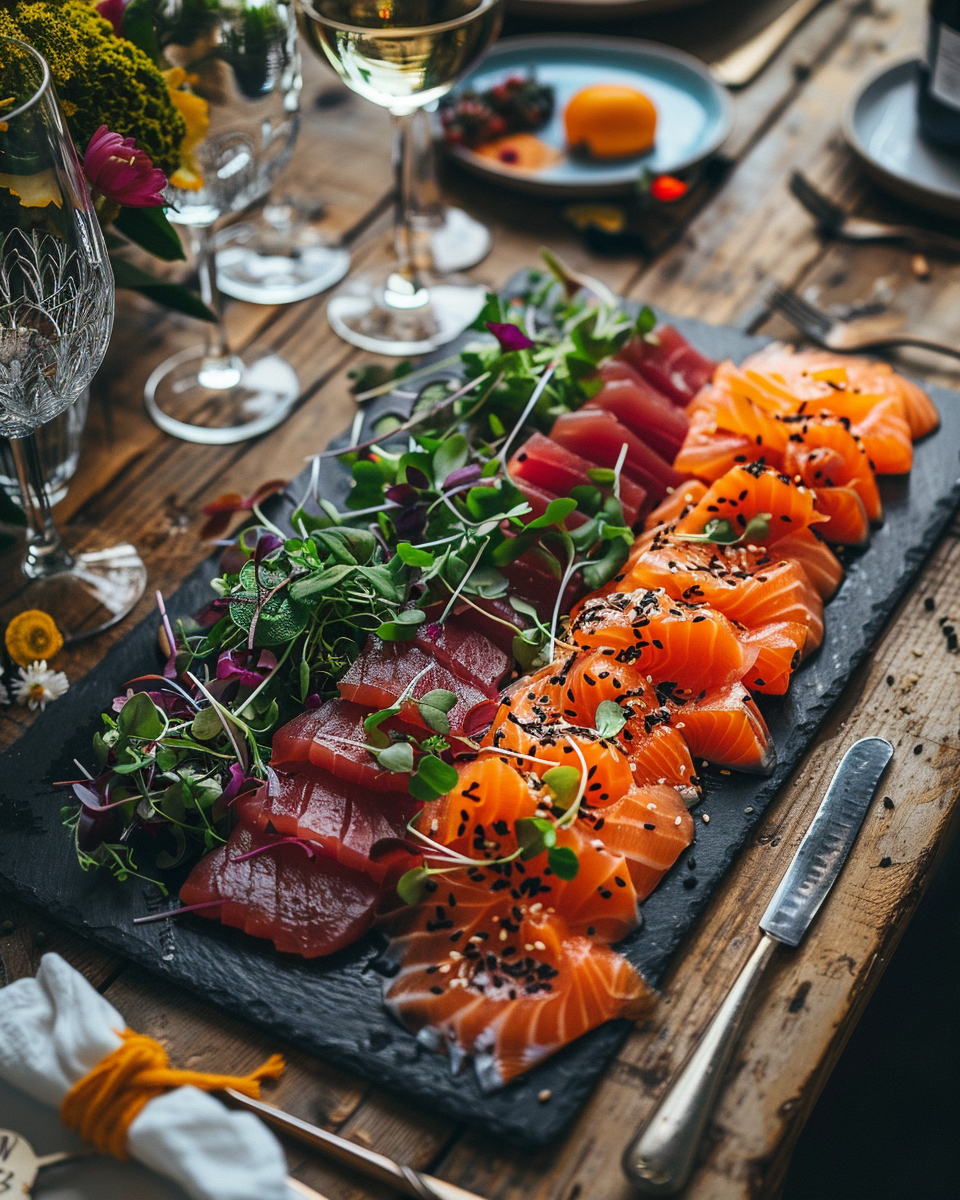
Bluana introduces Sashimi 2.0: the first 100% plant-based gourmet seafood that is shelf-stable for 12 months without refrigeration. Using our patented HMHNI technology, we replicate premium textures that "melt in your mouth" while injecting essential Omega-3s and proteins. By removing the need for a cold chain, we slash food waste and protect our oceans from overfishing. Safe, allergen-free, and sustainable, Bluana is the future of healthy dining.
Romania
National
Mainly urban
It involves other types of transformations (soft investment)
Yes
2025-12-31
Yes
Horizon2020 / Horizon Europe
Yes
Labena Awards at DEEP TECH CEE
Yes
Individual
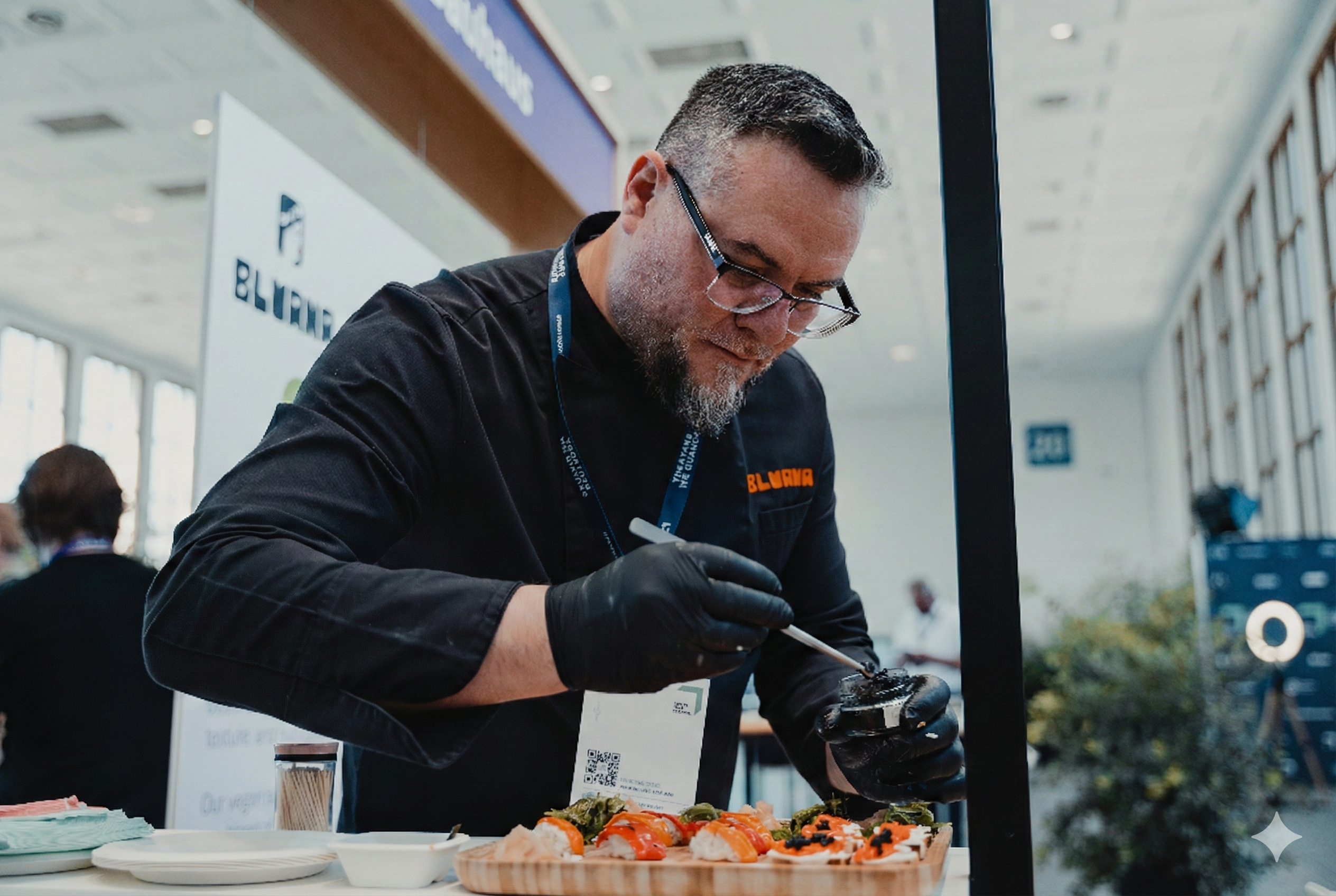
Bluana Foods is a deep-tech food platform revolutionizing the seafood industry with "Sashimi 2.0": the world’s first 100% plant-based sashimi that remains shelf-stable for 12 months without refrigeration. At its core is the patented HMHNI (High Moisture High Nutrient Injection) technology, a material science platform that uses high-moisture extrusion to replicate the complex "melt-in-your-mouth" texture of premium fish while injecting essential Omega-3s, proteins, and vitamins.
Already Achieved Results We have reached TRL 6 status, having validated our product through 10,000+ blind tastings where 80% of consumers preferred Bluana over traditional fish. To date, we have secured €1.3M in grants and €550k in equity. Our commercial traction is proven by signed Letters of Intent (LOIs) from prestigious partners like Japan Airlines (JAL), Poke House, and Selgros, alongside advanced negotiations with major retailers like Mercadona and Eroski.
Strategic and Long-Term Impact Bluana addresses critical failures in the seafood industry:
Economic Impact: Our asset-light model leverages contract manufacturing (CMOs) to eliminate heavy CAPEX, achieving software-like gross margins of 75-85%. By removing the "Cold Chain Tax," we save $5-7/kg in logistics and slash the 50% food waste inherent in fresh seafood.
Environmental Impact: We aim to mitigate the overfishing crisis—where one traditional fillet often results in 38 by-catches—protecting marine biodiversity.
Global Health: We provide a "Food as Medicine" solution, offering gourmet seafood free from microplastics, parasites, and heavy metals. By 2030, we aim to lead the €837 Bn seafood market through global technology licensing.
Bluana was born from a mission to revolutionize a "broken" seafood industry plagued by critical overfishing, high costs, and a 50% waste rate in restaurants due to short shelf lives. Originally founded in Romania as Bluana Foods S.R.L., the project strategically expanded to Spain in April 2025 with the constitution of Bluana Bizkaia S.L. in Bilbao to serve as our primary engine for global growth. The core of our story is the invention of the HMHNI (High Moisture High Nutrient Injection) technology by our CTO, Dr. Marco Iotti, a biotechnology expert with over 20 years of experience at Nestlé.
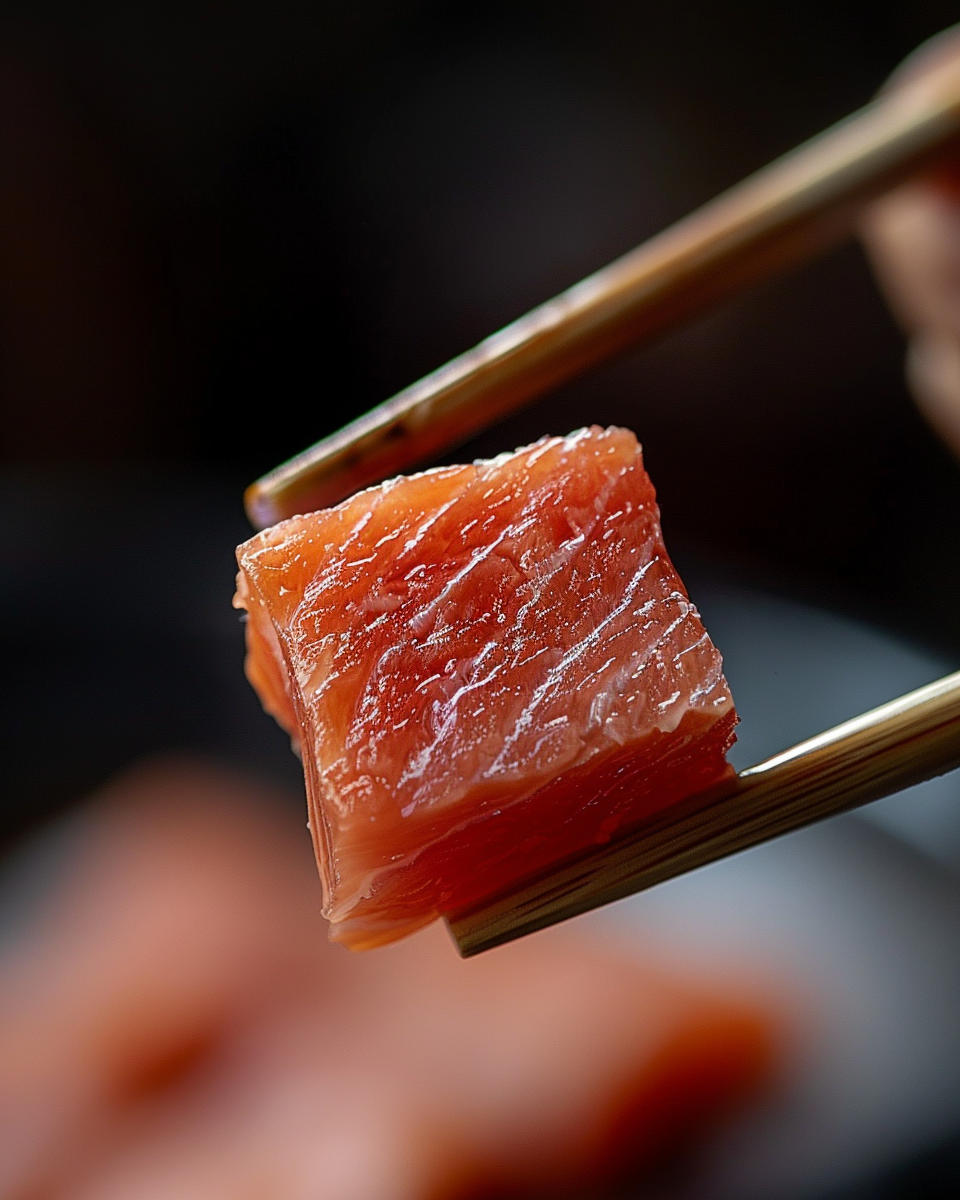
This patented process applies industrial-scale molecular gastronomy to replicate the precise "melt-in-your-mouth" texture of premium fish while allowing for the injection of essential nutrients like Omega-3 and proteins. Implementation on the ground began with intensive research and over 10,000 blind tastings, where 80% of consumers preferred our plant-based sashimi over traditional fish. We successfully reached TRL 6 status, validating our prototypes in real-market environments and securing €1.3M in grants alongside €550k in equity.
To scale efficiently, we implemented a 100% asset-light model, partnering with contract manufacturers (CMOs) to utilize existing industrial capacity rather than building heavy, CAPEX-intensive factory infrastructure. Our current ground-level implementation is focused on a pilot project with Cajamar Innova FoodTech, validating the automated layering of our sashimi using high-precision machinery like the Waldman Dosomat. Today, we are transitioning from labs to global distribution, backed by Letters of Intent (LOIs) from prestigious partners like Japan Airlines, Poke House, and major retailers such as Mercadona and Eroski.
Sustainability
Innovation
Efficiency
Health
Gourmet
Bluana Bizkaia S.L. addresses the critical failures of the modern seafood industry through an exemplary sustainable model centered on its Sashimi 2.0.,. The project concretely addresses environmental challenges by mitigating the overfishing crisis, where traditional sashimi production results in 38 by-catches for every single fillet, directly contributing to the protection of marine biodiversity (SDG 14).,. By utilizing its patented HMHNI technology to create the first sashimi that is shelf-stable for 12 months without refrigeration, Bluana eliminates the energy-intensive "Cold Chain Tax" and significantly reduces the carbon footprint associated with global logistics.,,.
In terms of economic challenges, the project tackles the massive 50% food waste rate prevalent in fresh seafood restaurants, which represents over 53billioninannuallosses.,.Bluana’ssolutionreduceswasteby∗∗155-7/kg**, offering a product that is 40% more cost-effective than traditional fish while maintaining superior gross margins.,,.
Socially, Bluana acts as an exemplary health solution positioned as "Food as Medicine.". It provides a gourmet alternative that is entirely free from microplastics, heavy metals, and parasites, while being nutritionally fortified with injected Omega-3s, proteins, and vitamins B12/D.,. This high nutritional density addresses SDG 2 (Zero Hunger and Nutrition) and ensures food safety for vulnerable groups and remote areas where fresh cold chains are non-existent.,.
Bluana is considered exemplary in sustainability because it represents a deep-tech material science platform rather than just a vegan alternative.. By transforming perishable biomaterials into high-value, durable hydrogels, it aligns with ODS 12 (Responsible Consumption and Production) and offers a scalable blueprint for how industrial molecular gastronomy can redefine food security and ocean health.,,
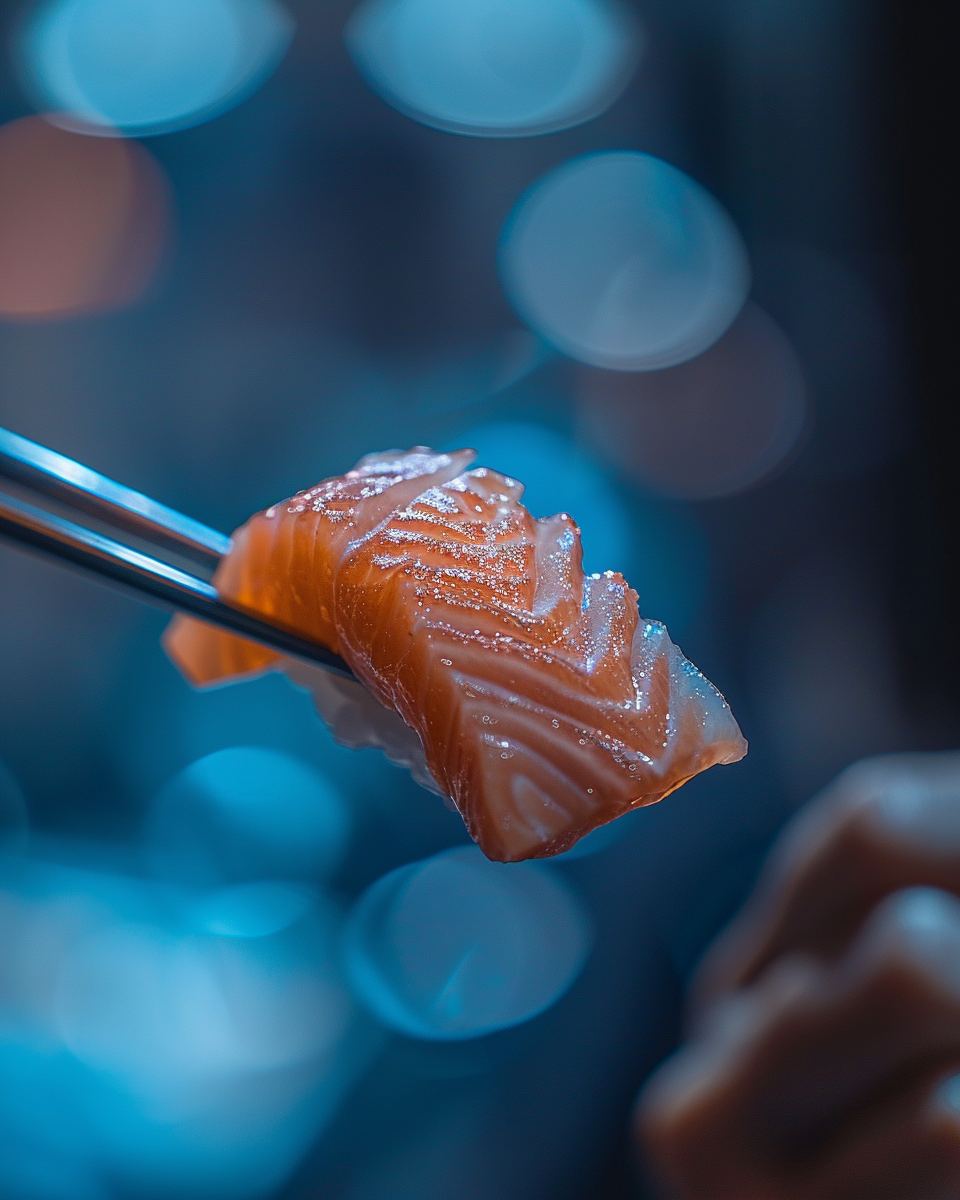
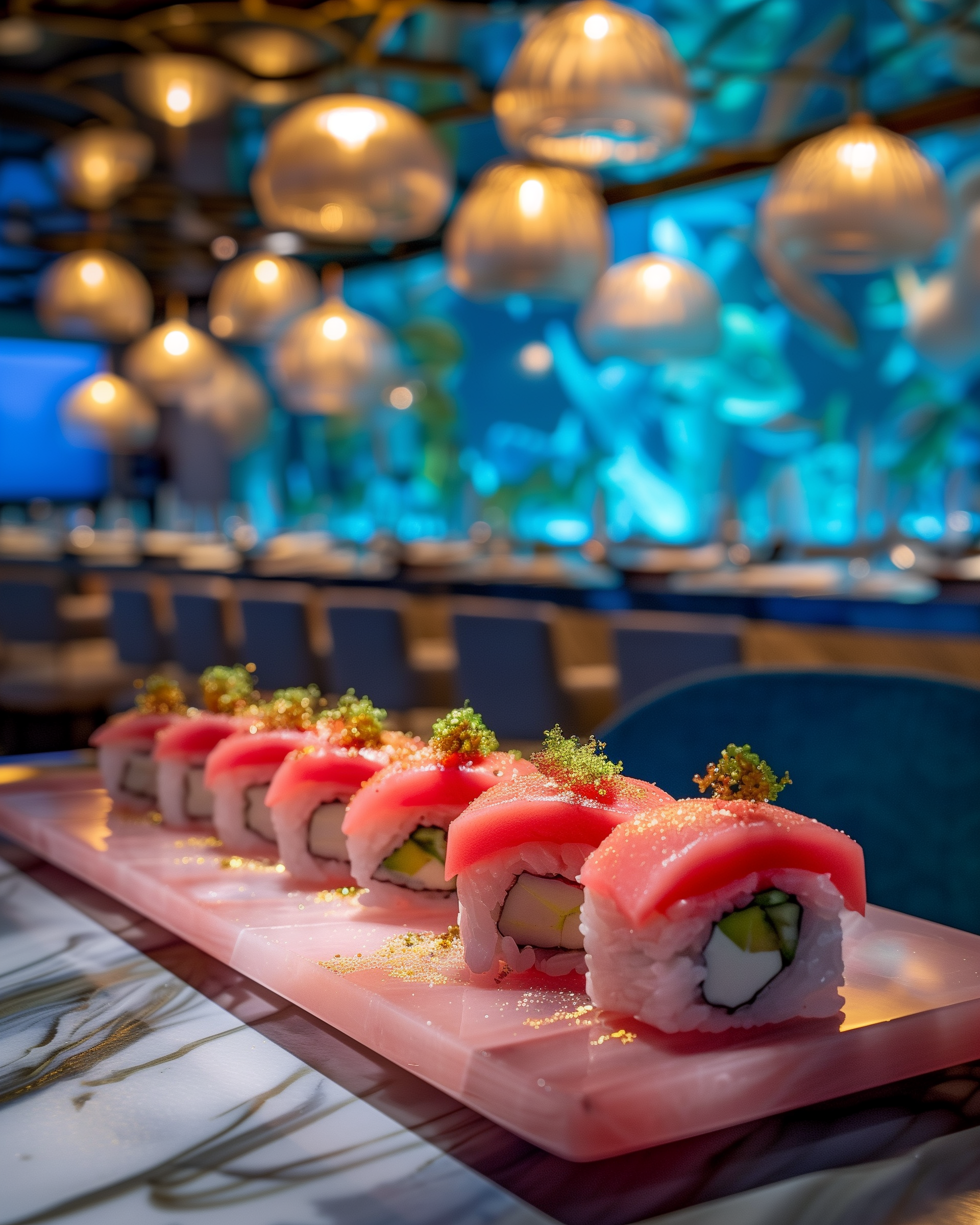
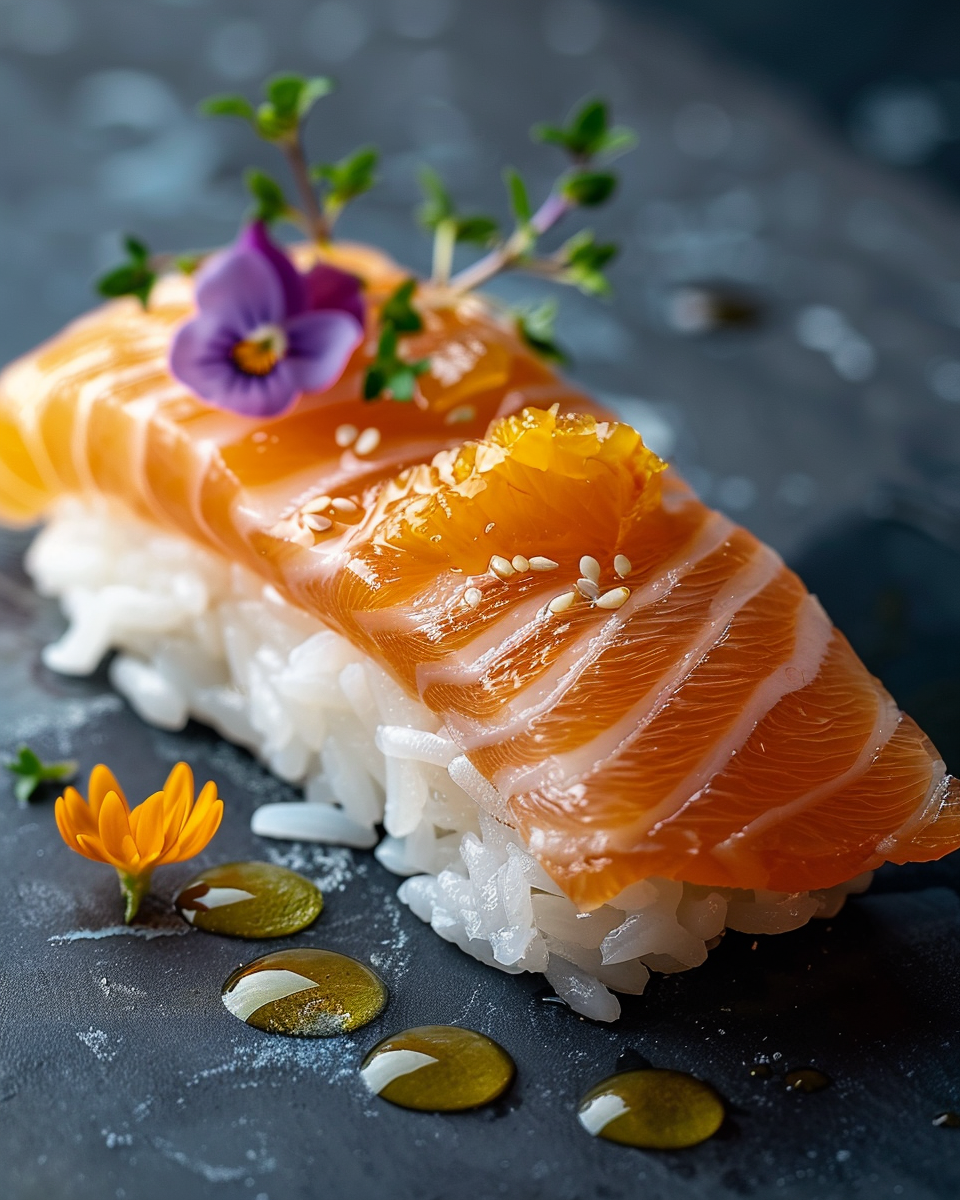
Bluana Bizkaia S.L. redefines aesthetics by bridging the gap between industrial molecular gastronomy and the preservation of natural marine beauty. Our project contributes to making life more beautiful by elevating the everyday dining experience into a sensory journey through our "Sashimi 2.0," which perfectly replicates the delicate, "melt-in-your-mouth" texture of premium fish. By positioning our product as "Food as Medicine," we promote long-term well-being and a premium lifestyle that values both health and pure, high-end sensorial quality.
Our project fosters a deep sense of belonging and care for the place by redefining our relationship with the world’s oceans. We address the "hidden" ugliness of the traditional seafood industry—such as the 38 by-catches per fillet—and replace it with a model that celebrates ocean health and biodiversity. In doing so, we enable communities to enjoy gourmet culinary traditions without the ethical burden of environmental destruction, creating a sense of shared responsibility for our planet's blue heart.
Bluana is considered exemplary in terms of aesthetics because it treats material science as a culinary art form. Through our patented HMHNI technology, we transform simple plant-based materials into complex, multi-layered hydrogels that are as visually and texturally appealing as high-end sashimi. Our premium brand identity, which symbolizes longevity and purity, differentiates us from conventional "vegan substitutes". By proving that sustainable, shelf-stable food can be a gourmet masterpiece, Bluana demonstrates that the transition to a circular economy can be as beautiful as it is necessary.
Bluana Foods redefines inclusion by democratizing access to high-quality nutrition and gourmet experiences while promoting a more equitable economic model.
Concretely, we address accessibility and affordability by creating the first sashimi that is shelf-stable for 12 months without refrigeration. By eliminating the energy-intensive "Cold Chain Tax," we remove the primary logistical barrier to global distribution, making premium seafood accessible in remote regions or areas lacking reliable cold logistics. Economically, Bluana offers a solution that is 40% more cost-effective than traditional fish, significantly lowering the financial barrier for both restaurants and consumers.
Our project adheres to "design for all" principles by being naturally free from common seafood allergens, parasites, and heavy metals, while also being Halal and Kosher certified. This ensures that individuals with diverse dietary restrictions or religious requirements can safely enjoy high-end culinary traditions. Furthermore, as a "Food as Medicine" platform, it provides essential nutrients (Omega-3s, proteins, vitamins) to groups with specific health needs, such as those managing weight or nutritional deficiencies.
In terms of societal and governance models, Bluana employs a 100% Asset-Light strategy centered on decentralization. Instead of centralized mega-factories, we utilize existing local contract manufacturing (CMO) capacity. This model supports local economies and promotes an inclusive B2B ecosystem by distributing demand across many small and medium-sized businesses rather than depending on a single "whale" account. Our internal structure is further strengthened by an Employee Stock Option Pool (ESOP), ensuring that team growth is aligned with shared ownership and the project's long-term success.
Bluana Bizkaia S.L. demonstrates an exemplary participatory character by integrating citizens, academic communities, and civil society organizations throughout its development and validation phases.
Citizen and Consumer Involvement
The project has actively involved a massive base of citizens through sensory validation.
Role and Level of Involvement: Over 10,000 consumers across Spain, Italy, and the USA participated in blind tastings to provide direct feedback on taste and texture.
Impact: This involvement confirmed that 8 out of 10 consumers prefer Bluana over traditional fish. This feedback was instrumental in refining the product to achieve TRL 6 status and ensuring that the "Sashimi 2.0" meets the high gourmet standards required for market adoption.
Scientific and Academic Communities
Bluana operates through a collaborative R&D model that integrates world-class research institutions.
Role and Level of Involvement: The company maintains active partnerships with the Basque Culinary Center, the University of Milan (Unimi), USAMV Cluj in Romania, and ETH Zurich in Switzerland. These organizations provide expertise in food science, microbiology, and molecular gastronomy.
Impact: Their involvement has been crucial in redrawing the formulation for industrial automation and validating the microbiological safety of the 12-month shelf-stable product.
Civil Society and Institutional Ecosystems
The project is deeply embedded in regional and European foodtech ecosystems.
Role and Level of Involvement: Bluana is backed by Cajamar Innova FoodTech, EIT Foods (co-funded by the European Union), and Berkeley SKYDECK. In the current pilot phase, Cajamar’s technical staff collaborate directly on experimental design and data interpretation for the automated layering process.
Impact: This support provides the mentorship needed to transition from artisanal production to a decentralized, asset-light industrial model.
Stakeholders at all levels were integrated into the design and implementation of Bluana's industrial molecular gastronomy platform. At the local and regional level, the Basque Culinary Center serves as a strategic R&D collaborator, while Bluana Bizkaia S.L. (Bilbao) leverages regional industrial synergies with partners like Angulas Aguinaga and Iparlat. Their involvement adds value through high-end culinary validation and access to precision dairy machinery required for the sterile layering process.
At the national level, Cajamar Innova FoodTech is deeply involved through a pilot project that provides the critical infrastructure (Waldner Dosomat systems) and technical mentorship needed to transition from artisanal to industrial scale. Cajamar also facilitates strategic connections with major Spanish retailers like Mercadona and Eroski, adding value by validating market demand through Letters of Intent (LOIs).
At the European level, EIT Foods (co-funded by the EU) provided essential backing, including a portion of the €1.3M in grants secured to date. Scientific collaboration with the University of Milan (Unimi) and USAMV Cluj (Romania) ensures the microbiological safety and rheological stability of the 12-month shelf-stable formulation. Internationally, Berkeley SKYDECK acts as a global accelerator, while Japan Airlines (JAL) serves as a key launch customer for airline catering. This multilevel engagement allows Bluana to operate an asset-light model, transforming European material science into a scalable global food security solution without heavy capital expenditure.
The design and implementation of the Bluana project reflect a deeply transdisciplinary approach, integrating fields from hard sciences to culinary arts and business strategy.
1. Biotechnology and Food Science
The project’s foundation is the HMHNI (High Moisture High Nutrient Injection) technology, a patented process that uses high-moisture extrusion to transform plant proteins, sea moss, and algae into complex hydrogels. This field ensures the product is nutritionally dense by precisely injecting Omega-3s, proteins, and vitamins.
2. Engineering and Mechanical Design
The transition from artisanal "chef-made" prototypes to industrial scale required advanced engineering. The implementation involves designing and patenting high-precision industrial equipment, such as Waldman Dosomat systems, to automate the multi-layered stratification process originally replicable only by human hands.
3. Material Science and Rheology
Bluana operates as a material science platform. It applies rheology to study the flow, viscosity, and elasticity of hydrogels. This knowledge is critical to ensuring that the formula can be pumped through automated nozzles without losing its structural integrity or its signature "melt-in-your-mouth" texture.
4. Microbiology and Food Safety
Ensuring a 12-month shelf life without refrigeration requires rigorous microbiology. The project adopts sterilization techniques similar to UHT milk processing, using thermal treatments to achieve ambient stability and safety without chemical preservatives.
5. Culinary Arts and Molecular Gastronomy
Led by a Head Chef specialized in molecular gastronomy, the project bridges the gap between science and art. This field is vital for maintaining the gourmet sensory profile and sensory validation that ensures 8 out of 10 consumers prefer the plant-based alternative over traditional fish.
6. Environmental Sciences
Bluana Bizkaia S.L. operates a deeply innovative dual-channel business model positioned as a deep-tech material science platform. Our core strategy is 100% Asset-Light, leveraging Contract Manufacturing Organizations (CMOs) with excess capacity rather than burning capital on own factory infrastructure. This allows us to scale globally with minimal CAPEX while achieving software-like gross margins of 75-85%.
Revenue Generation
Our financial sustainability is driven by three primary activities:
B2B (HORECA & Retail): Selling "Sashimi 2.0" to high-end restaurant chains, catering services (e.g., Japan Airlines), and retailers (e.g., Eroski, Mercadona). By eliminating the energy-intensive "Cold Chain Tax," we save $5-7/kg in logistics, offering a product that is 40% more cost-effective than traditional premium seafood.
D2C (E-commerce): Capitalizing on our unique ambient stability (12 months shelf-life) for direct sales through Amazon and our proprietary web platform.
Technology Licensing: Transitioning to an "Intel-Inside" model by Year 3, where we license the patented HMHNI technology and sell proprietary ingredient mixes to third-party food manufacturers globally.
Financial Sustainability & Instruments
To date, Bluana has demonstrated strong institutional and private support by securing €1.3M in public grants and €550k in private equity. We are currently raising a $1M Pre-Seed/Seed round via a YC Post-Money SAFE (Valuation Cap: $5M) specifically for OPEX deployment. The model targets cash-flow positivity within ~6 months of funding. Long-term projections target €37M in sales and €12.5M EBITDA by 2030, with operational breakeven expected by Q4 2027. Risk is further mitigated by a distributed demand strategy across many small-to-medium accounts, avoiding single-client dependency.
Bluana Bizkaia S.L. is designed for high transferability as a deep-tech material science platform rather than a single-product company. The project’s elements are replicable across various geographies and sectors through several key pillars:
1. Technology and Process Replication
The patented HMHNI technology is a versatile platform capable of producing a wide range of plant-based hydrogels. Beyond sashimi, the methodology can be transferred to create other high-value categories like vegan caviar, dashi, and crabsticks. Crucially, the sterilization process mimics UHT milk processing, meaning the technology can be replicated globally by leveraging existing dairy industry infrastructure and precision machinery, such as Waldner Dosomat systems.
2. Geographical and Operational Transferability
By eliminating the "Cold Chain Tax" through its 12-month ambient stability, the project is uniquely suited for transfer to regions with limited refrigeration infrastructure or high logistical costs. The 100% Asset-Light model facilitates rapid geographical scaling by utilizing local Contract Manufacturing Organizations (CMOs) with excess capacity, eliminating the need for heavy CAPEX in every new market.
3. Scalability via Licensing
The project includes a transition to an "Intel-Inside" model, where the technology and proprietary ingredient mixes are licensed to third-party food manufacturers. This allows the core innovation to be transferred to other companies, enabling them to produce sustainable, shelf-stable gourmet foods with 75-85% gross margins.
4. Methodological Blueprints
Our pilot validation methodology—which defines the rheological parameters necessary for automated layering—serves as a technical blueprint for the entire foodtech sector. This documented process allows for a seamless "Tech Transfer" to various industrial partners, ensuring that artisanal gourmet quality is maintained at a global industrial scale.